
Chapter Eight (פֶּרֶק שְׁמִינִי)
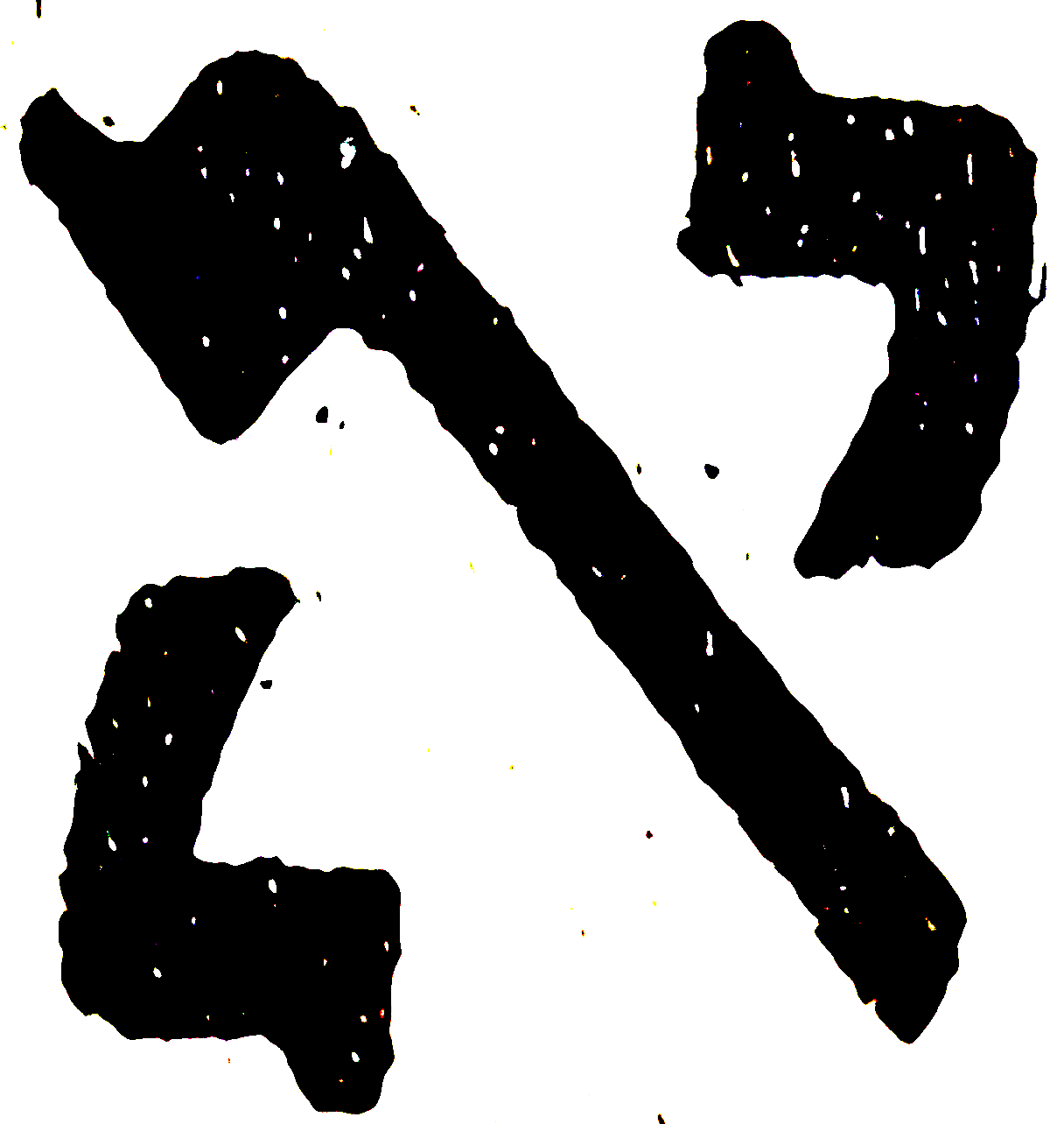
Before we explain the head of Ze’ir Anpin in its seven Tikkunim, and the nine Tikkunim of the holy beard, and the hairs of its head (קוֹדֶם שֶׁנְּבָאֵר הָרֹאשׁ שֶׁל זְעֵיר אַנְפִּין בְּז׳ תִּיקּוּנָיו, וְט׳ תִּיקּוּנָיו שֶׁל הַזָּקָן הַקָּדוֹשׁ, וְהַשְּׂעָרוֹת שֶׁל רֹאשׁוֹ), you must know that its head is made from harsh Dinim [Judgments] during the time of Katnut [Smallness] (צָרִיךְ אַתָּה לָדַעַת שֶׁרֹאשׁוֹ נַעֲשֶׂה מִדִּינִין תַּקִּיפִין בִּזְמַן הַקַּטְנוּת). And behold, it is fitting that you know (וְהִנֵּה רָאוּי שֶׁתֵּדַע), that all the grasp of the external forces comes from the Mochin of Katnut [Smallness] (כִּי כָּל אֲחִיזַת הַחִיצוֹנִים הֵם מִסּוֹד הַמּוֹחִין שֶׁל קַטְנוּת), which are the secret of Elohim and six Mochin (שֶׁהֵם סוֹד אֱלֹהִים וְשִׁשָּׁה מוֹחִין), and they are six Elohim (וְהֵם שִׁשָּׁה אֱלֹהִים), namely three Elohim from Abba and three Elohim from Imma (דְּהַיְנוּ שְׁלשָׁה אֱלֹהִים מֵאַבָּא וּשְׁלשָׁה אֱלֹהִים מֵאִמָּא), just as in Gadlut [Maturity] there are four Mochin and they become three Mochin in their Netzach, Hod, and Yesod (כְּמוֹ שֶׁבַּגַּדְלוּת הֵם ד׳ מוֹחִין וְנַעֲשֶׂה ג׳ מוֹחִין בְּנה״י שֶׁלָּהֶם), so it is in Katnut [Smallness] (כֵּן הוּא בַּקַּטְנוּת). And behold, from these Mochin the external forces draw sustenance (וְהִנֵּה הַמּוֹחִין הַלָּלוּ מֵהֶם יוֹנְקִים הַחִיצוֹנִים), and therefore it is proper to rectify these Mochin (וְלָכֵן רָאוּי לְתַקֵּן אֵלּוּ הַמּוֹחִין), and to draw down the Mochin of Gadlut [Maturity] (וּלְהַמְשִׁיךְ הַמּוֹחִין דְּגַדְלוּת), so that the external forces may be removed and abolished (כְּדֵי שֶׁיּוּסְרוּ וְיוּשְׁבְּתוּ הַחִיצוֹנִים), which is the secret of ten Havayot (שֶׁהוּא סוֹד י׳ הֲוָיוֹת): five Chesedim and five Gevurot (ה׳ חֲסָדִים וְה׳ גְּבוּרוֹת), through which the Klipot are cut off from their grasp and subdued (שֶׁמֵּהֶם נִכְרָתִים מֵאֲחִיזָתָם וְנִכְנָעִים הַקְּלִיפּוֹת). And likewise the Mochin of the Nukvah are also from the secret of the Name Elohim (וְכֵן גַּם כֵּן מוֹחִין דְּנוּקְבָא הֵם גַּם כֵּן מִסּוֹד שֵׁם אֱלֹהִים), and at times when the Klipot take hold of it (וְלִפְעָמִים כְּשֶׁהַקְּלִיפּוֹת אוֹחֲזִים בּוֹ), even the Name Elohim is not complete (אֲפִלּוּ שֵׁם אֱלֹהִים אֵינוֹ שָׁלֵם), for the two letters Yod-Heh become covered and concealed from the Name Elohim (כִּי שְׁתֵּי אוֹתִיּוֹת י״ה הֵם מִתְכַּסִּים וְנֶעְלָמִים מִשֵּׁם אֱלֹהִים), and there remains Ilem [Mute] (וְנִשְׁאָר אִלֵּם), who speaks nothing, as it were (שֶׁאֵינוֹ מְדַבֵּר כְּלוּם כִּבְיָכוֹל), and neither sings nor ascends in song (וְאֵינוֹ מְשׁוֹרֵר וְאֵינוֹ עוֹלֶה בְּשִׁיר), for “while they sing, they journey” (כִּי בְּעוֹדָם מְשׁוֹרְרִים מַהֲלָכִים). And all His speech (וְכָל דִּבּוּרוֹ), is the secret of the Mayin Nukvin [Feminine Waters] of the learning of those below (הוּא סוֹד מַיִן נוּקְבִין שֶׁל לִמּוּד הַתַּחְתּוֹנִים), when He says: “My son so-and-so says thus” (בְּאוֹמְרוֹ פְּלוֹנִי בְּנִי אוֹמֵר כָּךְ). And this is the secret of what our Sages said in Tractate Eruvin (וְזֶהוּ סוֹד שֶׁאָמְרוּ חֲזַ״ל בְּמַסֶּכֶת עֵרוּבִין): “These and these are the words of the Living Elohim” (אֵלּוּ וְאֵלּוּ דִּבְרֵי אֱלֹהִים חַיִּים) (Eruvin 13b), the words of those who prohibit and those who permit (דִּבְרֵי הָאוֹסְרִין וְהַמַּתִּירִין). The Blessed Name says (אוֹמֵר הַשֵּׁם יִתְבָּרַךְ): “My son Yonatan says thus; My son Elazar says thus” (יוֹנָתָן בְּנִי כָּךְ הוּא אוֹמֵר, אֶלְעָזָר בְּנִי כָּךְ הוּא אוֹמֵר) (Gittin 56a). But nevertheless, the halakhah follows Beit Hillel (אֲבָל מִכָּל מָקוֹם הֲלָכָה כְּבֵית הִלֵּל), and since the intention of Beit Shammai was for the sake of Heaven just like Beit Hillel (כֵּיוָן שֶׁכַּוָּנַת בֵּית שַׁמַּאי לְשֵׁם שָׁמַיִם כְּמוֹ בֵּית הִלֵּל), it is fitting for the Holy One Blessed Be He to bring it forth from the mouth (רָאוּי לְהַקב״ה לְהוֹצִיאוֹ מִן הַפֶּה), because they are Mayin Nukvin [Feminine Waters] (לִהְיוֹתָם מַיִן נוּקְבִין). And this is the secret of speech and song (וְזֶהוּ סוֹד דִּבּוּר וְשִׁירָה), and it is the meaning of the verse: “I became mute in silence” (וְהוּא כַּוָּנַת הַפָּסוּק נֶאֱלַמְתִּי דוּמִיָּה) (Psalms 39:3). Its meaning is (פֵּירוּשׁ), that when it is silence (כַּאֲשֶׁר הוּא דוּמִיָּה), which is Dom [silence] Y-H (שֶׁהוּא דּוֹם יָ״ה), namely that the letters Yod-Heh of Elohim (שֶׁאוֹתִיּוֹת יָ״ה מֵאֱלֹהִים), are silent and not revealed because of the external forces (דּוֹמְמִים וְאֵינָם מִתְגַּלִּים בִּשְׁבִיל הַחִיצוֹנִים), then “I became mute” (אָז נֶאֱלַמְתִּי), and from Elohim there remains Ilem [Mute] (וְנִשְׁאָר מֵאֱלֹהִים אִלֵּם). And especially now, in our present exile (וּבִפְרָט עַתָּה בְּגָלוּתֵנוּ שֶׁאָנוּ בּוֹ), it is said: “I became mute in silence” (נֶאֱלַמְתִּי דוּמִיָּה) (Psalms 39:3), and Ze’ir Anpin has returned to its Katnut [Smallness] (וְחָזַר הַזְּעֵיר לְקַטְנוּתוֹ). And the matter is (וְהָעִנְיָן הוּא), that the entire essence of the Mochin and their root (שֶׁכָּל עִיקַּר הַמּוֹחַ וְשָׁרְשׁוֹ), is the Name Y-H within Elohim (הוּא שֵׁם יָ״ה שֶׁבֶּאֱלֹהִים), which are the Yesod of Yisrael Sava and the Yesod of Tevunah (שֶׁהֵם יְסוֹד יִשְׂרָאֵל סָבָא וִיסוֹד תְּבוּנָה), which are the secret of the Name Y-H (שֶׁהֵם סוֹד שֵׁם יָ״ה), namely Yod is Abba and Heh is Imma (דְּהַיְנוּ יו״ד אַבָּא ה״א אִמָּא). And when these lamps and roots of the Mochin are removed (וּכְשֶׁיּוּסְרוּ נֵירֵי הֵן וְשָׁרְשֵׁי הַמּוֹחִין), there remains Ilem [Mute] (יִשָּׁאֵר אִלֵּם). And when the root of the Mochin, namely the Name Y-H, enters into Elohim (וְכַאֲשֶׁר יָבֹאוּ שֹׁרֶשׁ הַמּוֹחִין שֵׁם יָ״ה מֵאֱלֹהִים), then the Name Elohim becomes somewhat rectified (אָז יִתֻּקַּן שֵׁם אֱלֹהִים קְצָת), and this is the first stage of enlargement of the simple Elohim (וְזֹאת הִיא הַהַגְדָּלָה הָרִאשׁוֹנָה שֶׁל אֱלֹהִים פָּשׁוּט). And afterward there must be a second enlargement (וְאַחַר כָּךְ צָרִיךְ הַגְדָּלָה שֵׁנִית), and this is to fill out the Name Elohim in its fillings (וְהוּא לְמַלֹּאת שֵׁם אֱלֹהִים בְּמִלּוּאָיו), which are with Yodin fillings (שֶׁהֵם בְּמִלּוּי יוּדִי״ן), and this is the Mochin of Chokhmah of Ze’ir Anpin in Katnut [Smallness] (שֶׁהוּא מוֹחַ חָכְמָה דִּזְעֵיר בְּקַטְנוּת), and Elohim filled with Hehin is in its Binah (וֶאֱלֹהִים דְּהֵהִי״ן בְּבִינָה שֶׁלּוֹ), and Elohim filled with Alephin (וֶאֱלֹהִים בְּאַלְפִי״ן), is in the Mochin of Da’at (בְּמוֹחַ הַדַּעַת). And since within the Da’at of Ze’ir Anpin are included five Chesedim and five Gevurot (וּלְפִי שֶׁבְּדַעַת דִּזְעֵיר כְּלוּלִים ה׳ חֲסָדִים וְה׳ גְּבוּרוֹת), therefore its Aleph-filling has two forms (לָכֵן מִלּוּי אַלְפִי״ן שֶׁלּוֹ הָאַלֶ״ף יֵשׁ לָהּ שְׁנֵי צִיּוּרִים). The first (הָרִאשׁוֹן), is a Yod above and a Yod below, with a Vav in the middle, like this (יו״ד לְמַעְלָה וְיו״ד לְמַטָּה וָא״ו בְּאֶמְצָעָהּ כָּזֶה). Corresponding to the five Chesedim within it (כְּנֶגֶד ה׳ חֲסָדִים שֶׁבּוֹ), from the Name Elohim itself (מִשֵּׁם אֱלֹהִים עַצְמוֹ). And the second Aleph (וְהָאַלֶ״ף הַשֵּׁנִית), is a Yod above, a Vav in the middle, and a Dalet below, like this (יו״ד לְמַעְלָה וָא״ו בָּאֶמְצַע דָּלֶת לְמַטָּה כָּזֶה). Which corresponds to the Gevurah (שֶׁהִיא כְּנֶגֶד הַגְּבוּרָה), the secret of the Dalet (סוֹד הַדָּלֶ״ת), for she is poor and destitute (שֶׁהִיא דַּלָּה וַעֲנִיָּה), in the secret of: “Yehudah has gone into exile because of affliction” (בְּסוֹד גָּלְתָה יְהוּדָה מֵעֹנִי) (Lamentations 1:3). For the Dalet placed in the word Yehudah (לְפִי שֶׁהַדָּלֶ״ת נְתוּנָה בְּמִלַּת יְהוּדָה), between the Name Havayah (בֵּין שֵׁם הֲוָיָ״ה), is not for praise (לֹא לְשֶׁבַח), rather it alludes to exile (אֶלָּא מְרַמֶּזֶת הַגָּלוּת), for it is the diminution and deficiency of the moon (הוּא מִעוּט וְחֶסְרוֹן הַלְּבָנָה), and she ascends and descends together with Israel (וְהִיא עוֹלָה וְיוֹרֶדֶת עִם יִשְׂרָאֵל). And likewise the Holy One Blessed Be He (וְכֵן קב״ה), as it is said: “I am with him in distress” (שֶׁנֶּאֱמַר עִמּוֹ אָנֹכִי בְצָרָה) (Psalms 91:15). And likewise the secret of the verse: “For you are Gerim and sojourners with Me” (וְכֵן סוֹד הַפָּסוּק כִּי גֵרִים וְתוֹשָׁבִים אַתֶּם עִמָּדִי) (Leviticus 25:23). And it is said (וְנֶאֱמַר): “And He is bound in chains within every exile of Jerusalem” (וְהוּא אָסוּר בַּאֲזִקִּים בְּתוֹךְ כָּל גָּלוּת יְרוּשָׁלַיִם) (Jeremiah 40:1).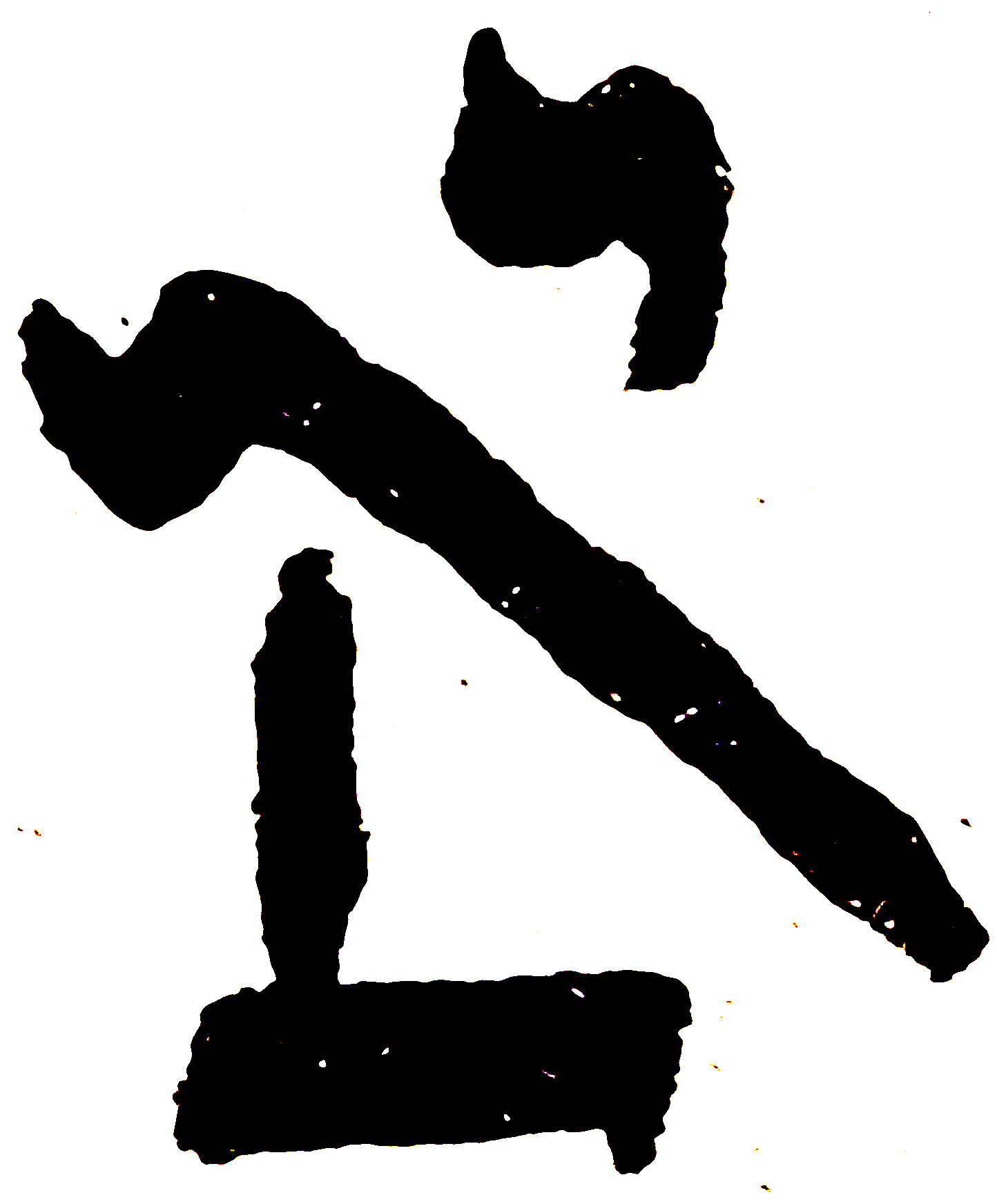
And let us return to our subject (וְנַחֲזוֹר לְעִנְיָינֵינוּ), in this Da’at that we have mentioned (בְּדַעַת הַזֶּה שֶׁאָמַרְנוּ), there is an attachment of the Klipot (יֵשׁ אֲחִיזַת הַקְּלִיפּוֹת), the secret of Chametz [Leaven] and Se’or [Leavening] of Pesach (סוֹד חָמֵץ וּשְׂאוֹר שֶׁל פֶּסַח), for they are in the aspect of Gevurah (שֶׁהֵם בְּסוֹד הַגְּבוּרָה), because the Name Elohim has the numerical value of Se’or [Leavening] (כִּי שֵׁם אֱלֹהִים עוֹלֶה שְׂאֹר), namely in its Yodin filling it equals Shin (דְּהַיְנוּ בְּמִלּוּי יוּדִי״ן עוֹלֶה ש׳), and in its squaring it equals Resh [200] (וּבְרִבּוּעוֹ ר׳), and the Aleph corresponds to the Name Elohim itself (וְהָאַלֶ״ף הִיא כְּנֶגֶד שֵׁם אֱלֹהִים עַצְמוֹ), and Se’or [Leavening] in the Torah is written without a Vav (וּשְׂאֹר הוּא בַּתּוֹרָה חָסֵר וא״ו). And for this reason (וְלָזֶה), on Pesach we are careful not to eat either Se’or [Leavening] or Chametz [Leaven] (בְּפֶסַח אָנוּ זְהִירִין שֶׁלֹּא לֶאֱכֹל לֹא שְׂאוֹר וְלֹא חָמֵץ), so that the external forces may not rule (כְּדֵי שֶׁלֹּא יִשְׁלְטוּ הַחִיצוֹנִים), because the nourishment is from the Mochin of Katnut [Smallness] (מִפְּנֵי שֶׁהַיְנִיקָה הִיא בְּמוֹחִין שֶׁל קַטְנוּת), and one must likewise guard against the Dinim [Judgments] (וְצָרִיךְ לְהִשָּׁמֵר גַּם כֵּן מִדִּינִים), so that they will have no grasp whatsoever (שֶׁלֹּא יִהְיֶה לָהֶם שׁוּם אֲחִיזָה). Therefore wicked Pharaoh knew nothing of the Name Havayah (לָכֵן פַּרְעֹה הָרָשָׁע לֹא הָיָה יוֹדֵעַ כְּלוּם מִשֵּׁם הֲוָיָ״ה), throughout all the days of the Egyptian exile (כָּל יְמֵי גָּלוּת מִצְרַיִם), because the Mochin of Gadlut [Maturity] had not yet come (שֶׁלֹּא בָאוּ מוֹחֵי גַדְלוּת), and even the holy Name Elohim (וַאֲפִלּוּ שֵׁם אֱלֹהִים הַקָּדוֹשׁ), required rectification (הָיָה צָרִיךְ תִּיקּוּן), in the secret of the Domiyah [Silence] of Elohim (בְּסוֹד דוּמִיָּ״ה שֶׁל אֱלֹהִי״ם). And therefore there was the strengthening of the Dinim [Judgments] (וְלָכֵן הָיְתָה תַּגְבֹּרֶת הַדִּינִין), and the exile of harsh servitude (וְגָלוּת קֹשִׁי הַשִּׁעְבּוּד), and for this reason he said: “Who is Hashem that I should heed His voice?... I do not know Hashem” (וְלָזֶה אָמַר מִי י״י אֲשֶׁר אֶשְׁמַע בְּקֹלוֹ... לֹא יָדַעְתִּי אֶת י״י) (Exodus 5:2), for this Name would have weakened his heart (כִּי זֶה הַשֵּׁם הָיָה מַחְלִישׁ אֶת לִבּוֹ), and from Yosef the Tzaddik he heard only the Name Elohim (שֶׁלֹּא שָׁמַע מִיּוֹסֵף הַצַּדִּיק רַק שֵׁם אֱלֹהִים), and afterward, against his will, he acknowledged: “Hashem is the Tzaddik” (וְאַחַר כָּךְ בַּעַל כָּרְחוֹ הוֹדָה י״י הַצַּדִּיק) (Exodus 9:27), as I shall explain in the order of Pesach, with the help of Heaven (כַּאֲשֶׁר אֲבָאֵר בְּסֵדֶר שֶׁל פֶּסַח בְּסִיַּעְתָא דִּשְׁמַיָּא). However (אָמְנָם), the Name Ehyeh of Imma also descends together with the Mochin of Gadlut [Maturity] (גַּם שֵׁם אֶהְיֶ״ה דְּאִמָּא יוֹרְדִים עִם מוֹחֵי גַדְלוּת), but during Katnut [Smallness] only their fillings descend (אַךְ בְּקַטְנוּת אֵינָם יוֹרְדִים רַק הַמִּלּוּאִים שֶׁלָּהֶם), without the root letters (בִּלְתִּי אוֹתִיּוֹת הַשֹּׁרֶשׁ). But the Nukvah of Ze’ir Anpin possesses Mochin of Elohim (אַךְ נוּקְבָא דְּז״א יֵשׁ לָהּ מוֹחֵי אֱלֹהִים), and they take with them the Panim [Face] of Ehyeh (וְלוֹקְחוֹת עִמָּהּ פָּנִים שֶׁל אֶהְיֶ״ה), namely BVKHV (דְּהַיְנוּ בוכ״ו), and not Ehyeh itself (וְלֹא אֶהְיֶ״ה עַצְמָהּ).
And you must know (וְצָרִיךְ שֶׁתֵּדַע), that there is blood of vitality and pure blood, and blood of Niddot , and bloods of birth and immersion (כִּי יֵשׁ דַּם חַיּוּת וְדַם טָהוֹר, וְדַם נִידּוֹת וּדְמֵי לֵידָה וּטְבִילָה). And the matter is (וְהוּא), that in Ze’ir Anpin (בְּז״א) there are five Chesedim and five Gevurot (יֵשׁ ה׳ חֲסָדִים וְה׳ גְּבוּרוֹת), and there are ten Havayot (וְיֵשׁ י׳ הֲוָיוֹת) and ten Names of Ehyeh (וְיֵשׁ י׳ שֵׁמוֹת אֶהְיֶ״ה). All the Names of Ehyeh are in Binah (כָּל שֵׁמוֹת אֶהְיֶ״ה הֵם בְּבִינָה), and in Chokhmah are the Havayot (וּבְחָכְמָה הֵם הַהֲוָיוֹת). And when these Chesedim are in the Da’at of Ze’ir Anpin (וּכְשֶׁאֵלּוּ הַחֲסָדִים בְּדַעַת זְעֵיר אַנְפִּין), they are all one (הֵם הַכֹּל־אֶחָד), and when they come and descend below into the throat (וּכְשֶׁבָּאִים וְיוֹרְדִים לְמַטָּה בַּגָּרוֹן), each one is by itself (הֵם כָּל אֶחָד לְבַדּוֹ). And you already know (וּכְבָר יָדַעְתָּ), that the Name M"H is in Ze’ir (שֶׁשֵּׁם מ״ה הוּא בִּזְעֵיר), and within it are three Alephs (וְיֵשׁ בּוֹ ג׳ אַלְפִין), an allusion to three Ehyehs (רֶמֶז לִשְׁלֹשָׁה אֶהְיֶ״ה), which equal the Name S"G (הָעוֹלִים שֵׁם ס״ג), within which are three thirds (שֶׁבּוֹ ג׳ שְׁלִישִׁים). And the Yod of the Name is in the head of Ze’ir Anpin (וְהִנֵּה הַיוּ״ד שֶׁל שֵׁם הוּא בְּרֹאשׁ זְעֵיר אַנְפִּין), and the Heh, when the Chesedim and Gevurot descend through the throat (וְהַהֵ״י כְּשֶׁיּוֹרְדִים הַחֲסָדִים וְהַגְּבוּרוֹת דֶּרֶךְ הַגָּרוֹן), and there the Name Ehyeh, which is the Name, gives the blood of vitality to the right and left arms (וְשֵׁם אֶהְיֶ״ה שֶׁהוּא שֵׁם, נוֹתֵן דַּם הַחַיּוּת לַזְּרוֹעוֹת יָמִין וּשְׂמֹאל). And you know (וְיָדַעְתָּ), that the Name Ehyeh, simple, doubled, tripled, and quadrupled, equals Dam [blood] (שֶׁשֵּׁם שֶׁל אֶהְיֶ״ה פָּשׁוּט כָּפוּל מְשֻׁלָּשׁ מְרֻבָּע עוֹלֶה דָּ״ם), thus (כָּזֶה): Aleph, Aleph-Heh, Aleph-Heh-Yod, Ehyeh (א׳ א״ה אה״י אֶהְיֶ״ה), equals Dam [blood] (עוֹלֶה דָּם). And also the Name Havayah in Alephin filling (וְגַם שֵׁם הֲוָיָ״ה בְּמִלּוּי אַלְפִין), thus: Yod-Heh-Vav-Heh (כָּזֶה יו״ד ה״א ו״ו ה״א), when you remove one Aleph from the Vav of this Havayah (כְּשֶׁתָּסִיר א׳ אַחַת שֶׁל ו״ו מִן הֲוָיָ״ה הַזֹּאת), what remains equals Dam [blood] (נִשְׁאָר בְּמִנְיַן דָּם). And this is the secret of the verse (וְזֶהוּ סוֹד הַפָּסוּק): “Whoever sheds the blood of man, by man shall his blood be shed” (שֹׁפֵךְ דַּם הָאָדָם בָּאָדָם דָּמוֹ יִשָּׁפֵךְ) (Genesis 9:6), in the secret of the Tikkun of Yitzchak, who was bound upon the altar (בְּסוֹד תִּיקּוּן יִצְחָק שֶׁנֶּעֱקַד עַל גַּבֵּי הַמִּזְבֵּחַ), to rectify the sin of bloodshed of Ze’ir Anpin (לְתַקֵּן עֲוֹן שְׁפִיכוּת דָּמִים שֶׁל זְעֵיר אַנְפִּין), which Adam haRishon blemished (שֶׁפָּגַם אָדָם הָרִאשׁוֹן).
And know (וְדַע), that from the Name Ehyeh on the side of the Chesedim comes pure blood (כִּי מִשֵּׁם אֶהְיֶ״ה שֶׁמִּצַּד הַחֲסָדִים הוּא דָּם טָהוֹר), and the Name Ehyeh on the side of the Gevurot is the secret of blood of Niddot (וְשֵׁם אֶהְיֶ״ה שֶׁמִּצַּד הַגְּבוּרוֹת הוּא סוֹד דַּם נִידּוֹת), for you already know from the Gate of Abba and Imma (כִּי כְּבָר יָדַעְתָּ בְּשַׁעַר אַבָּא וְאִמָּא), that there are five Ehyehs on the side of the Chesedim and five Ehyehs on the side of the Gevurot (שֶׁיֵּשׁ ה׳ אֶהְיֶ״ה מִצַּד הַחֲסָדִים וְה׳ אֶהְיֶ״ה מִצַּד הַגְּבוּרוֹת). The five Ehyehs of the Chesedim are from the side of Abba (ה׳ אֶהְיֶ״ה שֶׁל חֲסָדִים הֵם מִצַּד אַבָּא), and the five Ehyehs of the Gevurot are from the side of Imma (וְה׳ אֶהְיֶ״ה שֶׁל גְּבוּרוֹת הֵם מִצַּד אִמָּא), and therefore you find five kinds of impure bloods in a woman corresponding to the five Gevurot (וְלָזֶה תִּמְצָא שֶׁחָמֵשׁ מִינֵי דָּמִים טְמֵאִים בָּאִשָּׁה כְּנֶגֶד ה׳ גְּבוּרוֹת), and five kinds of appearances of pure bloods coming from the side of the Chesedim (וְה׳ מִינֵי מַרְאוֹת דָּמִים טְהוֹרִים הַבָּאִים מִצַּד הַחֲסָדִים). And from the Aleph of the first Heh of the Name M"H (וּבָאַלֶ״ף שֶׁל ה״א רִאשׁוֹנָה שֶׁבְּשֵׁם מ״ה), which is the covered third of the Ehyeh of Imma (שֶׁהוּא הַשָּׁלִישׁ הַמְכֻסֶּה שֶׁל אֶהְיֶ״ה דְּאִמָּא), the blood of vitality is drawn forth (נִמְשָׁךְ מִמֶּנּוּ דַּם הַחַיּוּת). And in the spreading of the Da’at below (וּבְהִתְפַּשְּׁטוּת הַדַּעַת לְמַטָּה), there comes the Aleph of the middle of the Vav of the Name M"H (וּבָא הָאַלֶ״ף שֶׁל אֶמְצַע הַוא״ו שֶׁבְּשֵׁם מ״ה), which is the covered third where the Yesod of Imma terminates (שֶׁהוּא הַשָּׁלִישׁ הַמְכֻסֶּה שֶׁשָּׁם סִיּוּם יְסוֹד אִמָּא), and the five Chesedim and the five Gevurot emerge in a revealed state (וְיוֹצְאִים הַה׳ חֲסָדִים וְהַה׳ גְּבוּרוֹת בְּגִלּוּי), for there the Klipot have a grasp (שֶׁשָּׁם יֵשׁ אֲחִיזָה לַקְּלִיפּוֹת). For as long as they are covered within the Yesod of Imma (כִּי כָּל עוֹד שֶׁהֵם מְכֻסִּים בִּיסוֹד אִמָּא), the Klipot have no ability to take hold there (אֵין לַקְּלִיפּוֹת יְכֹלֶת לֶאֱחֹז שָׁם), and “he who increases knowledge increases pain” (וְיוֹסִיף דַּעַת יוֹסִיף מַכְאוֹב) (Ecclesiastes 1:18), for the Da’at above, when it is covered, the Klipot have no grasp there (כִּי הַדַּעַת לְמַעְלָה כְּשֶׁהוּא מְכֻסֶּה אֵין אֲחִיזָה לַקְּלִיפּוֹת שָׁם), and when it spreads downward and emerges from the Yesod of Imma (וּכְשֶׁמִּתְפַּשֵּׁט לְמַטָּה וְיוֹצֵא מִיסוֹד אִמָּא), they have a grasp (יֵשׁ לָהֶם אֲחִיזָה), and from there come the five impure bloods and the five pure bloods (וּמִשָּׁם הֵם ה׳ דָּמִים טְמֵאִים וְה׳ דָּמִים טְהוֹרִים). And when the final Aleph of the Name M"H arrives (וּכְשֶׁבָּא הָאַלֶ״ף הָאַחֲרוֹנָה שֶׁבְּשֵׁם [מ״ז] [מ״ה]), namely that it gives the five Chesedim and the five Gevurot to Rachel (הַיְנוּ שֶׁנּוֹתֵן ה׳ חֲסָדִים וְה׳ גְּבוּרוֹת לְרָחֵל), then from the side of the Chesedim it is drawn and called Dam Tohar [blood of purity] (וּמִצַּד הַחֲסָדִים נִמְשָׁךְ וְנִקְרָא דַּם טֹהַר), and from the side of the Gevurot, Dam Niddot [blood of menstrual impurity] (וּמִצַּד הַגְּבוּרוֹת דַּם נִידּוֹת). And in this bitter exile (וּבַגָּלוּת הַמַּר הַזֶּה), and especially during the exile of Egypt (וּבִפְרָט בִּזְמַן גָּלוּת מִצְרַיִם), then the light of Ze’ir Anpin departed upward (אָז נִסְתַּלֵּק אוֹרוֹ שֶׁל ז״א לְמַעְלָה), and it was in the secret of Katnut [Smallness] (וְהָיָה בְּסוֹד קַטְנוּת), and the Klipot were taking hold opposite the nape of Ze’ir (וְהַקְּלִיפּוֹת הָיוּ נֶאֱחָזִים מִמּוּל עֹרֶף זְעֵיר), and Pharaoh their king is the letters of HaOref [the nape] (וּפַרְעֹה מַלְכָּם הוּא אוֹתִיּוֹת הָעֹרֶף). And behold, the three Elohim of Imma that we mentioned (וְהִנֵּה ג׳ אֱלֹהִים שֶׁל אִמָּא שֶׁאָמַרְנוּ), also descend to the throat (הֵם יוֹרְדִים גַּם כֵּן אֶל הַגָּרוֹן), which is a narrow place of judgment (אֲשֶׁר שָׁם מְקוֹם צַר שֶׁל דִּין), which does not allow the influx to emerge expansively (שֶׁאֵינוֹ מַנִּיחַ הַשֶּׁפַע לָצֵאת בְּרוֹחַב), and when the judgments prevail there, Heaven forbid (וּכְשֶׁהַדִּינִים גּוֹבְרִים שָׁם חַס וְשָׁלוֹם), then this is the secret of: “my throat is parched” (אָז הוּא סוֹד נִחַר גְּרוֹנִי) (Psalms 69:4), for the three Elohim (כִּי ג׳ אֱלֹהִים), equal Nachar [parched] (עוֹלִים נִחַר), and likewise Charan (וְכֵן חָרָן). And thus concerning Yaakov it is said: “and he went to Charan” (וְכֵן בְּיַעֲקֹב נֶאֱמַר וַיֵּלֶךְ חָרָנָה) (Genesis 28:10), for he placed himself into the hand of the exile of Egypt (שֶׁנָּתַן עַצְמוֹ בְּיַד גָּלוּת מִצְרַיִם), when he went outside the Land (בְּלֶכְתּוֹ חוּצָה לָאָרֶץ), for all were under the hand of Egypt (שֶׁכֻּלָּם הָיוּ תַּחַת יַד מִצְרַיִם), which ruled over the entire world (שֶׁמָּלְכָה בַּכִּיפָּה). And this is the meaning of: “wallowing in your bloods” (וְזֶהוּ אוֹמְרוֹ מִתְבּוֹסֶסֶת בְּדָמַיִךְ) (Ezekiel 16:6), and its explanation is (וּפֵירוּשׁ), amidst the Klipot (מִתּוֹךְ הַקְּלִיפּוֹת), which are called “wallowing in your bloods” (שֶׁנִּקְרָאִים מִתְבּוֹסֶסֶת בְּדָמַיִךְ), namely Dam Niddot [blood of menstrual impurity] and Dam Tohar [blood of purity] (דַּם נִידּוֹת וְדַם טֹהַר). And when Israel left Egypt (וְכַאֲשֶׁר יָצְאוּ יִשְׂרָאֵל מִמִּצְרַיִם), the blood ceased (נִפְסַק הַדָּם), and the Chesedim and Gevurot began to descend from the throat and below (וְהִתְחִילוּ הַחֲסָדִים וְהַגְּבוּרוֹת לֵירֵד מִן הַגָּרוֹן וּלְמַטָּה). And when the two surrounding lights arrived (וּכְשֶׁבָּאוּ שְׁנֵי אוֹרוֹת מַקִּיפִין), they bring down the five Chesedim from the Yesod of Binah (מוֹרִידִין הַה׳ חֲסָדִים מִיסוֹד שֶׁל בִּינָה), which is the third of Tiferet of Ze’ir Anpin (שֶׁהוּא שְׁלִישׁ ת״ת דְּז״א), and in order to bring down the Gevurot, a surrounding light is also required (וְגַם לְהוֹרִיד הַגְּבוּרוֹת צָרִיךְ אוֹר מַקִּיף).
It follows (נִמְצָא), that for the Chesedim and the Gevurot, each has two surrounding lights (שֶׁהַחֲסָדִים וְהַגְּבוּרוֹת לְכָל אֶחָד יֵשׁ לוֹ שְׁנֵי אוֹרוֹת מַקִּיפִין), namely for the five Chesedim one surrounding light (דְּהַיְנוּ לַה׳ חֲסָדִים מַקִּיף אֶחָד), and for the five Gevurot one surrounding light (וְלַה׳ גְּבוּרוֹת מַקִּיף אֶחָד), making seven for the Chesedim and seven for the Gevurot (שֶׁהֵם ז׳ לַחֲסָדִים וְז׳ לַגְּבוּרוֹת), totaling fourteen (הֵם י״ד), and another fourteen for Leah and Rachel (וְגַם י״ד אֲחֵרִים לְלֵאָה וּלְרָחֵל), and fourteen for Yaakov (וְי״ד לְיַעֲקֹב), and the seven Gevurot that Rachel receives (וְז׳ גְּבוּרוֹת שֶׁמְּקַבֶּלֶת רָחֵל), together amount to forty-nine days (הֵם בֵּין הַכֹּל מ״ט יוֹם), which are seven weeks (שֶׁהֵם ז׳ שָׁבוּעוֹת). The conclusion that emerges from this is (כְּלָל הָעוֹלֶה מִזֶּה), that the head of Ze’ir Anpin and its hairs and its throat (שֶׁרֹאשׁוֹ שֶׁל זְעֵיר וּשְׂעָרוֹתָיו וְהַגָּרוֹן שֶׁלּוֹ), were built from many judgments (נִבְנוּ מִדִּינִים רַבִּים), as I shall explain (כַּאֲשֶׁר אֲבָאֵר), and not like the Chesedim of the head of Arich Anpin (וְלֹא כְּמוֹ חַסְדֵי רֹאשׁוֹ שֶׁל אֲרִיךְ אַנְפִּין). Therefore the forehead of Ze’ir Anpin is called “the powerful forehead, master of victorious battles” (וְלָכֵן נִקְרָא מִצְחוֹ שֶׁל זְעֵיר אַנְפִּין מִצְחָא תַּקִּיפָא מָארֵי נְצַח קְרָבִין), as it is said: “Hashem shall go forth like a mighty man, like a man of war He shall arouse zeal; He shall shout, indeed He shall cry aloud, He shall prevail against His enemies” (ה׳ כַּגִּבּוֹר יֵצֵא כְּאִישׁ מִלְחָמוֹת יָעִיר קִנְאָה יָרִיעַ אַף יַצְרִיחַ עַל אוֹיְבָיו יִתְגַּבָּר) (Isaiah 42:13). And were it not for the Mochin of Gadlut [Maturity] of Havayah (וְאִלְמָלֵא הַמּוֹחֵי גַדְלוּת שֶׁל הֲוָיָ״ה), it would be impossible for the world to endure (אִי אֶפְשָׁר לָעוֹלָם לְהִתְקַיֵּם), and when the three Names of Havayah come to the three Elohim of Imma (וְכֵיוָן שֶׁבָּאוּ שְׁלֹשָׁה שֵׁמוֹת הֲוָיָ״ה אֶל הַשְּׁלֹשָׁה אֱלֹהִים דְּאִמָּא), they have the numerical value of Shalv [tranquility] (הֵם בְּגִימַטְרִיָּא של״ו)p1-0, and then Ze’ir Anpin dwells in peace and tranquility (וְאָז זְעֵיר יוֹשֵׁב בְּשָׁלוֹם וּבְשַׁלְוָה). For because of the abundance of the harsh Dinim [Judgments] (כִּי מִפְּנֵי רֹב הַדִּינִין תַּקִּיפִין), all the worlds, Heaven forbid, are in sorrow and sighing (כָּל הָעוֹלָמוֹת חַס וְשָׁלוֹם בְּיָגוֹן וַאֲנָחָה), and then Ze’ir Anpin laments and says: “I was at ease, but He shattered me” (וְאָז מְקוֹנֵן זְעֵיר אַנְפִּין וְאוֹמֵר שָׁלוֹ הָיִיתִי וַיְפַרְפְּרֵנִי) (Job 16:12), for MNTZPKH twice over has the numerical value of Parpar [fluttering/shattering] (שֶׁהוּא מנצפ״ך ב׳ פְּעָמִים עוֹלֶה פַּרְפַּר), one of the rivers of Damascus (אֶחָד מִנַּהֲרוֹת דַּמֶּשֶׂק), and it is the doubling of the Dinim [Judgments], may the Merciful One save us (וְהוּא כֶּפֶל הַדִּינִין רַחֲמָנָא לִצְלַן), and the Dinim [Judgments] are sweetened only in their root (וְהַדִּינִין אֵינָן נִמְתָּקִים אֶלָּא בְּשָׁרְשָׁם). For as long as they spread out, Heaven forbid (כִּי כָּל זְמַן שֶׁהֵם מִתְפַּשְּׁטִין חַס וְשָׁלוֹם), the external forces take hold of them (נֶאֱחָזִים בָּהֶם הַחִיצוֹנִים), and they are evil (וְהֵם רָעִים), and when You uproot them and the Thirteen Attributes of Arich Anpin illuminate within them (וּכְשֶׁתְּשָׁרְשֵׁם וְיָאִיר בָּהֶם י״ג מְכִילִין דַּאֲרִיךְ), then they become nullified and sweetened (אָז הֵם מִתְבַּטְּלִים וְנִמְתָּקִים). And especially when the time of their dominion arrives (וּבִפְרָט כְּשֶׁמַּגִּיעַ זְמַן שְׁלִיטָתָם), namely toward evening (דְּהַיְנוּ לְעֵת עֶרֶב), “there creep all the beasts of the forest” (בּוֹ תִּרְמֹשׂ כָּל חַיְתוֹ יָעַר) (Psalms 104:20), namely at the time of Minchah and Arvit (דְּהַיְנוּ [בִּזְמַן] מִנְחָה וְעַרְבִית), two drops of Dinim [Judgments] fall below (נוֹפְלִין שְׁתֵּי טִפֵּי דִינִין לְמַטָּה), kindling the fire of Gehinnom (הַמַּדְלִיקִים אֵשׁ הַגֵּיהִנֹּם), and the wicked are judged (וְהָרְשָׁעִים נִדּוֹנִין), and we must pray for them (וּצְרִיכִים אָנוּ לְהִתְפַּלֵּל עֲלֵיהֶם), “And He, being compassionate, forgives iniquity and does not destroy” (וְהוּא רַחוּם יְכַפֵּר עָוֹן וְלֹא יַשְׁחִית) (Psalms 78:38), “…and He does not arouse all His wrath” (וְלֹא יָעִיר כָּל חֲמָתוֹ) (Psalms 78:38). And from the two drops of Dinim [Judgments] come P"R [280] of MNTZPKH (וּמִשְּׁנֵי טִפִּין דִּינִין הֵם פ״ר דְּמנצפ״ך), together with three hundred and twenty-five Dinim [Judgments] of Na’ar [Youth] and Na’arah [Maiden] (עִם שכ״ה דִּינִין שֶׁל נַעַר נַעֲרָה), and woe to the one who encounters them (וְאוֹי לוֹ לְמִי הַפּוֹגֵעַ בָּהֶם). And for this reason Yitzchak instituted Minchah (וְלָזֶה תִּקֵּן יִצְחָק מִנְחָה), and Yaakov instituted Arvit (וְיַעֲקֹב עַרְבִית), and during the time of the dominion of the Dinim [Judgments] (וּבִזְמַן שְׁלִיטַת הַדִּינִין), every Tzaddik [Righteous One] should conceal himself (יַסְתִּיר כָּל צַדִּיק אֶת עַצְמוֹ), and grieve over the exile (וְיִדְאַג עַל הַגָּלוּת), and especially on Monday (וּבִפְרָט בְּיוֹם שֵׁנִי), which corresponds to the attribute of Gevurah of Ze’ir Anpin (שֶׁהוּא כְּנֶגֶד מִדַּת הַגְּבוּרָה שֶׁל זְעֵיר), in which Ashmedai and his company prosecute (שֶׁבּוֹ מְקַטְרֵג אַשְׁמְדַּאי וְסִיעָתוֹ), and he has permission to destroy the enemies of Israel (וְיֵשׁ לוֹ רְשׁוּת לְחַבֵּל שׂוֹנְאֵי יִשְׂרָאֵל), upon whomever is proclaimed against in Heaven (עַל מִי שֶׁמַּכְרִיזִין עָלָיו בָּרָקִיעַ). And on the fifth day, which corresponds to Hod (וּבְיוֹם חֲמִישִׁי שֶׁהוּא כְּנֶגֶד הוֹד), within which the ministering angel of Esav prosecutes (שֶׁבּוֹ מְקַטְרֵג שָׂרוֹ שֶׁל עֵשָׂו), and on these days sit in judgment the Supernal Court and the lower court (וּבָהֶם יוֹשְׁבִין בְּמִשְׁפָּט בֵּית דִּין עֶלְיוֹן וְתַחְתּוֹן), to maintain the visitation (לְהַתְמִיד הַפְּקִידָה), as it is said: “And You visit him every morning, every moment You examine him” (שֶׁנֶּאֱמַר וַתִּפְקְדֶנּוּ לִבְקָרִים לִרְגָעִים תִּבְחָנֶנּוּ) (Job 7:18).
And let us return to our subject (וְנַחֲזוֹר לְעִנְיָינֵינוּ), on Monday and Thursday sit in judgment the Supernal Court and the lower court (בְּיוֹם שֵׁנִי וַחֲמִישִׁי יוֹשְׁבִין בְּמִשְׁפָּט בֵּית דִּין עֶלְיוֹן וְתַחְתּוֹן), to maintain the visitation and the examination (לְהַתְמִיד הַפְּקִידָה וְהַבְּחִינָה), as it is said: “And You visit him every morning, and every moment You examine him” (שֶׁנֶּאֱמַר וַתִּפְקְדֶנּוּ לִבְקָרִים וְלִרְגָעִים תִּבְחָנֶנּוּ) (Job 7:18). For just as there are hours in the day that are judgment, and hours that are mercy (כַּאֲשֶׁר יֵשׁ שָׁעוֹת בַּיּוֹם שֶׁהֵם דִּין, וְיֵשׁ שָׁעוֹת שֶׁל רַחֲמִים), so too the days have angels appointed over them, evil and good (לָכֵן הַיָּמִים, וּמַלְאָכִים מְמֻנִּים עֲלֵיהֶם רָעִים וְטוֹבִים), and likewise the months (וְכֵן הַחֳדָשִׁים), and I shall explain them in their place (וּבִמְקוֹמָם אֲבָאֲרֵם). And this is very necessary for those practitioners who work with Names (וְהוּא צָרִיךְ מְאֹד לְאוֹתָם הַפּוֹעֲלִים בַּשֵּׁמוֹת), to know which hour, and which day, and which month (לֵידַע אֵיזֶה שָׁעָה, וְאֵיזֶה יוֹם, וְאֵיזֶה חֹדֶשׁ), whether for a good operation, or for an evil operation, may the Merciful One save us (הֵן לִפְעֻלָּה טוֹבָה, הֵן לִפְעֻלָּה רָעָה, רַחֲמָנָא לִצְלַן). And this is what King Solomon, peace be upon him, said (וְזֶהוּ שֶׁאָמַר שְׁלֹמֹה הַמֶּלֶךְ עָלָיו הַשָּׁלוֹם): “For everything there is a season, and a time for every purpose under the heavens” (לַכֹּל זְמָן וְעֵת לְכָל חֵפֶץ תַּחַת הַשָּׁמָיִם) (Ecclesiastes 3:1), which is the Nukvah of Ze’ir Anpin (שֶׁהוּא נוּקְבֵיהּ דְּז״א), and not above the heavens (וְלֹא לְמַעְלָה [מֵהַשָּׁמַיִם]). And likewise he said (וְכֵן אָמַר): “A time to be born and a time to die” (עֵת לָלֶדֶת וְעֵת לָמוּת) (Ecclesiastes 3:2), fourteen good times and fourteen evil times (י״ד עִתִּים טוֹבִים, י״ד עִתִּים רָעִים), fourteen days in which the moon is full (י״ד יָמִים שֶׁהַלְּבָנָה בִּמְלוֹאָהּ), and fourteen days in which the moon is diminished (וְי״ד יָמִים שֶׁהַלְּבָנָה בְּחֶסְרוֹנָהּ), and likewise the judgment of visitation and examination (וְכֵן הַדִּין שֶׁל הַפְּקִידָה וְהַבְּחִינָה). And a person is judged every day (וְאָדָם נִדּוֹן בְּכָל יוֹם), if he does not return in Teshuvah [Repentance] (אִם אֵינוֹ חוֹזֵר בִּתְשׁוּבָה), for the Holy One Blessed Be He waits to see whether he will return in Teshuvah [Repentance] (כִּי הַקָּדוֹשׁ בָּרוּךְ הוּא מְחַכֶּה אִם יַחֲזוֹר בִּתְשׁוּבָה), in order to nullify the decree that was decreed upon him on the previous Rosh Hashanah (לְבַטֵּל הַגְּזֵרָה שֶׁנִּגְזְרָה עָלָיו בְּרֹאשׁ הַשָּׁנָה שֶׁעָבַר), so that the Thirteen Attributes of Mercy of Arich Anpin will illuminate in Ze’ir Anpin (שֶׁיָּאִירוּ בִּזְעֵיר אַנְפִּין י״ג מִדּוֹת רַחֲמִים שֶׁל אֲרִיךְ אַנְפִּין), so that it too will possess thirteen, as I shall explain (שֶׁיִּהְיוּ לוֹ גַּם כֵּן י״ג כַּאֲשֶׁר אֲבָאֵר). And also the hairs of Arich Anpin, which are white (וְגַם הַשְּׂעָרוֹת שֶׁל אֲרִיךְ, שֶׁהֵם לְבָנִים), whiten the blackness of the hairs of Ze’ir Anpin (הֵם מַלְבִּינִים הַשַּׁחֲרוּת שֶׁל שַׂעֲרוֹת ז״א), and then it is said: “Though your sins be as scarlet, they shall become white as snow; though they be red like crimson, they shall become like wool” (אָז נֶאֱמַר אִם יִהְיוּ חֲטָאֵיכֶם כַּשָּׁנִים כַּשֶּׁלֶג יַלְבִּינוּ אִם יַאְדִּימוּ כַתּוֹלָע כַּצֶּמֶר יִהְיוּ) (Isaiah 1:18). And then certainly the wicked who afflict Israel are sweetened and do good to Israel (וְאָז בְּוַדַּאי הָרְשָׁעִים הַמְּצֵרִים לְיִשְׂרָאֵל נִמְתָּקִים וְעוֹשִׂים טוֹבָה לְיִשְׂרָאֵל). And if he is a great Chasid [Pious One] (וְאִם הוּא חָסִיד גָּדוֹל), all those who oppress him will convert (כָּל צוֹרְרָיו יִתְגַּיְּרוּ), such as Rabbi Yehudah heChasid, of blessed memory (כְּגוֹן ר׳ יְהוּדָה חָסִיד ז״ל), for whoever troubled him would convert (כָּל מִי שֶׁהָיָה מְצַעֲרוֹ הָיָה מִתְגַּיֵּיר), through the force of the mercy of his holiness, which sweetened all the Dinim [Judgments] (מִתֹּקֶף רַחֲמֵי קְדֻשָּׁתוֹ הַמְמַתֵּק אֶת כָּל הַדִּינִים). For he was among the crowns of that generation (כִּי הוּא הָיָה מִכִּתְרֵי אוֹתוֹ הַדּוֹר), and the world stood by his merit (וְהָעוֹלָם עָמַד בִּזְכוּתוֹ), and he fasted all his days (וְעָמַד בְּתַעֲנִית כָּל יָמָיו), even on the holy Shabbat (וַאֲפִלּוּ בְּיוֹם שַׁבָּת קֹדֶשׁ), because eating caused him distress (לְפִי שֶׁהָאֲכִילָה הָיְתָה מְצַעֶרֶת אוֹתוֹ), and fasting was a great delight for him (וְהַתַּעֲנִית הָיָה לוֹ עֹנֶג גָּדוֹל). And in any case, the judgment is completed (וְעַל כָּל פָּנִים הַדִּין נִשְׁלָם), upon the workers of iniquity, the people of Samael (בְּפוֹעֲלֵי אָוֶן עַמּוֹ שֶׁל סמא״ל), for he takes retribution upon her and upon her people (שֶׁהוּא נוֹטֵל לוּוָטִין עָלֶיהָ וְעַל עַמָּהּ), in the secret of: “At the time when the enemies of the Jews hoped to rule over them, it was turned about, that the Jews themselves ruled over those who hated them” (בְּסוֹד עֵת אֲשֶׁר שָׂבְרוּ אֹיְבֵי הַיְּהוּדִים לִשְׁלוֹט בָּהֶם וְנַהֲפוֹךְ הוּא אֲשֶׁר יִשְׁלְטוּ הַיְּהוּדִים הֵמָּה בְּשֹׂנְאֵיהֶם) (Esther 9:1).
For Samael is the supernal serpent (כִּי סמא״ל הוּא הַנָּחָשׁ הָעֶלְיוֹן), and he does not separate from his accusation (אֵינוֹ נִפְרָד מִקִּטְרוּגוֹ), except when death is completed, may the Merciful One save us (אֶלָּא עַד שֶׁנִּשְׁלָם הַמִּיתָה רַחֲמָנָא לִצְלַן), and through the repentance of a son of Israel (וּבִתְשׁוּבָתוֹ שֶׁל בַּר יִשְׂרָאֵל), he causes the judgment to be completed upon the people of the accuser (הוּא גּוֹרֵם שֶׁנִּשְׁלָם הַדִּין בְּעַמּוֹ שֶׁל הַמְקַטְרֵג), and he consumes from his own (וּמִדִּילֵיהּ יֵיכוּל). As it is said: “And I shall give Adam in your place” (שֶׁנֶּאֱמַר וְאֶתֵּן אָדָם תַּחְתֶּיךָ) (Isaiah 43:4), do not read Adam, but Edom (אַל תִּקְרֵי אָדָם אֶלָּא אֱדוֹם) (Berakhot 62b), “and nations in place of your soul” (וּלְאֻמִּים תַּחַת נַפְשֶׁךָ) (Isaiah 43:4), from the seed of the one of whom it is written: “and one nation shall prevail over another nation” (מִזַּרְעָא דְּהַהוּא דִּכְתִיב בֵּיהּ וּלְאֹם מִלְאֹם יֶאֱמָץ) (Genesis 25:23). And all this is: “Because you were precious in My eyes, honored” (וְכָל זֶה הוּא מֵאֲשֶׁר יָקַרְתָּ בְּעֵינַי נִכְבָּדְתָּ) (Isaiah 43:4), because you made yourself precious through repentance (שֶׁנִּתְיַקַּרְתָּ מֵעַצְמְךָ בִּתְשׁוּבָה), then there shall be fulfilled in you that which is said: “The fool folds his hands and consumes his own flesh” (יִתְקַיֵּים בְּךָ מַה שֶּׁנֶּאֱמַר הַכְּסִיל חֹבֵק אֶת יָדָיו וְאֹכֵל אֶת בְּשָׂרוֹ) (Ecclesiastes 4:5). And concerning this our Sages said (וְעַל זֶה אָמְרוּ חֲזַ״ל): “And it is a tradition that when one of them dies, the decree is annulled” (וְגָמִירִי מִית חַד מִנַּיְיהוּ בָּטִיל גְּזֵירָתָא) (Zohar Bamidbar 237a), for the serpent does not proceed with its accusation before the Heavenly Court (כִּי הַנָּחָשׁ אֵינָהּ הוֹלֶכֶת מִקִּטְרוּגָהּ לִפְנֵי הַבֵּית דִּין שֶׁלְּמַעְלָה), until the death is completed (עַד שֶׁהַמִּיתָה נִשְׁלֶמֶת). And this is precisely the secret of the redemption from death (וְזֶהוּ מַמָּשׁ סוֹד הַפִּדְיוֹן שֶׁל הַמִּיתָה), as it is said: “If there is for him an angel, an intercessor, one among a thousand” (שֶׁנֶּאֱמַר אִם יֵשׁ עָלָיו מַלְאָךְ מֵלִיץ אֶחָד מִנִּי אָלֶף) (Job 33:23), and: “Then He says: Redeem him from descending to the pit, I have found a ransom” (וַיֹּאמֶר פְּדָעֵהוּ מֵרֶדֶת שָׁחַת מָצָאתִי כֹפֶר) (Job 33:24). And this is the secret of the Kapparot [Atonement Rite] of the eve of Yom Kippur (וְזֶהוּ סוֹד הַכַּפָּרוֹת שֶׁל עֶרֶב יוֹם כִּפּוּר), for a sign is a significant matter (כִּי סִימָנָא מִילְתָא הִיא), and the judgment is completed upon the man (וְהַדִּין נִשְׁלָם בְּגֶבֶר), and they say concerning him: “This is your substitute, this is your exchange, this rooster shall go to death, and I shall go to life and to peace” (וְאוֹמְרִים עָלָיו זֹאת חֲלִיפָתְךָ זֹאת תְּמוּרָתְךָ זֶה הַתַּרְנְגוֹל יֵלֵךְ לְמִיתָה וַאֲנִי אֵלֵךְ לְחַיִּים וּלְשָׁלוֹם).
And see, my brother (וּרְאֵה אָחִי), that all these customs are great secrets (כִּי כָּל הַמִּנְהָגִים הַלָּלוּ הֵם סוֹדוֹת גְּדוֹלוֹת), hidden from men who are deaf and blind (הַנֶּעְלָמִים מִבְּנֵי אָדָם הַחֵרְשִׁים וְהָעִוְרִים), in this generation (שֶׁבַּדּוֹר הַזֶּה), for the custom of our fathers is Torah (שֶׁמִּנְהַג אֲבוֹתֵינוּ תּוֹרָה הִיא), and likewise here, the secret of the Kapparot [Atonement Rite] (וְכֵן כָּאן סוֹד הַכַּפָּרוֹת), is to demonstrate that the judgment has been completed through the redemption and the ransom (הוּא לְהַרְאוֹת שֶׁהַדִּין נִשְׁלָם עַל הַפְּדוּת וְהַכֹּפֶר). And the same is found in Zohar Chadash, Parashat Balak, daf 96b (וְהָכִי אִיתָא בְּזֹהַר חָדָשׁ פָּרָשַׁת בָּלָק דַּף צ״ו עַמּוּד ב׳), and this is its language (וְזֶה לְשׁוֹנוֹ):
“They went, the companions” (אָזְלוּ חַבְרַיָּא), “until they arrived at a certain field” (עַד דְּמָטוּ בֵּי חֲקַל חַד), “and the sun was shining intensely on one side” (וְשִׁמְשָׁא הֲוָה תַּקִּיף לְחַדָא), “they saw that field with beautiful grasses” (חָמוּ הַהוּא בֵּי חֲקַל בְּשַׁפִּירוּ דְּעִשְׂבִּין), “and waters flowing to every side” (וּמַיָּין נָפְקִין לְכָל סְטַר), “and many trees of the field” (וְאִילָנָא חַקְלָא סַגִּיאִין), “they sat there” (יִתְבוּ תַּמָּן). “Rabbi El(i)ezer said” (אָמַר רַבִּי אֶל(י)עָזָר), “how beautiful is this place to rest in” (כַּמָּה יָאוֹת אֲתַר דָּא לְנִיחָא בֵיהּ), “while they were sitting” (אֲדְהֲווּ יַתְבֵי), “behold, a great serpent came in the force of the sun” (הָא חִיוְיָא רַבְרְבָא אָתֵי בְּתוּקְפָא דְּשִׁמְשָׁא), “and passed before them” (וְאֲעָבַר קַמַּיְיהוּ). “He said to it, Rabbi El(i)ezer” (אָמַר לֵיהּ רַבִּי אֶל(י)עָזָר), “serpent, serpent” (חִיוְיָא חִיוְיָא), “turn from your path” (סְטִי לָךְ מֵאוֹרְחָךְ), “for behold, he has repented” (דְּהָא תָּב), “and regretted” (וְאִתְנַחֵם), “for what he did” (עַל מַה דְּעָבִיד), “and he will not continue to do that deed” (וְלָא יוֹסִיף לְמֶעְבַּד הַהוּא מִלָּה). “The companions were astonished” (תַּוְהוּ חַבְרַיָּא), “Rabbi Abba said” (אָמַר רַבִּי אַבָּא), “what is this?” (מַאי הוּא), “he said to them” (אָמַר לוֹן), “be silent” (שְׁתוֹקוּ). “Rabbi El(i)ezer said” (אָמַר רַבִּי אֶל(י)עָזָר), “serpent, serpent” (חִיוְיָא חִיוְיָא), “after they whispered to you” (לְבָתַר דִּלְחִישׁוּ לָךְ), “he repented” (אִתְנַחֵם), “and established in his will” (וְשַׁוֵּי בִּרְעוּתֵיהּ), “that he would never return to it again” (דְּלָא יְתוּב בֵיהּ לְעָלְמִין), “turn from your path” (סְטִי לָךְ מֵאוֹרְחָךְ). “The serpent stood in its place” (קָם חִיוְיָא בְּקִיּוּמֵיהּ), “and did not move here or there” (וְלָא נְטִיל הָכָא וְהָכָא). “He returned as before” (תָּב כְּמַלְקַדְמִין). “He said to it” (אָמַר לֵיהּ), “living serpent” (חַיָּא חִיוְיָא), “I know what you seek” (יְדַעְנָא מַה אַתְּ בָּעֵי), “return from your path” (תּוּב מֵאוֹרְחָךְ), “for behold, a guilty gentile is coming” (דְּהָא גּוֹי חַיָּיבָא אָתֵי), “who did evil to a certain Jew” (דְּעָבַד בִּישׁ לְחַד יְהוּדָאי), “and behold, he sleeps in your cave” (וְהָא הוּא נָאִים בִּמְעָרְתָא דִילָךְ), “go and kill him” (זִיל וְקָטְלֵיהּ). “Immediately that serpent turned back” (מִיָּד אַהֲדַר הַהוּא חִיוְיָא), “and leaped before them” (וְדָלֵג דִּלּוּגִין קַמַּיְיהוּ). “Rabbi El(i)ezer said” (אָמַר רַבִּי אֶל(י)עָזָר), “if I had not been here” (אִי לָא הֲוִינָא הָכָא), “how many evils that serpent would have done” (כַּמָּה בִּישִׁין הֲוָה עָבְדָה הַהִיא חִיוְיָא), “for behold, a certain Jewish man committed a sinful act” (דְּהָא בַּר נָשׁ חַד יְהוּדָאי עָבַד עוֹבָדָא דְּחוֹבָה), “and before he repented” (וְעַד דְּלָא תָּב בִּתְשׁוּבְתָא), “they whispered to this serpent to kill him” (לְחִישׁוּ לָהּ לְהַאי חִיוְיָא לְקַטְלָא לֵיהּ), “but meanwhile that man reconsidered” (וְאִמְלִיךְ הַהוּא בַּר נָשׁ בֵּין כָּךְ וּבֵין כָּךְ), “and regretted his sin” (וְאִתְנַחֵם מֵחוֹבֵיהּ), “and said that he would never again return to this sin” (וְאָמַר דְּלָא יְתוּב לְעָלְמִין לְהַאי חַטָּאָה), “and therefore he was saved from judgment” (וְעַל דָּא אִשְׁתְּזִיב מִן דִּינָא). “The companions said to Rabbi El(i)ezer” (אָמְרוּ חַבְרַיָּא לְרַבִּי אֶל(י)עָזָר), “how did you know?” (בַּמָּה יָדַעְתָּ), “he said to them” (אָמַר לְהוּ), “my father gave me a sign” (סִימָנָא יְהִיב לִי אַבָּא), “and I recognize it” (וַאֲנָא אִשְׁתְּמוֹדְעָנָא בֵיהּ). “They said to him” (אָמַר לֵיהּ), “it is understandable regarding the serpent, that you recognized it” (תֵּינַח חִיוְיָא דְּאִשְׁתְּמוֹדַעַת בֵּיהּ), “but regarding that one who regretted and repented from his sin, how did you know?” (הַהוּא דְּאִתְנַחֵם וְתָב מֵחוֹבֵיהּ בַּמָּה יָדַעְתָּ). “He said to them” (אָמַר לְהוּ), “when that serpent was going” (כַּד הֲוָה אָזִיל הַהִיא חִיוְיָא), “its scales were rising” (קַשְׂקְשׂוֹי הֲוֵי סָלְקִין), “and its tail was erect” (וְזַנְבֵיהּ זָקִיף), “and it was going in haste” (וְאִיהוּ דְּאָזִיל בִּבְהִילוּ), “another spirit was going toward it” (רוּחָא אָחֳרָה הֲוָה אָזִיל לְקַבְּלֵיהּ), “and was calling before it” (וַהֲוָה קָרֵי קַמֵּיהּ), “return from your path” (תּוּב מֵאוֹרְחָךְ), “for behold, he has repented from his sin” (דְּהָא תָּב מֵחוֹבֵיהּ), “and that man has regretted” (וְאִתְנַחֵם הַהוּא בַּר נָשׁ). “And that evil serpent did not obey” (וְהַהִיא חִיוְיָא בִּישָׁא לָא הֲוָה אָצִית), “until they gave it a ransom in its place” (עַד דְּיִתְּנוּן לֵיהּ כּוֹפֶר בַּהֲדֵיהּ בְּאַתְרֵיהּ), “for that man had become liable to death” (דְּהָא הַהוּא בַּר נָשׁ דְּאִתְחַיַּיב קְטִילָא), “and repented from his sin and regretted it” (וְתָב מֵחוֹבֵיהּ וְאִתְנַחֵם), “for such is the way of the serpent above and below” (דְּכָךְ אָרְחֵיהּ דְּחִיוְיָא עִילָּא וְתַתָּא).
The explanation is (פֵּירוּשׁ), that Samael is the Supernal Serpent (סַמָּאֵל הוּא הַנָּחָשׁ הָעֶלְיוֹן), as it is said: “Leviathan the slant serpent [Leviathan nachash bariach]” (שֶׁנֶּאֱמַר לִוְיָתָן נָחָשׁ בָּרִחַ) (Isaiah 27:1), and “Leviathan the twisted serpent [Leviathan nachash akalaton]” (וְלִוְיָתָן נָחָשׁ עֲקַלָּתוֹן) (Isaiah 27:1) is Lilith (הִיא לִילִית), and below, the physical serpent (וּלְמַטָּה הַנָּחָשׁ הַגַּשְׁמִי), their union is literally death (הַזִּוּוּג שֶׁלָּהֶם הוּא מַמָּשׁ מָוֶת), may the Merciful One save us (רַחֲמָנָא לִיצְלַן), for once permission has been given to it, it does not return until it completes that evil judgment for which permission was granted to it to perform (כֵּיוָן דְּאִתְיְהִיב לֵיהּ רְשׁוּ לָא תָּב עַד דְּאַשְׁלִים הַהוּא דִּינָא בִישָׁא דְּאִתְיְהִיב לֵיהּ רְשׁוּ לְמֶעְבַּד), or until they give it in its place another guilty person as a ransom (אוֹ דְּיִתְּנוּן לֵיהּ בְּאַתְרֵיהּ חַיָּיבָא אָחֳרָא בְּכוֹפְרָא), for it does not depart empty-handed (דְּהָא בְּרֵיקָנַיָּא לָא יִפּוֹק), once permission has been granted to it (כֵּיוָן דְּאִתְיְהִיב לֵיהּ רְשׁוּ). They said to him (אֲמָרֵי לֵיהּ), “Granted all this” (תֵּינַח כָּל דָּא), “but that gentile of whom you said that you gave him a ransom” (הַהוּא גּוֹי דַּאֲמַרְתְּ דִּיהָבַת לֵיהּ כּוּפְרָא), “how did you know?” (בְּמָה יָדַעְתְּ). He said to them (אֲמַר לוֹן), “When I spoke to the serpent” (כֵּיוָן דְּמַלִּילִית לְחִיוְיָא), “that spirit which was going to meet him” (הַהוּא רוּחָא דַּהֲוָה אָזִיל לְקַבְּלֵיהּ), “whispered to him that he should return to his path” (וְלָחִישׁ לֵיהּ דְּיִתּוּב לְאָרְחֵיהּ), “for that man had repented” (דְּהָא אִתְנְחֵם הַהוּא בַּר נָשׁ), “it leaped upon his ear and said to me” (דָּלַג עַל אוּדְנוֹי וַאֲמַר לִי). The companions were astonished (תַּוְהוּ חַבְרַיָּא). Rabbi El(i)ezer (אֲמַר רַבִּי אֱלִיעֶזֶר) said, “Companions, let us go and see” (חַבְרַיָּא נֵיהַךְ וְנֶחֱמֵי), “for the serpent has already done what it did” (דְּהָא חִיוְיָא כְּבָר עָבִיד מַה דְּעָבִיד). They arose and approached a certain rock in that field (קָמוּ וְקָרִיבוּ לְגַבֵּי חַד טַנְרָא בְּהַהוּא בֵּי חַקְלָא), they found that gentile dead (אַשְׁכְּחוּ לְהַהוּא גּוֹי דְּמִית), and that serpent wrapped around his heel (וְהַהוּא נָחָשׁ כָּרוּךְ עַל עֲקֵבֵיהּ), and it had not separated from him (וְלָא הֲוָה אִתְבָּדִיל מִינֵיהּ). And afterward it separated from his heel and ascended upon his throat and wrapped itself there (וּבָתַר אִתְפְּרִישׁ מֵעֲקֵבֵיהּ וְסָלִיק עַל גְּרוֹנֵיהּ וַאֲכָרִיךְ תַּמָּן), and from there it descended upon his heel and did not separate from him (וּמִתַּמָּן נָחִית עַל עֲקֵבֵיהּ וְלָא הֲוָה מִתְפְּרִישׁ מִינֵיהּ). They found with him a purse full of dinars (אַשְׁכְּחוּ לֵיהּ אַרְנְקַיָּא מַלְיָיא דִּינָרִין), which he had stolen from a certain Jew on the road and struck him (דְּגָזַל לְחַד יוּדָאִי בְּאוֹרְחָא וּמְחָא לֵיהּ). Rabbi El(i)ezer took the purse (נָטַל רַבִּי אֶל(י)עָזָר אֶת הָאַרְנְקִי), and said, “Blessed is the Merciful One, for in everything He performs His mission” (בְּרִיךְ רַחֲמָנָא דְּבְכוֹלָּא עָבִיד (נָא) שְׁלִיחוּתָא). They returned to that place where they had been (תָּבוּ לְהַהוּא אֲתַר דַּהֲווֹ). Rabbi El(i)ezer opened and said (פָּתַח רַבִּי אֶל(י)עָזָר וַאֲמַר), “Because you were precious in My eyes, you were honored, and I loved you, and I shall give a man in your place and nations in exchange for your soul” (מֵאֲשֶׁר יָקַרְתָּ בְעֵינַי נִכְבַּדְתָּ וַאֲנִי אֲהַבְתִּיךָ וְאֶתֵּן אָדָם תַּחְתֶּיךָ וּלְאֻמִּים תַּחַת נַפְשֶׁךָ) (Isaiah 43:4). “Because you were precious” (מֵאֲשֶׁר יָקַרְתָּ), it should have said “precious” (יָקָר מִבָּעֵי לֵיהּ), and thus it should have been written: “because you became precious in My eyes” (וְהָכִי אִצְטְרִיךְ מֵאֲשֶׁר אִתְיְקַר בְּעֵינַי). What is “you were precious” (מַהוּ יָקַרְתָּ)? It implies that he became precious through himself (מִכְּלָל דְּמִגַּרְמֵיהּ אִתְיְקַר). This is certainly so (הָכִי הוּא וַדַּאי), for every person who stands guilty before the Holy One Blessed Be He (דְּכָל בַּר נָשׁ דְּאִיהוּ בְּחִיּוּבָא קֳמֵי קב״ה), at first he is despised before the Holy One Blessed Be He (בְּקַדְמִיתָא הוּא מְזַלְזְלָא קֳמֵי קב״ה). “And after he took counsel and returned from his sin, now he became honored through himself” (וּבָתַר דְּאִימְלִיךְ וְתָב מֵחוֹבֵיהּ הַשְׁתָּא אִתְיְקַר אִיהוּ מִגַּרְמֵיהּ), “and the Holy One Blessed Be He proclaimed concerning him and said” (וְקוּדְשָׁא בְּרִיךְ הוּא קָרֵי עֲלֵיהּ וְאָמַר), “‘Since you were precious in My eyes’” (מֵאַשֶּׁר יָקַרְתָּ בְעֵינַי) (Isaiah 43:4), “you became precious in My eyes through yourself” (אַתְּ מִגַּרְמָךְ יְקַרְתָּ בְעֵינַי), “‘you were honored, and I loved you’” (נִכְבַּדְתָּ וַאֲנִי אֲהַבְתִּיךָ) (Isaiah 43:4). “For there is no love before the Holy One Blessed Be He toward any person in the world” (דְּהָא לֵית רְחִימוּ לְקוּדְשָׁא בְּרִיךְ הוּא בַּהֲדֵיהּ בַּר נָשׁ בְּעָלְמָא), “except for one who returns from his sin” (אֶלָּא לְמַאן דְּתָב מֵחוֹבֵיהּ), “and therefore: ‘and I loved you’” (וְעַל דָּא וַאֲנִי אֲהַבְתִּיךָ) (Isaiah 43:4). “But what shall I do” (אֲבָל מָה אֶעֱבִיד), “for I have given permission to the serpent to cause harm” (דְּהָא יְהָבִית רְשׁוּ לְחִוְיָא לְנַזָּקָא). “This is the counsel” (דָּא הוּא עֵיטָא), “‘and I shall give Adam in your place’” (וְאֶתֵּן אָדָם תַּחְתֶּיךָ) (Isaiah 43:4). “Who is this Adam that the Holy One Blessed Be He gives in his place” (מַאי אִיהוּ אָדָם דִּיהִיב קוּדְשָׁא בְּרִיךְ הוּא תְּחוֹתֵיהּ), “that Adam who comes from that world of that serpent” (הַהוּא אָדָם דְּאָתֵי מֵהַהוּא עָלְמָא דְּהַהוּא חִוְיָא), “and let him eat from his own” (וּמִדִּילֵיהּ יֵיכוּל), as it is written (דִּכְתִיב): “‘and I shall give Adam’” (וְאֶתֵּן אָדָם) (Isaiah 43:4), “do not read Adam, but rather Edom” (אַל תִּקְרֵי אָדָם אֶלָּא אֱדוֹם), “‘and nations’” (וּלְאֻמִּים) (Genesis 25:23), “this is ‘and one nation shall prevail over another nation’” (דָּא הוּא וּלְאֹם מִלְאֹם יֶאֱמָץ) (Genesis 25:23), “and this is the seed of Esav that is given in place of his soul” (וְדָא זַרְעֵיהּ דְּעֵשָׂו דִּיהִיב תַּחַת נַפְשֵׁיהּ). “While they were sitting” (אַדְהֲווּ יַתְבֵי), “that Jew from whom that gentile had stolen, whom the serpent had struck, came along the road” (הַהוּא יְהוּדָאָה דְּגָזַל הַהוּא גּוֹי דְּקָטַל חִוְיָא אָתֵי בְּאוֹרְחָא), “weary and exhausted” (לָאֵי וְעָיֵיף), “and from the intensity of the sun” (וּמִגּוֹ תַּקִּיפוּתָא דְּשִׁמְשָׁא), “he entered that field” (עָאל בְּהַהוּא חַקְלָא), “and sat beneath a certain tree” (וְיָתִיב תְּחוֹת אַלָנָא חַד). “And he complained before the Holy One Blessed Be He” (וְהוּא מִתְרָעֵם לְקוּדְשָׁא בְּרִיךְ הוּא), “and justified the judgment upon himself” (וּמַצְדִּיק עֲלֵיהּ דִּינָא), “and said” (וְאָמַר): “Master of the World” (מָארֵי עָלְמָא), “it is revealed and known before You” (גַּלְיָא וִידִיעַ קֳדָמָךְ), “that I am not concerned for myself, nor for my body, nor for my possessions at all” (דַּאֲנָא לָא חָיֵישְׁנָא עָלַי וְעַל גּוּפָאִי וְעַל מָמוֹנָאִי כְּלוּם), “for everything that has happened has happened in judgment” (דְּהָא בְּדִינָא אִתְעֲבִיד כָּל מָה דְּאִתְעֲבִיד). “But I have an elderly father and mother” (אֲבָל אַבָּא וְאִמָּא סָבִין אִית לִי), “and I have nothing with which to support them” (דְּלֵית לִי בַּמָּה אֲפַרְנֵס לוֹן), “and therefore I am concerned” (וְעַל דָּא חָיֵישְׁנָא). “And furthermore” (וְתוּ), “besides all this” (עַל כָּל דָּא), “there was a certain bundle of dinars in that purse” (צְרוֹרָא חֲדָא דְּדִינָרִין דַּהֲוָה בְּהַהוּא אַרְנְקָא), “belonging to a certain poor man” (דְּחַד מִסְכְּנָא), “to make a wedding canopy for his poor daughter” (לְמֶעְבַּד חוּפָּה לִבְרַתֵּיהּ עֲנִיָּה), “what shall I do?” (מָה אֶעֱבִיד).
“The Masters of the World” (מָארֵי דְעָלְמָא), “because of this my heart aches within me” (עַל דָּא כָּאִיבְנָא בְּלִבָּאי). “He sat weeping and said” (יָתִיב בָּכֵה, וְאָמַר): “The judgments of Hashem are true; they are righteous altogether” (מִשְׁפְּטֵי י־י אֱמֶת צָדְקוּ יַחְדָּו) (Psalms 19:10). “The judgments of the Master of the World are true” (דִּינִין דְּמָארֵי דְעָלְמָא קְשׁוֹט אִינוּן). “Why are they true” (אַמַּאי אִינוּן קְשׁוֹט), “because they are righteous altogether” (בְּגִין דְּצָדְקוּ יַחְדָּו). “For at the time when the Holy One Blessed Be He desires to execute judgment” (דְּהָא בְּשַׁעְתָּא דְּדִינָא בָּעֵי קב״ה לְמֶעְבַּד), “how many Masters of Shields stand on this side and on that side” (כַּמָּה מָארֵי תְּרִיסִין קַיְּימִין מֵהַאי סִטְרָא וּמֵהַאי סִטְרָא), “and these justify those and those justify these” (וּמַצְדְּקִין אִלֵּין בְּאִלֵּין), “and they reach agreement as one” (וְאִסְתַּכָּמוּ כַּחֲדָא), “then the judgments of Hashem are true” (כְּדֵין מִשְׁפְּטֵי י־י אֱמֶת). “When is this so” (אֵימָתַי), “when they are righteous altogether” (כַּד צָדְקוּ יַחְדָּו), “when all the members of the judgment above justify it” (כַּד מַצְדִּיקֵי כָּל בְּנֵי דִינָא לְעֵילָּא). “And because of this I weep for the Master of the World and not for myself” (וְעַל דָּא מָארֵי דְעָלְמָא קָא בָּכִינָא וְלָא עַל דִּידִי).
“Rabbi El(i)ezer and the companions heard” (שְׁמַע רַבִּי אֶל(י)עָזָר וְחַבְרַיָּא), “and they arose and went to him” (וְקָמוּ לְגַבֵּיהּ), “they saw him, that he was sitting beneath that tree” (חָמוּ יַתֵּיהּ דַּהֲוָה יָתִיב תְּחוֹת הַהוּא אִילָנָא), “and they surrounded him and took him to themselves” (וְאִתְקַיפוּנֵיהּ וּנְטָלוּ יַתֵּיהּ לְגַבַּיְיהוֹן). “Rabbi El(i)ezer said” (אָמַר רַבִּי אֶל(י)עָזָר), “do not fear, true righteous one” (לָא תִדְחַל זַכָּאָה קְשׁוֹט), “for if you were not righteous” (דְּאִי לָאו זַכָּאָה אַנְתְּ), “the Holy One Blessed Be He would not have performed for you a great miracle” (לָא יַרְחִישׁ לָךְ קב״ה נִיסָא רַבָּא), “as He has done” (כְּמָא דְּעָבִיד).
“At first, take your purse of dinars” (בְּקַדְמִיתָא טוֹל אַרְנָקִי דְּדִינָרִין דִּילָךְ), “and go and see what the Holy One Blessed Be He has done for you” (וְתֵיזִיל וְתֶחֱמֵי מָה דַּעֲבַד קב״ה בְּגִינָךְ). “He went with them and saw that gentile who had died and lived” (אֲזַל בַּהֲדַיְיהוּ וְחָמָא הַהוּא גּוֹי דְּמִית וְחָי), “and that serpent was acting as before” (וְחִיוְיָא הַהוּא עָבִיד כְּדִבְקַדְמִיתָא), “that Jew prostrated himself in the dust and gave thanks and praise to the Master of the World” (אִשְׁתָּטַח הַהוּא יוּדָאִי בְּעַפְרָא וְאוֹדִי וְשַׁבַּח לְמָארֵי עָלְמָא). “And he arose and kissed the hands of Rabbi El(i)ezer” (וְקָם וּנְשִׁיק יְדוֹי דְּרַבִּי אֶל(י)עָזָר) “and the companions” (וְחַבְרַיָּא), “and said to them” (וְאָמַר לוֹן), “now I know that the Holy One Blessed Be He performed this miracle because of you” (הַשְׁתָּא יָדַעְנָא דְּקב״ה אַרְחִישׁ נִיסָא דָא בְּגִינַיְיכוּ), “but Rabbis” (אֲבָל רַבָּנָן), “I weep for my aged father and mother” (עַל אַבָּא וְאִמָּא סָבִין דְּאִית לִי בְּכִינָא), “and for my poverty that caused me to give this bundle” (וְעַל מַסְכִּינָא דִּיהִיב לִי צְרוֹרָא דָא). “He opened the purse and showed them the bundle” (פְּתַח הָאַרְנָקִי וְאַחֲמִי לוֹן הַצְּרוֹרָא), “and likewise he showed them the document that the gentile made for him” (וְכֵן אַחֲמִי לוֹן הַמַּחָאָה דַּעֲבַד לֵיהּ הַהוּא גּוֹי), “Rabbi El(i)ezer prayed for him and he was healed” (צַלִּי עֲלֵיהּ רַבִּי אֶל(י)עָזָר וְאִתְּסֵי). “They approached that gentile as before” (קְרִיבוּ לְגַבֵּי הַהוּא גּוֹי כְּמַלְקַדְמִין), “and saw that serpent acting as before” (וְחָמוּ הַהוּא חִיוְיָא דַּהֲוָה עָבִיד כְּדִבְקַדְמִיתָא), “Rabbi El(i)ezer said” (אֲמַר רַבִּי אֶל(י)עָזָר), “O serpent, O serpent” (חִיוְיָא חִיוְיָא), “all that you have done, you have done properly” (כָּל מָה דַּעֲבִידְתְּ יָאוֹת עֲבִידְתְּ), “and furthermore, you have shown your strength and your might through him” (וְתוּ דְּאַחֲמִית חֵילָךְ וּגְבוּרְתָּךְ בֵּיהּ), “and you have carried out many acts of vengeance” (וַעֲבִידְתְּ נוּקְמִין סַגִּיאִין). “And behold, we have seen three times” (וְהָא חָמִינָן תְּלַת זִמְנִין), “and behold, we have seen all that you have done” (וְהָא חָמִינָן כָּל מָה דַּעֲבִידְתְּ), “from this point onward go and hide yourself in your cave” (מִכָּאן וּלְהָלְאָה זִיל וְאִתְטַמַּר בִּמְעָרְתָךְ), “and I decree upon you that you shall not harm any creature in the world” (וְגוֹזַרְנָא עֲלָךְ דְּלָא תַנְזֵק לְבִרְיָיתָא בְּעָלְמָא). “That serpent departed and bowed its head and went away” (אִתְפְּרַשׁ הַהוּא חִוְיָא וְכָפִיף רֵישֵׁיהּ וְאָזִיל לֵיהּ). “Rabbi El(i)ezer said to that Jew” (אֲמַר רַבִּי אֶל(י)עָזָר לְהַהוּא יוּדָאִי), “take the spoil of your enemies” (טוֹל עֲדָאָה דְּשָׂנְאָךְ), “its meaning is: take the plunder of your enemies” (פֵּירוּשׁוֹ: קַח שְׁלַל שׂוֹנְאֶיךָ), “for behold, he has a purse of golden dinars in his possession” (דְּהָא כִּיסָא דְּדִינָרִין דְּדַהֲבָא אִית לֵיהּ לְגַבֵּיהּ), “and leave his belongings” (וְשָׁבִיק לֵיהּ מָאנוֹי), “and do not take anything that is his” (וְלָא תִטּוֹל מִדִּילֵיהּ כְּלוּם). “And go to the man in such-and-such a place” (וְזִיל לְגַבֵּי גַּבְרָא דְּדוּךְ פְּלָן), “and you will find that his wife has died” (וְתִשְׁכַּח דְּמִיתַת אִתְּתֵיהּ), “go to him and give him this purse of dinars” (זִיל לְגַבֵּיהּ וְהַב לֵיהּ כִּיסָא דְּדִינָרִין דָּא). “Because that man has one son, and Shimon is his name” (בְּגִין דְּהַהוּא גַּבְרָא אִית לֵיהּ בְּרָא חַדָא וְשִׁמְעוֹן שְׁמֵיהּ), “and he went in commerce upon the sea” (וְהוּא אָזִיל בִּסְחוֹרְתָא עַל יַמָּא), “and they were on a ship” (וְאִינוּן בְּאַרְבָּא), “the son of this gentile stole from him” (בְּרֵיהּ דְּהַאי גּוֹי גָּנַב לֵיהּ), “that purse” (הַהוּא כִּיסָא), “and gave it to that wicked man” (וִיהִיב לֵיהּ לְהַהוּא רַשִּׁיעָא), “and tell that Jew that he should return the purse to his son” (וְאֵימָא לְהַהוּא יוּדָאִי דִּיסְלַק כִּיסָא לִבְרֵיהּ), “for soon” (דִּלְעַגְלֵי), “its meaning is: quickly” (פֵּירוּשׁ: בִּמְהֵרָה), “he will come” (יֵיתֵי), “and give thanks to the Holy One Blessed Be He, Who returned the lost object to its owner” (וְיוֹדֵי לְקב״ה דַּאֲחֲזַר אֲבִידְתָא לְמָארֵיהּ). “And thus he did” (וְכָךְ עָבִיד), “he took the purse” (נְטַל כִּיסָא), “and bowed before Rabbi El(i)ezer” (וְאַסְגִּיד לְקַמֵּיהּ דְּרַבִּי אֶל(י)עָזָר), “and kissed his hands” (וּנְשַׁק יְדוֹי). “The companions were astonished” (תַּוְהוּ חַבְרַיָּא), “Rabbi Abba said” (אֲמַר רַבִּי אַבָּא), “on every path there is wonder in everything that we have seen in you” (בְּכָל אָרְחָא דָא אִית תַּוְהָא בְּכָל מָה דַּחֲמִינָן בָּךְ), “and now this is wonder upon wonder” (וְהַשְׁתָּא אִיהוּ תַּוְהָא עַל תַּוְהָא), “what is this?” (מַהוּ דֵּין). “He said to him” (אֲמַר לֵיהּ), “this matter is not through a sign” (מִלָּה דָא לָאו בְּסִימָנָא אִיהוּ), “nor through wisdom” (וְלָא בְּחָכְמְתָא), “rather my spirit perceived it” (אֶלָּא רוּחָא דִּילִי אִסְתַּכָּלַת), “and I saw it as though I had seen it with my eyes” (וַאֲנָא חָמִינָא כְּאִלּוּ בְּעֵינַי חָמִינָא). “The companions were astonished, all of them” (תַּוְהוּ כָּלְהוּ חַבְרַיָּא). “They all went” (אֲזָלוּ כָּלְהוּ), “and that Jew with them” (וְהַהוּא יְהוּדָאִי בַּהֲדַיְיהוּ), “until they arrived at his father-in-law” (עַד דְּמָטוּ לְגַבֵּי חֲמוֹי). “When they arrived there” (כֵּיוָן דְּמָטוּ תַּמָּן), “they found his father-in-law sitting upon his couch” (אַשְׁכְּחוּ לְחֲמוֹי דַּהֲוָה יָתִיב עַל גַּבֵּי עַרְסוֹי), “and laboring in Orayta” (וְלָעֵי בְּאוֹרַיְיתָא). “Rabbi El(i)ezer bestowed a blessing” (בָּרִיךְ בִּרְכְתָא רַבִּי אֶל(י)עָזָר), “and the companions bestowed blessings” (וּבָרִיכוּ חַבְרַיָּא), “and he rejoiced with them” (וְאִיהוּ חָדֵי בַּהֲדַיְיהוּ). “He opened and said” (פָּתַח וְאָמַר): “‘Heal me, Hashem, and I shall be healed’” (רְפָאֵנִי י״י וְאֵרָפֵא) (Jeremiah 17:14). “Since it says, ‘Heal me, Hashem’” (כֵּיוָן דְּאָמַר רְפָאֵנִי י״י), “what is the meaning of ‘and I shall be healed’” (מַהוּ וְאֵרָפֵא), “once the Physician heals” (כֵּיוָן דְּאָסְיָא מַסֵּי), “who is it that strikes” (מַאן הוּא דְּמָחֵי)? “Rather, all the healings of the world are in the hand of the Holy One Blessed Be He” (אֶלָּא כָּל אַסְוָותָא דְּעָלְמָא בִּידָא דְּקב״ה). “But some of them are through an agent” (אֲבָל אִית מִנַּיְיהוּ עַל יְדָא דִּשְׁלִיחָא), “and some of them are not entrusted into the hand of an agent” (וְאִית מִנַּיְיהוּ דְּלָא אִתְמַסְּרוּ בִּידָא דִּשְׁלִיחָא), “and some of them are entrusted into the hand of an agent” (וְאִית מִנַּיְיהוּ דְּאִתְמַסְּרוּ בִּידָא דִּשְׁלִיחָא), “these are healings” (אַסְוָותָא אִינוּן), “but after a time they return” (אֲבָל לִזְמַנָּא מִתְהַדְּרִין), “but those whom the Holy One Blessed Be He heals from illness” (אֲבָל אִינוּן דְּקב״ה מַסֵּי מֵרַעָא), “they never return again” (לָא מִתְהַדְּרִין לְעָלְמִין). “And concerning this” (וְעַל דָּא), “His healing is a healing in which there is no illness at all” (אַסְוָותָא דִּילֵיהּ אִיהוּ אַסְוָותָא דְּלֵית בָּהּ מֵרַעָא כְּלָל), “and because of this” (וּבְגִין כָּךְ), “‘Heal us, Hashem, and we shall be healed indeed’” (רְפָאֵינוּ י״י וְאֵרָפֵא וַדַּאי) (Jeremiah 17:14), “without any interruption whatsoever” (בְּלָא קְטִיעָא כְּלָל), “and now, companions” (וְהַשְׁתָּא חַבְרַיָּא), “the Holy One Blessed Be He has given me healing” (קב״ה יְהִיב לִי אַסְוָותָא), “and has restored me and made me pleasant” (וְעָשִׁיק לִי וְעָרֵב לִי). Until here is the discourse (עַד כָּאן הַמַּאֲמָר).
And that which he said (וּמַה שֶּׁאָמַר): “and now, companions, the Holy One Blessed Be He has given me healing, and has restored me and made me pleasant” (וְהַשְׁתָּא חַבְרַיָּא קב״ה יְהִיב לִי אַסְוָותָא וְעָשִׁיק לִי וְעָרֵב לִי), the matter is (הָעִנְיָן הוּא), connected to what was said in the Old Zohar, Parashat Balak, Zohar Gadol, daf 98 (מְחֻבָּר עַל מַה שֶּׁאָמַר בְּזוֹהַר יָשָׁן פָּרָשַׁת בָּלָק זוֹהַר גָּדוֹל דַּף צ״ח), and this is its language (וְזֶה לְשׁוֹנוֹ): “While they were going” (עַד דְּהֲווֹ אָזְלֵי), “behold, a certain dove came to Rabbi El(i)ezer” (הָא יוֹנָה חַד מָטָא לְגַבֵּי רַבִּי אֶל(י)עָזָר), “it settled and chirped before him” (שָׁרְיַאת וְקָא מְצַפְצְפָא קַמֵּיהּ). “Rabbi El(i)ezer said” (אֲמַר רַבִּי אֶל(י)עָזָר), “dove” (יוֹנָה), “you have always been faithful in your mission” (כְּשֵׁרָה הֲוֵית תָּדִיר בִּשְׁלִיחוּתָךְ), “go and tell him” (זִיל וְאֵימָא לֵיהּ), “behold, the companions have come to you” (הָא חַבְרַיָּא אֲתָאן לְגַבָּךְ), “and I am with them” (וַאֲנָא עִמְּהוֹן), “and a miracle will occur for him within three days” (וְנִיסָא יִתְרַחִישׁ לֵיהּ לִתְלָתָא יוֹמִין), “and fear shall not fall upon him” (וְלָא יִנְפִּיל עֲלֵיהּ דְּחִילוּ), “for behold, we are going to him in joy” (דְּהָא בְּחֶדְוָא אֲנַן אָזְלִין לְגַבֵּיהּ). “He answered another time and said” (אֲתִיב זִמְנָא אָחֳרָא וְאָמַר), “I am not greatly joyful” (לָא חֲדִינָא סַגִּיא), “and it is exceedingly displeasing in my eyes” (וּבָאִישׁ בְּעֵינַי סַגִּי), “because of one full pomegranate that was placed beneath him” (עַל חַד רִמּוֹנָא מָלֵיָא דְּאִתְיְהִיב תְּחוֹתֵיהּ), “and Yosi is his name” (וְיוֹסֵי שְׁמֵיהּ).
The explanation is (פֵּירוּשׁ), that the ransom which would be given in place of the father-in-law of Rabbi El(i)ezer (הַפִּדְיוֹן שֶׁיִּנָּתֵן תַּחַת חֲמִיו שֶׁל רַבִּי אֶל(י)עָזָר), is a pomegranate full of Torah(הוּא רִמּוֹן מָלֵא תּוֹרָה), and Rabbi Yosi of Peki’in is his name (וְרַבִּי יוֹסֵי דִּפְקִיעִין שְׁמוֹ), who tells and recounts the incident afterward (שֶׁאוֹמֵר וּמְסַפֵּר הַמַּעֲשֶׂה אַחַר זֶה), until even Rabbi El(i)ezer together with his companions went there and saved him (עַד שֶׁגַּם רַבִּי אֶל(י)עָזָר עִם חֲבֵרָיו הָלְכוּ שָׁם וְהִצִּילוּ אוֹתוֹ), with the assistance of one kid-goat (בְּסִיּוּעַ חַד גַּדְיָא), the son of Rabbi Yosi of Peki’in (בְּנוֹ שֶׁל רַבִּי יוֹסֵי דִּפְקִיעִין), who shed three hundred and seventy tears (שֶׁבָּכָה ש״ע דִּמְעִין). And Rabbi Yosi himself foresaw that he would be saved from the hand of the Angel of Death (וְגַם הָרַבִּי יוֹסֵי חָזָה נִיצּוֹל מִיַּד מַלְאַךְ הַמָּוֶת), who wished to rob him from the world (שֶׁרָצָה לַעֲשׁוֹק אוֹתוֹ מִן הָעוֹלָם), and the Holy One Blessed Be He gave in his place as a ransom thirteen human beings (וְהַקב״ה נָתַן תַּחְתָּיו לְפִדְיוֹן תְּלֵיסַר בְּנֵי נָשָׁא), and twenty-two years were added to him from Heaven (וּכ״ב שָׁנָה הוֹסִיפוּ לוֹ מִן הַשָּׁמַיִם), to teach that kid-goat of his Torah (לְלַמֵּד הַהוּא גַּדְיָא דִּילֵיהּ תּוֹרָה), which was given through twenty-two letters (שֶׁנִּתְּנָה בְּכ״ב אוֹתִיּוֹת), and this is the guarantee that the Holy One Blessed Be He made (וְהוּא הָעֵרָבוּת שֶׁעָשָׂה קב״ה), that he would come after twenty-two years without delay or hindrance (שֶׁיָּבוֹא אַחַר כּ״ב שָׁנִים בְּלִי אִחוּר וְעִכּוּב). For the Angel of Death did not wish to exempt him from judgment (כִּי מַלְאַךְ הַמָּוֶת לֹא רָצָה לִפְטוֹר אוֹתוֹ מִן הַדִּין), as we said above (כְּמוֹ שֶׁאָמַרְנוּ לְמַעְלָה), because the death had to be completed (שֶׁהַמִּיתָה צְרִיכָה לִהְיוֹתָהּ נִשְׁלֶמֶת), for such is the way of the serpent above and below (כִּי הָכִי אָרְחוֹי דְּנָחָשׁ עִילָּא וְתַתָּא), and it does not depart from the judgment until the Holy One Blessed Be He gives it a ransom in his place (וְאֵינוֹ הוֹלֵךְ מִן הַדִּין עַד שֶׁנּוֹתֵן לוֹ הַקב״ה פִּדְיוֹן תַּחְתָּיו). And since Rabbi Yosi was an important man (וּמֵאַחַר שֶׁהָיָה ר׳ יוֹסֵי אָדָם חָשׁוּב), the Holy One Blessed Be He gave thirteen people in exchange for him (נָתַן הַקב״ה י״ג בְּנֵי אָדָם תַּחְתָּיו תְּמוּרָה), and all this specifically applies to a Torah scholar who overlooks his measures (וְכָל זֶה דַּוְקָא שַׁיָּיךְ בְּתַלְמִיד חָכָם הַמַּעֲבִיר עַל מִדּוֹתָיו) (Chagigah 5a), who draws the Mochin from the beard of Arich Anpin to Ze’ir Anpin (מוֹשֵׁךְ הַמּוֹחִין מִדִּיקְנָא דַּאֲרִיךְ לְז״א), until he too becomes thirteen attributes in his Dikna [Beard] (עַד שֶׁנַּעֲשֶׂה גַּם הוּא י״ג מִדּוֹת בְּדִיקְנָא דִּילֵיהּ), and through this “abundant Chesed inclines toward Chesed” (וּבָזֶה הוּא וְרַב חֶסֶד מַטֶּה כְּלַפֵּי חֶסֶד), and He too overlooks His measures (וּמַעֲבִיר גַּם כֵּן עַל מִדּוֹתָיו), and acts with him beyond the letter of the law (וְעוֹשֶׂה עִמּוֹ לִפְנִים מִשּׁוּרַת הַדִּין).
And this is the secret of what our Sages said in Tractate Yevamot (וְזֶהוּ סוֹד שֶׁאָמְרוּ חֲזַ״ל בְּמַסֶּכֶת יְבָמוֹת), “your master Mosheh said, ‘I shall fulfill the number of your days’” (מֹשֶׁה רַבָּךְ אָמַר אֶת מִסְפַּר יָמֶיךָ אֲמַלֵּא) (Yevamot 49b) (Exodus 23:26), “and You said, ‘Behold, I shall add fifteen years to your days’” (וְאַתְּ אָמַרְתְּ הִנְנִי יוֹסֵף עַל יָמֶיךָ חֲמֵשׁ עֶשְׂרֵה שָׁנָה) (Isaiah 38:5). But those wise ones whose eyes are full (אֲבָל אִינוּן חַכִּימִין דְּמַלְיָין עַיְינִין), the eyes of understanding (עֵינֵי הַשֵּׂכֶל), who press into a word of Orayta (דְּדָחֲקִין מִלָּה דְּאוֹרַיְיתָא), in the secret of “No eye has seen, O Elohim, besides You, what He will do for the one who waits for Him” (עַיִן לֹא רָאָתָה אֱלֹהִים זוּלָתְךָ יַעֲשֶׂה לִמְחַכֶּה לוֹ) (Isaiah 64:3), as you say (כְּמָה דְּאַתְּ אָמַר), “And Elihu waited for Job with words, because they were older than he in days” (וֶאֱלִיהוּ חִכָּה אֶת־אִיּוֹב בִּדְבָרִים כִּי זְקֵנִים הֵמָּה מִמֶּנּוּ לְיָמִים) (Job 32:4), they are precise in the verse regarding the word “He shall add” (הֵם מְדַיְּקִים בַּפָּסוּק בְּמִלַּת יוֹסִיף), which is hidden (שֶׁהוּא נִסְתָּר). And the word “Behold, I” is direct (וּמִלַּת הִנְנִי הוּא נוֹכַח), for it should have said “I shall add” (דַּהֲוָה לֵיּהּ לְמֵימַר אוֹסִיף), which alludes to Ze’ir Anpin (שֶׁמְּרַמֵּז עַל ז״א), Who said “Behold, I” concerning Himself (שֶׁאָמַר הִנְנִי עַל עַצְמוֹ), that I shall add days to him (שֶׁאוֹסִיף לוֹ יָמִים). But this is not in My authority (אֲבָל זֶה אֵינוֹ בִּרְשׁוּתִי), rather in the hand of Arich Anpin (אֶלָּא בְּיַד אֲרִיךְ אַנְפִּין), Who is “He shall add to your days” (שֶׁהוּא יוֹסִיף עַל יָמֶיךָ), and this is specifically when to me also are added the “Ancient Days” (וְזֶהוּ דַּוְקָא שֶׁגַּם לִי יִתּוֹסְפוּ ה׳יְמֵי קֶדֶם׳), the thirteen Attributes of Mercy (י״ג מְכִילִיתִין דְּרַחֲמֵי), in the secret that the day of the Holy One Blessed Be He is a thousand years (בְּסוֹד יוֹמוֹ שֶׁל הַקב״ה אֶלֶף שָׁנָה), which is Ze’ir Anpin (שֶׁהוּא ז״א), when it receives from Arich Anpin the “Ancient Days” (כְּשֶׁמְּקַבֵּל מֵא״א ה׳יְמֵי קֶדֶם׳), and then it is called “and abundant Chesed inclines toward Chesed” (וְאָז נִקְרָא וְרַב חֶסֶד מַטֶּה כְּלַפֵּי חֶסֶד) (Rosh Hashanah 17a). And these Tzaddikim merited that their judgment and sentence were not given into the hand of the seventy-one-member Sanhedrin (וְאֵלּוּ הַצַּדִּיקִים זָכוּ שֶׁלֹּא נִתַּן דִּינָם וּמִשְׁפָּטָם בְּיַד ע״א סַנְהֶדְרִין), who sit in the Palace of Merit (הַיּוֹשְׁבִים בְּהֵיכַל זְכוּת), and Metatron is their Av Beit Din (וּמֶטַּטְרוֹן אב״ד שֶׁלָּהֶם), as in the statement of Rabbi Shimon bar Yochai (כְּמַאֲמַר רַשְׁבִּ״י): “My judgment ascends to a place and I do not know to what place” (סָלִיקִי דִּינָאי לַאֲתַר וְלָא יָדַעְנָא לְאָן אֲתַר), “for I know that my judgment was not delivered to the supernal angels” (דְּהָא יָדַעְנָא דְּדִינָאי לָא אִתְמְסַר לְמַלְאֲכֵי עִילָּאָה), “rather the Holy One Blessed Be He Himself will judge my judgment” (אֶלָּא קב״ה יָדִין דִּינָאי). “For we have learned, the measure of the Supernal King always inclines toward merit” (דְּתַנִּינַן מְכִילוֹי דְּמַלְכָּא עִילָּאָה נָטֵי לְזַכוּתָא תָּדִיר), as it is said, “and abundant Chesed inclines toward Chesed” (שֶׁנֶּאֱמַר וְרַב חֶסֶד מַטֶּה כְּלַפֵּי חֶסֶד) (Zohar Daf 309a). And the secret is (וְהַסּוֹד הוּא), that the secret of length of days depends upon Arich (שֶׁסּוֹד אֲרִיכוּת הַיָּמִים הוּא תָּלוּי בַּאֲרִיךְ), for it itself is an expression of lengthening of years (שֶׁהוּא עַצְמוֹ לְשׁוֹן אֲרִיכוּת הַשָּׁנִים), in the secret of “on the day that you eat from it, you shall surely die” (בְּסוֹד בְּיוֹם אֲכָלְךָ מִמֶּנּוּ מוֹת תָּמוּת) (Genesis 2:17). And among the angels a day is twenty-four hours (וְאֵצֶל הַמַּלְאָכִים הַיּוֹם הוּא כ״ד שָׁעוֹת) [and it is the day of the death of Adam HaRishon] ([וְהוּא יוֹם מוֹתוֹ שֶׁל אָדָם הָרִאשׁוֹן]). And Ze’ir Anpin receives them from Arich (וּזְעֵיר מְקַבֵּל אוֹתָם מֵאֲרִיךְ), see in the ninth gate called the Gate of the Three Heads, chapter twenty-five (עַיֵּין בַּשַּׁעַר הַתְּשִׁיעִי הַנִּקְרָא שַׁעַר תְּלַת רֵישִׁין פֶּרֶק כ״ה), and you will see wonders concerning the matter of the repentance of Adam HaRishon (וְתִרְאֶה נִפְלָאוֹת בְּעִנְיַן תְּשׁוּבַת אָדָם הָרִאשׁוֹן), and you will find its explanation correctly (וְתִמְצָא בֵּיאוּרוֹ עַל נָכוֹן), regarding that which pertains here (מַה שֶּׁשַּׁיָּךְ לְכָאן), “the wise man will hear and increase learning” (יִשְׁמַע חָכָם וְיוֹסֶף לֶקַח) (Proverbs 1:5). And concerning that redemption he says there in the Zohar, Parashat Balak (וְעַל אוֹתוֹ הַפִּדְיוֹן אוֹמֵר שָׁם בַּזֹּהַר פָּרָשַׁת בָּלָק), “Rabbi Abba said to Rabbi Eliezer: ‘What is this?’” (אָמַר רַבִּי אַבָּא לְרַבִּי אֱלִיעֶזֶר מַאי הַאי), “I am exceedingly astonished by what I have seen” (תְּוֵוהָנָא סַגִּי מִמָּה דַּחֲמִינָא), “he said to him: ‘This dove came on the mission of Rabbi Yosi, see” (אָמַר לֵיהּ יוֹנָה דָּא אָתַאת בִּשְׁלִיחוּתֵיהּ דְּרַבִּי יוֹסֵי חֲמֵי), “for he is in the house of his sickness” (דְּאִיהוּ בְּבֵי מַרְעֵיהּ), “and I knew from this dove that he was saved” (וִידַעְנָא מֵהַאי יוֹנָה דְּאִשְׁתְּזִיב), “and a substitute was given in his place” (וַחֲלֹפָא אִתְיְהִיב עֲלֵיהּ), “and he was healed” (וְאִתְּסֵי). (Zohar, Balak)
Its explanation is (פֵּירוּשׁ), a redemption was given on his behalf and he was healed (פִּדְיוֹן אִתְיְהִיב עֲלוֹי וְנִתְרַפָּא), and concerning this the verse says (וְעַל זֶה אוֹמֵר הַפָּסוּק), “Heal me, Hashem, and I shall be healed” (רְפָאֵנִי יְיָ וְאֵרָפֵא) (Jeremiah 17:14). And through this verse Rabbi Yosi, his father-in-law, gave praise and thanksgiving to the Holy One Blessed Be He (וּבָזֶה הַפָּסוּק נָתַן רַבִּי יוֹסֵי חָמִיו שֶׁבַח וְהוֹדָאָה לַקב״ה), because He wrested him from the hands of the Angel of Death (עַל שֶׁעָשַׁק אוֹתוֹ מִיְּדֵי מַלְאַךְ הַמָּוֶת), and stood surety for him (וְעָרַב לוֹ), for He gave him other pledges in his stead (שֶׁנָּתַן לוֹ מַשְׁכּוֹנוֹת אֲחֵרִים בַּעֲדוֹ). And likewise regarding Rabbi Yitzchak, may his memory be for blessing (וְכֵן אֵצֶל רַבִּי יִצְחָק עַרְבָא״ה), for Rabbi Shimon bar Yochai, may his merit protect us, became a guarantor on his behalf (שֶׁנַּעֲשָׂה עָרֵב בַּעֲדוֹ רַשְׁבִּ״י ע״ה), see Zohar, Parashat Vayechi (עַיֵּין זֹהַר פָּרָשַׁת וַיְחִי) (Zohar Vayechi 217b). And the secret of redemption is likewise explained in the Zohar (וְסוֹד הַפִּדְיוֹן מְבֹאָר גַּם כֵּן בַּזֹּהַר), (Introduction 2b), in the explanation of the twenty-two letters of Rav Hamnuna Saba, may his merit protect us (בְּפֵירוּשׁ כ״ב אוֹתִיּוֹת שֶׁל רַב הַמְנוּנָא סָבָא ע״ה), concerning the letter Peh that ascended (בָּאוֹת הַפּ״א שֶׁעָלְתָה) “before the Holy One Blessed Be He and said before Him, ‘It is pleasing before You that the world should be created through me, for I am redemption, and through me it is fitting to create the world’” (לִפְנֵי הַקב״ה וְאָמְרָה לֵיהּ נִיחָא קַמָּךְ דְּיִתְבְּרֵי בִי עָלְמָא כִּי אֲנִי פְּדוּת וּבִי יָאוֹת לְמִבְרֵי עָלְמָא). “‘You are fitting indeed’” (אָמַר לָהּ יָאוֹת אַנְתְּ), meaning to say, redemption is good (רָצָה לוֹמַר הַפִּדְיוֹן הוּא טוֹב), but if there had not first been sin (אֲבָל אִם לֹא הָיָה עָוֹן מִתְּחִלָּה), there would be no need for redemption (אֵינוֹ צָרִיךְ פִּדְיוֹן), and therefore the Holy One Blessed Be He said to her (וְלָכֵן אָמַר לָהּ הַקב״ה), “‘But through you transgression is marked in concealment, like the serpent that strikes and inserts its head within its body, so too one who sins bows his head and stretches forth his hand’” (אֲבָל בָּךְ אִתְרְשִׁים פֶּשַׁע בְּטָטִירוּ כְּגוַונָא דְּחִוְיָא דְּמָחֵי וְאַעִיל רֵישֵׁיהּ בֵּין גּוּפֵיהּ הָכִי מַאן דְּחָב כָּפִיף רֵישֵׁיהּ וְאַפִּיק יְדוֹי), thus far his language (עַד כָּאן לְשׁוֹנוֹ), in Parashat Bereshit, Zohar HaGadol (בְּפָרָשַׁת בְּרֵאשִׁית זֹהַר גָּדוֹל), daf five, column two, side four (דַּף ה׳ עַמּוּד ב׳ עָלֶה ד׳).
And its explanation is (וּפֵירוּשׁוֹ הוּא), that the intention of the letter Peh in its ascent before the Holy One Blessed Be He (כִּי כַּוָּנַת הַפּ״א בַּעֲלִיָּתָהּ לִפְנֵי הַקב״ה), the essence of its argument was (עִיקַּר טַעֲנָתָהּ הָיָה), because of its being redemption, an expression of ransom (מִפְּנֵי הֱיוֹתָהּ פְּדוּת לְשׁוֹן פִּדְיוֹן), and this is the sustaining of the world (וְהוּא קִיּוּם הָעוֹלָם), that it redeems sinners from descending into the pit (שֶׁיִּפְדֶּה אֶת הַחוֹטְאִים מֵרֶדֶת שָׁחַת), and therefore “through me the world should be created” (וְלָכֵן בִּי יִבָּרֵא הָעוֹלָם). And the Holy One Blessed Be He answered her (וְהֵשִׁיב לָהּ הַקב״ה), your argument is based upon your being redemption (טַעֲנָתֵךְ הוּא עַל הֱיוֹתֵךְ פִּדְיוֹן), if you had said that you redeem completely without exchange (אִם אָמַרְתְּ בִּשְׁלָמָא שֶׁאַתְּ תִּפְדִּי לְגַמְרֵי בְּלִי תְּמוּרָה), it would have been fitting that the world be created through you (הָיָה רָאוּי דְּיִתְבְּרֵי הָעוֹלָם בָּךְ), but you are not without exchange (אֲבָל אֵין אַתְּ בְּלִי תְּמוּרָה), rather redemption through actual substitution (אֶלָּא פִּדְיוֹן בִּתְמוּרָה מַמָּשׁ), like a captive who gives his money as ransom and goes free from captivity (כְּמוֹ שָׁבוּי אֶחָד שֶׁנּוֹתֵן מָעוֹתָיו לְפִדְיוֹן וְיוֹצֵא מִשִּׁבְיוֹ), or who gives another in his place to labor for him (אוֹ שֶׁנּוֹתֵן אַחֵר בַּעֲבוּרוֹ שֶׁיַּעֲבוֹד בּוֹ), and this is not called complete redemption (וְאֵין זֶה נִקְרָא פִּדְיוֹן שָׁלֵם). And this is what the Holy One Blessed Be He said to her (וְזֶהוּ שֶׁאָמַר לָהּ הַקב״ה), “I am called Salvation [Yeshuah]” (אֲנִי נִקְרָאתִי יְשׁוּעָה), which implies complete salvation (שֶׁמַּשְׁמַע יְשׁוּעָה לְגַמְרֵי), and not this redemption in place of that (וְלֹא פְּדוּת זֶה תַּחַת זֶה), like the incident that I mentioned (כְּמוֹ הַמַּעֲשֶׂה שֶׁהִזְכַּרְתִּי), brought in the Zohar, Parashat Balak (הַמּוּבָא בַּזֹּהַר פָּרָשַׁת בָּלָק) (Zohar, Balak 204b), concerning Rabbi Yosi of Peki’in (עַל רַבִּי יוֹסֵי דִּפְקִיעִין), who inclined toward death (אֲשֶׁר נָטָה לָמוּת), and his son came, a child of five years (וּבָא בְּנוֹ יָנוּקָא בֶּן ה׳ שָׁנִים), and cried over him three hundred and ten tears (וּבָכָה עָלָיו ש״ע דִּמְעִין). And then those three hundred and ten tears ascended before Him, blessed be He (וְאָז עָלוּ אוֹתָן הַשּׁ״ע דִּמְעִין לְפָנָיו יִתְבָּרַךְ), and then the Heavenly Court counted and concluded (וְאָז נִמְנוּ וְגָמְרוּ בֵּית דִּין שֶׁל מַעְלָה), and redeemed him from death (וּפְדָאוּהוּ מִן הַמָּוֶת), and the Angel of Death did not wish to leave him and release him to depart from his side (וּמַלְאַךְ הַמָּוֶת לֹא רָצָה לְהַנִּיחַ וְלִפְטְרוֹ לֵילֵךְ מֵאֶצְלוֹ), until he took in exchange for him, as his substitute, thirteen men (עַד כִּי לָקַח בַּעֲדוֹ בִּתְמוּרָתוֹ י״ג אֲנָשִׁים). And this is what the verse says (וְזֶהוּ שֶׁאָמַר הַכָּתוּב): “Deliver him from descending into the pit; I have found a ransom” (פְּדָעֵהוּ מֵרֶדֶת שַׁחַת מָצָאתִי כֹפֶר) (Job 33:24).
Its explanation is (פֵּירוּשׁ), if you redeemed him so that Rabbi Yosi did not die (אִם פָּדִיתָ אוֹתוֹ שֶׁלֹּא מֵת רַבִּי יוֹסֵי), it was because “I have found a ransom” on his behalf (מִפְּנֵי שֶׁמָּצָאתִי כֹפֶר בַּעֲדוֹ), namely thirteen men (י״ג אֲנָשִׁים). And therefore the Holy One Blessed Be He said to the letter Peh (וְלָכֵן אָמַר לָהּ הַקב״ה לְהַפּ״א), you do not redeem except through substitution (אַתְּ אֵינָךְ פּוֹדָה כִּי אִם בִּתְמוּרָה), like a serpent that bites and returns to its place (כְּנָחָשׁ הַנּוֹשֵׁךְ וְחוֹזֵר לִמְקוֹמוֹ), so too your head is bent inward in this form: Peh (כָּךְ אַתְּ כְּפוּפָה הָרֹאשׁ שֶׁלָּךְ בִּפְנִים כָּזֶה: פ), for its head is hidden and concealed (שֶׁרֹאשָׁהּ טָמִיר וְגָנוּז). And this is exactly (וְזֶהוּ), like the serpent that bites and hides itself (מַמָּשׁ כְּמוֹ הַנָּחָשׁ הַנּוֹשֵׁךְ וּמִטְמַר אֶת עַצְמוֹ), along the way among the holes of a mound of earth (בַּדֶּרֶךְ בֵּין חוֹרֵי גּוּשׁ עָפָר), and conceals itself in its lair (וּמִטְמַר עַצְמוֹ בִּמְעָרָתוֹ). And afterward you display signs of purity (וְאַחַר כָּךְ אַתְּ מַרְאֶה סִימָנֵי טָהֳרָה), that you are redemption and atonement (שֶׁאַתְּ פִּדְיוֹן וְכַפָּרָה), yet you have taken his substitute (וְאַתְּ לָקַחַתְּ אֶת תְּמוּרָתוֹ). See chapter sixty-one of the sixth gate called the Gate of the World of Tohu (עַיֵּין פֶּרֶק ס״א שֶׁל שַׁעַר שִׁשִּׁי הַנִּקְרָא שַׁעַר עוֹלָם הַתֹּהוּ), and you will find that which further pertains to this matter (וְתִמְצָא מַה שֶּׁשַּׁיָּךְ עוֹד לָעִנְיָן הַזֶּה), and there you shall quench your thirst (וְשָׁם תְּרַוֶּה צִמְאוֹנְךָ). And this is the secret that King David, peace be upon him, said in Psalm 131 (וְזֶהוּ הַסּוֹד שֶׁאָמַר דָּוִד הַמֶּלֶךְ עָלָיו הַשָּׁלוֹם בְּמִזְמוֹר קל״א), “for with You is forgiveness” (כִּי עִמְּךָ הַסְּלִיחָה) (Psalms 130:4), and not with the court of the seventy-one-member Sanhedrin of the angels (וְלֹא עִם בֵּית דִּין ע״א סַנְהֶדְרִין שֶׁל הַמַּלְאָכִים), “so that You may be feared” (לְמַעַן תִּוָּרֵא) (Psalms 130:4), that His fear should always be upon your faces (שֶׁתָּמִיד תִּהְיֶה יִרְאָתוֹ עַל פְּנֵיכֶם), to overlook your attributes (לְהַעֲבִיר עַל מִדּוֹתֵיכֶם), and then He too will overlook His attributes (וְאָז גַּם הוּא יַעֲבֹר עַל מִדּוֹתָיו). And at the end he says in any case (וְאוֹמֵר בְּסוֹפוֹ עַל כָּל פָּנִים), “Let Israel hope in Hashem” (יַחֵל יִשְׂרָאֵל אֶל יְיָ) (Psalms 130:7), He is the Supernal King (הוּא הַמֶּלֶךְ הָעֶלְיוֹן), “for with Hashem is Chesed” (כִּי עִם יְיָ הַחֶסֶד) (Psalms 130:7), in the thirteen Attributes of Mercy (בְּי״ג מְכִילִין דְּרַחֲמֵי), and if you are not worthy that the Holy One Blessed Be He Himself judge your judgments (וְאִם אֵינְכֶם רְאוּיִים שֶׁהַקב״ה בְּעַצְמוֹ יָדִין דִּינֵיכֶם), Who is called by the Name Havayah (הַנִּקְרָא בְּשֵׁם יהו״ה), repent (תַּעֲשׂוּ תְּשׁוּבָה), and even though, Heaven forbid, death has been decreed upon you (וְאַף עַל פִּי שֶׁנִּגְזַר עֲלֵיכֶם חַס וְשָׁלוֹם מָוֶת), you still have hope through redemption (יֵשׁ לָכֶם תִּקְוָה בְּפִדְיוֹן). And this is what the verse says (וְזֶהוּ שֶׁאָמַר הַכָּתוּב), “and with Him is abundant redemption” (וְהַרְבֵּה עִמּוֹ פְדוּת) (Psalms 130:7). And it is said (וְנֶאֱמַר), “and I shall give a man in your place” (וְאֶתֵּן אָדָם תַּחְתֶּיךָ) (Isaiah 43:4). Meaning (כְּלוֹמַר), in this manner He redeems Israel from all the accusers standing before Him, blessed be He, to prosecute (בְּזֶה הָאֹפֶן הוּא פּוֹדֶה אֶת יִשְׂרָאֵל מִכָּל הַמְקַטְרְגִים הָעוֹמְדִים לְפָנָיו יִתְבָּרַךְ לְקַטְרֵג), for from every transgression one accuser is created (כִּי מִכָּל עֲבֵרָה נַעֲשֶׂה מְקַטְרֵג אֶחָד). And it is as though it were said (וְהוּא כְּאִלּוּ נֶאֱמַר), “and He shall redeem Israel from all the accusers and destroyers” (וְהוּא יִפְדֶּה אֶת יִשְׂרָאֵל מִכָּל הַמְקַטְרְגִים וְהַמַּשְׁחִיתִים), who do not wish to depart from the judgment (שֶׁאֵינָם רוֹצִים לֵילֵךְ מִן הַדִּין), until the judgment is completed upon the enemies of Israel (עַד שֶׁיִּהְיֶה הַדִּין נִשְׁלָם עַל שׂוֹנְאֵי יִשְׂרָאֵל), through the redemption that we have explained (עַל יְדֵי הַפִּדְיוֹן שֶׁבֵּאַרְנוּ). And therefore he said (וְלָכֵן אָמַר), “I hoped for Hashem, my soul hoped; and for His word I waited” (קִוִּיתִי יְיָ קִוְּתָה נַפְשִׁי וְלִדְבָרוֹ הוֹחָלְתִּי) (Psalms 130:5), that He will judge my judgment and not the angels (שֶׁהוּא יָדִין דִּינָאי וְלֹא הַמַּלְאָכִים), and I await His decision (וַאֲנִי מְיַחֵל לַהַפְסָק שֶׁלּוֹ), as it is said (שֶׁנֶּאֱמַר), “and for His word I waited” (וְלִדְבָרוֹ הוֹחָלְתִּי) (Psalms 130:5). And the Chesed is exceedingly great (וְהַחֶסֶד הוּא גָּדוֹל מְאֹד), to the extent that our Sages said (עַד שֶׁאָמְרוּ חֲזַ״ל), “with Israel, a thought is considered like a deed” (אֵצֶל יִשְׂרָאֵל מַחֲשָׁבָה כְּמַעֲשֶׂה דָּמֵי) (source uncertain), and this is what the verse says (וְזֶהוּ שֶׁאוֹמֵר הַפָּסוּק), “and to You, Hashem, belongs Chesed, for You repay each man according to his deed” (וּלְךָ יְיָ הַחֶסֶד כִּי אַתָּה תְשַׁלֵּם לְאִישׁ כְּמַעֲשֵׂהוּ) (Psalms 62:13), specifically “according to his deed” (דַּיְיקָא), and not an actual deed (וְלֹא מַעֲשֶׂה מַמָּשׁ), even though it is only a thought (אַף עַל פִּי שֶׁאֵינוֹ אֶלָּא מַחֲשָׁבָה), He considers it as though he had done it (חוֹשֵׁב לוֹ כְּאִלּוּ עֲשָׂאָהוּ), and there is no Chesed greater than this (וְאֵין לְךָ חֶסֶד גָּדוֹל מִזֶּה). For it is not a matter and its opposite (שֶׁאֵינוֹ דָּבָר וְהִפּוּכוֹ), which is not the case regarding an evil thought (מַה שֶּׁאֵין כֵּן בְּמַחֲשָׁבָה רָעָה), except for idolatry (חוּץ מֵעֲבוֹדָה זָרָה), whose thought requires great repentance (שֶׁמַּחֲשַׁבְתָּהּ צְרִיכָה תְּשׁוּבָה גְּדוֹלָה), for regarding everything the Holy One Blessed Be He forgives (כִּי עַל הַכֹּל הַקב״ה מוֹחֵל), but He does not forgive an affront to His Name (וְאֵינוֹ מוֹחֵל עַל כְּבוֹד שְׁמוֹ), except through great repentance (אֶלָּא בִּתְשׁוּבָה גְּדוֹלָה). For Rabbi Shimon said (דְּאָמַר רַבִּי שִׁמְעוֹן), “there is nothing whatsoever that stands before repentance” (אֵין לְךָ דָּבָר שֶׁעוֹמֵד בִּפְנֵי הַתְּשׁוּבָה כְּלָל). And Adam HaRishon proves it (וְאָדָם הָרִאשׁוֹן יוֹכִיחַ), for he transgressed three sins (שֶׁעָבַר עַל שָׁלֹשׁ עֲבֵרוֹת), idolatry (עַל עֲבוֹדָה זָרָה), forbidden relations (וְעַל גִּילּוּי עֲרָיוֹת), and bloodshed (וְעַל שְׁפִיכוּת דָּמִים), and the Holy One Blessed Be He accepted his repentance (וְהַקב״ה קִבֵּל תְּשׁוּבָתוֹ), as is known (כַּנּוֹדָע), for he performed a severe and exceedingly difficult repentance (כִּי עָשָׂה תְּשׁוּבָה חֲמוּרָה וְקָשָׁה מְאֹד), standing in the Gichon River (שֶׁעָמַד בִּנְהַר גִּיחוֹן), and fasting one hundred and thirty years (וְעָשָׂה תַּעֲנִית ק״ל שָׁנָה), corresponding to the five Gevurot (כְּנֶגֶד ה׳ גְּבוּרוֹת), which are the eyes of Ze’ir Anpin (שֶׁהֵם עֵינֵי זְעֵיר), whose numerical value is one hundred and thirty (שֶׁקָּל ק״ל), as I shall explain in its place, with Heavenly assistance (כַּאֲשֶׁר אֲפָרֵשׁ בִּמְקוֹמוֹ בְּסִיַּעְתָּא דִּשְׁמַיָּא). What emerges for us from our present discussion is (יָצָא לָנוּ מִנִּדּוֹן דִּידָן), that during the time of exile (בִּזְמַן הַגָּלוּת), Ze’ir Anpin makes Himself as one who sleeps, כביכול (ז״א עָבִיד גַּרְמֵיהּ כְּמַאן דְּדָמֵיךְ כִּבְיָכוֹל), as explained in the Targum to Megillat Esther (כַּמְבֹאָר בְּתַרְגּוּם מְגִלַּת אֶסְתֵּר), on the verse (עַל פָּסוּק), “On that night the sleep of the king was disturbed” (בַּלַּיְלָה הַהוּא נָדְדָה שְׁנַת הַמֶּלֶךְ) (Esther 6:1). And the secret of sleep is (וְסוֹד הַשֵּׁנָה הוּא), that the Mochin withdraw from shining and overseeing the lower beings (שֶׁהַמּוֹחִין מִסְתַּלְּקִים מִלְּהָאִיר וּלְהַשְׁגִּיחַ בַּתַּחְתּוֹנִים), as it is said (שֶׁנֶּאֱמַר), “On that night the sleep of the king was disturbed” (בַּלַּיְלָה הַהוּא נָדְדָה שְׁנַת הַמֶּלֶךְ) (Esther 6:1), and our Sages said (וְאָמְרוּ חֲזַ״ל), “the sleep of the King of the world” (שְׁנַת מַלְכּוֹ שֶׁל עוֹלָם) (Megillah 15b). And the judgments become fierce and blazing (וְהַדִּינִין תַּקִּיפִין מִתְלַהֲטִין), like the flame of the turning sword (כְּלַהַט הַחֶרֶב הַמִּתְהַפֶּכֶת) (Genesis 3:24), through the redemption that I explained above (בַּפִּדְיוֹן שֶׁבֵּאַרְתִּי לְמַעְלָה), in the secret of “and it was turned to the contrary” (בְּסוֹד וְנַהֲפוֹךְ הוּא) (Esther 9:1). That is, Ze’ir Anpin (דְּהַיְינוּ זְעֵיר אַנְפִּין), through Imma (עַל יְדֵי אִמָּא), who is called “He” (שֶׁנִּקְרֵאת הוּא), as it is said, “and the Levite shall serve, he” (שֶׁנֶּאֱמַר וְעָבַד הַלֵּוִי הוּא) (Numbers 18:23). And through Arich, who is also called “He” (וְעַל יְדֵי אֲרִיךְ שֶׁנִּקְרָא גַּם כֵּן הוּא), his judgments are whitened and sweetened (מִתְלַבְּנִים דִּינָיו וּמַמְתִּיקִים אוֹתוֹ), and this is what our Sages said (וְזֶהוּ שֶׁאָמְרוּ חֲזַ״ל), “the Holy One Blessed Be He rises from the Throne of Judgment to the Throne of Mercy” (הַקב״ה יוֹשֵׁב מִכִּסֵּא דִּין עַל כִּסֵּא רַחֲמִים) (Rosh Hashanah 17b), that His judgments are sweetened (שֶׁנִּמְתָּקִים דִּינָיו), as I explained in the previous gates (כְּמוֹ שֶׁבֵּאַרְתִּי בַּשְּׁעָרִים הַקּוֹדְמִים). And then all the judgments were turned upon the necks of our enemies (וְאָז כָּל הַדִּינִים נֶהֶפְכוּ עַל צַוְּארֵי שׂוֹנְאֵינוּ), at the time of the downfall of Haman (בִּזְמַן מַפֶּלֶת הָמָן), from sorrow to joy and from mourning to a festival day (מִיָּגוֹן לְשִׂמְחָה וּמֵאֵבֶל לְיוֹם טוֹב), and this is the meaning of “a time when a man rules over a man to his harm” (וְהַיְינוּ עֵת אֲשֶׁר שָׁלַט אָדָם בְּאָדָם לְרַע לוֹ) (Ecclesiastes 8:9), certainly (וַדַּאי). And concerning this it is said (וְעַל זֶה נֶאֱמַר), “on the day that the enemies of the Jews hoped to rule over them, and it was turned to the contrary, that the Jews themselves ruled over their enemies” (בְּיוֹם אֲשֶׁר שִׂבְּרוּ אֹיְבֵי הַיְּהוּדִים לִשְׁלוֹט בָּהֶם וְנַהֲפוֹךְ הוּא אֲשֶׁר יִשְׁלְטוּ הַיְּהוּדִים הֵמָּה בְּשׂוֹנְאֵיהֶם) (Esther 9:1), according to their will (כִּרְצוֹנָם). But before the downfall of Haman (אֲבָל קֹדֶם מַפֶּלֶת הָמָן), the Mochin departed (נִסְתַּלְּקוּ הַמּוֹחִין), which afterward returned (שֶׁחָזְרוּ אַחַר כָּךְ), in the days of the salvation and miracle mentioned (בִּימֵי הַיְשׁוּעָה וְהַנֵּס הַנִּזְכָּרִים), in the verse (בַּכָּתוּב), “The Jews had light and gladness and joy and honor” (לַיְּהוּדִים הָיְתָה אוֹרָה וְשִׂמְחָה וְשָׂשׂוֹן וִיקָר) (Esther 8:16). And our Sages said (וְאָמְרוּ חֲזַ״ל), “‘Light’—this is Torah” (אוֹרָה זוֹ תּוֹרָה), “‘Gladness’—this is Yom Tov” (וְשִׂמְחָה זֶה יוֹם טוֹב), “‘Joy’—this is Milah [circumcision]” (וְשָׂשׂוֹן זוֹ מִילָה), “‘Honor’—these are Tefillin” (וִיקָר אֵלּוּ תְּפִלִּין) (Megillah 16b). And one must ask (וְיֵשׁ לִשְׁאוֹל), what is the connection of these four commandments (מַהוּ קֶשֶׁר אֵלּוּ הָאַרְבַּע מִצְוֹת), that the Sages enumerated here (שֶׁמָּנוּ חֲכָמִים כָּאן). And the intention is (וְהַכַּוָּנָה הִיא), that Torah is from Abba (כִּי תּוֹרָה מֵאַבָּא), for “the withered fruit of the Supernal Chokhmah is Torah” (שֶׁכֵּן נוֹבְלוֹת חָכְמָה שֶׁל מַעְלָה זוֹ תּוֹרָה) (Bereshit Rabbah 17:7), Yom Tov is from Imma (יוֹם טוֹב מֵאִמָּא), Milah is from the Yesod (מִילָה מֵהַיְסוֹד), and “Honor”—these are Tefillin (וִיקָר אֵלּוּ תְּפִלִּין), which are the Mochin (שֶׁהֵם הַמּוֹחִין). And all of these aspects enter into the Shekhinah now during the day (וְכָל אֵלּוּ הַבְּחִינוֹת נִכְנָסִים בַּשְּׁכִינָה עַתָּה בַּיּוֹם), and all the more so into Ze’ir Anpin (וּמִכָּל שֶׁכֵּן בִּזְעֵיר אַנְפִּין), concerning whom it is said (שֶׁנֶּאֱמַר בּוֹ), “Awake, why do You sleep?” (עוּרָה לָמָּה תִישַׁן) (Psalms 44:24), “the Hope of Israel” (תּוֹחֶלֶת יִשְׂרָאֵל) (Jeremiah 14:8) (see Sotah 48a; Zohar Bamidbar 130a), for it has eyebrows of the eye (שֶׁיֵּשׁ לָעֵינַיִם שֶׁלּוֹ גַּבִּינִין דְּעֵינָא), which cause sleep (הַגּוֹרְמִים שֵׁנָה), which is not the case with Arich Anpin (מַה שֶּׁאֵין כֵּן לְאֲרִיךְ אַנְפִּין), for it has no eyelids (שֶׁאֵין לוֹ עַפְעַפַּיִם), and sleep does not apply to it (וְלֹא שַׁיָּיךְ בֵּיהּ שֵׁנָה), for it is called “the open eye that does not sleep and guards continually” (שֶׁנִּקְרָא עֵינָא פְקִיחָא דְּלָא נָיִים וְנָטִיר תָּדִירָא) (Sifra DiTzniuta 170b). As it is said (שֶׁנֶּאֱמַר), “Behold, the eye of Hashem is toward those who fear Him, toward those who hope for His Chesed” (הִנֵּה עֵין יְיָ אֶל יְרֵאָיו לַמְיַחֲלִים לְחַסְדּוֹ) (Psalms 33:18), “eye” specifically (עֵין דַּיְיקָא), and it is not written “eyes” (וְלֹא כְּתִיב עֵינַי), because there is no aspect of the left side in it (שֶׁאֵין בּוֹ בְּחִינַת שְׂמֹאל), as is known in its place (כַּנּוֹדָע בִּמְקוֹמוֹ), where I explained it sufficiently (שֶׁבֵּאַרְתִּיו דֵּי צָרְכּוֹ), “Yaakov shall rejoice, Israel shall be glad” (יָגִיל יַעֲקֹב יִשְׂמַח יִשְׂרָאֵל) (Psalms 14:7). And when the illumination of Arich Anpin is revealed below (וּכְשֶׁמִּתְגַּלָּה הֶאָרַת אֲרִיךְ אַנְפִּין לְמַטָּה), then the holy judgments of Ze’ir Anpin become a sword against the nations of the world (אָז הַדִּינִין דִּזְעֵיר הַקְּדוֹשִׁים נַעֲשִׂים חֶרֶב לְאוּמּוֹת הָעוֹלָם), for they are good for Israel and evil for the nations (שֶׁהֵם טוֹב לְיִשְׂרָאֵל וְרַע לָאוּמּוֹת), as it is said (שֶׁנֶּאֱמַר), “For My sword shall descend upon Edom” (חַרְבִּי הִנֵּה עַל אֱדוֹם תֵּרֵד) (Isaiah 34:5). As it is said (שֶׁנֶּאֱמַר), “All these curses shall come upon your enemies and upon those who hate you who pursued you” (אֶת כָּל הָאָלוֹת הָאֵלֶּה עַל אֹיְבֶיךָ וְעַל שׂוֹנְאֶיךָ אֲשֶׁר רְדָפוּךָ) (Deuteronomy 30:7). And this is the secret of what they said, of blessed memory (וְזֶהוּ סוֹד אָמְרָם זַ״ל), “The son of David will not come until the generation is entirely meritorious or entirely guilty” (אֵין בֶּן דָּוִד בָּא עַד שֶׁיִּהְיֶה הַדּוֹר כֻּלּוֹ זַכַּאי אוֹ כֻּלּוֹ חַיָּב) (Sanhedrin 98a), as was the case in the days of Mordechai (כְּמוֹ אֵצֶל מָרְדֳּכַי), when they became liable to destruction, Heaven forbid (וְיִתְחַיְּבוּ כְּלָיָה חַס וְשָׁלוֹם), and decrees were issued upon the enemies of Israel (וְיִגְזְרוּ עַל שׂוֹנְאֵי יִשְׂרָאֵל שְׁמָדוֹת), and they were compelled to repent (וּמוּכְרָחִים לַעֲשׂוֹת תְּשׁוּבָה). And then all the judgments come (וְאָז יָבֹאוּ כָּל הַדִּינִין כֻּלָּם), and are transformed in the secret of the flame of the turning sword (וְיִתְהַפְּכוּ בְּסוֹד לַהַט הַחֶרֶב הַמִּתְהַפֶּכֶת) (Genesis 3:24), from serpent to staff (מִנָּחָשׁ לְמַטֶּה), to strike the nations (לְהַכּוֹת אֶת הָאוּמּוֹת), and then the verse shall be fulfilled (וְאָז יְקוּיַּם הַפָּסוּק), “For My sword has become saturated in the heavens; behold, it shall descend upon Edom” (כִּי רָוְתָה בַשָּׁמַיִם חַרְבִּי הִנֵּה עַל אֱדוֹם תֵּרֵד) (Isaiah 34:5). And it is said (וְנֶאֱמַר), “On that day Hashem shall punish with His harsh sword” (בַּיּוֹם הַהוּא יִפְקֹד י״י בְּחַרְבּוֹ הַקָּשָׁה) (Isaiah 27:1). These are the judgments (הֵם הַדִּינִים), which shall be completely sweetened in the future to come (שֶׁיּוּמְתְּקוּ בְּשָׁלֵם לֶעָתִיד לָבוֹא), in the secret of the five Havayot of the Gevurot (בְּסוֹד ה׳ הֲוָיוֹת גְּבוּרוֹת). Which shall be completely sweetened in the future to come (שֶׁיּוּמְתְּקוּ בְּשָׁלֵם לֶעָתִיד לָבוֹא), whereas now (מַה שֶּׁעַתָּה), “my glory has been turned within me into destruction” (הוֹדִי נֶהְפַּךְ עָלַי לְמַשְׁחִית) (Daniel 10:8), and the Gevurot of Hod (וּגְבוּרוֹת הוֹד), for it is not sweetened (הִיא אֵינָהּ נִמְתֶּקֶת), and its Aleph is the secret of the exile (וְהָאָלֶף שֶׁלּוֹ הוּא סוֹד הַגָּלוּת), for it bears their suffering (כִּי הוּא הַסּוֹבֵל צַעֲרָם). And the visitation shall be upon (וְהַפְּקִידָה תִּהְיֶה עַל), “Leviathan the slant serpent [Leviathan nachash bariach]” (לִוְיָתָן נָחָשׁ בָּרִחַ), “and upon Leviathan the twisted serpent [Leviathan nachash akalaton]” (וְעַל לִוְיָתָן נָחָשׁ עֲקַלָּתוֹן) (Isaiah 27:1). And on that day (וּבַיּוֹם הַהוּא), “Hashem shall be One and His Name One” (יְיָ אֶחָד וּשְׁמוֹ אֶחָד) (Zechariah 14:9), and He shall burn away the kelipot from the world (וִיבַעֵר אֶת הַקְּלִיפּוֹת מִן הָעוֹלָם), which caused the separation (שֶׁגָּרְמוּ הַפֵּירוּד), to fulfill that which is said (לְקַיֵּם מַה שֶּׁנֶּאֱמַר), “And the spirit of impurity I shall remove from the land” (וְאֶת רוּחַ הַטֻּמְאָה אַעֲבִיר מִן הָאָרֶץ) (Zechariah 13:2). And at that time the attribute of Chesed shall prevail (וּבָעֵת הַהִיא יִגְבְּרָה מִדַּת הַחֶסֶד), the beard of Arich Anpin (דִּיקְנָא דַּאֲרִיךְ), for the Holy One Blessed Be He desires to honor His holy beard (דְּבָעֵי קב״ה לְאוֹקִיר דִּיקְנָא קַדִּישָׁא דִּילֵיהּ), as it is said: “And there shall be one day known to Hashem, which is neither day nor night, and it shall come to pass that at evening time there shall be light” (וְהָיָה יוֹם אֶחָד הוּא יִוָּדַע לַי״י אֲשֶׁר הוּא לֹא יוֹם וְלֹא לָיְלָה וְהָיָה לְעֵת עֶרֶב יִהְיֶה אוֹר) (Zechariah 14:7). And this day is the light of the beard of Arich Anpin (וְזֶה הַיּוֹם הוּא אוֹר דִּיקְנָא דַּאֲרִיךְ), which is not from the attributes of the day of Ze’ir Anpin (שֶׁאֵינוֹ מִמִּדּוֹת יוֹם שֶׁל ז״א), and is not from the attribute of night, which is the Nukvah of Ze’ir Anpin (וְאֵינוֹ מִמִּדַּת לַיְלָה שֶׁהִיא נוּקְבֵיהּ דְּז״א), but rather from that day of the light of the seven days of Arich Anpin (אֶלָּא מֵאוֹתוֹ הַיּוֹם שֶׁל אוֹר ז׳ הַיָּמִים שֶׁל אֲרִיךְ אַנְפִּין). From here we hear that the holy beard of Arich Anpin shall be revealed and shall perform miracles and wonders (מִכָּאן אָנוּ שׁוֹמְעִין שֶׁיִּתְגַּלֶּה הַזָּקָן הַקָּדוֹשׁ שֶׁל אֲרִיךְ אַנְפִּין וְיַעֲשֶׂה נִסִּים וְנִפְלָאוֹת), as it is said: “And Hashem alone shall be exalted on that day” (וְנִשְׂגַּב י״י לְבַדּוֹ בַּיּוֹם הַהוּא) (Isaiah 2:11). And this Name is the attribute of Chesed itself that is within the beard (וְהַשֵּׁם הַזֶּה הוּא מִדַּת הַחֶסֶד בְּעַצְמוֹ שֶׁבַּדִּיקְנָא), in its three divisions (בִּג׳ שְׁלִישָׁיו), there are three Havayot which are twelve letters and the inclusive one (יֵשׁ ג׳ הֲוָיוֹת שֶׁהֵם י״ב אוֹתִיּוֹת וְהַכּוֹלֵל), namely, the source, they are the thirteen attributes of mercy (דְּהַיְינוּ הַמָּקוֹר הֵם י״ג מִדּוֹת שֶׁל רַחֲמִים), and when the holy beard shall rule then it shall extinguish all the fires of the mighty judgments (וּכְשֶׁיִּשְׁלֹט הַזָּקָן הַקָּדוֹשׁ אָז יִכְבֶּה כָּל הָאֵשׁוֹת שֶׁל הַדִּינִין תַּקִּיפִין). And then the nations shall be utterly destroyed because their sources shall be sweetened (וְאָז הַגּוֹיִם חָרוֹב יֶחֱרָבוּ כִּי מְקוֹרֵיהֶם יוּמְתָּקוּ), and even the females (וַאֲפִלּוּ הַנְּקֵבוֹת), as it is said: “Then came two women who were harlots unto the king” (אָז תָּבֹאנָה שְׁתַּיִם נָשִׁים זוֹנוֹת אֶל הַמֶּלֶךְ) (I Kings 3:16), whose peace is His (שֶׁהַשָּׁלוֹם שֶׁלּוֹ), to bow before His glory and the splendor of His holiness (לְהִשְׁתַּחֲווֹת לִכְבוֹדוֹ וּלְהַדְרַת קָדְשׁוֹ), and then all of them shall incline one shoulder to serve our King and our God (וְאָז כֻּלָּם יַטּוּ שְׁכֶם אֶחָד לַעֲבֹד אֶת מַלְכֵּנוּ וֵאלֹהֵינוּ), and all of them shall know that: “And Hashem shall be King over all the earth; on that day Hashem shall be One and His Name One” (וְיֵדְעוּ כֻּלָּם כִּי וְהָיָה י״י לְמֶלֶךְ עַל כָּל הָאָרֶץ בַּיּוֹם הַהוּא יִהְיֶה ה׳ אֶחָד וּשְׁמוֹ אֶחָד) (Zechariah 14:9), blessed is Hashem forever (יִתְבָּרַךְ י״י לְעוֹלָם), Amen and Amen (אָמֵן וְאָמֵן).
Notes
Three Names of Havayah = 3 × 26 = 78
Three Elohim = 3 × 86 = 258
78 + 258 = 336 [של״ו]