
Chapter Fourteen (פֶּרֶק אַרְבָּעָה עָשָׂר)
Until now our discussion has been concerning the Heikhal [Palace] of Livnat haSapir [the Sapphire Brick], and the Heikhal [Palace] of Elohei Yisrael [God of Israel] (עַד עַתָּה דִּבַּרְנוּ בְּהֵיכָל לִבְנַת הַסַּפִּיר וְהֵיכָל אֱלֹהֵי יִשְׂרָאֵל), and now we shall speak about the Heikhal [Palace] of Etzmei haShamayim [the Essence of the Heavens] which is above Livnat haSapir [the Sapphire Brick] (וְעַתָּה נְדַבֵּר בְּהֵיכָל עֶצְמֵי הַשָּׁמַיִם שֶׁעַל לִבְנַת הַסַּפִּיר), which is in the secret of the Yesod of Malchut (שֶׁהִיא בְּסוֹד יְסוֹד דְּמַלְכוּת). In this Etzem haShamayim [Essence of the Heavens] there are three angels called Shamashim [Attendants] (בְּעֶצֶם הַשָּׁמַיִם זֶה יֵשׁ בּוֹ שְׁלֹשָׁה מַלְאָכִים הַנִּקְרָאִים שַׁמָּשִׁים). The first is named ORPHANIEL (שֵׁם הָאֶחָד אוֹרְפַנִיאֵ״ל), and he emerges from the verse written in the second Merkavah [Chariot], Yechezkel chapter seven (וְיוֹצֵא מִפָּסוּק הַכָּתוּב בַּמֶּרְכָּבָה שְׁנִיָּה יְחֶזְקֵאל סִימָן ז׳): “And I saw, and behold, four Ofanim [Wheels] beside...” (וָאֶרְאֶה וְהִנֵּה אַרְבָּעָה אוֹפַנִּים אֵצֶל) (Ezekiel 10:9), and he is appointed over this Heikhal [Palace] and rules over it (וְהוּא מְמֻנֶּה עַל הֵיכָל זֶה וְשׁוֹלֵט עָלָיו). And the second Shamash [Attendant] is called YVTZPHIRON (וְהַשַּׁמָּשׁ הַב׳ נִקְרָא יוֹצְפַחִירוֹן), and he emerges from this name: YOFIEL, Prince of Wisdom (וְיוֹצֵא מִשֵּׁם זֶה יוֹפִיאֵ״ל שַׂר הַחָכְמָה), and one who did not engage in this wisdom (וּמִי שֶׁלֹּא עָסַק בְּחָכְמָה זוֹ), at the time of his death (בִּשְׁעַת מִיתָתוֹ), even though Torah and good deeds are in his hand (אַף עַל פִּי שֶׁיֵּשׁ בְּיָדוֹ תּוֹרָה וּמַעֲשִׂים טוֹבִים), this YOFIEL pushes him outside (יוֹפִיאֵ״ל זֶה דּוֹחֶה אוֹתוֹ לַחוּץ). And the Seraphim [Burning Ones] beneath him, all of whom possess six wings (וְהַשְּׂרָפִים שֶׁתַּחְתָּיו שֶׁכֻּלָּם בַּעֲלֵי שֵׁשׁ כְּנָפַיִם), burn him with the breaths of their wings (שׂוֹרְפִים אוֹתוֹ בְּהַבְלֵי כַנְפֵיהֶם), and because he engaged in Torah (וּלְפִי שֶׁעָסַק בַּתּוֹרָה), he is renewed again (הוּא חוֹזֵר וּמִתְחַדֵּשׁ), and the Seraphim [Burning Ones] return (וְחוֹזְרִים הַשְּׂרָפִים), and burn him again (וְשׂוֹרְפִים אוֹתוֹ), and the judgment continues (וְחוֹזֵר הַדִּין), until the Blessed Name decrees that his Nefesh [Soul] be reincarnated into this Olam [World] (עַד שֶׁגּוֹזֵר הַשֵּׁם יִתְבָּרַךְ שֶׁתִּתְגַּלְגֵּל נַפְשׁוֹ בָּעוֹלָם הַזֶּה), and these are the Neshamot [Souls] that yearn for this wisdom (וְהֵם הַנְּשָׁמוֹת הַחוֹשְׁקוֹת בְּחָכְמָה זוֹ). And the third Shamash [Attendant] is called HDRNIAL (וְהַשַּׁמָּשׁ הַג׳ נִקְרָא הַדְרַנִיאֵ״ל), and his value equals Elohim in Milui Yudin [Yud Fillings], which rises in mercy (וְהוּא כְּמִנְיַן אֱלֹהִים בְּמִלּוּי יוּדִי״ן שֶׁעוֹלֶה בְּרַחֲמִים). And these three Shamashim [Attendants] are in the secret of Chashmal [Electrum] (וְג׳ שַׁמָּשִׁים אֵלּוּ הֵם בְּרָזָא דְחַשְׁמַ״ל), meaning (רָצָה לוֹמַר), that they are the root and point from which the Chashmal [Electrum] emerges (שֶׁהֵם שֹׁרֶשׁ וּנְקוּדָה שֶׁמִּמֶּנּוּ יוֹצֵא הַחַשְׁמַ״ל), for from these three Names emerge six Names (כִּי מִג׳ שֵׁמוֹת הַלָּלוּ יוֹצְאִים ו׳ שֵׁמוֹת), which equal the numerical value of Chashmal [Electrum] (שֶׁעוֹלִים כְּמִנְיַן חַשְׁמַ״ל), which is the garment of the World of Yetzirah (שֶׁהוּא מַלְבּוּשׁ עוֹלָם הַיְצִירָה), for every garment equals Chashmal [Electrum] (שֶׁכָּל מַלְבּוּשׁ עוֹלֶה חַשְׁמַ״ל), and these are the Names that equal the numerical value of Chashmal [Electrum] (וְאֵלּוּ הֵן הַשֵּׁמוֹת שֶׁעוֹלִים כְּמִנְיַן חַשְׁמַ״ל). And in this aforementioned Heikhal [Palace] of Etzem haShamayim [Essence of the Heavens] (וּבְהֵיכָל זֶה דְּעֶצֶם הַשָּׁמַיִם הָאָמוּר), there is also the Name YHV in its filling, which equals Tal [Dew] (יֵשׁ בּוֹ גַּם כֵּן שֵׁם יה״ו בְּמִלּוּאוֹ שֶׁעוֹלֶה טַ״ל), in the following manner (בְּאֹפֶן זֶה): because in this Heikhal [Palace] there are three gates (לְפִי שֶׁבְּהֵיכָל הַזֶּה יֵשׁ בּוֹ ג׳ פְּתָחִים). The gate on the right side is in the secret of Yud (הַפֶּתַח הַיְמָנִי הוּא בְּסוֹד יוּ״ד), and YVTZPHIRON is appointed over it (וּמְמֻנֶּה עָלָיו יוֹצְפַחִירוֹן), and it is closed (וְהוּא סָגוּר). The middle gate is appointed to ORPHANIEL (הַפֶּתַח הָאֶמְצָעִי מְמֻנֶּה עָלָיו אוֹרְפַנִיאֵ״ל), and it is in the secret of Heh (וְהוּא בְּסוֹד הֵ״א), and it is open wide (וְהוּא פָּתוּחַ לָרְוָחָה). And the gate on the left side is in the secret of Vav (וְהַפֶּתַח הַשְּׂמָאלִי הוּא בְּסוֹד וָא״ו), and it is closed (סָגוּר), and HDRNIAL is appointed over it (וּמְמֻנֶּה עָלָיו הַדְרַנִיאֵ״ל). This Name equals Elohim in Milui Yudin [Yud Fillings] (הַשֵּׁם הַזֶּה עוֹלֶה אֱלֹהִים בְּיוּדִי״ן), and it also equals MTZPTZ (וְעוֹלֶה גַּם כֵּן מצפץ), and it also equals BeRachamim [in Mercy] (וְעוֹלֶה גַּם כֵּן בְּרַחֲמִים). And it is Elohim that is in Beri’ah (וְהוּא אֱלֹהִים אֲשֶׁר הִיא בִּבְרִיאָה), and it is the level of the Tekiah [Blast] before the Throne of Glory (וְהוּא מַעֲלַת הַתְּקִיעָה לִפְנֵי כִּסֵּא הַכָּבוֹד), HDRNIAL (הַדְרַנִיאֵ״ל), and they open the gates for those who are worthy (וְהֵם פּוֹתְחִים הַשְּׁעָרִים לָרְאוּיִים), as I shall write before us with the help of Hashem (כְּמוֹ שֶׁאֶכְתּוֹב לְפָנֵינוּ בְּעֶזְרַת הַשֵּׁם). And these three angels (וְג׳ מַלְאָכִים אֵלּוּ), their names equal Chaqla [Field] (שְׁמָם עוֹלֶה חַקְלָא), because they illuminate in the Malchut of Beri’ah (לְפִי שֶׁהֵם מְאִירִים בְּמַלְכוּת דִּבְרִיאָה), which is called Chaqal Tapuchin Kadishin [Holy Orchard of Apples] (הַנִּקְרָא חֲקַל תַּפּוּחִין קַדִּישִׁין).
And know (וְדַע), when a person of Yisrael is killed, Heaven forbid, by the nations of the world (כְּשֶׁנֶּהֱרָג אָדָם חַס וְשָׁלוֹם מִיִּשְׂרָאֵל עַל יְדֵי אֻמּוֹת הָעוֹלָם), even though he is not righteous (אַף עַל פִּי שֶׁאֵינוֹ צַדִּיק), since he received such a punishment, that he was killed without justice (כֵּיוָן שֶׁקִּבֵּל עָלָיו עֹנֶשׁ כָּזֶה שֶׁנֶּהֱרַג בְּלֹא מִשְׁפָּט), immediately this ORPHANIEL comes (מִיָּד בָּא אוֹרְפַנִיאֵ״ל זֶה), and takes his Neshamah [Soul] (וְלוֹקֵחַ נִשְׁמָתוֹ), and immediately YVTZPHIRON is aroused toward him (וְתֵכֶף מִתְעוֹרֵר יוֹצְפַחִירוֹן לִקְרָאתוֹ), and takes this man from the hand of ORPHANIEL (וְלוֹקֵחַ הָאִישׁ הַזֶּה מִיַּד אוֹרְפַנִיאֵ״ל), and brings him into the gate over which he is appointed (וּמַכְנִיסָהּ בַּפֶּתַח שֶׁהוּא מְמֻנֶּה עָלָיו). And he engraves his Neshamah [Soul] and what happened to it (וְחוֹקֵק נִשְׁמָתוֹ וּמַה שֶּׁאֵרַע בָּהּ), in the Purpira deMalka [Royal Garment] (בְּפוּרְפִּירָא דְמַלְכָּא), which is on the south side (שֶׁהִיא בְּצַד דָּרוֹם), and this Purpira [Royal Garment] is the Name Elohim (וּפוּרְפִּירָא זוֹ הִיא שֵׁם אֱלֹהִים), namely the Name Elohim in Milui Hehin [Heh Fillings] (זוֹ הִיא שֵׁם אֱלֹהִים בְּמִלּוּי הֵהִי״ן), for this Name is called Purpira deMalka [Royal Garment] (כִּי שֵׁם זֶה נִקְרָא פּוּרְפִּירָא דְמַלְכָּא). And it is called Beged Tekhelet [Garment of Blue] (וְנִקְרָא בֶּגֶד תְּכֵלֶת), and afterward it shines more intensely (וְאַחַר כָּךְ מַבְהִיק יוֹתֵר), and is called Nur Daluk [Burning Fire] (וְנִקְרָא נוּר דָּלוּק), and in the future to come (וּלְעָתִיד לָבוֹא), the Holy One, blessed be He, will clothe Himself in this red garment (יִתְלַבֵּשׁ הַקָּדוֹשׁ בָּרוּךְ הוּא לְבוּשׁ אָדוֹם זֶה), and He will avenge the spilled blood of His servants (וְיִנְקֹם דַּם עֲבָדָיו הַשָּׁפוּךְ), and this is the secret of (וְזֶהוּ סוֹד): “Why is Your garment red?” (מַדּוּעַ אָדֹם לִלְבוּשֶׁךָ) (Isaiah 63:2). And this Neshamah [Soul], since it required being engraved in this Purpira [Royal Garment] (וְנְשָׁמָה זוֹ הוֹאִיל וְנִזְקְקָה לְהֵחָקֵק בְּפוּרְפִּירָא זוֹ), becomes purified and enlarged (נִזְדַכְּכָה וּמִתְגַּדֶּלֶת), even though it possesses no deeds (אַף עַל פִּי שֶׁאֵין בָּהּ מַעֲשִׂים), and for its own good it was broken and slain (וּלְטוֹבָתָהּ נִשְׁבְּרָה וְנֶהֶרְגָה). And after it has been engraved (וְאַחֲרֵי שֶׁנֶּחְקְקָה), they place it in the Chuppah [Canopy] appropriate to it according to its level (נוֹתְנִים אוֹתָהּ בַּחֻפָּה הָרְאוּיָה לָהּ לְפִי עֶרְכָּהּ), for it has many Chuppot [Canopies] of light (כִּי יֵשׁ לָהּ חֻפּוֹת רַבּוֹת שֶׁל אוֹר). And because it has no deeds (וּלְפִי שֶׁאֵין בָּהּ מַעֲשִׂים), it is burned by this Chuppah [Canopy] (נִכְוֵית מֵחֻפָּה זוֹ), and suffers and is ashamed because of its deeds (מִצְטַעֶרֶת וּמִתְבַּיֶּשֶׁת מִמַּעֲשֶׂיהָ), and in this way it receives its punishment there (וּבָזֶה מְקַבֶּלֶת עָנְשָׁהּ שָׁם). And then, after it has received its punishment (וְאָז כְּשֶׁקִּבְּלָה עָנְשָׁהּ), they open for it one window in this Heikhal [Palace] (פּוֹתְחִין לָהּ חַלּוֹן אֶחָד בְּהֵיכָל זֶה), which is in the secret of Vav–Dalet (שֶׁהוּא בְּסוֹד ו״ד), which are in the form of a Heh (שֶׁהֵם בְּצוּרַת הֵ״א), and this Vav–Dalet is the filling of the Yud of YHV (ו״ד זֶהוּ מִלּוּי יוּ״ד דְּיה״ו). And from this window there comes to it comfort of spirit (וּמֵחַלּוֹן זֶה בָּא לוֹ קוֹרַת רוּחַ), and light from Gan Eden [Garden of Eden] (וְאוֹר מִגַּן עֵדֶן), and it gives it strength to dwell in this Chuppah [Canopy] (וְנוֹתֵן בָּהּ כֹּחַ לֵישֵׁב בַּחֻפָּה הַזּוֹ), and this light which comes to it through the window (וְאוֹר זֶה הַבָּא לָהּ דֶּרֶךְ חַלּוֹן), is called Ruach Chayim [Spirit of Life] (נִקְרָא רוּחַ חַיִּים).
And know (וְדַע), that if the murderer is a Jew (שֶׁאִם הָרוֹצֵחַ הוּא יְהוּדִי), and he repents and performs Teshuvah [Repentance] (וְחָזַר בּוֹ וְעָשָׂה תְּשׁוּבָה), then the Holy One, blessed be He, arranges for someone to kill him (אָז מַזְמִין לוֹ הַקָּדוֹשׁ בָּרוּךְ הוּא מִי שֶׁהוֹרְגוֹ), and through this atonement is made for his sin (וּבָזֶה יְכֻפַּר לוֹ עָוֹן), and he has no rectification except through this (וְאֵין לוֹ תַּקָּנָה אֶלָּא בָזֶה), as it is said (שֶׁנֶּאֱמַר): “And for the land no atonement can be made for the blood... except by the blood of him who shed it” (וְלָאָרֶץ לֹא יְכֻפַּר לַדָּם... כִּי אִם בְּדַם שֹׁפְכוֹ) (Numbers 35:33). But the manner of the murder through which the murderer himself will be killed (אֲבָל הָרְצִיחָה שֶׁיֵּרָצַח בָּהּ הָרוֹצֵחַ), is according to the greatness of his Teshuvah [Repentance] (כְּפִי גֹּדֶל תְּשׁוּבָתוֹ), so shall his killing be (כָּךְ תִּהְיֶה רְצִיחָתוֹ). Meaning (כְּלוֹמַר), either he will be killed by another person (אוֹ יִהְיֶה נִרְצָח עַל יְדֵי אָדָם), or he himself will fall upon the sword (אוֹ הוּא בְּעַצְמוֹ יִפּוֹל עַל הַחֶרֶב), and this is the secret of why you see many people (וְזֶהוּ סוֹד שֶׁתִּרְאֶה כַּמָּה אֲנָשִׁים), who receive a small cut (שֶׁנֶּחְתָּכִים חָתָךְ קָטָן), by a sword or knife (עַל יְדֵי חֶרֶב אוֹ סַכִּין), whether intentionally or unintentionally (בְּמִתְכַּוֵּן אוֹ שֶׁלֹּא בְּמִתְכַּוֵּן), and die because of that cut (וּמֵתִים בִּשְׁבִיל חִתּוּךְ זֶה). Or it is possible that he dies a sudden death (אוֹ אֶפְשָׁר שֶׁיָּמוּת מִיתָה פִּתְאֹמִית), some death that is not natural (אֵיזֶה מִיתָה שֶׁאֵינָהּ טִבְעִית), and this comes upon him because of the murder he committed (וְזֶה בָּא לוֹ בִּשְׁבִיל רְצִיחָה שֶׁרָצַח). And if a murderer performed Teshuvah [Repentance] (וְאִם רוֹצֵחַ עָשָׂה תְּשׁוּבָה), and dies a natural death (וְיָמוּת מִיתָה טִבְעִית), know (דַּע), that he is compelled to return in a Gilgul [Reincarnation] (כִּי מֻכְרָח הוּא שֶׁיָּבֹא בְּגִלְגּוּל), in order to die a death of murder (לָמוּת מִיתַת רְצִיחָה), but the Teshuvah [Repentance] forms crowns to protect him from suffering (אַךְ הַתְּשׁוּבָה [הִיא] כְּתָרִים לְהָגֵן [עָלָיו] מִן הַפֻּרְעָנוּת).
Until now we have spoken about the Heikhal [Palace] of Etzem haShamayim [Essence of the Heavens] that is above Livnat haSapir [the Sapphire Brick] (עַד עַתָּה דִּבַּרְנוּ בְּהֵיכָל עֶצֶם הַשָּׁמַיִם שֶׁעַל לִבְנַת הַסַּפִּיר), which is in the secret of the Yesod of Malchut (שֶׁהוּא בְּסוֹד יְסוֹד דְּמַלְכוּת), and now we shall speak about the Heikhal [Palace] of Etzem haShamayim [Essence of the Heavens] that is above the Heikhal [Palace] of Elohei Yisrael [God of Israel] (וְעַתָּה נְדַבֵּר בְּהֵיכָל עֶצֶם הַשָּׁמַיִם שֶׁעַל הֵיכָל אֱלֹהֵי יִשְׂרָאֵל), which is in the secret of the Yesod of Beri’ah (שֶׁהוּא בְּסוֹד יְסוֹד דִּבְרִיאָה), and it is also called Etzem haShamayim [Essence of the Heavens] (וְנִקְרָא גַּם כֵּן עֶצֶם הַשָּׁמַיִם).
Know (דַּע), that in this Heikhal [Palace] there are also three gates (כִּי בְּהֵיכָל זֶה יֵשׁ בּוֹ גַּם כֵּן ג׳ פְּתָחִים), in the secret of the Name YHV in its filling, which equals Tal [Dew] (בְּסוֹד שֵׁם יה״ו בְּמִלּוּאוֹ שֶׁעוֹלֶה טַ״ל). The gate on the right is in the secret of Yud (הַפֶּתַח הַיָּמִין בְּסוֹד יוּ״ד), the middle one is in the secret of Heh (וְהָאֶמְצָעִי בְּסוֹד הֵ״א), and the left one is in the secret of Vav (וְהַשְּׂמָאלִי בְּסוֹד וָא״ו). And the vowelization of this Name YHV is (וְנִקּוּד שֵׁם דְּיה״ו זֶה): the Yud with Chirik (י׳ בְּחִירִיק), the Heh with Kamatz (וְה׳ בְּקָמַץ), and the Vav with Sheva (ו׳ שְׁבָא), and all the letters of the filling, as well as the final letters, with Cholam (וְכָל אוֹתִיּוֹת הַמִּלּוּי וְגַם הָאַחֲרוֹנוֹת בְּחוֹלָם), thus: Yod, Heh, Vav (כָּזֶה: יִוֺדֹ הָאֹ וְאֹוֺ). The Chirik is the secret of the light of the Name YVTZPHIRON (הַחִירִיק הוּא סוֹד אוֹר שֵׁם יוֹצְפַחִירוֹן), and the firmament of the Kamatz is BHRIRON (וְרָקִיעַ הַקָּמַץ הוּא בהרירון), and the spark beneath it is the Name BIH (וְהַנִּיצוֹץ שֶׁתַּחְתָּיו הוּא שֵׁם ביה). And behold (וְהִנֵּה), it also emerges from the verse (הוּא יוֹצֵא גַּם כֵּן מִפָּסוּק): “Behold, there is a place with Me” (הִנֵּה מָקוֹם אִתִּי) (Exodus 33:21), except that the Aleph of “Iti [with Me]” is more than it by comparison to the Name YVCHTZTZBYRON (רַק הָאַלֶ״ף שֶׁל אִתִּי הוּא יוֹתֵר בּוֹ מִשֵּׁם יוֹחַצְצַבִּירוֹן). And the Sheva is the secret of the Name YVCHTZTZBYRON (וְהַשְּׁבָ״א הוּא סוֹד שֵׁם יוֹחַצְצַבִּירוֹן), namely the upper point (הַיְנוּ הַנְּקוּדָה הָעֶלְיוֹנָה), and it emerges from the verse (וְיוֹצֵא מִפָּסוּק): “And Y”H said: Behold, there is a place with Me, and you shall stand upon the rock” (וַיֹּאמֶר יָ״ה הִנֵּה מָקוֹם אִתִּי וְנִצַּבְתָּ עַל הַצּוּר) (Exodus 33:21). And the lower point is the secret of the Name YVACHTZTZBYRON (וְהַנְּקוּדָה הַתַּחְתּוֹנָה הוּא סוֹד שֵׁם יוֹאחַצְצַבִּירוֹן). And the Cholam of the filling is the secret of the Name KVZO (וְחוֹלָם הַמִּלּוּי הוּא סוֹד שֵׁם כוזו), and they emerge from the verses of the Ramban (וְיוֹצְאִים מִפְּסוּקֵי הָרַמְבַּ״ן), and this Name KVZO is always in the Da’at of Ze’ir Anpin (וְשֵׁם כוז״ו הוּא לְעוֹלָם בְּדַעַת זְעֵיר), which comes to it from Tala deBedolcha [Dew of Crystal] (שֶׁבָּא אֵלָיו מִטַּלָּא דִבְדוֹלְחָא), and therefore (וְלָכֵן), the vowel-point Cholam is in Tiferet (נִקּוּד הַחוֹלָם הוּא בְּת״ת ), to allude to the Da’at that is in the head (לִרְמוֹז לְדַעַת שֶׁבָּרֹאשׁ), and it is always a Name (וּלְעוֹלָם הוּא שֵׁם). And to this our Sages of blessed memory alluded when they said (וְלָזֶה רָמְזוּ חֲזַ״ל בְּאָמְרָם): “Dew is never withheld” (טַל לֹא מִיעֲצַר) (Ta’anit 3a), for this is an allusion to this Tala deBedolcha [Dew of Crystal] (שֶׁהוּא רֶמֶז לְטַלָּא דִבְדוֹלְחָא זֶה). And this Name KVZO (וְשֵׁם כוז״ו זֶה), equals in ATBSH the numerical value of ten Havayot (עוֹלֶה בְּאַ״ת בַּ״ש כְּמִנְיַן י׳ הֲוָיוֹת), an allusion that it includes everything (רֶמֶז שֶׁהוּא כּוֹלֵל הַכֹּל), and it includes the five Chasadim and the five Gevurot (וְהוּא כּוֹלֵל הֶ׳ חֲסָדִים וְהֶ׳ גְּבוּרוֹת). [KVZO is in the Da’at of Ze’ir Anpin (כוז״ו הוּא בְּדַעַת זְעֵיר), and therefore it includes within itself the five Havayot [Names of Havayah] of Chasadim and the five Havayot of Gevurot (וְלָכֵן כּוֹלֵל אֵלָיו ה׳ הֲוָיוֹת חֲסָדִים וְה׳ הֲוָיוֹת גְּבוּרוֹת), corresponding to the numerical value of S”R [260] in ATBSH (כְּמִנְיַן ס״ר בְּאַ״ת בַּ״ש), for it is the one that distributes the Chasadim and the Gevurot (כִּי הוּא הַמְחַלֵּק הַחֲסָדִים וְהַגְּבוּרוֹת), as is known in the teachings of the Ari, in Kanfei Yonah [Wings of the Dove] (כַּיָּדוּעַ בְּלִמּוּדֵי הָאֲרִ״י בְּכַנְפֵי יוֹנָה).] And in the gate on the right side, which is in the secret of the Yud (וּבַפֶּתַח שֶׁל צַד יָמִין שֶׁהוּא בְּסוֹד יוּ״ד), six steps inward from it (לִפְנִים הֵימֶנּוּ ו׳ צְעָדִים), which is in the level of the Chesed [Kindness] of this Heikhal [Palace] (שֶׁהוּא בְּמַדְרֵגַת חֶסֶד דְּהֵיכָל זֶה), there is in it the Name KVZO (יֵשׁ בּוֹ שֵׁם כוזו), which emerges from the verse: “And when the dew descended upon the camp” (שֶׁיּוֹצֵא מִפָּסוּק וּבְרֶדֶת הַטַּל עַל הַמַּחֲנֶה) (Numbers 11:9), in the following manner (בְּאֹפֶן זֶה): for Tal [Dew] has the numerical value of KVZO (כִּי טַ״ל גִּימַטְרִיָּא כוז״ו), and this Name is called Layishan Tav [Good Tongue] (וְשֵׁם זֶה נִקְרָא לַיְישָׁן ט״ב), Tal Chayim [Dew of Life] (טַל חַיִּים), and it is the dew with which the Holy One, blessed be He, will revive the dead (וְהוּא טַל שֶׁעָתִיד בּוֹ הַקָּדוֹשׁ בָּרוּךְ הוּא לְהַחֲיוֹת הַמֵּתִים). And this dew draws nourishment from Tala deBedolcha [Dew of Crystal] (וְטַל זֶה יוֹנֵק מִטַּלָּא דִבְדוֹלְחָא), which is in Reisha d'Lo Ityada [the Unknowable Head] (שֶׁבְּרֵישָׁא דְלָא אִתְיָידַע), for there too it is in the secret of the Name KVZO (כִּי גַם שָׁם הוּא בְּסוֹד שֵׁם כוזו), whose value is Tal [Dew] (שֶׁעוֹלֶה טַ״ל), and it is called Kos Tanchumin [Cup of Consolation] (וְנִקְרָא כּוֹס תַּנְחוּמִין), which is the opposite of Kos haTarelah [Cup of Trembling] (שֶׁהוּא הֵפֶךְ כּוֹס הַתַּרְעֵלָה). Kos Tanchumin [Cup of Consolation] equals in numerical value Tamar [Date Palm] (כּוֹס תַּנְחוּמִים עוֹלֶה בְגִימַטְרִיָּא תָּמָר), and equals in numerical value Shemesh [Sun] (וּבְגִימַטְרִיָּא שֶׁמֶשׁ), and Shemesh [Sun] is Yesod in many places (וְשֶׁמֶשׁ הוּא יְסוֹד בְּכַמָּה מְקוֹמוֹת), and it is called Chayin [Life] (וְנִקְרָא חַיִּין), for Chayin [Life] in its filling (כִּי חַיִּין בְּמִלּוּאוֹ), namely Chet, Yud, Yud, Nun (הוּא חֵי״ת יוּ״ד יוּ״ד נוּ״ן), equals five hundred and sixty-four (עוֹלֶה תקס״ד), corresponding to the numerical value of Tanchumin [Consolation], which also equals five hundred and sixty-four (כְּמִנְיַן תַּנְחוּמִין עוֹלֶה גַּם כֵּן תקס״ד). And it is called Chai Chai [Living Living] (וְנִקְרָא חַי חַי), and two times Chai [Living] (וְתַרֵין פְּעָמִים חַי), is one of the Holy Names (הוּא שֵׁם מִשֵּׁמוֹת הַקֹּדֶשׁ), and it is called Yesod Chai [Living Foundation] (וְנִקְרָא יְסוֹד חַי), because the full Name YHV is in the Yesod (לְפִי שֶׁשֵּׁם יה״ו מָלֵא הוּא בַּיְסוֹד), and the filling, aside from the root letters, equals Chai [Living] (וְהַמִּלּוּי מִלְּבַד הָאוֹתִיּוֹת הַשָּׁרְשִׁיּוֹת עוֹלִים חַי). And this Name KVZO (וְשֵׁם זֶה שֶׁל כוזו), sweetens the SH”K [320] Dinim [Judgments] (מְמַתֵּק הַש״ךְ דִּינִים), which descend and are drawn forth from Abba (הַיּוֹרְדִים וְנִמְשָׁכִים מֵאַבָּא), as stated in the Idra of Naso (כָּאָמוּר בְּאִדְרָא דְנָשָׂא) (Zohar, Bamidbar 136a), and these SH”K [320] Dinim [Judgments] are the judgments from the thirty-two Netivot Chokhmah [Paths of Wisdom] (וְש״ךְ דִּינִים אֵלּוּ הֵם הַדִּינִים מִל״ב נְתִיבוֹת חָכְמָה), each one included within ten (כָּל אַחַת כְּלוּלָה מִי׳), which total SH”K [320] (עוֹלֶה ש״ךְ).
Namely, that in Reisha d'Ein [the Head of Nothingness] there is such an Aleph like this (הַיְנוּ שֶׁבְּרֵישָׁא דְּאַיִן יֵשׁ א׳ כָּזוֹ):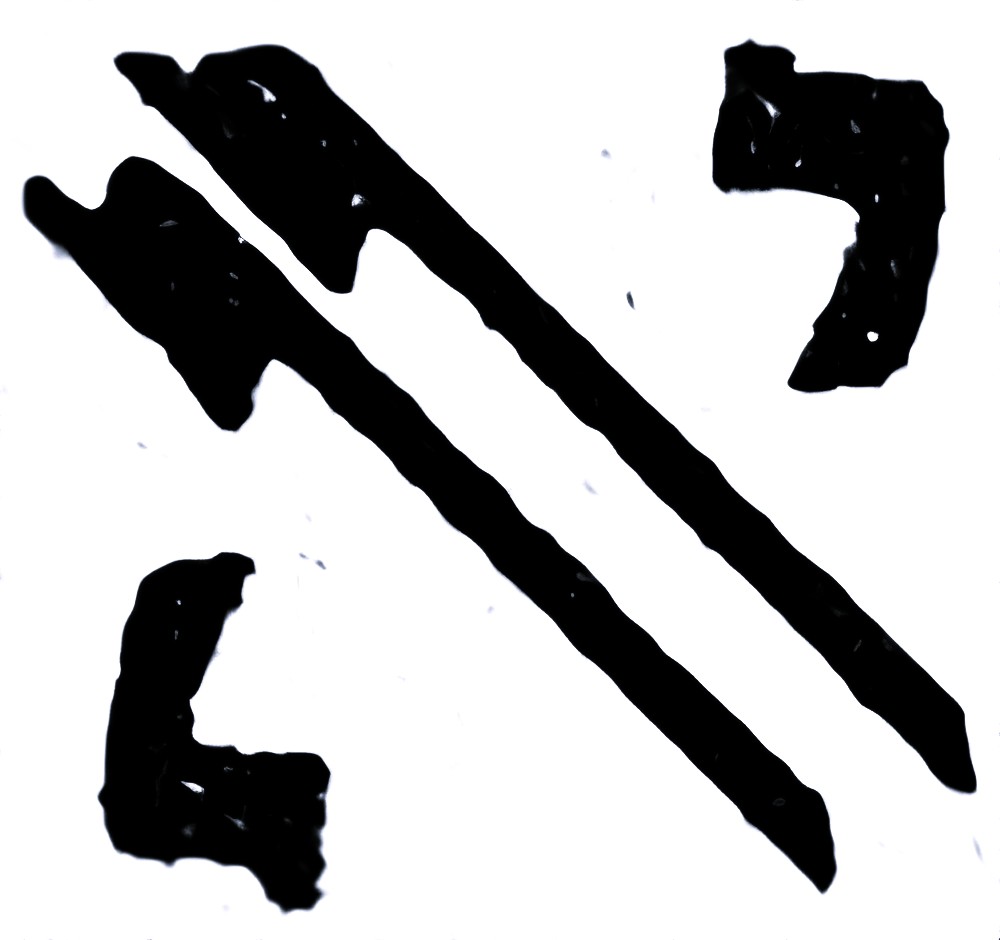 and that Aleph (וְאוֹתָהּ הָאַלֶ״ף), by virtue of the fact that half of it is concealed by the Reisha d'Arich [Head of Arich] (מִכֹּחַ שֶׁחֶצְיָהּ מְכֻסֶּה מֵרֵישָׁא דַאֲרִיךְ), its other half remains revealed in Reisha d'Ein [the Head of Nothingness] (נִשְׁאַר חֶצְיָהּ מְגֻלֶּה בְּרֵישָׁא דְּאַיִן), and because Reisha d'Ein [the Head of Nothingness] is circular (וְרֵישָׁא דְּאַיִן לִהְיוֹת שֶׁהוּא עָגוֹל), therefore the Aleph became somewhat bent (לָזֶה נִתְעַקְּמָה הָאַלֶ״ף מְעַט), and came in a diagonal form (וּבָאָה בְּאַלַכְסוֹן):
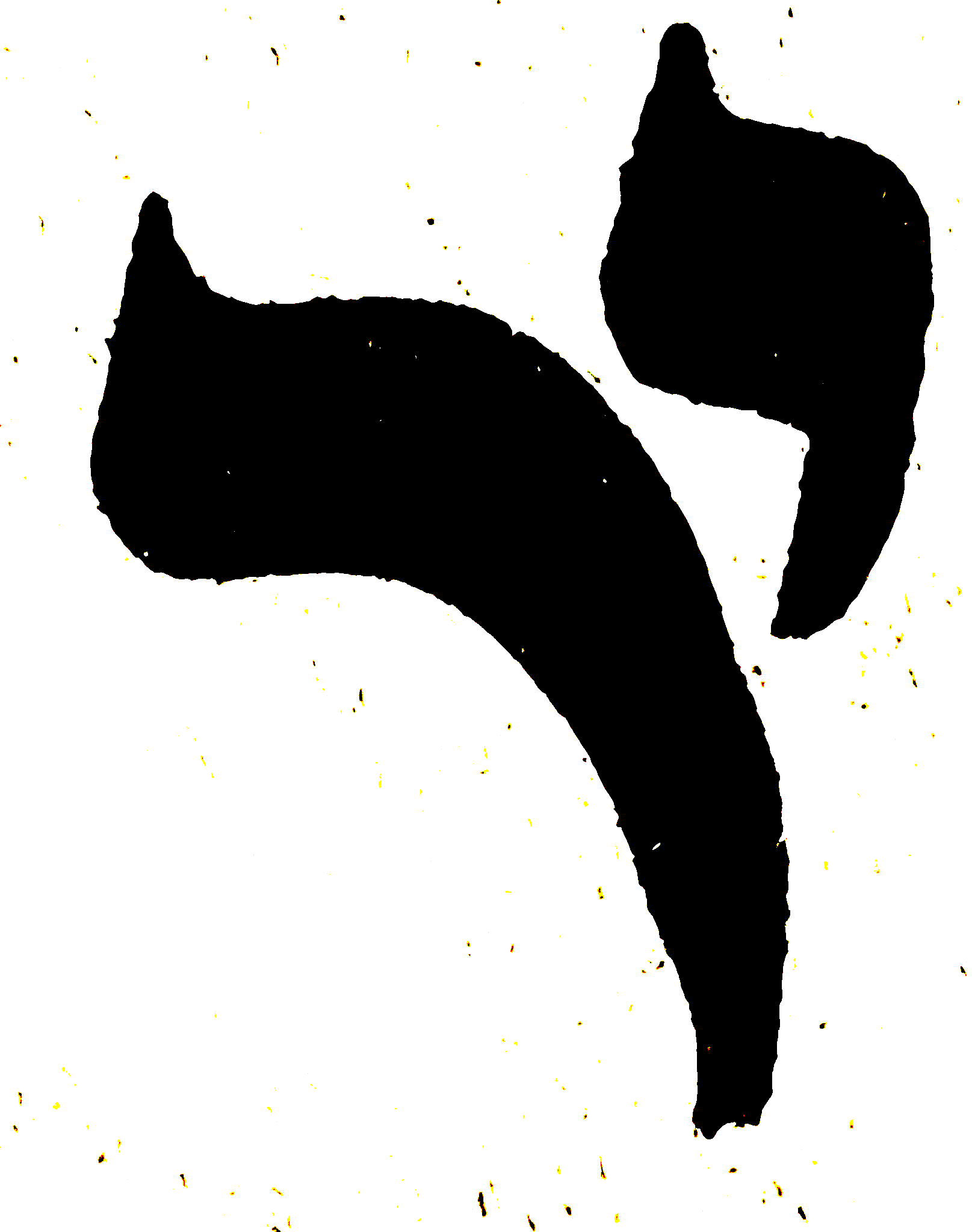 and afterward, in Reisha d'Arich [the Head of Arich] (וְאַחַר כָּךְ בְּרֵישָׁא דַאֲרִיךְ), it became rounded (נִתְעַגֵּל), through the secret of the seven Tikkunim [Rectifications] that entered into it from Reisha d'Ein [the Head of Nothingness] (בְּסוֹד הַז׳ תִּיקּוּנִים שֶׁנִּכְנְסוּ בּוֹ מֵרֵישָׁא דְּאַיִן), which are G”T KR”A P”CH [Galgalta [Skull], Tala Di-Vdolcha [Dew of Crystal Purity], Kruma De-Avira [Membrane of the Air], Re'uva De-Re'uvin [Forehead of Favor], Amar Naqe [Pure Wool], Pekicha De-La Na'im [The Eye That Neither Slumbers Nor Sleeps], and Chutma [Nose] (שֶׁהֵם ג״ט קר״ע פ״ח), and the Aleph inclined in a broad manner (וְנָטְתָה הָאַלֶ״ף דֶּרֶךְ רְחָבָה), meaning (כְּלוֹמַר), a Yud above and a Yud below, and a Vav diagonally (יוּ״ד לְמַעְלָה וְיוּ״ד לְמַטָּה וְוָא״ו בְּאַלַכְסוֹן), and this very form is mentioned in the Zohar, Parashat Bereshit (וְזֹאת הַצּוּרָה עַצְמָהּ נִזְכֶּרֶת בַּזֹּהַר פָּרָשַׁת בְּרֵאשִׁית), and it is the firmament that separates between water and water (וְהוּא הָרָקִיעַ הַמַּבְדִּיל בֵּין מַיִם לָמָיִם), namely (דְּהַיְנוּ), the two Yuds which are in the secret of water (הַתַּרֵין יוּדִי״ן שֶׁהֵם בְּסוֹד מַיִם), which are Chasadim [Kindnesses] (שֶׁהֵם חֲסָדִים), and the Vav separates the dispute between them (וְהַוָא״ו מַפְרֶשֶׁת הַמַּחֲלוֹקֶת בֵּינֵיהֶם), and they are the upper waters and the lower waters (וְהֵם הַמַּיִם הָעֶלְיוֹנִים וּמַיִם הַתַּחְתּוֹנִים), mentioned in Parashat Bereshit (הַנִּזְכָּר בְּפָרָשַׁת בְּרֵאשִׁית) (Zohar, Bamidbar, Ra‘aya Meheimna 223b). And the firmament separates (וְהָרָקִיעַ מַבְדִּיל), and its first half, which is Yud and half of the Vav (וְחֶצְיָהּ הָרִאשׁוֹן שֶׁהוּא יוּ״ד וַחֲצִי וָי״ו), the meaning is (פֵּירוּשׁ), that the Vav is divided into two (הַוָי״ו נֶחְלֶקֶת לִב׳), and these are Chasadim [Kindnesses] (וְהֵם חֲסָדִים), and the Yud together with the second half of the Vav (וְיוּ״ד וַחֲצִי וָי״ו הַב׳), are in the secret of Din [Judgment] (הֵם בְּסוֹד דִּין), because they entered into Arich (מִפְּנֵי שֶׁנִּכְנְסוּ בַּאֲרִיךְ), and Arich is Binah, as is known (וַאֲרִיךְ הוּא הַבִּינָה כַּנּוֹדָע). Afterward (אַחַר כָּךְ), that upper half as well, which is the YV of Ein [Nothingness] (גַּם אוֹתוֹ הַחֵצִי הָעֶלְיוֹנָה שֶׁהוּא י״ו דְּאֵין), also enters into the head of Arich in the secret of illumination (נִכְנָסִים גַּם כֵּן בְּרֹאשׁ אֲרִיךְ בְּסוֹד הֶאָרָה), and because of this (וּמִפְּנֵי זֶה), they too became Din [Judgment] there within Arich (נַעֲשׂוּ גַּם הֵם שָׁם בַּאֲרִיךְ דִּין), and these are the thirty-two Elohim of Bereshit (וְהֵם הַל״ב אֱלֹהִים דִּבְרֵאשִׁית), and because there, within Arich, even though it is Binah (וּלְהִיוֹת שָׁם בַּאֲרִיךְ שֶׁאַף עַל פִּי שֶׁהוּא בִּינָה), it is in the secret of Keter (הוּא בְּסוֹד כֶּתֶר). And therefore the teeth, which allude to these thirty-two Elohim (וְלָכֵן הַשִּׁנַּיִם שֶׁרוֹמְזִים לְל״ב אֱלֹהִים אֵלּוּ), are white (הֵם לְבָנִים), even though they are hard, which are Dinim [Judgments] (אַף עַל פִּי שֶׁהֵם קָשִׁים שֶׁהֵם דִּינִים), yet they are in the secret of Yudin [Yuds] (אֲבָל הֵם בְּסוֹד יוּדִי״ן), because they come from Reisha d'Ein [the Head of Nothingness] (לִהְיוֹתָם בָּאִים מֵרֵישָׁא דְּאֵין), namely Yud (דְּהַיְנוּ יוּ״ד), and thirty-two times Yud equals SH”K [320] (וּל״ב פְּעָמִים יוּ״ד עוֹלֶה ש״ךְ), and it also sweetens the SH”K [320] Dinim [Judgments] of Ze’ir Anpin (וְהוּא מְמַתֵּק גַּם כֵּן הַש״ךְ דִּינִין דִּזְעֵיר), for in Ze’ir Anpin there also are SH”K [320] Dinim [Judgments] (כִּי בִּזְעֵיר יֵשׁ שָׁם גַּם כֵּן ש״ךְ דִּינִין), because the thirty-two Netivot Chokhmah [Paths of Wisdom] illuminate within it (לְפִי שֶׁל״ב נְתִיבוֹת חָכְמָה מְאִירוֹת בּוֹ). And in Ze’ir Anpin there is also the secret of the thirty-two teeth (וְגַם בִּזְעֵיר יֵשׁ בּוֹ סוֹד הַל״ב שִׁנַּיִם), which are drawn from those above it, namely those of Abba (שֶׁנִּמְשָׁכִים מֵאוֹתָם שֶׁלְּמַעְלָה מִמֶּנּוּ שֶׁהֵם דְּאַבָּא), but they do not come to it except after nursing and growth (אֲבָל אֵינָם בָּאִים לוֹ אֶלָּא אַחֲרֵי הַיְנִיקָה וְהַהַגְדָּלָה), for otherwise it would not have the strength to endure them (שֶׁאִלּוּלֵי כֵן לֹא הָיָה לוֹ כֹּחַ לִסְבּוֹל אוֹתָם), and therefore a child has no teeth (לָזֶה הַיֶּלֶד אֵין לוֹ שִׁנַּיִם), except after a long period of nursing (כִּי אִם אַחֲרֵי הַיְנִיקָה זְמַן רַב), little by little (מְעַט מְעַט), so that he may be able to endure them (כְּדֵי שֶׁיּוּכַל לִסְבּוֹל). And in Ze’ir Anpin they are divided (וּבִזְעֵיר הֵם נֶחְלָקִים), half of them, whose numerical value is Etz [Tree] (חֶצְיָם שֶׁהֵם כְּמִנְיַן עֵץ), are in the Tiferet of Na‘ar Yisrael [Youthful Israel] (הֵם בְּת״ת דְּנַעַר יִשְׂרָאֵל), and half are in the Tiferet of Yaakov (וְחֶצְיָם בְּת״ת דְּיַעֲקֹב), for just as their roots are divided Above (כִּי כְּמוֹ שֶׁשָּׁרְשָׁם הֵם נֶחְלָקִים לְמַעְלָה), so too they are divided below (כָּךְ הֵם נֶחְלָקִים לְמַטָּה). And because of this (וּמִפְּנֵי זֶה), they are divided in the mouth (הֵם נֶחְלָקִים בַּפֶּה), for below there are ten molars, five on each side (שֶׁהֵם לְמַטָּה י׳ טוֹחֲנוֹת ה׳ בְּכָל צַד), and two gums adjacent to the molars, one on the right and one on the left (וּב׳ חֲנִיכַיִם שֶׁהֵם סְמוּכוֹת לַטּוֹחֲנוֹת אֶחָד לְיָמִין וְאֶחָד לִשְׂמֹאל), and four teeth, which total sixteen (וְד׳ שִׁנַּיִם שֶׁהֵם י״ו), and likewise Above (וְכֵן לְמַעְלָה). And all of them descend from Ze’ir Anpin to this Yesod of Beri’ah, which is called Etzem haShamayim [Essence of the Heavens] (וְכֻלָּם יוֹרְדִים מִזְעֵיר לִיסוֹד זֶה דִּבְרִיאָה הַנִּקְרָא עֶצֶם הַשָּׁמַיִם), and this Name KVZO sweetens them (וְשֵׁם כוזו זֶה מְמַתֵּקָם), and two times SH”K [320] (וּב׳ פְּעָמִים ש״ךְ), one of Abba itself and one of Ze’ir Anpin (אֶחָד דְּאַבָּא עַצְמוֹ וְאֶחָד דִּזְעֵיר), equal Shemesh [Sun] (עוֹלִים שֶׁמֶשׁ), therefore they are all poured into this Yesod (לָכֵן כֻּלָּם נִשְׁפָּכִים בִּיסוֹד זֶה), which is Shemesh Tzedakah [Sun of Righteousness] (שֶׁהוּא שֶׁמֶשׁ צְדָקָה). And the thirty-two Netivot Chokhmah [Paths of Wisdom] are drawn from the Aleph of Elohim (וְל״ב נְתִיבוֹת חָכְמָה נִמְשָׁכִים מֵאוֹת אַלֶ״ף שֶׁל אֱלֹהִים), into two parts, like this (לְב׳ חֲלָקִים כָּזוֹ):and it is the secret of the thirty-two teeth (וְהוּא סוֹד הַל״ב שִׁנַּיִם), and they are the thirty-two Elohim of Ma‘aseh Bereshit [the Work of Creation] (וְהוּא הַל״ב אֱלֹהִים שֶׁבְּמַעֲשֵׂה בְרֵאשִׁית).