
Chapter One (פֶּרֶק רִאשׁוֹן)
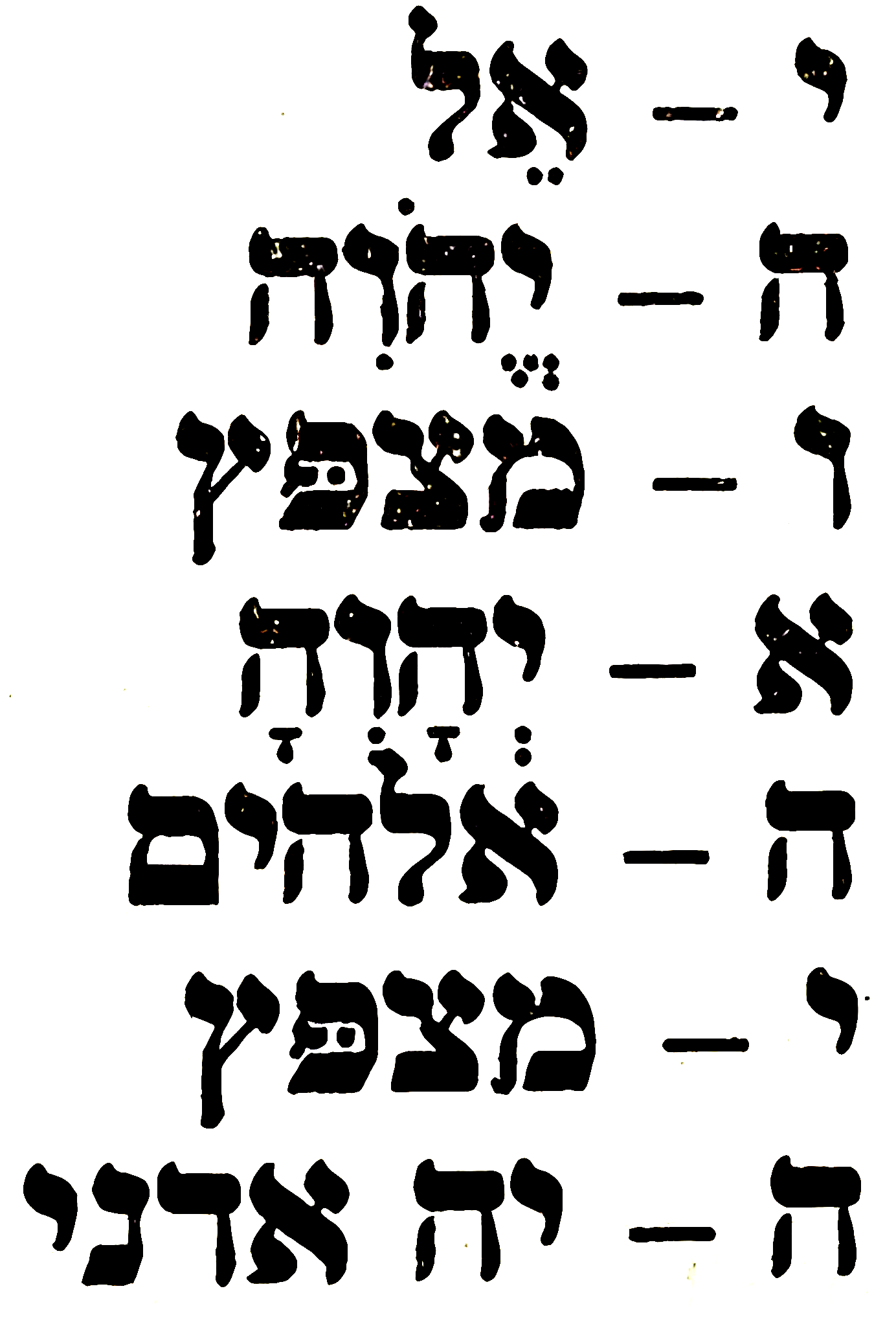 n the beginning, before everything that was created in the World of Beri’ah (בְּרֵאשִׁית כָּל דָּבָר שֶׁנִּבְרָא בְּעוֹלָם הַבְּרִיאָה), we shall first explain the secret of the Parsa [Partition] (נְפָרֵשׁ קֹדֶם סוֹד הַפַּרְסָה), which is between Beri’ah and Atzilut (אֲשֶׁר הִיא בֵּין בְּרִיאָה לַאֲצִילוּת), and it is the Parokhet [Veil] and the Pargod [Curtain] (וְהִיא פָּרֹכֶת וּפַרְגּוֹד), so that the light and the influx may strike through a screen (כְּדֵי שֶׁיַּכֶּה הָאוֹר וְהַשֶּׁפַע דֶּרֶךְ מָסָךְ), in order that they may be able to endure the light of Atzilut (בִּכְדֵי שֶׁיּוּכְלוּ לִסְבֹּל אוֹר הָאֲצִילוּת), as it is said (שֶׁנֶּאֱמַר): “And the veil shall separate for you between the Holy Place and the Holy of Holies” (וְהִבְדִּילָה הַפָּרֹכֶת לָכֶם בֵּין הַקֹּדֶשׁ וּבֵין קֹדֶשׁ הַקֳּדָשִׁים) (Exodus 26:33), in relation to Beri’ah and Atzilut (בְּעֵרֶךְ בְּרִיאָה לַאֲצִילוּת). And we have already spoken of this in the Gate of the World of Tohu (וּכְבָר דִּבַּרְנוּ מִזֶּה בְּשַׁעַר עוֹלָם הַתֹּהוּ), that there is a Parokhet [Veil] between every world and world (שֶׁיֵּשׁ פָּרֹכֶת בֵּין כָּל עוֹלָם וְעוֹלָם), from among these five worlds (מֵאֵלּוּ הַחֲמִשָּׁה עוֹלָמוֹת), namely the worlds of Ein Sof and the worlds of Atzilut, Beri’ah, Yetzirah, and Asiyah (דְּהַיְנוּ עוֹלָמוֹת אֵין סוֹף וְעוֹלָמוֹת אֲבִי״ע), and the light strikes through a sapphire-like screen (וְהָאוֹר מַכֶּה דֶּרֶךְ מָסָךְ סַפִּירִי), to give them the life-force appropriate for them (לָתֵת לָהֶם חִיּוּת הָרָאוּי לָהֶם), according to the measure of His wisdom, may He be blessed (כְּפִי הַשִּׁעוּר שֶׁל חָכְמָתוֹ יִתְבָּרַךְ), in order that they may be able to endure it (בִּכְדֵי שֶׁיּוּכְלוּ לְסָבְלוֹ). For at the end of Atzilut the light became thickened (כִּי בְּסוֹף הָאֲצִילוּת נִתְעַבָּה הָאוֹר), until it was impossible to call it Atzilut (עַד שֶׁאִי אֶפְשָׁר לְקָרְאוֹ אֲצִילוּת), and it was called Beri’ah (וְנִקְרָא בְּרִיאָה), for it is more dense (שֶׁהוּא יוֹתֵר עָב), and from that density a screen was made there (וּמֵאוֹתוֹ הָעֲבִיּוּת נַעֲשָׂה שָׁם מָסָךְ), and through this screen the Malchut of Atzilut descended, namely its seven lower Sefirot (וְדֶרֶךְ הַמָּסָךְ הַזֶּה יָרְדָה מַלְכוּת דַּאֲצִילוּת ז׳ תַּחְתּוֹנִיּוֹת שֶׁבָּהּ), and became the head of the foxes, namely the ten Sefirot of Beri’ah (וְהָיְתָה רֹאשׁ לַשּׁוּעָלִים עֶשֶׂר סְפִירוֹת דִּבְרִיאָה), and all this occurred after their thickening and their enclothement through this aforementioned screen (וְכָל זֶה אַחֲרֵי הִתְעַבּוּתָם וְהִתְלַבְּשׁוּתָם דֶּרֶךְ הַמָּסָךְ הַזֶּה הַנִּזְכָּר). And also the Binah of Atzilut (וְגַם בִּינָה דַּאֲצִילוּת), its light became enclothed within the seven lower Sefirot of the Malchut of Atzilut (נִתְלַבֵּשׁ אוֹרָהּ בְּשִׁבְעָה תַּחְתּוֹנוֹת דְּמַלְכוּת דַּאֲצִילוּת), and descended through the screen (וְיָרְדָה דֶּרֶךְ הַמָּסָךְ), and became enclothed within the ten Sefirot of Beri’ah (וְנִתְלַבְּשׁוּ בְּי׳ סְפִירוֹת דִּבְרִיאָה), and this is the secret of “Binah nests in the Throne” (וְזֶהוּ סוֹד בִּינָה מְקַנְנָא בְּכוּרְסְיָיא). And these seven lower Sefirot of Malchut (וְאֵלּוּ הַז׳ תַּחְתּוֹנוֹת דְּמַלְכוּת), became the Atik Yomin of Beri’ah (נִתְהַוּוּ לְעַתִּיק יוֹמִין דִּבְרִיאָה), and became enclothed within the Arich Anpin of Beri’ah (וְנִתְלַבְּשׁוּ בַּאֲרִיךְ אַנְפִּין דִּבְרִיאָה), and all of it followed the order mentioned in the World of Atzilut (וְכֻלּוֹ עַל הַסֵּדֶר הַנִּזְכָּר בְּעוֹלָם הָאֲצִילוּת), and the five Partzufim of Beri’ah were formed (וְנַעֲשׂוּ ה׳ פַּרְצוּפִין דִּבְרִיאָה), and this is the secret of the first Heh of the Name Havayah, which includes all the worlds (וְהַיְנוּ סוֹד ה׳ שֶׁל שֵׁם הֲוָיָ״ה הַכּוֹלְלוֹת כָּל הָעוֹלָמוֹת). And we have already explained in the Gate of the Body of Atik Yomin and Arich Anpin (וּכְבָר פֵּרַשְׁנוּ בְּשַׁעַר גּוּף עַתִּיק יוֹמַיָּא וְאֵין וַאֲרִיךְ), how Atik Yomin becomes enclothed (אֵיךְ מִתְלַבֵּשׁ עַתִּיק יוֹמִין), within its ten Sefirot in Atzilut until its end (בְּעֶשֶׂר שֶׁלּוֹ בַּאֲצִילוּת עַד סוֹפוֹ). For its first three Sefirot remained in their place (כִּי הַג׳ רִאשׁוֹנוֹת שֶׁלָּהּ נִשְׁאֲרוּ בִּמְקוֹמָם), to illuminate the head of Atika Kadisha [the Holy Ancient One] (לְהָאִיר לְרֹאשׁ עַתִּיקָא קַדִּישָׁא), and the seven that are in its body (וְז׳ שֶׁבְּגוּף שֶׁלָּהּ), which are its seven lower Sefirot (הֵם שִׁבְעָה תַּחְתּוֹנִיּוֹת שֶׁלָּהּ), became enclothed within all the Partzufim of the ten Sefirot of Atzilut (נִתְלַבְּשׁוּ בְּכָל פַּרְצוּפִין בְּעֶשֶׂר דַּאֲצִילוּת), through Arich Anpin (עַל יְדֵי אֲרִיךְ). And all of this is accomplished through the enclothement of the Chokhmah of Adam Kadmon (וְהַכֹּל נַעֲשָׂה עַל יְדֵי הִתְלַבְּשׁוּת חָכְמַת אָדָם קַדְמוֹן), through its enclothement within the Malchut of Adam Kadmon (בְּהִתְלַבְּשׁוּתוֹ בְּמַלְכוּת אָדָם קַדְמוֹן), as it is said (שֶׁנֶּאֱמַר): “Hashem founded the earth through wisdom” (י״י בְּחָכְמָה יָסַד אָרֶץ) (Proverbs 3:19). So too, the seven lower Sefirot of the Malchut of Atzilut (כֵּן ז׳ תַּחְתּוֹנִיּוֹת דְּמַלְכוּת דַּאֲצִילוּת), became enclothed within the ten Sefirot of Beri’ah (נִתְלַבְּשׁוּ בְּעֶשֶׂר סְפִירוֹת דִּבְרִיאָה), and its first three Sefirot (וְהַשָּׁלֹשׁ רִאשׁוֹנוֹת דִּילָהּ), became enclothed within the first Heikhal [Palace] of Beri’ah (נִתְלַבְּשׁוּ בַּהֵיכָל הָרִאשׁוֹן דִּבְרִיאָה), which is the Heikhal [Palace] of the Holy of Holies (הוּא הֵיכָל קֹדֶשׁ הַקֳּדָשִׁין), the one closest to Atzilut (הַקְּרוֹבָה לַאֲצִילוּת), and it is comprised of three (וְהִיא כְּלוּלָה מִשָּׁלֹשׁ), and from Keter (וּמִכֶּתֶר). From the light of the seven lower Sefirot of Malchut (אוֹר ז׳ תַּחְתּוֹנִיּוֹת דְּמַלְכוּת), a Neshamah [Soul] was made for Arich Anpin of Beri’ah (נַעֲשָׂה נְשָׁמָה לַאֲרִיךְ אַנְפִּין דִּבְרִיאָה), and in the seventh Heikhal [Palace] is Atik Yomin (וּבַהֵיכָל ז׳ הוּא עַתִּיק יוֹמִין), which is included within the Three Heads, and Abba and Imma (הַכָּלוּל בִּתְלַת רֵישִׁין וְאַבָּא וְאִמָּא). And therefore the thirteen attributes of Atik of Beri’ah are called the thirteen pure rivers of balsam (וְלָכֵן נִקְרְאוּ הַי״ג שֶׁל עַתִּיק דִּבְרִיאָה שְׁלֹשָׁה עָשָׂר נַהֲרֵי אֲפַרְסְמוֹנָא דַכְיָא), for this is literally the beard (שֶׁהוּא מַמָּשׁ הַזָּקָן), which Brit Menuchah mentions (שֶׁמַּזְכִּיר בְּרִית מְנוּחָה), for from Beri’ah it begins to explain (כִּי מִן בְּרִיאָה מַתְחִיל לְפָרֵשׁ), and there it mentions the head and the beard of Beri’ah (וְשָׁם מַזְכִּיר הָרֹאשׁ וְהַזָּקָן דִּבְרִיאָה). But in Beri’ah they are not constant (אֲבָל בִּבְרִיאָה אֵינָם תְּדִירִי), except at a time of favor (כִּי אִם בְּעֵת רָצוֹן), and they exist only in a potential state (וְאֵינָם אֶלָּא כְּמוֹ הִיּוּלִי), when we do not arouse Mayin Nukvin [Female Waters] from below (כְּשֶׁאֵין אֲנַחְנוּ מְעוֹרְרִים מַיִן נוּקְבִין מִלְּמַטָּה). And this is the secret of what our Sages of blessed memory said (וְזֶהוּ סוֹד שֶׁאָמְרוּ חֲזַ״ל): “Rabbi Yishmael the Kohen Gadol said: When I entered into the Holy of Holies, I saw Akatriel Y-H Hashem Tzevaot sitting upon a high and exalted throne, and He said to me, ‘Yishmael My son, bless Me’” (אָמַר רַבִּי יִשְׁמָעֵאל כֹּהֵן גָּדוֹל כְּשֶׁנִּכְנַסְתִּי לִפְנַי וְלִפְנִים רָאִיתִי אַכְתְּרִיאֵל יָ״ה יְהוָ״ה צְבָאוֹת יוֹשֵׁב עַל כִּסֵּא רָם וְנִשָּׂא וְאָמַר לִי יִשְׁמָעֵאל בְּנִי בָּרְכֵנִי) (Berakhot 7a), that he should arouse Mayin Nukvin [Female Waters] for Him (שֶׁיְּעוֹרֵר לוֹ מַיִן נוּקְבִין), and afterward He nodded His head to me (וְאַחַר כָּךְ נִנְעַנַע לִי רֹאשׁוֹ), meaning to say (רָצָה לוֹמַר), that He brought down influx for him from Atzilut (שֶׁהוֹרִיד לוֹ שֶׁפַע מֵאֲצִילוּת), and this Akatriel is from the World of Beri’ah (וְאַכְתְּרִיאֵל זֶה הוּא מֵעוֹלָם הַבְּרִיאָה), as will be explained in its proper place (כַּאֲשֶׁר יִתְבָּאֵר בִּמְקוֹמוֹ). And this Parsa [Partition] is composed entirely of letters and holy Names (וְהַפַּרְסָה הַזֹּאת הִיא כֻּלָּהּ אוֹתִיּוֹת וּשְׁמוֹת הַקֹּדֶשׁ), of the two Names Ehyeh and YHV (שֶׁל שְׁנֵי שֵׁמוֹת אֶהְיֶ״ה יְהוּ), which are the principal Names of this Parsa [Partition] (שֶׁהֵם רָאשֵׁי שֵׁמוֹת שֶׁל הַפַּרְסָא הַזֹּאת), because the Name Ehyeh is from Imma (לְפִי שֶׁשֵּׁם אֶהְיֶ״ה הוּא מֵאִמָּא), which nests in the Throne (הַמְקַנְּנָא בְּכוּרְסְיָיא), and in every place that Imma sends forth her lights (וּבְכָל מָקוֹם שֶׁשּׁוֹלַחַת אִמָּא אוֹרוֹתֶיהָ), the lights of Abba are also within them (גַּם אוֹרוֹת אַבָּא בְּתוֹכָם). Therefore the Name Yehu comes in this manner (לָכֵן שֵׁם יְהוּ בָּא בְּזֶה הָאֹפֶן): the Yud comes from Abba (הַיּוּ״ד בָּא מֵאַבָּא), and the Heh comes from Imma (וְהַהֵ״י מֵאִמָּא), “for they are companions who never separate forever” (דְּאִינוּן רֵעִין דְּלָא מִתְפָּרְשִׁין לְעָלְמִין) (Zohar, Vayikra 4a), and the Vav is Ze’ir Anpin (וְהַוָּי״ו הִיא זְעֵיר אַנְפִּין). Since Ze’ir Anpin nests in Yetzirah (לְפִי שֶׁזְּעֵיר מְקַנֵּן בִּיצִירָה), and Binah in Beri’ah (וּבִינָה בִּבְרִיאָה), therefore this Parokhet [Veil] as well (לָכֵן גַּם הַפָּרֹכֶת הַזֶּה), which is in the middle (אֲשֶׁר בָּאֶמְצַע), is composed of the two Names of Imma and Ze’ir Anpin (הִיא מוּרְכֶּבֶת מִב׳ שֵׁמוֹת שֶׁל אִמָּא וּזְעֵיר), and therefore they are fixed in the Parokhet [Veil] (וְלָכֵן הֵם קְבוּעִים בַּפָּרֹכֶת), which stands between them both (שֶׁהִיא אֶמְצָעִית לִשְׁנֵיהֶם). And these two Names are those mentioned in the Zohar, Parashat Yitro (וּשְׁנֵי שֵׁמוֹת אֵלּוּ הֵם הָאֲמוּרִים בַּזֹּהַר פָּרָשַׁת יִתְרוֹ) (Ra’aya Meheimna 92a), which says concerning the verse “Remember the Sabbath day to sanctify it” (שֶׁאָמַר עַל פָּסוּק זָכוֹר אֶת יוֹם הַשַּׁבָּת לְקַדְּשׁוֹ) (Exodus 20:8), “They are two precious pearls, and one peg with them” (תְּרֵין מַרְגְּלָאָן אִינוּן וְחַד סִיכְתָּא בַּהֲדַיְיהוּ). The meaning is (פֵּירוּשׁ), that the two good pearls are the two Names Ehyeh and Yehu (שְׁנֵי מַרְגָּלִיּוֹת טוֹבוֹת הֵם הַשְּׁנֵי שֵׁמוֹת אֶהְיֶ״ה יְהוּ). And “the peg” means (וְסִיכְתָּא הַיְנוּ), the stake in which the Parokhet [Veil] is fixed (יָתֵד שֶׁתָּקוּעַ בּוֹ הַפָּרֹכֶת), and it is the Name Adonai of the Malchut of Atzilut (וְהוּא שֵׁם אֲדנ״י דְּמַלְכוּת דַּאֲצִילוּת). And they become one combined Name of eleven letters (וְנַעֲשִׂים שֵׁם אֶחָד מְשֻׁלָּב שֶׁל אַחַד עָשָׂר אוֹתִיּוֹת), in order to subdue the eleven Klipot of Beri’ah (לְהַכְנִיעַ הָאַחַד עָשָׂר קְלִיפּוֹת דִּבְרִיאָה), like this YAYHDHVNVHY (כָּזֶה יאיהדהונוהי). And on Shabbat (וּבְשַׁבָּת), namely at the time of Minchah on the eve of Shabbat (דְּהַיְנוּ בִּשְׁעַת מִנְחָה דְּעֶרֶב שַׁבָּת), from that time (מֵאוֹתוֹ הַזְּמַן), the holiness of Shabbat begins to sparkle forth (מַתְחִיל לְהִתְנוֹצֵץ קְדֻשַּׁת שַׁבָּת), through our rectifications (בְּתִקּוּנֵינוּ), there emerge from these seven letters (יוֹצְאִים מֵאֵלּוּ הַשֶּׁבַע אוֹתִיּוֹת), [Ehyeh YHV] ([אֶהְיֶ״ה יְהוּ]), seven Names of the pearl (ז׳ שֵׁמוֹת הַמַּרְגָּלָא), namely (דְּהַיְנוּ), from each letter one Name (מִכָּל אוֹת שֵׁם אֶחָד), and these are the Mochin [Intellects] of Beri’ah for Shabbat (וְהֵם הַמּוֹחִין דִּבְרִיאָה שֶׁל שַׁבָּת). And before you go to immerse yourself on the eve of Shabbat (וְקוֹדֶם שֶׁתֵּלֵךְ לִטְבּוֹל בְּעֶרֶב שַׁבָּת), specifically after midday (דַּוְקָא אַחַר חֲצוֹת), you should intend upon these seven Names in this manner (תְּכַוֵּן בְּשֶׁבַע שֵׁמוֹת הָאֵלּוּ בְּזֶה הָאֹפֶן כָּזֶה). From the Yud of YHV there emerges the Name El (מִיּוּ״ד שֶׁל יְהוּ יוֹצֵא שֵׁם אֵ״ל), from the Heh of YHV (מֵהֵ״י שֶׁל יְהוּ), there emerges Havayah vocalized with the vowels of Elohim (יוֹצֵא הֲוָיָ״ה בְּנִקּוּד אֱלֹהִים), and from the Vav of YHV (וּמִן ו שֶׁל יְהוּ), there emerges MTZPTZ (יוֹצֵא מַצְפַּ״ץ). And from the Aleph of Ehyeh (וּמִן א׳ שֶׁל אֶהְיֶ״ה), there emerges the Name Havayah (יוֹצֵא שֵׁם יְהוָ״ה), and from the Heh of Ehyeh (וּמִן ה׳ שֶׁל אֶהְיֶ״ה), there emerges the Name Elohim (יוֹצֵא שֵׁם אֱלֹהִים), and from the Yud (וּמִן יוּ״ד), there emerges MTZPTZ (יוֹצֵא שֵׁם מַצְפַּ״ץ), and from the Heh of Ehyeh (וּמִן ה׳ שֶׁל אֶהְיֶ״ה), there emerges the Name Y-H (יוֹצֵא שֵׁם יָ״ה), and the one peg among them (וְחַד סִיכְתָּא בַּהֲדַיְיהוּ), is the Name Adonai (הוּא שֵׁם אֲדנ״י). And these Names amount to eight hundred and forty-nine (וְאֵלּוּ הַשֵּׁמוֹת עוֹלִים תתמ״ט), and together with the Name one hundred and fifty-one (וְעִם שֵׁם קנ״א), which is Ehyeh of Imma (הוּא אֶהְיֶ״ה דְּאִמָּא), whose value is one hundred and fifty-one (הָעוֹלֶה קנ״א), which is the numerical value of Mikveh [Ritual Pool] (הַיְנוּ חֶשְׁבּוֹן מִקְוֶ״ה), the total amounts to one thousand (סַךְ הַכֹּל עוֹלֶה אֶלֶף), and they are the secret of the thousand mountains (וְהֵם סוֹד אֶלֶף טוּרִין), from which the attribute of Malchut feeds (שֶׁאוֹכֶלֶת מִדַּת הַמַּלְכוּת), which is called Behemah [Beast] (הַנִּקְרֵאת בְּהֵמָה), whose value is the Name B”N (הָעוֹלָה שֵׁם ב״ן), as it is said (שֶׁנֶּאֱמַר): “The beasts upon a thousand mountains” (בְּהֵמוֹת בְּהַרְרֵי אָלֶף) (Psalms 50:10). And it is said (וְנֶאֱמַר): “I was as a beast with You” (בְּהֵמוֹת הָיִיתִי עִמָּךְ) (Psalms 73:22), which David said (שֶׁאָמַר דָּוִד), concerning the Malchut of the House of David (עַל מַלְכוּת בֵּית דָּוִד), which receives the influx from her (שֶׁמְּקַבֶּל הַשֶּׁפַע מִמֶּנָּה). And it is said (וְנֶאֱמַר): “The thousand are for you, Shlomo” (הָאֶלֶף לְךָ שְׁלֹמֹה) (Song of Songs 8:12), for Shabbat is called Shlomo (כִּי שַׁבָּת נִקְרָא שְׁלֹמֹה), for it makes peace in all the worlds from the enemies (הָעוֹשֶׂה שָׁלוֹם בְּכָל הָעוֹלָמוֹת מִן הָאוֹיְבִים). And it is the initials of “A Psalm, a Song, for the Sabbath day” (וְהוּא רָאשֵׁי תֵּבוֹת שֶׁל מִזְמוֹר שִׁיר לְיוֹם הַשַּׁבָּת) (Psalms 92:1), and they are the thousand worlds of longing (וְהֵם אֶלֶף עָלְמִין דְּכִיסּוּפִין), which rule on the day of Shabbat (הַשּׁוֹלְטִים בְּיוֹם הַשַּׁבָּת), and they, namely [Ehyeh YHV] (וְהֵם [אֶהְיֶ״ה יְהוּ]), shine from their seven letters (מְאִירִים מִשִּׁבְעָה אוֹתִיּוֹתֵיהֶם), which stand in their place (שֶׁעוֹמְדִים בִּמְקוֹמָם), for the Atik of Beri’ah and for its seven Heikhalot [Palaces] (לְעַתִּיק דִּבְרִיאָה וּלְשִׁבְעָה הֵיכָלוֹתֶיהָ), through the seven permutations that emerge from them (בְּשִׁבְעָה צֵרוּפִים הַיּוֹצְאִים מֵהֶם). And if you merit to understand the statement of the Zohar (וְאִם תִּזְכֶּה לְהָבִין בְּמַאֲמַר הַזֹּהַר) (Shemot 92a), concerning the two pearls mentioned above (שֶׁל תְּרֵין מַרְגְּלָאִין הַנִּזְכָּרִים), there you will see the seven Names explained very clearly (וְשָׁם תִּרְאֶה הַז׳ שֵׁמוֹת מְפֹרָשִׁים בְּאֵר הֵיטֵב). And in the Tikkun of Shabbat I have already explained it sufficiently (וּבְתִקּוּן שַׁבָּת כְּבָר פֵּרַשְׁתִּי אוֹתוֹ דֵּי צָרְכּוֹ), and there the calculation of the seven letters of the two aforementioned Names (וְשָׁם הַחֶשְׁבּוֹן שֶׁל הַשֶּׁבַע אוֹתִיּוֹת שֶׁל שְׁנֵי שֵׁמוֹת הַנִּזְכָּרִים), corresponds exactly with the calculation of the seven Names that emerge from them (מְכֻוָּן עִם חֶשְׁבּוֹן שֶׁבַע שֵׁמוֹת הַיּוֹצְאִים מֵהֶם), and their reason and explanation accompany them (וְטַעְמָם וְנִמּוּקָם עִמָּם). Blessed be Hashem forever, Amen and Amen (יִתְבָּרַךְ י״י לְעוֹלָם אָמֵן וְאָמֵן).