
Chapter Twenty-Eight (פֶּרֶק עֶשְׂרִים וּשְׁמוֹנָה)
We said that the hairs of Ze’ir reach to the opening of the Tabur d’Liba [Navel of the Heart] of Ze’ir (אָמַרְנוּ כִּי שַׂעֲרוֹת זְעֵיר מַגִּיעוֹת עַד הַחוֹר שֶׁל טִיבּוּרוֹ דְּלִבָּא דְּזְעֵיר), and from there, behind Ze’ir, at the place of their attachment, namely of Rachel and Ze’ir (וּמִשָּׁם מֵאֲחוֹרוֹי דְּזְעֵיר בִּמְקוֹם הַדִּבּוּק שֶׁלָּהֶם דְּהַיְינוּ שֶׁל רָחֵל וּזְעֵיר), there is a likeness of an opening in Ze’ir (יֵשׁ דְּמוּת נֶקֶב בִּזְעֵיר), and corresponding to it in the Kadkod [crown of the head] of his Nukvah (וּלְעֻמָּתוֹ בְּקָדְקֹד נוּקְבֵיהּ). And according to this she is called Nekevah [Female] (וּלְפִי זֶה נִקְרָא נְקֵבָה), the explanation being (פֵּרוּשׁ), Nekev-Heh [Opening-Heh] (נֶקֶב ה׳), which is Rachel (שֶׁהִיא רָחֵל), who is called the lower Heh (הַנִּקְרֵאת ה׳ תַּתָּאָה), whose life-force comes to her (אֲשֶׁר חַיּוּתָהּ בָּא לָהּ), from the opening in her Kadkod [crown of the head] (מִן הַנֶּקֶב שֶׁבְּקָדְקֳדָהּ), for Ze’ir himself bestows into her through the aforementioned opening (כִּי זְעֵיר גּוּפֵיהּ מַשְׁפִּיעַ בָּהּ דֶּרֶךְ הַחוֹר הַנִּזְכָּר). And this opening in Ze’ir is perforated through (וְהַחוֹר הַזֶּה שֶׁבִּזְעֵיר הוּא מְפֻלָּשׁ), passing through to his front side (עוֹבֵר עַד לְפָנָיו), and therefore one must place the Tzitzit before him opposite this opening (וְלָזֶה צָרִיךְ לָשִׂים הַצִּיצִית לְפָנָיו כְּנֶגֶד הַחוֹר הַזֶּה), in order to draw through that opening the flow from Ze’ir to the hairs of Rachel (כְּדֵי לְהַמְשִׁיךְ דֶּרֶךְ אוֹתוֹ הַחוֹר הַשֶּׁפַע מִזְּעֵיר לְשַׂעֲרוֹת רָחֵל), which are the aforementioned Tzitzit (שֶׁהֵם הַצִּיצִית הַנִּזְכָּרִים), which are on the left side of Ze’ir (אֲשֶׁר הֵם לְצַד שְׂמֹאל דְּזְעֵיר), and it is impossible for him to bestow while she is in the back-to-back position (וְאִי אֶפְשָׁר לוֹ לְהַשְׁפִּיעַ בִּזְמַן הֱיוֹתָהּ בְּאָחוֹר), except through the aforementioned opening (כִּי אִם דֶּרֶךְ הַחוֹר הַנִּזְכָּר). And the benefit of the influence of this light is (וְתוֹעֶלֶת הַשֶּׁפַע שֶׁל הָאוֹר הַזֶּה הוּא), in order to whiten as well the hairs of Rachel (כְּדֵי לְלַבֵּן גַּם כֵּן שַׂעֲרוֹת רָחֵל), which by their nature are red (שֶׁהֵם מִטִּבְעָם אֲדֻמִּים), therefore they require this influence from Ze’ir (לָכֵן הֵם צְרִיכִים לַשֶּׁפַע הַזֶּה שֶׁל זְעֵיר), in order to whiten them in the secret of Rachamim [mercies] (כְּדֵי לְלַבְּנָם בְּסוֹד רַחֲמִים), just as Arich did with the hairs of Ze’ir (כְּמוֹ שֶׁעָשָׂה אֲרִיךְ בְּשַׂעֲרוֹת זְעֵיר), which by their nature are black (שֶׁהֵם מִטִּבְעָם שְׁחוֹרִים), as it is written (כִּדְכְתִיב): “His locks are curled, black as a raven” (קְוֻצּוֹתָיו תַּלְתַּלִּים שְׁחוֹרוֹת כָּעוֹרֵב) (Song of Songs 5:11), and they became whitened through the hairs of Arich which are white (וְנִתְלַבְּנוּ מִשַּׂעֲרוֹת אֲרִיךְ שֶׁהֵם לְבָנִים), as it is written (דִּכְתִיב): “And Atik Yomin sat, whose garment was white as snow, and the hair of His head like pure wool” (וְעַתִּיק יוֹמִין יְתִב לְבוּשֵׁהּ כִּתְלַג חִוָּר וּשְׂעַר רֵישֵׁהּ כַּעֲמַר נְקֵא) (Daniel 7:9). And therefore a person must direct his eyes toward the Tzitzit (וְלָזֶה צָרִיךְ הָאָדָם לִתֵּן עֵינָיו נֶגֶד הַצִּיצִית), at the time of reading the Parashah of Vayomer (בִּשְׁעַת קְרִיאַת פָּרָשַׁת וַיֹּאמֶר), which is a Parashah of seventy-two words (שֶׁהִיא פָּרָשָׁה שֶׁל שִׁבְעִים וּשְׁתַּיִם תֵּבוֹת), corresponding to the Name A"B of the eyes (כְּנֶגֶד שֵׁם ע״ב דְּעֵינִין), like this (כָּזֶה):
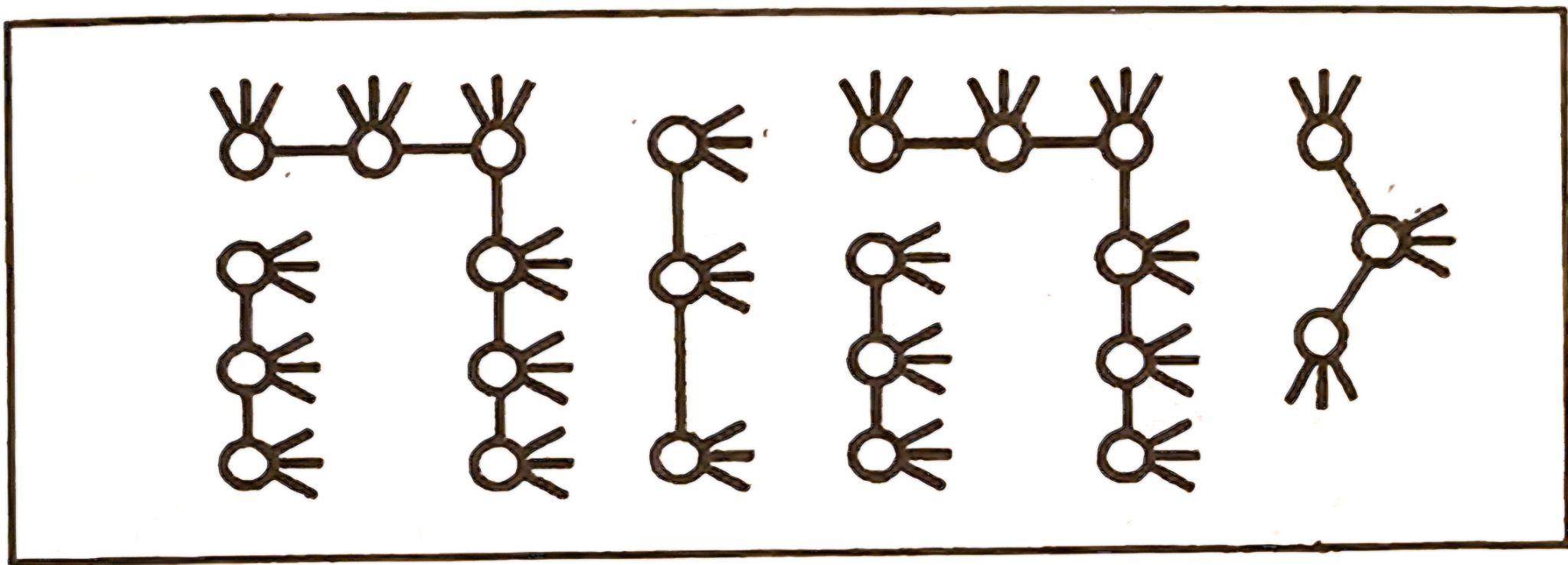
As I shall explain (כַּאֲשֶׁר אֲפָרֵשׁ), in the intention of the nighttime Keri’at Shema (בְּכַוָּנַת קְרִיאַת שְׁמַע שֶׁל לַיְלָה), and in other places (וּמְקוֹמוֹת אֲחֵרִים), and this is in order to draw the flow of the illumination of the eyes to Rachel (וְהוּא כְּדֵי לְהַמְשִׁיךְ שֶׁפַע הֶאָרַת עֵינַיִם אֶל רָחֵל), because she is “the beautiful maiden who has no eyes” (לְפִי שֶׁהִיא עוּלִימְתָּא שַׁפִּירְתָּא דְּלֵית לָהּ עַיְנִין), as mentioned in the Zohar, in the Sava, Parashat Mishpatim (כַּנִּזְכָּר בְּסֵפֶר הַזֹּהַר בַּסָּבָא פָּרָשַׁת מִשְׁפָּטִים) (Zohar Shemot 95a). And an allusion to this is (וְרֶמֶז לָזֶה): “And the eyes of Leah were tender” (וְעֵינֵי לֵאָה רַכּוֹת), “and Rachel was beautiful of form and beautiful of appearance” (וְרָחֵל הָיְתָה יְפַת תֹּאַר וִיפַת מַרְאֶה) (Genesis 29:17), and eyes are not mentioned regarding her (וְלֹא נִזְכַּר עַיְנִין), therefore one must intend to draw to her the illumination of the eyes (לְפִיכָךְ צָרִיךְ לְכַוֵּן לְהַמְשִׁיךְ אֵלֶיהָ הֶאָרַת עֵינַיִם), namely (דְּהַיְינוּ), that the Netzach and Hod of Tevunah should illuminate within Ze’ir opposite Chokhmah and Binah (שֶׁיָּאִירוּ נֵצַח וְהוֹד דְּתְבוּנָה בִּזְעֵיר נֶגֶד חָכְמָה וּבִינָה), through the aforementioned opening (דֶּרֶךְ הַחוֹר הַנִּזְכָּר).
It emerges for us from the matter under discussion (יָצָא לָנוּ מִנִּדּוֹן דִּידָן), that the hairs of Arich are white (כִּי הַשְּׂעָרוֹת דַּאֲרִיךְ הֵם לְבָנִים), and the hairs of Ze’ir are black (וְשַׂעֲרוֹת דְּזְעֵיר הֵם שְׁחוֹרוֹת), and those of his Nukvah are reddish (וְדְנוּקְבֵיהּ אֲדַמְדְּמִיּוּת), in the secret of the Red Heifer (בְּסוֹד פָּרָה אֲדֻמָּה), and they are the initials of Eshel (וְהֵם רָאשֵׁי תֵּבוֹת אש״ל), from below upward (מִתַּתָּא לְעֵילָא): Red (אֲדֻמִּים), Black (שְׁחוֹרִים), White (לְבָנִים). And this is the secret of: “And he planted an Eshel in Be’er Sheva” (וְזֶהוּ סוֹד וַיִּטַּע אֶשֶׁל בִּבְאֵר שָׁבַע) (Genesis 21:33), for the attribute of Avraham, which is the attribute of Chesed [kindness] of Arich Anpin (כִּי מִדַּת אַבְרָהָם שֶׁהִיא מִדַּת הַחֶסֶד דַּאֲרִיךְ אַנְפִּין), is that which polishes and whitens the hairs (הִיא הַמְצַחְצְחוֹת וּמַלְבְּנוֹת הַשְּׂעָרוֹת כֻּלָּם). And the awakening of the whitening begins from Arich (וְהִתְעוֹרְרוּת הַלִּבּוּן מַתְחִיל מֵאֲרִיךְ), and whitens the hairs of Ze’ir (וּמַלְבֵּן זְעֵיר שַׂעֲרוֹתָיו), and then Ze’ir Anpin also whitens the hairs of his Nukvah (וְאָז גַּם כֵּן זְעֵיר אַנְפִּין מַלְבֵּן שַׂעֲרוֹתָיו שֶׁל נוּקְבֵיהּ). And because Arich is entirely Rachamim [mercies] (וּלְפִי שֶׁאֲרִיךְ הִיא כֻּלָּהּ רַחֲמִים), therefore there is no aspect of the left side within it in essence (לָכֵן אֵין בָּהּ בְּחִינַת שְׂמֹאל בְּעֶצֶם), which would be the Nukvah (שֶׁהִיא נוּקְבֵיהּ), and even though there are hairs of the right and the left (וְאַף עַל פִּי שֶׁיֵּשׁ שַׂעֲרוֹת יָמִין וּשְׂמֹאל), they are all Rachamim [mercies] (הֵם כֻּלָּם רַחֲמִים). Likewise the eyes, which are two (וְכֵן הָעֵינַיִם שֶׁהֵם תְּרֵין), are Rachamei go Rachamei [mercies within mercies] (הֵם רַחֲמֵי גוֹ רַחֲמֵי), and they are considered only as one eye (וְאֵינָם נֶחְשָׁבִים אֶלָּא בִּבְחִינַת עַיִן אַחַת), because it is entirely complete Rachamim [mercies] (לְפִי שֶׁכֻּלּוֹ רַחֲמִים גְּמוּרִים). And it is also called Yechidah (וְגַם נִקְרֵאת יְחִידָה), because from Arich and below there is a Nukvah (לְפִי שֶׁמֵאֲרִיךְ וּלְמַטָּה יֵשׁ נְקֵבָה), but in Arich there is no Nukvah, only a male alone (אֲבָל בַּאֲרִיךְ אֵין בּוֹ נְקֵבָה כִּי אִם דְּכוּרָא לְבַד). And the reason is (וְהַטַּעַם), because the Nukvah is from Abba and below (לְפִי שֶׁהַנְּקֵבָה הִיא מֵאַבָּא וּלְמַטָּה), for there there are Dinim [judgments] (כִּי שָׁם יֵשׁ דִּינִין), and therefore it is necessary that there be a Nukvah (וְלָזֶה צָרִיךְ שֶׁתִּהְיֶה נְקֵבָה), because the Nukvah is the aspect of the Dinim [judgments] (לְפִי שֶׁהַנְּקֵבָה הִיא בְּחִינַת הַדִּינִין), and therefore she is called Nekevah (וְלָזֶה נִקְרֵאת נְקֵבָה נְקֵבָהּ), and its explanation is (וּפֵרוּשׁוֹ), that the light comes to her through a channel (שֶׁהָאוֹר בָּא לָהּ דֶּרֶךְ צִנּוֹר), therefore the Rachamim [mercies] within her are diminished (לָזֶה הָרַחֲמִים בָּהּ מְיעֻוטִּים). But the male is entirely Rachamim [mercies] (אֲבָל הַזָּכָר כֻּלּוֹ רַחֲמִים), and therefore he is called Zachar [male] (וְלָזֶה נִקְרָא זָכָר), which equals Berakhah [blessing] in numerical value (שֶׁעוֹלֶה בְּרָכָה), and this is what the verse says (וְזֶהוּ שֶׁאוֹמֵר הַפָּסוּק): “a wide plain” (כַּר נִרְחָב) (Isaiah 30:23), for the light comes in abundance (שֶׁהָאוֹר בָּא בְּרִבּוּי), and therefore below, where there are Dinim [judgments] (וְלָזֶה לְמַטָּה שֶׁיֵּשׁ שָׁם דִּינִין), there is a Nukvah (יֵשׁ שָׁם נְקֵבָה), and it is not singular (וְאֵינוֹ יָחִיד), but Above it is entirely Rachamim [mercies] (אֲבָל לְמַעְלָה הוּא כֻּלּוֹ רַחֲמִים), and there are no Dinim [judgments] there at all (וְאֵין שָׁם דִּינִים כְּלָל), rather on the contrary (אֶלָּא אַדְּרַבָּה), “He sits upon His throne over the flames of fire in order to subdue them” (יָתִיב עַל כּוּרְסֵיּהּ דְּשַׁבִיבִין דִּינוּר לְאַכְפְּיָא לוֹן) (Zohar Bamidbar 128b). And because Arich includes all of Atzilut from above to below (וּלְפִי שֶׁאֲרִיךְ הוּא כּוֹלֵל כָּל הָאֲצִילוּת מִלְמַעְלָה לְמַטָּה), down to the Throne, which is Beri’ah (עַד הַכִּסֵּא שֶׁהוּא בְּרִיאָה), therefore the primary Dinim [judgments] are in Beri’ah (לָזֶה יֵשׁ עִיקַּר הַדִּינִים בִּבְרִיאָה), and in Atzilut there are not as many Dinim [judgments] as in Beri’ah, Yetzirah, and Asiyah (וּבַאֲצִילוּת אֵין כָּל כָּךְ דִּינִים כְּמוֹ בְּבִי״ע), in the secret of “masters of weeping and masters of wailing” (בְּסוֹד מָארֵי דִּיבָבָא וּמָארֵי דִּילָלָה) (Zohar Shemot 50b), and the Gevurot [strengths] of Beri’ah are called the servants of Yitzchak (וְהַגְּבוּרוֹת דִּבְרִיאָה נִקְרָאִים עַבְדֵי יִצְחָק). And concerning Arich the verse says (וְעַל אֲרִיךְ אוֹמֵר הַפָּסוּק): “Behold, the eye of Hashem is upon those who fear Him, upon those who hope for His Chesed [kindness]” (הִנֵּה עֵין י״י אֶל יְרֵאָיו לַמְיַחֲלִים לְחַסְדּוֹ) (Psalms 33:18), for in Ze’ir there are eyes (כִּי בִּזְעֵיר יֵשׁ עֵינַיִם), but in Arich they are Rachamei go Rachamei [mercies within mercies] (וּבַאֲרִיךְ הֵם רַחֲמֵי גוֹ רַחֲמֵי), and in these there is only the aspect of one eye (וּבְאֵלּוּ אֵין שָׁם אֶלָּא בְּחִינַת עַיִן אֶחָד), and therefore it is called Yechidah (וְלָזֶה נִקְרֵאת יְחִידָה), because there is no Nukvah there, only a male (כִּי אֵין שָׁם נְקֵבָה אֶלָּא זָכָר). And therefore we say in Barukh She’amar (וְלָזֶה אָנוּ אוֹמְרִים בְּבָרוּךְ שֶׁאָמַר), which is the secret of Atika Kadisha of Asiyah (שֶׁהוּא סוֹד עַתִּיקָא קַדִּישָׁא דַּעֲשִׂיָּה), “Yachid, Life of the worlds” (יָחִיד חֵי הָעוֹלָמִים), and “the Open Eye” (וְעֵינָא פְקִיחָא), is made from Yesod, which is called Chai HaOlamim [Life of the Worlds] (נַעֲשֶׂה מִיְּסוֹד הַנִּקְרָא חֵי הָעוֹלָמִים), to illuminate from Arich Anpin to this Atik (לְהָאִיר מֵאֲרִיךְ אַנְפִּין לְהָעַתִּיק הַזֶּה). And Yosef HaTzaddik, peace be upon him (וְיוֹסֵף הַצַּדִּיק עָלָיו הַשָּׁלוֹם), who is the Yesod of Ze’ir Anpin (שֶׁהוּא יְסוֹד ז״א), merited the illumination of the supervision of the Eye of the Open Eye (זָכָה לְהֶאָרַת הַשְׁגָּחַת הָעַיִן שֶׁל עֵינָא פְקִיחָא), which is the Yesod of the Unknowable One (שֶׁהוּא יְסוֹד דְּלָא אִתְיְידַע), and this is the secret of (וְזֶהוּ סוֹד): “Do not read it as alei ayin [by a fountain], but rather olei ayin [above the eye]” (אַל תִּקְרֵי עֲלֵי עָיִן אֶלָּא עוֹלֵי עָיִן) (Berakhot 20a; Genesis 49:22).
Who ascended above the illumination of the eye of Ze’ir Anpin (שֶׁנִּתְעַלָּה עַל הֶאָרַת עַיִן דְּזְעֵיר אַנְפִּין), and merited the illumination of the eye of Arich Anpin (וְזָכָה לְהֶאָרַת עַיִן שֶׁל אֲרִיךְ אַנְפִּין), where there is no evil, namely Dinim [judgments] (שֶׁאֵין שָׁם רַע, דְּהַיְינוּ דִּינִים), and therefore the evil eye of the Klipot cannot rule over him or over his descendants (וְלָכֵן לֹא יִשְׁלֹט בּוֹ וּבְזַרְעוֹ עַיִן הָרַע שֶׁל הַקְּלִיפּוֹת), in which there are Dinim [judgments] (שֶׁיֵּשׁ בּוֹ דִּינִים), and whose grasp comes from Ze’ir through the Dinim [judgments] within him (וַאֲחִיזָתָם מִזְּעֵיר מִדִּינִים שֶׁבּוֹ), as we have said (כַּאֲשֶׁר אָמַרְנוּ). And concerning this it is said (וְעַל זֶה נֶאֱמַר): “And may they multiply abundantly like fish in the midst of the earth” (וְיִדְגּוּ לָרֹב בְּקֶרֶב הָאָרֶץ) (Genesis 48:16), for this eye is exemplified by the fish of the sea (כִּי זֶה הָעַיִן הוּא דֻּגְמָא בִּדְגֵי הַיָּם), which have no eyebrows (שֶׁאֵין לָהֶם גַּבִּינִין), namely eyelids that cause sleep (דְּהַיְינוּ עַפְעַפַּיִם הַגּוֹרְמִים שֵׁנָה), namely the Din [judgment] of the withdrawal of the Supernal supervision (דְּהַיְינוּ דִּין הִסְתַּלְּקוּת הַהַשְׁגָּחָה הָעֶלְיוֹנָה), and the withdrawal of the Mochin (וְהִסְתַּלְּקוּת הַמּוֹחִין), which exists with the eyes of Ze’ir Anpin (שֶׁהוּא אֵצֶל עֵינֵי זְעֵיר אַנְפִּין). And this is the secret of the verse (וְזֶהוּ סוֹד הַפָּסוּק): “A fruitful son is Yosef, a fruitful son above the eye” (בֵּן פֹּרָת יוֹסֵף בֵּן פֹּרָת עֲלֵי עָיִן) (Genesis 49:22). Porat [fruitful] is an expression of Chen [grace] (פֹּרָת הוּא לְשׁוֹן חֵן), and its explanation is (וּפֵרוּשׁוֹ), that the Holy One Blessed Be He granted him Chen [grace] (שֶׁנָּתַן לוֹ הקב״ה חֵן), that he ascended to this supervision of the Open Eye (שֶׁנִּתְעַלָּה לְהַשְׁגָּחַת עֵינָא פְקִיחָא זֹאת), concerning which it is said (שֶׁנֶּאֱמַר עָלֶיהָ): “A good eye shall be blessed” (טוֹב עַיִן הוּא יְבֹרָךְ) (Proverbs 22:9).
… [May He bless] me (אוֹתִי), and strengthen me with wealth and honor (וִיחַזְּקֵנִי בְּעֹשֶׁר וְכָבוֹד), to complete this awesome composition (לִגְמוֹר הַחִבּוּר הַנּוֹרָא הַזֶּה), which I have begun with the other books that I have begun (אֲשֶׁר הִתְחַלְתִּי עִם שְׁאָר סְפָרִים שֶׁהִתְחַלְתִּי). “A wise man will hear and increase learning” (יִשְׁמַע חָכָם וְיוֹסֶף לֶקַח) (Proverbs 1:5), may Yaakov rejoice (יָגִיל יַעֲקֹב), may Yisrael be glad (יִשְׂמַח יִשְׂרָאֵל), and Hashem desires for the sake of His righteousness to magnify Torah and make it glorious (וַי־י חָפֵץ לְמַעַן צִדְקוֹ יַגְדִּיל תּוֹרָה וְיַאְדִּיר) (Isaiah 42:21), in our mouths and in the mouths of all Your people, the House of Yisrael, forever (בְּפִינוּ וּבְפִיפִיּוֹת כָּל עַמְּךָ בֵּית יִשְׂרָאֵל עַד עוֹלָם). Blessed is Hashem forever (בָּרוּךְ י״י לְעוֹלָם), Amen and Amen (אָמֵן וְאָמֵן).