
Chapter Five (פֶּרֶק חֲמִישִׁי)
It is the first Tikkun [Rectification] of Ein, called “Who is a God like You” (הוּא הַתִּיקּוּן הָרִאשׁוֹן שֶׁל אֵין הַנִּקְרָא מִי אֵל כָּמוֹךָ), and the first Tikkun [Rectification] of Arich, likewise called “El” (וְהַתִּיקּוּן הָרִאשׁוֹן שֶׁל אֲרִיךְ הַנִּקְרָא גַּם כֵּן אֵל).
The first Tikkun [Rectification] of Ein is “Who is a God like You” (הַתִּיקּוּן הָרִאשׁוֹן שֶׁל אֵין מִי אֵל כָּמוֹךָ), and the first Tikkun [Rectification] of Arich is likewise called “El” (וְהַתִּיקּוּן הָרִאשׁוֹן שֶׁל אֲרִיךְ נִקְרָא גַּם כֵּן אֵל). And regarding this Rashbi, peace be upon him, said (וְעַל זֶה אָמַר הָרַשְׁבִּ״י ע״ה): “Before the opening of the ears begins the preciousness to be rectified” (מִקַּמֵּי פִּתְחָא דְאוֹדְנִין שָׁרֵי יְקִירוּ לְאִתְתַּקָּנָא).
Now he comes to explain all the Thirteen Tikkunim within the Dikna [Beard] of Atika (עַכְשָׁיו בָּא לְפָרֵשׁ כָּל הַי״ג תִּיקּוּנִים שֶׁבְּדִיקְנָא שֶׁל עַתִּיקָא), and says (וְאָמַר): from before the opening of the ears (מִלִּפְנֵי פְּתִיחַת פֶּתַח הָאֹזְנַיִם), namely beneath peyot [sidelocks] (דְּהַיְינוּ תַּחַת הַפֵּאוֹת), the beard begins to be rectified and the hairs of the beard descend in beauty (מַתְחִיל לְאִתְתַּקָּנָא הַזָּקָן וְנָחִית הַשְּׂעָרוֹת שֶׁל הַזָּקָן בְּיוֹפִי), from the right side and the left side until the beginning of the lips (מִצַּד יָמִין וּשְׂמֹאל עַד רֵישָׁא דְשִׂפְוָון), namely the “Grentz” [mustache] in the Ashkenazic tongue (דְּהַיְינוּ גְּרֶענִיץ׳ [שָׂפָם] בִּלְשׁוֹן אַשְׁכְּנַז), and this is the first Tikkun, “Who is a God like You” (וְזֶהוּ הַתִּיקּוּן הָרִאשׁוֹן מִי אֵל כָּמוֹךָ). And in order to inform you of the content of this matter (וּכְדֵי לְהוֹדִיעֲךָ תֹּכֶן הָעִנְיָן הַזֶּה), you must know (צָרִיךְ אַתָּה לָדַעַת), that the ears of Adam Kadmon were made from the Name S"G itself, included within the Name A"B, as we explained above (שֶׁהָאָזְנַיִם שֶׁל אָדָם קַדְמוֹן נַעֲשׂוּ מִן שֵׁם ס״ג עַצְמוֹ הַכָּלוּל בְּשֵׁם ע״ב כִּדְפֵירַשְׁנוּ לְעֵיל), and the ears of this Atika were made from the imprint that he gave to Ze’ir Anpin, Adam Kadmon (וְהָאָזְנַיִם שֶׁל עַתִּיקָא זוֹ נַעֲשׂוּ מִן הַדְּפוּס שֶׁנָּתַן לְז״א אָדָם קַדְמוֹן), namely from the two Hehin of the filling of the Name S"G (דְּהַיְינוּ מִן הַתְּרֵין הֵהִי״ן שֶׁל הַמִּלּוּי שֵׁם ס״ג). And this Tikkun [Rectification], which is the aforementioned “El” (וְהַתִּיקּוּן הַזֶּה שֶׁהוּא אֵל הַנִּזְכָּר), emerges from the two Yudin, the filling of the aforementioned two Hehin (יוֹצֵא מִן הַתְּרֵין יוּדִי״ן מִלּוּי שֶׁל הַתְּרֵין הֵהִי״ן הַנִּזְכָּרִים): Heh-Yud, Heh-Yud (ה״י ה״י), and this is what it says: “Before the opening of the ears begins the preciousness to be rectified” (וְהַיְינוּ דְּקָאָמַר מִקַּמֵּי פִּתְחָא דְאוֹדְנִין שָׁרֵי יְקִירָא לְאִתְתַּקָּנָא), meaning (כְּלוֹמַר), from the first Tikkun [Rectification], which is “El,” the ears of Atika were made, as stated (מִן הַתִּיקּוּן הָרִאשׁוֹן שֶׁהוּא אֵל נַעֲשׂוּ הָאָזְנַיִם שֶׁל עַתִּיקָא כָּאָמוּר).
And now I shall inform you how this Tikkun emerges from the two Yudin (וְעַתָּה אוֹדִיעֲךָ אֵיךְ יוֹצֵא הַתִּיקּוּן הַזֶּה מִן הַתְּרֵין יוּדִי״ן). Know (דַּע), that when these two Yudin emerged (כְּשֶׁיָּצְאוּ אֵלּוּ תְּרֵין יוּדִי״ן), the essential Yud of the Name S"G, which is their artisan, joined with them (נִתְחַבֵּר אֲלֵיהֶם הַיוּ״ד הָעִיקָרִיּוֹת שֶׁל שֵׁם ס״ג שֶׁהִיא הָאוּמָן שֶׁלָּהֶם), meaning (כְּלוֹמַר), that it brings them forth from potential into actuality (שֶׁהִיא מוֹצִיאָם מִן הַכֹּחַ אֶל הַפּוֹעַל), and these three Yudin became joined together in the form of a Lamed (וְנַעֲשׂוּ אֵלּוּ ג׳ יוּדִי״ן הִתְחַבְּרוּתָם יַחַד בְּצוּרַת ל). As these three Yudin emerged until the ear (כְּמוֹ שֶׁיָּצְאוּ ג׳ יוּדִי״ן אֵלּוּ עַד לָאוֹזֶן), they spread forth in the secret of three Vavin (נִתְפַּשְּׁטוּ בְּסוֹד ג׳ וָוִי״ן), the essential Yud is the neck of the Lamed (הַיוּ״ד הָעִיקָרִיּוֹת הִיא צַוַּאר הַלָּמֶ״ד), and therefore at the neck of the Lamed above is the form of a Yud (וְלָזֶה בְּצַוַּאר הַלָּמֶ״ד לְמַעְלָה צוּרוֹת יוּ״ד), from which this Vav emerges (שֶׁמִּמֶּנָּה יוֹצְאוֹת הַוָּי״ו זוֹ), and the Yud of the filling of the first Heh becomes the roof of the Lamed (וְהַיוּ״ד שֶׁל מִלּוּי ה״י הָרִאשׁוֹנָה נַעֲשֵׂית גַּג הַלָּמֶ״ד), and the Yud of the filling of the second Heh becomes the leg of the Lamed (וְהַיוּ״ד שֶׁל מִלּוּי ה״י הַשֵּׁנִית נַעֲשֵׂית רֶגֶל הַלָּמֶ״ד), and therefore the numerical value of the Lamed is thirty (וְלָזֶה יֵשׁ הַמִּסְפָּר שֶׁל הַלָּמֶ״ד שְׁלֹשִׁים), because its root is three Yudin (מִפְּנֵי שֶׁשָּׁרְשָׁהּ ג׳ יוּדִי״ן). And the Aleph in the filling of the Vav of the Name S"G emerges from the ear (וְהָאָלֶ״ף שֶׁבְּמִלּוּי הַוָּי״ו שֶׁל שֵׁם ס״ג יוֹצְאָה מִן הָאוֹזֶן), and joins with the Lamed and becomes the Name El (וְנִתְחַבְּרָה עִם הַלָּמֶ״ד וְנַעֲשָׂה שֵׁם אֵל), and therefore the vocalization of the Name El is with a Tzeirei (וְלָזֶה נִקּוּדוֹ שֶׁל שֵׁם אֵל הוּא בְּצֵירֵי), which is the vocalization of Binah, as is known (שֶׁהוּא נִקּוּד בִּינָה כַּנּוֹדָע), because the Name S"G is in Binah (לְפִי שֶׁשֵּׁם ס״ג הוּא בְּבִינָה), and the Name El emerges from the Name S"G as stated (וְשֵׁם אֵל יוֹצֵא מִן שֵׁם ס״ג כָּאָמוּר). And because this Tikkun is explained in the “peyot” [sidelocks of the head] in the Idra Rabba, Parashat Naso (וּלְפִי שֶׁתִּקּוּן זֶה מְפֹרָשׁ בְּפֵאוֹת [הָרֹאשׁ] בָּאִדְּרָא רַבָּא פָּרָשַׁת נָשֹׂא), I shall explain to you the language of the Idra concerning what pertains to this Tikkun (אֲפָרֵשׁ לְךָ לְשׁוֹן הָאִדְּרָא מַה שֶּׁנּוֹגֵעַ לְתִיקּוּן זֶה). And this is its language (וְזֶה לְשׁוֹנוֹ): “And the beginning of the first Tikkun: thirty-one locks are weighed, extending until the beginning of the mouth” (וְשֵׁירוּתָא דְתִיקּוּנָא קַדְמָאָה תְּלָתִין וְחַד קוּצִי שְׁקִילִין אִתְמַשְּׁכָן עַד רֵישָׁא דְפוּמָא), and the intention is (וְהַכַּוָּנָה), because the Name S"G which is in Binah — judgments are aroused from it (לִהְיוֹת שֶׁשֵּׁם ס״ג שֶׁבְּבִינָה דִּינִין מִתְעָרִין מִינָּהּ), therefore this Tikkun, which is “El,” emerging from the Name S"G as mentioned (לָזֶה הַתִּיקּוּן שֶׁהוּא אֵל שֶׁיּוֹצֵא מִן שֵׁם ס״ג כַּנִּזְכָּר), becomes a powerful judgment (נַעֲשָׂה דִּין תַּקִּיף). And therefore the locks of hair within it are thirty-one (וּלְזֶה קוּצִין שֶׁל הַשְּׂעָרוֹת שֶׁבּוֹ תְּלָתִין וְחַד), corresponding to the number of El (מִנְיַן אֵל), to indicate complete judgment there (לְהוֹרוֹת שָׁם דִּין גָּמוּר), but nevertheless the source itself from which these thirty-one locks were drawn sweetened them (אֲבָל מִכָּל מָקוֹם הַמָּקוֹר עַצְמוֹ דְּאִתְמַשְּׁכָן מִמֶּנּוּ אֵלּוּ ל״א קוּצִי הָיָה מְמַתֵּק אוֹתָם), as we shall explain shortly (כְּמוֹ שֶׁנְּפָרֵשׁ בְּסָמוּךְ), regarding what it says: “and with all this, this El was subdued” (עַל מַה שֶּׁאָמַר וְעִם כָּל דָּא הַאי אֵל אִתְכַּפְיָא). And through this you will understand why this is called a Tikkun (וּבָזֶה אַתָּה תָבִין לָמָּה נִקְרָא זֶה תִּיקּוּן), for surely it would only be proper to say “Tikkun” where there had been corruption (הֲלוֹא לֹא יִצְדַּק לוֹמַר תִּיקּוּן אֶלָּא כְּשֶׁהָיָה קִלְקוּל), rather the intention is concerning the sweetening of this El (אֶלָּא הַכַּוָּנָה הִיא עַל הַמִּיתּוּק שֶׁל אֵל זֶה), and this is the Tikkun (וְזֶה הוּא הַתִּיקּוּן), and likewise the breaking of the Malkhut within Atika, this was rectified through this El (וְגַם כֵּן הַשְּׁבִירָה שֶׁל מַלְכוּת שֶׁבְּעַתִּיקָא זוֹ נִתְקְּנָה בְּאֵל זֶה), and therefore it is called the Tikkun of Yud (וְלָזֶה נִקְרָא הוּא תִּיקּוּן י׳). And because the filling of the Name S"G, from which this El emerges, is the number thirty-seven (וּלְהִיוֹת שֶׁהַמִּלּוּי שֶׁל שֵׁם ס״ג שֶׁמִּמֶּנּוּ יוֹצֵא אֵל זֶה הוּא מִנְיַן ל״ז), and every point from this filling-number is included from ten (וְכָל נְקוּדָה מִן הַמִּסְפָּר מִלּוּי זֶה כָּלוּל מֵעֶשֶׂר), because the essential Yud is the artisan of them all (לְפִי שֶׁהַיוּ״ד הָעִיקָרִיּוֹת הִיא הָאוּמָן לְכֻלָּם), and ten times thirty-seven equals three hundred and seventy (וְי׳ פְּעָמִים ל״ז עוֹלֶה ש״ע). And when you join to them the essential Yud itself, which equals ten (וּכְשֶׁתְּצָרֵף עֲלֵיהֶם הַיוּ״ד עַצְמָהּ הָעִיקָרִיּוֹת שֶׁעוֹלָה י׳), together with the source to which the locks of hair were attached, namely “before the opening of the ears” (וְגַם הַמָּקוֹר שֶׁנִּדְבְּקוּ בּוֹ קוּצֵי דְשַׂעֲרֵי דְּהַיְינוּ מִקַּמֵּי פִּתְחָא דְאוֹדְנִין), which is in the form of a Yud (שֶׁהוּא בְּצוּרַת יוּ״ד), behold altogether it equals three hundred and ninety (הֲרֵי בֵּין הַכֹּל עוֹלֶה ש״ץ). And therefore it says in the Idra Rabba (וּלְזֶה אָמַר בָּאִדְּרָא רַבָּא): “and three hundred and ninety hairs were found in every single lock” (וּתְלַת מֵאָה וְתִשְׁעִים נִימֵי אִשְׁתְּכָחוּ בְּכָל קוּצִי וְקוּצִי), and the intention is to say (וְהַכַּוָּנָה לוֹמַר), that after the thirty-one locks within the Name El were sweetened through the power of the place to which they were attached, as stated (שֶׁאַחַר שֶׁנִּמְתְּקוּ הַל״א קוֹצִים שֶׁבְּשֵׁם אֵל מִכֹּחַ הַמָּקוֹם שֶׁנִּדְבְּקוּ בּוֹ כָּאָמוּר), from every single lock there extended sixty Nimin [Hairs] (נִמְתַּח מִכָּל קוֹץ וְקוֹץ ס׳ נִימִין), meaning (כְּלוֹמַר), sweetened judgments (דִּינִים מְמוּתָּקִים), which illuminated from the locks (הָיוּ מְאִירִים מִן הַקּוֹצִים), and therefore it called them Nimin [Hairs] and not Kutzin [Locks] (וְלָזֶה קָרָא אוֹתָם נִימִין וְלֹא קוּצִי), and the intention is that the matter of these Nimin [Hairs] is three hundred and ninety, no less and no more (וְהַכַּוָּנָה שֶׁעִנְיַן הַנִּימִין הֵם ש״ץ לֹא פָחוֹת וְלֹא יוֹתֵר). Because these Nimin [Hairs] sweeten and whiten the hairs of Ze’ir, which are black like a raven, and they return to become white in the secret of the white Tallit (לְפִי שֶׁהַנִּימִין הָאֵלּוּ מְמַתְּקִין וּמַלְבִּינִים הַשְּׂעָרוֹת שֶׁל זְעֵיר שֶׁהֵם שְׁחוֹרוֹת כָּעוֹרֵב וְחוֹזְרִים לְהֵעָשׂוֹת לְבָנִים בְּסוֹד טַלִּית לָבָן), and because Ze’ir is called “Shamayim” [Heavens] (וּלְפִי שֶׁזְּעֵיר נִקְרָא שָׁמַיִם), and “Shamayim” [Heavens] equals three hundred and ninety (וְשָׁמַיִם עוֹלֶה ש״ץ), therefore the Nimin [Hairs] were three hundred and ninety (לָזֶה הָיוּ הַנִּימִין ש״ץ), and therefore he calls them to sweeten them (וְלָזֶה קוֹרֵא אוֹתָן [לָהֶן לְהִתְמַתֵּק] לְמַתֵּק אוֹתָם).
Know (דַּע), because the seven Tikkunim [Rectifications] illuminate within him (לְפִי שֶׁמְּאִירִים בּוֹ הַשִּׁבְעָה תִּיקּוּנִים), which are G"T QR"A P"H [Galgalta (the Skull), Tala di-Vdolcha (the Crystal Dew), Kruma de-Avira (the Membrane of the Air), Ra'ava de-Ra'avin (the Will of Wills), Amar Neke (the Pure Wool), Pekicha de-La Na'im (the Ever-Open Eye), Chotama (the Holy Nose)] (שֶׁהֵם ג״ט קר״ע פ״ח), which Adam Kadmon made within this Atika (שֶׁעָשָׂה אָדָם קַדְמוֹן בְּעַתִּיקָא זוֹ), all of them gathered together in that place in the form of a ring (שֶׁהֵם נִתְקַבְּצוּ כֻלָּם בְּאוֹתוֹ הַמָּקוֹם בְּצוּרַת עִזְקְתָּא), within which is the seal of the King (שֶׁבְּתוֹכָם יֵשׁ חוֹתָם הַמֶּלֶךְ), namely the Yud in the Yesod of the Reisha DeLa Ityada [the Unknowable Head] (דְּהַיְינוּ הַיוּ״ד שֶׁבִּיסוֹד שֶׁל רֵישָׁא דְּלָא אִתְיְדַע), and because this Yud, which is the seal, is in the form of an Aleph like this (וּלְהִיוֹת שֶׁזֹּאת הַיוּ״ד שֶׁהִיא הַחוֹתָם הִיא בְּצוּרַת אָלֶ״ף כָּזֶה): Therefore within it are one thousand worlds hinted in the number Aleph (לָכֵן יֵשׁ בָּהּ אֶלֶף עָלְמִין שֶׁהֵם רְמוּזִים בְּמִסְפַּר אָלֶ״ף), and this is what it says there (וְהַיְינוּ דְּקָאָמַר שָׁם): “and from this Dikna [Beard] all that existed from the Head became known” (וּמֵהַאי דִּיקְנָא אִשְׁתְּמוֹדַע כָּל מַה דַּהֲוָה מֵרֵישָׁא), meaning (כְּלוֹמַר), from the Reisha DeLa Ityada [the Unknowable Head], through one thousand worlds sealed within the pure ring (מֵרֵישָׁא דְּלָא אִתְיְדַע בְּאֶלֶף עָלְמִין דַּחֲתִימִין בְּעִזְקְתָּא דַכְיָא). And because there is another ring, as you will know in its place (וּלְפִי שֶׁיֵּשׁ עִזְקָא אַחֶרֶת כַּאֲשֶׁר תֵּדַע בִּמְקוֹמוֹ), therefore it returns and says: “within the ring that includes all the rings” (לָכֵן חוֹזֵר וְאוֹמֵר בְּעִזְקְתָּא דְּכָלִיל כָּל עִזְקִין), meaning (כְּלוֹמַר), that this ring which we mentioned includes all those seven Tikkunim, each one of which is a ring unto itself (שֶׁזֹּאת הָעִזְקָא שֶׁאָמַרְנוּ הִיא כּוֹלֶלֶת כָּל אוֹתָן הַז׳ תִּיקּוּנִים שֶׁכָּל אֶחָד מֵהֶם הוּא עִזְקָא בִּפְנֵי עַצְמוֹ), and therefore it says: “which includes all the rings” (וְלָזֶה אָמַר דְּכָלִיל כָּל עִזְקִין). And another reason may also be given for the number of one thousand worlds (וְיֵשׁ לִתֵּן עוֹד טַעַם אַחֵר לְמִסְפַּר אֶלֶף עָלְמִין), because every one of the thirty-one locks is included within the others (לְפִי שֶׁכָּל אֶחָד מִן הַל״א קוּצִי כָּלוּל מֵחֲבֵירוֹ), thus thirty-one times thirty-one equals nine hundred and sixty-one (שֶׁהֵם ל״א פְּעָמִים ל״א שֶׁעוֹלִים תתקס״א), and when you join the Name El itself, which is the essential root (וּכְשֶׁתְּצָרֵף שֵׁם אֵל עַצְמוֹ שֶׁהוּא עִיקָר), behold altogether they equal nine hundred and ninety-two (עוֹלִים בֵּין הַכֹּל תתקצ״ב), and furthermore the joining of the ring which includes the seven rings, which sweetens them all as stated (וְעוֹד הַצֵּירוּף הָעִזְקָא שֶׁכּוֹלֶלֶת הַז׳ עִזְקָאוֹת שֶׁהִיא הַמְּמַתֶּקֶת אֶת כּוּלָּם כָּאָמוּר), behold altogether it equals one thousand (הֲרֵי בֵּין הַכֹּל עוֹלֶה אֶלֶף). And afterward it says (וְאָמַר אַחַר כָּךְ): “and within every single lock spread forth thirty-one worlds” (וּבְכָל קוּצִי וְקוּצִי מִתְפָּרְשִׁין תְּלָתִין וְחַד עָלְמִין), and the matter of these worlds is the Sefirot within the Malkhut of Atika (וְהָעִנְיָן שֶׁל עָלְמִין אֵלּוּ הֵם סְפִירוֹת שֶׁבְּמַלְכוּת עַתִּיקָא), because the Malkhut within Atika is included potentially into three Partzufim (מִפְּנֵי שֶׁמַּלְכוּת שֶׁבְּעַתִּיקָא הִיא נִכְלֶלֶת לִשְׁלֹשָׁה פַּרְצוּפִים בְּכֹחַ), namely the aspect of Yesod and the aspect of Hod and the aspect of Netzach, all of which join together (דְּהַיְינוּ בְּחִינַת יְסוֹד וּבְחִינַת הוֹד וּבְחִינַת נֶצַח שֶׁמִּתְחַבְּרִים כּוּלָּם). And each one possesses ten (וְכָל אֶחָד יֵשׁ לוֹ י׳), and these are the ten of the Partzuf that we mentioned (וְהַיְינוּ שֶׁל הַפַּרְצוּף שֶׁאָמַרְנוּ), for every expansion of ten Sefirot is called a Partzuf (שֶׁכָּל הִתְפַּשְּׁטוּת עֶשֶׂר סְפִירוֹת נִקְרָא פַּרְצוּף), behold there are thirty (הֲרֵי שְׁלֹשִׁים), together with the Malkhut itself which includes them, behold thirty-one (וּמַלְכוּת עַצְמָהּ הַכּוֹלֶלֶת הֲרֵי ל״א). And each one of the Sefirot of these aforementioned Partzufim is called a “world” (וְכָל אֶחָד מֵהַסְּפִירוֹת שֶׁל פַּרְצוּף מֵאֵלֶּה הַנִּזְכָּר נִקְרָא עוֹלָם), for there are rooted the roots of six hundred thousand souls destined to descend below into the world of Beri’ah (שֶׁשָּׁם נִשְׁרָשִׁים שֹׁרֶשׁ ס׳ רִבּוֹא נְשָׁמוֹת שֶׁעֲתִידִים לָרֶדֶת לְמַטָּה בְּעוֹלָם הַבְּרִיאָה), for there is the place of the souls after Adam haRishon sinned (אֲשֶׁר שָׁם מְקוֹם הַנְּשָׁמוֹת אַחַר שֶׁחָטָא אָדָם הָרִאשׁוֹן). And afterward it says (וְאָמַר אַחַר כָּךְ): “powerful rulers spread forth” (תַּקִּיפִין שַׁלְטִין לְאִתְפַּשְּׁטָא), meaning (כְּלוֹמַר), these worlds which spread forth through the power of the thirty-one locks within “El,” which is powerful judgment (אֵלֶּה עָלְמִין שֶׁהֵם מִתְפָּרְשִׁים מִכֹּחַ ל״א קוּצִי שֶׁבְּאֵל שֶׁהוּא דִּין תַּקִּיף), there are powerful ruling worlds pursuing and drawing them, wandering and unsettled (יֵשׁ עָלְמִין תַּקִּיפִין שַׁלְטָנִין הָרוֹדְפִים וּמוֹשְׁכִים אוֹתָם נָע וָנָד), until they spread forth through the middle line which blends and sweetens the judgments with the Chasadim (עַד שֶׁיִּתְפַּשְּׁטוּ דֶּרֶךְ קַו הָאֶמְצָעִי הַמְמַזֵּג וְהַמְמַתֵּק הַדִּינִין עִם הַחֲסָדִים).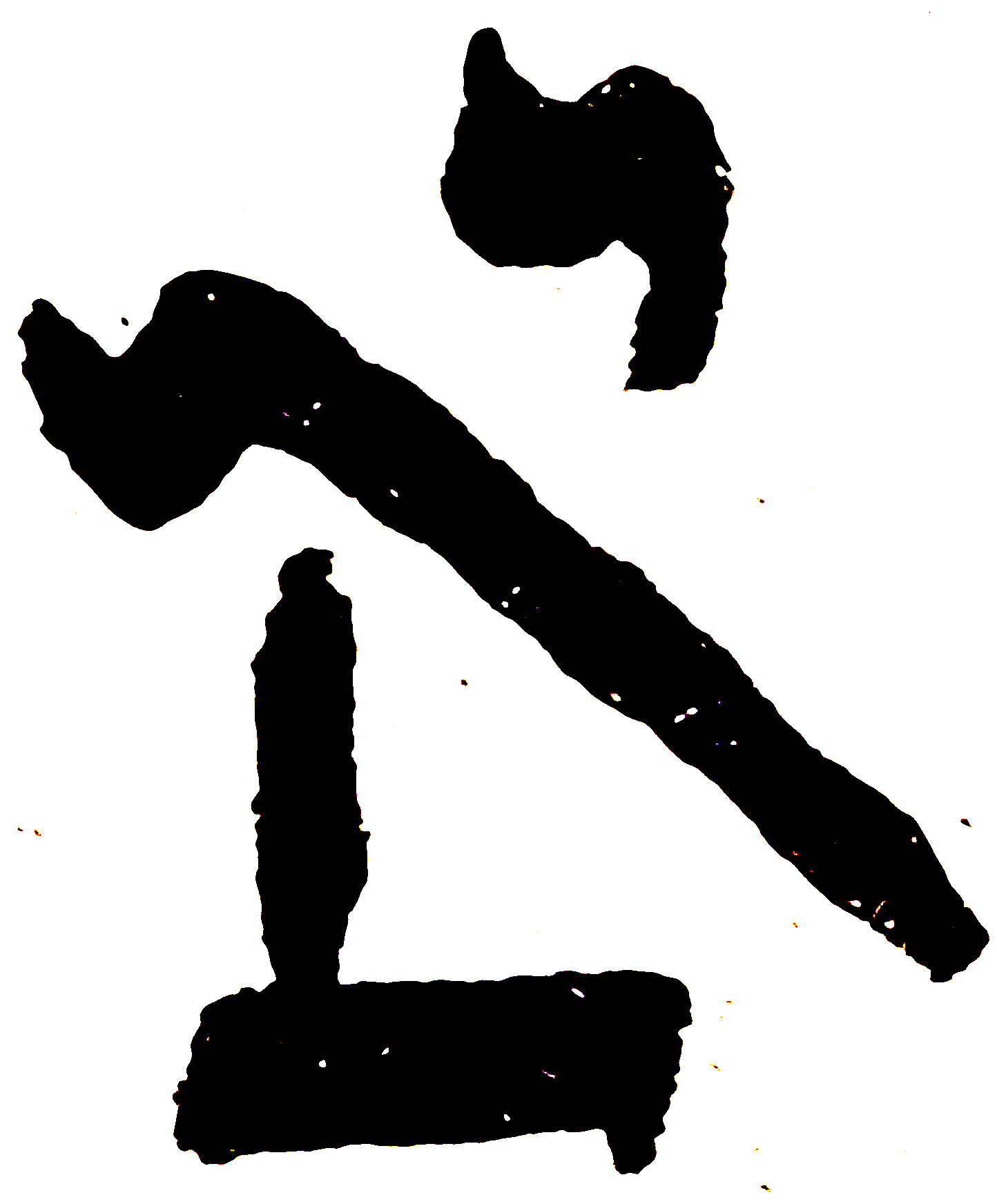
They do not spread forth to the sides (לֹא יִתְפַּשְּׁטוּ לַצְּדָדִין), rather toward the right side and not toward the left side (אֶלָּא לְצַד הַיָּמִין וְלֹא לְצַד הַשְּׂמֹאל), and who are the powerful ones ruling over these worlds? (וּמִי הֵם הַתַּקִּיפִין הַשּׁוֹלְטִים עַל אֵלֶּה עָלְמִין), namely the Yudin of the filling of the Hehin of the Name S"G which we mentioned (דְּהַיְינוּ הַיוּדִי״ן שֶׁל מִלּוּי הַהֵהִי״ן שֶׁל שֵׁם ס״ג שֶׁאָמַרְנוּ). And afterward it says (וְאָמַר אַחַר כָּךְ): “and every single world from it spreads forth into one thousand worlds of longing for great delight” (וְכָל עָלְמָא וְעָלְמָא מִינָּהּ מִתְפָּרֵשׁ לְאַלֶף עָלְמִין דְּכִסּוּפִין לְעִדּוּנָא רַבָּא), the explanation is (פֵּירוּשׁ): from these thirty-one worlds, the aspect of the Name S"G existing within each one of them gives one portion to the one thousand worlds of longing for great delight (מֵאֵלּוּ תְּלָתִין וְחַד עָלְמִין בְּחִינַת שֵׁם ס״ג שֶׁיֵּשׁ בְּכָל אֶחָד מֵהֶם נוֹתֵן חֵלֶק אֶחָד לְאַלֶף עָלְמִין דְּכִסּוּפִין לְעִדּוּנָא רַבָּא), meaning (כְּלוֹמַר), because they are the worlds of recompense wherein the Tzaddikim delight in the World to Come, which is associated with Binah as is known (לְפִי שֶׁהֵם עוֹלָמוֹת הַגְּמוּל אֲשֶׁר שָׁם מִתְעַדְּנִים הַצַּדִּיקִים לָעוֹלָם הַבָּא הַמְיֻחָס לְבִינָה כַּנּוֹדָע), and we already know that this Name S"G which we mentioned is in Binah (וּכְבָר יָדַעְנוּ כִּי שֵׁם ס״ג שֶׁאָמַרְנוּ הוּא בְּבִינָה), and because all desire and long for the one thousand worlds in which there is great delight as stated (וּלְפִי שֶׁהַכֹּל חוֹמְדִים וּמִתְאַוִּים לְאַלֶף עוֹלָמוֹת שֶׁיֵּשׁ בָּהֶם עִדּוּנָא רַבָּא כָּאָמוּר), therefore it says: “to one thousand worlds of longing for great delight” (לָזֶה אָמַר לְאַלֶף עָלְמִין דְּכָסִיפִין לְעִדּוּנָא רַבָּא). And that which it says: “from it spreads forth into one thousand worlds” (וּמַה שֶּׁאָמַר מִינֵיהּ מִתְפָּרֵשׁ לְאַלֶף עָלְמִין), refers to that which exists in Binah, which is the World to Come (שֶׁיֵּשׁ בְּבִינָה שֶׁהִיא עוֹלָם הַבָּא), and afterward it says: “and all is concealed within the head of the Dikna [Beard]” (וְאָמַר אַחַר כָּךְ וְכֹלָּא סָתִים בְּרֵישָׁא דְדִיקְנָא), the explanation is (פֵּירוּשׁ), that all these worlds are concealed potentially within the head of the Dikna [Beard] (וְכָל הָעוֹלָמוֹת הַלָּלוּ סְתוּמִים בְּכֹחַ בְּרֵישָׁא דְדִיקְנָא), meaning (כְּלוֹמַר), within the Tikkun of “El,” which is the root (בְּתִיקּוּן שֶׁל אֵל שֶׁהוּא הַשֹּׁרֶשׁ), and this is what it says: “which includes the powerful one” (וְהַיְינוּ דְּקָאָמַר דְּכָלִיל תַּקִּיפָא), meaning (כְּלוֹמַר), this El, which is powerful, includes them all (אֵל זֶה שֶׁהוּא תַּקִּיפָא כּוֹלֵל כֻּלָּם). And afterward it says (וְאָמַר אַחַר כָּךְ): “with all this, this El is subdued before the mercies of Atik Yomin” (וְעִם כָּל דָּא הַאי אֵל אִתְכַּפְיָא לְרַחֲמֵי דְעַתִּיק יוֹמִין), which are the seven Tikkunim G"T QR"A P"H [Galgalta (the Skull), Tala di-Vdolcha (the Crystal Dew), Kruma de-Avira (the Membrane of the Air), Ra'ava de-Ra'avin (the Will of Wills), Amar Neke (the Pure Wool), Pekicha de-La Na'im (the Ever-Open Eye), Chotama (the Holy Nose)] included within the pure ring (שֶׁהֵם הַז׳ תִּיקּוּנִים ג״ט קר״ע פ״ח הַכְּלוּלִים בְּעִזְקָא דְדַכְיָא), and all of them illuminate together before the opening of the ears, in the place where this Tikkun begins (וּמְאִירִים כֻּלָּם בְּקִבּוּץ מִקַּמֵּי פִּתְחָא דְאוֹדְנִין בַּמָּקוֹם שֶׁמַּתְחִיל זֶה הַתִּיקּוּן). And afterward it says (וְאָמַר אַחַר כָּךְ): “it sits in its place without ruling” (יָתִיב לְאַתְרֵיהּ דְּלָא שָׁלְטָא), meaning (כְּלוֹמַר), even though the books of judgment are open (אַף עַל פִּי שֶׁהַסְּפָרִים שֶׁל הַדִּינִים פְּתוּחִים), nevertheless the judgment sits in its place and does not emerge from potential into actuality (מִכָּל מָקוֹם דִּינָא יָתִיב בִּמְקוֹמוֹ וְאֵינָהּ יוֹצֵאת מִכֹּחַ אֶל הַפּוֹעַל), because the judgments have no power to rule in this place (מִפְּנֵי שֶׁאֵין כֹּחַ לַדִּינִים בַּמָּקוֹם זֶה לִשְׁלוֹט), from the reason explained by Rashbi, peace be upon him (מִן הַטַּעַם שֶׁפֵּרֵשׁ הָרַשְׁבִּ״י ע״ה), because this “El” became sweetened (לְפִי שֶׁאֵל זֶה אִתְבַּסַּם), meaning (כְּלוֹמַר), it was sweetened within the holy Dikna [Beard] of Atik Yomin (נִמְתַּק בְּדִיקְנָא קַדִּישָׁא דְעַתִּיק יוֹמִין), for the attached lines within it, the locks, sweeten the locks of hair (שֶׁהַקַּוִּים הַדְּבוּקִים בּוֹ הַקּוּצִין מְמַתְּקִים לְהַקּוֹצִים דְשַׂעֲרֵי), because the seven Tikkunim [Rectifications] — G"T QR"A P"H [Galgalta (the Skull), Tala di-Vdolcha (the Crystal Dew), Kruma de-Avira (the Membrane of the Air), Ra'ava de-Ra'avin (the Will of Wills), Amar Neke (the Pure Wool), Pekicha de-La Na'im (the Ever-Open Eye), Chotama (the Holy Nose)] — illuminate there, as we explained (מֵחֲמַת שֶׁהַז׳ תִּיקּוּנִים ג״ט קר״ע פ״ח מְאִירִים שָׁם כִּדְפֵירַשְׁנוּ). And because the seven Tikkunim which we explained are from the attribute of Chesed and below, as is known, which are the seven days of Bereshit (וּלְפִי שֶׁהַז׳ תִּיקּוּנִים שֶׁפֵּרַשְׁנוּ מִן מִדַּת חֶסֶד וּלְמַטָּה כַּנּוֹדָע שֶׁהֵם ז׳ יוֹמִין דִּבְרֵאשִׁית), therefore these seven Tikkunim are called Atik Yomin (לָזֶה נִקְרְאוּ אֵלּוּ ז׳ תִּיקּוּנִים עַתִּיק יוֹמִין). And afterward it says (וְאָמַר אַחַר כָּךְ): “This is what is written: ‘Wonderful counselor, mighty God’” (הֲדָא הוּא דִכְתִיב פֶּלֶא יוֹעֵץ אֵל גִּבּוֹר) (Isaiah 9:5), “‘El,’ which is mighty, became sweetened” (אֵל דְּהוּא גִּבּוֹר אִתְבַּסַּם), the explanation is (פֵּירוּשׁ), the word “Pele” [wonderful] consists of the letters Aleph (מִלַּת פֶּלֶא הוּא אוֹתִיּוֹת אָלֶ״ף), namely this Atik Yomin from which are drawn the one thousand worlds of longing mentioned above (דְּהַיְינוּ עַתִּיק יוֹמִין זֶה שֶׁנִּמְשָׁכִין מִמֶּנּוּ אֶלֶף עָלְמִין דְּכִסּוּפִין הַנִּזְכָּרִים), “‘counselor, mighty God’” (יוֹעֵץ אֵל גִּבּוֹר), meaning (רָצָה לוֹמַר), it sweetens and blends (מְמַתֵּק וּמְמַזֵּג), and then proceeds to explain whom it sweetens and blends (וְאָזִיל וּמְפָרֵשׁ לְמִי הוּא מְמַתֵּק וּמְמַזֵּג). And it says (וְאָמַר): “the mighty God, the primordial world that emerged from the first Tikkun [Rectification]” (אֵל גִּבּוֹר עָלְמָא קַדְמָאָה דְּנָפִיק מִתִּקּוּנָא קַדְמָאָה), namely from the essential Yud of the Name S"G itself (הַיְינוּ מִן הַיוּ״ד הָעִיקָרִיּוֹת שֶׁל שֵׁם ס״ג עַצְמוֹ), and it says “emerged” (וְאָמַר דְּנָפִיק), because at first it was concealed potentially within the head of the Dikna [Beard] (כִּי מִתְּחִלָּה הָיָה סָתוּם בְּכֹחַ בְּרֵישָׁא דְדִיקְנָא), and now it emerged from potential into actuality and descended below (וְעַתָּה יָצָא מִכֹּחַ אֶל הַפּוֹעַל וְיָרַד לְמַטָּה). And it says “rules” (וְאָמַר שָׁלִיט), because within every world there is a distinct rulership which does not exist in another world (כִּי בְּכָל עוֹלָם יֵשׁ שָׁלְטָנוּת מְיֻחָד מַה שֶּׁאֵינוֹ בְּעוֹלָם אַחֵר). And it says (וְאָמַר): “it ascends to one thousand thousands and myriads of myriads of masters of shields” (סָלִיק לְאַלֶף אַלְפִין וְרִבּוֹא רִבְוָון מָארֵי תְרִיסִין), the matter of “masters of shields” is (עִנְיַן מָארֵי תְרִיסִין הַיְינוּ), the powers drawn from these locks within this “El” (הַכֹּחוֹת הַנִּמְשָׁכוֹת מִן קוּצִין אֵלֶּה שֶׁבְּאֵל זֶה), which are the secret of three “El” names (שֶׁהֵם סוֹד ג׳ אֵל). Why specifically three? (לָמָּה הֵם ג׳ דַּוְקָא), because their root is from three Yudin (מִפְּנֵי שֶׁשָּׁרְשָׁם מִן ג׳ יוּדִין), and in every full Yud there is the form of an Aleph when you draw it thus (וּבְכָל יוּ״ד מָלֵא יֵשׁ צוּרַת אָלֶ״ף כְּשֶׁתְּצַיְּרֶהָ כָּזֶה א [יוּ״ד וָ״ו דָּלֶ״ת]), and three times “El” equals the number of “Magen” [Shield] (וְג׳ פְּעָמִים אֵל עוֹלֶה כְּמִנְיַן מָגֵ״ן), and the Targum of “Magen” [Shield] is “Taris” [Shield] (וְתַרְגּוּמוֹ שֶׁל מָגֵן הוּא תְּרִיס).
It follows that all these powers emerging from them, upon every single one of them are three “El” names sweetening them (נִמְצָא שֶׁכָּל אֵלֶּה הַכֹּחוֹת הַיּוֹצְאִים מֵהֶם כָּל אֶחָד מֵהֶם יֵשׁ עָלָיו ג׳ אֵלֹהִים מְמַתְּקִים), because they unite within the great ring (מִפְּנֵי שֶׁמִּתְאַחֲדִים בְּעִזְקָא רַבָּה), within which is the abundance from which the judgments derive pleasure and become sweetened (שֶׁבְּתוֹכָהּ יֵשׁ הַשֶּׁפַע שֶׁמִּמֶּנָּה נֶהֱנִים וְנִמְתָּקִים הַדִּינִים). And it says (וְאָמַר): “they unite within the pouch in the great ring” (מִתְאַחֲדָא בְּקַסְטָא בְּעִזְקָא רַבָּא), for the Targum of “to give fodder” is “lemeyhav kosta” [to give provision] (שֶׁהַתַּרְגּוּם שֶׁל לָתֵת מִסְפּוֹא הוּא לְמֵיהַב קוּסְטָא), and the intention is (וְהַכַּוָּנָה), because they are masters of shields (מִפְּנֵי שֶׁהֵם מָארֵי תְרִיסִין), they cling within the satchels within which there is fodder, meaning abundance (מִתְדַּבְּקִים בְּתוֹךְ הָאֲמְתָּחוֹת שֶׁבְּתוֹכָהּ יֵשׁ מִסְפּוֹא כְּלוֹמַר הַשֶּׁפַע), and this is within the great ring (וְהַיְינוּ בְּעִזְקָא רַבָּא), namely the pure ring (וְהַיְינוּ עִזְקָא דְדַכְיָא), and because it includes every ring mentioned above (וּלְפִי שֶׁכּוֹלֵל כָּל עִזְקָא הַנִּזְכָּר לְעֵיל), therefore it is called the great ring (לָזֶה נִקְרָא עִזְקָא רַבָּא). “The second world that emerged from this Tikkun [Rectification]” (עָלְמָא תִּנְיָינָא דְּנָפִיק מֵהַאי תִּיקּוּנָא), namely from the Yud of the filling of the first Heh of the filling of the Name S"G (הַיְינוּ מִן הַיוּ״ד שֶׁל הַמִּלּוּי ה״י רִאשׁוֹנָה שֶׁל מִלּוּי שֵׁם ס״ג), and it says (וְאָמַר): “and it ascends to seventy-five thousand levels, masters of weeping” (וְסָלִיק לְשִׁבְעָה וְחַמְשִׁין אֶלֶף דַּרְגִּין מָארֵי דִיבָּבָא). You already know (כְּבָר יָדַעְתָּ), that this first Tikkun [Rectification] was made from the attributes of Malkhut containing the Name B"N within the Name S"G (שֶׁתִּיקּוּנָא קַדְמָאָה זֶה נַעֲשָׂה מִן מִדּוֹת מַלְכוּת שֶׁיֵּשׁ בָּהּ שֵׁם ב״ן שֶׁבְּשֵׁם ס״ג), for you already know that every Name is included from all four of them (שֶׁכְּבָר יָדַעְתָּ שֶׁכָּל שֵׁם כָּלוּל מֵאַרְבַּעְתָּן). And within Malkhut there are levels (וּבְמַלְכוּת יֵשׁ דַּרְגִּין), namely the six ascents of the throne (דְּהַיְינוּ ו׳ מַעֲלוֹת לַכִּסֵּא), therefore all that is drawn from it is in the secret of levels (לָזֶה כָּל הַנִּמְשָׁךְ מִמֶּנּוּ הֵם בְּסוֹד דַּרְגִּין), and because the number of the Name B"N together with its four letters and the collective equals fifty-seven (וּלְפִי שֶׁמִּנְיַן שֵׁם ב״ן עִם ד׳ אוֹתִיּוֹתָיו וְהַכּוֹלֵל עוֹלֶה ז״ן), therefore it ascends to fifty-seven thousand levels (לָזֶה סָלִיק לְז״ן אֶלֶף דַּרְגִּין).
And there is another reason (וְעוֹד יֵשׁ טַעַם אַחֵר), because after the six ascents descended and ascended to fifty-seven thousand levels (לְפִי שֶׁאַחַר הַו׳ מַעֲלוֹת שֶׁנָּחִית וְסָלִיק לְז״ן אֶלֶף דַּרְגִּין), the levels emerged from the level of the Name B"N, which is judgment (יָצְאוּ הַדַּרְגִּין מִמַּדְרֵגַת שֵׁם ב״ן שֶׁהוּא דִּין), and became in the secret of the Name “El Havayah,” which equals fifty-seven (וְנַעֲשׂוּ בְּסוֹד שֵׁם אֵל הֲוָיָה שֶׁעוֹלֶה ז״ן), because this El became sweetened (לְפִי שֶׁאֵל זֶה נִמְתַּק). And it says “masters of weeping” (וְאָמַר מָארֵי דִיבָּבָא), because the judgments are in the secret of “weeping” as is known (לְפִי שֶׁהַדִּינִין הֵם בְּסוֹד יְבָבָא כַּנּוֹדָע), and because the weeping pertains to the Nukvah (וּלְפִי שֶׁהַיְּבוּב הוּא לְנוּקְבֵיהּ), as it is written (כְּמוֹ דִכְתִיב): “And the mother of Sisera wept” (וַתְּיַבֵּב אֵם סִיסְרָא) (Judges 5:28), therefore it says “of weeping” in feminine language (וְלָזֶה אָמַר דִּיבָּבָא לְשׁוֹן נְקֵבָה), and did not say “of weepings” (וְלֹא אָמַר דִּיבְּבָן), and it says “masters of weeping” (וְאָמַר מָארֵי דִיבָּבָא), meaning (כְּלוֹמַר), rulers over these judgments which are weeping (שַׁלְטִין עַל אֵלּוּ הַדִּינִין שֶׁהֵם יְבָבָא), so that they should have no power to act except according to that which they were commanded (שֶׁלֹּא יִהְיֶה לָהֶם כֹּחַ לִפְעוֹל כִּי אִם לְפִי אֲשֶׁר נִצְטַוּוּ). And it says: “which unite from it” (וְאָמַר דְּמִתְאַחֲדִין מִינֵיהּ), the explanation is (פֵּירוּשׁ), these judgments of weeping, after they become sweetened, grasp and cling to the Name “El Havayah” (אֵלּוּ הַדִּינִין שֶׁל יְבָבָא אַחַר שֶׁנִּמְתְּקוּ הֵם אוֹחֲזִין וּמִתְדַּבְּקִים בְּשֵׁם אֵל הֲוָיָה). And the Zohar proceeds to explain for whom this is needed (וְאָזִיל וּמְפָרֵשׁ הַזֹּהַר לְמִי צָרִיךְ זֶה), and says (וְאָמַר): “to subdue the judgments… at the neck with the collar” (לְאַכְפְּיָא הַדִּינִין בְּקוּדְלָא בְּחִיזְרָא), meaning (כְּלוֹמַר), to strike them with the judgments that are in the neck of the Klipah (לְהַכּוֹתָם בַּדִּינִים שֶׁהֵם בָּעוֹרֶף הַקְּלִיפָּה).
And because the place of the strength of the judgments is in the neck (וּלְפִי שֶׁמְּקוֹם תֹּקֶף הַדִּינִים הוּא בָּעוֹרֶף), therefore it says “at the neck” (וְלָזֶה אָמַר בְּקוּדְלָא), and it calls the Klipah “Chizra” [collar] (וְקָרָא לַקְּלִיפָּה חִיזְרָא), because just as the Chizra [collar] is circular (לְפִי שֶׁכְּמוֹ שֶׁהַחִיזְרָא הוּא כַּדּוּרִי), so the Klipah desires to absorb and fold every thing into itself (כָּךְ הַקְּלִיפָּה רְצוֹנָהּ לִקְלוֹט וְלִקְפֹּל כָּל דָּבָר בְּתוֹכָהּ). “The third world that emerged from this Tikkun [Rectification]” (עָלְמָא תְּלִיתָאָה דְּנָפִיק תִּיקּוּנָא מֵהַאי תִּיקּוּנָא), namely from the Yud of the filling of the final Heh of the filling of the Name S"G (הַיְינוּ מִן הַיו״ד שֶׁל מִלּוּי ה״י אַחֲרוֹנָה שֶׁל מִלּוּי שֵׁם ס״ג), and because this final Heh is the aspect of Malkhut, namely the Name Adonai, as is known (וּלְהִיוֹת שֶׁזֹּאת הַה״י אַחֲרוֹנָה הִיא בְּחִינַת מַלְכוּת דְּהַיְינוּ שֵׁם אֲדֹנָי כַּנּוֹדָע), therefore “El-Adonai” rules over this world, equaling ninety-six (לְזֶה שׁוֹלֵט עַל עָלְמָא הַדֵּין אֵל־אֲדֹנָי שֶׁעוֹלֶה צ״ו), and therefore under its dominion are ninety-six thousand masters of wailing (וְלָזֶה יֵשׁ תַּחַת מֶמְשַׁלְתּוֹ צ״ו אַלְפִין מָארֵי דִילָלָה). And if you should say (וְאִם תֹּאמַר), why were they ninety-six thousand, for would it not have been fitting that there should only be ninety-six? (לָמָּה הָיוּ צ״ו אַלְפִין וַהֲלֹא לֹא הָיָה רָאוּי לִהְיוֹת אֶלָּא צ״ו), the answer is (וְהַתְּשׁוּבָה), because the Aleph of the filling of the Vav of the Name S"G accompanies all the Yudin (לִהְיוֹת שֶׁהָאָלֶ״ף שֶׁל מִלּוּי הוא״ו שֶׁל שֵׁם ס״ג הוֹלֶכֶת עִם כָּל הַיוּדִין), therefore they are thousands according to the number of Aleph (לְזֶה הֵם אֲלָפִים כְּמִסְפַּר אָלֶ״ף).
And still one may ask further (וַאֲכַתִּי אִיכָּא לְמֵידַק), what changed regarding the primordial world, that it ascends to one thousand thousands and myriads of myriads (מַה נִשְׁתַּנָּה עָלְמָא קַדְמָאָה דְּסָלִיק לְאַלֶף אַלְפִין וְרִבּוֹא רִבְוָון), which is not so in the other two worlds, where there are not so many thousands (מַה שֶּׁאֵין כֵּן בִּשְׁאָר תְּרֵין עָלְמִין שֶׁלֹּא יֵשׁ כָּל כָּךְ אַלְפִין הַרְבֵּה), and the answer is (וְהַתְּשׁוּבָה), because the Aleph within the aforementioned Vav (לִהְיוֹת שֶׁהָאָלֶ״ף שֶׁבְּהוא״ו הַנִּזְכָּר), when it went to join with the essential Yud of the Name S"G (כְּשֶׁהָלְכָה לְהִצְטָרֵף עִם הַיוּ״ד הָעִיקָרִיּוֹת שֶׁל שֵׁם ס״ג), then it ascended two levels (אָז עָלְתָה שְׁתֵּי מַדְרֵגוֹת), namely the level beside it, which is the Heh, and the second level, which is the essential Yud (הַיְינוּ מַדְרֵגָה שֶׁבְּצִדָּהּ שֶׁהִיא הַה״י וּלְמַדְרֵגָה שְׁנִיָּה שֶׁהִיא הַיוּ״ד הָעִיקָרִיּוֹת), therefore the thousands increased (לְזֶה נִתְרַבּוּ אַלְפִין). But in these other two worlds it ascended only one level (אֲבָל בְּאֵלּוּ שְׁנֵי הָעוֹלָמוֹת לֹא עָלְתָה כִּי אִם מַדְרֵגָה אַחַת), because it is in the middle between the two Hehin, thus: Yud Heh Vav Heh (לְפִי שֶׁהִיא בָּאֶמְצַע בֵּין שְׁנֵי הַהִי״ן כָּזֶה יו״ד ה״י הוא״ו ה״י). And it says “masters of wailing” (וְאָמַר מָארֵי דִילָלָה), meaning powerful judgments (כְּלוֹמַר דִּינִין תַּקִּיפִין), and because they are powerful judgments that come forth, therefore they are called “wailing” (וּלְפִי שֶׁהֵם דִּינִין תַּקִּיפִין הַבָּאִים לְזֶה נִקְרָא יִלָּלָה), and this is the difference between “weeping” [crying] and “wailing” [lamentation], as is known (וְזֶה הוּא הַהֶפְרֵשׁ שֶׁבֵּין יְבָבָא וִילָלָה כַּנּוֹדָע). And they are grasped and attached to the Name “El-Adonai” (וְהֵם אֲחוּזִים וּנְדְבָקִים בְּשֵׁם אֵל־אֲדֹנָי), because you already know that the legs of Malkhut descend into death (מִפְּנֵי שֶׁכְּבָר יָדַעְתָּ שֶׁרַגְלֵי מַלְכוּת יוֹרְדוֹת מָוֶת), and the Klipot cling around her and derive nourishment from her (וְהַקְּלִיפּוֹת דְּבוּקוֹת סְבִיבוֹתֶיהָ וְנִיזּוֹנִים מִמֶּנָּה), and this is what it says: “and they unite from it” (וְהַיְינוּ דְּקָאָמַר וּמִתְאַחֲדִין מִינֵיהּ), meaning (כְּלוֹמַר), these masters of weeping grasp from this Name “El-Adonai” (אֵלּוּ מָארֵי דִיבָּבָא מִתְאַחֲזִים מִן שֵׁם אֵל־אֲדֹנָי זֶה). And it says: “like Busita [an opening] to Kustira [solder]” (וְאָמַר כְּבוּסִיטָא לְקוּסְטִירָא), meaning (כְּלוֹמַר), these masters of wailing are strongly attached to this Name “El-Adonai,” like pincers clinging with the opening of their iron teeth into solder and making an impression upon it (מָארֵי דִילָלָה אֵלּוּ הֵם דְּבוּקִים בְּחוֹזֶק בְּשֵׁם אֵל־אֲדֹנָי זֶה כְּמוֹ הַצְּבָת הַמְּדַבֶּקֶת בִּפְתִיחַת שִׁנֵּי בַרְזֶל שֶׁבָּהּ בַּבְּדִיל וְעוֹשָׂה בּוֹ רֹשֶׁם), because solder is soft, unlike iron (לְפִי שֶׁהַבְּדִיל הוּא רַךְ מַה שֶּׁאֵין כֵּן בַּבַּרְזֶל), so too these masters of wailing attached to the Name “El-Adonai” make an impression upon it, meaning that they derive benefit from it (כָּךְ אֵלֶּה מָארֵי דִילָלָה הַדְּבוּקִים בְּשֵׁם אֵל־אֲדֹנָי עוֹשִׂים בָּהּ רֹשֶׁם כְּלוֹמַר שֶׁמִּתְהַנִּים מִמֶּנּוּ). And the word “Busita” [opening] means an opening like the fullness of a span, mentioned in the Gemara (וּמִלַּת בוּסִיטָא פֵּירוּשׁוֹ פְּתוּחָה כִּמְלֹא הַסִּיט הַנִּזְכָּר בַּגְּמָרָא), and the word “Kustira” [solder] means solder, for thus the Targum Yerushalmi explains the word “solder” in Parashat Matot (וּמִלַּת קוּסְטִירָא פֵּירוּשָׁהּ בְּדִיל שֶׁכֵּן פֵּרֵשׁ הַתַּרְגּוּם יְרוּשַׁלְמִי בְּפָרָשַׁת מַטּוֹת עַל מִלַּת בְּדִיל). And it says: “and from this Tikkun [Rectification] all of them are subdued and become sweetened through the bitterness of the tears that are sweetened in the great sea” (וְאָמַר וּמֵהַאי תִּיקּוּנָא מִתְכַּפְיָין כָּלְהוּ וּמִתְבַּסְּמִין בְּמְרִירוּ דְדִמְעִין דְּמִתְבַּסְּמִין בְּיַמָּא רַבָּא), the intention is (הַכַּוָּנָה), that from the Chasadim [kindnesses] within this Tikkun [Rectification], all these masters of wailing are subdued (כִּי מִן הַחֲסָדִים שֶׁיֵּשׁ בַּתִּיקּוּן הַזֶּה מִתְכַּפְיָין כָּל אֵלּוּ מָארֵי דִילָלָה), and it says: “and become sweetened through the bitterness,” and so forth (וְאָמַר וּמִתְבַּסְּמִין בְּמְרִירוּ וְכֵן הָלְאָה), because Malkhut suffers from the fact that the Klipot derive benefit from her (מִפְּנֵי שֶׁמַּלְכוּת הִיא מִצְטַעֶרֶת שֶׁמִּתְהַנִּים מִמֶּנָּה הַקְּלִיפּוֹת). And the Holy One Blessed Be He, namely Ze’ir, כביכול weeps (וְהַקב״ה דְּהַיְינוּ זְעֵיר כִּבְיָכוֹל בוֹכֶה), as it is written (כִּדְכְתִיב): “in secret places my soul shall weep” (בַּמִּסְתָּרִים תִּבְכֶּה נַפְשִׁי) (Jeremiah 13:17), and He lowers two tears (וּמוֹרִיד תְּרֵין דִמְעִין), which come from the second letters of the Name Ehyeh contained within them (שֶׁהֵם מִן אוֹתִיּוֹת הַשְּׁנִיּוֹת שֶׁל שֵׁם אֶהְיֶ״ה שֶׁבְּתוֹכָם), which are the two names Vav-Khaf-Vav (שֶׁהֵם שְׁנֵי שֵׁמוֹת בו״כו), and this is a great Name (וְהוּא שֵׁם גָּדוֹל). And it is the front aspect of Ehyeh, thus (וְהוּא הַפָּנִים שֶׁל אֶהְיֶ״ה כָּזֶה): after Aleph comes Bet (אַחַר א׳ הוּא ב׳), and after Heh comes Vav (וְאַחַר ה׳ ו׳), and after Yud comes Khaf (וְאַחַר י׳ כ׳), and after Heh comes Vav (וְאַחַר ה׳ ו׳), and this Name is the secret of “two tears” (וְשֵׁם זֶה הוּא סוֹד תְּרֵין דִמְעִין), descending from Ze’ir through his Netzach and Hod to the great sea, namely Malkhut (שֶׁיּוֹרְדִין מִזְּעֵיר דֶּרֶךְ נֶצַח וְהוֹד שֶׁלּוֹ לְיַמָּא רַבָּא דְּהַיְינוּ מַלְכוּת). And through that bitterness of the tears, meaning through the judgment hidden within the Name Vav-Khaf-Vav (וּבְאוֹתוֹ הַמְּרִירוּת שֶׁל הַדְּמָעוֹת כְּלוֹמַר בַּדִּין הַגָּנוּז בְּתוֹךְ שֵׁם בו״כו), this Netzach and Hod of the Yesod of Imma subdue the judgments and the Klipot clinging around Malkhut (זֶה נֶצַח וְהוֹד שֶׁל יְסוֹד אִמָּא הֵם כּוֹפִין לַדִּינִים וְהַקְּלִיפּוֹת הַנִּדְבָּקִים סְבִיב מַלְכוּת), so that they will not damage Malkhut (שֶׁלֹּא יַזִּיקוּ לְמַלְכוּת), and this weeping occurs at midnight during the time of the strength of the judgments (וְהַבְּכִיָּה זוֹ הִיא בַּחֲצִי הַלַּיְלָה בִּשְׁעַת תֹּקֶף הַדִּינִין). And it says: “that are sweetened in the great sea” (וְאָמַר דְּמִתְבַּסְּמִין בְּיַמָּא רַבָּא), meaning (כְּלוֹמַר), that bitterness of the tears becomes sweetened through Netzach and Hod in the great sea (שֶׁאוֹתָהּ הַמְּרִירוּת שֶׁל הַדְּמָעוֹת מִתְבַּסְּמִין עַל יְדֵי נֶצַח וְהוֹד בְּיַמָּא רַבָּא). And it says (וְאָמַר): “Who sees the Tikkun [Rectification] of the holy supernal Dikna [Beard], the preciousness that does not become ashamed before it?” (מָאן חָמֵי תִּיקּוּנָא דְדִיקְנָא קַדִּישָׁא עִלָּאָה יִקְרָא דְּלָא אִכְסִיף מִינֵיהּ), meaning (כְּלוֹמַר), who among all the masters of judgment and among all the Klipot sees the illumination drawn from the strength of this holy beard and is not ashamed before it (מִי הוּא מִכָּל בַּעֲלֵי דִינִין וּמִכָּל הַקְּלִיפּוֹת שֶׁהוּא רוֹאֶה בְּהֶאָרָה הַנִּמְשֶׁכֶת מֵהַתֹּקֶף שֶׁל הַזָּקָן הַקָּדוֹשׁ הַזֶּה וְלֹא יִתְבַּיֵּשׁ מִינֵיהּ), and it is called “supernal” (וְנִקְרָא עִלָּאָה), to exclude the strength of the Hod and splendor of the beard of Ze’ir Anpin, which is not called “supernal” (לְאַפּוֹקֵי מִתֹּקֶף הוֹד וַהֲדַר הַזָּקָן שֶׁל ז״א שֶׁלֹּא נִקְרָא עִלָּאָה). And this is the Chokhmah within the Nekudot [vowel points] of Keter (וְזֶהוּ חָכְמָה שֶׁבַּנְּקֻדּוֹת דְּכֶתֶר), and it is the Reisha DeEin [the Head of Nothingness] (וְהוּא רֵישָׁא דְאֵין), and it says “precious” (וְאָמַר יַקִּירָא), because the beard is called “precious,” from the reason we explained above (לִהְיוֹת הַזָּקָן נִקְרָא יַקִּירָא מִטַּעַם שֶׁפֵּרַשְׁנוּ לְעֵיל). And afterward it says (וְאָמַר אַחַר כָּךְ): “Who sees the hiddenness of the locks of hair hanging from this Elder?” (מָאן חָמֵי טְמִירוּתָא דְקוּצִין דְשַׂעֲרֵי דְּתַלְיָין מֵהַאי סָבָא), the explanation is (פֵּירוּשׁ), who can see the hidden secret within the locks of hair (מִי יִרְאֶה הַסּוֹד הַגָּנוּז בְּתוֹךְ הַקּוּצִין דְשַׂעֲרֵי), namely the Nimin [Hairs], and likewise the worlds emerging from within them through the power of the Name S"G hidden within them (דְּהַיְינוּ הַנִּימִין וְכֵן הָעוֹלָמוֹת הַיּוֹצְאִים מִתּוֹכָהּ בְּכֹחַ שֵׁם ס״ג הַטָּמוּר בְּתוֹכָם). For all these locks emerged from him (שֶׁכָּל אֵלֶּה הַקּוּצִין יָצְאוּ מִמֶּנּוּ), and they hang from the Dikna [Beard] of this Atika, called the Elder (וְהֵם תַּלְיָין מִדִּיקְנָא שֶׁל עַתִּיקָא זֶה הַנִּקְרָא סָבָא). And afterward it says (וְאָמַר אַחַר כָּךְ): “it sits in the crown of crowns, the crowns of all crowns” (יָתִיב בְּעִטְרָא דְעִטְרִין עִטְרִין דְּכָל עִטְרִין), and so forth (וְכֵן הָלְאָה). Know (דַּע), that what it says “in the crown of crowns” is one level (מַה שֶּׁאָמַר בְּעִטְרָא דְעִטְרִין זֶהוּ מַדְרֵגָה אַחַת), and what it says afterward “crowns of all crowns” is a second level (וּמַה שֶּׁאָמַר אַחַר כָּךְ עִטְרִין דְּכָל עִטְרִין זֶהוּ מַדְרֵגָה שְׁנִיָּה). And the intention is thus (וְהַכַּוָּנָה הוּא כָּךְ): you already know that the secret of the two crowns mentioned everywhere are the five Chasadim and the five Gevurot (כְּבָר יָדַעְתָּ שֶׁסּוֹד תְּרֵין עִטְרִין הַנִּזְכָּר בְּכָל מָקוֹם [הֵם] ה׳ חֲסָדִים וְה׳ גְּבוּרוֹת), and they are called crowns from the expression of the verse: “And Shaul and his men were crowning David” (וְקָרְאוּ עִטְרִין מִלְּשׁוֹן הַפָּסוּק וְשָׁאוּל וַאֲנָשָׁיו עֹטְרִים אֶל דָּוִד) (I Samuel 23:26), meaning that they surround the Partzuf (כְּלוֹמַר שֶׁהֵם מַקִּיפִין הַפַּרְצוּף), namely when they descend to Ze’ir they crown him upon his head like a crown (דְּהַיְינוּ כְּשֶׁהֵם יוֹרְדִים לִזְעֵיר הֵם מְעַטְּרִים אוֹתוֹ בְּרֹאשׁוֹ כְּמוֹ עֲטָרָה), and they surround him in the secret of Ohr haMakif [surrounding light], the Chasadim on the right and the Gevurot on the left (וְהֵם מַקִּיפוֹת עָלָיו בְּסוֹד אוֹר הַמַּקִּיף הַחֲסָדִים הֵם מִימִין וְהַגְּבוּרוֹת מִשְּׂמֹאל).
And behold, the root of these two crowns emerges from this Elder (וְהִנֵּה שֹׁרֶשׁ הַתְּרֵין עִטְרִין הָאֵלּוּ יוֹצְאִים מִן סָבָא זֶה), and this is what it says: “it sits in the crown of crowns” (וְהַיְינוּ דְּקָאָמַר יָתִיב בְּעִטְרָא דְעִטְרִין), meaning within the root of the Gevurot (כְּלוֹמַר בְּתוֹךְ שֹׁרֶשׁ הַגְּבוּרוֹת), and because the Chasadim are more gathered together in unity (וּלְהִיוֹת שֶׁהַחֲסָדִים הֵם יוֹתֵר מְקוּבָּצִים יַחַד בְּאַחְדוּת), therefore they are called “crown” in the singular expression (לָזֶה נִקְרְאוּ עֲטָרָה בִּלְשׁוֹן יָחִיד), and it says “of crowns” (וְאָמַר דְעִטְרִין), because it is gathered from the five Chasadim (שֶׁהִיא מְקוּבֶּצֶת מִן הַה׳ חֲסָדִים), but the Gevurot, which are not gathered together in one unity (אֲבָל הַגְּבוּרוֹת שֶׁאֵינָם מְקוּבָּצִים יַחַד בְּאַחְדוּת אֶחָד), therefore it says “crowns” and does not say “crown of crown” (לָזֶה אָמַר עִטְרִין וְלֹא אָמַר עֲטָרָא דְעֲטָרָא). And know (וְדַע), that these Gevurot within this Atika are entirely Chasadim (שֶׁהַגְּבוּרוֹת אֵלֶּה בְּעַתִּיקָא זֶה הֵם כּוּלָּם חֲסָדִים), except that they are the left side of the Chasadim (אֶלָּא שֶׁהֵם שְׂמֹאל הַחֲסָדִים). And afterward it says: “the crown that was not included within the crowns” (וְאָמַר אַחַר כָּךְ עֲטָרָא דְּלָא אִתְכְּלִילוּ בְּעִטְרִין), meaning (רָצָה לוֹמַר), that these aforementioned crowns, namely the Chasadim and Gevurot of this Atika, are not themselves included within the crowns descending to Ze’ir and his Nukvah (שֶׁאֵלּוּ הָעִטְרִין הַנִּזְכָּרִים דְּהַיְינוּ הַחֲסָדִים וְהַגְּבוּרוֹת שֶׁל עַתִּיקָא זֶה אֵינָם נִכְלָלִים בְּעַצְמָם בְּעִטְרִין הַיּוֹרְדִים לִזְעֵיר וְנוּקְבֵיהּ), rather Abba and Imma receive the crowns from Arich and afterward bequeath them to Ze’ir and his Nukvah (אֶלָּא אַבָּא וְאִמָּא מְקַבְּלִים הָעִטְרִין מִן אֲרִיךְ וּמוֹרִישִׁין אוֹתָם אַחַר כָּךְ לִזְעֵיר וְנוּקְבֵיהּ). Because the Gevurot within this Atika are entirely Chasadim, as we explained (לְפִי שֶׁהַגְּבוּרוֹת בְּעַתִּיקָא זֶה הֵם כּוּלָּם חֲסָדִים כִּדְפֵירַשְׁנוּ), and when they descend from level to level (וְכַאֲשֶׁר הֵם יוֹרְדִים מִמַּדְרֵגָה לְמַדְרֵגָה), first to the head of Ze’ir Anpin of Arich Anpin (מִתְּחִלָּה לְרֵישָׁא דְז״א דְא״א), and afterward to Abba and Imma (וְאַחַר כָּךְ לְאַבָּא וְאִמָּא), and afterward to Ze’ir (וְאַחַר כָּךְ לִזְעֵיר), he himself receives from the crowns of this Atika without intermediary (מְקַבֵּל הוּא עַצְמוֹ מִן הָעִטְרִין שֶׁל עַתִּיקָא זֶה בִּלְתִּי אֶמְצָעִי). And afterward it says (וְאָמַר אַחַר כָּךְ): “crowns unlike the other crowns, for the crowns below unite from them” (עִטְרִין דְּלָא כִּשְׁאָר עִטְרִין דְּעִטְרִין דִּלְתַתָּא מִתְאַחֲדִין מִנְּהוֹן), the explanation is (פֵּירוּשׁ), these crowns of this Atika are not dependent upon crowns above them (אֵלּוּ הָעִטְרִין שֶׁל עַתִּיקָא זוֹ אֵינָן תְּלוּיִין בְּעִטְרִין שֶׁלְּמַעְלָה מֵהֶם), like the crowns below, namely those of the head of Arich and of Ze’ir and his Nukvah, which are dependent upon these crowns of this Atika that is above them (כְּמוֹ הָעִטְרִין דִּלְתַתָּא דְּהַיְינוּ שֶׁל רֵישָׁא דַאֲרִיךְ וְשֶׁל זְעֵיר וְנוּקְבֵיהּ שֶׁתְּלוּיִין מֵאֵלּוּ הָעִטְרִין שֶׁל עַתִּיקָא זוֹ שֶׁהוּא לְמַעְלָה מֵהֶן). And afterward it says (וְאָמַר אַחַר כָּךְ): “and because of this, these Tikkunim” (וּבְגִין כָּךְ הָנֵי תִּיקּוּנִין), the explanation is (פֵּירוּשׁ), since the crowns below unite from them, therefore the Tikkunim below also unite from them (הוֹאִיל שֶׁהָעִטְרִין דִּלְתַתָּא מִתְאַחֲדִין מִנְּהוֹן לָכֵן גַּם הַתִּיקּוּנִים דִּלְתַתָּא מִנְּהוֹן מִתְאַחֲדִים). And afterward it says (וְאָמַר אַחַר כָּךְ): “this Tikkun that is rectified, for it is necessary to bless the one who needs blessing” (תִּיקּוּנָא דָא דְּאִתְתַּקַּן דְּאִצְטְרִיךְ לְבָרְכָא מָאן דְּבָעֵי בְּרָכָה), the explanation is (פֵּירוּשׁ), these Tikkunim of this Atika are the Tikkunim within Ze’ir (אֵלֶּה הַתִּיקּוּנִים שֶׁל עַתִּיקָא זוֹ הֵם הַתִּיקּוּנִים שֶׁבְּזְעֵיר), when he seeks to be blessed from this holy Atika, from whom all blessings emerge (כְּשֶׁהוּא בָּעֵי לְאִתְבָּרְכָא מִן עַתִּיקָא קַדִּישָׁא זוֹ דְּכָל בִּרְכָאן נָפְקִין מִינֵיהּ), as is written later in the Idra Rabba, page 141a, in the Small Zohar (כְּמוֹ שֶׁכָּתוּב לְקַמָּן בָּאִדְּרָא רַבָּא דַּף קמ״א עַמּוּד א׳ בַּזֹּהַר קָטָן). And why does Ze’ir need to be blessed? (וְלָמָּה אִצְטְרִיךְ זְעֵיר לְאִתְבָּרְכָא), in order to bless the one who needs blessing (כְּדֵי לְאִתְבָּרְכָא מָאן דְּבָעֵי בְּרָכָה), namely Malkhut, who possesses nothing of her own (דְּהַיְינוּ מַלְכוּת דְּלֵית לָהּ מִגַּרְמָהּ כְּלוּם). Then Ze’ir takes four Tikkunim from Arich, which hang from these Tikkunim of this Atika, in addition to his own nine Tikkunim, and he becomes possessed of Thirteen Tikkunim corresponding to Atika (אָז זְעֵיר לוֹקֵחַ ד׳ תִּיקּוּנִים מִן אֲרִיךְ הַתְּלוּיִין מִן אֵלֶּה הַתִּיקּוּנִים שֶׁל עַתִּיקָא זוֹ נוֹסָף עַל ט׳ תִּיקּוּנִים שֶׁל עַצְמוֹ וְנַעֲשֶׂה לוֹ י״ג תִּיקּוּנִים דֻּגְמַת עַתִּיקָא). And this is what it says: “the Tikkunim that are rectified” (וְהַיְינוּ דְּקָאָמַר תִּיקּוּנֵי דְּאִתְתַּקַּן), meaning (כְּלוֹמַר), when Ze’ir seeks to be blessed from this Atika, then he needs to rectify himself through these four Tikkunim, and through this he grants the request of Knesset Yisrael and blesses her (זְעֵיר כְּשֶׁהוּא מְבַקֵּשׁ לְאִתְבָּרְכָא מִן עַתִּיקָא זוֹ אָז צָרִיךְ הוּא לְאִתְתַּקַּן עַצְמוֹ בְּאֵלּוּ ד׳ תִּיקּוּנִים וּבָזֶה הוּא נוֹתֵן שְׁאֵלַת כְּנֶסֶת יִשְׂרָאֵל וּמְבָרֵךְ אוֹתָהּ). And afterward it says (וְאָמַר אַחַר כָּךְ): “for all the Tikkunim that are rectified opposite them, blessings are found opposite them, and what is done is done, all is included within these Tikkunim” (דְּכָל תִּיקּוּנִין דְּאִתְתַּקַּן לְקַבְלַיְיהוּן בִּרְכָאן מִשְׁתַּכְחִין לְקַבְלַיְיהוּן וְאִתְעֲבִיד מַה דְּאִתְעֲבִיד כּוֹלָּא כָּלִיל בְּהָנֵי תִּיקּוּנִין).
Now he explains how the blessing depends upon the Tikkunim (עַתָּה הוּא מְבָאֵר לִתֵּן טַעַם אֵיךְ תָּלוּי הַבְּרָכָה בַּתִּיקּוּנִים). And it says: “all the Tikkunim that are rectified” (וְאָמַר כָּל תִּיקּוּנִין דְּאִתְתַּקַּן), meaning that Ze’ir rectifies himself (זְעֵיר לְעַצְמוֹ), corresponding to the Tikkunim of this Atika, to resemble himself to it as much as possible (כְּנֶגֶד הַתִּיקּוּנִים שֶׁל עַתִּיקָא זוֹ לְדַמּוֹת עַצְמוֹ אֵלָיו כָּל מַה דְּאֶפְשָׁר), then when the blessing descends from this Atika corresponding to the Tikkunim of Ze’ir (אָז כְּשֶׁהַבְּרָכָה יוֹרֶדֶת מִן עַתִּיקָא זֶה כְּנֶגֶד הַתִּיקּוּנִים שֶׁל זְעֵיר), because the blessing descends from above according to the preparation and arousal of the lower ones (לְפִי שֶׁהַבְּרָכָה יוֹרֶדֶת מִלְמַעְלָה כְּפִי הַהֲכָנָה וְהַהִתְעוֹרְרוּת הַתַּחְתּוֹנִים).
And afterward it says: “and what is done is done” (וְאָמַר אַחַר כָּךְ וְאִתְעֲבִיד מַה דְּאִתְעֲבִיד), the explanation is (פֵּירוּשׁ), that from the blessing descending below there is accomplished whatever is accomplished (שֶׁנַּעֲשֶׂה מִן הַבְּרָכָה הַיּוֹרֶדֶת לְמַטָּה מַה שֶּׁנַּעֲשֶׂה), meaning according to what the lower ones are worthy to receive according to their deeds (כְּלוֹמַר לְפִי מַה שֶּׁרְאוּיִים לְקַבֵּל הַתַּחְתּוֹנִים לְפִי מַעֲשֵׂיהֶם).
And afterward it says: “all stand upright corresponding to this Tikkun [Rectification] of the mighty King from the concealed Atika hidden from all” (וְאָמַר אַחַר כָּךְ כֹּלָא זָקְפִין לְקַבֵּל תִּיקּוּנָא דֵּין דְמַלְכָּא תַּקִּיפָא מֵעַתִּיקָא סְתִימָא דְכֹלָא), the explanation is (פֵּירוּשׁ), all the worlds requiring blessing stand and raise their heads with intention and desire of heart (כָּל הָעוֹלָמוֹת הַצְּרִיכִים בְּרָכָה עוֹמְדִים וְזוֹקְפִים רֹאשָׁם בְּכַוָּנָה וּבִרְעוּתָא דְלִבָּא), to receive blessing corresponding to the Tikkunim of Ze’ir, who is the mighty King together with the aspects of his Nukvah (לְקַבֵּל בְּרָכָה כְּנֶגֶד הַתִּיקּוּנִים שֶׁל זְעֵיר שֶׁהוּא מַלְכָּא תַּקִּיפָא עִם בְּחִינוֹת נוּקְבֵיהּ), for they are aligned and dependent corresponding to the Thirteen Tikkunim of the concealed One hidden from all, namely this Atika, which is the Head of Ein [Nothingness] (שֶׁהֵן הֵן מְכוּוָנִים וּתְלוּיִים כְּנֶגֶד הַי״ג תִּיקּוּנִים שֶׁל סְתִימָא דְכֹלָא הַיְינוּ עַתִּיקָא זוֹ שֶׁהִיא רֵישָׁא דְאֵין), and this is what it says: “to receive the Tikkunim of the mighty King from the Atika hidden from all” (וְהַיְינוּ דְּקָאָמַר לְקַבָּלָא תִּיקּוּנִין דְמַלְכָּא תַּקִּיפָא מֵעַתִּיקָא סְתִימָא דְכֹלָא). And the intention is (וְהַכַּוָּנָה), that the strength of these judgments of this Atika illuminate and arouse at known times, and Ze’ir Anpin and his Nukvah become rectified through the Tikkunim of the concealed One hidden from all (שֶׁתֹּקֶף אֵלֶּה הַדִּינִין שֶׁל עַתִּיקָא מְעִירִין וּמְעוֹרְרִין לְעִתִּים יְדוּעִים וּמִתְתַּקֵּן בֵּיהּ ז״א וְנוּקְבֵיהּ בְּתִיקּוּנֵי סְתִימָא דְכֹלָא), then all those bent beneath the Klipot raise their heads in the secret of “Hashem raises all who are bent” (אָז כָּל הַכְּפוּפִים תַּחַת הַקְּלִיפּוֹת הֵם זוֹקְפִים אֶת רֹאשָׁם בְּסוֹד זוֹקֵף י״י לְכָל הַכְּפוּפִים) (Psalms 145:14).
And know (וְדַע), that every place where “King” is mentioned refers only to Ze’ir Anpin (בְּכָל מָקוֹם שֶׁנִּזְכָּר מַלְכָּא אֵינוֹ אֶלָּא ז״א), and “mighty” means from the side of his Nukvah included within him (וְתַקִּיפָא הַיְינוּ מִצַּד נוּקְבֵיהּ הַכְּלוּלָה בֵיהּ), because every “might” is judgment, namely his Nukvah (כִּי כָּל תַּקִּיפָא הוּא דִּין וְהַיְינוּ נוּקְבֵיהּ). And afterward it says (וְאָמַר אַחַר כָּךְ): “and all of them become sweetened through these Tikkunim of the King, the concealed Atika hidden from all” (וְכָלְהוּ מִתְבַּסְּמִין מִתִּיקּוּנוֹי אֵלִין דְמַלְכָּא עַתִּיקָא סְתִימָא דְכֹלָא), the explanation is (פֵּירוּשׁ): “the King” is Ze’ir Anpin (מַלְכָּא הוּא ז״א), “Atika” is the Reisha DeEin [the Head of Nothingness] (עַתִּיקָא הַיְינוּ רֵישָׁא דְאֵין). We learned: if Atika deAtikin [the Ancient of Ancients], the Holy of Holies” (תָּאנָא אִי עַתִּיקָא דְעַתִּיקִין קַדִּישָׁא דְקַדִּישִׁין), the explanation is (פֵּירוּשׁ), this is Adam Kadmon, who is called thus (הַיְינוּ אָדָם קַדְמוֹן שֶׁנִּקְרָא כֵּן), even though the Reisha DeEin [the Head of Nothingness] is also called Atika deAtikin [the Ancient of Ancients], as will be explained later in the third Tikkun [Rectification], see there (אַף עַל פִּי שֶׁרֵישָׁא דְאֵין נִקְרָא גַּם כֵּן עַתִּיקָא דְעַתִּיקִין כִּדְלַקַּמָּן בְּתִיקּוּנָא תְלִיתָאָה עַיֵּין שָׁם), nevertheless “the Holy of Holies” is called only Adam Kadmon (מִכָּל מָקוֹם קַדִּישָׁא דְכָל קַדִּישִׁין אֵינוֹ נִקְרָא כִּי אִם אָדָם קַדְמוֹן), because of his abundant holiness and exaltedness (לְרוֹב קְדֻשָּׁתוֹ וַחֲשִׁיבוּתוֹ), for all the vitality of the three heads comes from him (שֶׁכָּל הַחַיּוּת שֶׁל הַתְּלַת רֵישִׁין הוּא מִמֶּנּוּ). And because until now we mentioned only the Thirteen Tikkunim of the three heads, and of Ze’ir Anpin and his Nukvah (וּלְפִי שֶׁלֹּא זָכַרְנוּ עַד הֵנָּה כִּי אִם הַשְּׁלֹשׁ עֶשְׂרֵה תִּיקּוּנִים שֶׁל הַתְּלַת רֵישִׁין וְשֶׁל זְעֵירֵי אַנְפִּין וְנוּקְבֵיהּ), therefore it appears that Adam Kadmon has no connection with this world of Atzilut (אִם כֵּן נִרְאֶה שֶׁאָדָם קַדְמוֹן אֵין לוֹ שַׁיָּיכוּת בְּעוֹלָם הָאֲצִילוּת הַזֶּה), therefore it says that this is not so (לָזֶה אָמַר שֶׁאֵינוֹ כֵן), rather “if he had not been rectified through these Tikkunim, the upper and lower realms would not have existed” (אֶלָּא אִלְמָלֵא לָא אִתְתַּקַּן בְּאֵלּוּ תִּיקּוּנִין לָא אִשְׁתְּכָחוּ עִלָּאִין וְתַתָּאִין), meaning (כְּלוֹמַר), the Tikkunim of the three supernal heads would have had no existence at all (שֶׁלֹּא הָיָה לָהֶם מְצִיאוּת כְּלָל לְתִיקּוּנִים שֶׁל תְּלַת רֵישִׁין עִלָּאִין), and likewise the Tikkunim of Ze’ir Anpin and his Nukvah, which are the lower realms, would not have existed (וְגַם לַתִּיקּוּנִים שֶׁל ז״א וְנוּקְבֵיהּ שֶׁהֵם תַּתָּאִין לֹא הָיוּ נִמְצָאִים). And these judgments that we mentioned above, which come from Malkhut, grasp from the Name “El-Adonai” descending to Asiyah (וְאֵלֶּה הַדִּינִים שֶׁאָמַרְנוּ לְמַעְלָה שֶׁהֵם מִמַּלְכוּת אוֹחֲזִים מִן שֵׁם אֵל־אֲדֹנָי הַיּוֹרְדִים לַעֲשִׂיָּה), and this Name sweetens them somewhat in their place (וְהַשֵּׁם הַזֶּה מְמַתֵּקָם קְצָת בִּמְקוֹמָם).
And this is what it says (וְזֶהוּ אוֹמְרוֹ): “from this Tikkun [Rectification] all of them are subdued and become sweetened through the bitterness of the tears that are sweetened in the great sea” (מֵהַאי תִּיקּוּנָא מִתְכַּפְיָין כָּלְהוּ וּמִתְבַּסְּמִין בְּמְרִירוּ דְדִמְעִין דְּמִתְבַּסְּמִין בְּיַמָּא רַבָּא), which is the secret of the Malkhut of Atika (שֶׁהוּא סוֹד מַלְכוּת עַתִּיקָא), and the tears are salty in the secret of judgment, and become sweetened there from this illumination (וְהַדְּמָעוֹת הֵם מְלוּחִים בְּסוֹד הַדִּין וְנִמְתָּקִים שָׁם מֵהֶאָרָה הַזֹּאת). “Who sees this Tikkun [Rectification] of the holy supernal precious Dikna [Beard] and is not ashamed before it?” (מָאן חָמֵי תִּקּוּנָא דָא דְדִיקְנָא קַדִּישָׁא עִלָּאָה יַקִּירָא דְּלָא אִכְסִיף מִינֵיהּ), meaning that he will not have shame from it (כְּלוֹמַר שֶׁלֹּא יִהְיֶה לוֹ בּוּשָׁה מִמֶּנּוּ). And fortunate is the one who merits its illumination (וְאַשְׁרֵי לוֹ לְמִי שֶׁזּוֹכֶה לְהֶאָרָתוֹ), for certainly he has attained the secret of the Yechidah of Arich (כִּי בְּוַדַּאי שֶׁהִשִּׂיג סוֹד יְחִידָה דַאֲרִיךְ), the secrets and mysteries of the Torah, mysteries of mysteries that are not revealed except to the holy supernal Chasidim [pious ones] (סוֹדֵי וְרָזֵי הַתּוֹרָה רָזֵי דְרָזִין דְּלָא אִתְגַּלְיָין אֶלָּא לַחֲסִידֵי קַדִּישִׁין עִלָּאִין), and this is the secret of the final end to which the son of man attains (וְזֶהוּ סוֹד הַקָּצֶה הָאַחֲרוֹן שֶׁהַבֶּן אָדָם זוֹכֶה אֵלָיו), and then his soul will no longer reincarnate (וְאָז לֹא תִתְגַּלְגֵּל נִשְׁמָתוֹ עוֹד), for there are the Thirteen Naharei Aparsamona Dakhya [Rivers of Pure Persimmon-Balsam] of the Holy of Holies (כִּי שָׁם הֵם סוֹד הַי״ג נַהֲרֵי אֲפַרְסְמוֹנָא דַכְיָא שֶׁל קָדְשֵׁי הַקֳּדָשִׁים). And this is what Rabbi Abbahu said when he saw the Thirteen Rivers of Pure Persimmon-Balsam (וְזֶהוּ שֶׁאָמַר רַבִּי אַבָּהוּ כַּד חָזָא תְּלֵיסַר נַהֲרֵי אֲפַרְסְמוֹנָא דַכְיָא): “he rejoiced and said: all these are for Abbahu, and I said: for nothing have I labored” (הֲוָה חָדֵי וְאָמַר כָּל אִילֵּין דַאֲבָהוּ וַאֲנִי אָמַרְתִּי לָרִיק יָגָעְתִּי) ((Jerusalem Talmud), Tractate Avodah Zarah 3:1). The explanation is (פֵּירוּשׁ): the Thirteen Rivers of Pure Persimmon-Balsam are in the Atik of Beri’ah (תְּלֵיסַר נַהֲרֵי אֲפַרְסְמוֹנָא דַכְיָא הֵם בְּעַתִּיק הַבְּרִיאָה). And a person who merits them no longer returns and reincarnates (וְאָדָם שֶׁזּוֹכֶה לָהֶם שׁוּב אֵינוֹ חוֹזֵר וּמִתְגַּלְגֵּל), for there is the quarry of the souls (כִּי שָׁם מַחְצַב הַנְּשָׁמוֹת), and if the soul merits its root, why should it return to this world (וְאִם הַנְּשָׁמָה תִּזְכֶּה אֶל שָׁרְשָׁהּ לָמָּה תָּשׁוּב לָזֶה הָעוֹלָם).
Therefore: “and I said, for nothing have I labored” (לְפִיכָךְ וַאֲנִי אָמַרְתִּי לָרִיק יָגָעְתִּי) (Isaiah 49:4), its explanation is (פֵּרוּשׁוֹ), that I did not complete my soul in this world (שֶׁלֹּא הִשְׁלַמְתִּי נִשְׁמָתִי בָּזֶה הָעוֹלָם), and in the end the soul will reincarnate and another will merit it (וְסוֹף סוֹף תִּתְגַּלְגֵּל הַנְּשָׁמָה וְיִזְכֶּה בָּהּ אַחֵר), “however my judgment is with Hashem, and my reward” (אָכֵן מִשְׁפָּטִי אֶת י״י וּפְעֻלָּתִי) (Isaiah 49:4), which is the soul (שֶׁהִיא הַנְּשָׁמָה), and it is called “His reward,” because He prepared it in every necessity (וְנִקְרֵאת פְּעֻלָּתוֹ שֶׁהוּא הִתְקִינָהּ כָּל צָרְכָּהּ), “with my God” (אֶת אֱלֹהָי) (Isaiah 49:4), within the bundle of life, and it shall remain above (בִּצְרוֹר הַחַיִּים וְתִשָּׁאֵר לְמַעְלָה). Therefore it is written (לָכֵן כְּתִיב): “And you shall know this day and return it to your heart, that Hashem is the God in the heavens above and upon the earth below, there is none else” (וְיָדַעְתָּ הַיּוֹם וַהֲשֵׁבֹתָ אֶל לְבָבֶךָ כִּי י״י הוּא הָאֱלֹהִים בַּשָּׁמַיִם מִמַּעַל וְעַל הָאָרֶץ מִתָּחַת אֵין עוֹד) (Deuteronomy 4:39), serve Him through knowledge in the mysteries of the Torah (עֲבוֹד אוֹתוֹ בִּידִיעָה בְּרָזִין דְאוֹרַיְתָא). And also King Shlomo, peace be upon him, said to him from David his father (וְגַם שְׁלֹמֹה הַמֶּלֶךְ ע״ה אָמַר לוֹ דָּוִד אָבִיו): “Know the God of your father and serve Him” (דַּע אֶת אֱלֹהֵי אָבִיךָ וְעָבְדֵהוּ) (I Chronicles 28:9), that you should serve Him through knowledge of the mystery of mysteries, which are the delights of the holy King (שֶׁתַּעַבְדֶנּוּ בִּידִיעָה שֶׁל הָרָזָא דְרָזִין דְּשַׁעֲשׁוּעִין דְמַלְכָּא קַדִּישָׁא). And if he exerts himself to know the mysteries of the Orayta (וְאִם הוּא מַטְרִיחַ עַצְמוֹ לֵידַע רָזִין דְאוֹרַיְיתָא), emerging from the mouth of Atik Yomin (הַיּוֹצְאִים מִפִּי עַתִּיק יוֹמַיָּא), who flavors the dishes of the mysteries of the Orayta (הַמַּטְעִים תַּבְשִׁילֵי רָזִין דְאוֹרַיְיתָא), and this is the portion of Arich Anpin (וְזֶה חֵלֶק אֲרִיךְ אַנְפִּין), one who merits it immediately attains Yechidah after his death (מִי שֶׁזּוֹכֶה אֵלָיו הוּא מַשִּׂיג תֵּכֶף אַחֲרֵי מוֹתוֹ יְחִידָה), and delights in the Thirteen Naharei Aparsamona Dakhya [Rivers of Pure Persimmon-Balsam] (וּמִשְׁתַּעֲשֵׁעַ בְּי״ג נַהֲרֵי אֲפַרְסְמוֹנָא דַכְיָא), and ascends without obstruction (וְעוֹלֶה בְּלִי מָעִיק), and the Seraphim together with the prince Yofiel escort him (וְהַשְּׂרָפִים עִם יוֹפִיאֵל הַשַּׂר מְלַוִּים אוֹתוֹ). And if that angel Yofiel asks him (וְאִם שׁוֹאֵל אוֹתָהּ יוֹפִיאֵל הַמַּלְאָךְ): “Tell me, O beloved of my soul, where do you pasture?” (הַגִּידָה לִּי שֶׁאָהֲבָה נַפְשִׁי אֵיכָה תִרְעֶה) (Song of Songs 1:7), what shall be your discourses that you will expound in Gan Eden (מַה יִהְיוּ הַדְּרָשׁוֹת שֶׁלְּךָ שֶׁתִּדְרוֹשׁ בְּגַן עֵדֶן), such that we decree for a number of days that no Torah shall be studied except your Torah (שֶׁנִּגְזוֹר עַל זְמַן אֵיזֶה יָמִים שֶׁלֹּא יִלְמְדוּ שׁוּם תּוֹרָה כִּי אִם תּוֹרָתְךָ), meaning (רָצָה לוֹמַר), “where do you pasture?” refers to the academies of Gan Eden (אֵיכָה תִרְעֶה הַיְשִׁיבוֹת שֶׁל הַגַּן עֵדֶן), and if you have no mouth with which to answer (וְאִם אֵין לְךָ פֶּה לְהָשִׁיב), “where do you recline at noon?” (אֵיכָה תַרְבִּיץ בַּצָּהֳרָיִם) (Song of Songs 1:7), this is the blazing and burning fire like the sun at noon (הוּא הָאֵשׁ הַלּוֹהֶטֶת וּמְלַהֶטֶת כַּשֶּׁמֶשׁ בַּצָּהֳרָיִם). And this Yofiel pushes him outside (וְיוֹפִיאֵל זֶה דּוֹחֶה אוֹתוֹ לַחוּץ), and the Seraphim beneath him, all of whom possess six wings, burn him with the vapors of their wings (וְהַשְּׂרָפִים שֶׁתַּחְתָּיו שֶׁהֵם כּוּלָּם בַּעֲלֵי שֵׁשׁ כְּנָפַיִם שׂוֹרְפִים אוֹתוֹ בְּהַבְלֵי כַנְפֵיהֶם), and he returns and is renewed (וְחוֹזֵר וּמִתְחַדֵּשׁ), and they return and burn him again (וְחוֹזְרִים וְשׂוֹרְפִים אוֹתוֹ), until the mercies of the Holy One Blessed Be He are aroused and He creates him another time (עַד שֶׁמִּתְגַּלְגְּלִים רַחֲמָיו שֶׁל הַקב״ה וּבוֹרְאוֹ פַּעַם אַחֶרֶת), and these are the souls yearning for this wisdom (וְהֵם הַנְּשָׁמוֹת הַחוֹשֶׁקֶת בְּחָכְמָה זוֹ). Because this Yofiel is among the masters of inquiry (לְפִי שֶׁיּוֹפִיאֵל זֶה הִיא מִמָּארֵי דַחִידָה), asking the soul whether it possesses knowledge in the mysteries of the Orayta (הַשּׁוֹאֶלֶת לַנְּשָׁמָה אִם יֵשׁ לָהּ יְדִיעָה בְּרָזִין דְאוֹרַיְיתָא), and if not (וְאִם לָאו), even though he possesses much Torah and good deeds (אַף עַל פִּי שֶׁיֵּשׁ בְּיָדוֹ כַּמָּה תּוֹרָה וּמַעֲשִׂים טוֹבִים), this Yofiel pushes him outside (יוֹפִיאֵל זֶה דּוֹחֶה אוֹתוֹ לַחוּץ). And through this is understood what we learned (וּבָזֶה יוּבַן מַה שֶּׁשָּׁנִינוּ): “whether one increases or whether one decreases, provided that he directs his heart to Heaven” (אֶחָד הַמַּרְבֶּה וְאֶחָד הַמַּמְעִיט בִּלְבַד שֶׁיְּכַוֵּין לִבּוֹ לַשָּׁמַיִם) (Berakhot 5b), for it is impossible to say (דְּלָא אֶפְשָׁר לוֹמַר), that if one person increases in Torah and mitzvot and the other not so much, they should be equal merely because he directed his heart to Heaven (שֶׁאִם אָדָם אֶחָד יַרְבֶּה בְּתוֹרָה וּבְמִצְוֹת וְהָאַחֵר לֹא כָּל כָּךְ שֶׁיִּהְיוּ שְׁקוּלִים לְפִי שֶׁכִּוֵּין לִבּוֹ לַשָּׁמַיִם). Rather (אֶלָּא), there is one whose soul is far more elevated (יֵשׁ אֶחָד שֶׁנִּשְׁמָתוֹ מְעוּלָה בְּיוֹתֵר), and if he reads in Torah he will attain without limit (וְאִם יִקְרָא בַּתּוֹרָה יַשִּׂיג לְאֵין תַּכְלִית), and there is another whose soul is lower, and even if he toils in Torah he will not attain so much (וְיֵשׁ אֶחָד שֶׁנִּשְׁמָתוֹ לְמַטָּה וְאַף אִם יַעֲמֹל בַּתּוֹרָה לֹא יַשִּׂיג כָּל כָּךְ), therefore it says: “whether one increases or whether one decreases” (לְזֶה אָמַר אֶחָד הַמַּרְבֶּה וְאֶחָד הַמַּמְעִיט), since he does not possess the capacity to ascend further (אַחַר שֶׁאֵין בְּיָדוֹ סֵפֶק לַעֲלוֹת יוֹתֵר). And through this is understood what our Rabbis, of blessed memory, said (וּבָזֶה יוּבַן מַה שֶּׁאָמְרוּ רַזַ״ל): when a person departs from this world they ask him what he learned (כְּשֶׁנִּפְטָר הָאָדָם מִזֶּה הָעוֹלָם שׁוֹאֲלִים אוֹתוֹ מַה שֶּׁלָּמַד), and they say to him: “Did you gaze upon Shiur Komah [the Measure of the Divine Stature]?” (וְאוֹמְרִים לוֹ צָפִיתָ בְּשִׁיעוּר קוֹמָה), and if he did not study it they cast him into the River Dinur [River of Fire] (וְאִם לֹא לָמַד מַשְׁלִיכִין אוֹתוֹ לְנַהַר דִּינוּר). But do we not find above in Gan Eden masters of Scripture and masters of Mishnah? (וַהֲלֹא מָצִינוּ לְמַעְלָה בְּגַן עֵדֶן מָארֵי מִקְרָא וּמָארֵי מִשְׁנָה), rather it is as we explained (אֲבָל הוּא כְּמוֹ שֶׁפֵּרַשְׁנוּ), that if his soul possessed the ability to attain and he did not attain, they rebuke and chastise him (שֶׁאִם הָיָה כֹּחַ בְּנִשְׁמָתוֹ לְהַשִּׂיג וְלֹא הִשִּׂיג מוֹכִיחִין וּמְיַסְּרִין אוֹתוֹ).
And this is what our Rabbis, of blessed memory, said (וְהוּא מַה שֶּׁאָמְרוּ רַזַ״ל) [this Midrash was not found in its place, but something similar to it is found in Yalkut Shimoni, Shir haShirim, siman eight hundred and eighteen: a parable to a perforated basket] ([מִדְרָשׁ זֶה לֹא נִמְצָא מְקוֹמוֹ אֲבָל מֵעֵין זֶה נִמְצָא בְּיַלְקוּט שִׁמְעוֹנִי שִׁיר הַשִּׁירִים סִימָן תתקי״ח מָשָׁל לְטַרְסְקַל נָקוּב]):
A parable concerning a king who took two servants to fill water for him (מָשָׁל לְמֶלֶךְ שֶׁלָּקַח שְׁנֵי עֲבָדִים שֶׁיְּמַלְאוּ לוֹ מַיִם), to one he gave a complete bucket (לְאֶחָד נָתַן דְּלִי שָׁלֵם), and to one he gave a broken bucket (וּלְאֶחָד נָתַן דְּלִי שָׁבוּר), and the wages of both were equal (וּשְׂכַר שְׁנֵיהֶם שָׁוֶה). And concerning this secret, Yofiel, prince of the Seraphim, says in the Zohar, Vayakhel (וְעַל סוֹד זֶה יוֹפִיאֵל שַׂר הַשְּׂרָפִים אוֹמֵר בַּזֹּהַר וַיַּקְהֵל), in the second Heikhal [Palace], called Etzem haShamayim [the Essence of the Heavens] (בְּהֵיכָל שֵׁנִי הַנִּקְרָא עֶצֶם הַשָּׁמַיִם), he stands and is called Chayah, the secret of Yetzirah (הוּא עוֹמֵד וְנִקְרָא חַיָּה סוֹד יְצִירָה), for the seven of Malkhut [Kingship] of Beri’ah are the Atik Yomin of Yetzirah in its seven chambers and dwellings (כִּי ז׳ דְמַלְכוּת [דִּבְרִיאָה] הֵם עַתִּיק יוֹמִין דִּיצִירָה בְּז׳ חֲדָרָיו וּמְדוֹרָיו). And it says there, page one hundred and forty-five, side b, column four (וְאוֹמֵר שָׁם דַּף קמ״ה ע״ב עָלָה ד׳): This Chayah, Yofiel is its name (הַאי חֵיוָתָא יוֹפִיאֵל שְׁמָהּ), and she stands in every mystery of wisdom, and all those keys of wisdom stand within her (וְאִיהִי קַיְימִי בְּכָל רָזָא דְחָכְמְתָא וְכָל אִינוּן מַפְתְּחָן דְחָכְמְתָא קַיְימִין בָּהּ). This Chayah stands to request reward from the Holy One Blessed Be He, to give to all those who pursue every master of wisdom, and even every person who learned wisdom to know their Master (הַאי חֵיוָתָא קַיְימִי לְמִתְבַּע אַגְרָא מֵעִם קב״ה לְמֵיהַב לְכָל אִינוּן דְּרָדְפִי בָּתַר כָּל מָארֵיהוֹן דְחָכְמְתָא וַאֲפִלּוּ מִכָּל בַּר נָשׁ וְאוֹלִיפוּ חָכְמְתָא לְמִנְדַּע לְמָרֵיהוֹן). For when a person departs from this world, this Chayah goes forth upon four flying Seraphim and flies before him, and does not allow all those officers of decrees from the side of the Other Side to approach with her, and many messengers of peace surround her (דְּכַד נָפִיק בַּר נָשׁ מֵהַאי עָלְמָא הַאי חֵיוָתָא נָפְקָא עַל אַרְבַּע שְׂרָפִים מְעוֹפְפִים וְטָאסַת קַמֵּיהּ וְלָא שָׁבַק כָּל אִינוּן גַּרְדִּינֵי נִימוּסִין דְּבִסְטְרָא אָחֳרָא לְמִקְרַב בַּהֲדָהּ וְכַמָּה אִינוּן שְׁלִיחִין דְשָׁלוֹם סַחֲרָנֵיהּ). And these Seraphim, when they carry and are seen, those Seraph-serpents emerging from that serpent which caused death to the world are driven away (וְאִלֵּין שְׂרָפִים כַּד נָטְלִין וְאִתְחַזְיָין אִתְדַּחִין אִינוּן שְׂרָפִים נְחָשִׁים דְּנָפְקֵי מֵהַהִיא נָחָשׁ דְּגָרִים מוֹתָא לְעָלְמָא). This holy Chayah, meaning Yofiel (הַאי חֵיוָתָא קַדִּישָׁא רָצָה לוֹמַר יוֹפִיאֵל), stands when the soul ascends and reaches her (קַיְימָא כַּד נִשְׁמָתָא סָלְקַת וּמָטַת לְגַבָּהּ), through the opening and closing of the world of Yetzirah which we shall explain in their place (עַל יְדֵי פִּתְחוֹן וְסִגְרוֹן דְעוֹלָם הַיְצִירָה שֶׁנְּבָאֲרָם בִּמְקוֹמָם). Then Yofiel asks her concerning the mysteries of the wisdom of her Master (כַּדִּין שָׁאִיל לָהּ יוֹפִיאֵל בְּרָזִין דְחָכְמְתָא דְמָארֵיהּ), and according to that wisdom which she pursued and cleaved unto, thus they give her reward (וּכְפוּם הַהִיא חָכְמְתָא דְּרָדַף אַבַּתְרָהּ וְאַדְבִּיק הָכִי יַהֲבִי לָהּ אַגְרָא), and if she was able to cleave and did not cleave, he pushes her outside and does not permit her to enter (וְאִי יָכִיל לְאַדְבָּקָא וְלָא אַדְבִּיק דָּחֵי לָהּ לְבַר וְלָא עָיֵיל), and she stands beneath that Heikhal [Palace] in shame (וְקַיְימָא תְּחוֹת הַהוּא הֵיכָל בְּכִסּוּפָא). And when these Seraphim beneath her lift their wings (וְכַד נָטְלִי גַדְפַיְיהוּ אִלֵּין שְׂרָפִים דְתַחוֹתָהּ), all of them strike with their wings and burn her (כָּלְהוּ בָּטְשִׁי בְגַדְפַיְיהוּ וְאוֹקְדוּ לָהּ), and she burns yet is not consumed (וְאִתּוֹקְדַת וְלָא אִתּוֹקְדָא), and she stands yet does not stand (וְקַיְימָא וְלָא קַיְימָא), and thus she is judged every day (וְהָכִי אִתְדָּנִית בְּכָל יוֹמָא), illuminated yet not illuminated (נְהִירִית וְלָא נְהִירִית), even though good deeds are within her (אַף עַל גַּב דְּעוֹבָדִין טָבִין אִית בָּהּ), because there is no reward in that world like those who labor in wisdom, to gaze upon the glory of their Master (בְּגִין דְּלֵית אַגְרָא בְּהַהוּא עָלְמָא כְּאִינוּן דְּמִשְׁתַּדְּלֵי בְּחָכְמְתָא לְאִסְתַּכְּלָא בִּיקָרָא דְמָארֵיהוֹן). Fortunate is their portion in the World to Come (זַכָּאָה חוּלָקֵיהוֹן בְּעָלְמָא דְאָתֵי), as it is written: “Happy is the man who finds wisdom, and the man who obtains understanding” (דִּכְתִיב אַשְׁרֵי אָדָם מָצָא חָכְמָה וְאָדָם יָפִיק תְּבוּנָה) (Proverbs 3:13).
And the explanation of this discourse is included in what I wrote to you above (וּפֵירוּשׁ זֶה הַמַּאֲמָר הוּא כָּלוּל בְּמַה שֶּׁכָּתַבְתִּי לְךָ לְמַעְלָה), and all this applies if he is able to cleave (וְכָל זֶה אִי יָכִיל לְאַדְבָּקָא), meaning that he possesses intellect for this study and can bring forth from potential into actuality through his wisdom (שֶׁיֵּשׁ לוֹ שֵׂכֶל עַל זֶה הַלִּימּוּד וְיָכוֹל לְהוֹצִיא מִן הַכֹּחַ אֶל הַפּוֹעַל בְּחָכְמָתוֹ). And if the power of his intellect does not attain, what can the poor man do? (וְאִם אֵין כֹּחַ שִׂכְלוֹ מַשֶּׂגֶת מַה יַעֲשֶׂה הָאֶבְיוֹן), but nevertheless he will not ascend beyond the level of the masters of Scripture and Mishnah (אֲבָל עַל כָּל פָּנִים לֹא יַעֲלֶה יוֹתֵר מִמַּדְרֵגָתוֹ שֶׁל מָארֵי מִקְרָא וּמִשְׁנָה), for every world is included within the other, as is known (שֶׁכָּל עוֹלָם כָּלוּל מֵחֲבֵירוֹ כַּנּוֹדָע), and Asiyah is also included from Atzilut, Beri’ah, Yetzirah, and Asiyah (הָעֲשִׂיָּה כָּלוּל גַּם כֵּן מֵאֲבִי״ע), and all of it consists of the simple levels of the Torah, and the understanding one will understand (וְכוּלּוֹ דַּרְגִּין פְּשׁוּטֵי שֶׁל תּוֹרָה וְהַמֵּבִין יָבִין).
And behold, this is the secret of the power of the fiery Seraphim (וְהִנֵּה זֶה הוּא סוֹד כֹּחַ הַשְּׂרָפִים שֶׁל אֵשׁ הַשּׂוֹרֵף), within whose hand is the Name ABGYTTZ (אֲשֶׁר יֵשׁ בְּיָדָם שֵׁם אַבְגִיתַ״ץ), as it is said: “Seraphim stood above Him… six wings to each” (שֶׁנֶּאֱמַר שְׂרָפִים עֹמְדִים מִמַּעַל לוֹ שֵׁשׁ כְּנָפַיִם לְאֶחָד) (Isaiah 6:2), for every word within it contains six letters (שֶׁכָּל תֵּיבָה יֵשׁ בּוֹ שֵׁשׁ אוֹתִיּוֹת). “With two he covers his face” (בִּשְׁתַּיִם יְכַסֶּה פָנָיו), referring to the human being passing through the River Dinur [River of Fire], which separates between the upper Gan Eden and the lower Gan Eden, namely between Yetzirah and Beri’ah (שֶׁל הַבֶּן אָדָם הַהוֹלֵךְ דֶּרֶךְ נְהַר דִּינוּר הַמַּבְדִּיל בֵּין גַּן־עֵדֶן עֶלְיוֹן לְתַחְתּוֹן דְּהַיְינוּ בֵּין יְצִירָה לִבְרִיאָה), “and with two he covers his feet, and with two he flies” (וּבִשְׁתַּיִם יְכַסֶּה רַגְלָיו וּבִשְׁתַּיִם יְעוֹפֵף) (Isaiah 6:2), upward, which are six letters (לְמַעְלָה שֶׁהֵם שֵׁשׁ אוֹתִיּוֹת).And this Name ascends in the secret of Mayin Nukvin [Feminine Waters] (וְהַשֵּׁם הַזֶּה מַעֲלֶה בְּסוֹד מַיִן נוּקְבִין), as it says in the Zohar (בְּאוֹמְרוֹ בַּזֹּהַר): this ascends (דָּא סָלִיק), this is the Name of Forty-Two (זֶהוּ שֵׁם מ״ב), whose nature is like the nature of fire to ascend (שֶׁטִּבְעוֹ כְּטֶבַע הָאֵשׁ לַעֲלוֹת), and it raises when there is need to ascend (וְהוּא מַעֲלֶה כְּשֶׁיֵּשׁ הַצֹּרֶךְ לַעֲלוֹת).
And there are angels beneath Yofiel corresponding to the number of its forty-two letters (וְיֵשׁ מַלְאָכִים תַּחַת יוֹפִיאֵל כְּמִנְיַן מ״ב אוֹתִיּוֹתָיו [שֶׁל הַשֵּׁם]), and every one of its letters is the initial letter of its name, according to the order of its letters (וְכָל אוֹת שֶׁלּוֹ הוּא תְּחִלַּת אוֹת שְׁמוֹ [שֶׁל הַשַּׂרָף] כְּסֵדֶר אוֹתִיּוֹתָיו), and they are (וְהֵם): ABGYTTZ, QR"ASHTN, NGDYK"SH, BTRTZTG, CHQBTN"A, YGLPZQ, SHQVTSYT (אבגיתץ קרעשטן נגדיכש בטרצתג חקבטנע יגלפזק שקוצית). And these are the Seraphim emerging from them (וְאֵלּוּ הֵם הַשְּׂרָפִים הַיּוֹצְאִים מֵהֶם):
Orphani’el, Bu’el, Gavri’el, Yofi’el, Tumi’el, Tzadki’el (אורפניאל בואל גבריאל יופיאל תומיאל צדקיאל), Kabtzi’el, Ravchi’el, Uzuziel, Shimshi’el, Tufi’el, Nagri’el (קבציאל רבחיאל עוזוזיאל שמשיאל טופיאל נגריאל), Nachli’el, Gibori’el, Dani’el, Yehuri’el, Kavshi’el, Sha’ari’el (נחליאל גבוריאל דניאל יהוריאל כבשיאל שעריאל), Barki’el, Tafti’el, Rachami’el, Tzefuni’el, Terumi’el, Geduri’el (ברכיאל טפטיאל רחמיאל צפוניאל תרומיאל גדוריאל), Chaza’el, Kumi’el, Barki’el, Tahari’el, Nuri’el, Ami’el (חזאל קומיאל ברקיאל טהריאל נוריאל עמיאל), Yisra’el, Gadi’el, Lahavi’el, Panu’el, Zechari’el, Kedushi’el (ישראל גדיאל להביאל פנואל זכריאל קדושיאל), Shalgi’el, Karvi’el, Vavi’el, Tzuri’el, Yalfi’el, Tavri’el (שלגיאל קרביאל וויאל צוריאל ילפיאל תבריאל).
These are the Seraphim standing above Him (אֵלֶּה הֵם הַשְּׂרָפִים שֶׁעוֹמְדִים מִמַּעַל לוֹ), and they possess the Name of six wings (וְיֵשׁ לָהֶם שֵׁם שֶׁל שֵׁשׁ כְּנָפַיִם), to elevate that which needs to ascend (לְהַעֲלוֹת הַצָּרִיךְ לַעֲלוֹת), whether prayer, whether good deeds, or whether the souls ascending from this world to rise to their place of rest, to the place of exaltation, and to the place of expectation (הֵן תְּפִלָּה הֵן מַעֲשִׂים טוֹבִים הֵן הַנְּשָׁמוֹת הָעוֹלִים מִזֶּה הָעוֹלָם לַעֲלוֹת אֶל מְקוֹם מְנוּחָתָם אֶל מְקוֹם הָרָמָה וְאֶל מְקוֹם הַמִּצְפֶּה). And the Ark of the Covenant of Hashem journeys before them a distance of three days, to seek for them a resting place (וַאֲרוֹן בְּרִית י״י נֹסֵעַ לִפְנֵיהֶם דֶּרֶךְ שְׁלֹשֶׁת יָמִים לָתוּר לָהֶם מְנוּחָה) (Numbers 10:33), to delight or to be nourished from the radiance of the Shekhinah, according to what the Israelite man merits (לֵהָנוֹת אוֹ לִהְיוֹת נִיזּוֹן מִזִּיו שְׁכִינָה כְּפִי אֲשֶׁר זוֹכֶה הָאִישׁ הַיִּשְׂרְאֵלִי), as it is said: “and He shall satisfy your soul with radiances” (שֶׁנֶּאֱמַר וְהִשְׂבִּיעַ בְּצַחְצָחוֹת נַפְשֶׁךָ) (Isaiah 58:11), and it is said: “and you shall be like a watered garden and like a spring of water whose waters do not fail” (וְנֶאֱמַר וְהָיִיתָ כְּגַן רָוֶה וּכְמוֹצָא מַיִם אֲשֶׁר לֹא יְכַזְּבוּ מֵימָיו) (Isaiah 58:11). And the sages of Israel said concerning Aza and Azael that they alone possess the actual form of man in their place, aside from the wicked Samael (וְאָמְרוּ חַכְמֵי יִשְׂרָאֵל עַל עֲזָא וַעֲזָאֵל שֶׁהֵם צוּרַת אָדָם מַמָּשׁ לְבַדָּם בִּמְקוֹמָם זוּלַת סַמָּאֵל הָרָשָׁע), and concerning the others it is said: “cursed are you above all cattle and above every beast of the field” (וְעַל הָאֲחֵרִים נֶאֱמַר אָרוּר אַתָּה מִכָּל הַבְּהֵמָה וּמִכֹּל חַיַּת הַשָּׂדֶה) (Genesis 3:14), for they are forced to clothe themselves in their form and not in the form of man (שֶׁמֻּכְרָחִים לְהִתְלַבֵּשׁ צוּרָתָם וְלֹא צוּרַת אָדָם), because “in the image of God He made man” (כִּי בְּצֶלֶם אֱלֹהִים עָשָׂה אֶת הָאָדָם) (Genesis 9:6), and this is the punishment of the serpent from the Holy One Blessed Be He together with its camp (וְזֶהוּ עוֹנֶשׁ הַנָּחָשׁ מִן הַקב״ה עִם מַחֲנֵהוּ). And when Aza and Azael fell from the heavens, which are one part of the air, namely from Yetzirah to Asiyah (וּכְשֶׁנָּפְלוּ עֲזָא וַעֲזָאֵל מִן הַשָּׁמַיִם שֶׁהוּא חֵלֶק אֶחָד מִן הָאֲוִיר שֶׁהוּא מִן יְצִירָה לַעֲשִׂיָּה), they clothed themselves through the power of this air above us and became materialized with the physicality of human beings (נִתְלַבְּשׁוּ בְּכֹחַ זֶה הָאֲוִיר אֲשֶׁר עָלֵינוּ וְנִתְגַּשְּׁמוּ גַשְׁמוּת בְּנֵי אָדָם), and the power of the supernal air weakened while they received the power of the lower air (וְנֶחְלַשׁ כֹּחַ הָאֲוִיר הָעֶלְיוֹן וְקִבְּלוּ כֹּחַ הָאֲוִיר הַתַּחְתּוֹן). And the offspring that emerged from them were mighty and taller in stature than all human beings (וְהַתּוֹלָדוֹת שֶׁיָּצְאוּ מֵהֶם הָיוּ גִבּוֹרִים וּגְבוֹהִים בַּקּוֹמָה יוֹתֵר מִכָּל בְּנֵי אָדָם), and among them is one class whose offspring possess the form of human beings, from them emerged men and from them the form of women, appearing to human beings (וְיֵשׁ מֵהֶם כַּת אַחַת כְּצוּרַת בְּנֵי אָדָם בְּתוֹלְדוֹתָם מֵהֶם יָצְאוּ אֲנָשִׁים מֵהֶם צוּרַת נָשִׁים נִרְאִים לִבְנֵי אָדָם), and among them there exists only falsehood and deceit (וְאֵין בֵּינֵיהֶם רַק הַשֶּׁקֶר וְהַכָּזָב). And they possess jealousy toward human beings, and their intention is to deceive them and cause them to stumble (וְיֵשׁ לָהֶם קִנְאָה מִבְּנֵי אָדָם וְכַוָּנָתָם לְרַמּוֹתָם וּלְהַכְשִׁילָם), and they almost would destroy and ruin everything visible to them were it not for the attribute of Malkhut, which emanated a great and holy prince, beloved and cherished before the Shekhinah, Yofiel, prince of her Presence (וְכִמְעַט הָיוּ מְכַלִּים וּמַשְׁחִיתִים כָּל מַה שֶּׁנִּרְאֶה לָהֶם לוּלֵא מִדַּת הַמַּלְכוּת שֶׁהֶאֱצִילָה שַׂר גָּדוֹל וְקָדוֹשׁ יְדִיד וְחָבִיב חָשׁוּב לִפְנֵי הַשְּׁכִינָה יוֹפִיאֵל שַׂר הַפָּנִים שֶׁלָּהּ). And the king of this destructive class is under his authority and dominion, namely under Yofiel (וְהַמֶּלֶךְ שֶׁל זוֹ הַכַּת הַמְחַבֶּלֶת תַּחַת רְשׁוּתוֹ וּמֶמְשַׁלְתּוֹ [שֶׁל יוֹפִיאֵל]), and his fear, namely the fear of Yofiel, is upon it (וְאֵימָתוֹ [שֶׁל יוֹפִיאֵל] עָלָיו), and were it not that the power of his emanation, supervision, and fear spreads over them, they would not leave any creature in the world alive (וְלוּלֵא שֶׁמִּתְפַּשֵּׁט כֹּחַ אֲצִילוּתוֹ וְהַשְׁגָּחָתוֹ וְאֵימָתוֹ עֲלֵיהֶם לֹא הָיוּ מַנִּיחִים שׁוּם בְּרִיָּה בָּעוֹלָם). And also upon the path of life, which is the highway ascending to Beit El, to the place of the altar where Avraham stands together with the other patriarchs awaiting him, namely the departed soul (וְגַם בְּדֶרֶךְ חַיִּים הִיא הַמְסִלָּה הָעוֹלָה בֵּית אֵל אֶל מְקוֹם הַמִּזְבֵּחַ אֲשֶׁר עוֹמֵד שָׁם אַבְרָהָם עִם שְׁאָר הָאָבוֹת וּמַמְתִּין עָלָיו [לַנִּפְטָר]), and to illuminate for him in the place of darkness, gloom, and shadow of death, the place of the fiery serpents (וּלְהָאִיר לוֹ בִּמְקוֹם חֹשֶׁךְ אוֹפֶל וְצַלְמָוֶת מְקוֹם נְחָשִׁים הַשְּׂרָפִים), there stand the camps of Nachashi’el, the power of Aza and Azael mentioned by Rashbi in allusion in that discourse of Parashat Vayakhel (עוֹמְדִים הַכִּתּוֹת שֶׁל נַחֲשִׁיאֵל כֹּחַ עֲזָא וַעֲזָאֵל שֶׁזָּכַרְנוּ בְּרֶמֶז הָרַשְׁבִּ״י בְּאוֹתוֹ מַאֲמָר שֶׁל פָּרָשַׁת וַיַּקְהֵל), and this Yofiel raises the departed one and does not allow any fiery serpent or scorpion to touch him (יוֹפִיאֵל זֶה מַעֲלֵהוּ לַנִּפְטָר וְאֵינוֹ מַנִּיחַ שׁוּם נָחָשׁ שָׂרָף וְעַקְרָב לִיגַּע בּוֹ). If he merits to speak with him in hint and riddle concerning the mysteries of the Orayta (אִם הוּא זוֹכֶה לְדַבֵּר עִמּוֹ רֶמֶז וְחִידָה [שֶׁל] רָזִין דְאוֹרַיְיתָא), not only this, but even more, that he merits also the Thirteen Rivers of Pure Persimmon-Balsam, which are the Atik of Beri’ah (לֹא זוֹ אֶלָּא אַף זוֹ שֶׁזּוֹכֶה גַּם אֶל הַי״ג נַהֲרֵי אֲפַרְסְמוֹנָא דַכְיָא הוּא עַתִּיק דִּבְרִיאָה). And continually the light of Arich Anpin shines upon these rivers to water the sons of the Living God who dwell in the shade of these rivers (וְתָמִיד אוֹר אֲרִיךְ אַנְפִּין עַל אֵלּוּ הַנְּהָרוֹת לְהַשְׁקוֹת אֶת בְּנֵי אֵל־חַי הַיּוֹשְׁבִים בְּצֵל הַנְּהָרוֹת הָאֵלֶּה), and they attain the mysteries of the delights of the holy King, which they could not merit in this world (וּמַשִּׂיגִים רָזִין דְשַׁעֲשׁוּעִין דְמַלְכָּא קַדִּישָׁא מַה שֶּׁלֹּא הָיוּ יְכוֹלִים לִזְכּוֹת בָּעוֹלָם הַזֶּה), and they pray for the tranquility of the living and protect Israel (וּמִתְפַּלְלִים עַל שַׁלְוַת הַחַיִּים וּמְגִנִּים עַל יִשְׂרָאֵל). And beneath the Shekhinah, which is the Atik of Beri’ah (וְתַחַת הַשְּׁכִינָה [שֶׁ]הוּא עַתִּיק דִּבְרִיאָה), stand the patriarchs, who themselves are the Merkavah [Chariot] (עוֹמְדִים הָאָבוֹת הֵן הֵן הַמֶּרְכָּבָה). And beneath the patriarchs are the twelve tribes standing at the gates of the twelve Heikhalot [Palaces] of the supernal Jerusalem (וְתַחַת הָאָבוֹת הַי״ב שְׁבָטִים הָעוֹמְדִים עַל שַׁעֲרֵי י״ב הֵיכָלוֹת שֶׁל יְרוּשָׁלַיִם הָעֶלְיוֹנָה). And they stand and gather over them at their call, all their children coming from this world (וְעוֹמְדִים וּמִתְאַסְּפִים עֲלֵיהֶם בִּקְרִיאָתָם כָּל בְּנֵיהֶם הַבָּאִים מִזֶּה הָעוֹלָם), of whom it is said: “all who see them shall recognize them, that they are the seed blessed by Hashem” (אֲשֶׁר כָּל רֹאֵיהֶם יַכִּירוּם כִּי הֵם זֶרַע בֵּרַךְ י״י) (Isaiah 61:9). If he is from Reuven, Reuven calls him to himself and says: you are from mine, come to my Heikhal [Palace] (אִם הוּא מֵרְאוּבֵן רְאוּבֵן קוֹרֵא אוֹתוֹ אֵלָיו וְאוֹמֵר מִשֶּׁלִּי אַתָּה לֵךְ לְהֵיכָלִי), and likewise all of them (וְכֵן כּוּלָּם). But a mamzer is pushed outside (אֲבָל מַמְזֵר דּוֹחִים אוֹתוֹ לַחוּץ), and “a mamzer shall not enter the congregation of Hashem” (וִיהֵא לֹא יָבֹא מַמְזֵר בִּקְהַל י״י) (Deuteronomy 23:3) of Gan Eden forever, which is the World to Come where all blemishes shall be rectified (שֶׁל הַגַּן עֵדֶן עַד עוֹלָם שֶׁהוּא עוֹלָם הַבָּא שֶׁיִּתּוֹקְנוּ כָּל הַפְּגָמִים), and through his sins he came in a blemished body, while the soul itself had already received its punishment and is reincarnated in a pure body (וּבַעֲוֹנוֹתָיו בָּא בְּגוּף גָּרוּעַ וְהַנְּשָׁמָה עַצְמָהּ [כְּבָר] קִבְּלָה עָנְשָׁהּ וְהִיא מְגוּלְגֶּלֶת בְּגוּף טָהוֹר). Or the explanation of “forever” is (אוֹ פֵּרוּשׁ עַד עוֹלָם פֵּירוּשׁ), that the Holy One Blessed Be He destroys the structure of his body, which is called a small world, as stated in the Zohar, Bereshit, concerning ben Pedat (שֶׁהַקב״ה סוֹתֵר בִּנְיַן הַגּוּף שֶׁלּוֹ שֶׁנִּקְרָא עוֹלָם קָטָן כָּאָמוּר בַּזֹּהַר בְּרֵאשִׁית אֵצֶל בֶּן פְּדָת): “if you desire, I shall destroy the world” (אִי בָּעֵית דַּאֲחַרְבֵיהּ לֵיהּ לְעָלְמָא), alluding to his body, which is a small world (מְרַמֵּז עַל גּוּפוֹ שֶׁהוּא עוֹלָם קָטָן), “perhaps you were created in an hour of sustenance” (אֶפְשָׁר דְּאִבְרִית בְּשַׁעְתָּא דִּמְזוֹנֵי). And also in the Zohar they said concerning the Torah (וְגַם בַּזֹּהַר אָמְרוּ אֵצֶל הַתּוֹרָה): “if you accept My Torah, good, and if not, I shall return the world to chaos and void” (אִי תְּקַבְּלוּ תוֹרָתִי מוּטָב וְאִי לָאו אַהֲדַר עָלְמָא לְתֹהוּ וָבֹהוּ), there too it alludes to their bodies, that He would destroy them and give the Torah in another generation (גַּם שָׁם מְרַמֵּז עַל גּוּפִים שֶׁלָּהֶם הָיָה מַחֲרִיב אוֹתָם וְהָיָה נוֹתֵן הַתּוֹרָה בְּדוֹר אַחֵר). And concerning this the Elder said in Parashat Mishpatim (וְעַל זֶה אָמַר הַסָּבָא פָּרָשַׁת מִשְׁפָּטִים): “What becomes of those souls? I have seen in the ancient books: among them are mamzerim who preceded an ignorant Kohen Gadol and became important in the world” (מַאי הֲוֵי מֵאִינוּן נִשְׁמָתִין חָמִינָא בְּסִפְרֵי קַדְמָאֵי מִינַיְיהוּ אִינוּן מַמְזֵרִי דְּקַדְמִי לְכֹהֲנָא רַבָּא עַמָּא דְאַרְעָא וְחָשׁוּב בְּעָלְמָא), “and in another reincarnation he returned and was healed” (וּבְגִלְגּוּל אַחֵר וְשָׁב וְרָפָא לוֹ). And because I shall explain this matter in its proper place, and I will remember to mention it again then, therefore I shall shorten it here (וּמִפְּנֵי שֶׁעִנְיַן זֶה אֲבָאֲרֵהוּ בִּמְקוֹמוֹ הָרָאוּי לוֹ וְזָכוֹר אֶזְכְּרֶנּוּ עוֹד עַל כֵּן אֲקַצֵּר בּוֹ).
It emerges for us from our present discussion (יָצָא לָנוּ מִנְּדוֹן דִּידָן), that the secret of the mysteries of the Orayta emerges from the mouth of Arich, who sweetens the dishes of the tastes of the mysteries of the Orayta (כִּי הַסּוֹד שֶׁל רָזִין דְאוֹרַיְיתָא יוֹצֵא מִפִּי אֲרִיךְ הַמְמַתֵּק תַּבְשִׁילֵי טַעֲמֵי רָזֵי דְאוֹרַיְיתָא), and through this His lights are drawn upon the Partzufim, and his place becomes blessed in Gan Eden (וְעַל יְדֵי זֶה עַל הַפַּרְצוּפִין נִמְשָׁכִים אוֹרוֹתָיו וּמְקוֹמוֹ מִתְבָּרֵךְ בְּגַן עֵדֶן). Therefore every man from among Israel should strive, as far as his hand can reach, to learn the secrets of the mysteries of the Torah, and he shall be blessed from the source of blessings (וְלָכֵן יִשְׁתַּדֵּל כָּל אִישׁ מִבְּנֵי יִשְׂרָאֵל עַד מְקוֹם שֶׁיָּדוֹ מַגַּעַת לִלְמוֹד סוֹדֵי רָזֵי הַתּוֹרָה וְיִתְבָּרֵךְ מִמְּקוֹר הַבְּרָכוֹת), none standing before him and none restraining his hand when he ascends to behold “the face of the Lord Hashem” (אֵין עוֹמֵד לְפָנָיו וְאֵין מוֹחֶה בְּיָדוֹ בַּעֲלוֹתוֹ לִרְאוֹת פְּנֵי הָאָדוֹן י״י) (Exodus 34:23), the Heikhal [Palace] of the God of Israel (הֵיכַל אֱלֹהֵי יִשְׂרָאֵל). And if not: “then she shall go out free, without money” (וְאִם לָאו וְיָצְאָה חִנָּם אֵין כָּסֶף) (Exodus 21:11), she possesses nothing except shame (לֵית לָהּ [אֶלָּא] כְּסוּפָא), “woe to that shame, woe to that disgrace” (אוֹי לָהּ לְאוֹתָהּ בּוּשָׁה אוֹי לָהּ לְאוֹתָהּ כְּלִימָה). “For longing you longed for your father’s house” (כִּי נִכְסֹף נִכְסַפְתָּה לְבֵית אָבִיךְ) (Genesis 31:30), why did you not tell me, O beloved of my soul, where you pasture at your feast? (לָמָּה לֹא הִגַּדְתָּ לִּי שֶׁאָהֲבָה נַפְשִׁי אֵיכָה תִרְעֶה בְּהִילוּלָא דִילָךְ), where you recline at noon like a donkey crouching beneath its burden, at the time when judgment punishes you and the coming day burns you? (אֵיכָה תַרְבִּיץ בַּצָּהֳרַיִם כַּחֲמוֹר הָרוֹבֵץ תַּחַת מַשָּׂאוֹ בִּזְמַן עוֹנֶשׁ דִּין עָלֶיךָ וְלַהַט אוֹתְךָ הַיּוֹם הַבָּא). “Therefore go forth in the footsteps of the flock” (לָכֵן צְאִי לָךְ בְּעִקְבֵי הַצֹּאן) (Song of Songs 1:8), depart from here, you are not worthy to enter except in a second and third time (פּוּק מִכָּאן לֵית אַנְתְּ כְּדַאי לְמֵיעַל אִם לֹא בְּפַעַם שֵׁנִית וּשְׁלִישִׁית), but great suffering reaches him (אֲבָל צַעַר גָּדוֹל מַגִּיעַ עָלָיו), as it is said: “from Gilgal to the weepers” (שֶׁנֶּאֱמַר מִן הַגִּלְגָּל אֶל הַבּוֹכִים) (Judges 2:1). And concerning this it is said: “and I praise the dead who have already died more than the living who are still alive” (וְעַל זֶה נֶאֱמַר וְשַׁבֵּחַ אֲנִי אֶת הַמֵּתִים אֲשֶׁר כְּבָר מֵתוּ מִן הַחַיִּים אֲשֶׁר הֵמָּה חַיִּים עֲדֶנָה) (Ecclesiastes 4:2), for now they are alive, but they shall die another time through reincarnation (לְעֵת עַתָּה אֲבָל יָמוּתוּ פַּעַם אַחֶרֶת בְּגִלְגּוּל). And better than both of them is “the one who has not yet been” (וְטוֹב מִשְּׁנֵיהֶם אֲשֶׁר עֲדֶן לֹא הָיָה) (Ecclesiastes 4:3), meaning one who was never in reincarnation at all (שֶׁלֹּא הָיָה בְּגִלְגּוּל מֵעוֹלָם), that is to say (רָצָה לוֹמַר), “who has not yet been” — at that time of which they speak in the two aforementioned aspects, it did not apply to him, nor did his punishment reach him to die and reincarnate, rather he rectifies all his deeds in the first reincarnation (אֲשֶׁר עֲדֶן אוֹתוֹ זְמַן שֶׁמְּדַבְּרִים בּוֹ בִּשְׁנֵי בְחִינוֹת הַנִּזְכָּרִים לֹא הָיָה אֵלָיו וְלֹא הִגִּיעַ עָנְשׁוֹ לָמוּת וּלְהִתְגַּלְגֵּל אֶלָּא מְתַקֵּן כָּל מַעֲשָׂיו בְּגִלְגּוּל רִאשׁוֹן). Even though the Zohar expounded it upon another secret, namely “seventy faces of the Torah” (אַף עַל פִּי שֶׁהַזֹּהַר דְּרָשׁוֹ עַל סוֹד אַחֵר שִׁבְעִים פָּנִים לַתּוֹרָה). And concerning the masters of judgment and the mysteries of the Orayta [Torah] it is said: “and the breath of Shaddai gives them understanding” (וְעַל מָארֵי מְדִין וְרָזִין דְאוֹרַיְיתָא נֶאֱמַר וְנִשְׁמַת שַׁדַּי תְּבִינֵם) (Job 32:8), which equals two times “Zakan” [Beard], of Ein and Arich (הָעוֹלֶה ב׳ פְּעָמִים זָקָן שֶׁל אֵין וַאֲרִיךְ), and the Dikna [Beard] of the Malkhut of Adam Kadmon is not mentioned and is hidden with them (וְדִיקְנָא דְמַלְכוּת אָדָם קַדְמוֹן לָא אַדְכַּר וְנִגְנַז עִמָּהֶם), therefore the verse mentions only two times “Zakan” [Beard] (לָכֵן אֵינוֹ אוֹמֵר הַפָּסוּק רַק ב׳ פְּעָמִים זָקָן), as it is said: “like the precious oil upon the head descending upon the beard, the beard of Aharon, descending upon the opening of his garments” (שֶׁנֶּאֱמַר כַּשֶּׁמֶן הַטּוֹב הַיּוֹרֵד עַל הַזָּקָן זְקַן אַהֲרֹן שֶׁיּוֹרֵד עַל פִּי מִדּוֹתָיו) (Psalms 133:2), “for there Hashem commanded the blessing” (כִּי שָׁם צִוָּה י״י אֶת הַבְּרָכָה) (Psalms 133:3), upon us, life forever (עָלֵינוּ חַיִּים עַד הָעוֹלָם), Amen (אָמֵן).