
Chapter Forty-Four (פֶּרֶק אַרְבָּעִים וְאַרְבָּעָה)
Ze’ir Anpin was small of limbs (זְעִיר אַנְפִּין הָיָה קָטֹן הָאֵיבָרִים), and his Kelim [Vessels] required Gadlut [Greatness] and sweetening (וְכֵלִים שֶׁלּוֹ צְרִיכִים גַּדְלוּת וּמִיתּוּק), from the expressing of the milk of Imma (מֵהָרָקַת הֶחָלָב שֶׁל אִמָּא), and also his Nukvah was small of limbs (וְגַם נוּקְבֵיהּ הָיְתָה קַטְנוּת הָאֵיבָרִים), for she reached only to the chest of Ze’ir (שֶׁהֲרֵי לֹא הָיְתָה מַגַּעַת אֶלָּא בֵּין חֲדוֹי דִּזְעִיר), and Leah had still not emerged from the Supernal Imma when they emerged from the womb of Imma (וְלֵאָה עֲדַיִן לֹא יָצְאָה מֵאִמָּא עִילָּאָה בִּיצִיאָתָם מִמְּעֵי אִמָּא). Therefore, in order to sweeten and enlarge their limbs (לָכֵן כְּדֵי לְמַתֵּק וּלְגַדֵּל אֵיבָרֵיהֶם), the Supernal Imma bestowed from her milk (הִשְׁפִּיעַ אִמָּא עִלָּאָה מֵחֲלָבָהּ), in the secret of the two breasts, which are Eldad and Medad (בְּסוֹד שְׁנֵי דַּדִּים שֶׁהֵם אֵל־דָּד וּמֵידָד), and Heh-Yud between them (וְיָהּ בָּאֶמְצַע), like this: El-Heh Mi (כָּזֶה: אֵל־הֵ״י מִי), and her breasts are the Netzach and Hod of Tevunah (וְדַדֶּיהָ הֵם נֵצַח וְהוֹד שֶׁל תְּבוּנָה), which enter into the brain of Ze’ir (הַנִּכְנָסִים בְּמוֹחַ זְעִיר), and reach until the Netzach and Hod of Ze’ir through their illumination (וּמַגִּיעִים עַד נֵצַח וְהוֹד דִּזְעִיר בְּהֶאָרָתָם). And on one breast of Tevunah, namely Netzach (וּבְדַד אֶחָד שֶׁל תְּבוּנָה דְּהַיְינוּ נֵצַח), is written El (כָּתוּב אֵל), and on the second breast of Tevunah, namely Hod (וּבְדַד הַשֵּׁנִי שֶׁל תְּבוּנָה דְּהַיְינוּ הוֹד), is written Mi [Who] (כָּתוּב מִי), and the Heh-Yud is in the form of Dodi [my beloved] in the middle (וְהַהֵ״י הִיא בְּצוּרַת דּוֹדִ״י בָּאֶמְצַע), namely, the form of the Heh-Yud is made in two manners (דְּהַיְינוּ צוּרַת הַהֵ״י נַעֲשֶׂה בִּשְׁנֵי אוֹפַנִּים), with a Dalet and a Vav like this 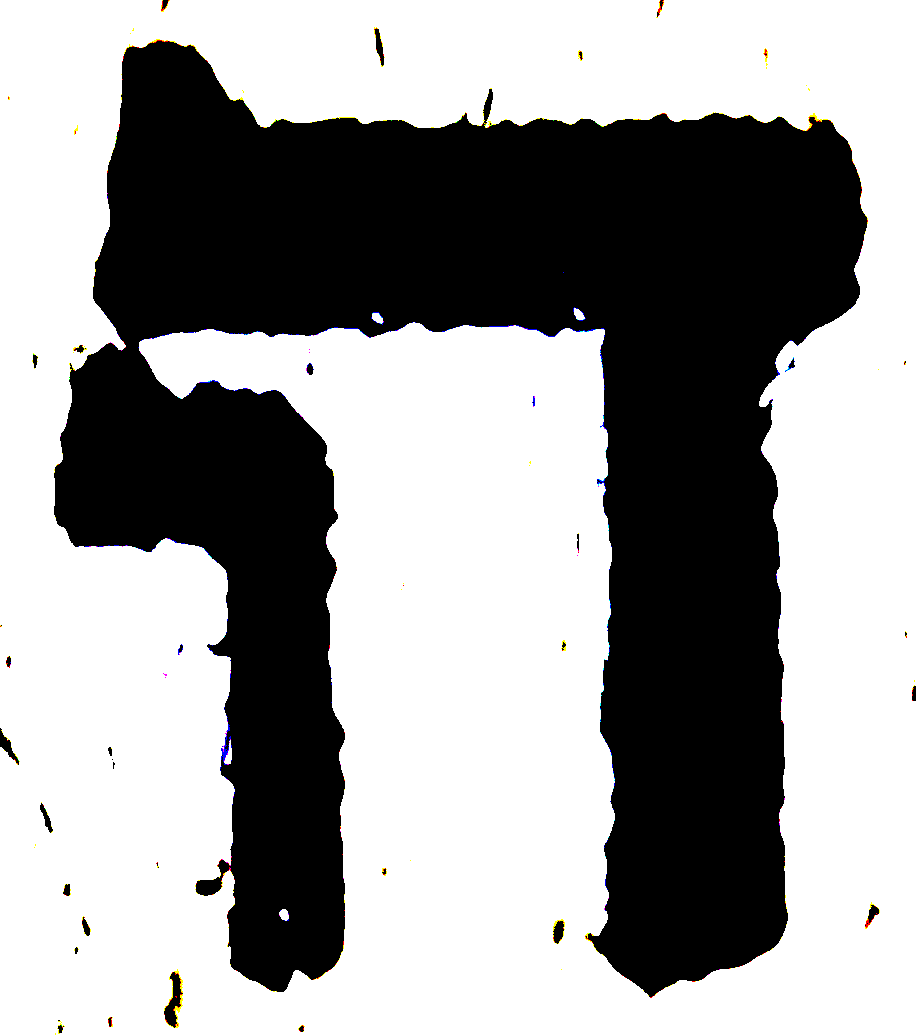 (בְּד׳ ו׳ כָּזֶה ה׳), and with a Dalet and a Yud like this
 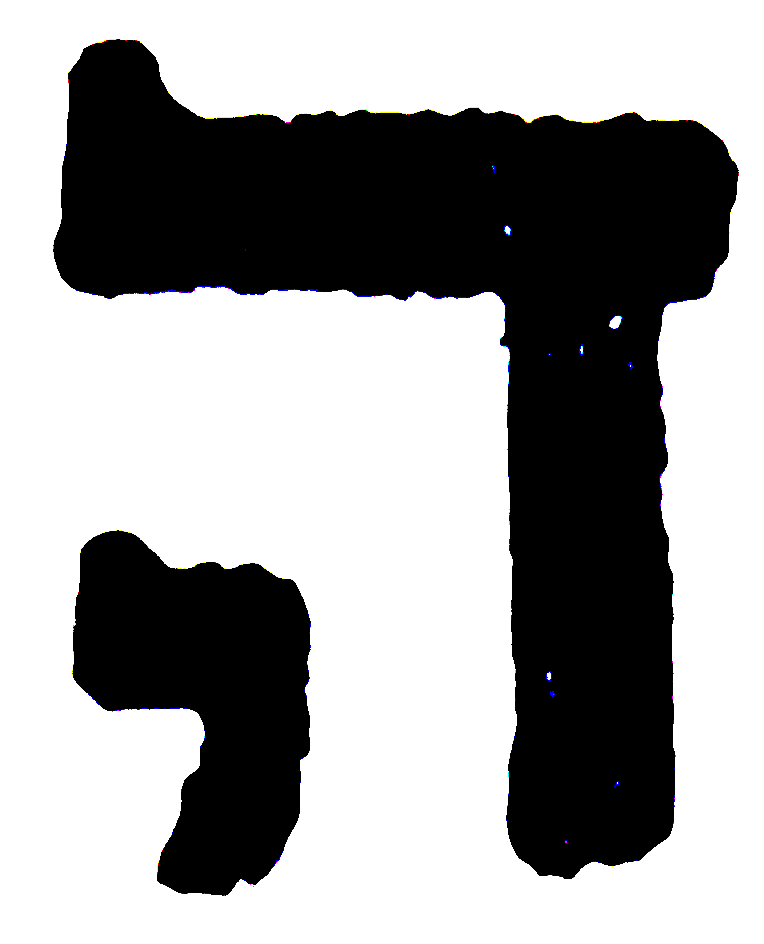 (וּבְד׳ י׳ כָּזֶה ה׳), and this is Dodi [my beloved], which rises to twenty-four (וְזֶהוּ דּוֹדִ״י שֶׁעוֹלֶה כ״ד), and the three fillings of the Heh-Yud, namely Yud-Heh-Aleph (וְג׳ מִלּוּאִים שֶׁל הַהֵ״י דְּהַיְינוּ יְהָ״א), rise to sixteen (עוֹלִים ט״ז), which together equal Mem (שֶׁהֵם בֵּין הַכֹּל מ״ם), corresponding to the numerical value of Chalav [Milk] (כְּמִנְיַן חָלָ״ב). And this is female milk (וְזֶהוּ חָלָב נְקֵבָה), which is light (שֶׁהִיא קַל), meaning that the milk of Imma is light in its calculation for finding the numerical value of Chalav [Milk] (רָצָה לוֹמַר חָלָב אִמָּא הִיא קַל בְּחֶשְׁבּוֹנוֹ לִמְצֹא חֶשְׁבּוֹן חָלָ״ב), and it does not require contraction and inclusion within the total number (וְאֵינוֹ צָרִיךְ לְצַמְצֵם בִּכְלִילוּת הַמִּסְפָּר), but the male milk of Abba is heavier (אֲבָל חָלָב הַזָּכָר שֶׁל אַבָּא הוּא יוֹתֵר כָּבֵד), because it is a change from the work of creation (מִפְּנֵי שֶׁהוּא שִׁנּוּי מַעֲשֵׂה בְרֵאשִׁית) (Shabbat 53b). And it requires contraction and inclusion in the calculation of Chalav [Milk] (וְצָרִיךְ צִמְצוּם וּכְלִילוּת בְּחֶשְׁבּוֹן חָלָ״ב). And it is in this manner (וְהוּא בְּאוֹפֶן זֶה): for Heh-Aleph, Heh-Heh, Heh-Yud (כִּי ה״א ה״ה ה״י), which rise to thirty-one (שֶׁעוֹלִים ל״א), and six letters and three fillings (וְשִׁשָּׁה אוֹתִיּוֹת וְג׳ מִלּוּאִים), behold, Chalav [Milk] in its number (הֲרֵי חָלָ״ב בְּמִסְפָּרוֹ), and this calculation is a contraction through the inclusion of the letters and the fillings (וְהַחֶשְׁבּוֹן הַזֶּה הוּא צִמְצוּם בִּכְלִילוּת הָאוֹתִיּוֹת וְהַמִּלּוּאִים), therefore it is heavy (לָכֵן הוּא כָּבֵד). And through these breasts and the milk mentioned above (וּבְאֵלּוּ הַדַּדִּים וְהֶחָלָב הַנִּזְכָּר), Imma was nursing Ze’ir Anpin and his Nukvah (הָיְתָה אִמָּא מְנִיקַת לִזְעִיר וְנוּקְבֵיהּ), and this is called the first Gadlut [Greatness] of Ze’ir Anpin and his Nukvah (וְזֶה נִקְרָא גַּדְלוּת רִאשׁוֹן לִזְעִיר וְנוּקְבֵיהּ).