
Chapter Forty-Two (פֶּרֶק אַרְבָּעִים וּשְׁתַּיִם)
And it is called the First Gadlut (וְנִקְרָא גַּדְלוּת רִאשׁוֹן)
As long as Ze’ir was in the womb of his mother during the first Ibbur [Impregnation] (כָּל זְמַן שֶׁהָיָה זְעֵיר בִּמְעֵי אִמּוֹ בְּעִיבּוּר רִאשׁוֹן), he was called small (נִקְרָא קָטָן), for it was the Katnut [Smallness] of the limbs (שֶׁהָיָה קַטְנוּת הָאֵיבָרִים), and his Nukvah also was exceedingly small in her limbs (וְגַם נוּקְבֵיהּ הָיְתָה קַטְנוּת הָאֵיבָרִים מְאֹד), because the Malkhut of the House of David was divided into two (לְפִי שֶׁנֶּחְלֶקֶת מַלְכוּת בֵּית דָּוִד לִשְׁנַיִם), in the secret of Leah and Rachel (בְּסוֹד לֵאָה וְרָחֵל). And during the Yenikah [Nursing] (וּבִינִיקָה), when Leah was whitened and purified from the judgments (שֶׁנִּתְלַבְּנָה וְנִטְהֲרָה לֵאָה מִן הַדִּינִין), Imma bestowed Leah also upon Ze’ir (הִשְׁפִּיעָה [אִמָּא] לִזְעֵיר גַּם אֶת לֵאָה), but from the first Ibbur [Impregnation] Leah did not emerge with him until afterward during the Yenikah [Nursing] (אֲבָל מֵעִיבּוּר רִאשׁוֹן לֹא יָצְאָת לֵאָה עִמּוֹ עַד אַחַר כָּךְ בִּינִיקָה). And throughout the entire period of Katnut [Smallness] (וְכָל זְמַן הַקַּטְנוּת), Abba and Imma illuminate them (אַבָּא וְאִמָּא מְאִירִים עֲלֵיהֶם), through the Name Elohim in its fillings of Hehin, Yudin, and Alephin (בְּשֵׁם אֱלֹהִים בְּמִלּוּאָם שֶׁל הֶהִי״ן יוּדִי״ן וְאַלְפִי״ן שֶׁלּוֹ), and the filling of Yudin is the Mochin of Chokhmah (וּמִלּוּי שֶׁל יוּדִי״ן הוּא מוֹחַ חָכְמָה), and that of Hehin is the Mochin of Binah (וְשֶׁל הֶהִי״ן מוֹחַ בִּינָה), and that of Alephin is the Mochin of Da’at (וְשֶׁל אַלְפִי״ן הוּא מוֹחַ דַּעַת), which is Chesed and Gevurah (שֶׁהוּא חֶסֶד וּגְבוּרָה). Just as in Gadlut [Greatness] there are four Mochin of Havayah and they become three, because Da’at includes Chesed and Gevurah (כְּמוֹ שֶׁבְּגַדְלוּת יֵשׁ ד׳ מוֹחִין שֶׁל הֲוָיָה וְנַעֲשׂוּ ג׳ שֶׁדַּעַת כּוֹלֵל חֶסֶד וּגְבוּרָה), so too in Katnut [Smallness] (כֵּן בְּקַטְנוּת), therefore the filling of Aleph is one which is two (לְפִיכָךְ הַמִּלּוּי שֶׁל אַלֶ״ף הוּא אֶחָד שֶׁהֵם שְׁנַיִם), for the form of the Aleph is two Yudin (שֶׁהָאַלֶ״ף צוּרָתָהּ שְׁנֵי יוּדִי״ן), Yud-Vav-Yud (יו״י), like this (כָּזֶה):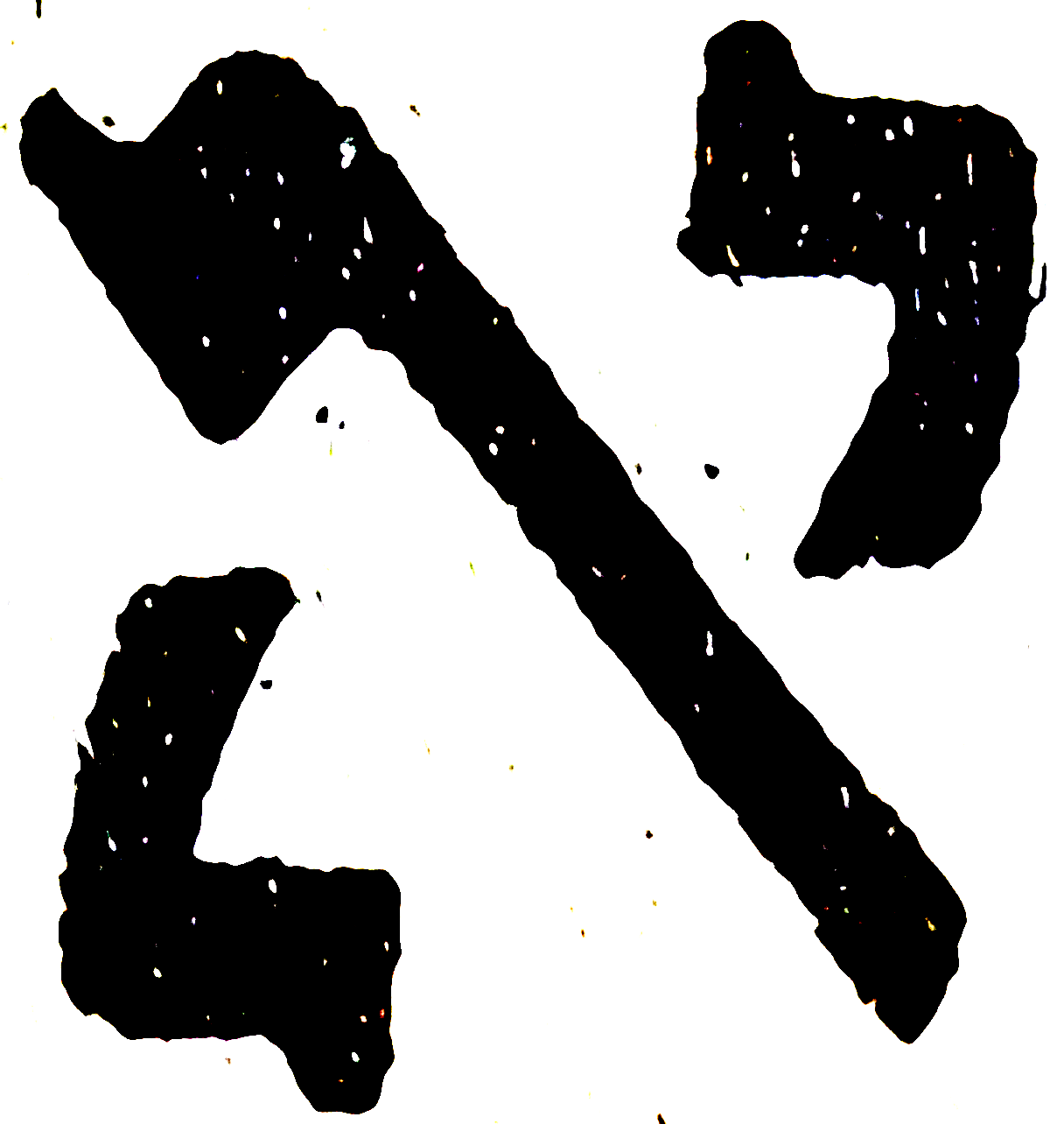 Or another form is a Yud, a Vav, and a Dalet, thus (אוֹ צִיּוּר אַחֵר י׳ו׳ד׳ כָּזֶה):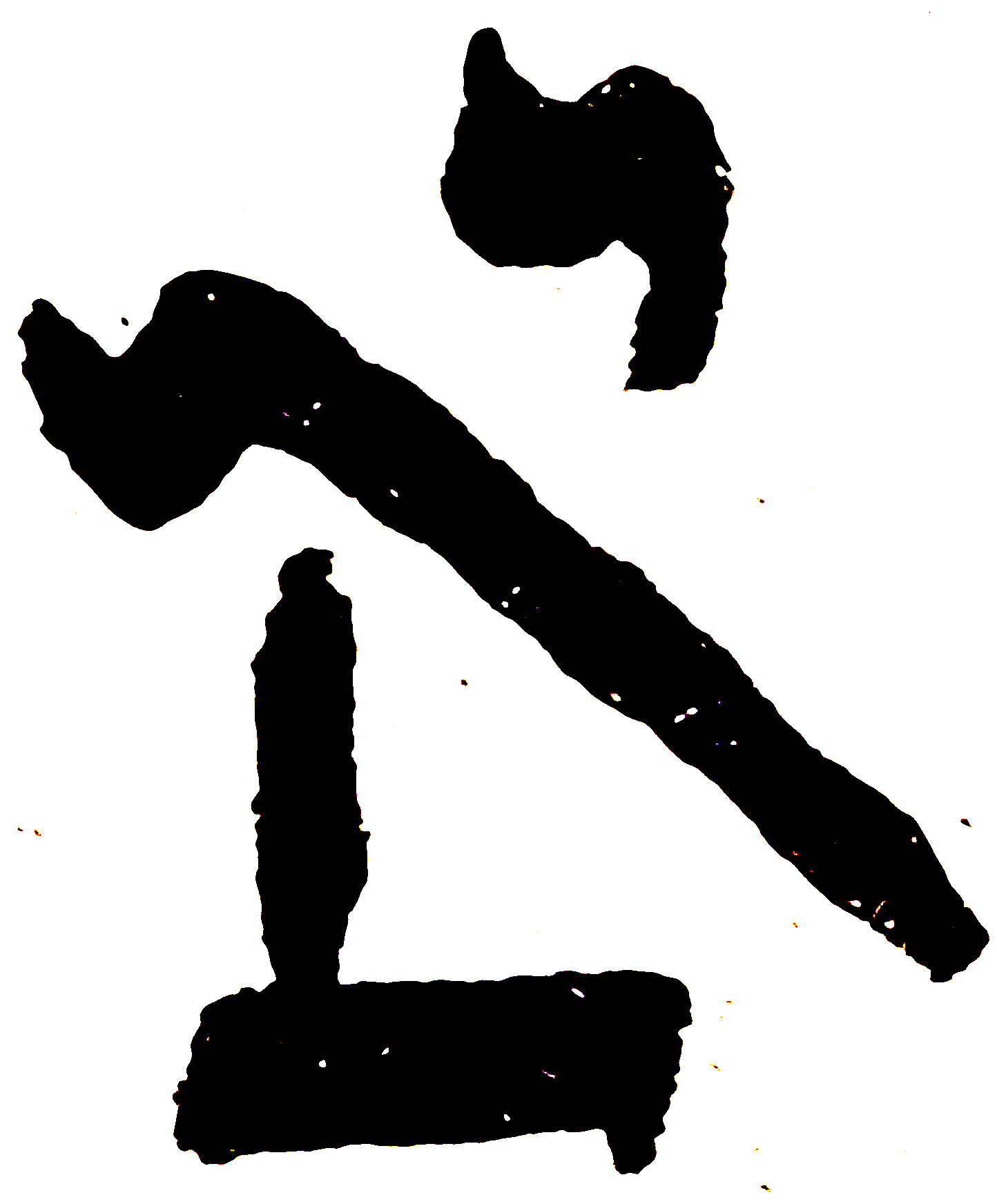
At the time when Israel does His blessed Will (בִּזְמַן שֶׁיִּשְׂרָאֵל עוֹשִׂים רְצוֹנוֹ יִתְבָּרַךְ), three Havayahs come to Ze’ir Anpin (בָּאִים לְז״א שָׁלֹשׁ הֲוָיוֹת), and sweeten these three Elohims (וּמְמַתְּקִים אֵלּוּ ג׳ אֱלֹהִים), and behold (וְהִנֵּה), the three Havayahs and the three Elohims equal three times Yabok (הַגּ׳ הֲוָיוֹת וְג׳ אֱלֹהִים עוֹלִים ג׳ פְּעָמִים יבק), which equal three hundred and thirty-six (שֶׁעוֹלִים של״ו), and this is what the verse says (וְזֶהוּ שֶׁאָמַר הַפָּסוּק), “I was at ease, but He shattered me” (שָׁלוֹ הָיִיתִי וַיְפַרְפְּרֵנִי) (Job 16:12), it is the secret of Par-Par [bull-bull], the doubling of the judgments (הוּא סוֹד פַּר־פַּר כֶּפֶל הַדִּינִין). And in exile (וּבַגָּלוּת), he does not receive illumination from these Havayahs (אֵינוֹ מְקַבֵּל הֶאָרָה מֵאֵלּוּ הַהֲוָיוֹת), and this is “my throat is parched” (וְזֶהוּ נִחַר גְּרוֹנִי) (Psalms 69:4). Nikhar [parched] equals three Elohims (נִחַר עוֹלֶה ג׳ פְּעָמִים אֱלֹהִים), and their secret is in the throat (וְסוֹדָם בַּגָּרוֹן), and Garon [throat] equals three Elohims with the Kolel [inclusive count] (וְגָרוֹן עוֹלֶה ג׳ פְּעָמִים אֱלֹהִים עִם הַכּוֹלֵל). And the intention is (וְהַכַּוָּנָה), that the three Havayahs do not come from above (שֶׁאֵינָם בָּאִים הַגּ׳ הֲוָיוֹת מִלְמַעְלָה), and the three Elohims remain (וְנִשְׁאֲרוּ הַגּ׳ אֱלֹהִים), for in exile he has no illumination from the Havayahs (כִּי בַגָּלוּת אֵין לוֹ הֶאָרָה מִן הַהֲוָיוֹת). For because of our sins (כִּי בַּעֲוֹנוֹתֵינוּ), even Elohim is not complete (אֲפִלּוּ אֱלֹהִים אֵינוֹ שָׁלֵם), for the Name Yah is lacking from it (כִּי חָסֵר מִמֶּנּוּ שֵׁם יָ״ה), and there remains Illem [mute] (וְנִשְׁאַר אִלֵּם), and this is “I was mute in silence” (וְזֶהוּ נֶאֱלַמְתִּי דוּמִיָּה) (Psalms 39:3), the explanation is (פֵּירוּשׁ), be silent of Yah (שֶׁדּוֹם יָ״ה). And in the Kaddish that we say, “Amen, Yehei Shemei Rabba [Amen, may His Great Name be blessed]” (וּבְקַדִּישׁ שֶׁאָנוּ אוֹמְרִים אָמֵן יְהֵא שְׁמֵיהּ רַבָּא), it is the letters of Shem Yah Rabba [the Great Name Yah] (הוּא אוֹתִיּוֹת שֵׁם יָ״ה רַבָּה), in its three fillings: Yudin, Alephin, and Hehin (בְּג׳ מִלּוּאָיו יוּדִין אַלְפִין הֶהִין), whose numerical value is Amen (גִּימַטְרִיָּא אמ״ן), that the Name Yah should be filled and the Name Elohim become complete (שֶׁיִּתְמַלֵּא שֵׁם יָ״ה וְיֵעָשׂוּ שֵׁם אֱלֹהִים שָׁלֵם). And know (וְדַע), that in Katnut [Smallness] there are three Elohims from Binah, and three from Chokhmah, included within Binah (כִּי בְּקַטְנוּת הֵם ג׳ אֱלֹהִים מִבִּינָה וְג׳ מֵחָכְמָה כְּלוּלִים בְּבִינָה), and this is why we say in the Kaddish (וְזֶהוּ שֶׁאָנוּ אוֹמְרִים בְּקַדִּישׁ), “Yitgaddal [May He be magnified]” — the Name Elohim that is in Binah (יִתְגַּדַּל שֵׁם אֱלֹהִים שֶׁבְּבִינָה), “Veyitkaddash [And may He be sanctified]” — the Name Elohim that is in Chokhmah (וְיִתְקַדַּשׁ שֵׁם אֱלֹהִים שֶׁבְּחָכְמָה), “Shemei Rabba [His Great Name]” — the explanation is, the Name Yah that shall be filled and become the complete Name Elohim (שְׁמֵיהּ רַבָּא פֵּירוּשׁ שֵׁם יָ״ה שֶׁיִּתְמַלֵּא וְיֵעָשׂוּ שֵׁם אֱלֹהִים שָׁלֵם).
And this is what the Elder says in Parashat Mishpatim (וְזֶהוּ שֶׁאוֹמֵר הַסָּבָא בְּפָרָשַׁת מִשְׁפָּטִים): “All these are supernal images, the image above” (כָּל אִלֵּין אִינוּן דִּיּוֹקְנִין עִלָּאִין דִּיּוֹקְנָא דִּלְעֵילָא), “and because they were created actually in this world, the Shekhinah was rectified through them in these twelve joints, twelve extensions that were extended from Israel itself” (וּבְגִין דְּהֲווֹ בְּרַיָּין מַמָּשׁ בְּהַאי עָלְמָא אִתְקְנַת בְּהוּ שְׁכִינְתָּא בְּאִלֵּין תְּרֵיסַר פִּרְקִין תְּרֵיסַר מְתִיחִין דְּאִתְמְתָחוּ מִיִּשְׂרָאֵל מַמָּשׁ). “As it is written, ‘All These are the twelve tribes of Israel’” (דִּכְתִיב כָּל אֵלֶּה שִׁבְטֵי יִשְׂרָאֵל שְׁנֵים עָשָׂר) (Genesis 49:28), “the extensions of Israel are called Eleh [These]” (מְתִיחִין דְּיִשְׂרָאֵל אֵלֶּה אִקְרוֹן), “to extend the Name Mi [Who]” (לְאִתְמַתְּחָא שְׁמָא דְּמִי), “the Yesod of Imma” (יְסוֹד אִמָּא), “so that the structure may be as it ought to be” (לְמֶהֱוֵי בִּנְיָינָא כְּדְקָא יָאוּת), “so that Israel may be included in the totality of the Name Elohim” (לְמֶהֱוֵי יִשְׂרָאֵל בִּכְלָלָא דִּשְׁמָא אֱלֹהִים), “Eleh [These] is Israel in totality” (אֵלֶּה אִיהוּ יִשְׂרָאֵל בִּכְלָל).
The explanation is (פֵּירוּשׁ), Eleh [These] is the six extremities (אֵלֶּה הוּא ו׳ קְצָווֹת), for six times six equals the numerical value of Eleh [These] (כִּי ו׳ פְּעָמִים ו׳ גִּימַטְרִיָּא אֵל״ה), and Ze’ir is called Israel (וּזְעֵיר נִקְרָא יִשְׂרָאֵל), therefore he says, “Eleh [These] is Israel in totality” (לָכֵן אוֹמֵר אֵלֶּה אִיהוּ יִשְׂרָאֵל בִּכְלָל), for he includes all Israel, namely the six extremities (כִּי הוּא כּוֹלֵל כָּל יִשְׂרָאֵל דְּהַיְינוּ הו׳ קְצָווֹת). “Mi [Who] created Eleh [These]” (מִי בָּרָא אֵלֶּה) (Isaiah 40), “He joined Eleh [These] with Mi [Who], and the structure became complete in its rectification, truly one Name” (חַבַּר אֵלֶּה בַּהֲדֵיהּ וַהֲוָה בִּנְיָינָא שְׁלִים עַל תִּקּוּנֵיהּ שְׁמָא חֲדָא מַמָּשׁ), “that which the minister of Esav said to Yaakov” (הַהוּא דְּאָמַר לֵיהּ לְיַעֲקֹב הַהוּא מְמַנָּא דְּעֵשָׂו), as it is written (דִּכְתִיב), “For you have struggled with Elohim and with men and have prevailed” (כִּי שָׂרִיתָ עִם אֱלֹהִים וְעִם אֲנָשִׁים וַתּוּכָל) (Genesis 32:29). Above, in the first rectification, in the first structure, all Eleh [These] are certainly the first structure (לְעֵילָא בְּתִקּוּנָא קַדְמָאָה בְּבִנְיָינָא קַדְמָאָה, כָּל אֵלֶּה וַדַּאי בִּנְיָינָא קַדְמָאָה אִיהוּ), and a structure is not called a structure except that which had fallen previously (וְלֹא נִקְרָא בִּנְיָן אֶלָּא מַה שֶׁנָּפַל מִקֹּדֶם), and this is the first structure of the Six Days of Creation (וְזֶהוּ בִּנְיָינָא קַדְמָאָה שֶׁל שֵׁשֶׁת יְמֵי בְּרֵאשִׁית), and therefore there is no destruction for Israel forever and ever (וְעַל דָּא לֵית לְיִשְׂרָאֵל שֵׁיצָאוּ לְעָלַם וּלְעָלְמֵי עָלְמִין). And Heaven forbid, if they were to be destroyed (וְחַס וְחָלִילָה אִלְמָלֵא יִשְׁתֵּצָאוּ), this Name would not exist (שְׁמָא דָא לָא הֲוֵי), as it is written (דִּכְתִיב), “And they will cut off our name from the earth, and what will You do for Your great Name?” (וְהִכְרִיתוּ אֶת שְׁמֵנוּ מִן הָאָרֶץ וּמַה תַּעֲשֵׂה לְשִׁמְךָ הַגָּדוֹל) (Joshua 7:9), this great Name is the first structure (שְׁמָא גָּדוֹל דָּא בִּנְיָינָא קַדְמָאָה), the primordial Name Elohim (שְׁמָא קַדְמָא אֱלֹהִים). And now, since Israel is in exile (וְהַשְׁתָּא דְּיִשְׂרָאֵל אִינוּן בְּגָלוּתָא), so to speak, the entire structure has fallen (כְּבִיָכוֹל כָּל בִּנְיָינָא נָפַל), and in the time to come, when Kudsha Berikh Hu redeems His children from exile (וּלְזִמְנָא דְּאָתֵי כַּד יִפְרוֹק קב״ה לִבְנוֹי מִגָּלוּתָא), and Mi [Who] and Eleh [These], which were separated during the exile, shall be joined (וְיִתְחַבַּר מִי וְאֵלֶּה דַּהֲווֹ בְּהוּ פֵּירוּדָא בְּגָלוּתָא יִתְחַבְּרוּן). Together as one (כְּחֲדָא), and the Name Elohim shall be complete in its rectification (וּשְׁמָא דֶּאֱלֹהִים יְהֵא שְׁלִים עַל תִּקּוּנֵיהּ), together with the Name Yah (עִם שֵׁם יָ״ה), what previously had become Illem [mute] (מַה שֶׁהָיָה מִקֹּדֶם אִלֵּם).
And this is the secret of “the silent dove” (וְהַיְינוּ סוֹד יוֹנַת אֵלֶם), the secret of the Shekhinah, which is called Elohim (סוֹד הַשְּׁכִינָה הַנִּקְרֵאת אֱלֹהִים), “O God, do not be silent” (אֵל דֳּמִי לָךְ) (Psalms 83:2), from speaking song (מִלּוֹמַר שִׁירָה), and ascending above to arouse mercy and remember the destruction of the Beit HaMikdash [Holy Temple] (וְלַעֲלוֹת לְמַעְלָה וּלְעוֹרֵר רַחֲמִים וְלִזְכֹּר חֻרְבַּן בֵּית הַמִּקְדָּשׁ), saying (בְּאָמְרָהּ), “Remember, Hashem, against the children of Edom the day of Jerusalem” (זְכוֹר ה׳ לִבְנֵי אֱדוֹם אֵת יוֹם יְרוּשָׁלִָם) (Psalms 137:7). And the world shall be sweetened (וְעָלְמָא יִתְבַּסַּם), this is what is written (הֲדָא הוּא דִכְתִיב), “Who are these that fly as a cloud, and as doves to their windows?” (מִי אֵלֶּה כָּעָב תְּעוּפֶינָה וְכַיּוֹנִים אֶל אֲרֻבֹּתֵיהֶם) (Isaiah 60:8), for the dove to ascend above (לַעֲלוֹת הַיּוֹנָה לְמַעְלָה), whereas previously she found no resting place for the sole of her foot (מַה שֶׁמִּקֹּדֶם לֹא מָצְאָה מָנוֹחַ לְכַף רַגְלָהּ) (Genesis 8:9), and it is impossible for her to ascend except through the speech of song (וְאִי אֶפְשָׁר לָהּ לַעֲלוֹת אִם לֹא עַל יְדֵי הַדִּבּוּר שֶׁל הַשִּׁיר), and she is compelled to make from Illem [mute] Elohim (וּמוּכְרַחַת לַעֲשׂוֹת מֵאִלֵּם אֱלֹהִים). And because it is one Name (וּבְגִין דְּאִיהוּ שְׁמָא חֲדָא), it is not written Mi [Who] and Eleh [These] (לָא כְּתִיב מִי וְאֵלֶּה), with a Vav, which would indicate separation (בְּוָא״ו שֶׁהָיָה הַפְסָקָה), rather Mi [Who] Eleh [These] (אֶלָּא מִי אֵלֶּה), one Name without separation (שְׁמָא חֲדָא בְּלָא פֵּירוּדָא), and that is Elohim (וְהוּא אֱלֹהִים). For now in exile (וְדְהַשְׁתָּא בְּגָלוּתָא), Mi [Who] has ascended above (אִסְתַּלַּק מִי לְעֵילָא), so to speak, the mother has departed from the children (כְּבִיָכוֹל אִמָּא מֵעַל בְּנִין), and does not clothe him until the navel of Ze’ir Anpin (וְאֵינוֹ מַלְבֶּשֶׁת אוֹתוֹ עַד הַטַּבּוּר שֶׁל ז״א), as it is at a time of favor (כְּמוֹ שֶׁהוּא בְּעֵת רָצוֹן), and the structure has fallen (וּבִנְיָן נָפְלוּ), and the Name that had been complete, that supernal primordial Name, has fallen (וְשְׁמָא דַּהֲוָה שְׁלִים הַהוּא שְׁמָא עִלָּאָה קַדְמָאָה נָפַל). And because of this we pray and sanctify in the synagogues (וְעַל דָּא אֲנַן מְצַלָּאן וּמְקַדְּשִׁין בְּבָתֵּי כְנִישְׁתָּא), concerning this Name that it should be rebuilt as it was (עַל שְׁמָא דָא דְּיִתְבְּנֵי כְּמָה דַהֲוָה), and we say, “Yitgaddal [May He be magnified] and Veyitkaddash [And may He be sanctified], Shemei Rabba [His Great Name], Amen, Yehei Shemei Rabba Mevorakh [Amen, may His Great Name be blessed]” (וְאָמְרִי יִתְגַּדַּל וְיִתְקַדַּשׁ שְׁמֵיהּ רַבָּא, אָמֵן יְהֵא שְׁמֵיהּ רַבָּא מְבָרַךְ). Who is Shemei Rabba [His Great Name] (מַאן שְׁמֵיהּ רַבָּא), that primordial one of all (הַהוּא קַדְמָאָה דְכֹלָּא), because it has no structure except through these (בְּגִין דְּלֵית לֵיהּ בִּנְיָינָא אֶלָּא בְּהָדָן), Mi [Who] can never be built except through Eleh [These] (מִי לָא יִתְבְּנֵי לְעוֹלָם אֶלָּא בְּאֵלָה), and because of this, at that time, “Mi [Who] are these that fly as a cloud” (וְעַל דָּא בְּהַהוּא זִמְנָא מִי אֵלֶּה כָּעָב תְּעוּפֶינָה) (Isaiah 60:8), and all the worlds shall see that the Supernal Name has been rectified according to its rectification (וְיַחְמוּן כָּל עָלְמָא דְּהָא שְׁמָא עִלָּאָה אִתְתַּקַּן עַל תִּקּוּנֵיהּ). And if this Shemei Rabba [Great Name] is rectified and rebuilt according to its rectification (וְאִי שְׁמֵיהּ רַבָּא דָּא אִתְתַּקַּן וְאִתְבְּנֵי עַל תִּקּוּנֵיהּ), behold Israel rules over all (הָא יִשְׂרָאֵל שָׁלִיטִין עַל כֹּלָּא), and all the other names return to their rectification (וְכָל שְׁאָר שְׁמָהָן וְהַדְרוּ עַל תִּקּוּנַיְיהוּ), and Israel rules over all (וְיִשְׂרָאֵל שָׁלְטִין עַל כֹּלָּא), for all of them depend upon the primordial Shemei Rabba [Great Name] of all structures (דְּהָא כֻּלְּהוּ תַּלְיָין בִּשְׁמֵיהּ רַבָּא קַדְמָאָה לְכָל בִּנְיָינִין). Until here are the words of the Elder of Mishpatim, and parenthetically the words of the author as explanation (עַד כָּאן דִּבְרֵי הַסָּבָא דְמִשְׁפָּטִים וּבְמַאֲמָר מוּסְגָּר דִּבְרֵי הַמְחַבֵּר כְּפֵרוּשׁ). For previously there was the Katnut [Smallness] of Elohim (כִּי מִקֹּדֶם הָיָה קַטְנוּת הָאֱלֹהִים), and afterward the Gadlut [Greatness] of Havayah (וְאַחַר כָּךְ גַּדְלוּת שֶׁל הֲוָיָ״ה), examine carefully and understand in the words of the Elder why he said Yitgaddal [May He be magnified] and Veyitkaddash [And may He be sanctified], Shemei Rabba [His Great Name], and joins with it Amen, Yehei Shemei [Amen, may His Name be] (דּוּק וְתָבִין בַּסָּבָא לָמָּה אָמַר יִתְגַּדַּל וְיִתְקַדַּשׁ שְׁמֵיהּ רַבָּא וּמְצָרֵף עִמּוֹ אָמֵן יְהֵא שְׁמֵיהּ), rather it is to intend toward the Name Yah (אֶלָּא לְכַוֵּן עַל שֵׁם יָ״ה), according to the intention that we introduced as mentioned above (הַכַּוָּנָה שֶׁהִקְדַּמְנוּ כַּנִּזְכָּר לְעֵיל). And in Gadlut [Greatness] there are A"B, S"G, M"H, B"N (וּבְגַדְלוּת יֵשׁ ע״ב ס״ג מ״ה ב״ן), this is the choicest aspect of Gadlut [Greatness] (זֶהוּ הַמֻּבְחָר שֶׁבַּגַּדְלוּת), and it sweetens the judgments of Ze’ir that he received in his Katnut [Smallness] (וְהוּא הַמְמַתֵּק דִּינֵי זְעֵיר שֶׁקִּבֵּל בְּקַטְנוּתוֹ).