
Chapter Ninety-Five (פֶּרֶק תִּשְׁעִים וַחֲמִשָּׁה)
The conclusion that emerges from this (הָעוֹלֶה מִזֶּה), is that in order that the Klipot should have no power or grasp upon Ze’ir Anpin himself (שֶׁבִּשְׁבִיל שֶׁלֹּא יִהְיֶה כֹּחַ וַאֲחִיזָה לַקְּלִיפּוֹת בִּזְעֵיר עַצְמוֹ), from his navel and below (מִטַּבּוּרוֹ וּלְמַטָּה), therefore his Nukvah emerged from behind him (לָכֵן יָצָאתָה נוּקְבֵיהּ מֵאֲחוֹרָיו). And this is the reason (וְזֶהוּ הַטַּעַם), that we place the Mezuzah at the end of the upper third of the doorway (שֶׁאָנוּ מְשִׂימִים מְזוּזָה בְּסוֹף שְׁלִישׁ הָעֶלְיוֹן שֶׁל הַפֶּתַח), to allude (לִרְמוֹז), that below the upper third of the doorway (כִּי לְמַטָּה מִן הַשְּׁלִישׁ הָעֶלְיוֹן שֶׁל הַפֶּתַח), is the secret of the beginning of the head of the Nukvah (הוּא סוֹד הַתְחָלַת רֹאשׁ נוּקְבֵיהּ), and there is the navel [of the heart] (וְשָׁם הוּא הַטִּיבּוּר [דְּלִיבָא]), and it is the end of the upper third of the Tiferet of Ze’ir Anpin (וְהוּא סוֹף הַשְּׁלִישׁ הָעֶלְיוֹן שֶׁל ת״ת דְּזְעֵיר), and there the light began to be revealed (וְשָׁם הִתְחִיל הָאוֹר לְהִתְגַּלוֹת), and from there it protruded to his backside (וּמִשָּׁם בָּלַט לַאֲחוֹרָיו), to make the Keter of his Nukvah (לַעֲשׂוֹת כֶּתֶר נוּקְבֵיהּ). And this is the secret of (וְזֶהוּ סוֹד), “And Shaddai shall be in your storehouses” (וְהָיָה שַׁדַּי בִּצְרֶיךָ) (Job 22:25). Meaning (פֵּירוּשׁ), that the Name Shaddai (שֶׁשֵּׁם שַׁדַּ״י), which is the Mezuzah (שֶׁהוּא הַמְּזוּזָה), must be placed at the end of the upper third of the doorway (צָרִיךְ לִהְיוֹת בְּסוֹף שְׁלִישׁ הָעֶלְיוֹן שֶׁל פֶּתַח), to allude to the end of the concealed third of the Tiferet (לִרְמוֹז אֶל סוֹף הַשְּׁלִישׁ הַמְכֻסֶּה שֶׁל ת״ת), from where the light began to be revealed (שֶׁמִשָּׁם הִתְחִיל הָאוֹר לְהִתְגַּלוֹת), because of Tzarekha [your storehouses] (בִּשְׁבִיל בִּצְרֶיךָ), which are the Klipot and the Chitzonim [External Forces] (שֶׁהֵם הַקְּלִיפּוֹת וְהַחִיצוֹנִים), to protect against them (לְהָגֵן מֵהֶם).
And in order that I may establish you upon the secret of the Mezuzah (וּכְדֵי שֶׁאַעֲמִידְךָ עַל סוֹד הַמְּזוּזָה), I shall set before you one introduction (אַצִּיעַ לְפָנֶיךָ הַקְדָּמָה אַחַת), and from it you will understand (וּמִמֶּנָּה תָּבִין), what is the matter of the doorway and the Mezuzah here (מַה עִנְיַן פֶּתַח הַמְּזוּזָה בְּכָאן), together with other secrets related to this subject (עִם סוֹדוֹת אֲחֵרִים הַשַּׁיָּכִים לְזֶה הָעִנְיָן). And it is this (וְהוּא זֶה): That you must know (שֶׁצָּרִיךְ אַתָּה לָדַעַת), that the secret of the Name Havayah (סוֹד שֵׁם הֲוָיָ״ה), is the rectification of the Partzufim [Configurations] of the World of Atzilut (הוּא תִּקּוּן הַפַּרְצוּפִין שֶׁל עוֹלַם הָאֲצִילוּת), for Keter, at present, is called Arich Anpin (כִּי כֶּתֶר לְעֵת עַתָּה נִקְרָא אֲרִיךְ אַנְפִּין), including the Three Heads (כּוֹלֵל תְּלַת רֵישִׁין), and it is the tip of the Yud (וְהוּא קוֹצוֹ שֶׁל יוּ״ד), because of its great concealment (לְרֹב הֶעְלָמוֹ). And Chokhmah and Binah are Abba and Imma (וְחָכְמָה וּבִינָה הֵם אַבָּא וְאִמָּא), each one included of ten (כָּל אֶחָד כָּלוּל מִי׳), in their upper and lower Partzufim (בְּפַרְצוּפֵיהֶם הָעֶלְיוֹנִים וְהַתַּחְתּוֹנִים), and Abba in its simple form is the Yud of the Name Havayah (וְאַבָּא כִּפְשׁוּטוֹ הוּא יוּ״ד שֶׁל שֵׁם הֲוָיָ״ה), namely the body of the Yud in the middle and the lower thorn (דְּהַיְנוּ הַגֵּו שֶׁבָּאֶמְצַע וְהַקּוֹץ הַתַּחְתּוֹן). The Upper Heh is Imma (ה' עִלָּאָה הִיא אִמָּא), which is ten Sefirot (שֶׁהִיא י' סְפִירוֹת), and the proof of this is (וְהָעֵד עַל זֶה), the form of the Heh (צוּרַת ה'), which is a Dalet upon a Vav (הִיא דָּלֶ״ת [עַל] וָא״ו), which equal ten (הָעוֹלִים עֶשֶׂר), and because a son and a daughter emerge from her (וּלְפִי שֶׁיּוֹצְאִים מִמֶּנָּה בֵּן וּבַת), which are in the secret of Dalet upon Vav (שֶׁהֵם בְּסוֹד ד' [עַל] ו'), [and then she is] Heh ( [וַאֲזַי הִיא] ה'), namely the aforementioned form (הַצוּרָה הַנִּזְכֶּרֶת). And because in Imma the Gevurot prevail there, as is known (וּלְהִיוֹת שֶׁבְּאִמָּא הַגְּבוּרוֹת גּוֹבְרִים שָׁם כַּנּוֹדָע), for she covers the left arm of Arich Anpin (שֶׁהִיא מְכַסָּה יַד הַשְּׂמָאלִי שֶׁל אֲרִיךְ אַנְפִּין), and gathers all the Gevurot into herself (וְכוֹנֶסֶת אֵלֶיהָ כָּל הַגְּבוּרוֹת), therefore in her Heh (לָכֵן בְּה״י שֶׁלָּהּ), the Dalet prevails over the Vav (דָּלֶ״ת גּוֹבֶרֶת עַל הַוָא״ו). And therefore (וּלְפִיכָךְ), in the Future to Come (לֶעָתִיד לָבוֹא), which is Imma, the secret of the World to Come (שֶׁהִיא אִמָּא סוֹד הָעוֹלָם הַבָּא), the righteous sit in the secret of the Vav (צַדִּיקִים יוֹשְׁבִים בְּסוֹד הַוָא״ו), and their crowns are upon their heads (וְעִטְרוֹתֵיהֶם בְּרָאשֵׁיהֶם) (Berakhot 17a), which are the Gevurot in the secret of the Dalet, namely Malkhut (שֶׁהֵם הַגְּבוּרוֹת בְּסוֹד הַד׳ מַלְכוּת), and because these two aspects emerge from her (וְעַל שֵׁם שֶׁיָּצְאוּ מִמֶּנָּה אֵלּוּ הַב' בְּחִינוֹת), she herself is called Heh (נִקְרֵאת הִיא עַצְמָהּ ה״א). And behold (וְהִנֵּה), from the secret of the Ibbur [Impregnation] of Imma (מִסּוֹד עִבּוּר אִמָּא), there first emerges the Vav (יוֹצֵא תְּחִלָּה הַוָא״ו), which is Ze’ir Anpin of six extremities (שֶׁהוּא זְעֵיר מִשֵּׁשׁ קְצָווֹת), because that which enters first emerges last (לְפִי מַה שֶּׁנִּכְנָס רִאשׁוֹן יוֹצֵא אַחֲרוֹן), and therefore Ze’ir Anpin emerges (וְלָזֶה יוֹצֵא זְעֵיר), who is six extremities, the secret of the Vav (שֶׁהוּא ו' קְצָווֹת סוֹד הַוָא״ו), and acquires his place (וְקוֹנֶה מְקוֹמוֹ), which is from the World of the Male (שֶׁהוּא מֵעָלְמָא דְּדְכוּרָא), therefore he possesses a place of his own (לָכֵן יֵשׁ לוֹ מָקוֹם בִּפְנֵי עַצְמוֹ). But Malkhut is not so (אֲבָל מַלְכוּת אֵינָהּ כֵּן), she has no authority of her own (אֵין לָהּ רְשׁוּת בִּפְנֵי עַצְמָהּ), and she has no place except behind him (וְאֵין לָהּ מָקוֹם אֶלָּא מֵאֲחוֹרָיו), from the midpoint of his navel and below (מֵחֲצִי טַבּוּרוֹ וּלְמַטָּה), and afterward when she emerges (וְאַחַר כָּךְ כְּשֶׁיּוֹצֵאת), she pierces through his chest (הִיא נוֹקֶבֶת בֶּחָזֶה שֶׁלּוֹ), and emerges from behind him (וְיוֹצֵאת מֵאֲחוֹרוֹי). And the reason that she emerged through him (וְהַטַּעַם שֶׁיָּצְאָה דֶּרֶךְ בּוֹ), is so that he would rule over her (כְּדֵי שֶׁיְּהֵא הוּא שׁוֹלֵט עָלֶיהָ), and that each would not possess an independent authority (וְלֹא יִהְיֶה כָּל אֶחָד רְשׁוּת לְעַצְמוֹ). A second reason (עוֹד שֵׁנִית), is because she is the power of the Dinim [Judgments] (לְפִי שֶׁהִיא כֹּחַ הַדִּינִים), and therefore the Gevurot come to her through an opening (וְלָזֶה בָּאוֹת לָהּ הַגְּבוּרוֹת דֶּרֶךְ נֶקֶב), so that they will be diminished (כְּדֵי שֶׁיִּהְיוּ מוּעָטִים), and the world will be able to endure them (וְיוּכַל הָעוֹלָם לְסָבְלָם). And another reason (וְעוֹד טַעַם אַחֵר), is so that the Gevurot will enter into Ze’ir Anpin before reaching her (בִּכְדֵי שֶׁיִּכְנְסוּ הַגְּבוּרוֹת בִּזְעֵיר קֹדֶם הַגִּיעָם אֵלֶיהָ), and be sweetened within him (וְיוּמְתְּקוּ בּוֹ). And when she emerges through an opening in him to the outside (וּכְשֶׁיּוֹצֵאת דֶּרֶךְ נֶקֶב בּוֹ לַחוּץ), then she is a point in the form of a Yud (אָז הִיא נְקוּדָה צוּרַת יוּ״ד), and this is the thorn in the middle of the Yud (וְזֶהוּ הַקּוֹץ שֶׁבָּאֶמְצַע הַיוּ״ד), namely the body of the Yud that is in the middle (דְּהַיְנוּ הַגֵּו שֶׁבָּאֶמְצַע), and afterward she spreads to this side and to that side (וְאַחַר כָּךְ הִיא מִתְפַּשֶּׁטֶת לְכָאן וּלְכָאן), and becomes a Dalet (וְנַעֲשֵׂית דָּלֶ״ת). Therefore (לְפִיכָךְ), our Sages, of blessed memory, said (אָמְרוּ חֲזַ״ל), “A daughter of three years and one day may be betrothed through intercourse” (בַּת שָׁלֹשׁ שָׁנִים וְיוֹם אֶחָד מִתְקַדֶּשֶׁת בְּבִיאָה) (Yevamot 57b/[Mishnah Niddah 5:4), and the intention is (וְהַכַּוָּנָה), three Sefirot, which are three years (שָׁלֹשׁ סְפִירוֹת שֶׁהֵן שָׁלֹשׁ שָׁנִים). And it is (וְהוּא), that this Dalet (שֶׁהַדָּלֶ״ת הַזֹּאת), spreads downward (מִתְפַּשֶּׁטֶת לְמַטָּה), and becomes “a head to foxes” (וְנַעֲשֵׂית רֹאשׁ לְשׁוּעָלִים), which are Beri’ah, Yetzirah, Asiyah (שֶׁהֵם בי״ע), and she is a Neshamah [Soul] to them (וְהִיא נְשָׁמָה אֲלֵיהֶם). And in her descent (וּבִירִידָתָהּ), she is called a Yud (נִקְרֵאת י'), a concealed point (נְקוּדָה סְתוּמָה), contracted within herself (קְמוּצָה בְּעַצְמָהּ), having no light (שֶׁאֵין לָהּ אוֹר), and then she says (וְאָז הִיא אוֹמֶרֶת), “Do not look at me that I am darkened” (אַל תִּרְאוּנִי שֶׁאֲנִי שְׁחַרְחֹרֶת) (Song of Songs 1:6). And the worlds are included within “two youths” (וְהָעוֹלָמוֹת הֵם נִכְלָלִים בְּשְׁתֵּים נְעָרִים), which are Metatron and Sandalphon, male and female (שֶׁהֵם מֶטַטְרוֹן וְסַנְדַּלְפוֹן זָכָר וּנְקֵבָה). And behold (וְהִנֵּה), within Metatron, Ze’ir Anpin is clothed (בְּמֶטַטְרוֹן מִתְלַבֵּשׁ זְעֵיר), for “the son nests in Yetzirah” (כִּי בְּרָא מְקַנֵּן בִּיצִירָה), and within Sandalphon is this Dalet (וּבְסַנְדַּלְפוֹן הַדָּלֶ״ת הַזֹּאת), and they unite together (וּמִזְדַּוְּגִים יַחַד), their heads being a Neshamah [Soul] to all of Beri’ah (רָאשֵׁיהֶם נְשָׁמָה אֶל בְּרִיאָה כּוּלָּהּ). For their Nefesh, Ruach, Neshamah (כִּי נֶפֶשׁ רוּחַ נְשָׁמָה שֶׁלָּהֶם), dwell in Gan Eden together with the other Tzaddikim [Righteous Ones] (יוֹשְׁבִים בְּגַן עֵדֶן עִם שְׁאָר צַדִּיקִים), and their bodies become a form and an imaginative agency (וְגוּפָם נַעֲשֶׂה צוּרָה וּפוֹעֵל דִּמְיוֹנִי), for the operation of the lower world (לִפְעֻלַּת עוֹלָם הַתַּחְתּוֹן), and the Neshamah [Soul] is in the head (וְהַנְּשָׁמָה הִיא בָּרֹאשׁ). And the six extremities spread through Yetzirah (וְשֵׁשׁ קְצָווֹת מִתְפַּשְּׁטִים בִּיצִירָה), and they are a Neshamah [Soul] to it (וְהֵם נְשָׁמָה אֵלֶיהָ), and in each one of these worlds (וּבְכָל אֶחָד מֵאֵלּוּ הָעוֹלָמוֹת), a complete Partzuf is formed (נַעֲשֶׂה פַּרְצוּף שָׁלֵם), except that in Beri’ah (אֶלָּא שֶׁבִּבְרִיאָה), their Partzuf is from the aspect of the head (הַפַּרְצוּף שֶׁלָּהֶם הוּא מִבְּחִינַת הָרֹאשׁ). And the Zivug [Union] that they perform in Beri’ah (וְהַזִּוּוּג שֶׁמִּזְדַּוְּגִים בִּבְרִיאָה), is called Neshikin [Kisses] (נִקְרָא נְשִׁיקִין), because this Zivug [Union] is in the aspect of the mouth (לְפִי שֶׁזֶּה הַזִּוּוּג הוּא בִּבְחִינַת הַפֶּה), while the Covenant of the Foreskin (וּבְרִית הַמָּעוֹר), is that which is effected in Yetzirah (הוּא הַנַּעֲשֶׂה בִּיצִירָה), from the six extremities (מִו' קְצָווֹת), which is the Yesod in its literal sense, the Covenant of the Foreskin (שֶׁהִיא הַיְסוֹד כְּמַשְׁמָעוֹ בְּרִית הַמָּעוֹר). And it is known (וְיָדוּעַ), that Metatron is the secret of Yosef HaTzaddik [Joseph the Righteous] (שֶׁמֶּטַטְרוֹן הוּא סוֹד יוֹסֵף הַצַּדִּיק) (Zohar, Bereshit 71b), “the one who distributes grain to all the people of the land” (הַמַּשְׁבִּיר בָּר לְכָל עַם הָאָרֶץ) (Genesis 42:6). And this is the intention of the verse (וְזֶהוּ הַמְכֻוָּן בַּפָּסוּק), “Let him kiss me with the kisses of his mouth” (יִשָּׁקֵנִי מִנְּשִׁיקוֹת פִּיהוּ) (Song of Songs 1:2), for Shir HaShirim is Kodesh Kodashim [Holy of Holies] (כִּי שִׁיר הַשִּׁירִים קֹדֶשׁ קָדָשִׁים). And likewise we find (וְכֵן מָצִינוּ), that Beri’ah is called Yah (שֶׁנִּקְרָא בְּרִיאָה יָ״ה), as Rabbi Yishmael Kohen Gadol, peace be upon him, said (כְּמוֹ שֶׁאָמַר רַבִּי יִשְׁמָעֵאל כֹּהֵן גָּדוֹל ע״ה): “I saw Akatriel Yah, Hashem Tzevaot” (רָאִיתִי אַכְתְּרִיאֵל יָ״ה ה' צְבָאוֹת) (Berakhot 7a). And it was taught there (וְתַנַּן הָתָם): “How can they testify regarding a woman that she gave birth, and on the next day her belly is between her teeth?” (הֵיאַךְ מְעִידִים עַל הָאִשָּׁה שֶׁיָּלְדָה וּלְמָחָר כְּרֵסָהּ בֵּין שִׁנֶּיהָ) (Rosh Hashanah, chapter 2, Mishnah 8), because her conception in Beri’ah is only through the mouth (שֶׁהָעִבּוּר שֶׁלָּהּ בִּבְרִיאָה אֵינוֹ כִּי אִם בַּפֶּה), since the entire complete Partzuf [Configuration] there is only the aspect of the head (לְפִי שֶׁכָּל הַפַּרְצוּף שָׁלֵם אֵינוֹ כִּי אִם בְּחִינוֹת רֹאשׁ לְבַד). And concerning this Zivug [Union] it is said (וְעַל הַזִּוּוּג הַזֶּה נֶאֱמַר), “Eat, O companions” (אִכְלוּ רֵעִים) (Song of Songs 5:1), which is in the mouth (שֶׁהוּא בַּפֶּה), for Imma nests in the Throne (כִּי אִמָּא מְקַנְּנָא בְּכוּרְסְיָיא), and therefore the Zivug [Union] is requested in the language of eating (וְלָכֵן בִּקֵּשׁ הַזִּוּוּג בִּלְשׁוֹן אֲכִילָה). And in Yetzirah (וּבִיצִירָה), it is the Zivug [Union] of the six extremities (הוּא זִוּוּג ו' קְצָווֹת), in the aspect of Chanokh son of Yered (בִּבְחִינַת חֲנוֹךְ בֶּן יֶרֶד), and it is “at the entrance sin crouches” (וְהוּא לַפֶּתַח חַטָּאת רֹבֵץ) (Genesis 4:7), for below Atzilut there are Klipot (וּלְמַטָּה מֵהָאֲצִילוּת יֵשׁ קְלִיפּוֹת). But there is a tremendous distinction (אֲבָל יֵשׁ הֶבְדֵּל עָצוּם), for in Beri’ah (כִּי בִּבְרִיאָה), the Klipah is slight and the Kedushah [Holiness] is abundant (הַקְּלִיפָּה מוּעֶטֶת וְהַקְּדֻשָּׁה מְרֻבָּה), and furthermore (וְעוֹד שֵׁנִית), the Kedushah [Holiness] dwells by itself and the Klipah by itself (שֶׁהַקְּדֻשָּׁה יוֹשֶׁבֶת לְעַצְמָהּ וְהַקְּלִיפָּה לְעַצְמָהּ), and the Zivug [Union] of holiness there is proper (וְהַזִּוּוּג שֶׁל קְדֻשָּׁה שָׁם יָפֶה). But below, in Yetzirah (אֲבָל לְמַטָּה בִּיצִירָה), the Klipah clothes the Kedushah [Holiness] (הַקְּלִיפָּה מַלְבֶּשֶׁת הַקְּדֻשָּׁה), and this is what is meant by (וְזֶהוּ שֶׁאָמַר), “and the Tree of Knowledge of Good and Evil” (וְעֵץ הַדַּעַת טוֹב וָרָע) (Genesis 2:9), for the good and the evil are adjacent to one another (שֶׁהַטּוֹב וְהָרָע סְמוּכִים זֶה לָזֶה), as the verse says (כְּמוֹ שֶׁאָמַר הַכָּתוּב), “and brightness around it” (וְנֹגַהּ לוֹ סָבִיב) (Ezekiel 1:4). And this was the blemish of Adam HaRishon (וְזֶה הָיָה פְּגַם אָדָם הָרִאשׁוֹן), that he breached this garment (שֶׁפָּרַץ הַלְּבוּשׁ הַזֶּה), which clothes the Kedushah [Holiness] (מַלְבִּישׁ הַקְּדֻשָּׁה), and gave a place to the Chitzonim [External Forces] to draw nourishment from her (וְנָתַן מָקוֹם לַחִיצוֹנִים לִינַק מִמֶּנָּה), and the beginning of the blemish was (וּתְחִלַּת הַפְּגָם הָיָה), in what Chavah said (בְּמַה שֶּׁאָמְרָה חַוָּה), “and you shall not touch it” (וְלֹא תִגְּעוּ בוֹ) (Genesis 3:3). For had the serpent not touched the tree (שֶׁאִלּוּ לֹא הָיָה נוֹגֵעַ הַנָּחָשׁ בָּאִילָן), even if Adam had eaten from it (אֲפִלּוּ שֶׁאָדָם הָיָה אוֹכֵל מִמֶּנּוּ), from the good within it (מֵהַטּוֹב שֶׁבּוֹ), he would not have caused a blemish (לֹא הָיָה פּוֹגֵם), but after the serpent touched it and blemished it (אֲבָל אַחַר שֶׁנָּגַע בּוֹ הַנָּחָשׁ וּפְגָמוֹ), he should not have eaten from it (לֹא הָיָה לוֹ לֶאֱכֹל מִמֶּנּוּ). And the Sages of blessed memory said in the Midrash (וְאָמְרוּ חֲכָמִים ז״ל בַּמִּדְרָשׁ), “Chanokh was a shoemaker, and upon every stitch and every stitch he would direct his intention to the Holy One Blessed Be He” (חֲנוֹךְ תּוֹפֵר מְנָעֲלִים הָיָה, וְעַל כָּל תְּפִירָה וּתְפִירָה הָיָה מְכַוֵּן לְהקב״ה) (Rabbi Menachem Azariah of Fano, Ten Discourses, One Hundred Kesitah, at its conclusion) (הרמ״ע מפאנו עשרה מאמרות מאה קשיטה בסופו).
And its explanation is (וּפֵירוּשׁוֹ), that Metatron (מֶטַטְרוֹן) is called a shoe (נִקְרָא נַעַל), because he clothes Ze’ir Anpin (שֶׁהוּא מַלְבִּישׁ לְז״א), in the aspect of a shoe (בִּבְחִינַת נַעַל). And this Zivug [Union] of Metatron (וְזֶה הַזִּוּוּג שֶׁל מֶטַטְרוֹן), is the secret of Yibbum [Levirate Marriage] (הוּא סוֹד הַיִּבּוּם), כביכול (כִּבְיָכוֹל), for that which we call death Above (כִּי מַה שֶּׁשָּׁנִינוּ מִיתָה לְמַעְלָה), is nothing but the concealment of the light (אֵינוֹ אֶלָּא הִתְעַלְּמוּת הָאוֹר), and its clothing within Metatron (וְהִתְלַבְּשׁוּ בְּמֶטַטְרוֹן), who is the brother called the Lesser Havayah (שֶׁהוּא הָאָח הַנִּקְרָא הֲוָיָ״ה הַקָּטָן) (Zohar, Bamidbar, Ra‘aya Meheimna 223b). For this matter (לָזֶה הָעִנְיָן), and he is called a youth (וְנִקְרָא נַעַר) like him (כְּמוֹתוֹ), because Ze’ir Anpin also is called “Youth of Israel” (כִּי גַּם ז״א נִקְרָא נַעַר יִשְׂרָאֵל), and he performs the Yibbum [Levirate Marriage] (וְהוּא הַמְיַבֵּם), through his Zivug [Union] with Sandalphon (עַל יְדֵי זִוּוּגוֹ בְּסַנְדַּלְפוֹן), therefore if she performed Chalitzah [Removal] with a shoe, her Chalitzah [Removal] is valid (לָזֶה חָלְצָה בְּמִנְעָל חֲלִיצָתָהּ כְּשֵׁרָה), because the shoe is for something whose skin is soft (לְפִי שֶׁהַמִּנְעָל הוּא לְדָבָר שֶׁעוֹרוֹ רַךְ), and one must remove it for the male (וְצָרִיךְ לַחֲלוֹץ לַזָּכָר), but the sandal is from hard leather (אֲבָל הַסַּנְדָּל הוּא מֵעוֹר קָשֶׁה), and it belongs to Sandalphon (וְהוּא לְסַנְדַּלְפוֹן), and thus she is removing himself (וְנִמְצֵאת חוֹלֶצֶת אֶת עַצְמוֹ). Therefore the Sages taught (לְפִיכָךְ שָׁנוּ חֲכָמִים), “If Eliyahu comes and says, ‘They perform Chalitzah with a shoe, we listen to him’” (אִם יָבוֹא אֵלִיָּהוּ וְיֹאמַר חוֹלְצִין בְּמִנְעָל שׁוֹמְעִין לוֹ) (Yevamot 102a), because it is the essence of the commandment (כִּי הוּא עִיקַר הַמִּצְוָה), “They perform Chalitzah with a sandal, we do not listen to him” (חוֹלְצִין בְּסַנְדָּל אֵין שׁוֹמְעִין לוֹ) (Yevamot 102a), now (עַכְשָׁיו), because we considered him as a female (כִּי חֲשַׁבְנוּהוּ כִּנְקֵבָה), and “the people have already adopted the custom with a sandal” (וּכְבָר נָהֲגוּ הָעָם בְּסַנְדָּל) (Yevamot 102a). Thus (אַלְמָא), it would have been proper not to perform Chalitzah with a sandal (רָאוּי הָיָה שֶׁלֹּא לַחֲלוֹץ בְּסַנְדָּל), for the reason we have stated (מִטַּעַם שֶׁאָמַרְנוּ), and this shoe (וְהַמִּנְעָל הַזֶּה), is that which Adam HaRishon breached (הוּא שֶׁפָּרַץ אָדָם הָרִאשׁוֹן), and the Kedushah [Holiness] went outside (וְיָצָאתָה הַקְּדֻשָּׁה לַחוּץ), and the Chitzonim [External Forces] draw nourishment from her (וְיוֹנְקִים הַחִיצוֹנִים מִמֶּנָּה), and Chanokh came and stitched it (וּבָא חֲנוֹךְ וּתְפָרָהּ), and sealed it (וּסְתָמוֹ), so that the Chitzonim [External Forces] would not be able to draw nourishment from her (שֶׁלֹּא יוּכְלוּ הַחִיצוֹנִים לִינַק מִמֶּנָּה), for this he merited (לָזֶה זָכָה), and was elevated to this aspect (וְנִתְעַלָּה לְזֹאת הַבְּחִינָה). And this is what the verse says (וְזֶהוּ שֶׁאָמַר הַפָּסוּק), “Behold, in Heaven is my witness, and my testimony is in the heights” (הֵן בַּשָּׁמַיִם עֵדִי וְשָׂהֲדִי בַּמְּרֹמִים) (Job 16:19). “My witness” (עֵדִי), equals in gematria Chanokh (גִּימַטְרִיָּא חֲנוֹ״ךְ), whom the Holy One Blessed Be He elevated (שֶׁסִּלְּקוֹ הקב״ה), to testify concerning the Generation of the Flood (לְהָעִיד עַל דּוֹר הַמַּבּוּל), and this is the meaning of “in Heaven” (וְזֶהוּ בַּשָּׁמַיִם), which is Yetzirah (שֶׁהוּא בִּיצִירָה), corresponding to Ze’ir Anpin (כְּנֶגֶד זְעֵיר). “And my testimony is in the heights” (וְשָׂהֲדִי בַּמְּרֹמִים), this is Eliyahu (זֶה אֵלִיָּהוּ), as the Sages of blessed memory said (כְּמוֹ שֶׁאָמְרוּ חֲזַ״ל), “Eliyahu is from this well” (אֵלִיָּהוּ מֵהַאי בְּאֵר אִיהוּ) (Zohar daf 151a), and he is equal in gematria to B"N (וְהוּא בְּגִימַטְרִיָּא ב״ן), for he is in her Yesod (שֶׁהוּא בִּיסוֹד שֶׁלָּהּ), which raises Mayin Nukvin [Female Waters] from below upward (הַמַּעֲלֶה מַיִן נוּקְבִין מִתַּתָּא לְעֵילָא). And this is the secret of “my testimony” (וְזֶהוּ שָׂהֲדִי), which is the letters of Shaddai (הוּא אוֹתִיּוֹת שַׁדַּ״י), which is her Yesod (שֶׁהוּא הַיְסוֹד שֶׁלָּהּ), and the two Hehs (וְהַהֵ״י), are the five Gevurot (הֵם ה' גְּבוּרוֹת), which raise Mayin Nukvin [Female Waters] (הַמַּעֲלִים מַיִן נוּקְבִין). And this is the secret of the hairs of the womb, כביכול (וְזֶהוּ סוֹד שַׂעֲרוֹת בֵּית הָרֶחֶם כִּבְיָכוֹל), and Eliyahu is not “in Heaven” (וְאֵלִיָּהוּ אֵינוֹ בַּשָּׁמַיִם), which is Yetzirah (שֶׁהוּא יְצִירָה), for Ze’ir Anpin is called “Heaven” (כִּי ז״א נִקְרָא שָׁמַיִם), and nests in Yetzirah (מְקַנֵּן בִּיצִירָה), and it is called by his name (וְנִקְרָא עַל שְׁמוֹ), but rather “in the heights” (אֶלָּא בַּמְּרֹמִים), which is Asiyah (שֶׁהוּא עֲשִׂיָּיה). And there is a tremendous difference between them (וְיֵשׁ בֵּינֵיהֶם הֶבְדֵּל עָצוּם), for in Yetzirah (כִּי בִּיצִירָה) it is possible to perform a Zivug [Union] (אֶפְשָׁר לַעֲשׂוֹת זִוּוּג), even though it is not considered so significant (אַף עַל פִּי שֶׁאֵינוֹ חָשׁוּב כָּל כָּךְ), since a Klipah surrounds it (אַחַר שֶׁקְּלִיפָּה מַקֶּפֶת אוֹתוֹ), nevertheless (סוֹף סוֹף), the Kedushah [Holiness] can unite from within (אֶפְשָׁר לְהִזְדַּוֵּג הַקְּדֻשָּׁה מִבִּפְנִים). But in Asiyah (אֲבָל בַּעֲשִׂיָּיה), the Klipah prevails (הַקְּלִיפָּה גּוֹבֶרֶת), and is intermixed with the Kedushah [Holiness] (וּמְעוֹרֶבֶת עִם הַקְּדֻשָּׁה), and therefore (וְלָזֶה), whoever unites there (כָּל הַמִּזְדַּוֵּג שָׁם), is with her (הוּא עִמָּהּ), because evil is mixed with good (לְפִי שֶׁהָרַע הוּא מְעוֹרָב בַּטּוֹב), and the Zivug [Union] there is similar to “women rubbing against one another” (וְהַזִּוּוּג שָׁם כְּעֵין הַנָּשִׁים הַמְסוֹלְלוֹת זוֹ בָּזוֹ) (Yevamot 76a). For there is there only his Malkhut and her Malkhut (כִּי אֵין שָׁם אֶלָּא מַלְכוּת שֶׁבּוֹ וּמַלְכוּת שֶׁבָּהּ), and both of them are aspects of females [Nukvah] (וּשְׁתֵּיהֶן בְּחִינַת נָשִׁים [נוּקְבָא]). Therefore (לְפִיכָךְ), the Tzarfatit woman wondered about Eliyahu (תָּמְהָה הָאִשָּׁה הַצָּרְפָתִית עַל אֵלִיָּהוּ), when he said to her (כְּשֶׁאָמַר לָהּ), “Please take for me a morsel of bread in your hand” (קְחִי נָא לִי פַת לֶחֶם בְּיָדֵךְ) (I Kings 17:11), as though he had come to investigate her (כְּאִלּוּ בָּא לַחֲקוֹר אוֹתָהּ), regarding matters of impurity that emerge from her body (עַל עִסְקֵי טֻמְאָה הַיּוֹצֵא מִגּוּפָהּ), to lie beside her and be with her (לִשְׁכַּב אֶצְלָהּ לִהְיוֹת עִמָּהּ), as is brought in Pirkei deRabbi Eliezer (כְּדִאִיתָא בְּפִרְקֵי רַבִּי אֱלִיעֶזֶר) (Pirkei deRabbi Eliezer, chapter 33), and she suspected him of that which was not in him (וְהִיא חֲשָׁדָה אוֹתוֹ בְּמַה שֶּׁאֵין בּוֹ), and she was punished for this (וְנֶעֶנְשָׁה עַל זֶה), that her son died (שֶׁמֵּת לָהּ בְּנָהּ). And all these Names and letters (וְכָל אֵלּוּ הַשֵּׁמוֹת וְהָאוֹתִיּוֹת), we must elevate in our prayer (צְרִיכִין אָנוּ לְהַעֲלוֹת בִּתְפִלָּתֵינוּ), to unite Above in Atzilut (לְהִזְדַּוֵּג לְמַעְלָה בַּאֲצִילוּת), and all of them in relation to Atzilut (וְכֻלָּן בְּעֵרֶךְ הָאֲצִילוּת), we have only a point alone (אֵין לָנוּ אֶלָּא נְקֻדָּה לְבַד), and even though she ascends (וְאַף עַל פִּי שֶׁתַּעֲלֶה), it is impossible to unite (אִי אֶפְשָׁר לְהִזְדַּוֵּג), therefore we need to enlarge her aspects that are in the World of Asiyah (לָכֵן אָנוּ צְרִיכִין לְהַגְדִּיל בְּחִינוֹתֶיהָ שֶׁבְּעוֹלַם הָעֲשִׂיָּה), and to elevate her into Yetzirah (וּלְהַעֲלוֹתָהּ בִּיצִירָה). And “Blessed is He Who spoke [Baruch She'amar]” (וּבָרוּךְ שֶׁאָמַר) is to enlarge her aspect that is in the World of Beri’ah (הוּא לְהַגְדִּיל בְּחִינָתָהּ שֶׁבְּעוֹלַם הַבְּרִיאָה), according to the Siddur of the Sephardim (לְפִי סִדּוּר הַסְּפָרַדִּים), and according to our Siddur it is “May Your Name be praised [Yishtabach]” (וּלְפִי סִדּוּר שֶׁלָּנוּ הוּא יִשְׁתַּבַּח), and to elevate them to Atzilut (וּלְהַעֲלוֹתָם לַאֲצִילוּת), and afterward they unite in “Grant peace [Sim Shalom]” (וְאַחַר כָּךְ מִזְדַּוְּגִים בְּשִׂים שָׁלוֹם). And therefore she is called Dalet (וְלָזֶה הִיא נִקְרֵאת דָּלֶ״ת), because she includes these four worlds, Atzilut, Beri’ah, Yetzirah, Asiyah (שֶׁהִיא כְּלִילַת אֵלּוּ הָאַרְבַּע עוֹלָמוֹת אבי״ע), and this is the Dalet of Yehudah (וְזוֹ הִיא הַדָּלֶ״ת שֶׁל יְהוּדָה), because the three letters YHV (לְפִי שֶׁהַשָּׁלֹשׁ אוֹתִיּוֹת שֶׁל יה״ו), are the secret of Abba and Imma (הֵם סוֹד אַבָּא וְאִמָּא), and Ze’ir Anpin is the Vav (וּזְעֵיר הוּא הַוָא״ו), and from his third (וּבִשְׁלִישׁ שֶׁלּוֹ), the Dalet is made (נַעֲשֵׂית הַדָּלֶ״ת), which is Malkhut (שֶׁהִיא מַלְכוּת). And she possesses three aspects (וְיֵשׁ לָהּ ג' בְּחִינוֹת): at her beginning she is a Yud (תְּחִלָּתָהּ י'), and this is the thorn in the middle of the Yud (וְהוּא הַקּוֹץ שֶׁבָּאֶמְצַע הַיוּ״ד), namely the body of the Yud in the middle (דְּהַיְנוּ הַגֵּו שֶׁבָּאֶמְצַע), and afterward she spreads to this side and to that side (וְאַחַר כָּךְ מִתְפַּשֶּׁטֶת לְכָאן וּלְכָאן), and becomes a Dalet (וְנַעֲשֵׂית ד'), and afterward she becomes a fully spelled Dalet (וְאַחַר כָּךְ נַעֲשֵׂית דָּלֶ״ת מְלֵאָה). And behold (וְהִנֵּה), the Yud at her beginning (י' בִּתְחִלָּתָהּ), is one point (הִיא נְקוּדָּה אַחַת), as we have said (כַּדַּאֲמָרַן), and when she is revealed in Ze’ir Anpin (וּכְשֶׁהִיא מִתְגַּלֵּית בִּזְעֵיר), she emerges in the chest (יוֹצֵאת בֶּחָזֶה), behind him (מֵאֲחוֹרָיו), and the Yesod of Imma is completed within Ze’ir Anpin (וִיסוֹד שֶׁל אִמָּא מִשְׁתַּלֵּם בִּזְעֵיר), in his chest (בֶּחָזֶה שֶׁלּוֹ), and it follows (וְנִמְצָא), that Malkhut emerged in the place of the Malkhut of Imma (שֶׁיָּצְאָה מַלְכוּת בִּמְקוֹם מַלְכוּת שֶׁל אִמָּא), which is the Dalet (שֶׁהִיא הַדָּלֶ״ת), and therefore she is called Dalet (וְלָזֶה נִקְרֵאת ד'). And she is completed in Netzach, Hod, Yesod (וּמִשְׁתַּלֶּמֶת בְּנה״י), and then she possesses a Lamed (וְאָז יֵשׁ לָהּ לָמֶ״ד), for she extends through these three (שֶׁמִּתְפַּשֶּׁטֶת בְּאֵלּוּ הַשְּׁלֹשָׁה), each one included with ten (כָּל אֶחָד כָּלוּל מֵעֶשֶׂר), and they are the Lamed of the filling of Dalet (וְהֵם לָמֶ״ד שֶׁל מִלּוּי דָלֶ״ת), and the Tav of the filling of Dalet (וְהַתָּי״ו שֶׁל מִלּוּי דָלֶ״ת), is what she grasped from the Tiferet, namely two thirds (הוּא מַה שֶּׁאָחֲזָה מֵהַת״ת שְׁנֵי שְׁלִישִׁים), and then she is a fully spelled Dalet (וְאָז הִיא דָּלֶ״ת מְלֵאָה). And then she is fit for union (וְאָז רְאוּיָה לְבִיאָה), because she has three years (שֶׁיֵּשׁ לָהּ שָׁלֹשׁ שָׁנִים), namely that she spreads through Netzach, Hod, Yesod (שֶׁהִיא מִתְפַּשֶּׁטֶת בְּנה״י), and Sefirah equals in gematria Shanah [Year] (וּסְפִירָה גִּימַטְרִיָּא שָׁנָה), and three Sefirot are three years (וְג' סְפִירוֹת הֵם שָׁלֹשׁ שָׁנִים), and one day (וְיוֹם אֶחָד), corresponds to what she takes from the Tiferet (כְּנֶגֶד מַה שֶּׁלוֹקַחַת מֵהַת״ת), and then she is Delet [Door] (וְאָז הִיא דֶלֶ״ת), which is an expression of a gate (שֶׁהִיא לְשׁוֹן שַׁעַר), because she closes the opening of the Tiferet from which she emerged (לְפִי שֶׁסוֹתֶמֶת פֶּתַח הַת״ת שֶׁמִּמֶּנּוּ יוֹצְאָה). And therefore we say (וְלָזֶה אָנוּ אוֹמְרִים), “Adonai, open my lips” (אֲדנָ״י שְׂפָתַי תִּפְתָּח) (Psalms 51:17), that she should open that gate (שֶׁתִּפְתַּח אוֹתוֹ הַשַּׁעַר), which she closes (שֶׁהִיא סוֹגֶרֶת אוֹתוֹ). And then she has two doors (וְאָז יֵשׁ לָהּ ב' דְּלָתוֹת), the Dalet through which she spreads (הַד' שֶׁמִּתְפַּשֶּׁטֶת בָּהֶם), and the Dalet of Imma (וְהַד' שֶׁל אִמָּא), and these are two hinges (וְאֵלּוּ הֵם ב' צִירִים), in the secret of the two Yudin (בְּסוֹד הַשְּׁנֵי יוּדִין), for the beginning of every Dalet is a Yud (שֶׁתְּחִלַּת כָּל דָלֶ״ת הִיא יוּ״ד), as I have written (כַּאֲשֶׁר כָּתַבְתִּי). And also two Deletot [Doors] (וְגַם ב' דְּלָתוֹ״ת), and when the two Deletot [Doors] join together (וּכְשֶׁמִּתְדַּבְּקִים שְׁנֵי דְּלָתוֹ״ת יַחַד), they become a closed Mem (נַעֲשׂוּ מֵ״ם סְתוּמָה), like this (כָּזֶה):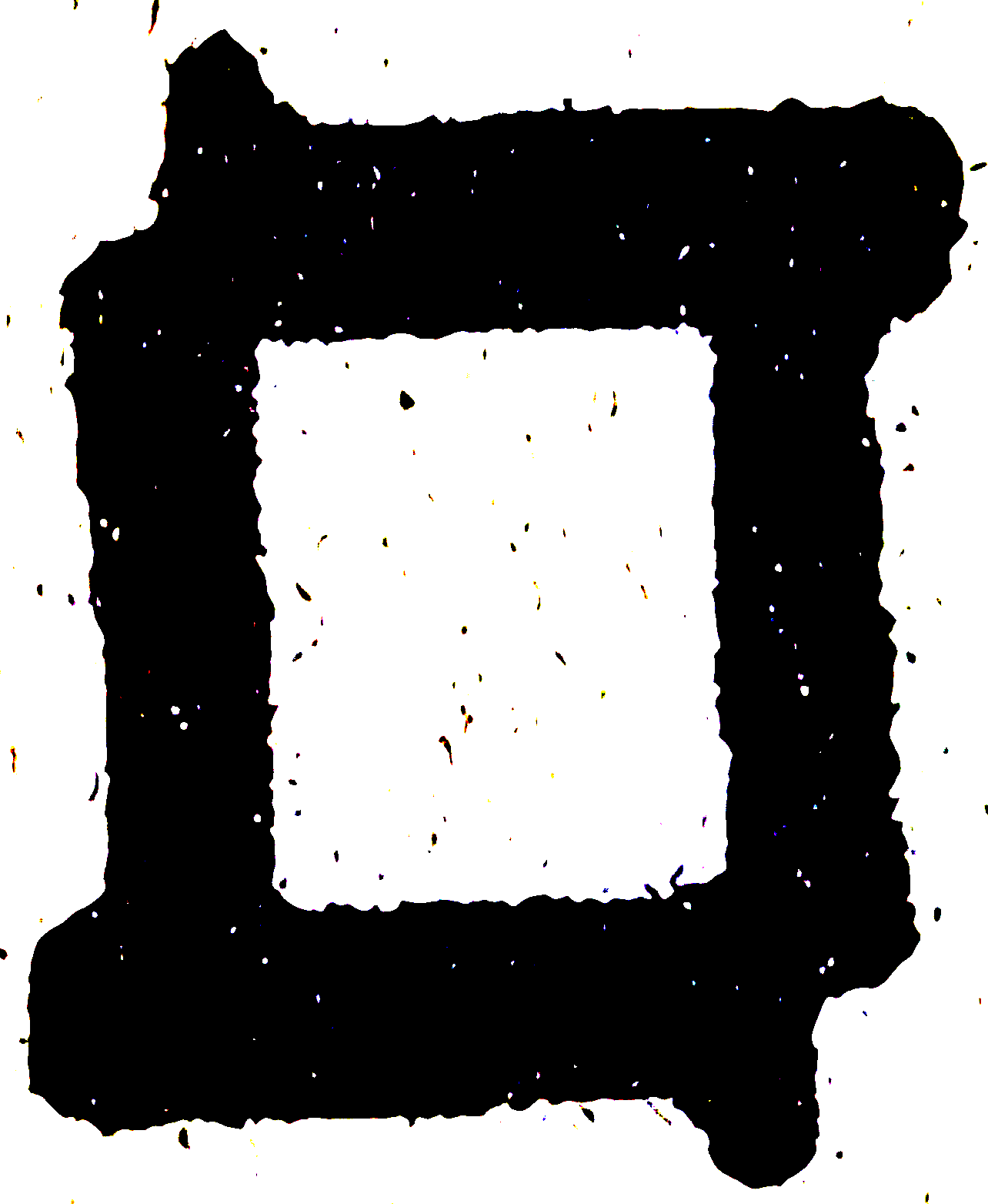 She is the Mem of “of the increase of the government” (הִיא הַמֵּ״ם שֶׁל לְםַרְבֵּה הַמִּשְׂרָה) (Isaiah 9:6), and this is her seal (וְזֶהוּ הַחוֹתָם שֶׁלָּהּ), and because she is in the likeness of a door and a gate that closes the opening (וּלְהִיוֹת שֶׁהִיא כִּדְמוּת דֶּלֶת וְשַׁעַר הַסּוֹתֶמֶת הַפֶּתַח), and the opening itself is the secret of the opening of the navel (וְהַפֶּתַח עַצְמָהּ הוּא סוֹד הַנֶּקֶב שֶׁל הַטַּבּוּר), therefore it is fitting to affix a Mezuzah upon it (לָכֵן רָאוּי לִקְבּוֹעַ בָּהּ מְזוּזָה), which alludes to the Nukvah (הָרוֹמֶזֶת לְנוּקְבֵיהּ), for Mezuzah equals Adonai (כִּי מְזוּזָה הִיא עוֹלָה אַדנָ״י), which is Malkhut (שֶׁהוּא מַלְכוּת), and it must be placed in the upper third (וְצָרִיךְ לְהַנִּיחָהּ בַּשְּׁלִישׁ הָעֶלְיוֹן), because there is the secret of the opening (כִּי שָׁם הוּא סוֹד הַפֶּתַח), and there the Nukvah is required (וְצָרִיךְ שָׁם נוּקְבֵיהּ), to protect the backside (לְהָגֵן מֵאֲחוֹרִים), from the adversaries (מֵהַצָּרִים), so that they will not take hold there (שֶׁלֹּא יֹאחֲזוּ שָׁם), for it is an opening that passes through from side to side (כִּי הוּא נֶקֶב מְפֻלָּשׁ מֵעֵבֶר אֶל עֵבֶר). But it must be placed at least one handbreadth from above (אֲבָל צָרִיךְ לְהַנִּיחָהּ לְפָחוֹת טֶפַח מִלְמַעְלָה), and that is the place of Leah (וְהוּא מְקוֹמָהּ שֶׁל לֵאָה), and this is the secret of the opening (וְהוּא סוֹד הַפֶּתַח), which is the form of Tiferet (הוּא צוּרַת תִּפְאֶרֶת), for Tiferet is the lintel (כִּי ת״ת הוּא הַמַּשְׁקוֹף), and Netzach and Hod are the two doorposts (וְנֵצַח הוֹד הֵם שְׁתֵּי הַמְּזוּזוֹת), and the bent leg of Tiferet is Hod (וְהָרֶגֶל הֶעָקוֹם שֶׁל הַתִּפְאֶרֶת הוּא הוֹד), therefore the Mezuzah is placed diagonally (לָכֵן מַנִּיחִים אֶת הַמְּזוּזָה בַּאֲלַכְסוֹן), and in its inclination (וּבַעֲקְמוּמִיּוּת), is its leaning toward the Chitzonim [External Forces] (הוּא נְטִיָּתָהּ אֶל הַחִיצוֹנִים). And it must be placed on the left side of the one going out (וְצָרִיךְ לְהַנִּיחַ מִצַּד שְׂמֹאל הַיּוֹצֵא), which is the right side of the one entering (שֶׁהוּא יְמִין הַנִּכְנָס), and therefore the left side of the one going out is required (וְלָכֵן צָרִיךְ שְׂמֹאל הַיּוֹצֵא), in the secret of: “He has turned back His right hand because of the enemy” (בְּסוֹד הֵשִׁיב יְמִינוֹ אָחוֹר מִפְּנֵי אוֹיֵב) (Lamentations 2:3), as we have said (כַּדַּאֲמָרַן). And because when she emerges she inclines toward the left (וּלְפִי שֶׁכְּשֶׁהִיא יוֹצֵאת הִיא נוֹטָה אֶל הַשְּׂמֹאל), therefore they write upon it the Name Shaddai (לָזֶה כּוֹתְבִין בָּהּ שֵׁם שַׁדַּ״י), corresponding to the section “And it shall be, if you shall surely hearken” (כְּנֶגֶד פָּרָשַׁת וְהָיָה אִם שָׁמֹעַ), which are the five Gevurot (שֶׁהֵם ה' גְּבוּרוֹת), and Shaddai (וְשַׁדַּ״י) is the Yesod that raises (הוּא יְסוֹד הַמַּעֲלֶה), in the secret of Mayin Nukvin [Female Waters] (בְּסוֹד מַיִן נוּקְבִין). And this is also the reason (וְהוּא הַטַּעַם גַּם כֵּן), why one must gaze at the Tzitzit during Keri’at Shema (לָמָּה שֶׁצָּרִיךְ לְהַבִּיט בַּצִּיצִית בִּקְרִיאַת שְׁמַע), because she is “the beautiful maiden who has no eyes” (לְפִי שֶׁהִיא עוֹלִימְתָּא שַׁפִּירְתָּא דְּלֵית לָהּ עֵינִין) (Zohar, Balak 95a), for she is not from the place of the eyes (שֶׁאֵינָהּ מִמְּקוֹם הָעֵינַיִם), since she emerges from the chest, from his navel and below (שֶׁהִיא יוֹצֵאָה מֵהֶחָזֶה מִטַּבּוּרוֹ וּלְמַטָּה), but the eyes gaze toward the chest (אֲבָל הָעֵינַיִם מַבִּיטִים בֶּחָזֶה), and from there the light emerges to her (וּמִשָּׁם יוֹצֵא הָאוֹר לָהּ), and eyes are made for her (וְנַעֲשֶׂה לָהּ עֵינַיִם). And this is the secret of what the Sages of blessed memory said (וְזֶהוּ סוֹד שֶׁאָמְרוּ חֲזַ״ל): “One Master said she was a tail, and one Master said she was a Partzuf” (מַר אָמַר זָנָב הָיְתָה וּמַר אָמַר פַּרְצוּף הָיְתָה) (Berakhot 61a; Eruvin 18a). And they do not disagree (וְלֹא פְלִיגִי), for the one who says Partzuf (כִּי הָאוֹמֵר פַּרְצוּף), is speaking about Leah (הוּא מְדַבֵּר עַל לֵאָה), who is at the head behind him (שֶׁהוּא בָּרֹאשׁ מֵאֲחוֹרָיו), above in the place of the face (לְמַעְלָה בִּמְקוֹם הַפַּרְצוּף), and the one who says tail (וְהָאוֹמֵר זָנָב), is speaking about Rachel (מְדַבֵּר עַל רָחֵל), who emerged in the place of the tail (שֶׁהִיא יָצְאָה בִּמְקוֹם הַזָּנָב). And at first she was a tail (וְגַם מִתְּחִלָּה הָיְתָה זָנָב), and afterward she became a Partzuf (וְאַחַר כָּךְ נַעֲשֵׂית פַּרְצוּף), and therefore one must gaze at the Tzitzit with the eyes (וְלָזֶה צָרִיךְ לְהַבִּיט הַצִּיצִית בָּעֵינַיִם), to draw eyes to her (לְהַמְשִׁיךְ לָהּ עֵינַיִם), corresponding to the chest (כְּנֶגֶד הֶחָזֶה). And this is the secret of the Choshen [Breastplate] and the Ephod (וְזֶהוּ סוֹד הַחֹשֶׁן וְהָאֵפוֹד), for the Choshen [Breastplate] was in front, only until the chest, one Zeret [Span] (שֶׁהַחֹשֶׁן הָיָה בַּפָּנִים עַד הֶחָזֶה זֶרֶת לְבַד), and the Ephod was behind him (וְהָאֵפוֹד מֵאֲחוֹרָיו). Meaning (פֵּירוּשׁ), the Choshen [Breastplate] is the Yesod of Imma (הַחֹשֶׁן הוּא הַיְסוֹד שֶׁל אִמָּא), which enters into Ze’ir Anpin until the chest (הַנִּכְנָס בִּזְעֵיר עַד הֶחָזֶה), where the Chasadim are for Ze’ir Anpin (שֶׁשָּׁם הַחֲסָדִים לִזְעֵיר), and they are called Urim (וְהֵם הַנִּקְרָאִים אוּרִים), and the Nukvah is the Ephod (וְהַנְּקֵבָה הִיא הָאֵפוֹד), and is called Tumim (וְנִקְרֵאת תֻּמִּים). And the allusion is (וְהָרֶמֶז), “And Yaakov was a complete man” (וְיַעֲקֹב אִישׁ תָּם) (Genesis 25:27), the husband of Tam [Complete One] (בַּעְלָהּ שֶׁל תָּם), the husband of the Matronita [Matron] (בַּעְלָהּ דְּמַטְרוֹנִיתָא), who is called Tam [Complete One] (הַנִּקְרֵאת תָּם), as is brought in the Zohar, Parashat Shelach Lecha (כִּדְאִיתָא בַּזֹּהַר פָּרָשַׁת שְׁלַח לְךָ) [daf 163b], on the verse “You shall be complete with Hashem your God” (עַל פָּסוּק תָּמִים תִּהְיֶה עִם יְיָ אֱלֹהֶיךָ) (Deuteronomy 18:13), that it is Tameim [Complete One] (שֶׁהוּא תְּמִים), see there (עַיֵּן שָׁם). And therefore (וְלָזֶה), the Choshen [Breastplate] is one Zeret [Span] in length (הַחֹשֶׁן הוּא זֶרֶת אָרְכּוֹ), corresponding to the Yesod of Imma (כְּנֶגֶד הַיְסוֹד שֶׁל אִמָּא), which enters into Ze’ir Anpin (הַנִּכְנָס בִּזְעֵיר). And corresponding to this Choshen [Breastplate] (וּכְנֶגֶד הַחֹשֶׁן הַזֶּה), Leah emerged from behind him (יָצְאָה לֵאָה מֵאֲחוֹרוֹי), and the Ephod is Rachel (וְהָאֵפוֹד הִיא רָחֵל), who emerged from behind him from the chest and below (שֶׁהָיְתָה יוֹצֵאָה מֵאֲחוֹרוֹי מֵהֶחָזֶה וּלְמַטָּה), and therefore (וְלָזֶה), “And the Choshen shall not be loosened from upon the Ephod” (וְלֹא יִזַּח הַחֹשֶׁן מֵעַל הָאֵפוֹד) (Exodus 28:28), “that they not be separated” (דְּלָא לְאַפְרָשָׁא לוֹן) (Zohar, Bamidbar 242a). And behold (וְהִנֵּה), Ephod equals ninety-one (אֵפוֹד עוֹלֶה צ״א), indicating the union of both of them as one (מוֹרֶה עַל יִחוּד שְׁנֵיהֶם כְּאֶחָד), which is the gematria of YAHDVNHY (שֶׁהוּא בְּגִימַטְרִיָּא יאהדונה״י). And at times Rachel ascends into the Yesod of Imma, in the place of Leah (וּלְפְעָמִים עוֹלָה רָחֵל בִּיסוֹד שֶׁל אִמָּא בִּמְקוֹם לֵאָה), and concerning this it is said (וְעַל זֶה נֶאֱמַר), “And Rachel stole the Terafim” (וַתִּגְנֹב רָחֵל אֶת הַתְּרָפִים) (Genesis 31:19), for it is from the expression Beit HaToref [the place of exposure] (שֶׁהוּא מִלְּשׁוֹן בֵּית הַתּוֹרֶף), which is the Yesod (שֶׁהוּא הַיְסוֹד), and Terafim [Terafim] implies two things (וּתְרָפִים תְּרֵי מַשְׁמַע), the Yesod of Abba and the Yesod of Imma (הַיְסוֹד שֶׁל אַבָּא וְשֶׁל אִמָּא). And this is the meaning of (וְזֶהוּ), “And Rachel envied her sister” (וַתְּקַנֵּא רָחֵל בַּאֲחֹתָהּ) (Genesis 30:1). Therefore (לְפִיכָךְ), the Sages of blessed memory said (אָמְרוּ חֲזַ״ל), “What fear made a crown for her head, humility made a heel for her sandal” (מַה שֶּׁעָשְׂתָה יִרְאָה עֲטָרָה לְרֹאשָׁהּ עָשְׂתָה עֲנָוָה עָקֵב לְסוּלִיתָהּ) (Jerusalem Talmud, Shabbat 2:2), for Yir’ah [Fear] is Rachel (כִּי יִרְאָה הִיא רָחֵל), and she is below the Yesod of Imma (וְהִיא לְמַטָּה מֵהַיְסוֹד שֶׁל אִמָּא), thus the Yesod of Imma is a crown upon her head (נִמְצָא יְסוֹד אִמָּא עֲטָרָה לְרֹאשָׁהּ). And Anavah [Humility] is Leah (וַעֲנָוָה הִיא לֵאָה), who is above (שֶׁהִיא לְמַעְלָה), and the Yesod of Imma is a heel to her sandal (וִיסוֹד אִמָּא עָקֵב לְסוּלִיתָא), for there it ends (כִּי תַמָּן אִסְתַּיֵּימַת). And Moshe was from the aspect of Leah above (וּמֹשֶׁה הָיָה מִבְּחִינַת לֵאָה לְמַעְלָה), and this is the meaning of (וְזֶהוּ), “A prayer of Moshe, the man of Elohim” (תְּפִלָּה לְמֹשֶׁה אִישׁ הָאֱלֹהִים) (Psalms 90:1), whose initial letters spell Leah (רָאשֵׁי תֵּבוֹת לֵאָה), and this is what the verse says (וְזֶהוּ שֶׁאָמַר הַכָּתוּב), “And the man Moshe was exceedingly humble” (וְהָאִישׁ מֹשֶׁה עָנָיו מְאֹד) (Numbers 12:3). And Rachel is from there and below (וְרָחֵל הִיא מִשָּׁם וּלְמַטָּה), and when she is in the secret of the Ephod (וּכְשֶׁהִיא בְּסוֹד הָאֵפוֹד), she spreads through all the Dalet (מִתְפַּשֶּׁטֶת בְּכָל הַד'), then she requires stitching and rectification (אָז הִיא צְרִיכָה תְּפִירָה וְתִקּוּן), therefore “a woman does not make a covenant except with one who made her into a vessel” (לְפִיכָךְ אֵין הָאִשָּׁה כּוֹרֶתֶת בְּרִית אֶלָּא לְמִי שֶׁעֲשָׂאָהּ כְּלִי) (Sanhedrin 22b). And this is what the verse says (וְזֶהוּ שֶׁאָמַר הַכָּתוּב), “A well, the princes dug it” (בְּאֵר חֲפָרוּהָ שָׂרִים) (Numbers 21:18), which are the beginning of Chokhmah, Binah, Da’at (שֶׁהֵם רֵאשִׁית חב״ד), and the Avot [Patriarchs] are also called beginning (וְהָאָבוֹת גַּם הֵם נִקְרָאִים רֵאשִׁית), as it is said (שֶׁנֶּאֱמַר), “From the top of the rocks I see him” (מֵרֹאשׁ צֻרִים אֶרְאֶנּוּ) (Numbers 23:9), they are the right and the left, Chesed, Gevurah, Tiferet (הֵם יְמִינָא וּשְׂמָאלָא חג״ת), and they are princes (וְהֵם שָׂרִים), corresponding to Netzach, Hod, Yesod (כְּנֶגֶד נה״י), “The nobles of the people dug it” (כָּרוּהָ נְדִיבֵי הָעָם) (Numbers 21:18). And all this is through the Lawgiver (וְכָל זֶה עַל יְדֵי הַמְחֹקֵק), who is Yesod (שֶׁהוּא יְסוֹד), and this is what it says (וְזֶהוּ שֶׁאָמַר), “With the lawgiver, with their staffs” (בִּמְחֹקֵק בְּמִשְׁעֲנֹתָם) (Numbers 21:18), which are Netzach and Hod (שֶׁהֵם נֵצַח וְהוֹד). And therefore (וְלָזֶה), “a woman does not conceive from the first union” (אֵין הָאִשָּׁה מִתְעַבֶּרֶת מִבִּיאָה רִאשׁוֹנָה), because she has no Mayin Nukvin [Female Waters] to raise (לְפִי שֶׁאֵין לָהּ מַיִן נוּקְבִין לְהַעֲלוֹת), rather in the first union she takes the five Gevurot (אֶלָּא בַּבִּיאָה רִאשׁוֹנָה לוֹקַחַת הַחֲמֵשָׁה גְּבוּרוֹת), and from then onward she raises Mayin Nukvin [Female Waters] from the Gevurot (וּמִשָּׁם וָהָלְאָה הִיא מַעֲלָה מַיִן נוּקְבִין מֵהַגְּבוּרוֹת), and conceives (וּמִתְעַבֶּרֶת), and this is sufficient (וְדַי בָזֶה).