
Chapter Six (פֶּרֶק שִׁשִּׁי)
In it shall be explained the Tikkun of the all-inclusive Netzach, Hod, Yesod, which include three Tikkunim (בּוֹ יְפוֹרַשׁ תִּיקּוּן נה״י הַכּוֹלְלִים שְׁלֹשָׁה תִּיקּוּנִים), whose names are: pure wool, desire of desires, the open eye that does not sleep (שֶׁשְּׁמָם עֲמַר נָקֵי, רַעֲוָא דְרַעֲוִין, עֵינָא פְקִיחָא דְלָא נָיִים).
Behold, the three first ones of Arich Anpin, according to their importance (הִנֵּה ג׳ רִאשׁוֹנוֹת שֶׁבַּאֲרִיךְ לְפִי חֲשִׁיבוּתָן), each one of them required a complete measure (הֻצְרְכוּ כָּל אַחַת מֵהֶן לְמִדָּה שְׁלֵמָה), from the seven lower ones of the supernal head of the Malkhut of Adam Kadmon (מִן הַז׳ תַּחְתּוֹנוֹת שֶׁל רֵישָׁא עִילָאָה דְּמַלְכוּת אָדָם קַדְמוֹן), for their hand found abundant strength (כִּי כַבִּיר מָצְאָה יָדָן), to take for each one of them a complete measure from the Malkhut of Adam Kadmon (לִקַּח כָּל אַחַת מֵהֶן מִדָּה שְׁלֵמָה מִן מַלְכוּת אָדָם קַדְמוֹן), for they attained strength (כִּי הִשִּׂיגוּ חַיִל), and girded power (וְאָזְרוּ כֹחַ), from Chokhmah, Binah, Keter of the Malkhut of Adam Kadmon (מִן כח״ב דְּמַלְכוּת אָדָם קַדְמוֹן), as I explained to you very well (כַּאֲשֶׁר בֵּאַרְתִּי לְךָ בָּאֵר הֵיטֵב). But the Netzach of the Malkhut of Adam Kadmon (אֲבָל נֵצַח דְּמַלְכוּת אָדָם קַדְמוֹן), sufficed for the Chesed and Netzach of Arich Anpin (הִסְפִּיק לְחֶסֶד וְנֵצַח דַּאֲרִיךְ), which is the right line (שֶׁהוּא קַו יָמִין), and likewise the Hod of the Malkhut of Adam Kadmon (וְכֵן הוֹד דְּמַלְכוּת אָדָם קַדְמוֹן), sufficed for the Gevurah and Hod of Arich Anpin (הִסְפִּיק לִגְבוּרָה וְהוֹד דַּאֲרִיךְ), which is the left line (שֶׁהוּא קַו שְׂמֹאל), and the Yesod of the Malkhut of Adam Kadmon (וִיסוֹד דְּמַלְכוּת אָדָם קַדְמוֹן), sufficed for the Da’at, Tiferet, and Yesod of Arich Anpin (הִסְפִּיק לְדַעַת ת"ת וִיסוֹד דַּאֲרִיךְ), which is the middle line (שֶׁהוּא קַו הָאֶמְצָעִי). And you already know (וּכְבָר יָדַעְתָּ), that the Keter in the three first ones bestowed illumination into the Chesed and gave within it power (שֶׁכֶּתֶר שֶׁבַּג׳ רִאשׁוֹנוֹת הִשְׁפִּיעַ אוֹרָה בַּחֶסֶד וְנָתְנָה בוֹ כֹּחַ), to make the Tikkun of the Galgalta [skull] (לַעֲשׂוֹת הַתִּיקּוּן גַּלְגַּלְתָּא), and the Binah gave power to the Gevurah to make the Tikkun of the dew of crystal (וּבִינָה נָתְנָה כֹּחַ לִגְבוּרָה לַעֲשׂוֹת הַתִּיקּוּן טַלָּא דִבְדוֹלְחָא), and the Chokhmah gave illumination into the Tiferet to make the Tikkun of the membrane of the air (וְהַחָכְמָה נָתְנָה אוֹרָה בְּת"ת לַעֲשׂוֹת הַתִּיקּוּן קְרוּמָא דַאֲוִירָא), and this is why this Tikkun is called the membrane of the air (וְהַיְינוּ דְּקָרָא תִּיקּוּן זֶה קְרוּמָא דַאֲוִירָא), meaning the light of Yod, which is Chokhmah (כְּלוֹמַר אוֹר י׳ שֶׁהִיא חָכְמָה). And afterward these three, namely Chesed, Gevurah, Tiferet (וְאַחַר כָּךְ אֵלּוּ הַג׳ דְּהַיְינוּ חג״ת), after each and every one received illumination from the three first ones (אַחַר שֶׁקִּבְּלוּ כָּל אֶחָד וְאֶחָד אוֹרָה מִן הַג׳ רִאשׁוֹנוֹת), they afterward gave from their light to Netzach, Hod, Yesod (נָתְנוּ הֵם אַחַר כָּךְ מֵאוֹרָם לִנה״י), so that they also could make Tikkunim (שֶׁיּוּכְלוּ גַּם כֵּן לַעֲשׂוֹת תִּיקּוּנִים), and this is what it says in Sifra deTzni‘uta (וְהַיְינוּ דְּקָאָמַר בְּסִפְרָא דִּצְנִיעוּתָא), “those are pure wool” (אִינוּן עֲמַר נָקֵי). The word “those” (מִלַּת אִינוּן), does not refer specifically only to pure wool (לָא קָאֵי דַוְקָא עַל עֲמַר נָקֵי), but also to the others (אֶלָּא גַּם עַל הַשְּׁאָר), meaning those Chesed, Gevurah, Tiferet themselves (כְּלוֹמַר אִינוּן חג״ת עַצְמָם), they are the ones who gave power to Netzach, Hod, Yesod to make all the remaining Tikkunim (הֵם שֶׁנָּתְנוּ כֹּחַ לִנה״י לַעֲשׂוֹת כָּל שְׁאָר הַתִּיקּוּנִים). And the power that was in the three first ones corrected each and every Tikkun in its place (וְהָיָה הַכֹּחַ שֶׁבַּג׳ רִאשׁוֹנוֹת מְתַקֵּן כָּל תִּיקּוּן וְתִיקּוּן בִּמְקוֹמוֹ), and according to this it is found that the Tikkun of Netzach, Hod, Yesod (וְנִמְצָא לְפִי זֶה שֶׁתִּיקּוּן נה״י), are three Tikkunim (הֵם שְׁלֹשָׁה תִּיקּוּנִים), and they acted as one in the secret of one drop and one point (וּפָעֲלוּ כְּאַחַת בְּסוֹד טִפָּה וּנְקוּדָה אַחַת), in the secret of the parts of the face of the Partzuf (בְּסוֹד חֶלְקֵי הַפָּנִים שֶׁל הַפַּרְצוּף), which is one union (שֶׁהוּא חִבּוּר אֶחָד), therefore many distinctions are found (לָכֵן נִמְצָא חִלּוּקִים רַבִּים), among the authors [books] (בֵּין הַמְחַבְּרִים [סְפָרִים]), regarding these three Tikkunim (בְּאֵלּוּ הַשְּׁלֹשָׁה תִּיקּוּנִים). And I shall explain these three Tikkunim with the help of the Rock and His salvation (וַאֲנִי אֲבָאֵר אֶת הַשְּׁלֹשָׁה תִּיקּוּנִים הָאֵלּוּ בְּעֶזְרַת הַצּוּר וִישׁוּעָתוֹ), and with the assistance of Atik Yomin [Ancient of Days] (וּבְסִיַּיעְתָּא דְעַתִּיק יוֹמִין), and you, the one who studies, should scrutinize these words of mine (וְאַתָּה הַמְעַיֵּן תְּדַקְדֵּק בִּדְבָרַי אֵלֶּה), which I shall write regarding the matter of the three Tikkunim (אֲשֶׁר אֶכְתּוֹב בְּעִנְיַן הַג׳ תִּיקּוּנִים), and listen to me and dwell securely (וְתִשְׁמַע לִי וְתִשְׁכּוֹן לָבֶטַח). And even though I explained to you that these Netzach, Hod, Yesod act together (וְאַף עַל פִּי שֶׁבֵּאַרְתִּי לְךָ שֶׁפּוֹעֲלִים אֵלּוּ הנה״י יַחַד), nevertheless when we scrutinize the parts of the face more precisely (מִכָּל מָקוֹם כְּשֶׁנְּדַקְדֵּק בְּחֶלְקֵי הַפָּנִים בְּיוֹתֵר), behold from the Yesod of the Malkhut of Adam Kadmon (הִנֵּה מִיסוֹד דְּמַלְכוּת אָדָם קַדְמוֹן), which includes within itself Da’at, Tiferet, and Yesod of Arich Anpin (הַכּוֹלֵל בְּעַצְמוֹ דַּעַת ת"ת וִיסוֹד דַּאֲרִיךְ), from it was made the forehead of Atika [Ancient One] called Re‘ava deRe‘avin [desire of desires] (נַעֲשָׂה מִמֶּנּוּ מֵצַח דַּעֲתִיקָא הַנִּקְרָא רַעֲוָא דְרַעֲוִין), for in every place Da’at is the forehead (כִּי בְּכָל מָקוֹם דַּעַת הוּא מֵצַח), and in every Partzuf the Yesod of that which is above it joins with the Da’at of the Partzuf below it (וּבְכָל פַּרְצוּף מִתְחַבֵּר יְסוֹד שֶׁלְּמַעְלָה מִמֶּנּוּ בְּדַעַת שֶׁל פַּרְצוּף שֶׁלְּמַטָּה מִמֶּנּוּ). And pure wool and the openings that are not sealed (וַעֲמַר נָקֵי וּפְתִיחָא דְלָא סְתִימִין), all of them are from the Netzach and Hod of the Malkhut of Adam Kadmon (כֻּלָּם מִנֵּצַח וְהוֹד דְּמַלְכוּת אָדָם קַדְמוֹן), standing equally, this one on this side and this one on the opposite side (הָעוֹמְדִים בְּשָׁוֶה זֶה מִצַּד זֶה וְזֶה מִצַּד זֶה כְּנֶגְדּוֹ), and they spread forth in their ten Sefirot in this manner (וְנִתְפַּשְׁטוּ בְּעֶשֶׂר סְפִירוֹתֵיהֶם בְּאוֹפֶן זֶה): the hairs from their Keter until their Tiferet (הַשְּׂעָרוֹת מִכֶּתֶר שֶׁלָּהֶם עַד ת"ת שֶׁלָּהֶם), and they complete the corners of the head (וּמַשְׁלִימִין פֵּאוֹת הָרֹאשׁ), and the temples which are in the place of Chesed and Gevurah (וְהַצְּדָעִיִים שֶׁהֵם בִּמְקוֹם חֶסֶד וּגְבוּרָה), and from their Tiferet and below is the influence of the eyes (וּמִת"ת שֶׁלָּהֶם וּלְמַטָּה הַשְׁפָּעַת הָעֵינַיִם). And because everything is within the Galgalta [skull] that encompasses all (וּמִפְּנֵי שֶׁהַכֹּל הוּא בְּתוֹךְ הַגַּלְגַּלְתָּא הַמַּקֶּפֶת הַכֹּל), and within it are the Chokhmah and Binah of Arich Anpin (וּבְתוֹכוֹ חָכְמָה וּבִינָה דַּאֲרִיךְ), they are literally from the light of the eyes of the white head of Atik Yomin [Ancient of Days] (הֵם מַמָּשׁ מֵאוֹר עֵינָיו שֶׁל רֵישָׁא חִוָּרָא דְעַתִּיק יוֹמַיָּא). And we are compelled to explain the Tikkun of pure wool before the Tikkun of Re‘ava deRe‘avin [desire of desires] (וּמוּכְרָחִים אָנוּ לְפָרֵשׁ תִּיקּוּן עֲמַר נָקֵי קֹדֶם תִּיקּוּן רַעֲוָא דְרַעֲוִין), because the hairs are above the forehead (מִפְּנֵי שֶׁהַשְּׂעָרוֹת הֵם לְמַעְלָה מֵהַמֵּצַח), and also in the Zohar in Sifra deTzni‘uta it was mentioned before Re‘ava deRe‘avin [desire of desires] for the aforementioned reason (וְגַם בַּזֹּהַר בְּסִפְרָא דִּצְנִיעוּתָא הוּזְכְּרָה קֹדֶם לְרַעֲוָא דְרַעֲוִין לַטַּעַם הַנִּזְכָּר). And it says “those are pure wool” (וְקָאָמַר אִינוּן עֲמַר נָקֵי), meaning that it refers to these three Sefirot (רָצָה לוֹמַר דְּקָאֵי עַל שְׁלֹשָׁה סְפִירוֹת הַלָּלוּ), Netzach, Hod, Yesod (נה״י), which act together in the three Tikkunim (הַפּוֹעֲלִים יַחַד הַשְּׁלֹשָׁה תִּיקּוּנִים), and in each and every Tikkun from these three (וּבְכָל תִּיקּוּן וְתִיקּוּן מֵהַג׳ אֵלֶּה), there is within it a portion from all these three aforementioned Sefirot (יֵשׁ בוֹ חֵלֶק מִכָּל אֵלּוּ הַג׳ סְפִירוֹת הַנִּזְכָּרוֹת), and what is in this is in this (וּמַה שֶּׁיֵּשׁ בָּזֶה יֵשׁ בָּזֶה). And in any event, in the influence of the eyes as well (וְעַל כָּל פָּנִים בְּהַשְׁפָּעַת הָעֵינַיִם גַּם כֵּן), a great and essential portion within it is this Yesod (חֵלֶק גָּדוֹל וְעִקָּר בוֹ הַיְסוֹד הַזֶּה), which is called the open eye that does not sleep and guards continually (שֶׁהוּא נִקְרָא עֵינָא פְקִיחָא דְלָא נָאִים וְנָטִיר תְּדִירָא), therefore they are literally a mixed drop (לָכֵן הֵם טִפָּה מְעוֹרֶבֶת מַמָּשׁ), and therefore the three colors of the eye are one within another (וְלָכֵן שְׁלֹשֶׁת גַּוְנֵי עַיִן הֵם זֶה בְּתוֹךְ זֶה), like these Netzach, Hod, Yesod (כְּמוֹ אֵלּוּ הנה״י), therefore these three Tikkunim act together (לָכֵן פּוֹעֲלִים יַחַד אֵלּוּ הַג׳ תִּיקּוּנִים), namely Arak [pure wool, desire, membrane of the air] (דְּהַיְינוּ ער״ק [עֲמַר נָקֵי, רַעֲוָא, קְרוּמָא דַאֲוִירָא]). And you must know (וְצָרִיךְ אַתָּה לָדַעַת), that forever all the aspects that are in Ze’ir Anpin in the seven lower ones (שֶׁלְּעוֹלָם כָּל הַבְּחִינוֹת שֶׁהֵם בִּזְעֵיר בַּז׳ תַּחְתּוֹנוֹת), the lights do not enter into them equally (אֵין הָאוֹרוֹת נִכְנָסִים לְתוֹכָם לְכֻלָּם בְּשָׁוֶה), rather forever they first enter into the Chesed, Gevurah, Tiferet within it (אֶלָּא לְעוֹלָם הֵם נִכְנָסִים תְּחִלָּה בִּגְדוּלָּה גְבוּרָה ת"ת שֶׁלּוֹ), and these aforementioned Chesed, Gevurah, Tiferet give to Netzach, Hod, Yesod (וְחג״ת הַנִּזְכָּרִים הֵם נוֹתְנִים לִנה״י), and the counting of the Omer will prove it when you shall know, with the help of Hashem (וּסְפִירַת עוֹמֶר יוֹכִיחַ כַּאֲשֶׁר תֵּדַע בְּעֶזְרַת ה׳). And behold the Chesed, Gevurah, Tiferet of these seven of the Malkhut of Adam Kadmon (וְהִנֵּה גְדוּלָּה גְבוּרָה ת"ת שֶׁל אֵלּוּ הַשִּׁבְעָה דְּמַלְכוּת שֶׁל א״ק), they all together influence the Netzach, Hod, Yesod of the Malkhut itself (הֵם מַשְׁפִּיעִים כֻּלָּם יַחַד לְנֵצַח הוֹד יְסוֹד שֶׁל מַלְכוּת עַצְמָהּ), so that they will be able to make the Tikkunim as we explained above (כְּדֵי שֶׁיּוּכְלוּ הֵם לַעֲשׂוֹת הַתִּיקּוּנִים כִּדְפֵירַשְׁנוּ לְעֵיל). And because the three Tikkunim were joined together (וּלְהִיוֹת שֶׁנִּתְחַבְּרוּ יַחַד הַשְּׁלֹשָׁה תִּיקּוּנִים), which are Gatak [Galgalta [skull], Tala [dew], Keruma [membrane] (שֶׁהֵם גט״ק [גַּלְגַּלְתָּא, טַלָּא, קְרוּמָא]), in one place through the intermediary of the membrane of the air (בְּמָקוֹם אֶחָד בְּאֶמְצָעוּת קְרוּמָא דַאֲוִירָא), namely the Tiferet which arbitrates and blends the Chesed with the Gevurah according to its custom (דְּהַיְינוּ ת"ת הַמַּכְרִיעַ וּמְמַזֵּג הַחֶסֶד עִם הַגְּבוּרָה כְּמִנְהָגוֹ), and from their joining together some flow was born between them (וּמִתּוֹךְ הִתְחַבְּרוּתָם יַחַד נוֹלַד מִבֵּינֵיהֶם אֵיזֶה שֶׁפַע).
Namely that which drips from the extract with pressure from the membrane of the air and downward (דְּהַיְינוּ מַה שֶּׁנּוֹטֵף מִתַּמְצִית בְּדוֹחַק מִקְּרוּמָא דַאֲוִירָא וּלְמַטָּה). But nevertheless this flow is in the secret of relaxed judgment (אֲבָל מִכָּל מָקוֹם זֶה הַשֶּׁפַע הוּא בְּסוֹד רִיּוּחַ דִּין), since it descends as though under pressure from between the letters of the membrane of the air (כֵּיוָן שֶׁהוּא יוֹרֵד כְּמוֹ בְדוֹחַק מִבֵּין אוֹתִיּוֹת קְרוּמָא דַאֲוִירָא), because it was interrupting and restraining it from emerging (מִפְּנֵי שֶׁהָיָה מַפְסִיק וּמְעַכֵּב לָצֵאת), and from this flow, when it descended to the aforementioned Netzach and Hod (וּמֵהַשֶּׁפַע הַזֶּה כֵּיוָן שֶׁיָּרַד לְנֵצַח וְהוֹד הַנִּזְכָּרִים), from it were made the hairs of the head, which we shall explain (נַעֲשָׂה מִמֶּנּוּ הַשְּׂעָרוֹת שֶׁל הָרֹאשׁ אֲשֶׁר נְבָאֵר). And because the hairs are designated toward judgment as you know (וּלְהִיוֹת שֶׁהַשְּׂעָרוֹת הֵם מְכוּנִים לְדִין כַּאֲשֶׁר יָדַעְתָּ), in the secret of the hairs of Ze’ir Anpin (בְּסוֹד שַׂעֲרוֹת זְעֵיר), and in this place there is no judgment except that they appear like judgment (וּבַמָּקוֹם הַזֶּה אֵין דִּין אֶלָּא שֶׁנִּרְאִים כְּמוֹ דִּין), therefore they are called pure wool (וְלָזֶה נִקְרָאִים עֲמַר נָקֵי), and it is not called white wool (וְאֵינוֹ נִקְרָא עֲמַר חִוָּר), because just as it is impossible for wool to be white like white lime (לְפִי שֶׁכְּמוֹ שֶׁאִי אֶפְשָׁר לַצֶּמֶר שֶׁתְּהֵא לָבָן כַּסִּיד הַלָּבָן), therefore it says pure (לָזֶה אָמַר נָקֵי), meaning that it is clean from judgments in themselves (כְּלוֹמַר שֶׁהוּא נָקִי מִדִּינִים מִצַּד עַצְמָם), but nevertheless they appear that they, namely the hairs, are judgments as stated (אֲבָל מִכָּל מָקוֹם נִרְאִים שֶׁהֵם [הַשְּׂעָרוֹת] דִּינִים כָּאָמוּר). And this is the meaning of what it says in Sifra deTzni‘uta (וְזֶהוּ אוֹמְרוֹ בְּסִפְרָא דִּצְנִיעוּתָא), “those are pure wool hanging in the balance” (אִינוּן עֲמַר נָקֵי תַּלְיָין בְּשִׁיקוּלָא), meaning “those are pure wool” (רָצָה לוֹמַר אִינוּן עֲמַר נָקֵי), that the Tikkun of pure wool was made from the gathered portions of all three as stated (שֶׁתִּיקּוּן עֲמַר נָקֵי נַעֲשָׂה מֵחֶלְקֵי קִבּוּץ שְׁלָשְׁתָּן כָּאָמוּר), and it says “hanging in the balance” (וְאוֹמֵר תַּלְיָין בְּשִׁיקוּלָא), meaning that even though this Tikkun is designated to Netzach (כְּלוֹמַר אַף עַל פִּי שֶׁהַתִּיקּוּן זֶה מְכוּנֶה לְנֵצַח), nevertheless Hod also participates in this aspect (מִכָּל מָקוֹם גַּם הוֹד בִּבְחִינָה זוֹ), and it is equal with it in this Tikkun (וְהוּא שָׁקוּל כְּמוֹהוּ בְּתִיקּוּן זֶה), regarding the matter that Hod does not spread here more than Netzach according to its custom (לְעִנְיַן שֶׁאֵין הוֹד מִתְפַּשֵּׁט בְּכָאן יוֹתֵר מִנֵּצַח כְּמִנְהָגוֹ), as we said above (כַּאֲשֶׁר אָמַרְנוּ לְעֵיל), rather they hang in the balance (אֶלָּא הֵם תַּלְיָין בְּשִׁיקוּלָא). And you already know that the word Omer [wool] equals three hundred and ten (וּכְבָר יָדַעְתָּ שֶׁמִּלַּת עֲמַר עוֹלֶה י״ש), and the word Naki [pure] equals one hundred and sixty (וּמִלַּת נָקֵי עוֹלֶה ק״ס), this corresponds to the Name Ekyeh of the filling of the Name Ehyeh with Yodin together with the kolel (הוּא כְּנֶגֶד שֵׁם קס״א שֶׁל מִלּוּי שֵׁם אֶהְיֶה בְּיוּדִין עִם הַכּוֹלֵל), and Yesh is the Name El included from ten (וְי״ש הוּא שֵׁם א״ל כָּלוּל מֵעֶשֶׂר), and El is Chesed (וְאֵל הוּא חֶסֶד), as it is written: “The Chesed of El is all the day” (חֶסֶד אֵל כָּל הַיּוֹם) (Psalms 52). And the Chesed from its head is white and pure (וְחֶסֶד מֵרֹאשׁ שֶׁלּוֹ לָבָן וְנָקִי). And it is found that there is within it also the Name El indicating Chesed (וְנִמְצָא שֶׁיֵּשׁ בּוֹ גַּם כֵּן שֵׁם אֵל הַמּוֹרֶה עַל חֶסֶד), and they are mercies from their own aspect (וְהֵם רַחֲמִים מִצַּד עַצְמָם), and there is within it also the Name Ehyeh from which judgments are aroused (וְיֵשׁ בּוֹ גַּם כֵּן שֵׁם אֶהְיֶה שֶׁדִּינִין מִתְעָרִין מִינֵיהּ), indicating judgment (הַמּוֹרֶה דִּין), that they appear like judgment as stated (שֶׁהֵם נִרְאִים כְּמוֹ דִּין כָּאָמוּר). And these hairs are the breath of the head emerging upward (וְאֵלּוּ הַשְּׂעָרוֹת הֵם הֶבֶל הָרֹאשׁ הַיּוֹצְאִים לְמַעְלָה), in the secret of Ohr Chozer [returning light] (בְּסוֹד אוֹר חוֹזֵר), and within them is the Name El sweetening them (וּבָהֶם שֵׁם אֵל הַמְמַתְּקָם), and it is in the two corners of the head (וְהוּא בִּשְׁנֵי פֵּאוֹת הָרֹאשׁ), and the third is above in the forehead (וְהַשְּׁלִישִׁי בַּמֵּצַח מִלְמַעְלָה), namely the row of hairs surrounding the forehead from corner to corner (דְּהַיְינוּ הַשּׁוּרָה שֶׁל הַשְּׂעָרוֹת הַמַּקִּיפוֹת אֶת הַמֵּצַח מִפֵּאָה לְפֵאָה). And from them spread forth the root of three worlds (וּמֵהֶם מִתְפַּשְּׁטִים שֹׁרֶשׁ שְׁלֹשָׁה עוֹלָמוֹת), which are: El Shaddai, El Havayah, El-Adonai (שֶׁהֵם אֵל שַׁדַּי אֵל יהו״ה אֵל־אֲדנ״י), and from the third El it gives illumination to those within (וּמִן הָאֵל הַשְּׁלִישִׁי נוֹתֵן הֶאָרָה לְאֵלֶּה שֶׁבִּפְנִים), and behold El in filling equals the numerical value of circumference (וְהִנֵּה אֵל בְּמִלּוּי בְּגִימַטְרִיָּא הֶקֵּף), and two times circumference equals the numerical value of three hundred and seventy lights (וּב׳ פְּעָמִים הֶקֵּף בְּגִימַטְרִיָּא ש״ע נְהוֹרִין), mentioned in every place in the Zohar (הַנִּזְכָּרִים בְּכָל מָקוֹם בַּזֹּהַר), and they are from the back sides (וְהֵם מֵאֲחוֹרַיִים). And likewise there are in the פנים right and left of the aforementioned two times El (וְכֵן יֵשׁ בַּפָּנִים יָמִין וּשְׂמֹאל שֶׁל ב׳ פְּעָמִים אֵל הַנִּזְכָּר), the numerical value of Sha‘ashu‘a [delight] (גִּימַטְרִיָּא שַׁעֲשֻׁעַ), and this is the secret of “And the nursing child shall delight over the hole of the cobra” (וְשַׁעֲשַׁע יוֹנֵק עַל חוּר פָּתֶן) (Isaiah 11). And just as there is in Arich Anpin three hundred and seventy and three hundred and seventy (וּכְמוֹ שֶׁיֵּשׁ בַּאֲרִיךְ ש״ע ש״ע), so too there is in the Binah receiving them (כֵּן יֵשׁ בַּבִּינָה הַמְקַבֶּלֶת אוֹתָם), for Arich Anpin is also the secret of Binah as is known (כִּי אֲרִיךְ הוּא גַּם כֵּן סוֹד בִּינָה כַּנּוֹדָע). And it has four Ehyeh Names (וְיֵשׁ לָהּ ד׳ אֶהְיֶה): two with filling of Yodin (ב׳ בְּמִלּוּי יוּדִין), and one of Hehin and one of Alephin (וְא׳ דְּהֵהִין וְא׳ דְּאַלְפִין). And the Binah is S"G (וְהַבִּינָה הוּא ס״ג), and the secret of S"G is in Chokhmah, Binah, Da’at (וְסוֹד ס״ג הֵם בְּחב״ד), and Chesed, Gevurah, and one-third of the Tiferet of Ze’ir Anpin are S"G (וְח״ג וּשְׁלִישׁ ת"ת שֶׁל זְעֵיר הֵם ס״ג), as is known in chapter twenty-five of Kanfei Yonah (כַּנּוֹדָע בְּפֶרֶק כ״ה דְּכַנְפֵי יוֹנָה), why the Name S"G is in Binah (לָמָּה שֵׁם ס״ג בְּבִינָה), and why Ya‘akov was not blessed until he was sixty-three years old (וְלָמָּה לֹא נִתְבָּרַךְ יַעֲקֹב עַד הֱיוֹתוֹ בֶּן ס״ג שָׁנִים), see there (עַיֵּין שָׁם). And this is the secret of “And Ya‘akov went out from Be’er Sheva” (וְזֶהוּ סוֹד וַיֵּצֵא יַעֲקֹב מִבְּאֵר שָׁבַע) (Genesis 28), she is the Binah (הִיא הַבִּינָה), within which are four Ehyeh and three S"G Names (שֶׁיֵּשׁ בָּהּ ד׳ אֶהְיֶה וּשְׁלֹשָׁה ס״ג), from which emerge three El Names (שֶׁיּוֹצְאִים מֵהֶם שְׁלֹשָׁה אֵל כַּיָּדוּעַ), for the Name Yod, Yod, Aleph, Yod in the Name S"G equals the numerical value of El (שֶׁהוּא שֵׁם יִיאָ״י שֶׁבְּשֵׁם ס״ג הוּא בְּגִימַטְרִיָּא אֵל). And we have already explained that two El Names in filling are three hundred and seventy (וּכְבָר בֵּאַרְנוּ כִּי ב׳ אֵל בְּמִלּוּי הֵם ש״ע), and this is Sha‘ashu‘a [delight] (וְזֶהוּ שַׁעֲשֻׁעַ), and these El Names have their root from the Name S"G (וְשֵׁמוֹת אֵלּוּ שֶׁל אֵל הֵם שָׁרְשָׁם מִשֵּׁם ס״ג), and the back sides of the Name S"G are one hundred and sixty-six (וְשֵׁם ס״ג הָאֲחוֹרַיִים שֶׁלּוֹ קס״ו), equal in numerical value to Yonek [nursing child] (בְּגִימַטְרִיָּא יוֹנֵק), and this is “And the nursing child shall delight over the hole of the cobra” (וְזֶהוּ וְשַׁעֲשַׁע יוֹנֵק עַל חוּר פָּתֶן) (Isaiah 11), they are the kelipot (הֵם הַקְּלִיפּוֹת). For when there are three hundred and seventy lights (כִּי כַּאֲשֶׁר יֵשׁ ש״ע נְהוֹרִין), then Chashmal [electrum] is made (אָז נַעֲשֶׂה חַשְׁמַל), which equals the numerical value of garment (שֶׁהוּא בְּגִימַטְרִיָּא מַלְבּוּשׁ), clothing and encompassing the holiness (הַמַלְבִּישׁ וּמַקִּיף אֶל הַקְּדוּשָּׁה), so that the external forces will not rule over it (שֶׁלֹּא יִשְׁלְטוּ בָהּ הַחִיצוֹנִים), and this is the covering for each one of the four worlds Atzilut, Beri’ah, Yetzirah, Asiyah (וְזֶהוּ הַכִּסּוּי לְכָל אֶחָד מִד׳ עוֹלָמוֹת אבי״ע).
[For] each one according to its level (כִּי כָּל אֶחָד כְּפִי מַדְרֵגָתוֹ), so it is thicker than its companion (כָּךְ הוּא יוֹתֵר עָב מֵחֲבֵרוֹ), and Asiyah is thicker than all of them (וַעֲשִׂיָּה יוֹתֵר עָב מִכֻּלָּם), for there is the primary grasp of the external forces (כִּי שָׁם עִקַּר אֲחִיזַת הַחִיצוֹנִים). And therefore after the Shemoneh Esreh prayer (וְלָכֵן אַחַר תְּפִלַּת י״ח), when we drew down the illumination of holiness below (שֶׁהִמְשַׁכְנוּ הֶאָרָה שֶׁל הַקְּדוּשָּׁה לְמַטָּה), and then in order that the external forces should not rule over that illumination (וְאָז כְּדֵי שֶׁלֹּא יִשְׁלְטוּ הַחִיצוֹנִים בְּאוֹתָהּ הֶאָרָה), then we conclude the Amidah with the word “BeShalom” [in peace] (אָז אָנוּ מְסַיְּמִים הָעֲמִידָה בְּמִלַּת בְּשָׁלוֹם), in the wording “Who blesses His people Yisrael with peace” (בְּנוֹסַח הַמְבָרֵךְ אֶת עַמּוֹ יִשְׂרָאֵל בַּשָּׁלוֹם), which has the letters of “Malbush” [garment] (שֶׁהוּא אוֹתִיּוֹת מַלְבּוּשׁ), namely Chashmal [electrum] (דְּהַיְינוּ חַשְׁמַל), and the intention is (וְהַכַּוָּנָה), that at the time of the illumination of holiness then it is Chash [silent] (כִּי בִּזְמַן הֶאָרַת הַקְּדוּשָּׁה אָז הוּא חַשׁ), and when, Heaven forbid, there is dominion for the external forces there, it is called Mal [speaking] (וּכְשֶׁחַס וְשָׁלוֹם יֵשׁ שְׁלִיטָה לַחִיצוֹנִים שָׁם נִקְרָא מָל). And behold just as there is illumination of these three hundred and seventy in holiness (וְהִנֵּה כְּמוֹ שֶׁיֵּשׁ הֶאָרַת ש״ע אֵלּוּ בַּקְּדוּשָּׁה), so too they are in the external forces (כֵּן הֵם בַּחִיצוֹנִים), and this is the secret of “and the land shall not be desolate” (וְזֶהוּ סוֹד וְהָאֲדָמָה לֹא תֵשָׁם) (Leviticus 26), equal in numerical value to two times three hundred and seventy (בְּגִימַטְרִיָּא שְׁתֵּי פְּעָמִים ש״ע), for it makes the land desolate (שֶׁהִיא עוֹשָׂה שְׁמָמָה לָאֲדָמָה), so that it should not produce any vegetation within it, Heaven forbid (שֶׁלֹּא תַצְמִיחַ כָּל בָּהּ חַס וְשָׁלוֹם). And likewise opposite this in holiness (וְכֵן כְּנֶגְדּוֹ בַּקְּדוּשָּׁה), “Before the gray-haired you shall rise” (מִפְּנֵי שֵׂיבָה תָּקוּם) (Leviticus 19), the initial letters are from the six hundred and forty lights within Arich Anpin, Sha‘ashu‘a [delight] (רָאשֵׁי תֵבוֹת מש״ת אוֹרוֹת שֶׁבַּפָּנִים דַּאֲרִיךְ [שַׁעֲשֻׁעַ]), “and you shall honor the face of the elder” (וְהָדַרְתָּ פְּנֵי זָקֵן) (Leviticus 19), corresponding to Ze’ir Anpin (כְּנֶגֶד זְעֵיר אַנְפִּין), “and you shall fear your God” (וְיָרֵאתָ מֵאֱלֹהֶיךָ) (Leviticus 19), corresponding to the Malkhut where fear resides (כְּנֶגֶד הַמַּלְכוּת שֶׁשָּׁם הַיִּרְאָה), and this is the matter of jealousy (וְזֶהוּ עִנְיַן קִנְאָה), that whoever has jealousy, his bones rot (שֶׁכָּל מִי שֶׁיֵּשׁ לוֹ קִנְאָה עַצְמוֹתָיו מַרְקִיבִין). But Rabbi Achai bar Yoshiyahu, his bones did not rot (אֲבָל רַבִּי אַחַאי בַּר יוֹשִׁיָּהוּ לֹא הָיוּ עַצְמוֹתָיו מַרְקִיבִין) (Shabbat 152b), because he did not have jealousy regarding worldly matters (לְפִי שֶׁלֹּא הָיָה לוֹ קִנְאָה בְּמִילֵי דְעָלְמָא), which is the jealousy drawn from the external forces (שֶׁהִיא הַקִּנְאָה הַנִּמְשֶׁכֶת מִן הַחִיצוֹנִים), for then their bones rot and the moth consumes them (כִּי אָז עַצְמוֹתֵיהֶם מִתְרַקְּבִין וְהָעָשׁ יֹאכְלֵם), for the three hundred and seventy that are in holiness (שֶׁהֵם הַש״ע שֶׁבַּקְּדוּשָּׁה), become moth in the Klipah (נַעֲשִׂים עָשׁ בַּקְּלִיפָּה). And this is the secret of “the moth shall consume them” (וְזֶהוּ סוֹד עָשׁ יֹאכְלֵם) (Isaiah 50). And likewise “and his flesh shall consume away” (וְכֵן וַיֹּאכַל בְּשָׂרוֹ) (Job 33), of the dead person (שֶׁל מֵת), that which consumes and rots the bones (הָאוֹכֵל וּמַרְקִיב הָעֲצָמוֹת), and it is the secret of the notarikon of jealousy (וְהוּא סוֹד נוֹטָרִיקוֹן שֶׁל קִנְאָה): Korach, Nachash, Ofeh, Haman (ק׳וֹרַח נ׳חָשׁ א׳וֹפֶה ה׳מָן), for all of them were jealous (שֶׁכֻּלָּם הָיוּ מְקַנְאִים), until they became rottenness of bones (עַד שֶׁנַּעֲשׂוּ רֶקֶב עֲצָמוֹת), their hope became anguish of soul (תִּקְוָתָם מַפַּח נֶפֶשׁ), they were jealous of others (הֵם הָיוּ מְקַנְאִים בַּאֲחֵרִים), what they had was taken from them (מַה דַּהֲוָה לְהוֹן נְטִילוּ מִנְּהוֹן), and understand (וְהָבֵן). And likewise there is the worm (וְכֵן יֵשׁ תּוֹלַע), which is the Name ABGYTTZ in holiness (שֶׁהוּא שֵׁם אבגית״ץ בַּקְּדוּשָּׁה), in the secret of scarlet worm (בְּסוֹד תּוֹלַעַת שָׁנִי), which was required to be in the Mishkan (שֶׁהֻצְרַךְ לִהְיוֹת בַּמִּשְׁכָּן), and ABGYTTZ equals the numerical value of Tola [worm] (וְאַבְגִית״ץ גִּימַטְרִיָּא תּוֹלַ״ע), and it is in Chesed (וְהוּא בַּחֶסֶד), and it is the Kohen (וְהוּא הַכֹּהֵן), and this is “and he shall give to the Kohen” (וְזֶהוּ וְנָתַן לַכֹּהֵן) (Leviticus 14), for Venatan equals the numerical value of ABGYTTZ (כִּי וְנָתַן גִּימַטְרִיָּא אבגית״ץ). When we divide the names of the Name Mem-Bet into the seven Sefirot, which are SHQVTZYT (כְּשֶׁנַּחֲלֹק דִּי שְׁמוֹתָיו שֶׁל שֵׁם מ״ב לְז׳ סְפִירוֹת שֶׁהוּא שקוצי״ת), ABGYTTZ is Chesed (אבגית״ץ הוּא חֶסֶד), and it equals the numerical value of Shor [ox] (וְהוּא גִּימַטְרִיָּא שׁוֹר), which silences the ox that is in the days of Nisan (הַמַּשְׁתִּיק שׁוֹר שֶׁהוּא בְּיוֹמֵי נִיסָן), and if one mentions it the ox does not damage him (וְאִם מַזְכִּירוֹ אֵינוֹ מַזִּיקוֹ הַשּׁוֹר), for it is the Name Mem-Bet of Yetzirah (כִּי הוּא שֵׁם מ״ב דִּיצִירָה), its end is wedged in its beginning (נָעוּץ סוֹפָן בִּתְחִלָּתָן), ABGYTTZ equals the numerical value of Tola [worm] (אביגת״ץ גִּימַטְרִיָּא תּוֹלַע), SHQVTZYT equals the numerical value of Tola‘at [worm] (שקוצי״ת גִּימַטְרִיָּא תּוֹלַעַת). And this is the secret of “Fear not, worm Ya‘akov” (וְזֶהוּ סוֹד אַל תִּירְאִי תּוֹלַעַת יַעֲקֹב) (Isaiah 41). And concerning the wicked it is said: “for their worm shall not die and their fire shall not be quenched” (וְאֵצֶל הָרְשָׁעִים נֶאֱמַר כִּי תוֹלַעְתָּם לֹא תָמוּת וְאִשָּׁם לֹא תִכְבֶּה) (Isaiah 66). And in the morning every day this worm is awakened (וּבַבֹּקֶר בְּכָל יוֹם מִתְעוֹרֵר הַתּוֹלַע הַזֶּה), as it is said “the continual burnt-offering” (שֶׁנֶּאֱמַר עוֹלַת תָּמִיד) (Numbers 28), reverse the letters of Olat and you will find Tola [worm] (הָפוֹךְ עוֹלַת וְתִמְצָא תּוֹלַע), for it is that which elevates the offerings every day (כִּי הוּא הַמַּעֲלֶה הַקָּרְבָּנוֹת בְּכָל יוֹם), together with sparks of purity and the souls of Bnei Yisrael (עִם נִיצוֹצֵי טָהֳרָה וְנִשְׁמוֹת בְּנֵי יִשְׂרָאֵל). And from another aspect it is also called Tekhelet [blue dye] (וּמִצַּד אַחֵר נִקְרָא גַּם כֵּן תְּכֵלֶת), for it destroys corporeality and the external forces (שֶׁמְּכַלֶּה הַגַּשְׁמִיּוּת וְהַחִיצוֹנִים), that they should become sacrifices of the dead (שֶׁיִּהְיוּ זִבְחֵי מֵתִים), and it consumes the flesh of the sacrifices (וְאוֹכֵל בְּשַׂר הַקָּרְבָּנוֹת), and this is the secret of the lion Uriel (וְזֶהוּ סוֹד אַרְיֵה אוּרִיאֵל), which crouches upon the altar (שֶׁיִּהְיֶה רָבוּץ עַל גַּבֵּי הַמִּזְבֵּחַ), and strengthens the holiness (וּמַגְבִּיר הַקְּדוּשָּׁה), in order that it should bring it quickly to the ultimate world of the soul of the eighth millennium (כְּדֵי שֶׁיְּבִיאָה מְהֵרָה אֶל תַּכְלִית עוֹלַם הַנְּשָׁמָה שֶׁל אֶלֶף הַשְּׁמִינִי). And concerning it is said: “For Hashem your God is a consuming fire” (כִּי ה׳ אֱלֹהֶיךָ אֵשׁ אֹכְלָה הוּא) (Deuteronomy 4). Therefore it is called the end of the right side (וְלָכֵן נִקְרָא קֵץ הַיָּמִין), and opposite it in the external forces is the worm of the Klipah (וּכְנֶגְדּוֹ בַּחִיצוֹנִים תּוֹלַע שֶׁל קְלִיפָּה), which consumes the flesh of man (הָאוֹכֵל בְּשַׂרֵי הָאָדָם), as it is said: “the fool... consumes his own flesh” (הַכְּסִיל... וְאֹכֵל אֶת בְּשָׂרוֹ) (Ecclesiastes 4). And this is what the verse says: “Though they become red like the worm” (וְזֶה שֶׁאוֹמֵר הַכָּתוּב אִם יַאְדִּימוּ כַּתּוֹלָע) (Isaiah 1). And Rav Achai, because he did not have jealousy regarding worldly matters (וְרַב אַחַאי שֶׁלֹּא הָיָה לוֹ קִנְאָה בְּמִילֵי דְעָלְמָא), neither moth nor worm ruled over him (לֹא יִשְׁלֹט עָלָיו עָשׁ וְתוֹלַע), for there is power in the righteous during their lives to rectify (כִּי יֵשׁ כֹּחַ בַּצַּדִּיקִים בְּחַיֵּיהֶם לְתַקֵּן). And also King David, peace be upon him, said: “Even my flesh shall dwell securely” (וְגַם דָּוִד הַמֶּלֶךְ ע״ה אָמַר אַף בְּשָׂרִי יִשְׁכֹּן לָבֶטַח) (Psalms 16). This too is the secret of the verse “and his eyes shall waste away” (גַּם זֶה הוּא הַסּוֹד שֶׁל פָּסוּק וְעֵינָיו הָשַׁע), it is the external moth (הוּא הָעָשׁ הַחִיצוֹן), for they are darkened (שֶׁהֵם חֲשׁוּכִים), and therefore the eyes become closed (וְלָכֵן מִסְתַּיְּמִין הָעֵינַיִם). As the Zohar says (כְּמוֹ שֶׁאוֹמֵר הַזֹּהַר), regarding the verse “and Yosef shall place his hand upon your eyes” (עַל פָּסוּק וְיוֹסֵף יָשִׁית יָדוֹ עַל עֵינֶיךָ) (Genesis 46), in Parashat Vayechi (פָּרָשַׁת וַיְחִי), and it says there that the firstborn of every person is obligated to close the eyes of the dead (וְאוֹמֵר שָׁם שֶׁבְּכוֹרוֹ שֶׁל כָּל אָדָם מְחֻיָּב לִסְתּוֹם עֵינָיו שֶׁל מֵת), before this moth comes and darkens them (קֹדֶם שֶׁיָּבוֹא הָעָשׁ הַזֶּה וְיַחְשִׁיךְ אוֹתָם). And the secret of Chashmal [electrum], which we said equals “BeShalom” [in peace] during the weekday (וְסוֹד חַשְׁמַל שֶׁאָמַרְנוּ שֶׁעוֹלֶה בְּשָׁלוֹם בַּחוֹל), and on Shabbat it becomes a garment (וּבְשַׁבָּת הוּא נַעֲשֶׂה מַלְבּוּשׁ), equal in numerical value to Chashmal [electrum] (גִּימַטְרִיָּא חַשְׁמַל), and encompassing like a sukkah (וּמַקִּיף כְּעֵין סֻכָּה), equal in numerical value to Havayah and Adnut (גִּימַטְרִיָּא הֲוָיָה וַאֲדְנוּת), the union of Ze’ir Anpin and Nukvah face to face (זִוּוּג זְעֵיר אַנְפִּין וְנוּקְבֵיהּ פָּנִים בְּפָנִים), from the eve of Shabbat to the eve of Shabbat (מֵעֶרֶב שַׁבָּת לְעֶרֶב שַׁבָּת), as it is said: “Thus says Hashem to the eunuchs” (כֹּה אָמַר ה׳ לַסָּרִיסִים) (Isaiah 56), those who emasculate themselves all the days of the week (הַמְסָרְסִים עַצְמָם כָּל יְמֵי הַשָּׁבוּעַ), “and they chose that which I desired” (וּבָחֲרוּ בַּאֲשֶׁר חָפַצְתִּי) (Isaiah 56), from the eve of Shabbat to the eve of Shabbat (מֵעֶרֶב שַׁבָּת לְעֶרֶב שַׁבָּת) (Zohar Shemot 89a). “A hand and a good name better than sons and daughters... I shall give him that shall not be cut off” (יָד וָשֵׁם טוֹב מִבָּנִים וּמִבָּנוֹת... אֶתֵּן לוֹ אֲשֶׁר לֹא יִכָּרֵת) (Isaiah 56), through the balance of deceitful scales (עַל יְדֵי מַתְקְלָא מֹאזְנֵי מִרְמָה), and at that time it shall be called scales of righteousness (וּבְאוֹתוֹ הַפַּעַם תִּקָּרֵא מֹאזְנֵי צֶדֶק), as mentioned in the Zohar in Saba, Parashat Mishpatim (כַּנִּזְכָּר בַּזֹּהַר בְּסָבָא פָּרָשַׁת מִשְׁפָּטִים). And therefore we pray during the weekday and on Shabbat (וְעַל כֵּן אָנוּ מִתְפַּלְלִים בַּחוֹל וּבְשַׁבָּת), “and spread over us the sukkah of peace” (וּפְרוֹשׂ עָלֵינוּ סֻכַּת שָׁלוֹם). And it emerges for us from this discussion (וְיָצָא לָנוּ מִנִּדּוֹן דִּידָן), that these three El Names (כִּי הַשְּׁלֹשָׁה אֵלּוּ [אֵל]), which are two in the corners of Arich Anpin and one in the forehead (שֶׁהֵם שְׁנַיִם בְּפֵאוֹת דַּאֲרִיךְ וְאֶחָד בַּמֵּצַח), illuminate in the secret of the three hundred and seventy lights of Arich Anpin (מְאִירִים בְּסוֹד ש״ע נְהוֹרִין דַּאֲרִיךְ), mentioned everywhere (הַנִּזְכָּרִים בְּכָל מָקוֹם), and within them are right and left in the secret of Sha‘ashu‘a [delight] (וְיֵשׁ בָּהֶם יָמִין וּשְׂמֹאל בְּסוֹד שַׁעֲשֻׁעַ), and all the delight mentioned everywhere comes from them (וְכָל הַשַּׁעֲשׁוּעַ הַנִּזְכָּר בְּכָל מָקוֹם בָּא מֵהֶם), in the secret of the six hundred and forty lights (בְּסוֹד מש״ת נְהוֹרִין). And from the corners of the head they afterward spread also into the Dikna [beard] (וּמִן פֵּאוֹת הָרֹאשׁ מִתְפַּשְּׁטִים אַחַר כָּךְ בְּדִיקְנָא גַּם כֵּן), for the first Tikkun is El (כִּי הַתִּיקּוּן הָרִאשׁוֹן הוּא אֵל), as we shall explain (כַּאֲשֶׁר נְבָאֵר), and we find in the Idra Rabba, Parashat Naso (וּמָצִינוּ בְּאִדְּרָא רַבָּא פָּרָשַׁת נָשֹׂא), that with these El Names (שֶׁבְּשֵׁמוֹת אֵל אֵלּוּ), namely the three that we mentioned (דְּהַיְינוּ הַשְּׁלֹשָׁה שֶׁאָמַרְנוּ), He rectified three worlds (תִּקֵּן ג׳ עוֹלָמוֹת), each El Name rectified one world from Beri’ah, Yetzirah, Asiyah (כָּל אֵל אֶחָד תִּקֵּן עוֹלָם אֶחָד מִבְּרִיאָה יְצִירָה עֲשִׂיָּה), where the masters of judgments are found (אֲשֶׁר שָׁם בַּעֲלֵי הַדִּינִין), one hundred and twenty decrees of iron (ק״ך גְּזִירִין דְּפַרְזְלָא). And beneath them are the Klipot of Beri’ah, Yetzirah, Asiyah externally (וְתַחְתֵּיהֶם הַקְּלִיפּוֹת שֶׁל בי״ע מִבַּחוּץ), besides those in Asiyah that are mixed as is known (מִלְּבַד אוֹתָם שֶׁבַּעֲשִׂיָּה מְעוֹרָבִים כַּנּוֹדָע), and with the Name El He rectified the three worlds of the masters of judgment that we mentioned (וּבְשֵׁם אֵל תִּקֵּן ג׳ עוֹלָמוֹת שֶׁל מָארֵי דִינִין שֶׁאָמַרְנוּ), and they were sweetened through it (וְנִתְבַּסְּמוּ עַל יָדוֹ). And the first world is one thousand thousands masters of shields (וְעָלְמָא קַדְמָאָה הוּא אֶלֶף אַלְפִין מָארֵי תְרִיסִין), and the second world is seventy-five thousand levels, masters of wailing (וְעָלְמָא תִּנְיָינָא שִׁבְעָה וְחַמְשִׁין אַלְפִין דַּרְגִּין מָארֵי דִּיבָבָא), and the third world is ninety-six thousand masters of lamentation (וְעָלְמָא תְּלִיתָאָה שִׁשָּׁה וְתִשְׁעִין אַלְפִין מָארֵי דִּילָלָה). And its explanation is (וּפֵירוּשׁוֹ הוּא), that there are three Elokim Names in the attributes (שֶׁיֵּשׁ שְׁלֹשָׁה שֵׁמוֹת אֱלֹהִים בַּמִּדּוֹת), one in Binah and one in Gevurah and one in Malkhut (אֶחָד בְּבִינָה וְאֶחָד בִּגְבוּרָה וְאֶחָד בְּמַלְכוּת), and Elokim in its full spelling and squared form (וֶאֱלֹהִים בְּמִלּוּאוֹ וְרִבּוּעוֹ), equals one thousand (עוֹלֶה אֶלֶף), like this (כָּזֶה): Aleph-Lamed-Peh (אָלֶ״ף), Aleph-Lamed-Peh Lamed-Memed-Daled (אָלֶ״ף לָמֶ״ד), Aleph-Lamed-Peh Lamed-Memed-Daled Heh-Aleph (אָלֶ״ף לָמֶ״ד הֵ״ה), Aleph-Lamed-Peh Lamed-Memed-Daled Heh-Aleph Yod-Vav-Daled (אָלֶ״ף לָמֶ״ד הֵ״ה יוֹ״ד), Aleph-Lamed-Peh Lamed-Memed-Daled Heh-Aleph Yod-Vav-Daled Mem-Mem (אָלֶ״ף לָמֶ״ד הֵ״ה יוֹ״ד מֵ״ם), and for this reason it mentions one thousand in each one of them (וְלָזֶה נָקַט אֶלֶף בְּכָל אֶחָד מֵהֶם). And because these two El Names are in the corners (וּלְהִיוֹת שֶׁאֵלּוּ הַשְּׁנֵי אֵל בַּפֵּיאוֹת), and the third illuminates them (וְהַשְּׁלִישִׁי מֵאִיר לָהֶם), and Pe’ah equals the numerical value of Elokim (וּפֵאָה גִּימַטְרִיָּא אֱלֹהִים), and the El of Chesed sweetens the El of Elohim (וְאֵל שֶׁל חֶסֶד מְמַתֵּק אֵל שֶׁל אֱלֹהִים), which is “the El who rages every day” (שֶׁהוּא אֵל זוֹעֵם בְּכָל יוֹם) (Psalms 7), and these judgments emerged from the Binah of the world of Tohu [chaos] (וְאֵלּוּ הַדִּינִים יָצְאוּ מִבִּינָה שֶׁל עוֹלַם הַתֹּהוּ), and the first one in Binah includes the other two (וְהָרִאשׁוֹן שֶׁבַּבִּינָה כּוֹלֵל הַשְּׁנַיִם הָאֲחֵרִים). And for this reason the first king from the kings who reigned in the land of Edom is called Bela (וְלָזֶה נִקְרָא הַמֶּלֶךְ הָרִאשׁוֹן מֵהַמְּלָכִים שֶׁמָּלְכוּ בְּאֶרֶץ אֱדוֹם בֶּלַע), as it says in the Idra Rabba (כְּמוֹ שֶׁאוֹמֵר בְּאִדְּרָא רַבָּא), that the world of wailing and the world of lamentation correspond to the other two kings, Yovav and Chusham (שֶׁעוֹלַם יְבָבָא וְעוֹלַם הִילָלָה הֵם כְּנֶגֶד הַשְּׁנֵי מְלָכִים הָאֲחֵרִים יוֹבָב וְחוּשָׁם), for these kings have their root in Binah (שֶׁאֵלּוּ הַמְּלָכִים עִקָּרָם בְּבִינָה), as it said: “who reigned in the land of Edom” (כְּמוֹ שֶׁאָמַר שֶׁמָּלְכוּ בְּאֶרֶץ אֱדוֹם), which is Binah (שֶׁהִיא בִּינָה), from which in the world of Tikkun was made Arich Anpin (שֶׁמִּמֶּנָּה נַעֲשָׂה בְּעוֹלַם הַתִּיקּוּן אֲרִיךְ אַנְפִּין). And in the world of Tohu [chaos] it is called Edom (וְנִקְרֵאת בְּעוֹלַם הַתֹּהוּ אֱדוֹם), “for from its side judgments emerge” (דְּמִסִּטְרָהָא נָפְקִין דִּינִין) (Bamidbar 138a), and they existed before the Tikkun (וְהֵם הָיוּ קֹדֶם הַתִּיקּוּן), I mean to say that from the Malkhut of Binah these judgments emerge (רְצוֹנִי לוֹמַר מִמַּלְכוּת דְּבִינָה נָפְקִין אִילֵּין דִּינִין), like good wine sitting upon its dregs (כְּחַמְרָא טָב דְּיָתִיב עַל דוּרְדִּיָּיה) (Bamidbar 128b), for these are those judgments (שֶׁהֵם אֵלּוּ הַדִּינִין), and above everything is mercies (וּלְמַעְלָה הַכֹּל רַחֲמִים), because the judgments are subdued there (מִפְּנֵי שֶׁהַדִּינִים אִתְכַּפְיָין שָׁם), and in every one of these worlds there is from this El Name entering into it (וּבְכָל עוֹלָם מֵהֶם יֵשׁ מִזֶּה הַשֵּׁם שֶׁל אֵל שֶׁנִּכְנָס בְּתוֹכוֹ), in order to rectify them and sweeten them and subdue them (כְּדֵי לְתַקְּנָם וּלְבַסְּמָם וּלְאַכְפְּיָא לְהוֹן).
And because in the world of Beri’ah the three are included (וּלְפִי שֶׁבְּעוֹלַם הַבְּרִיאָה נִכְלָלִים הַשְּׁלֹשָׁה), therefore it has three times El (לָזֶה יֵשׁ בּוֹ ג׳ פְּעָמִים אֵל), and therefore it is called “masters of shields” (וְלָזֶה נִקְרָא מָארֵי תְרִיסִין), whose explanation is shield or protector (שֶׁפֵּירוּשׁוֹ תְּרִיס מָגֵן), and this is the numerical value of three times El, which equals Magen [shield] (וְהוּא גִּימַטְרִיָּא ג׳ פְּעָמִים אֵל שֶׁעוֹלֶה מָגֵן). And that which it said “one thousand thousands” (וּמַה שֶּׁאָמַר אֶלֶף אַלְפִין), is because we have as an introduction (לְפִי שֶׁיֵּשׁ לָנוּ כְּהַקְדָּמָה), that concerning the three first ones it is appropriate to say regarding them Shaddai (שֶׁג׳ רִאשׁוֹנוֹת שַׁיָּיךְ לְמֵימַר בְּהוּ שַׁדַּי), the intention being that He said to His world “Enough” (הַכַּוָּנָה שֶׁאָמַר לְעוֹלָמוֹ דַּי), to distinguish between them and the seven others (לְהַבְדִּיל בֵּינָם לְשֶׁבַע אֲחֵרוֹת), and likewise in every inwardness relative to that which is below it (וְכֵן בְּכָל פְּנִימִיּוּת לְמַה שֶּׁלְּמַטָּה מִמֶּנּוּ), this Name Shaddai pertains there (שַׁיָּיךְ זֶה הַשֵּׁם שֶׁל שַׁדַּי). Because the first world spoken of by the Idra is in Binah as is known (לְפִי שֶׁעוֹלָם הָרִאשׁוֹן שֶׁאוֹמֵר הָאִדְּרָא הוּא בְּבִינָה כַּנּוֹדָע), for Imma nests in the Throne, which is Beri’ah (שֶׁאִימָּא מְקַנְּנָא בְּכוּרְסְיָיא שֶׁהוּא בְּרִיאָה), this Name pertains there, whose filling and squaring is thus (שַׁיָּיךְ בֵּיהּ זֶה הַשֵּׁם שֶׁמִּלּוּאוֹ וְרִבּוּעוֹ כָּזֶה): Shin-Yod-Nun (שִׁי״ן), Shin-Yod-Nun Dalet-Lamed-Tav (שִׁי״ן דָּלֶ״ת), Shin-Yod-Nun Dalet-Lamed-Tav Yod-Vav-Dalet (שִׁי״ן דָּלֶ״ת יוֹ״ד), equals one thousand nine hundred and sixty-nine with the kolel (עוֹלֶה אֶלֶף וּתְשַׁע מֵאוֹת וְתִשְׁעָה וְשִׁשִּׁים עִם הַכּוֹלֵל), and the Name El joins with it, behold two thousands (וְשֵׁם אֵל מִצְטָרֵף עִמּוֹ הֲרֵי אַלְפַּיִם), a mnemonic sign for the matter: “preserving Chesed for thousands” (סִימָן לַדָּבָר נֹצֵר חֶסֶד לָאֲלָפִים) (Exodus 34). Meaning the attribute El, which is Chesed (רָצָה לוֹמַר מִדַּת אֵל שֶׁהוּא חֶסֶד), as the verse says: “The Chesed of El is all the day” (כְּמוֹ שֶׁאוֹמֵר הַכָּתוּב חֶסֶד אֵל כָּל הַיּוֹם) (Psalms 52). Therefore the Idra said “one thousand thousands” (לָזֶה אָמַר בָּאִדְּרָא אֶלֶף אַלְפִין), meaning three thousands (פֵּירוּשׁ שְׁלֹשָׁה אַלְפִין), and all of them are in the first world (וְכֻלָּם בְּעָלְמָא קַדְמָאָה), meaning the first thousand is the upper world (פֵּירוּשׁ הָאֶלֶף הָרִאשׁוֹן עוֹלָם שֶׁל מַעְלָה), namely Binah itself, which is Beri’ah (דְּהַיְינוּ שֶׁל בִּינָה עַצְמָהּ שֶׁהִיא בְּרִיאָה), and the second thousands are for the inclusion of the Yetzirah and Asiyah within it (וְהַשֵּׁנִי אַלְפִים לִכְלָלוּת הַיְצִירָה וַעֲשִׂיָּה שֶׁבָּהּ). “The second world, seventy-five thousand levels of wailing” (עָלְמָא תִּנְיָינָא שִׁבְעָה וְחַמִישִׁין אַלְפִין דַּרְגָא דִּיבָבָא), and this corresponds to the world of Yetzirah (וְהוּא כְּנֶגֶד עוֹלַם הַיְצִירָה), in which Tiferet, namely Ze’ir Anpin, nests (שֶׁת"ת דְּהַיְינוּ זְעֵיר מְקַנֵּן בָּהּ), and the calculation of seventy-five in Tiferet is the combination of the Name Havayah in every place (וְחֶשְׁבּוֹן שִׁבְעָה וְחַמִישִׁין שֶׁבְּת"ת הוּא צֵרוּף שֵׁם הֲוָיָה בְּכָל מָקוֹם), and the Name El which is in each one of these worlds subdues the judgments (וְשֵׁם אֵל שֶׁהוּא בְּכָל עוֹלָם מֵהֶם לְאַכְפְּיָא הַדִּינִין), as it says in the Idra (כְּמוֹ שֶׁאוֹמֵר בָּאִדְּרָא), and these two Names equal Zan [sustenance] (וְאֵלּוּ הַב׳ שֵׁמוֹת עוֹלִים ז״ן).
“The third world is ninety-six thousand masters of lamentation” (עָלְמָא תְּלִיתָאָה הוּא תִּשְׁעִים וְשִׁשָּׁה אַלְפִין מָארֵי דִּילָלָה), this number is of the world of Asiyah (זֶה הַמִּסְפָּר הוּא שֶׁל עוֹלַם הָעֲשִׂיָּה), in which Malkhut nests (שֶׁמַּלְכוּת מְקַנְּנָא בָּהּ), and there the Name Adnut equals sixty-five (וְשָׁם אֲדְנוּת עוֹלֶה ס״ה), and El is the rectification of each one of these judgments (וְאֵל הוּא הַתִּיקּוּן שֶׁל כָּל אֶחָד מֵאֵלּוּ הַדִּינִין), and these two Names, which are El-Adnut, equal ninety-six (וּשְׁנֵי שֵׁמוֹת אֵלּוּ שֶׁהֵם אֵ״ל אֲדנ״י עוֹלֶה צ״ו). And this is literally the secret of the intention of eating (וְזֶה הוּא מַמָּשׁ סוֹד כַּוָּנַת הָאֲכִילָה), that through his intention the eater elevates sparks of purity attached to his soul (שֶׁמַּעֲלֶה הָאוֹכֵל בְּכַוָּנָתוֹ נִיצוֹצֵי טָהֳרָה הַנִּדְבָּקִים בְּנִשְׁמָתוֹ), and elevates them in the secret of Shechakim [heavens] (וּמַעֲלֵהוּ בְּסוֹד שְׁחָקִים), where are the millstones that grind manna for the righteous (שֶׁשָּׁם הֵם הָרֵיחַיִים שֶׁשּׁוֹחֲקִים מָן לַצַּדִּיקִים), and they are the thirty-two teeth hinted in the Aleph of Okhel [eating], like this (וְהֵם הַל״ב שִׁינַּיִם הָרְמוּזִים בָּאָלֶף שֶׁל אוֹכֵל כָּזֶה): Which is divided into two Yod-Vavs, equal in numerical value to thirty-two Elokim (הַמִּתְחַלֶּקֶת לִשְׁנֵי י״ו גִּימַטְרִיָּא ל״ב אֱלֹהִים), and Okhel [eating] equals the numerical value of El Havayah (וְאוֹכֵל גִּימַטְרִיָּא אֵל הֲוָיָה), and it is the letters El twenty-six (וְהוּא אוֹתִיּוֹת אֵ״ל כ״ו). And you must know (וְצָרִיךְ אַתָּה לָדַעַת), that when the broken vessels were shattered (כִּי כַּאֲשֶׁר נִשְׁבְּרוּ הַמָּאנִין תְּבִירִין), then the animate and speaking, and the inanimate and the vegetative, became corrupted (אָז נִתְקַלְקְלוּ הַחַי מְדַבֵּר וּבִלְתִּי מְדַבֵּר וְהַצּוֹמֵחַ וְהַדּוֹמֵם), and they said in the Zohar (וְאָמְרוּ בַּזֹּהַר): “from them they were sweetened, and from them they were not sweetened” (מִנַּיְיהוּ אִתְבַּסָּמוּ וּמִנַּיְיהוּ לָא אִתְבַּסָּמוּ), and we need to separate and rectify the food from the waste (וַאֲנַחְנוּ צְרִיכִים לְבָרֵר וּלְתַקֵּן הָאוֹכֵל מִתּוֹךְ הַפְּסוֹלֶת), and just as one takes in eating the good from the food (וּכְמוֹ שֶׁלוֹקֵחַ בְּהָאוֹכֵל הַטּוֹב מִן הַמַּאֲכָל), from it is made part of a limb (מִמֶּנּוּ נַעֲשֶׂה חֵלֶק אֵבֶר), and the remainder goes to refuse (וְהַשְּׁאָר הוֹלֵךְ לָאַשְׁפָּה), for it is excess (כִּי הוּא מוֹתָר), and it must be expelled from the stomach (וְצָרִיךְ לְהוֹצִיא מִן הַבֶּטֶן). So too with eating above the judgments are sweetened (כֵּן עִם הָאֲכִילָה לְמַעְלָה נִמְתָּקִין הַדִּינִין), and the Klipot are cast away (וּקְלִיפִּין נִזְרָקִין), and it is impossible to subdue them except through the intention of El Shaddai, El Havayah, El Adnai (וְאֵינוֹ יָכוֹל לְאַכְפְּיָא לְהוֹן אִם לֹא בְּכַוָּנַת אֵל שַׁדַּי אֵל הֲוָיָה אֵל אֲדנ״י), in the words “HaEl HaZan” [the God who nourishes] in Birkat HaMazon [Grace after Meals] (בְּמִלַּת הָאֵל הַזָּן בְּבִרְכַּת הַמָּזוֹן). And it is necessary to draw out the power and the sweetening for these judgments from these three El Names (וְצָרִיךְ לְהוֹצִיא הַכֹּחַ וְהַמִּיתּוּק לְאֵלּוּ הַדִּינִין מֵאֵלּוּ הַג׳ אֵל), which are in the corners of the head and the Dikna [beard] of Arich Anpin (שֶׁבְּפֵאוֹת הָרֹאשׁ וְהַדִּיקְנָא שֶׁל אֲרִיךְ אַנְפִּין), to subdue these judgments with the attribute of Chesed of its El Name (לְאַכְפְּיָא אֵלּוּ הַדִּינִין בְּמִדַּת חֶסֶד שֶׁל אֵ״ל שֶׁלּוֹ), which are the three El Names, the secret of these three worlds of Beri’ah, Yetzirah, Asiyah (שֶׁהֵם שְׁלֹשָׁה אֵל סוֹד שְׁלֹשָׁה עוֹלָמוֹת אֵלּוּ בי״ע), and their judgments are sweetened (וְהַדִּינִין שֶׁלָּהֶם נִמְתָּקִים). And you must know the connection of the matters (וְצָרִיךְ שֶׁתֵּדַע קִישּׁוּר הַדְּבָרִים), and these Names are line to line, measure to measure (וְהַשֵּׁמוֹת הַלָּלוּ קַו לָקָו צַו לָצָו). Furthermore you must know (עוֹד צָרִיךְ אַתָּה לָדַעַת), that the three hundred and seventy lights are divided into one hundred and fifty and two hundred and twenty-one (שֶׁהַש״ע נְהוֹרִין הֵם מִתְחַלְּקִים לְק״ן וּלְרכ״א), when they descend from Arich Anpin to Ze’ir Anpin (כְּשֶׁיּוֹרְדִים מֵאֲרִיךְ לִזְעֵיר), it gives to him two hundred and twenty-one lights (הוּא נוֹתֵן לוֹ רכ״א נְהוֹרִין), and to the Malkhut one hundred and fifty lights (וְלַמַּלְכוּת ק״ן נְהוֹרִין), totaling three hundred and seventy lights with the kolel (כְּלָל ש״ע נְהוֹרִין עִם הַכּוֹלֵל), and because Ze’ir Anpin reaches until the Dikna [beard] of Arich Anpin (וּמִפְּנֵי שֶׁזְּעֵיר מַגִּיעַ עַד דִּיקְנָא דַּאֲרִיךְ), it has two hundred and twenty-one lights from Arich Anpin (יֵשׁ לוֹ רכ״א נְהוֹרִין מֵאֲרִיךְ). And they said in the Zohar in the Idra Rabba (וְאָמְרוּ בַּזֹּהַר בְּאִדְּרָא רַבָּא): “When the face of Arich gazes upon the face of Ze’ir, then the face of Ze’ir becomes lengthened and illuminated, and it is called slow to anger” (כַּד אִסְתַּכְּלִין אַנְפּוֹי דַּאֲרִיךְ בְּאַנְפּוֹי דִּזְעֵיר כְּדֵין מִתְאָרְכִין וּמְאִירִין אַנְפּוֹי דִּזְעֵיר וְאִקְרֵי אֶרֶךְ אַפַּיִם). And its secret is (וְסוֹדוֹ הוּא), that Ze’ir Anpin is called Arakh [lengthened] on account of the length of the lights (כִּי זְעֵיר אִתְקְרֵי אֲרַךְ עַל שֵׁם אֹרֶךְ נְהוֹרִין), which it has from the three hundred and seventy (שֶׁיֵּשׁ לוֹ מֵהַש״ע), this is what is written (הֲדָא הוּא דִכְתִיב): “Hashem” (יְיָ), which is Tiferet and Ze’ir Anpin (שֶׁהוּא ת"ת וּזְעֵיר), “slow to anger” (אֶרֶךְ אַפַּיִם) (Exodus 34), “[Hashem, Hashem, slow to anger]” ([יְיָ יְיָ אֶרֶךְ אַפַּיִם]). And if you examine carefully the words “Arakh Apayim” together with the filling of the letters (וְאִם תְּדַקְדֵּק שֶׁמִּלַּת אֲרַךְ אַפַּיִם עִם מִלּוּי הָאוֹתִיּוֹת), it equals three hundred and seventy (עוֹלֶה ש״ע), how so (הָא כֵּיצַד): Arakh Apayim equals three hundred and fifty-two (אֲרַךְ אַפַּיִם עוֹלֶה שנ״ב), and the filling of these two words Arakh Apayim equals eighteen letters, like this (וּמִלּוּי שֶׁל אֵלּוּ שְׁנֵי תֵבוֹת אֲרַךְ אַפַּיִם עוֹלֶה י״ח אוֹתִיּוֹת כָּזֶה): Aleph-Lamed-Peh Resh-Yod-Shin Kaf-Peh (אָלֶ״ף רֵי״שׁ כַּ״ף אָלֶ״ף פֵּ״א יוֹ״ד מֵ״ם), behold eighteen letters (הֲרֵי י״ח אוֹתִיּוֹת), the total sum is three hundred and seventy (סַךְ הַכֹּל ש״ע). 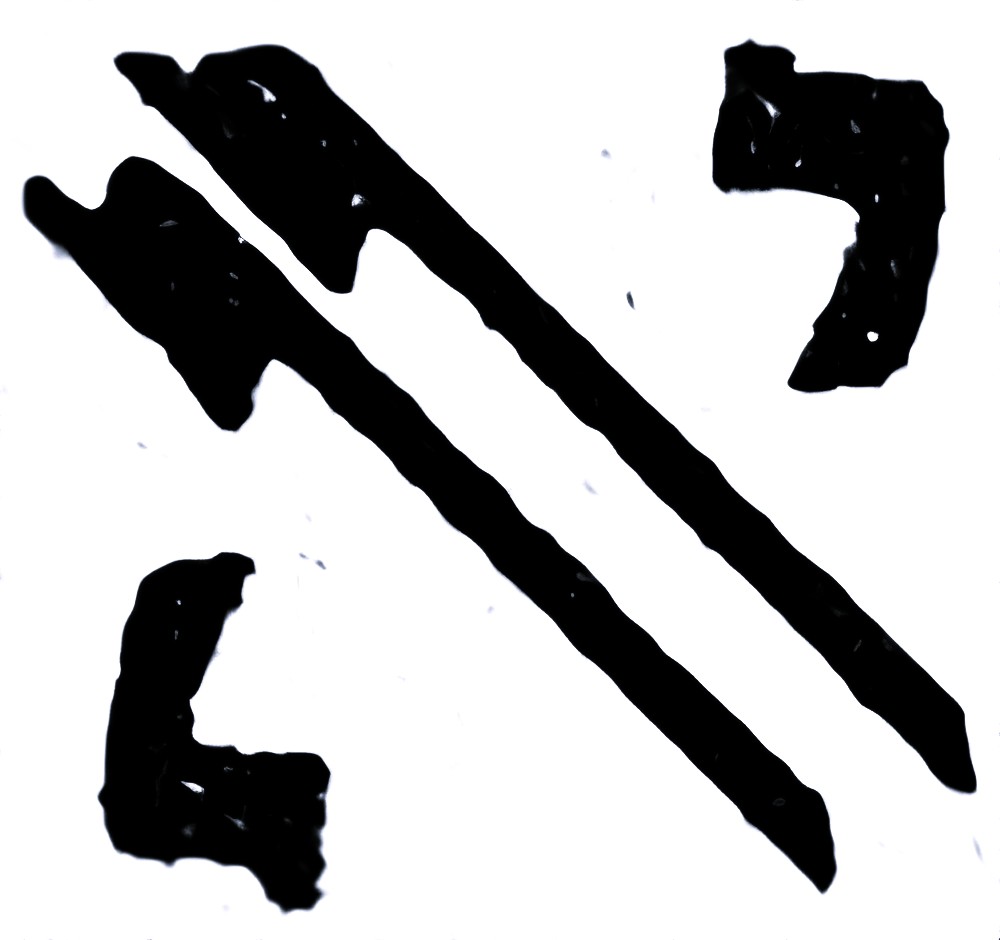
Behold, it is explicitly explained to you that Ze’ir Anpin has within its power three hundred and seventy lights (הִנֵּה לְךָ בְּפֵירוּשׁ שֶׁיֵּשׁ לִזְעֵיר אַנְפִּין בְּכֹחַ ש״ע נְהוֹרִין), and concerning these three hundred and seventy lights of Ze’ir Anpin, the verse says (וְעַל אֵלּוּ ש״ע נְהוֹרִין שֶׁל זְעֵיר אוֹמֵר הַפָּסוּק): “also the bird” (גַּם צִפּוֹר), which equals the numerical value of three hundred and seventy lights (שֶׁהִיא גִּימַטְרִיָּא ש״ע נְהוֹרִין), “has found a house” (מָצְאָה בַיִת), in Ze’ir Anpin (בִּזְעֵיר), “and the sparrow a nest for herself” (וּדְרוֹר קֵן לָהּ) (Psalms 84), meaning that Dror [sparrow], which is Malkhut (פֵּירוּשׁ וּדְרוֹר שֶׁהִיא מַלְכוּת), has only one hundred and fifty alone (אֵין לָהּ אֶלָּא ק״ן בִּלְבַד), from the three hundred and seventy lights (מֵהַש״ע ק״ן נְהוֹרִין), and there remains for Ze’ir Anpin two hundred and twenty-one lights (יִשָּׁאֵר לִזְעֵיר אֲרַךְ נְהוֹרִין). And this is the secret of “my cup overflows” (וְזֶהוּ סוֹד כּוֹסִי רְוָיָה) (Psalms 23), equal in numerical value to two hundred and twenty-one lights (גִּימַטְרִיָּא רכ״א נְהוֹרִין), concerning which the Sages said that it holds two hundred and twenty-one fingerbreadths (שֶׁאָמְרוּ חֲזַ״ל שֶׁמַּחֲזִיק רכ״א אֶצְבָּעִין), for the cup of Grace after Meals is Malkhut (כִּי כּוֹס שֶׁל בִּרְכַּת הַמָּזוֹן הוּא מַלְכוּת), which receives through David in the future to come three hundred and seventy lights like Ze’ir Anpin (שֶׁמְּקַבֶּלֶת עַל יְדֵי דָוִד לֶעָתִיד לָבוֹא ש״ע נְהוֹרִין כְּמוֹ זְעֵיר). And then shall be fulfilled “and the nursing child shall delight” (וְאָז יְקוּיַּם וְשַׁעֲשַׁע יוֹנֵק) (Isaiah 11), who is David (שֶׁהוּא דָוִד), Mashiach ben David himself (מָשִׁיחַ בֶּן דָּוִד בְּעַצְמוֹ), as the Rabbis of blessed memory said (כְּמוֹ שֶׁאָמְרוּ רַזַ״ל): “if he is from the living, if he is from the dead, David is his name” (אִי מִן חַיָּיא הוּא אִי מִן מֵתַיָּיא הוּא דָוִד שְׁמֵיהּ) (Sanhedrin 98b), and it is said: “And David My servant shall be prince over them forever” (וְנֶאֱמַר וְדָוִד עַבְדִּי נָשִׂיא לָהֶם לְעוֹלָם) (Ezekiel 37). And the Sages also established in the Hosha‘anot hymn (וְגַם חֲזַ״ל יִסְּדוּ בְּפִיּוּט הַהוֹשַׁעֲנוֹת): “Tzemach is a man, Tzemach is his name, he is David himself” (צֶמַח אִישׁ צֶמַח שְׁמוֹ הוּא דָוִד בְּעַצְמוֹ). And Adam is a notarikon of Adam, David, Mashiach (וְאָדָ״ם נוֹטָרִיקוֹן א׳דָם ד׳וִד מ׳שִׁיחַ), and David was fit to be a miscarriage (וְדָוִד הָיָה רָאוּי לִהְיוֹת נֵפֶל), and therefore he is called Bar-Nafli [son of the fallen] (וְלָכֵן נִקְרָא בַּר־נַפְלֵי), and the verse called him “nursing child” (וּקְרָאוֹ הַפָּסוּק יוֹנֵק), as it is said: “and the nursing child shall delight over the hole of the cobra” (שֶׁנֶּאֱמַר וְשַׁעֲשַׁע יוֹנֵק עַל חוּר פָּתֶן) (Isaiah 11). Or he is called nursing child on account of the youthful renewal of the moon (אוֹ קָרָא יוֹנֵק עַל שֵׁם נַעַר חַדְתוּתֵי דְסִיהֲרָא), and also Metatron is called youth and nursing child (וְגַם מֶטַטְרוֹ״ן נִקְרָא נַעַר וְיוֹנֵק), delighting himself over the hole of the cobra (הַמִּשְׁתַּעֲשֵׁעַ עַצְמוֹ עַל חוּר פָּתֶן). For his place too has been prepared for the King, Hashem Tzevaot (כִּי גַם מְקוֹמוֹ הוּכַן לְמֶלֶךְ ה׳ צְבָאוֹת), to be added onto the boundaries of Gan Eden (לְהִתּוֹסֵף עַל גְּבוּלֵי גַן עֵדֶן), and there shall be the delight and dance of the Holy One Blessed Be He with the righteous (וְשָׁם יִהְיֶה הַשַּׁעֲשׁוּעַ וּמָחוֹל הַקָּדוֹשׁ בָּרוּךְ הוּא עִם הַצַּדִּיקִים), and this is the hole of the cobra (וְזֶהוּ חוּ״ר פָּתֶן), and not the cobra itself (וְלֹא פָּתֶן עַצְמוֹ), for it shall be nullified (שֶׁיִּהְיֶה בָּטֵל), and it is the feminine world of the great abyss (וְהוּא עָלְמָא נוּקְבָא דִּתְהוֹמָא רַבָּא). And this is the secret of the verse “And you shall draw water” (וְזֶהוּ סוֹד הַפָּסוּק וּשְׁאַבְתֶּם מַיִם) (Isaiah 12), the waters of Chesed from the springs of salvation (מֵי הַחֶסֶד מִמַּעַיְנֵי הַיְשׁוּעָה), for the betrothed maiden (לַנַּעֲרָה הַמְאֹרָסָה), who is “in the field of holy apple orchards” (אֲשֶׁר הִיא בַּשָּׂדֶה חֲקַל תַּפּוּחִין קַדִּישִׁין), and she no longer had a savior (וּכְבָר לֹא הָיָה לָהּ מוֹשִׁיעַ), and then the Holy One Blessed Be He shall bring near the end of salvation, Amen (וְאָז יְקָרֵב הַקָּדוֹשׁ בָּרוּךְ הוּא קֵץ הַיְשׁוּעָה אָמֵן).
And all these details do not forget, for they are the lights and vitality of all the worlds
(וְכָל אֵלּוּ הַפְּרָטִים אַל תִּשְׁכַּח כִּי הֵם אוֹרוֹת וְחַיּוּת הָעוֹלָמוֹת כֻּלָּם)