
The Seventh Gate
The Gate of the Mochin of Tzelem [Image], and it is divided into eight chapters
השער השביעי שער מוחין דצלם ויתחלק לח׳ פרקים
Chapter 1
שער כג פרק א מ״ת
[23:1] And now we will explain the matter of the three aspects that exist in Ze’ir Anpin (וְעַתָּה נְבָאֵר עִנְיַן ג׳ בְּחִינוֹת שֶׁיֵּשׁ בִּזְעֵיר אַנְפִּין), and all three of them are included under the name Mochin (וּשְׁלָשְׁתָּן נִכְלָלִין בְּשֵׁם מוֹחִין), and all three are called Tzelem [Image], in the secret of “Let us make man in our image” (וּשְׁלָשְׁתָּן נִקְרָאוּ צֶלֶם בְּסוֹד נַעֲשֶׂה אָדָם בְּצַלְמֵנוּ). And all three are included in the three letters Tzelem [Image] from below to above (וּשְׁלָשְׁתָּן נִכְלָלִין בְּג׳ אוֹתִיּוֹת צֶלֶם מִתַּתָּא לְעֵילָא), for the letter Tzadi of Tzelem [Image] are the Mochin that enter the interior of Ze’ir Anpin (כִּי אוֹת צ׳ דְּצֶלֶם הֵם הַמּוֹחִין הַנִּכְנָסִין בִּפְנִימִיּוּת זְעֵיר אַנְפִּין), and the letters Lamed and Mem are the aspects of surrounding lights that are upon his head—the lower Lamed and the upper Mem (וְאוֹתִיּוֹת ל׳ ם׳ הֵם בְּחִי׳ אוֹרוֹת מַקִּיפִין שֶׁיֵּשׁ עַל רֹאשׁוֹ הַתַּחְתּוֹן ל׳ וְהָעֶלְיוֹן ם׳). And these will be explained later, with the help of Hashem (וְאֵלּוּ יִתְבָּאֲרוּ לְקַמָּן בְּעֶזְרַת הַשֵּׁם). However, now we will speak about how these were made from the aspect of Imma (וְאָ֭מְנָם עַתָּה נְדַבֵּר אֵיךְ נַעֲשׂוּ אֵלּוּ מִבְּחִי׳ אִמָּא), and we will explain in detail these three aspects (וּנְבָאֵר בִּפְרָטוּת ג׳ בְּחִינוֹת אֵלּוּ). And we will say that behold they are included in another manner (וְנֹאמַר כִּי הִנֵּה נִכְלָלִין בְּאוֹפֶן אַחֵר), and that is that the Mochin of Ze’ir Anpin, which are called his Chokhmah, Binah, Da‘at (וְהוּא כִּי הַמּוֹחִין דְּז״א שֶׁהֵם נִקְרָאִים חָכְמָה בִּינָה דַּעַת שֶׁלּוֹ), and within them are included all that is below them until the completion of the Partzuf of Ze’ir Anpin (וּבְכְלָלָם נִכְלְלוּ כָּל מַה שֶׁלְּמַטָּה מֵהֶם עַד תַּשְׁלוּם פַּרְצוּף זְעֵיר אַנְפִּין), behold this is one aspect (הֲרֵי זוֹ בְּחִי׳ א׳).
The second is the aspect of the Keter of Ze’ir Anpin, which is above the Mochin mentioned above (הַב׳ הוּא בְּחִי׳ כֶּתֶר דְּז״א שֶׁהוּא עַל גַּבֵּי הַמּוֹחִין הַנַּ״ל). The third is the aspect of his two Makifim [Surrounding Lights], which are called the Lamed–Mem of Tzelem [Image], as mentioned above (הַג׳ הוּא בְּחִי׳ הַב׳ מַקִּיפִין שֶׁלּוֹ שֶׁהֵם הַנִּקְרָאִים ל״ם דְּצֶלֶם כַּנַּ״ל). And behold, these three aspects are made for Ze’ir Anpin from the aspect of three corresponding aspects that exist in Tevunah, as will be explained later, with the help of Hashem (וְהִנֵּה ג׳ בְּחִינוֹת אֵלּוּ נַעֲשִׂין לְז״א מִפְּנֵי ג׳ בְּחִינוֹת שֶׁיֵּשׁ כְּנֶגְדָּן בִּתְבוּנָה כְּדִלְקַמָּן בְּעֶזְרַת הַשֵּׁם). For these Mochin are from Tevunah, and above them there are more elevated ones that are from Imma Ila’ah (כִּי אֵלּוּ הַמּוֹחִין הֵם מִן הַתְּבוּנָה וְיֵשׁ יוֹתֵר עֶלְיוֹנִים מֵהֶם שֶׁהֵם מִן אִמָּא עִלָּאָה).
And now we will speak about these that are from Tevunah (וְנְדַבֵּר עַתָּה בְּאֵלּוּ שֶׁל הַתְּבוּנָה), and we will say that there are in her three aspects (וְנֹאמַר כִּי יֵשׁ בָּהּ ג׳ בְּחִינוֹת). The first is her initial Netzach, Hod, Yesod, which were clothed in Ze’ir Anpin to be for him in the secret of Mochin (א׳ הוּא נֵה״י שֶׁלָּהּ הָרִאשׁוֹנִים שֶׁנִּתְלַבְּשׁוּ בְּז״א לִהְיוֹת לוֹ בְּסוֹד מוֹחִין). The second is the aspect of half of her Tiferet and her new Netzach, Hod, Yesod that expanded in her anew, in order that she be complete with ten complete Sefirot to couple with Abba, as mentioned above (הַב׳ הוּא בְּחִי׳ חֲצִי תִּפְאֶרֶת וְנֵה״י שֶׁלָּהּ הַחֲדָשִׁים שֶׁנִּתְפַּשְּׁטוּ בָּהּ מֵחָדָשׁ כְּדֵי שֶׁתִּהְיֶה שְׁלֵמָה בְּי׳ סְפִירוֹת גְּמוּרוֹת לְהִזְדַּוֵּג עִם אַבָּא כַּנַּ״ל).
The third is the aspect of the rest of her stature, which is from the upper half of her Tiferet and above, up to her head (הַג׳ הוּא בְּחִי׳ שְׁאָר קוֹמָתָהּ שֶׁהוּא מִמַּחֲצִית הָעֶלְיוֹן דְּתִּפְאֶרֶת שֶׁלָּהּ וּלְמַעְלָה עַד רֹאשָׁהּ). And these three aspects correspond to the three other aspects in this manner (וְג׳ בְּחִינוֹת אֵלּוּ מְכוּוָּנוֹת עִם ג׳ בְּחִינוֹת אֲחֵרוֹת בְּאוֹפֶן זֶה). And the matter is (וְהָעִנְיָן), for behold it has already been explained above (כִּי הִנֵּה נִתְבָּאֵר לְעֵיל), that at the time of his birth these lights of the vessels of the Netzach, Hod, Yesod of Tevunah ascended upward into the lower half of her Tiferet (כִּי בְּעֵת לֵידָתוֹ עָלוּ אֵלּוּ הָאוֹרוֹת שֶׁל הַכֵּלִים שֶׁל נֵה״י דְּתְבוּנָה לְמַעְלָה בַּחֲצִי תַּחְתּוֹן שֶׁל הַתִּפְאֶרֶת שֶׁלָּהּ), and these vessels were emptied of their own lights (וְנִתְרוֹקְנוּ אֵלּוּ הַכֵּלִים מִן הָאוֹרוֹת שֶׁלָּהֶם עַצְמָם), and no vitality whatsoever remained in them at all (וְלֹא נִשְׁאַר בָּהֶם שׁוּם חִיּוּת כְּלָל וְעִקָּר), in the secret of “the Torah is sustained only by one who causes himself to die for it” (בְּסוֹד אֵין הַתּוֹרָה מִתְקַיֶּמֶת אֶלָּא בְּמִי שֶׁמֵּמִית עַצְמוֹ עָלֶיהָ). And then, when they were empty vessels (וְאָז בִּהְיוֹתָן כֵּלִים רֵיקִים), the Mochin of Ze’ir Anpin entered into them (נִכְנְסוּ לְתוֹכָן הַמּוֹחִין דְּז״א), which are from his Chokhmah downward (שֶׁהֵם מִן הַחָכְמָה שֶׁבּוֹ עַד לְמַטָּה), which are nine Sefirot (שֶׁהֵם ט׳ סְפִירוֹת), and they clothed themselves within the nine joints that exist in the Netzach, Hod, Yesod of Tevunah (וְנִתְלַבְּשׁוּ בְּט׳ פְּרָקִין שֶׁיֵּשׁ בְּנֵה״י שֶׁל הַתְּבוּנָה). And afterward all of them clothed themselves within Ze’ir Anpin, from his Chokhmah downward, as we will write, with the help of Hashem (וְאַחַ״כ נִתְלַבְּשׁוּ כֻּלָּם תּוֹךְ ז״א מֵחָכְמָה שֶׁבּוֹ וּלְמַטָּה כְּמוֹ שֶׁנִּכְתּוֹב בְּעֶזְרַת הַשֵּׁם).
And it is found (וְנִמְצָא), that the vessels and the body of these Mochin are the first aspect (כִּי הַכֵּלִים וְהַגּוּף שֶׁל אֵלּוּ הַמּוֹחִין הֵם בְּחִי׳ א׳), which are the vessels and corporeality of Tevunah herself (שֶׁהֵם הַכֵּלִים וְהַגּוּפָנִיּוּת שֶׁל הַתְּבוּנָה עַצְמָהּ). But the lights and the spirituality and the soul within them are the Mochin of Ze’ir Anpin himself (אַךְ הָאוֹרוֹת וְהָרוּחָנִיּוּת וְהַנְּשָׁמָה שֶׁבָּהֶם הֵם הַמּוֹחִין שֶׁל הַז״א עַצְמוֹ). However, since their own lights had already departed and the lights of Ze’ir Anpin entered in their place (אָ֭מְנָם לְפִי שֶׁכְּבָר נִסְתַּלְּקוּ אוֹרוֹת שֶׁלָּהֶם וְנִכְנְסוּ אוֹרוֹת הַז״א בִּמְקוֹמָם), therefore these Netzach, Hod, Yesod of Imma change from their original nature (לָכֵן אֵלּוּ נֵה״י דְּאִמָּא מִתְחַלְּפִין מִטִּבְעָם הָרִאשׁוֹן), and they are transformed to become bone of his bone and flesh of his flesh (וְנֶהְפָּכִין לִהְיוֹת עֶצֶם מֵעֲצָמוֹ וּבָשָׂר מִבְּשָׂרוֹ) of Ze’ir Anpin himself (שֶׁל הַז״א עַצְמוֹ), and they are truly considered like his own body itself (וּכְגוּף עַצְמוֹ דָּמְיָין מַמָּשׁ), and they are not called by any name other than the body of Ze’ir Anpin itself (וְאֵינָן נִקְרָאִין אֶלָּא בְּשֵׁם גּוּפָא דְּז״א מַמָּשׁ). And through this you will understand what is written in the discourse of the Gadlut [Greatness] of Ze’ir Anpin (וּבְזֶה תָּבִין מַה שֶּׁכָּתוּב בִּדְרוּשׁ גַּדְלוּת דְּז״א), how it is that from the Six Extremities alone that he has, as is known, for all his essence is only Six Extremities (אֵיךְ הוּא שֶׁמִן הַו״ק שֶׁיֵּשׁ בּוֹ בִּלְבַד כַּנּוֹדָע שֶׁכָּל עַצְמוּתוֹ אֵינוֹ רַק ו״ק), how he afterward grew and became a complete ten-Sefirot Partzuf (אֵיךְ הִגְדִּיל אַחַ״כ וְנַעֲשָׂה בֶּן י׳ סְפִירוֹת גְּמוּרוֹת). And there we explained that the matter was as follows (וְשָׁם בֵּאַרְנוּ כִּי הִנֵּה הָעִנְיָן הָיָה), that there were in him six Sefirot called Six Extremities (שֶׁהָיָה בּוֹ ו׳ סְפִירוֹת הַנִּקְרָא ו״ק), and additional three Sefirot entered into him, which are the Netzach, Hod, Yesod of Tevunah (וְנִכְנְסוּ בּוֹ עוֹד ג׳ סְפִירוֹת שֶׁהֵם נֵה״י דְּתְבוּנָה), and they joined together and became nine complete Sefirot (וּמִתְחַבְּרִין יַחַד וְנַעֲשִׂין ט׳ סְפִירוֹת גְּמוּרוֹת).
In this manner (בְּאוֹפֶן זֶה): that each upper joint of the vessel of Netzach of Tevunah mixes and joins with the two upper joints of the vessel of Chesed of Ze’ir Anpin and they become his Chokhmah (כִּי כָּל פֶּרֶק עֶלְיוֹן דְּכְלִי נֵצַח דְּתְבוּנָה מִתְעָרֵב וּמִתְחַבֵּר עִם ב׳ פְּרָקִים עֶלְיוֹנִים דִּכְלִי הַחֶסֶד דְּז״א וְנַעֲשִׂין חָכְמָה שֶׁבּוֹ), and the second joint of the vessel of Netzach of Tevunah mixes with the lower joint of Chesed and the upper joint of the vessel of Netzach of Ze’ir Anpin and they become the Chesed of Ze’ir Anpin (וּפֶרֶק ב׳ דִּכְלִי נֵצַח דְּתְבוּנָה מִתְעָרֵב עִם פֶּרֶק הַתַּחְתּוֹן דְּחֶסֶד וּפֶרֶק עֶלְיוֹן דִּכְלִי נֵצַח דְּז״א וְנַעֲשִׂין חֶסֶד דְּז״א), and the third joint of the vessel of Netzach of Tevunah mixes with the two lower joints of Netzach of Ze’ir Anpin and they become the Netzach of Ze’ir Anpin (וּפֶרֶק ג׳ דִּכְלִי נֵצַח דְּתְבוּנָה מִתְעָרֵב עִם ב׳ פְּרָקִים תַּחְתּוֹנִים דְּנֵצַח דְּז״א וְנַעֲשִׂין נֵצַח דְּז״א).
And in this manner in the left line (וְעַל דֶּרֶךְ זֶה בַּקַּו הַשְּׂמֹאלִי), and in this manner in the middle line (וְעַל דֶּרֶךְ זֶה בַּקַּו הָאֶמְצָעִי), as explained by us in its proper place (כְּמְבוֹאָר אֶצְלֵנוּ בִּמְקוֹמוֹ). It is thus found (נִמְצָא), that the Netzach, Hod, Yesod themselves of Tevunah mix with the vessels and the body of Ze’ir Anpin (כִּי הַנֵּה״י עַצְמָן דְּתְבוּנָה מִתְעָרְבִּים עִם הַכֵּלִים וְהַגּוּפָא שֶׁל ז״א), and all becomes one vessel and one body in complete equivalence (וְהַכֹּל נַעֲשֶׂה כְּלִי וְגוּף אֶחָד בְּהַשְׁוָאָה אַחַת), and it is literally like the body of Ze’ir Anpin (וּכְגוּף דְּז״א הֲוֵי מַמָּשׁ). And therefore this aspect is called the actual growth of Ze’ir Anpin himself (וְלָכֵן נִקְרֵאת בְּחִינָה זוֹ בְּחִי׳ הַגְדָּלָה מַמָּשׁ שֶׁל הַז״א עַצְמוֹ), for since they were empty vessels and the lights of the Mochin of Ze’ir Anpin entered into them, they became literally like the body of Ze’ir Anpin (כִּי לִהְיוֹתָן כֵּלִים רֵיקָנִים וְנִכְנְסוּ אוֹרוֹת דְּמוֹחִין דְּז״א לְתוֹכָם נַעֲשׂוּ כְּגוּף דְּז״א מַמָּשׁ). And thus has been explained the aspect of the Mochin of Ze’ir Anpin from his Chokhmah downward—how they were made through the initial Netzach, Hod, Yesod of Tevunah, which are vessels without light (וְהֲרֵי נִתְבָּאֵר בְּחִי׳ הַמּוֹחִין דְּז״א מֵחָכְמָה שֶׁלּוֹ וּלְמַטָּה אֵיךְ נַעֲשׂוּ עַל יְדֵי נֵה״י הָרִאשׁוֹנִים שֶׁל הַתְּבוּנָה שֶׁהֵם הַכֵּלִים בְּלִי אוֹר).
The second aspect is the Keter of Ze’ir Anpin (הַבְּחִינָה הַב׳ הוּא הַכֶּתֶר שֶׁל ז״א), which is made from the lower half of Tiferet and the new Netzach, Hod, Yesod of Tevunah (אֲשֶׁר הוּא נַעֲשֶׂה מִן הַחֲצִי הַתַּחְתּוֹן שֶׁל תִּפְאֶרֶת וְנֵה״י הַחֲדָשִׁים שֶׁל תְּבוּנָה). And behold, regarding the aspect of the Keter of Ze’ir Anpin, it is necessary first to explain what its nature is (וְהִנֵּה בְּחִינַת הַכֶּתֶר דְּז״א צָרִיךְ שֶׁתְּחִלָּה נְבָאֵר מָה עִנְיָנוֹ), whether it is included among the Mochin of Ze’ir Anpin or not (אִם הוּא מִכְּלַל הַמּוֹחִין דְּז״א אוֹ לָאו), whether it is included among the ten Sefirot of Ze’ir Anpin or not (אִם מִכְּלַל הַי׳ סְפִירוֹת דְּז״א אוֹ לָאו). For in this matter there is a great dispute among the Kabbalists (כִּי בְּדָבָר זֶה יֵשׁ מַחֲלֹקֶת גְּדוֹלָה בֵּין הַמְּקוּבָּלִים). And in Sefer Yetzirah it is explained that the count of the ten Sefirot begins from Chokhmah (וּבְסֵפֶר יְצִירָה נִתְבָּאֵר שֶׁהַחֶשְׁבּוֹן י׳ סְפִירוֹת מַתְחִיל מִן הַחָכְמָה), as it is written, “One is the Spirit of the Living Elohim,” etc. (כְּמוֹ שֶׁכָּתַב אַחַת הִיא רוּחַ אֱלֹהִים חַיִּים וְכוּ׳). And likewise they said, “There is no beginning except Chokhmah” (וְכֵן אָמְרוּ אֵין רֵאשִׁית אֶלָּא חָכְמָה), and there are many proofs for this view (וְרְאָיוֹת הַרְבֵּה לְסְבָרָא זוֹ).
Also, what is the meaning of the term “Keter,” and why is it called thus (גַּם מַה עִנְיַן הֲבָנַת לְשׁוֹן כֶּתֶר וְלָמָּה נִקְרָא כָּךְ). And behold, according to what appears from the plain sense of the language of the Tikkunim and the Zohar (וְהִנֵּה כְּפִי הַנִּרְאֶה מִפְּשָׁטוּת לְשׁוֹן הַתִּקּוּנִים וְסֵפֶר הַזֹּהַר), it appears that the Keter is the skull (נִרְאֶה כִּי הַכֶּתֶר הוּא גֻּלְגֹּלֶת), and Chokhmah, Binah, Da‘at are the Mochin that are within the skull (וְחָכְמָה בִּינָה דַּעַת הֵם הַמּוֹחִין שֶׁבְּתוֹךְ הַגֻּלְגֹּלֶת). If so, it would be found that the Keter is exceedingly inferior (וְאִם כֵּן נִמְצָא שֶׁהַכֶּתֶר הוּא גָּרוּעַ בְּתַכְלִית הַגֵּרוּעוּת), for it is made as an externality and a garment for the Mochin (כִּי הוּא נַעֲשֶׂה חִיצוֹנִיּוּת וּלְבוּשׁ אֶל הַמּוֹחִין), like the skull that surrounds and clothes the Mochin (כְּדֶרֶךְ הַגֻּלְגֹּלֶת הַמַּקִּיף וּמְלַבֵּשׁ אֶת הַמּוֹחִין). And there is no doubt that the ultimate essence is the Mochin (וְאֵין סָפֵק שֶׁתַּכְלִית וְעִקָּר הֵם הַמּוֹחִין), for the skull is a vessel and a garment secondary to them (כִּי הַגֻּלְגֹּלֶת הִיא כְּלִי וּלְבוּשׁ טָפֵל אֲלֵיהֶם). And such a notion would not enter the mind of a child one day old (וְדָבָר זֶה לֹא יַעֲלֶה עַל דַּעַת תִּינוֹק בֶּן יוֹמוֹ), for behold Keter is infinitely greater than Chokhmah, Binah, and Da‘at (כִּי הֲרֵי כֶּתֶר גָּדוֹל לְאֵין קֵץ עַל הַחָכְמָה וְהַתְּבוּנָה וְהַדַּעַת), and they are considered before it as though they were nothing (וְנֶחְשָׁבוּ אֶצְלוֹ כְּלֹא הָיוּ).
But the matter is as follows (אֶלָּא הָעִנְיָן הוּא), that behold the Mochin are Chokhmah, Binah, Da‘at (כִּי הִנֵּה הַמּוֹחִין הֵם חָב״ד), but the roots of the three Mochin remain above—their imprint and their true existence are in the Keter (אֲבָל שָׁרְשֵׁי הַג׳ מוֹחִין נִשְׁאָרִים לְמַעְלָה הָרֹשֶׁם שֶׁלָּהֶם וּמְצִיאוּתָם בַּכֶּתֶר). And those Mochin that are in the Keter are infinitely greater and more exalted than the Mochin that are called Chokhmah, Binah, Da‘at (וְאוֹתָם הַמּוֹחִין שֶׁבַּכֶּתֶר הֵם גְּדוֹלִים וּמְעֻלִּים לְאֵין קֵץ עַל הַמּוֹחִין הַנִּקְרָאִים חָב״ד). Therefore you will find in Idra Naso, that when it explains the orders of the Sefirot that include all of Atzilut, that Arich Anpin is called Keter and Abba and Imma are Chokhmah and Binah (וְלָכֵן תִּמְצָא בְּאַדְרָא נָשָׂא שֶׁכַּאֲשֶׁר מְבָאֵר סִדְרֵי סְפִירוֹת הַכּוֹלְלוֹת כָּל הָאֲצִילוּת שֶׁהָאֲרִיךְ אַנְפִּין נִקְרָא כֶּתֶר וְאַבָּא וְאִמָּא חו״ב), it mentions there in Arich Anpin the aspect of the skull and the concealed brain that is his (מַזְכִּיר שָׁם בַּאֲרִיךְ אַנְפִּין בְּחִי׳ גֻּלְגֹּלֶת וּמוֹחָא סְתִימָאָה דִּילֵיהּ).
However, Chokhmah and Binah are Abba and Imma, who are branches that emerge from the concealed brain of Arich Anpin, which is called Keter (אֲמְנָם חו״ב הֵם או״א שֶׁהֵם עֲנָפִים הַיּוֹצְאִים מִמּוֹחָא סְתִימָאָה דְּאֲרִיךְ אַנְפִּין הַנִּקְרָא כֶּתֶר). And so is the matter in the ten particular Sefirot of every Partzuf (וְכֵן הוּא הָעִנְיָן בְּי׳ סְפִירוֹת הַפְּרָטוֹת שֶׁבְּכָל פַּרְצוּף). And if so, certainly the concealed brain in the Keter is exceedingly greater than the Chokhmah and Binah that are in that Partzuf (וְאִם כֵּן בְּוַדַּאי כִּי הַמּוֹחַ הַסָּתוּם שֶׁבַּכֶּתֶר הוּא גָּדוֹל מְאֹד מִן הַחוֹכְמָה וְהַבִּינָה שֶׁבְּאוֹתוֹ פַּרְצוּף), for from the Keter they were emanated (כִּי הֲרֵי מִן הַכֶּתֶר נֶאֱצְלוּ הֵם). And necessarily it follows that the four Mochin—namely Chokhmah, Binah, and Da‘at which includes Chesed and Gevurah—must all be found in the Keter (וּבְהֶכְרֵחַ הוּא שֶׁבְּחִי׳ ד׳ מוֹחִין שֶׁהֵם חו״ב וְדַּעַת הַכּוֹלֵל חו״ג שֶׁאַרְבַּעְתָּן יִהְיוּ נִמְצָאִים בַּכֶּתֶר בְּוַדַּאי), as explained by us in the blessing “Sim Shalom” of the Amidah, where there are four bowings and four straightenings—see there (כְּמְבוֹאָר אֶצְלֵנוּ בְּבִרְכַּת שִׂים שָׁלוֹם שֶׁל הָעֲמִידָה לָכֵן הֵם ד׳ כְּרִיעוֹת וְד׳ זְקִיפוֹת עַיֵּן שָׁם). It is thus found that the Mochin are below the aspect of the Keter and are not within it (נִמְצָא כִּי הַמּוֹחִין הֵם לְמַטָּה מִבְּחִי׳ הַכֶּתֶר וְאֵינָם בְּתוֹכוֹ), for the Keter is exceedingly, exceedingly higher than them, and they are entirely beneath it (כִּי הַכֶּתֶר גָּבוֹהַּ מְאֹד מְאֹד מֵהֶם וְהֵם לְמַטָּה מִמֶּנּוּ לְגַמְרֵי).
However, within the Keter itself there is an inner aspect, which are Mochin within it itself, truly (אֲמְנָם בַּכֶּתֶר יֵשׁ בּוֹ בְּחִי׳ פְּנִימִית שֶׁהֵם מוֹחִין שֶׁבּוֹ בְּעַצְמוֹ מַמָּשׁ), and an outer aspect, which is the skull (וּבְחִי׳ הַחִיצוֹנִיּוּת שֶׁהוּא הַגֻּלְגֹּלֶת). But the outer aspect, which is the skull, extends downward and clothes also the Mochin that are called Chokhmah, Binah, Da‘at (אֶלָּא שֶׁהַחִיצוֹנִיּוּת שֶׁהוּא הַגֻּלְגֹּלֶת מִתְפַּשֵּׁט עַד לְמַטָּה וּמַלְבִּישׁ גַּם אֶת הַמּוֹחִין הַנִּקְרָאִים חב״ד). But the essence of the Keter itself is only above these Mochin (אֲבָל עִקָּרוֹ שֶׁל הַכֶּתֶר אֵינוֹ אֶלָּא לְמַעְלָה עַל אֵלּוּ הַמּוֹחִין). And see the explanation of that teaching, “Three heads are engraved, this within that,” mentioned at the beginning of Idra Rabba daf 288 (וְעַיֵּן בְּבֵאוּר אוֹתוֹ מַאֲמָר ג׳ רֵישִׁין אִתְגַּלְפִּין דָּא לְגוֹ מִן דָּא הַנִּזְכָּר בִּתְחִלַּת אַדְרָא רַבָּא דְּרפ״ח), and from there you will understand this matter—the brain that is in the Keter, which is in addition to the brain itself, what its nature is (וּמִשָּׁם תָּבִין עִנְיַן זֶה הַמּוֹחַ שֶׁבַּכֶּתֶר שֶׁהוּא מִלְּבַד הַמּוֹחַ הָעַצְמוֹ מַה עִנְיָנוֹ).
(Mahadura Batra): This is the secret of “From the stream he drinks on the way” (מ״ב וְזֶה סוֹד מִנַּחַל בַּדֶּרֶךְ יִשְׁתֶּה), the stream being the Yesod of Tevunah (הַנַּחַל הוּא יְסוֹד דְּתְבוּנָה), and within it is clothed the Da‘at of Ze’ir Anpin (וּבְתוֹכוֹ מְלוּבָּשׁ דַּעַת דְּז״א), in which are the Chasadim that are called “waters” (שֶׁבּוֹ הַחֲסָדִים הַנִּקְרָאִים מַיִם). And these waters are drawn from that stream (וְאֵלּוּ מַיִם נִמְשָׁכִין מִן הַנַּחַל הַהוּא), and they spread until the Yesod of Ze’ir Anpin (וּמִתְפַּשְּׁטִין עַד הַיְסוֹד דְּז״א), and they return and ascend and enlarge them, as is known (וְחוֹזְרִין וְעוֹלִין וּמַגְדִּילִין אוֹתָם כַּנּוֹדָע). And Yesod is called “way,” in the secret of “the way of a man in the world” (וִיסוֹד נִקְרָא דֶּרֶךְ בְּסוֹד דֶּרֶךְ גֶּבֶר בְּעָלְמָא). It is thus found that the Yesod of Imma, which is called “way,” becomes a stream of waters (נִמְצָא כִּי יְסוֹד דְּאִמָּא הַנִּקְרָא דֶּרֶךְ נַעֲשֶׂה נַחַל מַיִם), and from it Ze’ir Anpin drinks of those Chasadim (וּמִמֶּנּוּ שׁוֹתֶה הַז״א מֵאוֹתָם הַחֲסָדִים), and then he grows and lifts his head (וְאָז נִגְדָּל וּמֵרִים רֹאשׁוֹ). And the secret of the lifting of the head is (וְסוֹד הֲרָמַת רֹאשׁ הוּא), that the Chesed, Gevurah, Tiferet within him grow and become the aspect of a head (כִּי חָג״ת שֶׁבּוֹ נִגְדָּלִין וְנַעֲשִׂין בְּחִי׳ רֹאשׁ), in the secret of the three Mochin within him Chokhmah, Binah, Da‘at (בְּסוֹד ג׳ מוֹחִין שֶׁבּוֹ חב״ד).
And it is found that this head is not newly created (וְנִמְצָא כִּי אֵין רֹאשׁ זוֹ מְחֻדֶּשֶׁת), but rather that which was in the secret of Chesed, Gevurah, Tiferet was raised upward and grew and became a head in the secret of Chokhmah, Binah, Da‘at (רַק שֶׁמַּה שֶּׁהָיָה בְּסוֹד חָג״ת הוּרַם לְמַעְלָה וְנִגְדַּל וְנַעֲשָׂה רֹאשׁ בְּסוֹד חב״ד). And this is the aspect of the letter Vav of the Name Havayah that includes all of Atzilut (וְזוֹ בְּחִי׳ ו׳ שֶׁבְּשֵׁם הֲוָיָ״ה הַכּוֹלֵל הָאֲצִילוּת), for at first Ze’ir Anpin was only Six Extremities (כִּי תְּחִלָּה הָיָה בְּז״א ו״ק לְבַד), the small Vav that is within the first Heh of Imma Ila’ah (ו׳ זְעֵירָא שֶׁבְּתוֹךְ ה׳ דְּאִמָּא עִלָּאָה). And now it has emerged and become the Vav itself of the Name Havayah (וְעַתָּה יָצְאָה וְנַעֲשֵׂית ו׳ עַצְמָהּ שֶׁבְּשֵׁם הֲוָיָ״ה), and he has been given a head, which is the form of the Yod that is upon the head of the Vav, as is known (וְנַעֲשָׂה לוֹ רֹאשׁ שֶׁהוּא צוּרַת י׳ שֶׁיֵּשׁ בְּרֹאשׁ הַו׳ כַּנּוֹדָע). For during Yenikah he was a Vav after the first Heh (כִּי בִּינִיקָה הָיָה ו׳ אַחַר ה׳ רִאשׁוֹנָה), but he did not yet have a head, for he was only Six Extremities (אֶלָּא שֶׁלֹּא הָיָה לוֹ רֹאשׁ כִּי הָיָה ו״ק לְבַד). And in Gadlut [Greatness] he is given a head—namely, a Yod upon the Vav (וּבְגַדְלוּת נַעֲשָׂה לוֹ רֹאשׁ דְּהַיְינוּ י׳ עַל ו׳).
Chapter 2
שער כג פרק ב מ״ת
[23:2] And now we will explain from where this aspect of Keter is made (וְעַתָּה נְבָאֵר מֵהֵיכָן נַעֲשֵׂית בְּחִי׳ הַכֶּתֶר הַזֶּה), and behold it is made from the aspect of the lower half of the Tiferet of Imma, which is called Tevunah (וְהִנֵּה הוּא נַעֲשֶׂה מִבְּחִי׳ חֲצִי הַתַּחְתּוֹן שֶׁל הַתִּפְאֶרֶת דְּאִמָּא הַנִּקְרָא תְּבוּנָה), and this is its matter (וְזֶהוּ עִנְיָנוֹ). For behold, we wrote above that because of the insertion of the first Netzach, Hod, Yesod of Imma into Ze’ir Anpin in the aspect of Mochin, she was compelled to grow and make for herself other, new Netzach, Hod, Yesod (כִּי הִנֵּה כָּתַבְנוּ לְעֵיל כִּי לְסִבַּת הַכְנָסַת נֵה״י דְּאִמָּא הָרִאשׁוֹנִים תּוֹךְ ז״א בִּבְחִי׳ הַמּוֹחִין הֻצְרְכָה לְהִתְגַּדֵּל וְלַעֲשׂוֹת לָהּ נֵה״י חֲדָשִׁים אֲחֵרִים).
And there we explained how the matter occurred, and we said that the lights of the Netzach, Hod, Yesod of Imma ascended into the lower half of the Tiferet of Tevunah to push out the fetus that would be born and emerge outward (וְשָׁם בֵּאַרְנוּ אֵיךְ הָיָה הָעִנְיָן וְאָמַרְנוּ כִּי הָאוֹרוֹת שֶׁל נֵה״י דְּאִמָּא עָלוּ בַּחֲצִי תַּחְתּוֹן שֶׁל הַתִּפְאֶרֶת דְּתְבוּנָה לִדְחוֹת אֶת הַוָּלָד שֶׁיִּוָּלֵד וְיֵצֵא לַחוּץ). And then those lights brought forth there other, new Netzach, Hod, Yesod (וְאָז אוֹתָן הָאוֹרוֹת הוֹצִיאוּ שָׁם נֵה״י אֲחֵרִים חֲדָשִׁים), for when the aforementioned lights ascended, they illuminated and gave strength to that vessel of the lower half of the Tiferet, and from it they also caused new Netzach, Hod, Yesod to grow (כִּי בַּעֲלוֹת הָאוֹרוֹת הַנַּ״ל הֵאִירוּ וְנָתְנוּ כֹּחַ לַכְּלִי הַהוּא שֶׁל מַחֲצִית הַתִּפְאֶרֶת הַתַּחְתּוֹן וְהִגְדִּילוּ מִמֶּנּוּ גַּם כֵּן נֵה״י חֲדָשִׁים). And then the original lights that had withdrawn clothed themselves within these new Netzach, Hod, Yesod (וְאָז הָאוֹרוֹת הָרִאשׁוֹנִים שֶׁנִּסְתַּלְּקוּ נִתְלַבְּשׁוּ תּוֹךְ אֵלּוּ הַנֵּה״י הַחֲדָשִׁים), for the first Netzach, Hod, Yesod were required to be emptied for several of the reasons mentioned above (כִּי הַנֵּה״י הָרִאשׁוֹנִים הֻצְרְכוּ לְהִתְרוֹקֵן לְכַמָּה סִבּוֹת הַנַּ״ל), whether for the sake of the birth of the Mochin of Ze’ir Anpin or in order to become garments for the Mochin of Ze’ir Anpin himself, as explained above (אִם לְצֹרֶךְ לֵידַת הַמּוֹחִין דְּז״א וְאִם לְהֵעָשׂוֹת לְבוּשִׁין לְמוֹחִין דְּז״א עַצְמוֹ כַּנַּ״ל). But these, which are the completion of the ten Sefirot of Tevunah herself, the lights returned and clothed themselves within them (אַךְ אֵלּוּ שֶׁהֵם תַּשְׁלוּם י׳ סְפִירוֹת שֶׁל הַתְּבוּנָה עַצְמָהּ חָזְרוּ הָאוֹרוֹת לְהִתְלַבֵּשׁ בָּהֶם).
And behold, from this lower half of the Tiferet and from the Netzach, Hod, Yesod, in the aspect of vessels and also in the aspect of their own lights, is made the Keter of Ze’ir Anpin (וְהִנֵּה מִזֶּה מַחֲצִית הַתִּפְאֶרֶת הַתַּחְתּוֹן וּמִן הַנֵּה״י בִּבְחִי׳ כֵּלִים וּבִבְחִי׳ אוֹרוֹת גַּם כֵּן שֶׁלָּהֶם עַצְמָם הֵם הַנַּעֲשִׂין כֶּתֶר שֶׁל ז״א). And this is one difference that exists between the Keter and the Mochin (וְהֲרֵי זֶה הוּא שִׁנּוּי א׳ שֶׁיֵּשׁ בֵּין הַכֶּתֶר אֶל הַמּוֹחִין), for in the Mochin the vessels are from Tevunah while the lights are from Ze’ir Anpin (כִּי הַמּוֹחִין הַכְּלִי שֶׁלָּהֶם הֵם שֶׁל הַתְּבוּנָה וְהָאוֹרוֹת הֵם שֶׁל ז״א), but in the Keter, both the vessel and the light are entirely from Tevunah (אַךְ הַכֶּתֶר הַכְּלִי וְהָאוֹר שֶׁלּוֹ הַכֹּל הוּא שֶׁל הַתְּבוּנָה). And through this you will understand the reason why the Keter is not included in the count of the ten Sefirot, as mentioned above (וּבְזֶה תָּבִין טַעַם לָמָּה אֵין הַכֶּתֶר בְּמִסְפַּר י׳ סְפִירוֹת כַּנַּ״ל). Rather, the count begins from Chokhmah, which is called “Beginning” (אֲמְנָם מַתְחִילִין מִן הַחָכְמָה שֶׁהִיא נִקְרֵאת רֵאשִׁית).
And the matter is as follows (וְהָעִנְיָן), that behold the Mochin of Ze’ir Anpin, which are his Chokhmah, Binah, Da‘at (כִּי הִנֵּה הַמּוֹחִין דְּז״א שֶׁהֵם חב״ד שֶׁלּוֹ), their lights are from Ze’ir Anpin himself (הָאוֹרוֹת הֵם שֶׁל ז״א עַצְמוֹ). And even though the vessels and the garments are the first Netzach, Hod, Yesod of Tevunah, as explained above (וְאַף עַל פִּי שֶׁהַכֵּלִים וְהַלְּבוּשִׁים הֵם נֵה״י הָרִאשׁוֹנִים שֶׁל הַתְּבוּנָה כַּנַּ״ל), nevertheless they are secondary and drawn after the spirituality and the lights within them (עִם כָּל זֶה הֵם טְפֵלִים וְנִגְרָרִים אַחַר הָרוּחָנִיּוּת וְהָאוֹרוֹת שֶׁבְּתוֹכָם), which are from Ze’ir Anpin himself (אֲשֶׁר הֵם מִז״א עַצְמוֹ). And therefore, from there begins the count of the ten Sefirot (וְלָכֵן מִשָּׁם הֵם מַתְחִילִין מִסְפַּר הַי׳ סְפִירוֹת), which are Chokhmah, Binah, Da‘at, Chesed, Gevurah, Tiferet, Netzach, Hod, Yesod–Malkhut within him (שֶׁהֵם חב״ד חָג״ת נֵהי״ם שֶׁבּוֹ). And especially in what was written above (וּבִפְרָט בְּמַה שֶּׁכָּתַבְנוּ לְעֵיל), that the vessels of the first Netzach, Hod, Yesod of Tevunah became flesh of his flesh and truly his body, namely the Tiferet of Ze’ir Anpin (כִּי הַכֵּלִים שֶׁל נֵה״י הָרִאשׁוֹנִים דְּתְבוּנָה נַעֲשׂוּ בָּשָׂר מִבְּשָׂרוֹ וְגוּפוֹ מַמָּשׁ דְּתִּפְאֶרֶת דְּז״א).
However, his Keter has no association with him—neither in lights nor in vessels (אֲמְנָם הַכֶּתֶר שֶׁלּוֹ אֵין לוֹ שַׁיָּכוּת עִמּוֹ לֹא בָּאוֹרוֹת וְלֹא בַּכֵּלִים), for all of it is entirely the aspect of Tevunah alone (כִּי כֻּלָּם הֵם בְּחִי׳ הַתְּבוּנָה לְבַד), and there is in it no aspect of Ze’ir Anpin at all (וְאֵין בּוֹ בְּחִי׳ דְּז״א כְּלָל), except that it joins with him and rests upon him like a crown, as we have written (זוּלָתִי שֶׁהוּא מִתְחַבֵּר עִמּוֹ וְשׁוֹרֶה עָלָיו כְּעֵין כֶּתֶר כַּמְּבוֹאָר). Therefore it is not counted in the number of the ten Sefirot of Ze’ir Anpin (וְלָכֵן אֵינוֹ נֶחְשָׁב בְּמִסְפַּר י׳ סְפִירוֹת דְּז״א), and remember this principle well (וּזְכוֹר כְּלָל זֶה). And through this you will also understand why it is called “Keter” (וְגַם בְּזֶה תָּבִין לָמָּה נִקְרָא כֶּתֶר), for it is a term of encirclement and surrounding (כִּי הוּא לְשׁוֹן כֹּתֶרֶת וְסִיבּוּב), like the crown that surrounds, encircles, and clothes the head of a person (כְּמוֹ הָעֲטָרָה הַמַּקֶּפֶת וּמְסוֹבֶבֶת וּמְלַבֶּשֶׁת רֹאשׁ הָאָדָם), and it is something separate from him (וְהוּא דָּבָר זוּלָתוֹ), as is evident to the sense of sight, that the crown is something distinct from the body of the person (כְּנִרְאֶה בְּחוּשׁ הָרְאוּת שֶׁהָעֲטָרָה דָּבָר הַנִּבְדָּל מִן גּוּף הָאָדָם).
From this you will also understand the distinction and the superiority of the Keter over the Mochin (גַּם מִזֶּה תָּבִין הֶפְרֵשׁ וְיִתְרוֹן מַעֲלַת הַכֶּתֶר עַל הַמּוֹחִין), for the Mochin—their lights are the aspect of Ze’ir Anpin himself, and only their vessels are from Tevunah (כִּי הַמּוֹחִין הָיוּ הָאוֹרוֹת בְּחִי׳ ז״א עַצְמוֹ וּבְחִי׳ הַכֵּלִים שֶׁלָּהֶם בִּלְבַד הָיוּ מִן הַתְּבוּנָה). But his Keter, both its vessel and its light, are entirely from Tevunah alone (אַךְ הַכֶּתֶר שֶׁלּוֹ כֻּלּוֹ כְּלִי וְאוֹר הוּא מִן הַתְּבוּנָה לְבַד). And the superiority and exaltation that exists between Tevunah and Ze’ir Anpin is obvious and immeasurable (וּפָשׁוּט הוּא הַיִּתְרוֹן וְהַמַּעֲלָה שֶׁיֵּשׁ בֵּין תְּבוּנָה לְז״א שֶׁאֵין קֵץ וְקִצְבָּה אֵלָיו). And all the more so (וּמַה גַּם), that even in the aspect of vessels there is a superiority of the vessel of the Keter over the vessels of the Mochin, for two reasons (כִּי אֲפִלּוּ בְּחִי׳ הַכֵּלִים יֵשׁ יִתְרוֹן לִכְלִי הַכֶּתֶר מִכֵּלִים שֶׁל הַמּוֹחִין לִשְׁתֵּי סִבּוֹת).
The first reason is (א׳), that the vessels of the Mochin are only the vessels of the first Netzach, Hod, Yesod (כִּי הַכֵּלִים שֶׁל הַמּוֹחִין הֵם כֵּלִים שֶׁל נֵה״י הָרִאשׁוֹנִים לְבַד), whereas the vessels of the Keter are from the new Netzach, Hod, Yesod and also from the lower half of Tiferet (אַךְ כְּלִי הַכֶּתֶר הֵם מִן הַנֵּה״י הַחֲדָשִׁים וְגַם מֵחֲצִי תִּפְאֶרֶת הַתַּחְתּוֹן). And it is known that the lower half of Tiferet is greater than all of Netzach, Hod, Yesod combined, as explained by us in the well-known introduction (וְנוֹדָע כִּי חֲצִי תִּפְאֶרֶת גָּדוֹל מִכָּל הַנֵּה״י כֻּלָּהּ כְּמְבוֹאָר אֶצְלֵנוּ בַּהַקְדָּמָה הַיְּדוּעָה).
For the smaller aspect within every higher Sefirah is greater than everything beneath it (כִּי הַבְּחִינָה הַקְּטַנָּה שֶׁבְּכָל סְפִירָה עֶלְיוֹנָה הִיא גְּדוֹלָה מִכָּל מַה שֶׁלְּמַטָּה מִמֶּנָּה), and behold you have seen how great is the superiority of the Keter over the Mochin (וַהֲרֵי רָאִיתָ כַּמָּה יִתְרוֹן יֵשׁ אֶל הַכֶּתֶר עַל הַמּוֹחִין). And it is simple and evident that the Keter is greater than all the nine Sefirot of Ze’ir Anpin entirely (וּפָשׁוּט הוּא כִּי הַכֶּתֶר גָּדוֹל מִכָּל הַט׳ סְפִירוֹת כֻּלָּן שֶׁל הַז״א לְגַמְרֵי). However, despite this, it is called the Keter of Ze’ir Anpin, even though it has no intrinsic connection with him (וְאָ֭מְנָם עִם כָּל זֶה נִקְרָא כֶּתֶר שֶׁל ז״א עִם הֱיוֹתוֹ שֶׁאֵין לוֹ שַׁיָּכוּת עִמּוֹ). And the reason for this is (וְהַטַּעַם הוּא), that when Imma, which is Tevunah, desires to crown and adorn her son Ze’ir Anpin (כִּי כַּאֲשֶׁר אִמָּא שֶׁהִיא הַתְּבוּנָה רוֹצָה לְהַעֲטִיר וּלְהַכְתִּיר אֶת בְּנָהּ ז״א), in the secret of “with the crown with which his mother crowned him” (בְּסוֹד בָּעֲטָרָה שֶׁעִטְּרָה לוֹ אִמּוֹ), behold she descends and lowers her stature downward (הִנֵּה הִיא יוֹרֶדֶת וּמַשְׁפִּילָה גּוּפָהּ לְמַטָּה), until the measure of the lower half of her Tiferet, as mentioned above (עַד שִׁעוּר חֲצִי תִּפְאֶרֶת שֶׁלָּהּ הַתַּחְתּוֹן כַּנַּ״ל). And she surrounds and encircles the head of Ze’ir Anpin (וּמַקֶּפֶת וּמְסוֹבֶבֶת רֹאשׁוֹ שֶׁל ז״א), and becomes for him the aspect of Keter and crown (וְנַעֲשֵׂית לוֹ בְּחִי׳ כֶּתֶר וַעֲטָרָה). And then it is considered as though it were an aspect of Ze’ir Anpin himself (וְאָז נֶחְשָׁב כְּאִלּוּ הוּא מִבְּחִי׳ ז״א עַצְמוֹ), by virtue of its joining with him and cleaving to him (לְסִבַּת הִתְחַבְּרוּתוֹ וְהִתְדַּבְּקוּתוֹ עִמּוֹ). And this is the secret of what is written in the Tikkunim, that the Keter is Imma upon the son (וְזֶהוּ סוֹד מַה שֶּׁכָּתוּב בַּתִּקּוּנִים הַכֶּתֶר הוּא אִמָּא עַל בְּרָא). They also said in the Tikkunim that the entire Keter is Ehyeh (וְגַם אָמְרוּ בַּתִּקּוּנִים כִּי כָּל הַכֶּתֶר הוּא אֶהְיֶ״ה).
And the matter is (וְהָעִנְיָן הוּא), that from the aspect of Imma, who is called Ehyeh, as is known, is made the Keter of Ze’ir Anpin, as is known, according to what we have explained (כִּי מִבְּחִי׳ אִמָּא הַנִּקְרֵאת אֶהְיֶ״ה כַּנּוֹדָע נַעֲשֵׂית כֶּתֶר דְּז״א כַּנּוֹדָע כְּפִי מַה שֶּׁבֵּאַרְנוּ).
And know (וְדַע), that not Ze’ir Anpin alone, but in this same manner are all the aspects of the Keters of the other Partzufim, such as Arich Anpin, Abba and Imma, and the Nukvah of Ze’ir Anpin (כִּי לֹא ז״א לְבַד אֶלָּא עַל דֶּרֶךְ הַנַּ״ל הֵם כָּל בְּחִינוֹת שֶׁל הַכְּתָרִים שֶׁל שְׁאָר הַפַּרְצוּפִים כְּגוֹן אֲרִיךְ אַנְפִּין או״א נוּקְבָּא דְּז״א), for all their Keters are made from the upper Tiferet that is above them, in this same manner that we explained regarding the Keter of Ze’ir Anpin (כִּי כֻּלָּם כִּתְרֵיהֶם נַעֲשִׂים מִן הַתִּפְאֶרֶת הָעֶלְיוֹן שֶׁעֲלֵיהֶם עַל דֶּרֶךְ זֶה שֶׁבֵּאַרְנוּ בְּכֶתֶר דְּז״א). And behold, through this you will also understand the verse, “From my flesh I behold Elokah” (וְהִנֵּה גַּם כֵּן יִתְבָּאֵר לְךָ כִּי הֲרֵי מִבְּשָׂרִי אֶחֱזֶה אֱלוֹהַּ).
For behold, we do not see that the lower human being in this world has a Keter together with Mochin within it above his Mochin (וְהֲרֵי אֵין אָנוּ רוֹאִים שֶׁהָאָדָם הַתַּחְתּוֹן שֶׁבָּעוֹלָם הַזֶּה יֵשׁ בּוֹ כֶּתֶר עִם הַמּוֹחִין בְּתוֹכוֹ לְמַעְלָה מִן הַמּוֹחִין שֶׁלּוֹ). But this will be understood through what we have written (אַךְ זֶה יִתְבָּאֵר בְּמַה שֶּׁכָּתַבְנוּ), that just as the Keter is not included in the body of Ze’ir Anpin, but is an encompassing aspect upon him from something other than himself (כִּי הִנֵּה כְּמוֹ שֶׁהַכֶּתֶר אֵינוֹ מִכְּלַל גּוּפוֹ דְּז״א רַק בְּחִי׳ מַקִּפָה עָלָיו מִזּוּלָתוֹ), so it is in the lower human being (כָּךְ הוּא בָּאָדָם הַתַּחְתּוֹן), that his Keter is a spiritual light that surrounds him and is not revealed or visible to every eye (שֶׁהַכֶּתֶר שֶׁלּוֹ הוּא אוֹר רוּחָנִי מַקִּיף עָלָיו וְאֵינוֹ נִגְלֶה וְנִכָּר לְעֵין כָּל). However, his externality that extends downward is what is revealed (אֲמְנָם הַחִיצוֹנִיּוּת שֶׁלּוֹ הַמִּתְפַּשֵּׁט לְמַטָּה הוּא הַנִּגְלֶה), and this is the skull that surrounds the Mochin of the person himself (וְהוּא הַגֻּלְגֹּלֶת הַמַּקֶּפֶת אֶת הַמּוֹחִין שֶׁל הָאָדָם עַצְמוֹ).
Chapter 3
שער כג פרק ג מ״ת
[23:3] And now we will explain the matter of this Keter—how it is made from the lower half of the Tiferet and from the new Netzach, Hod, Yesod of Tevunah (וְעַתָּה נְבָאֵר עִנְיַן הַכֶּתֶר הַזֶּה אֵיךְ נַעֲשֶׂה מֵחֲצִי תִּפְאֶרֶת הַתַּחְתּוֹן וּמִנֵּה״י חֲדָשִׁים דְּתְבוּנָה). And through this will be explained what was written above (וּבוֹ יִתְבָּאֵר מַה שֶּׁכָּתַבְנוּ לְמַעְלָה), that Imma descends and lowers herself downward to be a Keter upon his head (כִּי אִמָּא יוֹרֶדֶת וּמַשְׁפִּילָה עַצְמָהּ לְמַטָּה לִהְיוֹתָהּ כֶּתֶר עַל רֹאשׁוֹ), even though according to what was explained above there would seem to be no need for her to lower herself (וְאִם כְּפִי הַנַּ״ל אֵין צֹרֶךְ לְהַשְׁפִּיל עַצְמָהּ). But the matter is as follows (אֲבָל הָעִנְיָן), that behold the essence of the aspect of the Keter of Ze’ir Anpin is only the lower half of the Tiferet alone of Tevunah (כִּי הִנֵּה עִקַּר בְּחִי׳ הַכֶּתֶר דְּז״א אֵינוֹ רַק חֲצִי הַתַּחְתּוֹן שֶׁל תִּפְאֶרֶת לְבַד שֶׁל הַתְּבוּנָה), and it truly rests upon the Mochin that are called Chokhmah, Binah, Da‘at (וְהִיא מַמָּשׁ שׁוֹרָה עַל גַּבֵּי מוֹחִין שֶׁלּוֹ הַנִּקְרָאִים חב״ד). 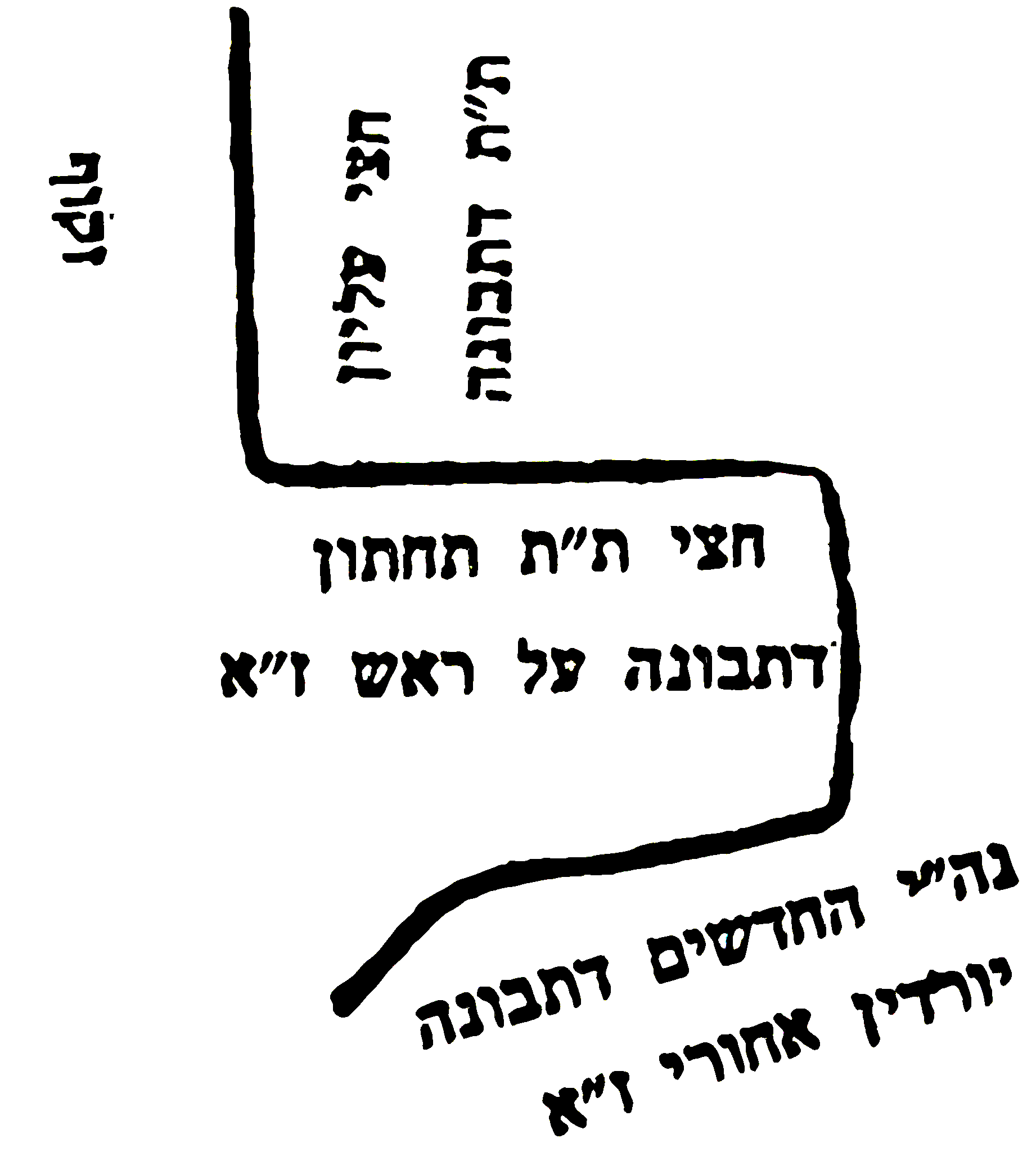
For behold we have explained that the Keter is only one Sefirah alone and is not divided into three lines (כִּי הֲרֵי בֵּאַרְנוּ כִּי הַכֶּתֶר הוּא רַק סְפִירָה אַחַת לְבַד וְאֵינָהּ נֶחְלֶקֶת לְג׳ קַוִּין). And therefore it is impossible that the new Netzach, Hod, Yesod, which are divided into three lines, should be the Keter of Ze’ir Anpin (וְאִם כֵּן אִי אֶפְשָׁר שֶׁגַּם הַנֵּה״י הַחֲדָשִׁים הַמִּתְחַלְּקִים לְג׳ קַוִּין יִהְיוּ כֶּתֶר דְּז״א). However, it is necessary to understand according to this (אֲבָל צָרִיךְ לְהָבִין שֶׁכְּפִי זֶה), what becomes of the new Netzach, Hod, Yesod that intervene between the lower half of the Tiferet and the head of Ze’ir Anpin (מַה נַּעֲשֶׂה מִן הַנֵּה״י הַחֲדָשִׁים הַמַּפְסִיקִים בֵּין חֲצִי תִּפְאֶרֶת אֶל רֹאשׁ ז״א).
It is also necessary to understand what has been explained by us in other places (וְגַם צָרִיךְ לְהָבִין מַה שֶּׁנִּתְבָּאֵר אֶצְלֵנוּ בִּמְקוֹמוֹת אֲחֵרִים), regarding the discourse of the Mochin of Ze’ir Anpin (בְּעִנְיַן דְּרוּשׁ הַמּוֹחִין דְּז״א), that it is necessary for thirteen years to pass until they enter him (אֵיךְ צָרִיךְ י״ג שָׁנִים עַד שֶׁיִּכָּנְסוּ בּוֹ), which is the time of the descent of the Keter upon him (שֶׁהוּא זְמַן יְרִידַת הַכֶּתֶר עָלָיו).
For if according to what was said above that the Tiferet itself rests upon the Chokhmah, Binah, Da‘at of Ze’ir Anpin (וְאִם כְּפִי הַנַּ״ל שֶׁהַתִּפְאֶרֶת עַצְמָהּ שׁוֹרָה עַל גַּבֵּי חב״ד דְּז״א), there would be no need for a long duration (אֵין צֹרֶךְ לְהִשְׁהוֹת זְמַן רַב), for since the Netzach, Hod, Yesod of Tevunah have already entered within him in the secret of Mochin (כִּי כֵיוָן שֶׁנִּכְנְסוּ כְּבָר נֵה״י דְּתְבוּנָה בְּסוֹד מוֹחִין שֶׁבְּתוֹכוֹ), automatically the Tiferet would remain standing upon the Mochin instantly without any delay of time (מֵאֵילָיו נִשְׁאָר עוֹמֵד הַתִּפְאֶרֶת עַל גַּבֵּי הַמּוֹחִין בְּרֶגַע בְּלִי שְׁהוּת זְמַן). But the matter is as follows (אֲבָל הָעִנְיָן הוּא), that behold the truth is that the lower half of the Tiferet of Tevunah alone becomes the Keter (כִּי הֲרֵי הָאֱמֶת הוּא שֶׁחֲצִי תִּפְאֶרֶת תַּחְתּוֹן שֶׁל הַתְּבוּנָה הוּא לְבַד נַעֲשֶׂה כֶּתֶר), and it encamps, rests, and dwells upon the Mochin themselves (וְהוּא חוֹנֶה וְשׁוֹרֶה וְיוֹשֵׁב עַל גַּבֵּי הַמּוֹחִין מַמָּשׁ).
And behold, the Tiferet is a broad body, as is evident to the sense of sight (וְהִנֵּה הַתִּפְאֶרֶת הוּא גּוּף רָחָב כְּנִרְאֶה בְּחוּשׁ הָרְאוּת), and in its middle and within it there is a hollow and broad space more than in the other Sefirot (וְיֵשׁ בְּאֶמְצָעוֹ וּבְתוֹכוֹ מָקוֹם חָלָל וְרָחָב יוֹתֵר מִשְּׁאָר הַסְּפִירוֹת). And this is especially so when we extend the body of Imma, which is the place of greatest breadth within her (וּבִפְרָט כַּאֲשֶׁר נַאֲרִיךְ גּוּף שֶׁל אִמָּא שֶׁהוּא הַמָּקוֹם הַיּוֹתֵר רָחָב שֶׁבָּהּ), whereas the head of Ze’ir Anpin is the narrowest and smallest in measure of all his limbs (וְרֵישָׁא דְּז״א שֶׁהוּא הַיּוֹתֵר צַר וְקָטָן מִשִּׁעוּר שֶׁבְּכָל אֵיבָרָיו). And all the more so since this is the aspect of Imma and this is the aspect of her small son (וּבִפְרָט כִּי זֶה בְּחִי׳ אִמָּא וְזֶה בְּחִי׳ בְּנָהּ הַקָּטָן).
For certainly, when that lower half of the Tiferet encamps upon the head of Ze’ir Anpin (כִּי וַדַּאי כַּאֲשֶׁר חוֹנֶה אוֹתוֹ חֲצִי תִּפְאֶרֶת עַל רֹאשׁוֹ דְּז״א), the head of Ze’ir Anpin enters into it (נִכְנָס רֹאשׁוֹ דְּז״א בְּתוֹכוֹ), and all his Mochin are encompassed and crowned by this half of the Tiferet (וְכָל הַמּוֹחִין שֶׁלּוֹ מֻקָּפִים וּמוּכְתָּרִים מֵחֲצִי הַתִּפְאֶרֶת הַזֶּה). And it has sufficient measure such that part of it remains above and part of it descends and surrounds the Mochin of Ze’ir Anpin (וְיֵשׁ בּוֹ שִׁעוּר גָּדוֹל שֶׁיִּהְיֶה קְצָתוֹ נִשְׁאָר לְמַעְלָה וְקְצָתוֹ יוֹרֵד וּמְסוֹבֵב אֶת הַמּוֹחִין דְּז״א). However, the new Netzach, Hod, Yesod of Tevunah do not enter into the interior of Ze’ir Anpin, as did the first Netzach, Hod, Yesod (וְאָ֭מְנָם הַנֵּה״י הַחֲדָשִׁים שֶׁל הַתְּבוּנָה אֵינָם נִכְנָסִין תּוֹךְ פְּנִימִיּוּת דְּז״א כַּאֲשֶׁר נִכְנְסוּ הַנֵּה״י הָרִאשׁוֹנִים).
However, they bend and spread and descend along the backside of Ze’ir Anpin (אָ֭מְנָם הֵם נִכְפָּפִין וּמִתְפַּשְּׁטִין וְיוֹרְדִין בְּצַד הָאֲחוֹרַיִים שֶׁל ז״א), like a tall person who bends his stature and leans upon the head of a short person standing before him (כְּאָדָם הָאָרֹךְ הַכּוֹפֵף קוֹמָתוֹ וְנִשְׁעָן עַל גַּבֵּי רֹאשׁ הָאָדָם הַקָּטָן קוֹמָה הָעוֹמֵד לְפָנָיו), with the back of the dwarf opposite the face of the tall one (וַאֲחוֹרֵי הַנָּנָס נֶגֶד פְּנֵי הָאָרֹךְ). And then the tall one bends his stature (וְאָז הָאָרֹךְ כּוֹפֵף קוֹמָתוֹ), and places his body—at the place of his navel—upon the head of the dwarf (וְשָׂם גּוּפוֹ שֶׁבִּמְקוֹם טַבּוּרוֹ עַל גַּבֵּי רֹאשׁ הַנָּנָס), and his legs hang behind the dwarf (וְרַגְלָיו נִתְלִין לַאֲחוֹרָיו דְּנָנָס). It is thus found that the head of the tall person and the upper half of his stature stand upright above (נִמְצָא שֶׁרֹאשׁ הָאָדָם הָאָרֹךְ וַחֲצִי קוֹמָתוֹ הָעֶלְיוֹנָה זְקוּפָה מֵעוֹמֵד לְמַעְלָה), while the lower half of his body is bent and rests upon the head of the dwarf (וַחֲצִי גּוּפוֹ נִכְפָּף וְנִסְמָךְ עַל גַּבֵּי רֹאשׁ הַנָּנָס), and his legs descend and spread behind the dwarf (וְהָרַגְלַיִם שֶׁלּוֹ יוֹרְדִין וּמִתְפַּשְּׁטִין מֵאֲחוֹרֵי הַנָּנָס). And so is the matter with Imma and Ze’ir Anpin (וְכֵן הָעִנְיָן בְּאִמָּא עִם ז״א), like the tall one upon the dwarf, literally (כְּאָרֹךְ עַל גַּבֵּי הַנָּנָס מַמָּשׁ). And she stands literally upon Ze’ir Anpin, like the form of the letter Lamed (וְהִיא עוֹמֶדֶת מַמָּשׁ עַל גַּבֵּי הַז״א כְּעֵין צִיּוּר הַלָּמֶ״ד כָּזֶה).
It is thus found that the lower half of the Tiferet of Tevunah is bent over the head of Ze’ir Anpin like a Keter upon his Mochin (נִמְצָא חֲצִי תִּפְאֶרֶת הַתַּחְתּוֹן דְּתְבוּנָה כָּפוּף עַל רֹאשׁ הַז״א כְּעֵין כֶּתֶר עַל הַמּוֹחִין דְּז״א), and the legs of Imma, which are the new Netzach, Hod, Yesod, descend and hang behind Ze’ir Anpin downwards (וְרַגְלֵי אִמָּא שֶׁהֵם נֵה״י הַחֲדָשִׁים יוֹרְדִין וְנִתְלִין מֵאֲחוֹרֵי הַז״א עַד לְמַטָּה). Thus the Tiferet itself of Tevunah is truly attached and standing upon the Mochin of Ze’ir Anpin, and it becomes a Keter for him (בְּאוֹפֶן שֶׁהַתִּפְאֶרֶת עַצְמָהּ דְּתְבוּנָה הוּא דָּבוּק מַמָּשׁ וְעוֹמֵד עַל גַּבֵּי מוֹחִין דְּז״א וְהוּא נַעֲשֶׂה כֶּתֶר אֵלָיו). And therefore, this descent along the backside of Ze’ir Anpin—by which the new Netzach, Hod, Yesod descend and spread so that the Tiferet remains in the aspect of Keter attached upon the Mochin—requires duration and time to descend (וְלָכֵן יְרִידָה זוֹ דֶּרֶךְ אֲחוֹרֵי הַז״א שֶׁיּוֹרְדִין וּמִתְפַּשְּׁטִין הַנֵּה״י הַחֲדָשִׁים כְּדֵי שֶׁיִּשָּׁאֵר הַתִּפְאֶרֶת בִּבְחִי׳ כֶּתֶר דָּבוּק עַל הַמּוֹחִין צְרִיכִין שְׁהוּת וּזְמַן לֵירֵד), as we have written regarding the extension of the thirteen years of the Gadlut [Greatness] of Ze’ir Anpin, as mentioned above (כְּמוֹ שֶׁכָּתַבְנוּ אֶצְלֵנוּ בְּעִנְיַן הֶמְשֵׁךְ י״ג שָׁנִים דְּגַדְלוּת דְּז״א כַּנַּ״ל). It is thus found that the Keter of Ze’ir Anpin is not joined together in one body with the Netzach, Hod, Yesod that enter into Ze’ir Anpin (נִמְצָא כִּי הַכֶּתֶר דְּז״א אֵינוֹ דָּבוּק בְּיַחַד בְּגוּף אֶחָד עִם הַנֵּה״י הַנִּכְנָסִים תּוֹךְ ז״א), but rather they are one body with the new Netzach, Hod, Yesod that descend and are drawn down behind Ze’ir Anpin (אֶלָּא הֵם גּוּף אֶחָד עִם הַנֵּה״י הַחֲדָשִׁים הַיּוֹרְדִים וּמִשְׁתַּלְשְׁלִים מֵאֲחוֹרֵי הַז״א). And through this you will understand what we wrote elsewhere (וּבְזֶה תָּבִין מַה שֶּׁכָּתַבְנוּ אֶצְלֵנוּ בְּמָקוֹם אַחֵר), that the middle line of Ze’ir Anpin sometimes descends downward (כִּי קַו אֶמְצָעִי דְּז״א לִפְעָמִים יוֹרֵד עַד לְמַטָּה), and also the aspect of the Da‘at that is with it in the middle line descends downward from its place (וְגַם בְּחִי׳ הַדַּעַת שֶׁהוּא עִמּוֹ בְּקַו הָאֶמְצָעִי גַּם הוּא יוֹרֵד לְמַטָּה מִמְּקוֹמוֹ). However, the Chokhmah and Binah within him remain in their places and do not descend (וְאָ֭מְנָם הַחו״ב שֶׁבּוֹ נִשְׁאָרִין בִּמְקוֹמָם וְאֵינָם יוֹרְדִין), because they are not bound with the Keter (לְפִי שֶׁאֵינָם קְשׁוּרִים עִם הַכֶּתֶר). But if the Keter had been bound with the inner Netzach, Hod, Yesod of Tevunah (וְאִלּוּ הָיָה נִקְשָׁר עִם נֵה״י הַפְּנִימִיִּים דְּתְבוּנָה), it would necessarily follow that if the Keter and the Da‘at were to ascend or descend, then also the Chokhmah and Binah in the two other lines would have to descend and ascend with them (הָיָה מֻכְרָח שֶׁאִם יַעֲלֶה הַכֶּתֶר וְהַדַּעַת גַּם הַחו״ב שֶׁבִּשְׁנֵי הַקַּוִּין הָאֲחֵרִים יֵרְדוּ וְיַעֲלוּ עִמָּהֶם).
(Mahadura Batra): that in some place it is explained that Keter has the numerical value of three times “light” (מ״ב שֶׁבְּמָקוֹם פְּלוֹנִי כֶּתֶר גִּימַטְרִיָּא ג׳ פְּעָמִים אוֹר), and the secret of “light goes forth from Air to Air” is two hundred and sixteen (וְסוֹד אוֹר יוֹצֵא מֵאֲוִיר לַאֲוִיר רי״ו), which are three times seventy-two of Yodin (ג׳ ע״ב דְּיוּדִין). It is thus found that the Keter alludes to nine times seventy-two of Yodin (נִמְצָא כִּי הַכֶּתֶר רוֹמֵז לְט׳ פְּעָמִים ע״ב דְּיוּדִין), and with the inclusive count they are ten times seventy-two of Yodin (וְעִם הַכּוֹלֵל הֲרֵי י׳ פְּעָמִים ע״ב דְּיוּדִין). All of them are included in the Keter and become Neshamah within the Keter, which is light (נִכְלָלִין בַּכֶּתֶר וְנַעֲשִׂין נְשָׁמָה בַּכֶּתֶר שֶׁהוּא אוֹר). And you already know that Keter is the aspect of surrounding light (וּכְבָר יָדַעְתָּ כִּי כֶּתֶר בְּחִי׳ אוֹר מַקִּיף).
Chapter 4
שער כג פרק ד מ״ת
[23:4] And now we will explain the matter of the descent and unfolding of the new Netzach, Hod, Yesod of Tevunah behind Ze’ir Anpin (וְנְבָאֵר עַתָּה עִנְיַן יְרִידַת וְהִשְׁתַּלְשְׁלוּת הַנֵּה״י שֶׁל תְּבוּנָה הַחֲדָשִׁים מֵאֲחוֹרֵי הַז״א), and the reason that they do not descend and extend through his front (וְהַטַּעַם שֶׁאֵינָם יוֹרְדִין וְנִמְשָׁכִין דֶּרֶךְ פָּנָיו) is in order that Tevunah be able to look face to face with Ze’ir Anpin (הוּא כְּדֵי שֶׁתּוּכַל הַתְּבוּנָה לְהִסְתַּכֵּל פָּנֶיהָ בִּפְנֵי הַז״א).
For when she bends her head to look at him, while her face is at the back of Ze’ir Anpin (כַּאֲשֶׁר תִּכְפֹּף רֹאשָׁהּ לְהִסְתַּכֵּל בּוֹ בִּהְיוֹת פָּנֶיהָ בַּאֲחוֹרֵי הַז״א), she bends her head and gazes upon the face of Ze’ir Anpin, who is lower than she (וְתִּכְפֹּף רֹאשָׁהּ וְתַבִּיט בִּפְנֵי הַז״א שֶׁהוּא נָמוּךְ מִמֶּנָּה), and she illuminates him through her gaze (וְתָאִיר בּוֹ בְּהִסְתַּכְּלוּתָהּ). But if her legs were to extend downward toward his front (וְאִלּוּ הָיוּ רַגְלֶיהָ מִשְׁתַּלְשְׁלִין כְּלַפֵּי פָּנָיו), it would be found that her face would be directly opposite the face of Ze’ir Anpin (נִמְצֵאת פָּנֶיהָ נֶגֶד פְּנֵי הַז״א). And since she is exceedingly higher than he (וְהִנֵּה הִיא גְּבוֹהָה מְאֹד), when she would bend her head to look at him, she would be looking only at the back of Ze’ir Anpin (כַּאֲשֶׁר תִּכְפֹּף רֹאשָׁהּ לְהִסְתַּכֵּל בּוֹ אֵינָהּ מִסְתַּכֶּלֶת אֶלָּא בַּאֲחוֹר שֶׁל הַז״א).
And behold, the measure of the length, expansion, and unfolding of these new Netzach, Hod, Yesod behind Ze’ir Anpin (וְהִנֵּה שִׁעוּר אֹרֶךְ וְהִתְפַּשְּׁטוּת וְהִשְׁתַּלְשְׁלוּת הַנֵּה״י הַחֲדָשִׁים הַנַּ״ל בַּאֲחוֹרֵי הַז״א) is until the completion of the upper third of the Tiferet of Ze’ir Anpin (הוּא עַד סִיּוּם שְׁלִישׁ עֶלְיוֹן דְּתִּפְאֶרֶת דְּז״א), which corresponds to his chest (שֶׁהוּא נֶגֶד הֶחָזֶה שֶׁלּוֹ). For from there and below emerges Raḥel, the Nukvah of Ze’ir Anpin, at the back of Ze’ir Anpin, as explained above (אֲשֶׁר מִשָּׁם וּלְמַטָּה יוֹצֵאת רָחֵל נוּקְבָּא דְּז״א בַּאֲחוֹרֵי הַז״א כַּנַּ״ל).
For the place where the Yesod of Tevunah ends—having entered into the interior of Ze’ir Anpin (כִּי מָקוֹם שֶׁמִּסְתַּיֵּם יְסוֹד דְּתְבוּנָה שֶׁנִּכְנָס תּוֹךְ פְּנִימִיּוּת הַז״א), there, opposite it on the outside, the new external Netzach, Hod, Yesod of Tevunah also end (שָׁם כְּנֶגְדָּהּ מִבַּחוּץ מִסְתַּיְּמִין נֵה״י דְּתְבוּנָה הַחֲדָשִׁים הַחִיצוֹנִיִּם). And even though the new Netzach, Hod, Yesod of Tevunah have a measure equal to the length of the first Netzach, Hod, Yesod (וְאַף עַל פִּי שֶׁנֵּה״י דְּתְבוּנָה הַחֲדָשִׁים שִׁעוּרָם כְּשִׁעוּר אֹרֶךְ נֵה״י הָרִאשׁוֹנִים), nevertheless the spreading inward in a straight manner is not comparable to the externals that are bent, twisted, doubled, and spread along the back of the nape of Ze’ir Anpin (עִם כָּל זֶה אֵינוֹ דּוֹמֶה הִתְפַּשְּׁטוּת בִּפְנִים בְּיֹשֶׁר אֶל הַחִיצוֹנִים שֶׁנִּכְפָּפִין וּמִתְעַקְּמִין וְנִכְפָּלִין וּמִתְפַּשְּׁטִין בַּאֲחוֹרֵי עֹרֶף הַז״א). Therefore, the first Netzach, Hod, Yesod that enter within Ze’ir Anpin spread until the completion of the feet of Ze’ir Anpin (לָכֵן הַנֵּה״י הָרִאשׁוֹנִים הַנִּכְנָסִים תּוֹךְ הַז״א מִתְפַּשְּׁטִין עַד סִיּוּם רַגְלֵי הַז״א), whereas the new Netzach, Hod, Yesod, which are bent and curved backward, reach only until the chest (וְהַנֵּה״י הַחֲדָשִׁים אֲשֶׁר נִכְפָּפִין וַעֲקוּמִים לַאֲחוֹר אֵינָם מַגִּיעִין רַק עַד הֶחָזֶה לְבַד).
And behold, through the spreading of these new Netzach, Hod, Yesod behind Ze’ir Anpin until the chest (וְהִנֵּה עַל יְדֵי הִתְפַּשְּׁטוּת אֵלּוּ הַנֵּה״י הַחֲדָשִׁים בַּאֲחוֹרֵי הַז״א עַד הֶחָזֶה), the back of Ze’ir Anpin is covered (מִתְכַּסִּים אֲחוֹרַיִים שֶׁל הַז״א), and the externals and the judgments do not rule over those upper backs of the nape of Ze’ir Anpin (וְאֵין הַחִיצוֹנִים וְהַדִּינִין שׁוֹלְטִין בְּאוֹתָם אֲחוֹרַיִים עֶלְיוֹנִים שֶׁל עֹורֶף הַז״א). And know that all the whiteness and radiance at the back of the nape of Ze’ir Anpin (וְדַע כִּי כָּל בְּחִי׳ אוֹתוֹ הַחִיוָּרָא וְהַלְּבָנוּנִית שֶׁבַּאֲחוֹרֵי הָעוֹרֶף דְּז״א), and all the whiteness at the back of his body and his shoulders (וְכָל הַלְּבָנוּנִית אֲחוֹרֵי הַגּוּף וְהַכְּתֵפִים שֶׁלּוֹ), all of it is the aspect of these legs of Imma (כֻּלּוֹ הוּא בְּחִי׳ אֵלּוּ הָרַגְלַיִם שֶׁל אִמָּא), which are included in the aspect of his Keter that surrounds Ze’ir Anpin (אֲשֶׁר הֵם מִכְּלַל בְּחִי׳ הַכֶּתֶר שֶׁלּוֹ הַמַּקִּיף אֶת הַז״א). Thus all that whiteness mentioned in the Idra above in the skull (בְּאוֹפֶן שֶׁכָּל אוֹתוֹ הַחִיוָּרָא הַנִּזְכָּר בָּאִדְרָא שֶׁיֵּשׁ לְמַעְלָה בַּגֻּלְגֹּלֶת), and that whiteness spreading in the back (וְכֵן אוֹתָהּ הַלְּבָנוּנִית הַמִּתְפַּשֶּׁטֶת בָּאֲחוֹרַיִים), all of it is the aspect of the Keter mentioned in the Idra that crowns and surrounds Ze’ir Anpin (הַכֹּל הוּא בְּחִי׳ הַכֶּתֶר הַנִּזְכָּר בָּאִדְרָא הַכּוֹתֵר וּמַקִּיף אֶת הַז״א). And this is the secret of what is written in Idra Naso, daf 128b (וְזֶהוּ סוֹד מַה שֶּׁכָּתוּב בָּאִדְרָא נָשָׂא דַּף קכ״ח ע״ב), regarding Arich Anpin (עַל בְּחִי׳ א״א): “And from this skull emerges one white limb that descends to the skull of Ze’ir Anpin” (וּמֵהַאי גֻּלְגֹּלְתָּא נָפִיק חַד עִיבָר חִיוָּר דְּנָחִית לְגֻּלְגֹּלְתָּא דְּז״א). For certainly it descends by way of the back of the head of Arich Anpin (כִּי וַדַּאי הוּא יוֹרֵד דֶּרֶךְ אֲחוֹרֵי רֵישָׁא דְּא״א).
And know that upon this whiteness, which is the aspect of the Keter mentioned above (וְדַע כִּי עַל הַלְּבָנוּנִית שֶׁהוּא בְּחִי׳ הַכֶּתֶר הַנַּ״ל), which is the termination of the external legs of Tevunah (שֶׁהוּא סִיּוּם הָרַגְלַיִם שֶׁל הַתְּבוּנָה הַחִיצוֹנִית), there is drawn and clothed upon it one lock of hair (נִמְשָׁךְ וּמִתְלַבֵּשׁ עָלֶיהָ חַד קוּצָא דְּשַׂעֲרֵי), which extends from the head of Arich Anpin through his nape between the two shoulders (הַנִּמְשָׁךְ מֵרֹאשׁ הָא״א דֶּרֶךְ עָרְפּוֹ בֵּין תְּרֵין כְּתֵפִין), as mentioned in Idra, daf 129b (כַּנַּ״ל בָּאִדְרָא דְּקכ״ט ע״ב). And it extends also until the chest of Ze’ir Anpin (וְנִמְשָׁךְ גַּם כֵּן עַד הֶחָזֶה דְּז״א), in order to cover the Keter from the exposure of the whiteness that is there (כְּדֵי לְכַסּוֹת הַכֶּתֶר מֵחֲשִׂיפַת הַלָּבָן אֲשֶׁר שָׁם). And therefore the lock of hair extends by way of the back of Ze’ir Anpin (וְלָכֵן נִמְשָׁךְ קוּצָא דְּשַׂעֲרֵי דֶּרֶךְ אֲחוֹר הַז״א). And there is another reason (וְעוֹד טַעַם ב׳): so as not to cover the face of Ze’ir Anpin (כְּדֵי שֶׁלֹּא לְכַסּוֹת פְּנֵי הַז״א).
And know that the lock of hair clothes that whiteness (וְדַע כִּי קוּצָא דְּשַׂעֲרֵי מְלַבֵּשׁ הַחוּרָא), which are the new Netzach, Hod, Yesod (שֶׁהֵם נֵה״י הַחֲדָשִׁים). And below that whiteness emerges Leah, the wife of Ya‘akov, at the back of Ze’ir Anpin (וְלְמַטָּה מִן הַחוּרָא יָצְאָה לֵאָה אֵשֶׁת יַעֲקֹב בַּאֲחוֹרֵי הַז״א), from his midpoint and above (מֵחֲצִיוֹ וּלְמַעְלָה), and she terminates at the chest as well (וּמִסְתַּיֶּמֶת עַד הֶחָזֶה גַּם כֵּן), for Leah emerges immediately from the place of the Da‘at of Ze’ir Anpin at his back, as is known (כִּי לֵאָה יוֹצֵאת תֵּכֶף מִמְקוֹם הַדַּעַת שֶׁל הַז״א מֵאֲחוֹרָיו כַּנּוֹדָע). And when the Mochin entered within Ze’ir Anpin (וּכְשֶׁנִּכְנְסוּ הַמּוֹחִין תּוֹךְ ז״א), immediately the aspect of Leah emerges through the back, as mentioned above (תֵּכֶף יוֹצֵאת דֶּרֶךְ אָחוֹר בְּחִי׳ לֵאָה כַּנַּ״ל). And when the Keter was placed upon the head of Ze’ir Anpin (וּכְשֶׁהוּנַּח הַכֶּתֶר עַל רֹאשׁ הַז״א), it also descended and spread and extended until the chest, as mentioned above (יָרַד גַּם הוּא וְנִתְפַּשֵּׁט וְנִמְשַׁךְ עַד הֶחָזֶה כַּנַּ״ל), and it clothed and covered Leah who stands there with her face toward the back of Ze’ir Anpin (וְהִלְבִּישׁ וְכִסָּה אֶת לֵאָה הָעוֹמֶדֶת שָׁם פָּנֶיהָ נֶגֶד אֲחוֹרֵי הַז״א). And the Keter clothes and covers the back of Leah (וְהַכֶּתֶר מַלְבִּישׁ וּמְכַסֶּה אֲחוֹר לֵאָה), and through this the externals do not rule over her back (וְעַל יְדֵי זֶה אֵין חִיצוֹנִים שׁוֹלְטִין בַּאֲחוֹרַיִים שֶׁלָּהּ). And also that whiteness sweetens the Gevurot and the harsh judgments in the back of Leah, as is known (וְגַם הַלּוֹבֶן הַהוּא מְמַתֵּק הַגְּבוּרוֹת וְהַדִּינִין הַקָּשִׁים שֶׁבַּאֲחוֹרַיִים שֶׁל לֵאָה כַּנּוֹדָע). And this is the reason that the Zohar calls Leah “the concealed world” (וְזֶהוּ הַטַּעַם שֶׁבְּסֵפֶר הַזֹּהַר קָרָא אֶל לֵאָה עָלְמָא דְּאִתְכַּסְיָא). But Rachel, who emerges after the completion of this Keter from the chest downward (אֲבָל רָחֵל הַיּוֹצֵאת אַחַר סִיּוּם הַכֶּתֶר הַזֶּה מֵהֶחָזֶה וּלְמַטָּה), is called “the revealed world” (נִקְרָא עָלְמָא דְּאִתְגַּלְיָא).
And behold, the completion of this Keter, which are the new Netzach, Hod, Yesod of Tevunah (וְהִנֵּה סִיּוּם הַכֶּתֶר הַזֶּה שֶׁהֵם נֵה״י הַחֲדָשִׁים שֶׁל הַתְּבוּנָה), reaches until the head of Rachel (הֵם מַגִּיעִין עַד רֹאשׁ רָחֵל), and from their end and their completion is made the Keter of Rachel, the Nukvah of Ze’ir Anpin (וּמִסּוֹפָם וּמִסִּיּוּמָם נַעֲשֶׂה כֶּתֶר שֶׁל רָחֵל נוּקְבָּא דְּז״א). And now you will understand in Idra Rabba and Idra Zuta (וְהִנֵּה תָּבִין בְּאַדְרָ״ז וְאַדְרָ״ר) why only the lower Nukvah, Rachel, who emerges between the two arms of Ze’ir Anpin at his back, is mentioned (לָמָּה לֹא הֻזְכְּרָה רַק נוּקְבָּא תַּתָּאָה רָחֵל דְּנָפְקָא בֵּין תְּרֵין דְּרוֹעִין דְּז״א מֵאֲחוֹרָיו), but Leah, who is the concealed world, is not mentioned (וְלֹא לֵאָה שֶׁהִיא עָלְמָא דְּאִתְכַּסְיָא). For behold, she is included and considered within the Keter of Rachel (כִּי הִנֵּה הִיא נִכְלֶלֶת וְנֶחְשֶׁבֶת בִּכְלַל הַכֶּתֶר שֶׁל רָחֵל), and as though she herself became the aspect of the Keter of Rachel for the reason explained above (וּכְאִלּוּ הִיא עַצְמָהּ נַעֲשֵׂית בְּחִי׳ כֶּתֶר שֶׁל רָחֵל לְסִבָּה הַנַּ״ל).
And through this you will understand from what our Sages of blessed memory said (וּבְזֶה תָּבִין מִשְּׁאָרַז״ל), that the moon said before the Holy One blessed be He (שֶׁאָמְרָה הַיָּרֵחַ לִפְנֵי הקב״ה), “Master of the universe, it is impossible for two kings to use one crown” (רבש״ע א״א לְב׳ מְלָכִים שֶׁיִּשְׁתַּמְּשׁוּ בְּכֶתֶר א׳) (Chullin 60b), the explanation being (פֵּי׳) that behold the Tiferet of Tevunah itself grew and lengthened (כִּי הִנֵּה הַת״ת דְּתְבוּנָה הוּא עַצְמוֹ נִגְדַּל וְנִתְאָרֵךְ), and the new Netzach, Hod, Yesod were made from it as stated above (וְנַעֲשׂוּ נֵה״י הַחֲדָשִׁים מִמֶּנּוּ כַּנַּ״ל), whose completion is the Keter of Rachel called moon and luminary (אֲשֶׁר סִיּוּמָם הוּא כֶּתֶר רָחֵל הַנִּקְרָא יָרֵחַ וּלְבָנָה), such that the Tiferet of Tevunah becomes at its beginning the Keter of Ze’ir Anpin (בְּאוֹפֶן כִּי הַת״ת דְּתְבוּנָה נַעֲשֶׂה בְּהַתְחָלָתוֹ כֶּתֶר לְזְעֵיר אַנְפִּין), and at its end the Keter of Rachel (וּבְסוֹפוֹ כֶּתֶר דְּרָחֵל). And now we will explain the third aspect (וְעַתָּה נְבָאֵר בְּחִי׳ הַג׳), which is the letters Lamed, Mem of Tzelem [Image] (וְהוּא אוֹתִיּוֹת ל״ם דְּצֶלֶם), which are two surrounding lights upon the head of Ze’ir Anpin (שֶׁהֵם ב׳ מַקִּיפִים עַל רֹאשׁ דְּז״א), which are from the aspect mentioned above (שֶׁהֵם מִבְּחִי׳ הַנַּ״ל), the upper half of Tevunah until the completion of the upper half of her Tiferet (חֲצִי עֶלְיוֹנָה שֶׁל הַתְּבוּנָה עַד תַּשְׁלוּם חֲצִי עֶלְיוֹן עַל הַת״ת שֶׁבָּהּ), for from there downward is the Keter of Ze’ir Anpin as stated above (כִּי מִשָּׁם וּלְמַטָּה הוּא כֶּתֶר דְּז״א כַּנַּ״ל). And the matter is thus as written with the help of Hashem (וְהָעִנְיָן הוּא כָּךְ כְּמ״ש בְּע״ה), that the Lamed of Tzelem [Image] is the Chesed, Gevurah, Tiferet of Tevunah (כִּי ל׳ שֶׁל צֶלֶם הוּא חָג״ת שֶׁל הַתְּבוּנָה), and the Mem of Tzelem [Image] is the Chokhmah, Binah, Da‘at of Tevunah (וְם׳ דְּצֶלֶם הוּא כַּחב״ד דְּתְבוּנָה), and thus the ten Sefirot are completed (וַהֲרֵי נִגְמְרוּ י״ס).
However the Lamed is only two Sefirot and a half (וְאָ֭מְנָם הַל׳ אֵינָהּ אֶלָּא ב׳ סְפִירוֹת וָחֵצִי), which are Chesed–Gevurah and the upper half of the Tiferet of Tevunah (שֶׁהֵם ח״ג וַחֲצִי עֶלְיוֹן שֶׁל הַת״ת שֶׁל הַתְּבוּנָה), for the lower half is the aspect of the Keter of Ze’ir Anpin as stated above (כִּי חֲצִי הַתַּחְתּוֹן הוּא בְּחִי׳ כֶּתֶר שֶׁל ז״א כַּנַּ״ל). And behold, these surrounding lights have another aspect (וְהִנֵּה אֵלּוּ הַמַּקִּיפִים יֵשׁ לָהֶם בְּחִי׳ אַחֶרֶת), and that is that their vessels are the very body of Imma of Tevunah itself (וְהוּא כִּי הַכֵּלִים שֶׁלָּהֶם הֵם גּוּפָא דְּאִמָּא דְּתְבוּנָה עַצְמָהּ), but the lights within them are shared (אֲבָל הָאוֹרוֹת שֶׁבְּתוֹכָם הֵם מְשֻׁתָּפִים), for there are within them lights and surrounding lights of the Mochin of Ze’ir Anpin (כִּי יֵשׁ בָּהֶם אוֹרוֹת וּמַקִּיפִים דְּמוֹחִין דְּז״א), and together with them also the lights of Tevunah (וְגַם יֵשׁ עִמָּהֶם בְּיַחַד הָאוֹרוֹת שֶׁל הַתְּבוּנָה).
And behold, there is another distinction in the Keter unlike the Makifim [Surrounding Lights] (וְהִנֵּה יֵשׁ בְּחִינָה אַחֶרֶת בַּכֶּתֶר מַה שֶּׁאֵין כֵּן בַּמַּקִּיפִים), for the Keter descends and clothes and crowns and surrounds Ze’ir Anpin as stated above (כִּי הַכֶּתֶר הוּא יוֹרֵד וּמַלְבִּישׁ וּמַכְתִּיר וּמְסוֹבֵב אֶת הַז״א כַּנַּ״ל). And therefore, even though it is an aspect of surrounding light (וְאִם כֵּן אַף עַל פִּי שֶׁהוּא בְּחִי׳ אוֹר מַקִּיף), it is not included in the count of the aforementioned Makifim [Surrounding Lights] (אֵינוֹ נִכְנָס בְּחֶשְׁבּוֹן הַמַּקִּיפִים הַנַּ״ל), for they stand at a distance above (כִּי הֵם עוֹמְדִים מֵרָחוֹק לְמַעְלָה), and from there they illuminate downward into Ze’ir Anpin (וּמִשָּׁם הֵם מְאִירִים לְמַטָּה בְּז״א), but the Keter which surrounds him closely and in complete attachment (אֲבָל הַכֶּתֶר הַמְסוֹבֵב אוֹתוֹ בְּקֵרוּב וּבְדִיבּוּק גָּמוּר) is not called a Makif [Surrounding] (אֵינוֹ נִקְרָא מַקִּיף). And there is an aspect in the Makifim [Surrounding Lights] unlike the Keter (וְיֵשׁ בְּחִי׳ בַּמַּקִּיפִים מַה שֶּׁאֵין כֵּן בַּכֶּתֶר), for these Makifim [Surrounding Lights] also contain within them lights of Ze’ir Anpin, as stated above (כִּי אֵלּוּ הַמַּקִּיפִים יֵשׁ בְּתוֹכָם גַּם כֵּן אוֹרוֹת ז״א כַּנַּ״ל).
And therefore they are called the Makifim [Surrounding Lights] of Ze’ir Anpin (וְלָכֵן נִקְרָאִים מַקִּיפִים שֶׁל ז״א), but the Keter—its vessel and its lights—are entirely of Tevunah (אֲבָל הַכֶּתֶר הַכְּלִי וְהָאוֹרוֹת הַכֹּל שֶׁל תְּבוּנָה), and there is in it no portion of Ze’ir Anpin at all (וְאֵין בּוֹ מֵחֵלֶק הַז״א כְּלָל). But the Makifim [Surrounding Lights], even though they are distant from him as stated above (אֲבָל הַמַּקִּיפִים אַף עַל פִּי שֶׁהֵם רְחוֹקִים מִמֶּנּוּ כַּנַּ״ל), nevertheless are attributed to Ze’ir Anpin and are called his Makifim [Surrounding Lights] (עִם כָּל זֶה מִתְיַחֲסִים אֶל הַז״א וְנִקְרָאִים מַקִּיף שֶׁלּוֹ), since within them are mixed and shared the lights of Ze’ir Anpin himself (כֵּיוָן שֶׁבָּהֶם מְעוֹרָב וּמְשֻׁתָּף אוֹרוֹת הַז״א עַצְמוֹ). And were it not so, they would not be attributed to Ze’ir Anpin at all (וְלוּלֵי כֵן לֹא הָיוּ מִתְיַחֲסִים אֶל הַז״א כְּלָל).
Unlike the Keter, which even though all of it is of Tevunah (מַה שֶּׁאֵין כֵּן בַּכֶּתֶר אַף עַל פִּי שֶׁכֻּלּוֹ הוּא שֶׁל תְּבוּנָה), nevertheless, since it is attached to Ze’ir Anpin, it is attributed and called his Keter (עִם כָּל זֶה לִהְיוֹתוֹ דָּבוּק עִם הַז״א מִתְיַחֵס לְהִקָּרֵא כֶּתֶר שֶׁלּוֹ). It is thus found, the generality of the matter, that there are three aspects (וְנִמְצָא כְּלָלוּת הַדְּבָרִים כִּי ג׳ בְּחִינוֹת הֵם): the first aspect is the Mochin of Ze’ir Anpin, whose lights are his and whose vessels are of Tevunah (הַבְּחִי׳ הָא׳ הוּא מוֹחִין דְּז״א שֶׁהָאוֹרוֹת שֶׁלּוֹ וְהַכֵּלִים שֶׁל תְּבוּנָה), and the Keter of Ze’ir Anpin, whose lights and vessels are solely of Tevunah (וְהַכֶּתֶר דְּז״א הָאוֹרוֹת וְהַכֵּלִים שֶׁל תְּבוּנָה לְבַד), and the Makifim [Surrounding Lights] of Ze’ir Anpin, whose vessels are of Tevunah and whose lights are joined and shared—lights of Tevunah and lights of Ze’ir Anpin (וּמַקִּיפִים דְּז״א הַכֵּלִים שֶׁל תְּבוּנָה וְהָאוֹרוֹת הֵם מְחֻבָּרִים וּמְשֻׁתָּפִים וְהֵם אוֹרוֹת דְּתְבוּנָה וְאוֹרוֹת דְּז״א), and see there (וְע״ש).
(Mahadura Batra): (It appears to me that the ultimate meaning of the matters is that Binah and Tevunah are Samekh–Mem (מ״ב נלע״ד שֶׁתַּכְלִית הַדְּבָרִים שֶׁבִּינָה וְתְבוּנָה הֵם ס״ם), and Tevunah is the Mem of the Lamed of Binah, which stands from her chest until her completion, and therefore she is called Mem (וְתְבוּנָה הִיא ם׳ מִל׳ דְּבִינָה הָעוֹמֶדֶת מֵחָזֶה שֶׁלָּהּ עַד סִיּוּם שֶׁלָּהּ וְלָכֵן נִקְרָא ם׳). And indeed the Malkhut of this Tevunah is also included of ten Sefirot (וְאָ֭מְנָם הַמַּלְכוּת דְּתְבוּנָה זוֹ הִיא כְּלוּלָה מִי׳ סְפִירוֹת גַּם כֵּן), and the nine Sefirot are the totality of the Lamed–Mem of Tzelem [Image] (וְהַט׳ סְפִירוֹת הֵם כְּלָלוּת ל״ם דְּצֶלֶם), and the Malkhut of her Malkhut is the Tzadi of Tzelem [Image], which enters the interior of Ze’ir Anpin (וְהַמַּלְכוּת דְּמַלְכוּת שֶׁבָּהּ הוּא צ׳ דְּצֶלֶם נִכְנֶסֶת בִּפְנִימִית דְּז״א).
And indeed the Keter of Ze’ir Anpin is also a Makif (וְאָ֭מְנָם הַכֶּתֶר דְּז״א גַּם הוּא מַקִּיף), therefore it is from the nine Sefirot of the Malkhut of Tevunah mentioned above (לָכֵן הוּא מִט׳ סְפִירוֹת דְּמַלְכוּת דְּתְבוּנָה הַנַּ״ל), meaning that in Ibbur the external vessel of the Malkhut of the Malkhut of Tevunah enters (ר״ל שֶׁבְּעִיבּוּר נִכְנָס כְּלִי חִיצוֹן שֶׁל מַלְכוּת דְּמַלְכוּת דְּתְבוּנָה), and in Yenikah the middle one of the Malkhut of the Malkhut of Tevunah (וּבִינִיקָה אֶמְצָעִית שֶׁל מַלְכוּת דְּמַלְכוּת דְּתְבוּנָה), and in Gadlut [Greatness] the inner one of the Malkhut of the Malkhut of Tevunah (וּבְגַדְלוּת פְּנִימִית שֶׁל מַלְכוּת דְּמַלְכוּת דְּתְבוּנָה).
For in every Sefirah there are three aspects of vessels (שֶׁבְּכָל סְפִירָה יֵשׁ ג׳ בְּחִינוֹת כֵּלִים), and it is found that the Tzadi of Tzelem [Image] of Ibbur, Yenikah, and Mochin are three Malkhuyot of Tevunah called Mem (וְנִמְצָא שֶׁצ׳ דְּצֶלֶם דְּעִיבּוּר יְנִיקָה וּמוֹחִין הֵם ג׳ מַלְכֻיּוֹת דְּתְבוּנָה הַנִּקְרָא ם). And always the Malkhut of the Malkhut of Tevunah, called Mem, enters the interior of Ze’ir Anpin (וּלְעוֹלָם מַלְכוּת דְּמַלְכוּת דְּתְבוּנָה הַנִּקְרָא ם׳ הִיא נִכְנֶסֶת בִּפְנִימִית דְּז״א), and thus it is found that it is always necessary to complete the Malkhut that is lacking from the ten Sefirot of Tevunah (וְאִם כֵּן נִמְצָא שֶׁלְעוֹלָם צָרִיךְ לְהַשְׁלִים מַלְכוּת שֶׁחָסֵר מִי׳ סְפִירוֹת הַתְּבוּנָה). And this is the secret of the matter of the duplications, that Netzach, Hod, Yesod are doubled and are not actual Netzach, Hod, Yesod, but rather Malkhut whose measure corresponds to Netzach, Hod, Yesod (וְזֶהוּ סוֹד עִנְיַן הַכְּפָלַיִם שֶׁנִּכְפָּלִים נֵה״י וְאֵינָם נֵה״י מַמָּשׁ אֶלָּא מַלְכוּת שֶׁשִּׁעוּרָהּ נֶגֶד נֵה״י), and understand this (וְהָבֵן זֶה).
It is thus found that in every world and in every Sefirah it is so (נִמְצָא שֶׁבְּכָל עוֹלָם וּבְכָל סְפִירָה הוּא כֵּן), that the Malkhut of the Malkhut of the Malkhut of Atzilut clothes itself in Beri’ah (שֶׁהַמַלְכוּת דְּמַלְכוּת שֶׁל הַמַלְכוּת דַּאֲצִילוּת מִתְלַבֶּשֶׁת בִּבְרִיאָה), and likewise in every Sefirah and Sefirah it is so (וְכֵן בְּכָל סְפִירָה וּסְפִירָה כֵּן הוּא), that the Malkhut of the Malkhut of Tevunah, which is the Malkhut of Binah, enters the interior of Ze’ir Anpin (שֶׁבְּמַלְכוּת דְּמַלְכוּת הַתְּבוּנָה שֶׁהִיא מַלְכוּת דְּבִינָה הִיא הַנִּכְנֶסֶת תּוֹךְ פְּנִימִית דְּז״א), and the totality of the nine Sefirot of the Malkhut of Tevunah are the Makifim [Surrounding Lights] (וְכְלָלוּת הַט׳ סְפִירוֹת דְּמַלְכוּת דְּתְבוּנָה הֵם הַמַּקִּיפִין), and understand this (וְהָבֵן זֶה).
Chapter 5
שער כג פרק ה מ״ק
[23:5] The reason why the Keter of Ze’ir Anpin is in the final third of the Tiferet of Imma (טַעַם לָמָּה הַכֶּתֶר דְּז״א בִּשְׁלִישׁ אַחֲרוֹן שֶׁל ת״ת דְּאִמָּא), because there is the secret of the womb, the secret of the letter Heh of Imma (לְפִי שֶׁשָּׁם הוּא סוֹד הָרֶחֶם סוֹד אוֹת ה׳ שֶׁל אִמָּא), and there enters the Yod of Abba, which is his Yesod, into her Yesod (וְשָׁם נִכְנֶסֶת י׳ שֶׁל אַבָּא שֶׁהוּא הַיְסוֹד שֶׁבּוֹ בְּיְסוֹד שֶׁבָּהּ), and from the power of that illumination a Keter is made there for the head of Ze’ir Anpin (וּמִכֹּחַ הֶאָרָה הַהִיא נַעֲשֵׂית שָׁם כֶּתֶר לְרֵישָׁא דְּז״א), which begins from the navel and downward (שֶׁהוּא מַתְחִיל מֵהַטַּבּוּר וּלְמַטָּה).
(Mahadura Kama): The reason for why we never count the Keter in the calculation of the ten Sefirot but instead count Da‘at in its place (מ״ק ב הַטַּעַם לָמָּה אֵין אָנוּ מוֹנִין לְעוֹלָם הַכֶּתֶר בְּחֶשְׁבּוֹן הַי״ס רַק אָנוּ מוֹנִין הַדַּעַת בִּמְקוֹמוֹ), know that behold from the Tiferet of Binah the Keter of Ze’ir Anpin is made (דַּע כִּי הֲלֹא ת״ת דְּבִינָה מִמֶּנּוּ נַעֲשֶׂה כֶּתֶר לְז״א), and from the inner vitality within it vitality is drawn to the Keter of Ze’ir Anpin (וּמִצַּד חִיּוּת פְּנִימִית שֶׁבָּהּ נִמְשָׁךְ חִיּוּת לְכֶתֶר דְּז״א).
And behold the Keter is not made through the Zivug [Union] of Abba and Imma but from Binah alone (וְהִנֵּה הַכֶּתֶר לֹא נַעֲשֶׂה עַל יְדֵי זִוּוּג או״א רַק מֵהַבִּינָה לְבַד), and since this is so it follows that according to this aspect the Keter would be greater than the Mochin (וְכֵיוָן שֶׁכֵּן נִמְצָא כִּי כְּפִי בְּחִי׳ זוֹ יִהְיֶה יוֹתֵר גָּדוֹל הַכֶּתֶר מִן הַמּוֹחִין), for the Mochin are created and renewed from Abba and Imma through their Zivug [Union] (כִּי הַמּוֹחִין הֵם נִבְרָאִים וּמִתְחַדְּשִׁים מֵאו״א עַל יְדֵי זִוּוּגָם), whereas the Keter is from the vitality of Binah itself as mentioned (אַךְ הַכֶּתֶר הוּא מֵחִיּוּת הַבִּינָה עַצְמָהּ כַּנִּזְכָּר), and by this measure the Keter would be greater than the Mochin (וּבְעֶרֶךְ זֶה יִהְיֶה יוֹתֵר גְּדוֹלָה הַכֶּתֶר מִן הַמּוֹחִין). But there is another aspect (אַךְ יֵשׁ בְּחִי׳ אַחֶרֶת), and that is that behold “from my flesh I behold God” (וְהוּא כִּי הֲלֹא מִבְּשָׂרִי אֶחֱזֶה אֱלוֹהַּ), for the essence of human intellect and understanding is in the Mochin (כִּי עִקַּר שֵׂכֶל וּתְבוּנַת הָאָדָם בַּמּוֹחִין), since the skull is secondary in relation to the Mochin (כִּי הַגֻּלְגֹּלֶת טְפֵלָה בְּעֶרֶךְ הַמּוֹחִין). And the matter is that in the aspect that the Mochin are from Abba and Imma, unlike the Keter which is from Imma alone (וְהָעִנְיָן כִּי בִּבְחִי׳ שֶׁהַמּוֹחִין הֵם מֵאו״א מַה שֶּׁאֵין כֵּן הַכֶּתֶר שֶׁהוּא מֵאִמָּא לְבַד), therefore in this aspect the Mochin are primary and from them the counting begins and not from the Keter (לָכֵן בִּבְחִי׳ זוֹ הַמּוֹחִין הֵם עִקָּרִים וּמִשָּׁם מַתְחִיל הַמִּנְיָן וְלֹא מִן הַכֶּתֶר), for even though the Tiferet of Binah when it is within itself its light is greater than the light of the Mochin in Ze’ir Anpin (כִּי אַף עַל פִּי שֶׁהַת״ת דְּבִינָה בִּהְיוֹתָהּ בָּהּ עַצְמָהּ הָאוֹר שֶׁלָּהּ גָּדוֹל יוֹתֵר מֵאוֹר הַמּוֹחִין שֶׁבְּז״א עִמּוֹ), nevertheless when its light becomes from it a Keter for Ze’ir Anpin it descends in level below the Mochin (עִם כָּל זֶה כַּאֲשֶׁר הָאוֹר שֶׁלּוֹ נַעֲשֶׂה מִמֶּנּוּ כֶּתֶר לְז״א אָז יוֹרֵד בְּמַעֲלָה מִן הַמּוֹחִין), because the Mochin are from the light of Abba and Imma and the Keter is from the side of Imma alone (כִּי הַמּוֹחִין מֵאוֹר או״א וְהַכֶּתֶר מִצַּד אִמָּא לְבַד), and through this you will understand what is written in the Zohar that every Keter is from the side of Imma (וּבְזֶה תָּבִין מַה שֶּׁכָּתוּב בַּזֹּהַר כִּי כָּל כֶּתֶר מִסִּטְרָא דְּאִמָּא).
Three—know that in the secret of Ibbur, three are included within three (ג׳ דַּע כִּי בְּסוֹד הָעִיבּוּר ג׳ כְּלִילִין בְּג׳), and Ze’ir Anpin had only two Mochin of Chokhmah and Binah from Abba and two Mochin from Imma, for Da‘at was then lacking from him (לֹא הָיָה לְז״א רַק ב׳ מוֹחִין חו״ב מִצַּד אַבָּא וּב׳ מוֹחִין מִצַּד אִמָּא כִּי הָיָה הַדַּעַת חָסֵר אָז מִמֶּנּוּ), and they are four Names Elohim all in the secret of B״N (וְהֵם ד׳ שֵׁמוֹת אֱלֹהִים כֻּלָּם בְּסוֹד ב״ן), meaning that simple Elohim and filled and filled-of-filled are B״N letters (פֵּרוּשׁ כִּי אֱלֹהִים פָּשׁוּט וּמָלֵא וּמָלֵא דְּמָלֵא הֵם ב״ן אוֹתִיּוֹת), for this is the secret of “sons of Elohim” (כִּי זֶהוּ סוֹד בְּנֵי אֱלֹהִים). And four times B״N of the four Elohim are the numerical value of “karkod” (וְד׳ פְּעָמִים ב״ן שֶׁל ד׳ פְּעָמִים אֱלֹהִים הֵם גִּימַטְרִיָּא קָדְקֹד), and this is the secret of the skull, the place where the brain of an infant is soft (וְזֶהוּ סוֹד הַקָּדְקֹד מָקוֹם שֶׁמּוֹחוֹ שֶׁל תִּינוֹק רוֹפֵף). And this is “Elohim has made laughter for me” (וְזֶהוּ צְחוֹק עָשָׂה לִי אֱלֹהִים), for two Mochin which are two Elohim have the numerical value of Akev [Heel] (כִּי ב׳ מוֹחִין שֶׁהֵם ב׳ אֱלֹהִים גִּימַטְרִיָּא עֲק״ב), and the thirteen letters of the filling of each of them together are the numerical value of “Tzachak [Laughter]” (וְי״ג אוֹתִיּוֹת הַמִּלּוּי בְּכ״א מִשְּׁתֵּיהֶן הֲרֵי הוּא גִּימַטְרִיָּא צְחַק), and with the ten letters of the two Elohim the numerical value is “Yitzḥak” (וְעִם י׳ אוֹתִיּוֹת דְּב׳ אֱלֹהִים גִּימַטְרִיָּא יִצְחָק), and this is the secret of “laughter Elohim made for me” (וְזֶהוּ סוֹד צְחוֹק עָשָׂה לִי אֱלֹהִים וְגו׳).
And this is the secret of the root of Cain and Abel (וְזֶהוּ סוֹד שֹׁרֶשׁ קַיִן וְהֶבֶל), Cain corresponding to the thirty-two Elohim (קַיִן נֶגֶד ל״ב אֱלֹהִים), some say five times thirty-two (נ״א ה״פ ל״ב), for in each of them are five letters, thus one hundred and sixty as the number of Cain (אֲשֶׁר בְּכ״א מֵהֶם ה׳ אוֹתִיּוֹת הֲרֵי ק״ס כְּמִנְיַן קַיִן), and Abel also the five thirty-two likewise (וְכֵן הֶבֶל ה׳ ל״ב הַנַּ״ל גַּם כֵּן), except that Abel is in generality and Cain in particularity (אֶלָּא שֶׁהֶבֶל בִּכְלָלוּת וְקַיִן בִּפְרָטוּת), and Cain and Abel together are the numerical value of “Tzachak [Laughter]” mentioned above (וְקַיִן וְהֶבֶל שְׁנֵיהֶם גִּימַטְרִיָּא צְחַק הַנַּ״ל), and ten times thirty-two is the numerical value of three hundred and twenty sparks (וְי׳ פְּעָמִים ל״ב גִּימַטְרִיָּא ש״ךְ נִיצוֹצִין), and their root is thirty-two Elohim (וְשָׁרְשָׁם ל״ב אֱלֹהִים), and this is the secret of “when His lamp shone upon my head,” whose initials spell “Na’ar [Youth]” (וְזֶהוּ סוֹד בְּהַלוֹ נֵרוֹ עַל רֹאשִׁי ר״ת נַעַר). And this is the secret of “and behold, the lad was crying” (וְז״ס וְהִנֵּה נַעַר בֹּכֶה), for Batya daughter of Pharaoh thought that he was entirely judgments from the three hundred and twenty sparks, all of them (כִּי בַּתְיָה בַּת פַּרְעֹה חָשְׁבָה שֶׁהוּא כֻּלּוֹ דִּינִין מִש״ךְ נִיצוֹצִין כֻּלָּם), and this is “and she saw him, and behold, a lad” (וְזֶהוּ וַתִּרְאֵהוּ וְהִנֵּה נַעַר), but concerning his mother it is said “and she saw him, that he was good” (וּבְאִמּוֹ נֶאֱמַר וַתֵּרֶא אֹתוֹ כִּי טוֹב הוּא), from the side of the Chasadim and not from the side of the judgments (מִצַּד הַחֲסָדִים וְלֹא מִצַּד הַדִּינִין).
Thus it has been explained that in Ibbur there are four Mochin, two from Abba and two from Imma alone (הֲרֵי נִתְבָּאֵר כִּי בְּעִיבּוּר הֵם ד׳ מוֹחִין ב׳ דְּאַבָּא וּב׳ דְּאִמָּא לְבַד), and from them is the root of the thirty-two Elohim (וּמֵהֶם שֹׁרֶשׁ הַל״ב אֱלֹהִים). But in Yenikah in Katnut [Smallness] there are six Mochin, three Mochin of Abba and three of Imma (אֲבָל בִּינִיקָה בְּקַטְנוּת הֵם ו׳ מוֹחִין ג׳ מוֹחִין דְּאַבָּא וְג׳ דְּאִמָּא), and they too are the aspect of Elohim (וְהֵם גַּם כֵּן בְּחִי׳ אֱלֹהִים), thus now there are six Elohim (הֲרֵי הֵם עַתָּה ו׳ אֱלֹהִים), and when you combine them with the four Elohim of the Ibbur that he had at first (וְתְצָרְפֵם עִם ד׳ אֱלֹהִים שֶׁל הָעִיבּוּר שֶׁהָיָה בּוֹ מִתְּחִלָּה), now he has ten Elohim together in Ze’ir Anpin (הֲרֵי עַתָּה יֵשׁ בּוֹ י׳ אֱלֹהִים בְּיַחַד לְז״א), and their numerical value is 860 (וְהֵם גִּימַטְרִיָּא ת״ל ת״ל). And this is the secret of “his locks are curled” (וְז״ס קוּצוֹתָיו תַּלְתַּלִּים), for their number is 860 (כִּי מִסְפָּרָן ת״ל ת״ל), and together with the fifty letters contained in the ten Elohim (וְעִם נ׳ אוֹתִיּוֹת שֶׁיֵּשׁ בְּי׳ אֱלֹהִים), everything together is the numerical value of תַּלְתַּלִּים (הֲרֵי הַכֹּל גִּימַטְרִיָּא תַּלְתַּלִּים), and these are the secret of the hairs and locks of Ze’ir Anpin (וְהֵם סוֹד הַשְּׂעָרוֹת וְקוּצִין דְּז״א).
Four—if we count the aspect of the Keter and the aspect of the Da‘at it would appear that they are eleven (ד׳ אִם אָנוּ מוֹנִין בְּחִי׳ הַכֶּתֶר וּבְחִי׳ הַדַּעַת נִרְאֶה שֶׁהֵם י״א), but in Sefer Yetzirah it is said “ten and not eleven, ten and not nine” (וּבְס״י אָמַר עֶשֶׂר וְלֹא י״א עֶשֶׂר וְלֹא תֵּשַׁע), and the reason is that Da‘at is the aspect of the Neshamah of Ze’ir Anpin (וְהַטַּעַם כִּי הַדַּעַת הוּא בְּחִי׳ נְשָׁמָה דְּז״א), and we count only that which has a vessel (וְאֵין אָנוּ מוֹנִין אֶלָּא מַה שֶׁיֵּשׁ בּוֹ כְּלִי), but Da‘at is an aspect of Neshamah without a vessel (אֲבָל הַדַּעַת בְּחִי׳ נְשָׁמָה בְּלִי כְּלִי), and so too in the totality of Atzilut (וְכֵן בְּכָל כְּלָלוּת הָאֲצִילוּת), Atik Yomin is the aspect of Neshamah for all of Atzilut (עַתִּיק יוֹמִין הוּא בְּחִי׳ נְשָׁמָה לְכָל הָאֲצִילוּת), and there is in it no aspect of vessel at all (וְאֵין בּוֹ בְּחִי׳ כְּלִי כְּלָל), therefore we do not count the aspect of Da‘at among the ten Sefirot (לָכֵן אֵין אָנוּ מוֹנִין בְּחִי׳ הַדַּעַת בִּכְלַל הַי״ס).
And behold, the ten Sefirot in the totality of Atzilut are ten points that first emerged within the vessels (וְהִנֵּה הַי״ס שֶׁבְּכָל כְּלָלוּת הָאֲצִילוּת הֵם עֶשֶׂר נְקֻדּוֹת שֶׁיָּצְאוּ תְּחִלָּה בְּתוֹךְ הַכֵּלִים), and from them was the rectification (וּמֵהֶם הָיָה הַתִּקּוּן), for from the first point was made the Keter of Atzilut called Arich from the Keter of that point, and within it Atik in the aspect of Neshamah (כִּי מִנְּקוּדָה רִאשׁוֹנָה נַעֲשָׂה כֶּתֶר דַּאֲצִילוּת הַנִּקְרָא אֲרִיךְ מִכֶּתֶר שֶׁבַּנְּקוּדָה וּבְתוֹכוֹ עַתִּיק בִּבְחִי׳ נְשָׁמָה), and from two points Abba and Imma were rectified (וּמִב׳ נְקֻדּוֹת נִתְקַּנוּ או״א), and from six points Ze’ir Anpin (וּמִו׳ נְקֻדּוֹת ז״א), and from the final point the Nukvah of Ze’ir Anpin was built (וּמִנְּקוּדָה אַחֲרוֹנָה נִבְנֵית הַנּוּקְבָּא דְּז״א), behold ten Sefirot of the ten points alone (הֲרֵי י״ס דְּעֶשֶׂר נְקֻדִּים לְבַד).
And behold, the Chokhmah within Arich Anpin illuminates Abba from its place, and likewise the Binah within it illuminates Imma (וְהִנֵּה א״א חָכְמָה שֶׁבּוֹ מְאִירָה לְאַבָּא מִמְּקוֹמָהּ וְכֵן בִּינָה שֶׁבּוֹ מְאִירָה לְאִמָּא), but it is not so with Malkhut (וְאֵין כֵּן בְּמַלְכוּת), for the Malkhut in all of them, after the diminution, descended—between the Malkhut of Ze’ir Anpin and the Malkhut of the Nukvah, between the Malkhut of Abba–Imma and the Malkhut of Arich Anpin—all descended truly downward (שֶׁהַמַּלְכוּת שֶׁבְּכֻלָּם אַחַר הַקִּטְרוּג יָרְדוּ בֵּין מַלְכוּת ז״א וּבֵין מַלְכוּת נוּקְבָּא בֵּין מַלְכוּת דְּאו״א בֵּין מַלְכוּת דְּא״א כֻּלָּם יָרְדוּ מַמָּשׁ לְמַטָּה), but they illuminate her from their place (אֶלָּא שֶׁמְּאִירִים אֵלֶיהָ מִמְּקוֹמָם), and nothing remained above except a Reshimu alone (וְלֹא נִשְׁאַר לְמַעְלָה רַק רְשִׁימוֹ לְבַד).
If so, one could say—Heaven forbid—that now only the nine remain in every aspect and no more, since the tenth descended and fell (א״כ הָיָה אֶפְשָׁר לוֹמַר ח״ו דְּהַשְׁתָּא לֹא נִשְׁאֲרוּ רַק הַט׳ בְּכָל בְּחִי׳ וְתוּ לֹא שֶׁהֲרֵי הָעֲשִׂירִית יָרְדָה וְנָפְלָה), therefore it said ten and not nine (לָכֵן אָמַר י׳ וְלֹא ט׳). And it said ten and not eleven (וְאָמַר י׳ וְלֹא י״א), for this is only the Reshimu alone, so that when she ascends she will cleave to her root above, that is, the Reshimu (כִּי אֵין זֶה רַק הָרְשִׁימוֹ לְבַד כְּדֵי שֶׁכְּשֶׁתַּעֲלֶה תִּדְבַּק בְּשָׁרְשָׁהּ לְמַעְלָה דְּהַיְינוּ הָרְשִׁימוֹ). And this is the secret of “Forever, Hashem, Your word stands in the heavens” (וְז״ס לְעוֹלָם ה׳ דְּבָרְךָ נִצָּב בַּשָּׁמָיִם), that the Malkhut of Ze’ir Anpin, even though she fell below, her Reshimu is forever above (שֶׁהַמַּלְכוּת דְּז״א אַף שֶׁנָּפְלָה לְמַטָּה לְעוֹלָם הָרְשִׁימוֹ שֶׁלָּהּ לְמַעְלָה), and “Your word,” which is the Malkhut of the Nukvah of Ze’ir Anpin, is said regarding the Reshimu (וְזֶה דְּבָרְךָ שֶׁהוּא מַלְכוּת נוּקְבָּא דְּז״א הוּא נֶאֱמַר עַל הָרְשִׁימוֹ), and it said that forever she is there in the heavens, above in Ze’ir Anpin who is called heavens (וְאָמַר שֶׁלְעוֹלָם הִיא שָׁם בַּשָּׁמַיִם לְמַעְלָה בְּז״א שֶׁהוּא שָׁמַיִם), and so it is in every aspect and aspect (וְכֵן בְּכָל בְּחִי׳ וּבְחִי׳).
Chapter 6
שער כג פרק ו׳ מ״ק
[23:6] Ze’ir Anpin was at first Six Extremities (ז״א הָיָה תְּחִלָּה ו״ק), and afterward was completed to ten complete Sefirot (וְאַחַ״כ נִגְמַר לְי״ס גְּמוּרוֹת), in this manner (בְּאוֹפֶן זֶה), that behold the right line is Chesed and Netzach (שֶׁהִנֵּה קַו יָמִין הוּא חֶסֶד וְנֵצַח), and in them are six joints (וּבָהֶם שֵׁשׁ פְּרָקִין), and then the two upper joints of Chesed join with the upper joint of Netzach of Imma (אָז תְּרֵין פְּרָקִין עֶלְיוֹנִין דְּחֶסֶד מִתְחַבְּרִין עִם פֶּרֶק עֶלְיוֹן דְּנֵצַח דְּאִמָּא), and thus his Chokhmah is from three joints as a complete measure (וַהֲרֵי חָכְמָה שֶׁלּוֹ מִג׳ פְּרָקִין מִדָּה גְּמוּרָה). And likewise in the left line (וְכֵן בְּקַו שְׂמֹאל), the two upper joints of Gevurah join with the upper joint of Hod of Imma (ב׳ פְּרָקִין עֶלְיוֹנִין דְּגְבוּרָה מִתְחַבְּרִין עִם פ״ע דְּהוֹד דְּאִמָּא), and similarly in the middle line (וּכְעֵין זֶה בְּקַו אֶמְצָעִי), that since Tevunah nullifies herself upon him (שֶׁכֵּיוָן שֶׁתְּבוּנָה מְמִיתָה עַצְמָהּ עָלָיו), for then the inner Netzach, Hod, Yesod of hers withdraw (שֶׁאָז מִסְתַּלְּקִין פְּנִימִית נֵה״י שֶׁלָּהּ), and only her externality enters him (וְחִיצוֹנִיּוּתָהּ לְבַד נִכְנָס בּוֹ), and within them are the Mochin of Ze’ir Anpin (וּבְתוֹכָם הַמּוֹחִין דְּז״א), therefore they become part of the limbs of Ze’ir Anpin themselves (לָכֵן הֵם נַעֲשִׂין חֵלֶק מֵאֵיבְרֵי ז״א מַמָּשׁ), and of his body (וּמִגּוּפוֹ), and Ze’ir Anpin grows through the Netzach, Hod, Yesod of Tevunah (וּמַגְדִּיל ז״א עַל יְדֵי נֵה״י דְּתְבוּנָה). And indeed when only the Six Extremities of Gadlut [Greatness] have entered, he begins to grow but the head of Gadlut [Greatness] is not yet completed within him (וְאָ֭מְנָם כְּשֶׁלֹּא נִכְנְסוּ עֲדַיִן רַק ו״ק דְּגַדְלוּת מַתְחִיל לִגְדֹּל אֲבָל לֹא נִשְׁלַם רֹאשׁ דְּגַדְלוּת שֶׁבּוֹ), and his Chesed, Gevurah, Tiferet are still called his head (וַעֲדַיִן חָג״ת שֶׁלּוֹ נִקְרָא רֵישָׁא דִּילֵיהּ), and therefore it is necessary that in this head from his Chesed, Gevurah, Tiferet his Gadlut [Greatness] be discernible (וְאִם כֵּן בְּהֶכְרֵחַ שֶׁבְּזֶה הָרֹאשׁ מֵחָג״ת דִּילֵיהּ יִהְיֶה נִכָּר גַּדְלוּתוֹ).
And it is known that at first the upper parts grow and afterward the lower parts (וְהוּא דְּעָא שֶׁבִּתְחִלָּה מַתְחִיל לִגְדֹּל הַחֲלָקִים הָעֶלְיוֹנִים וְאַחַ״כ הַתַּחְתּוֹנִים), for although in the entering of the Mochin the lower ones enter first (שֶׁהֲרֵי בְּהַכְנָסַת הַמּוֹחִין הַתַּחְתּוֹנִים נִכְנָסִין תְּחִלָּה), nevertheless in the Gadlut [Greatness] of Ze’ir Anpin himself the upper ones grow first (אַךְ בְּגַדְלוּת ז״א עַצְמוֹ הָעֶלְיוֹנִים נִגְדָּלִין תְּחִלָּה), and this is clear (וְזֶה בָּרוּר). Thus at first Chesed and Gevurah grow, and afterward Tiferet, and likewise Netzach–Hod, and likewise the Yesod (נִמְצָא שֶׁתְּחִלָּה נִגְדָּל הַחֶסֶד וְהַגְּבוּרָה וְאַחַ״כ הַתִּפְאֶרֶת וְכֵן נֵ״ה וְכֵן הַיְסוֹד).
And we return to the matter of the Six Extremities of Gadlut [Greatness] (וְנַחְזוֹר לְעִנְיַן ו״ק דְּגַדְלוּת), that behold the four upper joints of the right line, which are the three joints of Chesed and the upper joint of Netzach, now join together and become the Chesed of Ze’ir Anpin (שֶׁהִנֵּה הַד׳ פְּרָקִין הָעֶלְיוֹנִים דְּקו יָמִין שֶׁהֵם ג׳ פְּרָקֵי הַחֶסֶד וּפ״ע שֶׁל הַנֵּצַח מִתְחַבְּרִין עַתָּה יַחַד וְנַעֲשִׂין חֶסֶד דְּז״א), and there is the aspect of his Chokhmah there, for the two upper joints of these four are his portion (וְשָׁם יֵשׁ בְּחִי׳ הַחָכְמָה שֶׁלּוֹ שֶׁהֲרֵי הַב׳ פְּרָקִין הָעֶלְיוֹנִים מֵאֵלּוּ הַד׳ הֵם חֶלְקוֹ). Afterward, when the Three Upper of Gadlut [Greatness] are completed to enter, as stated above (אַח״כ כְּשֶׁנִּשְׁלְמוּ ג״ר דְּגַדְלוּת לִכְנוֹס כַּנַּ״ל), it is found that there the Chokhmah is potentially included within the Chesed (וְנִמְצָא שֶׁשָּׁם הַחָכְמָה בְּכֹחַ כְּלוּלָה בְּחֶסֶד), but it will not be complete until the Chokhmah of the Three Upper of Gadlut [Greatness] enters (אֲבָל לֹא תִּהְיֶה לְגַמְרֵי עַד שֶׁיִּכָּנֵס הַחָכְמָה שֶׁל ג״ר דְּגַדְלוּת), and then those four joints will divide into two aspects, halves for Chokhmah and halves for Chesed, as stated above (וְאָז יִתְחַלְּקוּ אוֹתָן ד׳ פְּרָקִין לִב׳ בְּחִינוֹת חֲצָאִים לְחָכְמָה וַחֲצָאִים לְחֶסֶד כַּנַּ״ל).
But now the four joints are all together there within Chesed (אַךְ עַתָּה ד׳ פְּרָקִין הֵם שָׁם יַחַד בְּחֶסֶד), and thus the Chesed now functions in place of an actual Mochin of Chokhmah (וַהֲרֵי שֶׁהַחֶסֶד מוֹעִיל עַתָּה בִּמְקוֹם מוֹחַ מַמָּשׁ בְּחָכְמָה). And the two lower joints of Netzach remain for the Netzach of Ze’ir Anpin (וְנִשְׁאֲרוּ ב׳ פְּרָקֵי הַתַּחְתּוֹנִים דְּנֵצַח לְנֵצַח דְּז״א), and similarly in the three lines (וְכַעֲדַ״ז בְּג׳ קַוִּין). And behold how his Chesed, Gevurah, Tiferet stand there with the power of Chokhmah, Binah, Da‘at (וְהֲרֵי אֵיךְ חָג״ת שֶׁלּוֹ עוֹמְדִין שָׁם בְּכֹחַ שֶׁל חב״ד), and Chesed, Gevurah, Tiferet are now called his head, as stated above (וְחָג״ת נִקְרָא עַתָּה רֵישָׁא דִּילֵיהּ כַּנַּ״ל). And there is present there the imprint of the growth of his head in general (וְיֵשׁ שָׁם רוֹשֶׁם הַגְדָּלַת רֵישָׁא דִּילֵיהּ בִּכְלָלוּת), even though they are not yet in particular (אַף עַל פִּי שֶׁאֵינָם בִּפְרָטוּת), for they are now prepared such that when the Three Upper of Gadlut [Greatness] enter they will divide (שֶׁכְּבָר הֵם עַתָּה מוּכָנִים לְכַשֶּׁיִּכְנְסוּ ג״ר דְּגַדְלוּת יִתְחַלְּקוּ), the two upper joints in each line, one of them, to form Chokhmah, Binah, Da‘at (ב׳ פְּרָקִין עֶלְיוֹנִין בְּכָל קַו אֶחָד מֵהֶם לַעֲשׂוֹת חב״ד), but now his Chokhmah, Binah, Da‘at are included within Chesed, Gevurah, Tiferet and mixed there (אַךְ עַתָּה חב״ד שֶׁלּוֹ כְּלִילִין בְּחָג״ת וּמְעוֹרָבִים שָׁם).
And afterward, when they divided according to the manner explained above (וְאַח״כ שֶׁנֶּחְלְקוּ עַל דֶּרֶךְ הַנַּ״ל), behold the Six Extremities of Gadlut [Greatness] enter in this manner (הִנֵּה נִכְנָסִים ו״ק דְּגַדְלוּת בְּאוֹפֶן זֶה), that first entered the lower three—Tiferet, Netzach, Hod, Yesod—within the Chokhmah, Binah, Da‘at of Ze’ir Anpin, which are still included within his Chesed, Gevurah, Tiferet (שֶׁנִּכְנְסוּ תְּחִלָּה ג״ת נֵה״י שֶׁבָּהֶם בְּחב״ד דְּז״א אֲשֶׁר עֲדַיִן כְּלִילִין בְּחָג״ת דִּילֵיהּ), and afterward the three middle entered into the Three Upper of Ze’ir Anpin—Chokhmah, Binah, Da‘at (וְאַח״כ נִכְנָסִים ג׳ אֶמְצָעִית בְּג״ר דְּז״א חב״ד), and the Netzach, Hod, Yesod of the Mochin are pushed into the Chesed, Gevurah, Tiferet of Ze’ir Anpin (וְנִדְחִין נֵה״י דְּמוֹחִין בְּחָג״ת דְּז״א), and thus now the aspect of Six Extremities of Gadlut [Greatness] is completed (וְהֲרֵי נִשְׁלַם עַתָּה בְּחִי׳ ו״ק דְּגַדְלוּת). And indeed after the Three Upper of Gadlut [Greatness] also enter (וְאָ֭מְנָם אַחַר שֶׁיִּכְנְסוּ גַּם ג״ר דְּגַדְלוּת), then the three middle of the Mochin are pushed into the three middle of Ze’ir Anpin (אָז נִדְחִין ג׳ אֶמְצָעִים דְּמוֹחִין בְּג׳ אֶמְצָעִים דְּז״א), and the lower three of the Mochin are pushed into the lower three of Ze’ir Anpin (וְנִדְחִין ג״ת דְּמוֹחִין בְּג״ת דְּז״א), and the ten Sefirot are completed (וְנִשְׁלַם לְי״ס).
And you must also know (גַּם צָרִיךְ שֶׁתֵּדַע), that at first the Mochin of Ze’ir Anpin of Yenikah were from the side of Imma and from the side of Abba, as is known (שֶׁבַּתְּחִלָּה הָיוּ מוֹחִין דְּז״א דְּיְנִיקָה מִצַּד אִמָּא וּמִצַּד אַבָּא כַּנּוֹדָע). And behold, those same Mochin themselves, which are Chokhmah, Binah, Da‘at of Ze’ir Anpin, also divide into joints as stated above when the Mochin of Gadlut [Greatness] come (וְהִנֵּה הַמּוֹחִין הָהֵם עַצְמָם שֶׁהֵם חב״ד דְּז״א מִתְחַלְּקִים לִפְרָקִין כַּנַּ״ל גַּם כְּשֶׁבָּא הַמּוֹחִין דְּגַדְלוּת), and it is found that when the Six Extremities of Gadlut [Greatness] come, four joints ascended into the Chesed of Ze’ir Anpin from the side of the Mochin of Katnut [Smallness] of Imma and four joints from the side of the Mochin of Abba (וְנִמְצָא שֶׁבְּבֹא ו״ק דְּגַדְלוּת עָלוּ בְּחֶסֶד דְּז״א ד׳ פְּרָקִין מִצַּד מוֹחִין דְּקַטְנוּת דְּאִמָּא וְד״פ מִצַּד מוֹחִין דְּאַבָּא), and similarly in all the rest (וְכַעֲדַ״ז בְּכָל שְׁאָר).
And know (וְדַע), that when the Six Extremities of Gadlut [Greatness] come, the lower three—Tiferet, Netzach, Hod, Yesod—of Ze’ir Anpin remain without Mochin of Gadlut [Greatness] as stated above (שֶׁבְּבֹא ו״ק דְּגַדְלוּת נִשְׁאָרִים ג״ת נֵה״י דְּז״א בְּלִי מוֹחִין דְּגַדְלוּת הַנַּ״ל), but from there some illumination is drawn from the lower Netzach, Hod, Yesod of the Mochin that are in the three middle of Ze’ir Anpin (אֲבָל מִשָּׁם נִמְשָׁךְ מְעַט הֶאָרָה מִנֵּה״י הַתַּחְתּוֹנִים דְּמוֹחִין אֲשֶׁר בְּג׳ אֶמְצָעִים דְּז״א), as mentioned in the intention of “Hashem Eloheikhem Emet [Hashem your God is Truth]” (כַּנִּזְכָּר בְּכַוָּנַת ה׳ אֱלֹהֵיכֶם אֱמֶת).
And behold, as long as the Three Upper of his Gadlut [Greatness] have not yet entered (וְהִנֵּה כָּל זְמַן שֶׁלֹּא נִכְנְסוּ ג״ר דִּילֵיהּ דְּגַדְלוּת), the roots of Chesed and Gevurah do not spread in their place (אֵין שָׁרְשֵׁי הַחו״ג מִתְפַּשְּׁטִין בִּמְקוֹמָן), for their root remains above in Da‘at, bound with Chokhmah and Binah that have not entered (כִּי נִשְׁאֲרוּ לְמַעְלָה שָׁרְשָׁם בְּדַעַת מְחֻבָּרִים עִם חו״ב שֶׁלֹּא נִכְנְסוּ), but only their illumination enters and spreads in the Six Extremities of Gadlut [Greatness] (אֲבָל הֶאָרָתָן לְבַד נִכְנֶסֶת וּמִתְפַּשְּׁטִין בְּו״ק דְּגַדְלוּת). And understand this (וְהָבֵן זֶה), so that the three discourses will not be confused together as mentioned by us (שֶׁלֹּא יֵחָלְקוּ ג׳ דְּרוּשִׁים יַחַד כַּנִּזְכָּר אֶצְלֵנוּ), and see there how there are branches and roots (וְע״ש אֵיךְ יֵשׁ עֲנָפִים וְשָׁרָשִׁים), and it appears that this illumination is the illumination of the branches and not the illumination of the roots (וְנִרְאֶה שֶׁהֶאָרָה זוֹ הִיא הֶאָרַת הָעֲנָפִים וְלֹא הֶאָרַת הַשָּׁרָשִׁים).
And know (וְדַע), that in every begetting and descent of the drop at the time of the coupling, it is by the power of the Mochin (שֶׁבְּכָל הוֹלָדָה וְהוֹרָדַת הַטִּפָּה בְּעֵת הַזִּוּוּג הוּא בְּכֹחַ הַמּוֹחִין), for from there the drop is drawn (כִּי מִשָּׁם נִמְשֶׁכֶת הַטִּפָּה), and therefore the coming of the small one is not a true coming until he has Mochin of Gadlut [Greatness] fit to draw from there the drop of seed (לָכֵן בִּיאַת הַקָּטָן אֵינָם בִּיאָה עַד שֶׁיִּהְיֶה לוֹ מוֹחִין דְּגַדְלוּת רְאוּיִם לְהַמְשִׁיךְ מִשָּׁם טִפַּת הַהַזְרָעָה). And behold (וְהִנֵּה), the Mochin of Ze’ir Anpin do not always remain, as is known (הַז״א הַמּוֹחִין שֶׁבּוֹ אֵינָם תָּמִיד מִתְקַיְּמִין כַּנּוֹדָע), for they depart and return in the secret of addition (כִּי הֵם מִסְתַּלְּקִין וְחוֹזְרִין בְּסוֹד תּוֹסֶפֶת).
And know (וְדַע), that there are Mochin of Ibbur, internal and surrounding, of Abba and Imma (שֶׁיֵּשׁ מוֹחִין דְּעִיבּוּר דִּפְנִימִים וּמַקִּיפִים דְּאו״א), and Mochin of Yenikah, internal and surrounding, of Abba and Imma (וּמוֹחִין דְּיְנִיקָה דִּפְנִימִים וּמַקִּיפִים דְּאו״א), and these two aspects are Mochin of Elohim (וּב׳ בְּחִינוֹת אֵלּוּ הֵם מוֹחִין דְּאֱלֹהִים). And there are Mochin of Gadlut [Greatness], and they are of Havayot (וְיֵשׁ מוֹחִין דְּגַדְלוּת וְהֵם שֶׁל הֲוָיוֹת), and they are internal and surrounding Mochin of Abba and Imma (וְהֵם מוֹחִין פְּנִימִים וּמַקִּיפִים דְּאו״א).
And behold (וְהִנֵּה), every time they wish to draw Mochin for them, it is necessary first that Abba and Imma couple (בְּכָל פַּעַם שֶׁרוֹצִים לְהַמְשִׁיךְ לָהֶם מוֹחִין צָרִיךְ שֶׁתְּחִלָּה יִזְדַּוְּגוּ או״א), and from there the Mochin are drawn to Ze’ir Anpin and Nukvah (וּמִשָּׁם יִמָּשְׁכוּ הַמּוֹחִין לְזו״ן). However, in that coupling it is necessary that Ze’ir Anpin and Nukvah raise Mayin Nukvin [Feminine Waters] (וְאָ֭מְנָם בְּזוִּוּג הַהוּא צָרִיךְ שֶׁיַּעֲלוּ זו״ן מ״ן), and the matter of their raising Mayin Nukvin [Feminine Waters] is their Mochin, which are the aspect of their inner Neshamah (וְעִנְיַן הַעֲלָאַתָן מ״ן הוּא הַמּוֹחִין שֶׁלָּהֶם שֶׁהֵם בְּחִי׳ נְשָׁמָה הַפְּנִימִים שֶׁלָּהֶם).
And behold, before they ascend in the secret of Mayin Nukvin [Feminine Waters], they must receive illumination from above (וְהִנֵּה קֹדֶם שֶׁיַּעֲלוּ בְּסוֹד מ״ן צְרִיכִין לְקַבֵּל הֶאָרָה מִלְּמַעְלָה), and it is impossible to receive it except through the coupling of Abba and Imma (וְאִי אֶפְשָׁר לְקַבְּלָם אִם לֹא עַל יְדֵי זִוּוּג או״א). And the explanation of the matter is as written (וּפֵרוּשׁ הַדָּבָר כְּמ״ש), that there are two couplings in Abba and Imma (שֶׁב׳ זִוּוּגִים יֵשׁ בְּאו״א). One coupling is in the secret of their externality (א׳ זִוּוּגָם הוּא בְּסוֹד חִיצוֹנִיּוּתָן), and it is constant, to give life to the worlds, a necessary vitality for their own sake (וְהוּא תָּמִיד לְהַחֲיוֹת הָעוֹלָמוֹת חִיּוּת מֻכְרָח לְצֹרֶךְ עַצְמָן). And if this coupling were to be nullified even for one moment, all the worlds would be nullified, Heaven forbid (וְאִם זֶה הַזִּוּוּג יִתְבַּטֵּל אֲפִלּוּ רֶגַע א׳ יִתְבַּטְּלוּ כָּל הָעוֹלָמוֹת ח״ו). And the second is in the secret of the internality (וְהַב׳ הוּא בְּסוֹד הַפְּנִימִית), and it is to give Mochin to Ze’ir Anpin (וְהוּא לָתֵת מוֹחִין לְז״א), so that they will give birth to Neshamot in the world, which is the internality of the worlds, as is known (כְּדֵי שֶׁהֵם יוֹלִידוּ נְשָׁמוֹת בָּעוֹלָם שֶׁהוּא פְּנִימִית הָעוֹלָמוֹת כַּנּוֹדָע). And this is not constant (וְזֶה אֵינוֹ תָּדִיר).
And behold, the first coupling which is constant does not require that Ze’ir Anpin and Nukvah ascend as Mayin Nukvin [Feminine Waters] (וְהִנֵּה זוּוּג א׳ הַתָּדִיר א״צ שֶׁיַּעֲלוּ זו״ן בְּסוֹד מ״ן), but rather that spirit which Abba leaves in Imma in the first union, which spirit is the root of Ze’ir Anpin and Nukvah and all the other souls that are drawn from the coupling of Abba and Imma, and that spirit then suffices as Mayin Nukvin [Feminine Waters] (אֲבָל הַהוּא רוּחָא דְּשָׁבִיק אַבָּא בְּאִמָּא בְּבִיאָה רִאשׁוֹנָה אֲשֶׁר הַהוּא רוּחָא שֹׁרֶשׁ זו״ן וְכָל שְׁאָר הַנְּשָׁמוֹת הַנִּמְשָׁכִין מִזּוּוּג או״א וְהַהוּא רוּחָא מַסְפִּיק אָז לְמ״ן). But the second coupling is for the sake of Mochin, which is for the sake of the coupling of Ze’ir Anpin and Nukvah to give birth to souls, which are the inner dimension of the worlds (אַךְ הַזּוּוּג הַב׳ הוּא לְצֹרֶךְ מוֹחִין שֶׁהוּא לְצֹרֶךְ זוּוּג זו״ן לְהוֹלִיד נְשָׁמוֹת שֶׁהֵם פְּנִימִית הָעוֹלָמוֹת), and then Ze’ir Anpin and Nukvah themselves actually ascend as Mayin Nukvin [Feminine Waters] (אָז זו״ן מַמָּשׁ עוֹלִין בְּמ״ן).
And behold, all the inner Mochin of Yenikah from the side of Imma are always in him forever (וְהִנֵּה כָּל מוֹחִין הַפְּנִימִים דְּיְנִיקָה דְּמִצַּד אִמָּא תָּמִיד הֵם בּוֹ לְעוֹלָם), and now through Mayin Nukvin [Feminine Waters] by the power of that spirit as mentioned above, the coupling of Abba and Imma is made in the aspect of Yisrael-Saba and Tevunah, and this is the constant coupling (וְעַתָּה עַל יְדֵי מ״ן בְּכֹחַ הַהוּא רוּחָא כַּנַּ״ל נַעֲשֶׂה זוּוּג או״א בִּבְחִי׳ יִשְׂרָאֵל סָבָא וְתְבוּנָה וְהוּא זוּוּג הַתָּדִיר), and then the aspect of Mochin is completed in the Chesed, Gevurah, Tiferet of Yenikah, which are their externality, and they are Elohim (וְאָז נִשְׁלַם בְּחִי׳ מוֹחִין בְּחָג״ת דְּיְנִיקָה שֶׁהֵם חִיצוֹנִיּוּתָן וְהֵם אֱלֹהִים). Afterward, Ze’ir Anpin and Nukvah themselves ascend as Mayin Nukvin [Feminine Waters] in order to receive Mochin of the Six Extremities of Gadlut [Greatness], which are the inner dimension of the worlds in Ze’ir Anpin and Nukvah (אַחַ״כ עוֹלֶה מ״ן זו״ן עַצְמָם כְּדֵי לְקַבֵּל מוֹחִין דְּו״ק דְּגַדְלוּת שֶׁהֵם פְּנִימִית הָעוֹלָמוֹת בְּזו״ן). And know that this second coupling is not made unless the four Partzufim—Abba and Imma, and Yisrael-Saba and Tevunah—join together and become only two Partzufim (וְדַע שֶׁאֵין זוּוּג זֶה הַב׳ נַעֲשֶׂה אֶלָּא כְּשֶׁמִּתְחַבְּרִים יַחַד ד׳ פַּרְצוּפִים או״א ויש״ס וְתְבוּנָה וְנַעֲשִׂין ב׳ פַּרְצוּפִים לְבַד), and understand this (וְהָבֵן זֶה).
Also know a great principle (גַּם דַּע כְּלָל גָּדוֹל), that this external coupling which is for the sake of the worlds is drawn from the Mochin themselves of Abba and Imma without their receiving from above (שֶׁזֶּה הַזִּוּוּג הַחִיצוֹנִי שֶׁהוּא לְצֹרֶךְ הָעוֹלָמוֹת נִמְשָׁךְ מִן הַמּוֹחִין עַצְמָם דְּאו״א בְּלִי שֶׁיְקַבְּלוּ הֵם מִלְּמַעְלָה), as is known that all that is below them is included within them and they have power corresponding to all that is below them (כַּנּוֹדָע שֶׁכָּל מַה שֶׁלְּמַטָּה מֵהֶם כֻּלָּם כְּלוּלִים בָּהֶם וְיֵשׁ בָּהֶם כֹּחַ כְּנֶגֶד כָּל מַה שֶׁלְּמַטָּה מֵהֶם). But the inner coupling requires that Abba and Imma also receive from higher lights than themselves (אַךְ הַזִּוּוּג הַפְּנִימִי צָרִיךְ שֶׁיְקַבְּלוּ גַּם או״א מֵאוֹרוֹת עֶלְיוֹנִים מֵהֶם), and from them they draw what is needed to draw new souls, which is the inner aspect (וּמֵהֶם מַמְשִׁיכִין לְמַה שֶּׁהוּא צֹרֶךְ לְהַמְשִׁיךְ נְשָׁמוֹת חֲדָשׁוֹת שֶׁהוּא בְּחִי׳ הַפְּנִימִים). And it is found that Arich Anpin also couples with its Nukvah first, and it draws to Abba and Imma (וְנִמְצָא שֶׁגַּם א״א מִזְדַּוֵּג עִם נוּקְבָּא תְּחִלָּה וְהוּא מַמְשִׁיךְ לְאו״א), and likewise Arich Anpin itself causes coupling to Atik (וְכֵן א״א עַצְמוֹ גּוֹרֵם זוּוּג לְעַתִּיק), and so one from another up to the height of heights (וְכֵן זֶה מִזֶּה עַד רוּם הַמַּעֲלוֹת). It is thus found that the inner coupling binds all the worlds (נִמְצָא שֶׁזִּוּוּג הַפְּנִימִי הוּא קוֹשֵׁר כָּל הָעוֹלָמוֹת), for it is impossible to draw unless they receive from the height of heights new lights, one from another and one from another until Abba and Imma, and from there to Ze’ir Anpin (כִּי אִי אֶפְשָׁר לְהַמְשִׁיךְ אִם לֹא שֶׁיְקַבְּלוּ מֵרוּם הַמַּעֲלוֹת אוֹרוֹת חֲדָשִׁים זֶה מִזֶּה וְזֶה מִזֶּה עַד או״א וּמִשָּׁם לְז״א). And know that not all the Mochin of Gadlut [Greatness] are aspects of equal Divine Names (וְדַע שֶׁאֵין הַמּוֹחִין דְּגַדְלוּת כֻּלָּם בְּחִי׳ שֵׁמוֹת שָׁוִים), for the Six Extremities have the Name Havayah in a different configuration (כִּי ו״ק יֵשׁ לוֹ שֵׁמוֹת הֲוָיָ״ה בְּאוֹפֶן אַחֵר), but the Three Upper are in complete Gadlut [Greatness] (אֲבָל ג״ר הֵם בִּשְׁלֵמוּת הַגַּדְלוּת), as mentioned in the discourse on Tzitzit—see there (כַּנִּזְכָּר בִּדְרוּשׁ הַצִּיצִית יְעֻיֵּן שָׁם).
Chapter 7
שער כג פרק ז מ״ק
[23:7] Ze’ir Anpin is divided into three divisions (ז״א מִתְחַלֵּק לְג׳ חֲלוּקוֹת), the first aspect is Keter (בְּחִי׳ רִאשׁוֹנָה כֶּתֶר), the second Mochin (ב׳ מוֹחִין), the third the body (ג׳ גּוּפָא), and they are the Six Extremities (וְהֵם הַו״ק), Keter—complete mercies (כֶּתֶר רַחֲמִים גְּמוּרִים), and Mochin—intermediate mercies (וּמוֹחִין רַחֲמִים בֵּינוֹנִים), for in thought, which is the Mochin, the three hundred and twenty sparks were refined (כִּי בְּמַחֲשָׁבָה שֶׁהוּא הַמּוֹחִין אִתְבָּרִירוּ ש״ךְ נִיצוֹצִין), and the body—mercies more intermediate than the Mochin (וְגוּף רַחֲמִים מְמוּצָּעִים יוֹתֵר מֵהַמּוֹחִין).
And know that the Keter includes everything that exists in the Mochin and the entirety of the head (וְדַע שֶׁהַכֶּתֶר כּוֹלֵל כָּל מַה שֶׁיֵּשׁ בַּמּוֹחִין וְכְלָלוּת הָרֹאשׁ), therefore all aspects of the four Mochin are in the Keter alone (לָכֵן כָּל בְּחִי׳ ד׳ מוֹחִין הֵם בַּכֶּתֶר לְבַד), for there is the root of the Mochin (שֶׁשָּׁם שֹׁרֶשׁ הַמּוֹחִין). And afterward the Mochin include all that exists in the body (וְאַחַ״כ הַמּוֹחִין כּוֹלְלִים כָּל מַה שֶׁיֵּשׁ בַּגּוּפָא), as is known, for they spread by their illumination in the three lines of Ze’ir Anpin (כַּנּוֹדָע שֶׁהֲרֵי הֵם מִתְפַּשְּׁטִין בְּהֶאָרָתָם בְּג׳ קַוִּין הַז״א). The vessel of the Keter of Ze’ir Anpin is made from the Tiferet of Imma (כְּלִי הַכֶּתֶר דְּז״א נַעֲשֶׂה מִתִּפְאֶרֶת דְּאִמָּא), and from the Tiferet of Abba is made his Neshamah in the Keter (וּמִתִּפְאֶרֶת דְּאַבָּא נַעֲשֶׂה לוֹ נְשָׁמָה שֶׁבַּכֶּתֶר), which is the threefold light of Da‘at (שֶׁהוּא ג׳ אוֹר הַדַּעַת).
And you already know that the Keter of Ze’ir Anpin is in the aspect of Ohr Makif [Surrounding Light] (וּכְבָר יָדַעְתָּ שֶׁהַכֶּתֶר דְּז״א בִּבְחִי׳ אוֹר מַקִּיף), and also the Keter of Ze’ir Anpin is made from the Tiferet of Arich Anpin (וְגַם הַכֶּתֶר דְּז״א נַעֲשֶׂה מִתִּפְאֶרֶת דְּא״א), and the true Keter is made from Arich Anpin itself (וְכֶתֶר אֲמִתִּי נַעֲשֶׂה מֵא״א עַצְמוֹ), as mentioned in the intention of the night of Shavuot (כַּנִּזְכָּר בְּכַוָּנַת לֵיל שָׁבוּעוֹת). And the Keter is not drawn or comes until the entire body is completed and rectified (וְאֵין הַכֶּתֶר נִמְשָׁךְ וּבָא עַד שֶׁיֻּשְׁלַם לְהִתְקַן כָּל גּוּפָא). And through this you will understand what is stated in Naso, daf 123b (וּבְזֶה תָּבִין בְּנָשָׂא דְּקכ״ג ע״ב), that Abba and Imma are the brain and heart which are inward (כִּי או״א הֵם מוֹחָא וְלִבָּא דְּאִינּוּן מִלְגָאו), and Ze’ir Anpin and Nukvah are the body and the head outward (וְזו״ן הֵם גּוּפָא וְרֵישָׁא מִלְבַּר).
And it appears that the three upper, which are Chokhmah, Binah, Da‘at of Ze’ir Anpin himself, are the Mochin and are called the internality (וְנִרְאֶה כִּי הַג״ר שֶׁהֵם חב״ד דְּז״א עַצְמוֹ הֵם הַמּוֹחִין וְהֵם הַנִּקְרָאִים פְּנִימִית), but the externality, even in the head itself, is called the Six Extremities of Ze’ir Anpin (אַךְ הַחִיצוֹנוּת אֲפִלּוּ בָּרֹאשׁ עַצְמוֹ נִקְרָא ו״ק דְּז״א). And through this you will understand what is written elsewhere, that it is always only the Six Extremities of the externality (וּבְזֶה תָּבִין מַה שֶּׁכָּתוּב בְּמָקוֹם אַחֵר כִּי לְעוֹלָם אֵינוֹ רַק ו״ק דְּחִיצוֹנוּת), and they grow and divide into joints, and from them themselves the Three Upper are made (וְנִגְדָּלִין וְנֶחְלָקִים לִפְרָקִים וּמֵהֶם עַצְמָם נַעֲשִׂין ג״ר). It is found that the external aspect is only Six Extremities alone, except that they divide into ten Sefirot (נִמְצָא כִּי בְּחִי׳ הַחִיצוֹנִית אֵינָהּ רַק ו״ק לְבַד אֶלָּא שֶׁנֶּחְלָקִים לְי״ס), but the Mochin, which are the internality, are ten complete Sefirot (אַךְ הַמּוֹחִין שֶׁהֵם הַפְּנִימִים הֵם י״ס גְּמוּרוֹת). It is found that ten complete internal Sefirot clothe within six external Sefirot (נִמְצָא שֶׁמִּתְלַבְּשׁוֹת י״ס גְּמוּרוֹת פְּנִימִים בְּו״ק חִיצוֹנִים), and through the imprint that the ten internal Sefirot make when they clothe within them, an imprint of ten Sefirot is formed in the Six Extremities as well (וְעַל יְדֵי הָרֹשֶׁם שֶׁעוֹשִׂין י״ס פְּנִימִים הַמִּתְלַבְּשִׁים בְּתוֹכָם נִרְשָׁם בַּו״ק בְּחִי׳ י״ס גַּם כֵּן), but they are only Six Extremities alone in the externality (אַךְ אֵינָם רַק ו״ק לְבַד בְּחִיצוֹנוּת). It is found that the first extremity of Chesed of the externality, into it enters the complete Sefirah of Chokhmah of the internality in its first two thirds, and it is called one complete Sefirah even in the externality (נִמְצָא כִּי הַחֶסֶד הַקָּצֶה הָא׳ דְּחִיצוֹנוּת נִכְנֶס סְפִירַת חָכְמָה שְׁלֵמָה דְּפְנִימִית בִּב׳ שְׁלִישִׁים הָרִאשׁוֹנִים שֶׁבּוֹ וְנִקְרָא סְפִירָה גְּמוּרָה אַחַת אַף בְּחִיצוֹנוּת).
Even though it is only two thirds (אַף שֶׁאֵינוֹ רַק ב׳ שְׁלִישִׁים), and the lower third of Chesed together with one third of Netzach of the externality, into them enters the complete Sefirah of Chesed of the internality (וְשְׁלִישׁ הַתַּחְתּוֹן דְּחֶסֶד עִם שְׁלִישׁ א׳ דְּנֵצַח דְּחִיצוֹנוּת נִכְנֶס בָּהֶם סְפִירָה שְׁלֵמָה דְּחֶסֶד דְּפְנִימִית), and the externality is also called a complete Sefirah by means of the internality (וְנִקְרָא הַחִיצוֹנוּת גַּם כֵּן סְפִירָה גְּמוּרָה עַל יְדֵי הַפְּנִימִיות). And in the two lower thirds of Netzach of the externality enters the complete Sefirah of Netzach of the internality, and the externality is also called a complete Sefirah by means of the internality (וּבִב׳ שְׁלִישִׁים תַּחְתּוֹנִים דְּנֵצַח דְּחִיצוֹנוּת נִכְנֶס בָּהֶם סְפִירָה שְׁלֵמָה דְּנֵצַח דְּפְנִימִית וְנִקְרָאוּ חִיצוֹנוּת גַּם כֵּן סְפִירָה גְּמוּרָה עַל יְדֵי הַפְּנִימִיות). And similarly in the left line and in the middle line, and understand this well (וְעַד״ז בְּקו שְׂמֹאל וּבְקו הָאֶמְצָעִי וְהָבֵן זֶה הֵיטֵב), and once I heard from my master of blessed memory (וּפַ״א שָׁמַעְתִּי מִמּוֹרִי זל״ה״ה), that the first third of Netzach of Binah, which is its externality as is known (הַשְּׁלִישׁ הָרִאשׁוֹן דְּנֵצַח בִּינָה שֶׁהוּא חִיצוֹנִית שֶׁבָּהּ כַּנּוֹדָע), joins with the two thirds of the external Chesed and becomes a complete Sefirah of Chokhmah even in the externality (הֲנֵה הוּא מִצְטָרֶפֶת עִם ב״ש דְּחֶסֶד הַחִיצוֹנִים וְנַעֲשֵׂה סְפִירָה גְּמוּרָה דְּחָכְמָה אַף בְּחִיצוֹנִית), and the middle third of Netzach of Binah, which is also its externality (וּשְׁלִישׁ אֶמְצָעִי דְּנֵצַח בִּינָה שֶׁהוּא ג״כ חִיצוֹנִית שֶׁלָּהּ), joins with the lower third of external Chesed and the upper third of Netzach of the externality and becomes a complete Sefirah of Chesed (מִצְטָרֶפֶת עִם שְׁלִישׁ תַּחְתּוֹן דְּחֶסֶד חִיצוֹנִי וּשְׁלִישׁ עֶלְיוֹן דְּנֵצַח דְּחִיצוֹנִית וְנַעֲשֵׂה סְפִירָה גְּמוּרָה דְּחֶסֶד), and the last third of Netzach of Binah of the externality joins with the two thirds of Netzach of the externality and becomes a complete Sefirah of Netzach of the externality (וְשְׁלִישׁ אַחֲרוֹן דְּנֵצַח בִּינָה דְּחִיצוֹנִית נִצְטָרֵף עִם ב״ש דְּנֵצַח דְּחִיצוֹנִית וְנַעֲשֵׂה סְפִירָה גְּמוּרָה דְּנֵצַח דְּחִיצוֹנִית).
However, this is difficult for me (אֲבָל קָשֶׁה לִי עַל זֶה), for behold the Mochin of Ze’ir Anpin come clothed in the Netzach, Hod, Yesod of Binah, and the Netzach, Hod, Yesod of Binah are clothed within Ze’ir Anpin (כִּי הֲרֵי הַמּוֹחִין דְּז״א בָּאִים מְלוּבָּשִׁים בְּנֵה״י דְּבִינָה וְנֵה״י דְּבִינָה מְלוּבָּשִׁים תּוֹךְ זְעֵיר אַנְפִּין), if so how do they intermingle together (א״כ אֵיךְ הֵם מִתְעָרְבִּים יַחַד), for behold the Netzach, Hod, Yesod of Binah become inner relative to the externality of Ze’ir Anpin and do not intermingle with his externality itself (כִּי הֲרֵי הַנֵּה״י דְּבִינָה נַעֲשִׂין פְּנִימִיּוּת אֵצֶל הַחִיצוֹנִית דְּז״א וְאֵינָם מִתְעָרְבִּים עִם הַחִיצוֹנִית שֶׁלּוֹ מַמָּשׁ), and this requires investigation (וְצ״ע).
The voice of the Ramaz p1-2(קוֹל הָרַמ״ז), and in the book of Likutim his wording is brought in the entries of appellations, entry “new Netzach, Hod, Yesod of Ze’ir Anpin” (וּבְסֵפֶר הַלִּקּוּטִים הוּבָא לְשׁוֹנוֹ בְּעֶרְכֵי הַכִּינוּיִם עֵרֶךְ נֵה״י חֲדָשִׁים דְּז״א), there is another matter (יֵשׁ עִנְיָן אַחֵר), and see there (וְע״ש). And the generality of this distinction is (וְכְלָלוּת זֶה הַהֶפְרֵשׁ הוּא), that what is spoken of here regarding the division of the thirds of Chesed and Netzach to make Chokhmah, and likewise in the others (כִּי מַה שֶּׁמְּדַבֵּר בְּכָאן מֵעִנְיַן הִתְחַלְּקוּת הַשְּׁלִישִׁים דְּחֶסֶד וְנֵצַח לַעֲשׂוֹת חָכְמָה וְכֵן בִּשְׁאָר), and that afterward the three joints of the Netzach, Hod, Yesod of Imma come to join with them (וְשֶׁאַחַ״כ בָּאִים הַג׳ פְּרָקֵי דְּנֵה״י דְּאִמָּא לְהִתְחַבֵּר עִמָּהֶם), is for the growth of Ze’ir Anpin itself (הוּא לְהַגְדָּלַת ז״א עַצְמוֹ). And afterward, at the time of the building of the Nukvah, for all of her structure is from his Netzach, Hod, Yesod (וְאַחַ״כ בְּעֵת בִּנְיַן הַנּוּקְבָּא שֶׁכָּל בִּנְיָנָהּ מִנֵּה״י דִּידֵיהּ), then it is necessary that new Netzach, Hod, Yesod come to him, since the first ones are given to the Nukvah (אָז צָרִיךְ שֶׁיָּבוֹאוּ לוֹ נֵה״י חֲדָשִׁים כֵּיוָן שֶׁהָרִאשׁוֹנִים נִתָּנִים לַנּוּקְבָּא). And this is what is stated there in the Likutim (וְזֶהוּ מַה שֶּׁאָמַר שָׁם בַּלִּקּוּטִים), that the Netzach, Hod, Yesod of Ze’ir Anpin are all made from Binah in the secret of “and from Binah, prophets” (שֶׁהַנֵּה״י דְּז״א כֻּלָּם נַעֲשִׂים מִן הַבִּינָה בְּסוֹד וּמִבִּינָה נְבִיאִים), see there (ע״ש). And by this the discourses will not contradict one another (וּבְזֶה לֹא יַחְלְקוּ הַדְּרוּשִׁים זֶה עִם זֶה), and everything comes out fittingly (וְהַכֹּל עוֹלֶה יָפֶה).
Chapter 8
שער כג פרק ח מ״ק
[23:8] We wrote elsewhere that the Keter has no Elohim in it, which is the externality of Ze’ir Anpin, but only Ehyeh, which is the externality of Imma alone, and within it are the Mochin of the aspect of Keter (כָּתַבְנוּ בְּמ״א כִּי הַכֶּתֶר אֵין בּוֹ אֱלֹהִים שֶׁהוּא חִיצוֹנוּת דְּז״א רַק אֶהְיֶ״ה שֶׁהוּא חִיצוֹנוּת דְּאִמָּא לְבַד וּבְתוֹכוֹ הַמּוֹחִין שֶׁל בְּחִי׳ הַכֶּתֶר), because the vessel of the Keter of Ze’ir Anpin is made from the body of Binah itself (יַעַן כִּי כְּלִי כֶּתֶר דְּז״א נַעֲשֶׂה מִגּוּפָהּ דְּבִינָה עַצְמָהּ). But from the Mochin of Ze’ir Anpin, which are Chokhmah and Binah of Ze’ir Anpin, from there the Name Elohim begins, which is the externality of Ze’ir Anpin itself (אַךְ מִן הַמּוֹחִין דְּז״א שֶׁהֵם חו״ב דְּז״א מִשָּׁם מַתְחִיל שֵׁם אֱלֹהִים שֶׁהוּא חִיצוֹנוּת דְּז״א עַצְמוֹ). And this is the secret of “in thought the three hundred and twenty sparks were refined” (וְז״ס בְּמַחֲשָׁבָה אִתְבָּרִירוּ ש״ךְ נִיצוֹצִין), for from there onward the Elohim begin, which are the externality (כִּי מִשָּׁם וָהָלְאָה מַתְחִילִין הָאֱלֹהִים שֶׁהֵם הַחִיצוֹנוּת). And this Elohim, which is the externality, is itself the Name B״N, which is the secret of the seven kings who died, as is written “and the sons of Elohim came” (וְזֶה הָאֱלֹהִים שֶׁהוּא הַחִיצוֹנוּת הוּא עַצְמוֹ שֵׁם ב״ן אֲשֶׁר הוּא סוֹד ז׳ מְלָכִים שֶׁמֵּתוּ כְּמ״ש וַיָּבֹאוּ בְּנֵי הָאֱלֹהִים). Therefore you will find that since they are only seven kings, there are in them two hundred and eighty-eight sparks, which are A”B, S”G, M”H, and B”N, for the reason explained above (לָכֵן תִּמְצָא כֵּיוָן שֶׁהֵם ז׳ מְלָכִים לְבַד יֵשׁ בָּהֶם רפ״ח נִיצוֹצִין שֶׁהֵם ע״ב ס״ג מ״ה ב״ן לְסִבָּה הַנַּ״ל), because the Six Extremities—some say, when they are Six Extremities—became ten complete Sefirot of externality, and they begin from Chokhmah, which is A”B, and not from the Keter mentioned above (כִּי הַו״ק (נ״א כְּשֶׁהוּא ו״ק) נַעֲשׂוּ י״ס גְּמוּרוֹת דְּחִיצוֹנוּת וּמַתְחִילִין מֵחָכְמָה שֶׁהוּא ע״ב וְלֹא מִן הַכֶּתֶר הַנַּ״ל).
Therefore you will also understand why the Keter is not counted among the ten Sefirot, but Chokhmah is called “beginning,” for from there begins the externality of Ze’ir Anpin, which is the aspect of the seven kings of B״N (לָכֵן גַּם תָּבִין לָמָּה אֵין הַכֶּתֶר נִמְנֶה בִּכְלַל הַי״ס אֶלָּא הַחָכְמָה נִקְרֵאת רֵאשִׁית כִּי מִשָּׁם רֵאשִׁית חִיצוֹנוּת ז״א שֶׁהוּא בְּחִי׳ ז׳ מְלָכִים דְּב״ן). But the inner aspect and the Keter are M”H itself of the new Ze’ir Anpin after the rectification (אַךְ הַפְּנִימִיות וְהַכֶּתֶר הוּא מ״ה עַצְמוֹ דְּז״א הֶחָדָשׁ שֶׁלְּאַחַר הַתִּקּוּן), therefore in the aspect of externality the Keter of Ze’ir Anpin is considered from Imma, and in the aspect of internality it is considered part of Ze’ir Anpin (לָכֵן בִּבְחִי׳ הַחִיצוֹנוּת נֶחְשָׁב כֶּתֶר דְּז״א מֵאִמָּא וּבִבְחִי׳ הַפְּנִימִיות נֶחְשָׁב מִכְּלַל הַז״א). And indeed the externality of the Keter took the Da‘at of Ze’ir Anpin, which is made from the first two thirds of the Tiferet of Ze’ir Anpin, as mentioned in its place (וְאָ֭מְנָם הַחִיצוֹנוּת דְּכֶתֶר נָטְלוּ הַדַּעַת דְּז״א הַנַּעֲשֶׂה מִב״ש רִאשׁוֹנִים דְּת״ת דְּז״א כַּנִּזְכָּר בִּמְקוֹמוֹ), and therefore the Da‘at completes the ten Sefirot in place of the Keter (לָכֵן הַדַּעַת מַשְׁלִים לְי״ס בִּמְקוֹם הַכֶּתֶר), and this is in the aspect of externality (וְזֶהוּ בִּבְחִי׳ חִיצוֹנוּת). But in the aspect of internality the Keter is included among the ten Sefirot of Ze’ir Anpin (אַךְ בִּבְחִי׳ הַפְּנִימִיות הַכֶּתֶר הוּא מִכְּלַל הַי״ס דְּז״א), therefore do not wonder if sometimes we count the Da‘at in the count of the ten Sefirot and sometimes the Keter (לָכֵן אַל תִּתְמַהּ אִם אָנוּ מוֹנִין לִפְעָמִים הַדַּעַת בְּמִנְיַן הַי״ס וְלִפְעָמִים הַכֶּתֶר), for this is in the externality and that is in the internality (כִּי זֶה בַּחִיצוֹנוּת וְזֶה בַּפְּנִימִיות).
And this requires investigation: what is the internality of Da‘at and from where is it drawn, since it is an additional Sefirah (וְצ״ע פְּנִימִיות הַדַּעַת מַה הוּא וּמֵהֵיכָן נִמְשָׁךְ כֵּיוָן שֶׁהוּא סְפִירָה נוֹסֶפֶת), and it is possible that this is the matter of “not less than nine and not more than ten” (וְאֶפְשָׁר כִּי זֶהוּ עִנְיַן לֹא פָחוֹת מִט׳ וְלֹא יוֹתֵר מִי׳), for in relation to the externality it is found that they are nine Sefirot and therefore Da‘at is needed to complete them (כִּי בְּעֶרֶךְ הַחִיצוֹנוּת נִמְצָא שֶׁהֵם ט׳ סְפִירוֹת לָכֵן צָרִיךְ הַדַּעַת לְהַשְׁלִים), and in relation to the internality the Da‘at is more than ten (וּבְעֶרֶךְ הַפְּנִימִיות הַדַּעַת הוּא יוֹתֵר עַל י׳), therefore it said “ten and not eleven” (לָזֶה אָמַר י׳ וְלֹא י״א), for the internality of Da‘at is only the roots of the internality of the Six Extremities (כִּי פְּנִימִיות הַדַּעַת אֵינוֹ רַק שָׁרְשֵׁי פְּנִימִיות הַו״ק), but it is necessary to know what these roots are, and this requires investigation (אַךְ צָרִיךְ לֵידַע מָה הֵם הַשָּׁרָשִׁים הָאֵלּוּ וְצ״ע).
The general principle that emerges is (הַכְּלָל הָעוֹלֶה), that in every Partzuf and Partzuf that exists in all of Atzilut (כִּי בְּכָל פַּרְצוּף וּפַרְצוּף שֶׁיֵּשׁ בְּכָל הָאֲצִילוּת), it is divided in this manner (מִתְחַלֵּק בְּאוֹפֶן זֶה), that the Keter of that Partzuf, its inner aspect, is from the new M״H from the aspect of that Partzuf itself (כִּי כֶּתֶר שֶׁל הַפַּרְצוּף הַהוּא הַפְּנִימִיות הוּא מִשֵּׁם מ״ה הֶחָדָשׁ מִבְּחִי׳ הַפַּרְצוּף הַהוּא), and its externality is from the externality of the Tiferet of the Partzuf preceding it (וְהַחִיצוֹנוּת שֶׁלּוֹ הוּא מֵחִיצוֹנִית ת״ת שֶׁל הַפַּרְצוּף הַקּוֹדֵם אֵלָיו), and this was in order to bind all the Partzufim together (וְהָיָה זֶה לְקַשֵּׁר כָּל הַפַּרְצוּפִים יַחַד), their beginning with their end (תְּחִלָּתָם בְּסוֹפָם), in their externality and not in their internality (בְּחִיצוֹנִיּוּתָם וְלֹא בִּפְנִימִיּוּתָם), and this externality is from the Name B״N of the kings (וְזֶה הַחִיצוֹנוּת הוּא מִשֵּׁם ב״ן שֶׁל הַמְּלָכִים), and their totality is also called the Name Elohim (וְכְלָלוּתָן נִקְרָא שֵׁם אֱלֹהִים גַּם כֵּן), and this Keter contains ten complete Sefirot both in externality and in internality (וְזֶה הַכֶּתֶר יֵשׁ בּוֹ י״ס גְּמוּרוֹת בֵּין בְּחִיצוֹנוּת בֵּין בִּפְנִימִיוּת), and the seven lower of the Keter are clothed within the nine lower of the Partzuf (וְהַז״ת דְּכֶתֶר הֵם מִתְלַבְּשִׁים תּוֹךְ הַט״ס הַתַּחְתּוֹנִים שֶׁל הַפַּרְצוּף). And afterward the three upper ones, Chokhmah, Binah, Da‘at (אַח״כ הַג׳ רִאשׁוֹנוֹת חב״ד), of that Partzuf (שֶׁל הַפַּרְצוּף הַהוּא), and they are called Mochin (וְהֵם נִקְרָאִים מוֹחִין), of that Partzuf (שֶׁל הַפַּרְצוּף הַהוּא), and they are Mochin (וְהֵם מוֹחִין), for the Keter is called Mochin of Mochin (כִּי הַכֶּתֶר נִקְרָא מוֹחִין דְּמוֹחִין), but these Three Upper which are Chokhmah, Binah, Da‘at are called Mochin of the body (אַךְ אֵלּוּ הַג״ר שֶׁהֵם חב״ד נִקְרָא מוֹחִין דְּגוּפָא), because they are clothed in the body, as written (כִּי הֵם מִתְלַבְּשִׁים בְּגוּפָן כְּמ״ש).
And the matter is (וְהוּא), that within them there are ten Sefirot of the Name B״N (כִּי יֵשׁ בָּהֶם י״ס דְּשֵׁם ב״ן), which is called Elohim (שֶׁהוּא נִקְרָא אֱלֹהִים), and is called externality (וְנִקְרָא חִיצוֹנוּת), and they are from the aspect of that Partzuf itself (וְהֵם מִבְּחִי׳ הַפַּרְצוּף הַהוּא עַצְמוֹ). And corresponding to them are ten inner Sefirot in each one of these three Chokhmah, Binah, Da‘at (וּכְנֶגְדָּן י״ס פְּנִימִיּוֹת בְּכָל א׳ מֵאֵלּוּ הַג׳ חב״ד), and they are called the Name M״H the new one (וְנִקְרָא שֵׁם מ״ה הֶחָדָשׁ), and then the Three Upper in each one of these three Chokhmah, Binah, Da‘at remain above (וְאָז הַג״ר שֶׁבְּכָל א׳ מֵהַג׳ חב״ד נִשְׁאָרִים לְמַעְלָה), and the seven lower in each one of the three mentioned above clothe in the seven lower Sefirot of that Partzuf (וְהַז״ת שֶׁבְּכָל א׳ מֵהַג׳ הַנַּ״ל מִתְלַבְּשִׁים בְּז״ס תַּחְתּוֹנִים שֶׁל הַפַּרְצוּף הַהוּא). And afterward the seven lower of that Partzuf are called the body of that Partzuf (וְאַח״כ הַז״ת שֶׁל הַפַּרְצוּף הַהוּא נִקְרָא גּוּף הַפַּרְצוּף הַהוּא), and everything is called externality in relation to those Mochin (וְהַכֹּל נִקְרָא חִיצוֹנוּת בְּעֶרֶךְ הַמּוֹחִין הָהֵם). However, they too are divided into externality and internality (אֲמָנָם נֶחְלָקִים גַּם הֵם בְּחִיצוֹנוּת וּפְּנִימִיוּת), and they are only ten complete Sefirot (וְאֵינָם רַק י״ס צ״ל גְּמוּרוֹת).
Notes
Rabbi Moshe Zacuto (רבי משה זכות), known by the acronym רמ״ז (Ramaz) — one of the foremost Italian Kabbalists of the seventeenth century. He was born in Amsterdam in the early 1600s and later served as a leading rabbinic and mystical authority in Italy, primarily in Mantua, where he passed away in 1697 (תנ״ז). The Ramaz was deeply immersed in Lurianic Kabbalah and played a central role in the transmission, organization, and clarification of the teachings of the Ari as recorded by Rabbi Chaim Vital. His glosses and explanatory notes circulate in manuscript and print under the designation “Kol ha-Ramaz” (קול הרמ״ז) and are frequently cited in Etz Chaim, Pri Etz Chaim, Sefer ha-Likkutim, and Lurianic lexicographic works such as Arkei ha-Kinuyim.