Daf 248b (דַּף רמ״ח ע״ב)
And three tenths, these are her first three levels, for each one is ten, in the manner above: tenths, one from ten (וּשְׁלֹשָׁה עֶשְׂרוֹנִים, תְּלַת דַּרְגִּין קַדְמָאִין דִּילָהּ, דְּכָל חַד וְחַד עֶשֶׂר, כְּגַוְונָא דִּלְעֵילָּא עֶשְׂרוֹנִים, חַד מֵעֲשַׂרָה). And one se‘ir for a sin-offering - why is it called sin-offering? Because it is sin, and from the side of sin it is (וּשְׂעִיר חַטָּאת אֶחָד, אֲמַאי אִקְרֵי חַטָּאת. בְּגִין דְּאִיהוּ חַטָּאת, וּמִסִּטְרָא דְּחַטָּאת הוּא).
Rabbi El'azar said: But behold, it is written “for Hashem” (אָמַר רִבִּי אֶלְעָזָר, וְהָא כְּתִיב לַיְיָ). Rather, to Hashem it is certainly offered, as it is written: to atone (אֶלָּא לַיְיָ אִתְקְרִיב וַדַּאי, דִּכְתִיב לְכַפֵּר). To break the faces, and all is brought near to the Sanctuary, except they give one portion to Samael, and he eats it, and does not hold in the rest of the offerings (לְתַּבְרָא אַנְפִּין, וְכֹלָּא יִתְקְרִיב לְמַקְדְּשָׁא, אֶלָּא יָהֲבֵי חוּלָקָא חֲדָא לְסָמָאֵל, וְאָכִיל לֵיהּ, וְלָא אָחִיד בִּשְׁאַר קָרְבְּנִין). And this is his alone, that no other shares with him to eat in it (וְדָא אִיהוּ לְחוֹדֵיהּ, דְּלָא אִשְׁתְּתַּף אַחֲרָא עִמֵּיהּ לְמֵיכַל בֵּיהּ).
He enjoys within the King’s feast in this portion, and because of this he rejoices, and separates from Yisrael, and does not accuse them (אִיהוּ אִתְהֲנֵי בְּגוֹ סְעוּדָתָא דְּמַלְכָּא בְּחוּלָקָא דָּא, וְעַל דָּא חַדֵּי, וְאִתְפְּרַשׁ מִיִשְׂרָאֵל, וְלָא מְקַטְרְגָא עָלַיְיהוּ). And if not for the diminishing of the moon, they would not give him anything in the feast of the King (וְאִי לָאו דְּהֲוַה מִיעוּטָא דְּסִיהֲרָא, לָא הֲווֹ יָהֲבֵי לֵיהּ בִּסְעוּדָתָא דְּמַלְכָּא כְּלוּם). And what does he do with the diminishing of the moon? Only that he draws near and suckles, and takes strength for his people, from the left side of the moon, and is strengthened in it (וְכִי בְּמִיעוּטָא דְּסִיהֲרָא מַאי קָא עָבִיד. אֶלָּא בְּגִין דְּקָרִיב וְיָנִיק, וְנָטִיל חֵילָא לְעַמֵּיהּ, מִגּוֹ סְטָר שְׂמָאלָא דְּסִיהֲרָא, וְאִתְתְּקַף בֵּיהּ). And with this se‘ir he is separated from all, and enjoys from this (וּבְשָׂעִיר דָּא אִתְפְּרַשׁ מִכֹּלָּא, וְאִתְהֲנֵי בְּהַאי). And because Kudsha Berikh Hu diminished the moon, they offer to him this se‘ir, so that he be separated from her and not be brought near to the Sanctuary (וּבְגִין דְקוּדְשָׁא בְּרִיךְ הוּא אַזְעִיר לָהּ לְסִיהֲרָא, מְקָרְבִין לֵיהּ לְהַאי שָׂעִיר, בְּגִין דְּיִתְפְּרַשׁ מִנָּהּ, וְלָא יִתְקְרִיב לְמַקְדְּשָׁא). And because of this we learned: Bring atonement for me (וְעַל דָּא תָּנֵינָן, הָבִיאוּ עָלַי כַּפָּרָה). “For me”: because I diminished her; because of My reason you need this (עָלַי: בְּגִינֵי, דְּאַזְעִירַת לָהּ, בְּגִין סִבַּת דִּילִי אַתּוּן צְרִיכִין דָּא).
Ra‘aya Meheimna
(Also this is Ra‘aya Meheimna) (גַּם זֶה רַעְיָא מְהֵימְנָא). And in your new moons (וּבְרָאשֵׁי חָדְשֵׁיכֶם) (Numbers 28) - these are Ya'akov and Yosef (אִינּוּן יַעֲקֹב וְיוֹסֵף). These are the generations of Ya'akov, Yosef (אֵלֶּה תּוֹלְדוֹת יַעֲקֹב יוֹסֵף) (Bereshit 37), who renew themselves upon the moon (דִּמְחַדְּתֵּי עַל סִיהֲרָא).
We found in the book of Enoch (אַשְׁכַּחְנָא בְּסִפְרָא דְּחֲנוֹךְ), that he said (דְּאָמַר): just as on Rosh Chodesh [the new moon] (כְּמָה דִּבְרֹאשׁ חֹדֶשׁ), when the moon is purified in order to draw near to her husband (דְּאִתְדַּכִּיאַת סִיהֲרָא לְאִתְקָרְבָא בְּבַעְלָהּ), it is necessary to give one portion to the Sitra achra [Other Side] (אִצְטְרִיךְ לְמֵיהַב לְסִטְרָא אַחֲרָא חוּלָקָא חֲדָא), of that kind of hers (בְּהַהוּא זִינָא דִּילָהּ). So too, a woman (אוּף הָכִי נָמֵי אִצְטְרִיכַת לְאִתְּתָא), when she is purified in order to draw near to her husband (בְּשַׁעֲתָא דְּאִתְדַּכִּיאַת לְאִתְקָרְבָא בְּבַעְלָהּ), must give one portion to the Sitra achra [Other Side] (לְמֵיהַב חוּלָקָא חֲדָא לְסִטְרָא אַחֲרָא), of that kind of his (בְּהַהוּא זִינָא דִּילֵיהּ).
And what is it (וּמַאן אִיהוּ)? That portion is her fingernails, with their dirt (הַהוּא חוּלָקָא טוּפְרָהָא בְּטִנּוּפָא דִּלְהוֹן), and a little from the hair of the head (וּזְעֵיר מֵרֵישׁ דְּשַׂעֲרָא), because he must comb the head (בְּגִין דְּבָעֵי לְאַסְרְקָא רֵישָׁא), and bind them one with another (וּלְאַכְרְכָא לוֹן דָּא בְּדָא), so that that evil side not go after her to harm her (וְלָא יֵזִיל אֲבַתְרָהּ הַהוּא סִטְרָא בִּישָׁא, לְאַבְאָשָׁא לָהּ), and it separates from her in every direction (וְאִתְפְּרַשׁ מִנָּהּ בְּכָל סִטְרִין). And what shall she do with that hair and the fingernails (וּמַה תַּעֲבִיד מֵהַהוּא שַׂעֲרָא וְטוּפְרִין)? After she binds them together as one (לְבָתַר דְּתַכְרִיךְ לוֹן כַּחֲדָא), she must place them in a place where no people pass (אִצְטְרִיךְ לְאָנָחָא לוֹן בַּאֲתָר דְּלָא עַבְרִין תַּמָּן בְּנֵי נָשָׁא), or within holes beneath the courtyard (אוֹ בְּגוֹ חוֹרִין תַּתָּאִין דַּחֲצֵרָא), and she shall conceal them there (וְתַגְנִיז לוֹן תַּמָּן).
(And further: And in your new moons they said, it applies here) (וְעוֹד וּבְרָאשֵׁי חָדְשֵׁיכֶם אָמְרוּ, שַׁיֵּיךְ כָּאן). And further, in your new moons the Sages of the Mishnah said (וְעוֹד וּבְרָאשֵׁי חָדְשֵׁיכֶם אָמְרוּ רַבָּנָן דְּמַתְנִיתִין): when they sanctified the months by the word of the court, they would raise torches on the mountaintops, and they would say: “Such you see, and sanctify!” (דְּכַד הֲווֹ מְקַדְּשִׁין יַרְחִין עַל פִּי בֵּית דִּין, הֲווֹ מַשִּׂיאִין מַשּׂוּאוֹת בְּרָאשֵׁי הֶהָרִים, וַהֲווּ אַמְרִין כָּזֶה רְאֵה וְקַדֵּשׁ). At times the moon would look above in this manner, at the horn; and at times she would look below in this manner; at times she would look east in this manner; at times west in this manner; at times south; and at times north (לְזִמְנִין סִהֲרָא הֲוַת כְּגַוְונָא דָּא הֲוָה מִסְתַכְּלָא לְעֵילָא בְּקַרְנָא. וּלְזִמְנִין מִסְתַכְּלָא לְתַתָּא כְּגַוְונָא דָּא. לְזִמְנִין מִסְתַכְּלָא לְמִזְרָח כְּגַוְונָא דָּא. לְזִמְנִין לְמַעֲרָב כְּגַוְונָא דָּא. לְזִמְנִין לְדָרוֹם. וּלְזִמְנִין לַצָּפוֹן). And this is her vision, for the six directions, which Tiferet includes - for it is the Vav: Gedulah, Gevurah, Tiferet, Netzach, Hod, Yesod (וְהַאי אִיהוּ אִסְתַכְּלוּתָהּ דִּילָהּ לְשִׁית סִטְרִין, דְּכָלִיל לוֹן תִפְאֶרֶת דְּאִיהוּ ו׳: גְּדוּלָּה, גְּבוּרָה, תִּפְאֶרֶת. נֶצַח, הוֹד, יְסוֹד).
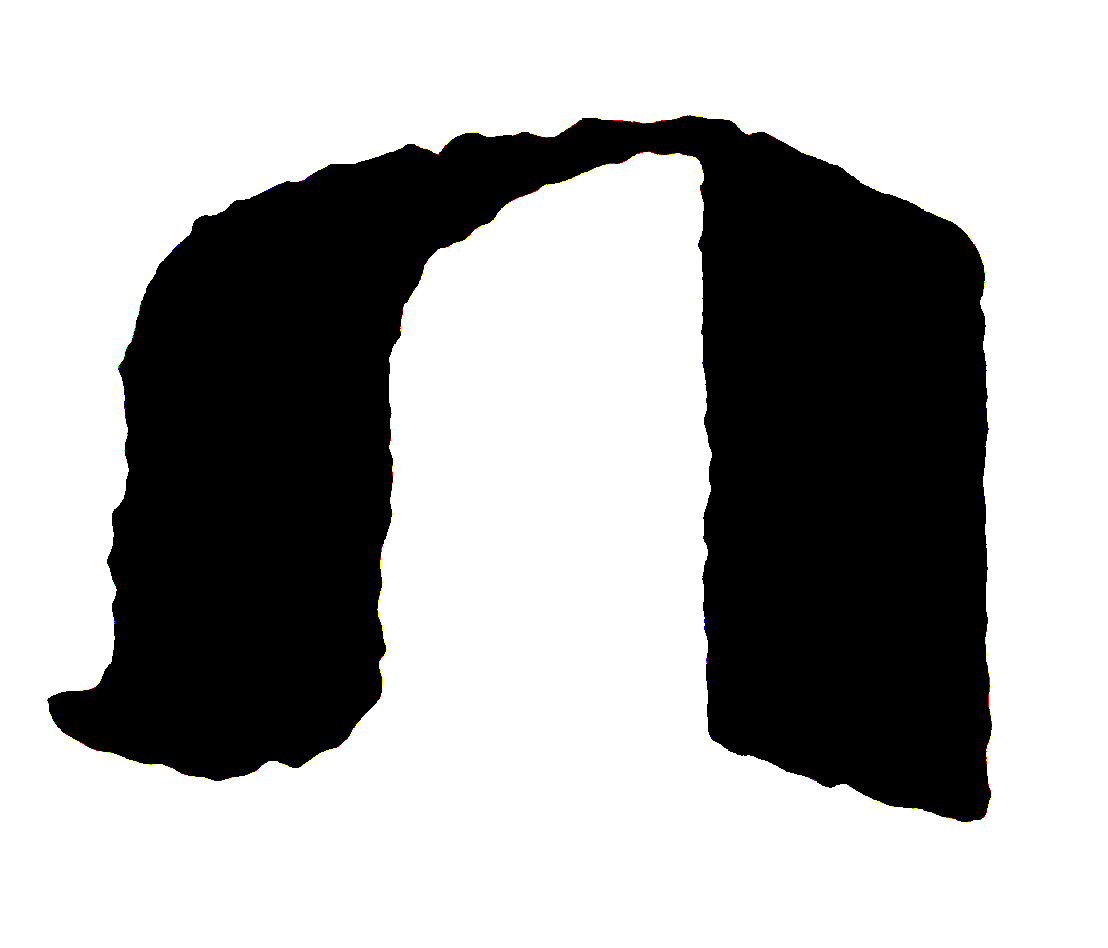

The point that flows upon her from within is Chokhmah (נְקוּדָא דְּנָגִיד עָלֵיהּ מִלְּגוֹ, הִיא חָכְמָה). And that thread that encircles her is Keter (וְהַהִיא חוּט דְּאַסְחַר עָלָהּ, אִיהוּ כֶּתֶר). And that point is at times a crown, and at times a throne to sit upon, and at times a footstool for the footstool of His feet (וְהַהִיא נְקוּדָא אִיהוּ לְזִמְנִין עֲטָרָה, וּלְזִמְנִין כִּסֵּא, לְמֵיתַב עָלֵיהּ, לְזִמְנִין שְׁרַפְרָף לַהֲדוֹם רַגְלָיו). And why is she called Levanah? Because of the whitening of halakhah, which is within her (וַאֲמַאי אִתְקְרִיאַת לְבָנָה. עַל שֵׁם לִבּוּן הַהֲלָכָה, דְּאִיהִי מִלְּגוֹ), as it is written: The entire glory of the king’s daughter is within (כָּל כְּבוּדָּה בַּת מֶלֶךְ פְּנִימָה) (Psalms 45). And in the fire of Binah that descends upon her, she is whitened (וּבְאֶשָּׁא דְּבִינָה דְּנָחִית עָלָה אִיהִי מִתְלַבְּנַת). And the secret of the matter: Though your sins be as scarlet, they shall be as white as snow (וְרָזָא דְּמִלָּה, אִם יִהְיוּ חֲטָאֵיכֶם כַּשָּׁנִים כַּשֶּׁלֶג יַלְבִּינוּ) (Isaiah 1). And what had been Adonai, judgment, red in Gevurah, which is there in Binah, is whitened from the side of Chesed, which is there in Chokhmah, and is restored as YHVH (וּמַאי דַּהֲוַת אֲדֹנָי דִּינָא, סוּמָקָא בִּגְבוּרָה, דְּתַמָּן בִּינָה. אִתְלַבְּנַת מִסִּטְרָא דְּחֶסֶד, דְּתַמָּן חָכְמָה, וְאִתְהַדְּרַת יְדוָֹ״ד). And what causes the transformation from judgment to mercy? The completely righteous, for the moon, from the side of the tree of knowledge of good and evil, is its dark shell (וּמַה גָּרִים לְאִתְהַפְּכָא מִדִּינָא לְרַחֲמֵי, צַדִּיקִים גְּמוּרִים, דְּסִיהֲרָא מִסִּטְרָא דְּעֵץ הַדַּעַת טוֹב וָרָע, אִיהִי קְלִיפָא דִּילֵיהּ חֲשׁוֹכָא). If the black plague, it is the evil inclination, the handmaid (אִם בַּהֶרֶת שְׁחוֹרָה, הִיא יֵצֶר הָרָע, שִׁפְחָה). And she is lower and not bright (וּשְׁפָלָה אֵינֶנָּה וְהִיא כֵּהָה) (Leviticus 13). She has nothing of her own, except that thread which shines within her, which accompanies her in the night, which is exile (וְלֵית לָהּ מִדִילָהּ, אֶלָּא הַהוּא חוּט דְּנָהִיר בָּהּ, דְּאִיהוּ לִוָּה לָהּ בְּלֵילְיָא, דְּאִיהִי גָּלוּתָא). And it passes from her in the day, which is the World to Come, of which it is said: And to you who fear My Name shall the sun of righteousness arise with healing in its wings (וְאִתְעֲבָר מִנָּהּ בִּימָמָא, דְּאִיהוּ עָלְמָא דְּאָתֵי, דְּבֵיהּ וְזָרְחָה לָכֶם יִרְאֵי שְׁמִי שֶׁמֶשׁ צְדָקָה וּמַרְפֵּא בִּכְנָפֶיהָ) (Malachi 3). But the moon of the Tree of Life, that point within her, is like a spring that has no end (אֲבָל סִיהֲרָא דְּעֵץ הַחַיִּים, הַהִיא נְקוּדָּה דִּלְגָו מִנָּהּ, אִיהִי כְּמַבּוּעָא דְּלֵית לֵיהּ פְּסָק), as it is written: And like the going forth of water, whose waters shall not fail (דִּכְתִּיב בָּהּ, וּכְמוֹצָא מַיִם אֲשֶׁר לֹא יְכַזְּבוּ מֵימָיו) (Isaiah 58). And she is called Ayelet Ahabim from the side of Chesed (וְאִתְקְרִיאַת אַיֶּלֶת אַהָבִים מִסִּטְרָא דְּחֶסֶד), as it is said: With an everlasting love I have loved you, therefore I have drawn you with Chesed (דְּהַיְינוּ אַהֲבַת עוֹלָם אַהֲבְתִּיךְ עַל כֵּן מְשַׁכְתִּיךְ חֶסֶד) (Jeremiah 31). And she has two horns from the light (וּתְרֵין קַרְנָיִן אִית לָהּ מִן נְהוֹרָא). At times one is higher than the other in this manner (כְּגַוְונָא דָּא לְזִמְנִין הָאַחַת גָּבוֹהַּ מִן הַשֵׁנִית כְּגַוְונָא דָּא). At times the horns are equal (לְזִמְנִין קַרְנִין אִינוּן שָׁוִין). Until here is Ra‘aya Meheimna (ע״כ רַעְיָא מְהֵימְנָא).