
Daf 76b (דַּף ע״ו ע״ב)
Rabbi Ḥiyya opened and said (פָּתַח רַבִּי חִיָּיא וְאָמַר): “And Hashem said: Behold, the people are one, and one language for all of them…” (Bereishit 11) (וַיֹּאמֶר ה׳ הֵן עַם אֶחָד וְשָׂפָה אַחַת לְכֻלָּם וְגו׳). Come and see (תָּא חֲזֵי), what is written: “And it was as they journeyed from the east” (מַה כְּתִיב: וַיְהִי בְּנָסְעָם מִקֶּדֶם). What is miQedem? (from the east) (מַאי מִקֶּדֶם) - from Kadmono Shel Olam (מִקַּדְמוֹנוֹ שֶׁל עוֹלָם).
“And they found…” - it should have said and they saw (וַיִּמְצְאוּ – וַיִּרְאוּ מִבָּעֵי לֵיהּ). What is they found? (מַאי וַיִּמְצְאוּ) - rather, they found a discovery (אֶלָּא מְצִיאָה) - they found there secrets of wisdom from the ancients [the 'generation of the Flood'] (אַשְׁכָּחוּ תַּמָּן מֵרָזֵי דְּחָכְמְתָא מִקַּדְמָאֵי), which was 'shaken off' [at Shinar - the place of shaking off] there from the 'generation of the Flood' (דְּאִתְנְעַר תַּמָּן מִן בְּנֵי טוֹפָנָא), and with it they engaged to do that act they did (וּבָהּ אִשְׁתַּדְּלוּ לְמֶעְבַּד בְּהַהִיא עֲבִידְתָּא דְּעָבְדוּ), to oppose Kudsha Berikh Hu (לְסַרְבָּא בֵיהּ בְּקוּדְשָׁא בְּרִיךְ הוּא), and they were saying with their mouths and doing the act (וְהֲווּ אָמְרֵי בְּפוּמָא וְעַבְדֵי עֲבִידְתָּא).
See what is written: “Behold, the people are one, and one language for all of them” (חָמֵי מַה כְּתִיב: הֵן עַם אֶחָד וְשָׂפָה אַחַת לְכֻלָּם), because they were of one heart and one will, and spoke in the Holy Tongue (בְּגִין דְּאִנּוּן בְּלִבָּא חַד וּרְעוּתָא חַד וּמְמַלְּלֵי בִּלְשׁוֹן הַקֹּדֶשׁ). “And now nothing they propose will be withheld from them…” (וְעַתָּה לֹא יִבָּצֵר מֵהֶם כָּל אֲשֶׁר יָזְמוּ לַעֲשׂוֹת), and no one could prevent their deeds (וְלֵית מַאן דְּיִמְנַע עוֹבָדָא דִילְהוֹן). But what shall I do? I will confound their upper levels (אֲבָל מַאי אַעֲבִיד – אֲבַלְבֵּל לוֹן דַּרְגִּין דִּלְעֵילָא), and their language below (וְלִישַׁן דִּילְהוֹן לְתַתָּא). Then their deed will be withheld (וּכְדֵין אִתְּמְנַע עוֹבָדָא דִילְהוֹן). And what is the reason that, while they were of one will and one heart and spoke in the Holy Tongue, it is written: “nothing they propose will be withheld” (וּמַה בְּגִין דְּהֲווּ בִּרְעוּתָא וְלִבָּא חַד וּמְמַלְּלֵי בִּלְשׁוֹן הַקֹּדֶשׁ כְּתִיב: לֹא יִבָּצֵר מֵהֶם כָּל אֲשֶׁר יָזְמוּ לַעֲשׂוֹת), and the judgment from above could not rule over them (וְדִינָא דִּלְעֵילָא לָא יָכִיל לְשַׁלְטָאָה בְּהוּ). So we, the Friends, who engage in Orayta (אֲנַן אוֹ חַבְרַיָיא דְּמִתְעַסְּקִין בְּאוֹרַיְיתָא), and we are of one heart and one will (וְאֲנַן בְּלִבָּא חַד וּרְעוּתָא חַד), all the more so (עַל אַחַת כַּמָּה וְכַמָּה).
Rabbi Yosei said (אָמַר רַבִּי יוֹסֵי): From here we learn that people who are quarrelsome do not survive (מִכָּאן לְאִנּוּן מָארֵי דְּמַחְלוֹקֶת לֵית לוֹן קִיּוּמָא), for as long as the people of the world are of one heart and one will (דְּהָא כָּל זִמְנָא דְּאַלִין דִּבְנֵי עָלְמָא אִלֵּין עִם אִלֵּין בִּרְעוּתָא חָדָא וְלִבָּא חַד), even if they rebel against Kudsha Berikh Hu (אַף עַל גַּב דְּמָרְדֵּי בֵיהּ בְּקוּדְשָׁא בְּרִיךְ הוּא), the judgment from above does not rule over them (לָא שָׁלְטָא בְּהוּ דִּינָא דִּלְעֵילָא). But once they were divided, “Hashem scattered them from there,” etc. (כֵּיוָן דְּאִתְפַלְּגוּ מִיָּד: וַיָּפֶץ יְיָ אֹתָם מִשָּׁם וְגו׳).
Rabbi Ḥiyya said (אָמַר רַבִּי חִיָּיא): From this we hear that all is dependent upon the word of the mouth (אִשְׁתְּמַע דְּכֹלָּא בְּמִלָּה דְּפוּמָא תַּלְיָיא), for once their language was confused, immediately “Hashem scattered them from there” (דְּהָא כֵּיוָן דְּאִתְבַּלְבֵּל – מִיָּד: וַיָּפֶץ יְיָ אֹתָם מִשָּׁם).
But in the time to come, what is written? (אֲבָל בִּזִמְנָא דְּאָתֵי מַה כְּתִיב): “Then I will turn to the peoples a clear language, so that all of them will call upon the Name of Hashem, to serve Him with one shoulder” (Tzefaniah 3) (צְפַנְיָה ג: כִּי אָז אֶהֱפֹךְ אֶל עַמִּים שָׂפָה בְרוּרָה לִקְרֹא כֻּלָּם בְּשֵׁם יְיָ וּלְעָבְדוֹ שְׁכֶם אֶחָד). And it is written (וּכְתִיב): “And Hashem shall be King over all the earth; on that day, Hashem shall be One and His Name One” (Zekhariah 14) (זְכַרְיָה י״ד: וְהָיָה יְיָ לְמֶלֶךְ עַל כָּל הָאָרֶץ, בַּיּוֹם הַהוּא יִהְיֶה יְיָ אֶחָד וּשְׁמוֹ אֶחָד).
Blessed is Hashem forever, amen and amen (בָּרוּךְ יְיָ לְעוֹלָם אָמֵן וְאָמֵן)
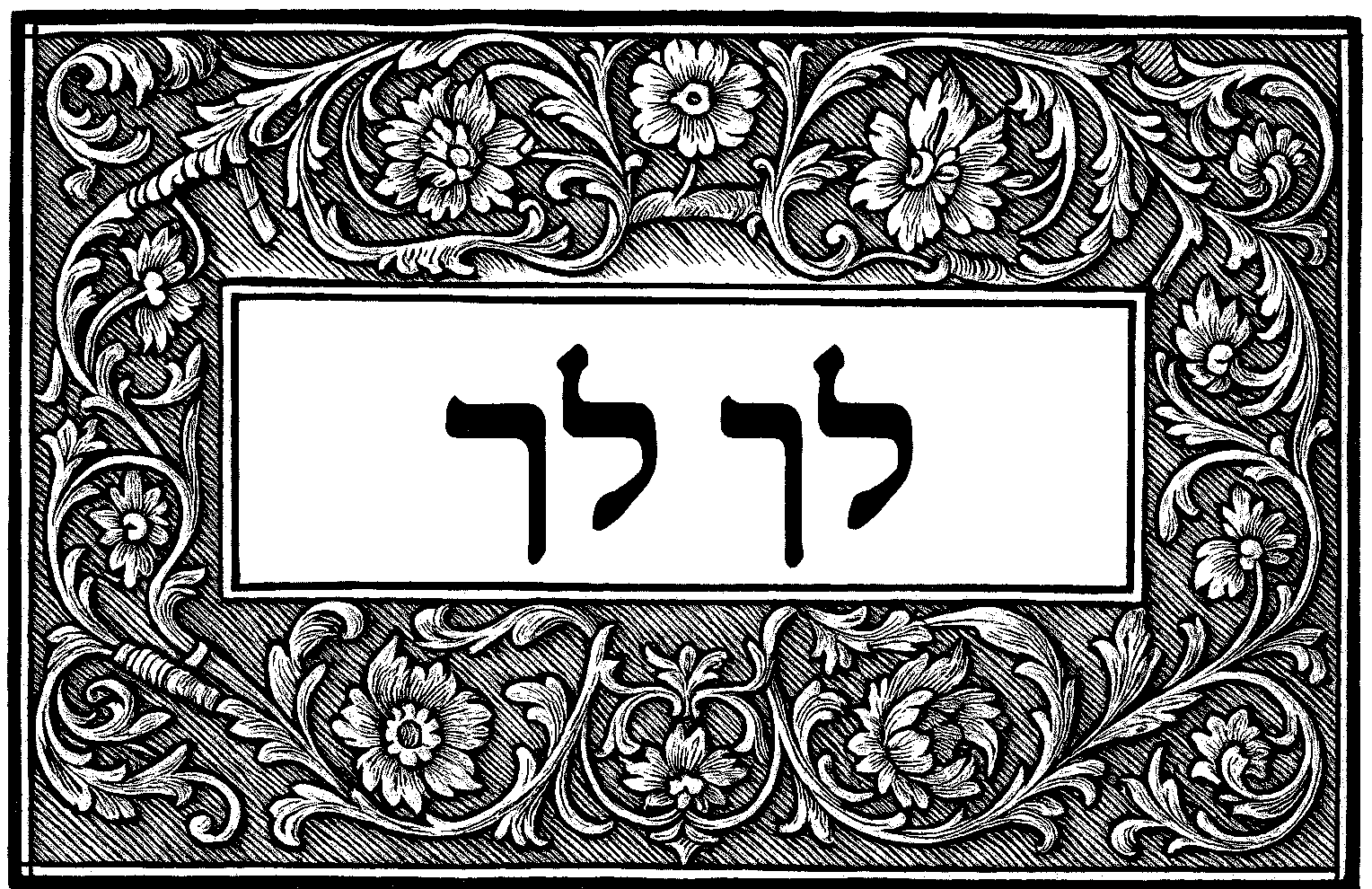
Parashat Lekh Lekha
Sitre Torah (סִתְרֵי תּוֹרָה)
 t was taught: In the power of the royal edict (תּאַנָא בְּתּוּקְפָּא דְּהֻרְמָנוּ דְמַלְכָּא), a single great and mighty tree was established (אַנְצִּיב חַד אִילָנָא רַבָּא וְתַקִּיף), within which are planted supernal plantings (גּוֹ נְטִיעָן עִלָאִין). This tree was planted (נְטִיעַ אִילָנָא דָּא) and encompassed twelve boundaries (בִּתְּרֵיסַר תְּחוּמִין אִסְתַּחַר), its legs spread out to the four directions of the world (בְּאַרְבַּע סִטְרִין דְעָלְמָא פְּרִישָׂא רַגְלֵיהּ). It extends five hundred parasangs (תּ''ק פַּרְסֵי מַטְלָנוֹי), all wills that spread within it depend upon it (כָּל רְעוּתִּין דְּאִנּוּן פָּרְסִין בֵּיהּ תָּלְיָין). When it is aroused (כַּד אִתְּעַר הַאי), all are aroused with it (כֻּלְהוּ מִתְּעָרִין בַּהֲדֵיהּ), none turn aside from its will thereafter (לֵיתּ מַאן דְּנָפִּיק מֵרְעוּתֵּיהּ לְבָתַּר), all are with one will together with it (כֻּלְהוּ בִּרְעוּתָּא חָדָא בַּהֲדֵיהּ). It rises from above (קָם מִלְּעֵילָא) p2-13it descends through its extension into the sea (אִתְּנָחִיתּ בְּמַטְלָנוֹי לְגוֹ יַמָּא). From it the sea is revealed and filled (מִנֵּיהּ יַמָּא [אתגלי] אִתְּמַלְיָיא). It is the source of all waters that flow (אִיהוּ מְקוֹרָא [דכל ד''א לכל] מַיִין דְּנָבְעִין). Beneath it are divided all the waters of Bereshit (תְּחוֹתֵּיהּ מִתְּפַּלְּגִין כָּל מֵימוֹי דִּבְרֵאשִׁיתּ), and the irrigations of the garden depend upon it (שַׁקְיוּ דְּגִנְתָּא בֵּיהּ תַּלְיָין).
All the souls of the world emerge from it (כָּל נִשְׁמְתִּין דְּעָלְמָא מִנִּיהּ פָּרְחִין). These souls enter the garden to descend into this world (נִשְׁמְתִּין אִלֵּין עָאלִין בְּגִנְתָּא לְנָחֲתָּא לְהַאי עָלְמָא). When the Neshamah goes forth, it is blessed with seven blessings (נִשְׁמָתָּא כַּד נָפְּקָא אִתְּבָּרְכָא בְּשֶׁבַע בִּרְכָאן) in order to become an Abba (some say: to become Ruach and blood) for the body (לְמֶהֱוֵי אַבָּא [ד''א ל''ג לרוחא ודם] לְגוּפָּא). And to become in ascension of the supernal image - this is that which is written: “And Hashem said to Avram…” the supernal Neshamah is Abba - some say: Ruach and blood - for the body, in the ascension (בִּסְלִיקוּ [דדיוקנא עלאה הדא הוא דכתיב ויאמר יי אל אברם הא נשמתא עלאה אבא [ד''א ל''ג לרוחא ודם] לגופא בסליקו]) of the supernal image (דְּדִיוּקְנָא עִלָּאָה).
When the Nefesh seeks to descend into this world (כַּד בַּעְיָא [נפשא] לְנָחֲתָּא לְהַאי עָלְמָא), Kudsha Berikh Hu commands it to guard the commandments of the Orayta and to perform His will (אוֹמֵי לָהּ קוּדְשָׁא בְּרִיךָ הוּא לְמִיטַר פִּקּוּדֵי אוֹרַיְיתָּא וּלְמֶעְבַּד רְעוּתֵּיהּ). And He entrusts it with one hundred keys of blessings (וּמָסַר לָהּ מְאָה מַפְּתְּחָאן דְּבִרְכָאן). “And from your kindred” - this is the body, which is called the Tree of Life, which is the twelve supernal tribes (ומולדתך דָּא גוּפָא דְאִתְקְרֵי אִילָנָא דְחַיֵּי דְּאִיהוּ תְּרֵיסַר שִׁבְטִין עִלָּאִין). “And from your father’s house” - this is the Shekhinta (וּמִבֵּית אָבִיךָ דָּא שְׁכִינְתָּא). “Your father” - this is Kudsha Berikh Hu (אָבִיךָ דָּא קוּדְשָׁא בְּרִיךְ הוּא). As it is said: “He who robs his father and mother and says, there is no transgression…” (שֶׁנֶּאֱמַר גּוֹזֵל אָבִיו וְאִמּוֹ וְאוֹמֵר אֵין פָּשַׁע וְגוֹ'). And “his father” is none other than Kudsha Berikh Hu (וְאֵין אָבִיו אֶלָּא קוּדְשָׁא בְּרִיךְ הוּא), and “his mother” is Kenesset Yisrael (וְאֵין אִמּוֹ אֶלָּא כְּנֶסֶת יִשְׂרָאֵל). “To the land that I will show you” - this is this world (אֶל הָאָרֶץ אֲשֶׁר אַרְאֶךָּ דָּא אִיהוּ הָאֵי עָלְמָא). (Some say: “your kindred” - this is the Tree of Life, “your father’s house” - the twelve tribal boundaries above. “To the land…” - this is this world) (נ''א ומולדתך דָּא אִילָנָא דְחַיֵּי, וּמִבֵּית אָבִיךָ תְּרֵיסַר תְּחוּמִין שִׁבְטִין עִלָּאִין. אֶל הָאָרֶץ אֲשֶׁר אַרְאֶךָּ דָּא אִיהוּ הָאֵי עָלְמָא) - Thus concludes Sitre Torah(עַד כָּאן סִתְרֵי תּוֹרָה).
“Go for yourself from your land, etc. (לֶךְ־לְךָ מֵאַרְצְךָ וְגו')” Rabbi Abba opened and said (רַבִּי אַבָּא פָּתַח וְאָמַר): “Listen to Me, you mighty-hearted, who are far from righteousness” (ישעיה מו: שִׁמְעוּ אֵלַי אַבִּירֵי לֵב הָרְחוֹקִים מִצְדָקָה). “Listen to Me, you mighty-hearted” (שִׁמְעוּ אֵלַי אַבִּירֵי לֵב) - how strong are the hearts of the guilty (כַּמָּה תַּקִּיפִין לִבַּיְיהוּ דְּחַיָיבַיָא), who see the paths and ways of the Orayta (דְּחָמָאן שְׁבִילֵי וְאָרְחֵי דְּאוֹרַיְיתָא) and do not look upon them (וְלָא מִסְתַּכְּלָן בְּהוּ), and their hearts are strong so that they do not return in Teshuvah toward their Master (וְלִבַּיְיהוּ תַּקִּיפִין דְּלָא מְהַדְּרִין בִּתְשׁוּבְתָּא לְגַבֵּי מָרֵיהוֹן), and they are called “mighty-hearted” (וְאִקְרוּן אַבִּירֵי לֵב). “Far from righteousness” - for they distance themselves from the Orayta (הָרְחוֹקִים מִצְדָקָה דְּמִתְרַחֲקֵי מֵאוֹרַיְיתָא).
Rabbi Ḥizkiyah said (רַבִּי חִזְקִיָּה אָמַר): they distance themselves from Kudsha Berikh Hu (דְּמִתְרַחֲקֵי מִקוּדְשָׁא בְּרִיךְ הוּא), and they are far from Him (וְאִנּוּן רְחִיקִין מִנֵּיהּ). Therefore they are called “mighty-hearted” (וּבְגִין כָּךְ אִקְרוּן אַבִּירֵי לֵב). “Far from righteousness” - because they do not desire to draw near to Kudsha Berikh Hu (הָרְחוֹקִים מִצְדָקָה דְּלָא בָּעָאן לְקָרְבָא לְגַבֵּי קוּדְשָׁא בְּרִיךְ הוּא). Therefore they are far from righteousness (בְּגִין כָּךְ אִנּוּן רְחוֹקִים מִצְדָקָה), and since they are far from righteousness (כֵּיוָן דְּאִנּוּן רְחוֹקִים מִצְדָקָה), they are far from Shalom (רְחוֹקִים אִנּוּן מִשָּׁלוֹם), and they have no Shalom (דְּלֵית לוֹן שָׁלוֹם). As it is written: “There is no peace, says Hashem, for the wicked” (דִּכְתִיב: אֵין שָׁלוֹם אָמַר יְיָ לָרְשָׁעִים). What is the reason? Because they are far from righteousness (מַאי טַעְמָא בְּגִין דְּאִנּוּן רְחוֹקִים מִצְדָקָה).
Notes
some say: it descends (ס''א נחית)