
Daf 52a (דַּף נ״ב ע״א)
But for the King who is complete in all (אֶלָּא לְמַלְכָּא דְּאִיהוּ שְׁלִים מִכֹּלָּא), whose mind is whole in all things (דַּעְתֵּיהּ שְׁלִים מִכֹּלָּא), what is the path of that King? (מָה אָרְחֵיהּ דְּהַהוּא מַלְכָּא). His countenance shines continually like the sun (אַנְפּוֹי נְהִירִין כְּשִׁמְשָׁא תָּדִיר), because He is complete (בְּגִין דְּאִיהוּ שְׁלִים). And when He judges, He judges both for good and for bad (וְכַד דָּאִין, דָּאִין לְטָב וְדָאִין לְבִישׁ), and therefore one must guard himself from Him (וְעַל דָּא בָּעֵי לְאִסְתַּמְּרָא מִינֵּיהּ). One who is foolish sees the face of the King radiant and smiling (מַאן דְּאִיהוּ טִפְּשָׁא, חָמֵי אַנְפּוֹי דְּמַלְכָּא נְהִירִין וְחַיְּיכָן), and does not guard himself from Him (וְלָא אִסְתַּמַּר מִינֵּיהּ).
But one who is wise, even though he sees the King’s face shining (וּמַאן דְּאִיהוּ חַכִּימָא, אַף עַל גַּב דְּחָמֵי אַנְפּוֹי דְּמַלְכָּא נְהִירִין), says: Surely the King is whole (אָמַר: מַלְכָּא וַדַּאי שְׁלִים הוּא), whole in all things (שְׁלִים הוּא מִכֹּלָּא), His mind is complete (דַּעְתֵּיהּ שְׁלִים), and I see that in that radiance judgment sits hidden (אֲנָא חָמֵי דִּבְהַהוּא נְהִירוּ, דִּינָא יָתִיב וְאִתְכַּסְיָא), even though it does not appear (אַף עַל גַּב דְּלָא אִתְחַזְיָא), for if it were not so, the King would not be whole (דְּאִי לָאו הָכִי, לָא יְהֵא מַלְכָּא שְׁלִים), and therefore one must be cautious (וְעַל דָּא בָּעֵי לְאִסְתַּמְּרָא).
So too is Kudsha Berikh Hu (כַּךְ קוּדְשָׁא בְּרִיךְ הוּא), always complete in this way and in that (שְׁלִים תָּדִיר בְּהַאי גַּוְונָא וּבְהַאי גַּוְונָא), but is not seen except in the radiance of His face (אֲבָל לָא אִתְחַזְיָא אֶלָּא בִּנְהִירוּ דְּאַפִּין). And because of this, those who are foolish and culpable do not guard themselves from Him (וּבְגִין כָּךְ, אִינּוּן טִפְּשִׁין חַיָּיבִין לָא אִסְתַּמְּרָן מִנֵּיהּ). But those who are wise and meritorious say (אִינּוּן חַכִּימִין זַכָּאִין, אַמְרִין): The King is whole (מַלְכָּא שְׁלִים הוּא), even though His face appears radiant (אַף עַל גָּב דְאַנְפוֹי אִתְחַזְיָין נְהִירִין), judgment is hidden within Him (דִּינָא אִתְכַּסְיָא בְּגוֹיֵיהּ), and therefore one must guard himself from Him (בְּגִין כַּךְ בָּעֵי לְאִסְתַּמְּרָא מִנֵּיהּ). (The scribes noted here that they found the verse 'Vayisa' (Exodus 14:19-21) written in its proper, specialized order, with each and every letter enclosed in its own distinct, square-like 'house' or space." (אַף עַל גַּב [אָמְרוּ הַמָּגִיהִים כָּאן מָצָאנוּ כָּתוּב פָּסוּק וַיִּסַּע כַּסֶּדֶר כָּל אוֹת וְאוֹת בְּבַיִת אֶחָד בִּמְרוּבָּע עִם זֶה].
Rabbi Yehudah said (אָמַר רִבִּי יְהוּדָה): From here, (Malachi 3) “I am Hashem, I have not changed” (מֵהָכָא: אֲנִי יְיָ לֹא שָׁנִיתִי). I do not move to another place (לָא דָּלִיגְנָא לַאֲתָר אַחֲרָא), in Me all is encompassed (בִּי אִתְכְּלִיל כֹּלָּא). These two aspects are encompassed in Me (הָנִי תְּרֵי גַּוְונֵי בִּי אִתְּכְּלִילָן), and for this reason, all is seen in a straight path (בְּגִין כַּךְ כֹּלָּא בְּאוֹרַח מֵישָׁר אִתְחַזְיָא). And even though the letters are bound to this side and to that side (וְאַף עַל גַּב דְּאַתְּוָון אֲחִידָן לְהַאי סִטְרָא וּלְהַאי סִטְרָא), they are written in proper order (כְּסִדְרָן כְּתִיבִין). (Exodus 14) “And the angel of Elohim who went before the camp of Yisrael went behind them, and the pillar of cloud went from before them and stood behind them” (וַיִּסַּע מַלְאַךְ הָאֱלֹהִים הַהוֹלֵךְ לִפְנֵי מַחֲנֵה יִשְׂרָאֵל, וַיֵּלֶךְ מֵאַחֲרֵיהֶם, וַיִּסַּע עַמּוּד הֶעָנָן מִפְּנֵיהֶם, וַיַּעֲמוֹד מֵאַחֲרֵיהֶם). Until here is one side-Chesed to Avraham (עַד כָּאן סִטְרָא חַד: חֶסֶד לְאַבְרָהָם).
Rabbi Shim‘on said (אָמַר רִבִּי שִׁמְעוֹן): El‘azar my son, come and see this secret (אֶלְעָזָר בְּרִי, תָּא חֲזֵי רָזָא דָּא). When Atika Kadisha radiates to the King (כַּד עַתִּיקָא קַדִּישָׁא אַנְהִיר לְמַלְכָּא), He illuminates him (אַנְהִיר לֵיהּ), some say: He crowns and strengthens him with crowns, etc. (ס״א: עַטֵּר לֵיהּ וְאַחְסִין לֵיהּ בִּכְתָרִין כו'), and He crowns him with supernal holy crowns (וְעִטְּרִין לֵיהּ, בְּכִתְרִין קַדִּישִׁין עִלָּאִין). When they reach Him, the Patriarchs are crowned (כַּד מָטָאן לְגַבֵּיהּ, מִתְעַטְּרֵי אֲבָהָתָא), and at the moment that the Patriarchs are crowned (בְּשַׁעֲתָא דְּמִתְעַטְּרֵי אֲבָהָתָא), then all is perfected (כְּדֵין הוּא שְׁלִימוּ דְּכֹלָּא). Then the Matronita takes her garment (כְּדֵין מַטְרוֹנִיתָא נַטְלָא בְּמַטְלָנָהָא), some say: in authority over that (ס״א: בִּשְׁלוּטְנָא בְּהַהוּא) perfection of the Patriarchs (שְׁלִימוּ דַּאֲבָהָתָא). And when she is crowned from all of them (וְכַד מִתְעַטְּרָא מִכֻּלְּהוֹן), then she is blessed (כְּדֵין אִתְבָּרְכָא), and all authority is in her hands (וּרְשׁוּתָא דְּכֹלָּא בִּידָהָא). In this manner, the holy Name engraved in letters is inscribed (כְּגַוְונָא דָּא: שְׁמָא קַדִּישָׁא גְּלִיפָא בְּאַתְּוָון), inscribed in the supernal holy chariot (רְשִׁימִין בִּרְתִּיכָא עִלָּאָה קַדִּישָׁא), which is the crown of the Patriarchs (עִטּוּרָא דַּאֲבָהָן).
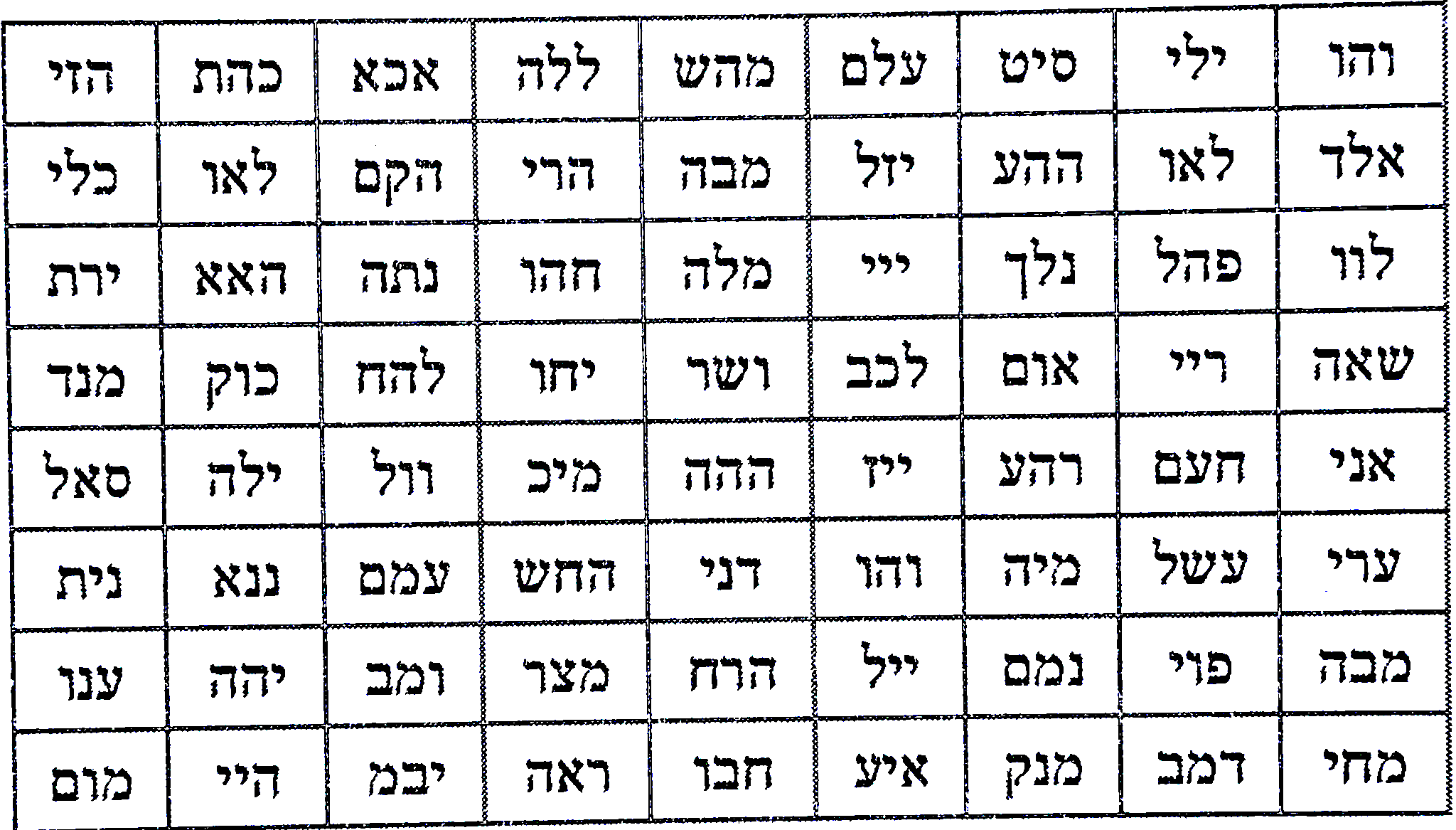
Rabbi Yissa said (אָמַר רַבִּי יִיסָא): I found this mystery in the Teki'ata [Shofar Blast] (אֶשְׁכַּחְנָא בְּרָזָא דָּא בְּתְקִיעָתָא), Some say: of Rav in Bavel (ס״א: דְּרַב בְּבָבֶל), of Rav Hamnuna Sava (דְּרַב הַמְנוּנָא סָבָא): three “Uvekhen [And therefore]” (תְּלַת וּבְכֵן וּבְכֵן וּבְכֵן) correspond to these three (לְקַבֵּלֵי הָנֵי תְּלַת). And thus is the arrangement (וְכָךְ הוּא סִדּוּרָא). Rabbi Yose said (אָמַר רַבִּי יוֹסֵי): Everything is included in this holy Name (כְּלָא אִתְכְּלִיל בְּהַאי שְׁמָא קַדִּישָׁא), Some say: emissary (ס״א: שְׁלִיחָא), and is completed through it (וְאִסְתַּיֵּים בֵּיהּ), and it is found that the completion of the holy Retikha [Chariot] is within it (אִשְׁתַּכַּח דְּשְׁלִימוּ דְּרְתִיכָא קַדִּישָׁא אִית בֵּיהּ).
Rabbi Shim‘on said (אָמַר רִבִּי שִׁמְעוֹן): This is the holy Name (הַאי הוּא שְׁמָא קַדִּישָׁא), the crown of the Patriarchs (עִטּוּרָא דַּאֲבָהָן), which is crowned through their engravings (דְּמִתְעַטְּרָא בְּגִלּוּפַיְיהוּ), in union as one (בְּחִבּוּרָא כַּחֲדָא). It is the completion of the holy chariot (שְׁלִימוּ דְּרְתִיכָא קַדִּישָׁא), and it is encompassed in forty-eight words (וְאִתְכְּלִיל בְּאַרְבְּעִין וּתְמַנְיָא תֵּיבוּתָא), which are the fullness of all (דְּאִיהוּ שְׁלִימוּ דְּכֹלָּא), and the root of roots (וְעִקָּרָא דְּשָׁרָשִׁין).
Come and see (תָּא חֲזֵי): the body of the Ilan [Tree] is Ani [I]: Aleph, Nun, Yod (גוּפָא דְּאִילָנָא, אֲנִי אָלֶ״ף נוּ״ן יוֹ״ד) (Leviticus Rabbah 15:1). The head of all the branches of the Ilan [Tree] is Vav–Heh–Vav (רֵישָׁא דְּכָל עַנְפֵי אִילָנָא, וָה״וּ). And the companions have already been aroused (וְהָא אִתְּעֲרוּ חַבְרַיָּיא): the totality of the branches, boughs, and roots (כְּלָלָא דַּעֲנָפִין וְנוֹפָא וְשָׁרָשָׁא), in forty-eight Teivot [Words] (בְּאַרְבְּעִין וּתְמַנְיָא תֵּיבִין). And this was inscribed in three supernal worlds (וְהָא אִתְרְשִׁים בִּתְלַת עָלְמִין עִלָּאִין), and in three lower worlds (וּבִג׳ עָלְמִין תַּתָּאִין). Corresponding to it (לָקֳבֵלֵיהּ): “Kadosh [Holy], Kadosh [Holy], Kadosh [Holy] is Hashem Tzeva'ot [Hosts]” (קָדוֹשׁ קָדוֹשׁ קָדוֹשׁ ייָ צְבָאוֹת) (Isaiah 6:3). Kadosh [Holy] above (קָדוֹשׁ לְעֵילָּא), Kadosh [Holy] in the middle (קָדוֹשׁ בֶּאֱמְצָעִיתָא), Kadosh [Holy] below (קָדוֹשׁ לְתַתָּא). Kadosh [Holy]—Chesed (קָדוֹשׁ חֶסֶד), Kadosh [Holy]—Gevurah (קָדוֹשׁ גְּבוּרָה), Kadosh [Holy]—Tiferet (קָדוֹשׁ תִּפְאֶרֶת). And all of them were engraved in Shiv'in U'Trein [Seventy-Two] (וְכֻלְּהוּ בְּשִׁבְעִין וּתְרֵין אִתְגְּלִיפוּ), as has been said (כְּמָה דְּאִתְּמַר). Blessed is He (בָּרוּךְ הוּא); blessed is His Name forever and for all eternity, Amen (בָּרוּךְ שְׁמֵיהּ לְעָלַם וּלְעָלְמֵי עָלְמִין אָמֵן).
Notes
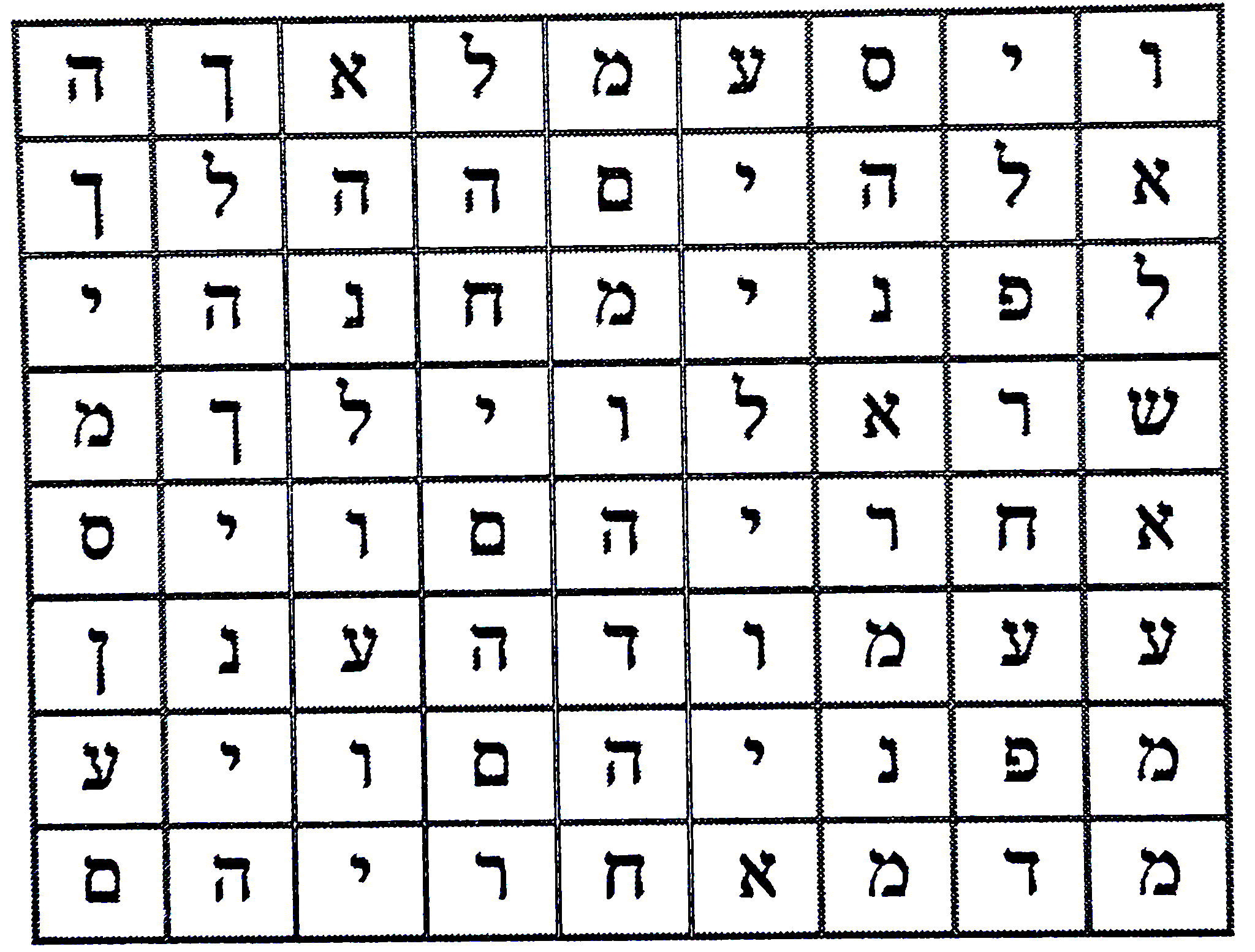
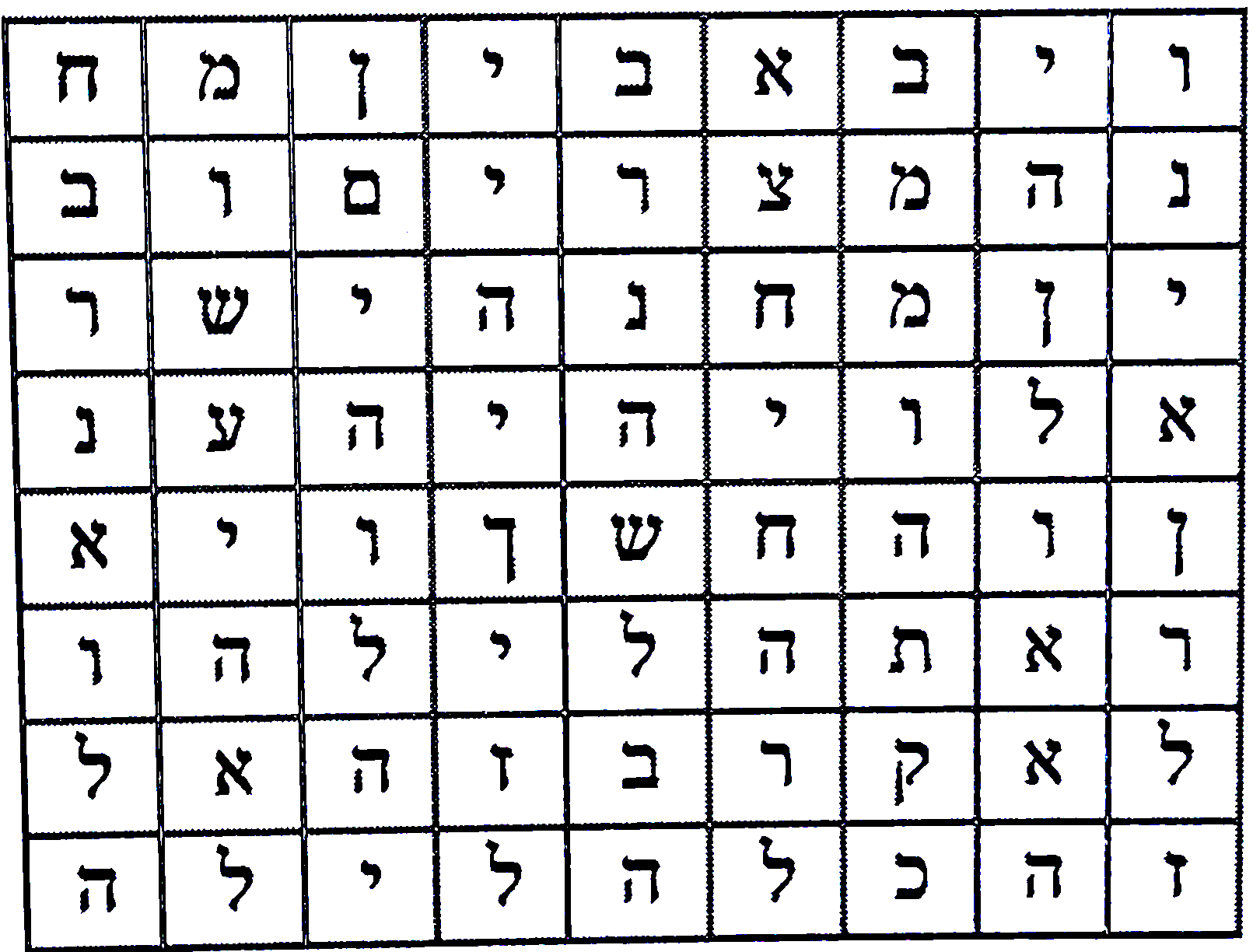
The editiors said here (אָמְרוּ הַמָּגִיהִים כָּאן): We found written the verse “Vayisa” (He traveled) in correct order (מָצָאנוּ כָּתוּב פָּסוּק וַיִּסַּע כַּסֶּדֶר), every letter and letter in a single chamber in square form (כָּל אוֹת וְאוֹת בְּבַיִת אֶחָד בִּמְרוּבָּע), with this language (עִם זֶה הַלָּשׁוֹן): “Until here the rows were arranged in order, in the secret of Chesed, not deviating to the right or left.” (עַד כָּאן אִתְתַּקָּנוּ טוּרִין כְּסִדְרָן בְּרָזָא דְּחֶסֶד, לָא סָטָאן לִימִינָא וּשְׂמָאלָא).
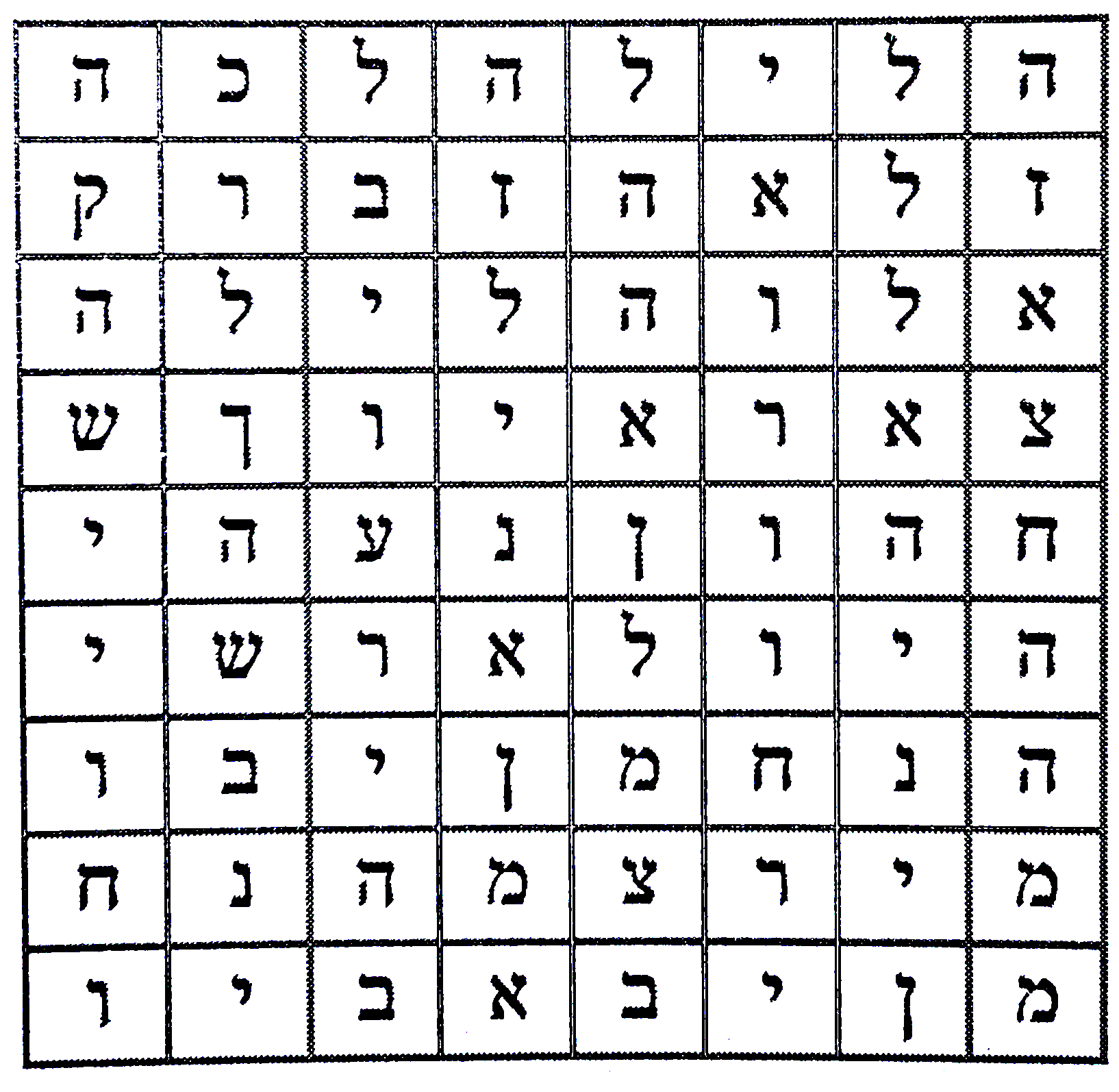
After that we found the verse “Vayavo” (He came) in reverse order (אַחַר כֵּן מָצָאנוּ פָּסוּק וַיָּבֹא לְמַפְרֵעַ), likewise every letter and letter in a single chamber in square form (כְּמוֹ כֵּן כָּל אוֹת וְאוֹת בְּבַיִת אֶחָד בִּמְרוּבָּע), with this language (עִם זֶה הַלָּשׁוֹן): “Until here the rows were arranged in reverse, in the secret of Gevurah, all left encompassed within right” (עַד כָּאן אִתְתַּקָּנוּ טוּרִין לְמַפְרֵעַ בְּרָזָא דִּגְבוּרָה, כֻּלְּהוּ שְׂמֹאלָא כְּלִילָן בִּימִינָא).
And afterward, it is presented in reverse (וְאַחַר כָּךְ מוּבָא לְמַפְרֵעַ), with each letter placed in one house, in a square form such as this (וְכָל אוֹת בְּבַיִת אֶחָד בְּמְרוּבָּע כָּזֶה).
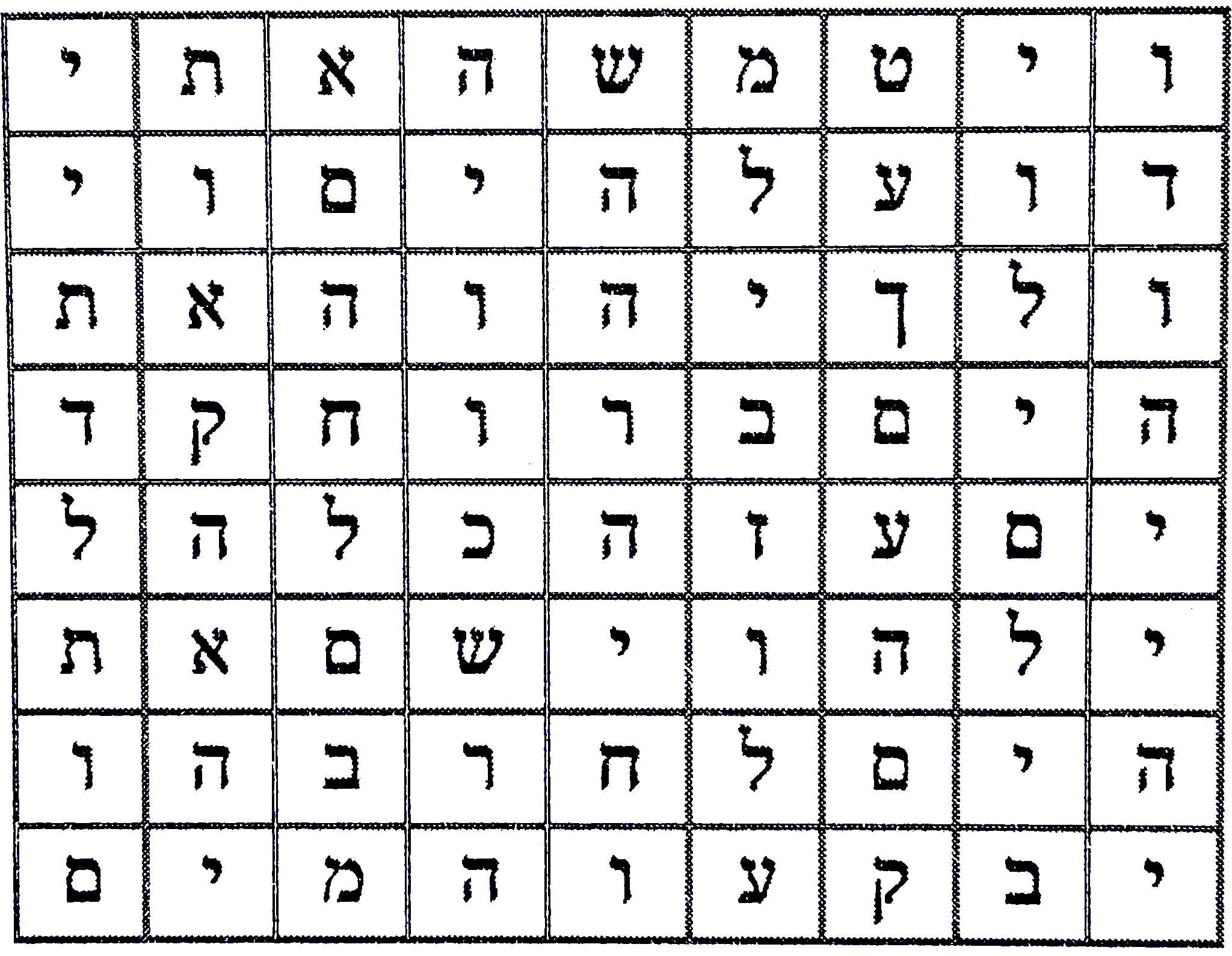
After that we found the verse “Vayet” (He inclined) in correct order (אַחַר כָּךְ מָצָאנוּ פָּסוּק וַיֵּט כַּסֶּדֶר), likewise every letter and letter in a single chamber in square form (כְּמוֹ כֵּן כָּל אוֹת וְאוֹת בְּבַיִת אֶחָד בִּמְרוּבָּע), with this language (עִם זֶה הַלָּשׁוֹן): “Until here the rows of the holy Name were encompassed in Tiferet, afterward the Patriarchs were joined and the holy Name was formed” (עַד כָּאן כְּלִילָן טוּרִין דִּשְׁמָא קַדִּישָׁא בְּתִפְאֶרֶת, לְבָתַר מִתְחַבְּרָן אֲבָהָן וְאִתְעֲבִידוּ שֶׁמָּא קַדִּישָׁא).
And afterward we found the seventy-two names (וְאַחַר כָּךְ מָצָאנוּ הַע״ב שְׁמוֹת), which emerge from these three verses (הַיּוֹצְאִים מִשְּׁלֹשָׁה פְּסוּקִים אֵלּוּ), in square formation (בִּמְרוּבָּע), each name from three letters drawn from the three verses (כָּל שֵׁם וְשֵׁם מִשְּׁלֹשָׁה אוֹתִיּוֹת הַיּוֹצְאִים מִשְּׁלֹשָׁה פְּסוּקִים אֵלּוּ), straight, reversed, straight (Yashar–Hafuch–Yashar) (יָשָׁר הָפוּךְ יָשָׁר), and the mnemonic is: “Yehi Or” (Let there be light) (וְהַסִּימָן: יְהִי אוֹר). With this language: Behold, in this manner, the holy Name is engraved in letters (עִם זֶה הַלָּשׁוֹן: הָא כְּגַוְונָא דָּא שֶׁמָּא קַדִּישָׁא גְּלִיפָא בְּאַתְּוֹוי), inscribed in the supernal holy chariot, the adornment of the Patriarchs (רְשִׁימִין בִּרְתִּיכָא עִלָּאָה קַדִּישָׁא עִטּוּרָא דְּאֲבַהָן).