
Daf 220a (דַּף ר״כ ע״א)
And all those souls that are destined to descend into holy bodies (וְכָל אִינּוּן נִשְׁמָתִין דְּאִצְטְרִיכוּ לְנַחְתָּא בְּגוּפִין קַדִּישִׁין), he does not stand at that opening (לָא קָאִים אִיהוּ לְהַהוּא פֶּתַח), and he has no authority over that soul (וְלֵית לֵיהּ רְשׁוּ בְּהַהִיא נִשְׁמְתָא).
But if not, then the serpent bites (וְאִי לָאו, הָא חִוְיָא נָשִׁיךְ), and that river—some say: that place—is defiled (וְאִסְתְּאַב הַהוּא נָהָר, ס״א: אֲתַר), and it is not the soul that has been purified (וְלָאו אִיהִי נִשְׁמְתָא דְּאִתְדַּכְיָיא). And this is the supernal mystery: “In sorrow shall you bear children” (Bereshit 3) (וְהָכָא אִיהוּ רָזָא עִלָּאָה, בְּעֶצֶב תֵּלְדִי בָנִים). This mystery is that serpent (רָזָא דָּא, דָּא נָחָשׁ), for with him she gives birth to souls (דְּהָא עִמֵּיהּ אוֹלִידַת נִשְׁמָתִין), for this one is over the body and this one over the soul (בְּגִין דְּדָא אִיהוּ עַל גּוּפָא, וְדָא עַל נִשְׁמְתָא), and both are bound one to the other (וְתַרְוַויְיהוּ דָּא בְּדָא).
This one holds the soul (דָּא נָקִיט נִשְׁמְתָא), and this one holds the body (וְדָא נָקִיט גּוּפָא). And this serpent is appointed to generate all those bodies (וּזְמִינָא דָּא חִוְיָא לְאוֹלָדָא כָּל אִינּוּן גּוּפִין), until his time comes (עַד לָא יֵיתֵי זִמְנָא דִּילֵיהּ). This is what is written: “Before she labored, she gave birth” (Isaiah 66) (הֲדָא הוּא דִכְתִיב בְּטֶרֶם תָּחִיל יָלָדָה). The time of the serpent to bring forth is in seven years (זִמְנָא דְּחִוְיָא לְאוֹלָדָא בְּשֶׁבַע שְׁנִין), and here it was in six (וְהָכָא בְּשִׁית), which was not his proper time (מַה דְּלָאו אִיהוּ זִמְנֵיהּ). And at that time that she gave birth, from that birth he will die (וּבְהַהוּא זִמְנָא דְּאוֹלִיד לוֹן, מֵהַהוּא לֵידָה יָמוּת), as it is written: “Death shall be swallowed forever” (Isaiah 25) (דִּכְתִיב בִּלַע הַמָּוֶת לָנֶצַח). And it is written: “Your dead shall live, my corpses shall arise” (Isaiah 26) (וּכְתִיב יִחְיוּ מֵתֶיךָ, נְבֵלָתִי יְקוּמוּן).
Rabbi Shimon said: At that time when the dead of the world will awaken (אָמַר רַבִּי שִׁמְעוֹן, בְּהַהוּא זִמְנָא דְּיִתְעָרוּן מֵתֵי עָלְמָא), and they will be prepared upon the holy land (וְיִתְעַתְּדוּן בְּאַרְעָא קַדִּישָׁא), they shall arise in battalions and battalions (יְקוּמוּן חַיָּילִין חַיָּילִין), all of them upon the land of the Galil (כֻּלְּהוּ עַל אַרְעָא דְּגָלִיל), for there the King Mashiach is destined to be revealed (בְּגִין דְּתַמָּן זַמִּין מַלְכָּא מְשִׁיחָא לְאִתְגַּלָּאָה), for he is the portion of Yosef (בְּגִין דְּאִיהוּ חוּלָקֵיהּ דְּיוֹסֵף), and there was first destroyed (some say: ruined) (וְתַמָּן אִתְתְּבָרוּ (נ״א: אִתְחָרֵב) בְּקַדְמִיתָא). And from there they wandered into exile from all their places (וּמִתַּמָּן שָׁארוּ לְאַגְלָאָה מִכָּל אַתְרַיְיהוּ), and were scattered among the nations (וּלְאִתְבַּדְּרָא בֵּינֵי עֲמָמַיָא), as it is said: “They were not grieved for the breaking of Yosef” (Amos 6) (כְּמָה דְאַתְּ אָמֵר וְלֹא נֶחְלוּ עַל שֶׁבֶר יוֹסֵף). And why will they arise there? (וַאֲמַאי יְקוּמוּן תַּמָּן)
Because it is the portion of the one who was placed in the ark (בְּגִין דְּאִיהוּ חוּלָקֵיהּ דְּהַהוּא דְּאִשְׁתַּוֵי בַּאֲרוֹנָא), as it is written: “And he was placed in the ark in Egypt” (Bereshit 50) (דִּכְתִּיב וַיִּישֶם בָּאָרוֹן בְּמִצְרָיִם), and afterward he was buried in the Holy Land (וּלְבָתַר אִתְקְבַר בְּאַרְעָא קַדִּישָׁא), as it is written: “And the bones of Yosef, which the children of Yisrael brought up out of Egypt, they buried in Shechem” (Joshua 24) (דִּכְתִּיב וְאֶת עַצְמוֹת יוֹסֵף אֲשֶׁר הֶעֱלוּ בְנִי יִשְׂרָאֵל מִמִּצְרַיִם קָבְרוּ בִשְׁכֶם). And this is he who stood in the fulfillment of the covenant, more than all others (וְדָא אִיהוּ דְּקָאִים בְּקִיּוּמָא דִּבְרִית, יַתִּיר מִכֹּלָּא). And at that time when all the hosts will awaken (וּבְהַהוּא זִמְנָא דְּיִתְעָרוּן כֻּלְּהוּ חַיָּילִין חַיָּילִין), they will each return (כֻּלְּהוּ יָהֲכוּן), this one to the portion of his forefathers, and that one to the portion of his forefathers (דָּא לְחוּלָק אֲבָהַתְהוֹן, וְדָא לְחוּלָק אֲבָהַתְהוֹן), as it is written: “And you shall return every man to his possession” (Leviticus 25) (דִּכְתִּיב וְשַׁבְתֶּם אִישׁ אֶל אֲחוּזָּתוֹ). And they shall recognize one another (וְיִשְׁתְּמּוֹדְעוּן דָּא לְדָא). And Kudsha Berikh Hu is prepared to clothe each one in garments of embroidery (וְזַמִּין קוּדְשָׁא בְּרִיךְ הוּא לְאַלְבָּשָׁא לוֹן לְכָל חַד וְחַד לְבוּשֵׁי מְרְקָּמָן), and they shall all come and praise their Master in Jerusalem (וְיֵיתוּן כֻּלְּהוּ וִישַׁבְּחוּן לְמָארֵיהוֹן בִּירוּשָׁלַיִם), and they shall gather there in multitudes and multitudes (וְיִתְחַבְּרוּן תַּמָּן אוּכְלוֹסִין אוּכְלוֹסִין), and Jerusalem shall expand in all directions (וִירוּשָׁלַיִם יִתְמְשַׁךְ לְכָל סִטְרִין), more than when they gathered there from the exile (יַתִּיר מִמַּה דְּאִתְמְשַׁךְ כַּד אִתְחַבָּרוּ תַּמָּן מִגָּלוּתָא).
Once they gather and praise their Master (כֵּיוָן דְּיִתְחַבְּרוּן וִישַׁבְּחוּן לְמָארִיהוֹן), Kudsha Berikh Hu will rejoice with them (קוּדְשָׁא בְּרִיךְ הוּא יֶחְדֵּי עִמְּהוֹן), as it is written: “And they shall come and sing in the height of Zion” (Jeremiah 31) (הֲדָא הוּא דִכְתִיב וּבָאוּ וְרִנְּנוּ בִמְּרוֹם צִיּוֹן), and afterward, “And they shall flow unto the goodness of Hashem” (Jeremiah 31) (וּלְבָתַר: וְנָהֲרוּ אֶל טוּב יְיָ'), each one to his portion (כָּל חַד וְחַד לְחוּלָקֵיהּ), and the portion of his fathers (וְחוּלָק אֲבָהֲתוֹי). And the inheritance of Yisrael shall extend (וְאַחֲסָנְתְּהוֹן דְּיִשְׂרָאֵל תְּהֵא), until (some say: the height of Rome (נ״א: רָמְתָא דְּרוֹמָא) the city of Rome (דְּמָתָא דְּרוֹמָאֵי), and there they will study the Torah (וְתַמָּן יֵלְּפוּן אוֹרַיְיתָא). And this has already been established (וְהָא אוּקְמוּהָ), as it is written: “Awake and sing, you who dwell in the dust” (Isaiah 26) (וּכְתִיב הָקִיצוּ וְרַנְּנוּ שׁוֹכְנֵי עָפָר).
Blessed is Hashem forever, amen and amen בָּרוּךְ יְיָ לְעוֹלָם אָמֵן וְאָמֵן
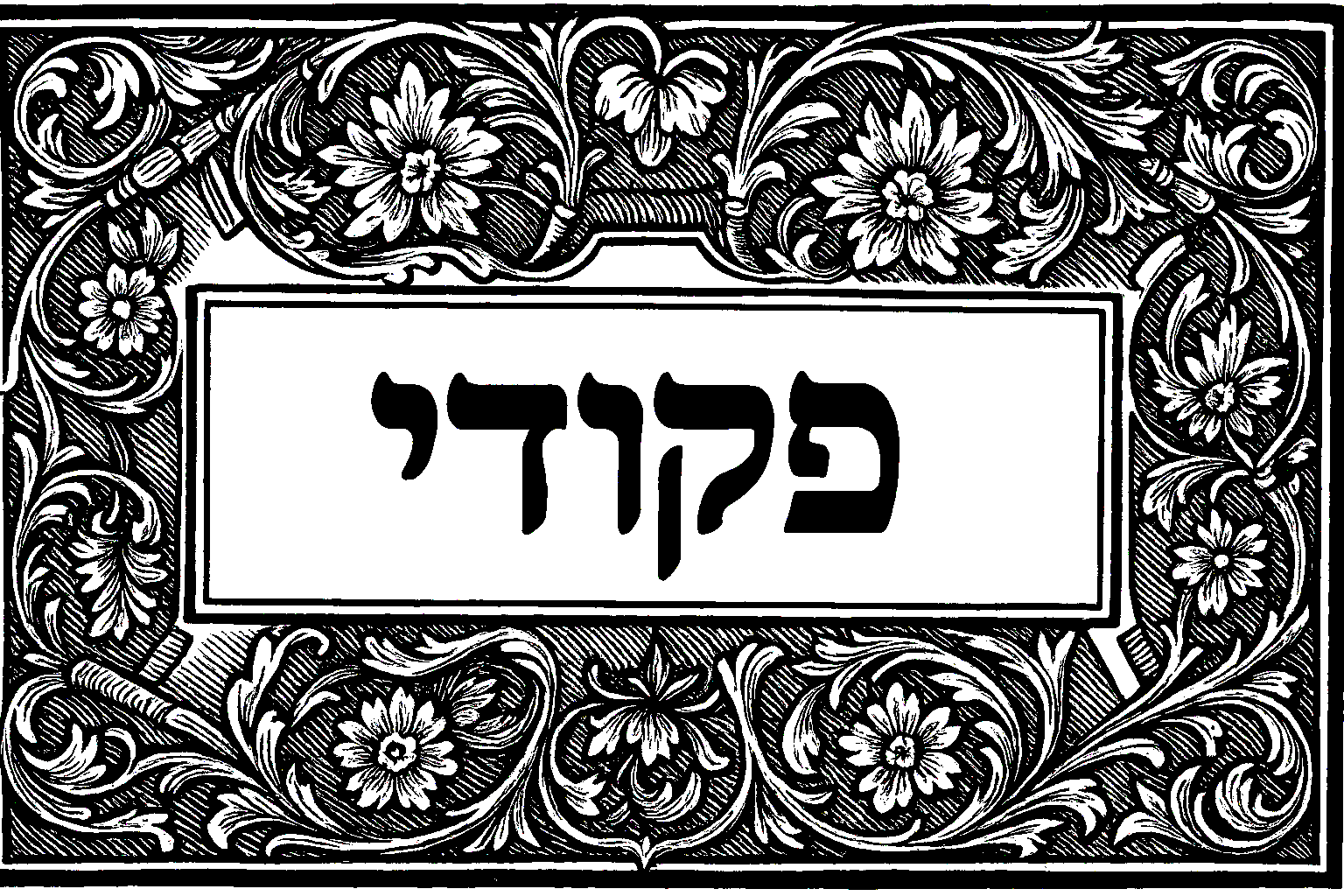
Parashat Pekudei
 hese are the accounts of the Mishkan, the Mishkan of testimony, which were accounted by the command of Moshe” (אֵלֶּה פְקוּדֵי הַמִּשְׁכָּן מִשְׁכַּן הָעֵדוּת אֲשֶׁר פֻּקַּד עַל פִּי מֹשֶׁה וְגוֹ׳) (Exodus 38). Rabbi Ḥiyya opened (רִבִּי חִיָּיא פָּתַח): “All the rivers go to the sea, yet the sea is not full …” (כָּל הַנְּחָלִים הוֹלְכִים אֶל הַיָּם וְהַיָּם אֵינֶנּוּ מָלֵא וְגוֹ׳) (Ecclesiastes 1).
This verse has already been established and explained (הַאי קְרָא אוּקְמוּהָ וְאִתְּמַר). But “all the rivers” are the mysteries of the holy rivers and fountains (אֲבָל כָּל הַנְּחָלִים אִלֵּין רָזִין דִּנְחָלִין וּמַבּוּעִין קַדִּישִׁין), that are filled and flow forth (דְּאִתְמַלְּיָין, וְנָפְקִין), to the great river, to fill this great sea (לְאַנְהָרָא וּלְמַלְּיָיא לְהַאי יַמָּא רַבָּא). And when this great sea is filled from the side of those rivers (וְכֵיוָן דְּהַאי יַמָּא רַבָּא אִתְמְלֵי מִסִּטְרָא דְּאִינּוּן נַחֲלִין), then it sends forth waters (כְּדֵין הוּא אַפִּיק מַיָּא), and gives drink to all the living creatures (וְאַשְׁקֵי לְכָל חֵיוָון בָּרָא), as you say: “They give drink to every beast of the field” (כְּמָה דְאַתְּ אָמֵר יַשְׁקוּ כָּל חַיְתוֹ שָׂדָי) (Psalms 104). What is written above (מַה כְּתִיב לְעֵילָּא)? “Who sends forth springs …” (הַמְשַׁלֵּחַ מַעְיָנִים וְגוֹ׳) (Psalms 104). And afterwards: “They give drink to every beast of the field; the wild donkeys quench their thirst” (וּלְבָתַר, יַשְׁקוּ כָּל חַיְתוֹ שָׂדָי יִשְׂבְּרוּ פְרָאִים צְמָאָם).
These are the chariots below (אִלֵּין אִינּוּן רְתִיכִין דִּלְתַתָּא), that when the sea holds them, it holds them all and draws them within (דְּכַד יַמָּא נָקִיט לוֹן, כֻּלְּהוּ נָקִיט לוֹן, וְשָׁאִיב לוֹן בְּגַוִיהּ). And afterwards it sends forth water to the Sitra achra — to those holy chariots below — and gives them drink (וּלְבָתַר אַפִּיק מַיִין לְסִטְרָא אַחֲרָא, דְּאִינּוּן רְתִיכִין קַדִּישִׁין דִּלְתַתָּא, וְאַשְׁקֵי לוֹן). And all of them are numbered and accounted in the Name (וְכֻלְּהוּ אִתְמְנוּן וְאִתְפָּקְדוּן בִּשְׁמָא), as it is said: “He calls them all by name” (כְּמָה דְאַתְּ אָמֵר לְכֻלָּם בְּשֵׁם יִקְרָא) (Isaiah 40). And because of this it is written: “These are the accounts of the Mishkan, the Mishkan of testimony” (וּבְגִין כַּךְ, אֵלֶּה פְקוּדֵי הַמִּשְׁכָּן מִשְׁכַּן הָעֵדוּת) (Exodus 38).