
Daf 25a (דַּף כ״ה ע״א)
And in this manner she ascends in the middle pillar, which is the Vav (וּבְאָן סְלִיקַת בְּעַמּוּדָא דְאֶמְצָעִיתָא דְאִיהוּ ו׳), a crown upon its head (עֲטָרָה עַל רֵישֵׁיהּ). When the crown ascends upon its head, it is said of her: “A woman of valor is the crown of her husband” (Proverbs 12:4) (כַּד סְלִיקַת עֲטָרָה עַל רֵישֵׁיהּ אִתְּמַר בָּה אֵשֶׁת חַיִל עֲטֶרֶת בַּעֲלָהּ). And when she descends beneath him, she is called his female partner, his union (וְכַד נְחִיתַת תְּחוֹתֵיהּ אִתְקְרִיאַת בַּת זוּגֵיהּ יִחוּדֵיהּ). He is the crown above, the crown of the Sefer Torah (אִיהוּ תַגָּא לְעִילָא, תַגָּא דְסֵפֶר תּוֹרָה). Concerning him it is said: “And he who makes use of the crown passes away” (Avot 1:13) (בְּגִינָהּ אִתְּמַר וּדְאִשְׁתַּמֵּשׁ בְּתַגָּא חֲלָף). And she is the vowel point of Kamatz, the alef below (וְאִיהִי נְקוּדָה דְקָמֵץ א׳ לְתַתָּא). In this pattern: the Alef of the supernal union is like this: the crown upon the Sefer Torah above (כְּגַוְונָא דָא א׳ יְחוּדֵיה לְעִילָּא אִיהוּ כְּגַוְנָא דָא א׳ תַּגָּא עַל סֵפֶר תּוֹרָה), and below it is like this: the vowel point of Orayta (לְתַתָּא כְּגַוְנָא דָא א׳ נְקוּדָה דְאוֹרַיְיתָא). 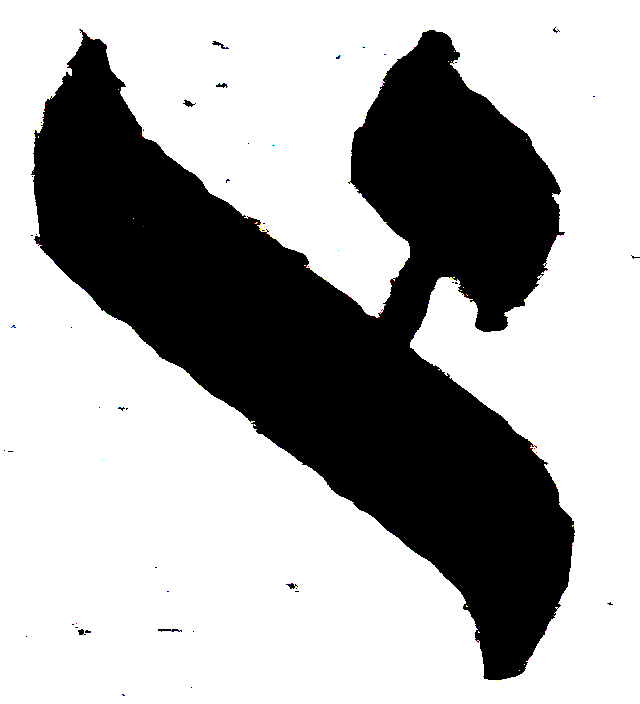
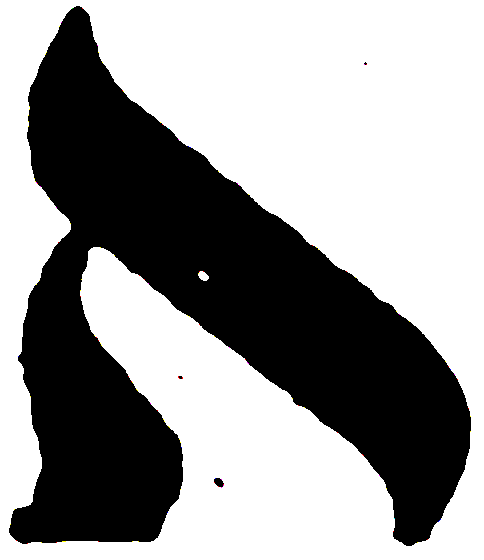
Concerning this it is said: “Declaring the end from the beginning” (Isaiah 46:10) (וּבְגִינָהּ אִתְּמַר מַגִּיד מֵרֵאשִׁית אַחֲרִית). When she, the Chayah, is among them (כַּד אִיהִי חַיָּה בֵינַיְיהוּ), they say: “From His place He shall turn in mercy to His people” (אוֹמְרִים מִמְּקוֹמוֹ יִפֶן בְּרַחֲמָיו לְעַמּוֹ). When she departs from among them, they ask: “Where is the place of His glory to revere Him?” (כַּד אִסְתַּלִּיקַת מִינַיְיהוּ, שׁוֹאֲלִים אַיֵּה מְקוֹם כְּבוֹדוֹ לְהַעֲרִיצוֹ). And at that time, when she ascends, all the Chayot let their wings droop (Ezekiel 1:24) (וּבְהַהוּא זִמְנָא דְסָלְקָא אִיהִי כֻלְּהוּ חֵיוָון תְּרַפֶּינָה כַנְפֵיהֶם). And when does she ascend above? When Yisrael stand in the standing [Amidah] (וְאֵימָתַי סָלְקָא אִיהִי לְעִילָא, בְּעָמְדָם יִשְׂרָאֵל בַּעֲמִידָה).
This is what is written: “When they stood, they let their wings droop” (Ezekiel 1:24) (הֲדָא הוּא דִכְתִיב בְּעָמְדָם תְּרַפֶּינָה כַנְפֵיהֶם), for she ascends up to Ein Sof (דִּסְלִיקַת עַד אֵין סוֹף), to request nourishment from the Cause of Causes (לְמִשְׁאַל מְזוֹנָא מֵעִלַּת הָעִלּוֹת). And when she descends, she descends filled with every goodness (וְכַד נְחִיתַת נְחִיתַת מַלְיָא מִכָּל טָבִין). At that time the Chayot open their wings towards her (בְּהַהוּא זִמְנָא חֵיוָן פָּתְחִין גַּדְפַיְיהוּ לְגַבָּהּ), with many songs and praises to receive her with joy (בְּכַמָּה שִׁירוֹת וְתוּשְׁבְּחָן לְקַבְּלָא לָהּ בְּחֶדְוָה). And in this place she descends in the letter vav, which is in the middle of the alef, the middle pillar (וּבְאָן אֲתַר נָחֲתַת בְּאָת ו׳ דְאִיהִי בְאֶמְצָעִיתָא דְא׳ עַמּוּדָא דְאֶמְצָעִיתָא). In it we call: “Shema Yisrael, Shir El” (בֵּיהּ קָרָאן לֵיהּ שְׁמַע יִשְׂרָאֵל שִׁי״ר אֵ״ל). And at that time that she descends, what is written concerning the Chayot: “And I heard the sound of their wings” (Ezekiel 1:24) (וּבְהַהוּא זִמְנָא דְנָחֲתַת מַה כְּתִיב בְּחֵיוָון וָאֶשְׁמַע אֶת קוֹל כַּנְפֵיהֶם).
Eliyahu arose and said (קָם אֵלִיָּהוּ וְאָמַר): Rabbi, Rabbi, turn back (רַבִּי רַבִּי חֲזוֹר בָּךְ). Surely, when she ascends, all the Chayot chirp toward her with many songs and praises (בְּוַדַּאי כַּד אִיהִי סְלִיקַת, כֻּלְּהוּ חֵיוָון מְצַפְצְפִין לְגַבָּהּ בְּכַמָּה שִׁירִין וְתוּשְׁבְּחָן). And she ascends above them all up to Ein Sof (וְאִיהִי סָלְקָא עַל כֻּלְּהוּ עַד אֵין סוֹף). This is what is written: “Many daughters have done valiantly, but you rise above them all” (Proverbs 31:29) (הֲדָא הוּא דִכְתִיב רַבּוֹת בָּנוֹת עָשׂוּ חָיִל וְאַתְּ עָלִית עַל כֻּלָּנָה). Until Yisrael call her below in the recitation of Shema, to bring her down towards them (עַד דְּקָרָאן לָהּ יִשְׂרָאֵל לְתַתָּא בִקְרִיאַת שְׁמַע דְּתֵיחוּת לְגַבַּיְהוּ). And in this they call her in her mate, which is the vav, Yisrael Sava (וּבְאָן קָרָאן לָהּ בְּבֶן זוּגָהּ דְּאִיהוּ ו׳, יִשְׂרָאֵל סָבָא). And he is Shir El, his song (וְאִיהוּ שִׁיר אֵ״ל, שִׁיר דִּילֵיהּ). For if they do not call her in him, she does not descend upon them (דְּאִם לָא קָרָאן לָהּ בֵּיהּ לָא נָחֲתָא עֲלַיְהוּ). And at the time when she descends, they bind her with the prayer of the hand below, that she be bound with him (וּבְהַהוּא זִמְנָא דִנְחִיתַת קָשְׁרִין לָהּ בִּתְפִלָּה דְיָד לְתַתָּא, דִתְהֵא קְשׁוּרָה עִמֵּיהּ).
And the secret of the matter is: “And his soul is bound with his soul” (וְרָזָא דְמִלָּה וְנַפְשׁוֹ קְשׁוּרָה בְנַפְשׁוֹ) (Genesis 44:30). The bond of the two is the Shuruk [u-vowel] below (וְקֶשֶׁר דְּתַרְוַיְיהוּ אִיהוּ שֻׁרֵ״ק לְתַתָּא), and above is the Shalshelet Tefillin [chain of tefillin] upon his head (וּלְעִילָא שַׁלְשֶׁלֶ״ת תְּפִלִּין עַל רֵישֵׁיהּ), in the secret of the Ta‘amei [cantillation marks] called Tenuah [movement] (בְּרָזָא דְטַעֲמֵי אִתְקְרִיאַת תְּנוּעָה), from the side of the point of union (מִסִּטְרָא דִנְקוּדָה יִחוּדָא). And it is necessary to extend her through the Tenuah [movement], which is Revia [the fourth]—up to Ein Sof above (וְצָרִיךְ לְאַרָכָא לָהּ בִּתְנוּעָה דְאִיהוּ רָבִיעַ עַד אֵין סוֹף לְעִילָא). And it is necessary to bring her down in the Chirik, until there is no end, to make her queen below (וְצָרִיךְ לְנָחֲתָא לָהּ בְּחִירֵ״ק עַד אֵין תַּכְלִית, לְאַמְלָכָא לָהּ עַל תַּתָּאִין). And in Shuruk one must unite her with her husband (וּבְשׁוּרֵ״ק צָרִיךְ לְיַחֲדָא לָהּ בְּבַעֲלָהּ). And in Cholem she is the crown upon his head (וּבְחֹלֵ״ם אִיהִי תַגָּא עַל רֵישֵׁיהּ). And in Chirik she is the Throne beneath him (וּבְחִירֵ״ק אִיהִי כָרְסַיָּא תְּחוֹתֵיהּ). And in Shuruk he is her union with him, like this pattern וִֹּ (וּבְשׁוּרֵ״ק אִיהוּ יִחוּדָא לְגַבֵּיהּ, כְּגַוְונָא דָא וִֹּ). And when she is above, she is the crown upon his head (וְכַד אִיהִי לְעִילָא תַּגָּא עַל רֵישֵׁיהּ), and she is the daughter beneath his feet (וְאִיהִי בְּרַתָּא [נ״א נחתא] תְּחוֹת רַגְלוֹי), and she is in his union in his bosom (וְאִיהִי בְּיִחוּדָא דִילֵיהּ בְּחֵיקֵיהּ). She becomes the Shuruk, his binding (אִתְעֲבִידַת שֻׁרֵ״ק קִשּׁוּרָא דִילֵיהּ). And when he seeks to break the shells, which are the idols (וְכַד בָּעִי לְתַבְרָא קְלִיפִין דְּאִינוּן צְלָמִים), in her it is called “Sheva Tevir” (וּבָהּ אִתְקְרֵי שְׁבָ״א תְּבִי״ר), and of her it is said: “You shall surely break down their pillars” (Exodus 23:24) (וּבָהּ שַׁבֵּר תְּשַׁבֵּר מַצֵּבוֹתֵיהֶם). But her union is in the point of Shuruk, the Vav, which is Yesod, life of the worlds (אֲבָל יִחוּדָא דִילָהּ בִּנְקוּדַת שׁוּרֵ״ק ו׳ דְּאִיהוּ יְסוֹד חַ״י עָלְמִין), life of the blessings of prayer (חַ״י בִּרְכָאָן דִּצְלוֹתָא). At the time that they are in one union (בְּזִמְנָא דְאִינוּן בְּיִחוּדָא חֲדָא), Yisrael must stand in prayer in whisper (צְרִיכִין יִשְׂרָאֵל לְמֵיקַם בִּצְלוֹתָא בַחֲשַׁאי). And the secret of the matter: “Bring it to me in whisper” (וְרָזָא דְמִלָּה הָבִיאוּ לִי בַּחֲשַׁאי). And for this, when Yisrael stand in the Amidah (וּבְגִין דָּא בְּעָמְדָם יִשְׂרָאֵל בַּעֲמִידָה), to arouse towards her the life of blessings in whisper (לְאַתְעָרָא לְגַבָּהּ חַ״י בִּרְכָאָן בַּחֲשַׁאי), to lengthen for her blessings (לְאַרָקָא לָהּ בִּרְכָאָן), it is said of the Chayot: “When they stood, they let their wings droop” (Ezekiel 1:24) (אִתְּמַר בְּחֵיוָן בְּעָמְדָם תְּרַפֶּינָה כַנְפֵיהֶם), for there is no need to hear their wings (דְּלָא צָרִיךְ לְמִשְׁמַע גַּדְפַיְהוּ). Some say: sound (נ״א קלא). This is like Channah, of whom it is said: “Her voice was not heard” (1 Samuel 1:13) (כְּגַוְונָא דְחַנָּה דְאִתְּמַר בָּהּ וְקוֹלָהּ לֹא יִשָּׁמֵעַ). And thus Yisrael must unite with their mate in whisper, in humility, in awe, in trembling, and in quaking, in longing (וְהָכִי צְרִיכִין יִשְׂרָאֵל לְיַחֲדָא בְּבַת זוּגַיְיהוּ בַּחֲשַׁאי, בַּעֲנָוָה בְּאֵימָה בְּרֶתֶת וּבְזִיעַ בְּכִסּוּפָא).
As the ancients established: like one compelled by a demon (כְמָה דְאוּקְמוּהוּ קַדְמָאִין כְּמִי שֶׁכְּפָאוֹ שֵׁד), for it is a demon from Shaddai (דְּאִיהִי שֵׁד מִן שׁד״י). At that time he passes from the gate (דִּבְהַהוּא זִמְנָא אִתְעֲבַר מִתַּרְעָא). And this is the secret of Mezuzah (וְדָא רָזָא דִמְזוּזָה), of which it is said: “And you shall write them upon the doorposts of your house” (Deuteronomy 6:9) (דְאִתְּמַר בָּהּ וּכְתַבְתָּם עַל מְזוּזוֹת בֵּיתֶךָ). Mezuzot is written as Mezuzat- “zaz mavet” (death is moved away) (מְזוּזַת כְּתִיב זָז מָוְת). And if his voice is heard (וְאִם הוּא אִשְׁתַּמַּע קָלֵיהּ), immediately: “Sin crouches at the entrance” (Bereshit 4:7) (מִיַּד לַפֶּתַח חַטָּאת רֹבֵץ). Not only this, but he is small in faith (וְלָא עוֹד אֶלָּא דְאִיהוּ זְעִיר בִּמְהֵמְנוּתָא). And not in praise did the ancients establish: “Whoever raises his voice in his prayer, behold, he is among those of little faith” (וְלָא לְמַגָּנָא אוּקְמוּהָ קַדְמָאִין כָּל הַמַּשְׁמִיעַ קוֹלוֹ בִתְפִלָּתוֹ הֲרֵי זֶה מִקְּטַנֵּי אֲמָנָה).