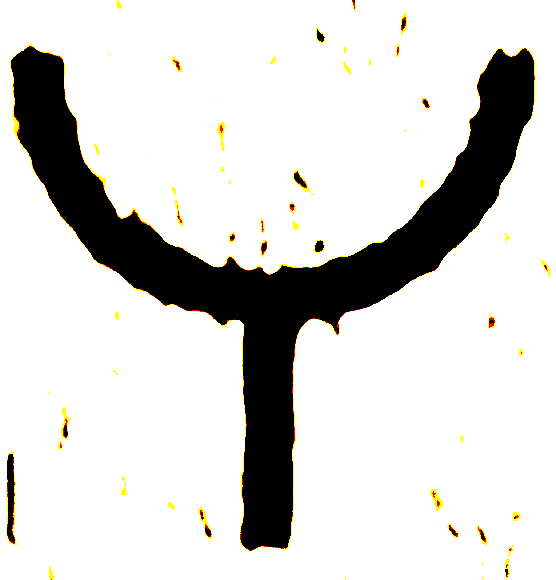
Daf 29b (דַּף כ״ט ע״ב)
Three myrtles are the body and two are the arms (תְּלַת הֲדַסִּין גּוּף וּתְרֵין דְּרוֹעִין), and they correspond to the eye and the wings of the eye (וְאִינוּן לָקֳבֵל עִינָא וְכַנְפֵי עִינָא). Two willow branches correspond to the two thighs (תְּרֵי בַדֵּי עֲרָבוֹת לָקֳבֵל תְּרֵין שׁוֹקִין), and correspond to the two lips (וְלָקֳבֵל תְּרֵין שִׂפְוָון). And when all of them are bound together as one bundle with the lulav, which is the spine (וְכַד אִינוּן כֻּלְּהוּ אֲגוּדָה חֲדָא בְּלוּלָב דְּאִיהוּ שִׁדְרָה), what is written? “I said, I will climb the palm” (מַה כְּתִיב אָמַרְתִּי אֶעֱלֶה בְתָמָר) (Song of Songs 7:9). Alef is Etrog, Ayin is Aravah, Lamed is Lulav, Heh is Hadass (א׳ אֶתְרוֹג ע׳ עֲרָבָה ל׳ לוּלָב ה׳ הֲדַס). All of them were made corresponding to the four kinds of the Merkava (כֻּלְּהוּ אִתְעֲבִידוּ לָקֳבֵל אַרְבַּע מִינִין דְּמֶרְכַּבְתָּא). The One who rides upon them is YHVH (הָרוֹכֵב בְּהוֹן אִיהוּ יהו״ה). And it is necessary to arrange them in a circuit, in the likeness of the altar (וְצָרִיךְ לְסַדְרָא בְּהוֹן בְּהַקָּפָה, כְּגַוְונָא דְמִזְבֵּחַ). And for whom is the Gan [garden]? (וּלְמָאן לְגַן). So that these plantings be planted within it (דְּאִתְנַטְעוּ אִלֵּין נְטִיעִין בֵּיהּ).
And the secret of the matter is: “The female shall encircle the male” (וְרָזָא דְמִלָּה נְקֵבָה תְּסוֹבֵב גָּבֶר) (Jeremiah 31:21). The female is Nun, from Gan; the male is Gimel, from Gan (נְקֵבָה נ׳ מִן גַּן, גָּבֶר ג׳ מִן גַּן). Gan [garden] includes the fifty-three orders of Orayta de-bi-Khetav [Written Torah] (גַ״ן הוּא כְלִיל תְּלַת וְחַמְשִׁין סִדְרִין דְּאוֹרַיְּיתָא דְבִכְתָב), and the seven days of Sukkot [Booths] (וְשֶׁבַע יוֹמִין דְּסוּכּוֹת)—behold, sixty—corresponding to the sixty Massekhtot [tractates] (הָא שִׁתִּין לָקֳבֵל שִׁתִּין מַסֶּכְתּוֹת).
The eighth-Shemini Atzeret is a festival by itself (שְׁמִינִי עֲצֶרֶת חַג בִּפְנֵי עַצְמוֹ), in it the outflow of Orayta, to water the Tree that is planted in the Garden (בֵּיהּ נְבִיעוּ דְאוֹרַיְּיתָא, לְאַשְׁקָאָה אִילָנָא, דְאִיהוּ נָטוּעַ בְּגַן), and its roots and its branches are it (וְשָׁרְשׁוֹי וְעַנְפּוֹי אִיהוּ), like “the circle of the earth” (כְּגַוְונָא דְחוּג הָאָרֶץ) (Isaiah 40:22), for all festivals are celebrated in it (דְּכָל חַגִּין מִתְחַגְּגִין בָּהּ).
The ninth is in song, and this is “Sing aloud, O you righteous, in Hashem” (תְּשִׁיעָאָה בְּרִנָּה וְדָא אִיהוּ רַנֲּנוּ צַדִּיקִים בַּיְיָ׳) (Psalms 33:1). And this is the level of the Tzaddik, the Life of worlds (וְדָא דַרְגָּא דְצַדִּיק חַ״י עָלְמִין). From there is song (מִתַּמָּן רִנָּה), and in it is redemption (וּבֵיהּ פּוּרְקָנָא). This is what is written: “A righteous shoot” (צֶמַח צַדִּיק) (Jeremiah 23:5), “And from beneath him it shall sprout” (וּמִתַּחְתָּיו יִצְמָח) (Zechariah 6:12)-from beneath him indeed (מִתַּחְתָּיו וַדַּאי). That which is the tenth for all (הַהִיא דְאִיהִי עֲשִׂירִית לְכֹלָּא). And the Tzaddik takes from the left, and the Middle Pillar from the right (וְצַדִּיק נָטִיל מִשְּׂמָאלָא, וְעַמּוּדָא דְאֶמְצָעִיתָא מִימִינָא). This is what is written: “From His right hand, a fiery law for them” (מִימִינוֹ אֵשׁ דָּת לָמוֹ) (Deuteronomy 33:2). At that time, when the two names are as one (בְּהַהוּא זִמְנָא דִיְהוֹן תְּרֵין שְׁמָהָן כַּחֲדָא), the daughter of the King awakens, in Shir haShirim, Mishlei, and Kohelet (אִתְעֲרָא בְּרַתָּא דְמַלְכָּא, בְּשִׁיר הַשִּׁירִים וּמִשְׁלֵי וְקֹהֶלֶת), which are “three thousand parables” (דְּאִינוּן שְׁלֹשֶׁת אֲלָפִים מָשָׁל) (I Kings 5:12). Three Yods (תְּלַת יוּדִי״ן), which are the three drops of Mochin that descend from Yod (דְּאִינוּן תְּלַת טִפִּין דְּמוֹחָא, דְנָחֲתִין מִן י׳). And to where do they flow? To the Tzaddik (וּלְאָן אִתְמַשְׁכוּ לְגַבֵּי צַדִּיק), who is the Bow of the covenant (דְּאִיהוּ קֶשֶׁת הַבְּרִית). And that which was small is made great (וּמַה דַּהֲוָה קָטָן אִתְעֲבִיד גָּדוֹל). And the secret of the matter: “The shofar goes, scattering much” (וְרָזָא דְמִלָּה שׁוֹפָר הוֹלֵךְ פָּזֵר גָּדוֹל). When shall the arrow be shot in this likeness? (מָתַי יְהֵא זָרִיק חֵץ בְּדִיּוֹקְנָא דָא).
Rabbi Shimon opened and said (פָּתַח רַבִּי שִׁמְעוֹן וְאָמַר), the supernal ones were prepared and girded with weapons of battle against the serpent (עִלָּאִין אִתְתַּקְנוּ וְאִזְדַּרְזוּ בְּמָאנֵי קְרָבָא לְגַבֵּי חִוְיָא), who nests among the mighty mountains (דְאִיהוּ מְקַנְּנָא בְּטוּרִין רַבְרְבִין), and he slew Adam Kadma’ah (וְאִיהוּ קָטִיל לְאָדָם קַדְמָאָה), and all generations after him (וּלְכָל דָּרִין דַּהֲווֹ אַבַּתְרֵיהּ). And because of this, a proclamation goes forth every day (וּבְגִין דָּא כָּרוֹזָא נָפִיק בְּכָל יוֹמָא): whoever slays that serpent who nests among the mighty mountains (מָאן דְּקָטִיל הַהוּא חִוְיָא דְאִיהוּ מְקַנְּנָא בְּטוּרִין רַבְרְבִין), they shall give him the daughter of the King (יָהֲבִין לֵיהּ בְּרַתָּא דְמַלְכָּא), who is Tzelota (דְּאִיהִי צְלוֹתָא), who sits upon the tower (דִיְתִיב עַל מַגְדְּלָא), of whom it is said: “The name of Hashem is a strong tower, the righteous runs into it and is exalted” (דְאִתְּמַר בָּהּ מִגְדַּל עֹז שֵׁם יְיָ׳ בּוֹ יָרוּץ צַדִּיק וְנִשְׂגָּב) (Proverbs 18:10).
Meanwhile, behold the Ra‘aya Meheimna was coming (אַדְהָכִי הָא רַעִיָא מְהֵימְנָא קָא אָתֵי), with several sheep, oxen, and rams (בְּכַמָּה עָאנִין וְתוֹרִין וְאִמְרִין), and a staff in his hand (וְחוּטְרָא בִידֵיהּ). He lifted his eyes to the tower (סָלִיק עִינֵיהּ לְמַגְדְּלָא), and saw one young man, a Tzaddik was his name (וְחָמָא חַד בַּר נַשׁ עוּלֵימָא צַדִּיק שְׁמֵיהּ), who was sitting upon the tower (דַּהֲוָה יְתִיב עַל מַגְדְּלָא). A bow was in his hand (קַשְׁתָּא בִּידוֹי), and he was shooting arrows toward the serpent (וַהֲוָה זָרִיק חִצִּין לְגַבֵּי חִוְיָא). And this is “great scattering” (וְדָא אִיהוּ פָּזֵר גָּדוֹל). And the serpent paid no heed to them (וְחִוְיָא לָא הֲוָה חָשִׁיב לוֹן). And the bow is the tongue of the mouth (וְקַשְׁתָּא אִיהוּ לִישָׁנָא דְפוּמָא). The nut is the bow of the mouth (אֱגוֹזָא דְקַשְׁתָּא דְפוּמָא). The scarlet thread is the string of the bow (חוּט הַשָּׁנִי חוּט שֶׁל קֶשֶׁת), with which the Tzaddik was shooting arrows (דְּבֵיהּ הֲוָה צַדִּיק זָרִיק חִצִּין), which are the words of prayer (דְּאִינוּן מִלּוּלִין דִּצְלוֹתָא), toward the serpent (לְגַבֵּי חִוְיָא). And the serpent paid no heed to them (וְחִוְיָא לָא הֲוָה חָשִׁיב לוֹן), not because of the weakness of the Tzaddik, the Life of worlds (וְלַאו בְּגִין חֲלִישׁוּ דְצַדִּיק חַ״י עָלְמִין), but because of the weakness of that one who shoots them, who is the Tzaddik below him (אֶלָּא בְּגִין חֲלִישׁוּ דְהַהוּא דְזָרִיק לוֹן דְּאִיהוּ צַדִּיק דִּלְתַתָּא מִנֵּיהּ), when he is not complete (כַּד לַאו אִיהוּ שְׁלִים), and because of this he pays no heed to them (וּבְגִין דָּא לָא חָשִׁיב לוֹן).
Until the Ra‘aya Meheimna came (עַד דְּאָתָא רַעִיָא מְהֵימְנָא), and took one arrow and shot toward him (וְנָטִיל חֵץ חַד וְזָרִיק לְגַבֵּיהּ), one after another with his prayer (דָּא בָּתַר דָּא בִּצְלוֹתֵיהּ). “Until a dart strike through his liver” (עַד יְפַלַּח חֵץ כְּבֵדוֹ) (Proverbs 7:23) the liver of the serpent (דְחִוְיָא), which is Samael, the other god (דְּאִיהוּ סמא״ל אֵל אַחֵר). There are his foundations and his roots (דְּתַמָּן יְסוֹדֵיהּ וְעִקָּרֵיהּ). And because of this the liver is angered (וּבְגִין דָּא הַכָּבֵד כּוֹעִס). With what is it angered? With the gall, which is joined to it (בְּמַאי כּוֹעִס, בְּמָרָה דְאִיהִי דְבוּקָה בֵּיהּ). And this is the poison of death, its Nukva (וְדָא סַם הַמָּוְת נוּקְבָא דִילֵיהּ). His tail is the extra of the liver (זְנָבָא דִילֵיהּ יוֹתֶרֶת הַכָּבֵד), called “extra” (יוֹתֶרֶת אִתְקְרִיאַת). After committing adultery she gives remnants to her husband (דְּבָתַר דַּעֲבִידַת נִאוּפִין יְהִיבַת שִׁיּוּרִין לְבַעֲלָהּ). And the tail is his maidservant (וּזְנָבָא אִיהִי שִׁפְחָה דִילֵיהּ). With the gall he angers, and with the tail he slays (בְּמָרָה כָעִיס, וּבִזְנָבָא קָטִיל). The gall is his face (מָרָה אִיהִי פַרְצוּף דִילֵיהּ), the extra is his tail (יוֹתֶרֶת זָנָב דִילֵיהּ). Like a man, who has a face and afterward a tail (כְּגַוְונָא דְאָדָם, דְּעָבִיד לֵיהּ פַּרְצוּף וּלְבָתַר זָנָב). This man is called evil Adam (דְּהַאי אָדָם רָע אִתְקְרֵי). And this is like that: this is the Adam who was removed from the Tree of Life (וְדָא כְּגַוְונָא דְדָא, דָא אָדָם דְּאִתְנַטִּיל מֵאִילָנָא דְחַיֵּי), and this is the Adam who was removed from the Tree of Death (וְדָא אָדָם דְּאִתְנַטִּיל מֵאִילָנָא דְמוֹתָא). After the arrow pierced the liver (לְבָתַר דִּיְפַלַּח חֵץ כְּבֵדוֹ), seed is cast like an arrow toward the Bride (זֶרַע יוֹרֶה כַּחֵץ לְגַבֵּי כַלָּה). The Yod is seed that is drawn from Him, and this is Zayin (יו״ד זֶרַע דְּאִתְמַשֵּׁךְ מִינֵיהּ וְדָא ז׳). And it is said of her: “To shoot me to the target” (וְאִתְּמַר בָּהּ לְשַׁלַּח לִי לְמַטָּרָה) (I Samuel 2:20). And this is the pupil [literally, 'daughter'] of the eye (וְדָא בַת עַיִן), the receptacle for seed, which is Zayin indeed (בֵּית קִבּוּל לְזֶרַע דְּאִיהוּ ז׳ וַדַּאי). What is the target? This is the cantillation mark (Yerach Ben Yomo )the moon, a day old (מַאי מַטָּרָה, דָא יֶרַח בֶּן יוֹמוֹ, סִיהֲרָא קַדִּישָׁא). The target is indeed the pupil [literally, 'daughter'] of the eye (מַטָּרָה אִיהִי וַדַּאי לְבַת עַיִן), a small point within (נְקוּדָה זְעִירָא מִלְּגָיו). Toward her he would shoot arrows with the love of the eyes (לְגַבָּהּ הֲוָה שָׁלַח חִצִּים בִּרְחִימוּ דְעַיְנִין). The target is indeed the Shekhinta (מַטָּרָה וַדַּאי שְׁכִינְתָּא), who protects Yisrael from the evil serpent Samael (דְאִיהִי אֲגִינַת עַל יִשְׂרָאֵל מֵחִוְיָא בִּישָׁא סמא״ל).