Daf 39b (דַּף ל״ט ע״ב)
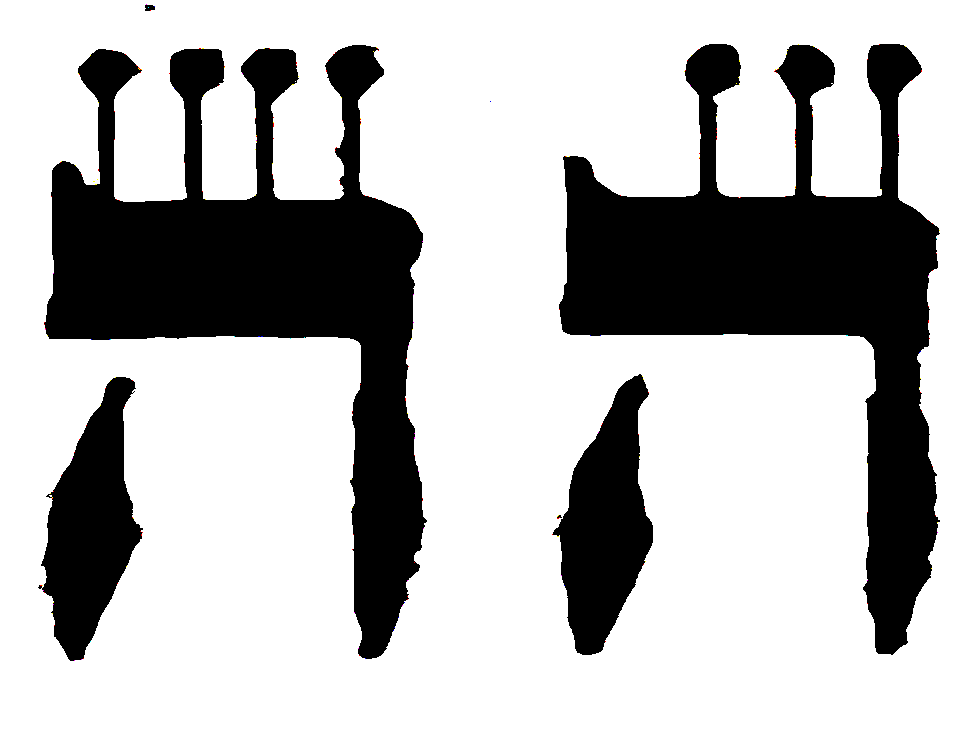
Beneath it is in this likeness - with Kamatz (תְּחוֹתוֹי כְּגַוְונָא דָא א קָמֵ״ץ). When She ascends above the head, She is called crown Zarka (כַּד סָלְקָא עַל רֵישָׁא אִתְקְרִיאַת תַּגָּא זַרְקָ״א). At that time it is said of Her: “A woman of valor is the crown of her husband” (בְּהַהוּא זִמְנָא אִתְּמַר בָּהּ אֵשֶׁת חַיִל עֲטֶרֶת בַּעֲלָהּ) (Proverbs 12). And She is called Cholem (וְאִתְקְרִיאַת חֹלֵ״ם). And when She descends below, She is called Chirik (וְכַד נָחְתַת תְּחוֹתֵיהּ אִתְקְרִיאַת חִירֵ״ק). And She is Lechem (וְאִיהִי לֶחֶ״ם). For thus it is - Cholem, in reversal of the letters, is Lechem (דְּהָכִי אִיהוּ חֹלֵ״ם בְּהִפּוּךְ אַתְוָון לֶחֶ״ם). And this is: “Man ate the bread of the mighty” (וְדָא אִיהוּ לֶחֶם אַבִּירִים אָכַל אִישׁ) (Psalms 78). Of whom it is said: “Hashem is a man of war” (דְּאִתְּמַר בֵּיהּ יְהוָ״ה אִישׁ מִלְחָמָה) (Exodus 15). From the side of Chokhmah, She is called Cholem (מִסִּטְרָא דְחָכְמָה אִתְקְרִיאַת חֹלֵ״ם). And from the side of the middle pillar, He is called Shuruk (וּמִסִּטְרָא דְעַמּוּדָא דְאֶמְצָעִיתָא אִתְקְרֵי שׁוּרֻ״ק). As it is said: “And I planted you a noble vine, entirely a seed of truth” (כְּמָה דְאַתְּ אָמַר וְאָנֹכִי נְטַעְתִּיךְ שׂוֹרֵ״ק כֻּלֹּה זֶרַע אֱמֶת) (Jeremiah 3). That concerning which it is said: “You shall give truth to Ya‘akov” (הַהוּא דְאִתְּמַר בֵּיהּ תִּתֵּן אֱמֶת לְיַעֲקֹב) (Micah 7:20). From his side, she is called Ḥirik [the i-vowel] (מִסִּטְרָא דִילֵיהּ אִתְקְרִיאַת חִירֵ״ק). And by reversal of the letters: Ḥeker [inquiry] (וּבְהִפּוּךְ אַתְוָון חֵקֶ״ר). 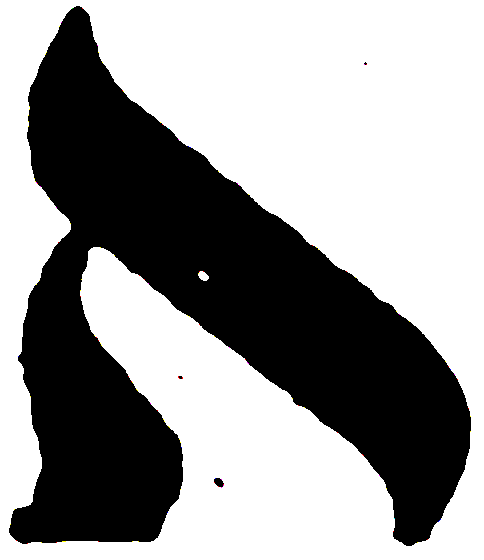
And because of this it is said: “Can you find the search of God?” (וּבְגִינָהּ אִתְּמַר הַחֵקֶר אֱלוֹהַּ תִּמְצָא) (Job 11). And She is the terrible ice (וְאִיהִי קֶרַח הַנּוֹרָא). This is the third Name in the prayer (דְאִיהוּ שְׁמָא תְּלִיתָאָה דִצְלוֹתָא): “The great, the mighty, and the terrible” (דְּאִתְּמַר בֵּיהּ הָאֵ״ל הַגָּדוֹל הַגִּבּוֹר וְהַנּוֹרָא) (Deuteronomy 10). “The terrible” is the middle pillar (הַנּוֹרָא אִיהוּ עַמּוּדָא דְאֶמְצָעִיתָא). And Shuruk is hidden and concealed (וְשׁוּרֻ״ק אִיהוּ טָמִיר וְגָנִיז), from the side of the Tzaddik who is the covenant (מִסִּטְרָא דְצַדִּיק דְּאִיהוּ בְרִית), a hidden light (אוֹר גָּנוּז). For it is Raz [secret], the numerical value of Ohr [light] (דְּאִיהוּ רָ״ז כְּחוּשְׁבַּן אוֹר). As the masters of the Mishnah have established: “Light is sown for the Tzaddik” (כְּמָה דְאוּקְמוּהוּ מָארֵי מַתְנִיתִין, אוֹר זָרוּעַ לַצַּדִּיק) (Psalms 97). And this is the hidden light for the Righteous (וְדָא הוּא אוֹר הַגָּנוּז לְצַדִּיקַיָּא).
The five lights above it - all of them are in revelation (דְּחָמֵשׁ אוֹר דִּלְעִילָא מִנֵּיהּ כֻּלְּהוֹן אִינוּן בְּאִתְגַּלְיָיא). And what are they? Three lights of Segol and two lights of Sheva (וּמַאי נִיהוּ, תְּלַת אוֹר סֶגוֹ״ל, וּתְרֵין אוֹר שְׁבָ״א). When She ascends upon the wings of the two points that are Sheva, She becomes Shuruk (כַּד סָלְקָא עַל גַּדְפַיְיהוּ דִתְרֵין נְקוּדִין דְּאִינוּן שְׁבָ״א, אִתְעֲבִידַת שׁוּרֵ״ק). And the secret of the matter: “Sustain me with raisin cakes” (וְרָזָא דְמִלָּה סַמְּכוּנִי בָאֲשִׁישׁוֹת) (Song of Songs 2). And when She descends beneath Tzere, She becomes Segol (וְכַד נָחְתַת אִיהִי תְּחוֹת צֵרֵ״י אִתְעֲבִידַת סֶגוֹ״ל). Of them it is said: “Refresh me with apples” (וַעֲלַיְיהוּ אִתְּמַר רַפְּדוּנִי בַּתַּפּוּחִים) (Song of Songs 2). And what are these “raisin cakes”? They are two fires - man and woman (וּמַאי נִיהוּ אִלֵּין אֲשִׁישׁוֹת, אִינוּן תְּרֵי אֵשׁוֹת, דְּאִינוּן אִישׁ וְאִשָּׁה) - a white fire and a red fire (אֶשָּׁא חִוְורָא, וְאֶשָּׁא סוּמְקָא). There are Abba and Imma, which are Yod and Heh (דְתַמָּן אָב וָאֵם, דְּאִינוּן יו״ד ה׳). And they are the face of judgment and the face of mercy (וְאִינוּן אַנְפֵּי דִינָא וְאַנְפּוֹי דְרַחֲמֵי).
Why does She need to be supported there? (אַמָּאי בָּעָאת לְאִסְתַּמְכָא תַמָּן). Because they are the two colors of the rose, white and red (בְּגִין דְּאִינוּן תְּרֵין גַּוְונִין דְּשׁוֹשַׁנָּה, חִוָּור וְסוּמַק) - mercy and judgment (רַחֲמֵי וְדִינָא), which are Chesed and Gevurah (דְּאִינוּן חֶסֶד וּגְבוּרָה). And there is the fragrance of the rose (וְתַמָּן רֵיחָא דְשׁוֹשַׁנָּה). And this is the middle pillar (וְדָא אִיהוּ עַמּוּדָא דְאֶמְצָעִיתָא). And because She walks there, She says: “Sustain me with raisin cakes” (וּבְגִין דְּאָרְחַת בֵּיהּ, אָמְרַת סַמְּכוּנִי בָּאֲשִׁישׁוֹת). And in Him She becomes Segol (וּבֵיהּ אִתְעֲבִידַת סֶגוֹ״ל). When She descends: “Refresh me with apples” (כַּד נָחְתָא רַפְּדוּנִי בַּתַּפּוּחִים). These are the two supports of truth (אִלֵּין אִינוּן תְּרֵי סַמְכֵי קְשׁוֹט), which are white and red (דְּאִינוּן חִוָּור וְסוּמַק). And because She walks in the letter Vav, which is in the covenant (וּבְגִין דְּאָרְחַת בְּאָת ו׳ דְּאִיהִי בִּבְרִית), She says: “Refresh me with apples” (אָמְרַת רַפְּדוּנִי בַּתַּפּוּחִים). And when She is joined in Him, She becomes Segol (וְכַד אִתְחַבְּרַת בֵּיהּ אִתְעֲבִידַת סֶגוֹ״ל).
What was Tzere becomes Tziyeir [formed] (מַה דַּהֲווֹ צֵרֵ״י אִתְעֲבִיד צִיֵּיר). This is what is written: “And Hashem Elohim formed man of dust from the ground…” (הֲדָא הוּא דִכְתִיב וַיִּיצֶר יְהוָ״ה אֱלֹהִים אֶת הָאָדָם עָפָר מִן הָאֲדָמָה וְגוֹ׳) (Bereshit 2). “And Hashem Elohim caused to sprout from the ground every tree desirable to the sight…” (וַיַּצְמַח יְהוָ״ה אֱלֹהִים מִן הָאֲדָמָה כָּל עֵץ נֶחְמָד לְמַרְאֶה וְגוֹ׳) (Bereshit 2). This is the Tzaddik - “a tree producing fruit after its kind” (דָּא צַדִּיק אִיהוּ עֵץ פְּרִי עוֹשֶׂה פְּרִי לְמִינוֹ). And in this place is her love, in the union and the unification with her husband (וּבְהַאי אֲתַר אִיהוּ רְחִימוּ דִילָהּ בְּחִבּוּרָא וְיִחוּדָא דְבַעֲלָהּ). And because of this She says: “For I am sick with love” (וּבְגִין דָּא אָמְרַת כִּי חוֹלַת אַהֲבָה אָנִי) (Song of Songs 2). And when Yisrael sin with the covenant of circumcision (וְכַד יִשְׂרָאֵל חָאבִין בִּבְרִית מִילָה), the flow of the points is cut off from the letters (אִתְפַּסִּיק נְבִיעוּ דִנְקוּדִין מֵאַתְוָון), which are included in the lower Shekhinta (דִּכְלִילָן בִּשְׁכִינְתָּא תַּתָּאָה). And dryness remains (וְאִשְׁתְּאָרַת יַבָּשָׁה).
At that time, what is written in Shuruk-Chirik? “They hissed and gnashed their teeth, they said: We have swallowed her up” (בְּהַהוּא זִמְנָא מַה כְּתִיב בְּשׁוּרֻ״ק חִירֵ״ק, שָׁרְקוּ וַיַּחַרְקוּ שֵׁן אָמְרוּ בִּלָּעֲנוּ) (Lamentations 2). Kamatz-Pataḥ - this one closes and this one opens (קָמֵץ פַּתָּ״ח דָּא סָגִיר וְדָא פָּתַח). These two are those which close and open the fountains, which are the points, toward the letters (אִלֵּין תְּרֵין אִינוּן דְּסָגְרִין וּפָתְחִין מַבּוּעִין דְּאִינוּן נְקוּדִין, לְגַבֵּי אַתְוָון). And the letter Vav, when it is extended above the heads of the supernal letters, is called Rafeh (וְאָת ו׳ כַּד אִיהוּ נָטוּי עַל רֵישֵׁי אַתְוַון עִלָּאִין אִתְקְרֵי רָפֵ״ה). And when it is in the midst of the letters, it is called Dagesh (וְכַד אִיהוּ בִּמְצִיעוּ דְאַתְוָון אִתְקְרֵי דָגֵ״שׁ). These letters are the living creatures (אַתְוָון אִלֵּין אִינוּן חֵיוָון), of which it is said: “And the living creatures ran and returned” (דְּאִתְּמַר בְּהוֹן וְהַחַיּוֹת רָצוֹא וָשׁוֹב) (Ezekiel 1). “Ran” - with Dagesh; “returned” - with Rafeh (רָצוֹא בְּדָגֵ״שׁ וָשׁוֹב בְּרָפֵ״ה).
The crowns of the letters are dependent upon thought (כִּתְרִין דְּאַתְוָון דְּאִינוּן תַּלְיָין בְּמַחֲשָׁבָה). They are in the likeness of Tagin (דְּאִינוּן כְּגַוְונָא דְתַגִּין). The vowels are dependent upon speech (נְקוּדִין תַּלְיָין בְּדִבּוּרָא). The letters are dependent upon action (אַתְוָון תַּלְיָין בְּעוֹבָדָא). The seven Zayins are in this likeness (שֶׁבַע זַיְינִין אִינוּן כְּגַוְונָא דָא). Yod-Vav is Zayin (יו״ד וָו אִיהוּ ז׳). They do not require Tagin (לָא צְרִיכִין תַּגִּין). For these letters themselves are called Tagin (דְּאִינוּן אַתְוָון אִתְקְרוּן תַּגִּין), in this likeness: YHVH (כְּגַוְונָא דָא יהו״ה).