
Daf 62b (דַּף ס״ב ע״ב)
Rabbi, Rabbi, arise and encircle this slingshot (רַבִּי רַבִּי קוּם אַסְחַר לְהַאי קִירְטָא), and surround and encircle her with your lip (וְאַקַּף וְאַסְחַר לָהּ בְּשָׂפָה דִילָךְ). With this stone which is encompassed (some say: encompassed and adorned) from all the stones of the building of the Orayta (בְּהַאי אַבְנָא דְאִיהִי כְּלִילָא [נ״א מוכלל ומעוטר] מִכָּל אַבְנִין דְּבִנְיָינָא דְאוֹרַיְיתָא). And the prayer is a precious stone, encompassed and adorned with the sign of the covenant, and with the sign of Shabbat, and with the sign of the festivals, and with the sign of tefillin (וּצְלוֹתָא אִיהִי אֶבֶן יְקָרָה מוּכְלֶלֶת וּמְעוּטֶרֶת בְּאוֹת בְּרִית, וּבְאוֹת דְּשַׁבָּת, וּבְאוֹת דְּיוֹמִין טָבִין, וּבְאוֹת תְּפִלִּין). And her line is bound around the finger (וְחוּט דִילָהּ כְּרוּכָה בְּאֶצְבְּעָא), and this is the binding of the strap of the hand-tefillin (וְדָא כְּרִיכוּ דִרְצוּעָה דִתְּפִלָּה דְיָד). For within it the early ones would bind the Shema together with “And you shall love,” with love of affection (דְּבָהּ הֲווֹ קַדְמָאִין כּוֹרְכִין אֶת שְׁמַע עִם וְאָהַבְתָּ בִּרְחִימוּ דְאַהֲבָה), that is: And you shall love Hashem your Elohim (דְּהַיְינוּ וְאָהַבְתָּ אֵת יְהוָ״ה אֱלֹהֶיךָ), so that love may be toward her Husband (בְּגִין דִּתְהֵא רְחִימָא לְגַבֵּי בַּעִילָהּ), and they did not interrupt (וְלָא מַפְסִיקִין). And afterward Ya'akov, who includes the three Patriarchs, came and loosed that binding of hers (וּלְבָתַר דְּאָתָא יַעֲקֹב דְּאִיהוּ כְּלִיל תְּלַת אֲבָהָן, הִתִּיר הַהוּא כְּרִיכוּ דִילָהּ), and said: Blessed be the Name of the glory of His kingdom forever and ever (וְאָמַר בָּרוּךְ שֵׁם כְּבוֹד מַלְכוּתוֹ לְעוֹלָם וָעֶד).
For she desires to be the Segulat Melakhim, the treasure of kings (בְּגִין דְּאִיהִי בָּעִי לְמֶהֱוִי אִיהִי סְגוּלַת מְלָכִים). At that time it is said: Shofar Holekh Segolta (בְּהַהוּא זִמְנָא אִתְּמַר שׁוֹפָ״ר הוֹלֵ״ךְ סֶגוֹלְתָּ״א). And Azla to place a crown upon Yisrael, which is the Middle Column (וְאַזְלָ״א לְשַׁרְיָא כִּתְרָא עַל יִשְׂרָאֵל דְּאִיהוּ עַמּוּדָא דְאֶמְצָעִיתָא), which is the Sefer Torah, encompassing the Five Books of the Torah (דְּאִיהוּ סֵפֶר תּוֹרָה כְּלִיל חֲמִשָּׁה חוּמְשֵׁי תוֹרָה). And a crown was made upon its head in every one of its letters (וְאִתְעֲבִידַת תַּגָּא עַל רֵישֵׁיהּ, בְּכָל אָת וְאָת דִּילֵיהּ), from these known letters of the Sefer Torah (מֵאִלֵּין אַתְוָון יְדִיעָאן דְּסֵפֶר תּוֹרָה), like this: Shaatnez gatz/Satan Az Geitz/Shin, Ayin, Tet, Nun, Zayin, Gimal, Tzadi (כְּגַוְונָא דָא ש ע ט נ ז ג ץ). All of them are twenty-two zayins (כֻלְּהוּ זַיְינִין אִינוּן חַד וְעֶשְׂרִין), corresponding to the twenty-two mentions of tefillin of the head (לָקֳבֵל חַד וְעֶשְׂרִין אַזְכָּרוֹת דִּתְּפִלִּין דְּרֵישָׁא), and corresponding to them twenty-two mentions of tefillin of the hand (וּלְקִבְלַיְיהוּ חַד וְעֶשְׂרִין אַזְכָּרוֹת דִּתְּפִלִּין דְּיָד), which together ascend to forty-two (דְּסָלְקִין כֻּלְּהוּ אַרְבְּעִין וּתְרֵין), corresponding to the Name of Mem-Bet (42) (לָקֳבֵל שְׁמָא דְמ״ב).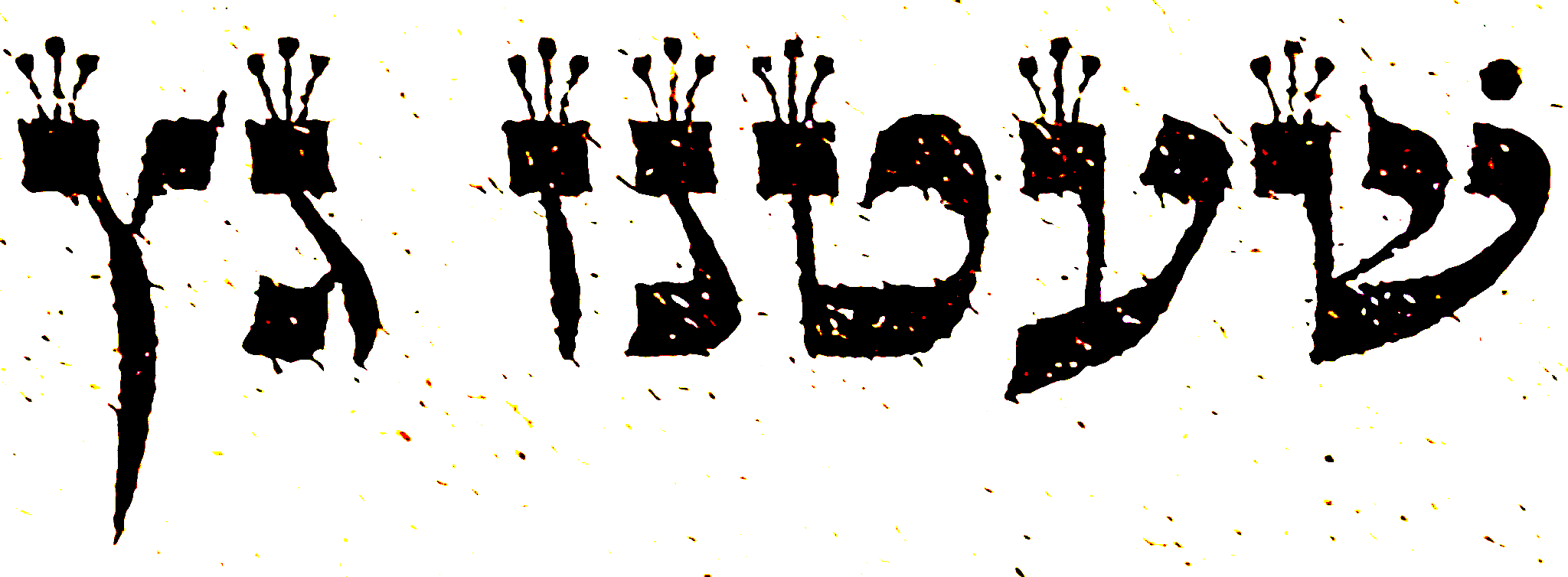
The crown is the Yod upon the head of the Zayin (תַּגָּא אִיהִי י׳ עַל רֵישָׁא דְז׳), its body is Vav (גּוּפָא דִילֵיהּ ו׳). And the Sefer Torah, the Middle Column, encompasses six Sefirot from Chesed until Yesod (וְסֵפֶר תּוֹרָה עַמּוּדָא דְאֶמְצָעִיתָא כְּלִיל שִׁית סְפִירָן מֵחֶסֶד עַד יְסוֹד). Malkhut, the small Yod, in her is made the seventh day, Shabbat (מַלְכוּת י׳ זְעִירָא, בָּהּ אִתְעֲבִידַת שְׁבִיעִי יוֹם שַׁבָּת). And she is the sign of tefillin, the sign of Shabbat, the sign of the covenant (וְאִיהִי אוֹת תְּפִלִּין, אוֹת שַׁבָּת, אוֹת בְּרִית). And this is the crown of priesthood and the crown of kingship (וְאִיהוּ כֶּתֶר כְּהוּנָה וְכֶתֶר מַלְכוּת). From the side of the right, where the Torah was given, it is called the crown of Torah (מִסִּטְרָא דִימִינָא דְאִתְיְיהִיבַת אוֹרַיְיתָא אִתְקְרִיאַת כֶּתֶר תּוֹרָה), and the right is the priest (וִימִינָא אִיהוּ כַּהֲנָא). From its side is the crown of priesthood (מִסִּטְרֵיהּ אִיהוּ כֶּתֶר כְּהוּנָה). And the Middle Column is the king (וְעַמּוּדָא דְאֶמְצָעִיתָא אִיהוּ מֶלֶךְ). And from the side of Gevurah, the Great Court, fire goes forth and consumes him (וּמִסִּטְרָא דִגְבוּרָה בֵּית דִּין הַגָּדוֹל, נָפִיק מִתַּמָּן אֶשָּׁא וְאוֹקִיד לֵיהּ). And when the priest goes out in peace from the sanctuary, at that time the Levites awaken with song (וְכַד כַּהֲנָא נָפִיק בִּשְׁלָם מֵהֵיכָלָא, בְּהַהוּא זִמְנָא יִתְעָרוּן לְוִיִּים בְּנִגּוּנָא).
And furthermore there is the fifth Tikkun in prayer (וְעוֹד אִית תִּקּוּנָא חֲמִשָּׁאָה בִּצְלוֹתָא). Prayer is like a korban (צְלוֹתָא אִיהִי כְּקָרְבָּנָא), as the ancients established: the prayers were instituted corresponding to the daily offerings (כְּמָה דְאוּקְמוּהוּ קַדְמָאִין תְּפִלּוֹת כְּנֶגֶד תְּמִידִין תִּקְנוּם). Come and see: the offerings are of four kinds (תָּא חֲזִי קָרְבָּנִין אִינוּן מֵאַרְבַּע מִינִין), which correspond to lion, ox, eagle, and man (דְּאִינוּן לָקֳבֵל אַרְיֵה שׁוֹר נֶשֶׁר אָדָם), which are depicted upon the throne (דְּאִינוּן מְצוּיָירִים בְּכָרְסַיָּיא). There is the offering which Yisrael offered (אִית קָרְבָּנָא דַהֲווֹ מְקָרְבִין יִשְׂרָאֵל), and the priest would bring their offering (וְכַהֲנָא הֲוָה קָרִיב קָרְבָּנָא דִלְהוֹן).
The first offering, the offering that was brought to the right, this is the prayer of Shacharit (קָרְבָּנָא קַדְמָאָה, קָרְבָּנָא דַהֲוָה קָרִיב לִימִינָא, דָּא צְלוֹתָא דְשַׁחֲרִית). And if they were meritorious, the image of the lion would descend and receive the offering (וְאִם הֲווֹ זַכְיָין הֲוָה נָחִית דִּיּוֹקְנָא דְאַרְיֵ״ה וַהֲוָה מְקַבֵּל קָרְבָּנָא). And this is Michael, whose level is Chesed, he would receive the prayer of Shacharit (וְדָא מִיכָאֵ״ל דְּדַרְגֵּיהּ חֶסֶ״ד, אִיהוּ הֲוָה מְקַבֵּל צְלוֹתָא דְשַׁחֲרִית). And if they were not worthy, what is written of the offering? To the dog you shall throw it (וְאִם לָא זָכוּ מַה כְּתִיב בְּקָרְבָּנָא לַכֶּלֶב תַּשְׁלִיכוּן אוֹתוֹ) (Exodus 22), which is reckoned as Treifah [torn/mortally wounded] (דְחָשִׁיב לֵיהּ כִּטְרֵיפָה). And because of this the image of the dog would descend to receive that gift and offering (וּבְגִין דָּא הֲוָה נָחִית דִּיּוֹקְנָא דְכֶלֶב לְקַבֵּל הַהוּא דוֹרוֹנָא, וְקָרְבָּנָא). And this is the dog about which David, peace be upon him, said: Deliver my soul from the sword, my only one from the hand of the dog (וְדָא אִיהוּ כֶּלֶב דְּאָמַר דָּוִד עָלָיו הַשָּׁלוֹם הַצִּילָה מֵחֶרֶב נַפְשִׁי מִיַּד כֶּלֶב יְחִידָתִי) (Psalms 22). And all the angels of destruction, which are dogs, cry in the second watch of the night (וְכָל מַלְאֲכֵי חַבָּלָה דְאִינוּן כְּלָבִים צוֹעֲקִים בְּמִשְׁמָרָה תִּנְיָינָא דְלֵילְיָא). They cry and bark and say: Hav, hav (אִינוּן צָוְוחִין וְנָבְחִין וְאָמְרִין הַב הַב), because they are from the side of Gehinnom, the poison of death (בְּגִין דְּאִינוּן מִסִּטְרָא דְגֵיהִנָּם סַם הַמָּוְת), of which it is said: The leech has two daughters, hav, hav (דְּאִתְּמַר בֵּיהּ לַעֲלוּקָה שְׁתֵּי בָנוֹת הַב הַב) (Proverbs 30).
The second offering, corresponding to the ox (קָרְבָּנָא תִנְיָינָא לָקֳבֵל שׁוֹ״ר), of which it is said: An ox or a lamb or a goat… (דְּאִתְּמַר בֵּיהּ שׁוֹר אוֹ כֶשֶׂב אוֹ עִז וְגוֹמֵר) (Leviticus 22). And corresponding to it is the prayer of Mincha (וּלְקִבְלֵיהּ צְלוֹתָא דְמִנְחָה). Of it David said: He causes grass to sprout for the cattle and herb for the service of man (דְּאָמַר דָּוִד עֲלָהּ מַצְמִיחַ חָצִיר לַבְּהֵמָה וְעֵשֶׂב לַעֲבוֹדַת הָאָדָם) (Psalms 104). What is esev, herb? Ayin–Bet Shin (מַאי עִשֶׂב, ע״ב ש׳). And these are the seventy-two Names (וְאִנּוּן ע״ב שְׁמָהָן), which are garments for the seventy-two supernal Names (דְּאִינוּן לְבוּשִׁין לְע״ב שְׁמָהָן עִלָּאִין). Like the herb which is the garment of wheat (כְּגַוְונָא דְעִשֶׂב דְּאִיהוּ לְבוּשָׁא דְחִטָּה). And because of this: To bring forth bread from the earth (וּבְגִין דָּא לְהוֹצִיא לֶחֶם מִן הָאָרֶץ). And this is the bread of the mighty man has eaten (וְהַיְינוּ לֶחֶם אַבִּירִים אָכַל אִישׁ) (Psalms 78). And this is the bread of the Torah (וְדָא נַהֲמָא דְאוֹרַיְיתָא).