
Apology from the Rav, the author
התנצלות מהרב המחבר
 ear me, my brothers and my people (שִׁמְעוּנִי אַחַי וְעַמִּי), my beloved and men of my peace (אֹהֲבַי וְאַנְשֵׁי שְׁלוֹמִי). Behold, as I am young in days (הִנְנִי כַּאֲשֶׁר אֲנִי צָעִיר לַיָּמִים), there is no delight in them (אֵין בָּהֶם חֵפֶץ). “But we are guilty” (אֲבָל אֲשֵׁמִים) (Genesis 42:21). The time weighs heavily upon me (וְהַזְּמַן עָלַי כָּבֵד), and knowledge is like a lost vessel (וְהַיְּדִיעָה כִּכְלִי אֹבֵד). I find distress and anguish (צַר וּמָצוֹק מוֹצֵא), enclosing me so that I cannot go out (סוֹגֵר בְּעָדִי וְלֹא אֵצֵא). And when I lie upon my bed (וּבְשָׁכְבִי עַל מִטָּתִי), a troop is upon my sleep (הָיְתָה גְּדוּד עַל שְׁנָתִי), and my resting place is not sweet to me (וְלֹא עָרְבָה עָלַי מִשְׁכָּבִי). And thus I set it upon my heart (וּבְכֵן שַׂמְתִּי אֶל לִבִּי), I saw the length and lowliness of our exiles (רָאִיתִי אֲרִיכַת וּשְׁפֵלוּת גָּלוּיֹותֵינוּ), how we have become a reproach to those around us (הֱיוֹתֵנוּ חֶרְפָּה לִסְבִיבוֹתֵינוּ). “It is a time to act for Hashem” (עֵת לַעֲשׂוֹת לַה׳) (Psalms 119:126). There is no diligent man (אֵין אִישׁ שׁוֹקֵד), for the flock has turned toward the speckled silver (כִּי פָנָה הַצֹּאן אֶל הַכֶּסֶף הַנָּקוּד). Those who know glory have ceased (אָפְסוּ יוֹדְעֵי־תִפְאָרָה), and those who engage in the mysteries of the Torah have become few (וּמִתְמַעֲטִים הָעוֹסְקִים בְּרָזֵי הַתּוֹרָה). And they pay no heed to the Bat Kol [Heavenly Voice] that says (וְאֵינָם מַשְׂגִּיחִים בְּבַת־קוֹל הָאוֹמֶרֶת): “Gather together, my companions, to wage war against the serpent” (אִתְכַּנְּשׁוּ חֲבַרַיָּיא לְמַעֲבַד קְרָבָא עִם חֲוִיָּא) (Tikkunei Zohar 43a). She is absent from them (מֵהֶם נֶעֱדֶרֶת). “The leech has two daughters” (לַעֲלוּקָה שְׁתֵּי בָנוֹת) (Proverbs 30:15). “To Tophet of torments” (לְתוֹפֶת דֵּרָעוֹנוֹת). “That which is lacking cannot be counted” (חֶסְרוֹן לֹא־יוּכַל לְהִמָּנוֹת) (Ecclesiastes 1:15). One sect consists of those who occupy themselves vainly with the plain meanings of the Orayta (כְּתָא אַחַת הַמִּתְהַבְּלִים בִּפְשָׁטֵי אוֹרַיְּיתָא), all their backs turned toward her (כָּל־אֲחוֹרֵיהֶם בֵּיתָהּ), saying (הָאֹמְרִים): “The plain meaning of the Torah is enough for us” (דַּי־לָנוּ בִּפְשׁוּטוֹ שֶׁל תּוֹרָה). “Who will compel us to study the mysteries of the light?” (מִי יַכְרִיחֵנוּ לִלְמוֹד רָזֵי אוֹרָה). And the second sect says that she is devoid of truth (וְכִתָּא הַשֵּׁנִית אֹמֶרֶת שֶׁהִיא מִן־הָאֱמֶת נֶעֱדֶרֶת), they denied it and said, “It is not so” (כִּחֲשׁוּ בוֹ וַיֹּאמְרוּ לֹא־הוּא). After chaff and straw they pursue vanity and lament (אַחֲרֵי מֹץ וּתְבֵן יְהַבְּלוּ וַיִּנְהוּ).
Therefore I girded my loins (לָכֵן נַעֲרְתִּי חֲצָנִי), and I strengthened myself with might to awaken the people (וָאֶזְרְתִּי גְבוּרָה לְהִתְעוֹרֵרִי הָעָם), who spoke perversely against Hashem (אֲשֶׁר דִּבְּרוּ סֵרָה עַל י״י), and against the Ari, His anointed one (וְהָאֲרִ״י מְשִׁיחוֹ), faithful to His spirit (נֶאֱמָנָה אַת אֶל רוּחוֹ), and I was zealous with the zeal of Hashem Tzeva’ot (וְקִנֵּאתִי קִנְאַת י״י צְבָאוֹת). And behold, your eyes see (וְהִנֵּה עֵינֶיךָ רוֹאוֹת), the great and awesome composition that I have composed (הַחִבּוּר הַגָּדוֹל וְהַנּוֹרָא אֲשֶׁר חִבַּרְתִּי), called Emek haMelekh [Valley of the King] (הַנִּקְרָא עֵמֶק הַמֶּלֶךְ), there is none like it in the district (אֵין כָּמוֹהוּ בַפֶּלֶךְ), to understand the discourses of the Zohar according to their proper order (לְהָבִין מַאֲמָרֵי הַזֹּהַר עַל מַתְכוּנָתוֹ). Yet you shall not see all of it (אֶפֶס כֻּלוֹ לֹא תִרְאֶה), but only a portion of it (רַק קִצָּתוֹ), in which are explained the orders of Ma’aseh Bereshit (בּוֹ יְפוֹרְשׁוּ סִדְרֵי מַעֲשֵׂה בְּרֵאשִׁית), and Ma’aseh Merkavah (וּמַעֲשֵׂה מֶרְכָּבָה), like a coal bound to a flame (כְּגַחֶלֶת קְשׁוּרָה בִּשְׁלֶהָבֶת), its interior paved with love (תוֹכוֹ רָצוּף אַהֲבָה) (Song of Songs 3:10). The worlds of Ein Sof (עוֹלָמוֹת א״ס), and the World of Tohu (וְעוֹלָם הַתֹּהוּ), are written within it (בּוֹ נִכְתָּבָה), concerning which it is said (שֶׁנֶּאֱמַר עָלָיו): “And the name of his city was Dinhabah” (וְשֵׁם עִירוֹ דִּנְהָבָה) (Genesis 36:32), Lavan [White]—he builds it and he destroys it (לָיָבָן, הוּא בּוֹנֶה וְהוּא מַחֲרִיבָהּ). And after it comes the World of Tikkun (וְאַחֲרָיו עוֹלָם הַתִּקּוּן), which is the middle world (הוּא עוֹלָם הַתִּיכוֹן), “a tent that shall never be moved” (אֹהֶל בַּל יִמוֹט) (Isaiah 33:20), forever established (לַעֲדֵי יִכּוֹן), in which are unfolded the Depth of Beginning and the Depth of End (בּוֹ פּוֹרַשׂ עֹמֶק רֵאשִׁית וְעֹמֶק אַחֲרִית), to give us a name and a remnant (לָתֵת לָנוּ שֵׁם וּשְׁאֵרִית). And even to this day (וְעוֹד הַיּוֹם), Atzilut, Beri’ah, Yetzirah, and Asiyah remain riddles (אבי״ע חִידוֹת), founded upon four sockets of pure gold (עַל אַרְבָּעָה אֲדָנֵי פָז מְיוּסָדוֹת), joined within eighteen thousand worlds (בְּח״י אֶלֶף עוֹלָמוֹת נִצְמָדוֹת).
From the Ten Utterances came forth the five lights (מִן עֲשָׂרָה מַאֲמָרוֹת נַעֲשׂוּ חֲמֵשׁ אוֹרוֹת), and concerning them it is said (וַעֲלֵיהֶם נֶאֱמַר): “He created them with the letter Heh” (בְּה׳ בְּרָאָם) (Genesis 2:4), the One Who gives light to the earth and its inhabitants (הַמֵּאִיר לָאָרֶץ וְלַדָּרִים), living forever and to all generations (ח״י לָעַד וּלְדוֹר דּוֹרִים). Crowned with Three Heads (הַמֻּכְתָּרִים בִּשְׁלֹשָׁה רָאשִׁים), with the light of the seven primordial days (בְּאוֹר שִׁבְעַת הַיָּמִים הַיְּשִׁישִׁים), clothed with the Thirteen Attributes of Mercy (עִם י״ג מְכִילִין דְּרַחֲמֵי הֵם מְלוּבָּשִׁים), “and His garment was like white snow” (וּלְבוּשֵׁיהּ כְּתַלְגָּא חִיוָּר) (Daniel 7:9), His mouth speaks uprightness (פִּיו מֵישָׁרִים דּוֹבֵר), “The eye of Hashem is upon those who fear Him” (עֵין י״י אֶל יְרֵאָיו) (Psalms 33:18), “bitterness passes away” (מָר עוֹבֵר). And the mercies of Ze’ir Anpin prevail (וְרַחֲמֵי זְעֵיר אַנְפִּין מִתְגַּבֵּר), from one end of the heavens to the other end of the heavens (מִקְצֵה הַשָּׁמַיִם וְעַד קְצֵה הַשָּׁמָיִם), “End” twice has the numerical value of “heavens” (ב׳ פְּעָמִים קצ״ה גִּימַטְרִיָּא שָׁמַיִם), as far as the terebinth tree in Tze‘anim (עַד אֵילַן בְּצַעֲנִים), which is the tree indicating the place of storm and tempest (הוּא אִילַן מוֹרֶה מָקוֹם סוּפָה וְסַעֲרָה). These are the days through which we passed in affliction (הֵם הַיָּמִים אֲשֶׁר עָבַרְנוּ בְּרָעָה), in the city of Kadesh-Barnea (בְּעִיר קָדֵשׁ בַּרְנֵעַ), by the way of Chamat-Kinneret (דֶּרֶךְ חֲמַת כִּנֶּרֶת), and Rakot (וְרָקוֹת), “seven and seven pipes” (שֶׁבַע בְּשֶׁבַע מֻצָּקוֹת) (Zechariah 4:2).
And behold, the Master of the Will (וְהִנֵּה בַּעַל הָרָצוֹן), built worlds from the impression of the light of the Essence (בָּנָה עוֹלָמוֹת מֵרוֹשֶׁם אוֹר עַצְמִיּוּת), all of which are truly the light of the letters (כֻּלָּם הֵם מַמָּשׁ אוֹר הָאוֹתִיּוֹת), “upper bowls and lower bowls” (גֻּלוֹת עֶלְיוֹת וְגֻּלוֹת תַּחְתִּיּוֹת) (Zechariah 4:2). And the letters of Nefesh, Ruach, Neshamah, Chayah, and Yechidah (וְאוֹתִיּוֹת נֶפֶשׁ רוּחַ נְשָׁמָה חַיָּה יְחִידָה), testify concerning her (עָלֶיהָ מֵעִידָה), and if one fashioned from matter does not know what is hidden within himself (וְאִם קָרוּץ מֵחֹמֶר אֵינוֹ יוֹדֵעַ מַה שֶׁטָּמוּן אֶצְלוֹ), how shall he attain the One who stands before him in the highest heavens (אֵיךְ יַשִּׂיג בִּשְׁמֵי מְרוֹמִים הָעוֹמֵד לְמוּלוֹ), Who is clothed in majesty and splendor (וְהוֹד וְהָדָר לוֹבֵשׁ), “He set them as a garment” (הִצִּיבָם כְּמוֹ לְבוּשׁ), attached to Him (מְדוּבָּקִים בּוֹ), like the letters of a Sefer Torah [Torah Scroll], joined together and never separated (כְּמוֹ אוֹתִיּוֹת בְּסֵפֶר תּוֹרָה יִתְלַכְּדוּ וְלֹא יִתְפָּרֵדוּ). But let this be for you as a safeguard and as a sign (אַךְ זֹאת תִּהְיֶה לְךָ לְמִשְׁמֶרֶת וּלְאוֹת), to give to the House (מִלְּתֵת לַבָּיִת), as it is said (שֶׁנֶּאֱמַר): “Like the beauty of a man to dwell in a house” (כִּתְפֶאֶרֶת אָדָם לָשֶׁבֶת בָּיִת) (Isaiah 44:13). Meaning (רָצָה לוֹמַר), the Shekhinah (שְׁכִינָה), through her diminutions (מִגְרָעוֹת).
And now I shall counsel you with a matter of wisdom and fitting instruction (וְעַתָּה אִיעָצְךָ דָּבָר שֶׂכֶל וְיִתְרוֹן הַכְּשֵׁר), so that you may walk in the way of the good (לְמַעַן תֵּלֵךְ בְּדֶרֶךְ טוֹבִים), and make your paths straight in your heart (וְאֹרְחוֹתֶיךָ תְּיַשֵּׁר בְּלְבָבֶךָ). Do not let iniquity dwell within you (אַל תִּשְׁכּוֹן עַוְלָה), and let it never enter your thoughts to attribute qualities to the Creator (וּבְמַחְשְׁבוֹתֶיךָ אַל יַעֲלֶה לְיַחֵס מִדּוֹת לַבּוֹרֵא). “Who is like Him, a teacher?” (מִי כָמוֹהוּ מוֹרֶה) (Job 36:22). For whoever believes in attributes (כִּי הַמַּאֲמִין מִדּוֹת), believes in descriptions (מַאֲמִין תְּאָרִים), and whoever believes in descriptions (וְהַמַּאֲמִין תְּאָרִים), believes in accidents (מַאֲמִין מִקְרִים), and whoever believes in accidents (וְהַמַּאֲמִין מִקְרִים), attributes composition to Him (מְיַחֵס לוֹ הַרְכָּבָה), and draws upon himself the impure Sitra Achra (וְיִמְשׁוֹךְ עָלָיו סִטְרָא אַחֲרָא מְסָאַבָא), for from her comes corporeality (כִּי מִמֶּנָּה בָאָה הַגַּשְׁמִיּוּת), and he drinks from the evil waters and dies (וְהוּא יִשְׁתֶּה מִן הַמַּיִם הָרָעִים וְיָמוּת). But we describe His attribute (אֲבָל נְתָאֵר אָנוּ מִדָּתוֹ), not from the perspective of His Essence (לֹא מִצַּד עַצְמוּתוֹ), but only from the perspective of His action (כִּי אִם מִצַּד פְּעוּלָתוֹ), for within His Essence there is neither change nor variation (כִּי בְּעַצְמוּתוֹ אֵין חִלּוּף וְשִׁנּוּי). And with regard to them (וְאֲלֵיהֶם), this designation is applied: Sefirah (יִתְוָּאַר, הַכִּנּוּי הוּא סְפִירָה יִקָּרֵא). “A God Who hides Himself” (אֵל מִסְתַּתֵּר) (Isaiah 45:15), clothed in a garment of light (בְּלְבוּשׁ עוֹטֶה אוֹרָה), this is His Name (הוּא שְׁמוֹ), and there is no Sefirah that exercises judgment with Him (וְאֵין סְפִירָה שֶׁשּׁוֹפֶטֶת עִמּוֹ), except His Essence and His exalted Will (רַק אִם עַצְמוּתוֹ וּרְצוֹנוֹ רוֹמְמוּת), to His throat (אֶל גְּרוֹנוֹ). For the Creator performs diverse actions (כִּי הַבּוֹרֵא פּוֹעֵל פְּעוּלוֹת מִתְחַלְּפוֹת), and they are external to Him, additional to Him (וְהֵמָּה חוּץ מִמֶּנּוּ, נוֹסָפוֹת). At one time He has mercy upon His people, and they attain fullness of joy (פַּעַם יְרַחֵם עַמּוֹ וְיַשִּׂיגוּ שֹׂבַע שִׂמְחוֹת), at another time He destroys (וּפַעַם יַשְׁחִית), and at another time He afflicts (וּפַעַם יַחְבֹּל), everything according to the recipient (הַכֹּל לְפִי הַמְּקַבֵּל).
Indeed, guard your soul (אָמְנָם הִשָּׁמֵר עַל נַפְשְׁךָ), and let these matters remain subdued beneath your garment (וִיהְיוּ כְּבוּשִׁים תַּחַת לְבוּשֶׁךָ), matters that are the furnace of the world (דְּבָרִים שֶׁהֵם כִּבְשׁוֹנוֹ שֶׁל עוֹלָם), should remain with you as a hidden secret (יִהְיוּ עִמְּךָ בְּסוֹד נֶעְלָם), but not to scatter nor to publicize them (אַךְ לֹא לִזְרוֹת וְלֹא לְהַבֵּר), for “the glory of God is to conceal a matter” (כְּבוֹד אֱלֹהִים הַסְתֵּר דָּבָר) (Proverbs 25:2). And reveal them to the sons of your generation (וְתְגַלֶּה אוֹתָם לִבְנֵי גִילְךָ), those who branch out to dwell in your shade (הַמִּסְתַּעֲפִים לָשֶׁבֶת בְּצִלְּךָ), they are the sons of the Patriarchs (הֵם בְּנֵי הָאָבוֹת), and not to those who inquire of the dead, nor to the necromancers of the nations of the world (וְלֹא לַדּוֹרְשִׁים אֶל הַמֵּתִים וְאֶל הָאֹבוֹת נְאֻמוֹת הָעוֹלָם). They are the worshippers of foreign gods (הֵם הָעוֹבְדִים אֱלֹהֵי נֵכָר), those who dwell in the Valley of Achor (הַיּוֹשְׁבִים בְּעֵמֶק עָכוֹר), those who say, “Raze it, raze it, unto its very foundation” (הָאֹמְרִים עָרוּ עָרוּ עַד הַיְּסוֹד בָּהּ) (Psalms 137:7), and who destroy the city in whose midst is Hashem (וּמַחֲרִיבִים הָעִיר אֲשֶׁר ה׳ בְּקִרְבָּהּ). And in any case (וְעַל כָּל פָּנִים), let them judge me on the scale of merit (לְכַף זְכוּת יָדוּנוּ אֹתִי), for my intention has been for the honor of Hashem and His Torah (כִּי לִכְבוֹד ה׳ וְתוֹרָתוֹ כִּוַּנְתִּי), “to know the God of your father” (לָדַעַת אֶת אֱלֹהֵי אָבִיךָ) (I Chronicles 28:9), to benefit you in your latter end (לְהֵיטִיבְךָ לְאַחֲרִיתֶךָ), and “you shall choose Hashem, the God of Israel” (וּבָחַרְתָּ בַּה׳ אֱלֹהֵי יִשְׂרָאֵל), and He will drive away the camp of Samael (הוּא יִדְחֶה מַחֲנֵה סַמָּאֵל). And if there is among you a man who will speak, open his mouth, and complain bitterly (וְאִם יֵשׁ בָּכֶם אִישׁ אֲשֶׁר יֹאמַר וְיִפְתַּח פִּיו וְיִתְמַרְמֵר): “Who made you a prince and a judge over us?” (מִי שָׂמְךָ לְאִישׁ שְׂרָה וְשֹׁפֵט עָלֵינוּ) (Exodus 2:14), to reveal today our disgrace (לְגַלּוֹת הַיּוֹם אֶת חֶרְפָּתֵינוּ), for there is nothing like it within our own circles (אֲשֶׁר אֵין כָּמוֹהוּ בִּמְחִיצוֹתֵינוּ), “not unto us” (לֹא לָנוּ) (Psalms 115:1). And their hearts will murmur against me (וְלִבָּם עָלַי יֶהֱמֶה), and the judgment is with them (וְהַדִּין עִמָּהֶם), for “I am young in days, and you are aged” (כִּי צָעִיר אָנֹכִי לַיָּמִים וְאַתֶּם יְשִׁישִׁים) (Job 32:6), while I am despised and lacking among men (וַאֲנִי נִבְזֶה וְחָדַל אִישִׁים) (Isaiah 53:3). And behold, I ask of anyone who finds an error in the reading (וְהִנְנִי מְבַקֵּשׁ מֵעִם הַטּוֹעֶה בַּקְּרִיאָה), if he should find in it something mistaken or an error (אִם יִמָּצֵא בּוֹ דָּבָר תּוֹעֶה אוֹ שְׁגִיאָה), let him clothe me with love, affection, and a generous spirit (יְלַבֵּשׁ עָלַי אַהֲבָה וַחֲבָה וְרוּחַ נְדִיבָה), and let him not judge me on the scale of guilt (וְלֹא יָדִינֵנִי לְכַף חוֹבָה), and may Hashem be with you (וִיהִי ה׳ עִמָּכֶם), for “it is not an empty matter” (כִּי לֹא דָבָר רֵק הוּא), “and if it is empty, it is from you” (וְאִם רֵק הוּא מִכֶּם) (Jerusalem Talmud, Peah 1:1). For the words of Torah are poor in one place and rich in another (כִּי דִּבְרֵי תוֹרָה עֲנִיִּים בְּמָקוֹם אֶחָד וַעֲשִׁירִים בְּמָקוֹם אַחֵר), and in the Torah there is neither earlier nor later (וּבַתּוֹרָה אֵין מֻקְדָּם וּמְאֻחָר), and restrain your spirit until you arrive at its proper place (וְתַעַצְרוּ רוּחֲכֶם עַד שֶׁתַּגִּיעוּ אֶל מְקוֹמוֹ), then explain it well together with it (בְּאֵר הֵיטֵב עִמּוֹ). And I am the man who recognizes within himself (וַאֲנִי הָאִישׁ הַמַּכִּיר בְּעַצְמוֹ), that the gates of wisdom have been closed before me (שֶׁשַּׁעֲרֵי הַחָכְמָה מִמֶּנִּי נִסְתָּמוּ), for “not many become wise” (לֹא רַבִּים יֶחְכָּמוּ) (Job 32:9), and let not the thirsty remain thirsty (וְלֹא יִצְמָא לַצָּמֵא), for he shall draw water (כִּי יִשְׁאַב מַיִם), whether one increases or one decreases (אֶחָד הַמַּרְבֶּה וְאֶחָד הַמְמַעִיט), provided only that he directs his heart toward Heaven (וּבִלְבַד שֶׁיְּכַוֵּן לִבּוֹ לַשָּׁמַיִם).
The utterance of Naftali Hertz, the youngest among the companions (נְאֻם נַפְתָּלִי הִירְץ זְעִירָא דְּמִן חַבְרַיָּיא), the son of my master, my father, the Gaon, our teacher Rabbi Ya'akov Elchanan, of blessed memory, may his holy soul rest in Eden (בֶּן אֲדוֹנִי אָבִי הַגָּאוֹן מו״הֲרַ״ר יַעֲקוֹב אֶלְחָנָן ז״ל ה״ה מֵרוּגְמ״ה), in the city of Ashkenaz (בְּכֶרֶךְ אַשְׁכְּנָזִי). And when I beheld the beauty of the work (וּבִרְאוֹתִי יוֹפִי הַמְּלָאכָה), I said (אָמַרְתִּי): “From Hashem I shall bear blessing” (מֵה׳ אֶשָּׂא בְּרָכָה) (Psalms 24:5), and “my hands shall drip myrrh” (וְיָדַי יִנֹּטְפוּ מוֹר) (Song of Songs 5:5), concerning one “who says of the sweet, ‘Bitter’” (הָאוֹמֵר לַמָּתוֹק מָר) (Isaiah 5:20). Over this His mercies will be stirred (עַל זֶה רַחֲמָיו יִכְמָר), and I shall raise my parable (וְאֶשָּׂא מְשָׁלִי), and I shall say (וָאֹמַר):
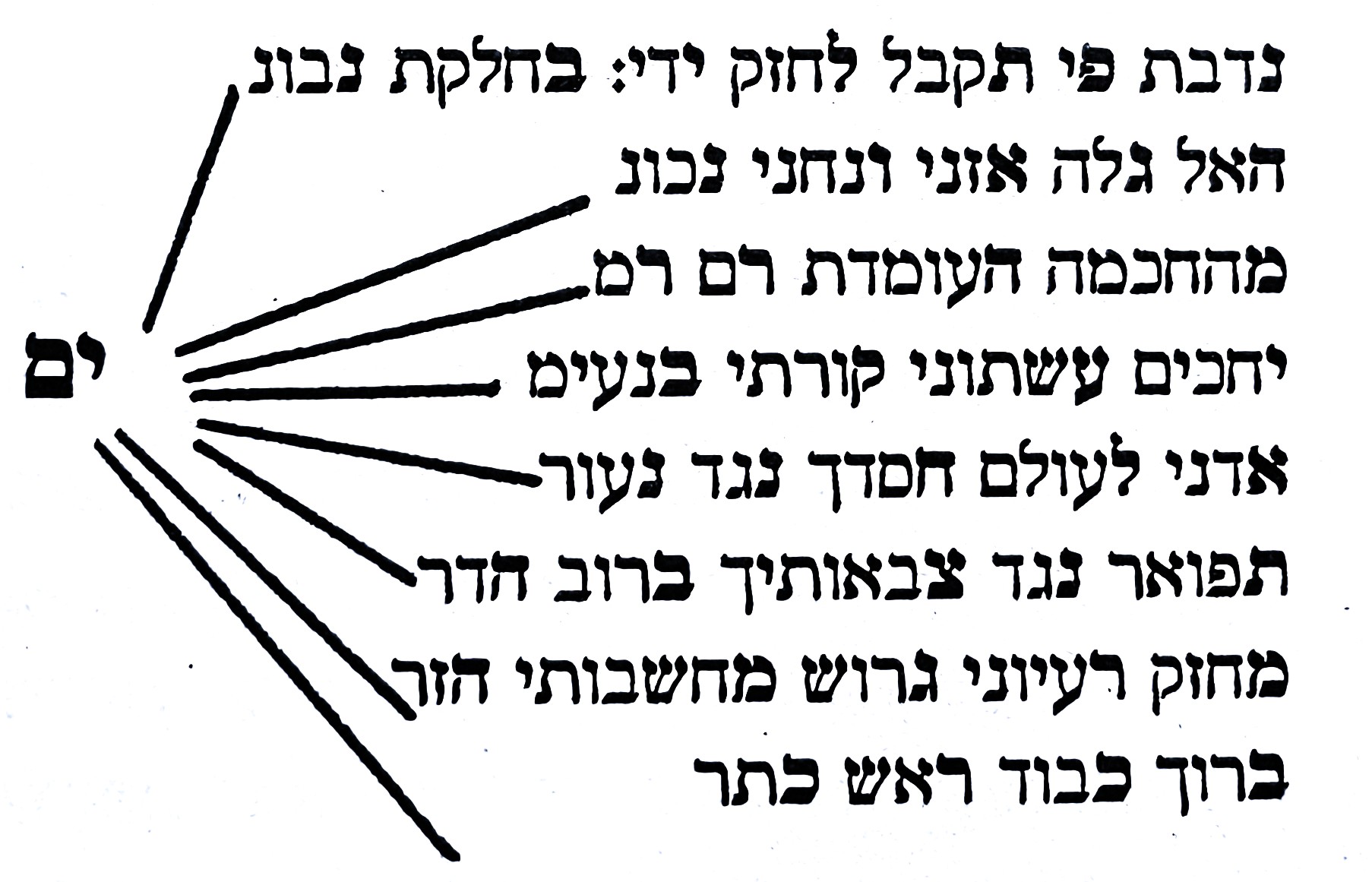
The freewill offering of my mouth receive, to strengthen my hand, in the portion of the understanding one
The Almighty uncovered my ear and guided me rightly
From the wisdom that stands exalted on high
Shall make me wise; my beams are woven in pleasantness
My Lord, forever is Your kindness before my youth
Glory before Your hosts, in the multitude of chambers
Strengthen my thought; banish my foreign musings
Blessed is the glory of the head of Keter
 he author said (אָמַר הַמְחַבֵּר), when I saw the beautiful view, the joy of the whole earth (בִּרְאוֹתִי יְפֵה נוֹף מְשׂוֹשׂ כָּל הָאָרֶץ), the oppressor went up against her (עָלָה אֵלֶיהָ הַצָּר), and he broke forth in her over all the sons of breach (וּפָרַץ בָּהּ עַל כָּל בְּנֵי פֶרֶץ). I said, to remove the wrath of the oppressor (אָמַרְתִּי לְהָסִיר חֲמַת הַצָּר), and the evil scheme shall be cut off from his people (וּמְזִמָּה מֵעַמּוֹ יִבָּצֵר), and I sang songs against the evil heart (וְשַׁרְתִּי בְּשִׁירִים עַל לֵב רַע), which is diseased and leprous (הוּא זוֹב וְצָרוּעַ). There is no cause for wonder (אֵין לְתַמּוֹהַּ), if the longing reed lifts itself up (אִם כִּי נוֹהֵה קָשׁ מַגְבִּיהַּ), its glory has passed away (הוֹדוֹ עָבָר). Not from pride has my spirit been lifted up (לֹא מִגַּאֲוָה רוּחִי נְשָׂאָה), rather the spirit of zeal has prevailed over me (רוּחַ הַקִּנְאָה עָלַי גָּבָר). As my eyes saw and my ears heard (כִּרְאוֹת עֵינַי שָׁמְעָה אָזְנִי), my disgrace came from the mouth of a mighty man (אֶת עֶלְבּוֹנִי פִּי אִישׁ גָּבֶר). Therefore I shall clothe myself in sharp zeal like a flaming sword (לָכֵן אֶעֱטֶה קִנְאַת בּוֹטֶה כְּחֶרֶב לֹהֲטָה). “What is the straw to the grain?” (מַה לַתֶּבֶן אֶת הַבָּר) (Jeremiah 23:28). He shall be filled with disgrace (יִשְׂבַּע חֶרְפָּה), from a feeble judgment (מִדִּין רָפֶה), and like refuse he shall be cast to the wind (וּכְמוֹ אַשְׁפָּה לַשַּׂחַק אוֹתוֹ נִבָּר). “May the words of my mouth be acceptable” (יִהְיוּ לְרָצוֹן אִמְרֵי פִי) (Psalms 19:15), illuminating my breath (מֵאִיר נִשְׁפִּי), because of my reproach I shall answer a matter (יַעַן חֶרְפִּי אָשִׁיב דָּבָר). “Do not rejoice over me, my enemy; though I have fallen, I have risen” (אַל תִּשְׂמְחִי לִי אֹיְבָתִי, כַּאֲשֶׁר נָפַלְתִּי קַמְתִּי) (Micah 7:8), the cup of my wrath shall pass over you (כּוֹס חֲמָתִי עָלַיִךְ יַעֲבוֹר). Remove the stumbling block (הָרִימוּ מִכְשׁוֹל), strengthen the one who stumbles (עִזְרוּ כּוֹשֵׁל), establish the tamarisk tree (תִּקְּנוּ אֶשֶׁל), and join companion to companion (וְחוֹבֵר חָבֵר). Honest scales and deceitful scales (מֹאזְנֵי צֶדֶק וּמֹאזְנֵי מִרְמוֹת), she is the Aramean queen (הִיא מֶלֶךְ אֲרָמִית). “Return, return, O Shulammite” (שׁוּבִי שׁוּבִי הַשּׁוּלַמִּית) (Song of Songs 7:1), the crown of testimony is heaped upon her (נֵזֶר הָעֵדוּת עָלֶיהָ צָבָר). The author of this book said (אָמַר מְחַבְּרָא דְּסִפְרָא דָּא), I raise my hands in prayer (אֲרִימֵת יָדַי בִּצְלוֹתָא), to awaken this will Above (לְעוֹרֵר הַאי רְעוּתָא לְעֵילָא), through an awakening from below (בְּאִתְעָרוּתָא דִּלְתַתָּא).
Master of all the worlds (רִבּוֹן דְּכָל עָלְמִין), Atika Kadisha [the Holy Ancient One] (עַתִּיקָא קַדִּישָׁא), Atika of Atikin [the Ancient of Ancients], concealed above all (עַתִּיקָא דְעַתִּיקִין סְתִימָא דְכֻלָּא), with Your permission I enter to reveal hidden and holy mysteries in this composition (בִּרְשׁוּ דִּילָךְ אֲנָא אֵיעוּל לְגַלָּאָה רָזִין טְמִירִין וּקְדִישִׁין בְּחִיבּוּרָא דָּא), as You alluded in Your Orayta (כְּמָה דְאַת אַרְמִיזַת אוֹרַיְיתָּא דִילָךְ): “And of Naftali he said: O Naftali, satisfied with favor,” two times (וּלְנַפְתָּלִי אָמַר נַפְתָּלִי שְׂבַע רָצוֹן תְּרֵין זִמְנִין) (Deuteronomy 33:23), as You said (כְּמָה דְאַת אָמַר): “He commanded, and it came to be; He commanded, and it stood fast” (הוּא צִוָּה וַיֶּהִי, הוּא צִוָּה וַיַּעֲמֹד) (Psalms 33:9). For before the world was created (דְּעַד לָא אִבְּרִי עָלְמָא), You decreed upon me to labor in this composition (אַנְתְּ גָּזַרְתָּ עֲלַי לְמֵיחַת בְּחִיבּוּרָא דָּא). And concerning this (וְעַל דָּא): “Uncover my eyes, that I may behold wonders from Your Torah” (גַּל עֵינַי וְאַבִּיטָה נִפְלָאוֹת מִתּוֹרָתֶךָ) (Psalms 119:18). May it be Your will (יְהֵא רְעוּתָא דִּילָךְ), to arouse this love between those Companions Above (לְאִתְעֲרָא הָאִי אַהֲבָה בֵּין אִנּוּן דוֹדִים דְּלְעֵילָא), and “to behold the pleasantness of Hashem and to visit in His Sanctuary” (לַחֲזוֹת בְּנֹעַם ה׳ וּלְבַקֵּר בְּהֵיכָלוֹ) (Psalms 27:4), the Heikhal [Palace] of Kodesh haKodashim [the Holy of Holies] (דְקוֹדֶשׁ קָדָשִׁין). Through the drawing forth of the fountain that is called Ratzon [Will] (בְּאִתְמְשׁוּכְתָּא דְּמַבּוּעָא דְּאִקְרֵי רָצוֹן), and through the reversal of the letters of Notzer Chesed [Preserver of Kindness] (וּבְהֵיפוּכָא דְּאַתְוָן נוֹצֵר חֶסֶד), this is the Supernal Mazal (דָּא אִיהוּ מַזָּלָא עִילָּאָה), within which is included the lower Mazal (דְּאִתְכְּלִילָא בֵּיהּ מַזָּלָא תַּתָּאָה), that is called Venakeh [and He cleanses] (דְּאִתְקְרֵי וְנַקֵּה).
May it be the will before Your holy Name, Hashem (יְהֵא רְעוּתָא מִן קֳדָם שְׁמָא קַדִּישָׁא דִּילָךְ ה׳), in Whom all the lights are included (דְּאִתְכְּלִילוּ בֵּיהּ כָּלְהוֹ נְהוֹרִין), and in Whom all the worlds are included (וְכָלְהוֹ עָלְמִין אִתְכְּלִילוּ בֵּיהּ), that You grant me a portion among those who are enlightened (דְּתִיהֵיב לִי חוּלְקָא בְּאִינּוּן מַשְׂכִּילִין), concerning whom it is said (דְּאִתְמַר בְּהוֹן): “And they that are wise shall shine as the brightness of the firmament” (וְהַמַּשְׂכִּילִים יַזְהִירוּ כְּזֹהַר הָרָקִיעַ) (Daniel 12:3). These are the sixty myriads, masters of the Mishnah Above (דָּאִינּוּן שִׁתִּין רִבְוָון מָרֵי מַתְנִיתִין דְּלְעֵילָא), and the sixty myriads, masters of the Mishnah below (וּבְשִׁתִּין רִבְוָון מָרֵי מַתְנִיתִין דִּלְתַּתָּא), and with these sixty myriads of holy angels Above (וּבְאֵלֵין שִׁתִּין רִבְוָון מַלְאֲכִין קַדִּישִׁין דְּלְעֵילָא), may they all gather together to reveal to me the hidden mysteries of Rashbi and his companions (כוּלְּהוֹן יִתְכַּנְּשׁוּן לְגַלָּאָה לִי רָזִין סְתִימִין דְּרַשְׁבִּ״י וְחַבְרוֹי), that I may walk in them in the path of truth (לְמֵיהַךְ בְּהוֹן בְּאוֹרַח קְשׁוֹט), as You said (כְּמָאן דְּאַת אָמַר): “For the ways of Hashem are straight, and the righteous shall walk in them” (כִּי יְשָׁרִים דַּרְכֵי ה׳ צַדִּיקִים יֵלְכוּ בָם) (Hosea 14:10). And I beseech the Holy One, blessed be He, and His Shekhinah (וּבְעוֹתִי מִן קב״ה וּשְׁכִינְתֵּיהּ), to grant me permission to reveal in this book (לְמִיהַב לִי רְשׁוּ לְגַלָּאָה בְּסִפְרָא דָּא), the hidden mysteries of the souls (רָזִין סְתִימִין דְּנִשְׁמָתִין), from the Supernal Academy Above (דְּמְתִיבְתָּא עִילָּאָה דְּלְעֵילָא), and from the Academy below (וּמְתִיבְתָּא תַּתָּאָה). Through the hand of the seven supernal mountains (עַל יַדָּא דִּשְׁבַע טוּרִין עִלָּאִין), namely the three Patriarchs, the Faithful Shepherd, Aharon, David, Shlomo, and Eliyahu with them (דָּאִינּוּן תְּלָת אַבָּהָן וְרָעְיָא מְהֵימְנָא וְאַהֲרֹן וְדָוִד וּשְׁלֹמֹה וְאֵלִיָּהוּ עִמְּהוֹן). And for all the souls of the students of the Academy who go unclothed (וּלְכָל נִשְׁמָתִין דְּמְתִיבְּתָאִין דְּאָזְלִין עֲרְטִילָּאִין), and the angels appointed over them (וּמַלְאֲכִין דִּי מְמַנְּיִין עֲלַיְיהוּ), and who go unclothed because of them (וְאָזְלִין עֲרְטִילָּאִין בְּגִינַיְיהוּ), these are “the virgins, her companions who follow her” (דָּאִינּוּן בְּתוּלוֹת אַחֲרֶיהָ) (Psalms 45:15). They are the companions of the Shekhinta (רֵעוּתָהּ דִּשְׁכִינְתָּא), and they are stripped away from her (וְאִנּוּן עֲרְטִילָּאִין מִנָּהּ), and they are called “companions who hearken to your voice” (וְאַקְרוֹן חֲבִירִים מַקְשִׁיבִים לְקוֹלֵךְ) (Song of Songs 8:13). And concerning them it is said (וְעָלַיְיהוּן אִתְמַר): “Rejoice with her, all who mourn for her” (שִׂישׂוּ אִתָּה מָשׂוֹשׂ כָּל הַמִּתְאַבְּלִים עָלֶיהָ) (Isaiah 66:10). Because of her (בְּגִינָהּ), thus are the hosts of the King stripped from Him (וְהָכִי אִנּוּן חֵילוֹי דְּמַלְכָּא עֲרְטִילָּאִין מִנֵּיהּ), as it is said concerning them (דְּאִתְמַר בְּהוֹן): “Behold, their valiant ones cry outside; the angels of peace weep bitterly” (הֵן אֲרָאֵלִם צָעֲקוּ חוּצָה מַלְאֲכֵי שָׁלוֹם מָר יִבְכָּיוּן) (Isaiah 33:7). And it is said concerning them (וְאִתְמַר בְּהוֹן): “How does she sit solitary” (אֵיכָה יָשְׁבָה בָדָד) (Lamentations 1:1), for the Shekhinta sits alone from her hosts (דִּשְׁכִינְתָּא יָתְבָא בָּדָד מִן חֵילָהּ), as it is said concerning the Shekhinta (דְּאִתְמַר בִּשְׁכִינְתָּא): “And Your pious ones shall bless You, Hashem” (וְחֲסִידֶיךָ יְבָרְכוּךָ ה׳) (Psalms 145:10), that is, “Blessed be the Name of the glory of His kingdom forever and ever” (דְּבָרוּךְ שֵׁם כְּבוֹד מַלְכוּתוֹ לְעוֹלָם וָעֶד). And regarding Kudsha Berikh Hu and His Shekhinta (וְעַל קב״ה וּשְׁכִינְתֵּיהּ), it is said concerning them (אִתְמַר בְּהוֹן): “As a bird wandering from her nest, so is a man wandering from his place” (כְּצִפּוֹר נוֹדֶדֶת מִן קִנָּהּ כֵּן אִישׁ נוֹדֵד מִמְּקוֹמוֹ) (Proverbs 27:8), as it is said concerning Him (דְּאִתְמַר בֵּיהּ): “Hashem is a man of war” (ה׳ אִישׁ מִלְחָמָה) (Exodus 15:3). And because of them (וּבְגִינַיְיהוּן), all of them go stripped (אָזְלִין כֻּלְּהוֹן עֲרְטִילָּאִין). And at the time when they are stripped (וּבִזְמַנָּא דְּאִיהוּ עֲרְטִילָּאִין), without the garments of Abba and Imma (בְּלָא לְבוּשִׁין דְּאַבָּא וְאִמָּא), and the two crowns of Atika Kadisha [the Holy Ancient One] (וּתְרֵין עַטְרִין דְּעַתִּיקָא קַדִּישָׁא), from the two Mazalot of His beard (מִתְּרֵין מַזָּלִין דִּדְקָנֵיהּ), the sages, the righteous, and the men of His measures (תַּלְמִידֵי חֲכָמִים וְצַדִּיקִים וְאַנְשֵׁי מִדּוֹת דִּילֵיהּ), all of them go wandering from place to place (כֻּלְּהוֹן אָזְלִין מִנְדָּדִין מִדּוּכָא לְדוּכָא מֵאַתְרָא לְאַתְרָא). As the companions, masters of the Mishnah, have established (כְּמָה דְּאוּקְמוּהָ חֲבַרַיָּיא מָרֵי מַתְנִיתִין): “The generation in which the son of David comes, men of valor shall go around from city to city and they will not be shown favor” (דוֹר שֶׁבֶּן דָּוִד בָּא אַנְשֵׁי חַיִל יְסוֹבְבוּ מֵעִיר לְעִיר וְלֹא יְחֻנָּנוּ) (Zohar Vayikra 67b). And because of this (וּבְגִין דָּא), it was agreed by Kudsha Berikh Hu and His Shekhinta (אִסְתַּכֵּם קב״ה וּשְׁכִינְתֵּיהּ), to make the composition of the book of the Zohar (לְמֶעְבַּד חִיבּוּרָא דִּסְפַּר הַזֹּהַר), through Rabbi Shimon bar Yochai and his students (עַל יְדָא דְּרַבִּי שִׁמְעוֹן בַּר יוֹחָאי וְתַלְמִידוֹי). So may Kudsha Berikh Hu and His Shekhinta agree (כֵּן יִסְתַּכֵּם קב״ה וּשְׁכִינְתֵּיהּ), to make this book through me (לְמֶעְבַּד עַל יְדָא דִילִי סִפְרָא דָּא). And just as Rashbi gathered within it supernal and lower beings (וּכְמָה דְּרַשְׁבִּ״י כְּנִישׁ בֵּיהּ עִילָּאִין וְתַתָּאִין), to find rest in it for the Shekhinta in exile (לְאַשְׁכָּחָא בֵּיהּ נִיְחוֹ לִשְׁכִינְתָּא בְּגָלוּתָא), and freedom for her children (וַחֵירוּ לִבְנָהָא). This is what is written (הֲדָא הוּא דִּכְתִיב): “Even the bird” (גַּם צִפּוֹר) (Psalms 84:4), this is the Shekhinta (דָּא שְׁכִינְתָּא), “has found a house, and the sparrow a nest for herself” (מָצְאָה בַיִת וּדְרוֹר קֵן לָהּ) (Psalms 84:4), in Imma Ila’ah, who is called Dror [freedom] (בְּאִמָּא עִילָּאָה דְּאִתְקְרִיָּאת דְּרוֹר), and freedom for the Shekhinta (וַחֵירוּת לָהּ לִשְׁכִינְתָּא). As it is said concerning Imma Ila’ah (דְּאִתְּמַר בְּאִמָּא עִלָּאָה): “And you shall proclaim freedom throughout the land to all its inhabitants” (וּקְרָאתֶם דְּרוֹר בָּאָרֶץ לְכָל יוֹשְׁבֶיהָ) (Leviticus 25:10).
Master of all the worlds (רִבּוֹן דְּכָלָּהוֹ עָלְמִין), may it be the will before Atik Yomin [the Ancient of Days] (יְהֵא רַעֲוָא מִן קֳדָם עַתִּיק יוֹמִין), Atika Kadisha [the Holy Ancient One], Atika of Atikin [the Ancient of Ancients] (עַתִּיקָא קַדִּישָׁא, עַתִּיקָא דְעַתִּיקִין), and the two Mazalot of His beard (וּתְרֵין מַזָּלִין דִּילֵיהּ), which are the two Margalin [Pearls] suspended from the beard of Aharon the Great Kohen (אִנּוּן תְּרֵין מַרְגְּלָאִין דְּתַלְיָין בְּדִקְנָא דְאַהֲרוֹן כֹּהֲנָא רַבָּא), concerning which it is said (דְּאִתְּמַר בְּהוֹן): “Like the precious oil upon the head, running down upon the beard, the beard of Aharon, that runs down upon the collar of his garments” (כַּשֶּׁמֶן הַטּוֹב עַל הָרֹאשׁ יֹרֵד עַל הַזָּקָן זְקַן אַהֲרוֹן שֶׁיֹּרֵד עַל פִּי מִדּוֹתָיו) (Psalms 133:2). “Like the dew of Hermon” (כְּטַל חֶרְמוֹן) (Psalms 133:3), this is Abba and Imma for Ze’ir Anpin and His Nukvah (דְּאַבָּא וְאִמָּא לְזְעֵיר וְנוּקְבֵּיהּ). “For there Hashem commanded the blessing, life forevermore” (כִּי שָׁם צִוָּה ה׳ אֶת הַבְּרָכָה חַיִּים עַד הָעוֹלָם) (Psalms 133:3), this is the Shekhinta (דְּשְׁכִינְתָּא), and from Her to us (וּמִינָּה לָן). And may it be Your will (וִיהֵא רְעוּתָא דִּילָךְ), to include within me the supernal and the lower ones (לְאִכְלָּלָא בִּי עִילָּאִין וְתַתָּאִין), to assist me in this composition (לְסַיְּעָא לִי בְּחִיבּוּרָא דָּא), and that each and every one may be found with me in the eye of my intellect (וְלְאִשְׁתְּכַחָא עִמִּי כָּל חַד וְחַד בְּעֵין הַשֵּׂכֶל דִּילִי), whether in writing, or in speech, or in other compositions (בֵּין בִּכְתִיבָה וּבֵין בְּדִבּוּרָא וּבִשְׁאָר חִיבּוּרִין), to write within them hidden mysteries through the power of Your Name YHVH (לְמִכְתַּב בְּהוֹן רָזִין טְמִירִין בְּחֵילָא דִּשְׁמָךְ יהו״ה), and all the Havayot [manifestations of the Name Havayah] that shine forth from it (וּבְכָל הֲוָיָין דְּנָהֲרִין מִינֵּיהּ), and all the Names of the Kinuyim [Appellations], all of which shine forth from it (וּבְכָל שְׁמָהָן דִּכִּינוּיָין דְּכֻלְּהוֹ יַזְהִירוּ מִינֵּיהּ). Thus may all the supernal and lower beings assist me (הָכִי יְהוֹן כֻּלְּהוֹן עִילָּאִין וְתַתָּאִין מְסַיְּעוֹן לִי), to succeed in bringing forth this composition through my hand (לְאַצְלָחָא לְאַיְּתָאָה לְחִיבּוּרָא דָּא עַל יְדָא דִּילִי), to bring it forth and to print it (לְאַיְּתָאָה לֵיהּ לְאַדְפָּסָא לֵיהּ), to bring merit through it to Kudsha Berikh Hu, His Shekhinta, and the holy flock (לְמִזְכֵּי בְּהוֹן קב״ה וּשְׁכִינְתֵּיהּ וַעֲנָא קַדִּישָׁא), to bring them out from this exile (לְמִפְקָא יָתְהוֹן מִן גָּלוּתָא דָּא), concerning which it is said (דְּאִתְּמַר בֵּיהּ): “I am with him in trouble” (עִמּוֹ אָנֹכִי בְצָרָה) (Psalms 91:15). As You said (כְּמָה דְאַת אָמַר): “And Hashem your God shall return your captivity” (וְשָׁב ה׳ אֱלֹהֶיךָ אֶת שְׁבוּתְךָ) (Deuteronomy 30:3).
And the companions established (וְאוּקְמוּהָ חֲבַרַיָּיא): “It does not say, ‘He shall cause to return,’ but rather, ‘He shall return,’ for Kudsha Berikh Hu and His Shekhinta shall return with us to their place” (יָשׁוּב לֹא נֶאֱמַר אֶלָּא וְשָׁב, דקב״ה וּשְׁכִינְתֵּיהּ יְתוּבוּן עִמָּנָא לְאַתְרֵיהוֹן). And grant permission (וְהַב רְשׁוּ), to everyone who is of the holy seed (לְכָל מָאן דְּאִיהוּ מִזַּרְעָא קַדִּישָׁא), to engage in this book through the power of Your Name (דְּיַעְסוֹק בִּסְפָּרָא דָּא בְּחֵילָא דִּשְׁמָךְ), to be made ready in it immediately, in the blink of an eye (לְאִזְדַּמְּנָא בֵיהּ מִיָּד כְּהֶרֶף עַיִן), to reveal within it each and every precious word (לְגַלָּח בֵּיהּ כָּל חַד וְחַד מִילִין יְקִירִין), and hidden mysteries before Kudsha Berikh Hu and His Shekhinta (וְרָזִין גְּנִיזִין קֳדָם קב״ה וּשְׁכִינְתֵּיהּ), for She alone is in exile (דָּאִיהִי יְחִידָאָה בְּגָלוּתָא). To illuminate through Your Name by means of this composition (לְאַנְהֲרָא בִּשְׁמָךְ בְּהַאי חִיבּוּרָא), and to become united with You through this composition (וּלְאִתְחַבְּרָא עִמָּךְ בְּהַאי חִיבּוּרָא), and to become bound to You through it with many adornments (וּלְאִתְקַשְּׁרָא בֵּיהּ לְגַבָּךְ בְּכַמָּה קִישּׁוּטִין), to fulfill through it (לְקַיֵּים בָּהּ): “And I will see it, to remember the everlasting covenant” (וּרְאִיתִיהָ לִזְכֹּר בְּרִית עוֹלָם) (Genesis 9:16).
Arise, Faithful Shepherd (קוּם רָעְיָא מְהֵימְנָא), and arise from your sleep (וְתָקוּם מִשְּׁנָתָךְ), to awaken from their sleep those who sleep in Chevron (לְאִתְעֲרָא מִשִּׁינְתְּחוֹן אִנּוּן דְּמִיכִי חֶבְרוֹן), and the seven supernal mountains (וְשִׁבְעָה טוּרִין עִילָּאִין), for the redemption depends upon you (דְּפוּרְקָנָא בָּךְ תַּלְיָא), concerning whom it is said (דְּאִתְּמַר בָּךְ): “Until Shiloh comes” (עַד כִּי יָבוֹא שִׁילֹה) (Genesis 49:10), whose numerical value is Moshe (חֲשׁוּבְנֵיהּ מֹשֶׁה). You, holy children (אַתּוּן בְּנִין קַדִּישִׁין), certainly you must awaken the Shekhinta that is in exile (וַדַּאי אִית לְכוֹן לְאִתְעֲרָא שְׁכִינְתָּא דָּאִיהִי בְּגָלוּתָא), like a mother who goes after her son in markets and streets (כְּאִמָּא דְּאָזְלַת בַּתַּר בְּרָהּ בְּשׁוּקִין וּבְרְחוֹבוֹת), so that they will not make him odious (דְּלָא יְבָאֲשׁוּן לֵיהּ), and she has no rest in exile (וְלֵית לָהּ נִיְיָהּ בְּגָלוּתָא), as it is said concerning her (דְּאִתְּמַר בָּהּ): “Oh that I had in the wilderness a lodging-place of wayfarers” (מִי יִתְּנֵנִי בַמִּדְבָּר מְלוֹן אֹרְחִים) (Jeremiah 9:1).
For behold, serpents and bears are coming to devour the holy flock of Kudsha Berikh Hu (דַּהֲא חִוְיָן וְדוּבִּין קָא אָתְיָין לְמֵיכַל עֲנָא קַדִּישָׁא דקב״ה), concerning whom it is said (דְּאִתְּמַר בְּהוֹן): “And you are My flock, the flock of My pasture” (וְאַתֶּן צֹאנִי צֹאן מַרְעִיתִי) (Ezekiel 34:31). Now the time has arrived (דְּכְעַן מָטָא זִמְנָא), concerning which it is said (דְּאִתְּמַר בְּהוֹן): “And they devoured Israel with every mouth” (וַיֹּאכְלוּ אֶת יִשְׂרָאֵל בְּכָל פֶּה) (Judges 6:6). As You said (כְּמָה דְאַת אָמַר): “Many are they that rise up against me; many there are who say of my soul, ‘There is no salvation for him in God.’ Selah” (רַבִּים קָמִים עָלַי רַבִּים אֹמְרִים לְנַפְשִׁי אֵין יְשׁוּעָתוֹ לוֹ בֵאלֹהִים סֶלָה) (Psalms 3:2–3). For behold (דַּהֲא), in every generation (בְּכָל דָּר וְדָר), you endure many afflictions because of them (אַתּוּן סַבְלִין כַּמָּה דוּחְקִין בְּגִינַיְהוֹן), in a hidden manner (בְּאָרַח נִסְתַּר), as it is said concerning you (דְּאִתְּמַר בָּךְ): “Surely our sicknesses he has borne, and our pains he carried” (אָכֵן חֳלָיֵנוּ הוּא נָשָׂא וּמַכְאֹבֵינוּ סְבָלָם) (Isaiah 53:4), “and by his wounds we were healed” (וּבַחֲבֻרָתוֹ נִרְפָּא לָנוּ) (Isaiah 53:5).
For your grave is in exile, outside the Holy Land (דְּקִבְרָךְ בְּגָלוּתָא לְבַר מֵאַרְעָא קַדִּישָׁא), for you suffered affliction for the sake of Kudsha Berikh Hu and His Shekhinta (דָּאֲנַת סַבְלִית צַעֲרָא בְּגִין קב״ה וּשְׁכִינְתָּא), concerning whom it is said (דְּאִתְּמַר בְּחוֹן): “And he was bound in chains among all the captivity of Jerusalem” (וְהוּא אָסוּר בַּאֲזִיקִים בְּתוֹךְ כָּל גָּלוּת יְרוּשָׁלַיִם) (Lamentations 3). And through the power of the Name Havayah (וּבְחֵילָא דְּשֵׁם הוי״ה), and through all His Havayot [manifestations of the Name Havayah] (וּבְכָל הֲוָיָין דִּילֵיהּ), and through all His holy and pure Kinuyim [Appellations] (וּבְכָל כִּינוּיֵּין קַדִּישִׁין וּדְכִיֵּין דִּילֵיהּ), may sixty myriads of masters of the Mishnah be awakened with you (יִתְעֲרוּן עִמְּכוֹן שִׁיתִּין רִבּוֹא מָרֵי מַתְנִיתִין), sixty myriads of angels Above and below (שִׁיתִּין רִבּוֹא מַלְאָכִין עִילָּאִין וְתַתָּאִין), and sixty myriads of prophets (וּשִׁיתִּין רִבּוֹא נְבִיאִים), that all of them may advocate merit on behalf of Israel (לְמֵהֲוֵי כֻּלְּהוֹן אוּלְפִין זַכּוּ עַל יִשְׂרָאֵל), to save them from these evil serpents (לְשֵׁיזְבָּא לוֹן מֵאֵלִין חִוְיָן בִּישִׁין). May Kudsha Berikh Hu forgive them all their sins (לְמֵהֲוֵי קב״ה מְחִיל לְהוֹן כָּל חוֹבֵיהוֹן), redeem them (וּלְמִפְרַק לוֹן), and fulfill for them (וּלְקַיֵּים בְּהוֹן): “Leaping upon the mountains” (מְדַלֵּג עַל הֶהָרִים) (Song of Songs 2:8), these are the end-times (דָּא אִנּוּן קִיצִין). “You who remind Hashem, do not keep silent” (הַמַּזְכִּירִים אֶת יְהוָ״ה אַל דֳּמִי לָכֶם) (Isaiah 62:6), until Kudsha Berikh Hu pours out mercy upon them (עַד יַעֲרֶה לְגַבַּיְיהוֹן קב״ה בְּרַחֲמֵי).
Arise, Eliyahu, the Great Kohen (קוּם אֵלִיָּהוּ כֹּהֲנָא רַבָּא), gird your loins (חֲגִיר חַרְצִין), and pray on behalf of the holy flock (וְצַלֵּי עַל עֲנָא קַדִּישָׁא), before Kudsha Berikh Hu and His Shekhinta (קֳמֵי קב״ה וּשְׁכִינְתֵּיהּ). For you traversed the world with four flights (דָּאֲנַת דְּלִיג עָלְמָא בְּאַרְבַּע טָאסִין), to find every single one of Israel who fulfills the sign of the holy everlasting covenant (לְאַשְׁכָּחָא כָּל חַד וְחַד מִיִּשְׂרָאֵל דְּמְקַיְּמִין אוֹת בְּרִית קַיָּימָא קַדִּישָׁא). By the power of the Name Hashem, and all His Havayot and Kinuyim [Appellations] (בְּחֵילָא דִּשְׁמָא יְהוָ״ה וְכָל הֲוָיָין וּכִינוּיֵּין דִּילֵיהּ), do not delay to receive permission from Kudsha Berikh Hu and His Shekhinta (לָא תִּתְעַכֵּב לְנַטְלָא רְשׁוּ מִקב״ה וּשְׁכִינְתֵּיהּ), to descend and guard the holy flock (לְנַחֲתָא לְנַטְרָא עֲנָא קַדִּישָׁא), and be crowned with all the Names of Kudsha Berikh Hu to protect them (וְתִתְעַטַּר בְּכָל שְׁמָהָן דקב״ה לְאַגָּנָא בְּהוֹן עֲלֵיהוֹן), to redeem them (וּלְמִפְרַק לְהוֹן), and to establish the holy Shekhinta (וּלְאוּקְמָא שְׁכִינְתָּא קַדִּישָׁא), to unite Her with Kudsha Berikh Hu (לְחַבְּרָא לָהּ בקב״ה). And it shall be fulfilled in Her (וְיִתְקַיֵּים בָּהּ): “In that day I will raise up the fallen booth of David” (בַּיּוֹם הַהוּא אָקִים אֶת סֻכַּת דָּוִד הַנֹּפֶלֶת) (Amos 9:11). And on that day (וַאֲהִיּוּ יוֹמָא), Atika Kadisha [the Holy Ancient One] desires to honor His holy beard (דְּעַתִּיקָא קַדִּישָׁא בָּעֵי לְאוֹקִיר דִּיקְנָא קַדִּישָׁא דִּילֵיהּ), concerning which it is said (דְּאִתְּמַר בֵּיהּ): “And it shall be one day, which shall be known to Hashem, neither day nor night; but it shall come to pass that at evening time there shall be light” (וְהָיָה יוֹם אֶחָד הוּא יִוָּדַע לַה׳ לֹא יוֹם וְלֹא לָיְלָה וְהָיָה לְעֵת עֶרֶב יִהְיֶה אוֹר) (Zechariah 14:7). And from that day (וּמִן יוֹמָא דָּא), the light of the right arm of Kudsha Berikh Hu shall be revealed (יִתְגְּלֵי נְהוֹרָא דִּדְרוֹעָא יְמִינָא דקב״ה), which shines from one end of the world to the other (דְּיִתְנְהִיר מִסֵּיפֵי עָלְמָא וְעַד סֵיפֵי עָלְמָא), concerning which it is said (דְּאִתְּמַר בָּהּ): “And it shall come to pass in that day, that Hashem shall set His hand again the second time” (בַּיּוֹם הַהוּא יוֹסִיף ה׳ שֵׁנִית יָדוֹ) (Isaiah 11:11). And the dominion of the Sitra Achra shall be broken (וְיִתְבַּר שׁוּלְטָנוּתְהוֹן דְּסִטְרָא אָחֳרָא), to cast them down from that ladder of Naar Metatron (לְדַחְיָא לְהוֹן מֵהַאי סוּלָּם דְּנַעַר מֵטַטְרוֹן), into the River of Dinur (לְנַהֲרָא דִּינוּר), as far as the place called Metzulatayim [the Depths] (עַד אַתְרָא דְּאִתְקְרֵי מְצוּלָתַיִם). And at that time (וּבִזְמַנָּא הַהִיא), the holy angels shall slaughter (יִשְׁחְטוּן מַלְאָכַיָּא קַדִּישִׁין), and the masters of the faces (וּמָרֵי דְאַפַּיָּא), the hosts of the Sitra Achra (אוּכְלוֹסֵי סִטְרָא אָחֳרָא), like goats, lambs, and sheep of the Day of Atonement (כְּגַדְיָין וַאֲמָרִין וּכְבָשִׂין דִּיוֹמָא כִּפּוּרַיָּא). And on that day (וּבְיוֹמָא דָּא), You, Kudsha Berikh Hu, alone (אַנְתְּ קב״ה בְּלְחוֹדָךְ), are destined to arouse Your might against those Tanninim [Dragons] (זְמִינַת לְאִתְעֲרָא גְּבוּרָתָךְ עַל אִנּוּן תַּנִּינַיָּא), concerning whom it is said (דְּאִתְּמַר בְּהוֹן): “On that day Hashem, with His hard, great, and strong sword, shall punish Leviathan Nachash Bariach [Leviathan, the piercing serpent], and Leviathan Nachash Akalaton [Leviathan, the crooked serpent], and He shall slay the Tannin [Dragon] that is in the sea” (בַּיּוֹם הַהוּא יִפְקֹד יְיָ בְּחַרְבּוֹ הַקָּשָׁה וְהַגְּדוֹלָה וְהֶחֱזָקָה עַל לִוְיָתָן נָחָשׁ בָּרִחַ וְעַל לִוְיָתָן נָחָשׁ עֲקַלָּתוֹן וְהָרַג אֶת הַתַּנִּין אֲשֶׁר בַּיָּם) (Isaiah 27:1). That is called Metzulatayim [the Depths] (דְּאִתְקְרְיָאת מְצוּלָתַיִם), in the world of the Nukvah of the Great Tehom [Abyss] (בְּעָלְמָא נוּקְבָּא דִּתְּהוֹמָא רַבָּא), and they are Samael and Lilith, the evil foreskin (וְאִנּוּן סַמָּאֵל וְלִילִית עָרְלָה בִּישָׁא).
By pestilence and by blood p1-0(בִּדְבַר וּבְדָם), judge them (תִּשְׁפְּטֵנוּ), and “if you make your nest as high as the eagle, from there I will bring you down, says Hashem” (וְאִם יַגְבִּיהַ כַּנֶּשֶׁר מִשָּׁם אוֹרִידְךָ נְאֻם ה׳) (Obadiah 1:4), into the depths of the sea (לִמְצוּלַת יָם), just as You did in the redemption of Egypt (כְּמָא דַּעֲבַדִּית בִּפְוּרְקָנָא דְּמִצְרָאֵי), concerning which it is said (דְּאִתְּמַר): “And I will pass through the land of Egypt—I, and not a seraph; I, and not an angel; I am Hashem, I and no other” (וְעָבַרְתִּי בְּאֶרֶץ מִצְרַיִם אֲנִי וְלֹא שָׂרָף אֲנִי וְלֹא מַלְאָךְ אֲנִי ה׳ אֲנִי הוּא וְלֹא אַחֵר) (Exodus 12:12; Passover Haggadah). And concerning this it is said (וְעַל דָּא אִתְּמַר): “Behold, I am against you, Pharaoh king of Egypt, the great Tannin [Sea Monster] that lies in the midst of his rivers” (הִנְנִי עָלֶיךָ פַרְעֹה מֶלֶךְ מִצְרַיִם הַתַּנִּים הַגָּדוֹל הָרוֹבֵץ בְּתוֹךְ יְאֹרָיו) (Ezekiel 29:3). Thus may You act in this year (כָּךְ תַּעֲבִיד בִּשְׁתָּא דָּא), to be zealous with the zeal of the holy covenant (לְקַנְאָה בֵּיהּ קִנְאַת אַת קַיָּימָא קַדִּישָׁא), against those who say, “Lay it bare, lay it bare, unto its very foundation” (עַל הָאֹמְרִים עָרוּ עָרוּ עַד הַיְּסוֹד בָּהּ) (Psalms 137:7). And may You redeem us in this year (וְאַנְתְּ תִּפְרוֹק לָן בִּשְׁתָּא דָּא). For You are clothed with zeal for the city of Jerusalem Above (דַּאת לְבִישׁ קִנְאָה עַל קַרְתָּא דִּירוּשְׁלֶם דְּלְעֵילָא), concerning which it is said (דְּאִתְּמַר בָּהּ): “Its flashes are flashes of fire, a flame of Yah” (רִשְׁפֶּיהָ רִשְׁפֵּי אֵשׁ שַׁלְהֶבֶת יָ״ה) (Song of Songs 8:6). For the Shekhinta is the daughter of Abba and Imma (דְּשְׁכִינְתָּא אִיהִי בַּרְתָּא דְּאַבָּא וְאִמָּא), and in this word is alluded the reckoning of this year [5408/1648] p1-1(וְרְמִיזָא בְּמִלָּה דָּא חוּשְׁבָּן שְׁתָּא דָּא), namely the numerical value of “they merited” and “I will hasten it” [408] (דָּא אִיהוּ חוּשְׁבָּן ז״כ״ו וַאֲחִי״שְׁנָה [= ת״ח]). May it be Your will to be with my Abba and my Imma (יְהֵא רְעוּתָא דִילָךְ עִם אַבָּא דְּאִמָּא דִילִי), the crown of my head, whom You took from me (עֲטָרַת רֵישִׁי דְּנָטְלִית לְהוֹן מִינִי), to benefit them through the thirteen rivers of pure balsam (לְאוֹטְבָא לְהוֹן מִתְּלַת עֲשַׂר נַהֲרֵי אַפַּרְסְמוֹנָא דְּכִיָּא), which are called “the bundle of life” (דְּאַקְרוֹן צְרוֹר הַחַיִּים). And may these words that are renewed from my mouth (וְאֵלֵין מִלִּין דְּיִתְחַדְּשׁוּן מִפּוּמִי), become a crown of supernal radiance (יִתְעַבְּדוּן כִּתְרָא דִּזְהָרָא עִילָּאָה), from the splendor of the pleasantness of Hashem upon their heads (מִזֹּהַר נֹעַם ה׳ עַל רֵישֵׁיהוֹן), Amen (אָמֵן).
To arouse Mayin Nukvin [feminine waters] toward the King and the Matronita through their Nefashot [Souls] (לְאִתְעֲרָא מַיִן נוּקְבִין אֶל מַלְכָּא וּמַטְרוֹנִיתָא בְּנַפְשַׁיְיהוֹן), and may their Neshamot [Souls] become mayin dechurin [masculine waters] to arouse the King and the Matronita toward Abba and Imma Kedishin [Holy Father and Mother] (וְנִשְׁמָתְהוֹן יְהוֹן מַיִן דְּכוּרִין לְאִתְעֲרָא מַלְכָּא וּמַטְרוֹנִיתָא לְאַבָּא וְאִמָּא קַדִּישִׁין). And may holy angels stand at my left and at my right (וּמַלְאֲכִין קַדִּישִׁין יְקוּמוּן עַל שְׂמָאלָא וִימִינָא דִילִי), to separate from me all those accusers (לְאַבְדָּלָא מִנִּי כָּל אִנּוּן מְקַטְרְגִין), who are the husks of my separation (דְּאִנּוּן מַסְכָּא דְּאַבְדַּלְתָּא דִילִי). And by the power that You bestow upon those angels (וּבְחֵילָא דִּתְּהֵיב לְאִנּוּן מַלְאָכַיָּא), may ten thousand fall at my right (יִפְּלוּן מִיְמִינָא דִילִי רִבְּבוֹן), and a thousand at my left (וּמִשְׂמָאלָא דִילִי אַלְפָּא), who come from the bosom of Adam Kadma’ah [Primordial Adam] (דְּאָתְיָין מֵחוּבָּא דְּאָדָם קַדְמָאָה). And may You reveal Yourself to me in the eye of my intellect (וְאַנְתּ תִּתְגְּלֵי עֲלַי בְּעֵין הַשֵּׂכֶל דִילִי), at every time that I have need of You (בְּכָל זִמְנָא דִּתִּצְטָרִיךְ לִי), and may You save me from all the many evil errors and sins (וְתִשְׁזִיב יָתִי מִכָּלְהוֹן שַׁגִּיאִין וַחֲבוֹבִין בִּישִׁין), and may You send me Your assistance (וְתִשְׁדַּר לִי סַיְּעָתָא דִילָךְ). And let not Your Orayta be forgotten from my mouth (וְלָא תִּשְׁתְּכַּח אוֹרַיְיתָּא דִּילָךְ מִפֻּמִּי), nor from the mouth of my seed (וּמִפֻּמֵּיהּ דְּזַרְעִי), nor from the seed of my seed forever (וְזֶרַע זַרְעִי עַד עָלַם). And receive my prayer with mercy (וְתִקַּבֵּל צְלוֹתָאי בְּרַחֲמֵי).
May it be Your will before You (יְהֵא רְעוּתָא מִן קֳדָמָךְ), that You fulfill the requests of my heart (דְּתַשְׁלֵים מִשְׁאֲלִין דִּלְבָּאִי), and the heart of all Your people, the House of Israel (וּלְבָא דְּכָל עַמָּךְ בֵּית יִשְׂרָאֵל), for good, for life, and for peace (לְטָב וּלְחַיֵּין וּלְשְׁלָם). For it is revealed before You (דָּא אַנְתְּ גָּלֵי קֳדָמָךְ), that I did not compose this book for my own honor (דְּלָא לִיקָרָא דִּילִי עֲבִידְנָא סִפְרָא דָּא), nor for the honor of my father's house (וְלָא לִיקָרָא דְבֵית אַבָּא), but rather to bring merit through it to Your holy people (אֶלָּא לְזַכָּאָה בְּהוֹן עַמָּךְ קַדִּישָׁא), to unite You with Your holy Shekhinta (וּלְחַבְּרָא לָךְ עִם שְׁכִינְתָּךְ קַדִּישָׁא), and to redeem us (וּלְמִפְרוֹק לָנָא). With the redemption of the Right Side (פּוּרְקָנָא דִּימִינָא), through the two Messiahs, Adam and Yosef (עַל יְדָא דִּתְּרֵין מְשִׁיחִין, אָדָם וְיוֹסֵף), who shall magnify Your holy Name (דִּיסְגְּדוּן לִשְׁמָךְ קַדִּישָׁא), within the great mountain, Mount Horeb (בְּגוֹ טוּרָא רַבְרְבָא דְּטוּרָא חוֹרֵב). And its name shall be changed (וְיִשְׁתַּנֵּי שְׁמֵיהּ), and it shall be called Mount Moriah as formerly (וְיִתְקְרֵי הַר הַמּוֹרִיָּה כְּדִלְמִקַּדְמִין). Perfumed with myrrh and pure frankincense (מְקוּטֶּרֶת מוֹר וּלְבוֹנָה דַכְיָּא), with the thirteen ingredients of the incense (בִּתְלַת עֲשַׂר סַמַּנֵּי דִקְטוֹרְתָּא), which are called “the bundle of life” (דְּאַקְרוּן צְרוֹר הַחַיִּים). Blessed is Your Keter [Crown], Your place, and Your Name forever and for all eternity (בָּרִיךְ כַּתְרָךְ וְאַתְרָךְ וּשְׁמָךְ דִּילָךְ לְעָלַם וּלְעָלְמֵי עָלְמַיָּא). Amen (אָמֵן).
Notes
(The final letter Mem, its number is 600 (ם סוֹפִית מִנְיָנָא ת׳ר״ס), and with Vav-Bet-Dalet- it ascends to 612, equal to the number of Samael–Lilith (וְעִם וִ’בִ’דִ עוֹלָה תרי״יב כְּמִנְיַן סַמָּאֵל לִילִית).
[This book was printed in the year 5408 (1648 CE) (הספר נדפס בשנת ת״ח), concerning which the ancient Kabbalists said that it is especially conducive to the Redemption (אשר מקובלים קדמונים אמרו עליה שמסוגלת לגאולה), “With this shall Aharon enter into the Holy Place” (בזאת יבא אהרן אל הקדש) (Leviticus 16:3).]