
Chapter Eight (פֶּרֶק שְׁמִינִי)
The sum of the matter we stated above (כְּלַל הַדְּבָרִים אָמַרְנוּ לְמַעְלָה), that the point which revealed its place in this Tehiru (שֶׁהַנְּקֻדָּה שֶׁגִּלְּתָה מְקוֹמָהּ בְּטְהִירוּ זֶה), was emanated with its essence (נֶאֶצְלָה עִם עַצְמוּתָהּ), in the mystery of essence and vessels at once (בְּסוֹד עַצְמוּת וּכְלִים בִּזְמַן אֶחָד), like a flame bound to a coal (כְּשַׁלְהֶבֶת קְשׁוּרָה בְּגַחֶלֶת), in the likeness of the soul in a person (כְּדִמְיוֹן הַנְּשָׁמָה בָּאָדָם). And the point is the point of Keter of the World of Tohu (וְהַנְּקֻדָּה הִיא נְקֻדַּת כֶּתֶר שֶׁל עוֹלַם הַתֹּהוּ), and all the Sefirot were included within it in potential (וְכָל הַסְּפִירוֹת כֻּלָּם הָיוּ נִכְלָלִים בָּהּ בְּכֹחַ), just as in a person there are four elements (כְּמוֹ שֶׁבָּאָדָם יֵשׁ בּוֹ אַרְבַּע יְסוֹדוֹת), and no individual element is recognizable within him (וְאֵינוֹ נִכָּר בּוֹ כָּל יְסוֹד לְבַדּוֹ בִּפְרָטוּתוֹ), but all of them are in him in potential (אֶלָּא כֻּלָּם בּוֹ בְּכֹחַ), so too were the ten Sefirot in this Keter in potential (כֵּן הָיוּ הָעֶשֶׂר סְפִירוֹת בַּכֶּתֶר הַזֶּה בְּכֹחַ). Afterwards, His blessed wisdom decreed (אַחַר כָּךְ גָּזְרָה חָכְמָתוֹ יִתְבָּרֵךְ), to bring forth the aforementioned Sefirot that were in Keter (לְהוֹצִיא הַסְּפִירוֹת הַנִּזְכָּרִים לְמַעְלָה שֶׁבַּכֶּתֶר), from potential into actuality (מִן הַכֹּחַ אֶל הַפּוֹעַל), in order to bring the worlds into being (כְּדֵי לְהַמְצִיא הָעוֹלָמוֹת). And He hinted to this final Yod (וְרָמַז לַיוֹ״ד אַחֲרוֹנָה זוֹ), that it would return and split open (שֶׁתַּחֲזוֹר וְתִבָּקַע), and enter and shine within this Keter (וְתִכָּנֵס וְתָאִיר בְּתוֹךְ כֶּתֶר זֶה), and that afterwards it would return upward (וְשֶׁאַחַר כָּךְ תַּחֲזוֹר לְמַעְלָה), and so it did (וְכֵן עָשְׂתָה). And from this illumination and this return upward (וּמֵהַאֲרָתָהּ זוֹ וּמֵחֲזָרָתָהּ זוֹ לְמַעְלָה), all the other Sefirot that had been in Keter in potential were revealed (נִתְגַּלּוּ כָּל שְׁאָר הַסְּפִירוֹת שֶׁהָיוּ בַּכֶּתֶר בְּכֹחַ), and took form (וְנִתְגַּלְמוּ), in such a manner that they became distinguishable (בְּאֹפֶן שֶׁהָיוּ נִכָּרוֹת), and were there in Keter in a circle such as this (וְהָיוּ שָׁם בַּכֶּתֶר בַּעֲגֻול כָּזֶה):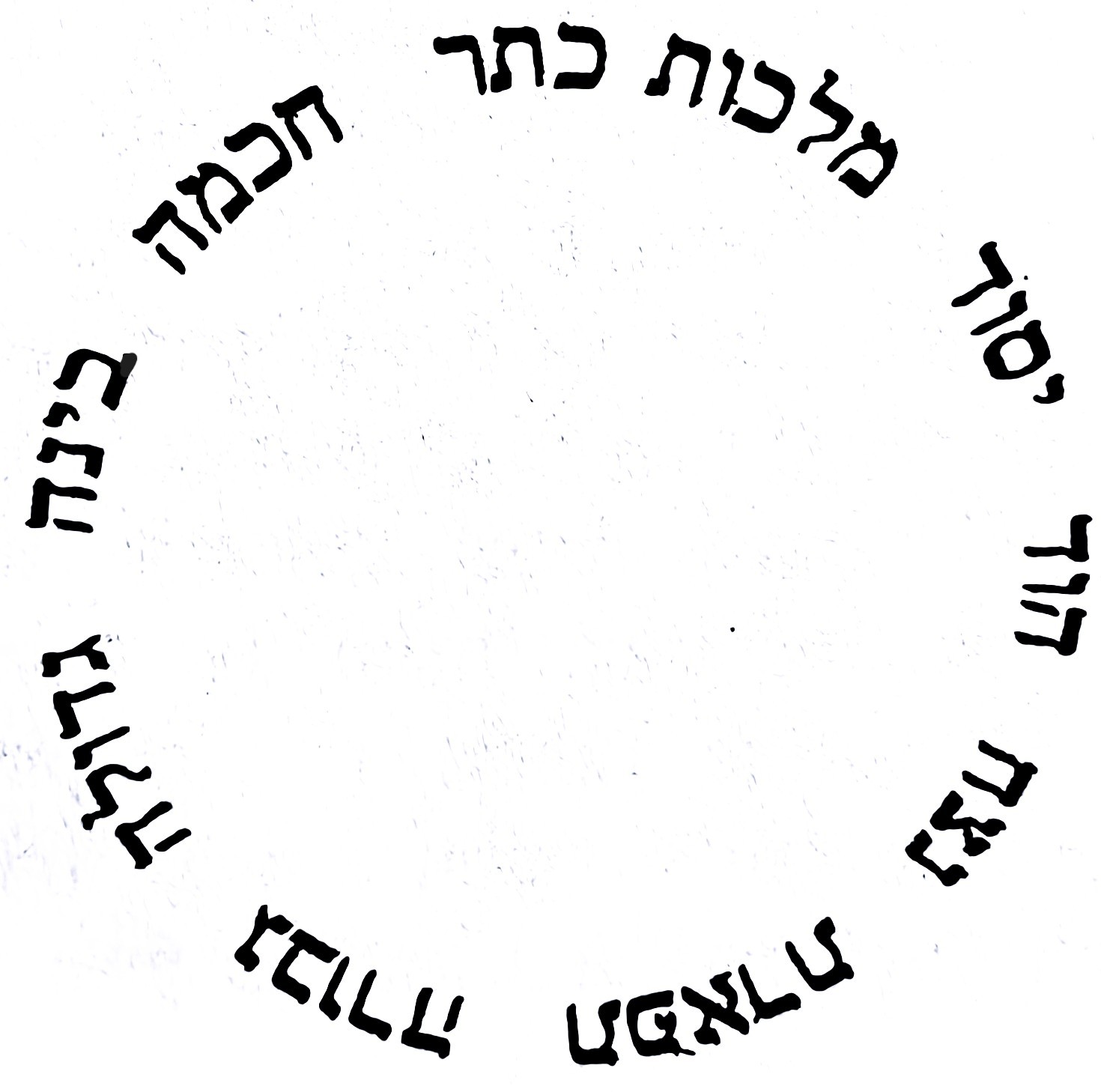
And this is what the early Kabbalists of blessed memory said (וְזֶהוּ שֶׁאָמְרוּ הַמְּקוּבָּלִים הַקְּדְמוֹנִים ז״ל), that the Sefirot are all in a circle (שֶׁהַסְּפִירוֹת הֵן כֻּלָּם בְּעִגּוּל), and their words were true (וְצָדְקוּ דִּבְרֵיהֶם), in the time when they were in the aforementioned Keter (בִּזְמַן שֶׁהָיוּ בַּכֶּתֶר הַנ״ל). And in this path walked Rabbi Avraham Mivoulafia p1-6(וּבְדֶרֶךְ זֶה דָּרַךְ רַבִּי אַבְרָהָם מִבּוּלְעַפְי״א), in his book HaGalgal (בְּסֵפֶר הַגַּלְגַּל שֶׁלוֹ), and the author of the Pardes p1-7(וּבַעַל הַפַּרְדֵּס), rejected this view (דָּחָה הַסְּבָרָא הַזֹּאת), in the Gate of the Order of their Stationing (בִּשְׁעַר סֵדֶר־עֲמִידָתָן), but he did not reach the depth of their understanding (אֲבָל לֹא יָרַד לְסוֹף דַּעְתָּם). And if Hashem decrees life (וְאִם יִגְזֹר הַשֵּׁם בַּחַיִּים), I will explain each one with a broad explanation in its proper place (אֲבָאֵר בֵּיאוּר רָחָב כָּל אֶחָד וְאֶחָד בִּמְקוֹמוֹ הָרָאוּי אֵלָיו), to settle the rejected views in the Gate of the Order of their Stationing (לְיַשֵּׁב סְבָרוֹת הַדְּחוּיִּים בִּשְׁעַר סֵדֶר־עֲמִידָתָן). And sages who are filled with eyes (וְחֲכִימִין דְּמָלְיֵין עֵינִין), will see that in his days the time of favor had not yet been revealed (יִרְאוּ שֶׁלֹּא נִתְגַּלָּה בְּיָמָיו עֵת רָצוֹן), which we merited to attain a little (אֲשֶׁר זָכִינוּ אֵלָיו מְעַט), through our teacher and our master (עַל יְדֵי מוֹרֵנוּ וְרַבֵּנוּ), the light of the seven days (אוֹר שִׁבְעַת הַיָּמִים), the Holy of Holies (קֹדֶשׁ קָדָשִׁים), the Ari, may his memory be for life in the World to Come (הָאַרִ״י זלה״ה), the soul of Mashiach son of Yosef (נ׳שְׁמַת מ׳שִׁיחַ ב׳ן י׳וֹסֵף), may his rest be honorable (מְנוּחָתוֹ כָּבוֹד).
Notes
This refers to Rabbi Avraham Abulafia (אַבְרָהָם אַבּוּלַעַפְיָא), even though he did not mention Rabbi Avraham Abulafia by name (אַף עַל פִּי שֶׁלֹּא הִזְכִּיר אֶת רַבִּי אַבְרָהָם אבולעפיא בִּשְׁמוֹ)
Pardes Rimonim by the Ramak, Gate 6, Chapters 6–7 (פַּרְדֵּס רִמּוֹנִים לָרָמַ״ק, שַׁעַר ו׳, פְּרָקִים ו׳–ז׳)