
Chapter Twelve (פֶּרֶק שְׁנֵים עָשָׂר)
And behold, this is the word of the Mekubalim, that each one of the Sefirot is composed of ten (וְהִנֵּה זֶהוּ דִּבְרֵי הַמְּקוּבָּלִים שֶׁכָּל אַחַת מִן הַסְּפִירוֹת כְּלוּלוֹת עֶשֶׂר), for they were all within the sphere of Keter (לְפִי שֶׁכֻּלָּם הָיוּ תוֹךְ הַכַּדּוּר דְּכֶתֶר), and so they were within Chokhmah (וְכֵן הָיוּ תוֹךְ הַחָכְמָה), and afterwards they emerged with Binah (וְיָצְאוּ אַחַר כָּךְ עִם בִּינָה), and Binah brought forth all seven Sefirot, one beneath the other (וְהַבִּינָה הוֹצִיאָה כָּל הַז׳ סְפִירוֹת זוֹ תַּחַת זוֹ). And the words of the Mekubalim are true, who depict the Sefirot all one beneath the other (וְצָדְקוּ דִּבְרֵי הַמְּקוּבָּלִים שֶׁמְּצַיְּרִין הַסְּפִירוֹת כֻּלָּן זוֹ תַּחַת זוֹ), as the author of Pardes demonstrates clearly regarding them (כְּמוֹ שֶׁמוֹכִיחָם בַּעַל הַפַּרְדֵּ״ס עַל פְּנֵיהֶם), in the Gate of the Orders of Their Standings (בְּשַׁעַר סִדְרֵי עֲמִידָתָן), and their words are correct (וְצָדְקוּ דִּבְרֵיהֶם), in that they are in this configuration in the World of Tohu (בִּהְיוֹתָם בְּמַצָּב זֶה בְּעוֹלַם הַתֹּהוּ), like this (כָּזֶה). 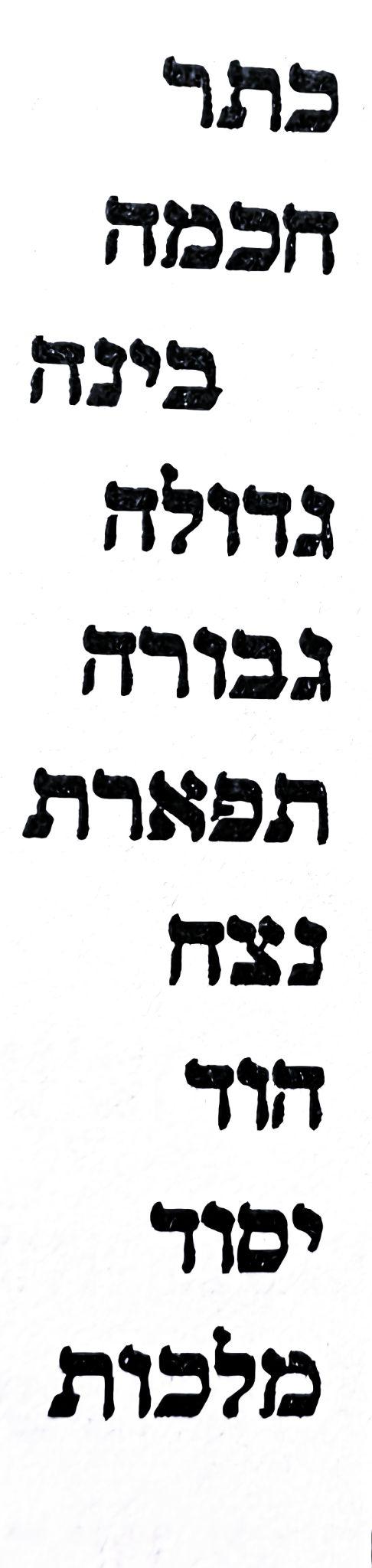
And there is to ask, how did Chokhmah find a place to sit beneath the hems of Keter (וְיֵשׁ לְהַקְשׁוֹת, הֵיאַךְ מָצְאָה הַחָכְמָה מָקוֹם לָשֶׁבֶת תַּחַת שׁוּלֵי הַכֶּתֶר), and behold, the Ohr haMakif that flows upon Keter descends and fills all the Tehiru (וְהֲלֹא הָאוֹר הַמַּקִּיף הַשּׁוֹפֵעַ עַל הַכֶּתֶר יוֹרֵד וּמְמַלֵּא כָּל הַטְּהִירוּ). The answer is (הַתְּשׁוּבָה הִיא): that the Ohr haMakif does not surround the vessel of Keter on all its sides (שֶׁהָאוֹר הַמַּקִּיף אֵינוֹ סוֹבֵב כָּל כְּלִי הַכֶּתֶר מִכָּל צִדָּיו), in such a way that it would also surround below at its hems (בְּאֹפֶן שֶׁיְּסוֹבֵב גַּם לְמַטָּה בִּשְׁוּלָיו), rather it falls and descends evenly on its two sides alone (אֶלָּא נוֹפֵל וְיוֹרֵד בְּמִישׁוֹר מִשְּׁנֵי צִדָּיו לְבַד).
And this was in the intention of the one who intended, to find a place for the Sefirah of Chokhmah (וְזֶה הָיָה בְּכַוּוֹנַת הַמְכַוֵּן לִמְצוֹא מָקוֹם לִסְפִירַת חָכְמָה), and if so, there remained beneath it an empty place, and there Chokhmah found rest for the sole of her foot (וְאִם כֵּן נִשְׁאַר תַּחְתָּיו מָקוֹם פָּנוּי וְשָׁם מָצְאָה הַחָכְמָה מְנוּחָה לְכַף רַגְלָהּ). And that she did not incline herself to the side, as Binah did (וּמַה שֶּׁלֹּא נָטְתָה עַצְמָהּ אֶל הַצַּד כַּאֲשֶׁר עָשְׂתָה הַבִּינָה), after it is the nature of every spiritual thing to ascend upward (אַחֲרֵי שֶׁבְּטֶבַע כָּל דָּבָר רוּחָנִי לְהִתְעַלּוֹת לְמַעְלָה), and its desire and will is to receive strength and influx without intermediary (וְחֶפְצוֹ וּרְצוֹנוֹ לְקַבֵּל כֹּחַ וְשֶׁפַע בְּלִי אֶמְצָעִי), the reason is due to her greatness (הַטָּעַם הוּא לְרוֹב גָּדְלָהּ). For she is almost equal in quantity to the Sefirah of Keter (לְפִי שֶׁהִיא כִּמְעַט גְּדוּלַת הַכַּמּוּת כְּסְפִירַת הַכֶּתֶר), and there is between them only one part out of ten parts (וְאֵין בֵּינֵיהֶם אֶלָּא חֵלֶק אֶחָד מֵעֲשָׂרָה חֲלָקִים).
And even though I said in one place “very close to the light of Keter” (וְאַף עַל פִּי שֶׁאָמַרְתִּי בְּמָקוֹם אֶחָד 'קָרוֹב מְאֹד לְאוֹר הַכֶּתֶר'), nonetheless it is not difficult (מִכָּל מָקוֹם לָא קַשְׁיָא), there it refers to the light (הָתָם קָאי עַל הָאוֹר), and here it refers to the vessel (וְכָאן קָאי עַל הַכְּלִי). And let us return to our subject (וְנַחְזוֹר לְעִנְיָינֵינוּ). And therefore, she did not find a place to draw herself to the side (וְלָכֵן לֹא מָצְאָה מָקוֹם לִמְשׁוֹךְ עַצְמָהּ מִן הַצַּד), for the Ohr haMakif that surrounds Keter held her back (כִּי הָאוֹר הַמַּקִּיף הַסּוֹבֵב הַכֶּתֶר, עִכֵּב עַל יָדָהּ). However, Binah, which is very small in comparison to Chokhmah (אֲבָל הַבִּינָה שֶׁהִיא קְטַנָּה מְאֹד בְּעֵרֶךְ הַחָכְמָה), for Binah is only a third of Chokhmah (כִּי הַבִּינָה אֵינָהּ אֶלָּא שְׁלִישׁ הַחָכְמָה), therefore she found a place to incline slightly to the side, as said (לְכָךְ מָצְאָה מָקוֹם לִנְטוֹת קְצָת מִן הַצַּד כְּאָמּוּר), and she sat for herself behind Chokhmah, opposite his feet, as mentioned (וְיָשְׁבָה לָהּ מֵאֲחוֹרָיו שֶׁל הַחָכְמָה כְּנֶגֶד רַגְלָיו כַּנִּזְכָּר). And since, even with her being small in quantity as stated (וּלְפִי שֶׁעֲדַיִן עִם הֱיוֹתָה קְטַנּוּת הַכַּמּוּת כַּאֲמוּר), nonetheless she did not find a place to rest and sit at the side of Chokhmah itself (עִם כָּל זֶה לֹא מָצְאָה מָקוֹם לָנוּחַ וְלֵישֵׁב בְּצַד הַחָכְמָה מַמָּשׁ), due to the Ohr haMakif to Chokhmah that held her back (לְסִבַּת הָאוֹר הַמַּקִּיף לַחָכְמָה שֶׁעִכֵּב עַל יָדָהּ). Therefore, for this reason, and also for the reason of the bowing and appeasement (לְכָךְ לְסִבָּה זוֹ, וְגַם לְסִבַּת הָהַרְכָּנָה וְהַפִּיּוּס), which she received from Chokhmah (שֶׁהָיְתָה מְקַבֶּלֶת מֵחָכְמָה), as was said in the secret of appeasement, so to speak (כְּאָמּוּר בְּסוֹד פִּיּוּס כִּבְיָכוֹל), in the manner of what our sages of blessed memory said: One must appease... (עַל דֶּרֶךְ אָמְרָם ז"ל: צָרִיךְ לְפַיֵּיס...), therefore she was appeased in her mind and agreed to sit beneath the feet of Chokhmah (לְכָךְ פִּיסְתָה דַעְתָּהּ וְנִתְרַצְּתָה לָשֶׁבֶת תַּחַת רַגְלֵי הַחָכְמָה), except that she still remained slightly inclined to the left (אֶלָּא שֶׁעֲדַיִין נִשְׁאֲרָה קְצָת נוֹטָה לִשְׂמֹאל). And behold, Binah, because of this influx that enters into her through the backside of Chokhmah, as mentioned (וְהִנֵּה הַבִּינָה בִּשְׁבִיל הַשֶּׁפַע הַזֶּה הַנִּכְנָס בָּהּ דֶּרֶךְ אֲחוֹרֵי הַחָכְמָה כַּנִּזְכָּר), by the power of the second Yod mentioned above (מִכֹּחַ הַיוֹ״ד הַשֵּׁנִית הַנִּזְכֶּרֶת לְמַעְלָה), she girded strength and force to bring forth from within herself the seven remaining Kelim which were within her (אָזְרָה כֹּחַ וְחַיִל לְהוֹצִיא מִקִּרְבָּהּ הַז׳ כֵּלִים הַנִּשְׁאָרִים שֶׁהָיוּ בְּתוֹכָהּ).
And behold, Binah brought them all out in succession, one after the other (וְהִנֵּה הַבִּינָה הוֹצִיאָם כֻּלָּם רְצוּפִים זֶה אַחַר זֶה), that is, Malkhut came out from her first (הַיְנוּ שֶׁיָּצְאָה מִמֶּנָּה בַּתְּחִלָּה מַלְכוּת), and afterwards Yesod, Hod, Netzach, Tiferet, Gevurah, Gedulah (וְאַחַר כָּךְ יְסוֹד הוֹד נֵצַח ת״ת גְּבוּרָה גְּדוּלָה), and all of them were attached to one another like links in a chain (וְכוּלָּם הָיוּ דְּבוּקִים זֶה בָּזֶה כְּטַבָּעוֹת בִּשְׁלְשֶׁלֶת). And the words of Sefer haZikaron are true in this (וְצָדְקוּ בָּזֶה דִּבְרֵי "סֵפֶר הַזִּכָּרוֹן"), which said that the Sefirot are one after the other like a chain (שֶׁאָמַר שֶׁהַסְּפִירוֹת הֵן זוֹ אַחַר זוֹ כַּשַּׁלְשֶׁלֶת). That is, specifically in this configuration, which they were in the World of Nekudot and in the World of Tohu (דְּהַיְינוּ דַּוְקָא בְּמַצָּב הַזֶּה שֶׁהָיוּ בְּעוֹלַם הַנְּקֻדּוֹת וּבְעוֹלַם הַתֹּהוּ), which we are speaking of now (שֶׁאֲנַחְנוּ מְדַבְּרִים בּוֹ עַתָּה), not otherwise (לֹא זוּלָת), as will be explained (כַּאֲשֶׁר יִתְבָּאֵר). And if you say, why is it that the first three Sefirot absorbed each one of them all the other mentioned Sefirot (וְאִם תֹּאמַר מִפְּנֵי מָה הַשָּׁלוֹשׁ סְפִירוֹת הָרִאשׁוֹנוֹת קָלְטוּ כָּל אֶחָד מֵהֶן כָּל שְׁאָר הַסְּפִירוֹת הַנִּזְכָּרוֹת), and the other Sefirot did not do so (וְלֹא עָשׂוּ כֵן הַסְּפִירוֹת הָאֲחֵרוֹת), but rather emerged from Binah one by one (אֶלָּא יָצְאוּ מֵהַבִּינָה כָּל אֶחָד וְאֶחָד לְבַדָּהּ), the reason is that into the three Sefirot there was influx of the light of the Yod that was mentioned (הַטַּעַם הוּא לְפִי שֶׁהַג׳ סְפִירוֹת הָיָה נִשְׁפָּע בָּהֶן אוֹר הַיוֹ״ד הַנִּזְכֶּרֶת), therefore greatly did their hand find strength to absorb all the rest of the Sefirot (וְלָכֵן כָּבִיר מָצְאָה יָדָן לִקְלוֹט כָּל שְׁאָר הַסְּפִירוֹת). But Gedulah and the other vessels below did not merit the light and influence of the Yod (אֲבָל הַגְּדוּלָּה וּשְׁאָר הַכֵּלִים שֶׁלְּמַטָּה לֹא זָכוּ לְאוֹר וְהַשְׁפָּעַת הַיוֹ״ד), and they received only the praise that Chokhmah praised Binah through her backside as said (וְלֹא קִבְּלוּ אֶלָּא הַשֶּׁבַח שֶׁשִּׁבְּחָה חָכְמָה לַבִּינָה דֶּרֶךְ אֲחוֹרֶיהָ כְּאָמּוּר). And if you say, why did Gedulah not go out first from Binah (וְאִם תֹּאמַר לָמָּה לֹא הִקְדִּימָה הַגְּדוּלָּה לָצֵאת מֵהַבִּינָה), as the upper Sefirot above her did (כְּמוֹ שֶׁעָשׂוּ הַסְּפִירוֹת הָעֶלְיוֹנוֹת מִמֶּנָּה), and behold she is the first of all the other Sefirot of the structure (וְהֲלֹא הִיא רִאשׁוֹנָה לְכָל שְׁאָר סְפִירוֹת הַבִּנְיָן), there are two answers to the matter (שְׁתֵּי תְשׁוּבוֹת בַּדָּבָר).
The first (הָאַחַת): because the thing which is thicker than its fellow more easily inclines downward (לְפִי שֶׁהַדָּבָר שֶׁהוּא עָב מֵחֲבֵירוֹ נָקֵל אֵלָיו יוֹתֵר לִנְטוֹת לְמַטָּה), in physical heavy things (בַּדְּבָרִים הַכְּבֵדִים הַטִּבְעִיִּים), and therefore the thicker Sefirah was the first to be removed (וְלָכֵן הַסְּפִירָה הַיּוֹתֵר עֲבָה רִאשׁוֹן רִאשׁוֹן הִסְתַּלְּקָה), for this the heavier precedes (וּלְזֶה הַכָּבֵד הַכָּבֵד קוֹדֵם).
The second (הַשֵּׁנִית): because just as the newborn finds it difficult to separate from the womb of its mother (מִפְּנֵי שֶׁכְּמוֹ שֶׁהַוָּלָד קָשֶׁה עָלָיו לִפְרוֹשׁ מִמְּעֵי אִמּוֹ), until he is prepared for it (עַד שֶׁמְּכִינִין אוֹתוֹ), as our Sages of blessed memory said (כְּמוֹ שֶׁאָמְרוּ חֲז״ל), so too the thinner Sefirah had difficulty separating from its place (כָּךְ הַסְּפִירָה הַיּוֹתֵר דַּקָּה הָיָה קָשֶׁה עָלֶיהָ לְהִפָּרֵד מִמְּקוֹמָהּ), therefore Gedulah delayed to emerge from her place (לְכָךְ נִשְׁתַּהְתָה הַגְּדוּלָּה לָצֵאת מִמְּקוֹמָהּ), for she is the most refined and more spiritual (לִהְיוֹתָהּ הַמְּעֻלָּה וְיוֹתֵר רוּחָנִיּוּת). And the same applies to the other Sefirot that were in this rank, each one above the other (וְהוּא הַדִּין לִשְׁאָר הַסְּפִירוֹת שֶׁהָיוּ בְּמַדְרֵגָה זוֹ לְמַעְלָה מִזּוֹ). And these are the ten Sefirot which spread out from this point (וְאֵלּוּ הֵן הָעֶשֶׂר סְפִירוֹת אֲשֶׁר נִתְפַּשְּׁטוּ מֵהַנְּקוּדָה הַזֹּאת), and she is one of them (וְהִיא אַחַת מֵהֶן), named by name from Keter until Malkhut (הַנְּקֻבוֹת בִּשְׁמוֹת מִכֶּתֶר וְעַד מַלְכוּת).