
Chapter Thirty-Nine (פֶּרֶק שְׁלֹשִׁים וְתִשְׁעָה)
We have said (אָמַרְנוּ), that behind Ze’ir, in the place of their attachment (כִּי מֵאֲחוֹרוֹי דִּזְעֵיר בִּמְקוֹם הַדִּבּוּק שֶׁלָּהֶם), namely of Rachel and Ze’ir (דְּהַיְינוּ שֶׁל רָחֵל וּזְעֵיר), there is the form of an opening in Ze’ir (יֵשׁ דְּמוּת נֶקֶב בִּזְעֵיר), and corresponding to it there is also one in the crown of his Nukvah (וּלְעוּמָּתוֹ גַּם כֵּן בְּקָדְקֹד נוּקְבֵיהּ). And according to this she is called Nukvah (וּלְפִי זֶה נִקְרָא נוּקְבֵיהּ), the explanation of Nukvah is “its opening” (פֵּירוּשׁ נוּקְבֵיהּ), namely that Heh, which is Rachel (דְּהַיְינוּ ה׳ שֶׁהִיא רָחֵל), receives her life-force from the opening in her crown (חַיּוּתָהּ בָּא מִן הַנֶּקֶב שֶׁבְּקָדְקֳדָהּ). The explanation is (פֵּירוּשׁ), that Ze’ir himself bestows into her (שֶׁזְּעֵיר גּוּפֵיהּ מַשְׁפִּיעַ בָּהּ), and this opening in Ze’ir is perforated and passes through to his front (וְהַחוֹר הַזֶּה שֶׁבִּזְעֵיר הוּא מְפֻלָּשׁ עוֹבֵר עַד לְפָנָיו), and therefore one must place the Tzitzit [Fringes] before him opposite this opening (וְלָזֶה צָרִיךְ לָשִׂים הַצִּיצִית לְפָנָיו כְּנֶגֶד הַחוֹר הַזֶּה), in order to draw through that opening the flow from Ze’ir to the hairs of Rachel, which are the aforementioned Tzitzit [Fringes] (כְּדֵי לְהַמְשִׁיךְ דֶּרֶךְ אוֹתוֹ הַחוֹר הַשֶּׁפַע מִזְּעֵיר לִשְׂעָרוֹת רָחֵל שֶׁהֵם הַצִּיצִית הַנִּזְכָּרִים). For since the hairs of Rachel are by their nature red (כִּי לְפִי שֶׁשַּׂעֲרוֹת רָחֵל מִטִּבְעָם הֵם אֲדֻמִּים), they therefore require this flow from Ze’ir (לָכֵן צְרִיכִים הֵם לַשֶּׁפַע הַזֶּה שֶׁל זְעֵיר), in order to whiten them in the secret of mercy (כְּדֵי לְלַבְּנָם בְּסוֹד רַחֲמִים), just as Arich did with the hairs of Ze’ir, which by their nature are black (כְּמוֹ שֶׁעָשָׂה אֲרִיךְ בְּשַׂעֲרוֹת זְעֵיר שֶׁהֵם מִטִּבְעָם שְׁחוֹרִים), as it is written (כִּדְכְתִיב), “His locks are curled, black as a raven” (קְוֻצּוֹתָיו תַּלְתַּלִּים שְׁחוֹרוֹת כָּעוֹרֵב) (Song of Songs 5:11). And they were whitened from the hairs of Arich, which are white (וְנִתְלַבְּנוּ מִשַּׂעֲרוֹת אֲרִיךְ שֶׁהֵם לְבָנִים), as it is written (דִּכְתִיב), “And Atik Yomin sat, His garment was white as snow, and the hair of His head like clean wool” (וְעַתִּיק יוֹמִין יְתִב לְבוּשֵׁהּ כִּתְלַג חִיוָּר וּשְׂעַר רֵישֵׁהּ כַּעֲמַר נְקֵא) (Daniel 7:9). And therefore (וְלָזֶה), a person must direct his eyes toward the Tzitzit [Fringes] at the time of reading the section of Vayomer (צָרִיךְ הָאָדָם לִתֵּן עֵינָיו נֶגֶד הַצִּיצִית בִּשְׁעַת קְרִיאַת פָּרָשַׁת וַיֹּאמֶר), which contains seventy-two words corresponding to the Name A"B [72] of the eyes (שֶׁהִיא שִׁבְעִים וּשְׁתַּיִם תֵּבוֹת כְּנֶגֶד שֵׁם שֶׁל ע״ב דְּעֵינַיִן). And especially in the intention of the verse (וּבִפְרָט בְּכַוָּנַת הַפָּסוּק), “And you shall see it and remember all the commandments of Hashem” (וּרְאִיתֶם אֹתוֹ וּזְכַרְתֶּם אֶת כָּל מִצְוֹת יְהוָ״ה) (Numbers 15:39), like this (כָּזֶה):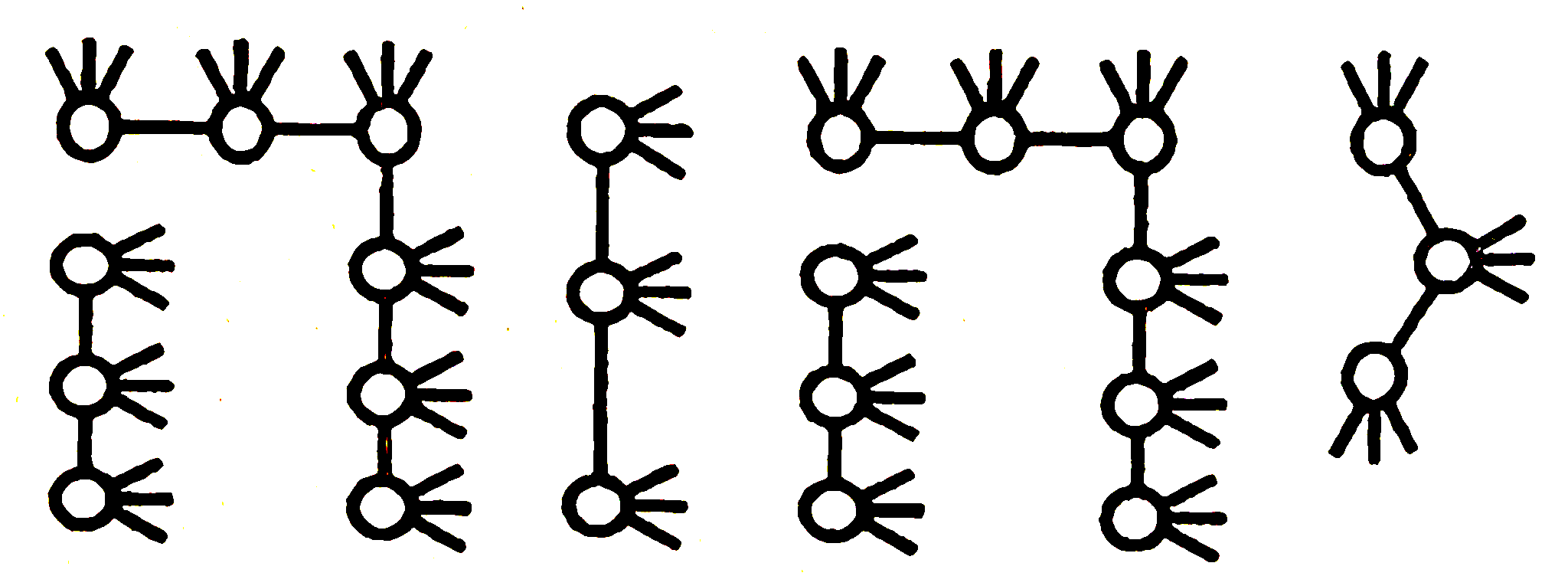
As written in the intention of the nighttime Keri’at Shema (כַּכָּתוּב בְּכַוָּנַת קְרִיאַת שְׁמַע שֶׁל לַיְלָה), in order to draw the flow of the illumination of the eyes to Rachel (כְּדֵי לְהַמְשִׁיךְ שֶׁפַע הֶאָרַת עֵינַיִם אֶל רָחֵל), because she is “the beautiful maiden who has no eyes” (לְפִי שֶׁהִיא עוֹלִימְתָא שַׁפִּירְתָּא וְלֵית לָהּ עֵינַיִן), mentioned in the Book of the Zohar (הַנִּזְכָּר בְּסֵפֶר הַזֹּהַר). And an allusion to this is (וְרֶמֶז לָזֶה), “And the eyes of Leah were soft, and Rachel was beautiful of form and beautiful of appearance” (וְעֵינֵי לֵאָה רַכּוֹת וְרָחֵל הָיְתָה יְפַת תֹּאַר וִיפַת מַרְאֶה) (Genesis 29:17), and eyes are not mentioned (וְלֹא נִזְכַּר עֵינַיִן), therefore one must intend to draw the illumination of the eyes to her (וְלָכֵן צָרִיךְ לְכַוֵּן לְהַמְשִׁיךְ אֵלֶיהָ הֶאָרַת עֵינַיִם), namely that light should shine to Rachel from the Netzach and Hod of Tevunah (דְּהַיְינוּ שֶׁיָּאִיר אוֹר לְרָחֵל מִנֵּצַח וְהוֹד דִּתְבוּנָה), which are in Ze’ir (אֲשֶׁר הֵם בִּזְעֵיר), illuminating at a time of favor opposite her Chokhmah and Binah (מְאִירִים בִּשְׁעַת רָצוֹן נֶגֶד חָכְמָה וּבִינָה שֶׁלָּהּ), and eyes are made for her (וְנַעֲשֶׂה לָהּ עֵינַיִן). And this Name has seventy-two Tagin [Crowns] (וְיֵשׁ לַשֵּׁם הַזֶּה ע״ב תָּגִין), corresponding to the seventy-two words in this section (כְּנֶגֶד ע״ב תֵּבוֹת שֶׁבַּפָּרָשָׁה הַזֹּאת), equal in number to Chesed [Kindness] (כְּמִנְיַן חֶסֶד), which is the secret of the whitening of the aforementioned hairs (שֶׁהוּא סוֹד לִבּוּן הַשְּׂעָרוֹת הַנִּזְכָּר), and it contains twenty-four circles (וְיֵשׁ בּוֹ כ״ד עִגּוּלִים), in the secret of “And Rivkah came out... and her pitcher was upon her shoulder” (בְּסוֹד וְרִבְקָה יֹצֵאת... וְכַדָּהּ עַל שִׁכְמָהּ) (Genesis 24:15), in the secret of Kad [Pitcher]-Heh (בְּסוֹד כַּד־ה), the lower Heh is above her shoulder (ה׳ תַּתָּאָה הוּא לְמַעְלָה מִשִּׁכְמָהּ), for the Yesod of Imma clothes and covers only the upper third of the A"B [72] of Abba p2-1(כִּי יְסוֹד אִמָּא אֵינָהּ מַלְבֶּשֶׁת וּמְכַסָּה אֶלָּא שְׁלִישׁ הָעֶלְיוֹן שֶׁל ע״ב דְּאַבָּא), and that is the first twenty-four (וְהוּא כ״ד הָרִאשׁוֹן), and the final two Kadim [Pitchers] are revealed (וּשְׁנֵי כַּדִּים הָאַחֲרוֹנִים הֵם מְגֻלִּים), in the secret of the holy covenant of the male (בְּסוֹד בְּרִית קֹדֶשׁ שֶׁל הַזָּכָר), which is long (שֶׁהוּא אָרוֹךְ). It follows (נִמְצָא), that the upper twenty-four from Imma are upon the shoulder of Rachel (שֶׁהַכ״ד הָעֶלְיוֹן מֵאִמָּא הֵם עַל שֶׁכֶם רָחֵל), who begins from the end of the upper third of the Tiferet of Ze’ir (הַמַּתְחֶלֶת מִסּוֹף שְׁלִישׁ הָעֶלְיוֹן שֶׁל תּ״ת זְעֵיר), and understand (וְהָבֵן), its explanation at the end of this gate, if Hashem wills (פֵּירוּשׁוֹ בְּסוֹף הַשַּׁעַר הַזֶּה אִם יִרְצֶה ה׳), with the help of Kudsha Berikh Hu and His Shekhinta (בְּעֶזְרַת קב״ה וּשְׁכִינְתֵּיהּ), blessed is Hashem forever (יִתְבָּרַךְ י״י לְעוֹלָם), Amen and Amen (אָמֵן וְאָמֵן).
Notes
[72 divided by 3 is 24, which is K"D]