
Chapter Two (פֶּרֶק שֵׁנִי)
The Partzuf of the Reisha DeEin [Head of Nothingness] has a head (הַפַּרְצוּף שֶׁל אֵין יֵשׁ לוֹ רֹאשׁ), namely that which is not covered by Arich Anpin (מַה שֶּׁאֵינוֹ מְכֻסֶּה מֵאֲרִיךְ), which is the upper third of the Keter of Chokhmah (דְּהַיְינוּ הַשְּׁלִישׁ הָעֶלְיוֹן שֶׁל כֶּתֶר שֶׁל חָכְמָה), which is the Reisha DeEin [Head of Nothingness] (שֶׁהִיא רֵישָׁא דְאֵין), and it is that which remains revealed, namely the Gulgalta [Skull] (וְהוּא הַנִּשְׁאָר מְגֻלֶּה דְּהַיְינוּ הַגֻּלְגֹּלֶת). And know that there is the Aleph of the Reisha DeEin [Head of Nothingness] (וְדַע כִּי שָׁם הִיא הָאָלֶף שֶׁל אֵין), and because the head of the Keter of Binah, namely Arich Anpin, reached until half of the Aleph of the Reisha DeEin [Head of Nothingness] (וּלְהִיּוֹת שֶׁעַד חֲצִי הָאָלֶף שֶׁל הָאֵין הִגִּיעַ רֹאשׁ הַכֶּתֶר שֶׁל בִּינָה, דְּהַיְינוּ אֲרִיךְ), and when the Butzina deKardinuta [Hard Spark] descended (וּכְשֶׁיָּרַד הַבּוּצִינָא דְקַרְדִּינוּתָא), which is the secret of MNTZPKH [Final Letters] (הוּא סוֹד מנצפ״ך), from which were formed the five letters of Elohim (שֶׁמִמֶּנָּה נַעֲשׂוּ ה׳ אוֹתִיּוֹת אֱלֹהִים), and it is the spark of the Gevurot descending from the garment, namely from its Yesod (וְהוּא הַנִּיצוֹץ שֶׁל הַגְּבוּרוֹת הַיּוֹרֵד מֵהַמַּלְבּוּשׁ, הַיְינוּ מִיסוֹד שֶׁלּוֹ), when it came to this Aleph, whose half is revealed outside and whose half is covered within (כְּשֶׁבָּאָה לָאָלֶף הַזֹּאת אֲשֶׁר הוּא חֶצְיָהּ מִבַּחוּץ מְגֻלֶּה, וְחֶצְיָהּ מְכֻסֶּה מִבִּפְנִים), it cut the Vav of this Aleph (חָתְכָה אֶת הוא״ו שֶׁל הָאָלֶף הַזֹּאת), which is between its two Yudin (אֲשֶׁר הִיא בֵּין שְׁתֵּי יוֹדִין שֶׁלָּהּ), into two parts, from its beginning to its end (לִשְׁנַיִם, מֵרֹאשָׁהּ לְסוֹפָהּ), and it was divided into two Yud-Vavs like this (וְנֶחְלְקָה לִשְׁנֵי י״ו כָּזֶה:):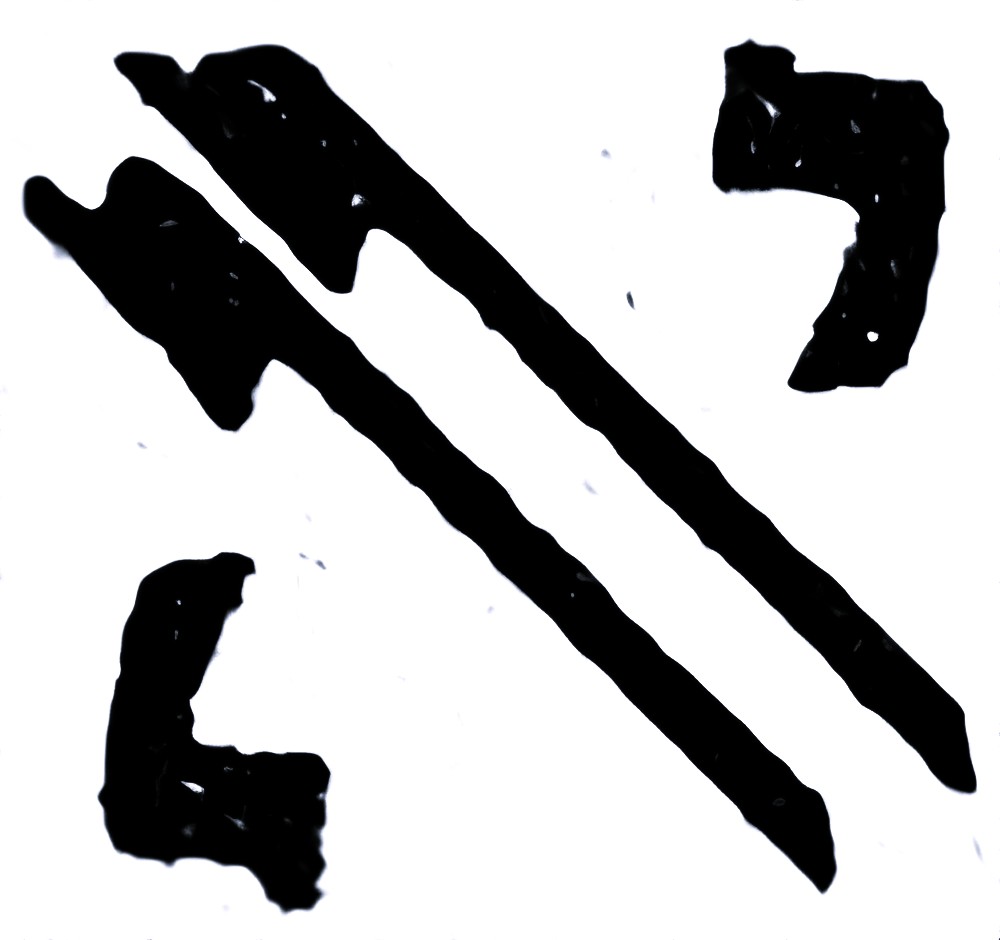
They total thirty-two (עוֹלִים ל״ב), and they are precisely the Thirty-Two Elohim of the Account of Creation (וְהֵם מַמָּשׁ ל״ב אֱלֹהִים דְּמַעֲשֵׂה בְרֵאשִׁית), and the Thirty-Two Paths of Chokhmah (וּל״ב נְתִיבוֹת חָכְמָה), which is the Reisha DeEin [Head of Nothingness] (שֶׁהִיא רֵישָׁא דְאֵין), and from these were created the thirty-two teeth of specifically the Yisraeli man (וּמֵאֵלּוּ נִבְרְאוּ הַל״ב שִׁנַּיִם שֶׁל אָדָם הַיִּשְׂרְאֵלִי דַּוְקָא), and from here is the root of all the Gevurot (וּמִכָּאן שׁוֹרֶשׁ כָּל הַגְּבוּרוֹת). And because they came through the power of two (וּלְהִיּוֹת שֶׁבָּאוּ מִכֹּחַ שְׁנַיִם), meaning that they were divided into two (רָצָה לוֹמַר שֶׁנֶּחְלְקוּ לִשְׁנַיִם), therefore they are called teeth (לָכֵן נִקְרְאוּ שִׁנַּיִם). And because the teeth come through the power of the Gevurot (וּלְהִיּוֹת שֶׁהַשִּׁנַּיִם בָּאִים מִכֹּחַ הַגְּבוּרוֹת), and they are white because of the importance and sweetening of the Chokhmah, which is the Reisha DeEin [Head of Nothingness] (וְהֵם לְבָנִים מִפְּנֵי חֲשִׁיבוּת וּמִתּוּק הַחָכְמָה שֶׁהִיא רֵישָׁא דְאֵין), and hard because of the Gevurot (וְקָשִׁים מִפְּנֵי הַגְּבוּרוֹת). And the Thirty-Two Paths of Chokhmah descend below into Abba (וְהַל״ב נְתִיבוֹת חָכְמָה הֵם יוֹרְדִים לְמַטָּה בְּאַבָּא), and become Thirty-Two Elohim (וְנַעֲשִׂים ל״ב אֱלֹהִים), and each path is divided by itself (וּמִתְחַלֵּק כָּל נָתִיב לְבַדּוֹ), and acts independently (וּפוֹעֵל בִּפְנֵי עַצְמוֹ). But here in the Reisha DeEin [Head of Nothingness] they are not divided into thirty-two parts (אֲבָל כָּאן בְּאֵין אֵינָם מִתְחַלְּקִים לְל״ב חֲלָקִים), but only into two Yud-Vavs, as mentioned above (כִּי אִם לִשְׁנֵי י״ו וְכַנִּזְכָּר), and within them are included the rest of the paths and the right and left divisions, as is known (וּבָהֶם נִכְלָלִים שְׁאָר הַנְּתִיבוֹת וְחֶלְקֵי יָמִין וּשְׂמֹאל כַּנּוֹדָע), and they do not possess the Gevurot (וְאֵין לָהֶם הַגְּבוּרוֹת), because they are sweetened (כִּי הֵם נִמְתָּקִים). And it does not allow them to emerge each one separately (וְאֵינָם מַנִּיחָם לָצֵאת כָּל אֶחָד לְבַדּוֹ), unlike Abba (מַה שֶּׁאֵין כֵּן בְּאַבָּא), where they divide into thirty-two parts (שֶׁמִּתְחַלְּקִים לִל״ב חֲלָקִים), namely the Thirty-Two Paths (דְּהַיְינוּ ל״ב נְתִיבוֹת). And when they descend into Ze’ir Anpin (וּכְשֶׁיּוֹרְדִים לִזְעֵיר), they open into the number ten (נִפְתָּחִים בְּמִסְפַּר עֶשֶׂר), and become three hundred and twenty judgments (וְנַעֲשִׂים ש״ך דִּינִים), equal in number to the word Naar [Youth] (כְּמִנְיַן נַעַר), and when they descend into its Nukvah (וּכְשֶׁיּוֹרְדִים לְנוּקְבֵיהּ), they become three hundred and twenty-five (נַעֲשִׂים שכ״ה), equal to five times Adonai (כְּמִנְיַן ה׳ פְּעָמִים אֲדֹנָ״י), and equal in number to the word Na‘arah [Maiden] (וּכְמִנְיַן נַעֲרָה). And when they open, they possess greater strength (וּכְשֶׁנִּפְתָּחִים יֵשׁ לָהֶם יוֹתֵר תִּגְבֹּרֶת), which is not the case in the Reisha DeEin [Head of Nothingness], where they do not open (מַה שֶּׁאֵין כֵּן בְּאֵין אֵינָם נִפְתָחִים), and the sweetening does not permit them to open and perform their activity (וְהַמִּתּוּק אֵינוֹ מַנִּיחָם לִפְתּוֹחַ וְלִפְעוֹל פְּעֻלָּתָם), therefore here in the Reisha DeEin [Head of Nothingness] they are the aspect of the greatest Chesed within the judgments (לָכֵן כָּאן בְּרֵישָׁא דְאֵין הֵם צַד הַחֶסֶד הַיּוֹתֵר גָּדוֹל שֶׁבַּדִּינִים). And through this will be understood what Rabbi Shimon bar Yochai said in Idra Naso, daf 128 (וּבָזֶה יוּבַן מַה שֶּׁאָמַר הָרַשְׁבִּ״י בְּאַדְרַת נָשֹׂא דַּף קכ״ח), “And this brain, which is this Concealed Wisdom, rests and is settled in its place, like good wine sitting upon its lees” (וְהַאי מוֹחָא דְאִיהוּ הַאי חָכְמְתָא סְתִימָאָה, שָׁקִיט וְאִשְׁתְּכַךְ בְּאַתְרֵיהּ, כְּחַמְרָא טַב דְּיָתִיב עַל דוּרְדְּיָא), “and this is what the Elder said: his mind is hidden, and his brain is hidden and tranquil” (וְהַיְינוּ דְּאָמַר סָבָא דַּעְתּוֹהִי סָתִים, וּמוֹחֵיהּ סָתִים וְשָׁכִיךְ), “and this membrane opens in Ze’ir Anpin” (וְהַאי קְרוּמָא אִתְפְּתַח בִּזְעֵיר אַנְפִּין), “and because of this his brain spreads forth and emerges into thirty-two paths” (וּבְגִין כָּךְ מוֹחֵיהּ אִתְפַּשַּׁט, וְנָפִיק לִתְלָתִין וּתְרֵין שְׁבִילִין).
This Concealed Wisdom (שֶׁהַחָכְמָה הַזֹּאת הַסְּתוּמָה), namely the Reisha DeEin [Head of Nothingness] (דְּהַיְינוּ אֵין), its judgments are designated by the name wine (הַדִּינִין שֶׁלּוֹ הֵם מְכֻנִּים בְּשֵׁם יַיִן), which is judgment, as is known (שֶׁהוּא דִּין כַּנּוֹדָע), except that it is good wine in this Wisdom (אֶלָּא שֶׁהוּא יַיִן טוֹב בַּחָכְמָה הַזֹּאת), which is the Reisha DeEin [Head of Nothingness] (שֶׁהִיא רֵישָׁא דְאֵין), and concerning it is said, “When wine enters, the secret emerges” (וְנֶאֱמַר בּוֹ נִכְנַס יַיִן יָצָא סוֹד) (Eruvin 65a). And it is not wine that intoxicates and removes the Mochin [Mental Intellects] (וְאֵינוֹ יַיִן הַמְשַׁכֵּר וּמְסַלֵּק הַמּוֹחִין), causing one to become asleep (וְנַעֲשֶׂה יָשֵׁן), and during sleep the Mochin depart, as is known (וּבְעֵת הַשֵּׁנָה מִסְתַּלְּקִין הַמּוֹחִין כַּנּוֹדָע). This is not so in the Reisha DeEin [Head of Nothingness] (מַה שֶּׁאֵין כֵּן בְּאֵין), for it is the Ever-Open Eye that does not sleep (הוּא עֵינָא פְקִיחָא דְלָא נָיִים), and it has no eyebrows (וְאֵין לוֹ גַּבִּינִין), as it is said, “Behold, the Guardian of Yisrael neither slumbers nor sleeps” (שֶׁנֶּאֱמַר הִנֵּה לֹא יָנוּם וְלֹא יִישָׁן שׁוֹמֵר יִשְׂרָאֵל) (Psalms 121:4) (Zohar, Bamidbar 129b). But below it is said, “Awake, why do You sleep?” (אֲבָל לְמַטָּה נֶאֱמַר עוּרָה לָמָּה תִישָׁן) (Psalms 44:24). And behold, the root of the judgments is the lees (וְהִנֵּה שׁוֹרֶשׁ הַדִּינִין הֵם הַשְּׁמָרִים), and when they are settled, the wine is clear (וּכְשֶׁהֵם שׁוֹקְטִים הַיַּיִן צָלוּל), and this is the case here in the Wisdom which is the Reisha DeEin [Head of Nothingness] (וְזֶהוּ כָּאן בַּחָכְמָה שֶׁהִיא אֵין). And Rabbi Shimon bar Yochai, peace be upon him, was exact in the expression he used, “it rests and is tranquil in its place” (וְדַיֵּיק לִישָׁנָא דְּאָמַר הָרַשְׁבִּ״י ע״ה שָׁקִיט וְאִשְׁתְּכִיךְ בְּאַתְרֵיהּ), meaning that in the Wisdom there is no arousal of judgments (כְּלוֹמַר שֶׁבַּחָכְמָה אֵין הִתְעוֹרְרוּת לְדִינִין). And on the contrary, the glory of the Wisdom is that even though there are judgments within it (וַאֲדַרַבָּה תִּפְאֶרֶת הַחָכְמָה, אַף עַל פִּי שֶׁיֵּשׁ בָּהּ דִּינִין), they have no power (אֵין לָהֶם יְכֹלֶת), and this is what is meant by, “like good wine upon its lees” (וְהַיְינוּ דְּאָמַר כְּחַמְרָא טַב עַל דוּרְדְּיָיהּ), meaning like good wine upon its lees (רָצָה לוֹמַר כְּיַיִן הַטּוֹב עַל הַשְּׁמָרִים שֶׁלּוֹ), and this is because good wine endures when it remains upon its lees (וְזֶהוּ כְּמוֹ שֶׁהַיַּיִן הַטּוֹב, כְּשֶׁהוּא עַל הַשְּׁמָרִים הוּא מִתְקַיֵּם). And when these judgments emerge in Ze’ir Anpin (וּכְשֶׁיּוֹצְאִים אֵלּוּ הַדִּינִים בְּז״א), then the Thirty-Two Paths become visible (אָז נִרְאִים הַל״ב נְתִיבוֹת), and perform their activity (וּפוֹעֲלִים פְּעֻלָּתָם), for they open in the secret of ten (שֶׁנִּפְתָּחִים בְּסוֹד עֶשֶׂר), and become three hundred and twenty judgments (וְעוֹלִים ש״ך דִּינִים), and with the help of Hashem and His salvation we shall explain them further (וּבְעֶזְרַת יְ־יָ וּבִישׁוּעָתוֹ נְפָרְשֵׁם יוֹתֵר).
And know (וְתֵדַע), that these thirty-two judgments exist in every Partzuf [Configuration] and every world (שֶׁאֵלּוּ הַל״ב דִּינִים הֵם בְּכָל פַּרְצוּף וּפַרְצוּף בְּכָל עוֹלָם וְעוֹלָם), even in a base and wicked man (אֲפִלּוּ בְּאָדָם בְּלִיַּעַל). However (אַךְ וְרַק), there the number thirty-two teeth is not obligatory (אֲשֶׁר שָׁם אֵין הַחִיּוּב שֶׁל מִסְפַּר הַל״ב שִׁנַּיִם), whether more or less (אוֹ יוֹתֵר אוֹ פָחוֹת), according to the condition of the impure man (כְּמִשְׁפַּט אָדָם הַטָּמֵא). “Whoever adds, detracts” (כָּל הַמּוֹסִיף גּוֹרֵעַ) (Sanhedrin 29a), and all the more so when there is deficiency (וּמִכָּל שֶׁכֵּן כְּשֶׁהוּא חָסֵר), in all his matters and activities there is deficiency (בְּכָל עִנְיָנָיו וּפְעֻלּוֹתָיו יֵשׁ חֶסְרוֹן), and his end is destruction (וְאַחֲרִיתוֹ אֲבַדּוֹן), and he is cast onto the refuse heap (וְנִזְרָק לָאַשְׁפָּה), while the food that is placed in the storehouse (וְהָאֹכֶל שֶׁמְּשִׂימִים בָּאוֹצָר), namely the sparks of purity within them (שֶׁהֵם הַנִּיצוֹצֵי טָהֳרָה שֶׁבָּהֶם), remains until in the end they become sacrifices of the dead (עַד שֶׁיִּהְיוּ בְּסוֹפָם זִבְחֵי מֵתִים).