The Fifth Gate
Chapter 1
שער ה פרק א מ״ת
The Gate of Ta’amim [Cantillation Marks], Nekudot [Vowel Points], Tagin [Crowns], Otiot [Letters], and It Is Divided into Seven Chapters
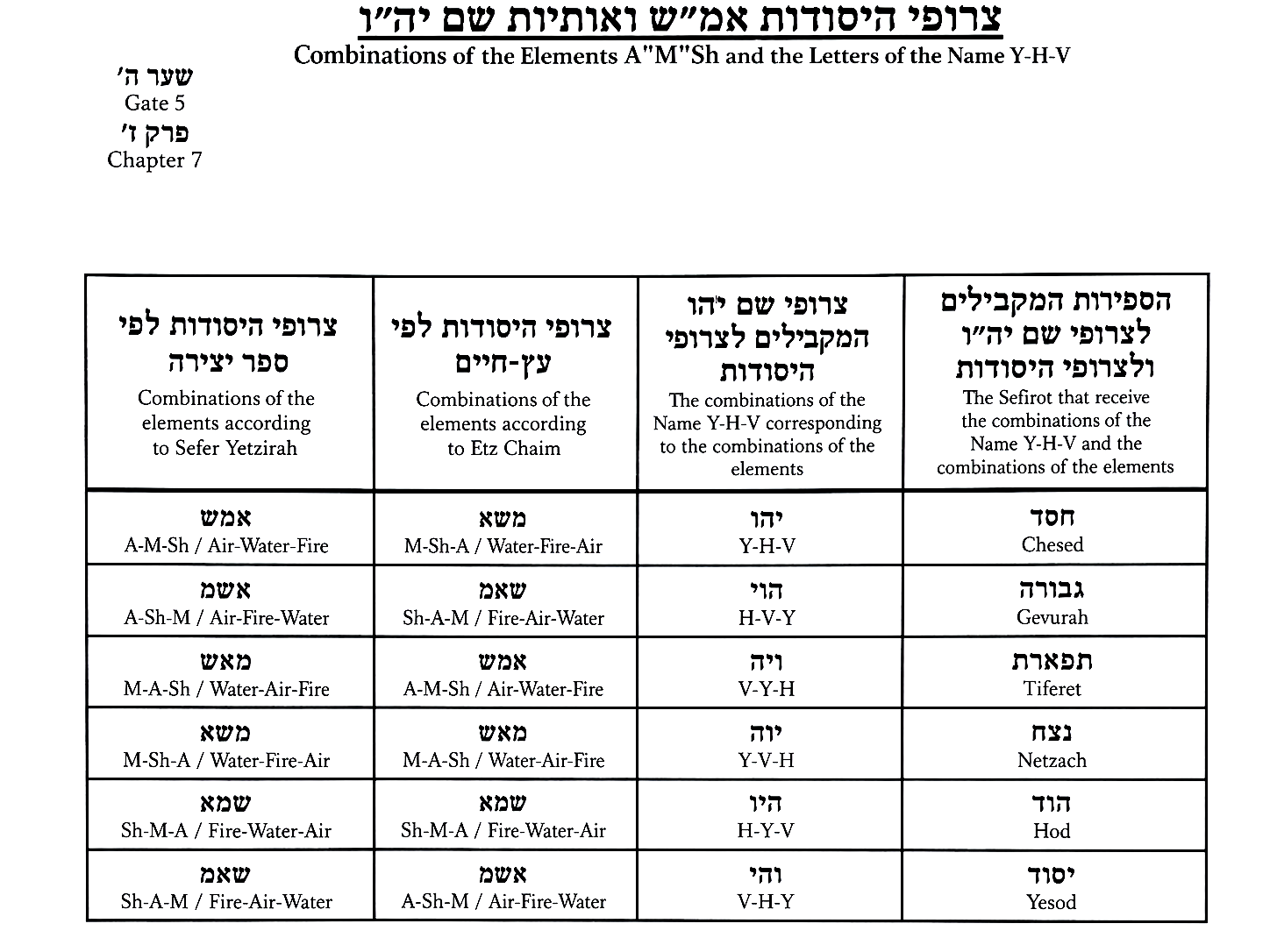
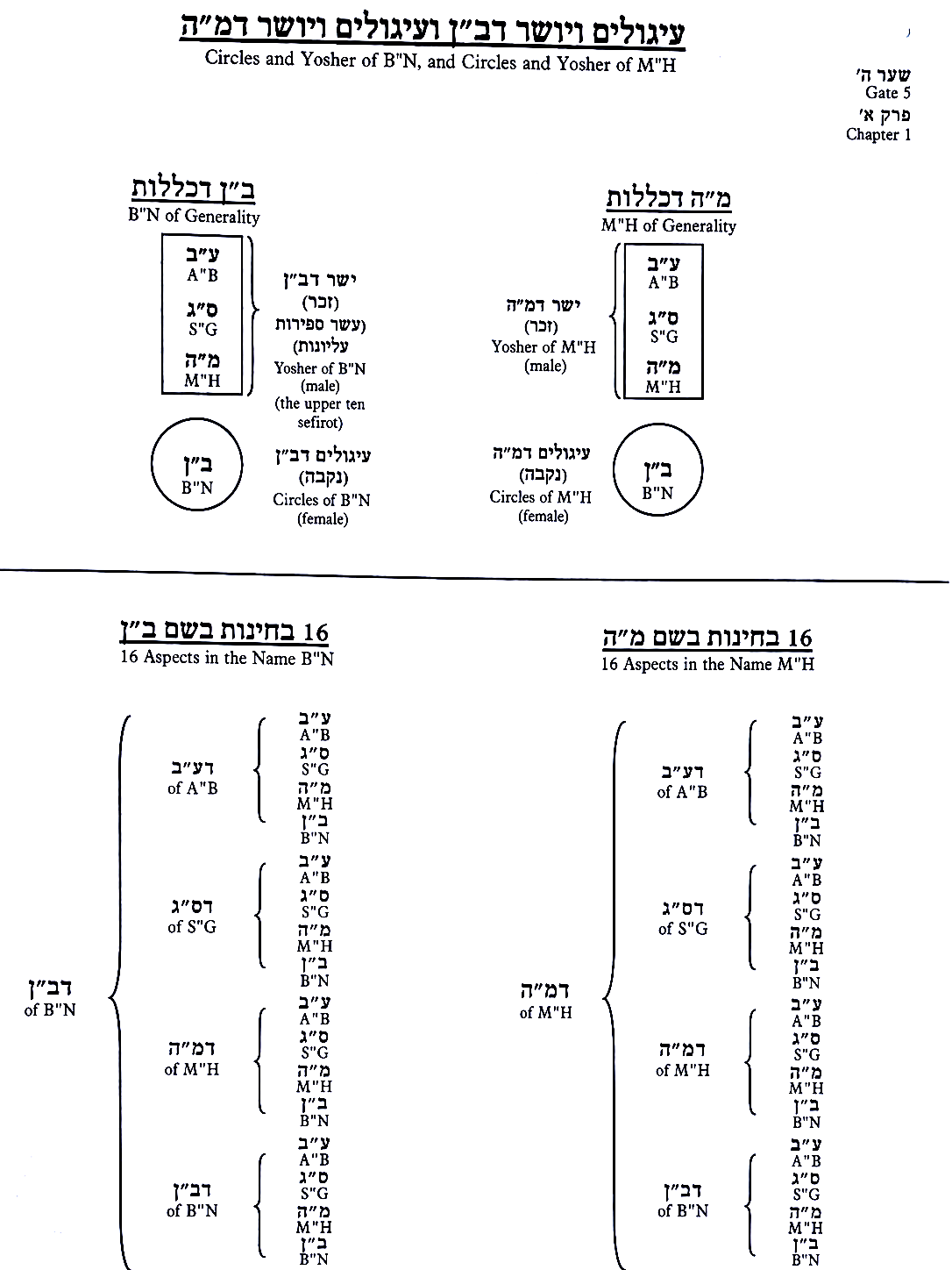
[5:1] And we will now explain their matter (וְנְבָאֵר עַתָּה עִנְיָנָם), know that there is no existence of the form of the stature of Adam in any world that does not contain the totality of four aspects (דַּע כִּי אֵין מְצִיאוּת צִיּוּר קוֹמַת אָדָם בְּעוֹלָם שֶׁלֹּא הָיָה בּוֹ כְּלָלוּת ד׳ בְּחִינוֹת), which include all of Atzilut and all the worlds entirely (אֲשֶׁר כוֹלְלִים כָּל הָאֲצִילוּת וְכָל הָעוֹלָמוֹת כֻּלָּם), and these are them (וְאֵלּוּ הֵם): A"B" (ע״ב) thus Yod Heh Vav Heh (כָּזֶה יו״ד ה״י וי״ו ה״י), S"G (ס״ג) Yod Heh Vav Heh (יו״ד ה״י וא״ו ה״י), M"H (מ״ה) Yod Heh Alef Vav Heh Alef (יו״ד ה״א וא״ו ה״א), B"N (ב״ן) Yod Heh Heh Vav Heh Heh (יו״ד ה״ה ו״ו ה״ה). And behold, these four Havayot divided into these four fillings are these four aspects (וְהִנֵּה אֵלּוּ הַד׳ הֲוָיוֹת הַנֶּחְלָקִים לְד׳ מִלּוּאִים הָאֵלּוּ הֵם ד׳ בְּחִינוֹת אֵלּוּ): the Ta’amim [Cantillation Marks] are the name A"B" (הַטְּעָמִים שֵׁם ע״ב), the Nekudot [Vowel Points] are the name S"G (הַנְּקוּדוֹת שֵׁם ס״ג), the Tagin [Crowns] are the name M"H (הַתָּגִין שֵׁם מ״ה), the Otiot [Letters] are the name B"N (הָאוֹתִיּוֹת שֵׁם ב״ן). And each one of these four Havayot is included of all of them (וְכָל אֶחָד מֵאֵלּוּ הַד׳ הֲוָיוֹת כָּלוּל מִכֻּלָּם), and in each Havayah of them there is the aspect of Ta’amim [Cantillation Marks]–Nekudot [Vowel Points]–Tagin [Crowns]–Otiot [Letters] (וְיֵשׁ בְּכָל הֲוָיָ״ה מֵהֶם בְּחִינַת טנְת״א).
And behold, the aspect of the skull of this Adam Kadmon, which is the head until the aspect of the place of its ears, is called the aspect of the name A"B" (וְהִנֵּה בְּחִינַת קַרְקַפְתָּא שֶׁל זֶה הָאָדָם קַדְמוֹן שֶׁהוּא רֹאשׁ עַד בְּחִינַת מְקוֹם הָאָזְנַיִם שֶׁלּוֹ נִקְרָא בְּחִינַת שֵׁם ע״ב), and it is the secret of the Ta’amim [Cantillation Marks] within it as mentioned above (וְהוּא סוֹד הַטְּעָמִים שֶׁבּוֹ כַּנַּ״ל), even though also in this aspect alone Ta’amim [Cantillation Marks]–Nekudot [Vowel Points]–Tagin [Crowns]–Otiot [Letters] are included (עִם הֱיוֹת שֶׁגַּם בִּבְחִינָה זוֹ לְבַדָּה כְּלוּלָה טנְת״א), but we have no permission to speak of this (אֶלָּא שֶׁאֵין לָנוּ רְשׁוּת לְדַבֵּר בָּזֶה).
And behold, even though we name and call here these appellations such as Adam, head, ears, and the like (וְהִנֵּה אַף עַל פִּי שֶׁאָנוּ מְכַנִּים וְקוֹרְאִים כָּאן כִּנּוּיִים אֵלּוּ כְּגוֹן אָדָם רֹאשׁ אָזְנַיִם וְכַיּוֹצֵא), it is only to soothe the ear so that the matters may be understood by us (אֵינוֹ רַק לְשַׁכֵּךְ הָאֹזֶן לְשֶׁיֻּבְנוּ הַדְּבָרִים), therefore we apply these appellations in such a lofty place (לָכֵן אָנוּ מְכַנִּים כִּנּוּיִים אֵלּוּ בְּמָקוֹם גָּבוֹהַּ כָּזֶה), however the essence of these appellations is from the world of Atzilut and below (אֲמְנָם עִיקַּר כִּנּוּיִים אֵלּוּ הֵם מֵעוֹלָם הָאֲצִילוּת וּלְמַטָּה), which is from Arich Anpin of Atzilut and below (שֶׁהוּא מִן אֲרִיךְ אַנְפִּין דַּאֲצִילוּת וּלְמַטָּה), for from there onward there is the aspect of Partzuf (כִּי מִשָּׁם וָאֵילָךְ יֵשׁ בְּחִינַת פַּרְצוּף), but from Arich Anpin and above there is no aspect of Partzuf at all (אֲבָל מֵאֲרִיךְ אַנְפִּין וּלְמַעְלָה אֵין שָׁם בְּחִינַת פַּרְצוּף כְּלָל), only to soothe the ear do we apply these appellations (רַק לְשַׁכֵּךְ הָאֹזֶן אָנוּ מְכַנִּים כִּנּוּיִים אֵלּוּ).
And behold, from the aspect of the ears and below we will begin to explain with extreme brevity (וְהִנֵּה מִבְּחִינַת הָאָזְנַיִם וּלְמַטָּה נַתְחִיל לְבָאֵר בְּקִצּוּר נִמְרָץ), know that from the ears and below begins the name S"G within it (דַּע כִּי מֵהָאָזְנַיִם וּלְמַטָּה מַתְחִיל שֵׁם ס״ג שֶׁבּוֹ), and it has already been explained that it too is included of Ta’amim [Cantillation Marks]–Nekudot [Vowel Points]–Tagin [Crowns]–Otiot [Letters] (וּכְבָר נִתְבָּאֵר כִּי גַם הוּא כָּלוּל מִטנְת״א), and it is known that always the Ta’amim [Cantillation Marks] and the Nekudot [Vowel Points] are divided into three parts (וְנוֹדָע כִּי לְעוֹלָם הַטְּעָמִים וְהַנְּקוּדוֹת נֶחְלָקִים לְג' חֲלָקִים), for there is the aspect of Ta’amim [Cantillation Marks] and Nekudot [Vowel Points] above upon the letters (כִּי יֵשׁ בְּחִינַת טְּעָמִים וּנְקוּדוֹת לְמַעְלָה עַל גַּבֵּי הָאוֹתִיּוֹת), and likewise there are below the letters (וְכֵן יֵשׁ לְמַטָּה מִן הָאוֹתִיּוֹת), and likewise there are in the middle of the letter (וְכֵן יֵשׁ בְּאֶמְצָעִית הָאוֹת).
And behold, the Ohr haPenimi [Inner Light] of this Adam Kadmon went out to the outside through the aforementioned apertures (וְהִנֵּה אוֹר הַפְּנִימִי שֶׁבְּזֶה הָאָדָם קַדְמוֹן יָצָא לַחוּץ דֶּרֶךְ הַנְּקָבִים הַנַּ״ל), and behold, the vapor that goes out from the head goes out through the openings of the hairs (וְהִנֵּה הַהֶבֶל הַיּוֹצֵא מִן הָרֹאשׁ יוֹצְאִים דֶּרֶךְ נִקְבֵּי שְׂעָרוֹת), and we have already said above that we are not permitted to speak of it or to engage in it (וּכְבָר אָמַרְנוּ לְעֵיל שֶׁאֵין אָנוּ רַשָּׁאִין לְדַבֵּר וּלְהִתְעַסֵּק בּוֹ), therefore we will begin to speak from the vapor that goes out from the aspect of the ears and below (לָכֵן נַתְחִיל לְדַבֵּר מִן הֶהָבֶל הַיּוֹצֵא מִבְּחִינַת הָאָזְנַיִם וּלְמַטָּה), the vapor that goes out from them (הֶהָבֶל הַיּוֹצֵא מֵהֶם), which is the aspect of S"G (שֶׁהוּא בְּחִינַת ס״ג).
And we say that behold, through the openings of the ears within it, light emerges from the innerness of this Adam Kadmon (וְנֹאמַר כִּי הִנֵּה דֶּרֶךְ נִקְבֵּי אָזְנַיִם שֶׁבּוֹ יוֹצֵא אוֹר מִפְּנִימִיּוּת הָא״ק הַזֶּה), and it is obvious that when it goes outwards it becomes somewhat thickened (וּפָשׁוּט הוּא שֶׁבְּצֵאתוֹ לַחוּץ מִתְעַבֶּה קְצָת), it follows that the light that remains in the innerness of Adam Kadmon is greater than this light that goes outwards from it (נִמְצָא כִּי אוֹר שֶׁנִּשְׁאָר בִּפְּנִימִיּוּת א״ק גָּדוֹל מֵזֶה הָאוֹר הַיּוֹצֵא לַחוּץ מִמֶּנּוּ), but certainly this outgoing light is greater than the aspect of the vessels and the body of this Adam Kadmon (אֲבָל וַדַּאי שֶׁזֶּה הָאוֹר הַיּוֹצֵא הוּא יוֹתֵר גָּדוֹל מִבְּחִי׳ כֵּלִים וְהַגּוּף שֶׁל א״ק הַזֶּה), and this is obvious (וְזֶה פָּשׁוּט).
And behold, when the light went out through the openings of the ears, right and left (וְהִנֵּה כַּאֲשֶׁר יָצָא הָאוֹר דֶּרֶךְ נִקְבֵּי הָאָזְנַיִם יְמָנִית וּשְׂמָאלִית), these lights spread externally from the place of the ears until the place of the Shibboleth of the beard (נִתְפַּשְּׁטוּ הָאוֹרוֹת הָאֵלּוּ מִבַּחוּץ מִמְּקוֹם הָאָזְנַיִם עַד מְקוֹם שִׁבֹּלֶת הַזָּקָן), and in its spreading it was drawn opposite the spreading of the hairs of the beard that grow on the cheeks at the sides of the face (וְנִמְשַׁךְ בְּהִתְפַּשְּׁטוּתוֹ מִנֶּגֶד הִתְפַּשְּׁטוּת שְׂעַר הַזָּקָן הַצּוֹמֵחַ בַּלְּחָיַיִם בְּצִדְדֵי הַפָּנִים), and opposite it this light spread and was drawn until it reached below at the Shibboleth of the beard (וּכְנֶגְדּוֹ נִתְפַּשֵּׁט וְנִמְשַׁךְ אוֹר זֶה עַד שֶׁמַּגִּיעַ לְמַטָּה בְּשִׁבֹּלֶת הַזָּקָן), and there the lights that emerge from the two openings of the ears join (וְשָׁם מִתְחַבְּרִים הָאוֹרו׳ הַיּוֹצְאִים מִב׳ נִקְבֵּי הָאָזְנַיִם), however they do not join in a complete joining (אֲמְנָם לֹא נִתְחַבְּרוּ בְּחִבּוּר גָּמוּר), but a small space remains between them (אֶלָּא שֶׁנִּשְׁאַר בֵּינֵיהֶם חָלָל מְעַט).
And know that this light does not cling to or touch the face itself (וְדַע כִּי הָאוֹר הַזֶּה אֵינוֹ דָּבוּק וְנוֹגֵעַ בַּפָּנִים עַצְמָם), but rather hovers and shelters over them (אֶלָּא חוֹפֵף וְסוֹכֵךְ עֲלֵיהֶם), and this light did not spread either to the back of the face nor over the entire face (וְלֹא נִתְפַּשֵּׁט הָאוֹר הַזֶּה לֹא לַאֲחוֹרֵי הַפָּנִים וְלֹא בְּכָל הַפָּנִים), but only on the sides of the face alone, as stated above (רַק בְּצִדְדֵי הַפָּנִים לְבַד כַּנַּ״ל). And through this you will understand one introduction (וּבְזֶה תָּבִין הַקְדָּמָה א׳), namely that in the aspect of the head we never mention the aspect of back and the aspect of front (וְהוּא כִּי בִּבְחִי׳ הָרֹאשׁ אֵין אָנוּ מַזְכִּירִין לְעוֹלָם בְּחִי׳ אָחוֹר וּבְחִי׳ פָּנִים), because in a place where there are no openings and windows the light goes out equally from all its sides and illuminates equally (לְפִי שֶׁבְּמָקוֹם שֶׁאֵין שָׁם נְקָבִים וְחַלּוֹנוֹת אָז יוֹצֵא הָאוֹר שָׁוֶה מִכָּל צְדָדָיו וּמֵאִיר בְּשָׁוֶה).
However, when the aspect of openings begins, such as from the ears and below (אֲמְנָם כְּשֶׁמַּתְחִיל בְּחִי׳ הַנְּקָבִים כְּגוֹן מֵהָאָזְנַיִם וּלְמַטָּה), then there is the aspect of front and back (אָז יֵשׁ בְּחִי׳ פָּנִים וְאָחוֹר), for the forehead is called front and the nape is called back (כִּי הַמֵּצַח נִקְרָא פָּנִים וְהָעוֹרֶף נִקְרָא אָחוֹר), since all the openings draw the light outward through the front (לְפִי שֶׁכָּל הַנְּקָבִי׳ הֵם מַמְשִׁיכִי׳ הָאוֹר לַחוּץ דֶּרֶךְ הַפָּנִים), and that which has no openings is called back (וּמַה שֶׁאֵין בּוֹ נְקָבִים יִקָּרֵא אָחוֹר), but nonetheless from the illumination of this light it spreads and illuminates all around this Adam Kadmon (אֲבָל עִכְזַ״ז מִן הֶאָרַת הָאוֹר הַזֶּה מִתְפַּשֵּׁט וּמֵאִיר בְּכָל סְבִיבוֹת א״ק הַזֶּה), but the essence of the light is only that which is opposite the ear, opposite the path of the front, until the Shibboleth of the beard (אֲבָל עִיקַּר הָאוֹר אֵינוֹ רַק מַה שֶׁכְּנֶגֶד הָאָזֶן כְּנֶגֶד דֶּרֶךְ הַפָּנִים עַד שִׁבֹּלֶת הַזָּקָן).
And behold, in this light there is the aspect of ten complete Sefirot in the following manner (וְהִנֵּה בָּזֶה הָאוֹר יֵשׁ בְּחִי׳ י״ס שְׁלֵמוֹת בְּאֹפֶן זֶה), for from the right ear are drawn ten Sefirot from the aspect of Ohr Makif [Surrounding Light] (כִּי מֵאָזֶן יָמִין נִמְשֶׁכֶת י״ס מִבְּחִי׳ או״מ), and from the left ear ten Sefirot from the aspect of Ohr Penimi [Inner Light] (וּמֵאָזֶן שְׂמֹאל י״ס מִבְּחִי׳ או״פ), and these two aspects are complete ten Sefirot (וּב׳ בְּחִינוֹת אֵלּוּ הֵם י״ס שְׁלֵמוֹת). And behold, “ear” has the numerical value of fifty-eight, which is the name S"G lacking the final Heh (וְהִנֵּה אָזֶן גִּימַטְרִיָּא נ״ח שֶׁהוּא שֵׁם ס״ג חָסֵר ה׳ אַחֲרוֹנָה), because from here the name S"G begins, as mentioned above (כִּי מִכָּאן מַתְחִיל הַשֵּׁם ס״ג כַּנַּ״ל), and this matter will be explained, with the help of Hashem (וְעִנְיָן זֶה יִתְבָּאֵר בְּעֶזְרַת ה׳). And behold, these lights are the aspect of the Ta’amim [Cantillation Marks] of the name S"G, the supernal ones, which are above the letters as mentioned above (וְהִנֵּה הָאוֹרוֹת הָאֵלּוּ הֵם בְּחִי׳ טְּעָמִים שֶׁל שֵׁם ס״ג עֶלְיוֹנִים אֲשֶׁר הֵם לְמַעְלָה עַל הָאוֹתִיּוֹת כַּנַּ״ל).
And behold, still within these lights there has not been revealed in them any aspect of vessel whatsoever (וְהִנֵּה עֲדַיִן בְּאֵלּוּ הָאוֹרוֹת לֹא נִתְגַּלָּה בָהֶם בְּחִי׳ כְּלִי כְּלָל וְכְּלָל). Also know that these ten Sefirot emerged bound together in ultimate bonding (גַּם דַּע כִּי י״ס אֵלּוּ יָצְאוּ מְקוּשָּׁרִים בְּתַכְלִית הַתְקַשְּׁרוּת), and nothing was recognizable of them except that all of them were the aspect of a single Heh (וְלֹא נִכָּר מֵהֶם רַק שֶׁכֻּלָּן בְּחִי׳ ה׳ אַחַת), for when the letter Heh is joined with “ear” its numerical value is S"G (כִּי אוֹת ה׳ כְּשֶׁתְּחַבֵּר עִם אָזֶן גִּימַטְרִיָּא ס״ג), and the existence of this Heh is the aspect of the ten Sefirot that are included within the Heh (וּמְצִיאוּת ה׳ זוֹ הִיא בְּחִי׳ הַי״ס שֶׁנִּכְלָלִין בְּה׳), and their root is the five Partzufim—Arich Anpin, Abba and Imma, Ze’ir Anpin, and Nukvah (וְשָׁרְשָׁם הֵמָּה ה׳ פַּרְצוּפִים א״א או״א זו״ן). And still there was not recognizable in them the aspect of Yod at all (וַעֲדַיִן לֹא נִכָּר בָּהֶם בְּחִי׳ י׳ כְּלָל), except that they were the aspect of these five Partzufim alone (רַק הֱיוֹתָם בְּחִי׳ ה׳ פַּרְצוּפִים הָאֵלּוּ לְבַד).
And even these five were not recognizable or separated one from another (וַאֲפִלּוּ אֵלּוּ הַה׳ לֹא הָיוּ נִכָּרוֹת וְנִפְרָדוֹת זוֹ מִזּוֹ), but all of them were bound in the letter which is Heh (אֶלָּא כֻּלָּם הָיוּ קְשׁוּרִים בָּאוֹת שֶׁהִיא ה׳), for the form of this Heh is the form of Dalet–Vav, whose numerical value is ten (כִּי צוּרַת ה׳ זוֹ הִיא צוּרַת ד״ו גִּימַטְרִיָּא י׳), to indicate that they are ten Sefirot included within the aforementioned Heh (לְהוֹרוֹת עַל הֱיוֹתָם י״ס כְּלוּלִים בְּה׳ הַנַּ״ל), and still all of them are called only the letter Heh (וַעֲדַיִן כֻּלָּם נִקְרָאִים אוֹת ה׳ לְבַד). And these ten Sefirot came with a great distancing of Ohr Penimi [Inner Light] from its Ohr Makif [Surrounding Light] (וְאֵלּוּ הַי״ס בָּאוּ מְרוּחָקִים או״פ מִן או״מ שֶׁלּוֹ הַרְחֵק גָּדוֹל), and the reason is that if they had been closer they would not have been able to receive the light at all (וְהַטַּעַם לְפִי שֶׁאִם הָיוּ קְרוֹבִים יוֹתֵר לֹא הָיוּ יְכוֹלִים לְקַבֵּל הָאוֹר כְּלָל), and since Ohr Penimi [Inner Light] and Ohr Makif [Surrounding Light] came distant from one another (וּלְהִיוֹת כִּי בָּא או״פ וְאו״מ מְרוּחָק זֶה מִזֶּה), therefore there was no existence of vessel in them at all (לָכֵן לֹא הָיָה בָּהֶם מְצִיאוּת כְּלִי כְּלָל), as will be explained below in the aspect of the mouth (כְּמוֹ שֶׁיִּתְבָּאֵר לְמַטָּה בִּבְחִינַת הַפֶּה).
And know that the four aspects include all four worlds (מ״ב וְדַע כִּי ד׳ בְּחִינוֹת כּוֹלְלִים כָּל ד׳ עוֹלָמוֹת), and they are A"B, S"G, M"H, B"N (וְהֵם ע״ב ס״ג מ״ה ב״ן), and they themselves are called Ta’amim [Cantillation Marks]–Nekudot [Vowel Points]–Tagin [Crowns]–Otiot [Letters] (וְהֵם עַצְמָם נִקְרְאוּ טנְת״א), and each one includes all four of them (וְכָל אֶחָד כּוֹלֵל אַרְבַּעְתָּן). A"B has within it A"B and Ta’amim [Cantillation Marks] (ע״ב יֵשׁ בּוֹ ע״ב וְטְעָמִים), S"G and Nekudot [Vowel Points] (ס״ג וּנְקוּדוֹת), M"H and Tagin [Crowns] (מ״ה וְתָגִין), B"N and Otiot [Letters] (ב״ן וְאוֹתִיּוֹת). And all of them are called A"B of Ta’amim [Cantillation Marks] (וְכֻלָּם נִקְרָא ע״ב טְעָמִים), and likewise in S"G (וְכֵן בְּס״ג), and likewise in M"H (וְכֵן בְּמ״ה), and likewise in B"N (וְכֵן בְּב״ן).
Also know that A"B is Keter and Ta’amim [Cantillation Marks] (גַּם דַּע כִּי ע״ב הוּא כֶּתֶר וְטְעָמִים), S"G is Chokhmah and Nekudot [Vowel Points] (ס״ג הוּא חָכְמָה וּנְקוּדוֹת), M"H is Binah and Tagin [Crowns] (מ״ה הוּא בִּינָה וְתָגִין), and B"N is the seven lower Sefirot and Otiot [Letters] (וּב״ן ז״ת וְאוֹתִיּוֹת).
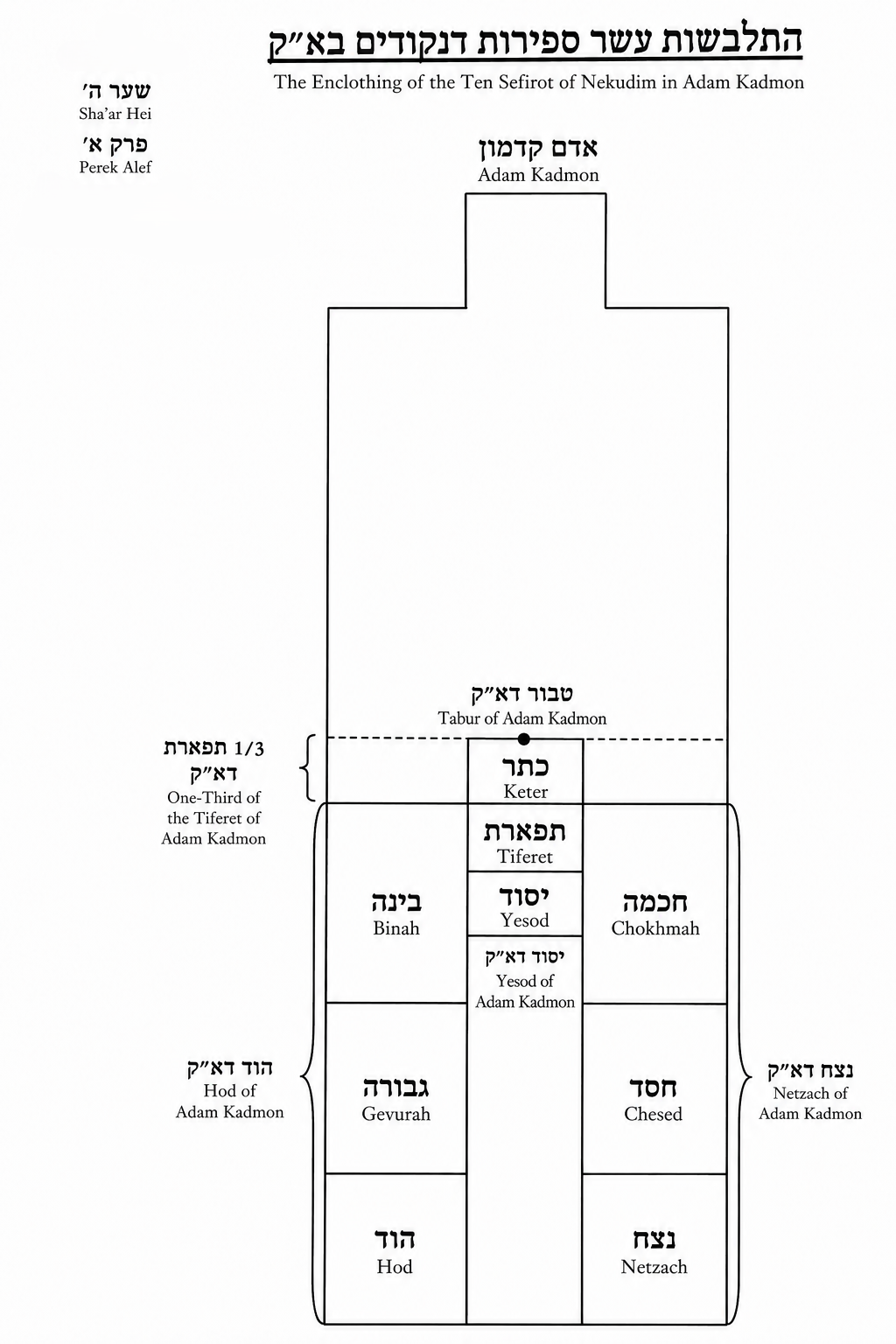
And behold, at first it was thus in Adam Kadmon (וְהִנֵּה מִתְּחִלָּה הָיָה בְּא״ק כָּךְ): its three upper Sefirot, which are A"B Keter (ג״ר שֶׁבּוֹ שֶׁהֵם ע״ב כֶּתֶר), S"G Chokhmah–Binah (ס״ג חו״ב). And this S"G was from its midpoint and below, which are the Nekudot [Vowel Points] within it (וְזֶה הַס״ג הָיָה מֵחֶצְיוֹ וּלְמַטָּה שֶׁהֵם הַנְּקוּדוֹת שֶׁבּוֹ), enclothed from the navel and below of Adam Kadmon within M"H and B"N of Adam Kadmon (מְלוּבָּשׁ מִטַּבּוּר וּלְמַטָּה דְּא״ק תּוֹךְ מ״ה וּב״ן דְּא״ק), and all this is the innerness of Adam Kadmon itself—lights and vessels (וְכָל זֶה הוּא פְּנִימִיּוּת א״ק עַצְמוֹ אוֹרוֹת וְכֵּלִים).
And afterwards it brought forth the aspect of the externality in order to clothe it (וְאַחַ״כ הוֹצִיא בְּחִי׳ הַחִיצוֹנִיּוּת לְהַלְבִּישׁוֹ), and first it brought forth lights from the all-inclusive inner A"B (וּתְחִלָּה הוֹצִיא אוֹרוֹת מִן ע״ב הַכּוֹלֵל הַפְּנִימִי), which are the hairs of the Keter that surround its head externally until the forehead and until the ears, as is known (שֶׁהוּא הַשְּׂעָרוֹת שֶׁל הַכֶּתֶר מַקִּיפִים רֹאשׁוֹ מִבַּחוּץ עַד הַמֵּצַח וְעַד הָאָזְנַיִם כַּנּוֹדָע). And afterwards it brought forth the hairs of the beard that are drawn from S"G itself, the all-inclusive one, called Nekudim [Points] (וְאַחַ״כ הוֹצִיא שַׂעֲרוֹת הַזָּקָן הַנִּמְשָׁכִין מִן ס״ג עַצְמוֹ הַכּוֹלֵל הַנִּקְרָא נְקוּדִים), from which were made the totality of the three Mochin [Intellects] within it (שֶׁמֵּהֶם נַעֲשׂוּ כְּלָלוּת ג' מוֹחִין שֶׁבּוֹ), and first were drawn the secret of the Ta’amim [Cantillation Marks] of S"G, which is the Ears, Nose, and Mouth, until its navel (וְנִמְשָׁכִין תְּחִלָּה סוֹד הַטְּעָמִים דְּס״ג שֶׁהוּא אֲח״פ עַד טַבּוּרוֹ). And afterwards it did not bring forth the remaining aspects outward (וְאַחַ״כ לֹא הוֹצִיא שְׁאָר בְּחִינוֹת לַחוּץ), since they are enclothed within M"H and B"N as mentioned above (יַעַן כִּי הֵם מְלוּבָּשִׁים תּוֹךְ מ״ה וּב״ן כַּנּ״ל), in the manner of the lights of the all-inclusive A"B, from which nothing was revealed except the hairs that are drawn from A"B of the all-inclusive A"B (כְּדֶרֶךְ אוֹרוֹת ע״ב הַכּוֹלֵל שֶׁלֹּא נִתְגַּלָּה מִמֶּנּוּ רַק הַשְּׂעָרוֹת הַנִּמְשָׁכִים מֵע״ב שֶׁל ע״ב הַכּוֹלֵל), while the rest of its parts are hidden within the all-inclusive S"G (וּשְׁאָר חֶלְקָם טָמִיר תּוֹךְ ס״ג הַכּוֹלֵל).
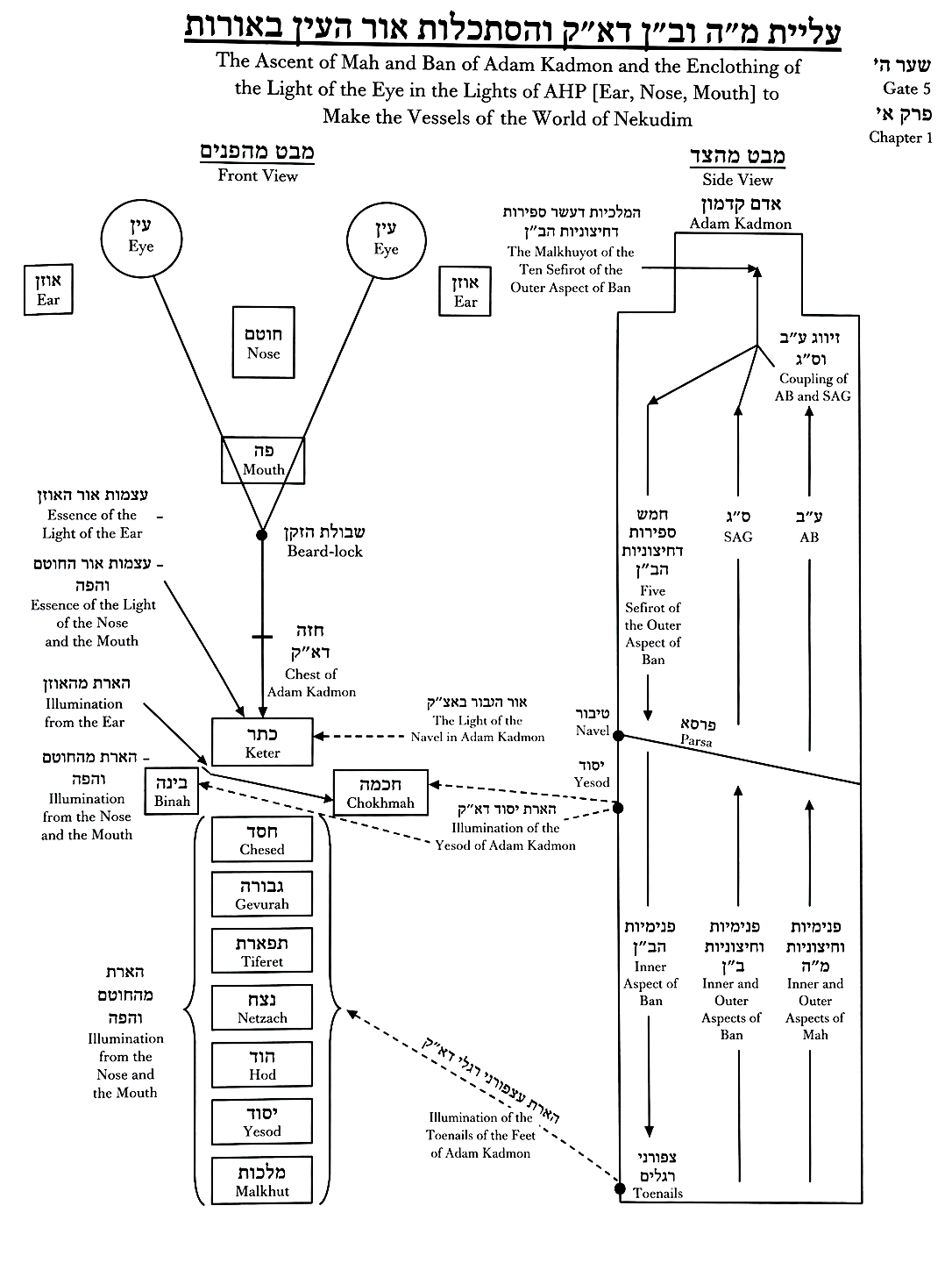
And behold, it desired to bring forth also from its inner M"H and B"N their externality outward (וְהִנֵּה רָצָה לְהוֹצִיא גַּם מִן מ״ה וּב״ן שֶׁלּוֹ הַפְּנִימִים חִיצוֹנִיּוּתָם לַחוּץ), and then all the inner aspects of S"G that were hidden within the inner M"H and B"N ascended (וְאָז עָלוּ כָּל בְּחִי׳ ס״ג הַפְּנִימִים הַטְּמוּנִים תּוֹךְ מ״ה וּב״ן הַפְּנִימִים), and with them ascended the inner M"H and B"N (וְעָלוּ עִמָּהֶם מ״ה וּב״ן הַפְּנִימִי׳), and then these M"H and B"N are their Mayin Nukvin [Feminine Waters] to the Ta’amim [Cantillation Marks] themselves of S"G which are not enclothed within M"H and B"N (וְאָז אֵלּוּ מ״ה וּב״ן הֵם מ״ן שֶׁלָּהֶם אֶל הַטְּעָמִים עַצְמָם דְּס״ג שֶׁאֵינָם מְלוּבָּשִׁין תּוֹךְ מ״ה וּב״ן), and they are in the relation of Abba and Imma to Yisrael-Saba and Tevunah (וְהֵם בְּעֵרֶךְ או״א אֶל יִשְׂסו״ת), for just as for the sake of the impregnation of Ze’ir Anpin and Nukvah, the supernal Abba and Imma couple and Yisrael-Saba and Tevunah are included with them (כִּי כְּמוֹ שֶׁלְצֹרֶךְ עִיבּוּר זו״ן מִזְדַּוְּגִין או״א עִלָּאִין וְיִשְׂסו״ת נִכְלָלִין עִמָּהֶם), so here the Ta’amim [Cantillation Marks] of S"G couple with all of A"B (כֵּן הָכָא הַטְּעָמִים דְּס״ג מִזְדַּוְּגִים עִם כָּל ע״ב), and all the more so that the Nekudot [Vowel Points], Tagin [Crowns], and Otiot [Letters] of S"G join with them (וּמִכָּל שֶׁכֵּן שֶׁנְּקוּדוֹת תָּגִין וְאוֹתִיּוֹת דְּס״ג מִתְחַבְּרִים עִמָּהֶם), and are subordinate to them and therefore are not mentioned by name (וְטְפֵלִים לָהֶם וְלָכֵן אֵינָם עוֹלִין בְּשֵׁם), like the example of Yisrael-Saba and Tevunah as mentioned above (דֻּגְמָא יִשְׂסו״ת כַּנַּ״ל). And then they give birth to the aspect of the external B"N and clothe it outward (וְאָז מוֹלִידִין בְּחִי׳ ב״ן דְּחִיצוֹנִי׳ וּלְבוּשָׁם לַחוּץ), behold the Nukvah was now born for the first time (הֲרֵי נוֹלְדָה הַנְּקֵבָה עַתָּה תְּחִלָּה).
However, the inner M"H and B"N of Adam Kadmon returned to descend and to spread within it below the navel (וְאָֽמְנָם בְּחִי׳ מ״ה וּב״ן הַפְּנִימִית שֶׁל א״ק חָזְרוּ לֵירֵד וּלְהִתְפַּשֵּׁט בְּתוֹכוֹ לְמַטָּה מִן הַטַּבּוּר). After that Parṣa was revealed there in the middle from within (אַחַר שֶׁנִּתְגַּלָּה שָׁם הַהוּא פַּרְסָא בָּאֶמְצַע מִבִּפְנִים), and from there the inner B"N illuminated the B"N that went outwards, which is called the World of Nekudim [Points] (וּמִשָּׁם הָיְתָה מְאִירָה בְּחִי׳ ב״ן פְּנִימִית לְב״ן שֶׁיָּצָא לַחוּץ הַנִּקְרָא עוֹלָם הַנְּקוּדִים). It follows that the ten Sefirot of the World of Nekudim [Points], which sits outside, surrounds Adam Kadmon from its navel and below (נִמְצָא כִּי י״ס שֶׁל עוֹלָם הַנְּקוּדִים הַיּוֹשֵׁב בַּחוּץ מְסַבֵּב לְא״ק מִטַּבּוּרוֹ וּלְמַטָּה), and it has two kinds of lights (וְיֵשׁ לוֹ ב׳ מִינֵי אוֹרוֹת): one from below to above in innerness, from the navel until the eyes (אֶחָד מִלְּמַטָּה לְמַעְלָה בִּפְנִימִיּוּת מִן הַטַּבּוּר עַד הָעֵינַיִם), and from there the principal illumination goes out for the need of the Nekudim [Points], which is the name B"N, Nukvah (וּמִשָּׁם יוֹצֵא עִיקַּר הֶאָרָה לְצֹרֶךְ הַנְּקוּדִים שֶׁהוּא שֵׁם ב״ן נוּקְבָא), but it is made from reflected light as mentioned above (אֲבָל נַעֲשֶׂה מֵאוֹר חוֹזֵר כַּנַּ״ל). And it also has direct light which pierces and passes through the skin from the navel and below (וְגַּם יֵשׁ לוֹ אוֹר יָשָׁר שֶׁהוּא נוֹקֵב וְעוֹבֵר דֶּרֶךְ הָעוֹר מִן הַטַּבּוּר וּלְמַטָּה), and illuminates the Nekudim [Points] through the openings of the skin and through the opening of the Yesod and through the navel and through the posterior opening (וּמֵאִיר בַּנְּקוּדִים דֶּרֶךְ נִקְבֵּי הָעוֹר וְדֶרֶךְ פִּי הַיְסוֹד וְדֶרֶךְ טַבּוּר וְדֶרֶךְ נֶקֶב הָאָחוֹר).
And behold, the principal Nekudim [Points] are from the lights of the eyes (וְהִנֵּה עִיקַּר הַנְּקוּדִים הֵם מֵאוֹרוֹת עֵינַיִם), and the Keter within them takes the lights and the vessels from the aspect of the ear, which is also included there, as is known (וְכֶתֶר שֶׁבָּהֶם לוֹקֵחַ הָאוֹרוֹת וְהַכֵּלִים מִבְּחִי׳ אָזֶן הַנִּכְלֶלֶת גַּם שָׁם כַּנּוֹדָע), and Chokhmah and Binah take from the nose and the mouth and a small measure from the ear (וְחו״ב לוֹקְחִים מֵחוֹטֶם וּפֶה וְשִׁעוּר מְעַט מֵאָזֶן), but the seven lower Sefirot take a small amount from the nose and the mouth and do not take at all from the ear nor from the illumination that emerges through the opening of the navel and the Amah (אַךְ ז״ת לוֹקְחִים מְעַט מֵחוֹטֶם וּפֶה וְאֵינָם לוֹקְחִים כְּלָל מֵאָזֶן וּמֵהֶאָרָה הַיּוֹצֵא דֶּרֶךְ פִּי הַטַּבּוּר וְהָאַמָּה).
Behold, from the navel Keter is taken (הִנֵּה מֵהַטַּבּוּר לָקַח כֶּתֶר), and from the Yesod Abba and Imma take (וּמֵהַיְסוֹד לוֹקְחִים או״א), and the seven lower Sefirot together with the four posterior aspects of Abba and Imma and Yisrael-Saba and Tevunah take from the ten toes, in the secret of “he planted his nails in the ground” (וְז״ת עִם ד׳ אֲחוֹרִים דְּאו״א וְיִשְׂסו״ת לוֹקְחִים מִי׳ אֶצְבְּעוֹת הָרַגְלַיִם בְּסוֹד נָעַץ צִפָּרְנָיו בַּקַּרְקַע), and afterwards they returned to couple—the all-inclusive A"B with the Ta’amim [Cantillation Marks] of the all-inclusive S"G—in the secret of innerness (וְאַחַ״כ חָזְרוּ לְהִזְדַּוֵּג ע״ב הַכּוֹלֵל עִם טְעָמִים דְּס״ג הַכּוֹלֵל בְּסוֹד פְּנִימִיּוּת), and all the other aspects are subordinate to them (וְכָל שְׁאָר הַבְּחִינוֹת טְפֵלִים לָהֶם), and then they gave birth to the male, which is the name M"H (וְאָז הוֹלִידוּ הַזָּכָר וְהוּא שֵׁם מ״ה), and then M"H and B"N joined (וְאָז נִתְחַבְּרוּ מ״ה וּב״ן), and from the two of them the World of Atzilut was made, in this manner (וְנַעֲשָׂה מִשְּׁנֵיהֶן עוֹלָם אֲצִילוּת בְּאֹפֶן זֶה): Atik takes the first five from the Ta’amim [Cantillation Marks] of B"N (כִּי עַתִּיק לוֹקֵחַ ה׳ רִאשׁוֹנוֹת מִטְּעָמִים דְּב״ן), and the three upper Sefirot from the Nekudot [Vowel Points] of B"N (וְג״ר מִנְּקוּדוֹת דְּב״ן), and the four from the Tagin [Crowns] of B"N (וְד״ר מִתָּגִין דְּב״ן), and the crowns of the Otiot [Letters] of B"N (וְכִתְרִים שֶׁל אוֹתִיּוֹת דְּב״ן).
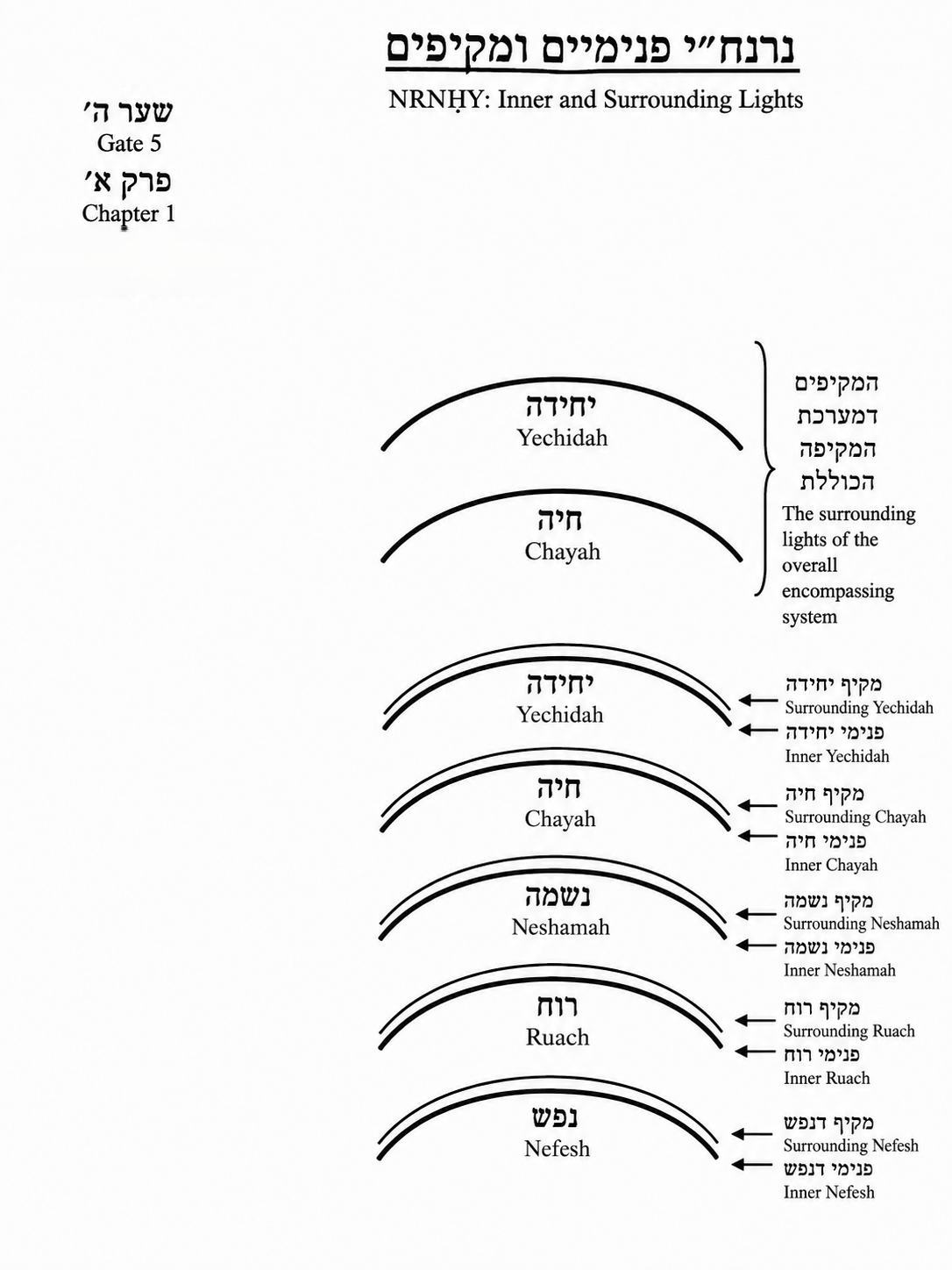
And Arich Anpin takes the latter five of the Ta’amim [Cantillation Marks] of B"N (וְא״א לָקַח ה׳ אַחֲרוֹנוֹת דְּטְעָמִים דְּב״ן), and Abba takes the seven lower Sefirot of the Nekudot [Vowel Points] of B"N (וְאַבָּא לָקַח ז״ת דְּנְקוּדוֹת דְּב״ן), and Imma takes the six extremities of the Tagin [Crowns] of B"N (וְאִמָּא ו״ת דְּתָגִין דְּב״ן), and Ze’ir Anpin takes the six extremities—namely, the Otiot [Letters] of B"N (וְז״א ו״ת שֶׁהֵם אוֹתִיּוֹת דְּב״ן), (variant: seven lower Sefirot) (נ״א ז״ת) of the Otiot [Letters] of B"N (דְּאוֹתִיּוֹת דְּב״ן), and Nukvah takes the tenth of the Otiot [Letters] of B"N (וְנוּקְבָא עֲשִׂירִית אוֹתִיּוֹת דְּב״ן), (variant: the tenth of the Otiot [Letters]) (נ״א הָעֲשִׂירִי דְּאוֹתִיּוֹת). However, from the name M"H, Atik takes the Ta’amim [Cantillation Marks] of M"H (וְאָֽמְנָם מִשֵּׁם מ״ה לָקַח עַתִּיק טְעָמִים דְּמ״ה), and Arich Anpin the Nekudot [Vowel Points] of M"H (וְא״א נְקוּדוֹת דְּמ״ה), and Abba and Imma take the Tagin [Crowns] of M"H (וְאו״א לָקְחוּ תָּגִין דְּמ״ה), and Ze’ir Anpin takes the six extremities of the Otiot [Letters] of M"H (וְז״א ו״ת אוֹתִיּוֹת דְּמ״ה), and Nukvah the tenth of the Otiot [Letters] of M"H (וְנוּקְבָא עֲשִׂירִית אוֹתִיּוֹת דְּמ״ה). The matter of the five inner aspects of Nefesh, Ruach, Neshamah, Chayah, Yechidah and the surrounding lights, which are two—Chayah and Yechidah—must be known (עִנְיַן ה׳ בְּחִינוֹת נרנח״י פְּנִימִי׳ וְהַמַּקִּיפִים הֵם ב׳ חַיָּה וִיחִידָה צָרִיךְ לָדַעַת), for also within the five inner aspects there is a surrounding light in each one, as with Nefesh—Nadav and Avihu—and Eliyahu, of blessed memory (כִּי גַּם בְּה׳ בְּחִינוֹת פְּנִימִית יֵשׁ מַקִּיף בְּכָל א׳ כְּנֶפֶשׁ נָדָב אֲבִיהוּא וְאֵלִיָּהוּ ז״ל), but these two surrounding lights are others, inclusive ones, aside from the five surrounding lights that are within the inner aspects (אֲבָל אֵלּוּ הַב׳ מַקִּיפִים הֵם אֲחֵרִים כְּלוֹלִים זוּלַת ה׳ מַקִּיפִים שֶׁבַּפְּנִימִיּוּת), and the sign of this is that within these inner surrounding lights there is more than one surrounding—namely, a surrounding, and a surrounding to the surrounding, and a surrounding to the two surroundings—as mentioned in the portion of the Priestly Blessing in the Idra Rabbah (וְאוֹת לָזֶה שֶׁבְּאֵלּוּ הַמַּקִּיפִים הַפְּנִימִים יֵשׁ יוֹתֵר מֵה׳ שֶׁהוּא מַקִּיף וּמַקִּיף לַמַּקִּיף וּמַקִּיף לִב׳ הַמַּקִּיפִים כְּנִזְכָּר בְּפָרָשַׁת בִּרְכַּת כֹּהֲנִים בָּאִדְּרָא רַבָּא), thus all of these are aside from those two inclusive ones (אִ״כ כָּל אֵלּוּ זוּלַת אוֹתָן הַב׳ כְּלוֹלִים).
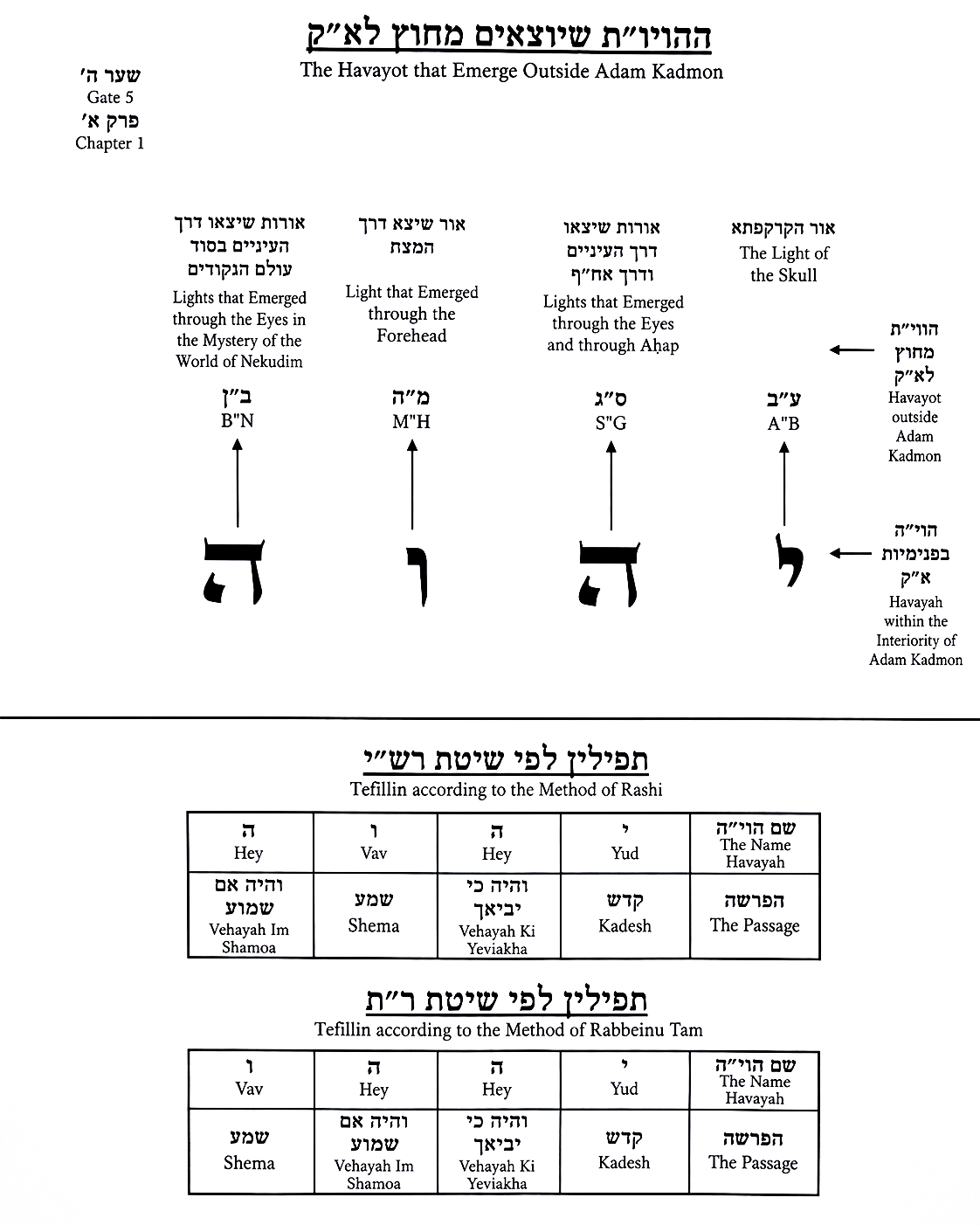
In the innerness of Adam Kadmon there is one Havayah, and Adam Kadmon is a garment to it (בִּפְנִימִיּוּת א״ק יֵשׁ הֲוָיָה אַחַת אֲשֶׁר א״ק הוּא לְבוּשׁ אֵלֶיהָ), and from its four letters emerge four Havayot and are revealed outward of Adam Kadmon (וּמִד׳ אוֹתִיּוֹתֶיהָ יוֹצְאִים ד׳ הֲוָיוֹת וְנִגְלִים לַחוּץ שֶׁל א״ק), and they are the Havayah of A"B, S"G, B"N, M"H (וְהֵם הֲוָיָה דְּע״ב ס״ג ב״ן מ״ה), and they are in the forehead—Ears, Nose, Mouth (וְהֵם בַּמֵּצַח אֲח״פ), and that the Havayah of B"N precedes the Havayah of M"H is the secret of the tefillin of Rabbeinu Tam (וּמַה שֶׁקָּדַם הֲוָיָה דְּב״ן לַהֲוָיָה דְּמ״ה הוּא סוֹד תְּפִלִּין דְּרַבֵּינוּ תָּם), and this is the secret of “the female shall surround the male” (וְהוּא סוֹד נְקֵבָה תְּסוֹבֵב גָּבֶר).
Chapter 2
שער ה פרק ב מ״ת
[5:2] Afterwards the middle Ta’amim [Cantillation Marks] came (אַחַ״כ בָּאוּ הַטְּעָמִים הָאֶמְצָעִיִּים), and they are the aspect of light that emerges from the nose of Adam Kadmon (וְהֵם בְּחִי׳ אוֹר הַיּוֹצֵא מֵחוֹטֶם דְּא״ק), and “nose” has the numerical value of S"G (וְחוֹטֶם גִּימַטְרִיָּא ס״ג). Also from here light is drawn and emerges through the two openings of the nose, right and left (גַּם מִכָּאן נִמְשָׁךְ וְיוֹצֵא אוֹר דֶּרֶךְ ב׳ נִקְבֵּי הַחוֹטֶם יָמִין וּשְׂמֹאל), the right as Makif [Surrounding] and the left as Penimi [Inner], in the manner mentioned regarding the ear (יָמִין מַקִּיף וּשְׂמֹאל פְּנִימִי עַל דֶּרֶךְ הַנִּזְכָּר בָּאָזֶן), and they were drawn straight until the chest of this Adam Kadmon (וְנִמְשְׁכוּ בְּיֹשֶׁר עַד הֶחָזֶה שֶׁל זֶה הָא״ק), and this is the principal light (וְזֶהוּ עִיקַּר הָאוֹר). However, its illumination also spreads to the posterior side and surrounds all around Adam Kadmon (אֲמְנָם הֶאָרָתוֹ גַּם הוּא מִתְפַּשֵּׁט אֶל צַד הָאָחוֹר וּמְסַבֵּב בְּכָל סְבִיבוֹת א״ק).
And behold, here these inner lights came closer to their Makifim more than the lights of the ears (וְהִנֵּה כָּאן נִתְקָרְבוּ הָאוֹרוֹת הָאֵלּוּ הַפְּנִימִים בְּמַקִּיפִים שֶׁלָּהֶם יוֹתֵר מֵאוֹרוֹת הָאָזְנַיִם), because the openings of the nose are close to one another (כִּי נִקְבֵּי הַחוֹטֶם סְמוּכִים הֵם), but nevertheless they were divided into two (וְעִם כָּל זֶה נֶחְלְקוּ לִב׳ [נ״א נֶחְלָקִים הֵם]), and they do not join together (וְאֵין מִתְחַבְּרִים יַחַד), and therefore also in these lights there was no aspect of vessels (וְעַל כֵּן גַּם בְּאוֹרוֹת אֵלּוּ לֹא הָיָה בְּחִי׳ כֵּלִים). And what was added in these more than in the lights of the ears—know that the nose is the letter Vav (וּמַה שֶׁנִּתּוֹסְפוּ בְּאֵלּוּ יוֹתֵר [מִבְּחִי׳ אָזְנַיִם] דַּע כִּי הַחוֹטֶם הוּא אוֹת ו׳ ל״ג)—from the lights of the ears is this: that the form of the letter Vav that was within the letter Heh, which in the ear had been included with it (מִבְּאוֹרוֹת הָאָזְנַיִם הוּא כִּי צוּרַת אוֹת ו׳ שֶׁבְּתוֹךְ אוֹת ה׳ אֲשֶׁר בָּאָזֶן הָיְתָה כְּלוּלָה עִמּוֹ [נ״א בְּאוֹצְרוֹת חַיִּים עִמָּהּ]), was now revealed (נִתְגַּלָּה עַתָּה), and what was then the aspect of Heh is now made the aspect of two letters—Dalet and Vav (וּמַה שֶׁהָיְתָה אָז בְּחִי׳ ה׳ נַעֲשָׂה עַתָּה בְּחִי׳ ב׳ אוֹתִיּוֹת ד״ו), to indicate the emergence of the letter Vav outward and its revelation (לְהוֹרוֹת יְצִיאַת אוֹת ו׳ לַחוּץ וְגִלּוּיָהּ), and this is the secret of Ze’ir Anpin that is revealed here (וְהוּא סוֹד ז״א שֶׁבְּכָאן נִתְגַּלָּה), (variant: and came out from the womb of its mother) (נ״א וְיָצָא מִמְּעֵי אִמּוֹ). However, the Vav was not made as a Vav alone; rather, it is also divided into six parts, which are six Alef-forms (וְאָֽמְנָם לֹא נַעֲשֵׂית ו׳ לְבַדָּה אֲמְנָם הִיא נֶחְלֶקֶת גַּם כֵּן לְשֵׁשׁ חֲלָקִים וְהֵם ו׳ אַלְפִּין), and the reason for this is that the five Partzufim included in the letter Heh—namely Arich Anpin, Abba and Imma, Ze’ir Anpin and Nukvah—are called Yechidah, Chayah, Neshamah, Ruach, Nefesh (וְטַעַם הַדָּבָר כִּי הַה׳ פַּרְצוּפִים הַנִּכְלָלִין בָּאוֹת ה׳ שֶׁהֵם א״א או״א זו״ן וְהֵם נִקְרָא יַחֲנַר״ן), it follows that Ze’ir Anpin is the aspect of Ruach, as is known (נִמְצָא כִּי ז״א הוּא בְּחִי׳ רוּחַ כַּנּוֹדָע).
And behold, the verse says, “all in whose nostrils was the breath of the spirit of life,” to indicate that the aspect of Ruach is revealed in the nose, which is the nostril (וְהִנֵּה הַכָּתוּב אוֹמֵר כֹּל אֲשֶׁר נִשְׁמַת רוּחַ חַיִּים בְּאַפָּיו לְהוֹרוֹת כִּי בְּחִי׳ רוּחַ נִתְגַּלָּה בְּאַפּוֹ שֶׁהוּא הַחוֹטֶם), therefore in this nose the aspect of Ze’ir Anpin was revealed and its six extremities were divided (לָכֵן בָּזֶה הַחוֹטֶם נִתְגַּלָּה בְּחִי׳ ז״א וְנֶחְלַק לוֹ ו״ק שֶׁבּוֹ). But the letter Dalet remains a single letter, connected (אֲבָל אוֹת ד׳ נִשְׁאֶרֶת אוֹת אַחַת מְחֻבֶּרֶת), and the letter Vav is divided into six Alef-forms (וְאוֹת ו׳ נֶחְלַק לו׳ אַלְפִּי״ן). And just as the letter Vav in the opening of the right nostril was divided, so too the letter Vav in the opening of the left nostril was divided (וּכְמוֹ שֶׁנֶּחְלְקָה אוֹת ו׳ שֶׁבְּנֶקֶב הַחוֹטֶם הַיְמִינִי כָּךְ נֶחְלְקָה אוֹת ו׳ שֶׁבְּנֶקֶב הַחוֹטֶם הַשְּׂמָאלִי), and together they are twelve Alef-forms, and with the nose they are thirteen, corresponding to the numerical value of Vav (וּבֵין כֻּלָּם הֵם י״ב אַלְפִּי״ן וְעִם חוֹטֶם הֵם י״ג כְּמִנְיַן וא״ו). And likewise these two Vavs together with the nose (they are)—with the nose itself—have the form of an Alef (וְכֵן ב׳ ווי״ן אֵלּוּ [הֵם] עִם הַחוֹטֶם [נ״א עַצְמוֹ ל״ג] שֶׁצוּרָתָהּ א׳), for the two openings of the nose are two Yods, and the wall that separates between them is the form of a Vav, thus its form is an Alef (כִּי ב׳ נִקְבֵּי הַחוֹטֶם הֵם ב׳ יוֹדִי״ן וְהַכּוֹתֶל הַמַּפְסִיק בֵּינֵיהֶם הוּא צוּרַת ו׳ הֲרֵי צוּרָתָהּ א׳), and together with the two aforementioned Vavs it is Vav–Alef–Vav (וְעִם ב׳ ווי״ן הַנַּ״ל הֲרֵי וָאו), and this is to indicate that above, in the aspect of the head—where the place of the Mochin [Intellects] is—there is the name A"B, the Havayah of Yods (וְהוּא לְהוֹרוֹת כִּי לְמַעְלָה בִּבְחִי׳ רֹאשׁ שֶׁשָּׁם מְקוֹם מוֹחִין הוּא שֵׁם ע״ב הֲוָיָה דְּיוֹדִי״ן), whereas here it is the name S"G (וְכָאן הוּא שֵׁם ס״ג), for there is no difference between the Havayah of A"B and the Havayah of S"G except in the filling of the letter Vav, as is known (כִּי אֵין הֶפְרֵשׁ בֵּין הֲוָיָה דְּע״ב לַהֲוָיָה דְּס״ג רַק בְּמִלּוּי דְּאוֹת ו׳ כַּנּוֹדָע). And these two Vavs are the aspect of the middle Ta’amim [Cantillation Marks] that are in the middle of the word, and they are the Paseq [Divider] and the Makkaf [Connector], as is known (וְאֵלּוּ הַב׳ ווי״ן הֵם בְּחִי׳ טְעָמִים אֶמְצָעִיִּים שֶׁבָּאֶמְצַע הַתֵּיבָה וְהֵם פָּסֵק וּמַקָּף כַּנּוֹדָע), for the indication of the Paseq [Divider] is the indication of the Vav of the Heh that was severed and became Vav–Alef-forms, as mentioned above, and therefore it is called Paseq [Divider] (כִּי הוֹרָאַת הַפָּסֵק הוֹרָאַת ו׳ שֶׁל הַה׳ שֶׁנִּפְסַק וְנַעֲשָׂה ו׳ אַלְפִּי״ן כַּנַּ״ל וְלָכֵן נִקְרָא פָּסֵק), and when you join this Paseq [Divider] with the Makkaf [Connector] it is one Dalet, and this is an indication of the letter Dalet of the letter Heh (וּכְשֶׁתְּחַבֵּר זֶה הַפָּסֵק עִם הַמַּקָּף הוּא ד׳ אֶחָד וְהוּא הוֹרָאָה עַל אוֹת ד׳ שֶׁל אוֹת ה׳).
And behold, this Dalet we already said above is not severed (וְהִנֵּה ד׳ זוֹ כְּבָר אָמַרְנוּ לְעֵיל שֶׁאֵינָהּ נִפְסֶקֶת), but there is another indication toward it (אֲבָל יֵשׁ הוֹרָאָה אַחֶרֶת אֵלֶיהָ), and that is when you take the Heh of the right ear, whose number is ten Sefirot as mentioned above, and behold it is the aspect of one Yod (וְהוּא כַּאֲשֶׁר תִּקַּח הַה׳ שֶׁבָּאֹזֶן יָמִין שֶׁמִּסְפָּרָהּ י׳ סְפִירוֹת כַּנַּ״ל וַהֲרֵי הִיא בְּחִי׳ י׳ אַחַת), and you join and connect it with the Heh of the right opening of the nose, whose form is Dalet–Vav as mentioned above (וּתְצָרְפֶנָּה וּתְחַבְּרֶנָּה עִם הַה׳ שֶׁבְּנֶקֶב יְמִינִי שֶׁל חוֹטֶם שֶׁצוּרָתָהּ ד״ו כַּנַּ״ל), behold all of them together are the form of a Yod (הֲרֵי הַכֹּל הֵם צוּרַת יו״ד), and this is its depiction: one Yod above, a Vav in the middle, and a Dalet below (וְהוּא צִיּוּר כָּזֶה א׳ י׳ לְמַעְלָה ו׳ בָּאֶמְצָעִיתָא ד׳ לְמַטָּה). Also, you take the Yod of the opening of the left ear and connect it with the Vav–Dalet of the opening of the left nose, behold there are two Alefs whose form is Yod (גַּם אֶת תִּקַּח י׳ שֶׁבְּנֶקֶב אֹזֶן שְׂמֹאל וְתְחַבְּרֶנָּה עִם ו״ד שֶׁבְּנֶקֶב חוֹטֶם שְׂמֹאל הֲרֵי אַלְפָּא ב׳ שֶׁצוּרָתָהּ יו״ד), and behold there are two Alefs in the form of Yod (וְהֲרֵי ב׳ אַלְפִּין בְּצִיּוּר יו״ד).
And if you draw another form, which is that you join the Yod of the left ear with the Vav of the left nose and the Yod of the right ear, behold one Alef whose form is Yod–Vav–Yod (וְאִם תְּצַיֵּר צִיּוּר אַחֵר וְהוּא שֶׁתְּצָרֵף י׳ שֶׁל אֹזֶן שְׂמֹאל עִם ו׳ שֶׁל חוֹטֶם שְׂמֹאל וְי׳ שֶׁל אֹזֶן יָמִין הֲרֵי א׳ צוּרַת יו״י). Also, if you join the Yod of the right ear, the Vav of the right nose, and the Yod of the left ear, behold four Alefs together with the above (גַּם אִם תְּצָרֵף י׳ שֶׁל אֹזֶן יָמִין ו׳ שֶׁל חוֹטֶם יָמִין י׳ שֶׁל אֹזֶן שְׂמֹאל הֲרֵי ד׳ אַלְפִּין עִם הַנַּ״ל). And these indicate somewhat a partial revelation of the Dalet of the Heh in the nose, which is revealed slightly, but is not revealed completely like the Vav of the Heh (וְאֵלּוּ הֵם מוֹרִים קְצָת גִּלּוּי עַל ד׳ שֶׁל ה׳ שֶׁבַּחוֹטֶם שֶׁנִּגְלֵית מְעַט אֲבָל לֹא נִגְלֵית לְגַמְרֵי כְּמוֹ הו׳ שֶׁל ה׳), but the principal completion of the revelation of the Dalet is below, in the light of the mouth, as will be explained with the help of Hashem (אֲבָל עִיקַּר גְּמַר גִּלּוּי הַד׳ הוּא לְמַטָּה בְּאוֹר הַפֶּה כְּמ״ש בע״ה׳).
And know that these ten Sefirot of the lights of the ears, as long as they are drawn until the boundary of the nose, then it is a Yechidah by itself (וְדַע כִּי י״ס אֵלּוּ שֶׁל אוֹרוֹת הָאָזְנַיִם כָּל זְמַן שֶׁהֵם נִמְשָׁכִין עַד גְּבוּל הַחוֹטֶם אָז הוּא יְחִידָה בִּפְנֵי עַצְמָהּ), but when it is drawn from the boundary of the nose and below, as mentioned above, until the Shibboleth of the beard, then the light of the ear becomes enclothed within the light of the nose and becomes (to it) the aspect of (innerness) an inner Neshamah [Soul] to it (אֲבָל כְּשֶׁנִּמְשָׁךְ מִגְּבוּל הַחוֹטֶם וּלְמַטָּה כְּמ״ש עַד שִׁבֹּלֶת הַזָּקָן אָזִי מִתְלַבֵּשׁ אוֹר הָאָזֶן תּוֹךְ אוֹר הַחוֹטֶם וְנַעֲשֶׂה (אֵלָיו ל״ג) בְּחִי׳ (פְּנִימִיּוּת ל״ג) נְשָׁמָה פְּנִימִית אֵלָיו). Likewise, the light of the nose, when it is drawn from the boundary of the mouth, then it becomes enclothed in the light of the mouth, and the nose becomes the aspect of a Neshamah [Soul] and innerness to the light of the mouth (וְכֵן אוֹר הַחוֹטֶם כְּשֶׁנִּמְשָׁךְ מִגְּבוּל הַפֶּה אָז מִתְלַבֵּשׁ בְּאוֹר הַפֶּה וְנַעֲשֶׂה הַחוֹטֶם בְּחִי׳ נְשָׁמָה וּפְנִימִיּוּת אֶל אוֹר הַפֶּה).
Also know that this light that emerges from within this Adam Kadmon—behold it is all one equal light (גַּם דַּע כִּי אוֹתוֹ הָאוֹר הַיּוֹצֵא מִתּוֹךְ א״ק הַזֶּה הִנֵּה הוּא כֻּלּוֹ אוֹר אֶחָד שָׁוֶה), only that through its distancing and its descent it becomes thickened, thickening after thickening (רַק כִּי עַל יְדֵי הִתְרַחֲקוּתוֹ וִירִידָתוֹ הוּא מִתְעַבֶּה עִבּוּי אַחַר עִבּוּי). How so: the light that is drawn and emerges through the ear is exceedingly refined (כֵּיצַד הָאוֹר הַנִּמְשָׁךְ וְיוֹצֵא דֶּרֶךְ הָאָזֶן הוּא זַךְ מְאֹד), and when this light is drawn within Adam Kadmon until it reaches the nose and a portion of it emerges there, it becomes thickened and acquires some coarseness and density (וְכַאֲשֶׁר נִמְשָׁךְ הָאוֹר הַזֶּה בִּפְנִימִיּוּת א״ק עַד הַגִּיעוֹ אֶל הַחוֹטֶם וְיָצָא קְצָתוֹ דֶּרֶךְ שָׁם הוּא מִתְעַבֶּה וְקוֹנֶה אֵיזֶה עֲבִיוּת וְגַסּוּת).
And even though it is (lights) one equal light (וְאַף עַל פִּי שֶׁהוּא (אוֹרוֹת ל״ג) אוֹר אֶחָד שָׁוֶה), nevertheless, because of the distance by which it has been distanced and drawn further downward, it becomes more thickened in its emergence there (עִם כָּל זֶה מֵחֲמַת הָרִיחוּק שֶׁנִּתְרַחֵק וְנִמְשָׁךְ יוֹתֵר לְמַטָּה מִתְעַבֶּה יוֹתֵר בְּצֵאתוֹ מִשָּׁם). And similarly, in its further expansion downward, when it emerges until the mouth and a portion of it emerges there, it becomes more thickened in its emergence there through its distancing from the supernal source (וְעַל דֶּרֶךְ זֶה בְּהִתְפַּשְּׁטוּתוֹ יוֹתֵר לְמַטָּה בְּצֵאתוֹ עַד הַפֶּה וְיָצָא קְצָתוֹ דֶּרֶךְ שָׁם מִתְעַבֶּה יוֹתֵר בְּצֵאתוֹ מִשָּׁם בְּהִתְרַחֲקוּתוֹ מֵהַמָּקוֹר הָעֶלְיוֹן), but not due to the aspect of the light itself, for it is all equal, as mentioned above (אֲבָל לֹא לְסִבַּת בְּחִינַת הָאוֹר עַצְמוֹ כִּי כֻּלּוֹ שָׁוֶה כַּנַּ״ל). But the discerning one will understand that the light of the Mochin [Intellects] is called A"B, and this is called S"G—and this suffices (אַךְ הַמַּשְׂכִּיל יָבִין כִּי אוֹר שֶׁל מוֹחִין נִקְרָא ע״ב וְזֶה נִקְרָא ס״ג וְדַי בָּזֶה).
Chapter 3
שער ה פרק ג
[5:3] All the worlds were created by means of the twenty-two letters in Malkhut (כָּל הָעוֹלָמוֹת נִבְרְאוּ עַל־יְדֵי כ״ב אֲתוָן שֶׁבְּמַלְכוּת), from which the fetus is formed, and they also include the thirty-three (אֲשֶׁר מֵהֶם נוֹצַר הַוָּלָד וְגַם יֵשׁ בָּהֶם ל״ג), she herself was formed (נוֹצְרָה), and she also contains the five final letters, MNTZPKH (וְגַם יֵשׁ בָּהּ ה׳ אוֹתִיּוֹת מַנְצַפַּ״ךְ), which are the five Gevurot that emerge from Ze’ir Anpin to her (שֶׁהֵם ה״ג הַיּוֹצְאִין מִזְּעֵיר אַנְפִּין אֵלֶיהָ), and through this the Partzuf of Rachel is completed (וְעַל־יְדֵי זֶה נִגְמָר פַּרְצוּף רָחֵל). And the five Gevurot are (וְהַה״ג הֵם), and corresponding to them there are five outlets of the mouth (וּכְנֶגְדָּם יֵשׁ ה׳ מוֹצָאוֹת הַפֶּה), and they are the throat and the palate, etc (וְהֵם גָּרוֹן וְחֵיךְ וְכוּ׳). And just as they are the five letters MNTZPKH, which are the five Gevurot, as is known (וּכְמוֹ שֶׁהֵם ה׳ אוֹתִיּוֹת מַנְצַפַּ״ךְ שֶׁהֵם ה״ג כַּנּוֹדָע), and they are called closed and rounded letters (וְנִקְרָאוּ אוֹתִיּוֹת סְתוּמוֹת וַעֲגוּלוֹת), so too the mouth is rounded like them (כֵּן הַפֶּה עֲגוּלָה כְּמוֹתָם), and this is what is said in the Tikkunim, daf 4b (וְזֶהוּ שֶׁאָמְרוּ בַּתִּקּוּנִים דַּף ד׳ ע״ב), that the five outlets of the mouth are called the openings of the seal of the Supernal Mother (כִּי ה׳ מוֹצָאוֹת הַפֶּה נִקְרָא פִּתּוּחֵי חוֹתָם דְּאִמָּא עִלָּאָה). And the matter is that there are five points (וְהָעִנְיָן כִּי ה׳ נְקֻדּוֹת יֵשׁ), some say: that there are (נ״א שֶׁיֵּשׁ), the openings of the seal correspond to the five outlets of the mouth which are open and are opened (פִּתּוּחֵי חוֹתָם הֵם נֶגֶד ה׳ מוֹצָאוֹת הַפֶּה שֶׁהֵם פְּתוּחִים וְנִפְתָּחִים), some say: are opened and open (נ״א נִפְתָּחִים וּפְתוּחִים), by the Supernal Mother who is called the seal (עַל־יְדֵי אִמָּא עִלָּאָה הַנִּקְרֵאת חוֹתָם), which is her Yesod called the seal, as is known (שֶׁהוּא יְסוֹד שֶׁבָּהּ הַנִּקְרָא חוֹתָם כַּנּוֹדָע), for there all the forms are sealed and depicted (כִּי שָׁם נֶחְתָּמִים וְנִצְטַיְּרִין כָּל הַצִּיּוּרִים). And by the power of the five Gevurot within her seal (וּמִכֹּחַ ה״ג שֶׁבְּחוֹתָם דִּילָהּ), these five outlets of the mouth were opened (נִפְתְּחוּ אֵלּוּ ה׳ מוֹצָאוֹת הַפֶּה), which are called the openings of the seal (הַנִּקְרָא פִּתּוּחֵי חוֹתָם).
It follows that the root of the five outlets is made from the five Gevurot of MNTZPKH (נִמְצָא כִּי שֹׁרֶשׁ ה׳ מוֹצָאוֹת נַעֲשֶׂה מֵה״ג דְּמַנְצַפַּ״ךְ), and then from the five outlets emerged all the twenty-two letters in the mystery of Aleph-Chet-Ayin-He, etc (וְאָז יָצְאוּ מֵה׳ מוֹצָאוֹת כָּל הַכ״ב אוֹתִיּוֹת בְּסוֹד אַחְע״ה כוּ׳), which are divided into five parts (הַנֶּחְלָקִים לְה׳ חֲלָקִים). And since they are drawn from Gevurah, which is the aspect of Malkhut called Nefesh (וְיַעַן הֵם נִמְשָׁכִין מִגְּבוּרָה שֶׁהֵם בְּחִינַת מַלְכוּת הַנִּקְרָא נֶפֶשׁ), therefore the letters are called Nefesh, as is known (לָכֵן הָאוֹתִיּוֹת נִקְרָאוֹת נֶפֶשׁ כַּנּוֹדָע), and as mentioned in the Tikkunim of Arich Anpin (וְכַנִּזְכָּר בַּתִּקּוּנִים דְּעַ״א). Also through this you will understand how all the surrounding lights are drawn from Binah (גַּם בָּזֶה תָּבִין אֵיךְ כָּל הַמַּקִּיפִין נִמְשָׁכִין מִבִּינָה), for she is called the great speaking mouth (כִּי הִיא נִקְרֵאת פּוּם מְמַלֵּל רַבְרְבָן).
Also it was explained in this matter that which is written in Parashat Mishpatim, daf 123 (גַּם נִתְבָּאֵר בָּזֶה מַה שֶּׁכָּתוּב בְּפָרָשַׁת מִשְׁפָּטִים דְּקכ״ג), that Da‘at is hidden in the mouth of the King (דַּעַת גָּנִיז בְּפוּמָא דְּמַלְכָּא), for the five Gevurot of Da‘at were hidden in the mouth in the secret of the five outlets of the mouth, as mentioned above (כִּי ה׳ גְּבוּרוֹת שֶׁל דַּעַת נִגְנְזוּ בַּפֶּה בְּסוֹד ה׳ מוֹצָאוֹת הַפֶּה כַּנַּ״ל), and the generality of the mouth was made from them, and they are hidden there (וְכָלְלוּת הַפֶּה נַעֲשָׂה מֵהֶם וְהֵם נִגְנְזוּ שָׁם). They also said “hidden” (גַּם אָמְרוּ גָּנוּז), meaning that by His will He brings forth the hiddenness of the aforementioned letters in the secret of voice and speech from the mouth outward (הוּא כִּי בִּרְצוֹנוֹ מוֹצִיא גְּנִיזַת הָאוֹתִיּוֹת הַנַּ״ל בְּסוֹד קוֹל וְדִבּוּר מִן הַפֶּה וְלַחוּץ), and when He wishes they remain hidden within in the secret of “I was mute in silence” (וּכְשֶׁרוֹצֶה נִשְׁאָרִים גְּנוּזוֹת בִּפְנִים בְּסוֹד נֶאֱלַמְתִּי דֻּמִיָּה).
Also through this the two differing statements in the Tikkunim are resolved (גַּם בָּזֶה יִתְרוֹצוּ ב׳ הַמַּאֲמָרִים מְחוּלָּקִים בַּתִּקּוּנִים): one says that the letters emerged from Binah, from her seal, in the secret of the openings of the seal (אֶחָד אוֹמֵר שֶׁהָאוֹתִיּוֹת יָצְאוּ מִבִּינָה מֵחוֹתָם שֶׁלָּהּ בְּסוֹד פִּתּוּחֵי חוֹתָם), and the second says that they emerged from the mouth of Ze’ir Anpin (וְהַב׳ אוֹמֵר שֶׁיָּצְאוּ מִפּוּמָא דְּזְעֵיר אַנְפִּין), and both are correct (וּב׳ צָדְקוּ). For the Yesod of Imma is in the mouth of Ze’ir Anpin, and from there the letters emerged (כִּי הַיְּסוֹד דְּאִמָּא הוּא בְּפוּמָא דְּזְעֵיר אַנְפִּין וּמִשָּׁם יָצְאוּ הָאוֹתִיּוֹת). And know that Mochin [Intellects] and Imma are the aspect of the twenty-two letters (וְדַע כִּי מוֹחִין וְאִמָּא הֵם בְּחִינַת כ״ב אֲתוָן), and from them all the vessels of Abba and Imma and Ze’ir Anpin and Nukvah were made, as will be explained with the help of Hashem (וּמֵהֶם נַעֲשׂוּ כָּל הַכֵּלִים דְּאו״א וְזו״ן כְּמוֹ שֶׁיְּתְבָּאֵר בְּעֶזְרַת ה׳).
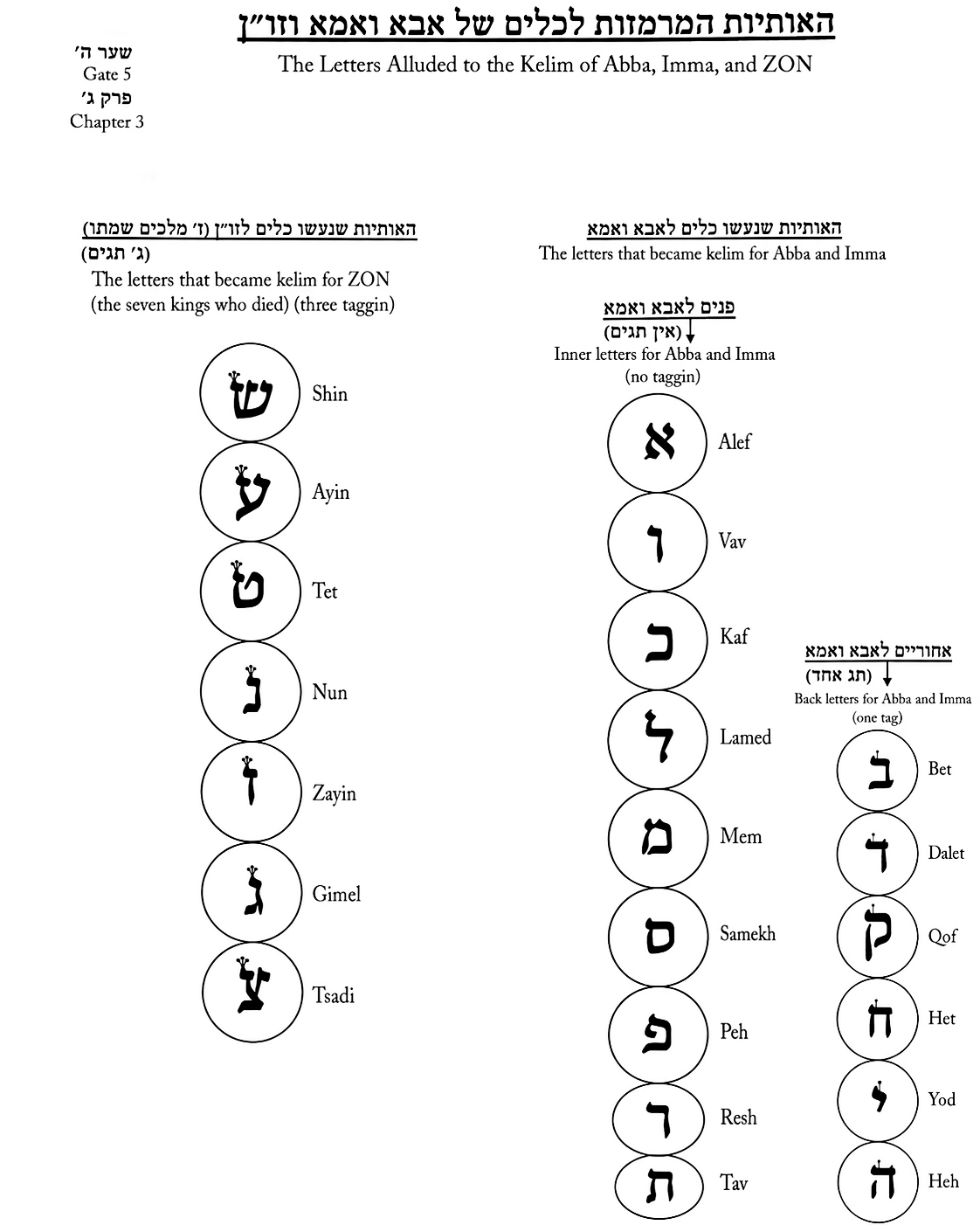
And behold you will see that Abba and Imma, being exceedingly greater than Ze’ir Anpin and Nukvah (וְהִנֵּה תִּרְאֶה כִּי או״א לִהְיוֹתָם יוֹתֵר גְּדוֹלִים עַד מְאֹד מִזו״ן), therefore they took fifteen letters and vessels were made for them, as stated elsewhere (לָכֵן נָטְלוּ ט״ו אוֹתִיּוֹת וְנַעֲשׂוּ כֵּלִים לָהֶם כְּמוֹ שֶׁכָּתוּב בְּמָקוֹם אַחֵר). And the matter is that Abba and Imma are the two letters Yod–Heh from the Name Havayah, whose numerical value is fifteen (וְהָעִנְיָן הוּא שֶׁאו״א הֵם ב׳ אוֹתִיּוֹת י״ה מִשֵּׁם הֲוָיָ״ה גִּימַטְרִיָּא ט״ו), but Ze’ir Anpin and Nukvah took only seven letters (אַךְ הַזו״ן נָטְלוּ ז׳ אוֹתִיּוֹת בִּלְבַד), for they are the seven Kings, as mentioned elsewhere (כִּי הֵם ז׳ מְלָכִים כַּנִּזְכָּר בְּמָקוֹם אַחֵר).
And behold, the Zivug [Union] in the secret of the letters (וְהִנֵּה הַזִּוּוּג שֶׁבְּסוֹד הָאוֹתִיּוֹת), and this and this (וְהוּא וָזֶה), is to give life to the worlds (הוּא לְהַחֲיוֹת הָעוֹלָמוֹת), and in the secret of the points (וּבְסוֹד הַנְּקֻדּוֹת), and this and this (וְהוּא וָזֶה), is for the souls (הוּא לַנְּשָׁמוֹת). And the matter is that the Zivug [Union] of the points is the Chokhmah of Abba with the Chokhmah of Imma (וְהָעִנְיָן כִּי זִוּוּג הַנְּקֻדּוֹת הֵם חָכְמָה דְּאַבָּא עִם חָכְמָה דְּאִמָּא), and the letters are the Binah of Abba with the Binah of Imma (וְהָאוֹתִיּוֹת הוּא בִּינָה דְּאַבָּא עִם בִּינָה דְּאִמָּא), and behold, thirty-three (וְהִנֵּה ל״ג).
For there are two kinds of Zivugim [Unions] (כִּי ב׳ מִינֵי זִוּוּגִים הֵם): one to give life to the worlds (א׳ לְהַחֲיוֹת הָעוֹלָמוֹת), and one for the souls (וְא׳ לַנְּשָׁמוֹת). And also, the life-giving one, thirty-three (וְגַם הַחַיּוּת ל״ג), that Zivug [Union] of vitality also helps to renew the old souls that were emanated at the creation of the world (אוֹתוֹ זִוּוּג דְּחַיּוּת יוֹעִיל לְחַדֵּשׁ הַנְּשָׁמוֹת יְשָׁנוֹת שֶׁנֶּאֱצְלוּ בִּבְרִיאַת עוֹלָם).
Chapter 4
שער ה פרק ד
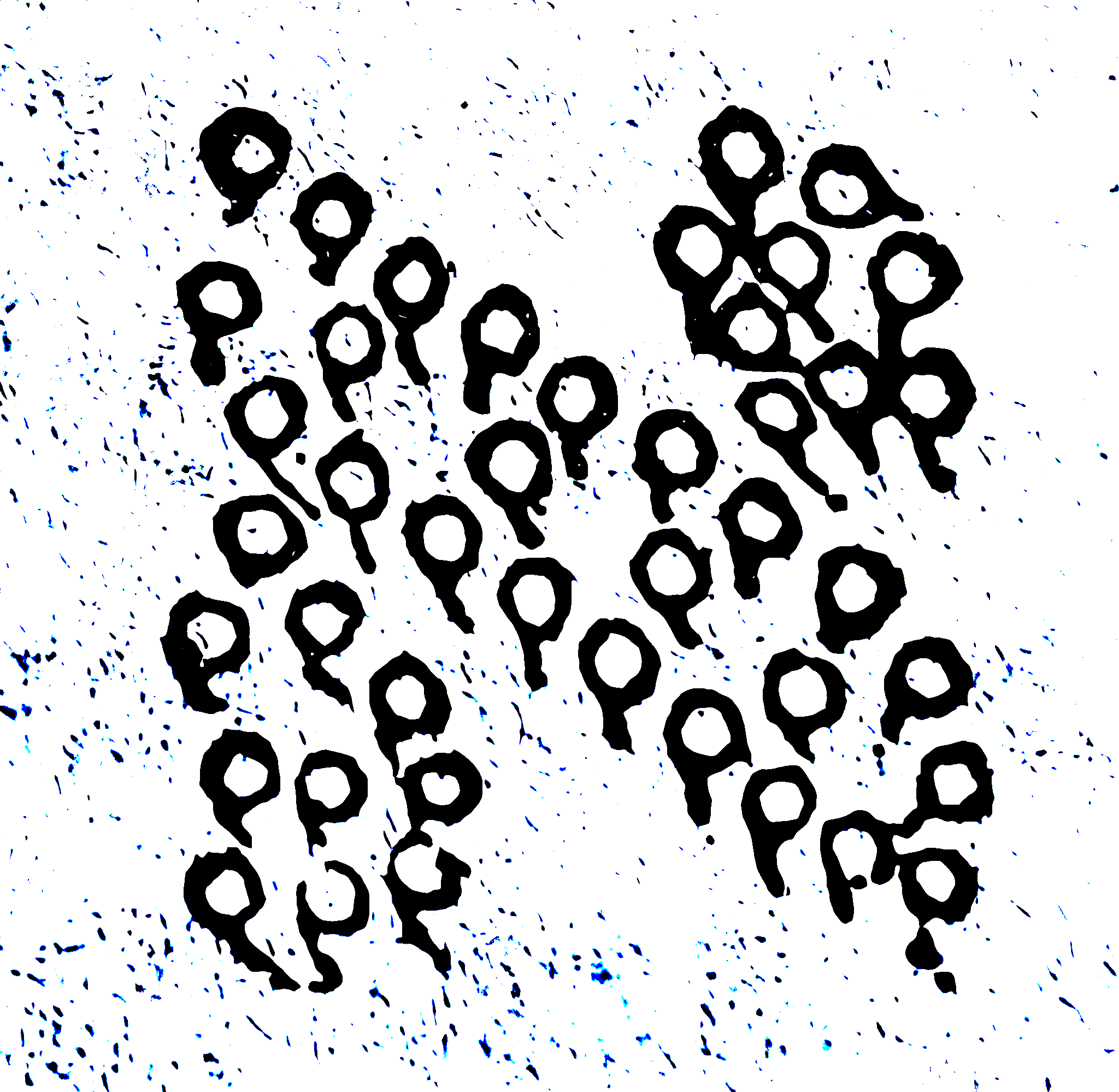
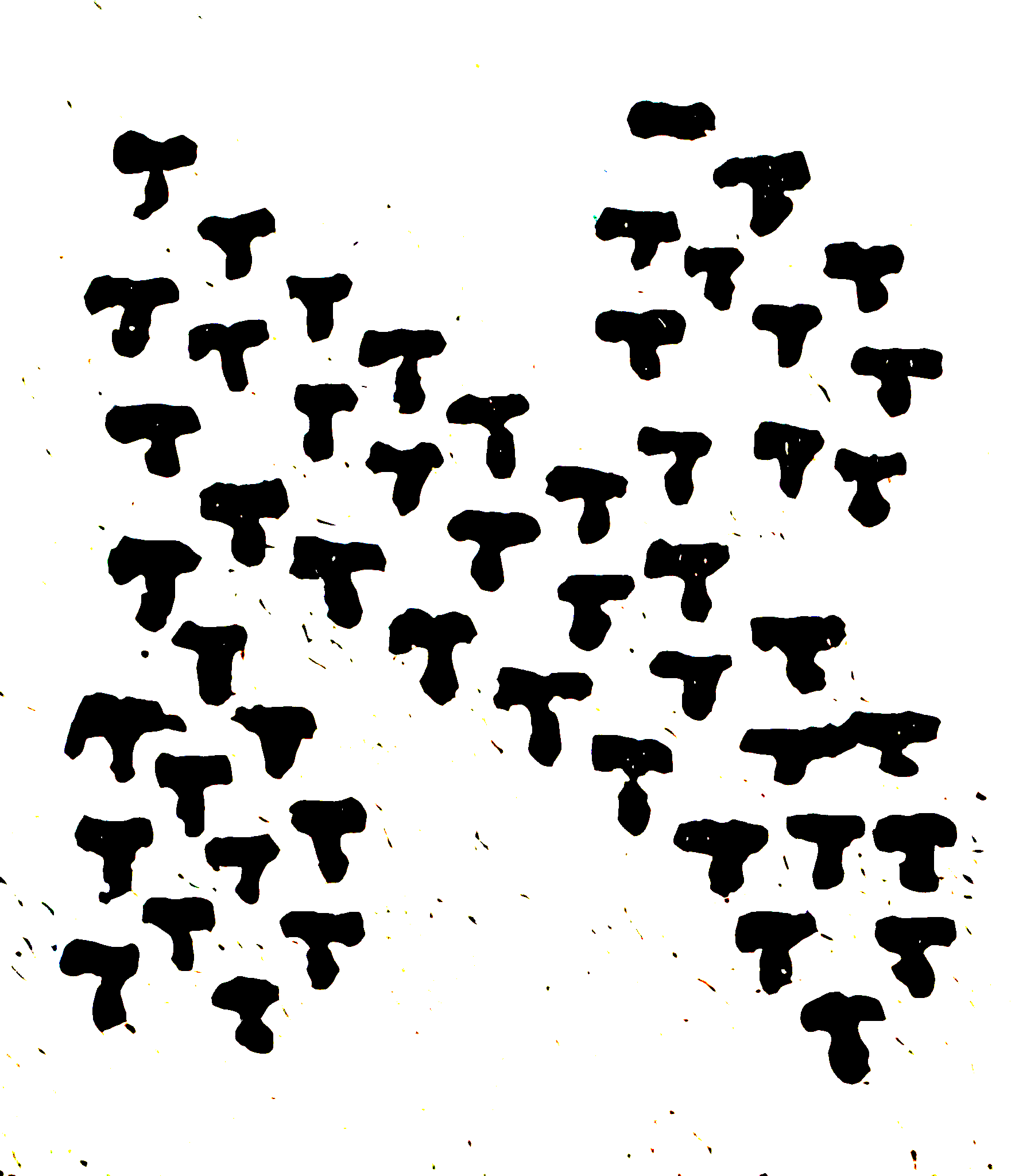
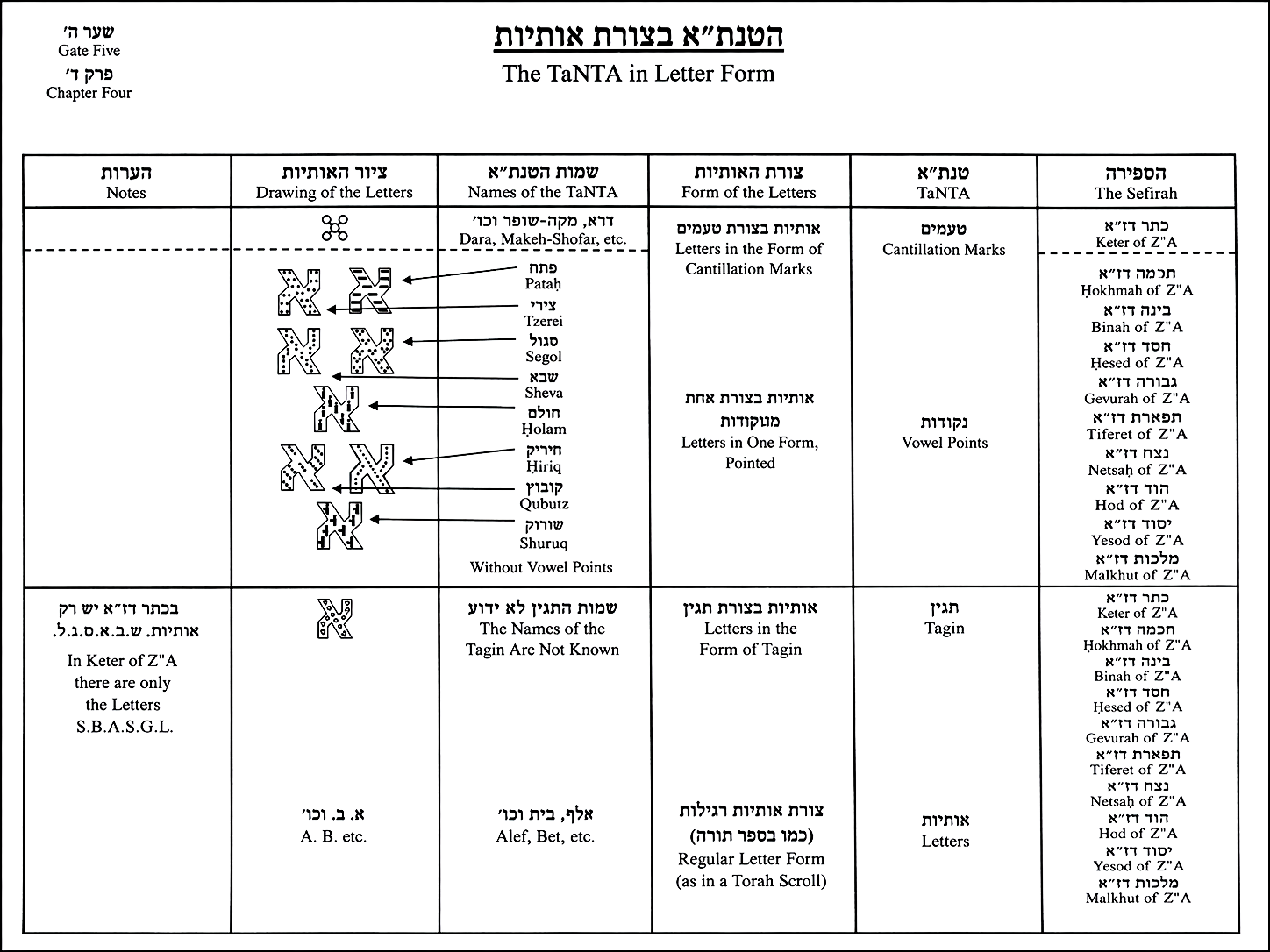
[5:4] Behold, the Keter of Abba are the Ta’amim [Cantillation Marks] (הִנֵּה כֶּתֶר דְּאַבָּא הֵם טְעָמִים), and the other nine Sefirot are the Nekudot [Vowel Points] (וְט״ס אַחֲרוֹת הֵם נְקֻדוֹת), and the Keter of Imma are the Tagin [Crowns] (וְכֶתֶר דְּאִמָּא הֵם תָּגִין), and the other nine Sefirot are the Otiot [Letters] (וְט״ס אַחֵרוֹת הֵם אוֹתִיּוֹת), and the explanation of this matter is as follows (וּפֵרוּשׁ עִנְיָן זֶה הוּא). Know that all these four aspects of Ta’amim [Cantillation Marks], Nekudot [Vowel Points], Tagin [Crowns], and Otiot [Letters] are all forms of letters as well (דַּע כִּי כָּל ד׳ בְּחִינוֹת אֵלּוּ שֶׁל טנת״א הֵם כֻּלָּם צוּרַת אוֹתִיּוֹת גַּם כֵּן), except that the letters of the Keter of Abba are forms of Ta’amim [Cantillation Marks] (אֶלָּא שֶׁאוֹתִיּוֹת כֶּתֶר דְּאַבָּא הֵם צוּרוֹת טְעָמִים), and the other nine Sefirot are forms of Nekudot [Vowel Points] (וְט״ס אַחֵרוֹת הֵם צוּרוֹת נְקֻדוֹת), and the letters of the Keter of Imma are in the forms of Tagin [Crowns] (וְאוֹתִיּוֹת כֶּתֶר דְּאִמָּא הֵם בְּצוּרוֹת תָּגִין), and the other nine Sefirot are forms of letters themselves, like those known to us in the Aleph-Bet (וְט״ס אַחֵרוֹת הֵם צוּרוֹת אוֹתִיּוֹת מַמָּשׁ כְּמוֹ שֶׁלָּנוּ הַיְּדוּעוֹת בָּאַלְפָּא בֵּיתָא). And indeed, certainly all of them are aspects of actual letters (וְאָמְנָם וַדַּאי שֶׁכֻּלָּם הֵם בְּחִינַת אוֹתִיּוֹת מַמָּשׁ), how so (כֵּיצַד), behold, the Ta’amim [Cantillation Marks] are letters in the form of Ta’amim [Cantillation Marks], which are rounded (הֲרֵי טְעָמִים הֵם אוֹתִיּוֹת בְּצוּרַת טְעָמִים שֶׁהֵם עֲגוּלִים), and the letter is connected and composed of many roundings, like this (וְהָאוֹת מְחֻבֶּרֶת וּמֻרְכֶּבֶת מֵעֲגוּלִים רַבִּים כָּזֶה):
And likewise are the points in the lower nine Sefirot of Abba (וְעַד״ז הֵם הַנְּקֻדוֹת שֶׁבְּט״ס הַתַּחְתּוֹנִים דְּאַבָּא), which are letters composed and connected from points, like this (שֶׁהֵם אוֹתִיּוֹת מֻרְכָּבִים וּמְחֻבָּרִים מִנְּקֻדוֹת כָּזֶה):
And likewise are the Tagin [Crowns] in the Keter of Imma (וְעַד״ז הֵם הַתָּגִין שֶׁבְּכֶתֶר אִמָּא), which are letters composed and connected from many Tagin [Crowns], like this (שֶׁהֵם אוֹתִיּוֹת מֻרְכָּבִים וּמְחֻבָּרִים מִתָּגִין רַבִּים כָּזֶה):
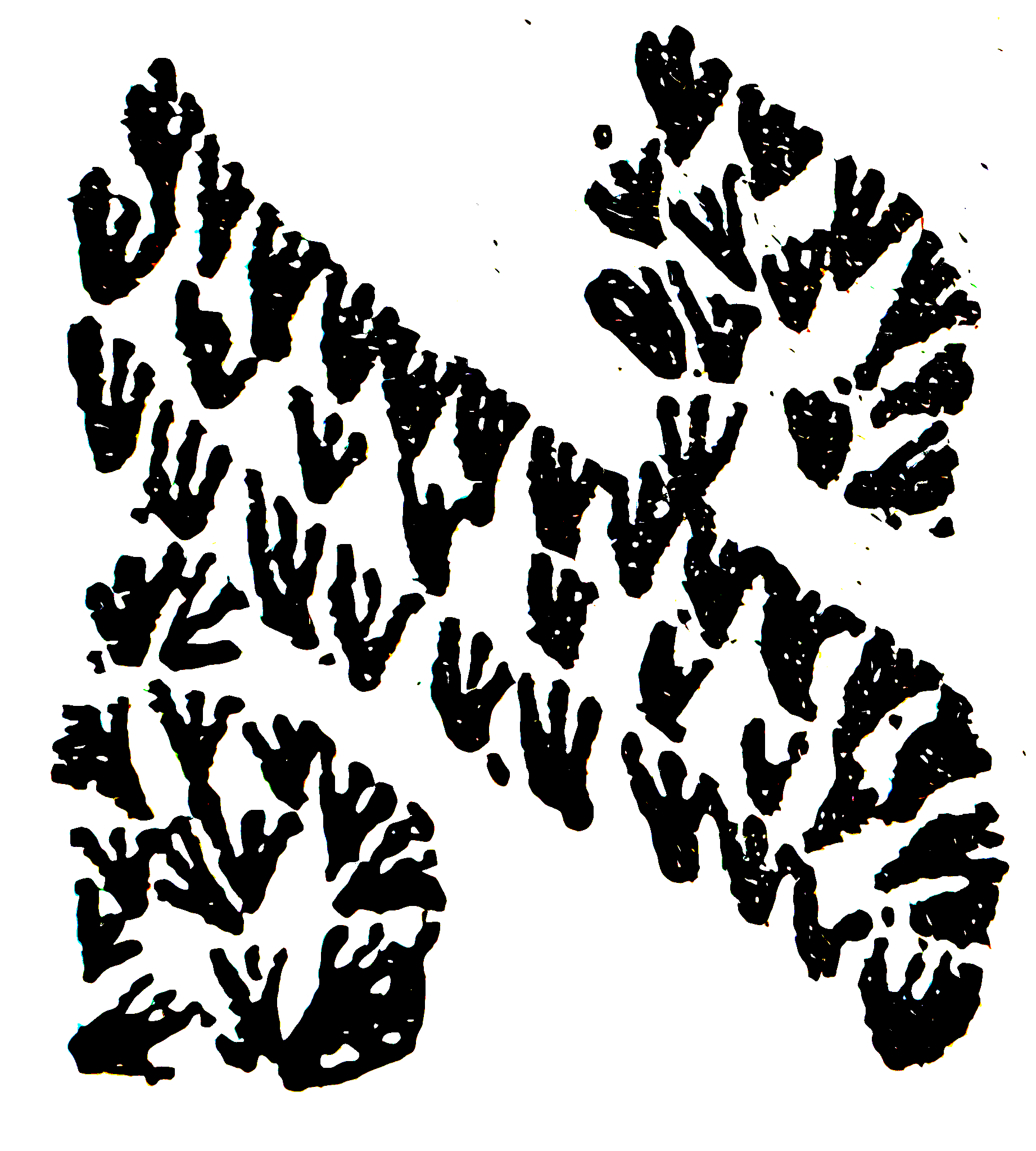
And this matter has already been written in the Tikkunim, daf 126b, and this is its language (וּכְבָר כָּתוּב עִנְיָן זֶה בַּתִּקּוּנִים דְּקכ״ו ע״ב וְזֶ״ל): “These points of the letters are filled with eyes, and their brows are filled with eyes, from them, like this form, etc.” (אֵלִּין נְקוּדִין דְּאַתְוָון מְלֵאִים עֵינִין וְגַבְתְּהוֹן מְלֵאִים עֵינִין מִנַּיְיהוּ כְּגוֹוְונָא דָּא כוּ׳), see there their depiction (עַיֵּין שָׁם צִיּוּרָם), and understand this well (וְהָבֵן זֶה הֵיטֵב). And the explanation of this matter is thus (וּבֵאוּר עִנְיָן זֶה כָּךְ הוּא): for behold, every lower level reveals the upper one (כִּי הִנֵּה כָּל מַדְרֵגָה הַתַּחְתּוֹנָה הִיא מְגַלָּה אֶת הָעֶלְיוֹנָה), for behold, Binah has Tagin [Crowns] in her Keter (כִּי הִנֵּה הַבִּינָה יֵשׁ תָּגִין בְּכֶתֶר שֶׁלָּהּ), and the letters that are in her nine Sefirot are letters of the Names of the forms of the supernal Tagin [Crowns] (וְהָאוֹתִיּוֹת שֶׁיֵּשׁ בְּתֵשַׁע סְפִירוֹתֶיהָ הֵם אוֹתִיּוֹת שֶׁל הַשֵּׁמוֹת שֶׁל צוּרַת תָּגִין הָעֶלְיוֹנִים). And likewise, the form of the Tagin [Crowns] in the Keter of Imma are letters of the Names of the points that are in the nine Sefirot of Abba (וְכֵן צוּרַת תָּגִין שֶׁבְּכֶתֶר אִמָּא הֵם אוֹתִיּוֹת שֶׁל שֵׁמוֹת הַנְּקֻדוֹת שֶׁבְּט״ס דְּאַבָּא), and these letters are called Tagin [Crowns] (וְאֵלּוּ הָאוֹתִיּוֹת נִקְרְאוּ תָּגִין). And the parable for this is the points Ḥiriq–Gadol of the Chokhmah of Abba, Segol (וְהַמָּשָׁל בָּזֶה נְקֻדוֹת חִ״ג שֶׁל חָכְמָה שֶׁבְּאַבָּא סֶגּוֹל). And when we wish to mention them by the aforementioned Names (וּכְשֶׁאָנוּ רוֹצִים לְהַזְכִּירָם בַּשֵּׁמוֹת הַנַּ״ל), it is necessary to mention them by means of letters (בְּהֶכְרֵחַ הוּא לְהַזְכִּיר עַל־יְדֵי אוֹתִיּוֹת).
And behold, those letters are the Keter of Imma (וְהִנֵּה הָאוֹתִיּוֹת הָהֵם הֵם הַכֶּתֶר דְּאִמָּא), and they are letters composed of many Tagin [Crowns] (וְהֵם אוֹתִיּוֹת מְחֻבָּרוֹת מִתָּגִין הַרְבֵּה). And behold, know that the letters which are in the form of Tagin [Crowns] that are in the Keter of Binah, which are forms of letters of the Names of the points in Chokhmah, as mentioned above (וְהִנֵּה דַע כִּי הָאוֹתִיּוֹת אֲשֶׁר בְּצוּרַת תָּגִין אֲשֶׁר בְּכֶתֶר בִּינָה שֶׁהֵם צוּרַת אוֹתִיּוֹת שֶׁל שֵׁמוֹת הַנְּקוּדִים שֶׁבְּחָכְמָה כַּנַּ״ל), are only these seven letters, which are Sh’va and Segol (אֵינָם אֶלָּא ז׳ אוֹתִיּוֹת אֵלּוּ שֶׁהֵם שְׁבָ״א סֶגּוֹ״ל), and their numerical value is four hundred and three [with Kolel] (וְחֶשְׁבּוֹנָם גִּימַטְרִיָּא ת״ג).
And therefore the Keter of Binah is called Tagin [Crowns] (וְעַל־כֵּן כֶּתֶר הַבִּינָה נִקְרָא תָּגִין), and understand this (וְהָבֵן זֶה). And the reason for the above is as follows (וְהַטַּעַם אֶל הַנַּ״ל הוּא): for it has already been explained that the Keter of Imma is within the Tiferet of Abba (כִּי כְּבָר נִתְבָּאֵר כִּי כֶּתֶר דְּאִמָּא הוּא בְּת״ת דְּאַבָּא). And the three heads of Abba remained in the aspect of Tagin [Crowns] upon the Keter of Imma (וְנִשְׁאָרוּ ח״ג דְּאַבָּא בִּבְחִינַת תָּגִין עַל הַכֶּתֶר דְּאִמָּא), and they do not enter her, but rather illuminate from afar, like the likeness of Tagin [Crowns] upon letters (וְאֵינָם נִכְנָסִין בָּהּ רַק מְאִירִים מֵרָחוֹק כְּדִמְיוֹן הַתָּגִין עַל הָאוֹתִיּוֹת).
Therefore, there were not mentioned in the Keter of Binah except these seven letters, which are Segol and Sh’va, in the form of Tagin [Crowns] (לָכֵן לֹא נִזְכַּר בְּכֶתֶר דְּבִינָה רַק ז׳ אוֹתִיּוֹת אֵלּוּ שֶׁהֵם סֶגּוֹ״ל וְשְׁבָ״א בְּצוּרַת תָּגִין), to allude to the above, that the three heads of Abba, which are Segol and Sh’va, are in the form of Tagin [Crowns] upon the letters of Imma (לִרְמֹז אֶל הַנַּ״ל שֶׁח״ג דְּאַבָּא שֶׁהֵם סֶגּוֹ״ל שְׁבָ״א הֵם בְּצוּרַת תָּגִין עַל אוֹתִיּוֹת דְּאִמָּא). Also because their number ascends to four hundred and three, as mentioned above (גַּם כִּי מִסְפָּרָם עוֹלֶה ת״ג כַּנַּ״ל).
It follows that the aspect of letters of the three heads of Abba, which are Sh’va and Segol, are made into Tagin [Crowns] upon the Keter of Binah (נִמְצָא כִּי בְּחִינַת אוֹתִיּוֹת שֶׁל ח״ג דְּאַבָּא שֶׁהֵם שְׁבָ״א סֶגּוֹ״ל הֵם נַעֲשִׂים תָּגִין עַל כֶּתֶר דְּבִינָה), and understand this exceedingly (וְהָבֵן זֶה מְאֹד). And since Binah is female, therefore Gevurah prevailed and its point preceded the point of Chesed, which is male (וּלְפִי שֶׁהַבִּינָה הִיא נְקֵבָה לָכֵן גָּבְרָה הַגְּבוּרָה וְקָדְמָה נְקֻדָּתָהּ אֶל נְקֻדַּת הַחֶסֶד שֶׁהוּא זָכָר), therefore it is in this order: Sh’va and Segol, and not Segol and Sh’va (לָכֵן הוּא כְּסֵדֶר זֶה שְׁבָ״א סֶגּוֹ״ל וְלֹא סֶגּוֹ״ל וְשְׁבָ״א). And likewise is the matter with the points of the lower seven, thirty-three, of the nine lower Sefirot of Abba, which are letters of the Ta’amim [Cantillation Marks] in the Keter of Abba (וְכֵן הָעִנְיָן בַּנְּקֻדוֹת שֶׁל ז״ת ל״ג ט״ת דְּאַבָּא שֶׁהֵם אוֹתִיּוֹת שֶׁל טְעָמִים שֶׁבְּכֶתֶר דְּאַבָּא). The parable for this is that the seven of Zarqa are like this (הַמָּשָׁל בָּזֶה כִּי ז׳ דְּזַרְקָא הוּא כָּזֶה).
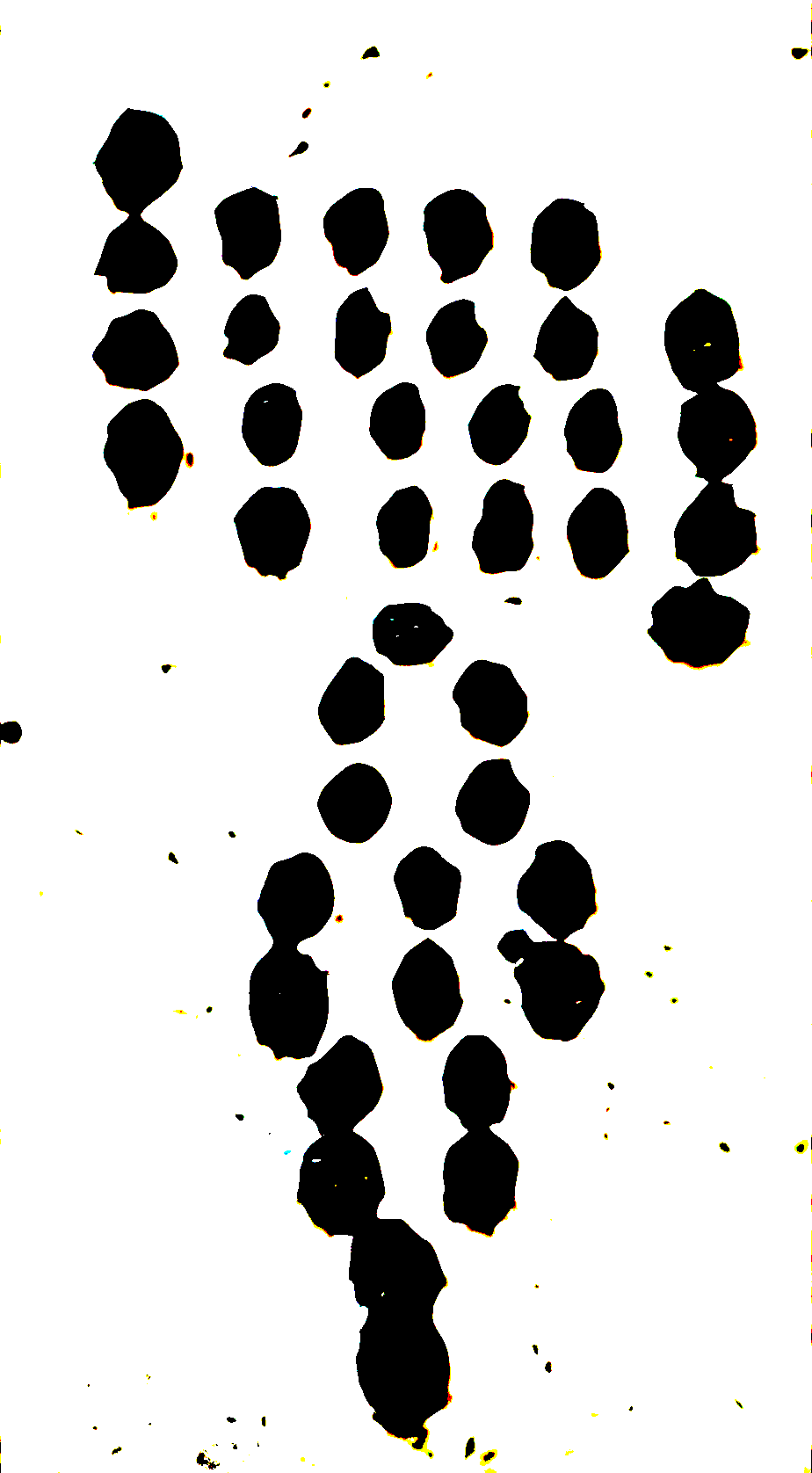
And likewise is the matter with the Ta’amim [Cantillation Marks] in the Keter of Abba (וְכֵן הָעִנְיָן בַּטְּעָמִים שֶׁבְּכֶתֶר דְּאַבָּא), which are letters in a rounded form (שֶׁהֵם אוֹתִיּוֹת בְּצִיּוּר עֲגוּלִים), and they are letters of another aspect that is above it (וְהֵם אוֹתִיּוֹת שֶׁל בְּחִינָה אַחֶרֶת שֶׁלְּמַעְלָה מִמֶּנּוּ), and this is sufficient (וְדַי בָּזֶה), as is written in Sha‘ar haYichudim (כְּמוֹ שֶׁכָּתוּב בְּשַׁעַר הַיִּחוּדִים).
Chapter 5
שער ה פרק ה
Through the Thirty-Two Paths of the Wonders of Wisdom, etc.
[5:5] Behold, the world is from six extremities, which are above and below and the four directions (הִנֵּה הָעוֹלָם הוּא מִשֵּׁשׁ קְצָווֹת שֶׁהֵם מַעְלָה וּמַטָּה וְאַרְבַּעָה רוּחוֹת), and they are the secret of Ze’ir Anpin, which includes six extremities (וְהֵם סוֹד זְעֵיר אַנְפִּין הַכּוֹלֵל ו׳ קְצָווֹת), and their beginning is from Chesed, as it is written: “I said: the world will be built by Chesed,” etc (וְהַתְחָלָתָם מֵחֶסֶד כְּמוֹ שֶׁכָּתוּב אָמַרְתִּי עוֹלָם חֶסֶד יִבָּנֶה וְגוֹ׳). Behold, the world is from Chesed and downward (הֲרֵי כִּי הָעוֹלָם הוּא מֵחֶסֶד וּלְמַטָּה), since the world is like a body in relation to the head (יַעַן הֱיוֹת הָעוֹלָם כְּגוּף אֶל הָרֹאשׁ), which clothes within it in the secret of the Mochin [Intellects] of Ze’ir Anpin within its brains (הַמִּתְלַבֶּשֶׁת בְּסוֹד מוֹחִין דְּזְעֵיר אַנְפִּין בְּתוֹךְ מוֹחוֹתָיו).
And behold, the Creator of this world is Chokhmah, through its Zivug [Union] with Imma (וְהִנֵּה הַבּוֹרֵא עוֹלָם זֶה הוּא חָכְמָה עַל־יְדֵי שֶׁמִּזְדַּוֵּג עִם אִמָּא). And Abba gives into her a drop that includes matter and form (וְאַבָּא נוֹתֵן בָּהּ טִפָּה שֶׁכְּלוּלָה מֵחֹמֶר וְצוּרָה), and it is necessary that the matter and the form each be included of ten, for there is nothing less than ten (וְצָרִיךְ שֶׁהַחֹמֶר וְהַצוּרָה יִהְיֶה כָּל אֶחָד כָּלוּל מֵעֶשֶׂר כִּי אֵין דָּבָר פָּחוֹת מֵעֶשֶׂר). And this is the secret of “seed will serve Him” (וְזֶהוּ סוֹד זֶרַע יַעַבְדֶּנּוּ), that from the moment it is sown, He gives into her the intellectual form (שֶׁמִּשָּׁעָה שֶׁנִּזְרַע נוֹתֵן בָּהּ הַצוּרָה הַשִּׂכְלִית), some say: from the moment it was sown, the form was given into her (נ״א שֶׁנִּזְרְעָה נִתְּנָה הַצוּרָה בָּהּ), which is the Nefesh, by whose power the matter is formed and limbs are made, which are a receptacle for the Nefesh (שֶׁהוּא הַנֶּפֶשׁ אֲשֶׁר בְּכֹחָהּ מִצְטַיֵּר הַחֹמֶר וְנַעֲשֶׂה אֵבָרִים שֶׁהוּא בֵּית קִבּוּל אֶל הַנֶּפֶשׁ). Like the example of a craftsman who blows into a glass vessel (דּוּגְמַת אוּמָן הַנּוֹפֵחַ בִּכְלִי זְכוּכִית), and through the breath that enters it, the substance of the glass expands and becomes a vessel (וְעַל־יְדֵי הָרוּחַ הַנִּכְנָס בְּתוֹכוֹ מִתְפַּשֵּׁט חֹמֶר הַזְּכוּכִית וְנַעֲשֶׂה כְּלִי). And this is the secret of “He blew into his nostrils a soul of life,” like a craftsman who blows with a breath into the ash and the substance (וְזֶהוּ סוֹד וַיִּפַּח בְּאַפָּיו נִשְׁמַת חַיִּים כְּאוּמָן הַנּוֹפֵחַ בִּנְפִיחָה תּוֹךְ הָאֵפֶר וְהַחֹמֶר).
Therefore, from the moment of sowing, the Nefesh is never separated from the matter (לָכֵן הַנֶּפֶשׁ מִשָּׁעַת זְרִיעָה אֵינָהּ נִפְרֶדֶת לְעוֹלָם מִן הַחֹמֶר), even though after his death his soul mourns over him until the resurrection of the dead (וְאַף כִּי אַחֲרֵי מוֹתוֹ נַפְשׁוֹ עָלָיו תֶּאֱבַל עַד תְּחִיַּת הַמֵּתִים). And this is what is said in the Tikkunim, daf 12a (וְזֶהוּ שֶׁאָמְרוּ בַּתִּקּוּנִים דִּי״ב ע״א): “And the Nefesh is the totality of the letters, and she is a partner of the body; and the Ruach is the totality of the points that shine in the eyes” (וְנַפְשָׁא אִיהִי כְּלָלָא דְּאַתְוָון וְאִיהִי שֻׁתָּפָא דְּגוּפָא וְרוּחָא אִיהִי כְּלָלָא דְּנְקוּדִין דְּנַהֲרִין בְּעֵינִין). And through this matter will be understood the statements of the Tikkunim (וּבְעִנְיָן זֶה יוּבַן מַאֲמָרֵי הַתִּקּוּנִים), that sometimes it says that the letters are bodies, as mentioned there prior to this, and this is its language: “They will shine, these points, which shine in the letters,” etc., “and all of them shine in the eyes of the body in the Garden of Eden” (כִּי פַּעַם יֹאמַר שֶׁהָאוֹתִיּוֹת הֵם גּוּפִין כַּנִּזְכָּר שָׁם קֹדֶם לָזֶה וְזֶ״ל יִזְהִירוּ אֵלִּין נְקוּדִין דְּנַהֲרִין בְּאַתְוָון וְכוּ׳ וְכוּלְּהוֹ נַהֲרִין בְּעֵינִין דְּגוּפָא בְּגִנְתָּא דְּעֵדֶן). And likewise in the Tikkunim, daf 16, he said explicitly that the letters are in relation to the points like a body in relation to the spirit (וְכֵן בַּתִּקּוּנִים דִּי״ו אָמַר בְּפֵירוּשׁ דְּאַתְוָון אִינּוּן לְגַבֵּי נְקוּדִין כְּגוּפָא לְגַבֵּי רוּחָא), and in other places we find that letters are Nefesh and points are Ruach, as mentioned on daf 13 (וּבִמְקוֹמוֹת אֲחֵרִים מָצִינוּ כִּי אוֹתִיּוֹת נֶפֶשׁ וּנְקוּדוֹת רוּחַ כַּנִּזְכָּר דִּי״ג).
And to understand the matter further, we will also be precise in their words when they say that the letters are in relation to the points like a body in relation to the spirit (וּלְהָבִין הָעִנְיָן גַּם־כֵּן נְדַקְדֵּק בְּדִבְרֵיהֶם בְּאוֹמְרוֹ דְּאַתְוָון לְגַבֵּי נְקוּדִין כְּגוּפָא לְגַבֵּי רוּחָא), for behold, the Nefesh is an intermediate level between the body and the spirit (וַהֲרֵי הַנֶּפֶשׁ מַדְרֵגָה מְמוּצַּעַת בֵּין הַגּוּף וְהָרוּחַ), and they should have said: like a body in relation to the Nefesh (וְהָיָה לוֹ לוֹמַר כְּגוּפָא לְגַבֵּי נַפְשָׁא). But the matter is as follows (אַךְ הָעִנְיָן): know that the Ta’amim [Cantillation Marks] are from Keter (דַּע כִּי הַטְּעָמִים הֵם מִן הַכֶּתֶר), and the Nekudot [Vowel Points] are from Chokhmah (וְהַנְּקֻדוֹת מִן הַחָכְמָה), and the Tagin [Crowns] are from the three upper Sefirot of Binah (וְהַתָּגִין מִג״ר דְּבִינָה), and the letters are from the seven lower Sefirot within her (וְהָאוֹתִיּוֹת מִז״ת שֶׁבָּהּ), and likewise in Ze’ir Anpin and Nukvah (וְגַם בְּזו״ן). It follows that the letters, since they are in Ze’ir Anpin and Nukvah, are called body (נִמְצָא כִּי אוֹתִיּוֹת אַחַר שֶׁהֵם בְּזו״ן הַנִּקְרָא גּוּף), since they are the generality of the seven lower Sefirot of Atzilut in totality (יַעַן שֶׁהֵם כְּלָלוּת ז״ת דְּאֲצִילוּת בִּכְלָלוּת), it follows that letters are always called body, for they are the vessels (נִמְצָא כִּי אוֹתִיּוֹת נִקְרָאִים גּוּפָא לְעוֹלָם שֶׁהֵם הַכֵּלִים). And the Tagin [Crowns] are the three upper Sefirot of Imma, and they are the Nefesh of the letters (וְהַתָּגִין הֵם ג״ר דְּאִמָּא וְהֵם הַנֶּפֶשׁ דְּאוֹתִיּוֹת), and just as the Nefesh is never separated from the body (וּכְמוֹ שֶׁהַנֶּפֶשׁ אֵינָהּ נִפְרֶדֶת לְעוֹלָם מִן הַגּוּף), so too the Tagin [Crowns] are never separated from the letters in a Sefer Torah (כֵּן הַתָּגִין אֵינָם נִפְרָדִין מֵהָאוֹתִיּוֹת בְּסֵפֶר תּוֹרָה לְעוֹלָם).
This is not the case with the points and the Ta’amim [Cantillation Marks], which are not in the Sefer Torah itself, but only through a person’s reading of the Sefer Torah (מַשֶּׁאֵין כֵּן הַנְּקוּדוֹת וְהַטְּעָמִים שֶׁאֵינָם בְּסֵפֶר תּוֹרָה רַק עַל־יְדֵי קְרִיאַת אָדָם בְּסֵפֶר תּוֹרָה), and understand this (וְהָבֵן זֶה). And this is what was said above: “And the Nefesh is the totality of the letters, and a partner of the body” (וְזֶהוּ שֶׁאָמַר לְעֵיל וְנַפְשָׁא אִיהִי כְּלָלָא דְּאַתְוָון וְשׁוּתָפָא דְּגוּפָא). And the matter is that the Tagin [Crowns] participate in and attach to the very essence of the letters, which are the body (וְהָעִנְיָן כִּי הַתָּגִין הֵם מִשְׁתַּתְּפִין וּמִתְחַבְּרִין בְּעַצְמוּת הָאוֹתִיּוֹת שֶׁהֵם גּוּף), and the Tagin [Crowns] are the generality of the letters (וְהַתָּגִין הֵם כְּלָלוּת הָאוֹתִיּוֹת), for the three upper Sefirot of Imma are inclusive of the seven lower Sefirot, which are the letters (כִּי ג״ר דְּאִמָּא הֵם כְּלוּלִים מִז״ת שֶׁהֵם הָאוֹתִיּוֹת), and the generality of the seven lower Sefirot are rooted and included in the three upper Sefirot, which are the Tagin [Crowns] (וְכְלָלוּת הַז״ת נִשְׁרָשִׁין וְנִכְלָלִין בַּג״ר שֶׁהֵם הַתָּגִין). And because of this, the Tagin [Crowns] are not alluded to or mentioned in the Tikkunim (וּבַעֲבוּר זֶה אֵין הַתָּגִין רְמוּזִין וְנִזְכָּרִין בַּתִּקּוּנִים), since they and the letters participate together (יַעַן כִּי הֵם וְהָאוֹתִיּוֹת מִשְׁתַּתְּפִין יַחַד).
Therefore, sometimes letters are called body, for that is the truth (לָכֵן לִזְמָנִין נִקְרָא אוֹתִיּוֹת גּוּפָא כִּי כֵן הוּא הָאֱמֶת), and sometimes they are called Nefesh, in the aspect of the Tagin [Crowns] within them (וְלִזְמָנִין נִקְרָא נֶפֶשׁ בִּבְחִינַת הַתָּגִין שֶׁבָּהֶם). And the points are the Ruach of the letters (וְהַנְּקוּדוֹת הֵם רוּחַ הָאוֹתִיּוֹת). And this is what is said on daf 35: that the letters are in relation to the points like a body in relation to the spirit (וְזֶהוּ שֶׁאָמַר דְּל״ה דְּאַתְוָון לְגַבֵּי נְקוּדִין כְּגוּפָא לְגַבֵּי רוּחָא), and it is as if he said: like body and Nefesh in relation to Ruach (וְהוּא לָאו כְּאִלּוּ אָמַר כְּגוּפָא וְנַפְשָׁא לְגַבֵּי רוּחָא), for when the body is mentioned, the Nefesh is automatically included, since they are partners, as explained above (כִּי בְּהַזְכִּירוֹ אֶת הַגּוּף מִמֵּילָא הַנֶּפֶשׁ בִּכְלָל כִּי שׁוּתָפִין הֵם כַּנַּ״ל). And it will also be understood from what he wrote, that the letters are from Binah, and they are from her seven lower Sefirot (וְיוּבַן גַּם־כֵּן מַה שֶׁכָּתַב כִּי אֶתְוָון מִבִּינָה וְהִיא מִז״ת שֶׁבָּהּ), but the Tagin [Crowns] are Nefesh, and they are from her three upper Sefirot (וְאַךְ הַתָּגִין נַפְשָׁא וְהוּא מִג״ר שֶׁבָּהּ). And since the Tagin [Crowns] are the aspect of Nefesh, and every Nefesh is the aspect of Malkhut (וּלְהִיוֹת הַתָּגִין בְּחִינַת נֶפֶשׁ וְכָל נֶפֶשׁ בְּחִינַת מַלְכוּת), therefore they said there on daf 89 that Malkhut becomes the Keter of Ze’ir Anpin, in the secret of the Tagin [Crowns] upon the letters (לָכֵן אָמְרוּ שָׁם דְּפ״ט דְּמַלְכוּת אִתְעֲבִיד כֶּתֶר דְּזְעֵיר אַנְפִּין בְּסוֹד הַתָּגִין שֶׁעַל גַּבֵּי אוֹתִיּוֹת), as you already know that the additional Nefesh of Abba and Imma is the Keter upon the head of Ze’ir Anpin (שֶׁכְּבָר יָדַעְתָּ כִּי נֶפֶשׁ יְתֵרָה דְּאו״א הִיא כֶּתֶר בְּרֹאשׁ זְעֵיר אַנְפִּין), in the secret of “a crown they will give You, Hashem our God” (בְּסוֹד כֶּתֶר יִתְּנוּ לְךָ ה׳ אֱלֹהֵינוּ), as mentioned in the Zohar in Parashat Pinḥas, daf 242 (כַּנִּזְכָּר בַּזֹּהַר בְּפָרָשַׁת פִּינְחָס דְּרמ״ב).
And now we will explain their matter (וְעַתָּה נְבָאֵר עִנְיָנָם), know that the vessels, which are the body of Ze’ir Anpin, which is called the world (דַּע כִּי הַכֵּלִים שֶׁהֵם גּוּף דְּזְעֵיר אַנְפִּין הַנִּקְרָא עוֹלָם), are the aspect of letters (הֵם בְּחִינַת אוֹתִיּוֹת), and within them are included the Tagin [Crowns], which are the Nefesh (וּבָהֶם נִכְלָלִין הַתָּגִין שֶׁהֵם הַנֶּפֶשׁ). However, from the twenty-two letters the body is made, including ten rulers (אָמְנָם מִן הַכ״ב אוֹתִיּוֹת נַעֲשֶׂה הַגּוּף כּוֹלֵל י׳ שַׁלִּיטִים), which are Keter–Chokhmah, Binah, Da‘at, Chesed, Gevurah, Tiferet, Netzach, Hod, Yesod–Malkhut (שֶׁהֵם כַּחַב״ד חַג״ת נְהִי״ם), as mentioned in Introduction Two, Daf 12, and likewise on daf 13 (כַּנִּזְכָּר בַּהַקְדָּמָה ב׳ דִּי״ב וְכֵן בְּדִי״ג), and this is its language (וְזֶ״ל): “And how many bodies He prepared for them, which are called bodies in relation to the garments that cover them, and they are called in this Tikkun: Chesed is the right arm,” etc (וְכַמָּה גּוּפִין תַּקִּינַת לְהוֹן דְּאִתְקְרִיאוּ גּוּפִין לְגַבֵּי לְבוּשִׁין דְּמְכַסְיָין עֲלֵיהוֹן וְאִתְקְרִיאוּ בְּתִיקּוּנָא דָּא חֶסֶד דְּרוּעָא יְמִינָא כוּ׳). And afterwards we will explain how from the twenty-two letters ten Tikkunim are made (וְאַחַר כָּךְ נְבָאֵר אֵיךְ מִכ״ב אוֹתִיּוֹת נַעֲשִׂין י׳ תִּקּוּנִין).
And behold, since the Tagin [Crowns] are partners within the letters (וְהִנֵּה לִהְיוֹת שֶׁהַתָּגִין מְשֻׁתָּפִין בָּאוֹתִיּוֹת), therefore Nefesh and body are included together in the twenty-two letters (לָכֵן נִכְלָלִין נֶפֶשׁ וְגוּף יַחַד בְּכ״ב אֲתוָן), and all of them are called twenty-two aspects of letters (וְכֻלָּם נִקְרָא כ״ב בְּחִינוֹת אֲתוָן). And the points are ten, as will be explained with the help of Hashem (וְהַנְּקוּדוֹת הֵם י׳ כְּמוֹ שֶׁיְּתְבָּאֵר בְּעֶזְרַת ה׳), and they are the aspect of Ruach (וְהֵם בְּחִינַת רוּחַ), and they are truly called ten Sefirot (וְהֵם נִקְרְאוּ י׳ סְפִירוֹת בֶּאֱמֶת), in the secret of “the heavens recount” (בְּסוֹד הַשָּׁמַיִם מְסַפְּרִים), for the heavens are Ze’ir Anpin, the aspect of Ruach, which includes ten Sefirot that recount (כִּי הַשָּׁמַיִם הוּא זְעֵיר אַנְפִּין בְּחִינַת רוּחַ הַכּוֹלֵל י׳ סְפִירוֹת הַמְסַפְּרִים), and illuminate to Malkhut, which is called “the glory of God” (וּמְזַהֲרִים לְמַלְכוּת הַנִּקְרָא כְּבוֹד אֵל), as mentioned in Parashat Terumah, daf 136b (כַּנִּזְכָּר בַּפָּרָשָׁה תְּרוּמָה דְּקל״ו ע״ב). “What is ‘recount’?” etc (מַאי מְסַפְּרִים כוּ׳), rather, that they shine and sparkle with the sparks of the supernal point (אֶלָּא דְּנַהֲרִין וְנַצְצִין בְּנִצּוֹצֵי דְּנְקוּדָה עִלָּאָה כוּ׳).
Behold, the Sefirot are from Chokhmah, the supernal point (הֲרֵי כִּי הַסְּפִירוֹת הֵם מֵחָכְמָה נְקוּדָה עִלָּאָה). And you also know from the verse “He counts the number of the stars” (וְגַם יָדַעְתָּ מִפָּסוּק מוֹנֶה מִסְפָּר לַכּוֹכָבִים), that Tiferet is called “number,” and it is Ruach, as it is written on daf 16 (כִּי ת״ת נִקְרָא מִסְפָּר וְהוּא רוּחַ כְּמוֹ שֶׁכָּתוּב דִּי״ו), and we call them ten Sefirot (וְקָרִינָן לְהוֹן י׳ סְפִירוֹת). And afterwards he said: “garments He prepared for them, and how many bodies He prepared for them,” etc (וְאַחַר כָּךְ אָמַר לְבוּשִׁין תַּקִּינַת לְהוֹן וְכַמָּה גּוּפִין תַּקִּינַת לְהוֹן כוּ׳). Behold, the ten Sefirot are the essence, which are the points within the letters, drawn from supernal Chokhmah (הֲרֵי כִּי י׳ סְפִירוֹת הֵם הָעַצְמוּת שֶׁהֵם הַנְּקוּדִים שֶׁבְּתוֹךְ הָאוֹתִיּוֹת הַנִּמְשָׁכִין מֵחָכְמָה עִלָּאָה), “the growth of Abba,” as mentioned above (צֶמַח אַבָּא כַּנַּ״ל), which is also called the supernal point (הַנִּקְרָא נְקוּדָה עִלָּאָה גַּם־כֵּן), and by its name they are called points (וְעַל שְׁמָהּ נִקְרְאוּ נְקוּדוֹת). And this is what he said afterwards: “Within is the Name Yod–Heh–Vav–Heh, which is in the manner of Atzilut” (וְזֶ״שׁ אַחַר כָּךְ מִלְּגָאו אִיהוּ שֵׁם יו״ד ה״א וא״ו ה״א דְּאִיהוּ בְּאוֹרַח אֲצִילוּת).
And it is known that this Name has the numerical value of Adam (וְיָדוּעַ כִּי שֵׁם זֶה גִּימַטְרִיָּא אָדָ״ם), which is alluded to in Chokhmah, “Koach Mah [The Power of M”H]” (הָרָמוּז בְּחָכְמָה כֹּחַ מָ״ה), for the ten Sefirot are precisely the ten letters of the Name Mah (כִּי הַי׳ סְפִירוֹת הֵן הֵן הַי׳ אוֹתִיּוֹת דְּשֵׁם מָ״ה). And this is what is said in the Zohar: “And the enlightened ones—these letters that are included in the two of ‘Bereshit,’ the beginning point, in its palace; nine points hang from it, and they are called the ten Sefirot without substance” (וְזֶ״שׁ בַּזֹּהַר וְהַמַּשְׂכִּילִים אֵלִּין אֲתוָן דְּכָלִילָן בְּב׳ דְּבְּרֵאשִׁית רֵאשִׁית נְקוּדָה בְּהֵיכָלְיָהּ ט׳ נְקוּדִין תַּלְיָין מִנֵּיהּ וְאִתְקְרוּן י׳ סְפִירוֹת בְּלִימָה). And it is known that the letter Bet is in Binah, from which letters are counted (וְיָדוּעַ כִּי ב׳ הִיא בְּבִינָה דְּמִנָּה אֲתוָן), and “Reshit” is Chokhmah, from which points are counted, and they are the ten Sefirot (וְרֵאשִׁית דָּא חָכְמָה דְּמִנָּה נְקוּדִין וְהֵם י׳ סְפִירוֹת).
And behold, at the beginning the father seeded, and he is Chokhmah, a drop of matter (וְהִנֵּה בַּתְּחִלָּה הִזְרִיעַ הָאָב וְהוּא חָכְמָה טִפַּת חֹמֶר), and these are the letters, about which it is said: “And the earth was chaos and void” (וְהוּא הָאוֹתִיּוֹת שֶׁעֲלֵיהֶן נֶאֱמַר וְהָאָרֶץ הָיְתָה תֹהוּ וָבֹהוּ), for from the clouding of the waters emerged the first matter, which is called Tohu (כִּי מֵעֲכִירַת הַמַּיִם יָצָא הַחֹמֶר הָרִאשׁוֹן הַנִּקְרָא תֹהוּ), as it is written in Sefer Yetzirah: “Three: water from wind; He engraved and hewed from them the twenty-two letters, from Tohu and Bohu, and slime and clay; He made them like a garden-bed; He set them like a wall; He surrounded them like a covering” (כְּמוֹ שֶׁכָּתוּב בְּסֵפֶר יְצִירָה שָׁלֹשׁ מַיִם מֵרוּחַ חָקַק וְחָצַב בָּהֶן כ״ב אוֹתִיּוֹת מִן תֹהוּ וָבֹהוּ וְרֶפֶשׁ וָטִיט. עֲשָׂאָן כְּמִין עֲרוּגָה. הִצִּיבָן כְּמִין חוֹמָה. סְבָבָן כְּמִין מַעֲזִיבָה).
Behold, the matter of the letters emerged from the waters of Chokhmah (הֲרֵי כִּי חֹמֶר הָאוֹתִיּוֹת מִן מַיִם שֶׁבְּחָכְמָה יָצְאוּ), and first Tohu was made, and afterward Bohu, and afterward they were inscribed and formed (וּתְּחִלָּה נַעֲשֶׂה תֹהוּ וְאַחַר כָּךְ בֹּהוּ וְאַחַר כָּךְ נִרְשְׁמוּ וְנִצְטַיְּירוּ). And there are letters that are rounded like a wall (וְיֵשׁ אוֹתִיּוֹת עֲגוּלוֹת כְּמִין חוֹמָה), and there are those that are spread out and long like a covering (וְיֵשׁ פְּרוּסָה וַאֲרוּכָה כְּמִין מַעֲזִיבָה), and there are those that are a receptacle like a garden-bed, in which the water remains within it (וְיֵשׁ שֶׁל בֵּית קִבּוּל כְּמִין עֲרוּגָה שֶׁשּׁוֹהֶה הַמַּיִם בְּתוֹכוֹ). And this is what is said: “For to the snow He says: Be earth” (וְזֶהוּ שֶׁאָמַר כִּי לַשֶּׁלֶג יֹאמַר הֱוֵי אָרֶץ), it follows that from the clouding of the waters in Chokhmah emerged the first matter, which is called Tohu (נִמְצָא כִּי מֵעֲכִירַת הַמַּיִם שֶׁבְּחָכְמָה יָצָא חֹמֶר הָרִאשׁוֹן הַנִּקְרָא תֹהוּ). And afterward he gives it into Binah, and they were formed in the womb of Imma through the matter that is in her as well, which is ash of fire (וְאַחַר כָּךְ נוֹתֵן בְּבִינָה וְנִצְטַיְּירוּ בִּמְעֵי אִמָּא עַל־יְדֵי חֹמֶר שֶׁבָּהּ גַּם־כֵּן שֶׁהוּא אֵפֶר שֶׁל אֵשׁ), for, as before (כִּי כְּמוֹ לְעֵיל), the waters are on the right, which is Chokhmah, and from it emerged its cloudings, the twenty-two letters (הַמַּיִם מִימִין שֶׁהוּא חָכְמָה וּמִמֶּנּוּ יָצְאוּ מֵעֲכִירוֹתָיו הַכ״ב אֲתוָן), and within them are the eight Chesed of the simple MNTZPKH at first (וּבָהֶם הַח״ס שֶׁל מַנְצַפַּ״ךְ הַפְּשׁוּטִים הָרִאשׁוֹנִים), and white earth was made from the clouding of the white snow, the whiteness of Lebanon, which is Chokhmah (וְנַעֲשֶׂה עָפָר לָבָן מֵעֲכִירוֹת הַשֶּׁלֶג לֹבֶן שֶׁבְּלְבָנוֹן שֶׁהוּא חָכְמָה), in the secret of “for to the snow He says: be earth” (בְּסוֹד כִּי לַשֶּׁלֶג יֹאמַר הֱוֵי אָרֶץ). But the fire is in Binah, and from its clouding and its dregs emerged matter called redness (אַךְ הָאֵשׁ הוּא בְּבִינָה וּמֵעֲכִירוֹתָהּ וּשְׁמָרֶיהָ יָצָא חֹמֶר הַנִּקְרָא אֹדֶם), and these are the five doubled letters MNTZPKH, which are the five Gevurot, whose numerical value, with the kolel, is efer [ash] (וְהֵם ה׳ אוֹתִיּוֹת מַנְצַפַּ״ךְ כְּפוּלִים שֶׁהֵם ה״ג גִּימַטְרִיָּא אֵפֶר), for ash is the clouding of the dregs of fire (כִּי אֵפֶר עֲכִירוֹת שְׁמָרֵי הָאֵשׁ הוּא).
And then the body of the fetus, Ze’ir Anpin, was formed in the womb of Imma with the twenty-two masculine letters and the five doubled MNTZPKH letters, which are feminine (וְאָז נִצְטַיֵּיר גּוּף הַוָּלָד זְעֵיר אַנְפִּין בִּמְעֵי אִמָּא בְּכ״ב אוֹתִיּוֹת דְּכוּרִין וְה׳ אוֹתִיּוֹת מַנְצַפַּ״ךְ הַכְּפוּלִים נוּקְבִּין), and from them the fetus was formed (וּמֵהֶם נוֹצַר הַוָּלָד). And also within the twenty-two masculine letters there are feminine aspects (וְגַם בְּכ״ב אוֹתִיּוֹת דְּכוּרִין יֵשׁ בָּהֶם נוּקְבִּין), for Chokhmah has a left side, which is entirely female, such as Bet–Gimel–Heh–Malkhut (כִּי הַחָכְמָה יֵשׁ בָּהּ צַד שְׂמֹאלִי שֶׁכֻּלָּהּ נְקֵבָה כְּגוֹן בְּג״ה מַלְכוּת), therefore there is within the other twenty-two an aspect of feminine (לָכֵן יֵשׁ בְּשָׁאֵר הַכ״ב בְּחִינַת נוּקְבִּין), but in relation to the doubled letters they are all called masculine (אַךְ בְּעֶרֶךְ הַכְּפוּלִים נִקְרָאִים כֻּלָּם זְכָרִים). And through this you will understand how all the two hundred and forty-eight limbs, which are the aspect of the 248 bones, are all from the whiteness of the male who inseminates (וּבָזֶה תָּבִין אֵיךְ כָּל רמ״ח אֵיבָרִים שֶׁהֵם בְּחִינַת רמ״ח עֲצָמוֹת כֻּלָּם מִזָּכָר הַמַּזְרִיעַ לוֹבֶן), but from the redness of the woman there is only the black of the eye and the blood within the sinews, etc (אַךְ מֵאֹדֶם הָאִשָּׁה אֵינוֹ רַק הַשָּׁחוֹר שֶׁבָּעַיִן וְהַדָּם שֶׁבְּתוֹךְ הַגִּידִין כוּ׳). But all the bones, which are the roots of the 248 limbs, are from Abba (אַךְ כָּל הָעֲצָמוֹת שֶׁהֵם הַשָּׁרָשִׁים שֶׁל רמ״ח אֵיבָרִים הֵם מֵאַבָּא).
And behold, within these letters the Nefesh is partnered, which are the Tagin [Crowns], and she is from Imma (וְהִנֵּה בָּאוֹתִיּוֹת אֵלּוּ מְשֻׁתֶּפֶת הַנֶּפֶשׁ הֵם הַתָּגִין וְהִיא מֵאִמָּא), for the Nefesh does not enter the matter except after it has been sown, which is in the womb of Imma (כִּי אֵין הַנֶּפֶשׁ נִכְנֶסֶת בַּחֹמֶר רַק אַחַר שֶׁנִּזְרַע שֶׁהוּא בִּמְעֵי אִמָּא). But Abba did not give into it anything except the matter, the twenty-two letters, which are the bones (אַךְ אַבָּא לֹא נָתַן בּוֹ רַק הַחֹמֶר הַכ״ב אֲתוָן שֶׁהֵם הָעֲצָמוֹת). However, of necessity there was within it the vitality of the bones mentioned in Parashat Shelach, daf 169 (אַךְ בְּהֶכְרֵחַ הָיָה בְּתוֹכָהּ הַכֹּל דְּגַרְמֵי הַנִּזְכָּר פָּרָשַׁת שְׁלַח דַּף קס״ט), for certainly the drop of Abba was not only dry matter, but had within it some vitality called the vapor of the bones (כִּי וַדַּאי טִפַּת אַבָּא לֹא הָיָה רַק חֹמֶר יָבֵשׁ רַק מִקְצָת חַיּוּת בְּתוֹכָהּ הַנִּקְרָא הֶבֶל דְּגַרְמֵי). And these are the secret of the three hundred and twenty sparks that emerge from Chokhmah, which is Abba, as is known to us (וְהֵם סוֹד הַש״ךְ נִיצוֹצִין דְּנָפְקֵי מֵחָכְמָה דְּהַיְינוּ אַבָּא כַּנּוֹדָע אֶצְלֵנוּ), for this is joined in complete attachment to the bones even after death (כִּי זֶה הוּא מְחֻבָּר חִבּוּר גָּמוּר בָּעֲצָמוֹת אַחַר הַמִּיתָה). But the Nefesh, which is from the side of Imma, hovers over them from above (אַךְ הַנֶּפֶשׁ שֶׁהוּא מִצַּד אִמָּא חוֹפֶפֶת עֲלֵיהֶם מִלְּמַעְלָה), in the secret of “and his soul mourns over him,” specifically over him (בְּסוֹד וְנַפְשׁוֹ עָלָיו תֶּאֱבַל עָלָיו דַּיְקָא).
For just as when Abba inseminated (some say: when Abba inseminates) there emerged matter together with the vapor of the bones, partnered together (כִּי כְּמוֹ כְּשֶׁהִזְרִיעַ נ״א שֶׁמַּזְרִיעַ אַבָּא יָצָא חֹמֶר עִם הֶבֶל דְּגַרְמֵי מְשֻׁתָּף יַחַד), therefore they are never separated forever (לָכֵן לֹא נִפְרָדִין לְעוֹלָם ל״ג). But the Nefesh comes afterward from Imma and hovers over the vapor (אַךְ הַנֶּפֶשׁ בָּאָה אַחַר כָּךְ מֵאִמָּא וְחוֹפֶפֶת עַל הַהֶבֶל), and then in the womb of the woman the Nefesh enters over nine months, little by little (וְאָז בְּבֶטֶן אִשָּׁה נִכְנֶסֶת הַנֶּפֶשׁ בְּט׳ חֳדָשִׁים מְעַט מְעַט), and when it is completed, he is born (וּכְשֶׁנִּגְמָר נוֹלָד). Therefore also after death it hovers over the bones and not within them, like the vapor of the bones which remains bound within the bones (לָכֵן גַּם אַחַר מִיתָה חוֹפֶפֶת עַל הָעֲצָמוֹת וְלֹא בְּתוֹכָם כְּמוֹ הֶבֶל דְּגַרְמֵי דְּאִשְׁתָּאַר בְּחִבּוּרָא גּוֹ גַרְמַי), as mentioned in Parashat Shelach, daf 169 (כַּנִּזְכָּר בְּפָרָשַׁת שְׁלַח דְּקס״ט). And even though on daf 170 he said this about the Nefesh (וְאַף־עַל־פִּי שֶׁבְּדַף ק״ע אָמַר זֶה עַל הַנֶּפֶשׁ), the intention is about the vapor of the bones, and see there (הַכַּוָּנָה הִיא עַל הֶבֶל דְּגַרְמֵי וְעַיֵּן שָׁם). And perhaps Dagesh and Rafeh are the vapor of the bones (וְאוּלַי דָּגֵשׁ וְרָפֵה הוּא הֶבֶל דְּגַרְמוֹ), which are neither Ta’amim [Cantillation Marks] nor Nekudot [Vowel Points] nor Tagin [Crowns], as mentioned in the Tikkunim at the end of Tikkun Five (שֶׁאֵינָם לֹא טְעָמִים וְלֹא נְקוּדוֹת וְלֹא תָּגִין כַּנִּזְכָּר בַּתִּקּוּנִים סוֹף תִּקּוּן ה׳). And I did not receive this from my teacher, may his memory be for a blessing (וְלֹא קִבַּלְתִּי זֶה מִמּוֹרִי זצ״ל), and see what is missing at the end of Tikkun Twenty-Eight of the manuscript (וְעַיֵּן מַה שֶׁחָסֵר בְּסוֹף תִּקּוּן כ״ח שֶׁל כְּתַב־יָד), where he said that the Dagesh and the Rafeh are the Nefesh (שֶׁאָמַר כִּי הַדָּגֵשׁ וְהָרָפֵה הֵם הַנֶּפֶשׁ). And it is possible that it is the vapor of the bones, which is included within Nefesh (וְאֶפְשָׁר שֶׁהוּא הֶבֶל דְּגַרְמֵי שֶׁהוּא מִכְּלַל נֶפֶשׁ), and see there well regarding the matter of Dagesh and Rafeh (וְעַיֵּן שָׁם הֵיטֵב בְּעִנְיָן דָּגֵשׁ וְרָפֵה), and letters and points and Ta’amim [Cantillation Marks], which are body and Nefesh–Ruach–Neshamah (וְאוֹתִיּוֹת וּנְקוּדוֹת וְטְעָמִים שֶׁהֵם גּוּף וְנר״ן).
And behold, the points are the ten Sefirot within them, which are the aspect of Ruach (וְהִנֵּה הַנְּקוּדוֹת הֵם הַי׳ סְפִירוֹת שֶׁבְּתוֹכָם שֶׁהֵם בְּחִינַת רוּחַ). And behold, the twenty-two letters and the ten Sefirot are thirty-two paths (וְהֲרֵי הַכ״ב אֲתוָן וְהַי׳ סְפִירוֹת הֵם ל״ב נְתִיבוֹת), drawn from Chokhmah (נִמְשָׁכִין מֵהַחָכְמָה). Through them the world was created, which is Ze’ir Anpin (שֶׁבָּהֶם נִבְרָא הָעוֹלָם שֶׁהוּא זְעֵיר אַנְפִּין), and this is what is said: “With thirty-two wondrous paths of wisdom He engraved” (וְזֶהוּ שֶׁאָמַר בְּל״ב נְתִיבוֹת פְּלִיאוֹת חָכְמָה חָקַק), and they are the ten Sefirot without substance and the twenty-two foundation letters, etc (וְהֵם י׳ סְפִירוֹת בְּלִימָה וְכ״ב אוֹתִיּוֹת יְסוֹד כוּ׳). And they are called “foundation” to allude to the drop of material from the male, which is first and foundational, which are the bones (וְנִקְרָא יְסוֹד לְרַמֵּז לְטִפַּת חֹמֶר הַזָּכָר שֶׁהוּא רִאשׁוֹן וִיסוֹד שֶׁהֵם הָעֲצָמוֹת). And afterward it is formed in Imma through the five letters MNTZPKH, which are called the drop of redness (וְאַחַר כָּךְ מִצְטַיֵּיר בְּאִמָּא בְּה׳ אוֹתִיּוֹת מַנְצַפַּ״ךְ הַנִּקְרָא טִפַּת אֹדֶם). And understand this, why this is always called in Sefer Yetzirah “foundation” in regard to the twenty-two letters (וְהָבֵן זֶה לָמָּה זֶה נִקְרָא תָּמִיד בְּסֵפֶר יְצִירָה לְבְּחִינַת כ״ב אוֹתִיּוֹת יְסוֹד).
And behold, these thirty-two paths are masculine from Chokhmah and are placed into Imma within MNTZPKH, which are her fifty gates (וְהִנֵּה אֵלּוּ הַל״ב נְתִיבוֹת הֵם זְכָרִים מֵחָכְמָה וּנְתוּנִים בְּאִמָּא תּוֹךְ מַנְצַפַּ״ךְ שֶׁהֵם נ׳ שְׁעָרִים שֶׁבָּהּ), for each one is included of ten, behold fifty (כִּי כָּל אֶחָד כָּלוּל מֵי׳ הֲרֵי נ׳), and therefore they are called gates, since they are openings, open apertures and perforations of Imma, who is called female (וְלָכֵן נִקְרְאוּ שְׁעָרִים יַעַן הֵם פְּתָחִים פְּתוּחִים וּנְקָבִים שֶׁל אִמָּא הַנִּקְרֵאת נְקֵבָה), for the female has her gates open to receive within her the paths of Chokhmah (כִּי הַנְּקֵבָה שְׁעָרֶיהָ פְּתוּחִים לְקַבֵּל בְּתוֹכָהּ נְתִיבוֹת חָכְמָה). And through this you will understand that the Gevurot of MNTZPKH are female (וּבָזֶה תָּבִין הֱיוֹת גְּבוּרוֹת מַנְצַפַּ״ךְ נְקֵבוֹת), and the Gevurot of the three hundred and twenty sparks, which are the vapor of the bones, are masculine (וּגְבוּרוֹת שַׁ״ךְ נִיצוֹצִין שֶׁהֵם הֶבֶל דְּגַרְמֵי דְּכוּרִין).
And behold, there are two aspects of the ten Sefirot: one, ten Sefirot of the aspect of Nefesh, and one, ten Sefirot of Ruach (וְהִנֵּה יֵשׁ ב׳ בְּחִינוֹת שֶׁל י׳ סְפִירוֹת א׳ י׳ סְפִירוֹת דְּבְּחִינַת נֶפֶשׁ וְא׳ י׳ סְפִירוֹת דְּרוּחַ). And behold, when we mention the letters, which are the bodies, the vessels of the Nefesh (וְהִנֵּה כְּשֶׁאָנוּ מַזְכִּירִין הָאוֹתִיּוֹת שֶׁהֵם הַגּוּפִין כְּלֵי הַנֶּפֶשׁ), it follows that the Nefesh are their ten Sefirot, and between them all there are thirty-two aspects, which are the thirty-two Elohim of Katnut [Smallness] (נִמְצָא כִּי הַנֶּפֶשׁ הֵם י׳ סְפִירוֹת שֶׁלָּהֶם וּבֵין כֻּלָּם הֵם ל״ב בְּחִינוֹת שֶׁהֵם ל״ב אֱלֹהִים דְּקַטְנוּת), as you already know that vessels and Nefesh are all the aspect of Elohim of Katnut [Smallness] (שֶׁכְּבָר יָדַעְתָּ כִּי כֵּלִים וְנֶפֶשׁ הֵם כֻּלָּם בְּחִינַת אֱלֹהִים דְּקַטְנוּת).
But there is a distinction: the ten Elohim that correspond to the Nefesh are more elevated (אַךְ יֵשׁ הֶפְרֵשׁ כִּי י׳ אֱלֹהִים שֶׁהֵם כְּנֶגֶד הַנֶּפֶשׁ הֵם יוֹתֵר מְעוּלִים), and they are mentioned in the deficient manuscript of the Tikkunim (וְנִזְכָּר בַּתִּקּוּנִים כְּתַב־יָד הֶחָסֵר), and the other twenty-two are corresponding to the body, which are the twenty-two letters (וְהַכ״ב אֲחֵרִים הֵם כְּנֶגֶד הַגּוּף שֶׁהֵם כ״ב אֲתוָן). And from these thirty-two Elohim their illumination gathers when they go out from Chokhmah, which is the brain in relation to the heart (וּמֵאֵלּוּ הַל״ב אֱלֹהִים מִתְקַבֵּץ הֶאָרָתָם בְּצֵאתָם מֵהַחָכְמָה שֶׁהוּא מוֹחָא לְגַבֵּי לִבָּא), and it becomes thirty-two corresponding to the thirty-two paths of Chokhmah (וְנַעֲשֶׂה ל״ב כְּמִנְיַן ל״ב נְתִיבוֹת הַחָכְמָה). And therefore the heart is a burning fire, for it is Elohim of Katnut [Smallness] (וְלָכֵן הַלֵּב הוּא אֵשׁ שׂוֹרֵף כִּי הוּא הָאֱלֹהִים דְּקַטְנוּת), but the voice within it is the Name Havayah, which is the aspect of Ruach that dwells in the heart (אַךְ הַקּוֹל שֶׁבְּתוֹכוֹ הוּא שֵׁם הֲוָיָ״ה שֶׁהוּא בְּחִינַת הָרוּחַ הַשּׁוֹרֶה בַּלֵּב), which are the points that produce the beating by the power of the points (שֶׁהֵם הַנְּקוּדוֹת הָעוֹשִׂים דְּפִיקוֹ מִכֹּחַ הַנְּקוּדוֹת), as mentioned on daf 69 and 89 (כַּנִּזְכָּר דְּס״ט וּפ״ט). And “when the Ruach comes to the heart, for there the Nefesh is spoken of, ‘the voice of my beloved knocks’” (וּכְדֵי יֵיתֵי רוּחָא לְגַבֵּי לִבָּא דְּתַמָּן נַפְשָׁא אִתְמַר בֵּיהּ קוֹל דּוֹדִי דוֹפֵק). And understand this very well, for the Nefesh and the Ruach are both in the heart—this is Ruach and this is blood (וְהָבֵן זֶה הֵיטֵב כִּי הַנֶּפֶשׁ וְהָרוּחַ שְׁנֵיהֶם בַּלֵּב זֶה רוּחַ וְזֶה דָּם), in the secret that “the blood is the Nefesh,” the drop of redness of the Nukvah (בְּסוֹד כִּי הַדָּם הוּא הַנֶּפֶשׁ טִפַּת אֹדֶם דְּנוּקְבָּא). And the vessel is the flesh of the heart itself, which is the letters (וְהַכְּלִי הוּא בְּשַׂר הַלֵּב עַצְמוֹ שֶׁהוּא הָאוֹתִיּוֹת), and when the Ruach comes, then they are Havayahs of Gadlut [Greatness] and not Elohim of Katnut [Smallness] (וּבְבוֹא הָרוּחַ אָז הֵם הֲוָיוֹת דְּגַדְלוּת וְלֹא אֱלֹהִים דְּקַטְנוּת).
And behold, then the Name forty-two is completed, which are the thirty-two paths of body and Nefesh, and the ten utterances, which are the ten Sefirot of Ruach of Gadlut [Greatness] (וְהִנֵּה אָז נִשְׁלַם שֵׁם מ״ב שֶׁהֵם ל״ב נְתִיבוֹת גּוּף וְנֶפֶשׁ וְי׳ אֲמִירָן שֶׁהֵם י׳ סְפִירוֹת דְּרוּחַ דְּגַדְלוּת), as mentioned on daf 22 (כַּנִּזְכָּר דְּכ״ב), see there well how the point and the line—(the points and the letters, thirty-three)—(עַיֵּן שָׁם הֵיטֵב אֵיךְ הַנְּקוּדָה וְהַחוּט). “And the crown that is upon the line” (וְתָגָא דְּעַל חוּטָא), they are the thirty-two paths, and the crown that is upon it is ten, behold forty-two (הֵם ל״ב שְׁבִילִין וְתָגָא דְּעַלֵּיהּ י׳ הֲרֵי מ״ב).
And this is the secret of the ten Sefirot of Ruach, which are truly called ten Sefirot (וְהוּא סוֹד י׳ סְפִירוֹת הָרוּחַ שֶׁהֵם נִקְרְאִים בֶּאֱמֶת י׳ סְפִירוֹת), but the ten Sefirot of Nefesh is a borrowed term (אַךְ י׳ סְפִירוֹת דְּנֶפֶשׁ הוּא שֵׁם מֻשְׁאָל), for the essence of the ten Sefirot is the Ruach, and it is the Name M”H (כִּי עִיקַּר י׳ סְפִירוֹת הוּא הָרוּחַ וְהוּא שֵׁם מָ״ה). As is known, that the Name B”N is Nefesh and the Name M”H is Ruach, as mentioned on daf 12 (כִּידוּעַ כִּי שֵׁם ב״ן נֶפֶשׁ וְשֵׁם מָ״ה רוּחַ כַּנִּזְכָּר דִּי״ב), for “within is the Name M”H” (כִּי מִלְּגָאו אִיהִי שֵׁם מָ״ה). And through this you will understand what is written in the Zohar, daf 57b (וּבְזֶה תָּבִין מַה שֶּׁכָּתוּב בַּזֹּהַר דְּנ״ז ע״ב): “And when there are among Israel those who are enlightened in wisdom, which is Yod, supernal thought, they know how to cast this stone to that place where it is hewn” (וּכְדֵי אִית בְּיִשְׂרָאֵל מַשְׂכִּילִים בְּחָכְמָה דְּאִיהוּ יו״ד מַחֲשָׁבָה עִלָּאָה יָדְעִין לְזַרְקָא לְהַאי אַבְנָא לְהַהִיא אֲתַר דְּאִתְגְּזַר).
And the matter is that when Ze’ir Anpin and Nukvah ascend in the secret of Mayin Dukhrin [Masculine Waters] and Mayin Nukvin [Feminine Waters] toward Abba and Imma (וְהָעִנְיָן כִּי כְּשֶׁעוֹלִין זו״ן בְּסוֹד מ״ד וּמ״ן לְגַבֵּי או״א), Ze’ir Anpin into Abba and Nukvah into Imma (זְעֵיר אַנְפִּין בְּאַבָּא וְנוּקְבָּא בְּאִמָּא), only the aspect of Ruach within them ascends (אֵין עוֹלֶה רַק בְּחִינַת הָרוּחַ שֶׁבָּהֶם), which are these points, which are the ten Sefirot of Ruach (שֶׁהֵם אֵלּוּ הַנְּקוּדוֹת שֶׁהֵם י׳ סְפִירוֹת דְּרוּחַ).
For the aspect of their body and Nefesh remain in their place forever (כִּי בְּחִינַת הַגּוּף וְהַנֶּפֶשׁ שֶׁלָּהֶם נִשְׁאָרִין בִּמְקוֹמָם לְעוֹלָם). And since these points have their root in Chokhmah, as written there, “they know how to cast it to the place where it is hewn” (וּלְהִיוֹת כִּי אֵלּוּ הַנְּקוּדוֹת שָׁרְשָׁם מֵחָכְמָה כְּמוֹ שֶׁכָּתוּב שָׁם יָדְעִין לְזַרְקָא לְהַאי אֲתַר דְּאִתְגְּזַר). And it is known that the points are feminine and are called Returning Light, even though they are the aspect of Ze’ir Anpin, because they are Returning Light within him (וְיָדוּעַ כִּי הַנְּקוּדוֹת נְקֵבוֹת נִקְרָאִים אוֹר חוֹזֵר אַף־עַל־פִּי שֶׁהוּא בְּחִינַת זְעֵיר אַנְפִּין מִפְּנֵי שֶׁהוּא אוֹר חוֹזֵר שֶׁבּוֹ).
Therefore they are called stones, feminine, even though they are the aspect of Ze’ir Anpin, who is male (לָכֵן נִקְרָא אֲבָנִים נְקֵבוֹת עִם שֶׁהֵם בְּחִינַת זְעֵיר אַנְפִּין שֶׁהוּא זָכָר). And this is the secret of “Into Your hand I entrust my spirit” (וְזֶהוּ סוֹד בְּיָדְךָ אַפְקִיד רוּחִי), for the Ruach ascends in the secret of Mayin Nukvin [Feminine Waters] upward (כִּי הָרוּחַ עוֹלֶה בְּסוֹד מ״ן לְמַעְלָה), but the Nefesh remains below with the body (אַךְ הַנֶּפֶשׁ נִשְׁאֶרֶת לְמַטָּה עִם הַגּוּף). However, that which the Nefesh had been spreading within the body through the three hundred and sixty-five sinews, which is the blood, in the secret of “for the blood is the Nefesh” (אָמְנָם מַה שֶׁהָיְתָה הַנֶּפֶשׁ מִתְפַּשֶּׁטֶת תּוֹךְ הַגּוּף בִּשְׁס״ה גִּידִין שֶׁהוּא דָּם בְּסוֹד כִּי הַדָּם הוּא הַנֶּפֶשׁ), now it departs from there (עַתָּה מִסְתַּלֵּק מִשָּׁם). And it is said: “I am asleep” (וְנֶאֱמַר אֲנִי יְשֵׁנָה), Yeshenah [asleep] has the gematria three hundred and sixty-five (בְּגִימַטְרִיָּא שְׁס״ה), for the three hundred and sixty-five sinews of blood are from the Nukvah, which is called “Ani” (כִּי הַשְׁס״ה גִּידִין שֶׁל דָּם הוּא מִן הַנּוּקְבָּא הַנִּקְרֵאת אֲנִי), and they are the ones that sleep (וְהֵם הַיְּשֵׁנִים). And all the power of the Nefesh withdraws and remains within the heart alone (וּמִסְתַּלֵּק כָּל כֹּחַ הַנֶּפֶשׁ בְּתוֹךְ הַלֵּב לְבַדּוֹ). And through this you will understand why a person awakens immediately from his sleep (וּבְזֶה תָּבִין לָמָּה הָאָדָם מִתְעוֹרֵר תֵּכֶף מִתּוֹךְ שְׁנָתוֹ), for he needs only that it spread from the heart into the sinews (כִּי אֵין לוֹ צֹרֶךְ רַק שֶׁיִּתְפַּשֵּׁט מִן הַלֵּב בְּתוֹךְ הַגִּידִין). And this is the reason for a person who is distressed when his hand rests upon his heart during his sleep (וְזֶה סִבַּת אָדָם הַמִּצְטַעֵר כְּשֶׁיָּדוֹ מֻנַּחַת עַל לִבּוֹ בִּשְׁנָתוֹ), for the Nefesh cannot beat through the blood in the rest of the limbs (כִּי הַנֶּפֶשׁ אֵינָהּ יְכוֹלָה לִדְפּוֹק עַל־יְדֵי הַדָּם בִּשְׁאָר אֵיבָרִים). And then the person cries out and cannot rise on his own (וְאָז הָאָדָם צוֹעֵק וְאֵינוֹ יָכוֹל לָקוּם מֵאֵלָיו), until they call him and awaken his Nefesh (עַד שֶׁיִּקְרָאוּהוּ וִיעוֹרְרוּ נַפְשׁוֹ), and then it can spread through his limbs by the power of the strength of the call (וְאָז יָכוֹל לְהִתְפַּשֵּׁט בְּאֵיבָרָיו בְּכֹחַ חֹזֶק הַקְּרִיאָה). And this is the secret of Parashat Pinḥas, daf 222 (וְזֶ״ס פ׳ פִּינְחָס דַּף רכ״ב), that at night the gates of the Garden of Eden are closed, which are the eyes of the heart, like the Ark of Noah, in which all lights are closed within it (כִּי בַּלַּיְלָה תַּרְעִין דְּג״ע סְתִימִין דְּאִינוּן עֵינִין דְּלִבָּא כְּגוֹוְונָא דְּתֵיבַת נֹחַ דְּכָל נְהוֹרִין סְתִימִין בְּגוַהּ). And those angels that spread through all the limbs of the body are all closed within the heart (וְאִינוּן מַלְאָכִין דְּמִתְפַּשְׁטִין בְּכָל אֵיבְרֵי דְּגוּפָא כֻּלְּהוֹן סְתִימִין בְּלִבָּא), for the Nefesh has an attachment to the Klipot when it is without Ruach, in the secret of “also without knowledge the soul is not good” (כִּי הַנֶּפֶשׁ יֵשׁ בָּהּ אֲחִיזָה לַקְּלִיפּוֹת בִּהְיוֹתָן בְּלִי רוּחַ בְּסוֹד גַּם בְּלֹא דַּעַת נֶפֶשׁ לֹא טוֹב).
Therefore she is closed and sealed, she and her powers, within the heart, because of the waters of the Flood, which are the harmful forces (לָכֵן נִסְגֶּרֶת וְנִסְתֶּמֶת הִיא וְכֹחוֹתֶיהָ תּוֹךְ הַלֵּב מִפְּנֵי מֵי הַמַּבּוּל הֵם הַמַּזִּיקִין). And the matter is that when she spreads outward, they cling to her, but when she is closed there is no one who can draw nourishment from there, in the secret of “a locked garden, my sister, my bride; a locked spring, a sealed fountain” (וְהָעִנְיָן כִּי בִּהְיוֹתָהּ מִתְפַּשֶּׁטֶת נֶאֱחָזִים בָּהּ וּבַהֲסְגִּירָה אֵין מִי שֶׁיּוּכַל לִינֹק מִשָּׁם בְּסוֹד גַּן נָעוּל אֲחוֹתִי כַלָּה גַּל נָעוּל מַעְיָן חָתוּם). And understand this in the secret of seal within seal, which is required for wine so that it should not be libated (וְהָבֵן זֶה בְּסוֹד חוֹתָם בְּתוֹךְ חוֹתָם שֶׁצָּרִיךְ לְיַיִן כְּדֵי שֶׁלֹּא יִתְנַסֵּךְ). And understand how he called the powers of the Nefesh “angels,” for they are the veins of the blood, the emissaries of the Nefesh to give life to the body, and they are the aspect of letters, as mentioned in the Tikkunim, daf 23 (וְהָבֵן אֵיךְ קָרָא לְכֹחוֹת דְּנֶפֶשׁ מַלְאָכִים שֶׁהֵם וְרִידֵי הַדָּם שְׁלוּחֵי הַנֶּפֶשׁ לְהַחֲיוֹת הַגּוּף וְהֵם בְּחִינַת הָאוֹתִיּוֹת כַּנִּזְכָּר בַּתִּקּוּנִים דְּכ״ג אִית מַלְאָכִין דְּמְשַׁמְּשִׁין לְאִילֵּין נְקוּדִין וְאִינוּן אֲתוָן).
And behold, just as the ten Sefirot become seven Heichalot, for the first Heichal is called the Holy of Holies and includes the three upper Sefirot, so too these ten Sefirot of Ruach, which are the Havayot, are ten Havayot with exchanged points, as mentioned in the Tikkunim, daf 128 (וְהִנֵּה כְּמוֹ שֶׁהַי׳ סְפִירוֹת נַעֲשִׂין ז׳ הֵיכָלוֹת כִּי הֵיכָל הָא׳ הוּא נִקְרָא קֹדֶשׁ הַקֳּדָשִׁים כוֹלֵל ג״ר כָּךְ אֵלּוּ הַי׳ סְפִירוֹת שֶׁל הָרוּחַ שֶׁהֵן הַהֲוָיוֹת הֵן י׳ הֲוָיוֹת בִּנְקוּדוֹת מְחוּלָּפִין כַּנִּזְכָּר בַּתִּקּוּנִים דַּף קכ״ח). And sometimes they are called seven Havayot, corresponding to the seven Heichalot (וְלִפְעָמִים נִקְרָא ז׳ הֲוָיוֹת עַל־דֶּרֶךְ ז׳ הֵיכָלִין), and they are indeed the seven Havayot, the seven voices that emerge from the heart, as mentioned in the Psalm “Ascribe to Hashem, sons of the mighty,” etc (וְהֵן הֵן ז׳ הֲוָיוֹת ז׳ קוֹלוֹת דְּנָפְקִי מִלִּבָּא הַנִּזְכָּר בְּמִזְמוֹר הָבוּ לַה׳ בְּנֵי אֵלִים כוּ׳). They are the seven vapors that emerge from the heart (ז׳ הֲבָלִים דְּנָפְקִי מִלִּבָּא), and they are the aspect of the ten utterances, for the Nefesh is the aspect of speech and the Ruach is the aspect of utterance (וְהֵם בְּחִינַת י׳ אֲמִירָן כִּי הַנֶּפֶשׁ בְּחִינַת דִּבּוּר וְהָרוּחַ בְּחִינַת אֲמִירָה).
Therefore these ten Sefirot of the aspect of Ruach are called the ten utterances, as mentioned on daf 63, in the secret of “He speaks and does” (לָכֵן נִקְרָא אֵלּוּ י׳ סְפִירוֹת דְּבְּחִינַת רוּחַ בְּחִינַת י׳ אֲמִירָן הַנִּזְכָּר דְּס״ג בְּסוֹד אוֹמֵר וְעוֹשֶׂה). “He speaks” is Abba, in the secret of the Havayot (אוֹמֵר אַבָּא בְּסוֹד הַהֲוָיוֹת), and “He does” is Imma, in the secret of Elohim (וְעוֹשֶׂה אִמָּא בְּסוֹד אֱלֹהִים), as mentioned on daf 184 and 104a (כַּנִּזְכָּר בְּדקפ״ד וּבדק״ד ע״א). See there both versions, and you will find that the Name forty-two is thirty-two Elohim and ten utterances, which are the Havayot (עַיֵּן שָׁם בִּשְׁתֵּי נוּסְחָאוֹת וְתִמְצָא כִּי שֵׁם מ״ב הוּא ל״ב אֱלֹהִים וְי׳ אֲמִירָן שֶׁהֵם הַהֲוָיוֹת).
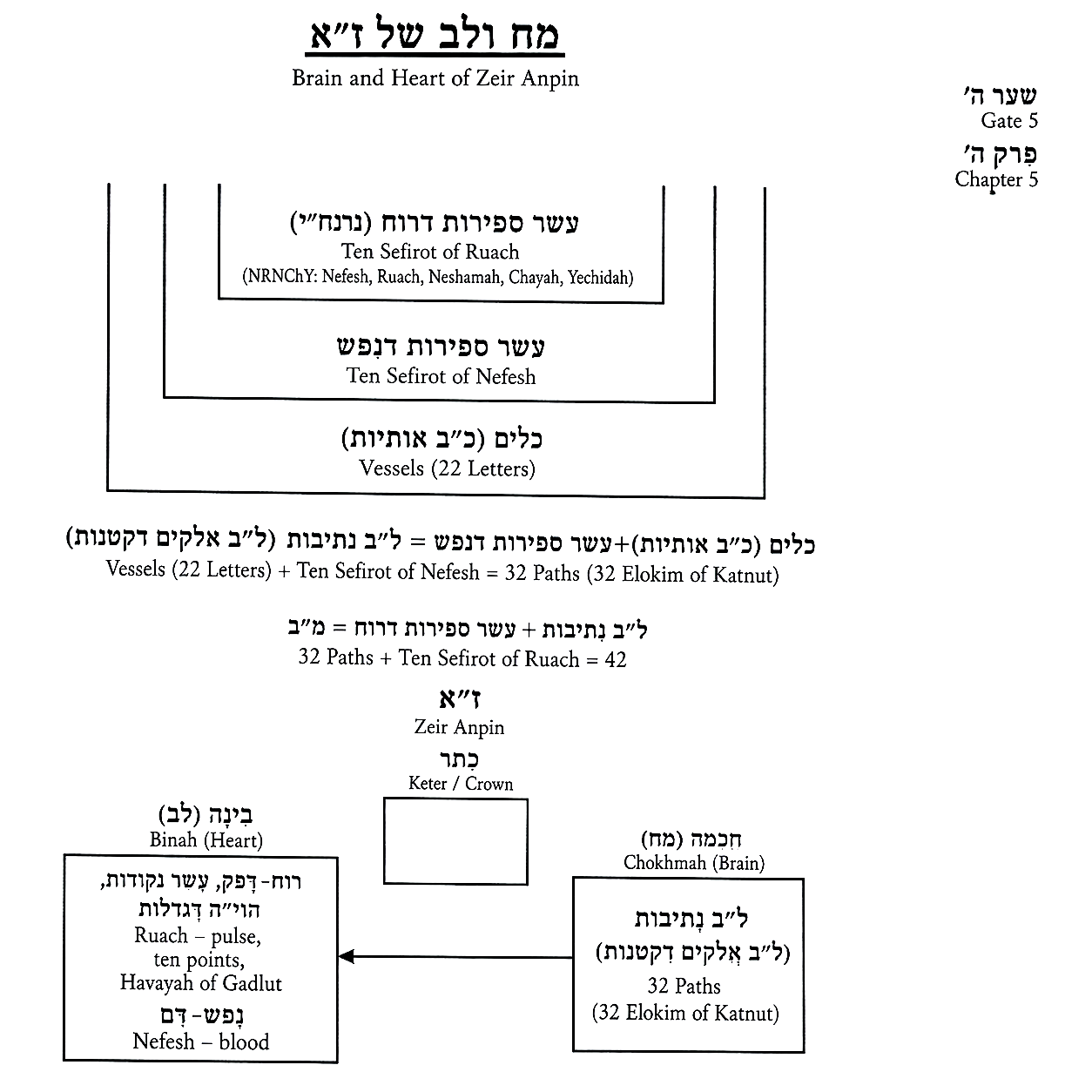
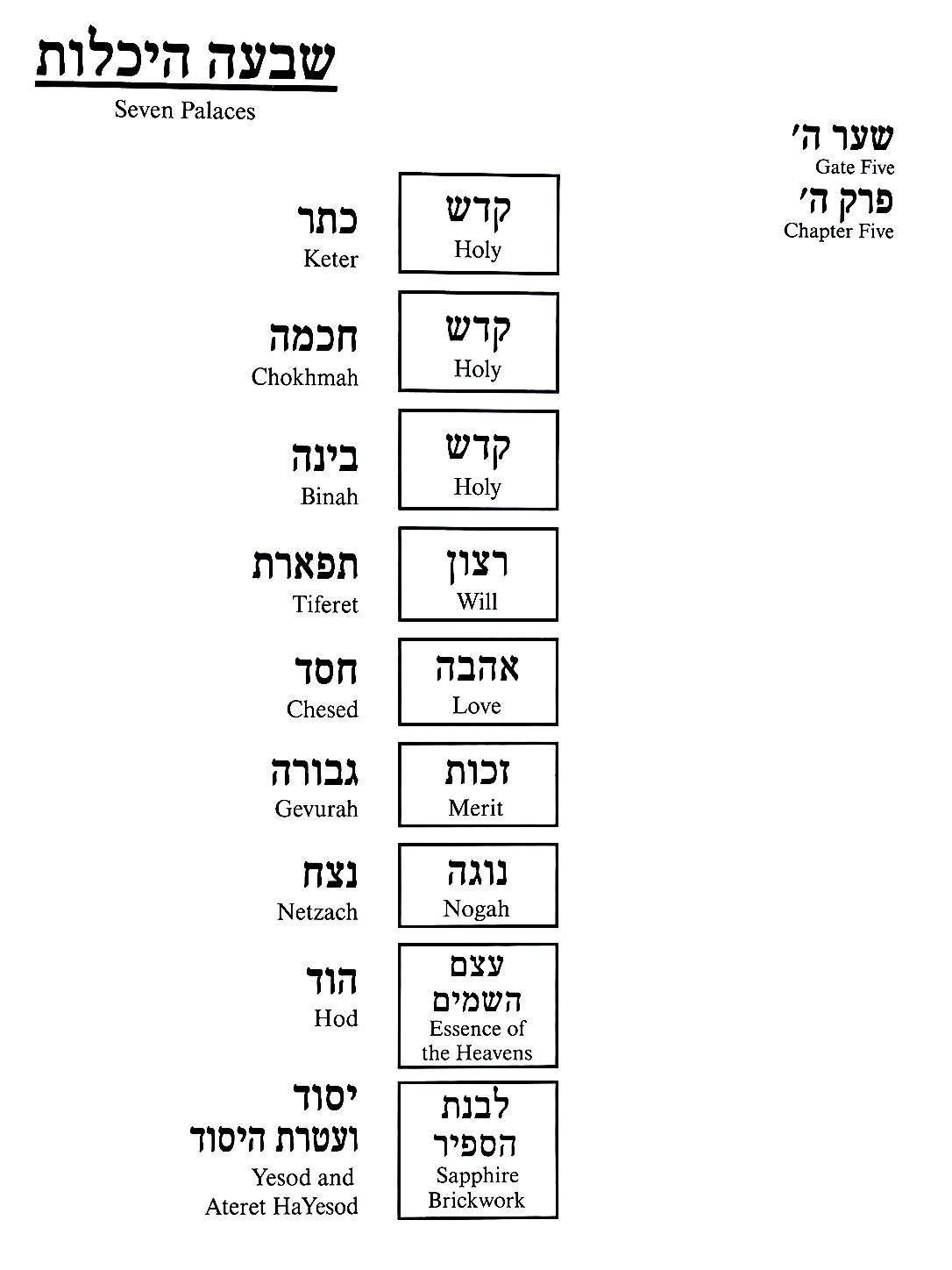
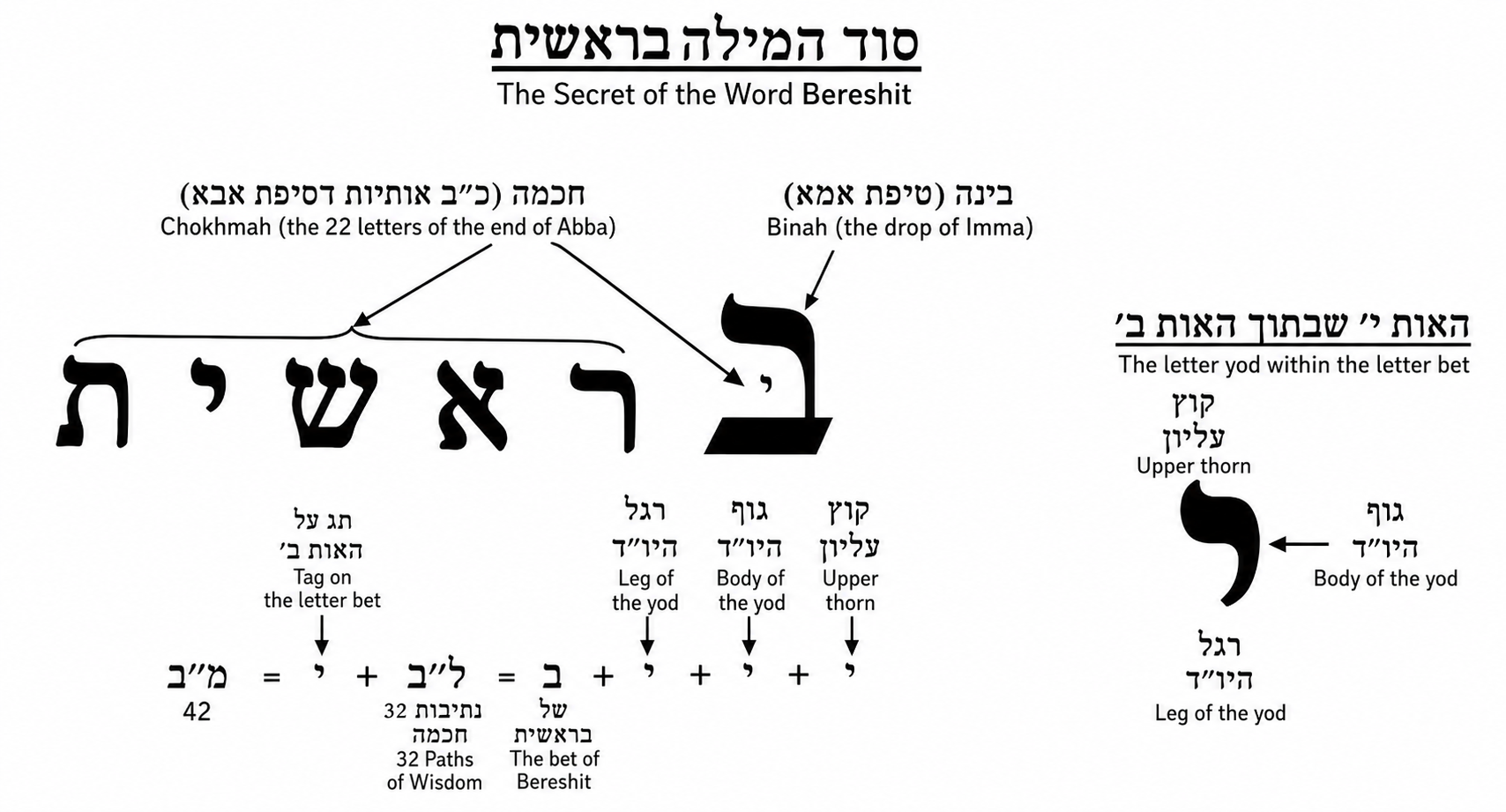
Chapter 6
שער ה פרק ו
[5:6] The principle that emerges (הַכְּלָל הָעוֹלֶה), that the twenty-two letters (כִּי כ״ב אֲתָוָן), are the two hundred and forty-eight limbs of the body (הֵם רמ״ח אֵיבָרִים שֶׁל הַגּוּף). And the five of MNTZPKH (וְה׳ דְּמַנְצְפַּ״ךְ), are the blood (הוּא הַדָּם), in which the Nefesh dwells (שֶׁשׁוֹרָה בּוֹ הַנֶּפֶשׁ), which are the Tagin [Crowns] (שֶׁהֵם תָּגִין), and its primary dwelling is in the heart (וְעִיקָּר יְשִׁיבָתָהּ בַּלֵּב). And Ruach is the Nekudot [Vowel Points] (וְרוּחַ הוּא נְקֻדוֹת), and they too are feminine (וְגַם הֵם נְקֵבוֹת), as stated above (כַּנַּ״ל), for they are Returning light (כִּי הֵם אוֹר חוֹזֵר). And the Ta’amim [Cantillation Marks] are the Neshamah [Soul], masculine (וְהַטְּעָמִים הֵם הַנְּשָׁמָה זָכָר). And the thirty-two paths (וְהַל״ב נְתִיבוֹת), are the totality of the body and the Nefesh (הוּא כְּלָלוּת הַגּוּף וְהַנֶּפֶשׁ). And the ten utterances (וְי׳ אֲמִירָן), are the ten Sefirot of Ruach (הֵם י׳ סְפִירוֹת דְּרוּחַ).
And behold, the Nekudot [Vowel Points] are nine (וְהִנֵּה הַנְּקֻדוֹת הֵם ט׳), for you already know (לְפִי שֶׁכְּבָר יָדַעְתָּ), that Ze’ir Anpin has only nine Sefirot (כִּי זְעֵיר אַנְפִּין אֵינוֹ רַק ט׳ סְפִירוֹת), according to the number of 9 (כְּמִנְיַן א״ח). And the Malkhut has no Nekudah (וְהַמַּלְכוּת אֵין בָּהּ נְקוּדָה), for it is the aspect of Nefesh alone (כִּי הִיא בְּחִינַת נֶפֶשׁ לְבַד). And among them all it is one (וּבֵין כֻּלָּם הוּא אֶחָד). However, the Ta’amim [Cantillation Marks] must be divided into ten parts (וְאָמְנָם הַטְּעָמִים צְרִיכִים לְחַלֵּק לְי׳ חֲלָקִים), and likewise the letters (וְכֵן הָאוֹתִיּוֹת), even though they are twenty-two (אַף עַל פִּי שֶׁהֵם כ״ב), they are divided into ten Sefirot (נֶחְלָקִים לְי׳ סְפִירוֹת). For the Keter of Ruach of Nekudot [Vowel Points] (כִּי הַכֶּתֶר שֶׁל רוּחַ נְקֻדוֹת), has one letter as its vessel (יֵשׁ לָהּ אוֹת א׳ כְּלִי שֶׁלָּהּ). And so in all the ten Sefirot of Ruach (וְכֵן בְּכָל שְׁאָר י׳ סְפִירוֹת דְּרוּחַ). For each one has known letters (כִּי כָּל אַחַת יֵשׁ לָהּ אוֹתִיּוֹת יְדוּעוֹת), which are its body and vessels (שֶׁהוּא הַגּוּף וְהַכֵּלִים שֶׁלָּהֶן). And there is a Sefirah with one letter (וְיֵשׁ סְפִירָה שֶׁיֵּשׁ לָהּ אוֹת א׳), and there is a Sefirah with two letters (וְיֵשׁ סְפִירָה שֶׁיֵּשׁ לָהּ ב׳ אוֹתִיּוֹת). As mentioned in Parashat Aḥarei mot daf 78b(וְכַנִּזְכָּר פָּרָשַׁת אַחֲרֵי דע"ח ע"ב). And this is its language (וְזֶה לְשׁוֹנוֹ): “Rabbi Shim‘on said to Rabbi El‘azar: Come and see, these twenty-two letters are all explicated in those ten utterances” (אָר״ש לְר״א תָּא חֲזֵי הַנְהוּ כ״ב אֲתָוָן כֻּלְּהוּ מִתְפָּרְשָׁן בְּהַנְהוּ י׳ אֲמִירָן כּוּ׳). And see there (וְעַיֵּן שָׁם). And there it is said (וְשָׁם נֶאֱמַר), that all those letters are inscribed and known in each Keter (כִּי הָא אוֹלִיפְנָא לָן כָּל אִינּוּן אֲתָוָן דְּרְשִׁימִין וְיָדְעִין בְּכָל כִּתְרָא וְכִּתְרָא). And we did not merit them (וַאֲנַן לָא זָכִינָא בְּהוֹן). However, from the outcome of the matter (אָֽמְנָם מִמּוֹצָא דָבָר), we can understand them (נוּכַל לְהָבִינָם), from Sefer Yetzirah and from the Zohar on Shir haShirim (מִסֵּפֶר יְצִירָה וּמִזֹּהַר שִׁיר הַשִּׁירִים), as will be explained, with the help of Hashem (כְּמוֹ שֶׁיְּבֹאָר בְּעֶזְרַת ה׳).
And behold, it is stated in Sefer Yetzirah (וְהִנֵּה נֶאֱמַר בְּסֵפֶר יְצִירָה), that Alef-Mem-Shin are in this manner (כִּי אמש הֵם בְּאוֹפֶן זֶה), that the three upper are three lines of Shin (כִּי ג״ר הֵם ג׳ קַוִּים שֶׁל ש׳), for the head was created from fire (כִּי רֹאשׁ נִבְרָא מֵאֵשׁ). And Alef includes the three middle—Chesed, Gevurah, Tiferet (וְא׳ כּוֹלֶלֶת ג׳ אֶמְצָעִיּוֹת חֶסֶד גְּבוּרָה ת״ת), for the torso was created from Ruach (כִּי גְּוִיָּה נִבְרְאָה מֵרוּחַ), and they are Chokhmah–Gevurah, two Yudin of the Alef (וְהֵם ח״ג ב׳ יוּדִין דְּא׳). And the Vav of that Alef is Tiferet in the middle (ו׳ מִן א׳ דָּא ת״ת בְּאֶמְצָעִיתָא), as mentioned in Sefer HaZohar in several places (כַּנִּזְכָּר בְּסֵפֶר הַזֹּהַר בְּכַמָּה מְקוֹמוֹת). Mem is open in Yesod, in the totality of Gevurah–Tiferet (מ׳ פְּתוּחָה בִּיסוֹד בִּכְלָלוּת ג״ת), for the belly was created from water, etc (כִּי בֶּטֶן נִבְרָא מִמַּיִם כו׳). And the letters Beit-Gimel-Dalet-Kaf-Pe-Resh-Tav are (וְאוֹתִיּוֹת בג״ד כפר״ת הֵם), the seven letters of the three upper (בְּז׳ אוֹתִיּוֹת דְּג״ר כִּי הֵם), the seven openings of the head (בְּז׳ נִקְבֵּי הָרֹאשׁ): Beit—right ear, Chokhmah (ב׳ אֹזֶן יָמִין חָכְמָה); Gimel—left ear, Binah (ג׳ אֹזֶן שְׂמֹאל בִּינָה); Dalet-Kaf—the eyes, Netzach-Hod (ד״כ עֵינַיִם נֵצַח הוֹד); Pe-Resh—the nose, Tiferet-Da‘at (פ׳ ר׳ חוֹטֶם ת״ת דַּעַת); Tav—the mouth, Malkhut (ת׳ פֶּה מַלְכוּת), that are in the head (שֶׁבָּרֹאשׁ). The twelve simple letters—five in Chesed, seven in Gevurah (י״ב פְּשׁוּטִים ה׳ בְּחֶסֶד ז׳ בִּגְבוּרָה), some say: six in Gevurah (נ״א ו׳ בִּגְבוּרָה), two hands (ב׳ יָדַיִם). And in this manner are all the twelve simples in the six extremities of the body (וּכְעֵדֶ״ז כָּל הַי״ב פְּשׁוּטִים בְּו״ק הַגּוּף).
And know that the Ruach, which are ten Sefirot (וְדַע כִּי הָרוּחַ שֶׁהֵם י׳ סְפִירוֹת), are not according to the order of the vessels (אֵינָם כְּסֵדֶר הַכֵּלִים), for the Chesed of Ruach is in the vessel of Gevurah (כִּי הַחֶסֶד שֶׁל הָרוּחַ הוּא בִּכְלִי הַגְּבוּרָה), and the Gevurah of Ruach is in the vessel of Chesed (וּגְבוּרַת הָרוּחַ הוּא בִּכְלִי הַחֶסֶד). And this is the secret of inter-inclusion—left in right and right in left (וְזֶה סוֹד הִתְכַּלְּלוּת שְׂמָאלָא בִּימִינָא וִימִינָא בִּשְׂמָאלָא), mentioned in the Zohar and in the Tikkunim—see there (הַנִּזְכָּר בַּזֹּהַר וּבַתִּקּוּנִים עַיֵּן שָׁם), and likewise in Parashat Vayikra, daf 54 (וְכֵן בְּפָרָשַׁת וַיִּקְרָא דְּנ״ד), and at the end of Shir haShirim, in the secret of the Nekudot [Vowel Points] (וּבְסוֹף שִׁיר הַשִּׁירִים בְּסוֹד הַנְּקֻדוֹת), in Parashat “Let there be a firmament in the midst of the waters,” and remember this well (בְּפָרָשַׁת יְהִי רָקִיעַ בְּתוֹךְ הַמָּיִם וּזְכוֹר זֶה הֵיטֵב).
It follows that there are two aspects (נִמְצָא כִּי הֵם ב׳ בְּחִינוֹת): one—the four winds, south, north, east, west (א׳ ד׳ רוּחוֹת דָּרוֹם צָפוֹן מִזְרָח מַעֲרָב); the second—the four elements, fire-air-water-earth (בְּחִינָה ב׳ הִיא ד׳ יְסוֹדוֹת אַרְמ״ע), and they are the aspects of Ruach and body (וְהֵם בְּחִינַת רוּחַ וְגוּף): south—hot and dry, and in it water—cold and moist (דָּרוֹם חַם וְיָבֵשׁ וּבוֹ מַיִם קָרִים לַחִים), and so for all of them according to this order (וְכֵן כֻּלָּם עַל זֶה הַסֵּדֶר). Also know that since the totality of Ze’ir Anpin is only six extremities in the aspect of body (גַּם דַּע כִּי מֵאַחַר שֶׁכְּלָלוּת זְעֵיר אַנְפִּין אֵינוֹ רַק ו״ק בְּחִינַת גּוּפָא), but in the aspect of Ruach it is completed to ten (אֶלָּא שֶׁבִּבְחִינַת רוּחַ נִשְׁלַם לְי׳), therefore the letters also are only in the six extremities (לָכֵן גַּם הָאוֹתִיּוֹת אֵינָם רַק בְּו״ק). Therefore the letter Alef begins in Chesed (לָכֵן אוֹת א׳ מַתְחִיל בְּחֶסֶד), as mentioned in Terumah, daf 159 (כַּנִּזְכָּר בִּתְרוּמָה דְּקנ״ט), also in the Zohar on Shir haShirim, regarding “The king has brought me into his chambers,” in the second Idra, and this is its language (גַּם בַּזֹּהַר שִׁיר הַשִּׁירִים גַּבֵּי הֱבִיאַנִי הַמֶּלֶךְ חֲדָרָיו בְּאַדְרָא תִּנְיָינָא וְז״ל): “The twenty-two letters spread out and dwell to shine from the head of the primordial light, etc.” (כ״ב אֲתָוָן מִתְפַּשְּׁטִים וְשָׁרְיָין לְאִתְנַהֲרָא מֵרֵישָׁא דְּנְהוֹרָא קַדְמָאָה כו׳).
For you already know (כִּי כְּבָר יָדַעְתָּ), that the head of the King is rectified in Chesed and Gevurah, etc (כִּי רֵישָׁא דְּמַלְכָּא בְּחוּ״ג אִתְתַּקַּן כו׳), Parashat Mishpatim, daf 122 (פָּרָשַׁת מִשְׁפָּטִים דְּקכ״ב). It follows that all the twenty-two letters are in the ten Sefirot (נִמְצָא כִּי כָּל הַכ״ב אֲתָוָן הֵם בְּי׳ סְפִירוֹת), and their essence is only six extremities (וְעַצְמוּתָם אֵינָם רַק ו״ק). It follows that the letters are Nefesh (נִמְצָא כִּי הָאוֹתִיּוֹת הֵם נֶפֶשׁ), and then Ze’ir Anpin and Nukvah are the Divine Name Elohim (וְאָז זו״ן הֵם שֵׁמוֹת אֱלֹהִים). Therefore they are two Partzufim bound together (לָכֵן הֵם ב׳ פַּרְצוּפִים נִדְבָּקִין יַחַד), except that this is back and this is front (אֶלָּא שֶׁזֶּה אָחוֹר וְזֶה קֶדֶם). But when the Havayot come, which are Ruach (אַךְ בְּבֹא הֲוָיוֹת שֶׁהֵם רוּחַ), and they are the secret of the Mochin [Intellects] of Ze’ir Anpin, as is known (וְהֵם סוֹד הַמּוֹחִין דְּזְעֵיר אַנְפִּין כַּיָּדוּעַ), then Ze’ir Anpin grows (אָז נִגְדַּל הַזְּעֵיר אַנְפִּין), and then it becomes ten complete Sefirot (וְאָז נַעֲשׂוּ בֵּן י׳ סְפִירוֹת גְּמוּרוֹת), also in the aspect of the vessels (אַף בִּבְחִינַת הַכֵּלִים). Then the female is sawn off from him (וְאָז נִנְסֶרֶת הַנְּקֵבָה מִמֶּנּוּ), and she takes the judgment of Elohim (וְלָקְחָה הַדִּין שֶׁל אֱלֹהִים), and the male the Havayot (וְהַזָּכָר הֲוָיוֹת).
Then it is called Havayah-Elohim, a complete Name (וְאָז נִקְרָא הֲוָיָ״ה אֱלֹהִים שְׁמָא שָׁלֵם), and understand this (וְהָבֵן). And therefore she is sawn off from him (וְלָכֵן נִנְסֶרֶת מִמֶּנּוּ), because the Havayot repel Elohim (כִּי הֲוָיוֹת דּוֹחִין אֱלֹהִים), and are given to the female (וְנִיתָּנִין לַנְּקֵבָה). And what we always say (וּמַה שֶׁאָנוּ אוֹמְרִים תָּמִיד), the externality of the worlds are these vessels, the body and the Nefesh (חִיצוֹנִיּוּת הָעוֹלָמוֹת הֵם הַכֵּלִים הָאֵלּוּ הַגּוּף וְהַנֶּפֶשׁ), and the inner aspect of the worlds are the ten Sefirot of Ruach (וּפְנִימִיּוּת הָעוֹלָמוֹת הֵם י׳ סְפִירוֹת דְּרוּחַ), which are within, in the manner (שֶׁהֵם מִלְּגָאו בְּאָרַח), some say: in the lights (נ״א בָּאוֹרוֹת), of Atzilut, as mentioned, Daf 17 (אֲצִילוּת כַּנִּזְכָּר דִּי״ז). For the souls of man come from this Adam of Atzilut (כִּי הַנְּשָׁמוֹת שֶׁל אָדָם בָּאִים מִזֶּה הָאָדָם דַּאֲצִילוּת), there the Name M”H is within (שָׁם שֵׁם מ״ה מִלְּגָאו), called the ten Sefirot of Ruach (הַנִּקְרָא י׳ סְפִירוֹת דְּרוּחַ). And angels are from the externality (וּמַלְאָכִים מִן הַחִיצוֹנִיּוּת), which are the body and Nefesh (שֶׁהֵם הַגּוּף וְהַנֶּפֶשׁ). And this body of Elohim sometimes descends into Beri’ah–Yetzirah–Asiyah (וְזֶה הַגּוּף שֶׁל אֱלֹהִים יוֹרֵד לִפְעָמִים בְּבִי״ע), and there she adorns herself and clothes herself in those garments (וְשָׁם מִתְקַשֶּׁטֶת וּמִתְלַבֶּשֶׁת בְּאוֹתָן הַלְּבוּשִׁים), to beautify herself before her husband (לְהִתְנָאוֹת בָּהֶם בִּפְנֵי בַּעְלָהּ), to say: see the growths that I have grown (לוֹמַר רְאֵה גִּדּוּלִים שֶׁגָּדַלְתִּי). And since the light of the Nekudot [Vowel Points] is Returning light (וּלְהִיוֹת כִּי אוֹר הַנְּקֻדוֹת הוּא אוֹר הַחוֹזֵר), therefore it always ascends in the secret of Zarka (לָכֵן עוֹלֶה תָּמִיד בְּסוֹד זַרְקָא).
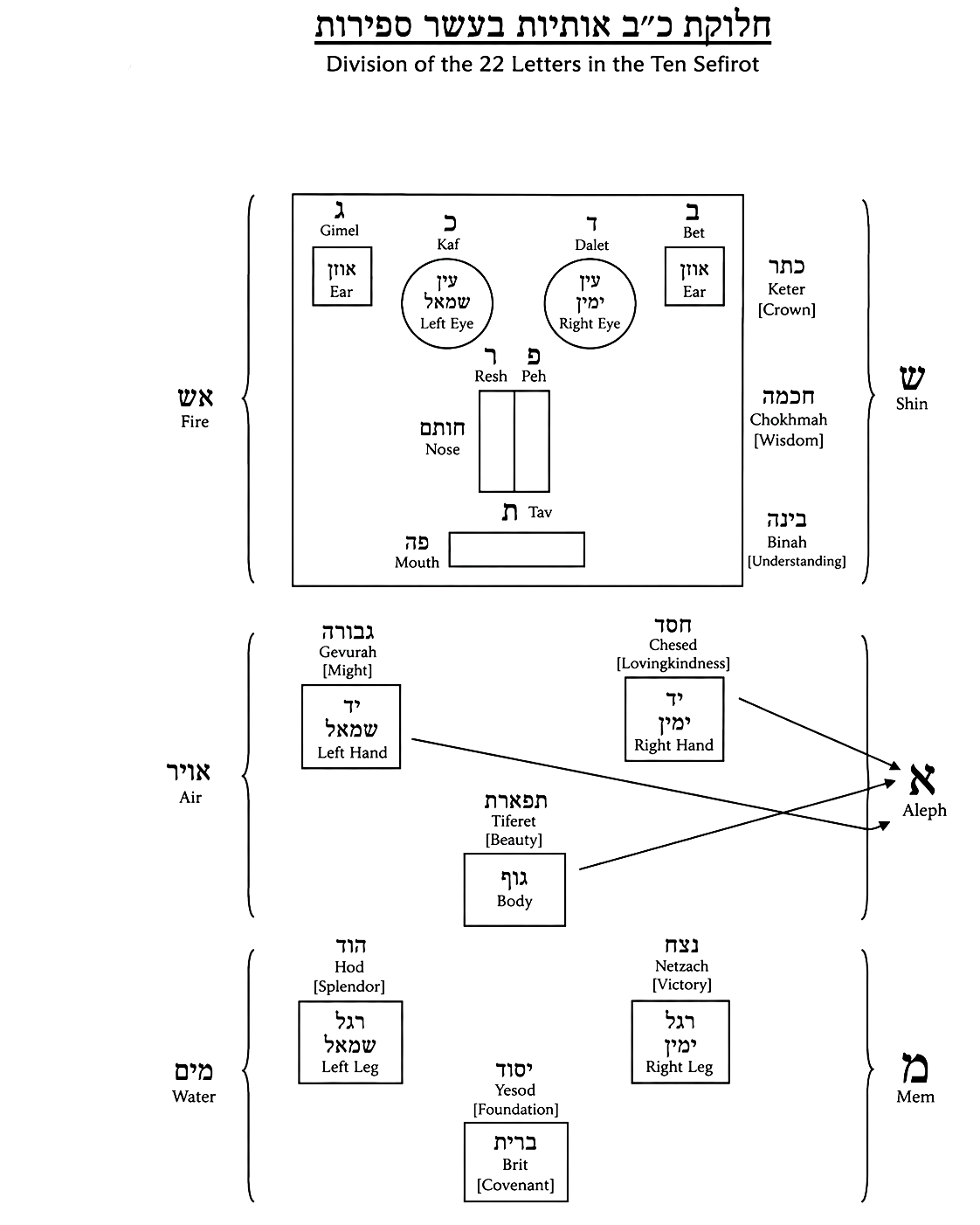
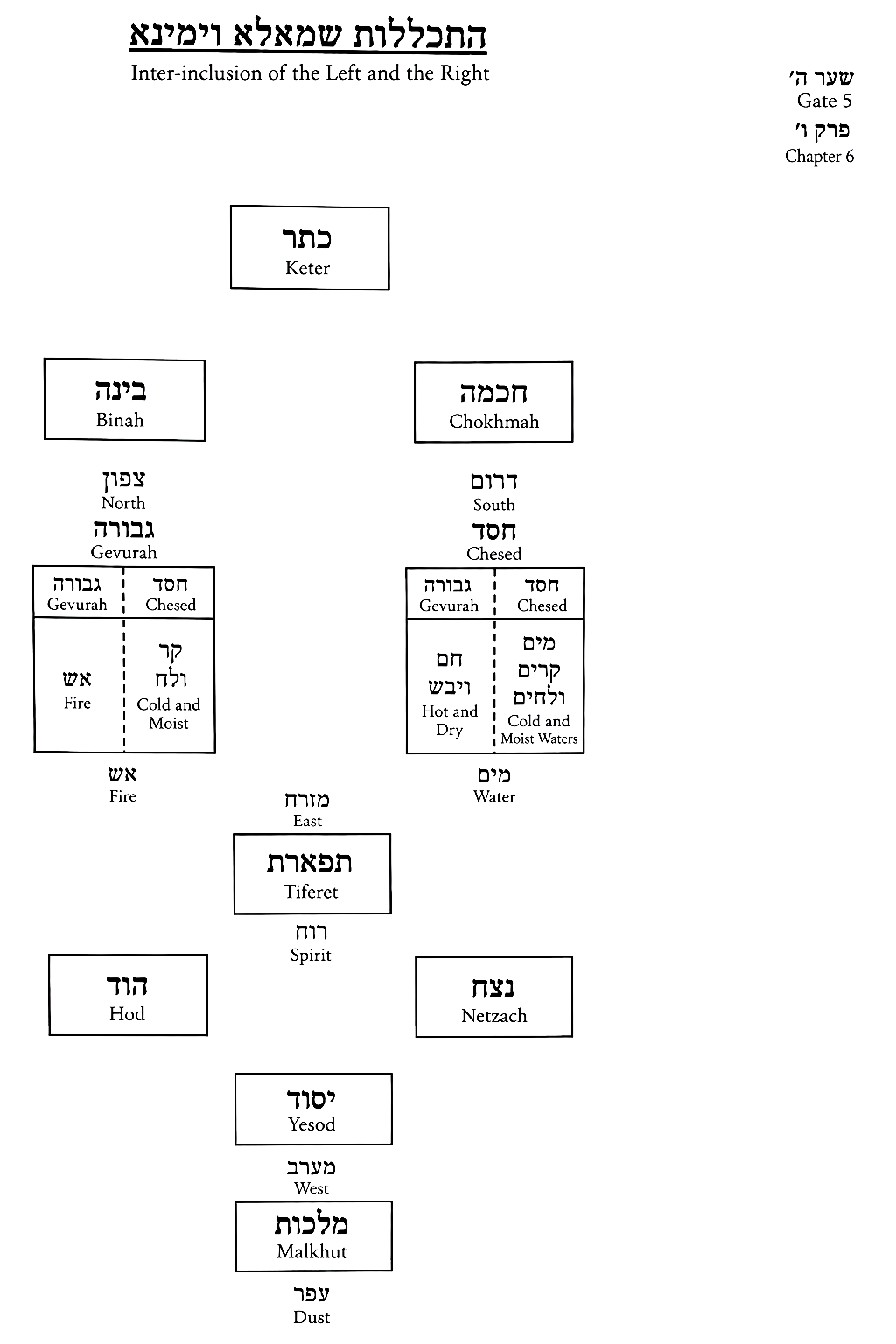
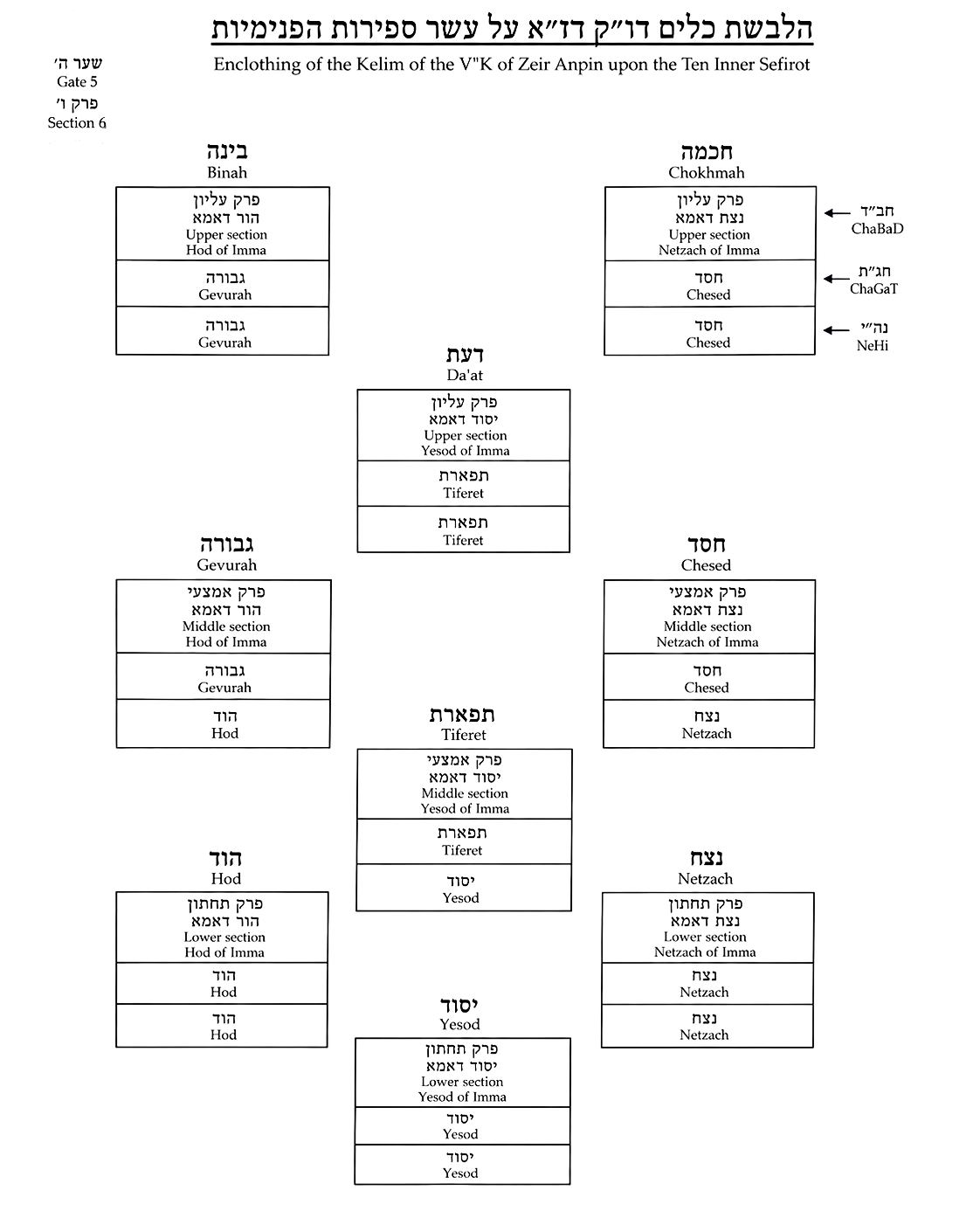
Chapter 7
שער ה פרק ז
And this is the handwritten manuscript of the Rav, of blessed memory, in which he mentions the above discourse
וזהו כת״י הרב ז״ל ומזכיר בו דרוש דלעיל
Aleph, Mem, Shin — Bet, Gimmel, Dalet, Kaf, Peh, Resh, Tav
אמ״ש בג״ד כפר״ת
[5:7] Behold, it is known from the verse above (הִנֵּה נוֹדַע מִן הַכָּתוּב לְעֵיל), that Alef-Mem-Shin are the three upper Sefirot (כִּי אמ״ש הֵם ג״ר), which are foundations for the seven lower (שֶׁהֵם יְסוֹדוֹת אֶל ז״ת). And Beit-Gimel-Dalet-Kaf-Pe-Resh-Tav are the seven lower (וּבג״ד כפר״ת הֵם ז״ת), since there is within them judgment and mercy (יַעַן שֶׁיֵּשׁ בָּהֶם דִּין וְרַחֲמִים), which are Direct Light and Returning Light (שֶׁהֵם אוֹר יָשָׁר וְאוֹר חוֹזֵר), which are in their own aspect mercy (שֶׁהֵם בְּחִינַת עַצְמָן רַחֲמִים), and the aspect of Malkhut within each and every one is judgment (וּבְחִינַת מַלְכוּת שֶׁבְּכָל אֶחָד וְאֶחָד הוּא דִּין), therefore they are double letters (לָכֵן הֵם כְּפוּלוֹת). And the twelve simple letters are the Sefirah Tiferet alone (וְי״ב פְּשׁוּטוֹת הֵם סְפִי׳ ת״ת לְבַד), which is one of the seven doubles themselves (שֶׁהוּא א׳ מִז׳ כְּפוּלוֹת עַצְמָן), divided into twelve parts (נֶחְלֶקֶת לְי״ב חֲלָקִים), which are the twelve simples (שֶׁהֵם י״ב פְּשׁוּטוֹת). And their being twelve is because all the seven lower are rooted in the body, which is Tiferet (וְהִיּוֹתָם י״ב הוּא כִּי כָּל הַז״ת נִשְׁרָשִׁים בַּגּוּף שֶׁהוּא הַת״ת), and the seven doubles together with Tiferet itself would be fourteen (וְהַז׳ כְּפוּלוֹת עִם ת״ת בְּעַצְמוֹ יִהְיוּ י״ד), but the seven lower excluding Tiferet, in their being double, are twelve (אַךְ הַז״ת זוּלַת ת״ת בִּהְיוֹתָן כָּפוּל הֵם י״ב). It follows that Tiferet itself is of two aspects (נִמְצָא כִּי הַת״ת בְּעַצְמוֹ הוּא מִב׳ בְּחִינוֹת), that it is the letter Alef (שֶׁהוּא אוֹת א׳), and Resh from Beit-Gimel-Dalet-Kaf-Pe-Resh-Tav (ר׳ מִבג״ד כפר״ת), and it is double (וְהִיא כְּפוּלָה).
Further, there are within it twelve roots of the six extremities (עוֹד יֵשׁ בּוֹ י״ב שָׁרָשִׁים שֶׁל ו״ת), which are doubles (שֶׁהֵם כְּפוּלוֹת), and they are twelve (וְהֵם י״ב), and they are included in Tiferet (וְנִכְלָלִין בְּת״ת). And these twelve simples are called the twelve diagonal boundaries in Sefer Yetzirah (וְאֵלּוּ י״ב פְּשׁוּטוֹת נִקְרָאִין י״ב גְּבוּלֵי אַלַכְסוֹנִים בְּס״י), because since they themselves are the aspect of the six extremities as doubles which are rooted in Tiferet (כִּי מֵאַחַר שֶׁהֵם עַצְמָן בְּחִינַת ו״ת כְּפוּלוֹת אֲשֶׁר בְּת״ת נִשְׁרָשִׁים), therefore they must be depicted there in the form of diagonal boundaries (אִם כֵּן צְרִיכִין לִהְיוֹת מְצוּיָּרִין שָׁם בְּצִיּוּר גְּבוּלֵי אַלַכְסוֹנִים).
For one part, one boundary within it, inclines diagonally toward the Sefirah of Chesed (כִּי חֵלֶק א׳ גְּבוּל א׳ שֶׁבּוֹ יִהְיֶה נוֹטֶה בַּאַלַכְסוֹן נֶגֶד סְפִי׳ הַחֶסֶד), and the second boundary part stands and inclines opposite the Sefirah of Gevurah (וְחֵלֶק גְּבוּל הַב׳ יִהְיֶה עוֹמֵד וְנוֹטֶה נֹכַח סְפִי׳ הַגְּבוּרָה), and so with all of them (וְעַל דֶּרֶךְ זֶה כֻּלָּם), so that these twelve parts of Tiferet incline their faces toward the six Sefirot (כְּדֵי שֶׁאֵלּוּ י״ב חֶלְקֵי הַת״ת יִהְיוּ נוֹטִים פְּנֵיהֶם נֶגֶד הו״ס), which are roots for these twelve parts within Tiferet, to draw sustenance from them (שֶׁהֵם שָׁרָשִׁים לְאֵלּוּ י״ב חֲלָקִים שֶׁבְּת״ת לִינֹק מֵהֶם). For the aspect of Chesed within Tiferet must be on the right line of Tiferet at the beginning of the line (כִּי הֲרֵי בְּחִינַת חֶסֶד שֶׁבְּת״ת צָרִיךְ שֶׁיִּהְיֶה בְּקו יָמִין הַת״ת בְּרֵאשִׁית הַקו), and it is divided into two double parts, dagesh and rafeh (וְיִהְיֶה נֶחְלָק לִב׳ חֲלָקִים כְּפוּלִים דָּגֵשׁ וְרָפֶה), and at the end of the right line of Tiferet there are two parts of Netzach (וּבְסוֹף קַו הַיָּמִין דְּת״ת יִהְיֶה בּוֹ ב׳ חֲלָקִים דְּנֵצַח), and similarly with the others (וְכַיּוֹצֵא בָּזֶה בְּשְׁאָר).
And know that also in Yesod there are twelve aspects of these diagonal boundaries (וְדַע כִּי גַּם בִּיסוֹד יֵשׁ בּוֹ שְׁנֵים עָשָׂר בְּחִינוֹת גְּבוּלֵי אַלַכְסוֹנִים אֵלּוּ), for all the seven lower must be inscribed within it (כִּי כָּל הַז״ת צְרִיכִין שֶׁיִּהְיוּ נִרְשָׁמִים בּוֹ), in the secret of “These are the generations of Ya'akov—Joseph” (בְּסוֹד אֵלֶּה תּוֹלְדוֹת יַעֲקֹב יוֹסֵף). And this is the secret of “and one called to the other,” twelve by twelve (וְזֶה סוֹד וְקָרָא זֶה אֶל זֶה י״ב בְּי״ב), of Tiferet and of Yesod (דְּת״ת וְדִּיסוֹד). And these twelve diagonal boundaries of Yesod are the aspect of the twelve constellations themselves (וְאֵלּוּ הַי״ב גְּבוּלֵי אַלַכְסוֹן דְּיְסוֹד הֵם בְּחִינַת י״ב מַזָּלוֹת עַצְמָן), and the aspect of the seven planets are the seven lower in their own right (וּבְחִינַת ז׳ כּוֹכְבֵי לֶכֶת הֵם הַז״ת מִפְּנֵי עַצְמָן), and not from the aspect of their inter-inclusion in Yesod (וְלֹא מִבְּחִינַת הִתְכַּלְלוּתָן בִּיסוֹד). And the matter of their being twelve simples is that they are the aspect of the seven lower alluded to in Tiferet or in Yesod, in their being doubles (וְעִנְיַן הֱיוֹתָם י״ב פְּשׁוּטוֹת הוּא שֶׁהֲרֵי הֵם בְּחִינַת ז״ת הָרוֹמְזִים בְּת״ת אוֹ בִּיסוֹד בִּהְיוֹתָם כְּפוּלוֹת), therefore they rose in number to twelve (וְלָכֵן עָלוּ בְּחֶשְׁבּוֹן י״ב), and therefore they are twelve simples (וְעַל כֵּן הֵם י״ב פְּשׁוּטוֹת), for six doubles are twelve simples (כִּי ו׳ כְּפוּלוֹת הֵם י״ב פְּשׁוּטוֹת), and therefore the twelve are not doubles but simples alone (וְעַל כֵּן הַי״ב אֵינָם כְּפוּלוֹת רַק פְּשׁוּטוֹת לְבַד).
The principle that emerges (הַכְּלָל הָעוֹלֶה), that the ten Sefirot contain ten letters (כִּי י״ס יֵשׁ בָּהֶם י׳ אוֹתִיּוֹת), one letter in each Sefirah (אוֹת א׳ בְּכָל סְפִי׳), according to this order (עַל סֵדֶר זֶה), and they are the ten letters mentioned—Alef-Mem-Shin, Beit-Gimel-Dalet-Kaf-Pe-Resh-Tav (וְהֵם י׳ אוֹתִיּוֹת הַנִּזְכָּר אמ״ש בג״ד כפר״ת). Alef is Keter, which is one (א׳ הוּא כֶּתֶר שֶׁהוּא א׳), and it is the letter Alef from the Alef-Beit (וְהוּא אוֹת א׳ מִן אל״ף בי״ת), and Tav is in Malkhut, which is last (וְת׳ בְּמַלְכוּת שֶׁהִיא אַחֲרוֹנָה), and likewise Tav is last in the Alef-Beit (וְכֵן ת׳ הִיא אַחֲרוֹנָה בָּא״ב). It follows that Dalet, which is in the Sefirah Tiferet (נִמְצָא כִּי ד׳ שֶׁהוּא בְּת״ת), and in this Tiferet there are twelve simple letters (וּבְת״ת זֶה יֵשׁ בּוֹ י״ב אוֹתִיּוֹת פְּשׁוּטוֹת), which are the aspect of the seven letters Beit-Gimel-Dalet-Kaf-Pe-Resh-Tav as doubles (שֶׁהֵם בְּחִי׳ ז׳ אוֹתִיּוֹת בג״ד כפ״ר״ת כְּפוּלוֹת), and now they are twelve simples (וְעַתָּה הֵם י״ב פְּשׁוּטוֹת). And this is the secret of what is written in Parashat Pekudei (וְזֶה סוֹד מ״ש בְּפ׳ פְּקוּדֵי), in the palace of Will (בְּהֵיכַל רָצוֹן), that it includes six other palaces within it (שֶׁהוּא כּוֹלֵל שִׁית הֵיכָלִין אַחֲרָנִין בְּגַוֵּיהּ), which are six as a double (שֶׁהֵם ו׳ כְּפוּלָה), and they become twelve in the secret of Vav (וְנַעֲשִׂין י״ב בְּסוֹד ו״ו), for Tiferet is called Vav (כִּי ת״ת נִקְרָא ו׳), as stated above in the matter of seven doubles and twelve simples (כַּנַּ״ל בְּעִנְיַן ז׳ כְּפוּלוֹת וְי״ב פְּשׁוּטוֹת).
And behold, the letters are powers of Atzilut and the essence of the Sefirot and the secret of Malkhut and the permutations (וְהִנֵּה הָאוֹתִיּוֹת הֵם כֹּחוֹת אֲצִילוּת וְעַצְמוּת הַסְּפִי׳ וְסוֹד הַמַּלְכוּת וְהַצֵּרוּפִים), some say: powers emanated from the essence of the Sefirot and the secret of the words and the permutations (נ״א כֹּחַ אֲצוּלִים מֵעַצְמוּת הַסְּפִי׳ וְסוֹד הַמִּלּוֹת וְהַצֵּרוּפִים), in Sefer Yetzirah (שֶׁבְּס״י). The matter is (הָעִנְיָן הוּא), that all the powers do not act (שֶׁכָּל הַכֹּחוֹת לֹא יִפְעֲלוּ), except in the secret of their return and their permutation to their sources (אֶלָּא בְּסוֹד חֲזָרָתָן וְצֵרוּפָן אֶל מְקוֹרֵיהֶם), and then abundant and strong influx is bestowed upon them (וְאָז יוּשְׁפַּע עֲלֵיהֶם שֶׁפַע רַב וְחָזָק), so that they can act their action with strength (שֶׁיּוּכְלוּ הֵם לִפְעוֹל פְּעוּלָתָן בְּחֹזֶק). And this is the secret of “He crowned such-and-such a letter” mentioned in Sefer Yetzirah (וְזֶה סוֹד הִמְלִיךְ אוֹת פְּלוֹנִי הַנִּזְכָּר בְּס״י), for He unified it and bound it to its root (כִּי יִחֲדָהּ וְקִשְּׁרָהּ אֶל שָׁרְשָׁהּ), and then brought forth one action from it (וְאָז הוֹצִיא פְּעוּלָה אַחַת מִמֶּנָּה). And the ten letters mentioned above include all the twenty-two (וְי׳ אוֹתִיּוֹת הַנַּ״ל כּוֹלְלוֹת כָּל הַכ״ב), and they are Alef-Mem-Shin, Beit-Gimel-Dalet-Kaf-Pe-Resh-Tav (וְהֵם אמ״ש בג״ד כפר״ת), as mentioned in the secret of the ten Sefirot in their order from above to below (כַּנִּזְכָּר בְּסוֹד י״ס כְּסִדְרָן מִלְמַעְלָה לְמַטָּה), some say: from below to above (נ״א מִלְּמַטָּה לְמַעְלָה). The twelve simples are twelve boundaries (י״ב פְּשׁוּטוֹת הֵם י״ב גְּבוּלִין), and the secret of Alef-Mem-Shin and Yod-Heh are the three upper (וְסוֹד אמ״ש וְי״ה הֵם ג״ר).
And the reason for the precedence of Alef in Alef-Mem-Shin (וְטַעַם הַקְדָּמַת א׳ בְּאמ״ש), is that although all things are composed of fire, water, and air (כִּי כָל הַדְּבָרִים מֻרְכָּבִים מֵאֵשׁ מַיִם וְרוּחַ), nevertheless the essence of everything is through air, which is the letter Alef (עִכָּ״ז עִיקַּר הַכֹּל הוּא עַל יְדֵי הָרוּחַ שֶׁהוּא אוֹת א׳). Therefore, in the male—Vav-Yod-Heh—air, water, fire (לָכֵן בַּזָּכָר וי״ה רוּחַ מַיִם אֵשׁ), for the air rises above all (כִּי הָרוּחַ עוֹלֶה עַל הַכֹּל), and after it Mem, water, which is Chesed (וְאַחֲרָיו מ׳ מַיִם שֶׁהוּא חֶסֶד), and after it Shin, fire, which is judgment (וְאַחֲרָיו ש׳ אֵשׁ שֶׁהוּא דִּין), and this is Alef-Mem-Shin (וְזֶהוּ אמ״ש). And the female is the complete opposite (וְהַנְּקֵבָה בְּהֶפֶךְ מַמָּשׁ), for she comes from below to above (כִּי בָּאָה מִלְּמַטָּה לְמַעְלָה), and it is Alef-Shin-Mem and Vav-Heh-Yod (וְהוּא אש״ם וְה״י). And when He crowned the letter Mem first in the male (וּכְשֶׁהִמְלִיךְ אוֹת מ׳ תְּחִלָּה זָכָר), it is Mem-Alef-Shin (מ״א״ש), and Alef precedes Shin (וְא׳ קוֹדֶם אֶל ש׳), Yod-Vav-Heh (יו״ה), and the female is Shin-Mem-Alef, Yod-Heh-Vav (וְהַנְּקֵבָה מש״א יה״ו). And when He crowned Shin in the male (וּכְשֶׁהִמְלִיךְ ש׳ בַּזָּכָר), it is Shin-Mem-Alef (שמ״א), for since its essence is Shin, which is judgment (כִּי לִהְיוֹת שֶׁעִיקָּרוֹ ש׳ שֶׁהוּא דִּין), He preceded Shin to Mem (הִקְדִּים ש׳ אֶל מ׳), Heh-Yod-Vav (הי״ו). However, since water is complete mercy compared to air, which is balanced (אָֽמְנָם לִהְיוֹת כִּי הַמַּיִם רַחֲמִים גְּמוּרִים מִן הָרוּחַ שֶׁהוּא מְמוּזָג), therefore He preceded Mem to Alef (לָכֵן הִקְדִּים מ׳ אֶל א׳), but the female is Alef-Shin-Mem, Heh-Vav-Yod (אַש״ם הו״י).