
The Sixth Gate
Chapter 1
שער ו פרק א מ״ת
The Gate of the Akudim, and It Is Divided into Eight Chapters
[6:1] Afterwards came the lower Ta’amim [Cantillation Marks] beneath the letters (אַחַ״כ בָּאוּ הַטְּעָמִים הַתַּחְתּוֹנִים שֶׁמִּתַּחַת הָאוֹתִיּוֹת), and they are the aspect of lights that emerge through the mouth of Adam Kadmon, from there outward (וְהֵם בְּחִי׳ אוֹרוֹת הַיּוֹצְאִים דֶּרֶךְ הַפֶּה שֶׁל א״ק מִשָּׁם וְלַחוּץ). And behold, here the lights were joined in a complete union (וְהִנֵּה בְּכָאן נִתְחַבְּרוּ הָאוֹרוֹת חִבּוּר גָּמוּר), for they indeed emerge through only one channel (כִּי הֲרֵי הֵם יוֹצְאִים דֶּרֶךְ צִנּוֹר אֶחָד לְבַד). And the reason is that the more the lights distance themselves and spread downward (וְהַטַּעַם כִּי כָּל מַה שֶּׁהָאוֹרוֹת מִתְרַחֲקִים וּמִתְפַּשְּׁטִין לְמַטָּה), so too there is ability to grasp them and receive them (כָּךְ יֵשׁ יְכֹלֶת לְהַשִּׂיגָם וּלְקַבְּלָם), therefore there is no concern if the Surrounding Lights unite with the Inner Lights together (לָכֵן אֵין חֲשָׁשׁ אִם נִתְחַבְּרוּ הַמַּקִּיפִים עִם הַפְּנִימִיִּים יַחַד).
And behold, since the Surrounding Lights and Inner Lights have already been joined together (וְהִנֵּה כֵּיוָן שֶׁכְּבָר נִתְחַבְּרוּ הָאוֹרוֹת הַמַּקִּיפִים וְהַפְּנִימִיִּים יַחַד), therefore from here began the formation of the aspect of vessels (לָכֵן מִכָּאן הִתְחִיל לְהִתְהַוּוֹת בְּחִי׳ כֵּלִים), except that they are exceedingly refined (אֶלָּא שֶׁהֵם זַכִּים בִּתְכְלִית הַזַּכּוּת), as is written (כְּמוֹ שֶׁכָּתוּב). Therefore, only the aspect of one vessel was revealed here (לְפִיכָךְ עֲדַיִן לֹא נִתְגַּלָּה כָּאן רַק בְּחִי׳ כְּלִי אֶחָד לְבַד), but the lights are divided into ten (אֲבָל הָאוֹרוֹת הֵם נֶחְלָקִים לְי׳), and these lights are called Akudim (וְאֵלּוּ הָאוֹרוֹת נִקְרְאוּ עֲקוּדִים). And the explanation of the matter is as follows (וּפֵירוּשׁ הָעִנְיָן כִּי הִנֵּה), for behold it is written, “And I saw in a dream, and behold, the rams that went up upon the flock were banded, speckled, and mottled” (כְּתִיב וָאֵרֶא בַּחֲלוֹם וְהִנֵּה הָעֲתֻדִים הָעֹלִים עַל הַצֹּאן עֲקֻדִּים נְקֻדִּים וּבְרֻדִּים), and it is also written, “For I have seen all that Lavan does to you” (וְגַם כְּתִיב כִּי רָאִיתִי אֶת כָּל אֲשֶׁר לָבָן עֹשֶׂה לָךְ).
And in this passage are all these aspects hinted that we are discussing here (וּבְפָרָשָׁה זוֹ רָמוּז כָּל בְּחִיּוֹת אֵלּוּ שֶׁאָנוּ מְדַבְּרִים בָּכָאן), for Lavan is the secret of the Supernal Whiteness (כִּי לָבָן הוּא סוֹד לֹבֶן הָעֶלְיוֹן), which precedes all this Atzilut (אֲשֶׁר הוּא קוֹדֵם כָּל הָאֲצִילוּת הַזֶּה), and he was the one who made all these aspects (וְהוּא הָעוֹשֶׂה כָּל אֵלּוּ הַבְּחִינוֹת), which are Akudim [Banded Ones], Nekudim [Speckled Ones], and Berudim [Mottled Ones] (שֶׁהֵם עֲקֻדִּים נְקֻדִּים בְּרֻדִּים), for the sake of the Atzilut that would emanate after them (לְצֹרֶךְ הָאֲצִילוּת שֶׁיֵּאצִיל אַחֲרֵיהֶם), which is called by the name Ya'akov (אֲשֶׁר הוּא נִקְרָא בְּשֵׁם יַעֲקֹב). And he began with Akudim (וְהִתְחִיל בַּעֲקֻדִּים), for they are the lights that emerge from the mouth of Adam Kadmon (כִּי הֵם הָאוֹר הַיּוֹצְאִים מִפֶּה דְּאָדָם קַדְמוֹן), in which began the revelation of the Havayot of the vessels (אֲשֶׁר בָּהֶם הִתְחִיל גִּלּוּי הֲוָיוֹת הַכֵּלִים), being ten inner lights and surrounding lights bound and connected together within one vessel (לִהְיוֹת י׳ אוֹרוֹת פְּנִימִיִּים וּמַקִּיפִים מְקֻשָּׁרִים וּמְחֻבָּרִים יַחַד בְּתוֹךְ כְּלִי אֶחָד). And for this reason they are called Akudim (וּמִשּׁוּם סִבָּה זוֹ נִקְרְאוּ עֲקֻדִּים), from the expression “and he bound Isaac” (מִלְּשׁוֹן וַיַּעֲקֹד אֶת יִצְחָק), meaning to bind (ר״ל וְיִקְשׁוֹר), as will be explained, with the help of Hashem (וּכְמוֹ שֶׁיְּבֹאָר בְּעֶזְרַת ה׳). But the upper lights of the ears and the nose were not explained in the passage (אֲבָל הָאוֹרוֹת הָעֶלְיוֹנִים שֶׁל אָזְנַיִם וְחוֹטֶם לֹא נִתְבָּאֲרוּ בַּפָּרָשָׁה), since the Havayot of the vessels had not yet been revealed in them (כֵּיוָן שֶׁעֲדַיִן לֹא נִתְגַּלּוּ בָּהֶם הֲוָיוֹת הַכֵּלִי), and afterwards we shall explain, with the help of Hashem, Nekudim and Berudim (וְאַחַ״כ נְבָאֵר בְּעֶזְרַת ה׳ נְקֻדִּים וּבְרֻדִּים).
And behold, through the joining of the inner lights with the surrounding lights, connected within the mouth (וְהִנֵּה בְּהִתְחַבְּרוּת הָאוֹרוֹת הַפְּנִימִיִּים עִם הָאוֹרוֹת הַמַּקִּיפִים מְחֻבָּרִים תּוֹךְ הַפֶּה), therefore when they emerge together outside the mouth they are bound together (לָכֵן בְּצֵאתָם יַחַד חוּץ לַפֶּה קְשׁוּרִים יַחַד), they strike one another and clash with one another (הֵם מַכִּים זֶה בָּזֶה וּמִתְבַּטְּשִׁים זֶה בָּזֶה), and from their striking is generated the Havayah of the aspect of vessels (וּמֵהַכָּאָתָם אִתְיַלֵּיד הֲוָיוֹת בְּחִיּוֹת כֵּלִים). Therefore this place is called “mouth” (לָכֵן נִקְרָא הַמָּקוֹם הַזֶּה פֶּה), for “mouth” has the numerical value of sixty-three and twenty-two letters (כִּי פֶּה גִּימַטְרִיָּא ס״ג וְכ״ב אֲתָוָן). And behold, the aspect of letters are the vessels, as is known (וְהִנֵּה בְּחִיּוֹת הָאוֹתִיּוֹת הֵם הַכֵּלִים כַּנּוֹדָע), therefore in “mouth” are alluded the Name SaG and the twenty-two letters (לָכֵן נִרְמַז בְּפֶּה שֵׁם ס״ג וְעוֹד כ״ב אוֹתִיּוֹת), to allude to that which was said—that in this place was renewed the matter of the revelation of the Havayot of the vessels (לְרַמֵּז עַל מַה שֶּׁנִּתְחַדֵּשׁ בַּמָּקוֹם הַזֶּה עִנְיַן גִּלּוּי הֲוָיוֹת הַכֵּלִים), which was revealed here through the twenty-two letters (שֶׁנִּתְגַּלָּה בָּכָאן עַל יְדֵי הַכ״ב אוֹתִיּוֹת).
And behold, from this mouth emerged ten inner Sefirot and ten surrounding ones (וְהִנֵּה מִן הַפֶּה הַזֶּה יָצְאוּ י״ס פְּנִימִים וְי׳ מַקִּיפִים), and they extend opposite the face until opposite the navel of this Adam Kadmon (וְנִמְשָׁכִין מִנֶּגֶד הַפָּנִים עַד נֶגֶד הַטַּבּוּר שֶׁל זֶה הָאָדָם קַדְמוֹן), and this is the principal light (וְזֶה עִיקַּר הָאוֹר). But it also illuminates through the sides to all the surroundings of this person (אֲבָל גַּם מֵאִיר דֶּרֶךְ צְדָדִים לְכָל סְבִיבוֹת זֶה הָאָדָם), according to what was stated above regarding the lights of ear and nose (עַל דֶּרֶךְ הַנַּ״ל בְּאוֹרוֹת אֹזֶן חוֹטֶם).
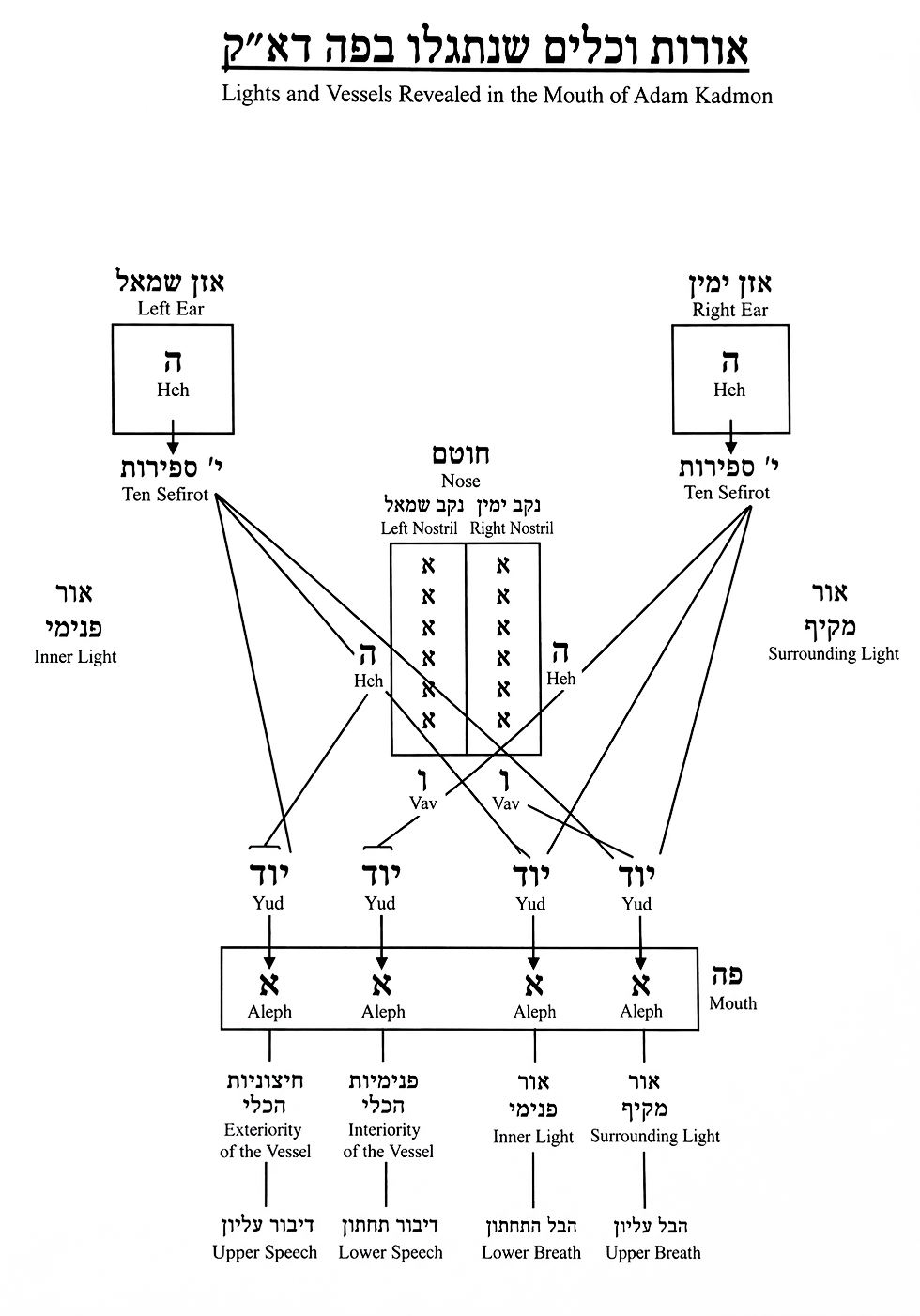
And behold, in the ear and the nose there were only two aspects of light (וְהִנֵּה בָּאֹזֶן וְחוֹטֶם לֹא הָיָה רַק ב׳ בְּחִינוֹת שֶׁל אוֹר), inner and surrounding (וְהֵם פְּנִימִי וּמַקִּיף). But here, in the mouth, the aspects were doubled and became two which are four (אֲבָל כָּאן בַּפֶּה נִכְפְּלוּ הַבְּחִינוֹת וְהָיוּ ב׳ שֶׁהֵן ד׳), for behold there were aspects of lights and vessels (כִּי הִנֵּה הָיוּ בְּחִי׳ אוֹרוֹת וְכֵלִים). And the lights were doubled into two, inner and surrounding (וְהָאוֹרוֹת נִכְפְּלוּ לִב׳ בְּסוֹד פְּנִימִי וּמַקִּיף), and the vessels also into inner and outer (וְהַכֵּלִים גַּם כֵּן פְּנִימִי וְחִיצוֹן). And these four aspects are the revelation of those four Alef-forms mentioned above that were in the nose (וְאֵלּוּ ד׳ בְּחִינוֹת הֵם בְּחִי׳ גִּלּוּי אוֹתָם ד׳ אַלְפִּין הַנַּ״ל שֶׁהָיוּ בַּחוֹטֶם), for the light passed and extended through the interior of this person and exited through the mouth (כִּי הָאוֹר עָבַר וְנִמְשַׁךְ דֶּרֶךְ פְּנִימִיּוּת הָאָדָם הַזֶּה וְיָצָא דֶּרֶךְ הַפֶּה).
And behold, the two Alef-forms whose configuration is Yod–Vav–Yod (וְהִנֵּה הַב׳ אַלְפִּין שֶׁצִּיּוּרָם יו״י), are Inner Light and Surrounding Light (הֵם אוֹר פְּנִימִי וְאוֹר מַקִּיף), and the two Alef-forms whose configuration is Yod–Vav–Dalet (וְהַב׳ אַלְפִּין שֶׁצִּיּוּרָם יו״ד), are the two aspects of the vessel, inner and outer (הֵם ב׳ בְּחִי׳ הַכְּלִי פְּנִימִי וְחִיצוֹנִי). And these four aspects themselves are the aspects of the two ears and the two nostrils that were revealed here in the mouth (וְאֵלּוּ הַד׳ בְּחִינוֹת הֵם עַצְמָן בְּחִי׳ ב׳ אֹזְנַיִם וּב׳ נִקְבֵּי הַחוֹטֶם שֶׁנִּתְגַּלּוּ כָּאן בַּפֶּה). For from the right ear the light is drawn and exits through the mouth as Surrounding Light (כִּי מִן אֹזֶן יָמִין נִמְשָׁךְ הָאוֹר וְיוֹצֵא דֶּרֶךְ הַפֶּה בְּסוֹד אוֹ״מ), and from the right nostril it is drawn and exits through the mouth as Inner Light (וּמִן הַחוֹטֶם יָמִין נִמְשָׁךְ וְיָצָא דֶּרֶךְ הַפֶּה אוֹ״פ), and from the left nostril it is drawn and becomes the inner aspect of the vessel (וּמִנֶּקֶב חוֹטֶם שְׂמֹאל נִמְשָׁךְ וְנַעֲשֶׂה פְּנִימִיּוּת הַכְּלִי), and from the light of the left ear it is drawn and becomes the outer aspect of the vessel (וּמֵאוֹר אֹזֶן שְׂמֹאל נִמְשָׁךְ וְנַעֲשֶׂה חִיצוֹנִיּוּת הַכְּלִי). And these four aspects entered the mouth (וְאֵלּוּ הַד׳ בְּחִינוֹת נִכְנְסוּ בַּפֶּה), for behold in the mouth there is the aspect of breath and the aspect of speech (כִּי הִנֵּה בַּפֶּה יֵשׁ בְּחִי׳ הֶבֶל וּבְחִי׳ דִּבּוּר). And the breath is the aspect of light, and the speech is the aspect of the vessel (וְהֶבֶל הוּא בְּחִי׳ אוֹר וְהַדִּבּוּר הוּא בְּחִי׳ הַכְּלִי).
And behold, there is an upper breath and speech in the upper jaw, the secret of Gimmel–Yod–Kaf–Kaf (וְהִנֵּה יֵשׁ הֶבֶל וְדִּבּוּר הָעֶלְיוֹן בַּלֶּחִי הָעֶלְיוֹן סוֹד גיכ״ק), which is in Chokhmah (שֶׁהוּא בְּחָכְמָה), and a lower breath and speech in the lower jaw, the secret of Alef–Chet–Heh–Ayin (וְהֶבֶל וְדִּבּוּר תַּחְתּוֹן בַּלֶּחִי הַתַּחְתּוֹן סוֹד אחה״ע), which is in Binah (שֶׁהוּא בְּבִּינָה). It follows that the upper breath is Surrounding Light and the lower is Inner Light (וְנִמְצָא כִּי הֶבֶל עֶלְיוֹן הוּא אוֹ״מ וְהַתַּחְתּוֹן הוּא פְּנִימִי), and the upper speech is the outer vessel (וְדִּבּוּר עֶלְיוֹן כְּלִי חִיצוֹן), meaning the inner and outer aspects of the vessel (ר״ל פְּנִימִיּוּת הַכְּלִי וְחִיצוֹנִיּוּת הַכְּלִי), and the lower speech is the inner vessel (וְדִּבּוּר תַּחְתּוֹן כְּלִי פְּנִימִי). And the lights, which are the breaths, are on the right side of the mouth (וְהָאוֹרוֹת שֶׁהֵם הַהֲבָלִים הֵם בִּימִין הַפֶּה), and the words, which are the vessels, are on the left side of the mouth (וְהַדְּבָרִים שֶׁהֵם הַכֵּלִים הֵם בִּשְׂמֹאל הַפֶּה).
Chapter 2
שער ו פרק ב מ״ת
[6:2] Behold, those four Alef-forms that we depicted above in the nose enter the mouth and become there four breaths (הִנֵּה אוֹתָן הַד׳ אַלְפִּין שֶׁצִּיֵּרְנוּ לְעֵיל בַּחוֹטֶם הֵם נִכְנָסִין בַּפֶּה וְנַעֲשִׂים שָׁם ד׳ הֲבָלִים), and behold four times “breath” has the numerical value one hundred forty-eight (וְהִנֵּה ד״פ הֶבֶל גִּימַטְרִיָּא קמ״ח), for through the teeth within the mouth those four breaths are ground and become flour, and their operation is completed (כִּי עַל יְדֵי הַשִּׁנַּיִם שֶׁבְּתוֹךְ הַפֶּה נִטְחָנִים אוֹתָן הַד׳ הֲבָלִים וְנַעֲשִׂים קֶמַח וְנִגְמֶרֶת פְּעוּלָתָן).
And let it not be difficult in your eyes what was said above (וְאַל יִקְשֶׁה בְּעֵינֶיךָ מַה שֶּׁאָמַרְנוּ לְעֵיל), that from the light of the left ear that enters the mouth is made the outer aspect of the vessel, and from the opening of the left nostril is made the inner aspect of the vessel (כִּי מִן אוֹר אֹזֶן שְׂמֹאל הַנִּכְנָס בַּפֶּה נַעֲשֶׂה מִמֶּנּוּ חִיצוֹנִיּוּת הַכְּלִי וּמִנֶּקֶב חוֹטֶם שְׂמֹאל נַעֲשֶׂה פְּנִימִיּוּת הַכְּלִי). And although Surrounding Light is greater and more exalted than Inner Light (וְעִם הֱיוֹת כִּי אוֹר מַקִּיף גָּדוֹל וּמְעוּלֶּה מֵאוֹר פְּנִימִי), nevertheless the inner aspect of the vessel is greater than the outer aspect of the vessel, as is evident to the physical eye (עִם כָּל זֶה פְּנִימִיּוּת הַכְּלִי גָּדוֹל מֵחִיצוֹנִיּוּת הַכְּלִי כְּנִרְאֶה בְּחוּשׁ הָעַיִן), which is not so regarding the aspect of the lights (מַה שֶּׁאֵין כֵּן בְּחִינַת הָאוֹרוֹת), for the great light that the vessel cannot limit and receive within it shines from without in the secret of Surrounding Light, and the lesser light remains within (כִּי הָאוֹר הַגָּדוֹל שֶׁלֹּא יוּכַל הַכְּלִי לְהַגְבִּיל וּלְקַבֵּל בְּתוֹכוֹ מֵאִיר מִבַּחוּץ בְּסוֹד אוֹר מַקִּיף וְהָאוֹר הַמּוּעָט נִשְׁאָר בִּפְנִים), whereas in vessels it is not so (מַה שֶּׁאֵין כֵּן בַּכֵּלִים). And if so, how is it that from the ear, which is higher, comes the outer aspect of the vessel, and from the nose, which is lower, comes the inner aspect of the vessel (וְאִם כֵּן אֵיךְ מִבְּחִינַת אֹזֶן שֶׁהוּא עֶלְיוֹן יִהְיֶה חִיצוֹנִיּוּת הַכְּלִי וּמִן הַחוֹטֶם שֶׁהוּא יוֹתֵר תַּחְתּוֹן יִהְיֶה פְּנִימִיּוּת הַכְּלִי).
The answer to this is—know (הַתְּשׁוּבָה בָּזֶה דַּע), that all the light is equal in one uniformity (כִּי הָאוֹר כֻּלּוֹ הוּא שָׁוֶה בְּהַשְׁוָאָה אַחַת), and when it wished to enter and be limited within the vessel, then that light which could not be borne within the vessel remained outside as Surrounding Light, and Inner Light shines from within the vessel (וְכַאֲשֶׁר רָצָה לִכָּנֵס וְלִהְיוֹת מֻגְבָּל תּוֹךְ הַכְּלִי אָז הָאוֹר הַהוּא שֶׁאֵינוֹ יָכוֹל לְהִשָּׂאֵת בַּכְּלִי נִשְׁאָר מִבַּחוּץ בִּבְחִי׳ מַקִּיף וְאוֹ״פ הוּא מֵאִיר מִבִּפְנִים בַּכְּלִי). And the light passes until half the thickness of the vessel’s walls from its inner side, and the Surrounding Light shines from outside the vessel and passes until half the thickness of the vessel’s walls from its outer side (וְעוֹבֵר הָאוֹר עַד חֲצִי עוֹבִי דּוֹפְנֵי הַכְּלִי מִצַּד פְּנִימִיּוּתוֹ וְאוֹר הַמַּקִּיף הוּא מֵאִיר מִבַּחוּץ לַכְּלִי וְעוֹבֵר עַד חֲצִי עוֹבִי דּוֹפְנֵי הַכְּלִי מִצַּד חִיצוֹנִיּוּתוֹ), and through these two lights the vessel is illuminated and refined (וְעַל יְדֵי ב׳ אוֹרוֹת אֵלּוּ מֵאִיר הַכְּלִי וּמִזְדַּכֵּךְ).
And behold, we require that half of the vessel on the outside be illuminated by virtue of the Surrounding Light (וְהִנֵּה אָנוּ צְרִיכִין שֶׁחֲצִי הַכְּלִי שֶׁבַּחוּץ יָאִיר מֵחֲמַת אוֹר מַקִּיף), and behold the Surrounding Light is exceedingly great (וְהִנֵּה אוֹ״מ גָּדוֹל מְאֹד), and its illumination would not pass to be absorbed and shine within the wall of the vessel (וְלֹא הָיָה עוֹבֵר הֶאָרָתוֹ לִהְיוֹת נִבְלָע וּמֵאִיר תּוֹךְ הַדֹּפֶן שֶׁל הַכְּלִי), because there is great distance, separation, and distinction between them (כִּי יֵשׁ הֶרְחֵק וְהֶפְרֵשׁ וְהֶבְדֵּל גָּדוֹל בֵּינֵיהֶם). Therefore it was necessary that the inferior inner aspect of the vessel be equalized with the inferior Inner Light and that they illuminate one another (וְלָכֵן הֻצְרַךְ שֶׁפְּנִימִיּוּת הַכְּלִי הַגָּרוּעַ יִשְׁתַּוֶּה עִם אוֹ״פ הַגָּרוּעַ וְיָאִיר זֶה בָּזֶה), and likewise the superior outer aspect of the vessel be illuminated by the superior Surrounding Light (וְכֵן חִיצוֹנִיּוּת הַכְּלִי הַמְעוּלֶּה יָאִיר בּוֹ אוֹ״מ הַמְעוּלֶּה), for otherwise the outer aspect of the vessel would remain without illumination (דְּאַל״כ הָיָה נִשְׁאָר חִיצוֹנִיּוּת הַכְּלִי בְּלִי הֶאָרָה).
There is also another reason, which is very close to the first reason itself (גַּם יֵשׁ סִבָּה אַחֶרֶת הִיא קְרוֹבָה אֶל סִבָּה הָרִאשׁוֹנָה מַמָּשׁ), and that is that behold the desire and will of the Surrounding Light is to connect with the Inner Light (וְהוּא כִּי הִנֵּה חֶשְׁקוֹ וּרְצוֹנוֹ שֶׁל אוֹ״מ הוּא לְהִתְחַבֵּר עִם אוֹ״פ). Therefore, if half of the vessel’s wall on its outer side were not more refined, the Surrounding Light would not pass through it (וְלָכֵן אִם חֲצִי הַדֹּפֶן שֶׁל הַכְּלִי מִצִּדּוֹ הַחִיצוֹן לֹא הָיָה זַךְ יוֹתֵר לֹא הָיָה עוֹבֵר בּוֹ אוֹר הַמַּקִּיף), and the Inner Light would lack receiving the Surrounding Light within it (וְהָיָה אוֹ״פ חָסֵר מִלְקַבֵּל בּוֹ אוֹה״מ). However, when the half of the vessel of the outer wall is refined (אָֽמְנָם בְּהִיוֹת חֲצִי הַכְּלִי שֶׁל הַדֹּפֶן הַחִיצוֹן זַךְ), then the Surrounding Light has the ability to pass until half the inner thickness of the wall (אָז יֵשׁ יְכֹלֶת בְּאוֹר הַמַּקִּיף לַעֲבוֹר עַד חֲצִי עוֹבִי הַפְּנִימִי שֶׁל הַדֹּפֶן), and then they illuminate one another (וְאָז מֵאִיר זֶה בָּזֶה), even though the inner half of the wall is not refined (אַף עַל פִּי שֶׁחֶצְיוֹ הַפְּנִימִי שֶׁל הַדֹּפֶן לֹא יִהְיֶה זַךְ), there is no concern in this (אֵין בָּזֶה חֲשָׁשׁ), for the Inner Light passes—some say: is thick (כִּי הָאוֹר פְּנִימִי עוֹבֵר [נ״א עָבֶה])—and illuminates within it until half its inner thickness (וּמֵאִיר בּוֹ עַד חֲצִי עוֹבְיוֹ הַפְּנִימִי), even though it is not more refined (אַף עַל פִּי שֶׁאֵינוֹ זַךְ יוֹתֵר).
And if you say that one can still ask and say (וְאִם תֹּאמַר כִּי עֲדַיִן יֵשׁ לְהַקְשׁוֹת וְלוֹמַר), behold, with the sense of sight we see that the inner aspect of the vessel is more refined than the outer aspect (שֶׁהֲרֵי בְּחוּשׁ הָרְאִיָּה אָנוּ רוֹאִים שֶׁפְּנִימִיּוּת הַכְּלִי זַךְ יוֹתֵר מֵחִיצוֹנִיּוּת), the answer to this is as follows (הַתְּשׁוּבָה בָּזֶה הוּא כָּךְ): for even though the Inner Light is smaller than the Surrounding Light (כִּי אַף עַל פִּי שֶׁאוֹ״פ קָטָן מֵאוֹ״מ), nevertheless, since it is limited within the vessel, the vessel receives complete illumination from it (עִכָּ״ז לִהְיוֹתוֹ מֻגְבָּל תּוֹךְ הַכְּלִי לָכֵן הַכְּלִי מְקַבֵּל הֶאָרָה שְׁלֵמָה מִמֶּנּוּ), but the Surrounding Light, even though it is a great light (אֲבָל אוֹה״מ אַף עַל פִּי שֶׁהוּא אוֹר גָּדוֹל), nevertheless since it is not attached and constricted with the vessel, it does not illuminate the outer aspect of the vessel as much as the Inner Light illuminates the inner aspect of the vessel (עִכָּ״ז כֵּיוָן שֶׁאֵינוֹ דָּבוּק וּמְצֻמְצָם עִם הַכְּלִי אֵינוֹ מֵאִיר כָּל כָּךְ בְּחִיצוֹנִיּוּת הַכְּלִי כְּמוֹ שֶׁמֵאִיר הַפְּנִימִי בִּפְנִימִיּוּת הַכְּלִי), and with this everything comes out properly ordered (וּבָזֶה יָבוֹא הַכֹּל עַל נָכוֹן).
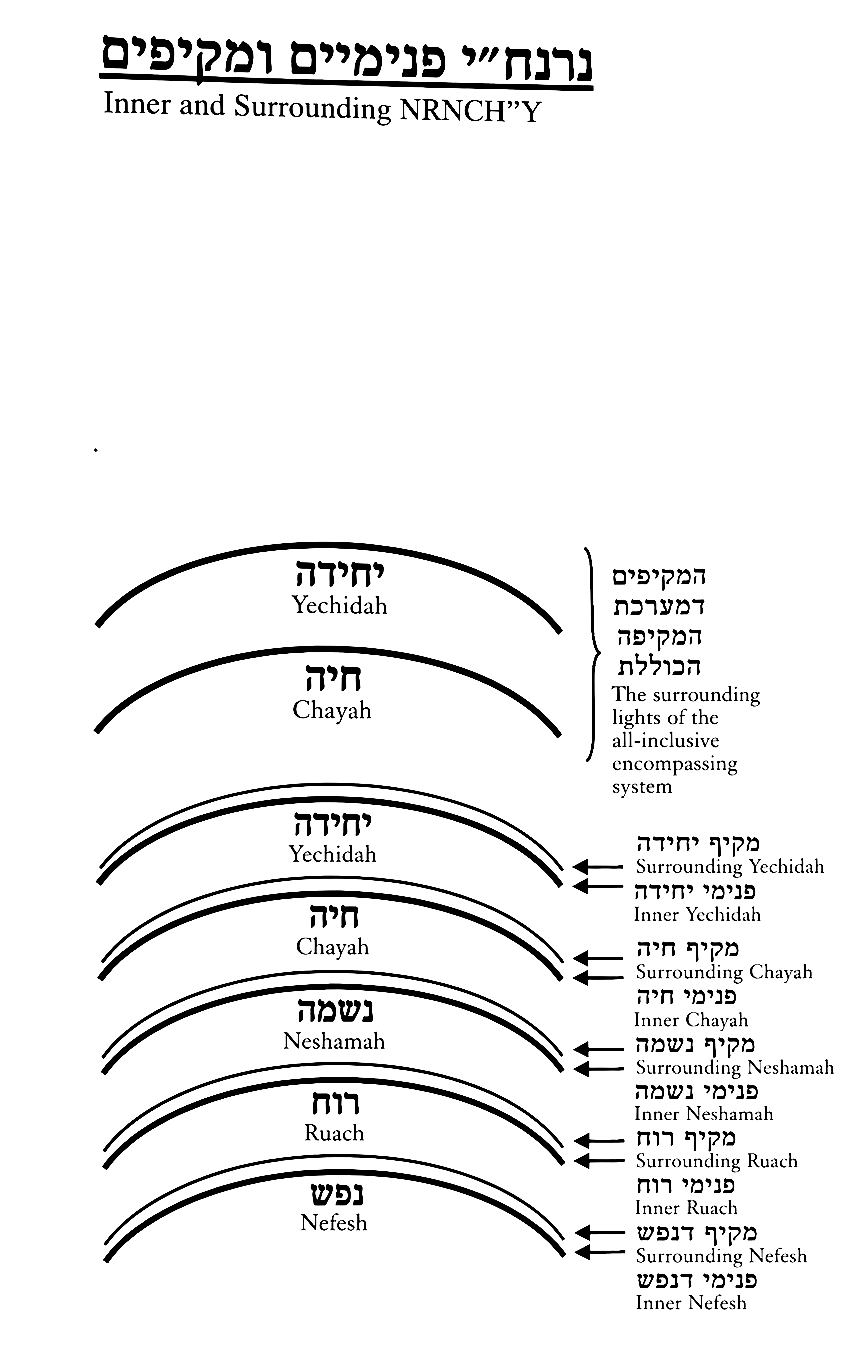
Know (מ״ב דַּע), that you do not have any aspect of Partzufim in the world that does not have five parts—Nefesh, Ruach, Neshamah [Soul], Chayah, Yechidah (כִּי אֵין לְךָ שׁוּם בְּחִינַת פַּרְצוּפִים שֶׁבָּעוֹלָם שֶׁאֵין לוֹ ה׳ חֲלָקִים נרנח״י), and they are doubled (וְהֵם כְּפוּלִים), for they are five inner aspects and five surrounding aspects (כִּי הֵם ה׳ בְּחִינוֹת פְּנִימִים וְה׳ בְּחִינוֹת מַקִּיפִין). And each one of these has two aspects (וְכ״א מֵאֵלּוּ יֵשׁ לוֹ ב׳ בְּחִינוֹת): one—lights of the face and great (א׳ אוֹרוֹת פָּנִים וּגְדוֹלִים), two—lights of the back and diminished (ב׳ בְּחִי׳ אוֹרוֹת אֲחוֹרִיִּים וּמִתְמַעֲטִים). And all this is with regard to the lights (וְכ״ז הוּא בָּאוֹרוֹת), and likewise it is so with the vessels (וּכְעֵדֶ״ז הֵם בַּכֵּלִים), for there are aspects of vessels of the face and aspects of vessels of the back (כִּי יֵשׁ בְּחִי׳ כֵּלִים דְּפָנִים וְיֵשׁ בְּחִי׳ כֵּלִים דַּאֲחוֹרִיִּים), and the vessels are also inner and outer (וְהַכֵּלִים גַּם כֵּן פְּנִימִי וְחִיצוֹן). And know that all that was stated applies both to the generality of the worlds and to their particulars, in each Partzuf by itself (וְדַע כִּי כָּל הַנַּ״ל הוּא הֵן בִּכְלָלוּת הָעוֹלָמוֹת הֵן בִּפְרָטוּתֵיהֶן בְּכָל פַּרְצוּפִים בִּפְ״ע). However, the matter of generality itself is also divided into several aspects—whether a general generality or a particular generality—and in this way many levels (וְאָמְנָם עִנְיַן הַכְּלָלוּת גַּם הוּא נֶחְלָק לְכַמָּה בְּחִינוֹת אִם כְּלָלוּת כְּלָלִי וְאִם כְּלָלוּת פְּרָטִי וְעַד״ז מַדְרֵגוֹת רַבּוֹת).
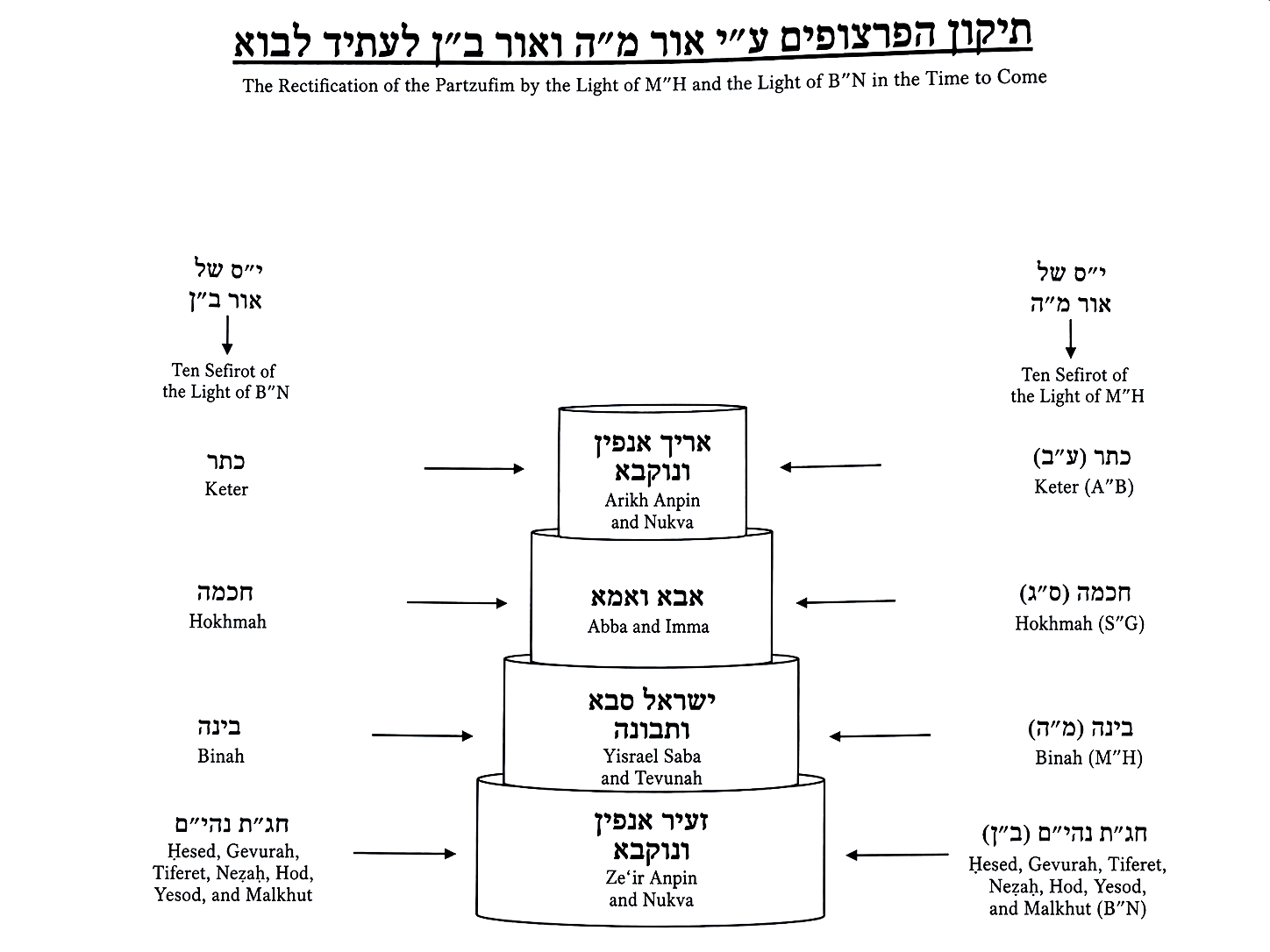
The explanation is (פֵּירוּשׁ), that behold the Yechidah never enters the accounting of the Partzuf (כִּי הִנֵּה הַיְּחִידָה לְעוֹלָם אֵינָהּ נִכְנֶסֶת בַּחֶשְׁבּוֹן הַפַּרְצוּף), for it is counted for it as a supernal and separate aspect (כִּי הוּא נִמְנֶה אֵלָיו לִבְחִינָה עֶלְיוֹנָה וְנִפְרֶדֶת מִמֶּנּוּ), since it is the end of the upper level and the beginning of the lower level (יַעַן הוּא סוֹף הַמַּדְרֵגָה הָעֶלְיוֹנָה וְרֹאשׁ הַמַּדְרֵגָה הַתַּחְתּוֹנָה), similar to the Malkhut of Atzilut which becomes Malkhut to Atzilut and Atik to Beri’ah (דּוּגְמַת מַלְכוּת דַּאֲצִילוּת שֶׁנַּעֲשֵׂית מַלְכוּת לַאֲצִילוּת וְעַתִּיק לַבְּרִיאָה), and understand this (וְהָבֵן זֶה). Therefore it is found now that there are four aspects by way of generality (וְלָכֵן נִמְצָא עַתָּה ד׳ בְּחִינוֹת דֶּרֶךְ כְּלָלוּת), and we say that seventy-two—Ta’amim [Cantillation Marks] are in Keter (וְנֹאמַר כִּי ע״ב טְעָמִים בְּכֶתֶר), and sixty-three—Nekudot [Vowel Points] are in Chokhmah (וְס״ג נְקֻדוֹת בְּחָכְמָה), and forty-five—Tagin [Crowns] are in Binah (וּמ״ה תָּגִין בְּבִינָה), and fifty-two—Otiot [Letters] are in Tiferet (וּב״ן אוֹתִיּוֹת בְּת״ת), some say: in the seven lower (נ״א בְּז״ת).
And we have already explained (וּכְבָר בֵּאַרְנוּ), that seventy-two is in Keter, and it has Arich and Nukvah (כִּי ע״ב הוּא בְּכֶתֶר יֵשׁ בּוֹ אֲרִיךְ וְנוּקְבָּא), and likewise sixty-three in Chokhmah—Abba and Imma (וְכֵן ס״ג בְּחָכְמָה או״א), and likewise forty-five—Yisrael-Saba and Tevunah (וְכֵן מ״ה יִשְׂרָאֵל סָבָא וּתְבוּנָה), and likewise fifty-two—Ze’ir Anpin and Nukvah (וְכֵן ב״ן זו״ן), for they are the children (כִּי הֵם הַבָּנִים). And Yisrael-Saba and Tevunah—forty-five—has the numerical value Adam, for they are the fathers of the children of fifty-two (וְיִשְׂרָאֵל סָבָא וּתְבוּנָה מ״ה גִּימַטְרִיָּא אָדָם כִּי הֵם הָאָבוֹת שֶׁל הַבָּנִים דְּב״ן). And in this way, the particulars of each one of these have the four aspects mentioned above (וְעַד״ז פְּרָטוּת כָּל אֶחָד מֵאֵלּוּ יֵשׁ לוֹ ד׳ בְּחִינוֹת הַנַּ״ל).
However, know that all this is in their completion (אָֽמְנָם דַּע כִּי כָּל זֶה בְּהַשְׁלָמָתָן), but since the worlds are not completely perfected until the clarification and rectification of the kings is completed (אֲבָל לִהְיוֹת שֶׁהָעוֹלָמוֹת אֵינָם לְגַמְרֵי בִּשְׁלֵמוּת עַד שֶׁיֻּשְׁלַם הַבֵּרוּר וְהַתִּקּוּן שֶׁל הַמְּלָכִים), therefore they are not complete (לָכֵן אֵינָם שְׁלֵמִים), though there is a time when the six extremities are completed, but not completely, as stated above (אָֽמְנָם יֵשׁ זְמַן שֶׁנִּשְׁלָמִים הַו״ק אֲבָל לֹא לְגַמְרֵי כַּנַּ״ל).
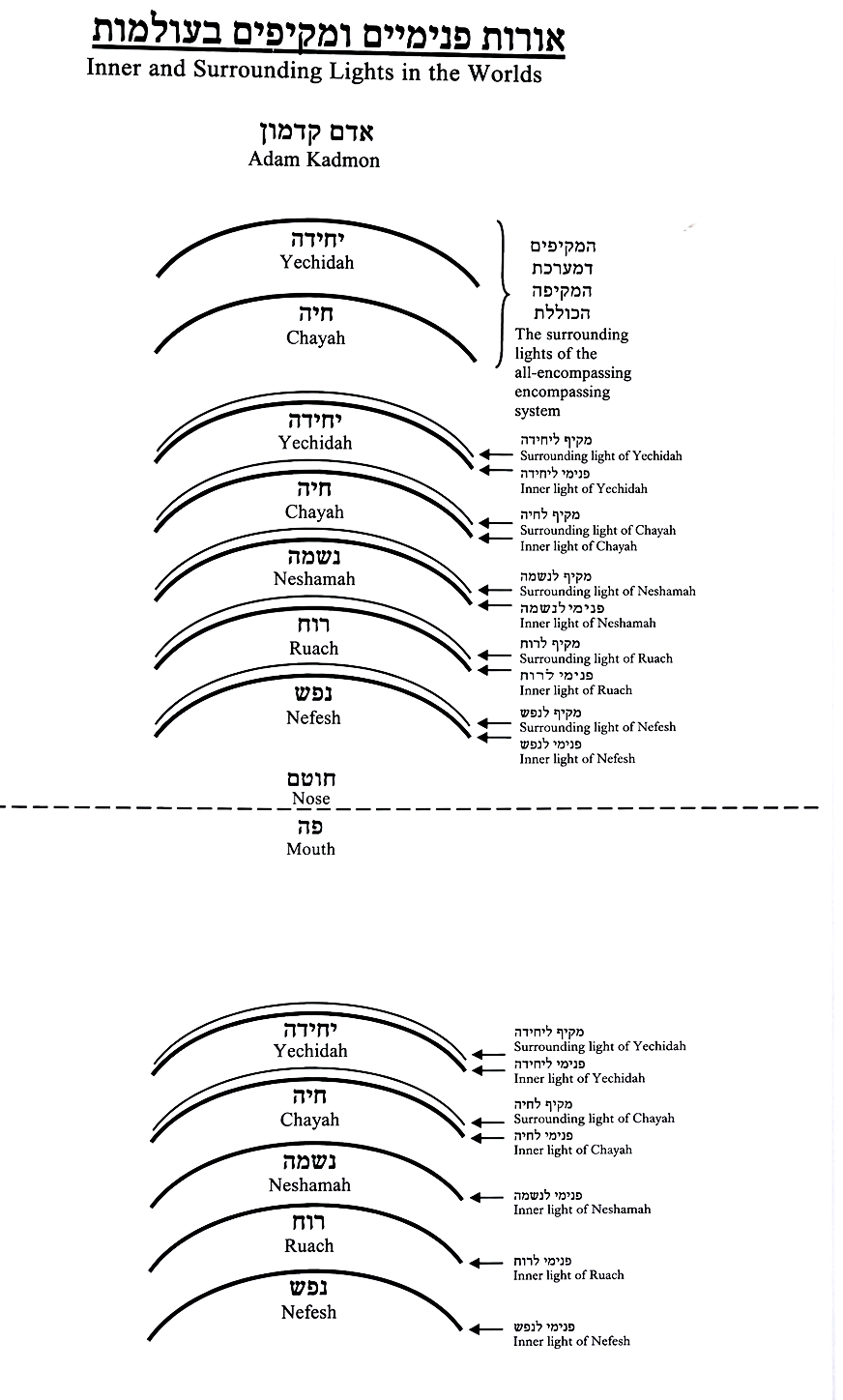
And know (וְדַע), that the supernal worlds, the more they are lower than one another in level, the more they lack completeness relative to one another (כִּי הָעוֹלָמוֹת הָעֶלְיוֹנִים כָּל מַה שֶׁהֵם יוֹתֵר תַּחְתּוֹנִים בְּמַדְרֵגָה זֶה מִזֶּה הֵם יוֹתֵר מְחוּסְּרֵי הַשְּׁלֵמוּת זֶה מִזֶּה). Therefore you will find that until the world of Akudim there were five aspects of Inner Lights and Surrounding Lights revealed (לָכֵן תִּמְצָא עַד עוֹלָם הָעֲקוּדִים הָיוּ ה׳ בְּחִינוֹת אוֹ״פ וּמַקִּיפִים נִגְלִים), except that the differences between them were that in these the Surrounding Lights drew closer to the Inner Lights, and in those they were more distant (אֶלָּא שֶׁהַשִּׁנּוּיִים בֵּינֵיהֶם הוּא כִּי בְּאֵלּוּ הָיוּ מִתְקָרְבִים הַמַּקִּיפִים עִם הַפְּנִימִים וּבְאֵלּוּ יוֹתֵר מִתְרַחֲקִים).
However, from the world of Akudim and below, until the end of the worlds (וְאָמְנָם מֵעוֹלָם הָעֲקוּדִים וּלְמַטָּה עַד סוֹף הָעוֹלָמוֹת), there was one deficiency—that there was not revealed to them (some say: in them) in all their particulars more than five Inner Lights and two Surrounding Lights (הָיָה חֶסְרוֹן אֶחָד שֶׁלֹּא נִתְגַּלָּה לָהֶם [נ״א בָּהֶם] בְּכָל פְּרָטֵיהֶם יוֹתֵר מֵה׳ אוֹרוֹת פְּנִימִיִּים וּב׳ מַקִּיפִים), which are a Surrounding Light for Yechidah and a Surrounding Light for Chayah (שֶׁהֵם מַקִּיף לַיְּחִידָה וּמַקִּיף לַחַיָּה). But for the other three inner ones they do not have aspects of Surrounding Lights from the aspect of Nefesh, Ruach, Neshamah (אֲבָל לִשְׁאָר הַג׳ פְּנִימִיּוֹת לֹא יֵשׁ לָהֶם בְּחִיּוֹת מַקִּיפִים מִבְּחִינַת נר״ן), rather only from the aspect of Yechidah and Chayah, which surround all of them and not by virtue of themselves (רַק מִבְּחִינַת יְּחִידָה וְחַיָּה אֲשֶׁר מַקִּיף כּוּלָּם וְלֹא מִפְּנֵי עַצְמָן). Nevertheless, there are within them further differences and deficiencies according to the order of the Partzufim and the world (אָמְנָם יֵשׁ בָּהֶם שִׁנּוּיִים וְגֵירְעוֹנוֹת עוֹד אֲחֵרוֹת כְּפִי סֵדֶר הַפַּרְצוּפִים וְהָעוֹלָם), but the general rule among them is that it is impossible to have less (some say: more) than five Inner Lights and two supernal Surrounding Lights (אַךְ הַכְּלָל שֶׁבָּהֶם כִּי אִי אֶפְשָׁר לִהְיוֹת פָּחוֹת [נ״א יוֹתֵר] מֵה׳ פְּנִימִיִּים וּב׳ מַקִּיפִים עֶלְיוֹנִים).
And know (וְדַע), that when there is not in the Partzuf the aspect of inner Chayah (כִּי כַּאֲשֶׁר לֹא יֵשׁ בַּפַּרְצוּף בְּחִי׳ חַיָּה פְּנִימִים), which is the aspect of the Ta’amim [Cantillation Marks] (שֶׁהוּא בְּחִי׳ הַטְּעָמִים), which are called Mochin [Intellects] (שֶׁנִּקְרָא מוֹחִין), for all the Mochin [Intellects] are in the secret of Chokhmah (כִּי כָּל הַמּוֹחִין בְּסוֹד חָכְמָה), which is the Name seventy-two (הוּא שֵׁם ע״ב), it is impossible to effect Zivug [Union] (א״א לְהִזְדַּוֵּג). And still, the remaining lights that it has (וַעֲדַיִן שְׁאָר הָאוֹרוֹת שֶׁיֵּשׁ לוֹ), which are Nefesh, Ruach, Neshamah as inner (שֶׁהֵם נר״ן פְּנִימִית), are called Lights of the Back (נִקְרָא אוֹרוֹת אֲחוֹרִיִּים), and then they stand back-to-back (וְאָז עוֹמְדִין אב״א).
And the reason is (וְהַטַּעַם), that when it does not yet have the above aspect (כִּי כַּאֲשֶׁר אֵין לוֹ בְּחִי׳ הַנַּ״ל עֲדַיִן), they are judgments (הֵם דִּינִין), and they are called Nekudot [Vowel Points] (וְנִקְרְאוּ נְקֻדוֹת), which is sixty-three (שֶׁהוּא ס״ג), which is the Neshamah [Soul]—judgments (שֶׁהוּא הַנְּשָׁמָה דִּינִין). Therefore, so that there not be attachment to the external forces (וְלָכֵן כְּדֵי שֶׁלֹּא יִהְיֶה בָּהֶם אֲחִיזָה אֶל הַחִיצוֹנִים), they are compelled that the most external backs (הֵם מֻכְרָחִים לִהְיוֹת אֲחוֹרַיִּים הַיּוֹתֵר חִיצוֹנִים), which are the aspect of letters and Tagin [Crowns] (שֶׁהֵם בְּחִי׳ אוֹתִיּוֹת וְתָגִין), which are Nefesh and Ruach (שֶׁהֵם נֶפֶשׁ וְרוּחַ), be attached together (לִהְיוֹת דְּבוּקִים יַחַד), and they are not revealed (וְאֵינָם נִגְלִין), except Inner Light (רַק אוֹ״פ), which is Neshamah [Soul]—Binah (שֶׁהוּא נְשָׁמָה בִּינָה). But when inner Chayah comes (אַךְ בְּבֹא חַיָּה פְּנִימִי), which are the Mochin [Intellects] (שֶׁהֵם הַמּוֹחִין), then the Klipot cannot attach at all (אָז אֵין הַקְּלִיפּוֹת יְכוֹלִין לְהִתְאַחֵז כְּלָל), even to the backs (אֲפִלּוּ בָּאֲחוֹרַיִּים), for the light of Chayah illuminates up to there (כִּי אוֹר הַחַיָּה מֵאִיר עַד שָׁם). But while there is in it only Neshamah [Soul]—Binah (אַךְ בְּעוֹד שֶׁאֵין בָּהּ אֶלָּא נְשָׁמָה בִּינָה), it is true that the Klipot have no power to grasp the Neshamah [Soul] itself which is inside (אֱמֶת הוּא שֶׁאֵין כֹּחַ בַּקְּלִיפּוֹת לֶאֱחֹז בַּנְּשָׁמָה עַצְמָהּ שֶׁהִיא בִּפְנִים), but they rule over the backs (אֲבָל בָּאֲחוֹרַיִּים שׁוֹלְטִין), therefore then they stand back-to-back (לָכֵן עוֹמְדִין אָז אב״א). And when Chayah comes (וּבְבוֹא חַיָּה), the external forces cannot then attach (אֵין יְכוֹלִין אָז לֶאֱחֹז הַחִיצוֹנִים), even to the backs (אֲפִלּוּ בָּאֲחוֹרַיִּים), because of the abundance of the light with which the Chayah illuminates the backs (מֵרֹב הָאוֹר שֶׁמֵּאִיר הַחַיָּה בָּאֲחוֹרַיִּים), and they grow greater (וְנִגְדָּלִים יוֹתֵר), and then they return face-to-face (וְאָז חוֹזְרִים פב״פ), and they unite in Zivug [Union] together (וּמִזְדַּוְּגִים בְּיַחַד).
And a further explanation of the matter is this (וּבֵיאוּר הָעִנְיָן זֶה יוֹתֵר הוּא), that while there is in it only Neshamah [Soul] (כִּי בְּעוֹד שֶׁאֵין בּוֹ אֶלָּא נְשָׁמָה), there is still fear of the external forces that they might attach to the lights of the backs, which are Nefesh alone (עֲדַיִן יֵשׁ פַּחַד מֵהַחִיצוֹנִים שֶׁלֹּא יִתְאַחֲזוּ בָּאוֹרוֹת הָאֲחוֹרִיִּים שֶׁהוּא נֶפֶשׁ לְבַד), and since guarding is required (כֵּיוָן שֶׁצְּרִיכִין שְׁמִירָה), therefore they must be back-to-back (לָכֵן צְרִיכִין לִהְיוֹת אב״א).
However, there is still fear lest the external forces enter between the attachments, between back and back, and draw sustenance from there (אַךְ יֵשׁ עֲדַיִן פַּחַד שֶׁמָּא יִכָּנְסוּ הַחִיצוֹנִים בֵּין הַדְּבֵקִים בֵּין אָחוֹר לְאָחוֹר וְיִינְקוּ מִשָּׁם). Therefore, while there is still only the aspect of Neshamah [Soul] alone in them (וְלָכֵן בְּעוֹד שֶׁעֲדַיִן אֵין בָּהֶם רַק בְּחִי׳ נְשָׁמָה לְבַד), the Emanator made one arrangement (עָשָׂה הַמַּאֲצִיל סֵדֶר אֶחָד), that even the lights of the female would not be drawn except through the male (שֶׁגַּם אוֹרוֹת שֶׁל הַנְּקֵבָה לֹא יִמָּשְׁכוּ רַק עַל יְדֵי הַזָּכָר). And then the male would take two aspects—his and hers (וְאָז הַזָּכָר יִקַּח ב׳ בְּחִינוֹת שֶׁלּוֹ וְשֶׁלָּהּ), and lights would go out from him to her through an opening to his back (וְיֵצְאוּ אוֹרוֹת מִמֶּנּוּ אֵלֶיהָ דֶּרֶךְ נֶקֶב אֶל אֲחוֹרָיו), and there the female would cleave and bind herself completely with him (וְשָׁם תִּדְבַּק וְתִקָּשֵׁר עִמּוֹ הַנְּקֵבָה לְגַמְרֵי), in one single wall (בְּכֹתֶל אֶחָד לְבַד). And there is no empty place there between the attachments for strangers to enter (וְאֵין שָׁם מָקוֹם פָּנוּי בֵּין הַדְּבֵקִים לִכְנוֹס שָׁם זָרִים).
And understand this (וְהָבֵן). And you will see that it is so, for similarly (וּתְרֶאֶה כִּי כֵן כַּיּוֹצֵא בָּזֶה), when the lower Adam is in the aspect of Nefesh (בְּהִיוֹת הָאָדָם הַתַּחְתּוֹן בְּסוֹד נֶפֶשׁ), he is attached and bound with the evil inclination, which are the Klipot (אָז הוּא דָּבוּק וְנֶאֱחָז עִם הַיֵּצֶר הָרָע שֶׁהוּא הַקְּלִיפּוֹת), in the secret of “and a soul that sins” (בְּסוֹד וְנֶפֶשׁ כִּי תֶחֱטָא). And when he is in the aspect of Ruach (וּבְּהִיוֹתוֹ בְּסוֹד רוּחַ), he does not sin so much (אֵינוֹ כָּל כָּךְ חוֹטֵא), in the secret of “a pure heart” and “a correct spirit,” etc (בְּסוֹד לֵב טָהוֹר וְרוּחַ נָכוֹן וְגוֹ׳). And when he is in the aspect of Neshamah [Soul] (וּבְּהִיוֹתוֹ בְּסוֹד נְשָׁמָה), he is far from sin (הוּא רָחוֹק מִן הַחֵטְא), but he still requires guarding from the backs (אַךְ צָרִיךְ שְׁמִירָה מִן הָאֲחוֹרַיִּים). And when it is Neshamah [Soul] of Neshamah [Soul] (וּבְּהִיוֹת נְשָׁמָה לְנְשָׁמָה), then he does not sin at all, whatsoever (אָז אֵינוֹ חוֹטֵא כְּלָל וְעִיקָּר). And this suffices (וְדַי בָּזֶה).
And let us return to the matter (וְנַחֲזוֹר לָעִנְיָן), that when Ze’ir Anpin and Nukvah were in the aspect of Nefesh alone (כִּי בְּהִיוֹת זו״ן בְּסוֹד נֶפֶשׁ לְבַד), they needed to be there in the secret of Ibbur [Gestation] in the mother’s womb (הֻצְרְכוּ לִהְיוֹת שָׁם בְּסוֹד עִיבּוּר בְּמֵעֵי הָאֵם), so that strangers would not attach to them (שֶׁלֹּא יֹאחֲזוּ בָּהֶם זָרִים), and even there they stand back-to-back (וַאֲפִלּוּ שָׁם עוֹמְדִים אב״א). And when they emerge, at the time when Ruach comes to them, at the time of nursing (וּבְצֵאתָם בִּזְמַן שֶׁבָּא לָהֶם הָרוּחַ בִּזְמַן הַיְנִיקָה), then the mother hovers over them in the secret of “over its young He hovers” (וְאָז הָאֵם רוֹבֶצֶת עֲלֵיהֶם בְּסוֹד עַל גּוֹזָלָיו יְרַחֵף), and nevertheless they are back-to-back (וְעִכָּ״ז הֵם אב״א). And afterwards, in Gadlut [Greatness], the Neshamah [Soul] of Gadlut [Greatness] comes to them (וְאַחַ״כ בְּגַדְלוּת בָּא לָהֶם הַנְּשָׁמָה דְּגַדְלוּת), and they are Mochin [Intellects] from the side of the Mother (וְהֵם מוֹחִין מִצַּד אִמָּא), and they still lack the Mochin [Intellects] from the side of the Father (וַעֲדַיִן חָסֵר לָהֶם הַמּוֹחִין מִצַּד אַבָּא), which is Chokhmah, called Chayah, to enter within them (שֶׁהוּא חָכְמָה הַנִּקְרָא חַיָּה לְהִכָּנֵס בָּהֶם).
But nevertheless they are already face-to-face and unite in Zivug [Union] (אַךְ עִכָּ״ז כְּבָר הֵם פב״פ וּמִזְדַּוְּגִים), and this is still a deficiency (וַעֲדַיִן הוּא חֶסְרוֹן). However, afterwards when also Chayah and Yechidah come to them (אָֽמְנָם אַחַ״כ בְּבוֹא לָהֶם גַּם הַחַיָּה וְהַיְּחִידָה), and afterwards the Surrounding Light of Chayah (וְאַחַ״כ מַקִּיף חַיָּה), and afterwards the Surrounding Light of Yechidah (וְאַחַ״כ מַקִּיף יְּחִידָה), then they are complete (אָז הֵם שְׁלֵמִים). And this is only when they ascend into the Beard of Arich Anpin (וְאֵין זֶה אֶלָּא בְּעָלוֹתָם בְּדִּיקְנָא דְּא״א), and this suffices (וְדַי בָּזֶה). Some say: afterwards there comes to them also inner Chayah and Yechidah, and the Surrounding Light of Chayah, and afterwards the Surrounding Light of Yechidah, and then they are complete, and this is only, etc (נ״א אַחַ״כ יָבוֹא לָהֶם גַּם הַחַיָּה וְהַיְּחִידָה פְּנִימִי וּמַקִּיף חַיָּה וְאַחַ״כ מַקִּיף יְּחִידָה וְאָז הֵם שְׁלֵמִים וְאֵין זֶה כו׳).
Chapter 3
שער ו פרק ג מ״ת
[6:3] And behold, three aspects of the Ta’amim [Cantillation Marks] have been explained (וְהִנֵּה נִתְבָּאֲרוּ ג׳ בְּחִי׳ הַטְּעָמִים), however also the three aspects of the Nekudot [Vowel Points] and Tagin [Crowns] and Otiot [Letters] are included within them (אָמְנָם גַּם ג׳ בְּחִי׳ הַנְּקֻדוֹת וְתָגִין וְאוֹתִיּוֹת כְּלוּלִים בָּהֶם), except that they are not revealed here at all until below, in the lights of the eyes (אֶלָּא שֶׁאֵינָם נִגְלִים כְּלָל כָּאן עַד לְמַטָּה בְּאוֹרוֹת עֵינַיִם), as is written in its place, with the help of Hashem (כְּמוֹ שֶׁכָּתוּב בִּמְקוֹמוֹ בְּעֶזְרַת ה׳). And we will explain the emergence of these lights which are called Akudim (וְנְבָאֵר יְצִיאַת אוֹרוֹת אֵלּוּ הַנִּקְרָא עֲקוּדִים).
Know (דַּע), that at the time they emerged they did not emerge complete (כִּי בְּעֵת שֶׁיָּצְאוּ לֹא יָצְאוּ שְׁלֵמִים), as will be explained, with the help of Hashem (וּכְמוֹ שֶׁיְּבֹאָר בְּעֶזְרַת ה׳). And the reason for the matter is (וְטַעַם הַדָּבָר הוּא), that the intention of the Emanator was now to make the beginning of the Havayot of the vessels (כִּי כַּוָּנַת הַמַּאֲצִיל הָיְתָה לַעֲשׂוֹת עַתָּה הַתְחָלַת הֲוָיוֹת הַכֵּלִים), some say: at first the Havayot of the vessel (נ״א בַּתְּחִלָּה הֲוָיוֹת הַכְּלִי), to clothe the light for the sake of the receivers so that they would be able to receive (לְהַלְבִּישׁ הָאוֹר לְצֹרֶךְ הַמְקַבְּלִים שֶׁיּוּכְלוּ לְקַבֵּל). Therefore, since they emerged incomplete and unfinished (וְלָכֵן בְּהִיוֹת שֶׁיָּצְאוּ בִּלְתִּי שְׁלֵמִים וּגְמוּרִים), they returned to ascend to their root to be rectified and completed (חָזְרוּ לַעֲלוֹת לְשָׁרְשָׁן לְהִתְתַּקֵּן וּלְהִשְׁתַּלֵּם), and through this a vessel was made, as has been explained (וְעַל יְדֵי כֵן נַעֲשָׂה כְּלִי כְּמוֹ שֶׁכָּתוּב).
And the matter is (וְהָעִנְיָן הוּא), that certainly the aspect of vessels existed in potential (כִּי בְּוַדַּאי שֶׁבְּחִי׳ הַכֵּלִים הָיָה בְּכֹחַ), even though it was not in actuality within the light (אַף כִּי לֹא הָיָה בְּפֹעַל תּוֹךְ הָאוֹר), for it was in the aspect of the light that was thicker and coarser (כִּי הָיָה בִּבְחִי׳ הָאוֹר הַיּוֹתֵר עָב וְגַס), but it was intrinsically bound within it very well (רַק שֶׁהָיָה בּוֹ מְחֻבָּר בְּעֶצֶם הֵיטֵב), and therefore its aspect was not revealed (וְלָכֵן לֹא נִגְלְתָה בְּחִינָתוֹ), for (כִּי), some say: alas (נ״א חֶבֶל), when the light exited through the mouth outward (כַּאֲשֶׁר יָצָא הָאוֹר דֶּרֶךְ הַפֶּה וְלַחוּץ), everything emerged mixed together (יָצָא הַכֹּל מְעֹרָב יַחַד). And when they returned to ascend and be completed as stated above (וּכְשֶׁחָזְרוּ לַעֲלוֹת וּלְהִשְׁתַּלֵּם כַּנַּ״ל), then certainly through the exit of the light outside the mouth (אָז וַדַּאי עַל יְדֵי יְצִיאַת הָאוֹר חוּץ לַפֶּה), that light—namely the aspect of the vessels which is thicker—now acquired greater thickness (הִנֵּה אוֹתוֹ אוֹר בְּחִי׳ הַכֵּלִים שֶׁהוּא יוֹתֵר עָב קָנָה עַתָּה עָבִיוּת יוֹתֵר), and through this it could no longer return to its source as at first (וְעַל יְדֵי כֵן לֹא יוּכַל לַחֲזוֹר גַּם הוּא לִמְקוֹרוֹ כְּבָרִאשׁוֹנָה). And the refined light separated from it and ascended to its source as stated above (וְנִתְפַּשֵּׁט הָאוֹר הַזַּךְ מִמֶּנּוּ וְעָלָה לִמְקוֹרוֹ כַּנַּ״ל), and then additional thickness was added to the coarse light according to its coarseness (וְאָז נִתּוֹסְפָה בָּאוֹר הֶעָב כַּנַּ״ל עָבִיוּת יוֹתֵר עַל עָבְיוֹ), and then the aspect of the vessel was completed and remained (וְאָז נִגְמַר וְנִשְׁאַר בְּחִי׳ כְּלִי).
And if you ask (וְאִם תֹּאמַר), when the refined light returns to descend and spread within the vessel, will the vessel return and be refined as at first and cease to be an aspect of a vessel (כַּאֲשֶׁר יַחֲזוֹר הָאוֹר הַזַּךְ לֵירֵד וּלְהִתְפַּשֵּׁט בַּכְּלִי יַחֲזוֹר וְיִזְדַּכֵּךְ הַכְּלִי כְּבָרִאשׁוֹנָה וְיִתְבַּטֵּל מִלִּהְיוֹת בְּחִי׳ כְּלִי), some say: and the vessels will be annulled from being vessels (נ״א וְיִתְבַּטְּלוּ מִלִּהְיוֹת בְּחִי׳ כֵּלִים), the answer to this is (הַתְּשׁוּבָה בָּזֶה הוּא), as explained elsewhere (כְּמוֹ שֶׁכָּתוּב בְּמָקוֹם אַחֵר), that not all ten Sefirot that ascended to their source returned to descend (כִּי לֹא חָזְרוּ כָּל הַי׳ סְפִירוֹת שֶׁנִּתְעַלּוּ לִמְקוֹרָם לַחֲזוֹר וְלֵירֵד כֻּלָּם). Rather, the nine lower alone descended (אֶלָּא הַט׳ תַּחְתּוֹנִים לְבַד יָרְדוּ), and the upper one, which is Keter, always remained with the Emanator (וְהָעֶלְיוֹנָה שֶׁהִיא הַכֶּתֶר נִשְׁאָרָה תָּמִיד עִם הַמַּאֲצִיל). And in this way it is found that the light of Chokhmah returned to clothe within the vessel of Keter (וּבָזֶה נִמְצָא שֶׁאוֹר הַחָכְמָה הוּא שֶׁחָזַר לְהִתְלַבֵּשׁ בִּכְלִי הַכֶּתֶר), and likewise all the other Sefirot (וְכֵן כָּל שְׁאָר הַסְּפִירוֹת), and the vessels are able to receive the reduced light now more than they could at the beginning (וִיכוֹלִין הַכֵּלִים לְקַבֵּל הָאוֹר הַמְּמוּעָט מִמֶּנּוּ עַתָּה יוֹתֵר מִמַּה שֶׁהָיָה לָהֶם בַּתְּחִלָּה).
And behold, Know (וְהִנֵּה דַּע), that all of them emerged in the aspect of Nefesh alone (כִּי כֻּלָּם יָצְאוּ בִּבְחִי׳ נֶפֶשׁ לְבַד), and this is the secret of the verse “Hashem swore by His soul” (וְזֶה סוֹד פ׳ נִשְׁבַּע ה׳ בְּנַפְשׁוֹ), for the Atzilut that is called Nekudim [Points], as has been explained, and which is called Havayah (כִּי הָאֲצִילוּת הַנִּקְרָא נְקֻדִּים כְּמוֹ שֶׁכָּתַבְנוּ וְהוּא הַנִּקְרָא הֲוָיָ״ה), swore by one who is greater than Him (נִשְׁבַּע בְּמִי שֶׁגָּדוֹל מִמֶּנּוּ), and that is the world of Akudim (וְהוּא עוֹלָם הָעֲקוּדִים), which emerged in the aspect of Nefesh alone (אֲשֶׁר יָצְאוּ בִּבְחִי׳ נֶפֶשׁ לְבַד). And with this you should deepen and see (וּבָזֶה תַּעֲמִיק וְתִרְאֶה), how deep are His thoughts, blessed be He (כַּמָּה עָמְקוּ מַחְשְׁבוֹתָיו יִתְבָּרֵךְ), for even the supernal world of Akudim is only in the aspect of Nefesh alone (כִּי אֲפִלּוּ עוֹלָם עֶלְיוֹן שֶׁל הָעֲקוּדִים אֵינוֹ רַק בִּבְחִי׳ נֶפֶשׁ לְבַד).
And behold, all the ten Sefirot emerged (וְהִנֵּה כָּל הַי׳ סְפִירוֹת יָצְאוּ), but they did not emerge all together at once (אֲבָל לֹא יָצְאוּ יַחַד כֻּלָּם), rather first the aspect of Malkhut emerged from the world of Akudim (רַק תְּחִלָּה יָצְאָה בְּחִי׳ מַלְכוּת מֵעוֹלָם הָעֲקוּדִים), opposite to the world of Nekudim [Points] (הֶפֶךְ מֵעוֹלָם הַנְּקֻדִּים), as will be explained in its place, with the help of Hashem (וּכְמוֹ שֶׁיְּבֹאָר בִּמְקוֹמוֹ בְּעֶזְרַת ה׳). And this Malkhut emerged in the aspect of Nefesh alone (וּמַלְכוּת זוֹ יָצְאָה בִּבְחִי׳ נֶפֶשׁ לְבַד), for there is no Sefirah that does not have the aspect of Nefesh, Ruach, Neshamah, as is known (כִּי אֵין לְךָ סְפִירָה שֶׁאֵין לָהּ בְּחִי׳ נר״ן כַּנּוֹדָע). However, at this time they did not emerge except in the aspect of Nefesh alone (וְאָמְנָם לֹא יָצְאוּ עַתָּה רַק בִּבְחִי׳ נֶפֶשׁ לְבַד).
And behold, first Malkhut emerged in the aspect of Nefesh (וְהִנֵּה תְּחִלָּה יָצְאָה מַלְכוּת בִּבְחִי׳ נֶפֶשׁ), and afterwards, when the aspect of Yesod emerged (וְאַחַ״כ כַּאֲשֶׁר יָצְאָה בְּחִי׳ הַיְּסוֹד), the aspect of Yesod was not revealed in Yesod itself (לֹא נִתְגַּלָּה בְּחִי׳ הַיְּסוֹד בִּיסוֹד), but only the aspect of Nefesh alone for itself (רַק בְּחִי׳ נֶפֶשׁ לְבַד לְעַצְמוֹ). However, an additional illumination was added to Malkhut (אֲבָל נוֹסְפָה הֶאָרָה בְּמַלְכוּת), such that the aspect of Ruach was revealed in her (שֶׁנִּתְגַּלָּה בָּהּ בְּחִי׳ רוּחַ). And the reason for this is (וְטַעַם הַדָּבָר הוּא), because the secret of Ruach comes from the six extremities, as is known (לְפִי שֶׁסוֹד הָרוּחַ בָּא מִו״ק כַּנּוֹדָע). Therefore, when Yesod came (וְלָכֵן בְּבֹא הַיְּסוֹד), the aspect of Ruach began to be revealed in Malkhut (הִתְחִיל לְהִתְגַּלּוֹת בְּמַלְכוּת בְּחִי׳ הָרוּחַ), and it is not completed entirely (וְאֵינוֹ נִשְׁלָם לְגַמְרֵי), until all the six extremities emerge, which is from Yesod up to Chesed (עַד שֶׁיָּצְאוּ כָּל הַו״ק שֶׁהוּא מִיְּסוֹד עַד הַחֶסֶד), and then the entire aspect of Ruach of Malkhut is completed (וְאָז נִגְמָר בְּחִי׳ הָרוּחַ כֻּלּוֹ שֶׁל מַלְכוּת). And with the coming of each one of them (וּבְבֹא כָּל אֶחָד מֵהֶם), one extremity of the aspect of Ruach would be revealed in Malkhut (הָיָה מִתְגַּלֶּה בְּמַלְכוּת קָצֶה אֶחָד מִבְּחִי׳ הָרוּחַ), as is written in the Zohar, Terumah (כְּמוֹ שֶׁכָּתוּב בַּזֹּהַר תְּרוּמָה).
And it is already known (וּכְבָר נוֹדַע), that Yesod is not included among the six extremities (כִּי הַיְּסוֹד אֵינוֹ מִכְּלַל הַו״ק), for they are only the five Chesed-branches (נ״א קְצָווֹת), from Chesed to Hod (מֵחֶסֶד עַד הוֹד). However, Yesod does not take a particular Chesed for itself (אֲבָל הַיְּסוֹד אֵינוֹ לוֹקֵחַ חֶסֶד פְּרָטִי לְעַצְמוֹ), rather all five extremities are included within it (רַק שֶׁנִּכְלָלִין כָּל הַה׳ קְצָווֹת בּוֹ; נ״א הַו״ק בּוֹ). It is found (נִמְצָא), that the aspect of the totality of Ruach was revealed in Malkhut when Yesod came (שֶׁבְּחִי׳ כְּלָלוּת שֶׁל הָרוּחַ זֶה הוּא שֶׁנִּתְגַּלָּה בְּמַלְכוּת כַּאֲשֶׁר בָּא הַיְּסוֹד). But when Hod or Netzach emerged, and likewise the other Sefirot (אֲבָל בְּצֵאת הַהוֹד אוֹ הַנֵּצַח וְכַיּוֹצֵא מִשְּׁאָר סְפִירוֹת), then the actual extremity-aspects of Ruach were revealed in Malkhut (אָז הָיָה מִתְגַּלֶּה בְּמַלְכוּת בְּחִי׳ הַקְּצָווֹת מַמָּשׁ שֶׁל הָרוּחַ).
And behold, all of this is what pertains to the aspect of Malkhut (וְהִנֵּה כָּל זֶה הוּא מַה שֶּׁנּוֹגֵעַ אֶל בְּחִי׳ הַמַּלְכוּת), however what pertains to the six extremities of Ze’ir Anpin is in this manner (אָמְנָם מַה שֶּׁנּוֹגֵעַ אֶל הַו״ק דְּזְעֵיר אַנְפִּין הוּא בְּאוֹפֶן זֶה), for when Yesod emerges then the aspect of the totality of the six extremities of Ze’ir Anpin is revealed in the aspect of Nefesh alone (כִּי בְּצֵאת הַיְּסוֹד אָז מִתְגַּלֶּה בְּחִי׳ כְּלָלוּת הַו״ק דְּזְעֵיר אַנְפִּין בִּבְחִי׳ נֶפֶשׁ לְבַד). But when Hod comes then one extremity of the Nefesh of Ze’ir Anpin is revealed (אַךְ בְּבֹא הַהוֹד אָז מִתְגַּלֶּה קָצֶה אֶחָד דְּנֶפֶשׁ דְּזְעֵיר אַנְפִּין), and likewise until all the six extremities are completed (וְכֵן עַד שֶׁנִּשְׁלְמוּ כָּל הַו״ק). There is yet another difference between Yesod and the other extremities (עוֹד יֵשׁ הֶפְרֵשׁ אֶחָד בֵּין הַיְּסוֹד לְהַו״ק אֲחֵרִים), and that is that when Hod came it gave anew the power of its totality into Yesod in the aspect of Nefesh alone (וְהוּא כִּי כַּאֲשֶׁר בָּא הַהוֹד נָתַן כֹּחַ כְּלָלוּתוֹ מֵחָדָשׁ בַּיְּסוֹד בְּחִי׳ נֶפֶשׁ לְבַד), and likewise all of them until Chesed emerged (וְכֵן כֻּלָּם עַד שֶׁיָּצָא הַחֶסֶד), and it too, upon its emergence, gave the power of its totality into Yesod (וְגַם הוּא נָתַן בְּצֵאתוֹ כֹּחַ כְּלָלוּתוֹ בַּיְּסוֹד), unlike the other extremities (מַה שֶּׁאֵין כֵּן בְּשְׁאָר הַו״ק), for when one came it did not add any addition to its fellow at all (כִּי בְּבֹא אֶחָד לֹא הָיָה מוֹסִיף שׁוּם תּוֹסֶפֶת בַּחֲבֵרוֹ כְּלָל וְעִיקָּר), since all are equal (כִּי כֻּלָּם שָׁוִים).
Only when all six were completed (רַק כַּאֲשֶׁר נִשְׁלְמוּ כָּל הַשִּׁשָּׁה), then it is found that the entire Ze’ir Anpin was completed in the aspect of Nefesh (אָז נִמְצָא שֶׁנִּגְמַר כָּל הַזְּעֵיר אַנְפִּין בִּבְחִי׳ נֶפֶשׁ). And afterwards Binah emerged in the aspect of Nefesh alone for herself (וְאַחַ״כ יָצְאָה הַבִּינָה בִּבְחִי׳ נֶפֶשׁ לְבַד לְעַצְמָהּ), and the aspect of Ruach for Ze’ir Anpin (וּבְחִי׳ רוּחַ לְזְעֵיר אַנְפִּין), and the aspect of Neshamah [Soul] for Malkhut (וּבְחִי׳ נְשָׁמָה לְמַלְכוּת). And afterwards Chokhmah emerged in the aspect of Nefesh for herself (וְאַחַ״כ יָצְאָה הַחָכְמָה בִּבְחִי׳ נֶפֶשׁ לְעַצְמָהּ), and the aspect of Ruach for Binah (וּבְחִי׳ רוּחַ לְבִינָה), and the aspect of Neshamah [Soul] for Ze’ir Anpin (וּבְחִי׳ נְשָׁמָה לְזְעֵיר אַנְפִּין), and the aspect of Chayah for Malkhut (וּבְחִי׳ חַיָּה לְמַלְכוּת). Afterwards Keter emerged (אַחַ״כ יָצָא הַכֶּתֶר), in the aspect of Nefesh for itself (בִּבְחִי׳ נֶפֶשׁ לְעַצְמוֹ), and the aspect of Ruach for Abba (וּבְחִי׳ רוּחַ לְאַבָּא), and the aspect of Neshamah [Soul] for Imma (וּבְחִי׳ נְשָׁמָה לְאִמָּא), and the aspect of Chayah for Ze’ir Anpin (וּבְחִי׳ חַיָּה לְזְעֵיר אַנְפִּין), and the aspect of Yechidah for Malkhut (וּבְחִי׳ יְּחִידָה לְמַלְכוּת).
And behold, when Keter came, which is the last of all (וְהֲרֵי כִּי בְּבֹא הַכֶּתֶר שֶׁהוּא אַחֲרוֹנָה מִכֻּלָּם), it did not emerge except in the aspect of Nefesh alone (לֹא יָצָא כִּי אִם בִּבְחִי׳ נֶפֶשׁ לְבַד), and this is the secret of the verse “Hashem swore by His soul” as explained above (וְזֶה סוֹד הַפָּסוּק נִשְׁבַּע ה׳ בְּנַפְשׁוֹ עַל דֶּרֶךְ הַנַּ״ל). And even this aspect of the Nefesh of Keter did not remain in the world of Akudim as stated above (וַאֲפִלּוּ בְּחִי׳ זוֹ שֶׁל נֶפֶשׁ הַכֶּתֶר לֹא נִשְׁאָרָה בָּעוֹלָם הָעֲקוּדִים כַּנַּ״ל), for it returned to be concealed and remained attached in its place with its Emanator (כִּי חָזְרָה לְהִתְעַלֵּם וְנִשְׁאָרָה דְּבוּקָה בִּמְקוֹמָהּ בְּמַאֲצִילָהּ). However, when Keter came (וְאָמְנָם בְּבוֹא כֶּתֶר), it was found that Malkhut was complete with all five inner lights, which are Nefesh, Ruach, Neshamah, Chayah, Yechidah (נִמְצָא הַמַּלְכוּת שְׁלֵמָה מִכָּל ה׳ אוֹרוֹת פְּנִימִיִּים שֶׁהֵם נרנח״י), and now all the Sefirot were still lacking, as stated above, for they had emerged lacking without completion (וְעַתָּה הָיוּ חֲסֵרִים עֲדַיִן כָּל הַסְּפִירוֹת כַּנַּ״ל שֶׁיָּצְאוּ חֲסֵרִים בְּלִי תַּשְׁלוּמִין).
And this was truly with complete intention, as stated above (וְהָיָה זֶה מַמָּשׁ בְּכַוָּנָה גְמוּרָה כַּנַּ״ל), and therefore they needed to return and ascend to the Emanator to receive their completions from Him (וְלָכֵן הֻצְרְכוּ לַחֲזוֹר וְלַעֲלוֹת אֶל הַמַּאֲצִיל לְקַבֵּל מִמֶּנּוּ תַּשְׁלוּמֵיהֶן). However, now in the return, Keter returned first of all (וְאָמְנָם עַתָּה בַּחֲזָרָה הָיָה הַכֶּתֶר חוֹזֵר בִּתְחִלָּת כֻּלָּם), so it is found that it emerged last and entered first (נִמְצָא שֶׁיָּצָא אַחֲרוֹן וְנִכְנַס רִאשׁוֹן). And Malkhut was the opposite (וְהַמַּלְכוּת הָיְתָה לְהֵפֶךְ), for it emerged first and entered last (כִּי יָצְאָה רִאשׁוֹנָה וְנִכְנְסָה אַחֲרוֹנָה). And this is the secret of the verse “I am the first and I am the last” (וְזֶה סוֹד הַפָּסוּק אֲנִי רִאשׁוֹן וַאֲנִי אַחֲרוֹן). And the explanation of this verse applies both to the Sefirah of Keter and to the Sefirah of Malkhut (וּבֵאוּר זֶה הַפָּסוּק יִצְדַּק בֵּין בְּסְפִירַת הַכֶּתֶר וּבֵין בִּסְפִירַת הַמַּלְכוּת), except that this is opposite to that (אֶלָּא שֶׁזֶּה הֶפֶךְ זֶה). And it is as is known (וְהוּא כְּמוֹ שֶׁנּוֹדַע), that “Ani” is an appellation for Malkhut (כִּי אֲנִי הוּא כִּנּוּי אֶל הַמַּלְכוּת), and in its reversal “Ein” is an appellation for Keter (וּבְהֶפְכּוֹ אֵין כִּנּוּי אֶל הַכֶּתֶר).
And behold, with the concealment of Keter in its place (וְהִנֵּה בְּהִתְעַלֵּם הַכֶּתֶר בִּמְקוֹמוֹ), some say: to its source (נ״א אֶל מְקוֹרוֹ), Chokhmah ascended to the place of Keter (עָלְתָה הַחָכְמָה בִּמְקוֹם הַכֶּתֶר), and Binah to the place of Chokhmah (וּבִינָה בִּמְקוֹם חָכְמָה), and in this manner all of them (וְכֵן עַל דֶּרֶךְ זֶה כֻּלָּם), until it was found that Malkhut was in the place of Yesod (עַד שֶׁנִּמְצָא הַמַּלְכוּת בִּמְקוֹם הַיְּסוֹד). And through this ascent into the place of Yesod (וְעַל יְדֵי עֲלִיָּה זוֹ בִּמְקוֹם הַיְּסוֹד), additional light was added to her (נִתּוֹסַף בָּהּ הָאוֹר), and she had one Surrounding Light (וְהָיְתָה לָהּ בְּחִי׳ מַקִּיף אֶחָד), which corresponds to the aspect of inner Chayah (אֲשֶׁר כְּנֶגֶד בְּחִי׳ חַיָּה הַפְּנִימִי). And also Ze’ir Anpin ascended one level (גַּם זְעֵיר אַנְפִּין עָלָה בְּמַדְרֵגָה אַחַת), and an aspect of Yechidah from the inner lights was added to him (וְנִתּוֹסְפָה בּוֹ בְּחִי׳ יְּחִידָה מִן אוֹרוֹת פְּנִימִיִּים), and now his five inner lights were completed (וְעַתָּה נִשְׁלְמוּ לוֹ ה׳ אוֹרוֹת פְּנִימִיִּים). And to Binah was added the aspect of inner Chayah (וּבִינָה נִתּוֹסְפָה בָּהּ בְּחִי׳ חַיָּה הַפְּנִימִי), and to Chokhmah was added the aspect of inner Neshamah [Soul] (וּבְחָכְמָה נִתּוֹסְפָה בָּהּ בְּחִי׳ נְשָׁמָה הַפְּנִימִי). And afterwards Chokhmah ascended into the Emanator (וְאַחַ״כ עָלְתָה הַחָכְמָה בַּמַּאֲצִיל), and Binah ascended to the place of Keter (וְעָלְתָה בִינָה בִּמְקוֹם הַכֶּתֶר), and the aspect of inner Yechidah was added to her (וְנִתּוֹסְפָה בָּהּ בְּחִי׳ יְּחִידָה הַפְּנִימִי), and she was completed in all five inner lights (וְנִשְׁלְמָה בְּכָל אוֹרוֹת ה׳ פְּנִימִיִּים). And to Ze’ir Anpin there was added one Surrounding Light corresponding to the inner Chayah (וְזְעֵיר אַנְפִּין נִתּוֹסַף בּוֹ מַקִּיף אֶחָד כְּנֶגֶד חַיָּה הַפְּנִימִי), and to Malkhut there was added a more supernal Surrounding Light corresponding to the inner Yechidah (וּמַלְכוּת נִתּוֹסַף בָּהּ מַקִּיף יוֹתֵר עֶלְיוֹן אֲשֶׁר כְּנֶגֶד יְּחִידָה הַפְּנִימִי). And afterwards Chesed ascended to the place of Keter (וְאַחַ״כ עָלָה חֶסֶד בִּמְקוֹם כֶּתֶר), for Binah ascended to her Emanator (כִּי בִּינָה עָלְתָה בְּמַאֲצִילָהּ), and then there was added to Ze’ir Anpin also a second supernal Surrounding Light corresponding to the inner Yechidah (וְאָז נִתּוֹסַף בִּזְעֵיר אַנְפִּין גַּם בְּחִי׳ מַקִּיף ב׳ עֶלְיוֹן שֶׁכְּנֶגֶד יְּחִידָה הַפְּנִימִי). And from that point onward Ze’ir Anpin and Malkhut did not gain further, and no additional light was added to them (וּמִשָּׁם וָאֵילָךְ לֹא הִרְוִיחוּ זְעֵיר אַנְפִּין וּמַלְכוּת וְלֹא נִתּוֹסַף בָּהֶם עוֹד תּוֹסֶפֶת אוֹר).
And the matter is with one introduction that you must know (וְהָעִנְיָן הוּא בְּהַקְדָּמָה אַחַת שֶׁצָּרִיךְ שֶׁתֵּדַע), namely that it has already been explained above that in every aspect and aspect of every world, and in every Partzuf, there are ten Sefirot, neither fewer nor more (וְהִנֵּה נִתְבָּאֵר לְעֵיל כִּי בְּכָל בְּחִי׳ וּבְּחִי׳ מִכָּל עוֹלָם וְעוֹלָם וּבְכָל פַּרְצוּף יֵשׁ בּוֹ י׳ סְפִירוֹת לֹא פָחוֹת וְלֹא יוֹתֵר), and they are ten Inner Lights and ten Surrounding Lights (וְהֵם אוֹ״פ עֲשָׂרָה וּמַקִּיף עֲשָׂרָה).
However, the ten Inner Lights are included within five alone (אָמְנָם י׳ פְּנִימִיִּים נִכְלָלִין בְּה׳ לְבַד), corresponding to the five aspects of Partzufim that they have, as mentioned elsewhere (שֶׁהֵם כְּנֶגֶד ה׳ בְּחִי׳ פַּרְצוּפִים שֶׁיֵּשׁ לָהֶם כַּנִּזְכָּר בְּמָקוֹם אַחֵר), and they are Arich Anpin, Abba and Imma, and Ze’ir Anpin and Nukvah (וְהֵם א״א וְאו״א וְזו״ן). And they themselves are called the Nefesh, Ruach, Neshamah, Chayah, Yechidah of the generality of each and every world by itself (וְהֵם עַצְמָן נִקְרָאִים נרנח״י שֶׁל כְּלָלוּת שֶׁל כָּל עוֹלָם וְעוֹלָם לְבַד). And similarly with the Surrounding Lights, which are ten and are included within five (וְכְּעֵדֶ״ז בַּמַּקִּיף שֶׁהֵם י׳ וְנִכְלָלִין בְּה׳; נ״א וּבָהֶם נִכְלָלִין), as stated above. However, know that in all the lights and worlds and Partzufim that are from the nose of Adam Kadmon and above (אָמְנָם דַּע כִּי בְּכָל הָאוֹרוֹת וְהָעוֹלָמוֹת וְהַפַּרְצוּפִים שֶׁיֵּשׁ מִן הַחוֹטֶם דְּאָדָם קַדְמוֹן וּלְמַעְלָה), in every Partzuf there are always all these aspects in completeness, which are five Inner Lights included from ten particular ones, and five Surrounding Lights included from ten particular ones, as stated above (בְּכָל פַּרְצוּף יֵשׁ תָּמִיד כָּל הַבְּחִינוֹת הָאֵלּוּ שְׁלֵמוֹת שֶׁהֵם ה׳ אוֹ״פ הַכְּלוּלִים מִי׳ פְּרָטִיּוֹת כַּנַּ״ל וְה׳ מַקִּיפִים הַכְּלוּלִים מִי׳ פְּרָטִיּוֹת כַּנַּ״ל).
But from the mouth of Adam Kadmon and below, throughout all the worlds (אַךְ מִפֶּה דְּאָדָם קַדְמוֹן וּלְמַטָּה עַד סוֹף כָּל הָעוֹלָמוֹת), there are only five Inner Lights and two supernal Surrounding Lights, which correspond to Yechidah and Chayah, and no more (לֹא יֵשׁ רַק ה׳ אוֹ״פ וּב׳ מַקִּיפִים עֶלְיוֹנִים שֶׁהֵם כְּנֶגֶד יְּחִידָה וְחַיָּה וְלֹא עוֹד), for the light diminished from there onward (כִּי הָאוֹר נִתְמַעֵט מִשָּׁם וָהָלְאָה). Therefore, in this world (some say: the world of Akudim) (לָכֵן בָּעוֹלָם הַזֶּה; נ״א הָעֲקוּדִים), which consists of lights that emerge from the mouth of Adam Kadmon outward (שֶׁהֵם אוֹרוֹת הַיּוֹצְאִין מִפֶּה דְּאָדָם קַדְמוֹן וְלַחוּץ), there were only five Inner Lights and two Surrounding Lights, and no more (לֹא הָיָה בּוֹ רַק ה׳ אוֹרוֹת פְּנִימִיִּים וּב׳ אוֹרוֹת מַקִּיפִין וְאֵין עוֹד), and remember this introduction (וּזְכוֹר הַקְדָּמָה זוֹ).
And behold, here in the world of Akudim, Ze’ir Anpin and Nukvah were greater than Abba and Imma (וְהִנֵּה כָּאן בְּעוֹלָם הָעֲקוּדִים הָיוּ זו״ן גְּדוֹלִים מֵאו״א), for Ze’ir Anpin and Nukvah were face-to-face, while Abba and Imma were back-to-back (כִּי זו״ן הָיוּ פב״פ וְאו״א הָיוּ אב״א). And the matter is this (וְהָעִנְיָן), that behold Ze’ir Anpin and Nukvah completed all that they required, which is five Inner Lights and two Surrounding Lights (כִּי הִנֵּה זו״ן הִשְׁלִימוּ כָּל צָרְכָּם הַצָּרִיךְ לָהֶם שֶׁהֵם ה׳ או״פ וּב׳ מַקִּיפִין), before they returned to ascend to their Emanator (קֹדֶם שֶׁחָזְרוּ לַעֲלוֹת בְּמַאֲצִילָם). This is not so with Abba and Imma (מַה שֶּׁאֵין כֵּן בְּאו״א), for they were not yet complete (כִּי עֲדַיִן לֹא הָיוּ שְׁלֵמִים), since Abba had only three Inner Lights alone and without any Surrounding Light (שֶׁהֲרֵי לְאַבָּא לֹא הָיוּ רַק ג׳ פְּנִימִיִּים לְבַד וּבְּלִי שׁוּם מַקִּיף), and Imma had only four Inner Lights and without any Surrounding Light (וּלְאִמָּא לֹא הָיָה רַק אַרְבַּע פְּנִימִיִּים וּבְּלִי שׁוּם מַקִּיף). And furthermore, even before any Sefirah returned to ascend to its Emanator (וְעוֹד כִּי אֲפִלּוּ קֹדֶם שֶׁתַּחֲזוֹר שׁוּם סְפִירָה לְהִתְעַלּוֹת בְּמַאֲצִילָהּ), there already existed that which was required for Ze’ir Anpin and Nukvah for the sake of the Zivug [Union] (כְּבָר הָיָה מַה שֶּׁצָּרִיךְ לָהֶם אֶל זו״ן לְצֹרֶךְ הַזִּוּוּג).
And the matter is (וְהָעִנְיָן הוּא), that you already know that the Zivug [Union] is drawn from the Mochin [Intellects], which are from Chokhmah and below (כִּי כְּבָר יָדַעְתָּ כִּי הַזִּוּוּג הוּא נִמְשָׁךְ מִן הַמּוֹחִין שֶׁהֵם מֵחָכְמָה וּלְמַטָּה). And Ze’ir Anpin already had the aspect of Chokhmah, which is inner Chayah (וּכְבָר הָיְתָה לְז״א בְּחִי׳ חָכְמָה שֶׁהִיא חַיָּה פְּנִימִית), before Keter ascended to its Emanator, which was the first that returned before all of them (קֹדֶם שֶׁיִּתְעַלֶּה כֶּתֶר בְּמַאֲצִיל שֶׁהוּא הָרִאשׁוֹן שֶׁחָזַר קֹדֶם כֻּלָּם). And even though Malkhut was greater than him, since she had inner Yechidah, there is no concern in this (וְאַף עַל פִּי שֶׁהַמַּלְכוּת הָיְתָה גְּדוֹלָה מִמֶּנּוּ שֶׁהָיְתָה לָהּ יְּחִידָה פְּנִימִית אֵין בָּזֶה חֲשָׁשׁ), unlike Abba, who has no aspect of Chayah even after Keter ascends to the Emanator (מַה שֶּׁאֵין כֵּן בְּאַבָּא שֶׁאֵין לוֹ בְּחִי׳ חַיָּה אֲפִלּוּ אַחַר שֶׁמִּתְעַלֶּה הַכֶּתֶר אֶל הַמַּאֲצִיל). And if you ask why Ze’ir Anpin and Nukvah ascended to their Emanator after they were already complete (וְאִם תֹּאמַר לָמָּה עָלוּ זו״ן בְּמַאֲצִילָם אַחַר שֶׁכְּבָר הָיוּ שְׁלֵמִים), the answer is (וְהַתְּשׁוּבָה), that all their vitality is from Abba and Imma (כִּי כָּל חַיּוּתָם הוּא מֵאו״א), and since Abba and Imma withdrew upward (וְכֵיוָן שֶׁנִּסְתַּלְּקוּ או״א לְמַעְלָה), Ze’ir Anpin and Nukvah do not wish to separate from them (אֵין זו״ן רוֹצִים לְהִפָּרֵד מֵהֶם), and they desire to cleave and bind to them (וְחוֹשְׁקִים לְהִדָּבֵק וּלְהִתְקַשֵּׁר בָּהֶם), and therefore they ascend after them to receive from them (וְעוֹלִים אַחֲרֵיהֶם לְקַבֵּל מֵהֶם). And there is also another reason, as stated above (וְגַם סִבָּה אַחֶרֶת כַּנַּ״ל), for the primary return was in order to make the aspect of vessels (כִּי עִיקַּר הַחֲזָרָה הוּא כְּדֵי לַעֲשׂוֹת בְּחִי׳ כֵּלִים), and therefore they too ascended for this reason (לָכֵן גַּם הֵם עָלוּ לְסִבָּה זֹאת).
Chapter 4
שער ו פרק ד מ״ת
[6:4] And know (וְדַע), that when the Keter ascended to the Emanator (כִּי כַּאֲשֶׁר עָלָה הַכֶּתֶר אֶל הַמַּאֲצִיל), then in that same measure and duration of time that it was ascending (אָז בְּאוֹתוֹ שִׁעוּר וְהֶמְשֵׁךְ הַזְּמַן שֶׁהָיָה עוֹלֶה), the Malkhut was withdrawn from her the aspect of the revelation of Yechidah (אָז הַמַּלְכוּת נִסְתַּלְּקָה מִמֶּנָּה בְּחִי׳ גִּלּוּי יְחִידָה), which is a light that had been drawn to her from the Keter (שֶׁהִיא אוֹר שֶׁהָיָה נִמְשָׁךְ לָהּ מִן הַכֶּתֶר), for since the Keter was ascending and withdrawing, its intention was not to illuminate her (שֶׁכֵּיוָן שֶׁכֶּתֶר הָיָה עוֹלֶה וּמִסְתַּלֵּק לֹא הָיְתָה כַּוָּנָתוֹ לְהָאִיר בָּהּ).
However, the Reshimu alone remained in her (אָמְנָם נִשְׁאַר בָּהּ הָרְשִׁימוּ לְבַד). And when the Keter completed withdrawing and the Malkhut completed ascending until the completion of Yesod (וְכַאֲשֶׁר סִיֵּם הַכֶּתֶר לְהִתְעַלֵּם וְסִיְּמָה הַמַּלְכוּת לַעֲלוֹת עַד סִיּוּם הַיְּסוֹד), then it returned to illuminate her essentially from the Emanator, as at the beginning, the aspect of Yechidah that is within her (אָז חָזַר לְהָאִיר בָּהּ בְּעֶצֶם הַמַּאֲצִיל כְּבַתְּחִלָּה בְּחִי׳ יְחִידָה שֶׁבָּהּ). For after the Keter ascended into the Emanator, she too ascended into Yesod (כִּי אַחַר שֶׁעָלָה הַכֶּתֶר בַּמַּאֲצִיל גַּם הִיא עָלְתָה בַּיְּסוֹד), and she was one level closer to the Emanator (וְהָיְתָה מַדְרֵגָה אַחַת קְרוֹבָה יוֹתֵר אֶל הַמַּאֲצִיל), and she was now receiving from Him (וְהָיְתָה מְקַבֶּלֶת עַתָּה מִמֶּנּוּ), some say: more than (נ״א יוֹתֵר מִמַּה), what she had received previously from the Keter (מַה שֶׁהָיְתָה מְקַבֶּלֶת מִקֹּדֶם מִן הַכֶּתֶר). But all the time that the Keter had not completed ascending (אַךְ כָּל זְמַן שֶׁלֹּא סִיֵּם הַכֶּתֶר לַעֲלוֹת), the Keter was interposing between its Emanator and her (אָז הָיָה הַכֶּתֶר מַפְסִיק בֵּין מַאֲצִילָהּ וּבֵינָהּ), and the Keter itself also was not illuminating her (וְהַכֶּתֶר עַצְמוֹ גַּם כֵּן לֹא הָיָה מֵאִיר בָּהּ). And in this manner it is so (וְכְעֵדֶ״ז הוּא), some say: also Ze’ir Anpin (נ״א גַּם הז״א), with respect to the aspect of Chayah that it receives from the Keter (בִּבְחִי׳ חַיָּה שֶׁמְּקַבֵּל מִן הַכֶּתֶר), and likewise with Chokhmah and Binah and the like (וְכְעֵדֶ״ז הַחו״ב וְכַיּוֹצֵא בָּהֶם).
And likewise, when Chokhmah ascended upward into its Emanator (וְכֵן כְּשֶׁעָלְתָה חָכְמָה לְמַעְלָה בְּמַאֲצִילָהּ), the portion that reached the Malkhut from it was withdrawn from her (נִסְתַּלְּקָה מִן הַמַּלְכוּת הַחֵלֶק שֶׁהָיָה מַגִּיעַ אֵלֶיהָ מִמֶּנָּה), and there remained in her only the Reshimu alone (וְלֹא נִשְׁאַר בָּהּ רַק רְשִׁימוּ לְבַד), until Chokhmah completed ascending to its Emanator (עַד שֶׁהִשְׁלִימָה הַחָכְמָה לַעֲלוֹת לְמַאֲצִילָהּ), and then the light returned as at the beginning (אָז חָזַר הָאוֹר כְּבַתְּחִלָּה אֲלֵיהֶם). And likewise you may infer from this to all the rest (וְכֵן תַּקִּישׁ מִזֶּה אֶל כָּל הַשְּׁאָר), for there are many distinctions (כִּי הֵם חִלּוּקוֹת רַבִּים), for when Chokhmah finished—some say: when it began—to ascend into Keter (כִּי כְּשֶׁכָּלְתָה [נ״א כְּשֶׁהִתְחִילָה] הַחָכְמָה לַעֲלוֹת בַּכֶּתֶר), its illumination was withdrawn (נִסְתַּלְּקָה הֶאָרָתָהּ; נ״א תִּסְתַּלֵּק הֶאָרָתוֹ), from all that was below it (מִכָּל אֲשֶׁר לְמַטָּה מִמֶּנָּה; נ״א מִמֶּנּוּ).
And when it had already ascended into Keter (וּכְשֶׁכְּבָר עָלְתָה בַּכֶּתֶר), then it returned as at the beginning (אָז חָזַר כְּבַתְּחִלָּה). And when it again returned a second time to ascend into the Emanator (וּכְשֶׁחָזַר פַּעַם ב׳ לַעֲלוֹת בַּמַּאֲצִיל), the light was withdrawn a second time (נִסְתַּלְּק הָאוֹר פַּעַם שֵׁנִי), and when it completed ascending, the light returned to its former strength (וּכְשֶׁנִּגְמַר לַעֲלוֹת חָזַר הָאוֹר לְאֵיתָנוֹ). And the contemplative reader will understand on his own the remaining distinctions in this manner (וְהַמְּעַיֵּן מֵעַצְמוֹ יָבִין שְׁאָר חִלּוּקִים עַד״ז), concerning the Surrounding Lights of Ze’ir Anpin and Nukvah that they receive at the time of their return and withdrawal upward (בְּעִנְיַן הַמַּקִּיפִים דְּזו״ן שֶׁלוֹקְחִים בְּעֵת חֲזָרָתָן וְהִסְתַּלְּקוּתָן לְמַעְלָה).
Chapter 5
שער ו פרק ה מ״ת
[6:5] We shall now explain the matter of their return and withdrawal upward, and how through this the vessels were made (וְנְבָאֵר עַתָּה עִנְיַן חֲזָרָתָם וְהִסְתַּלְּקוּתָם לְמַעְלָה אֵיךְ עַל יְדֵי כֵן נַעֲשׂוּ הַכֵּלִים). The matter is (וְהָעִנְיָן הוּא), that when the lights ascended upward (כִּי כַּאֲשֶׁר נִתְעַלּוּ הָאוֹרוֹת לְמַעְלָה), the coarse and thick light remained below (נִשְׁאַר לְמַטָּה הָאוֹר הֶעָב וְהַגַּס), which is the aspect of the vessel, as explained above (שֶׁהוּא בְּחִי׳ הַכְּלִי כַּנַּ״ל). It is in the nature of the lights to leave their imprint below in the place where they were at first (וְהִנֵּה יֵשׁ בְּטֶבַע הָאוֹרוֹת לְהַשְׁאִיר רוֹשֶׁם שֶׁלָּהֶם לְמַטָּה בַּמָּקוֹם שֶׁהָיוּ שָׁם בָּרִאשׁוֹנָה). Therefore all these lights, at the time of their ascent, left a Reshimu below in the place where they were at first (וְלָכֵן כָּל הָאוֹרוֹת הָאֵלּוּ בְּעֵת עֲלִיָּתָם הִנִּיחוּ רְשִׁימוּ לְמַטָּה בַּמָּקוֹם שֶׁהָיוּ שָׁם בָּרִאשׁוֹנָה).
How is this (כֵּיצַד), the Keter left a Reshimu to illuminate Chokhmah (הִנֵּה הַכֶּתֶר הִנִּיחַ רְשִׁימוּ לְהָאִיר אֶל הַחָכְמָה), and Chokhmah to Binah (וְחָכְמָה לְבִינָה), and Binah to Ze’ir Anpin (וּבִינָה לְז״א), and Ze’ir Anpin to Nukvah (וְז״א לְנוּקְבָּא). For it is always in the nature of the upper to illuminate the lower (כִּי לְעוֹלָם בְּטֶבַע הָעֶלְיוֹן לְהָאִיר לַתַּחְתּוֹן), and it has a desire to illuminate it, like a mother’s desire for her children (וְיֵשׁ לוֹ חֵשֶׁק לְהָאִיר בּוֹ כְּמוֹ חֵשֶׁק אִמָּא לְבָנִים). Therefore it leaves and retains a Reshimu within it (וְלָכֵן מַנִּיחַ וּמַשְׁאִיר רְשִׁימוּ בּוֹ). It follows that all of them leave a Reshimu (נִמְצָא שֶׁכֻּלָּם מַנִּיחִין רְשִׁימוּ), except for Malkhut (חוּץ מִן הַמַּלְכוּת), for there is no Sefirah beneath her to illuminate into (כִּי אֵין סְפִירָה אַחֶרֶת תַּחְתֶּיהָ לְהָאִיר בָּהּ), therefore Malkhut does not leave a Reshimu below (וְלָכֵן אֵין הַמַּלְכוּת מַשְׁאֶרֶת רְשִׁימוּ לְמַטָּה).
We shall begin to explain them from Yesod, which is the last of those that leave a Reshimu (וְנַתְחִיל לְבָאֵרָם מִן הַיְּסוֹד שֶׁהוּא אַחֲרוֹן מִן הַמַּנִּיחִים רְשִׁימוּ), and we say (וְנֹאמַר), that at the time of its ascent (some say: its ascent) from Yesod to the place of Hod and upward (כִּי בְּעֵת עֲלִיָּתוֹ [נ״א עָלוֹת] מִן הַיְּסוֹד אֶל מְקוֹם הַהוֹד עַד לְמַעְלָה), it leaves a Reshimu in the place where Yesod had been, for the sake of Malkhut (מַנִּיחַ רְשִׁימוּ בַּמָּקוֹם שֶׁהָיָה הַיְּסוֹד לְצֹרֶךְ הַמַּלְכוּת), and that Reshimu never departs from there forever (וְאוֹתוֹ הָרְשִׁימוּ אֵינוֹ מִסְתַּלֵּק לְעוֹלָם מִשָּׁם), even when Malkhut returns and ascends to the Emanator (אֲפִלּוּ כַּאֲשֶׁר הַמַּלְכוּת חוֹזֶרֶת וְעוֹלָה לַמַּאֲצִיל), and so do all the other Sefirot except for Malkhut, as stated above (וְכֵן עוֹשִׂין כָּל שְׁאָר הַסְּפִירוֹת חוּץ מִן הַמַּלְכוּת כַּנַּ״ל).
And behold, this Reshimu is from the first light that descended by way of directness (וְהִנֵּה זֶה הָרְשִׁימוּ הוּא מִן הָאוֹר הָרִאשׁוֹן שֶׁהָיָה יוֹרֵד דֶּרֶךְ יוֹשֶׁר), and light that comes by way of directness is mercy (וְאוֹר הַבָּא בְּיוֹשֶׁר הוּא רַחֲמִים), whereas light that comes by way of return upward is Returning Light and is judgment (וְהָאוֹר הַבָּא בְּדֶרֶךְ חֲזָרָה לְמַעְלָה הוּא אוֹר חוֹזֵר וְהוּא דִּין), and thus this Reshimu is by way of directness and is mercy (וְהִנֵּה הָרְשִׁימוּ זֶה הוּא דֶּרֶךְ יוֹשֶׁר וְהוּא רַחֲמִים). And behold, it is known that when the Sefirot of Akudim came, their faces were downward (וְהִנֵּה נוֹדַע כִּי כַּאֲשֶׁר בָּאוּ הַסְּפִירוֹת שֶׁל הָעֲקוּדִים הָיוּ פְּנֵיהֶם לְמַטָּה), for the intention of their coming was to illuminate downward (כִּי כַּוָּנַת בִּיאָתָן הָיְתָה לְהָאִיר לְמַטָּה), therefore their faces were toward the recipients (לָכֵן פְּנֵיהֶם הָיוּ דֶּרֶךְ הַמְקַבְּלִים). But in their return to ascend upward, they turned their faces upward toward the Emanator, and their backs downward (אֲבָל בַּחֲזָרָתָן לַעֲלוֹת לְמַעְלָה אָז הָפְכוּ פְּנֵיהֶם לְמַעְלָה נֶגֶד הַמַּאֲצִיל וַאֲחוֹרֵיהֶם לְמַטָּה).
And behold, when Keter ascends to the Emanator, there is no doubt that the light of the Emanator is never interrupted, even for one moment, from the emanated recipients (וְהִנֵּה בַּעֲלוֹת הַכֶּתֶר אֶל הַמַּאֲצִיל אֵין סָפֵק כִּי לְעוֹלָם אֵין אוֹר הַמַּאֲצִיל נִפְסָק אֲפִלּוּ רֶגַע אֶחָד מִן הַמְקַבְּלִים הַנֶּאֱצָלִים), rather the difference is (רַק הַהֶפְרֵשׁ הוּא), that at that time when Keter was ascending upward, the light descending from the Emanator descended from it to the Sefirot (כִּי בְּעֵת הַהִיא אֲשֶׁר הַכֶּתֶר הָיָה עוֹלֶה לְמַעְלָה אָז הָאוֹר הַהוּא הַיּוֹרֵד מֵהַמַּאֲצִיל יוֹרֵד מִמֶּנּוּ אֶל הַסְּפִירוֹת), some say: and it came (נ״א וְהָיָה בָּא), by way of its back (דֶּרֶךְ אֲחוֹרָיו), since it had turned its face upward and its back toward the emanated (שֶׁהֲרֵי הוּא הָפַךְ פָּנָיו לְמַעְלָה וַאֲחוֹרָיו לַנֶּאֱצָלִים), and they were judgments as stated above (וְהָיוּ דִּינִין כַּנַּ״ל), some say: and thus that light coming to the Sefirot comes by way of the back of Keter and is judgment (נ״א וְא״כ אוֹתוֹ הָאוֹר הַבָּא אֶל הַסְּפִירוֹת הוּא בָּא דֶּרֶךְ אֲחוֹרֵי הַכֶּתֶר וְהוּא דִּין).
And so it is with the other Sefirot when they were returning and ascending (וְעַד״ז בִּשְׁאָר הַסְּפִירוֹת בְּעֵת שֶׁהָיוּ חוֹזְרִין וְעוֹלִין). However, there is one difference among them (אָמְנָם יֵשׁ הֶפְרֵשׁ אֶחָד בֵּינֵיהֶן), namely that Chokhmah receives only from one set of backs, that is, from Keter alone (וְהוּא כִּי הַחָכְמָה אֵינָהּ מְקַבֶּלֶת אֶלָּא מֵאֲחוֹרַיִּים אֶחָד דְּהַיְינוּ מִן הַכֶּתֶר לְבַד), whereas Binah receives from two sets of backs, namely from Keter and from Chokhmah, and this is more judgment (וְהַבִּינָה מְקַבֶּלֶת מִב׳ אֲחוֹרַיִּים דְּהַיְינוּ דְּכֶתֶר וְדְּחָכְמָה וְהוּא יוֹתֵר דִּין), and so on until Malkhut (וְעַד״ז עַד הַמַּלְכוּת), such that Malkhut received from nine sets of backs (נִמְצָא שֶׁהַמַּלְכוּת קִבְּלָה מִט׳ אֲחוֹרַיִּים). And there is another difference (וְעוֹד יֵשׁ הֶפְרֵשׁ אֶחָד), for besides the difference of increase or decrease in the amount of backs, there is another change (כִּי מִלְּבַד חִלּוּק תּוֹסֶפֶת רִיבּוּי אוֹ מִיעוּט בְּחִי׳ אֲחוֹרַיִּים יֵשׁ בָּהֶם עוֹד שִׁנּוּי), namely that Tiferet receives from the backs of Gevurah, which are exceedingly harsh backs (וְהִנֵּה הַת״ת מְקַבֶּלֶת מִן אֲחוֹרַיִּים דְּגְּבוּרָה שֶׁהֵם אֲחוֹרַיִּים קָשִׁים עַד מְאֹד), whereas the Sefirot above it are not in this manner (אָמְנָם הַסְּפִירוֹת שֶׁלְּמַעְלָה מִמֶּנּוּ אֵינָם בְּאוֹפֶן זֶה). And according to the distinctions, so was the change in that light drawn to them, whether complete judgment or intermediate or weak (וּכְפִי הַבְּחִינוֹת כֵּן הָיָה הַשִּׁנּוּי בְּאוֹתוֹ הָאוֹר הַנִּמְשָׁךְ לָהֶם אִם דִּין גָּמוּר אוֹ מְמֻצָּע אוֹ חַלּוּשׁ). And there is no power in the pen to expand on the details of these divisions, for they are many (וְאֵין כֹּחַ בַּקּוֹלְמוֹס לְהַרְחִיב בִּפְרָטוּת חֲלָקִים אֵלּוּ כִּי הֵם רַבִּים), and the enlightened will understand (והמ״י).
It is found that there are here three kinds of lights (נִמְצָא שֶׁיֵּשׁ כָּאן ג׳ מִינֵי אוֹרוֹת), one, the single light that is in all of them, and it is called Akudim, as mentioned above (א׳ הָאוֹר הָאֶחָד שֶׁבְּכֻלָּם וְהוּא נִקְרָא עֲקוּדִים כַּנַּ״ל), second, it is the Reshimu that remains from this light that came by way of Yosher, and it is mercy (ב׳ הוּא הָרְשִׁימוּ שֶׁנִּשְׁאָר מִזֶּה הָאוֹר שֶׁבָּא דֶּרֶךְ יוֹשֶׁר וְהוּא רַחֲמִים), third, it is the light that comes to it by way of the ascent of the Sefirah, for then it is by way of Achorayim, which is judgment (ג׳ הוּא הָאוֹר הַבָּא אֵלָיו דֶּרֶךְ עֲלִיַּת הַסְּפִי׳ שֶׁאָז הוּא דֶּרֶךְ אֲחוֹרַיִם שֶׁהוּא דִּין), and behold when the third light comes, which is judgment, it strikes the light of the Reshimu that remains, which is mercy (וְהִנֵּה בְּבֹא אוֹר הַג׳ שֶׁהוּא דִּין פּוֹגֵעַ בְּאוֹר הָרְשִׁימוּ הַנִּשְׁאָר שֶׁהוּא רַחֲמִים), and then they strike and clash with one another because they are two opposites (וְאָז מַכִּים וּמְבַטְּשִׁים זֶה בָּזֶה מִשּׁוּם שֶׁהֵם ב׳ הֲפָכִים), this is Direct Light and it is mercy, and this is Returning Light and it is judgment (זֶה אוֹר יָשָׁר וְהוּא רַחֲמִים וְזֶה אוֹר חוֹזֵר וְהוּא דִּין), and this one desires to ascend to its source, and it is the light of the Reshimu, even though it does not actually ascend, nevertheless its yearning and desire is to cleave and to receive from it (וְזֶה חָפֵץ לַעֲלוֹת אֶל מְקוֹרוֹ וְהוּא אוֹר הָרְשִׁימוּ אַע״פ שֶׁאֵינוֹ עוֹלֶה מַמָּשׁ עַכְזָ״כ חֶשְׁקוֹ וַחֲפָצוֹ הוּא לְהִדָּבֵק וּלְקַבֵּל מִמֶּנּוּ), and the Returning Light desires to descend (וְהָאוֹר הַחוֹזֵר הוּא חָפֵץ לֵירֵד), it is found that both of them are not equal in their nature, therefore they strike one another (נִמְצָא שֶׁשְּׁנֵיהֶם אֵינָם שָׁוִים בְּטִבְעָם לָכֵן מַכִּים זֶה בָּזֶה), as is known, that every aspect of striking and clashing of lights with one another is when they are not equal (כְּנוֹדָע כִּי כָּל בְּחִי׳ הַכָּאוֹת וּבְטִישׁוֹת אוֹרוֹת זֶה בָּזֶה הוּא כַּאֲשֶׁר אֵינָן שָׁוִים), and then sparks fall from the descending light which is judgment, and it is inferior to the light of the Reshimu (וְאָז נוֹפְלִין נִיצוֹצִין מֵאוֹר הַיּוֹרֵד שֶׁהוּא דִּין וְהוּא גָּרוּעַ מֵאוֹר הָרְשִׁימוּ), and this is another fourth light (וְזֶהוּ אוֹר אַחֵר רְבִיעִי), and behold it is four aspects of light (וַהֲרֵי הוּא ד׳ בְּחִינוֹת אוֹר), and they are the secret of the four aspects of Ta’amim [Cantillation Marks], Nekudot [Vowel Points], Tagin [Crowns], Otiot [Letters], as mentioned above (וְהֵם סוֹד ד׳ בְּחִינוֹת טנת״א כַּנַּ״ל), which were all included here in the matter of Akudim (שֶׁהָיוּ כֻּלָּם נִכְלָלִין כָּאן בְּעִנְיַן הָעֲקוּדִים), and this is their detail: the first light is Ta’amim [Cantillation Marks], the Achorayim light is Nekudot [Vowel Points], for the Nekudot [Vowel Points] are always judgment (וְזֶה פְּרָטָן אוֹר א׳ טְעָמִים אוֹר אֲחוֹרַיִם נְקֻדּוֹת כִּי הַנְּקֻדּוֹת הֵם לְעוֹלָם דִּין), and the Reshimu light is Tagin [Crowns] (וְאוֹר רְשִׁימוּ תָּגִין), and the light of the sparks that fall through the striking of the lights with one another, as mentioned above, is Otiot [Letters] (וְאוֹר שֶׁל נִיצוֹצִין הַנּוֹפְלִין ע״י הַכָּאוֹת הָאוֹרוֹת זֶה בָּזֶה כַּנַּ״ל הוּא אוֹתִיּוֹת), from which the aspect of the vessels is made (אֲשֶׁר מֵהֶם נַעֲשֶׂה בְּחִי׳ הַכֵּלִים), and behold it has been explained how the aspect of the vessels was made, and it is from the striking and clashing of the lights, as mentioned above (וַהֲרֵי נִתְבָּאֵר אֵיךְ נַעֲשׂוּ בְּחִי׳ הַכֵּלִים וְהוּא מֵהַכָּאוֹת וּבְטִישַׁת הָאוֹרוֹת כַּנַּ״ל), and it appears to me that I heard from my master of blessed memory that there already were aspects of vessels in the world of Akudim, only that these sparks mentioned above were intermixed with them (וְנִלְע״ד שֶׁשָּׁמַעְתִּי מִמּוֹרִי זלה״ה כִּי כְּבָר הָיוּ בְּחִי׳ כֵּלִים בְּעוֹלַם הָעֲקוּדִים רַק שֶׁאֵלּוּ הַנִּיצוֹצִין הַנַּ״ל נִתְעָרְבוּ עִמָּהֶן), and this is similar to the two hundred and eighty-eight sparks that remained in the vessels of the world of Nekudim [Points], as is written in its place, with the help of Hashem (וְהוּא בְּדוּגְמַת הָרפ״ח נִצּוֹצִין שֶׁנִּשְׁאֲרוּ בְּכֵלִים שֶׁל עוֹלַם הַנְּקוּדִים כְּמ״שׁ בִּמְקוֹמוֹ בְּע״ה), and proof for this is that behold it was explained above that when the Returning Light would ascend upward, the vessel would remain in the aspect of coarse and thick light (וְרְאָיָה לָזֶה כִּי הֲרֵי נִתְבָּאֵר לְמַעְלָה כִּי כְּשֶׁהָיָה הָאוֹר חוֹזֵר וְעוֹלֶה לְמַעְלָה הָיָה נִשְׁאָר הַכְּלִי בִּבְחִי׳ אוֹר עָב וְגַס).
And we shall begin to explain the matter (וְנַתְחִיל לְפָרֵשׁ הָעִנְיָן), behold, the light of Malkhut did not leave a Reshimu (הִנֵּה אוֹר הַמַּלְכוּת לֹא הִשְׁאִיר רְשִׁימוּ), and every aspect withdrew entirely and ascended (וְכָל בְּחִינָה נִסְתַּלְּקָה כּוּלָּהּ וְעָלְתָה), and this is the reason that Malkhut is called a Mirror that does not illuminate (וְזֶה הַטַּעַם שֶׁנִּקְרֵאת מַלְכוּת אַסְפַּקְלַרְיָא שֶׁאֵינָהּ מְאִירָה), for it has nothing of its own (דְּלֵית לָהּ מִגַּרְמָהּ כְּלוּם), because it did not leave within it any impression at all (כִּי לֹא הִשְׁאִיר בָּהּ שׁוּם רֹשֶׁם), but from the Reshimu that remained in Yesod alone it also illuminates to her (אַךְ מִן הָרְשִׁימוּ שֶׁנִּשְׁאָר בִּיסוֹד לְבַדּוֹ מֵאִיר גַּם אֵלֶיהָ).
There is yet another reason besides the aforementioned (עוֹד יֵשׁ טַעַם אַחֵר אֶל הַנִּזְכָּר), and it is what was explained above (וְהוּא מַה שֶּׁלַּמַּעְלָה), that when the lights returned to descend, Keter remained cleaved to the Emanator and did not descend at all (כִּי כַּאֲשֶׁר חָזְרוּ הָאוֹרוֹת לֵירֵד נִשְׁאַר כֶּתֶר דָּבוּק בַּמַּאֲצִיל וְלֹא יָרַד כְּלָל), it is found that Chokhmah returned to the place of Keter, etc (נִמְצָא שֶׁחָכְמָה חָזְרָה לִמְקוֹם הַכֶּתֶר כו׳), and Malkhut to the place of Yesod (וּמַלְכוּת בִּמְקוֹם הַיְּסוֹד), and the vessel of Malkhut remained without any light at all (וְנִשְׁאַר כְּלִי שֶׁל הַמַּלְכוּת בִּלְתִּי אוֹר כְּלָל), therefore the vessel of Malkhut is called a Mirror that does not illuminate (וְלָכֵן נִקְרָא כְּלִי שֶׁל מַלְכוּת אַסְפַּקְלַרְיָא דְּלָא נַהֲרָא), and this has already been explained elsewhere at length in the discourse of Akudim (וּכְבָר נִתְבָּאֵר זֶה בְּמָקוֹם אַחֵר בְּאֹרֶךְ בִּדְרוּשׁ עֲקוּדִים).
And behold, when Malkhut ascended to the place of Yesod (וְהִנֵּה כְּשֶׁעָלְתָה הַמַּלְכוּת בִּמְקוֹם הַיְּסוֹד), behold Yesod was illuminating within it by way of Achor, as mentioned above (הֲלֹא הַיְּסוֹד הָיָה מֵאִיר בָּהּ דֶּרֶךְ אָחוֹר כַּנַּ״ל), and then that light of Yesod struck this light of Malkhut (וְאָז אוֹתוֹ אוֹר הַיְּסוֹד הִכָּה בָּאוֹר הַזֶּה שֶׁל הַמַּלְכוּת), and sparks fell from the descending light by way of Achorayim into the vessel of Malkhut (וְנָפַל מִן הָאוֹר הַיּוֹרֵד דֶּרֶךְ אֲחוֹרַיִם נִיצוֹצִין אֶל כְּלִי הַמַּלְכוּת). And when Yesod ascended it left a Reshimu in its place (וּכְשֶׁעָלָה יְסוֹד הִנִּיחַ רְשִׁימוּ בִּמְקוֹמוֹ), and when the light came to it by way of its Achor it struck this Reshimu (וּכְשֶׁבָּא הָאוֹר לוֹ דֶּרֶךְ אֲחוֹרָיו הִכָּה בָּזֶה הָרְשִׁימוּ), and sparks fell from it and from them the aspect of the vessels of Yesod was made (וְנָפְלוּ מִמֶּנּוּ נִיצוֹצִין וְנַעֲשָׂה מֵהֶם בְּחִינַת כֵּלִים שֶׁל הַיְּסוֹד), and then that Reshimu would illuminate this vessel from afar and would not enter within it (וְאָז אוֹתוֹ הָרְשִׁימוּ הָיָה מֵאִיר בַּכְּלִי הַזֶּה מֵרָחוֹק וְלֹא נִכְנַס בְּתוֹכוֹ), and these are the secret of the Tagin [Crowns] (וְהֵם סוֹד הַתָּגִין), as will be explained, with the help of Hashem, in the discourse of Nekudim [Points], see there (וּכְמַ״שׁ בְּע״ה בִּדְרוּשׁ הַנְּקוּדִים ע״שׁ).
And so did all the Sefirot except for Keter (וְכֵן עָשׂוּ כָּל הַסְּפִירוֹת חוּץ מִכֶּתֶר), which left the Reshimu for the sake of Chokhmah but did not make an aspect of a vessel (שֶׁהִנִּיחַ הָרְשִׁימוּ לְצֹרֶךְ הַחָכְמָה אֲבָל לֹא עָשָׂה בְּחִינַת כְּלִי), because whereas the other Sefirot, in their ascent upward, through the striking with what is above them (Some say: through the striking of the Reshimu) (כִּי בִּשְׁלָמָא שְׁאָר הַסְּפִירוֹת בְּהֵעָלוֹתָן לְמַעְלָה ע״י הַכָּאָה בְּמַה שֶׁלְּמַעְלָה מֵהֶם (נ״א הַכָּאָה שֶׁל הָרְשִׁימוּ)), the aspect of the vessels was made (הָיְתָה נַעֲשֵׂית בְּחִינַת הַכֵּלִים), but Keter has no one who would strike its Reshimu (Some say: in its ascent) (אַךְ הַכֶּתֶר אֵין מִי שֶׁיַּכֶּה בָּרְשִׁימוּ שֶׁלּוֹ (נ״א אוֹתוֹ בַּעֲלִיָּתוֹ)), therefore its vessel has not yet been completed (לָכֵן לֹא נִגְמַר עֲדַיִן הַכְּלִי שֶׁלּוֹ), and behold, Keter left a Reshimu and not a vessel (וַהֲרֵי כִּי הַכֶּתֶר הִנִּיחַ רְשִׁימוּ וְלֹא כְּלִי), and the rest of the Sefirot left a Reshimu and a vessel (וּשְׁאָר הַסְּפִירוֹת הִנִּיחוּ רְשִׁימוּ וְכְּלִי), and Malkhut left a vessel and not a Reshimu (וּמַלְכוּת הִנִּיחָה כְּלִי וְלֹא רְשִׁימוּ).
However, after these Sefirot received from the Emanator, they returned to their places except for Keter, as mentioned above (אֲמְנָם אַחַר קַבָּלַת אֵלּוּ הַסְּפִירוֹת מִן הַמַּאֲצִיל חָזְרוּ לִמְקוֹמָם חוּץ מִן הַכֶּתֶר כַּנַּ״ל), and then the vessel of Keter was not made except through the return (וְאָז הַכְּלִי שֶׁל הַכֶּתֶר לֹא נַעֲשָׂה רַק בַּחֲזָרָה), for when Chokhmah returned and entered into it (כִּי כְּשֶׁחָזְרָה חָכְמָה וְנִכְנְסָה בּוֹ), then the light of Chokhmah struck the Reshimu that Keter left within it in its place (אָז הִכָּה אוֹר הַחָכְמָה בָּרְשִׁימוּ שֶׁהִנִּיחַ בּוֹ הַכֶּתֶר בִּמְקוֹמוֹ), and these strikes were double (וְהָיוּ אֵלּוּ הַכָּאוֹת כְּפוּלוֹת), for since the Reshimu of Keter, being an upper aspect relative to Chokhmah (שֶׁלְּפִי שֶׁרְשִׁימוּ שֶׁל כֶּתֶר לִהְיוֹתוֹ בְּחִינַת עֶלְיוֹנָה מִן הַחָכְמָה), therefore it strikes Chokhmah and brings out sparks (לָכֵן הוּא מַכֶּה בַּחָכְמָה וּמוֹצִיא נִיצוֹצִין), and also Chokhmah, since it now comes from above and is found standing upon the Reshimu and is higher than it (וְגַם הַחָכְמָה לִהְיוֹתוֹ בָּא עַתָּה מִלְמַעְלָה וְנִמְצָא עוֹמֶדֶת עַל הָרְשִׁימוּ וְהוּא גָּבוֹהַּ מִמֶּנּוּ), therefore it now struck the Reshimu and brought out other sparks (לָכֵן הִכָּה עַתָּה בָּרְשִׁימוּ וְהוֹצִיא נִיצוֹצִין אֲחֵרִים), therefore there were now made two vessels (לָכֵן נַעֲשָׂה עַתָּה ב׳ כֵּלִים), one for the Reshimu of Keter and one for Chokhmah that now came (אֶחָד לָרְשִׁימוּ שֶׁל הַכֶּתֶר וְאֶחָד לַחָכְמָה שֶׁבָּא עַתָּה). And we have already elaborated on this elsewhere (וּכְבָר הֶאֱרַכְנוּ בָּזֶה בְּמָקוֹם אַחֵר), how there are male and female in Keter (אֵיךְ יֵשׁ בַּכֶּתֶר זָכָר וְנוּקְבָא), and they are these two that we mentioned here, which are the Reshimu and the Chokhmah (וְהֵמָּה אֵלּוּ הַשְּׁנַיִם שֶׁזָּכַרְנוּ פֹּה שֶׁהֵם הָרְשִׁימוּ וְהַחָכְמָה), and see there well (וְעַיֵּן שָׁם הֵיטֵב).
And behold, from here you can understand how there also exists in the world of Akudim a certain aspect of the nullification of kings (וְהִנֵּה מִכָּאן תּוּכַל לְהָבִין אֵיךְ יֵשׁ גַּם בְּעוֹלַם הָעֲקוּדִים מְצִיאוּת בִּטּוּל מְלָכִים בְּצַד מָה), somewhat similar to those kings who reigned in the land of Edom, who died and were nullified (כְּמוֹ כְדִמְיוֹן אוֹתָם מְלָכִים שֶׁמָּלְכוּ בְּאֶרֶץ אֱדוֹם שֶׁמֵּתוּ וְנִתְבַּטְּלוּ), as mentioned in the discourse of the world of Nekudim [Points] (כַּנִּזְכָּר בִּדְרוּשׁ עוֹלַם הַנְּקוּדִים), for behold the matter of the concealment of the lights of Akudim and their ascent into their Emanator is also a nullification of kings here (שֶׁהֲרֵי עִנְיַן הִתְעַלְּמוּת הָאוֹרוֹת שֶׁל הָעֲקוּדִים וַעֲלִיָּתָן בְּמַאֲצִילָם הוּא גַּם כֵּן בִּטּוּל מְלָכִים בְּכָאן), contemplate and you will find (דּוֹק וְתִשְׁכַּח). However, the difference that is between them is this (אֲמְנָם הַהֶפְרֵשׁ אֲשֶׁר בֵּינֵיהֶן הוּא זֶה), that here in Akudim the damage was in order to repair, and destruction in order to build (כִּי כָּאן בַּעֲקוּדִים הָיָה הַקִּלְקוּל עַל מְנָת לְתַקֵּן וְסוֹתֵר עַל מְנָת לִבְנוֹת), for this was the main intention, to ascend in order to make the aspect of vessels (כִּי זֶה הָיָה עִקַּר הַכַּוָּנָה לַעֲלוֹת כְּדֵי לַעֲשׂוֹת בְּחִינַת כֵּלִים), but in Nekudim [Points] there was nullification and complete death literally (אֲבָל בַּנְּקוּדִים הָיָה בִּטּוּל וּמִיתָה גְמוּרָה מַמָּשׁ). And however, since from Akudim the vessels began to be revealed somewhat (וְאֲמְנָם לְפִי שֶׁמִן הָעֲקוּדִים הִתְחִילוּ הַכֵּלִים לְהִתְגַּלּוֹת קְצָת), therefore here as well there was some nullification, and understand this well (לָכֵן גַּם בְּכָאן הָיָה קְצָת בִּטּוּל וְהַמְּבִין יָבִין), for also (Some say: here) in Adam Kadmon there was all that Tzimtzum that we explained above (כִּי גַּם (נ״א כָּאן) בְּאָדָם קַדְמוֹן הָיָה כָּל אוֹתוֹ צִמְצוּם שֶׁבֵּאַרְנוּ לְמַעְלָה). Also those matters that we will explain later, with the help of Hashem, regarding the emergence of Nekudim [Points] from it (גַּם אוֹתָם שֶׁנְּבָאֵר לְקַמָּן בְּע״ה בְּעִנְיַן צֵאת הַנְּקוּדִים מִמֶּנּוּ), how it contracted itself and spread one curtain at its navel (אֵיךְ צִמְצֵם עַצְמוֹ וּפְרִיס חַד פְּרִיסָה בְּטִבּוּרָא דִּילֵיהּ), all this is close to the nullification of the kings (כָּל זֶה קָרוֹב לְבִטּוּל הַמְּלָכִים), and these matters it is forbidden to expand upon and to bring them out by mouth, and the understanding will understand (וּדְבָרִים אֵלּוּ אָסוּר לְהַרְחִיב בָּהֶם וּלְהוֹצִיאָם בַּפֶּה וְהַמֵּבִין יָבִין).
And know that in the Malkhut of the world of Akudim there remained within it ten roots of the ten Nekudim [Points], as we will explain, with the help of Hashem (וְדַע כִּי בְּמַלְכוּת שֶׁל עוֹלַם הָעֲקוּדִים נִשְׁאֲרוּ בָּהּ י׳ שָׁרָשִׁים שֶׁל י׳ הַנְּקוּדִים כְּמוֹ שֶׁנְּבָאֵר בְּע״ה), and in this manner in every Atzilut (וְעַל דֶּרֶךְ זֶה בְּכָל אֲצִילוּת), for the Malkhut of the roots that are in the mouth of Adam Kadmon is included of ten (כִּי הַמַּלְכוּת שֶׁל הַשָּׁרָשִׁים אֲשֶׁר בַּפֶּה דְּאָדָם קַדְמוֹן הִיא כְּלוּלָה מֵי׳), and they are ten roots for the ten of Akudim (וְהֵם י׳ שָׁרָשִׁים אֶל י׳ דְּעֲקוּדִים), and in the Malkhut of Akudim there are ten roots for the ten Sefirot of Nekudim [Points] (וּבְמַלְכוּת דְּעֲקוּדִים יֵשׁ י׳ שָׁרָשִׁים אֶל י״ס דְּנְּקוּדִים), and likewise in the Malkhut of Nekudim [Points] there are ten roots, and they are the roots of the ten Sefirot of Berudim (וְכֵן בְּמַלְכוּת דְּנְּקוּדִים יֵשׁ י׳ שָׁרָשִׁים וְהֵם שָׁרָשִׁים דְּי״ס דְּבְרוּדִים), and in this manner in the rest of the worlds (וְעַל דֶּרֶךְ זֶה בִּשְׁאָר הָעוֹלָמוֹת).
In every aspect and aspect there are four existences (מ״ק בְּכָל בְּחִי׳ וּבְחִי׳ יֵשׁ ד׳ מְצִיאוּת), which are: first, vessels (שֶׁהֵם א׳ כֵּלִים), second, Nefesh, Ruach, Neshamah, internal (ב׳ נר״ן פְּנִימִים), third, Chayah, encompassing (ג׳ חַיָּה מַקִּיף), fourth, Yechidah, encompassing of the encompassing (ד׳ יְחִידָה מַקִּיף אֶל מַקִּיף). And these latter two aspects (וּב׳ בְּחִי׳ אֵלּוּ הָאַחֲרוֹנִים), the first is called Chayah, which is the first encompassing (הָא׳ נִקְרָא חַיָּה שֶׁהוּא מַקִּיף א׳), and it is called Neshamah [Soul] to the Neshamah [Soul] (וְנִקְרָא נְשָׁמָה לַנְּשָׁמָה), and it is from Chokhmah, in the secret of “and wisdom gives life to its owner” (וְהוּא מִן הַחָכְמָה בְּסוֹד וְהַחָכְמָה תְּחַיֶּה אֶת בְּעָלֶיהָ), and also Chayim [Life] has the numerical value of Chokhem (וְכֵן חַיֵּ״ם גִּימַטְרִיָּא חָכְמָ״ם).
And the second, which is the second encompassing, is called Yechidah (וְהַב׳ שֶׁהוּא מַקִּיף הַב׳ נִקְרָא יְחִידָה), and it is from Keter (וְהוּא מִן הַכֶּתֶר), because there is no Nukvah for Arich as there is for the others (לְפִי שֶׁאֵין נוּקְבָא לַאֲרִיךְ כְּמוֹ שֶׁיֵּשׁ לִשְׁאָר), therefore it is called Yechidah, and there is no second above it, as it is said: “I called him one,” etc (לָכֵן נִקְרָא יְחִידָה וְאֵין שֵׁנִי דְּעָלָיו אִתְּמַר כִּי אֶחָד קְרָאתִיו וְגו׳). And this is the secret of what our Sages, of blessed memory, said: there are five names for the Neshamah [Soul] (וְזֶה סוֹד מַה שֶּׁאָמְרוּ רַז״ל ה׳ שֵׁמוֹת יֵשׁ לַנְּשָׁמָה), and they are corresponding to the five Partzufim (וְהֵם נֶגֶד ה׳ פַּרְצוּפִים): Nefesh is Malkhut (נֶפֶשׁ מַלְכוּת), Ruach is Tiferet (רוּחַ ת״ת), Neshamah [Soul] is Binah (נְשָׁמָה בִּינָה), Chayah is Chokhmah (חַיָּה חָכְמָה), Yechidah is Keter (יְחִידָה כֶּתֶר).
And Malkhut has within it all these five aspects (וְהַמַּלְכוּת יֵשׁ בָּהּ כָּל הַה׳ בְּחִי׳ אֵלּוּ), for it itself is Nefesh (כִּי הִיא עַצְמָהּ נֶפֶשׁ), and the Nefesh of Tiferet illuminates within it, which is Ruach to Malkhut (וּמֵאִיר בָּהּ נֶפֶשׁ שֶׁל הַת״ת וְהוּא רוּחַ אֶל הַמַּלְכוּת), and Binah—its Nefesh is Neshamah [Soul] to Malkhut (וּבִּינָה נֶפֶשׁ שֶׁלָּהּ נְשָׁמָה לַמַּלְכוּת), and Chokhmah—its Nefesh is Neshamah [Soul] to the Neshamah [Soul] to Malkhut (וְחָכְמָה נֶפֶשׁ שֶׁלּוֹ נְשָׁמָה לַנְּשָׁמָה לַמַּלְכוּת), and the Nefesh of Keter is Yechidah to Malkhut (וְנֶפֶשׁ כֶּתֶר יְחִידָה לַמַּלְכוּת). And likewise in Tiferet there is within it the aspect of the Ruach of Malkhut, which is Nefesh to it (וְכֵן בַּת״ת יֵשׁ בּוֹ בְּחִי׳ רוּחַ שֶׁל מַלְכוּת נֶפֶשׁ אֵלָיו), and it itself is Ruach (וְהוּא עַצְמוֹ רוּחַ), and the Ruach of Binah is Neshamah to it (וְרוּחַ בִּינָה נְשָׁמָה אֵלָיו), and the Ruach from Abba is Chayah to it (וְרוּחַ מֵאַבָּא חַיָּה אֵלָיו), and the Ruach from Keter is Yechidah to it (וְרוּחַ מִכֶּתֶר וְהוּא יְחִידָה אֵלָיו). Also in Binah there are Nefesh–Ruach–Neshamah from its own side (גַּם בְּבִינָה יֵשׁ לָהּ נר״ן מִצַּד עַצְמָהּ), and the Neshamah [Soul] of Abba is Chayah to it (וְנְשָׁמָה דְּאַבָּא הוּא חַיָּה), and the Neshamah of Arich Anpin is Yechidah to it (וְנְשָׁמָה דְּא״א הִיא יְחִידָה אֵלֶיהָ). Also in Abba there are all these four aspects for it (גַּם בְּאַבָּא יֵשׁ לוֹ כָּל ד׳ בְּחִי׳ אֵלּוּ), except for Yechidah, which it receives from the Chayah of Arich Anpin (חוּץ מִיְחִידָה שֶׁנּוֹטֵל מִן חַיָּה דְּא״א).
And behold, in man there is an internal vitality, which is Nefesh, Ruach, Neshamah (וְהִנֵּה בָּאָדָם יֵשׁ לוֹ חַיּוּת פְּנִימִי שֶׁהוּא נר״ן), and this light was not sufficient to illuminate his corporeal material substance (וְלֹא הָיָה מַסְפִּיק זֶה הָאוֹר לְהָאִיר בַּחוֹמֶר הַגּוּפָנִי שֶׁלּוֹ), and therefore it is necessary that he also have a Neshamah [Soul] to the Neshamah [Soul], encompassing from without (וְלָכֵן צָרִיךְ שֶׁיִּהְיֶה לוֹ גַּם כֵּן נְשָׁמָה לַנְּשָׁמָה מַקִּיף מִבַּחוּץ), for since the Neshamah [Soul] that is within is the aspect of Imma (כִּי בִּהְיוֹת הַנְּשָׁמָה שֶׁבִּפְנִים בְּחִינַת אִמָּא), and the Neshamah [Soul] to the Neshamah [Soul] (Some say: and the encompassing itself) encompasses it from without as the aspect of Abba (וְהַנְּשָׁמָה לַנְּשָׁמָה (נ״א וְהַמַּקִּיף עַצְמָהּ) מַקִּיף אוֹתָהּ מִבַּחוּץ בְּחִינַת אַבָּא), and both of them are the aspect of Abba and Imma that never separate (שֶׁשְּׁנֵיהֶם הֵם בְּחִינַת או״א דְּלָא מִתְפָּרְשִׁין לְעָלְמִין), behold the Inner Light of Imma, from the abundance of its yearning to cleave to that of Abba, strikes and emerges with force and passes through the material body and illuminates outside (הִנֵּה הָאו״פ דְּאִמָּא מֵרֹב חֶשְׁקוֹ לְהִדָּבֵק בְּשֶׁל אַבָּא מַכֶּה וְיוֹצֵא בְּחֹזֶק וְעוֹבֵר דֶּרֶךְ הַגּוּף הַחוֹמְרִי וּמֵאִיר בַּחוּץ), (Some say: and from there) and there it cleaves to Abba (נ״א וּמִשָּׁם וְשָׁם נִדְבָּק בְּאַבָּא). And likewise in reverse, the light of Abba passes and pierces and enters inward, and there it cleaves to Imma (וְכֵן לְהֵפֶךְ אוֹר אַבָּא עוֹבֵר וְנוֹקֵב וְנִכְנָס מִבִּפְנִים וְשָׁם נִדְבָּק בְּאִמָּא), and through this the body is sustained, for it is illuminated from all its sides (וְעַל יְדֵי זֶה הַגּוּף מִתְקַיֵּם שֶׁמְּאִירִין בּוֹ מִכָּל צְדָדָיו).
And behold, this encompassing is the Neshamah [Soul] to the Neshamah [Soul], which is called Chayah (וְהִנֵּה מַקִּיף זֶה הוּא נְשָׁמָה לַנְּשָׁמָה הַנִּקְרָא חַיָּה), and behold it encompasses the entire body in general (וְהִנֵּה הוּא מַקִּיף לְכָל הַגּוּף בִּכְלָלוּת), but it encompasses and illuminates each part according to what it is (אֲבָל הוּא מַקִּיף וּמֵאִיר בְּכָל חֵלֶק כְּפִי מַה שֶּׁהוּא), for in the part of the Neshamah [Soul] it encompasses it in the aspect of Neshamah [Soul]-light (כִּי בְּחֵלֶק הַנְּשָׁמָה מַקִּיף לָהּ בִּבְחִינַת אוֹר נְשָׁמָה), and to the Ruach it encompasses in the aspect of Ruach (וְלָרוּחַ מַקִּיף בִּבְחִינַת רוּחַ), and to the Nefesh it encompasses in the aspect of Nefesh (וְלַנֶּפֶשׁ מַקִּיף בִּבְחִינַת נֶפֶשׁ). But the great encompassing, which is Yechidah, which is in the aspect of (Some say: from the aspect of) Arich Anpin (אֲבָל הַמַּקִּיף הַגָּדוֹל שֶׁהוּא יְחִידָה שֶׁהִיא בִּבְחִינַת (נ״א מִבְּחִינַת) א״א), does not encompass by way of parts, but encompasses the whole in one equal manner (אֵינוֹ מַקִּיף בְּצַד חֲלָקִים רַק מַקִּיף אֶת הַכֹּל בְּהַשְׁוָאָה אֶחָת), and to all it gives light of the aspect of Neshamah [Soul] (וּלְכֻלָּם נוֹתֵן אוֹר שֶׁל בְּחִינַת נְשָׁמָה). Therefore it is called Yechidah, because it has only one aspect alone, in one equality (וְלָכֵן נִקְרָא יְחִידָה מִפְּנֵי שֶׁאֵין לָהּ אֶלָּא בְּחִינָה אַחַת לְבַד בְּהַשְׁוָאָה אַחַת).
And behold, Nefesh–Ruach–Neshamah, which are the internalities of man as mentioned above (וְהִנֵּה נר״ן שֶׁהֵם פְּנִימִיּוּת דְּאָדָם כַּנַּ״ל), behold the Neshamah [Soul] illuminates in the head of man, in the brain (הִנֵּה הַנְּשָׁמָה מְאִירָה בְּרֹאשׁ הָאָדָם בַּמּוֹחַ), and Ruach in the heart (וְרוּחַ בַּלֵּב), and Nefesh in the liver and in the flesh and blood (וְנֶפֶשׁ בַּכָּבֵד וּבַּבָּשָׂר וְדָם). And know that also in the head itself there are all three aspects (וְדַע כִּי גַּם בָּרֹאשׁ עַצְמוֹ יֵשׁ כָּל ג׳ בְּחִי׳), only that in the head the Neshamah [Soul] prevails and its essence is in the brain (רַק שֶׁגּוֹבֶר בָּרֹאשׁ הַנְּשָׁמָה וְעִקָּרָהּ בַּמּוֹחַ), and Ruach in the nose (וְרוּחַ בַּחוֹטֶם), and Nefesh in the mouth (וְנֶפֶשׁ בַּפֶּה), and likewise in every aspect and aspect there are all that were mentioned (וְכֵן בְּכָל בְּחִי׳ וּבְחִי׳ יֵשׁ כָּל הַנִּזְכָּר).
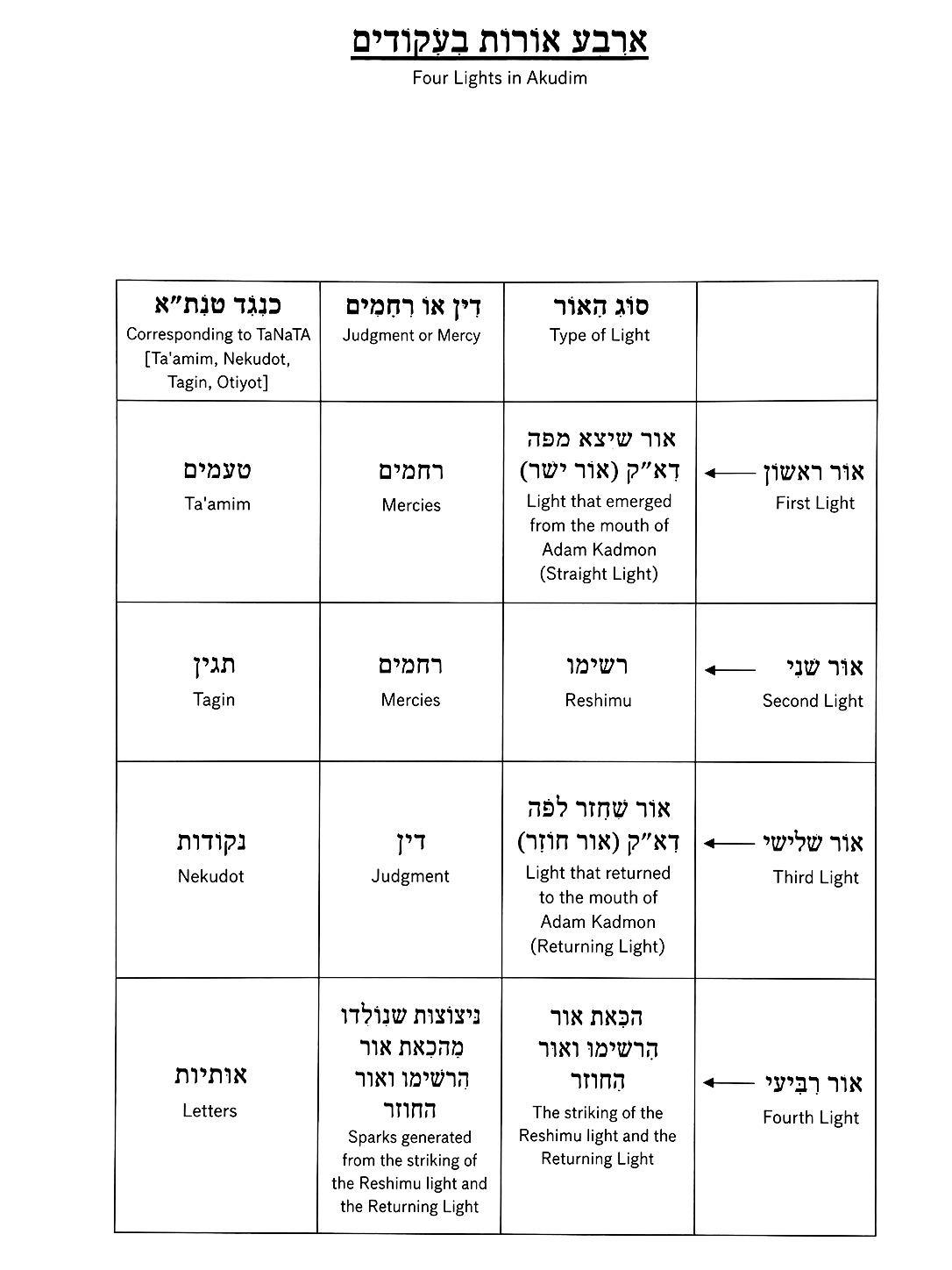
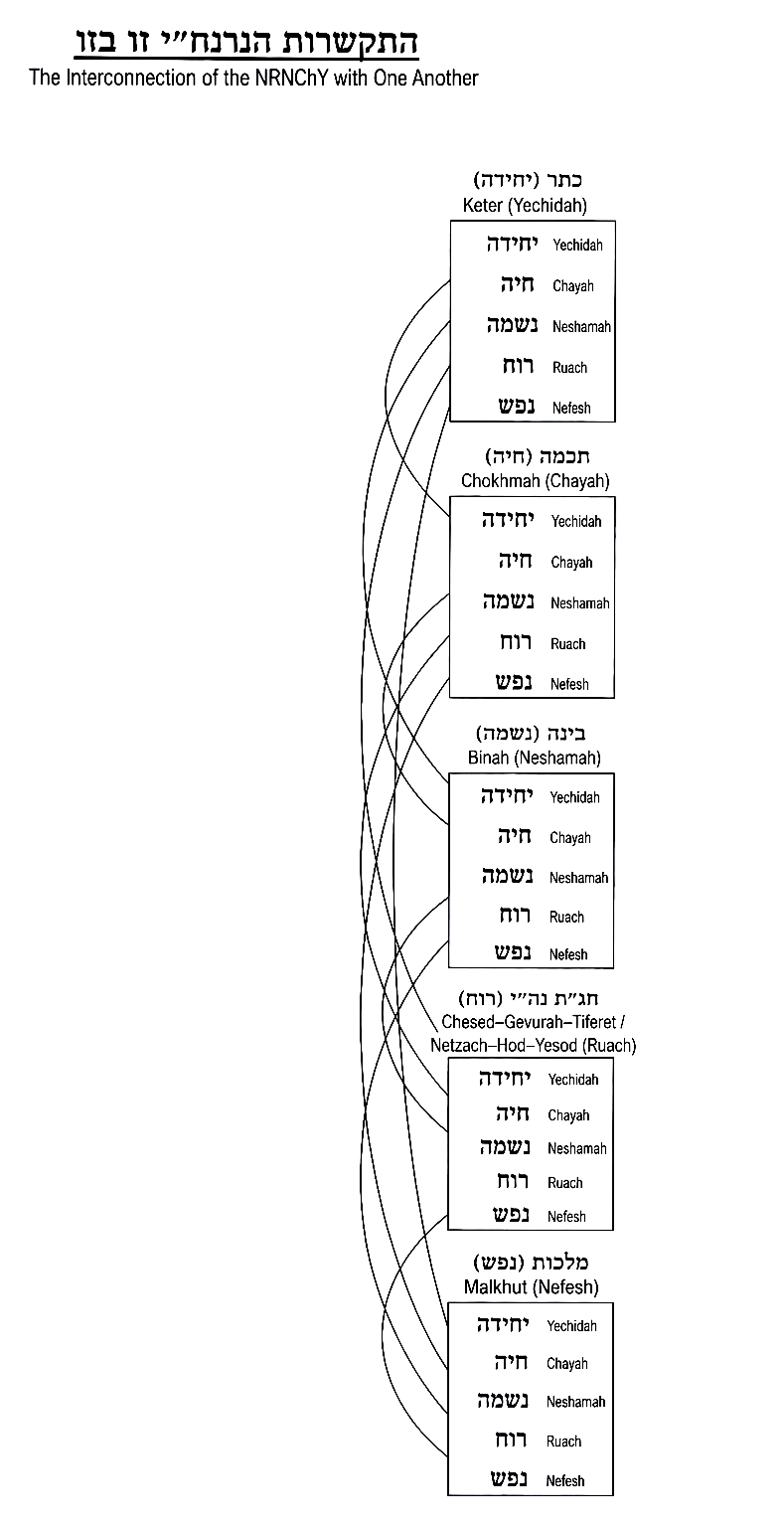
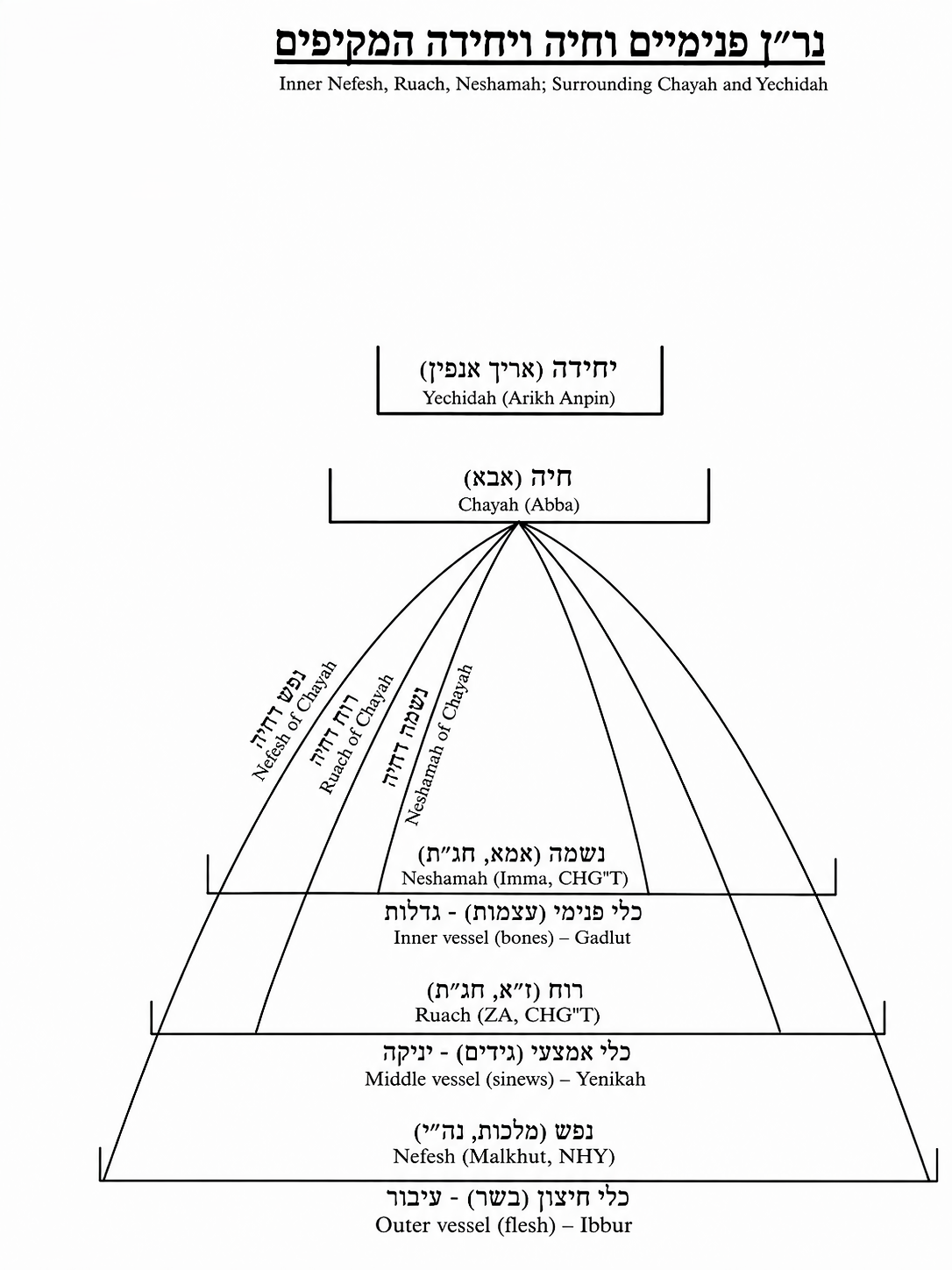
Chapter 6
שער ו פרק ו מ״ת
[6:6] Behold, in the world of Akudim, at the time of the descent of the lights of the ten Sefirot that are within it downward, a light was drawn to them from the Emanator in the aspect of Direct Light (הִנֵּה בְּעוֹלַם הָעֲקוּדִים בְּעֵת יְרִידַת הָאוֹרוֹת שֶׁל הַי״ס שֶׁבּוֹ לְמַטָּה הָיָה אוֹר נִמְשָׁךְ לָהֶם מִן הַמַּאֲצִיל בִּבְחִינַת אוֹר יָשָׁר), and afterward, in their return to ascend upward, behold a light was drawn to them in the aspect of Returning Light (וְאַחַ״כ בְּחֲזָרָתָן לַעֲלוֹת לְמַעְלָה הִנֵּה נִמְשָׁךְ לָהֶם הָאוֹר בִּבְחִינַת אוֹר חוֹזֵר).
And we need to inform you now with another introduction that includes all the worlds (Some say: that is included in every place) (וְצְרִיכִים אָנוּ לְהוֹדִיעֲךָ עַתָּה בְּהַקְדָּמָה אַחֶרֶת כּוֹלֶלֶת כָּל הָעוֹלָמוֹת (נ״א כְּלוּלָה בְּכָל הַמָּקוֹם)), and it is concerning the return of the lights to the Emanator (וְהוּא בְּעִנְיַן חֲזָרַת הָאוֹרוֹת אֶל הַמַּאֲצִיל), for aside from what we explained elsewhere, that even though they ascend and withdraw, behold they draw from above to below from the Emanator an aspect of light called Returning Light (כִּי זוּלַת מַה שֶּׁבֵּאַרְנוּ בְּמָקוֹם אַחֵר כִּי אַעַ״פ שֶׁהֵם עוֹלִין וּמִסְתַּלְּקִין הִנֵּה הֵם מַמְשִׁיכִין מִלְמַעְלָה לְמַטָּה מִן הַמַּאֲצִיל בְּחִינַת אוֹר הַנִּקְרָא אוֹר חוֹזֵר), there is yet another aspect, great and of much benefit (עוֹד יֵשׁ בְּחִינָה אַחֶרֶת גְּדוֹלָה וְרַב הַתּוֹעֶלֶת), and it is that forever, even when they withdraw, they do not withdraw completely in all their aspects themselves and ascend (וְהוּא כִּי לְעוֹלָם אֲפִלּוּ כְּשֶׁמִּסְתַּלְּקִין אֵינָם מִסְתַּלְּקִין לְגַמְרֵי בְּכָל בְּחִינוֹתֵיהֶם עַצְמָם וְעוֹלִין), but they leave of their power and of their own aspect some illumination below in the place where they stood there at first (אֲמְנָם מַנִּיחִין מִכֹּחָם וּמִבְּחִינַת עַצְמָם קְצָת הֶאָרָה לְמַטָּה בַּמָּקוֹם אֲשֶׁר עָמְדוּ שָׁם בָּרִאשׁוֹנָה), and this illumination is never uprooted from there forever and ever, even at the time of their ascent upward (וְזֶה הֶאָרָה אֵינָהּ נֶעֱקֶרֶת מִשָּׁם לְעוֹלָם וָעֶד אַף גַּם בְּעֵת עֲלוֹתָן לְמַעְלָה).
This illumination is called Reshimu, in the secret of “Place me as a seal upon your heart,” mentioned at the end of Parashat Mishpatim in the Saba of daf 114a (וְהֶאָרָה הַזֹּאת נִקְרֵאת רְשִׁימוּ בְּסוֹד שִׂימֵנִי כַּחוֹתָם עַל לִבֶּךָ הַנִּזְכָּר סוֹף פ׳ מִשְׁפָּטִים בְּסָבָא דְּקי״ד ע״א). And the reason is that the supernal lights are to the lower lights as a father to the sons, whose desire is always to bestow upon them, as explained by us in the honor of father and mother, that one spark from the father is drawn to the son and never departs from him (וְהַטַּעַם הוּא כִּי הָאוֹרוֹת הָעֶלְיוֹנִים הֵם לָאוֹרוֹת הַתַּחְתּוֹנִים בִּבְחִינַת הָאָב עַל הַבָּנִים אֲשֶׁר חֶשְׁקוֹ תָּמִיד לְהַשְׁפִּיעַ בָּהֶם כְּמְבוֹאַר אֶצְלֵנוּ בִּכְבוֹד אָב וָאֵם כִּי נִיצוֹץ אֶחָד מֵהָאָב נִמְשָׁךְ אֶל הַבֵּן וְאֵינוֹ זָז מִמֶּנּוּ לְעוֹלָם), and so is the matter here in the ten Sefirot (וְכֵן הָעִנְיָן בְּכָאן בַּי״ס), for the superiors leave in the first place some illumination called Reshimu, so that from there illumination will be drawn to the lower ones (כִּי הָעֶלְיוֹנִים מַנִּיחִין בַּמָּקוֹם הָא׳ קְצָת הֶאָרָה הַנִּקְרָא רְשִׁימוּ כְּדֵי שֶׁמִּשָּׁם יוּמְשַׁךְ הֶאָרָה לַתַּחְתּוֹנִים).
And it is found that when Keter ascends and withdraws, it leaves one Reshimu in its place, in that vessel of its own, in order to illuminate from it to Chokhmah which is beneath it, after it itself ascends and withdraws (וְנִמְצָא כִּי בְּהֵעָלוֹת הַכֶּתֶר וּבְהִסְתַּלְּקוּתוֹ מַנִּיחַ רְשִׁימוּ אֶחָד בִּמְקוֹמוֹ בַּכְּלִי הַהוּא שֶׁלּוֹ כְּדֵי לְהָאִיר מִמֶּנּוּ לַחָכְמָה אֲשֶׁר תַּחְתָּיו אַחַר שֶׁהוּא עַצְמוֹ יַעֲלֶה וְיִסְתַּלֵּק), (Some say: after it ascends and withdraws) (נ״א אַחֲרֵי שֶׁיַּעֲלֶה וְיִסְתַּלֵּק), and after it has ascended and withdrawn, then illumination is drawn to the light of Chokhmah from that Reshimu which Keter left in its vessel (וְאַחַר שֶׁהוּא עָלָה וְנִסְתַּלֵּק אָז נִמְשֶׁכֶת הֶאָרָה אֶל אוֹר הַחָכְמָה מֵאוֹתוֹ הָרְשִׁימוּ שֶׁהִנִּיחַ הַכֶּתֶר בִּכְלִי שֶׁלּוֹ), and even though afterward the light of Chokhmah will also ascend and withdraw to the Emanator, nevertheless that Reshimu which remained in the vessel of Keter does not depart from it, even after Chokhmah ascended to the Emanator (וְאַעַ״פ שֶׁאַחַ״כ יִתְעַלֶּה וְיִסְתַּלֵּק גַּם אוֹר חָכְמָה אֶל הַמַּאֲצִיל אַעַ״פ כֵּן אוֹתוֹ הָרְשִׁימוּ שֶׁנִּשְׁאַר בִּכְלִי שֶׁל כֶּתֶר אֵינוֹ זָז מִמֶּנּוּ אַף אַחַר שֶׁעָלְתָה הַחָכְמָה אֶל הַמַּאֲצִיל). And likewise afterward, when Chokhmah ascends to the Emanator, it leaves a Reshimu in its vessel to illuminate from it to Binah after its own withdrawal (וְכֵן אַחַ״כ כְּשֶׁעָלְתָה הַחָכְמָה לַמַּאֲצִיל מַנִּיחָה רְשִׁימוּ בִּכְלִי שֶׁלָּהּ לְהָאִיר מִמֶּנּוּ לְבִינָה אַחַר הִסְתַּלְּקוּת עַצְמוֹ), and even also after the ascent of Binah to the Emanator, the Reshimu of Chokhmah does not depart from the vessel of Chokhmah (וְאַף גַּם אַחַר עֲלוֹת בִּינָה לַמַּאֲצִיל אֵין רְשִׁימוּ שֶׁל חָכְמָה מִסְתַּלֵּק מִכְּלִי הַחָכְמָה), and in this manner all of them until Yesod (וְעַל דֶּרֶךְ זֶה כֻּלָּם עַד הַיְּסוֹד).
But the light of Malkhut, when it withdraws, does not leave a Reshimu in its vessel (אֲבָל אוֹר הַמַּלְכוּת כַּאֲשֶׁר מִסְתַּלֶּקֶת אֵינָהּ מַנַּחַת רְשִׁימוּ בִּכְלִי שֶׁלָּהּ), because there is no Sefirah beneath it to receive from it (לְפִי שֶׁאֵין שׁוּם סְפִירָה תַּחְתֶּיהָ לְקַבֵּל הֵימֶנָּה), and even though there is destined to be another world (Some say: that there are other worlds) beneath it that receive from it (וְאַעַ״פ שֶׁעָתִיד לִהְיוֹת עוֹלָם אַחֵר (נ״א שֶׁיֵּשׁ עוֹלָמוֹת אֲחֵרוֹת) תַּחְתֶּיהָ מְקַבְּלִים מִינָּהּ), they are not of its kind (אֵינָהּ הִיא מִסּוּג שֶׁלָּהֶם), and it has no cleaving with them as there is cleaving to the ten Sefirot of each and every world by itself (וְאֵין לָהּ דְּבֵקוּת עִמָּהֶם כְּמוֹ שֶׁיֵּשׁ דְּבֵקוּת אֶל הַי״ס דְּכָל עוֹלָם וְעוֹלָם בִּפְנֵי עַצְמוֹ).
It is found, therefore, that all those Sefirot leave a Reshimu in their place and in their vessels when they wish to withdraw and ascend (נִמְצָא כִּי כָּל אוֹתָן הַסְּפִירוֹת הֵן מַנִּיחוֹת רְשִׁימוּ בִּמְקוֹמָן וּבִכְלֵיהֶן כַּאֲשֶׁר רוֹצִין לְהִסְתַּלֵּק וְלַעֲלוֹת). However, the light of Malkhut does not leave a Reshimu in its vessel (אֲבָל אוֹר הַמַּלְכוּת אֵינוֹ מַנִּיחַ רְשִׁימוּ בִּכְלִי שֶׁלָּהּ), rather, from the Reshimu that the light of Yesod leaves in its vessel, from there illumination is drawn to the vessel of Malkhut after the withdrawal of its light (רַק מִן הָרְשִׁימוּ שֶׁמַּשְׁאִיר אוֹר הַיְּסוֹד בִּכְלִי שֶׁלּוֹ מִשָּׁם נִמְשֶׁכֶת הֶאָרָה אֶל כְּלִי שֶׁל הַמַּלְכוּת אַחַר הִסְתַּלְּקוּת הָאוֹר שֶׁלָּהּ). And this is another reason why Malkhut is called “poor,” that it has nothing of its own (וְזֹאת סִבָּה אַחֶרֶת לָמָּה נִקְרֵאת מַלְכוּת עֲנִיָּה דְּלֵית לָהּ מִגַּרְמָהּ כְּלוּם), and it is also called a mirror that does not shine (וְגַם נִקְרֵאת אַסְפַּקְלַרְיָא דְּלָא נַהֲרָא).
And the reason is that its vessel, at the time of its ascent and the withdrawal of the light from it, does not illuminate at all (וְהַטַּעַם הוּא כִּי הַכְּלִי שֶׁלָּהּ בְּהֵעָלוֹתָהּ וְהִסְתַּלֵּק הָאוֹר מִמֶּנָּהּ לֹא נַהֲרָא כְּלוּם), for no light remains within it, even in the aspect of a Reshimu (כִּי לֹא נִשְׁאָר בָּהּ שׁוּם אוֹר אֲפִלּוּ בִּבְחִינַת רְשִׁימוּ), and even the vitality of that vessel is not from the aspect of its own light (וְאַף חַיּוּת הַכְּלִי הַהוּא אֵינוֹ מִבְּחִינַת אוֹר שֶׁלָּהּ), but from the aspect of the Reshimu that remained in the vessel of Yesod, as mentioned above (רַק מִבְּחִינַת הָרְשִׁימוּ שֶׁנִּשְׁאָר בִּכְלִי יְסוֹד כַּנַּ״ל), and from there it gives life and illuminates the vessel of Malkhut (וּמִשָּׁם מְחַיֶּה וּמֵאִיר בִּכְלִי הַמַּלְכוּת), and this is what is meant by “it has nothing of its own” (וְזֶה אוֹמְרוֹ דְּלֵית לָהּ מִגַּרְמָהּ כְּלוּם).
Behold, it has been explained to us through these two introductions how the vessels of the Sefirot, even at the time of the return of their lights and their withdrawal to the Emanator, nevertheless have within them two kinds of lights (הִנֵּה נִתְבָּאֵר לָנוּ ע״י ב׳ הַקְדָּמוֹת אֵלּוּ אֵיךְ הַכֵּלִים שֶׁל הַסְּפִי׳ אַף בְּעֵת חֲזָרַת אוֹרוֹתֵיהֶן וְהִסְתַּלְּקוּתָם אֶל הַמַּאֲצִיל עַכְזָ״כ יֵשׁ בָּהֶם ב׳ מִינֵי אוֹרוֹת), the first is called Returning Light and it is judgment (א׳ הַנִּקְרָא אוֹר חוֹזֵר וְהוּא דִּין), and the second is the light that remains in the vessel, called Reshimu, which is Direct Light and it is mercy (וְהַב׳ הוּא הָאוֹר הַנִּשְׁאָר בַּכְּלִי הַנִּקְרָא רְשִׁימוּ אֲשֶׁר הוּא אוֹר יָשָׁר וְהוּא רַחֲמִים), for behold (Some say: also) it remains there from the aspect of the lights that went out downward in the aspect of Direct Light (כִּי הֲרֵי (נ״א גַּם) הוּא נִשְׁאָר שָׁם מִבְּחִינַת הָאוֹרוֹת אֲשֶׁר יָצְאוּ לְמַטָּה בִּבְחִינַת אוֹר יָשָׁר). And it is found that in this world of Akudim, even though at this time the work of the vessels had not yet been completed, nevertheless their aspects and their existence, from which they came into being (Some say: came into being), which is the coarse light (Some say: which is a vessel connected with light) connected with the refined light, as mentioned above in its place, already existed there (וְנִמְצָא כִּי בְּעוֹלָם זֶה שֶׁל הָעֲקוּדִים אַעַ״פ שֶׁעֲדַיִן בָּעֵת הַזֹּאת לֹא נִגְמְרָה מְלֶאכֶת הַכֵּלִים עַכְזָ״כ בְּחִינוֹתֵיהֶן וּמְצִיאוּתָן שֶׁמֵּהֶם נִתְהַוּוּ (נ״א נִתְהַוָּה) שֶׁהוּא אוֹר הָעָב (נ״א שֶׁהִיא כְּלִי מְחֻבָּר עִם אוֹר) הַמְחֻבָּר עִם הָאוֹר הַזַּךְ כַּנַּ״ל בִּמְקוֹמוֹ כְּבָר הָיָה שָׁם), and with the return of the refined light upward, the coarse light remained below, which is the aspect of the vessels themselves (וּבַחֲזָרַת הָאוֹר הַזַּךְ לְמַעְלָה נִשְׁאַר אוֹר הָעָב לְמַטָּה שֶׁהוּא בְּחִינַת הַכֵּלִים עַצְמָן). And there, in this coarse light which is the vessels, there the refined lights left two aspects (Some say: and there the lights left from themselves) as mentioned above (וְשָׁם בָּזֶה הָאוֹר הָעָב שֶׁהוּא הַכֵּלִים שָׁם הִנִּיחוּ הָאוֹרוֹת הַזַּכִּים ב׳ בְּחִי׳ (נ״א וְשָׁם הִנִּיחוּ הָאוֹרוֹת מֵהֶם) הַנַּ״ל), the first, Direct Light—Reshimu (א׳ אוֹר יָשָׁר רְשִׁימוּ), and the second, Returning Light (וּב׳ אוֹר חוֹזֵר).
And we have already explained elsewhere that in the ascent of the lights upward an additional aspect is added to them (וּכְבָר בֵּאַרְנוּ בְּמָקוֹם אַחֵר כִּי בְּהֵעָלוֹת הָאוֹרוֹת לְמַעְלָה נִתּוֹסֵף בָּהֶם אֵיזֶה בְּחִינָה), and with the ascent of the light of Keter in the Emanator, there was added to the light of Malkhut the lower Surrounding Light, which is the aspect of Chayah (וּבְעָלוֹת אוֹר הַכֶּתֶר בַּמַּאֲצִיל נִתּוֹסֵף בְּאוֹר הַמַּלְכוּת אוֹ״מ הַתַּחְתּוֹן שֶׁהִיא בְּחִינַת חַיָּה), and there was added to the light of Ze’ir Anpin also one additional aspect of light beyond what it had initially before the return and ascent of the lights, and this is an inner Yechidah (וְנִתּוֹסֵף בְּאוֹר הַז״א גַּם כֵּן בְּחִינַת אוֹר א׳ יוֹתֵר עַל מַה שֶׁהָיָה לוֹ בַּתְּחִלָּה טֶרֶם חֲזָרַת עֲלִיַּת הָאוֹרוֹת וְהוּא יְחִידָה פְּנִימִית), and in the light of Binah there was added Chayah (וּבְאוֹר בִּינָה נִתּוֹסֵף חַיָּה), and in the light of Chokhmah there was added Neshamah [Soul] (וּבְאוֹר חָכְמָה נִתּוֹסֵף נְשָׁמָה).
Afterward, the light of Chokhmah ascended to the Emanator, and the lights of the remaining Sefirot beneath it returned to journey a second journey, until it was found that the light of Binah was in the place of Keter (אַחַ״כ עָלְתָה אוֹר הַחָכְמָה בַּמַּאֲצִיל וְחָזְרוּ אוֹרוֹת שְׁאָר הַסְּפִירוֹת שֶׁתַּחְתֶּיהָ לִנְסוֹעַ נְסִיעָה ב׳ עַד שֶׁנִּמְצָא אוֹר שֶׁל בִּינָה בִּמְקוֹם כֶּתֶר). And the light of Malkhut was in the place of Hod (וְאוֹר הַמַּלְכוּת בִּמְקוֹם הוֹד), and now there was added to the light of Malkhut an upper encompassing of Yechidah (וְעַתָּה נִתּוֹסֵף בְּאוֹר הַמַּלְכוּת מַקִּיף עֶלְיוֹן שֶׁל יְחִידָה), and in the light of Ze’ir Anpin a lower encompassing of Chayah (וּבְאוֹר הַז״א מַקִּיף תַּחְתּוֹן שֶׁל חַיָּה), and in the light of Binah an inner Yechidah (וּבְאוֹר בִּינָה יְחִידָה פְּנִימִית), and now Malkhut was already completed in all its aspects (וְעַתָּה הַמַּלְכוּת כְּבָר נִשְׁלְמָה בְּכָל בְּחִינוֹתֶיהָ).
And afterward the light of Binah ascended to the Emanator (וְאַחַ״כ אוֹר הַבִּינָה עָלְתָה בַּמַּאֲצִיל), and then the light of Chesed of Ze’ir Anpin ascended to the place of Keter and the light of Malkhut to the place of Netzach (וְאָז עָלָה אוֹר הַחֶסֶד דְּז״א בִּמְקוֹם כֶּתֶר וְאוֹר הַמַּלְכוּת בִּמְקוֹם נֵצַח), and then there was added in Ze’ir Anpin alone the upper Surrounding Light of Yechidah (וְאָז נִתּוֹסֵף בְּז״א לְבַדּוֹ אוֹ״מ הָעֶלְיוֹן שֶׁל יְחִידָה), and now he too was already completed in all aspects (וְעַתָּה כְּבָר נִשְׁלַם גַּם הוּא בְּכָל בְּחִינוֹתָיו). And from here onward, with the ascent of the remaining lower lights, there were no further additions to Ze’ir Anpin nor to the Nukvah, for they had already been completed as mentioned above (וּמִכָּאן וָאֵילָךְ בַּעֲלוֹת שְׁאָר הָאוֹרוֹת הַתַּחְתּוֹנִים לֹא הָיְתָה עוֹד תּוֹסָפוֹת לְז״א וְלֹא לְנוּקְבָּא כִּי כְּבָר נִשְׁלְמוּ כַּנַּ״ל), for from the world of Akudim and onward there emerged only two upper Surrounding Lights alone, which are the encompassing of Chayah and the encompassing of Yechidah (כִּי מֵעוֹלַם הָעֲקוּדִים וָאֵילָךְ לֹא יָצְאוּ רַק ב׳ מַקִּיפִים עֶלְיוֹנִים לְבַד שֶׁהֵם מַקִּיף שֶׁל חַיָּה וּמַקִּיף שֶׁל יְחִידָה).
And know that what we said, that with the return of each and every light to ascend to the Emanator there was added illumination and complete perfection to the lights beneath it, this matter does not apply (Some say: this does not speak) while they are ascending and withdrawing (וְדַע כִּי זֶה שֶׁאָמַרְנוּ כִּי בְּחֲזָרַת כָּל אוֹר וְאוֹר לְהִתְעַלּוֹת בַּמַּאֲצִיל הָיְתָה נִתּוֹסֶפֶת הֶאָרָה וּשְׁלֵמוּת גָּמוּר בָּאוֹרוֹת שֶׁתַּחְתָּיו אֵין הַדָּבָר הַזֶּה (נ״א אֵין זֶה מְדַבֵּר) בִּהְיוֹתָן עוֹלִין וּמִסְתַּלְּקִים), for on the contrary, then there was a lack of light in all the lights beneath it (כִּי אַדְרַבָּא אָז הָיָה חֶסְרוֹן אוֹר בְּכָל הָאוֹרוֹת שֶׁתַּחְתָּיו). For since the first lights turned their faces to ascend and cleave to the Emanator, their desire was not to illuminate below (לְפִי שֶׁכֵּיוָן שֶׁהָאוֹרוֹת הָרִאשׁוֹנִים הָפְכוּ פְּנֵיהֶם לַעֲלוֹת וּלְהִדָּבֵק בַּמַּאֲצִיל אֵין רְצוֹנָם לְהָאִיר לְמַטָּה), and the Emanator also does not illuminate the lower lights (וְגַם הַמַּאֲצִיל אֵינוֹ מֵאִיר בָּאוֹרוֹת הַתַּחְתּוֹנִים), for in truth, when the upper lights are withdrawing they interpose between the Emanator and them (כִּי בֶּאֱמֶת אוֹרוֹת עֶלְיוֹנִים בִּהְיוֹתָם מִסְתַּלְּקִים הֵם מַפְסִיקִים בֵּין הַמַּאֲצִיל אֲלֵיהֶם), for the superiors do not wish to receive illumination in order to give to the lower ones while they are yearning and craving to ascend and cleave to the Emanator (כִּי הָעֶלְיוֹנִים אֵינָם רוֹצִים לְקַבֵּל הֶאָרָה לָתֵת לַתַּחְתּוֹנִים בְּעוֹדָם חֲשֵׁקִים וּתְאֵבִים לַעֲלוֹת לְהִדָּבֵק בַּמַּאֲצִיל), and on the contrary, there is a deficiency in the lower lights compared to what they had at first (וְאַדְרַבָּא יֵשׁ חֶסְרוֹן בָּאוֹרוֹת הַתַּחְתּוֹנִים מִמַּה שֶׁהָיָה לָהֶם בָּרִאשׁוֹנָה). However, the additions of light mentioned above occur only after the upper light has completed its ascent to its root (אֲמְנָם תּוֹסְפוֹת הָאוֹרוֹת הַנַּ״ל אֵינָם אֶלָּא לְאַחַר שֶׁנִּגְמַר הָאוֹר הָעֶלְיוֹן לְהִתְעַלּוֹת בְּשָׁרְשׁוֹ).
And we shall explain the order of this matter, how it is (וְנְבָאֵר סֵדֶר עִנְיַן זֶה אֵיךְ הוּא), for behold, when Keter began to ascend first of all the other lights and to conceal itself in its root and in its Emanator (כִּי הִנֵּה כַּאֲשֶׁר הִתְחִיל הַכֶּתֶר לַעֲלוֹת בְּרֵאשִׁית כָּל שְׁאָר הָאוֹרוֹת וּלְהִתְעַלֵּם בְּשָׁרְשׁוֹ וּבְמַאֲצִילוֹ), then while it was ascending and withdrawing, also the inner Yechidah that had been given to Malkhut at the time of the descent of Keter was now withdrawing from her (אָז בְּעוֹדוֹ עוֹלֶה וּמִסְתַּלֵּק גַּם יְחִידָה פְּנִימִית שֶׁנִּתְּנָה לַמַּלְכוּת בְּעֵת יְרִידַת הַכֶּתֶר הָיְתָה עַתָּה מִסְתַּלֶּקֶת מִמֶּנָּהּ), and likewise the aspect of inner Chayah in Ze’ir Anpin that was drawn to it at the time of the descent of Keter was now withdrawing from it (וְכֵן בְּחִי׳ חַיָּה פְּנִימִית שֶׁבַּז״א שֶׁנִּמְשֶׁכֶת לוֹ בְּעֵת יְרִידַת הַכֶּתֶר הָיְתָה עַתָּה מִסְתַּלֶּקֶת מִמֶּנּוּ), and from Binah the Neshamah [Soul] withdraws, and from Chokhmah the Ruach (וּמִן הַבִּינָה מִסְתַּלֶּקֶת הַנְּשָׁמָה וּמִן הַחָכְמָה הָרוּחַ).
However, there still remained in all of them a Reshimu of those lights, which is a Reshimu of Neshamah [Soul] and a Reshimu of Ruach and the like (וְאָפִלּוּ הָיָה עֲדַיִן נִשְׁאָר בְּכֻלָּם רְשִׁימוּ שֶׁל אוֹתָן הָאוֹרוֹת שֶׁהוּא רְשִׁימוּ דְּנְשָׁמָה וְרְשִׁימוּ דְּרוּחַ וְכַיּוֹצֵא בָּזֶה), for even though the lights withdrew, their intention was not to withdraw completely forever (כִּי אַף עַל פִּי שֶׁנִּסְתַּלְּקוּ הָאוֹרוֹת לֹא הָיְתָה כַּוָּנָתָם לְהִסְתַּלֵּק לְגַמְרֵי לְעוֹלָם), therefore the imprint of the lights that were in these lower lights remained in their place (לָכֵן רֹשֶׁם הָאוֹרוֹת שֶׁהָיוּ בְּאֵלּוּ הָאוֹרוֹת הַתַּחְתּוֹנִים נִשְׁאַר בִּמְקוֹמָם), for even in their withdrawal they necessarily illuminate some illumination to the lower ones, for otherwise they would be nullified completely, as we will write, with the help of Hashem (כִּי אֲפִלּוּ בְּהִסְתַּלְּקוּתָם בְּהֶכְרֵחַ מְאִירִין קְצָת הֶאָרָה בַּתַּחְתּוֹנִים דְּאִלּוּ לֹא כֵן יִתְבַּטְּלוּ לְגַמְרֵי כְּמוֹ שֶׁנִּכְתֹּב בְּע״ה). And after the light of Keter completed its withdrawal and concealment in the Emanator completely (וְאַחַר אֲשֶׁר הֻשְׁלַם אוֹר הַכֶּתֶר לְהִסְתַּלֵּק וּלְהִתְעַלֵּם בַּמַּאֲצִיל לְגַמְרֵי), then all the lights beneath it returned to illuminate exactly as at first (אָז כָּל הָאוֹרוֹת שֶׁתַּחְתָּיו חוֹזְרִים לְהָאִיר כְּבָרִאשׁוֹנָה מַמָּשׁ), and also additional lights were added to them, as mentioned above (וְגַם נִתּוֹסְפוּ בָּהֶם הָאוֹרוֹת הַנּוֹסָפוֹת כַּנַּ״ל).
And the reason for this matter is as follows (וְטַעַם הַדָּבָר הוּא), for behold, when Keter completed its concealment in the Emanator, also the other lights ascended one level higher than they had at first (כִּי הִנֵּה כַּאֲשֶׁר נִשְׁלַם הַכֶּתֶר לְהִתְעַלֵּם בַּמַּאֲצִיל גַּם שְׁאָר הָאוֹרוֹת עָלוּ בְּמַדְרֵגָה אַחַת יוֹתֵר מִמַּה שֶׁהָיָה לָהֶם בַּתְּחִלָּה), and all of them ascended one upon the other until the light of Malkhut was found in the place where the light of Yesod had been at first (וְכֻלָּם עָלוּ זֶה עַל זֶה עַד שֶׁנִּמְצֵאת אוֹר הַמַּלְכוּת בַּמָּקוֹם שֶׁהָיָה בּוֹ בַּתְּחִלָּה אוֹר הַיְּסוֹד), and it is one level closer to the Emanator than it was at first (וְהִיא יוֹתֵר קְרוֹבָה מַדְרֵגָה אַחַת אֶל הַמַּאֲצִיל מִמַּה שֶׁהָיְתָה בַּתְּחִלָּה), and it now receives from the Emanator everything that it had at first, which is inner Yechidah, and additionally an added light, which is the lower encompassing of the aspect of Chayah, as mentioned above (וְהִיא מְקַבֶּלֶת עַתָּה מִן הַמַּאֲצִיל כָּל מַה שֶׁהָיָה בָּהּ בַּתְּחִלָּה וְהִיא יְחִידָה פְּנִימִית וְעוֹד אוֹר הַנּוֹסֶפֶת שֶׁהוּא הַמַּקִּיף הַתַּחְתּוֹן דִּבְחִינַת חַיָּה כַּנַּ״ל).
And so was the matter in Ze’ir Anpin and in Chokhmah and Binah, that all of them returned to receive one illumination together with additions of lights (וְכֵן הָיָה הָעִנְיָן בַּז״א וּבְחו״ב שֶׁכֻּלָּם חָזְרוּ לְקַבֵּל הֶאָרָה אַחַת עִם תּוֹסְפוֹת הָאוֹרוֹת). And likewise, when the light of Chokhmah also withdrew to ascend to the place of the light of Keter (וְכֵן כַּאֲשֶׁר גַּם אוֹר הַחָכְמָה הָיָה מִסְתַּלֵּק לַעֲלוֹת אֶל מְקוֹם אוֹר הַכֶּתֶר), then there withdrew from the light of Malkhut what it had received through the light of Chokhmah (Some say: from within the light of Malkhut) (אָז מִסְתַּלֵּק מֵאוֹר (נ״א מִתּוֹךְ) הַמַּלְכוּת מַה שֶׁקִּבְּלָה ע״י אוֹר הַחָכְמָה), and likewise from all the other lights (וְכֵן מִכָּל שְׁאָר הָאוֹרוֹת), and this is the aspect of inner Chayah from Malkhut, and in this manner in the other lights of Ze’ir Anpin and Binah (וְהוּא בְּחִינַת חַיָּה פְּנִימִית מִן הַמַּלְכוּת וְכַעֲדַ״ז בִּשְׁאָר אוֹרוֹת ז״א וּבִינָה), and nothing remained in them except the aspect of Reshimu alone, as mentioned above (וְלֹא נִשְׁאַר בָּהֶם רַק בְּחִינַת רְשִׁימוּ לְבַד כַּנַּ״ל). And when the ascent of the light of Chokhmah to the place of Keter was completed (וְכַאֲשֶׁר נִגְמְרָה עֲלִיַּת אוֹר שֶׁל חָכְמָה בִּמְקוֹם כֶּתֶר), then the aspect of light returned to illuminate them exactly as at first, all the aspects that they had at the beginning, and additional lights, as mentioned above (אָז חָזְרָה בְּחִינַת הָאוֹר כְּבָרִאשׁוֹנָה לְהָאִיר לָהֶם כָּל הַבְּחִינוֹת שֶׁהָיוּ בַּתְּחִלָּה וְעוֹד אוֹרוֹת נוֹסָפִים כַּנַּ״ל). And afterward, when the light of Chokhmah began to withdraw further from the place of Keter to ascend to the Emanator (וְאַחַ״כ כַּאֲשֶׁר הִתְחִיל אוֹר הַחָכְמָה לְהִסְתַּלֵּק עוֹד מִן מְקוֹם הַכֶּתֶר לַעֲלוֹת אֶל הַמַּאֲצִיל), then all the lower lights returned to lose all the lights that were drawn to them by way of the light of Chokhmah, and nothing remained in them except the Reshimu alone (אָז חָזְרוּ כָּל הָאוֹרוֹת הַתַּחְתּוֹנִים לִגְרוֹעַ כָּל הָאוֹרוֹת שֶׁהָיוּ נִמְשָׁכִין לָהֶם עַל יְדֵי אוֹר הַחָכְמָה וְלֹא נִשְׁאַר בָּהֶם רַק הָרְשִׁימוּ לְבַד), and when it completed its concealment in the Emanator, then all the lights returned within them, and additionally an added illumination, since they too had drawn closer to the Emanator more than at first (וְכַאֲשֶׁר נִגְמַר לְהִתְעַלֵּם בַּמַּאֲצִיל אָז חָזְרוּ בָּהֶם כָּל הָאוֹרוֹת וְעוֹד הֶאָרָה נוֹסֶפֶת לְפִי שֶׁגַּם הֵם נִתְקָרְבוּ אֶל הַמַּאֲצִיל יוֹתֵר מִבְּרָאשׁוֹנָה).
And in this manner it was with the ascent of the other lower lights (וְכַעֲדַ״ז הָיָה בַּעֲלִיַּת שְׁאָר אוֹרוֹת תַּחְתּוֹנִים), for when the upper light would ascend, the light of the lower ones would diminish, and after the completion of the withdrawal of the upper ones, all the lower lights would return as at first, and also with an addition of light, as mentioned above (כִּי כְּשֶׁהָיָה אוֹר הָעֶלְיוֹן עוֹלֶה הָיָה אוֹר הַתַּחְתּוֹנִים גּוֹרֵעַ וְאַחַר גְּמַר הִסְתַּלְּקוּת הָעֶלְיוֹנִים הָיוּ חוֹזְרִים כָּל הָאוֹרוֹת הַתַּחְתּוֹנִים כְּבָרִאשׁוֹנָה וְגַם בְּתוֹסֶפֶת אוֹר כַּנַּ״ל). However, there is a difference between them (אֶלָּא שֶׁיֵּשׁ הֶפְרֵשׁ בֵּינֵיהֶם), and it is that at the time of the withdrawal of the light of Keter there was only the withdrawal of a single light alone, which ascended and withdrew in the Emanator, and therefore there were found in it only two aspects (וְהוּא כִּי בְּעֵת הִסְתַּלְּקוּת אוֹר הַכֶּתֶר לֹא הָיְתָה רַק הִסְתַּלְּקוּת אוֹר אֶחָד לְבַד שֶׁעָלָה וְנִסְתַּלֵּק בַּמַּאֲצִיל וְעַל כֵּן לֹא נִמְצְאוּ בּוֹ רַק ב׳ בְּחִי׳), one at the time of its withdrawal, at which point the light of the lower ones diminished (Some say: was completed) (אֶחָד בְּעֵת הִסְתַּלְּקוּתוֹ שֶׁאָז נִגְרַע (נ״א נִגְמַר) אוֹר הַתַּחְתּוֹנִים), and the second after the completion of its withdrawal in the Emanator, for then the light returned to the lights beneath it (וְהַב׳ אַחַר גְּמַר הִסְתַּלְּקוּתוֹ בַּמַּאֲצִיל כִּי אָז חָזַר הָאוֹר אֶל הָאוֹרוֹת שֶׁתַּחְתּוֹ).
But in Chokhmah there were two aspects of withdrawal (אֲבָל בַּחָכְמָה הָיוּ ב׳ בְּחִי׳ הִסְתַּלְּקוּת), one in its withdrawal up to the place of Keter, and the second in its withdrawal in the Emanator (א׳ בְּהִסְתַּלְּקוּתוֹ עַד מְקוֹם הַכֶּתֶר וְהַב׳ בְּהִסְתַּלְּקוּתוֹ בַּמַּאֲצִיל), and in each of these two withdrawals it had two aspects, which are diminution and addition of light (וּבְכ״א מִב׳ הִסְתַּלְּקוּת אֵלּוּ הָיָה לָהּ ב׳ בְּחִי׳ שֶׁהוּא גִּרְעוֹן וְתוֹסֶפֶת הָאוֹר). And in this manner it was with Binah, which had three kinds of withdrawal, and they would be doubled, etc (וְכַעֲדַ״ז הָיָה בַּבִּינָה ג׳ מִינֵי הִסְתַּלְּקוּת וְיוּכְפְּלוּ לו׳), and in this manner until the completion of the return of all ten lights in their root, which is the Emanator (וְכַעֲדַ״ז עַד תִּשְׁלוּם חֲזָרַת כָּל י׳ אוֹרוֹת בְּשָׁרְשָׁם שֶׁהוּא הַמַּאֲצִיל), and it is (Some say: and behold) the aspect of the mouth of Adam Kadmon, as written, for it is (the matter of) their root (וְהוּא (נ״א וְהִנֵּה) בְּחִינַת הַפֶּה דְּאָדָם קַדְמוֹן כְּמ״שׁ כִּי הוּא (עִנְיַן) הַשֹּׁרֶשׁ שֶׁלָּהֶם).
And this is (Some say: and behold) one change that exists in the world of Akudim, unlike the world of Atzilut (וְזֶהוּ (נ״א וְהִנֵּה) שִׁנּוּי א׳ שֶׁיֵּשׁ בְּעוֹלַם הָעֲקוּדִים מַה שֶּׁאֵין כֵּן בְּעוֹלַם אֲצִילוּת), for in the world of Atzilut, Abba and Imma were more complete than Ze’ir Anpin and Nukvah, which are not as complete in their own aspects, as is written in its place, with the help of Hashem (כִּי בְּעוֹלַם הָאֲצִילוּת הָיוּ או״א יוֹתֵר שְׁלֵמִים מִזּו״ן שֶׁאֵינָם כָּל כָּךְ שְׁלֵמִים בִּבְחִינַת עַצְמָן כְּמ״שׁ בִּמְקוֹמוֹ בְּע״ה), but in the world of Akudim, Ze’ir Anpin and Nukvah were rectified more than Abba and Imma and their aspects were completed more than them (אֲבָל בְּעוֹלַם הָעֲקוּדִים זו״ן נִתְקַנּוּ יוֹתֵר מֵאו״א וְנִשְׁלְמוּ בְּחִינוֹתֵיהֶם יוֹתֵר מֵהֶם), and the reason is that Ze’ir Anpin and Nukvah were face to face, while Abba and Imma were back to back (וְהוּא כִּי זו״ן הָיוּ פב״פ וְאו״א הָיוּ אב״א), for behold it is known that the drop of union of the male is drawn from the Mochin [Intellects] that are within him, and it is Neshamah [Soul] to the Neshamah [Soul] (כִּי הִנֵּה נוֹדָע כִּי טִפַּת זִוּוּג שֶׁל הַזָּכָר הִיא נִמְשֶׁכֶת מִן הַמּוֹחִין שֶׁבּוֹ וְהוּא נְשָׁמָה לַנְּשָׁמָה). And behold, before all the Sefirot returned—each and every one, even the supernal Keter—to ascend into the Emanator (וְהִנֵּה קֹדֶם שֶׁחָזְרוּ כָּל סְפִי׳ וּסְפִי׳ אֲפִי׳ כֶּתֶר הָעֶלְיוֹן לַעֲלוֹת בַּמַּאֲצִיל), already Ze’ir Anpin and Nukvah had what was sufficient for them for the Zivug [Union], so that they could unite (כְּבָר הָיוּ לְזו״ן כְּדֵי צָרְכָּם אֶל הַזִּוּוּג שֶׁיּוּכְלוּ לְהִזְדַּוֵּג), for behold Ze’ir Anpin already had the aspect of Chayah as mentioned above, which is the Chokhmah within him (כִּי הִנֵּה ז״א כְּבָר הָיָה לוֹ בְּחִי׳ חַיָּה כַּנַּ״ל שֶׁהוּא חָכְמָה שֶׁבּוֹ), and also Malkhut already had within her an additional advantage, that there was within her the aspect of Yechidah (גַּם הַמַּלְכוּת כְּבָר הָיְתָה בָּהּ עוֹד יִתְרוֹן אַחֵר שֶׁהָיְתָה בָּהּ בְּחִי׳ יְחִידָה), and through this they were able from then on to be face to face (וְעַל יְדֵי כֵן הָיוּ יְכוֹלִין לִהְיוֹת מֵאָז פב״פ). And even though there was an advantage to Malkhut over Ze’ir Anpin, there is no concern in this (וְאַעַ״פ שֶׁהָיָה יִתְרוֹן לַמַּלְכוּת מִן הַז״א אֵין בָּהּ חֲשָׁשׁ), and not only that, but even before Ze’ir Anpin and Nukvah themselves ascended to the Emanator, already Ze’ir Anpin and Nukvah were complete in all the aspects fitting and necessary for them (וְלֹא עוֹד אֶלָּא שֶׁאֲפִי׳ קֹדֶם שֶׁזו״ן עַצְמָם יַעֲלוּ אֶל הַמַּאֲצִיל כְּבָר הָיוּ זו״ן שְׁלֵמִים בְּכָל בְּחִי׳ הָרָאוּי לָהֶם הַמִּצְטָרְכִים לָהֶם), which are the five internal aspects and the two encompassings of Yechidah and Chayah (שֶׁהֵם ה׳ בְּחִי׳ פְּנִימִים וּב׳ מַקִּיף דְּיְחִידָה וְחַיָּה), and all the more so they had everything they required in order to return face to face, which are from the aspect of Chayah and below, as mentioned above (וּמִכָּל שֶׁכֵּן הָיָה לָהֶם כָּל מַה שֶׁצְּרִיכִים לָהֶם שֶׁיּוּכְלוּ לַחֲזוֹר פב״פ שֶׁהֵם מִבְּחִי׳ חַיָּה וּלְמַטָּה כַּנַּ״ל). However, Abba and Imma—even though the light of Keter had already returned to ascend into the Emanator—there was not yet in Abba the aspect of Chokhmah within him, which is Chayah (Some say: it is found) (אֲמְנָם או״א אֲפִי׳ שֶׁכְּבָר אוֹר הַכֶּתֶר חָזַר לַעֲלוֹת בַּמַּאֲצִיל לֹא הָיְתָה בְּאַבָּא בְּחִי׳ חָכְמָה שֶׁבּוֹ שֶׁהוּא חַיָּה (נ״א נִמְצָא)), and all the more so they were not complete in all the aspects required for them, which are the five internal aspects and the two encompassings (וּמִכָּל שֶׁכֵּן לֹא הָיוּ שְׁלֵמִים בְּכָל בְּחִי׳ הַמִּצְטָרְכִים לָהֶם שֶׁהֵם ה׳ פְּנִימִי׳ וּב׳ מַקִּיפִים), for Abba, after the ultimate completion of his perfection, had only three of them, which are the internal Nefesh–Ruach–Neshamah (כִּי לְאַבָּא אַחַר תַּכְלִית שְׁלֵמוּתוֹ הָיָה לוֹ רַק ג׳ מֵהֶם נר״ן פְּנִימִים), and Imma had four internal aspects, and lacked from her the aspect of the internal Yechidah and the two encompassings (וְלְאִמָּא הָיוּ ד׳ פְּנִימִים וְחָסֵר מִמֶּנָּהּ בְּחִי׳ יְחִידָה הַפְּנִימִים וּב׳ מַקִּיפִים). And since Abba did not yet have the aspect of Chayah in order to bring forth the drop of Mochin [Intellects] for the Zivug [Union], therefore they remained back to back (וְכֵיוָן שֶׁעֲדַיִן אַבָּא לֹא הָיְתָה לוֹ בְּחִי׳ חַיָּה לְהוֹצִיא טִפַּת הַמּוֹחִין לַזִּוּוּג לָכֵן נִשְׁאֲרוּ אב״א).
And if you will ask and say: since Ze’ir Anpin and Nukvah had their lights complete in all their aspects, why did they afterward ascend to the Emanator without need (וְאִם תִּשְׁאַל וְתֹאמַר מֵאַחַר שֶׁזו״ן הָיוּ אוֹרוֹתֵיהֶם שְׁלֵמִים בְּכָל בְּחִינוֹתָם לָמָּה עָלוּ אַחַ״כ אֶל הַמַּאֲצִיל לְלֹא צֹרֶךְ), the matter is that all their vitality and perfection is drawn to them from Abba and Imma, as is known (וְהָעִנְיָן הוּא שֶׁכָּל חַיּוּתָם וּשְׁלֵמוּתָם הוּא נִמְשָׁךְ לָהֶם מֵאו״א כַּנּוֹדָע), and since Abba and Imma distanced themselves from them and ascended upward, they too ascended after them (וְכֵיוָן שֶׁנִּתְרַחֲקוּ מֵהֶם או״א וְעָלוּ לְמַעְלָה עָלוּ גַּם הֵם אַחֲרֵיהֶם), for the yearning in the receivers is to pursue and cleave to their Emanator, and they desire to draw near and receive from them, and they did not wish to be separated from Abba and Imma who ascended upward, so that they should not remain distant from them (כִּי הַחֵשֶׁק בַּמְּקַבְּלִים לִרְדֹּף וּלְהִדָּבֵק בְּמַאֲצִילָם וְרוֹצִים לְהִתְקָרֵב וּלְקַבֵּל מֵהֶם וְלֹא רָצוּ לְהִפָּרֵד מִן או״א שֶׁעָלוּ לְמַעְלָה כְּדֵי שֶׁלֹּא יִשָּׁאֲרוּ רְחוֹקִים מֵהֶם). There is yet another reason, as mentioned above (עוֹד טַעַם אַחֵר כַּנַּ״ל), for the cause of the return of these lights to their Emanator was so that while they were withdrawing, the vessels would be able to thicken (Some say: to be made) and complete their work (כִּי סִבַּת חֲזָרַת הָאוֹרוֹת הָאֵלּוּ בְּמַאֲצִילָם הָיוּ כְּדֵי שֶׁבְּעוֹדָם מִסְתַּלְּקִים יוּכְלוּ הַכֵּלִים לְהִתְעַבּוֹת (נ״א לְהֵעָשׂוֹת) וְלִגְמֹר מְלַאכְתָּם), and therefore the lights of Ze’ir Anpin and Nukvah also ascended, for the sake of the construction of their vessels (וְעַל כֵּן גַּם אוֹרוֹת זו״ן גַּם הֵם עָלוּ לְצֹרֶךְ בִּנְיַן כֵּלֵיהֶם).
Chapter 7
שער ו פרק ז מ״ת
[6:7] And now it is necessary to explain what illumination was drawn to the lower lights at the time of the ascent of the upper lights from them, as we began to explain this matter above (וְצָרִיךְ עַתָּה לְבָאֵר מָה הֶאָרָה הָיְתָה נִמְשֶׁכֶת אֶל הָאוֹרוֹת הַתַּחְתּוֹנִים בְּעֵת עֲלִיַּת אוֹרוֹת הָעֶלְיוֹנִים מֵהֶם כְּמוֹ שֶׁהִתְחַלְנוּ לְבָאֵר לְמַעְלָה עִנְיָן זֶה). And in order to explain this matter, a great general principle will be clarified for you, which you will need in all other places, and that is the matter of Direct Light and Returning Light from below to above, as mentioned in the Tikkunim and in the Zohar in many places (וּכְדֵי לְבָאֵר עִנְיָן זֶה יִתְבָּאֵר לְךָ כְּלָל גָּדוֹל שֶׁיִּצְטָרֵךְ לְךָ בְּכָל שְׁאָר מְקוֹמוֹת וְהוּא עִנְיַן אוֹר יָשָׁר וְאוֹר חוֹזֵר מִתַּתָּא לְעֵילָא כַּנִּזְכָּר בַּתִּקּוּנִים וּבַזֹּהַר בִּמְקוֹמוֹת רַבִּים).
Know that there is no doubt that forever the providential flow of the Emanator upon the emanated ones is never interrupted, not even for a single moment (דַּע כִּי אֵין סָפֵק כִּי לְעוֹלָם הַשְׁגָּחַת הַשְׁפָּעַת הַמַּאֲצִיל בַּנֶּאֱצָלִים אֵינָהּ נִפְסֶקֶת אֲפִלּוּ רֶגַע אֶחָד), and even when there is blemish in the lower ones, at which time (Some say: it is found that sparks of) the supernal lights turn their faces away from the lower ones and withdraw from them and ascend upward (וְאַף גַּם בִּהְיוֹת פְּגָם בַּתַּחְתּוֹנִים שֶׁאָז (נ״א נִמְצָא נִיצוֹצֵי) הָאוֹרוֹת הָעֶלְיוֹנִים מַחֲזִירִין פְּנֵיהֶם מִן הַתַּחְתּוֹנִים וּמִסְתַּלְּקִין מֵהֶם וְעוֹלִין לְמַעְלָה), nevertheless the providential supernal illumination that is necessary to enliven the lower ones sufficiently is not interrupted at all (עַכְזָ״כ הַשְׁגָּחַת הֶאָרָה עֶלְיוֹנָה הַמֻּכְרַחַת לְהַחֲיוֹת הַתַּחְתּוֹנִים דֵּי סִפּוּקָם אֵינָהּ נִפְסֶקֶת כְּלָל), as it is written in the verse, “For a moment in His anger, life in His favor” (כְּמ״שׁ ע״פ כִּי רֶגַע בְּאַפּוֹ חַיִּים בִּרְצוֹנוֹ). And it is certainly so, that this illumination drawn from the Emanator that illuminates the lower ones at the time of the withdrawal of the lights upward is not similar to the illumination drawn into the lower ones at the time of the descent of the upper lights downward to illuminate the lower ones (וּבְוַדַּאי הוּא שֶׁלֹּא תִהְיֶה הֶאָרָה זוֹ הַנִּמְשֶׁכֶת מִן הַמַּאֲצִיל הַמֵּאִיר בַּתַּחְתּוֹנִים בְּעֵת הִסְתַּלְּקוּת הָאוֹרוֹת לְמַעְלָה דּוֹמָה אֶל הֶאָרָה הַנִּמְשֶׁכֶת בַּתַּחְתּוֹנִים בְּעֵת יְרִידַת אוֹרוֹת הָעֶלְיוֹנִים לְמַטָּה לְהָאִיר בַּתַּחְתּוֹנִים).
It is therefore found that now there are two aspects of lights drawn from the Emanator to the lower ones (וְנִמְצָא עַתָּה ב׳ בְּחִי׳ אוֹרוֹת נִמְשָׁכִין מִן הַמַּאֲצִיל לַתַּחְתּוֹנִים): one is at the time of the descent of the lights downward (א׳ הוּא בְּעֵת יְרִידַת הָאוֹרוֹת לְמַטָּה), and the second is at the time of the withdrawal of the lights upward—this one by way of ascent and that one by way of descent (וְהַב׳ הוּא בְּעֵת הִסְתַּלְּקוּת הָאוֹרוֹת לְמַעְלָה זֹאת דֶּרֶךְ עֲלִיָּה וְזֹאת דֶּרֶךְ יְרִידָה). And indeed (Some say: when there is will in the upper ones), when there is will and there is strength in the lower ones and completeness to receive the supernal light of the Emanator, then the supernal lights desire and yearn to illuminate downward, and through this they turn their faces downward toward the receivers, to descend and illuminate them by way of face to face, illuminating (וְאָֽמְנָם (נ״א כְּשֶׁרָצוֹן בָּעֶלְיוֹנִים) כַּאֲשֶׁר יֵשׁ רָצוֹן וְיֵשׁ כֹּחַ בַּתַּחְתּוֹנִים וּשְׁלֵמוּת לְקַבֵּל אוֹר הָעֶלְיוֹן שֶׁל הַמַּאֲצִיל אָז הָאוֹרוֹת הָעֶלְיוֹנִים חֶשְׁקָם וַחֲפָצָם לְהָאִיר לְמַטָּה וְעַל יְדֵי כֵן הוֹפְכִים פְּנֵיהֶם לְמַטָּה אֶל הַמְּקַבְּלִים לֵירֵד לְהָאִיר בָּהֶם דֶּרֶךְ פָּנִים בְּפָנִים מְאִירִים).
But when there is no completeness in the lower ones and the lights withdraw, they turn (Some say: and they turn) their faces toward the Emanator, for their intention is to ascend there, and they turn their backs toward the lower receivers (וְאָֽמְנָם כְּשֶׁאֵין שְׁלֵמוּת בַּתַּחְתּוֹנִים וְהָאוֹרוֹת מִסְתַּלְּקִים הֵם הוֹפְכִים (נ״א וְהוֹפְכִים) פָּנִים אֶל הַמַּאֲצִיל אֲשֶׁר כַּוָּנָתָם לַעֲלוֹת שָׁם וּמַחֲזִירִין אֶת אֲחוֹרֵיהֶם נֶגֶד הַמְּקַבְּלִים הַתַּחְתּוֹנִים), and then that illumination which illuminates the lower ones at that time comes by way of their backs, and from their backs the lower ones receive the illumination that is necessary for them for their vitality, and no more (וְאָז אוֹתוֹ הֶאָרָה שֶׁמְּאִירָה בַּתַּחְתּוֹנִים בְּעֵת הַהִיא בָּאָה דֶּרֶךְ אֲחוֹרֵיהֶם וּמֵאֲחוֹרֵיהֶם מְקַבְּלִים הַתַּחְתּוֹנִים הֶאָרָה הַמֻּכְרַחַת לָהֶם כְּדֵי חַיּוּתָם וְלֹא יוֹתֵר).
And behold, the light that is drawn by way of descent is Direct Light and mercy, and it is called Face Light (וְהִנֵּה הָאוֹר הַנִּמְשָׁךְ דֶּרֶךְ יְרִידָה הוּא אוֹר יָשָׁר וְרַחֲמִים וְנִקְרָא אוֹר פָּנִים). And the Returning Light by way of ascent is called Returning Light, and Back Light, and judgment (וְאוֹר הַחוֹזֵר דֶּרֶךְ עֲלִיָּה נִקְרָא אוֹר חוֹזֵר וְאוֹר אָחוֹר וְדִּין). And behold, these two aspects are found in all the ten Sefirot (וְהִנֵּה ב׳ בְּחִי׳ אֵלּוּ נִמְצָאִים בְּכָל הַי׳ סְפִירוֹת). However, there is a distinction between them in the aspect of Returning Light (אֲמְנָם יֵשׁ חִלּוּק בֵּינֵיהֶן בִּבְחִי׳ אוֹר חוֹזֵר), and it is this (וְהוּא זֶה). For behold, when the light of Keter withdraws and ascends (כִּי הִנֵּה כַּאֲשֶׁר אוֹר הַכֶּתֶר מִסְתַּלֵּק וְעוֹלֶה), and turns its face upward toward the Emanator (וְהוֹפֵךְ פָּנָיו לְמַעְלָה כְּנֶגֶד הַמַּאֲצִיל), and its back downward toward Chokhmah (וַאֲחוֹרָיו לְמַטָּה כְּנֶגֶד הַחָכְמָה), then Chokhmah receives that Returning Light (הִנֵּה אָז הַחָכְמָה מְקַבֶּלֶת אוֹר חוֹזֵר הַהוּא), which is drawn from the Emanator (הַנִּמְשָׁךְ מִן הַמַּאֲצִיל), through one back alone (ע״י אָחוֹר א׳ לְבַד), which is the back of Keter (שֶׁהִיא אָחוֹר הַכֶּתֶר). But when Chokhmah ascends as well to the Emanator (אֲמְנָם בַּעֲלוֹת הַחָכְמָה גַּם הִיא אֶל הַמַּאֲצִיל), and she too turns her back downward toward Binah (וְגַם הִיא תַּהֲפֹךְ אָחוֹרֶיהָ לְמַטָּה אֶל הַבִּינָה), then Binah receives the Returning Light (אָז מְקַבֶּלֶת הַבִּינָה אוֹר הַחוֹזֵר), drawn from the Emanator (הַנִּמְשָׁךְ מִן הַמַּאֲצִיל), through two backs (דֶּרֶךְ ב׳ אֲחוֹרַיִם), which are the back of Keter and the back of Chokhmah (שֶׁהֵם אָחוֹר הַכֶּתֶר וְאָחוֹר הַחָכְמָה). And in this manner in all the Sefirot (וְכַעֲדַ״ז בְּכָל הַסְּפִירוֹת), until it is found that Malkhut receives light drawn to her from the Emanator (עַד שֶׁנִּמְצָא כִּי הַמַּלְכוּת תְּקַבֵּל אוֹר הַנִּמְשָׁךְ לָהּ מִן הַמַּאֲצִיל), through nine backs (דֶּרֶךְ ט׳ אֲחוֹרַיִם). And it has already been explained to us (וְכְבָר נִתְבָּאֵר לָנוּ), that the lights of the backs are judgments (כִּי אוֹר הָאֲחוֹרַיִם הֵם דִּינִין). Therefore, the more the backs are multiplied (א״כ כָּל מַה שֶּׁנִּתְרַבּוּ הָאֲחוֹרַיִם), the light that is drawn is harsher judgment and stronger (יִהְיֶה הָאוֹר הַנִּמְשָׁךְ דִּין קָשֶׁה וְיוֹתֵר חָזָק). And this is one distinction (וְהֲרֵי זֶה חִלּוּק א׳), concerning the increase or decrease of backs (בְּעִנְיַן רִיבּוּי אֲחוֹרַיִם אוֹ מִעוּטָן).
And behold, there is yet another distinction (וְהִנֵּה עוֹד יֵשׁ חִלּוּק אַחֵר), concerning the quality of the backs themselves (בְּעִנְיַן אֵיכוּת הָאֲחוֹרַיִם עַצְמָן), for they are not all equal (שֶׁאֵין כֻּלָּן שָׁוִים). For the backs of Chesed are not similar to the backs of Gevurah (שֶׁאֵין אֲחוֹרַיִם שֶׁל חֶסֶד דּוֹמִין לַאֲחוֹרַיִם שֶׁל גְּבוּרָה), for the backs of Gevurah are exceedingly harsh judgments (כִּי הָאֲחוֹרַיִם שֶׁל גְּבוּרָה הֵם דִּינִין קָשִׁים עַד מְאֹד). And in this manner in all the Sefirot (וְכַעֲדַ״ז בְּכָל סְפִי׳), the aspects of judgments in their backs are not equal one to another (בְּחִי׳ הַדִּינִין אֲשֶׁר בַּאֲחוֹרֵיהֶם אֵינָם שָׁוִים זֶה לָזֶה).
For the Sefirah of Tiferet (כִּי סְפִי׳ הַת״ת), when it receives light through the backs of Gevurah (אֲשֶׁר מְקַבֶּלֶת הָאוֹר דֶּרֶךְ אֲחוֹרַיִם שֶׁל הַגְּבוּרָה), that light is exceedingly harsh judgment (יִהְיֶה הָאוֹר הַהוּא דִּין קָשֶׁה עַד מְאֹד), more than those above it (יוֹתֵר מֵאֲשֶׁר לְמַעְלָה מִמֶּנּוּ). Thus it is found (וְנִמְצָא), according to the distinctions that are formed in the Returning Light drawn to it (כְּפִי הַחִלּוּקִים שֶׁיִּתְהַוּוּ בָּאוֹר הַחוֹזֵר הַהוּא הַנִּמְשָׁךְ לוֹ), whether it is drawn through many backs or few backs (אִם נִמְשָׁךְ דֶּרֶךְ אֲחוֹרַיִם רַבִּים אוֹ מְעוּטִים), or whether it is through sweetened backs or harsh backs (אוֹ אִם יִהְיֶה דֶּרֶךְ אֲחוֹרַיִם מְמוּתָּקִים אוֹ קָשִׁים), according to that measure will the Returning Light be (בְּעֵרֶךְ הַהוּא יִהְיֶה אוֹר הַחוֹזֵר הַהוּא), either harsh judgment or soft judgment or intermediate judgment (אוֹ דִּין קָשֶׁה אוֹ דִּין רַךְ אוֹ דִּין מְמוּצָּע), and other many details understood of themselves (וְכַיּוֹצֵא בָּזֶה פְּרָטִים אֲחֵרִים רַבִּים מוּבָנִים מֵעַצְמָן).
And behold, all these matters existed in these ten Sefirot in the world of Akudim (וְהִנֵּה כָּל הָעִנְיָנִים הָאֵלּוּ הָיוּ בְּאֵלּוּ הַי״ס בְּעוֹלַם הָעֲקוּדִים), (Some say: these reasons were in that measure in these in the world of Akudim) (נ״א הַטְּעָמִים הָאֵלּוּ הָיוּ בְּעֵרֶךְ הַהוּא בְּאֵלּוּ בְּעוֹלַם הָעֲקוּדִים). And behold, in order that we understand well the aspect of Direct Light and Returning Light, face and back (וְהִנֵּה כְּדֵי שֶׁנָּבִין הֵיטֵב בְּחִי׳ אוֹר יָשָׁר וְחוֹזֵר פָּנִים וְאָחוֹר), I will explain to you this reality in Ze’ir Anpin and Nukvah (אֲבָאֵר לְךָ לְמְצִיאוּת זֶה בְּזו״ן), and from there you will infer to the rest (וּמִשָּׁם תַּקִּישׁ אֶל הַשְּׁאָר).
Chapter 8
שער ו פרק ח
[6:8] The matter of back and face, and exteriority and interiority (עִנְיַן אָחוֹר וּפָנִים וְחִיצוֹנִיּוּת וּפְנִימִיּוּת), according to what necessarily appears (כְּפִי (מַה שֶּׁמֻּכְרָח) הַנִּרְאֶה), is necessarily that all is one matter (מֻכְרָח שֶׁהַכֹּל דָּבָר אֶחָד). And the matter is (וְהָעִנְיָן), that in the expansion of the light to illuminate downward (שֶׁבְּהִתְפַּשְּׁט הָאוֹר לְהָאִיר לְמַטָּה), it has a desire to bestow an addition (Some say: for benefit) (יֵשׁ לוֹ חֶשֶׁק לְהַשְׁפִּיעַ תּוֹסֶפֶת (ל״ג לְתוֹעֶלֶת)), of new souls upon the lower ones (נְשָׁמוֹת חֲדָשׁוֹת בַּתַּחְתּוֹנִים), which did not exist until now (מַה שֶּׁלֹּא הָיָה עַד עַתָּה). And therefore the light is complete mercy (וְעַל כֵּן יִהְיֶה הָאוֹר רַחֲמִים גְּמוּרִים). Because if the lower ones were not worthy of mercy (כִּי לוּלֵי שֶׁהַתַּחְתּוֹנִים רְאוּיִים אֶל הָרַחֲמִים), it would not descend and expand downward (לֹא הָיָה יוֹרֵד וּמִתְפַּשֵּׁט לְמַטָּה), to illuminate an addition of souls (לְהָאִיר תּוֹסֶפֶת נְשָׁמוֹת), which did not exist until now (שֶׁלֹּא הָיוּ עַד עַתָּה). And therefore this light is called Direct Light (וְלָכֵן נִקְרָא אוֹר זֶה אוֹר יָשָׁר). Which comes straight from above to below (שֶׁבָּא בְּיוֹשֶׁר מֵעֵילָא לְתַתָּא).
For such is its way and straightness (כִּי כֵן דַּרְכּוֹ וְיָשְׁרוֹ), to illuminate the lower ones (לְהָאִיר בַּתַּחְתּוֹנִים). And from the nature of Chesed and mercy (וּמִטֶּבַע הַחֶסֶד וְהָרַחֲמִים), it is to do good in the world (הוּא לִהְיוֹת מֵטִיבִים בָּעוֹלָם). And it is therefore called light of mercy (וְנִקְרָא אוֹר שֶׁל רַחֲמִים), for the reason mentioned above (לְסִבָּה הַנַּ״ל). And it is called male light (וְנִקְרָא אוֹר זָכָר). For such is the way of the male (כִּי כֵן דֶּרֶךְ הַזָּכָר), to bestow upon another (לְהַשְׁפִּיעַ לְזוּלָתוֹ), which is the female (שֶׁהִיא הַנְּקֵבָה). And furthermore (וְעוֹד), the nature of the male (טֶבַע שֶׁל הַזָּכָר), is to bestow truly new souls (הוּא לְהַשְׁפִּיעַ נְשָׁמוֹת חֲדָשׁוֹת מַמָּשׁ). And it is called Face Light (וְנִקְרָא אוֹר הַפָּנִים). For it gazes with a good eye (כִּי הוּא מַבִּיט בְּעַיִן יָפָה), and with illuminating faces toward the lower ones (וּבְפָנִים מְאִירִים אֶל הַתַּחְתּוֹנִים). And therefore it turns its face toward them (וְעַל כֵּן הוֹפֵךְ פָּנָיו אֲלֵיהֶם). And it is called light of interiority (וְנִקְרָא אוֹר שֶׁל פְּנִימִיּוּת). For the souls come (שֶׁהֲרֵי הַנְּשָׁמוֹת בָּאוֹת), from the inner Zivug [Union] of the Mochin [Intellects] (מִזִּוּוּג הַפְּנִימִיּוּת שֶׁל הַמּוֹחִין). And they are Names of Havayah (וְהֵם שֵׁמוֹת שֶׁל הֲוָיָ״ה), which indicate mercy (הַמּוֹרִים רַחֲמִים). And not Names of Elohim (וְלֹא שֵׁמוֹת אֱלֹהִים), which indicate judgment (הַמּוֹרִים דִּין).
However, when the lower ones are not worthy (אֲמְנָם כְּשֶׁאֵין הַתַּחְתּוֹנִים רְאוּיִים), the lights withdraw (הָאוֹרוֹת מִסְתַּלְּקִים), and return upward (וְחוֹזְרִים לְמַעְלָה), for they do not wish to illuminate downward (שֶׁאֵינָם רוֹצִים לְהָאִיר לְמַטָּה). However, nevertheless, the Emanator, blessed be He, does not desire the destruction of the world (אֲמְנָם עַכְזָ״כ לֹא יַחְפֹּץ הַמַּאֲצִיל ב״ה בְּהַשְׁחָתַת הָעוֹלָם). And He illuminates the lower ones (וּמֵאִיר לַתַּחְתּוֹנִים), a measure of vitality and sustenance and flow (שִׁעוּר חַיּוּת וּמָזוֹן וְשֶׁפַע), that is fitting for them alone (הָרָאוּי לְעַצְמָם בִּלְבַד), and not to bring forth additional new souls (וְלֹא לְהוֹצִיא תּוֹסֶפֶת נְשָׁמוֹת חֲדָשׁוֹת). And since the influence of this light is without His will (וְכֵיוָן שֶׁהַשְׁפָּעַת אוֹר זֶה בִּלְתִּי רְצוֹנוֹ), therefore He draws to them light from His exteriority alone (הִנֵּה הוּא מַמְשִׁיךְ אֲלֵיהֶם אוֹר מֵחִיצוֹנִיּוּתוֹ לְבַד), which is light sufficient to sustain the worlds (שֶׁהוּא אוֹר מַסְפִּיק לְהַחֲיוֹת הָעוֹלָמוֹת), according to their necessary sufficiency (דֵּי הֶכְרָחָן), and no more (וְלֹא יוֹתֵר).
Therefore it is called light of exteriority (עַל כֵּן נִקְרָא אוֹר חִיצוֹנִיּוּת). And it is called back light (וְנִקְרָא אוֹר הָאָחוֹר). For He turns His face away in anger toward them (שֶׁהוּא הִפֶךְ פָּנָיו בְּכַעַס עִמָּהֶם), in the secret of “My beloved is like a deer” (בְּסוֹד דּוֹמֶה דוֹדִי לִצְבִי). And He illuminates them with the light of necessity (וּמֵאִיר לָהֶם אוֹר הַהֶכְרֵחִי), while He is withdrawing (עִם הֱיוֹתוֹ מִסְתַּלֵּק). And He does not give them the light (וְאֵינוֹ נוֹתֵן לָהֶם הָאוֹר), except by turning the backs toward the lower ones (אֶלָּא בְּהִפְנֵי הָאֲחוֹרַיִם אֶל הַתַּחְתּוֹנִים). And it is called light of judgment (וְנִקְרָא אוֹר דִּין), for this reason (לְסִבָּה זוֹ). And it is called Returning Light (וְנִקְרָא אוֹר חוֹזֵר).
For at the time of its return and withdrawal upward (כִּי בְּעֵת חֲזָרָתוֹ וְהִסְתַּלְּקוּתוֹ לְמַעְלָה), not to bestow great abundance upon them (שֶׁלֹּא לְהַשְׁפִּיעַ בָּהֶם שֶׁפַע גָּדוֹל), then this necessary light is drawn to them (אָז נִמְשָׁךְ לָהֶם אוֹר הַהֶכְרֵחִי הַזֶּה). And it is called female light (וְנִקְרָא אוֹר נְקֵבָה), for two reasons (לִב׳ סִבּוֹת). One, according to what was said above (עַל דֶּרֶךְ הַנַּ״ל), because it is like the nature of the female (אִם לְפִי שֶׁהוּא כְּדֶרֶךְ טֶבַע הַנְּקֵבָה), which receives and does not bestow (שֶׁמְּקַבֶּלֶת וְאֵינָהּ מַשְׁפַּעַת). And another, because it has no power to give birth to souls (וְאִם בְּסִבָּה שֶׁאֵין בָּהּ כֹּחַ לְהוֹלִיד נְשָׁמְתִּין), like the male (כְּמוֹ הַזָּכָר), but only the aspect of sustenance (אֶלָּא בְּחִי׳ הַמָּזוֹן לְבַד), as it is written, “She gives food to her household,” etc (כְּמ״שׁ וַתִּתֵּן טֶרֶף לְבֵיתָהּ וְגו׳), which are Names of Elohim (שֶׁהֵם שֵׁמוֹת אֱלֹהִים), which indicate judgment (שֶׁהוּא דִּין). There is also another distinction (גַּם יֵשׁ עוֹד חִלּוּק אַחֵר). That Direct Light is almost separated from its place (שֶׁאוֹר יָשָׁר כִּמְעַט שֶׁהוּא נִפְרָד מִמְּקוֹמוֹ), in order to descend and bestow upon the lower ones (כְּדֵי לֵירֵד וּלְהַשְׁפִּיעַ לַתַּחְתּוֹנִים). Therefore its Havayot are simple and full (לָכֵן הֲוָיוֹת שֶׁלּוֹ פְּשׁוּטוֹת וּמְלֵאִים), all of them are Havayot with letters separated from one another (כֻּלָּם הֵם הֲוָיוֹת בְּאוֹתִיּוֹת נִפְרָדוֹת זוֹ מִזּוֹ). But Returning Light is squared (אֲמְנָם אוֹר הַחוֹזֵר הוּא רָבוּעַ), like this: Alef, Alef-Lamed, Alef-Lamed-Heh, Alef-Lamed-Heh-Yod, Alef-Lamed-Heh-Yod-Mem (כָּזֶה א׳ א״ל אל״ה אלה״י אלהי״ם).
For always the letters are connected (שֶׁתָּמִיד הָאוֹתִיּוֹת הֵם מְחֻבָּרִים), to indicate that they are ascending and connecting one to another (לְהוֹרוֹת שֶׁהֵם עוֹלִים וּמִתְחַבְּרִים זוֹ בָּזוֹ), until they connect with their root and their Emanator (עַד שֶׁמִּתְחַבְּרִים עִם שָׁרְשָׁם וּמַאֲצִילָם), for their desire is to withdraw from the lower ones (כִּי רְצוֹנָם לְהִסְתַּלֵּק מִן הַתַּחְתּוֹנִים). There is also another distinction (גַּם יֵשׁ חִלּוּק אַחֵר). That the Mochin [Intellects] of the aspect of Chayah in Ze’ir Anpin (כִּי הַמּוֹחִין שֶׁל בְּחִי׳ חַיָּה אֲשֶׁר בַּז״א), which come from Chokhmah (הַבָּאִים מֵחָכְמָה), are what cause the Zivug [Union] of Ze’ir Anpin and Nukvah (הֵם הַגּוֹרְמִים זִוּוּג זו״ן), in order to bring forth new souls (כְּדֵי לְהוֹצִיא נְשָׁמוֹת חֲדָשׁוֹת). And they are the aspect of face (וְהֵם בְּחִינַת פָּנִים), for it is male (כִּי הוּא זָכָר). And the Mochin [Intellects] of Ze’ir Anpin from the side of Imma (וְהַמּוֹחִין דְּז״א מִצַּד אִמָּא), which are called Neshamah [Soul] (הַנִּקְרָא נְשָׁמָה), are the matter of back (הֵם עִנְיַן אָחוֹר), and they are female (וְהֵם נְקֵבָה).
And behold, it is necessary to understand very deeply the true matter of face and back (וְהִנֵּה צָרִיךְ לְהָבִין מְאֹד אֲמִתּוּת הָעִנְיָן פָּנִים וְאָחוֹר). For in lights they are called expansion and withdrawal (כִּי בָּאוֹרוֹת יִקָּרְאוּ הִתְפַּשְּׁטוּת וְהִסְתַּלְּקוּת). And they are called Direct and Returning (וְנִקְרָא יוֹשֶׁר וְחוֹזֵר). And in vessels they are called face and back (וּבְכֵלִים נִקְרָא פָּנִים וְאָחוֹר). That is to say (דְּהַיְינוּ), that in light, face and back do not apply (שֶׁבָּאוֹר לֹא שַׁיָּיךְ פָּנִים וְאָחוֹר), for all is interiority (שֶׁהַכֹּל פְּנִימִיּוּת). However, certainly it includes judgment and mercy (אֲמְנָם וַדַּאי שֶׁהוּא כּוֹלֵל דִּין וְרַחֲמִים). And when it expands and descends downward (וּבְהִתְפַּשְּׁטוֹ וְיָרְדוֹ לְמַטָּה), and enters the place fitting for it (וְנִכְנָס בַּמָּקוֹם הָרָאוּי לוֹ), it is called Direct Light (נִקְרָא אוֹר יוֹשֶׁר). For it illuminates in the aspect of mercy within it (כִּי הוּא מֵאִיר בִּבְחִינַת הָרַחֲמִים שֶׁבּוֹ). And when it returns to ascend (וּכְשֶׁהוּא חוֹזֵר לַעֲלוֹת), then it illuminates in its place (אָז מֵאִיר בִּמְקוֹמוֹ), while it is there above (בִּהְיוֹתוֹ שָׁם לְמַעְלָה), in the aspect of judgments within it (בִּבְחִינַת דִּינִין שֶׁבּוֹ). Which is called Returning Light (הַנִּקְרָא אוֹר חוֹזֵר). And then the vessel is not called a vessel of face (וְאָז הַכְּלִי לֹא יִקָּרֵא כְּלִי דְּפָנִים), as when it receives Direct Light (כְּמוֹ בִּהְיוֹתוֹ מְקַבֵּל אוֹר יוֹשֶׁר). Rather, it is called a vessel of back (רַק יִקָּרֵא כְּלִי דְּאָחוֹר).
It is found, therefore (נִמְצָא), that what is said regarding Ze’ir Anpin and Nukvah (כִּי מַה שֶּׁנֶּאֱמַר בְּעִנְיַן זו״ן), that they stand face to face or back to back (שֶׁעוֹמְדִים פב״פ אוֹ אב״א), the matter is (הָעִנְיָן הוּא), that when the Mochin [Intellects] of Ze’ir Anpin came (שֶׁכְּשֶׁבָּאוּ הַמּוֹחִין דְּז״א), which are the aspect of Chayah (שֶׁהֵם בְּחִינַת חַיָּה), to the Chokhmah within it (לַחָכְמָה שֶׁבּוֹ), then that light is called Direct (אָז הָאוֹר הַהוּא נִקְרָא יוֹשֶׁר). For these Mochin [Intellects] themselves (שֶׁהֵם אֵלּוּ הַמּוֹחִין עַצְמָם), are Neshamah [Soul] to the Neshamah [Soul] (שֶׁהֵם נְשָׁמָה לַנְּשָׁמָה). And then their vessels are called face to face (וְאָז הַכֵּלִים שֶׁלָּהֶם נִקְרָא פב״פ). But as long as it has no Mochin [Intellects] in the aspect of Chokhmah (אַךְ כָּל זְמַן שֶׁאֵין לוֹ מוֹחִין בִּבְחִינַת חָכְמָה), which are the essence of its Direct Light (שֶׁהֵם עִקַּר אוֹר יוֹשֶׁר שֶׁלּוֹ), and it withdraws upward (וּמִסְתַּלֵּק לְמַעְלָה), then necessarily (וּבְהֶכְרֵחַ), it illuminates from there within it (שֶׁמִּשָּׁם מֵאִיר בּוֹ), in the aspect of (Some say: then it illuminates in it) Returning Light (בִּבְחִינַת (נ״א אָז מֵאִיר בּוֹ) אוֹר חוֹזֵר). Which are the judgments (שֶׁהֵם הַדִּינִין). Which are the remaining parts of the light of Ze’ir Anpin (שֶׁהֵם שְׁאָר חֶלְקֵי הָאוֹר דְּז״א), from below the level of Chayah and downward (שֶׁמִּתַּחַת מַדְרֵגַת חַיָּה וּלְמַטָּה). And then Ze’ir Anpin stands back to back (וְאָז הַז״א עוֹמֵד אב״א).
And it receives in the vessel of its backs (וּמְקַבֵּל בִּכְלִי שֶׁל אֲחוֹרַיִם שֶׁלּוֹ). And then it cannot unite (וְאָז אֵינוֹ יָכוֹל לְהִזְדַּוֵּג). And what is said in the Zohar (וּמַה שֶּׁאָמְרוּ בַּזֹּהַר), that the soul of Adam haRishon emerged from a back-to-back union (שֶׁהַנְּשָׁמָה שֶׁל אָדָם הָרִאשׁוֹן יָצְאָה מִזִּוּוּג אב״א), means (ר״ל), that Ze’ir Anpin and Nukvah ascended upward (שֶׁעָלוּ זו״ן לְמַעְלָה), to the place of Abba and Imma (בִּמְקוֹם או״א). And there they received the Mochin [Intellects] of Direct Light (וְשָׁם קִבְּלוּ הַמּוֹחִין אוֹר יוֹשֶׁר). And there their vessels returned to the aspect of face to face (וְשָׁם חָזְרוּ כֵלֵיהֶם בִּבְחִינַת פב״פ). And they united (וְנִזְדַּוְּגוּ). However, they have no power (אֲמְנָם אֵין בָּהֶם כֹּחַ), to receive the light of Mochin [Intellects] (לְקַבֵּל אוֹר הַמּוֹחִין), in the secret of expansion downward in their place (בְּסוֹד הִתְפַּשְּׁטוּת לְמַטָּה בִּמְקוֹמוֹ). For then it is called Direct Light (שֶׁאָז נִקְרָא אוֹר יוֹשֶׁר). For when they stand below (כִּי בְּעָמְדָם לְמַטָּה), they receive only Returning Light (אֵינָם מְקַבְּלִים רַק אוֹר חוֹזֵר). Therefore below they are only back to back (וְעַל כֵּן לְמַטָּה אֵינָם רַק אב״א). And when they ascend (וּכְשֶׁיַּעֲלוּ), then they are face to face (אָז הֵם פב״פ).
And indeed (וְאָֽמְנָם), what are these two aspects (מַה הֵם ב׳ בְּחִי׳), (Some say: what they are in these aspects) (נ״א מַה שֶּׁהֵם בִּבְחִי׳ הַלָּלוּ), whether in lights or in vessels (בֵּין בָּאוֹרוֹת בֵּין בַּכֵּלִים), requires investigation (צָרִיךְ עִיּוּן), what their matter is (מַה עִנְיָנָם). And it is possible to say (וְאֶפְשָׁר לוֹמַר), that the three aspects of Tzelem [Image] (שֶׁג׳ בְּחִי׳ צֶלֶם), which are Nefesh, Ruach, Neshamah (שֶׁהֵם נר״ן), that are in the Mochin [Intellects] of Ze’ir Anpin (שֶׁבַּמּוֹחִין דְּז״א), are the three inner aspects (הֵם ג׳ בְּחִי׳ הַפְּנִימִים), which are Ibbur [Gestation], Yenikah [Nursing], and Mochin [Intellects] (שֶׁהֵם עִיבּוּר יְנִיקָה וּמוֹחִין). And all of them are internal (וְכֻלָּם פְּנִימִים), as is known (כַּנּוֹדָע), for the Mochin [Intellects] are internal (כִּי הַמּוֹחִין הֵם פְּנִימִים). However, there is a difficulty with this (אֶלָּא שֶׁקָּשֶׁה לָזֶה), for if so (אִם כֵּן), there remains for exteriority only these two aspects (לֹא נִשְׁאַר לַחִיצוֹנִיּוּת), which are Ibbur [Gestation] and Yenikah [Nursing] alone (רַק אֵלּוּ ב׳ בְּחִי׳ שֶׁהֵם עִיבּוּר וִינִיקָה לְבַד). Or it is possible to say (אוֹ אֶפְשָׁר לוֹמַר), that the aspect of face is (שֶׁבְּחִי׳ הַפָּנִים הוּא), when Mochin [Intellects] come to Ze’ir Anpin (כְּשֶׁבָּאִין לְז״א מוֹחִין), from the aspect of Chayah (מִבְּחִי׳ חַיָּה), which is Chokhmah (שֶׁהוּא חָכְמָה), (Some say: in Chokhmah) (נ״א בְּחָכְמָה), as mentioned above (כַּנַּ״ל). For even Binah is called back (שֶׁאֲפִי׳ בִּינָה נִקְרֵאת אָחוֹר), relative to Chokhmah (בְּעֵרֶךְ הַחָכְמָה), since it cannot give birth to new souls (שֶׁאֵינָהּ יְכוֹלָה לְהוֹלִיד נְשָׁמוֹת חֲדָשׁוֹת), except through Chokhmah (אֶלָּא בְּחָכְמָה), which is the male (שֶׁהוּא הַזָּכָר).
And therefore (וְעַל כֵּן), there is no aspect of face for Ze’ir Anpin (אֵין בְּחִי׳ פָּנִים לְז״א), except after it has the aspect of Chayah (רַק אַחַר הֱיוֹתוֹ לוֹ בְּחִי׳ חַיָּה), which are the Mochin [Intellects] of Abba (שֶׁהֵם מוֹחִין דְּאַבָּא), and then it can give birth (וְאָז הוּא יָכוֹל לְהוֹלִיד). And a proof of this is from the matter of the Priestly Blessing (וְרְאָיָה לָזֶה מֵעִנְיַן בִּרְכַּת כֹּהֲנִים), which are encompassings of the Tzelem [Image] of Abba first (שֶׁהֵם מַקִּיפִים דְּצֶלֶם אַבָּא קֹדֶם), and “Va-ya‘avor” afterward (וְוַיַּעֲבֹר אַחַ״כ), which is the Zivug [Union] of Ze’ir Anpin and Leah (שֶׁהוּא זִוּוּג ז״א וְלֵאָה), and afterward comes the Zivug [Union] of Ya‘akov and Rachel in face-to-face (וְאַחַ״כ בָּא הַזִּוּוּג דְּיַעֲקֹב וְרָחֵל בְּנפ״א). And there is a great further proof from this (וְעוֹד רְאָיָה גְּדוֹלָה מִזֶּה), for even though we mentioned (כִּי אַף עַל פִּי שֶׁזָּכַרְנוּ), that the exteriority and backs of the upper (שֶׁהַחִיצוֹנִיּוּת וְהָאֲחוֹרַיִם שֶׁל עֶלְיוֹן), are the faces of the lower (הֵם הַפָּנִים שֶׁל תַּחְתּוֹן), and then the Zivug [Union] is not in Ze’ir Anpin itself (וְאָז אֵינוֹ הַזִּוּוּג בְּז״א עַצְמוֹ), but in Ya‘akov and Rachel (אֶלָּא בְּיַעֲקֹב וְרָחֵל), nevertheless there is also the Tzelem [Image] of Abba in the Priestly Blessing (עַכְזָ״כ יֵשׁ צֶלֶם דְּאַבָּא גַּם כֵּן בְּבִרְכַּת כֹּהֲנִים). And it appears to me that the reason is (וְנִרְאֶה לִי הַטַּעַם), that if the Zivug [Union] were of Ze’ir Anpin itself (שֶׁאִלּוּ הָיָה הַזִּוּוּג דְּז״א עַצְמוֹ), then it would be like Shabbat (אָז הָיָה כְּעֵין שַׁבָּת), when it ascends in the Tzelem [Image] of Abba and Imma upward (שֶׁעוֹלֶה בְּצֶלֶם דְּאו״א לְמַעְלָה), in their aspects and in their true place (בִּבְחִינוֹתֵיהֶם וּבִמְקוֹמָם הָאֲמִתִּי). But now the Tzelem [Image] descends downward (אֲבָל עַתָּה יוֹרֵד הַצֶּלֶם לְמַטָּה), and they are not complete Mochin [Intellects] for Ze’ir Anpin (וְאֵינָם מוֹחִין גְּמוּרִים לְז״א), and nevertheless, relative to Ya‘akov they are complete (וְעַכְזָ״כ בְּעֵרֶךְ יַעֲקֹב הֵם גְּמוּרִים), and they are called face (וְנִקְרָא פָּנִים).
And examine this matter (וְעַיֵּן בַּדָּבָר הַזֶּה), for behold it is known from the Tikkunim (שֶׁהֲרֵי נוֹדָע מֵהַתִּקּוּנִים), that the inner soul of Ze’ir Anpin (שֶׁנִּשְׁמַת ז״א הַפְּנִימִיּוּת), (Some say: the internal ones) (נ״א הַפְּנִימִים), which is upon him (אֲשֶׁר עָלָיו), is called Adam (נִקְרָא אָדָם). It is the Name M”H of Alef-filled letters (הוּא שֵׁם מ״ה דְּאַלְפִּין), and it is in Chokhmah (וְהוּא בְּחָכְמָה), Koach M”H (The Power of M”H) (כ״ח מ״ה), and it is the aspect of Chokhmah of Ze’ir Anpin (וְהוּא בְּחִי׳ חָכְמָה דְּז״א). For supernal Chokhmah of Abba (כִּי חָכְמָה עִלָּאָה דְּאַבָּא), is Ayin-Bet of Yod-filled letters (הוּא ע״ב דְּיוּדִי״ן). And through this you will also understand (גַּם בָּזֶה תָּבִין), the matter of the elevation of Mayin Dukhrin [Masculine Waters] (עִנְיַן הַעֲלָאַת מ״ד), through the Name M”H in Ze’ir Anpin (ע״י שֵׁם מ״ה בְּז״א), as is known (כַּנּוֹדָע).
And the matter is (וְהָעִנְיָן), that Mayin Dukhrin [Masculine Waters] (שֶׁמ״ד), which is (Some say: which is) the drop (שֶׁהִיא (נ״א הוּא) הַטִּפָּה), in the issuing of new souls (בְּהוֹצָאַת נְשָׁמוֹת חֲדָשׁוֹת), is not brought down (אֵינוֹ מוֹרִיד אוֹתָהּ), except through the male name (אֶלָּא ע״ש הַזָּכָר), which is the Chokhmah of Ze’ir Anpin (שֶׁהוּא הַחָכְמָה דְּז״א), (Some say: through the above-mentioned Name M”H, which is the Name of Chokhmah in Ze’ir Anpin) (נ״א ע״י שֵׁם הַנַּ״ל דְּמ״ה שֶׁהוּא שֵׁם הַחָכְמָה בְּז״א). Which is the Chayah within him (שֶׁהוּא הַחַיָּה שֶׁבּוֹ). And this Chokhmah is not in the aspect of Ibbur [Gestation] or Yenikah [Nursing] (וְאֵינָהּ זוֹ הַחָכְמָה בִּבְחִי׳ עִיבּוּר אוֹ יְנִיקָה), but the Chokhmah mentioned in the aspect of Chayah of Ze’ir Anpin (אֶלָּא הַחָכְמָה הַנִּזְכֶּרֶת בִּבְחִי׳ חַיָּה דְּז״א).
And behold it is known (וְהִנֵּה נוֹדָע), that the Name B”N which raises Mayin Nukvin [Feminine Waters] (שֶׁשֵׁם ב״ן הַמַּעֲלֶה מ״ן), is Binyamin (הוּא בִּנְיָמִין). And its masculine root (וְשָׁרְשׁוֹ דְּכוּרָא), is from the Name Ayin-Bet of Yod-filled letters (מִשֵּׁם ע״ב דְּיוּדִי״ן), which is Chokhmah (שֶׁהוּא חָכְמָה). And it is equal in number to Chesed (וְהוּא כְּמִנְיַן חֶסֶד). And behold the Chesed within Ayin-Bet (וְהִנֵּה הַחֶסֶד שֶׁבְּע״ב), can raise Mayin Nukvin [Feminine Waters] for the sake of the Zivug [Union] of Abba and Imma (יָכוֹל לְהַעֲלוֹת מ״ן לְצֹרֶךְ זִוּוּג אַבָּא וְאִמָּא). And this is drawn to Ze’ir Anpin from Abba (וְזֶה נִמְשָׁךְ אֶל הַז״א מֵאַבָּא), which is Chokhmah (שֶׁהוּא חָכְמָה). Therefore it is called Spirit (לָכֵן נִקְרָא רוּחָא), for it is truly male (כִּי הוּא זָכָר מַמָּשׁ), which is the aspect of Ruach (שֶׁהוּא בְּחִי׳ רוּחַ), which is Ze’ir Anpin (שֶׁהוּא ז״א). And behold, he mentioned elsewhere the aspect of Chayah (וְהִנֵּה הִזְכִּיר בְּמָקוֹם אַחֵר בְּחִי׳ חַיָּה), which is three encompassings of Nefesh, Ruach, Neshamah (שֶׁהוּא ג׳ מַקִּיפֵי נר״ן), and it is possible that they are the three letters of the Tzelem [Image] of Abba, as mentioned above (וְאֶפְשָׁר שֶׁהוּא ג׳ אוֹתִיּוֹת צֶלֶם דְּאַבָּא כַּנַּ״ל).
Gloss: And the Zivug [Union] of back-to-back is not literal (הַגָּהָה וְזִוּוּג אב״א אֵינוֹ כִּפְשׁוּטוֹ). Rather, know its explanation (רַק דַּע פֵּרוּשׁוֹ), that the Zivug [Union] is that the male begets and brings down Mayin Dukhrin [Masculine Waters] (שֶׁהַזִּוּוּג הוּא שֶׁהַזָּכָר מוֹלִיד וּמוֹרִיד מ״ד), and the female raises Mayin Nukvin [Feminine Waters] of the Birurim (וְהַנּוּק׳ מַעֲלָה מ״ן שֶׁל הַבֵּרוּרִין). And when they are still back-to-back (וּכְשֶׁהֵם עֲדַיִן אב״א), there is not yet in her power to refine Mayin Nukvin [Feminine Waters] (אֵין בָּהּ עֲדַיִן כֹּחַ לְבָרֵר מ״ן), and there are no Mayin Nukvin [Feminine Waters] in her Yesod to raise (וְאֵין בִּיסוֹד (נ״א בַּיְּסוֹד) שֶׁלָּהּ מ״ן לְהַעֲלוֹת). And if so, how can there be Zivug [Union] (וְאִם כֵּן אֵיךְ יִהְיֶה הַזִּוּוּג). And for this, it is necessary that both of them ascend (וְלָזֶה צָרִיךְ שֶׁיִּהְיוּ שְׁנֵיהֶן עוֹלִין), Ze’ir Anpin and Nukvah (זו״ן), to the place of supernal Abba and Imma (לִמְקוֹם או״א עִלָּאִין). And then she raises Mayin Nukvin [Feminine Waters] herself (וְאָז הִיא מַעֲלָה מ״ן עַצְמָהּ), (Some say: themselves) (נ״א עַצְמָן), of Binah (דְּבִינָה), and he brings down Mayin Dukhrin [Masculine Waters] (וְהוּא מוֹרִיד מ״ד). And while they are there (וּבִהְיוֹתָן שָׁם), certainly both return face to face (וַדַּאי שֶׁחוֹזְרִין שְׁנֵיהֶן פב״פ), (Some say: their faces) (נ״א פְּנֵיהֶם), for the sake of their Zivug [Union] (לְצֹרֶךְ הַזִּוּוּג שֶׁלָּהֶם). For it is impossible to unite except face to face (כִּי אִי אֶפְשָׁר לְהִזְדַּוֵּג אֶלָּא פב״פ).
And while they are below (וּבִהְיוֹתָן לְמַטָּה), they do not yet have complete rectification to stand face to face (עֲדַיִן אֵין לָהֶם תִּקּוּן גָּמוּר לִהְיוֹתָן עוֹמְדִים פב״פ), because of the Klipot (מֵחֲמַת הַקְּלִיפּוֹת), lest the externals attach to them from the backs (שֶׁלֹּא יִתְאַחֲזוּ בָּהֶם הַחִיצוֹנִים בָּאֲחוֹרַיִם), as mentioned (כַּנִּזְכָּר). Therefore they ascended upward to Abba and Imma (לָכֵן עָלוּ לְמַעְלָה עַד או״א), and there they return face to face (וְשָׁם חוֹזְרִים פב״פ), for there is no fear of the Klipot there (כִּי אֵין שָׁם פַּחַד הַקְּלִיפּוֹת). And there they unite (וְאָז שָׁם מִזְדַּוְּגִים), by means of the Mayin Nukvin [Feminine Waters] of Binah itself (עַל יְדֵי מ״ן דְּבִינָה עַצְמָהּ), which she took in her Yesod and raises them (שֶׁלָּקְחָה הִיא בִּיסוֹד שֶׁלָּהּ וּמַעֲלָה אוֹתָן), in the secret of Mayin Nukvin [Feminine Waters] (בְּסוֹד מ״ן). It is found that almost this Zivug [Union] is supernal (נִמְצָא כִּי כִּמְעַט זִוּוּג זֶה הוּא עֶלְיוֹן), and it is not called by their name (וְאֵינוֹ נִקְרָא עַל שְׁמָם), but by the name of Abba and Imma (רַק עַל שֵׁם או״א). For by the power of their own Mayin Nukvin [Feminine Waters] they unite (שֶׁהֲרֵי עַל יְדֵי כֹּחַ מ״ן שֶׁלָּהֶם עַצְמָם הֵם מִזְדַּוְּגִים). And after their rectification is completed in the aspect of face to face (וְאַחַר שֶׁנִּגְמַר תִּקּוּנָם בִּבְחִי׳ פב״פ), and they are able to be below in their place face to face (וְיְכוֹלִין לִהְיוֹת לְמַטָּה בִּמְקוֹמָם פב״פ), then she has the ability to raise Mayin Nukvin [Feminine Waters] (אָז יֵשׁ בָּהּ יְכוֹלֶת לְהַעֲלוֹת מ״ן). And this is called a face-to-face Zivug [Union] (וְזֶה נִקְרָא זִוּוּג פב״פ).