
The Fourth Gate
The Gate of the Names, and within it are seven chapters
השער הרביעי שער השמות ובו ז׳ פרקים
Chapter 1
שער מד פרק א מ״ת
[44:1] It is known (דַּע), that Atzilut is ten Sefirot (כִּי הָאֲצִילוּת הֵם י״ס), and they are divided in this order (וְנֶחְלָקוֹת בְּזֶה הַסֵּדֶר): the first Sefirah is Keter and it is Arich Anpin (סְפִירָה רִאשׁוֹנָה כֶּתֶר וְהוּא א״א), the second and third Sefirot are Chokhmah and Binah and are called Abba and Imma (סְפִירָה ב׳ וְג׳ הֵם חו״ב וְנִקְרָא או״א), the six final Sefirot are Chesed, Gevurah, Tiferet–Netzach, Hod, Yesod and they are those called Ze’ir Anpin, male (ו׳ סְפִירוֹת אַחֲרוֹנוֹת הֵם חַג״ת נה״י הֵם הַנִּקְרָאִי׳ ז״א דְּכוּרָא), and they are divided into ten particular Sefirot within it, as is explained with the help of Heaven (וּמִתְחַלְּקִים לִי״ס פְּרָטוֹת שֶׁבּוֹ כְּמ״שׁ בְּע״ה), the tenth Sefirah is Malkhut which is called the Nukvah of Ze’ir Anpin (סְפִירָה י׳ הִיא מַלְכוּת הַנִּקְרָא נוּקְבָא דְּז״א), and it also is divided into ten particular Sefirot within it (וְגַם הִיא מִתְחַלֶּקֶת לִי״ס פְּרָטוֹת שֶׁבָּהּ).
And the matter is (וְהָעִנְיָן), that behold (כִּי הִנֵּה), among all that exist within them (אֵין בְּכָל מִי שֶׁיִּהְיֶה בָהֶם), there is not in them a Partzuf and a division of particular limbs like these five Sefirot which are Keter–Chokhmah, Binah, Tiferet, Malkhut (הֵיכָא פַּרְצוּף וְחִלּוּק פְּרָטִי אֵיבָרִים כְּמוֹ אֵלּוּ ה׳ סְפִירוֹת שֶׁהֵם כַּח״ב תו״מ), and even though each Sefirah is included of ten (וְאַף עַל פִּי שֶׁכָּל סְפִירָה כְּלוּלָה מִי׳), it appears to me (נ״ל), that just as the arm of a man (כִּי כְּמוֹ שֶׁהַזְּרוֹעַ שֶׁל אָדָם), although it is included of the limbs of the body (עִם הֱיוֹתוֹ כְּלוּל מֵאֵיבְרֵי הַגּוּף), and within it are all of them (וּבְתוֹכָם כֻּלָּם), as is known (כַּנּוֹדָע), that there are in it the veins of the head and of the heart and of the liver and of the entire body (שֶׁיֵּשׁ בּוֹ וְרִידֵי הָרֹאשׁ וְשֶׁל לֵב וְכָבֵד וְשֶׁל כָּל הַגּוּף כַּנּוֹדָע לָרוֹפְאִים), as is known to the physicians who let blood from it for the benefit of the illnesses of the entire body (שֶׁמַּקִּיזִים דָּם מִמֶּנּוּ לְתוֹעֶלֶת חוֹלִי כָּל הַגּוּף), but that which prevails in the arm is the aspect of Chesed (אֲבָל הַגּוֹבֵר בַּזְּרוֹעַ הוּא בְּחִי׳ חֶסֶד), and in this manner in each and every Sefirah (וְעַל דֶּרֶךְ זֶה בְּכָל סְפִירָה וּסְפִירָה), but in the five Sefirot mentioned above (אֲבָל בַּה׳ סְפִירוֹת הַנּ״ל), there is a Partzuf in each one of them (יֵשׁ פַּרְצוּף בְּכָל אֶחָד מֵהֶם), and all the particular limbs are in each one of them (וְכָל פְּרָטֵי אֵיבָרִים יֵשׁ בְּכָל א׳ מֵהֶם), for the entire Partzuf is revealed and clarified in each one of them (כִּי כָּל הַפַּרְצוּף מִתְגַּלֶּה וּמִתְבָּאָר בְּכָל אֶחָד מֵהֶם), and all this is called Atzilut (וְכָל זֶה נִק׳ אֲצִילוּת).
And behold, the matter of the ten Sefirot of Atzilut has been explained (וַהֲרֵי נִתְבָּאֵר עִנְיַן י״ס דַּאֲצִילוּת), and afterward from these ten Sefirot of Atzilut they shone and brought forth sparks (וְאַחַ״כ מֵאֵלוּ הַי״ס דַּאֲצִילוּת הֵאִירוּ וְהוֹצִיאוּ נִיצוֹצִין), and they are the secret of the seal (וְהֵם סוֹד הַחוֹתָם), and they are called the ten Sefirot of Beri’ah (וְהֵם נִקְרָא י״ס דִּבְרִיאָה), and also in the world of Beri’ah there are ten Sefirot (וְגַם בְּעוֹלָם הַבְּרִיאָה יֵשׁ בּוֹ י״ס), which are divided into Arich Anpin and Abba and Imma and Ze’ir Anpin and Nukvah of Beri’ah (הַנֶּחְלָקוֹת לְא״א וְאו״א וְזו״נ דִּבְרִיאָה), in the manner mentioned above in Atzilut (עַל דֶּרֶךְ הַנּ״ל בַּאֲצִילוּת), only that these are the seal of Atzilut (רַק שֶׁאֵלּוּ הֵם חוֹתָם דַּאֲצִילוּת), which was spread forth from it (אֲשֶׁר נִתְפַּשֵּׁט מִמֶּנּוּ), afterward from the power of these ten Sefirot of Beri’ah they shone and brought forth sparks (אַחַ״כ מִכֹּחַ אֵלוּ י״ס דִּבְרִיאָה הֵאִירוּ וְהוֹצִיאוּ נִיצוֹצִין), and they are called the ten Sefirot of Yetzirah (וְהֵם הַנִּקְרָא י״ס דִּיצִירָה), and they are the aspect of a second seal imprinted from Beri’ah which spread forth from it (וְהֵם בְּחִינַת חוֹתָם ב׳ הַנֶּחְתָּם מִבְּרִיאָה הַמִּתְפַּשֵּׁט מִמֶּנּוּ), and these ten Sefirot also are divided into Arich Anpin and Abba and Imma and Ze’ir Anpin and Nukvah of Yetzirah (וְגַם הַי״ס אֵלוּ נֶחְלָקִין לְא״א וְאו״א וְזו״נ דִּיצִירָה), in the manner mentioned above (עַל דֶּרֶךְ הַנּ״ל), and afterward from the power of these ten Sefirot of Yetzirah were sealed ten Sefirot of Asiyah (וְאַחַ״כ מִכֹּחַ אֵלוּ הַי״ס דִּיצִירָה נֶחְתְּמוּ י״ס דַּעֲשִׂיָּה), and they are a seal for those of Yetzirah (וְהֵם חוֹתָם לְאוֹתָן שֶׁל יְצִירָה), and also in this there is Arich Anpin and Abba and Imma and Ze’ir Anpin and Nukvah of Asiyah (וְגַם בָּזֶה יֵשׁ א״א וְאו״א וְזו״נ דַּעֲשִׂיָּה), in the manner mentioned above (עַל דֶּרֶךְ הַנּ״ל), and behold all these Sefirot mentioned above are entirely one complete Divinity from the beginning of the ten Sefirot of Atzilut until the end of the ten Sefirot of Asiyah (וְהִנֵּה כָּל סְפִירָה אֵלוּ הַנּ״ל כֻּלָּם הֵם אֱלֹהוּת אַחְדוּת גָּמוּר מִתְּחִלַּת י״ס דַּאֲצִילוּת עַד סוֹף י״ס דַּעֲשִׂיָּה).
It is indeed necessary that you know (אָמְנָם צָרִיךְ שֶׁתֵּדַע), that in the World of Beri’ah (כִּי בְּעוֹלָם הַבְּרִיאָה), the light of those ten Sefirot within it (אוֹר אוֹתָם הַי״ס שֶׁבָּהֶם), are revealed and shine (הֵם נִגְלִין וּמְאִירִין), to be more supernal than Yetzirah and Asiyah (לִהְיוֹת יוֹתֵר עֶלְיוֹנִים מִיְצִירָה וַעֲשִׂיָּה), therefore the upper three within it shine (לָכֵן הַג״ר שֶׁבָּהֶם מְאִירִין), and the light of the lower seven is not recognized nor considered (וְאֵין אוֹר הַז״ת נִכָּר וְנֶחְשָׁב). And therefore they said in the Tikkunim (וְלָכֵן אָמְרוּ בַּתִּקּוּנִים), three upper Sefirot nest in Beri’ah (ג׳ סְפִירוֹת עֶלְאִין מְקַנְנָן בִּבְרִיאָה), which are called the Throne, as is known (שֶׁהֵם הַנִּקְרָאִים כוּרְסְיָיא כַּנּוֹדָע). And this that we say that the upper three of Beri’ah shine (וְזֶה שֶׁאָנוּ אוֹמְרִים שֶׁג״ר דִּבְרִיאָה מְאִירִין), is only regarding the upper three of Nukvah of Ze’ir Anpin of Beri’ah (אֵינוֹ רַק עַל ג״ר דְּנוּקְבָא דְז״א דִּבְרִיאָה), for she too is included of ten Sefirot (כִּי גַם הִיא כְּלוּלָה מִי״ס), for all the three Worlds of B"Y"A are in the likeness of the World of Atzilut as mentioned above (כִּי כָל הַג׳ עוֹלָמוֹת בי״ע הֵם דּוּגְמַת עוֹלָם הָאֲצִילוּת כַּנ״ל).
And the matter is (וְהָעִנְיָן הוּא), that all the three Worlds of B"Y"A are parts of Atzilut (כִּי כָל הַג׳ עוֹלָמוֹת בי״ע הֵם חֶלְקֵי אֲצִילוּת), for they are the legions of the Malkhut (כִּי הֵם חַיְלוֹת הַמַּלְכוּת), and even though we say that the upper three nest in the Throne (וְאַף עַל פִּי שֶׁאָנוּ אוֹמְרִים שֶׁג״ר מְקַנְנָה בַּכּוּרְסְיָיא), the meaning is that they are the upper three of the Nukvah of Ze’ir Anpin of the World of Beri’ah itself (ר״ל שֶׁהֵם הַג״ר שֶׁל הַנוּקְבָא דְז״א שֶׁל עוֹלָם הַבְּרִיאָה עַצְמָהּ). And in the World of Yetzirah (וּבְעוֹלָם הַיְצִירָה), the upper three of the Nukvah of Ze’ir Anpin of Yetzirah are not revealed (אֵין הַג״ר שֶׁל נוּקְבָא דְז״א דִּיצִירָה מִתְגַּלֶּה), only the light of her six extremities alone are revealed and shine within her (רַק אוֹר ו״ק שֶׁלָּהּ לְבַד הֵם מִתְגַּלִּים וּמְאִירִים בָּהּ), and not the light of her upper three (וְלֹא אוֹר ג״ר שֶׁלָּהּ). And likewise the tenth within her is not revealed because of the abundance of the light of her six extremities (וְכֵן הָעֲשִׂירִית שֶׁבָּהּ אֵינָהּ מִתְגַּלֵּית מֵחֲמַת רוֹב אוֹר הַו״ק שֶׁלָּהּ), and this is what is said in the Tikkunim (וְזֶ״שׁ בַּתִּקּוּנִים), six Sefirot nest in Metatron (ו׳ סְפִירוֹת מְקַנְנָן בְּמַטַּטְרוֹ״ן). And in the World of Asiyah (וּבְעוֹלָם עֲשִׂיָּה), the first nine Sefirot are not revealed at all (אֵין ט״ס רִאשׁוֹנוֹת מִתְגַּלִּין כְּלָל), only the tenth of the Nukvah of Ze’ir Anpin alone (רַק הָעֲשִׂירִית שֶׁל נוּקְבָא דְז״א בִּלְבַד), and this is the secret of the Lower Mother nests in Ofan (וְז״ס אִמָּא תַּתָּאָה מְקַנְנָא בְּאוֹפַן), and understand this well (וְדוּ״ק).
And behold all of A"B"Y"A has been explained (וַהֲרֵי נִתְבָּאֵר כְּלָלוּת אבי״ע), and we shall begin to explain the ten Sefirot of the Nukvah of Ze’ir Anpin in the aspect of the four Worlds A"B"Y"A (וְנַתְחִיל לְבָאֵר י״ס דְנוּקְבָא דְז״א בִּבְחִינַת ד׳ עוֹלָמוֹת אבי״ע). And know (וּדַע), that behold the Nukvah of Ze’ir Anpin of Atzilut (כִּי הִנֵּה הַנוּקְבָא דְז״א דַאֲצִילוּת), has within her ten Sefirot (יֵשׁ בָּהּ י״ס), and in every Sefirah there are three levels: front, and back, and middle (וּבְכָל סְפִירָה יֵשׁ ג׳ מַדְרֵגוֹת פָּנִים וְאָחוֹר וְאֶמְצָעִי), and all these are aspects of the body of the Nukvah of Ze’ir Anpin of Atzilut (וְכָל אֵלּוּ הֵם בְּחִי׳ הַגּוּף שֶׁל נוּקְבָא דְז״א דַאֲצִילוּת), for they are ten within ten, and ten others within them (כִּי הֵם י׳ תּוֹךְ י׳ וְי׳ אֲחֵרִים בְּתוֹכָם), and they are three garments, each one included of ten (וְהֵם ג׳ לְבוּשִׁים כָּל אֶחָד כָּלוּל מִי׳). And behold these three levels that we have mentioned (וְהִנֵּה ג׳ מַדְרֵגוֹת אֵלּוּ שֶׁאָמַרְנוּ), are thirty names that belong to the Nukvah of Ze’ir Anpin (הֵם ל׳ שֵׁמוֹת שֶׁיֵּשׁ אֶל נוּקְבָא דְז״א), which are her body, as will be explained with the help of Hashem (שֶׁהֵם גּוּף שֶׁלָּהּ כַּמ״ש בְּע״ה).
And behold these three aforementioned levels (וְהִנֵּה אֵלּוּ ג׳ מַדְרֵגוֹת הַנ״ל), are clothed within B"Y"A (הֵם מִתְלַבְּשִׁין בבי״ע), and the matter is the diminution of the moon (וְהָעִנְיָן הוּא מִיעוּט הַיָּרֵחַ), meaning (פֵּי׳), that when the Shekinah was banished and descended below to be a head to foxes (כִּי כַּאֲשֶׁר נִטְרְדָה הַשְּׁכִינָה וְיָרְדָה לְמַטָּה לִהְיוֹת רֹאשׁ לְשׁוּעָלִים), which are in these three Worlds called B"Y"A (שֶׁהֵם בְּג׳ עוֹלָמוֹת אֵלּוּ הַנִּקְרָא בי״ע), behold the inner garment, which are the inner ten Sefirot of the Nukvah of Ze’ir Anpin of Atzilut (הִנֵּה הַלְּבוּשׁ הַפְּנִימִי שֶׁהֵם י״ס הַפְּנִימִי שֶׁל נוּקְבָא דְז״א דַאֲצִילוּת), descended and entered and were clothed within the ten Sefirot of Beri’ah (הֵם יָרְדוּ וְנִכְנְסוּ וְנִתְלַבְּשׁוּ תּוֹךְ י״ס הַבְּרִיאָה), and were a soul to them, to the ten Sefirot of the Nukvah of Beri’ah (וְהָיוּ נְשָׁמָה לָהֶם לַי״ס דְנוּקְבָא דִּבְרִיאָה). And her intermediate ten Sefirot descended and were clothed within the ten Sefirot of the Nukvah of Ze’ir Anpin of Yetzirah (וְי״ס אֶמְצָעִים שֶׁלָּהּ יָרְדוּ וְנִתְלַבְּשׁוּ תּוֹךְ י״ס דְנוּקְבָא דְז״א דִּיצִירָה), and the outer garment, which are the ten Sefirot of her back (וְלְבוּשׁ הַחִיצוֹן שֶׁהֵם י״ס אָחוֹר שֶׁלָּהּ), descended and were clothed within the ten Sefirot of the Nukvah of Asiyah (יָרְדוּ וְנִתְלַבְּשׁוּ תּוֹךְ י״ס דְנוּקְבָא דַעֲשִׂיָּה), and were a soul to them (וְהָיוּ נְשָׁמָה לָהֶם), and afterward there are aspects of ruach and nefesh as will be explained with the help of Hashem (וְאַחַ״כ יֵשׁ בְּחִי׳ רוּחִין וְנַפְשִׁין כַּמ״ש בְּע״ה).
And now we shall explain the matter of Nefesh, Ruach, and Neshamah of the Nukvah of Ze’ir Anpin of Atzilut (וְעַתָּה נְבָאֵר עִנְיַן נר״ן שֶׁל הַנוּקְבָא דְז״א דַאֲצִילוּת), for behold the ten Havayot are as is brought in the Tikkunim (כִּי הִנֵּה י׳ הֲוָיוֹת הֵם כְּדְאִיתָא בַּתִּקּוּנִים): Havayah with Kamatz in Keter (הֲוָיָ״ה בְּקָמַץ בְּכֶתֶר), Havayah with Patach in Chokhmah, etc. (הֲוָיָ״ה בְּפַתַּח בְּחָכְמָה כו׳), and the tenth Havayah without vowelization is in the Nukvah of Ze’ir Anpin of Atzilut (וַהֲוָיָ״ה עֲשִׂירִית בְּלִי נִקּוּד הִיא בְּנוּקְבָא דְז״א דַאֲצִילוּת), and this Havayah is the Neshamah of all these thirty (וַהֲוָיָ״ה הַזֹּאת הִיא נְשָׁמָה שֶׁל כָּל אֵלּוּ הַל׳). How so (כֵּיצַד)? Behold the thirty mentioned above are her three garments (הֲרֵי ל׳ הַנ״ל הֵם ג׳ לְבוּשִׁין שֶׁלָּהּ), and they are called the body of the Nukvah of Ze’ir Anpin (וְהֵם הַנִּקְרָא גּוּף דְנוּקְבָא דְז״א), and the Havayah which is without vowelization (וַהֲוָיָ״ה שֶׁהוּא בִּלְתִּי נִקּוּד).
Behold the final Heh within it is clothed within the ten Sefirot called back (הִנֵּה ה׳ אַחֲרוֹנָה שֶׁבָּהּ מִתְלַבֶּשֶׁת תּוֹךְ הַי״ס הַנִּקְרָא אָחוֹר), and this letter Heh is called Nefesh of the Nukvah (וְאוֹת ה׳ זוֹ נִקְרָא נֶפֶשׁ דְנוּקְבָא), and the letter Vav enters into her intermediate ten Sefirot and is called Ruach of the Nukvah (וְאוֹת ו׳ נִכְנָס תּוֹךְ י״ס אֶמְצָעִי שֶׁלָּהּ וְנִקְרָא רוּחַ דְנוּקְבָא), and the first Heh enters into her inner ten Sefirot and this letter is called the Neshamah of the Nukvah (וְאוֹת ה׳ רִאשׁוֹנָה נִכְנָס תּוֹךְ הַי״ס פְּנִימִית שֶׁלָּהּ וְאוֹת זוֹ נִקְרָא נִשְׁמַת הַנוּקְבָא), for just as the Nefesh, Ruach, and Neshamah are those that are clothed in the brain, heart, and liver (כִּי כְּמוֹ שֶׁהַנר״נ הֵם הַמִּתְלַבְּשִׁים בְּמוֹחַ לֵב וְכָבֵד), so too these three letters Heh, Vav, Heh are her Nefesh, Ruach, and Neshamah (כֵּן ג׳ אוֹתִיּוֹת הו״ה אֵלּוּ הֵם נר״ן שֶׁלָּהּ), and each one of them is clothed in one garment as mentioned above (וּמִתְלַבְּשִׁין כָּל א׳ מֵהֶם בְּמַלְבּוּשׁ א׳ כַּנ״ל), and the letter Yod is within all of them internally and is called the Neshamah to the Neshamah of the Nukvah (וְאוֹת י׳ הִיא בִּפְנִים מִכֻּלָּם וְהִיא נִקְרָא נְשָׁמָה לַנְּשָׁמָה שֶׁל הַנוּקְבָא).
And know (וְדַע), that each and every letter of these four letters of Havayah mentioned above (כִּי כָל אוֹת וְאוֹת מֵאֵלּוּ ד׳ אוֹתִיּוֹת הֲוָיָ״ה הַנ״ל). They divide into ten (מִתְחַלְּקִים לְי׳), and these are the aspects of those four letters mentioned in the Zohar, Parashat Tetzaveh and Parashat Bereshit in manuscript (וְאֵלּוּ הֵם בְּחִי׳ אוֹתָן ד׳ אוֹתִיּוֹת הַנִּזְכָּר בַּזֹּהַר פָּרָשַׁת תְּצַוֶּה וּפָרָשַׁת בְּרֵאשִׁית בְּכִתְבֵי יָד), in the secret of those supports that each and every one of these four letters has (בְּסוֹד אוֹתָם הַסּוֹמְכִין שֶׁיֵּשׁ לְכָל אוֹת וְאוֹת מֵאֵלּוּ הַד׳), and understand this and remember it (וְהָבֵן זֶה וְזָכְרֵהוּ). And these ten supports, which each and every one of these four letters possesses (וְאֵלּוּ הַי׳ סוֹמְכִין שֶׁיֵּשׁ לְכֻלָּם אוֹת וְאוֹת מֵאֵלּוּ הַד׳), are divided into the ten Sefirot within each and every garment of these three garments of the Nukvah of Ze’ir Anpin (הֵם מִתְחַלְּקִין בְּי״ס שֶׁבְּכָל לְבוּשׁ וְלְבוּשׁ מֵאֵלּוּ הַג׳ לְבָשִׁים דְנוּקְבָא דְז״א), and know that these ten supports mentioned above (וְדַע כִּי אֵלּוּ י׳ סוֹמְכִין הַנ״ל), are clothed in the ten Sefirot of the Nukvah in each World of the three Worlds B"Y"A mentioned above (הֵם מִתְלַבְּשִׁים בְּי״ס דְנוּקְבָא שֶׁבְּכָל עוֹלָם מִג׳ עוֹלָמוֹת בי״ע כַּנ״ל).
And behold, even though we have said that the three letters Heh, Vav, Heh are Nefesh, Ruach, and Neshamah (וְהִנֵּה אַף עַל פִּי שֶׁאָמַרְנוּ כִּי ג׳ אוֹתִיּוֹת הו״ה הֵם נר״ן), behold they are only in the aspect of Nefesh, Ruach, and Neshamah relative to the Nukvah of Ze’ir Anpin herself which is in Atzilut (הִנֵּה הֵם רַק בִּבְחִי׳ נר״ן אֶל הַנוּקְבָא דְז״א עַצְמָהּ אֲשֶׁר בַּאֲצִילוּת), however (אָמְנָם), in the aspect of B"Y"A we have already explained above (בִּבְחִי׳ בי״ע כְּבָר בֵּאַרְנוּ לְעֵיל), that those thirty Sefirot of the Nukvah of Atzilut are divided within them and become an actual aspect of Neshamah to them (כִּי אוֹתָן הַל׳ סְפִירוֹת שֶׁל נוּקְבָא דַאֲצִילוּת הֵם מִתְחַלְּקִים בְּתוֹכָם וְנַעֲשֵׂית בְּחִי׳ נְשָׁמָה מַמָּשׁ לָהֶם), and from here and onward, that is to say, from the aspect of Neshamah that is in B"Y"A and onward (וּמִכָּאן וְאֵילָךְ ר״ל מִבְּחִי׳ נְשָׁמָה שֶׁיֵּשׁ בבי״ע מִשָּׁם וָאֵילָךְ), they are no longer an aspect of Divinity but rather in the secret of “and from there it shall separate and become four heads,” and it is called separation (אֵינָם בְּחִי׳ אֱלֹקוּת רַק בְּסוֹד וּמִשָּׁם יִפָּרֵד וְהָיָה לְד׳ רָאשִׁים וְנִקְרָא פֵּירוּד), meaning (ר״ל), that there is also an aspect of Ruach in B"Y"A (כִּי יֵשׁ גַּם בְּחִי׳ רוּחַ בבי״ע), and likewise an aspect of Nefesh (וְכֵן בְּחִי׳ נֶפֶשׁ), and likewise in the aspect of the garments as well, as will be explained with the help of Hashem (וְכֵן בִּבְחִי׳ הַמְּלָבּוּשִׁים גַּם כֵּן כַּמ״ש בְּע״ה), thus it is found that the parts of the Neshamah that are in B"Y"A are Divinity (נִמְצָא כִּי חֶלְקֵי הַנְּשָׁמָה שֶׁיֵּשׁ בבי״ע הֵן אֱלֹקוּת), but from the aspect of Ruach and below it is the aspect of the World of separation whether in Beri’ah or in Yetzirah or in Asiyah (אַךְ מִבְּחִינַת רוּחַ וָאֵילָךְ הוּא בְּחִינַת עוֹלַם הַפֵּירוּד בֵּין בִּבְרִיאָה בֵּין בִּיצִירָה בֵּין בַּעֲשִׂיָּה).
And know (וְדַע), that those Ruachin mentioned in the seven Heikhalot, Parashat Pekudei (כִּי אוֹתָן הָרוּחִין הַנִּזְכָּר בְּז׳ הֵיכָלוֹת פָּרָשַׁת פְּקוּדֵי), where there in each and every Heikhal there is one Ruach (אֲשֶׁר שָׁם בְּכָל הֵיכָל וְהֵיכָל יֵשׁ חַד רוּחָא), they are the aspect of the Ruachin that are in Beri’ah (הֵם בְּחִי׳ הָרוּחִין שֶׁיֵּשׁ בִּבְרִיאָה), and there are also aspects of Nefashin and aspects of garments, and likewise in Yetzirah and Asiyah (וְעוֹד יֵשׁ בְּחִי׳ נַפְשִׁין וּבְחִי׳ מַלְבּוּשִׁים וְכֵן בִּיצִירָה וַעֲשִׂיָּה). However (אָמְנָם), those that are in Parashat Pekudei (אוֹתָן שֶׁבְּפָרָשַׁת פְּקוּדֵי), are the aspect of the Ruachin of Beri’ah (הֵם בְּחִי׳ רוּחִין שֶׁל בְּרִיאָה), and see Parashat Mishpatim (some say: Bereshit) daf 23b and on daf 40 (וְעַיֵּן פ׳ מִשְׁפָּטִים (נ״א בְּרֵאשִׁית) דכ״ג ע״ב וּבְדַף מ׳).
And behold all the above is in the matter of the Nukvah of Ze’ir Anpin of A"B"Y"A (וְהִנֵּה כָּל הַנ״ל הוּא בְּעִנְיַן נוּקְבָא דְז״א דַאבי״ע), and behold just as there are all these aspects in the Nukvah of Ze’ir Anpin as mentioned above (וְהִנֵּה כְּמוֹ שֶׁיֵּשׁ כָּל בְּחִי׳ אֵלּוּ בְּנוּקְבָא דְז״א כַּנ״ל), so too there are all these aspects in Arich Anpin and in Abba and Imma and in Ze’ir Anpin (כֵּן יֵשׁ כָּל בְּחִי׳ אֵלּוּ בְּא״א וּבְאו״א וּבְז״א), for they spread through the four Worlds A"B"Y"A in this manner that has been explained in the Nukvah (כִּי הֵם מִתְפַּשְּׁטִים בְּד׳ עוֹלָמוֹת אבי״ע עַד״ז שֶׁנִּתְבָּאֵר בְּנוּקְבָא), however I did not merit to hear except the aspect of Ze’ir Anpin and Nukvah alone (וְאָמְנָם לֹא זָכִיתִי לִשְׁמֹעַ רַק בְּחִי׳ זו״ן לְבַד). And we shall now explain the matter of these aspects in Ze’ir Anpin of Atzilut (וְנְבָאֵר עַתָּה עִנְיַן בְּחִי׳ אֵלּוּ בְּז״א דַאֲצִילוּת). Behold the Nukvah has three garments which are called her body (הִנֵּה הַנוּקְבָא יֵשׁ לָהּ ג׳ לְבוּשִׁין הַנִּקְרָא גּוּפָא דִּילָהּ), and each garment includes ten Sefirot as mentioned above (וְכָל לְבוּשׁ כּוֹלֵל י״ס כַּנ״ל), but Ze’ir Anpin does not have in each of these three garments within him except nine Sefirot alone (אֲבָל הַז״א אֵין בְּכָל לְבוּשׁ מֵאֵלּוּ ג׳ לְבוּשִׁים שֶׁבּוֹ רַק ט״ס לְבַד), for the Malkhut completes him to ten Sefirot (כִּי הַמַּלְכוּת הִיא מַשְׁלִים אוֹתוֹ לְי״ס), and remember this principle (וּזְכוֹר כְּלָל זֶה).
If so (א״כ), it is found that the body of Ze’ir Anpin is only three garments (נִמְצָא כִּי גּוּפָא דְז״א רַק ג׳ לְבוּשִׁים), and each one is included of nine Sefirot, which are in total twenty-seven levels (וְכָל אֶחָד כּוֹלָל מִט״ס שֶׁהֵם בֵּין הַכֹּל כ״ז מַדְרֵגוֹת). And in the manner that we explained how the thirty levels of the Nukvah are divided and clothed (וּבְדֶרֶךְ שֶׁבֵּאַרְנוּ אֵיךְ שֶׁמִּתְחַלְּקִין וּמִתְלַבְּשִׁין אוֹתָן ל׳ מַדְרֵגוֹת דְנוּקְבָא): the ten inner in the aspect of Neshamah to the ten Sefirot of the Malkhut of Beri’ah (י״ס פְּנִימִית בִּבְחִי׳ נְשָׁמָה לַי״ס דְמַלְכוּת דִּבְרִיאָה), and the ten intermediate in the aspect of Neshamah to the ten Sefirot of the Nukvah of Yetzirah (וְי״ס אֶמְצָעִית בִּבְחִינַת נְשָׁמָה לַי״ס דְנוּקְבָא דִּיצִירָה), and the ten of the back in the aspect of Neshamah to the ten Sefirot of the Nukvah of Asiyah (וְי״ס דְאָחוֹר בִּבְחִי׳ נְשָׁמָה לַי״ס דְנוּקְבָא דַעֲשִׂיָּה), so too in this manner (כֵּן עַד״ז), the nine inner Sefirot of Ze’ir Anpin of Atzilut are clothed in the aspect of Neshamah to the nine Sefirot of Ze’ir Anpin of Beri’ah (ט״ס פְּנִימִים דְז״א דַאֲצִי׳ מִתְלַבְּשִׁין בִּבְחִי׳ נְשָׁמָה לְט״ס דְז״א דִּבְרִיאָה), and the nine intermediate in the aspect of Neshamah to the nine Sefirot of Ze’ir Anpin of Yetzirah (וְט״ס אֶמְצָעִית בִּבְחִי׳ נְשָׁמָה לְט״ס דְז״א דִּיצִירָה), and the nine of the back in the aspect of Neshamah to the nine Sefirot of Ze’ir Anpin of Asiyah (וְט״ס דְאָחוֹר בִּבְחִי׳ נְשָׁמָה לְט״ס דְז״א דַעֲשִׂיָּה). And all this is in the aspect of Neshamah (וְכָל זֶה בִּבְחִי׳ נְשָׁמָה), and afterward there are aspects of Ruachin and Nefashin and garments in Ze’ir Anpin of B"Y"A (וְאַחַ״כ יֵשׁ בְּחִי׳ רוּחִין וְנַפְשִׁין וּלְבוּשִׁים בְּז״א דבי״ע), and it has already been explained above that only the Neshamot are the aspect of Divinity, but from Ruach and below they are the World of separation (וּכְבָר נִתְבָּאֵר לְעֵיל כִּי הַנְּשָׁמוֹת בִּלְבַד הֵם בְּחִי׳ אֱלֹקוּת אַךְ מֵרוּחַ וָאֵילָךְ הֵם עוֹלַם הַפֵּירוּד).
And behold the matter of Neshamah to Neshamah and Nefesh, Ruach, and Neshamah of these garments mentioned above, which are the body of Ze’ir Anpin (וְהִנֵּה עִנְיַן נְשָׁמָה לַנְּשָׁמָה וְנר״ן שֶׁל אֵלּוּ לְבוּשִׁים הַנ״ל שֶׁהֵם גּוּפָא דְז״א), behold they are those other nine Havayot mentioned above that are mentioned in the Tikkunim (הִנֵּה הֵם אוֹתָן הַט׳ הֲוָיוֹת אֲחֵרוֹת הַנ״ל שֶׁהִזְכִּירוּ בַּתִּקּוּנִים): the first Havayah in the Keter of Ze’ir Anpin with the vowelization of Kamatz (הֲוָיָ״ה רִאשׁוֹנָה בְּכֶתֶר ז״א בְּנִקּוּד קָמַץ), the second Havayah in the Chokhmah of Ze’ir Anpin with Patach, etc. (הֲוָיָ״ה ב׳ בְּחָכְמַת ז״א בְּפַתַּח כו׳). And this is their matter (וְזֶה עִנְיָנָם): the Keter of Ze’ir Anpin, its entire Havayah is with the vowelization of Kamatz (כֶּתֶר שֶׁל ז״א שֶׁלוֹ הֲוָיָ״ה בְּנִקּוּד קָמַץ כֻּלּוֹ), its Yod with the vowelization of Kamatz is Neshamah to Neshamah within all (י׳ שֶׁבָּהּ בְּנִקּוּד קָמַץ הִיא נְשָׁמָה לַנְּשָׁמָה תּוֹךְ הַכֹּל), the first Heh with Kamatz is Neshamah within the inner garment of Keter (ה׳ רִאשׁוֹנָה בְּקָמַץ הִיא נְשָׁמָה תּוֹךְ הַלְּבוּשׁ הַפְּנִימִי שֶׁל כֶּתֶר), the Vav with the vowelization of Kamatz is Ruach within the intermediate garment of Keter (ו׳ נִקּוּד בְּקָמַץ הִיא רוּחַ תּוֹךְ הַלְּבוּשׁ הָאֶמְצָעִי שֶׁל כֶּתֶר), the final Heh with the vowelization of Kamatz is Nefesh within the outer garment of Keter (ה׳ אַחֲרוֹנָה נִקּוּד בְּקָמַץ הִיא נֶפֶשׁ תּוֹךְ לְבוּשׁ חִיצוֹן שֶׁל כֶּתֶר).
And in this manner (וְעַד״ז), the second Havayah entirely with Patach in the Chokhmah of Ze’ir Anpin (הֲוָיָ״ה ב׳ כֻּלּוֹ בְּפַתַּח בְּחָכְמַת ז״א), and the Havayah entirely with Tzere in the Binah of Ze’ir Anpin (וַהֲוָיָ״ה כֻּלּוֹ בְּצֵירֵי בְּבִינַת ז״א), and the Da’at of Ze’ir Anpin with Cholem, Tzere, Kamatz, Tzere (וְדַעַת ז״א בְּחֹלָם צֵירֵי קָמַץ צֵירֵי), and this is the Explicit Name mentioned in many places (וְהוּא שֵׁם הַמְּפֹרָשׁ הַנִּזְכָּר בְּכ״מ), and it also divides in the manner mentioned above (וּמִתְחַלֵּק גַּם כֵּן עַל דֶּרֶךְ הַנ״ל). And the Havayah with Segol in Chesed (וַהֲוָיָ״ה בְּסֶגוֹל בְּחֶסֶד), the Havayah with Sheva in Gevurah (הֲוָיָ״ה בִּשְׁוָא בִּגְבוּרָה), the Havayah with Cholem in Tiferet (הֲוָיָ״ה בְּחֹלָם בְּתִּפְאֶרֶת), the Havayah with Chirik in Netzach (הֲוָיָ״ה בְּחִירִק בְּנֵצַח), the Havayah with Kubutz in Hod (הֲוָיָ״ה בְּקֻבּוּץ בְּהוֹד), and the Havayah with Shuruk in the Vav in Yesod (וַהֲוָיָ״ה בְּשׁוּרֶק בְּוָ״ו בִּיסוֹד), for we have already explained that the Malkhut completes to ten Sefirot (כִּי כְּבָר בֵּאַרְנוּ כִּי הַמַלְכוּת מַשְׁלֶמֶת לְי״ס). And we shall further explain with the help of Hashem the aspect of Ze’ir Anpin and the aspect of Imma and the aspect of Abba and Arich Anpin of A"B"Y"A (וְעוֹד נְבָאֵר בְּע״ה בְּחִי׳ ז״א וּבְחִי׳ אִמָּא וּבְחִי׳ אַבָּא וַא״א שֶׁל אבי״ע), for they too are exactly in this manner as in the Nukvah, that each one of them is clothed in B"Y"A in the manner mentioned above exactly (כִּי הֵם גַּם כֵּן עַל דֶּרֶךְ הַנ״ל מַמָּשׁ בְּנוּקְבָא שֶׁכָּל אֶחָד מֵהֶם מִתְלַבֶּשֶׁת בבי״ע עַל דֶּרֶךְ הַנ״ל מַמָּשׁ).
Also know (גַּם דַּע), that the three aspects that are in Ze’ir Anpin of Atzilut (כִּי לְג׳ בְּחִי׳ שֶׁיֵּשׁ בְּז״א דַאֲצִילוּת), which are divided into twenty-seven aspects that are inner, intermediate, and back as mentioned above (שֶׁהֵם נֶחְלָקִים לְכ״ז בְּחִי׳ שֶׁהֵם פְּנִימִי אֶמְצָעִי אָחוֹר כַּנ״ל), behold for the nine aspects that are in each one of the three (הִנֵּה לְכָל ט׳ בְּחִי׳ שֶׁיֵּשׁ בְּכָל אֶחָד מִשְּׁלָשְׁתָּן), there are nine makifim as is known to us in the true introduction (יֵשׁ ט׳ מַקִּיפִים כַּנּוֹדָע אֶצְלֵנוּ בַּהַקְדָּמָה אֲמִיתִית), that every aspect of supernal lights has within it the aspect of inner light and surrounding light (שֶׁכָּל בְּחִינַת אוֹרוֹת עֶלְיוֹנִים יֵשׁ בָּהֶם בְּחִי׳ או״פ וְאו״מ). It is thus found (נִמְצָא), that in the nine aspects of the back of Ze’ir Anpin there are nine aspects of makifim (כִּי בְּט׳ בְּחִי׳ דְאָחוֹר דְז״א יֵשׁ ט׳ בְּחִי׳ מַקִּיפִים), and likewise in the nine intermediate aspects there are nine makifim (וְכֵן בְּט׳ בְּחִי׳ אֶמְצָעִית יֵשׁ ט׳ מַקִּיפִים), and likewise in the nine inner aspects there are nine makifim (וְכֵן בְּט׳ בְּחִי׳ פְּנִימִים יֵשׁ ט׳ מַקִּיפִים), thus it is found that in the three aspects of inner light of the Keter of Ze’ir Anpin there are three makifim (נִמְצָא כִּי בְּג׳ בְּחִי׳ שֶׁל או״פ שֶׁל כֶּתֶר דְז״א יֵשׁ ג׳ מַקִּיפִים), and so in every Sefirah of the nine Sefirot of Ze’ir Anpin (וְכֵן בְּכָל סְפִירָה מִט״ס דְז״א).
Also know (גַּם דַּע), that just as we explained that in the aspect of inner light there is the Name Havayah which divides into the aspect of Neshamah to Neshamah and Nefesh, Ruach, and Neshamah in the three aspects that are in every Sefirah of the ten Sefirot of Ze’ir Anpin (כִּי כְּמוֹ שֶׁבֵּאַרְנוּ שֶׁבִּבְחִי׳ או״פ יֵשׁ שָׁם הֲוָיָ״ה אֲשֶׁר מִתְחַלֵּק לִבְחִי׳ נְשָׁמָה לַנְּשָׁמָה וְנר״ן בְּג׳ בְּחִי׳ שֶׁבְּכָל סְפִירָה וּסְפִירָה מִי״ס דְז״א), so too in the three makifim that are in every Sefirah and Sefirah among them there is the Name Ehyeh in each one vowelized in the manner mentioned above (כָּךְ יֵשׁ בְּג׳ מַקִּיפִים שֶׁבְּכָל סְפִירָה וּסְפִירָה מֵהֶם יֵשׁ שֵׁם אֶהְיֶ״ה בְּכָל אֶחָד מְנֻקָּד עַל דֶּרֶךְ הַנ״ל).
How so (כֵּיצַד)? One outside over all of them surrounds over all of them, and it is vowelized with Kamatz in the Sefirah of Keter of Ze’ir Anpin, and it is her Neshamah to Neshamah (א׳ מִבַּחוּץ עַל כֻּלָּם מַקִּיף עַל כֻּלָּם וְהִיא נְקוּדָה בְּקָמַץ בִּסְפִירַת כֶּתֶר שֶׁל ז״א וְהִיא נְשָׁמָה לַנְּשָׁמָה שֶׁלָּהּ), and afterward within them there is a Heh with Kamatz and it surrounds the aspect of the outer dimension of the Keter of Ze’ir Anpin and is called her Neshamah (וְאַחַ״כ בְּתוֹכָם יֵשׁ ה׳ קְמוּצָה וְהִיא מַקֶּפֶת לִבְחִי׳ חִיצוֹנִיּוּת שֶׁל כֶּתֶר דְז״א וְנִקְרָא נְשָׁמָה שֶׁלָּהּ). And afterward the letter Yod with Kamatz (וְאַחַ״כ אוֹת י׳ קְמוּצָה), and it is the aspect of Ruach for the makif of her intermediate aspect (וְהִיא בְּחִי׳ רוּחַ לְמַקִּיף שֶׁל בְּחִי׳ אֶמְצָעִי שֶׁלָּהּ), and afterward the final Heh with Kamatz is Nefesh for the makif in the aspect of inner (וְאַחַ״כ ה׳ אַחֲרוֹנָה קְמוּצָה נֶפֶשׁ לְמַקִּיף בִּבְחִי׳ פְּנִימִי׳), and likewise in this manner the entire Ehyeh with Patach in the Chokhmah of Ze’ir Anpin (וְכֵן עַד״ז אֶהְיֶ״ה כֻּלּוֹ פַּתַּח בְּחָכְמַת ז״א), and Ehyeh with Tzere in the Binah of Ze’ir Anpin (וְאֶהְיֶ״ה בְּצֵירֵי בְּבִינַת ז״א), and likewise in this manner according to the order mentioned in the Tikkunim, Tikkun seventy, in the matter of the ten Havayot (וְכֵן עַד״ז כְּפִי הַסֵּדֶר הַנִּזְכָּר בַּתִּקּוּנִים תִּיקּוּן ע׳ בְּעִנְיַן עֲשָׂרָה הֲוָיוֹת), and as will be explained with the help of Hashem (וּכְמ״ש בְּע״ה), and they are Kamatz in Keter, Patach in Chokhmah, Tzere in Binah, etc., Shuruk in Yesod, Havayah or Ehyeh without vowelization in Malkhut (וְהֵם קָמַץ בְּכֶתֶר פַּתַּח בְּחָכְמָה צֵירֵי בְּבִינָה כו׳ שׁוּרֶק בִּיסוֹד הֲוָיָ״ה אוֹ אֶהְיֶ״ה בְּלִי נִקּוּד בְּמַלְכוּת).
Also this matter mentioned above is in the makifim of the Nukvah of Ze’ir Anpin (גַּם עִנְיַן זֶה הַנ״ל בְּמַקִּיפֵי נוּקְבָא דְז״א), for there are thirty garments there (כִּי שָׁם יֵשׁ ל׳ לְבוּשִׁים), and within them there is one Havayah without vowelization divided in the secret of Neshamah within all thirty aspects mentioned above (וְיֵשׁ בָּהֶם הֲוָיָ״ה א׳ בִּלְתִּי נִקּוּד מִתְחַלֶּקֶת בְּסוֹד נְשָׁמָה בְּכָל ל׳ בְּחִי׳ הַנ״ל), and likewise in the matter of her makifim, which are thirty (וְכֵן בְּעִנְיַן הַמַקִּיפִים שֶׁלָּהּ הֵם ל׳), there is also one Ehyeh without vowelization (גַּם יֵשׁ שָׁם אֶהְיֶ״ה בְּלִי נִקּוּד), the first letter of Ehyeh without vowelization is Neshamah to Neshamah outside all of them (א׳ שֶׁל אֶהְיֶ״ה בְּלִי נִקּוּד הוּא נְשָׁמָה לַנְּשָׁמָה מִחוּץ לְכֻלָּם), and the letter Heh is Neshamah to the ten outer makifim (וְאוֹת ה׳ נְשָׁמָה לְי׳ מַקִּיפִים חִיצוֹנִים), and the letter Yod is Ruach to the ten intermediate makifim (וְאוֹת י׳ רוּחַ לְי׳ מַקִּיפִים אֶמְצָעִים), and the final Heh is Nefesh to the ten inner makifim (וְאוֹת ה׳ אַחֲרוֹנָה נֶפֶשׁ לְי׳ מַקִּיפִים פְּנִימִיּוֹת), some say: outer (נ״א חִיצוֹנִיּוֹת).
And the matter is (וְהָעִנְיָן הוּא), that makifim are the opposite of the inner ones (כִּי מַקִּיפִים הֵם הֵיפֶךְ הַפְּנִימִים), for in the inner ones whoever is more supernal is the most inward of all (כִּי הַפְּנִימִים מִי שֶׁהוּא יוֹתֵר עֶלְיוֹן הוּא פְּנִימִי מִכֻּלָּם), but in the makifim the more supernal is the outermost of all (וּבְמַקִּיפִים הַיּוֹתֵר עֶלְיוֹן הוּא הַחִיצוֹן מִכֻּלָּם), and remember this (וּזְכוֹר זֶה), and in the inner ones the inner are more refined and greater than the intermediate, and the intermediate more refined than the back (וּבַפְּנִימִים הַפְּנִימִים הֵם יוֹתֵר זַכִּים וּגְדוֹלִים מִן הָאֶמְצָעִים וְאֶמְצָעִים זַכִּים מִן הָאָחוֹר), and in the makifim it is the opposite (וּבְמַקִּיפִים לְהֵיפֶךְ), for the more outer is of greater value as is known, for the surrounding light is greater than the inner light (כִּי הַיּוֹתֵר חִיצוֹן הוּא יוֹתֵר גָּדוֹל הָעֵרֶךְ כַּנּוֹדָע כִּי או״מ גָּדוֹל מֵאו״פ), but the outer makif is greater than the makif that is inward from it (אֲבָל מַקִּיף הַחִיצוֹן הוּא גָּדוֹל מֵהַמַּקִּיף שֶׁבַּפְּנִים מִמֶּנּוּ), and understand this (וְהָבֵן זֶה).
Also these makifim have Nefesh, Ruach, and Neshamah (גַּם מַקִּיפִים אֵלּוּ יֵשׁ לָהֶם נר״ן), and they too are in the secret of makifim opposite the inner ones (וְגַם הֵם בְּסוֹד מַקִּיפִים הֵיפֶךְ הַפְּנִימִים), for there in the inner ones the Nefesh is in the outer vessels and Ruach in the intermediate, etc. (כִּי שָׁם הַנֶּפֶשׁ בַּכֵּלִים חִיצוֹנִים וְרוּחַ בָּאֶמְצָעִים כו׳), and here it is the opposite (וְכָאן הוּא לְהֵיפֶךְ), for the Nefesh is in the inner makif and Ruach in the intermediate makif and Neshamah in the outer makif (כִּי הַנֶּפֶשׁ הוּא בְּמַקִּיף פְּנִימִי וְרוּחַ בְּמַקִּיף אֶמְצָעִי וְנְשָׁמָה בְּמַקִּיף חִיצוֹן), and Chayah outside all of them and Yechidah outside them all (וְחַיָּה מִחוּץ לְכֻלָּם וִיחִידָה חוּץ לְכֻלָּן), and in this manner in the Nukvah of Ze’ir Anpin of Atzilut (וְעַד״ז בְּנוּקְבָא ז״א דַאֲצִילוּת), and the three of them are outside the three aspects of the vessels mentioned above (וּשְׁלָשְׁתָּן הֵם חוּץ מִג׳ בְּחִי׳ שֶׁל הַכֵּלִים הַנ״ל), and there is also an aspect of surrounding light for Ze’ir Anpin and Nukvah together as mentioned (וְגַם יֵשׁ לָהֶם בְּחִי׳ אוֹר מַקִּיף לְזו״נ בְּיַחַד כַּמ״ש). And even though we have said thirty vessels and thirty makifim and ten essential inner lights and ten surrounding lights, etc. (וְאַף עַל פִּי שֶׁאָמַרְנוּ ל׳ כֵּלִים וְל׳ מַקִּיפִים וְי׳ אוֹרוֹת עַצְמוּת פְּנִימִים וְי׳ אוֹרוֹת מַקִּיפִים כו׳), however the matter is that in Ze’ir Anpin it is not ten except together with the Nukvah (אָמְנָם הָעִנְיָן כִּי בְּז״א אֵינוֹ י׳ רַק עִם הַנוּקְבָא), but Ze’ir Anpin by himself has twenty-seven vessels and twenty-seven makifim and nine inner lights and nine surrounding lights (אֲבָל ז״א בְּעַצְמוֹ יֵשׁ לוֹ כ״ז כֵּלִים וְכ״ז מַקִּיפִים וְט׳ אוֹרוֹת פְּנִימִים וְט׳ אוֹרוֹת מַקִּיפִים), but the Malkhut has thirty vessels as mentioned above (אַךְ הַמַּלְכוּת יֵשׁ לָהּ ל׳ כֵּלִים כַּנ״ל), but within the vessels there are Havayot and Names of Elokim and there are also many other kinds of Names, etc. (אֲבָל בַּכֵּלִים יֵשׁ הֲוָיוֹת וּשְׁמוֹת אֱלֹקִים וְיֵשׁ עוֹד מִינֵי שֵׁמוֹת הַרְבֵּה כו׳), and there are one hundred and twenty permutations of Elokim (וְיֵשׁ שָׁם ק״ך צֵרוּפֵי אֱלֹקִים).
Chapter 2
שער מד פרק ב מ״ב
[44:2] And behold now we shall explain the particulars of Ze’ir Anpin and Nukvah of Atzilut, and afterward we shall explain the other Worlds of A"B"Y"A (וְהִנֵּה עַתָּה נְבָאֵר פְּרָטִיּוּת זְעִיר וְנוּקְבָא דַאֲצִילוּת וְאַחַר כָּךְ נְבָאֵר שְׁאָר עוֹלָמוֹת אבי״ע). Behold Ze’ir Anpin of Atzilut has within it ten particular Sefirot (הִנֵּה זְעִיר אַנְפִּין שֶׁבַּאֲצִילוּת יֵשׁ בּוֹ י׳ סְפִירוֹת פְּרָטִיּוֹת), and in each one there are three aspects of vessels: outer, intermediate, and inner (וּבְכָל אֶחָד יֵשׁ בּוֹ ג׳ בְּחִי׳ כֵּלִים חִיצוֹן אֶמְצָעִי וּפְנִימִי), behold they are thirty vessels (הֲרֵי הֵם ל׳ כֵּלִים), ten inner within ten intermediate within ten outer (י׳ פְּנִימִית תּוֹךְ י׳ אֶמְצָעִית תּוֹךְ י׳ חִיצוֹנִים), and within them is the aspect of the vitality of the essence which is their Neshamah (וּבְתוֹכָם בְּחִי׳ חַיּוּת הָעַצְמוּת שֶׁהֵם הַנְּשָׁמָה שֶׁלָּהֶם), and it is divided into Nefesh, Ruach, Neshamah, Chayah, and Yechidah (וְנִתְחַלֵּק לְנרנח״י).
And the Nefesh is clothed in the Netzach, Hod, and Yesod of Abba and Imma in the aspect of the outer dimension within the ten Sefirot of vessels called back (וְהַנֶּפֶשׁ מִתְלַבֶּשֶׁת בְּנה״י דְאו״א בִּבְחִי׳ הַחִיצוֹנִיּוּת בְּתוֹךְ י״ס דְכֵּלִים הַנִּקְרָא אָחוֹר), and the Ruach is clothed in the intermediate Netzach, Hod, and Yesod of Abba and Imma within the ten Sefirot of intermediate vessels (וְהָרוּחַ מִתְלַבֶּשֶׁת בְּנה״י דְאו״א הָאֶמְצָעִיִּים תּוֹךְ הַי״ס דְכֵּלִים אֶמְצָעִים), and the Neshamah is clothed in the inner Netzach, Hod, and Yesod of Abba and Imma within the ten Sefirot of inner vessels (וְהַנְּשָׁמָה מִתְלַבֶּשֶׁת בְּנה״י דְאו״א הַפְּנִימִיִּים תּוֹךְ י״ס דְכֵּלִים פְּנִימִים), and within them the Neshamah to Neshamah is Chayah (וּבְתוֹכָם נְשָׁמָה לַנְּשָׁמָה הִיא חַיָּה), and within them is Yechidah (וּבְתוֹכָם הִיא יְחִידָה). And the aspect of the essence are ten Havayot vowelized with Kamatz and Patach mentioned in the Tikkunim, each Havayah in one Sefirah of the ten Sefirot of Ze’ir Anpin, its final Heh (וּבְחִי׳ הָעַצְמוּת הֵם י׳ הֲוָיוֹת מְנֻקָּדוֹת קָמַץ וּפַתַּח הַנִּזְכָּר בַּתִּקּוּנִים כָּל הֲוָיָ״ה בִּסְפִירָה א׳ דְי״ס דְז״א ה׳ אַחֲרוֹנָה שֶׁלָּהּ).
The final Heh is clothed in the vessel of the back (מִתְלַבֶּשֶׁת בְּכֵלִי דְאָחוֹר), the Vav in the intermediate vessel (ו׳ בְּכֵלִי אֶמְצָעִי), the Heh in the inner vessel (ה׳ בְּכֵלִי פְּנִימִי), the Yod within them all (י׳ תּוֹךְ כֻּלָּן), and the tip of the Yod is within them all (וְקוֹץ י׳ הֵם תּוֹךְ כֻּלָּן), and these three vessels are analogous to brain, heart, and liver which are the dwelling place for Nefesh, Ruach, and Neshamah (וְג׳ כֵּלִים אֵלּוּ הֵם דִּמְיוֹן מוֹחַ לֵב כָּבֵד שֶׁהֵם מִשְׁכָּן לְנר״ן). And the Nukvah of Ze’ir Anpin also has within her ten Sefirot, thirty vessels, and within them the essence of Nefesh, Ruach, and Neshamah, etc. (וְהַנוּקְבָא דְז״א גַּם בָּהּ י״ס ל׳ כֵּלִים וּבְתוֹכָם עַצְמוּת נר״ן כו׳), except that it is not like Ze’ir Anpin which has one Havayah in all three vessels that are in every Sefirah within him (אֶלָּא שֶׁאֵינוֹ כְּמוֹ הַז״א שֶׁיֵּשׁ בּוֹ הֲוָיָ״ה א׳ בְּכָל ג׳ כֵּלִים שֶׁיֵּשׁ בְּכָל סְפִירָה וּסְפִירָה שֶׁבּוֹ), rather in the Nukvah there is no essence except one Havayah that encompasses all her ten Sefirot (רַק בְּנוּקְבָא אֵין בָּהּ עַצְמוּת רַק הֲוָיָ״ה א׳ כּוֹלֶלֶת כָּל הַי״ס שֶׁלָּהּ), and there is no vowelization in it at all (וְאֵין בָּהּ נִקּוּד כְּלָל). And the final Heh is Nefesh for all ten vessels of the back (וְה׳ אַחֲרוֹנָה הִיא נֶפֶשׁ לְכָל י׳ כֵּלִים דְאָחוֹר), the Vav is Ruach clothed within the ten intermediate vessels (ו׳ הוּא רוּחַ מִתְלַבֵּשׁ תּוֹךְ י׳ כֵּלִים אֶמְצָעִים), the Heh is Neshamah clothed in the ten inner vessels within her (ה׳ הִיא נְשָׁמָה מִתְלַבֶּשֶׁת בְּי״ס כֵּלִים פְּנִימִיִּים שֶׁבָּהּ), the Yod is Chayah within them all (י׳ חַיָּה תּוֹךְ כֻּלָּן), the tip of the Yod is Yechidah within them all (קוֹץ י׳ הִיא יְחִידָה תּוֹךְ כֻּלָּן), and each letter of these is divided into ten supports mentioned in Parashat Tetzaveh, for the Havayah is the essence and all those supports are within this Havayah which is the essence of the Nukvah of Ze’ir Anpin of Atzilut (וְכָל אוֹת מֵאֵלּוּ נֶחְלָקֶת לְי׳ סוֹמְכִין הַנִּזְכָּר פָּרָשַׁת תְּצַוֶּה שֶׁכָּל הֲוָיָ״ה הִיא עִקָּר וְכָל אוֹתָן סוֹמְכִין כֻּלָּם הֵם בְּזֹאת הֲוָיָ״ה שֶׁהוּא עַצְמוּת דְנוּקְבָא דְז״א דַאֲצִילוּת).
However Arich Anpin and Abba and Imma are also certainly in this manner (אָמְנָם א״א וְאו״א גַּם הֵם עַל דֶּרֶךְ הַנ״ל בְּוַדַּאי), except that I did not receive from my teacher of blessed memory whether each one of them has thirty vessels or twenty according to what is mentioned elsewhere, since in Abba and Imma in their Da’at there are only two vessels for each one (אֶלָּא שֶׁלֹּא קִבַּלְתִּי מִמוֹרִי זלה״ה אִם יֵשׁ בְּכָל אֶחָד מֵהֶם ל׳ כֵּלִים אוֹ כ׳ עַל דֶּרֶךְ הַנִּזְכָּר בְּמָקוֹם אַחֵר לְפִי שֶׁאֵין בְּאו״א בְּדַעַת שֶׁלָּהֶם רַק ב׳ כֵּלִים לְכָל אֶחָד), and in this manner it will be in all the ten Sefirot of Arich Anpin and likewise in Abba and Imma, and this requires investigation (וְעַל דֶּרֶךְ זֶה יִהְיֶה בְּכָל י״ס דְא״א וְכֵן בְּאו״א וְצ״ע). However the World of Beri’ah is in the manner of the World of Atzilut (אָמְנָם עוֹלָם הַבְּרִיאָה הוּא עַל דֶּרֶךְ עוֹלָם הָאֲצִילוּת), and there too I did not receive the matter of Arich Anpin and Abba and Imma, only Ze’ir Anpin and Nukvah of Beri’ah alone (וְגַם שָׁם לֹא קִבַּלְתִּי עִנְיַן א״א וְאו״א רַק זו״ן דִּבְרִיאָה לְבַד).
And behold the Nukvah of Ze’ir Anpin of A"B"Y"A is thirty other vessels (וְהִנֵּה נוּקְבָא דְז״א דַאבי״ע הוּא ל׳ כֵּלִים אֲחֵרִים), and within them the essence and their Neshamah in the secret of Nefesh, Ruach, and Neshamah (וּבְתוֹכָם הָעַצְמוּת וְהַנְּשָׁמָה שֶׁלָּהֶם בְּסוֹד נר״ן), however their Nefesh which is clothed in the ten vessels of the back (אָמְנָם הַנֶּפֶשׁ שֶׁלָּהֶם הַמִּתְלַבֵּשׁ בְּי׳ כֵּלִים דְאָחוֹרִיִּים), is the matter of those Chayot mentioned in Parashat Pekudei daf 246a, and this is its language (הֵם עִנְיַן אוֹתָן הַחַיּוֹת הַנִּזְכָּר פ׳ פְּקוּדֵי דְרמ״ו ע״א וְז״ל): “When the spirit is sweetened with the spirit and they are included as one, then one light goes forth that ascends and descends and comes upon four rows, four Ofanim, and it is the Chayah that rules over them and is called Bazak; this Bazak shines and rules over all these Ofanim, etc.” (כֵּיוָן דְאִתְבַּסְּמוּ רוּחָא בְּרוּחָא וְאִתְכְּלִילוּ כַחֲדָא כְּדֵין נָפִיק חַד נְהוֹרָא דְסַלְקָא וְנָחְתָּא וְאָתֵי עַל ד׳ שׁוּרִין ד׳ אוֹפַנִּים וְאִיהוּ חַיְּיתָא דְשָׁלִיט עֲלַיְיהוּ וְאִקְרֵי בָּזָק הַאי בָּזָק נָהִיר וְשָׁלְטָא עַל כָּל אִלֵּין אוֹפַנִּים כו׳). However the Heikhalot themselves and the Ofanim and the angels are all the aspect of ten vessels (אַךְ הַהֵיכָלוֹת עַצְמָן וְהָאוֹפַנִּים וּמַלְאָכִים כֻּלָּם הֵם בְּחִי׳ י׳ כֵּלִים), and their Ruach which is clothed in the ten intermediate vessels is the matter of the Ruachin mentioned above, that in each and every one there is one Ruach (וְהָרוּחַ שֶׁלָּהֶם הַמִּתְלַבֵּשׁ בְּי׳ כֵּלִים אֶמְצָעִים הֵם עִנְיַן רוּחִין הַנ״ל שֶׁבְּכָל חַד וְחַד יֵשׁ בּוֹ חַד רוּחָא), and likewise in every Heikhal and Heikhal (וְכֵן בְּכָל הֵיכָל וְהֵיכָל).
And behold the three vessels of the back which are the aspect of Nefesh, and also regarding their Ruach, concerning them it is said “and from there it shall separate” (וְהִנֵּה הַג׳ כֵּלִים דְאָחוֹר שֶׁהֵם בְּחִי׳ נֶפֶשׁ וְגַם עַל הָרוּחַ שֶׁלָּהֶן עֲלֵיהֶן נֶאֱמַר וּמִשָּׁם יִפָּרֵד), and they are not the aspect of Divinity (וְאֵינָם בְּחִי׳ אֱלֹקוּת), but from Neshamah, Chayah, and Yechidah which are there in B"Y"A these are the aspect of complete Divinity and they are not at all the World of separation (רַק מִן נְשָׁמָה חַיָּה וִיחִידָה אֲשֶׁר שָׁם בבי״ע אֵלּוּ הֵם בְּחִי׳ אֱלֹקוּת גָּמוּר וְאֵינָם כְּלָל עוֹלַם הַפֵּירוּד).
And the reason is as mentioned (וְהַטַּעַם הוּא כַּמ״ש), for when the moon was diminished, which is the Nukvah of Ze’ir Anpin of Atzilut, and was banished and became head to foxes which are the Worlds of B"Y"A (כִּי כְּשֶׁנִּתְמַעֲטָה הַיָּרֵחַ הִיא נוּקְבָא דְז״א דַאֲצִילוּת וְנִטְרְדָה וְהָיְתָה רֹאשׁ לְשׁוּעָלִים שֶׁהֵם עוֹלָמוֹת בי״ע), her ten inner vessels themselves descended into Beri’ah within the ten vessels of the Nukvah of Ze’ir Anpin of Beri’ah and were there in the aspect of Neshamah to them (יָרְדוּ י׳ כֵּלִים פְּנִימִים שֶׁלָּהּ הֵם עַצְמָם בִּבְרִיאָה תּוֹךְ י׳ כֵּלִים דְנוּקְבָא דְז״א דִּבְרִיאָה וְהָיוּ שָׁם בִּבְחִי׳ נְשָׁמָה לָהֶם), therefore from Neshamah and above it is called complete Divinity in Beri’ah (לָכֵן מִן הַנְּשָׁמָה וּלְמַעְלָה נִקְרָא אֱלֹקוּת גָּמוּר בִּבְרִיאָה), however the Chayah and Yechidah that are there I did not receive (אַךְ הַחַיָּה וִיחִידָה אֲשֶׁר שָׁם לֹא קִבַּלְתִּי).
And know (וְדַע), that the first Heh of the Havayah, which is the essence of the Nukvah of Ze’ir Anpin, which is divided into ten supports as mentioned above (כִּי אוֹת ה׳ רִאשׁוֹנָה דַהֲוָיָ״ה עַצְמוּת נְקֵבָה דְז״א הַנֶּחְלֶקֶת לְי׳ סוֹמְכִין כַּנ״ל), they too are clothed below within the Neshamah (גַּם הֵם מִתְלַבְּשִׁין לְמַטָּה תּוֹךְ הַנְּשָׁמָה), some say: below in the World of Beri’ah, the Neshamah (נ״א לְמַטָּה בְּעוֹלָם הַבְּרִיאָה הַנְּשָׁמָה), which are the ten inner vessels mentioned above of the Nukvah of Ze’ir Anpin of Atzilut (שֶׁהֵם י׳ כֵּלִים פְּנִימִים הַנ״ל דְנוּקְבָא דְז״א דַאֲצִילוּת). Also Ze’ir Anpin of Beri’ah is thus (גַּם זְעִיר אַנְפִּין דִּבְרִיאָה הוּא כָּךְ), for it has thirty vessels (כִּי יֵשׁ בּוֹ ל׳ כֵּלִים), and the Nefesh is within the ten of the back (וְהַנֶּפֶשׁ תּוֹךְ י׳ דְאָחוֹרִיִּים), and the Ruach within the ten intermediate vessels (וְרוּחַ תּוֹךְ הַי׳ כֵּלִים אֶמְצָעִיִּים), and all this is the World of separation (וְכָל זֶה עוֹלַם הַפֵּירוּד), and afterward the Neshamah is the aspect of the ten inner vessels of Ze’ir Anpin of Atzilut (וְאַחַ״כ הַנְּשָׁמָה הִיא בְּחִי׳ י׳ כֵּלִים פְּנִימִים דְז״א דַאֲצִילוּת), and it is here an actual Neshamah to the ten inner vessels of Ze’ir Anpin of Beri’ah (וְהוּא כָּאן נְשָׁמָה מַמָּשׁ לְי׳ כֵּלִים פְּנִימִים דְז״א דִּבְרִיאָה), and this Neshamah is complete Divinity (וְנְשָׁמָה זוֹ אֱלֹקוּת גָּמוּר).
Unlike Nefesh and Ruach (מַשֶּׁאֵין כֵּן נֶפֶשׁ רוּחַ), and in this manner also the inner vessels of Abba and Imma and Arich Anpin of Atzilut are clothed in Beri’ah in their corresponding aspects which are Abba and Imma and Arich Anpin (וְעַד״ז גַּם כֵּן מִתְלַבְּשִׁים בְּחִינַת או״א וַא״א דַאֲצִילוּת כֵּלִים שֶׁלָּהֶם הַפְּנִימִים בִּבְרִיאָה בִּבְחִינוֹתֵיהֶן שֶׁהֵם או״א וַא״א), and they become the aspect of Neshamah to them (וְיִהְיוּ בְּחִי׳ נְשָׁמָה לָהֶם). And the World of Yetzirah is in this very manner (וְעוֹלַם הַיְצִירָה עַד״ז מַמָּשׁ), except that the ten intermediate vessels of Ze’ir Anpin of Atzilut become actual Neshamah and are clothed within the ten inner vessels of Ze’ir Anpin of Yetzirah (אֶלָּא שֶׁי׳ כֵּלִים אֶמְצָעִים דְז״א דַאֲצִילוּת נַעֲשִׂים נְשָׁמָה מַמָּשׁ וּמִתְלַבְּשִׁים תּוֹךְ י׳ כֵּלִים פְּנִימִים דְז״א דִּיצִירָה), and they become Neshamah and actual Divinity there (וְיִהְיוּ נְשָׁמָה וֶאֱלֹקוּת מַמָּשׁ שָׁם), however from the Ruachin and below they are the World of separation (אַךְ מֵהָרוּחִין וּלְמַטָּה הֵם עוֹלַם הַפֵּירוּד). And likewise the ten intermediate vessels of the Nukvah of Atzilut descended and were clothed within the ten inner vessels of the Nukvah of Yetzirah and become Neshamah and Divinity to them truly (וְכֵן י׳ כֵּלִים אֶמְצָעִים דְנוּקְבָא דַאֲצִילוּת יָרְדוּ וְנִתְלַבְּשׁוּ תּוֹךְ י׳ כֵּלִים פְּנִימִים דְנוּקְבָא דִּיצִירָה נַעֲשִׂין נְשָׁמָה וֶאֱלֹקוּת לָהֶם מַמָּשׁ), however from the Ruachin and below they are the World of separation (אַךְ מֵהָרוּחִין וּלְמַטָּה הֵם עוֹלַם הַפֵּירוּד).
And the letter Vav of the Havayah, the essence of the Nukvah of Atzilut, which is divided into ten supports, they too are clothed within her ten intermediate vessels which become Neshamah in the Nukvah of Yetzirah (וְאוֹת ו׳ דַהֲוָיָ״ה עַצְמוּת נוּקְבָא דַאֲצִילוּת הַנֶּחְלָק לְי׳ סוֹמְכִין גַּם הֵם מִתְלַבְּשִׁים תּוֹךְ י׳ כֵּלִים אֶמְצָעִים שֶׁלָּהּ הַנַּעֲשִׂים נְשָׁמָה בְּנוּקְבָא דִּיצִירָה), and in this manner also are clothed the vessels of Arich Anpin and of Abba and Imma of Atzilut in their corresponding aspects in Yetzirah (וְעַד״ז גַּם כֵּן מִתְלַבְּשִׁים כֵּלִים דְא״א וְדְאו״א אֲצִילוּת בִּבְחִינוֹתֵיהֶן שֶׁבִּיצִירָה). And the World of Asiyah is also in the manner mentioned above (וְעוֹלָם הָעֲשִׂיָּה גַּם כֵּן עַל דֶּרֶךְ הַנ״ל), except that the ten vessels of the back of Ze’ir Anpin of Atzilut are clothed in the ten inner vessels of Ze’ir Anpin of Asiyah and become Neshamah, actual Divinity (אֶלָּא שֶׁי׳ כֵּלִים דְאָחוֹר דְז״א דַאֲצִילוּת מִתְלַבְּשִׁים בְּי׳ כֵּלִים פְּנִימִים דְז״א דַעֲשִׂיָּה וְנַעֲשִׂים נְשָׁמָה אֱלֹקוּת מַמָּשׁ), and from the Ruach and below is the World of separation (וּמֵהָרוּחַ וָאֵילָךְ עוֹלַם הַפֵּירוּד).
And likewise the ten vessels of the back of the Nukvah of Atzilut descended and were clothed within the ten inner vessels of the Nukvah of Asiyah and become Neshamah and actual Divinity (וְכֵן י׳ כֵּלִים דְאָחוֹר דְנוּקְבָא דַאֲצִילוּת יָרְדוּ וְנִתְלַבְּשׁוּ תּוֹךְ י׳ כֵּלִים פְּנִימִיִּים דְנוּקְבָא דַעֲשִׂיָּה וְנַעֲשִׂים נְשָׁמָה וֶאֱלֹקוּת מַמָּשׁ), and from the Ruach and below is the World of separation (וּמֵהָרוּחַ וָאֵילָךְ עוֹלַם הַפֵּירוּד). And the final Heh of the Havayah, the essence of the Nukvah of Atzilut, which is divided into ten supports as mentioned above, they too are clothed within her ten vessels of the back which become Neshamah to the ten vessels of Asiyah (וְאוֹת ה׳ אַחֲרוֹנָה דַהֲוָיָ״ה עַצְמוּת נוּקְבָא דַאֲצִילוּת הַנֶּחְלָק לְי׳ סוֹמְכִין כַּנ״ל גַּם הֵם מִתְלַבְּשִׁים תּוֹךְ י׳ כֵּלִים דְאָחוֹר שֶׁלָּהּ הַנַּעֲשִׂים נְשָׁמָה לְי׳ כֵּלִים דַעֲשִׂיָּה), and in this manner also are clothed the vessels of Arich Anpin and of Abba and Imma of Atzilut in their corresponding aspects in Asiyah (וְעַד״ז מִתְלַבְּשִׁים גַּם כֵּן כֵּלִים דְא״א וְדְאו״א דַאֲצִילוּת בִּבְחִינוֹתֵיהֶן שֶׁבַּעֲשִׂיָּה).
Chapter 3
שער מד פרק ג מ״ת
[44:3] And I shall begin to explain the matter of Ze’ir Anpin of Atzilut in the ten Sefirot within it in the aspect of inner light and surrounding light (וְאֶתְחִיל לְבָאֵר עִנְיַן ז״א דַאֲצִילוּת בַּעֲשֶׂר סְפִירוֹת שֶׁבּוֹ בִּבְחִי׳ או״פ וְאוֹר מַקִּיף):
The Keter of Ze’ir Anpin: the outer is Yod Heh (הַכֶּתֶר שֶׁל ז״א הַחִיצוֹן יו״ד ה״י), Yod Heh Vav (יו״ד ה״י וי״ו), Yod Heh Vav Heh, whose gematria is one hundred seventy-five (יו״ד ה״י וי״ו ה״א גִּימַטְרִיָּא קע״ה); the intermediate is Yod Heh Vav Heh S”G (הָאֶמְצָעִי יו״ד ה״י וי״ו ה״א ס״ג); the inner is Alef Heh Yod Heh, whose gematria is one hundred sixty-one (הַפְּנִימִי אל״ף ה״י יו״ד ה״י קס״א).
Chokhmah: the outer is Yod Heh Vav Heh M”H (חָכְמָה הַחִיצוֹן יו״ד ה״א וא״ו ה״א מ״ה); the intermediate is Yod Yod Heh Yod Heh Vav Yod Heh Vav Heh A”B (הָאֶמְצָעִי י׳ י״ה יה״ו יהו״ה ע״ב); the inner is Yod Heh Vav Heh whose gematria is fifty-four (הַפְּנִימִי יו״ד ה״י וא״ו ה״א נ״ד).
Binah: the outer is Ehyeh whose gematria is twenty-one (הַבִּינָה הַחִיצוֹן אהי״ה כ״א); the intermediate is Alef Heh Yod Heh whose gematria is one hundred forty-three (אֶמְצָעִי אל״ף ה״א יו״ד ה״א קמ״ג); the inner is Alef, Alef Heh, Alef Heh Yod, Alef Heh Yod Heh, whose gematria is five hundred eight (הַפְּנִימִי אל״ף אל״ף ה״א אל״ף ה״א יו״ד אל״ף ה״א יו״ד ה״א תק״ח).
Da’at: the outer is Yod Heh Heh Vav Heh Heh B”N (הַדַּעַת חִיצוֹן יו״ד ה״ה ו״ו ה״ה ב״ן); the intermediate is Yod Heh Vav Heh S”G (הָאֶמְצָעִי יו״ד ה״י וא״ו ה״י ס״ג); the inner is Yod Heh Vav Heh A”B (הַפְּנִימִי יו״ד ה״י וי״ו ה״י ע״ב).
Chesed: the outer is Alef Lamed whose gematria is one hundred eighty-five (הַחֶסֶד הַחִיצוֹן אל״ף לָמ״ד קפ״ה); the intermediate is Eloah whose gematria is forty-two (הָאֶמְצָעִי אלו״ה מ״ב); the inner is Alef, El, Elo, Eloah whose gematria is one hundred eleven (הַפְּנִימִי א׳ א״ל אל״ו אלו״ה קי״א).
Gevurah: the outer is Havayah with the vowelization of Elokim (הַגְּבוּרָה הַחִיצוֹן יהו״ה בְּנִקּוּד אֱלֹקִים); the intermediate is Alef, Alef Lamed, Alef Lamed Heh, Alef Lamed Heh Yod, Alef Lamed Heh Yod Mem whose gematria is six hundred fifty (אֶמְצָעִי אל״ף אל״ף לָמ״ד אל״ף לָמ״ד ה״י אל״ף לָמ״ד ה״י יו״ד אל״ף לָמ״ד ה״י יו״ד מ״ם תתרי״ן); the inner is Yod Heh whose gematria is fifteen (הַפְּנִימִי י״ה ט״ו).
Tiferet: the outer is Havayah whose gematria is twenty-six (הַת"ת הַחִיצוֹן יהו״ה כ״ו); the intermediate is Yod Yod Heh Yod Heh Vav Yod Heh Vav Heh A”B (הָאֶמְצָעִי י׳ י״ה יה״ו יהו״ה ע״ב); the inner is Yod Heh Vav Heh M”H (הַפְּנִימִי יו״ד ה״א וא״ו ה״א מ״ה).
Netzach and Hod are two halves of the body of Ibbur and Yenikah which are called outer and intermediate (הַנֵּצַח וְהוֹד הֵם ב׳ פַלְגֵי גוּפָא דְעִיבּוּר וְיְנִיקָה שֶׁנִּקְרָא חִיצוֹן וְאֶמְצָעִי), however the inner is in Gadlut and is not called halves but each one by itself, therefore it requires a Name in each one (אָמְנָם הַפְּנִימִי הוּא בְּגַדְלוּת וְאֵינוֹ נִקְרָא פַלְגֵי רַק כָּל אֶחָד לְעַצְמוֹ לָכֵן צָרִיךְ שֵׁם בְּכָל אֶחָד).
Netzach and Hod: the outer is Tzevaot, whose gematria is four hundred ninety-nine [499] (הַנֵּצַח וְהוֹד הַחִיצוֹן צְבָאוֹת תצ״ט); the intermediate is Tzadi, Tzadi Bet, Tzadi Bet Alef Alef, Tzadi Bet Alef Vav, Tzadi Bet Alef Vav Tav whose gematria is eight hundred seventy-three (הָאֶמְצָעִי צ׳ צ״ב 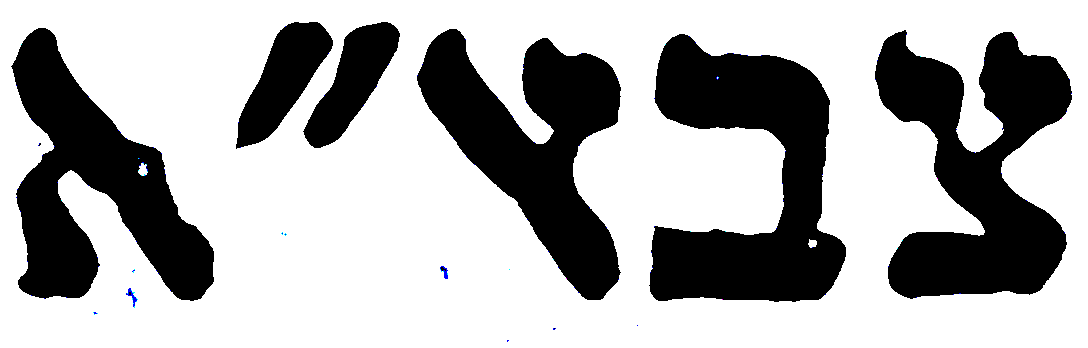 צב״א״ו צבאו״ת תתע״ג); the inner is divided into two: Havayah whose gematria is twenty-six in Netzach, Adonai whose gematria is sixty-five in Hod (הַפְּנִימִי נֶחְלָק לִב׳ יהו״ה כ״ו בְּנֵצַח אדנ״י ס״ה בְּהוֹד).
Yesod: the outer is Shin Dalet Yod whose gematria is seven hundred fourteen (הַיְּסוֹד הַחִיצוֹן שי״ן דל״ת יו״ד תתי״ד), the intermediate is Shin, Shin Dalet, Shin Dalet Yod whose gematria is seven hundred sixty-eight (הָאֶמְצָעִי שי״ן שי״ן דל״ת שי״ן דל״ת יו״ד אל״ף תתקס״ח), the inner is Yod Heh Alef Dalet Nun Heh Yod whose gematria is ninety-one (הַפְּנִימִי יאהדונה״י צ״א). And indeed the aspect of their Nefesh and Ruach and Neshamah and Neshamah to Neshamah is thus (וְאָמְנָם בְּחִי׳ הַנֶּפֶשׁ וְרוּחַ וְנְשָׁמָה וְנְשָׁמָה לַנְּשָׁמָה שֶׁלָּהֶם הוּא כָּךְ).
Know (דַּע), that inward of all these Names mentioned above there is the aspect of the innermost Neshamah of all (כִּי לִפְנִים מִכָּל אֵלּוּ הַשֵּׁמוֹת הַנ״ל יֵשׁ בְּחִינַת נְשָׁמָה הַפְּנִימִית מִן הַכֹּל), which is the secret of the Neshamah for every particular of that Sefirah according to its vowelization as mentioned in the Tikkunim (שֶׁהוּא סוֹד נְשָׁמָה לְכָל פְּרָטִיּוּת אוֹתָהּ סְפִירָה שֶׁהוּא כְּפִי הַנִּקּוּד שֶׁלָּהּ כַּנִּזְכָּר בַּתִּקּוּנִים), the matter of those ten Havayot of the ten Sefirot, which are Havayah with Kamatz in Keter, with Patach in Chokhmah, with Tzere in Binah, with Segol in Chesed, etc., with Shuruk in Yesod, Malkhut without vowelization (עִנְיַן אוֹתָן י׳ הֲוָיוֹת שֶׁל י״ס שֶׁהֵם הֲוָיָ״ה בְּקָמַץ בְּכֶתֶר פַּתַּח בְּחָכְמָה צֵירֵי בְּבִינָה סֶגוֹל בְּחֶסֶד כו׳ שׁוּרֶק בִּיסוֹד מַלְכוּת בְּלִי נִקּוּד), for the four letters of Havayah are in every Sefirah and Sefirah (כִּי ד׳ אוֹתִיּוֹת הֲוָיָ״ה יֵשׁ בְּכָל סְפִירָה וּסְפִירָה), and it is the aspect of Neshamah that is clothed in it (וְהִיא בְּחִי׳ נְשָׁמָה הַמִּתְלַבֶּשֶׁת בָּהּ), and it is divided into four parts which are Nefesh, Ruach, Neshamah, and Neshamah to Neshamah (וּמִתְחַלֶּקֶת לְד׳ חֲלָקִים שֶׁהֵם נר״ן וְנְשָׁמָה לַנְּשָׁמָה), and this is their matter (וְזֶה עִנְיָנָם).
Keter has within it Havayah entirely with Kamatz (הַכֶּתֶר יֵשׁ בּוֹ הֲוָיָ״ה כֻּלּוֹ בְּקָמַץ), and behold the Yod with Kamatz is within all and it is Neshamah to Neshamah (וְהִנֵּה י׳ קְמוּצָה הִיא בִּפְנִים מִן הַכֹּל וְהִיא נְשָׁמָה לַנְּשָׁמָה), and the first Heh with Kamatz is the inner Neshamah (וְה׳ רִאשׁוֹנָה קְמוּצָה הִיא נְשָׁמָה פְּנִימִית), and the Vav with Kamatz is Ruach in the intermediate (ו׳ קְמוּצָה הִיא רוּחַ בָּאֶמְצָע), and the final Heh with Kamatz is Nefesh in its outer (ה׳ אַחֲרוֹנָה קְמוּצָה נֶפֶשׁ בַּחִיצוֹן שֶׁלּוֹ).
Chokhmah has within it Havayah with Patach (הַחָכְמָה יֵשׁ בּוֹ הֲוָיָ״ה בְּפַתַּח), the Yod with Patach is inward of all and it is Neshamah to Neshamah (י׳ בְּפַתַּח פְּנִימִי מֵהַכֹּל וְהוּא נְשָׁמָה לַנְּשָׁמָה), the Heh with Patach is the inner Neshamah (ה׳ בְּפַתַּח נְשָׁמָה הַפְּנִימִי), the Vav with Patach is the intermediate Ruach (ו׳ בְּפַתַּח רוּחַ הָאֶמְצָעִי), the final Heh with Patach is Nefesh in its outer (ה׳ הָאַחֲרוֹנָה בְּפַתַּח נֶפֶשׁ בַּחִיצוֹן שֶׁלּוֹ).
Binah has Havayah with Tzere (הַבִּינָה הֲוָיָ״ה בְּצֵירִי), the Yod with Tzere is Neshamah to Neshamah (י׳ בְּצֵירִי נְשָׁמָה לַנְּשָׁמָה), the Heh in the inner is Neshamah (ה׳ בַּפְּנִימִית נְשָׁמָה), the Vav in the middle is Ruach (ו׳ בָּאֶמְצַע רוּחַ), the final Heh in the outer is Nefesh (ה׳ אַחֲרוֹנָה בַּחִיצוֹן נֶפֶשׁ).
Da’at has within it the secret of the Explicit Name, and it is the secret of the Explicit Name mentioned in many places, and remember this (הַדַּעַת יֵשׁ בּוֹ סוֹד שֵׁם הַמְּפֹרָשׁ וְהוּא סוֹד שֵׁם הַמְּפֹרָשׁ הַנִּזְכָּר בְּכ״מ וּזְכוֹר זֶה), and it is Havayah and its vowelization is in the movement of its letters as is known (וְהוּא הֲוָיָ״ה וְנִקּוּדוֹ בִּתְנוּעַת אוֹתִיּוֹתָיו כַּנּוֹדָע), the Yod with Cholem is Neshamah to Neshamah (י׳ בְּחֹלָם נְשָׁמָה לַנְּשָׁמָה), the Heh with Tzere is Neshamah in the inner (ה׳ בְּצֵירִי נְשָׁמָה בַּפְּנִימִי), the Vav with Kamatz is Ruach in the intermediate (ו׳ בְּקָמַץ רוּחַ הָאֶמְצָעִי), the Heh with Tzere in the outer is Nefesh (ה׳ בְּצֵירִי בַּחִיצוֹן נֶפֶשׁ).
Chesed: Havayah with Segol (הַחֶסֶד הֲוָיָ״ה בְּסֶגוֹל), the Yod with Segol is Neshamah to Neshamah (י׳ בְּסֶגוֹל נְשָׁמָה לַנְּשָׁמָה), the Heh with Segol is Neshamah in the inner (ה׳ בְּסֶגוֹל הִיא נְשָׁמָה בַּפְּנִימִית), the Vav with Segol is Ruach clothed in the middle (ו׳ בְּסֶגוֹל רוּחַ מְלוּבָּשׁ בָּאֶמְצַע), the final Heh with Segol is Nefesh in its outer (ה׳ אַחֲרוֹנָה בְּסֶגוֹל נֶפֶשׁ בַּחִיצוֹן שֶׁלּוֹ).
Gevurah: Havayah in the manner mentioned above with Sheva (הַגְּבוּרָה יהו״ה עַל דֶּרֶךְ הַנִּזְכָּר לְעֵיל בִּשְׁוָא).
Tiferet: Havayah in the manner mentioned above with Cholem (הַת"ת יהו״ה עַל דֶּרֶךְ הַנִּזְכָּר לְעֵיל בְּחֹלָם).
Netzach and Hod have within them the aspect of two Havayot, one entirely with Chirik in Netzach and one entirely with Kubutz in Hod (הַנֵּצַח וְהוֹד יֵשׁ בָּהֶם בְּחִי׳ ב׳ הֲוָיוֹת א׳ כֻּלָּהּ בְּחִירִק בְּנֵצַח וְא׳ כֻּלָּהּ בְּקֻבּוּץ בְּהוֹד), and behold YHVH YHVH in Netzach and Hod (וְהִנֵּה יהו״ה יהו״ה בְּנ״ה), and behold the Yod with Chirik is Neshamah to Neshamah in Netzach (וְהִנֵּה י׳ בְּחִירִק הִיא נְשָׁמָה לַנְּשָׁמָה בְּנֵצַח), the Yod with Kubutz is Neshamah to Neshamah in Hod (י׳ בְּקִבּוּץ נְשָׁמָה לַנְּשָׁמָה בְּהוֹד), the Heh with Chirik is Neshamah in the Name Havayah in Netzach (ה׳ בְּחִירִק נְשָׁמָה בְּשֵׁם הֲוָיָ״ה שֶׁבְּנֵצַח), the Heh with Kubutz is Neshamah in the Name Adonai in Hod as mentioned above (ה׳ בְּקִבּוּץ נְשָׁמָה בְּשֵׁם אדנ״י שֶׁבְּהוֹד כַּנ״ל), and the Vav with Kubutz and with Chirik in the Yod is Ruach to the intermediate Name (וו בְּקִבּוּץ וּבְחִירִק בְּי׳ רוּחַ אֶל שֵׁם הָאֶמְצָעִי). How so (כֵּיצַד)?
Know (דַּע), that in the letter Alef, the Alef of the intermediate Name is the Alef in the combination Tzava (כִּי בְּאוֹת א׳ א׳ מִן שֵׁם אֶמְצָעִי הוּא א׳ שֶׁבְּצֵרוּף צָבָא), and it is known that the form of Alef is Yod Vav Yod, two Yods and a Vav in the middle (וְנוֹדָע כִּי צוּרַת א׳ יו״י ב׳ יוּדִי״ן ו׳ בָּאֶמְצַע), and behold the letter Vav that is in the middle of this Alef, there is the place of the clothing of the two Vavs mentioned above vowelized one with Kubutz and one with Chirik in the aspect of Ruach (וְהִנֵּה אוֹת ו׳ שֶׁבָּאֶמְצַע א׳ הַזוֹ שָׁם הוּא מְקוֹם הִתְלַבְּשׁוּת ב׳ וו״י״ן הַנ״ל מְנֻקָּדוֹת א׳ בְּקִבּוּץ וְא׳ בְּחִירִק בִּבְחִי׳ רוּחַ), and they are in this manner (וְהֵם בְּאוֹפֶן זֶה), for the letter Vav is divided into two Vavs lengthwise in its middle like this (כִּי אוֹת ו׳ נֶחְלְקָה לְב׳ וו״י״ן בְּאָרְכָּהּ בְּאֶמְצָעִיתָא כָּזֶה ׳), and from both of them one Vav is made (וּמִשְּׁתֵּיהֶן נַעֲשֶׂה ו׳ אֶחָד), therefore there are Alefs in the Torah that indicate this Alef and they must be made in this manner (לָכֵן יֵשׁ אֲלָפִי״ן בַּתּוֹרָה הַמּוֹרָה עַל א׳ זוֹ וְצָרִיכִין לַעֲשׂוֹתָן בְּאוֹפֶן זֶה), for one makes to this Vav that is within the Alef two heads, one inclined upward and one inclined downward thus Alef Alef (כִּי יַעֲשֶׂה אֶל ו׳ זוֹ שֶׁבְּתוֹךְ א׳ ב׳ רָאשִׁין א׳ נוֹטֶה לְצַד מַעְלָה וְא׳ לְצַד מַטָּה כָּזֶה א׳ א), to hint to these two Vavs mentioned above that became one (לְרַמּוֹז ב׳ וו״י״ן אֵלּוּ הַנ״ל שֶׁנַּעֲשׂוּ א׳), and behold its right side which inclines downward is in Netzach and its left side upward is in Hod (וְהִנֵּה צַד הַיָּמִין שֶׁבָּהּ הַנּוֹטֶה לְצַד מַטָּה הִיא בְּנֵצַח וְצַד הַשְּׂמֹאל לְמַעְלָה הוּא בְּהוֹד). It is thus found (נִמְצָא), that this intermediate Name mentioned above, its first five letters which are Tzadi, Tzadi Bet, Tzadi Bet Alef and likewise the first Yod of the Alef from Tzava are in Netzach (שֶׁזֶּה הַשֵּׁם הָאֶמְצָעִי הַנ״ל ה׳ אוֹתִיּוֹת הָרִאשׁוֹנוֹת שֶׁהֵם צ׳ צ״ב צ״ב וְכֵן אוֹת י׳ רִאשׁוֹנָה שֶׁל א׳ מִן צָבָא הֵם בְּנֵצַח), and likewise the second Yod that is in this Alef until the end of the Name is in Hod (וְכֵן אוֹת י׳ ב׳ שֶׁבְּאוֹת א׳ זוֹ עַד סִיּוּם הַשֵּׁם הוּא בְּהוֹד), and from the letter Vav that is in the middle of the Alef it includes both of them (וּמִן אוֹת ו׳ שֶׁבָּאֶמְצָעִית א׳ כּוֹלֵל לִשְׁנֵיהֶן), and the final Heh with Kubutz and with Chirik is Nefesh to the outer Name of Netzach and Hod (וְאוֹת ה״ה אַחֲרוֹנָה בְּקִבּוּץ וּבְחִירִק הוּא נֶפֶשׁ לְשֵׁם חִיצוֹן דְנֵצַח הוֹד), and they divide in this manner (וּמִתְחַלְּקִין עַד״ז), for the Name is Tzevaot and one Heh with Chirik is clothed in the Tzadi of Tzevaot and one Heh with Kubutz is clothed in the Tav of Tzevaot (כִּי הַשֵּׁם הוּא צְבָאוֹת וְה׳ אֶחָד בְּחִירִק מְלוּבָּשׁ ב׳ צ׳ שֶׁל צְבָאוֹת וְה׳ בְּקִבּוּץ מְלוּבָּשׁ בְּת׳ שֶׁל צְבָאוֹת).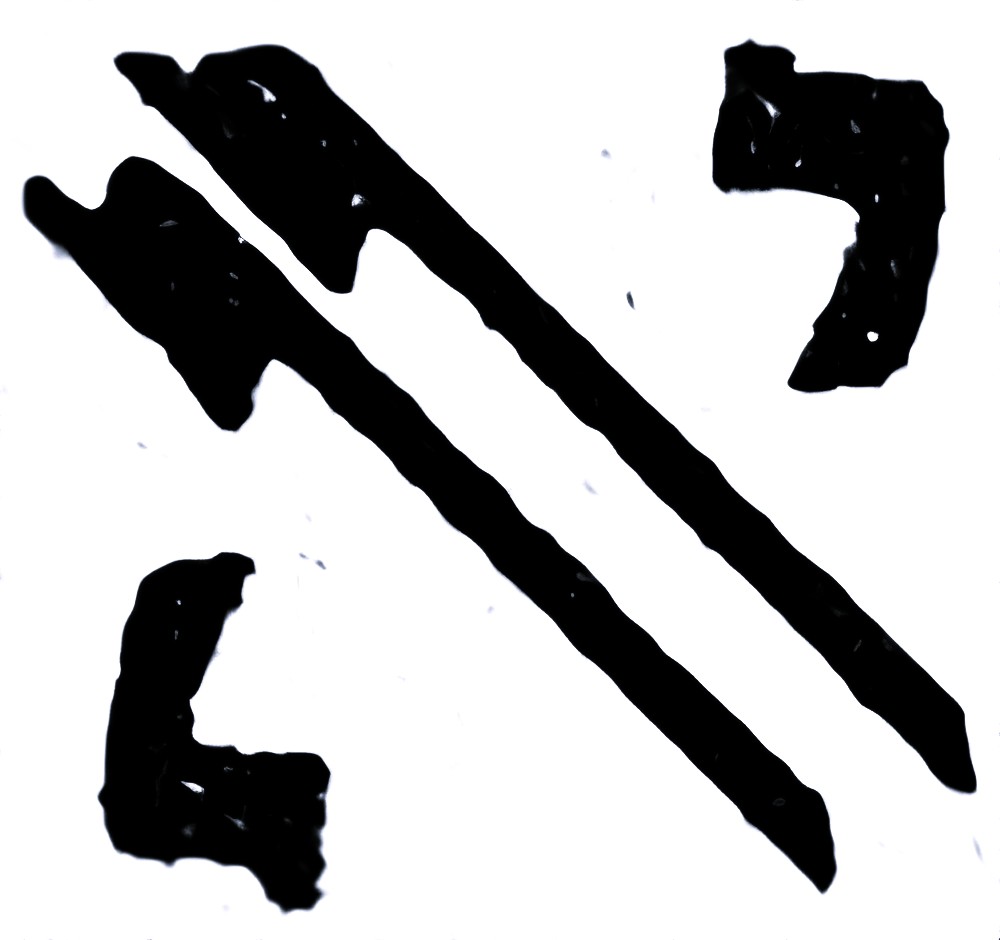
Yesod: Yod Heh Vav Heh Vav Heh Vav Yod with Shuruk (הַיְּסוֹד יוהוווהו יו בְּשׁוּרֶק), the Yod with Shuruk is Neshamah to Neshamah inward of all (יו בְּשׁוּרֶק נְשָׁמָה לַנְּשָׁמָה בִּפְנִים מִן הַכֹּל), the Heh Vav with Shuruk is Neshamah in the inner Name (הו בְּשׁוּרֶק נְשָׁמָה בַּשֵּׁם הַפְּנִימִי), the Vav Vav with Shuruk is Ruach in the intermediate Name (וו בְּשׁוּרֶק רוּחַ בַּשֵּׁם הָאֶמְצָעִי), the final Heh Vav with Shuruk is Nefesh in the outer Name (הו אַחֲרוֹנָה בְּשׁוּרֶק נֶפֶשׁ בַּשֵּׁם הַחִיצוֹן).
Behold the nine Sefirot that Ze’ir Anpin has have been explained (הֲרֵי נִתְבָּאֵר ט״ס שֶׁיֵּשׁ לְז״א), and his Nukvah completes him to ten Sefirot (וְהַנוּקְבָא שֶׁלּוֹ מַשְׁלִימָתוֹ לְי״ס), therefore the aspect of Malkhut was not specified in him, only until Yesod alone, and understand this (לָכֵן לֹא פֵּירֵשׁ בּוֹ בְּחִי׳ מַלְכוּת אֶלָּא עַד הַיְּסוֹד לְבַד וְהָבֵן זֶה). And know (וְדַע), that just as we explained above that the ten inner Names of the Nukvah of Ze’ir Anpin of Atzilut are divided in the Nukvah of Ze’ir Anpin of Beri’ah, and ten intermediate in Yetzirah, and ten outer in Asiyah, and all of them in the secret of the Nukvah of Ze’ir Anpin of B"Y"A (כִּי כְּמוֹ שֶׁבֵּאַרְנוּ לְעֵיל שֶׁמִּתְחַלְּקִים י׳ שֵׁמוֹת פְּנִימִים דְנוּקְבָא דְז״א דַאֲצִילוּת בְּנוּקְבָא דְז״א דִּבְרִיאָה וְי׳ אֶמְצָעִים בִּיצִירָה וְי׳ חִיצוֹנִים בַּעֲשִׂיָּה וְכֻלָּם בְּסוֹד נוּקְבָא דְז״א דבי״ע), so too these thirty Names (some say: twenty-seven Names) that were explained in Ze’ir Anpin of Atzilut are divided and clothed in Ze’ir Anpin of B"Y"A in the manner mentioned above in the Nukvah exactly (כֵּן אֵלּוּ ל׳ שֵׁמוֹת (נ״א כ״ז שֵׁמוֹת) שֶׁנִּתְבָּאֵר בְּז״א דַאֲצִילוּת הֵם מִתְחַלְּקִין וּמִתְלַבְּשִׁין בְּז״א דבי״ע עַל דֶּרֶךְ הַנ״ל בְּנוּקְבָא מַמָּשׁ), however we shall explain the surrounding lights in Ze’ir Anpin of Atzilut for each and every one of the ten outer Sefirot within him (אָמְנָם נְבָאֵר אוֹרוֹת מַקִּיפִים בְּז״א דַאֲצִילוּת לְכָל אֶחָד וְאֶחָד מִי״ס הַחִיצוֹנִים שֶׁבּוֹ).
Outside the Keter there surround these two Names (מִחוּץ לַכֶּתֶר מַקִּיפִים ב׳ שֵׁמוֹת אֵלּוּ): Alef Heh, Alef Yod Heh Heh, Alef Alef Heh Yod Yod Heh, Alef Heh Heh Yod Alef Heh Heh Alef (אל״ף ה״א אל״ף יו״ד ה״י ה״י אל״ף אל״ף ה״י יו״ד יו״ד ה״י אל״ף ה״י ה״י יו״ד אל״ף ה״ה אל״ף), method one: the inter-inclusion of the makifim of Chesed within the makif of Netzach, which is the end of Chesed in the beginning of Netzach as will be explained below and further (שִׁיטָה א׳ שִׁילוּב מַקִּיפֵי חֶסֶד בְּמַקִּיף נֵצַח וְהוּא סוֹפוֹ שֶׁל חֶסֶד בְּרֹאשׁוֹ שֶׁל נֵצַח כִּדְלַקָּמָן וְעוֹד), Alef Heh, Alef Yod Heh Heh Heh Alef, Alef Alef Heh Heh Yod Yod Heh Alef Alef Heh Heh Heh Yod Alef Heh Alef (אל״ף ה״י אל״ף יו״ד ה״ה ה״א אל״ף אל״ף ה״ה יו״ד יו״ד ה״א אל״ף אל״ף ה״ה ה״א יו״ד אל״ף ה״י אל״ף), method two: the makifim of Gevurah in inter-inclusion with the makifim of Hod in the manner mentioned above (שִׁיטָה ב׳ מַקִּיפֵי גְּבוּרָה בְּשִׁילוּב מַקִּיפֵי הוֹד עַל דֶּרֶךְ הַנ״ל).
Outside the Chokhmah (מִחוּץ לַחָכְמָה): Alef Alef Alef Alef, Alef Alef Alef Alef, Heh Yod Heh Yod Heh Heh Heh Alef, Alef Alef Alef Lamed Alef, Heh Yod Heh Yod Heh Heh Heh Alef, Yod Yod Yod, Alef Alef Alef Alef, Heh Yod Heh Yod Heh Heh Heh Alef, Yod Yod Yod Vav Yod, Heh Heh Heh Alef Heh Yod Heh Yod (אל״ף אל״ף אל״ף אל״ף אל״ף אל״ף אל״ף אל״ף ה״י ה״י ה״ה ה״א אל״ף אל״ף אלל״ף ה״י ה״י ה״ה ה״א יו״ד יו״ד יו״ד אל״ף אל״ף אל״ף אל״ף ה״י ה״י ה״ה ה״א יו״ד יו״ד יוו״ד ה״ה ה״א ה״י ה״י), it is the inter-inclusion of four Names 161, 161, 151, 143 inter-included in a square excluding the final Heh letters, and they are makifim of Chesed, Netzach, Gevurah, Hod inter-included in order (הוּא שִׁילוּב ד׳ שֵׁמוֹת קס״א קס״א קנ״א קמ״ג מְשֻׁלָּבִים בְּרִבּוּעַ חוּץ הֶהִי״ן אַחֲרוֹנוֹת וְהֵם מַקִּיפִים חֶסֶד נֵצַח גְּבוּרָה הוֹד מְשֻׁלָּבִים כְּסֵדֶר).
Outside the Binah (מִחוּץ לַבִּינָה): Alef Alef Alef Alef, Alef Alef Alef Alef, Heh Heh Heh Alef Heh Yod Heh Yod, Alef Alef Alef Alef, Heh Heh Heh Alef Heh Yod Heh Yod, Yod Yod Yod Yod, Alef Alef Alef Alef, Heh Heh Heh Alef Heh Yod Heh Yod, Yod Yod Yod Yod, Heh Yod Heh Yod Heh Heh Heh Alef (אל״ף אל״ף אל״ף אל״ף אל״ף אל״ף אל״ף אל״ף ה״ה ה״א ה״י ה״י אל״ף אל״ף אל״ף אל״ף ה״ה ה״א ה״י ה״י יו״ד יו״ד יו״ד יו״ד אל״ף אל״ף אל״ף אל״ף ה״ה ה״א ה״י ה״י יו״ד יו״ד יו״ד יו״ד ה״י ה״י ה״ה ה״א), they too are inter-included, except that 151 precedes 143 and 143 precedes 161 in the square, and the final Heh letters are in the manner mentioned for each Name, makifim of Gevurah and Hod and Chesed and Netzach inter-included in order (ג״כ מְשֻׁלָּבִים אֶלָּא שֶׁקָּדְמוּ קנ״א לְקמ״ג קמ״ג לְקס״א בְּרִבּוּעַ וְהֶהִי״ן אַחֲרוֹנוֹת עַל דֶּרֶךְ הַנִּזְכָּר לְכָל שֵׁם מַקִּיפִין שֶׁל גְּבוּרָה וְהוֹד וְחֶסֶד וְנֵצַח מְשֻׁלָּבִים כְּסֵדֶר).
Outside the Da’at (מִחוּץ לַדַּעַת): Alef Alef, Alef Alef, Heh Yod Heh Heh, Alef Alef, Heh Yod Heh Heh, Yod Yod, Alef Alef, Heh Yod Heh Heh, Yod Yod, Heh Heh Heh Yod (אל״ף אל״ף אל״ף אל״ף ה״י ה״ה אל״ף אל״ף ה״י ה״ה יו״ד יו״ד אל״ף אל״ף ה״י ה״ה יו״ד יו״ד ה״ה ה״י), an inter-inclusion of 161 and 151 in a square, and they are makifim of Chesed and Gevurah inter-included in order as will be explained below (שִׁילוּב קס״א וְקנ״א בְּרִבּוּעַ וְהֵם מַקִּיפֵי חֶסֶד וּגְבוּרָה מְשֻׁלָּבִים כְּסֵדֶר כִּדְלַקָּמָן).
Outside the Chesed (מִחוּץ לַחֶסֶד): Alef, Alef Heh Yod, Alef Heh Yod Yod, Alef Heh Yod Heh Heh (אל״ף אל״ף ה״י אל״ף ה״י יו״ד אל״ף ה״י יו״ד ה״ה), the square of 161 and the final Heh in Heh Heh (רִבּוּעַ קס״א וְה׳ אַחֲרוֹנָה בְּה״ה).
Outside the Gevurah (מִחוּץ לַגְּבוּרָה): Alef, Alef Heh Heh, Alef Heh Heh Yod, Alef Heh Heh Yod Heh Yod (אל״ף אל״ף ה״ה אל״ף ה״ה יו״ד אל״ף ה״ה יו״ד ה״י), the square of 151 and the final Heh in Yod (רִבּוּעַ קנ״א וְה׳ אַחֲרוֹנָה בְּיו״ד).
Outside the Tiferet (מִחוּץ לַתִּפְאֶרֶת): Alef Alef, Alef Alef, Heh Yod Heh Alef, Alef Alef, Heh Yod Heh Alef, Yod Yod, Alef Alef, Heh Yod Heh Alef, Yod Yod, Heh Alef Heh Yod (אל״ף אל״ף אל״ף אל״ף ה״י ה״א אל״ף אל״ף ה״י ה״א יו״ד יו״ד אל״ף אל״ף ה״י ה״א יו״ד יו״ד ה״א ה״י), the inter-inclusion of the square of 161 and 143, and they are makifim of Netzach and Hod as will be explained below (שִׁילוּב רִבּוּעַ קס״א וְקמ״ג וְהֵם מַקִּיפִים דנ״ה כִּדְלַקָּמָן).
Outside the Netzach (מִחוּץ לַנֵּצַח): Alef, Alef Heh Yod, Alef Heh Yod Yod, Alef Heh Yod Heh Alef (אל״ף אל״ף ה״י אל״ף ה״י יו״ד אל״ף ה״י יו״ד ה״א), the square of 161 and the final Heh in Alef (רִבּוּעַ קס״א וְה׳ אַחֲרוֹנָה בְּאַל״ף).
Outside the Hod (מִחוּץ לַהוֹד): Alef Alef Heh, Alef Heh Yod, Alef Heh Yod Heh Yod (אל״ף אל״ף ה״א אל״ף ה״א יו״ד אל״ף ה״א יו״ד ה״י), the square of 143 and the final Heh in Yod (רִבּוּעַ קמ״ג וְה׳ אַחֲרוֹנָה בְּיו״ד).
Outside the Yesod (מִחוּץ לַיְּסוֹד): Alef Alef, Heh Yod Heh Alef, Yod Yod, Heh Heh Heh Heh (אל״ף אל״ף ה״י ה״א יו״ד יו״ד ה״ה ה״ה), an inter-inclusion of 161 and 143 except that the final Heh is in the Heh letters (שִׁילוּב קס״א וְקמ״ג אֶלָּא שֶׁה׳ אַחֲרוֹנָה בְּהֶהִי״ן). And in my own writing I saw another version in this Name and I forgot which of them is correct, and this it is (וּבִכְתִיבָה שֶׁלִּי עַצְמָהּ רָאִיתִי נוּסְחָא אַחֲרִינָא בְּשֵׁם זֶה וְשָׁכַחְתִּי אֵיזֶה מֵהֶם נְכוֹנָה וְזוֹ הִיא): Alef Alef, Heh Yod Heh Alef, Yod Yod, Heh Alef Heh Alef (אל״ף אל״ף ה״י ה״א יו״ד יו״ד ה״א ה״א), and it appears to me that the first is primary (וְנִרְאֶה לִי כִּי הָרִאשׁוֹן עִקָּר). However the surrounding lights for the ten intermediate Sefirot of Ze’ir Anpin are these (אָמְנָם אוֹרוֹת הַמַקִּיפִים לְי״ס אֶמְצָעִים דְז״א הֵם אֵלּוּ): Ehyeh with Kamatz in Keter (אֶהְיֶ״ה בְּקָמַץ בְּכֶתֶר), Ehyeh with Patach in Chokhmah (אֶהְיֶ״ה בְּפַתַּח בְּחָכְמָה), Ehyeh with Tzere in Binah (אֶהְיֶ״ה בְּצֵירֵי בְּבִינָה), Ehyeh with Segol in Chesed (אֶהְיֶ״ה בְּסֶגוֹל בְּחֶסֶד), Ehyeh with Sheva in Gevurah (אֶהְיֶ״ה בִּשְׁוָא בִּגְבוּרָה), Ehyeh with Cholem in Tiferet (אֶהְיֶ״ה בְּחֹלָם בְּתִּפְאֶרֶת), Ehyeh with Chirik in Netzach (אֶהְיֶ״ה בְּחִירִק בְּנֵצַח), Ehyeh with Kubutz in Hod (אֶהְיֶ״ה בְּקֻבּוּץ בְּהוֹד), Ehyeh with Shuruk in Yesod (אֶהְיֶ״ה בְּשׁוּרֶק בִּיסוֹד). And the surrounding lights for all the ten inner Sefirot of Ze’ir Anpin, and they surround outside over all of them, is 143 in its full expansion of filling: Alef Lamed Peh, Heh Alef, Yod Vav Dalet, Heh Alef (וְאוֹרוֹת הַמַקִּיפִים לְכָל י״ס דְז״א הַפְּנִימִיּוֹת וְהֵן מַקִּיפִים מִחוּץ עַל כֻּלָּם קמ״ג בְּמִלּוּי מְלֹאוֹ אל״ף לָמ״ד פ״א ה״א אל״ף יו״ד וָא״ו דָל״ת ה״א אל״ף). And the surrounding lights in the aspect of Neshamot for the three parts of the makifim, which are these ten, ten, ten, they divide into thirty, three, three (וְאוֹרוֹת הַמַקִּיפִים בִּבְחִי׳ נְשָׁמוֹת לִג׳ חֶלְקֵי הַמַקִּיפִים שֶׁהֵם אֵלּוּ עֶשֶׂר עֶשֶׂר עֶשֶׂר הֵם מִתְחַלְּקִים לִי״פ ג׳ ג׳). And the three makifim in Keter are the Name Ehyeh entirely with Kamatz (וְהַג׳ מַקִּיפִים שֶׁבַּכֶּתֶר שֵׁם אֶהְיֶ״ה כֻּלּוֹ בְּקָמַץ): the Alef with Kamatz is Neshamah to Neshamah outside all (א׳ בְּקָמַץ נְשָׁמָה לַנְּשָׁמָה חוּץ מִכֻּלָּם), the Heh with Kamatz inward from it in the first aspect and it is Neshamah (ה׳ בְּקָמַץ לִפְנִים מִמֶּנָּה בִּבְחִי׳ הָרִאשׁוֹנָה וְהוּא נְשָׁמָה), the Yod with Kamatz inward from the Heh is the makif of the intermediate aspect in the aspect of Ruach (י׳ בְּקָמַץ לִפְנִים מִן הַה׳ מַקִּיף שֶׁל בְּחִי׳ אֶמְצָעִי בִּבְחִי׳ רוּחַ), the Heh with Kamatz inward from it is the third aspect Nefesh (ה׳ בְּקָמַץ לִפְנִים מִמֶּנָּה בְּחִי׳ ג׳ נֶפֶשׁ). And the three in Chokhmah are makifim of the Name Ehyeh entirely with Patach in the manner mentioned above in Keter (וְהַג׳ שֶׁבַּחָכְמָה מַקִּיפִים שֵׁם אֶהְיֶ״ה כֻּלּוֹ בְּפַתַּח עַל דֶּרֶךְ הַנ״ל בַּכֶּתֶר), and so until the end in the nine known vowelizations which are in the manner of the Ehyeh mentioned above until Ehyeh entirely with Shuruk in Yesod in the manner mentioned above (וְכֵן עַד סוֹף בְּט׳ נְקוּדוֹת הַנּוֹדָעוֹת שֶׁהוּא עַל דֶּרֶךְ אֶהְיֶ״ה הַנ״ל עַד אֶהְיֶ״ה כֻּלּוֹ בְּשׁוּרֶק בִּיסוֹד עַל דֶּרֶךְ הַנ״ל).
Chapter 4
שער מד פרק ד מ״ת
[44:4] And we shall now explain the matter of the Nukvah of Ze’ir Anpin and we shall begin with the inner (וְנְבָאֵר עַתָּה עִנְיַן נוּקְבָא דְזְעִיר אַנְפִּין וְנַתְחִיל בַּפְּנִימִי):
Keter: the outer is Yod Yod Heh Yod Heh Vav Yod Heh Vav Heh A”B (הַכֶּתֶר הַחִיצוֹן י׳ י״ה יה״ו יהו״ה ע״ב), the intermediate is Yod, Yod Heh Alef, Yod Heh Alef Vav, Yod Heh Alef Vav Heh (הָאֶמְצָעִי יו״ד יו״ד ה״א יו״ד ה״א וא״ו יו״ד ה״א וא״ו ה״א), the inner is Yod Heh Alef Vav Heh M”H (הַפְּנִימִי יו״ד ה״א וא״ו ה״א מ״ה), some say: Heh Heh whose gematria is forty-nine (נ״א ה״ה מ״ט).
Chokhmah: the outer is Yod Yod Heh Yod Heh Vav Yod Heh Vav Heh A”B (הַחָכְמָה הַחִיצוֹן י׳ י״ה יה״ו יהו״ה ע״ב), the intermediate is Yod Heh Alef, Yod Heh Alef Vav, Yod Heh Alef Vav Heh whose gematria is thirty-two (הָאֶמְצָעִי יו״ד ה״א יו״ד ה״א ו״ו יו״ד ה״א ו״ו ה״ה ל״ב), the inner is Yod Heh Alef Vav Chet whose gematria is forty-eight (הַפְּנִימִי יו״ד ה״א ו״ו ה״ח מ״ח).
Binah: the outer is Alef, Alef Heh, Alef Heh Yod, Alef Heh Yod Heh whose gematria is forty-four (הַבִּינָה הַחִיצוֹן א׳ א״ה אה״י אהי״ה גִּימ׳ מ״ד), the intermediate is Ehyeh whose gematria is twenty-one (הָאֶמְצָעִי אהי״ה כ״א), the inner is Alef Heh Heh Yod Heh whose gematria is one hundred fifty-one (הַפְּנִימִי אל״ף ה״ה יו״ד ה״ה קנ״א).
Da’at: the outer is Yod, Yod Heh Alef, Yod Heh Alef Vav, Yod Heh Alef Vav Heh whose gematria is one hundred thirty (הַדַּעַת הַחִיצוֹן יו״ד יו״ד ה״א יו״ד ה״א וא״ו יו״ד ה״א וא״ו ה״א גִּימ׳ ק״ל), the intermediate is Yod, Yod Heh Heh, Yod Heh Heh Vav, Yod Heh Heh Vav Heh whose gematria is one hundred forty-four (הָאֶמְצָעִי יו״ד יו״ד ה״ה יו״ד ה״ה ו״ו יו״ד ה״ה ו״ו ה״ה גִּימ׳ קד״ם), the inner is Yod Heh Heh Vav Heh B”N (הַפְּנִימִי יו״ד ה״ה ו״ו ה״ה ב״ן).
Chesed: the outer is El (הַחֶסֶד הַחִיצוֹן א״ל), the intermediate is Alef, Alef Lamed whose gematria is two hundred ninety-six (הָאֶמְצָעִי אל״ף אל״ף לָמ״ד גִּימַטְרִיָּא רצ״ו), the inner is Alef Lamed whose gematria is one hundred eighty-five (הַפְּנִימִי אל״ף לָמ״ד קפ״ה).
Gevurah: the outer is Achadtem whose gematria is seventy-four (הַגְּבוּרָה הַחִיצוֹן אכדט״ם גִּימ׳ ע״ד), some say: in Bamochin (נ״א בְּמוֹכ״ן), the intermediate is Elokim whose gematria is eighty-six (הָאֶמְצָעִי אלהי״ם פ״ו), the inner is Havayah with the vowelization of Elokim (הַפְּנִימִי יהו״ה בְּנִקּוּד אלהים).
Tiferet: the outer is Hishtepah whose gematria is seven hundred eighty-six (הַתִּפְאֶרֶת הַחִיצוֹן הַשְׁתְּפָ״א גִּימַטְרִיָּא תשפ״ו), the intermediate is Tzevaot, whose gematria is four hundred ninety-nine [499] (הָאֶמְצָעִי צבאו״ת תצ״ט), the inner is Alef Lamed Heh Yod Mem whose gematria is three hundred (הַפְּנִימִי אל״ף לָמ״ד ה״י יו״ד מ״ם גִּימַטְרִיָּא ש׳).
Netzach: the outer is Bam (הַנֵּצַח הַחִיצוֹן ב״ם), the intermediate is Alef, El (הָאֶמְצָעִי א׳ א״ל), the inner is El (הַפְּנִימִי א״ל).
Hod: the outer is Bamochin whose gematria is one hundred eighteen (הַהוֹד הַחִיצוֹן בְּמוֹכ״ן קי״ח), the intermediate is Alef, El, Eleh, Elohei, Elokim whose gematria is two hundred (הָאֶמְצָעִי א׳ א״ל אל״ה אלה״י אלהי״ם ר׳), the inner is Elokim whose gematria is eighty-six (הַפְּנִימִי אלהי״ם פ״ו).
Yesod: the outer is Sh, Shd, Shaddai (הַיְּסוֹד הַחִיצוֹן ש׳ ש״ד שד״י), the intermediate is Shaddai (הָאֶמְצָעִי שד״י), the inner is Shin Dalet Yod whose gematria is seven hundred fourteen (הַפְּנִימִים שי״ן דל״ת יו״ד תתי״ד).
Malkhut: the outer is Alef, Ad, Adon, Adonai whose gematria is one hundred twenty-six (הַמַּלְכוּת הַחִיצוֹן א׳ א״ד אד״נ אדנ״י קכ״ו), the intermediate is Adonai (אֶמְצָעִי אדנ״י), the inner is Alef Dalet Nun Yod whose gematria is six hundred seventy-one (הַפְּנִימִיּוֹת אל״ף דל״ת נו״ן יו״ד תרע״א). The aspect of her Nefesh, Ruach, and Neshamah is one Name Havayah without vowelization that encompasses all her thirty aspects (בְּחִי׳ נר״ן שֶׁלָּהּ הוּא שֵׁם הֲוָיָ״ה א׳ בְּלִי נִקּוּד כּוֹלֶלֶת לְכָל ל׳ בְּחִי׳), how so (כֵּיצַד)? The letter Yod inward of all is the aspect of Neshamah to Neshamah (אוֹת יו״ד בִּפְנִים מִן הַכֹּל בְּחִי׳ נְשָׁמָה לַנְּשָׁמָה), the letter Heh is Neshamah in the ten inner (אוֹת ה׳ נְשָׁמָה בְּי׳ פְּנִימִיּוֹת), the letter Vav is Ruach in the ten intermediate (אוֹת ו׳ רוּחַ בְּי׳ אֶמְצָעוֹת), the final Heh is Nefesh in the ten outer (אוֹת ה׳ אַחֲרוֹנָה נֶפֶשׁ בְּי׳ חִיצוֹנִיּוֹת).
(The outer makifim for each and every one of her ten outer Sefirot:) (הַמַקִּיפִין הַחִיצוֹנִים לְכָל א׳ וְא׳ מִי״ס הַחִיצוֹנִיּוֹת שֶׁבָּהּ):
Outside the Keter: two simple Ehyeh in square form and Ehyeh of 143 and 151 inter-included, and they are makifim of Netzach and Hod (מִחוּץ לַכֶּתֶר ב׳ אֶהְיֶ״ה פְּשׁוּטִים בְּרִבּוּעַ וְאֶהְיֶ״ה דקמ״ג וְקנ״א מְשֻׁלָּבִים וְהֵם מַקִּיפֵי נ״ה): Alef Alef, Alef Alef Heh Heh, Alef Alef Heh Heh Yod Yod, Alef Alef Heh Heh Yod Yod Heh Heh (אל״ף אל״ף א״א ה״ה אל״ף אל״ף ה״א ה״ה א״א ה״ה י״י אל״ף אל״ף ה״א ה״ה יו״ד יו״ד א״א ה״ה י״י ה״ה אל״ף אל״ף ה״א ה״ה יו״ד יו״ד ה״ה ה״א).
Outside the Chokhmah: 143 and 151 in square inter-included, makifim of Netzach and Hod (מִחוּץ לַחָכְמָה קמ״ג וְקנ״א בְּרִבּוּעַ מְשֻׁלָּבִים מַקִּיפֵי נ״ה): Alef Alef, Alef Alef, Heh Alef Heh Heh, Alef Alef, Heh Alef Heh Heh, Yod Yod, Alef Alef, Heh Alef Heh Heh, Yod Yod, Heh Heh Heh Alef (אל״ף אל״ף אל״ף אל״ף ה״א ה״ה אל״ף אל״ף ה״א ה״ה יו״ד יו״ד אל״ף אל״ף ה״א ה״ה יו״ד יו״ד ה״ה ה״א).
Outside the Binah: two simple Ehyeh in square inter-included (מִחוּץ לַבִּינָה ב׳ אֶהְיֶ״ה פְּשׁוּטִים בְּרִבּוּעַ מְשֻׁלָּבִים): Alef Alef, Alef Alef Heh Heh, Alef Alef Heh Heh Yod Yod, Alef Alef Heh Heh Yod Yod Heh Heh (א״א א״א ה״ה א״א ה״ה י״י א״א ה״ה י״י ה״ה).
Outside the Da’at: Havayah and Adonai inter-included in square form (מִחוּץ לַדַּעַת הֲוָיָ״ה אדנ״י מְשֻׁלָּבִים בְּרִבּוּעַ): Yod, Yod Alef, Yod Alef Heh, Yod Alef Heh Dalet, Yod Alef Heh Dalet Vav, Yod Alef Heh Dalet Vav Nun, Yod Alef Heh Dalet Vav Nun Heh, Yod Alef Heh Dalet Vav Nun Heh Yod (י׳ י״א יא״ה יאה״ד יאהד״ו יאהדו״נ יאהדונ״ה יאהדונה״י).
Outside the Chesed: Ehyeh in square and 143 in square except that the final Heh is in Heh (מִחוּץ לַחֶסֶד אֶהְיֶ״ה בְּרִבּוּעַ וְקמ״ג בְּרִבּוּעַ חוּץ מֵה׳ אַחֲרוֹנָה בְּה׳): Alef, Alef Heh, Alef Heh Yod, Alef Heh Yod Heh (א׳ אל״ף א״ה אל״ף ה״א אה״י אל״ף ה״א יו״ד אהי״ה אל״ף ה״א יו״ד ה״ה).
Outside the Gevurah: Ehyeh in square and 151 in square except that the final Heh is in Alef (מִחוּץ לַגְּבוּרָה אֶהְיֶ״ה בְּרִבּוּעַ וְקנ״א בְּרִבּוּעַ חוּץ מֵה׳ אַחֲרוֹנָה בְּאַל״ף): Alef, Alef Heh Heh, Alef Heh Heh Yod, Alef Heh Heh Yod Heh Alef (א׳ אל״ף א״ה אל״ף ה״ה אה״י אל״ף ה״ה יו״ד אהי״ה אל״ף ה״ה יו״ד ה״א).
Outside the Tiferet: makifim of Netzach and Hod inter-included (מִחוּץ לַתִּפְאֶרֶת מַקִּיפֵי נ״ה מְשֻׁלָּבִים): Alef Alef, Alef Alef, Heh Alef Heh Heh, Alef Alef, Heh Alef Heh Heh, Yod Yod, Alef Alef, Heh Alef Heh Heh, Yod Yod, Heh Heh Heh Alef (אל״ף אל״ף אל״ף אל״ף ה״א ה״ה אל״ף אל״ף ה״א ה״ה יו״ד יו״ד אל״ף אל״ף ה״א ה״ה יו״ד יו״ד ה״ה ה״א).
Outside the Netzach: square of 143 and the final Heh in Heh (מִחוּץ לַנֵּצַח רִבּוּעַ קמ״ג וְה׳ אַחֲרוֹנָה בְּה׳): Alef Alef Heh, Alef Heh Yod, Alef Heh Yod Heh Heh (אל״ף אל״ף ה״א אל״ף ה״א יו״ד אל״ף ה״א יו״ד ה״ה).
Outside the Hod: square of 151 and the final Heh in Alef (מִחוּץ לַהוֹד רִבּוּעַ קנ״א וְה׳ אַחֲרוֹנָה בְּא׳): Alef, Alef Heh Heh, Alef Heh Heh Yod, Alef Heh Heh Yod Heh Alef (אל״ף אל״ף ה״ה אל״ף ה״ה יו״ד אל״ף ה״ה יו״ד ה״א). Outside the Yesod: Alef Heh Yod Heh (מִחוּץ לַיְּסוֹד אל״ף ה״א יו״ד ה״ה).
Outside the Malkhut: Alef Heh Heh Yod Heh (מִחוּץ לַמַּלְכוּת אל״ף ה״ה יו״ד ה״א). However the intermediate makifim for each one of the ten Sefirot of the Nukvah of Ze’ir Anpin is one Name Ehyeh in every Sefirah of those ten in the manner that we explained in Ze’ir Anpin, except that there they are with vowelization and here there is no vowelization in them at all (אָמְנָם הַמַקִּיפִים הָאֶמְצָעִים לְכָל א׳ מִי״ס נוּקְבָא דְז״א הוּא שֵׁם אֶהְיֶ״ה א׳ בְּכָל סְפִירָה מִי״ס הָהֵם עַל דֶּרֶךְ שֶׁבֵּאַרְנוּ בְּז״א אֶלָּא שֶׁשָּׁם הֵם בְּנְקוּדוֹת וְכָאן אֵין בָּהֶם נִקּוּד כְּלָל).
The inner makifim for the entire ten inner Sefirot of the Nukvah of Ze’ir Anpin, and they surround over all her makifim altogether, are the Name Yod, Yod Alef, Yod Alef Heh, Yod Alef Heh Heh, Yod Alef Heh Heh Vav, Yod Alef Heh Heh Vav Yod, Yod Alef Heh Heh Vav Yod Heh, Yod Alef Heh Heh Vav Yod Heh Heh (הַמַקִּיפִים הַפְּנִימִים לְכָל כְּלָלוּת י״ס פְּנִימִים דְנוּקְבָא דְז״א וְהֵם מַקִּיפִים עַל כָּל מַקִּיפֶיהָ כֻּלָּם הֵם שֵׁם י׳ י״א יא״ה יאה״ה יאהה״ו יאההו״י יאההוי״ה יאההויה״ה), and they are Havayah and Ehyeh in square form in the bosom of the Nefesh, Ruach, and Neshamah of all the makifim mentioned above of the Nukvah of Ze’ir Anpin, which are three times ten, ten, ten (וְהֵם הֲוָיָ״ה אֶהְיֶ״ה בְּרִבּוּעַ בְּחֵיק הַנר״נ שֶׁל כָּל הַמַקִּיפִים הַנ״ל שֶׁל נוּקְבָא דְז״א שֶׁהֵם ג״פ י׳ י׳ י׳).
It is one Name alone of Ehyeh without vowelization that encompasses all the makifim (הוּא שֵׁם א׳ לְבַד שֶׁל אֶהְיֶ״ה בְּלִי נִקּוּד כּוֹלֵל כָּל הַמַקִּיפִים), how so (כֵּיצַד)? The letter Alef outside over all of them in the secret of Neshamah to Neshamah (אוֹת א׳ מִבַּחוּץ עַל כֻּלָּם בְּסוֹד נְשָׁמָה לַנְּשָׁמָה), the Heh is Neshamah to the ten outer Sefirot (ה׳ נְשָׁמָה לְי״ס הַחִיצוֹנִיּוֹת), the Yod is the aspect of Ruach in the ten intermediate (י׳ בְּחִי׳ רוּחַ בְּי״ס אֶמְצָעִיּוֹת), the Heh is Nefesh in the ten inner Sefirot (ה׳ נֶפֶשׁ בְּי״ס פְּנִימִיּוֹת). The surrounding light over the entire generality of Zu"n, the aspect of both of them, is the square of Ehyeh, each and every letter: Alef, Alef Lamed, Alef Lamed Peh, Alef Lamed Peh Heh, Alef Lamed Peh Heh Alef, Alef Lamed Peh Heh Alef Yod, Alef Lamed Peh Heh Alef Yod Vav, Alef Lamed Peh Heh Alef Yod Vav Dalet, Alef Lamed Peh Heh Alef Yod Vav Dalet Heh, Alef Lamed Peh Heh Alef Yod Vav Dalet Heh Alef (אוֹר הַמַקִּיף עַל כָּל כְּלָלוּת זו״נ בְּחִינַת שֶׁל שְׁנֵיהֶם הוּא רִבּוּעַ אֶהְיֶ״ה כָּל אוֹת וְאוֹת אל״ף אל״ף לָמ״ד אל״ף לָמ״ד פ״א אל״ף לָמ״ד פ״א ה״א אל״ף לָמ״ד פ״א ה״א אל״ף אל״ף לָמ״ד פ״א ה״א אל״ף יו״ד אל״ף לָמ״ד פ״א ה״א אל״ף יו״ד וָא״ו אל״ף לָמ״ד פ״א ה״א אל״ף יו״ד וָא״ו דָל״ת אל״ף לָמ״ד פ״א ה״א אל״ף יו״ד וָא״ו דָל״ת ה״א אל״ף לָמ״ד פ״א ה״א אל״ף יו״ד וָא״ו דָל״ת ה״א אל״ף).
This is the language of Rabbi Shmuel ben Chaim, the author of Leshem Shevo ve’Achlamah (ז״ל ה״ר שב״ח בַּעַל הַמְחַבֵּר לֶשֶׁם שְׁבוֹ וְאַחְלָמָה), behold we have seen that all the combinations of the Names according to what is written before us are corrupted (הִנֵּה רָאִינוּ דְּכָל צֵרוּפֵי הַשֵּׁמוֹת כְּפִי מַה שֶּׁכָּתוּב לְפָנֵינוּ הֵם מְשֻׁבָּשִׁים), and therefore we have seen to correct them and to establish them properly (וְלָכֵן רָאִינוּ לְתַקְּנָם וּלְהַעֲמִידָם עַל נָכוֹן), according to the order of combination which we learned in Pardes of the Ramak (עַל פִּי סֵדֶר הַצֵּרוּף אֲשֶׁר לָמַדְנוּ בַּפַּרְדֵּס לְהָרַמַ״ק), and likewise in the words of the Gra of blessed memory (וְכֵן בְּדִבְרֵי הַגְּרָ״א זללה״ה).
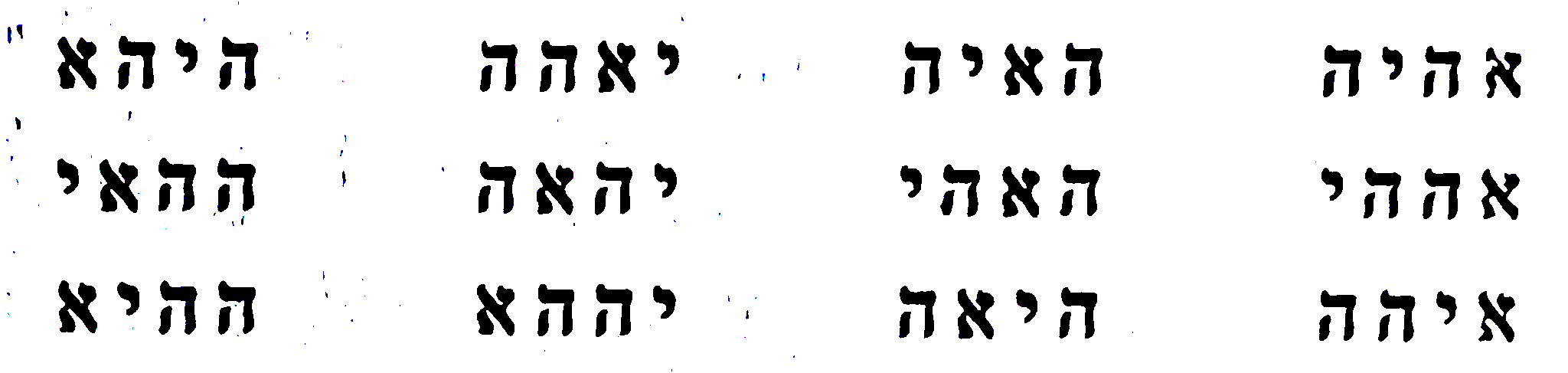
The twelve permutations of the Name Ehyeh are as follows
הי״ב צירופי דשם אהי״ה הם כזה
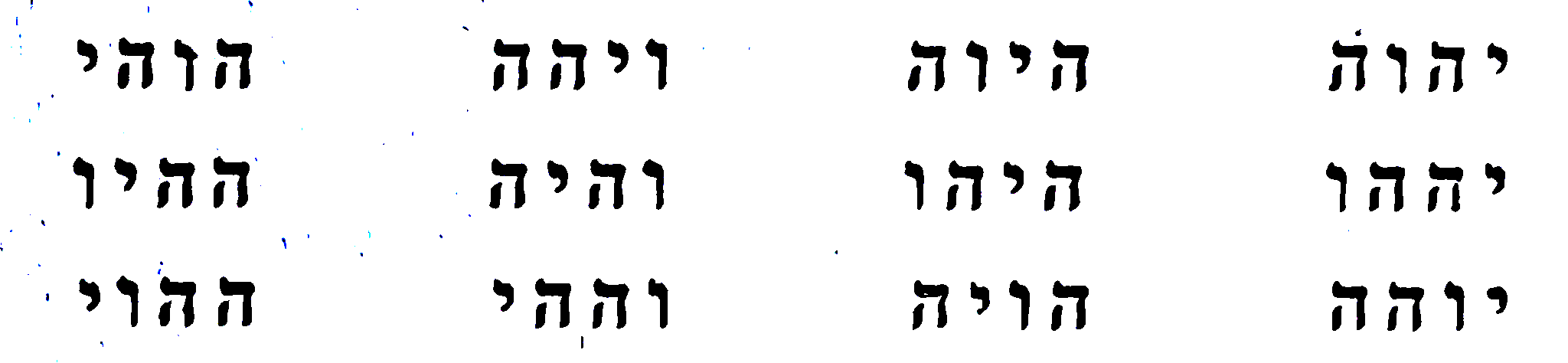
The twelve permutations of the Name Havayah are as follows
הי״ב צירופי דשם הוי״ה הם כזה
The twenty-four permutations of the Name Adonai are as follows
הכ״ד צירופי אדנ״י הם כזה
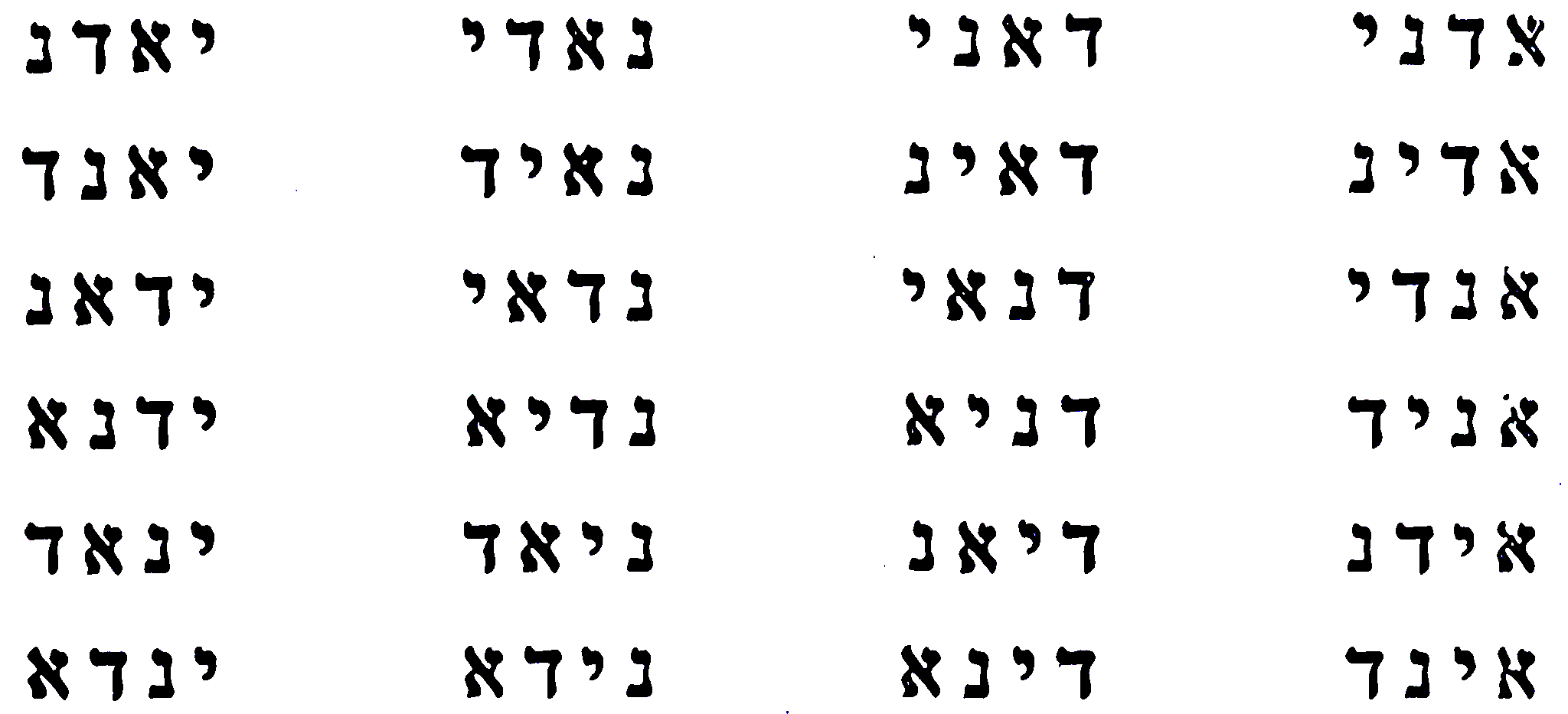
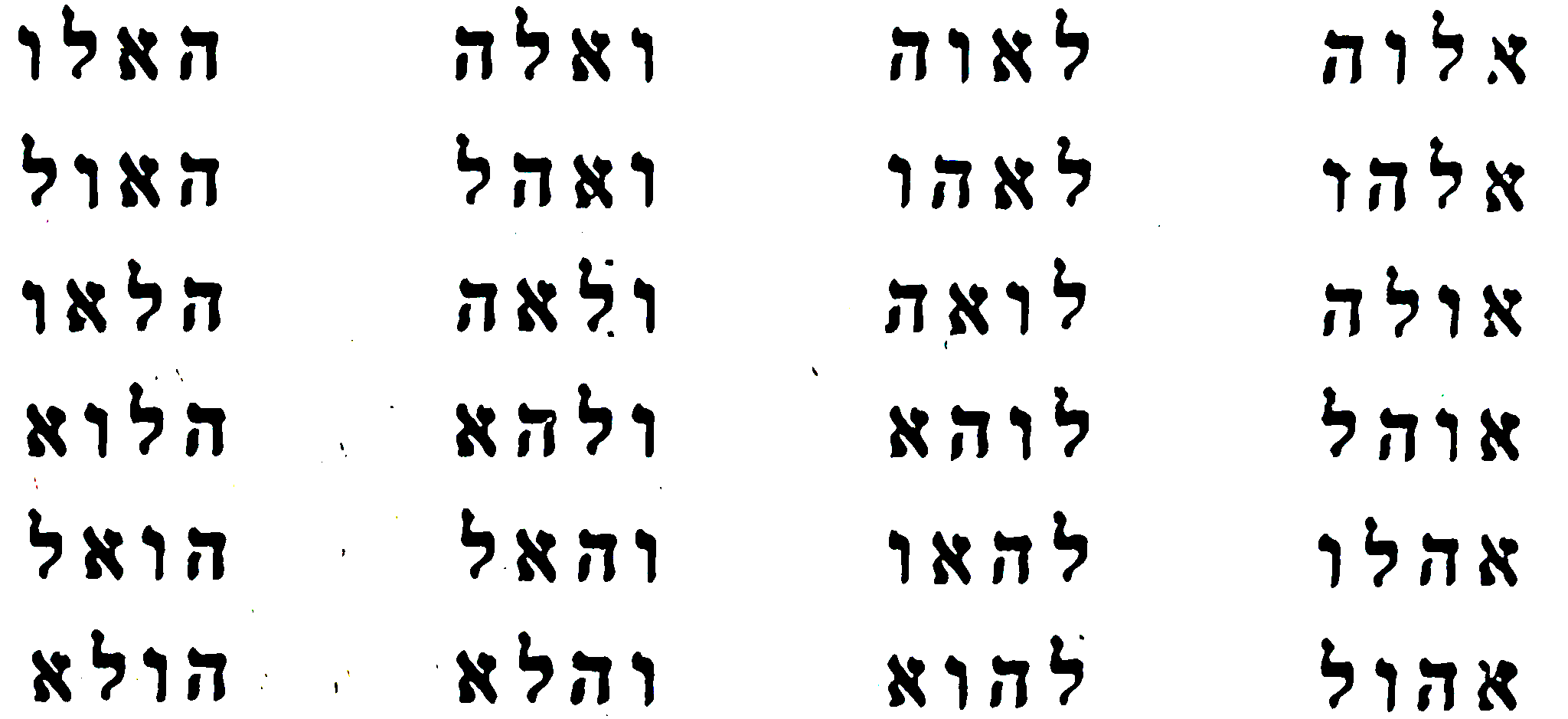
The twenty-four permutations of Eloah
(Which the last of them were in the interior of the Ze’ir anpin and Nukvah of Asiyah)
הכ״ד צירופי אלו״ה
(אשר הי׳ האחרונים מהם הם בפנימית הז״א דעשיה)
The order of the permutations of the 120 permutations of Elohim are thus
סדר הצירופים של הק״כ צירופי אלהים הם כך
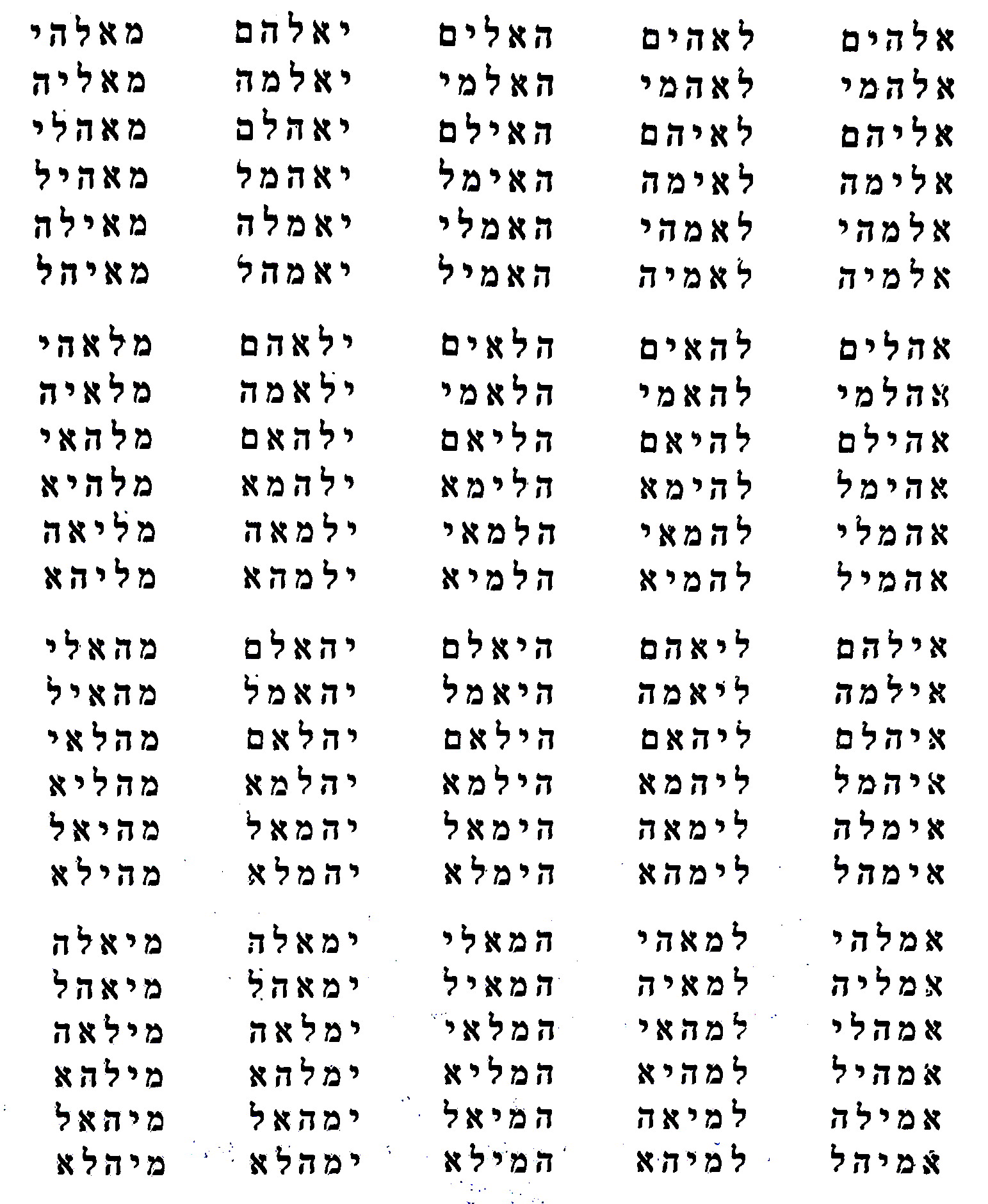
And behold you see (וְהִנְּךָ רוֹאֶה), that every particular combination of interchange is in two letters (שֶׁכָּל צֵרוּף פְּרָטִי הַחִילוּף הוּא בִּב׳ אוֹתִיּוֹת), namely in the two final letters (הַיְינוּ בְּהַב׳ אוֹתִיּוֹת הָאַחֲרוֹנוֹת). And every small array, which is six interchange combinations (וְכָל מַעֲרָכָה קְטַנָּה שֶׁהוּא ו׳ צֵרוּפֵי הַחִילוּף), is in three letters (הוּא בְּג׳ אוֹתִיּוֹת), that the three final ones are reversed from the three first ones (שֶׁהַג׳ הָאַחֲרוֹנוֹת הֵם בְּהֵיפֶךְ מֵהַג׳ הָרִאשׁוֹנוֹת). And every great array, which is twenty-four combinations (וְכָל מַעֲרָכָה גְּדוֹלָה שֶׁהוּא כ״ד צֵרוּפִים), the interchange is of four letters (הַחִילוּף הוּא מִד׳ אוֹתִיּוֹת), that the four at the end are reversed from the four at the beginning (שֶׁהַד׳ שֶׁבַּסּוֹף הֵם בְּהֵיפֶךְ מֵהַד׳ שֶׁבָּרֹאשׁ). And at the end of all the one hundred and twenty (וּבְסוֹף כָּל הַק״ך), all the five letters are interchanged (הוּא כָּל הַה׳ אוֹתִיּוֹת מְחוּלָּפִים), for they are completely reversed (כִּי הֵם בְּהֵיפֶךְ מַמָּשׁ). And you will see further (וְתִרְאֶה עוֹד), that every combination you will find twenty-five times (שֶׁכָּל צֵרוּף תִּמְצָא כ״ה פְּעָמִים).
For example the combination Elokim (כְּמוֹ צֵרוּף אלהי״ם), behold you will find it twenty-four times at the heads of all the arrays (הֲרֵי תִּמְצָא אוֹתוֹ כ״ד פְּעָמִים בְּרָאשֵׁי הַמַּעֲרָכוֹת כֻּלָּם), and one time the combination Elokim itself (וְאֶחָד הַצֵּרוּף אלהי״ם גּוּפֵּיהּ). And so in this manner in all the one hundred and twenty combinations (וְכֵן עַד״ז בְּכָל הַק״ך צֵרוּפִים), except that you will need to interchange the arrays in the manner that you interchange the letters (אֶלָּא שֶׁתִּצְטָרֵךְ לַחֲלֹף אֶת הַמַּעֲרָכוֹת עַל דֶּרֶךְ שֶׁאַתָּה מַחֲלִיף אֶת הָאוֹתִיּוֹת). For example the second combination: ELHMI (כְּמוֹ הַצֵּרוּף הַב׳ אלהמ״י), that the fifth letter precedes the fourth (שֶׁהָאוֹת הַחֲמִישִׁי הוּא קוֹדֵם לָרְבִיעִי), so you shall interchange the fifth array which begins with Mem before the fourth array which begins with Yod (כֵּן תַּחֲלֹף אֶת הַמַּעֲרָכָה הַה׳ הַמַּתְחֶלֶת בְּמ״ם קוֹדֵם לְהַמַּעֲרָכָה הַד׳ הַמַּתְחֶלֶת בְּי׳), and then you will find it also twenty-five times by means of the heads of the arrays as mentioned above (וְאָז תִּמְצָא אוֹתוֹ ג״כ כ״ה פְּעָמִים ע״י הָרָאשֵׁי הַמַּעֲרָכוֹת כַּנ״ל). But aside from the heads of the arrays you will not find any combination of five letters except one time (אֲבָל זוּלַת הָרָאשֵׁי מַעֲרָכוֹת לֹא תִּמְצָא כָּל צֵרוּף דְה׳ אוֹתִיּוֹת רַק פַּעַם אֶחָד). And four letters such as אלה״י you will find two times (וְד׳ אוֹתִיּוֹת כְּגוֹן אלה״י תִּמְצָא ב׳ פְּעָמִים). And three letters you will find six times (וְג׳ אוֹתִיּוֹת תִּמְצָא ו׳ פְּעָמִים). And two letters twenty-four times (וּב׳ אוֹתִיּוֹת כ״ד פְּעָמִים). And one letter one hundred and twenty times (וְאוֹת אֶחָד ק״ך פְּעָמִים). For twenty-four times, behold every letter stands in the first position (כִּי כ״ד פְּעָמִים הֲרֵי עוֹמֶדֶת כָּל אוֹת בָּרִאשׁוֹנָה), and twenty-four times you will find every letter that stands in the second position (וְכ״ד פְּעָמִים תִּמְצָא כָּל אוֹת שֶׁעוֹמֶדֶת בַּשְּׁנִיָּה). And likewise you will find twenty-four times that it stands in the third (וְכֵן תִּמְצָא כ״ד פְּעָמִים שֶׁעוֹמֶדֶת בַּשְּׁלִישִׁית), and likewise in the fourth, and likewise in the fifth (וְכֵן בָּרְבִיעִית וְכֵן בַּחֲמִישִׁית). Thus are the words of Rabbi Shmuel ben Chaim (עכ״ל ה״ר שב״ח).
Chapter 5
שער מד פרק ה
[44:5] Ze’ir Anpin of Beri’ah: thirty garments called the body of Ze’ir Anpin of Beri’ah (ז״א דִּבְרִיאָה שְׁלֹשִׁים לְבוּשִׁים הַנִּקְרָא גּוּף דְז״א דִּבְרִיאָה). The inner are thirty (הַפְּנִימִים הֵם ל׳). The ten inner are ten permutations of YHVH except for the first two permutations, and they are in order from above downward (י׳ פְּנִימִים הֵם י׳ צֵרוּפֵי הֲוָיָ״ה חוּץ מִן ב׳ צֵרוּפִים הָרִאשׁוֹנִים וְהֵם כְּסִדְרָן מִמַּעְלָה לְמַטָּה): YHHV (יהה״ו) YHVH (היו״ה) YHVH (הוי״ה) YHVH (היה״ו) VHYH (והי״ה) VYHH (ויה״ה) HHYV (והה״י) HHVY (ההו״י) HHYV (ההי״ו) HVHY (הוה״י). The intermediate are ten permutations of ADNI from the first twelve except for permutation one and two (הָאֶמְצָעִית הֵם י׳ צֵרוּפֵי שֵׁם אדנ״י מִן י״ב הָרִאשׁוֹנִים וְחוּץ מִצֵּרוּף א׳ וּב׳): IDN (איד״ן) ADIN (אדי״נ) ANID (אני״ד) IND (אינ״ד) DANI (דאנ״י) DNAI (דנא״י) DIAN (דיא״נ) DAIN (דאי״נ) DNIA (דני״א) DINA (דינ״א). The ten outer are the first ten permutations in which there is ELOHIM (הַי׳ חִיצוֹנִים הֵם י׳ צֵרוּפֵי רִאשׁוֹנִים שֶׁיֵּשׁ בָּהֶם אלהי״ם): ELOHIM (אלהי״ם) ELIHOM (אליה״ם) ELMOHI (אלמה״י) ELHOMI (אלהמ״י) ELIMOH (אלימ״ה) ELMIHO (אלמי״ה) AHLEIM (אהלי״ם) AHILOM (אהיל״ם) AHMOLI (אהמל״י) AHLOMI (אהלמ״י). The Neshamah of Ze’ir Anpin of Beri’ah inward of all of them are the ten inner vessels from the three aspects of vessels in Ze’ir Anpin of Atzilut (הַנְּשָׁמָה שֶׁל ז״א דִּבְרִיאָה לִפְנִים מִכֻּלָּם הֵם י״ס הַכֵּלִים הַפְּנִימִים מִג׳ בְּחִי׳ כֵּלִים שֶׁיֵּשׁ בְּז״א דַאֲצִילוּת), and the Ruachin and Nefashin are those Ruachin mentioned in the Heikhalot, Parashat Pekudei, which are the seven Heikhalot of Ze’ir Anpin of Beri’ah that include the ten Sefirot within it, which are Yesod, Heikhal Livnat HaSapir, etc. (וְהָרוּחִין וְהַנַּפְשִׁין הֵם אוֹתָן הָרוּחִין הַנִּזְכָּר בְּהֵיכָלוֹת פ׳ פְּקוּדֵי שֶׁהֵם ז׳ הֵיכָלוֹת דְז״א דִּבְרִיאָה הַכּוֹלְלִים י״ס שֶׁבּוֹ שֶׁהֵם יְסוֹד הֵיכָל לִבְנַת הַסַּפִּיר וְכו׳). Until the upper Heikhal of Kodesh Kodashim which are the upper three (עַד הֵיכָל הָעֶלְיוֹן דְק״ק שֶׁהֵם ג״ר), and in each Heikhal of them the Ruachin that are there are mentioned, and the Nefashin which are called Chayot, as mentioned there in Heikhal Livnat HaSapir (וּבְכָל הֵיכָל מֵהֶם נִזְכָּר שָׁם הָרוּחִין אֲשֶׁר שָׁם וְהַנַּפְשִׁין שֶׁהֵם נִקְרָא חַיּוֹת וְכַנִּזְכָּר שָׁם בְּהֵיכָל לִבְנַת הַסַּפִּיר), that the Ruachin are Stotriya Adiriya Senoniya and the Chayah which was Nefesh is called Bazak, and similarly in every Heikhal and Heikhal you will find there the Name (שֶׁהָרוּחִין סְטוֹטְרִיָ״א אַדִּירִיָ״ה סְנוֹנִיָ״ה וְהַחַיָּה שֶׁהָיָה נֶפֶשׁ הוּא נִקְרָא בָּזָ״ק וְכַיּוֹצֵא בָזֶה בְּכָל הֵיכָל וְהֵיכָל תִּמְצָא שָׁם), and they are of Ze’ir Anpin of Beri’ah (וְהֵם דְז״א דִּבְרִיאָה), but the Ruachin and Nefashin in the seven Heikhalot of the Nukvah of Ze’ir Anpin of Beri’ah were not mentioned there, and I also do not know (אֲבָל הָרוּחִין וְהַנַּפְשִׁין שֶׁבְּז׳ הֵיכָלוֹת דְנוּקְבָא דְז״א דִּבְרִיאָה לֹא הֻזְכְּרוּ שָׁם וְגַם אָנֹכִי לֹא יָדַעְתִּי), and all these aspects of Ruachin and Nefashin and garments are called the World of separation except for the aspect of their Neshamah (וְכָל אֵלֶּה בְּחִינַת שֶׁל רוּחִין וְנַפְשִׁין וּלְבוּשִׁים נִקְרָא עוֹלַם הַפֵּירוּד זוּלַת בְּחִי׳ נְשָׁמָה שֶׁלָּהֶם).
The matter of the makifim of Ze’ir Anpin of Beri’ah, which are these ten makifim for each one of his ten outer Sefirot, are ten permutations in the Name EHYEH (עִנְיַן הַמַקִּיפִים דְז״א דִּבְרִיאָה שֶׁהֵם אֵלּוּ הַי׳ מַקִּיפִים לְכָל א׳ מִי״ס הַחִיצוֹן שֶׁלּוֹ הֵם י׳ צֵרוּפִים שֶׁיֵּשׁ בְּשֵׁם אֶהְיֶ״ה): IYHH (איה״ה) AHHY (אהה״י) HYAH (האי״ה) HHYH (היה״ה) HAHY (האה״י) YHAH (יהא״ה) YAHH (יאה״ה) YHHA (יהה״א) HHYA (ההי״א) HHAY (ההא״י), except for the first permutation and the last, for they are twelve permutations as is known (חוּץ מִצֵּרוּף הָא׳ וְהָאַחֲרוֹן כִּי הֵם י״ב צֵרוּפִים כַּנּוֹדָע). The ten intermediate makifim are the ten permutations of the Name EHYEH mentioned above except that they are in the filling of Heh letters (י׳ מַקִּיפִים אֶמְצָעִים הֵם י׳ צֵרוּפִים שֵׁם אֶהְיֶ״ה הַנ״ל אֶלָּא שֶׁהֵם בְּמִלּוּי הֶהִי״ן). The ten makifim of the ten inner Sefirot are the ten permutations of the Name EHYEH mentioned above except that they are in the filling of Alef letters (י׳ מַקִּיפִים שֶׁל י״ס פְּנִימִים הֵם י׳ צֵרוּפִים שֵׁם אֶהְיֶ״ה הַנ״ל אֶלָּא שֶׁהֵם בְּמִלּוּי אַלְפִּין). The Neshamah of the three parts of the makifim mentioned above are the Name EHYEH mentioned above in the filling of Yod letters in each of the three parts of the aspect of each one according to the form mentioned above in each one, and they are ten permutations as mentioned above (נִשְׁמַת ג׳ חֶלְקֵי הַמַקִּיפִים הַנ״ל הֵם שֵׁם אֶהְיֶ״ה הַנ״ל בְּמִלּוּי יוּדִי״ן בְּכָל א׳ מִן ג׳ חֶלְקֵי בְּחִי׳ כָּל א׳ וְאֶחָד כְּפִי הַצּוּרָה הַנ״ל בְּכָל א׳ וְאֶחָד וְהֵם י׳ צֵרוּפִים כַּנ״ל).
Nukvah of Ze’ir Anpin of Beri’ah: the inner of Beri’ah which are thirty (נוּקְבָא דְז״א דִּבְרִיאָה פְּנִימִית דִּבְרִיאָה שֶׁהֵם ל׳). The ten inner are ten permutations in the Name EHYEH except for the first two permutations, for together with them they are twelve permutations as is known (י׳ הַפְּנִימִיּוֹת הֵם י׳ צֵרוּפִים שֶׁיֵּשׁ בְּשֵׁם אֶהְיֶ״ה חוּץ מִב׳ צֵרוּפִים הָרִאשׁוֹנִים שֶׁעִמָּהֶם הֵם י״ב צֵרוּפִים כַּנּוֹדָע). The ten intermediate are ten permutations of the Name ADNI from the last twelve (י׳ אֶמְצָעִים הֵם י׳ צֵרוּפִים שֶׁל שֵׁם אדנ״י מִן הַי״ב הָאַחֲרוֹנִים): NIAD (ניא״ד) NAID (נאי״ד) NDIA (נדיא״) NIDA (ניד״א) IADN (יאד״נ) IDAN (ידא״נ) INAD (ינא״ד) IAND (יאנ״ד) IDNA (ידנ״א) INDA (ינד״א), except for the first two among them (חוּץ מִן ב׳ רִאשׁוֹנוֹת שֶׁבָּהֶם). The ten outer are the second ten permutations of ELOKIM and these are (י׳ הַחִיצוֹנִיּוֹת הֵם י׳ צֵרוּפֵי אֱלֹקִים הַשְּׁנִיִּים וְאֵלּוּ הֵם): AHIML (אהימ״ל) AHIL (אהי״ל) ILAHM (אילה״ם) IYHLM (איהל״ם) IMLH (אימל״ה) ILMH (אילמ״ה) IYHML (איהמ״ל) IMHL (אימה״ל) AMLHY (אמלה״י) AMHLY (אמהל״י). The Neshamah of the Nukvah of Ze’ir Anpin of Beri’ah inward of all of them are the ten inner Sefirot that are in the Nukvah of Ze’ir Anpin of Atzilut from the three aspects of vessels that are in her (נִשְׁמַת נוּקְבָא דְז״א דִּבְרִיאָה לִפְנִים מִכֻּלָּם הֵם י״ס הַפְּנִימִים שֶׁיֵּשׁ בְּנוּקְבָא דְז״א דַאֲצִילוּת מִן הַג׳ בְּחִי׳ כֵּלִים שֶׁיֵּשׁ בָּהּ), and the Ruachin and the Nefashin are there in the Heikhalot of the Nukvah and they are in Yotzer of Arvit similar to the Heikhalot of Ze’ir Anpin in Yotzer of Shacharit, and it is not mentioned in the Zohar and I did not receive from my teacher of blessed memory (וְהָרוּחִין וְהַנַּפְשִׁין הֵם שָׁם בְּהֵיכְלֵי הַנוּקְבָא וְהֵם בְּיוֹצֵר דְעַרְבִית דּוּגְמַת הֵיכְלֵי ז״א בְּיוֹצֵר דְשַׁחֲרִית וְלֹא נִזְכַּר בַּזֹּהַר וְלֹא קִבַּלְתִּי מִמוֹרִי זלה״ה).
The ten makifim for each one of her ten outer Sefirot are the combination of EHYEH and ADNI inter-included in this manner (י׳ מַקִּיפִים לְכָל א׳ מִי״ס הַחִיצוֹנִים שֶׁלָּהּ הֵם צֵרוּף אֶהְיֶ״ה וְאַדנ״י בְּשִׁילוּב כָּזֶה): A (א׳) AA (א״א) AAH (אא״ה) AAHD (אאה״ד) AAHDY (אאהד״י) AAHDIN (אאהדי״נ) AAHDINH (אאהדינ״ה) AAHDINHY (אאהדינה״י). The ten makifim for the ten intermediate Sefirot are the ten permutations of ADNI mentioned above except for the first two among them, except that they are all in the secret of filling and are not simple (י׳ מַקִּיפִים לְי״ס אֶמְצָעִים הֵם י׳ צֵרוּפֵי אַדנ״י הַנ״ל חוּץ מִב׳ הָרִאשׁוֹנִים שֶׁבָּהֶן אֶלָּא שֶׁהֵם כֻּלָּם בְּסוֹד מִלּוּי וְאֵינָם פְּשׁוּטִים).
The ten makifim for the ten inner Sefirot within her are the ten permutations of EHYEH mentioned above except for the first two, except that they are in the filling of Alefin (י׳ מַקִּיפִים לְי״ס פְּנִימִים שֶׁבָּהּ הֵם י׳ צֵרוּפֵי אֶהְיֶ״ה הַנ״ל חוּץ מִב׳ הָרִאשׁוֹנִים אֶלָּא שֶׁהֵם בְּמִלּוּי אַלְפִּין). The Neshamah of the three parts of the makifim mentioned above of the Nukvah are the ten permutations of the Name EHYEH mentioned above except that they are in the filling of Yodin in each one of the three parts of her aspects according to the permutation mentioned above in each and every one of them, and they are ten permutations as mentioned above (נִשְׁמַת ג׳ חֶלְקֵי הַמַקִּיפִים הַנ״ל שֶׁל הַנוּקְבָא הוּא י׳ צֵרוּפֵי שֵׁם אֶהְיֶ״ה הַנ״ל אֶלָּא שֶׁהֵם בְּמִלּוּי יוּדִי״ן בְּכָל א׳ מִג׳ חֶלְקֵי בְּחִינוֹתֶיהָ כְּפִי הַצֵּרוּף הַנ״ל בְּכָל אֶחָד וְאֶחָד מֵהֶם וְהֵם י׳ צֵרוּפִים כַּנ״ל).
The surrounding light for both of them, for Ze’ir anpin and Nukvah, the makif for the two parts of makifim, is the union of the Name YHVH and EHYEH inter-included thus (או״מ לִשְׁנֵיהֶן לְזו״נ הַמַּקִּיף לִשְׁנֵי חֶלְקֵי מַקִּיפִים הוּא חִבּוּר שֵׁם הֲוָיָ״ה וְאֶהְיֶ״ה מְשֻׁלָּבִים כָּזֶה): Y (י׳) YA (י״א) YAH (יא״ה) YAHH (יאה״ה) YAHHV (יאהה״ו) YAHHVY (יאההו״י) YAHHVYH (יאההוי״ה) YAHHVYHH (יאההויה״ה). The ten third permutations and ten fourth permutations and ten fifth permutations that are in the Name ELOKIM are in Arich Anpin and in Abba and Imma in their ten outer Sefirot in the World of Yetzirah (עֲשָׂרָה צֵרוּפִים שֶׁיֵּשׁ בְּשֵׁם אֱלֹקִים הַשְּׁלִישִׁיּוֹת וְי׳ רְבִיעִיּוֹת וְי׳ חֲמִישִׁיּוֹת הֵם בְּא״א וּבְאו״א בְּי״ס הַחִיצוֹנִים שֶׁבָּהֶם בְּעוֹלָם הַיְצִירָה).
Ze’ir Anpin of Yetzirah, the inner, are thirty (ז״א דְיִצִירָה הַפְּנִימִים הֵם שְׁלֹשִׁים).
The ten inner are six permutations which are the simple Name YHV (י׳ פְּנִימִים הֵם ו׳ צֵרוּפִים שֶׁהוּא שֵׁם יה״ו פָּשׁוּט): YHV (יה״ו) YVH (יו״ה) HYV (הי״ו) HVY (הו״י) VYH (וי״ה) VHY (וה״י), and they are eighteen letters and they are the secret of Tet of Metatron, nine from above downward and nine from below upward, and they are thus (וְהֵם ח״י אוֹתִיּוֹת וְהֵם סוֹד ט״ט דְמַטַּטְרוֹ״ן ט׳ מִלְּמַעְלָה לְמַטָּה וְט׳ מִלְּמַטָּה לְמַעְלָה וְהֵם כָּךְ): YY (י״י) HH (ה״ה) VV (ו״ו) HV (ה״ו) VY (ו״י) YH (י״ה) VH (ו״ה) YV (י״ו) HY (ה״י). The ten intermediate are six permutations of the simple Name Shaddai (י׳ אֶמְצָעִים ו׳ צֵרוּפִים שֵׁם שד״י פָּשׁוּט): SHDY (שד״י) SHYD (שי״ד) DYSH (די״ש) DSHY (דש״י) YSHD (יש״ד) YDSH (יד״ש), and they are also eighteen letters in the secret of Tet as mentioned above (וְהֵם גַּם כֵּן ח״י אוֹתִיּוֹת בְּסוֹד ט״ט כַּנ״ל גַּם כֵּן): SHSH (ש״ש) DD (ד״ד) YY (י״י) SHD (ש״ד) YSH (י״ש) DY (ד״י) DSH (ד״ש) SHY (ש״י) YD (י״ד). The ten outer are the ten sixth permutations that are in the Name ELOKIM, for the third and fourth and fifth are in Arich Anpin and Abba and Imma of Yetzirah in the ten outer Sefirot that are in each one of them (י׳ חִיצוֹנִיּוֹת הֵם י׳ צֵרוּפִים הַשִּׁשִּׁיִּים שֶׁיֵּשׁ בְּשֵׁם אֱלֹקִים לְפִי שֶׁהַשְּׁלִישִׁים וְהָרְבִיעִים וְהַחֲמִישִׁים הֵם בְּא״א וְאו״א דְיִצִירָה בְּי׳ חִיצוֹנִיּוֹת שֶׁבְּכָל אֶחָד מֵהֶם).
The Neshamah of Ze’ir Anpin of Yetzirah are the ten intermediate Sefirot that are in Ze’ir Anpin of Atzilut (נִשְׁמַת ז״א דְיִצִירָה הֵם י״ס אֶמְצָעִים שֶׁיֵּשׁ בְּז״א דַאֲצִילוּת), and the Ruachin and the Nefashin are those that are in the Heikhalot of the chapters of Rabbi Akiva and Rabbi Yishmael when they entered the Pardes, which are the Heikhalot of Ze’ir Anpin of Yetzirah (וְהָרוּחִין וְהַנַּפְשִׁין הֵם אוֹתָן שֶׁיֵּשׁ בְּהֵיכָלוֹת פִּרְקֵי ר״ע וְר׳ יִשְׁמָעֵאל כְּשֶׁנִּכְנְסוּ לַפַּרְדֵּס שֶׁהֵם הֵיכְלֵי ז״א דְיִצִירָה). The makifim in his ten outer Sefirot are the permutations of EHYEH and ELOKIM inter-included in square form thus (הַמַקִּיפִים בְּי״ס חִיצוֹנִיּוֹת שֶׁלּוֹ הֵם צֵרוּפֵי אֶהְיֶ״ה וֶאֱלֹקִים מְשֻׁלָּבִים בְּרִבּוּעַ כָּזֶה): A (א׳) AA (א״א) AAH (אא״ה) AAHL (אאה״ל) AAHL Y (אאהל״י) AAHL YH (אאהלי״ה) AAHL YHH (אאהליה״ה) AAHL YHHY (אאהליהה״י) AAHL YHHYM (אאהליההי״ם). The intermediate makifim are six permutations of SHDY all filled in the manner of the intermediate inner (מַקִּיפִים אֶמְצָעִים ו׳ צֵרוּפֵי שד״י כֻּלָּם מְלֵאִים עַל דֶּרֶךְ הַפְּנִימִים הָאֶמְצָעִים). The inner makifim are six permutations of the Name YHV in the filling of Alefin (מַקִּיפִים פְּנִימִים הֵם ו׳ צֵרוּפִים שֵׁם יה״ו בְּמִלּוּי אַלְפִּין). The Neshamah of the three parts of these makifim of Ze’ir Anpin of Yetzirah is the YHV mentioned above in the filling of Yodin combined according to the makifim (נִשְׁמַת ג׳ חֶלְקֵי מַקִּיפִים אֵלּוּ דְז״א דְיִצִירָה הוּא יה״ו הַנ״ל בְּמִלּוּי יוּדִי״ן מְצוּרָף כְּפִי הַמַקִּיפִין).
Nukvah of Ze’ir Anpin of Yetzirah: the inner are thirty (נוּקְבָא דְז״א דְיִצִירָה הַפְּנִימִים הֵם ל׳). The inner are ten permutations found in the first twelve permutations of the Name ELOAH, except for the first two among them (הַפְּנִימִים הֵם י׳ צֵרוּפִים שֶׁיֵּשׁ בְּי״ב צֵירוּפִים רִאשׁוֹנִים שֶׁל שֵׁם אֱלוֹהַּ חוּץ מִב׳ רִאשׁוֹנִים שֶׁבָּהֶם): AHLV (אהל״ו) ALHV (אלה״ו) OHL A (אוה״ל) AHVL (אהו״ל) LAVH (לאו״ה) LVAH (לוא״ה) LHAV (להא״ו) LAHV (לאה״ו) LVHA (לוה״א) LHVA (להו״א). The intermediate are the ten letters of the filling of ELOAH in this manner, one letter in each Sefirah and Sefirah among them (הָאֶמְצָעִים הֵם י׳ אוֹתִיּוֹת הַמִּלּוּי דְאֱלוֹהַּ כָּזֶה אל״ף לָמ״ד ו״ו ה״ה אוֹת א׳ בְּכָל סְפִירָה וּסְפִירָה מֵהֶן). The outer are the ten seventh permutations found in the Name ELOHIM (הַחִיצוֹנִיּוֹת הֵם י׳ צֵרוּפִים הַשְּׁבִיעִים שֶׁיֵּשׁ בְּשֵׁם אלהים).
Ze’ir Anpin of Asiyah (ז״א דַעֲשִׂיָּה), the inner are ten permutations found in the last twelve permutations of the Name ELOAH, except for the first two permutations among them (הַפְּנִימִים הֵם י׳ צֵרוּפִים שֶׁיֵּשׁ בְּי״ב צֵרוּפִים אַחֲרוֹנִים שֶׁל שֵׁם אֱלוֹהַּ חוּץ מִן הַב׳ צֵרוּפִים הָרִאשׁוֹנִים שֶׁבָּהֶן), the intermediate are the Name ELI inter-combined six times (הָאֶמְצָעִים שֵׁם אֵלִי מְצוֹרָף ו׳ פְּעָמִים), the outer are the ten eleventh permutations of ELOHIM (הַחִיצוֹנִים הֵם י׳ צֵרוּפִים אֱלֹהִים הָאַחַד עָשָׂר), for the Peh and the Tzadi and the Qof are in Arich Anpin and Abba and Imma of Asiyah in the ten outer Sefirot that are in each one of them (כִּי הַפ׳ וְהַצ׳ וְהַק׳ הֵם בְּא״א וּבְאו״א דַעֲשִׂיָּה בְּי״ס חִיצוֹנִים שֶׁבְּכָל א׳ מֵהֶם).
The Neshamah of Ze’ir Anpin of Asiyah are the ten outer Sefirot of Ze’ir Anpin of Atzilut (נִשְׁמַת ז״א דַעֲשִׂיָּה הֵם י״ס הַחִיצוֹנִים שֶׁל ז״א דַאֲצִילוּת), and the Ruachin and the Nefashin, it appears to me that I heard from my teacher of blessed memory that they are in the seven firmaments mentioned in Parashat Vayakhel (וְהָרוּחִין וְהַנַּפְשִׁין נִלְע״ד שֶׁשָּׁמַעְתִּי מִמוֹרִי זלה״ה שֶׁהֵם בְּז׳ רְקִיעִים הַנִּזְכָּר פָּרָשַׁת וַיַּקְהֵל). The makifim of Ze’ir Anpin of Asiyah are these: the outer makifim are the permutation of ELOAH and ELOKIM inter-included in square form thus (הַמַקִּיפִים דְז״א דַעֲשִׂיָּה הֵם אֵלּוּ הַמַקִּיפִין הַחִיצוֹנִים הוּא צֵרוּף אֱלוֹהַּ וֶאֱלֹהִים מְשֻׁלָּבִים בְּרִבּוּעַ כָּזֶה): A (א׳) AA (א״א) AAL (אא״ל) AALL (אאל״ל) AALV (אאל״ו) AALLOH (אאללו״ה) AALLOHH (אאללוה״ה) AALLOHHY (אאלוהה״י) AALLOHHYM (אאללוההי״ם). The makifim for the intermediate are the Name YHH in the filling of Hehin thus (הַמַקִּיפִים לָאֶמְצָעִים שֵׁם יה״ה בְּמִלּוּי הֶהִי״ן כָּזֶה): Yod Heh Heh Heh (יו״ד ה״ה ה״ה). The makifim for the inner are nine letters ELI in the filling thus, one letter in each Sefirah and Sefirah among them (מַקִּיפִים לַפְּנִימִים הֵם ט׳ אוֹתִיּוֹת אֵלִ״י בְּמִלּוּי כָּזֶה אל״ף לָמ״ד יו״ד אוֹת א׳ בְּכָל סְפִירָה וּסְפִירָה מֵהֶם). The Neshamah of the three parts of the makifim are the Name YHV thus (נִשְׁמַת ג׳ חֶלְקֵי הַמַקִּיפִים הֵם שֵׁם יה״ו כָּזֶה): Yod Heh Yod Vav (יו״ד ה״י ו״ו), some say: Vav Yod Vav (נ״א וי״ו).
Nukvah of Ze’ir Anpin of Asiyah, the inner are thirty (נוּקְבָא דְז״א דַעֲשִׂיָּה הַפְּנִימִים הֵם ל׳), the inner are ten permutations of the Name YHVH except for the first two permutations among them (הַפְּנִימִים הֵם י׳ צֵרוּפִים שֵׁם הֲוָיָ״ה חוּץ מִב׳ צֵרוּפִים הָרִאשׁוֹנִים שֶׁבָּהֶם), the intermediate are ten letters of YHVH mentioned in filling thus (הָאֶמְצָעִים עֶשֶׂר אוֹתִיּוֹת הֲוָיָ״ה הַנִּזְכָּר בְּמִלּוּי כָּזֶה): Heh Heh Vav Vav Yod Yod (ה״ה ו״ו יו״ד יו״ד), the outer are ten last permutations found in the one hundred and twenty permutations of the Name ELOKIM (הַחִיצוֹנִים הֵם י׳ צֵרוּפִים אַחֲרוֹנִים שֶׁיֵּשׁ בְּק״ך צֵרוּפֵי שֵׁם אֱלֹקִים). The Neshamah of the Nukvah of Ze’ir Anpin are the ten outer Sefirot that are in the Nukvah of Ze’ir Anpin of Atzilut (נִשְׁמַת נוּקְבָא דְז״א הֵם י״ס הַחִיצוֹנִים שֶׁיֵּשׁ בְּנוּקְבָא דְז״א דַאֲצִילוּת). The outer makifim are the inter-inclusion of the two Names ELI and ELOAH thus (הַמַקִּיפִים הַחִיצוֹנִים הֵם שִׁילוּב ב׳ שֵׁמוֹת אֵלִ״י אֱלוֹהַּ כָּזֶה): A (א׳) AA (א״א) AAL (אא״ל) AALL (אאל״ל) AALLY (אאלל״י) AALLYV (אאללי״ו) AALLYVH (אאלליו״ה). The intermediate are nine letters Yod Vav Vav, one letter in each Sefirah (הָאֶמְצָעִים הֵם ט׳ אוֹתִיּוֹת יו״ד וי״ו וי״ו אוֹת א׳ בְּכָל סְפִירָה), the inner are Yod letters Heh Yod Vav Yod (הַפְּנִימִים הֵם יו״ד אוֹתִיּוֹת ה״י ו״ו יו״ד), for the letter lacking from the intermediate is filled from the inner (כִּי הָאוֹת הַחֲסֵרָה מֵאֶמְצָעִים מִתְמַלֵּאת מִפְּנִימִית), the Neshamah of the three parts of the makifim are Yod Heh Alef Vav (נִשְׁמַת ג׳ חֶלְקֵי הַמַקִּיפִים הֵם יו״ד ה״א וא״ו).
Chapter 6
שער מד פרק ו
[44:6] And we shall now explain the way of the generality of all the details mentioned above (וְנְבָאֵר עַתָּה דֶּרֶךְ כְּלָלוּת כָּל הַפְּרָטִים הַנ״ל), know (דַּע), that in every one of the ten Sefirot of the Nukvah of Ze’ir Anpin there are inner, intermediate, and outer aspects (כִּי בְּכָל א׳ מִי״ס נוּקְבָא דְז״א יֵשׁ בָּהֶם פְּנִימִית וְאֶמְצָעִית וְחִיצוֹנִית), and likewise the matter is also in every one of the ten Sefirot of Ze’ir Anpin (וְכֵן הָעִנְיָן גַּם כֵּן בְּכָל א׳ מִי״ס דְז״א), and so in Abba and Imma (וְכֵן בְּאו״א), and so in Arich Anpin (וְכֵן בְּא״א). Also know (גַּם דַּע), that in every Sefirah of them there is Neshamah to Neshamah and Nefesh, Ruach, and Neshamah (כִּי בְּכָל סְפִירָה מֵהֶם יֵשׁ לוֹ נְשָׁמָה לַנְּשָׁמָה וְנר״ן), except for the ten Sefirot of the Nukvah of Ze’ir Anpin, for in all her ten Sefirot there is only one Neshamah to Neshamah and likewise one Neshamah and one Ruach and one Nefesh alone that spread throughout all the ten Sefirot together (חוּץ מִי״ס דְנוּקְבָא דְז״א שֶׁאֵין בְּכָל הַי״ס שֶׁלָּהּ רַק נְשָׁמָה לַנְּשָׁמָה א׳ וְכֵן נְשָׁמָה א׳ וְכֵן רוּחַ א׳ וְכֵן נֶפֶשׁ א׳ לְבַד הַמִּתְפַּשְּׁטוֹת בְּכָל הַי״ס יַחַד).
Also know (גַּם דַּע), that outside every one of the three aspects that are in every Sefirah and Sefirah, whether of the ten Sefirot of the Nukvah or of Ze’ir Anpin or of Abba and Imma or of Arich Anpin, there is outside the Sefirah one light that surrounds it (כִּי חוּץ מִכָּל א׳ מִג׳ בְּחִי׳ שֶׁיֵּשׁ בְּכָל סְפִירָה וּסְפִירָה בֵּין מִי״ס דְנוּקְבָא אוֹ דְז״א אוֹ דְאו״א אוֹ דְא״א יֵשׁ מִחוּץ לַסְּפִירָה אוֹר א׳ הַמַּקִּיף לָהּ), thus for the three aspects that are in every Sefirah there are three surrounding lights (נִמְצָא כִּי לְג׳ בְּחִי׳ שֶׁיֵּשׁ בְּכָל סְפִירָה יֵשׁ ג׳ אוֹרוֹת מַקִּיפִים). Also know (גַּם דַּע), that for every Sefirah and Sefirah of all the ten Sefirot of Ze’ir Anpin there is the aspect of a surrounding light over the three other makifim mentioned above (כִּי יֵשׁ לְכָל סְפִירָה וּסְפִירָה מִכָּל הַי״ס דְז״א בְּחִי׳ אוֹר מַקִּיף עַל ג׳ מַקִּיפִים אֲחֵרִים הַנ״ל), and likewise for every one of the ten Sefirot of the Nukvah of Ze’ir Anpin there are three makifim (וְגַם לְכָל א׳ מִי״ס דְנוּק׳ דְז״א יֵשׁ ג׳ מַקִּיפִים), and there is also one light that surrounds them all (וְגַם יֵשׁ אוֹר א׳ מַקִּיף אֶת כֻּולָּם).
Also know (גַּם דַּע), that these surrounding lights of all the details mentioned above which are included in Ze’ir Anpin and Nukvah are all the aspect of the light of Binah that surrounds the children in the secret of “He spreads the Sukkah of peace” (כִּי אֵלּוּ אוֹרוֹת הַמַּקִּיפִין כָּל הַפְּרָטִים הַנ״ל הַנִּכְלָלִים בְּזו״ן כֻּלָּם הֵם בְּחִי׳ אוֹר הַבִּינָה הַמַּקִּיף אֶת הַבָּנִים בְּסוֹד פוֹרֵשׂ סֻכַּת שָׁלוֹם), and now the surrounding light is from the side of Binah (וְעַתָּה אוֹר מַקִּיף הוּא מִצַּד הַבִּינָה), and afterward in the future to come speedily in our days Hashem will create a new thing in the earth, for the female shall surround the male, which is Ze’ir Anpin (וְאַחַ״כ לֶעָתִיד לָבֹא בִּמְהֵרָה בְיָמֵינוּ יִבְרָא ה׳ חֲדָשָׁה בָאָרֶץ כִּי נְקֵבָה תְּסוֹבֵב גָּבֶר הוּא הַז״א), that is to say (ר״ל), that the Nukvah of Ze’ir Anpin which is the lower one called Malkhut shall surround the male, Ze’ir Anpin, similar to what now surrounds him which is Binah (שֶׁהַנוּקְבָא דְז״א שֶׁהִיא הַתַּחְתּוֹנָה הַנִּקְרָא מַלְכוּת תְּסוֹבֵב גָּבֶר הַז״א כְּדִמְיוֹן מַה שֶּׁעַתָּה מְסַבֶּבֶת אוֹתוֹ הַבִּינָה), and the reason is that Malkhut shall be elevated above Ze’ir Anpin which is called Tiferet in the secret of “the righteous sit and their crowns are upon their heads” (וְהַסִּיבָּה כִּי תִּתְעַלֶּה הַמַּלְכוּת לְמַעְלָה מִז״א הַנִּקְרָא תִּפְאֶרֶת בְּסוֹד צַדִּיקִים יוֹשְׁבִים וַעֲטָרוֹתֵיהֶן בְּרָאשֵׁיהֶם), and therefore you will find that all the surrounding lights of Ze’ir Anpin and Nukvah are the aspect of the Names of EHYEH (וְעַל כֵּן תִּמְצָא כִּי כָּל הָאֲרוֹת הַמַּקִּיפִים לְזו״נ הֵם בְּחִי׳ שֵׁמוֹת שֶׁל אֶהְיֶ״ה). Also know (גַּם דַּע), that all the surrounding lights that surround Ze’ir Anpin have vowelization in those Names (כִּי כָּל אוֹרוֹת הַמַּקִּיפִים אֶת ז״א יֵשׁ בָּהֶם נְקוּדוֹת בְּאוֹתָן הַשֵּׁמוֹת), but in the Names of the surrounding lights of the Nukvah of Ze’ir Anpin there is no vowelization in them (אֲבָל בַּשֵּׁמוֹת הָאוֹרוֹת הַמַּקִּיפִים הַנוּקְבָא דְז״א אֵין בָּהֶם נְקוּדָה).
Also this matter applies in the Sefirot themselves, for all the Sefirot of the Nukvah are not vowelized, unlike Ze’ir Anpin (גַּם עִנְיַן זֶה נוֹהֵג בַּסְּפִירוֹת עַצְמָן כִּי כָּל הַסְּפִירוֹת הַנוּקְבָא אֵינָן מְנֻקָּדוֹת מַשֶּׁאֵין כֵּן בְּז״א). Also know (גַּם דַּע), that always the surrounding light is much, much greater than the enclosed light which is called Or Pnimi, and it is its Neshamah (כִּי לְעוֹלָם אוֹר הַמַּקִּיף גָּדוֹל מֵאוֹר הַמֻּקָּף שֶׁהוּא הַנִּקְרָא או״פ מְאֹד מְאֹד וְהוּא נְשָׁמָה לוֹ). Also this matter applies within the makifim themselves, for the more outer makif is superior to its fellow and it is its Neshamah, unlike Or Pnimi where the more inner is greater than the one outer from it (גַּם עִנְיַן זֶה נוֹהֵג בַּמַּקִּיפִים עַצְמָן כִּי הַמַּקִּיף יוֹתֵר חִיצוֹן הוּא מְעוּלֶּה מֵחֲבֵרוֹ וְהוּא נְשָׁמָה לוֹ מַשֶּׁאֵין כֵּן בְּאו״פ שֶׁהַיּוֹתֵר פְּנִימִי הוּא גָּדוֹל מֵחֲבֵרוֹ הַחִיצוֹן מִמֶּנּוּ).
Also know (גַּם דַּע), that in every Sefirah and Sefirah of Netzach or Hod, whether in Ze’ir Anpin or in the Nukvah, there is no Name in the manner of filling, and the reason is that they are the secret of “willows of the brook” in the lulav which have neither taste nor fragrance, and understand this well (כִּי אֵין לְךָ בְּכָל סְפִירָה וּסְפִירָה שֶׁל נֵצַח אוֹ הוֹד בֵּין בְּז״א בֵּין בְּנוּקְבָא שֶׁיִּהְיֶה לָהֶם שֵׁם עַל דֶּרֶךְ מִלּוּי וְהַטַּעַם לְפִי שֶׁהֵם סוֹד עַרְבֵי נַחַל שֶׁבְּלוּלָב שֶׁאֵין לָהֶם לֹא טַעַם וְלֹא רֵיחַ וְדוּ״ק). Also know (גַּם דַּע), that in all the ten Havayot vowelized with Patach and Kamatz, etc., which are the aspect of Nefesh, Ruach, and Neshamah for Ze’ir Anpin and Nukvah, in every letter and letter there is one light that surrounds them (שֶׁבְּכָל י׳ הֲוָיוֹת הַמְּנֻקָּדוֹת בְּפַתַּח וְקָמַץ כו׳ אֲשֶׁר הֵם בְּחִי׳ נר״ן לְזו״נ יֵשׁ בְּכָל אוֹת וְאוֹת אוֹר א׳ הַמַּקִּיף עֲלֵיהֶם).
And we shall now explain somewhat explanations and reasons concerning the above discourse (וּנְבָאֵר עַתָּה קְצָת בֵּיאוּרִים וּטְעָמִים אֶל הַדְּרוּשׁ הַנ״ל). The Da’at of Ze’ir Anpin (הַדַּעַת דז״א), in all three aspects that are within the inner ones and middle ones and outer ones (בְּכָל ג׳ בְּחִינוֹת שֶׁבַּפְּנִימִים וְאֶמְצָעִים וַאֲחוֹר). Know (דַּע), that three aspects that are within the Sefirot of Da’at (כִּי ג׳ בְּחִינוֹת שֶׁבַּסְּפִירוֹת דַּעַת), of Ze’ir Anpin of Atzilut (דזְעֵיר אַנְפִּין דַּאֲצִילוּת), outer ones and middle ones and inner ones (חִיצוֹנִיּוֹת אֶמְצָעִיּוֹת וּפְנִימִיּוֹת), which are B״N, S״G, A״B (שֶׁהֵם ב״ן ס״ג ע״ב), equal in gematria one hundred and eighty-seven (גִּימַטְרִיָּא קפ״ז). And this is the secret of the Name Peh-Zayin-Kuf (וְזֶה סוֹד שֵׁם פז״ק), which is in the Name Forty-Two (שֶׁיֵּשׁ בְּשֵׁם מ״ב), as is known (כַּנּוֹדָע). Also with the word itself (גַּם עִם הַמִּלָּה עַצְמָהּ), it is in gematria Makom (גִּימַטְרִיָּא מָקוֹם), also it is in gematria the Name Havayah by way of striking (גַּם הוּא גִּימַטְרִיָּא שֵׁם הוי״ה דֶּרֶךְ הַכָּאָה), Yod-Peh-Yod, Heh-Peh-Heh, Vav-Peh-Vav, Heh-Peh-Heh (יפ״י הַפ״ה וּפ״ו הַפ״ה), all equal in gematria one hundred and eighty-seven with the Name itself (הַכֹּל גִּימַטְרִיָּא קפ״ז עִם הַשֵּׁם בְּעַצְמוֹ). And this is the secret of “and he encountered the place” (וְז״ס וַיִּפְגַּע בַּמָּקוֹם), that is to say one hundred and eighty-seven which is in gematria Makom (ר״ל קפ״ז שֶׁהוּא גִּימַטְרִיָּא מָקוֹם).
The Chesed that is within it is the Name Elokah (הַחֶסֶד שֶׁבּוֹ שֵׁם אֱלוֹהַּ), it is the secret of the verse “From the breath of Elokah they perish” (הוּא סוֹד הַכָּתוּב מִנִּשְׁמַת אֱלוֹהַּ יֹאבֵדוּ) (Job 4). And it is the seal and the garment mentioned in Sava, Parashat Mishpatim (וְהוּא הַחוֹתָם וְהַלְּבוּשׁ הַנִּזְכָּר בְּסָבָא פָּרָשַׁת מִשְׁפָּטִים), on the verse “her food, her garment, and her conjugal right he shall not diminish” (עַל פָּסוּק שְׁאֵרָהּ כְּסוּתָהּ וְעֹנָתָהּ לֹא יִגְרָע) (Exodus 21). “Her garment” is explained as the garment of the King that spreads over her, Elokah, etc. (כְּסוּתָהּ פֵּרוּשׁוֹ דְּלְבוּשָׁא דְּמַלְכָּא דְּפָרִישׂ עָלָהּ אֱלוֹהַּ כו׳). And behold, this Name has in it the letters El and Vav-Heh (וְהִנֵּה שֵׁם זֶה יֵשׁ בּוֹ אוֹתִיּוֹת א״ל ו״ה), for the Name El is Chesed (כִּי שֵׁם א״ל הוּא חֶסֶד), and the Name Vav-Heh is that which joins and combines with the letters of “My remembrance” (וְשֵׁם ו״ה הוּא הַמִּתְחַבֵּר וּמִצְטָרֵף עִם אוֹתִיּוֹת זִכְרִי), and they are in gematria two hundred and forty-eight positive commandments (וְהֵם גִּימַטְרִיָּא רמ״ח מִצְוֹת עֲשֵׂה), which are from the side of Chesed, as is known (שֶׁמִּצַּד הַחֶסֶד כַּנּוֹדָע).
The Gevurah of Ze’ir Anpin (הַגְּבוּרָה דז״א), the inner Name is the Name Y״H (הַשֵּׁם הַפְּנִימִי הוּא שֵׁם י״ה), and it is the secret of “the flame of Yah” (וְהוּא סוֹד שַׁלְהֶבֶת יָהּ), that goes out from Binah to Gevurah (הַיּוֹצֵא מִבִּינָה אֶל הַגְּבוּרָה), and this is the secret mentioned in Parashat Bereshit, page 32b (וְזֶה סוֹד הַנִּזְכָּר פ׳ בְּרֵאשִׁית דל״ב ע״ב), and this is its language (וְזֶה לְשׁוֹנוֹ): Rabbi Abba said (אָמַר רַבִּי אַבָּא), thus did the ancients say (כָּךְ הֲווֹ קַדְמָאֵי אָמְרֵי), when they would reach this place (כַּד הֲווֹ מָטָאן לְהַאי אֲתַר), their lips of the wise would close (מֵרֵישָׁן שִׂפְוָן דְּחַכִּימִין), and they would say nothing (וְלָא אָמְרֵי מִידִי), in order that they not be punished (בְּגִין דְּלָא אִתְעַנְשִׁין). Also this is Y״H that joins with “My Name” (גַּם זֶהוּ י״ה הַמִּתְחַבֵּר עִם שְׁמִי), and it is in gematria three hundred and sixty-five negative commandments (וְהוּא גִּימַטְרִיָּא שס״ה ל״ת כַּנּוֹדָע). And its outer one is Havayah with the vowelization of Elokim (וְהַחִיצוֹן שֶׁבּוֹ הוי״ה בְּנִיקוּד אֱלֹהִים), and it itself is the inner Name of the Gevurah of the Nukvah of Ze’ir Anpin (וְהוּא עַצְמוֹ שֵׁם הַפְּנִימִי דִּגְבוּרָה דְּנוּקְבָא דז״א), and this outer Name of the Gevurah of Ze’ir Anpin enclothes within the inner one of the Gevurah of the Nukvah (וְזֶה שֵׁם הַחִיצוֹן דִּגְבוּרָה דז״א מִתְלַבֵּשׁ תּוֹךְ פְּנִימִי דִּגְבוּרָה דְּנוּקְבָא), and from this aspect the Nukvah of Ze’ir Anpin is joined and bound with the Gevurah that is called “its left side” of the Ze’ir Anpin (וּמִצַּד זֶה הוּא שֶׁמִּתְחַבֶּרֶת וּמִתְקַשֶּׁרֶת נוּקְבָא דז״א עִם הַגְּבוּרָה הַנִּקְרָא שְׂמֹאלָהּ שֶׁל הַז״א).
The Tiferet of Ze’ir Anpin (הַתִּפְאֶרֶת דז״א), all three aspects (כָּל ג׳ בְּחִי׳), it is the Name Havayah (הוּא שֵׁם הוי״ה), and this is the reason that Havayah is not called so much essentially except in Tiferet, as is known (וְזֶהוּ טַעַם שֶׁאֵין הוי״ה נִקְרָא כָּל כָּךְ בְּעֶצֶם כְּמוֹ בְּתִּפְאֶרֶת כַּנּוֹדָע). And the inner Name within it is in the filling of Alephin (וְשֵׁם פְּנִימִי שֶׁבּוֹ הוּא בְּמִלּוּי אַלְפִין), and this is the secret that Tiferet is called Adam (וְזֶה סוֹד שֶׁהַתִּפְאֶרֶת נִקְרָא אָדָם), for it is thus in gematria (שֶׁהוּא כָּךְ בְּגִימַטְרִיָּא). And behold, so is the outer Name in Chokhmah (וְהִנֵּה כֵּן הוּא שֵׁם הַחִיצוֹן בְּחָכְמָה), in the secret of “What is His Name and what is the Name of His Son, if you know” (בְּסוֹד מַה שְּׁמוֹ וּמַה שֶּׁם בְּנוֹ כִּי תֵדָע) (Proverbs 30). Behold (הִנֵּה), the Tiferet of hers of the Nukvah (הַתִּפְאֶרֶת שֶׁלָּהּ דְּנוּקְבָא), her two outer Names (ב׳ שֵׁמוֹת שֶׁלָּהּ הַחִיצוֹנִים), are corresponding to the two Names of the thighs of the male (הֵם נֶגֶד ב׳ שֵׁמוֹת שׁוֹקֵי הַזָּכָר), which corresponding to them is the body of the Nukvah, which is her Tiferet (אֲשֶׁר כְּנֶגְדָּם הוּא גּוּף הַנּוּקְבָא שֶׁהוּא תִּפְאֶרֶת שֶׁלָּהּ). And also those thighs of his (וְגַם אוֹתָם שׁוֹקַיִם שֶׁלּוֹ), that are aligned corresponding to her body (הַמְּכוּוָּנִים כְּנֶגֶד גּוּפָהּ), are called Tzeva’ot (נִקְרָא צְבָאוֹת), and also the Name Hishtaf’a, a substitution of Tzeva’ot (וְגַם שֵׁם הִשְׁתַּפְּעָא חִלּוּף צְבָאוֹת).
It is Netzach and Hod of Ze’ir Anpin (נֵצַח וְהוֹד דְּז״א), know (דַּע), that Netzach and Hod of Ze’ir Anpin (כִּי נ״ה דְּז״א), is the secret of one body (הוּא סוֹד חַד גּוּפָא), in the aspect of externals (בִּבְחִי׳ חִיצוֹנִים), but in the aspect of internals (אֲבָל בִּבְחִי׳ פְּנִימִי׳), they are two halves of one body (הֵם תְּרֵי פַלְגֵי גּוּפָא), as mentioned in the Zohar (כַּנִּזְכָּר בַּזֹּהַר). How so (כֵּיצַד), behold (הִנֵּה), the external Name there (שָׁם הַחִיצוֹן), is the Name Tzevaot (הוּא שֵׁם צְבָאוֹת), and this Name includes both of them together (וְשֵׁם זֶה כּוֹלֵל שְׁנֵיהֶם יַחַד), and afterwards in the middle (וְאַחַ״כ בָּאֶמְצַע), there is one Name alone (הוּא שֵׁם א׳ לְבַד), including both of them (כּוֹלֵל לִשְׁנֵיהֶם), which is in squared form (שֶׁהוּא בְּרִבּוּעַ): Tz Tzeva Tzevaot (צ צב צבא צבאו צבאות), and behold (וַהֲרֵי), that from the side of these two external Names (כִּי מִצַּד ב׳ שֵׁמוֹת אֵלּוּ הַחִיצוֹנִים), they are included together (הֵם כְּלוּלִים בְּיַחַד), but the third (אֲבָל הַג׳), and it is the internal (וְהוּא הַפְּנִימִי), from its side (מִצִּידוֹ), they are divided into two (הֵם נֶחְלָקִים לִב׳), the Name Havayah in Netzach (שֵׁם הוי״ה בְּנֵצַח), and the Name Adni in Hod (וְשֵׁם אֲדנ״י בְּהוֹד). And indeed (וְאָמְנָם), the secret of the matter (סוֹד הָעִנְיָן), is that behold (הוּא כִּי הִנֵּה), it has been explained with us (נִתְבָּאֵר אֶצְלֵינוּ), that the place of the head of the Nukvah of Ze’ir Anpin (כִּי מְקוֹם רֵישָׁא דְּנוּקְבָא דְּז״א), is the back of the chest of Ze’ir Anpin (הוּא אֲחוֹרֵי חֲדוֹי דְּז״א), as mentioned in the Idra (כַּנִּזְכָּר בְּאַדְרָא).
And behold (וְהִנֵּה), the Nukvah (נוּקְבָא), the measure of her stature (שִׁיעוּר קוֹמָתָהּ), is shorter than the stature of the male (קְצָרָה מִקּוֹמַת הַזָּכָר), for behold (כִּי הִנֵּה), the head of the male (רֹאשׁ הַזָּכָר), is Chokhmah, Binah, Da’at (הוּא חב״ד), and his legs are below (וְרַגְלָיו הֵם לְמַטָּה), and the Nukvah (וְהַנוּקְבָא), her head is at the chest (רֹאשָׁהּ הִיא בֶּחָזֶה), and her legs are equal (וְרַגְלֶיהָ הֵם שָׁוִים), and extend until the end of the legs of the male (וּמִסְתַּיֵּים עַד סִיּוּם רַגְלֵי הַזָּכָר), and it is found (וְנִמְצָא), that in the Netzach, Hod, Yesod of the male (כִּי בְּנה״י שֶׁל הַזָּכָר), there is the stature of the Nukvah (שָׁם הוּא קוֹמַת הַנוּקְבָא), and therefore (וְלָכֵן), you will find (תִּמְצָא), that there are in Netzach and Hod two kidneys (כִּי יֵשׁ בְּנ״ה ב׳ כְּלָיוֹת), and two testicles of the male (וְתְרֵין בֵּיעִין דְּדְכוּרָא), and two shanks (וּב׳ שׁוֹקַיִם), and two thighs (וּב׳ יְרֵכִין), and two legs (וּב׳ רַגְלִין), in all these aspects (בְּכָל אֵלּוּ הַבְּחִי׳), is the measure of the stature of the Nukvah (הוּא שִׁיעוּר קוֹמַת הַנוּקְבָא), from the Mochin within her (מִן הַמוֹחִין שֶׁבָּהּ), until the legs within her (עַד הָרַגְלַיִם שֶׁבָּהּ), as is written with the help of Hashem (כַּמ״ש בְּע״ה). And behold (וְהִנֵּה), the secret of the shanks in the male (סוֹד הַשּׁוֹקַיִם בַּזָּכָר), still there (עֲדַיִן שָׁם), it is the body of the Nukvah (הוּא גּוּף הַנוּקְבָא), for from the thighs and below (כִּי מִן הַיְּרֵכַיִם וּלְתַתָּא), it corresponds to the shanks of the woman and her thighs (הוּא כְּנֶגֶד שׁוֹקֵי הָאִשָּׁה וִירֵכוֹתֶיהָ), as is written with the help of Hashem (כַּמ״ש בְּע״ה).
It is found (נִמְצָא), that what in the male are two separate shanks (כִּי מַה שֶּׁהוּא בַּזָּכָר ב׳ שׁוֹקַיִם נִפְרָדִים), they are the aspect of one body of the Nukvah (הֵם בְּחִי׳ גּוּף א׳ שֶׁל הַנוּקְבָא), and with this (וּבָזֶה), you will understand (תָּבִין), why Netzach and Hod are called two halves of a body (לָמָּה נ״ה נִקְרָא תְּרֵי פַלְגֵי גּוּפָא), for since from the aspect of the front (כִּי לְפִי שֶׁמִּצַּד פָּנִים), they are called the shanks of the man (נִקְרָא שׁוֹקֵי הָאִישׁ), and they are separate (וְהֵם נִפְרָדוֹת), and from the aspect of the back (וּמִצַּד אָחוֹר), they are one body of the Nukvah (הֵם גּוּף א׳ שֶׁל הַנוּקְבָא), and with this (וּבָזֶה), you will understand (תָּבִין), how Netzach and Hod of Ze’ir Anpin in the secret of the backs are joined (אֵיךְ נ״ה דְּז״א בְּסוֹד הָאֲחוֹרַיִם הֵם מְחוּבָּרִים), and in the secret of the front they are separate (וּבְּסוֹד הַפָּנִים הֵם נִפְרָדִים). Also know (גַּם דַּע), that because of the aspect of the inwardness of Netzach of Ze’ir Anpin (כִּי מִסִּבַּת בְּחִי׳ פְּנִימִיּוּת שֶׁל נֵצַח דְּז״א), which is the Name Havayah (שֶׁהוּא שֵׁם יהו״ה), Tiferet draws near during the weekdays and ascends into Netzach (מִתְקָרֵב הַתִּפְאֶרֶת בִּימֵי הַחוֹל וְעוֹלֶה בְּנֵצַח), and because of the inward aspect of Hod (וּלְסִבָּה הַפְּנִימִי׳ שֶׁל הוֹד), which is Adonai (שֶׁהוּא אֲדנ״י), the Malkhut draws near during the weekday and ascends into Hod (מִתְקָרֶבֶת הַמַּלְכוּת בְּחוֹל וְעוֹלָה בְּהוֹד), as mentioned in the Tikkunim (כַּנִּזְכָּר בַּתִּיקוּנִים).
Also know (גַּם דַּע), that the secret of those two Vavs (כִּי סוֹד אוֹתָן הַב׳ וו״י״ן), which join together in the letter Alef of Tzevaot (הַמִּתְחַבְּרוֹת יַחַד בָּאוֹת א׳ שֶׁל צְבָאוֹת), which is in the backs of Netzach and Hod of the male (שֶׁבָּאֲחוֹרֵי נ״ה דְּדְכוּרָא), they are called the Vavei haAmudim (הֵם נִקְרָא וו״י הָעַמּוּדִים), and remember this secret (וּזְכוֹר סוֹד זֶה). Also (גַּם זֶה), this is a hint to what is written in Parashat Va’era (רֶמֶז מַה שֶּׁנֶּאֱמַר פ׳ וָאֵרָא), daf 27b (דַּף ז״ך ע״ב), the matter of the exposition of those rivers (עִנְיָן דְּרוּשׁ אוֹתָן הַיְאוֹרִים), that nine hundred ninety-nine and a half from this side (כִּי תְּצַ״ט וּפַלְגָּא מִסִּטְרָא דָּא), and nine hundred ninety-nine and a half from that side (וְתְּצַ״ט וּפַלְגָּא מִסִּטְרָא דָּא), that those two halves (שֶׁאוֹתָן הַתְּרֵין פַלְגִין), are these two Vavs (הֵם ב׳ וו״י״ן אֵלּוּ), which join and become an Alef (הַמִּתְחַבְּרִים וְנַעֲשִׂים אֶלֶף), and nine hundred ninety-nine (וְתְּצַ״ט), is the gematria of the Name Tzevaot (הוּא שֵׁם צְבָאוֹת גִּימַטְרִיָּא), and see in its place (וְעַיֵּן בִּמְקוֹמוֹ), where we explained there (אֲשֶׁר בֵּאַרְנוּ שָׁם).
Its external Yesod (הַיְּסוֹד שֶׁלּוֹ הַחִיצוֹן שֶׁבּוֹ), is the Name Shaddai in its filling (הוּא שֵׁם שַׁדַּ״י בְּמִלּוּאוֹ), and behold (וְהִנֵּה), if you take the six letters of the filling alone (אִם תִּקַּח ו׳ אוֹתִיּוֹת הַמִּלּוּי לְבַד), without the three simple letters (בִּלְתִּי ג׳ אוֹתִיּוֹת הַפְּשׁוּטִים), it עולה in gematria five hundred (יַעֲלֶה גִּימַטְרִיָּא ת״ק), which are the measure of the course of every firmament and firmament (אֲשֶׁר הֵם שִׁעוּר מַהֲלַךְ כָּל רָקִיעַ וְרָקִיעַ), concerning which it was said, “He said to His world: Dai” (אֲשֶׁר בּוֹ אָמַר לְעוֹלָמוֹ דַּי).
And behold (וְהִנֵּה), because of this filling (בִּשְׁבִיל מִלּוּי זֶה), the Yesod is called “Kol [all]” (נִקְרָא הַיְּסוֹד כֹּל), which is gematria fifty (שֶׁהוּא גִּימַטְרִיָּא נ׳), and each one is included from ten (וְכָ״א כָּלוּל מִי׳), behold they are five hundred (הֲרֵי ת״ק). And behold (וְהִנֵּה), its external (הַחִיצוֹן שֶׁלּוֹ), is the internal of the Yesod of the Malkhut, his Nukvah (הוּא הַפְּנִימִי שֶׁל יְסוֹד דְּמַלְכוּת נוּקְבָא דִּילֵיהּ), therefore (לָכֵן), they join together at the time of the Zivug (הֵם מִתְחַבְּרִים יַחַד בְּעֵת הַזִּוּוּג), this external of his within her internal (זֶה הַחִיצוֹן שֶׁלּוֹ בְּתוֹךְ הַפְּנִימִי׳ שֶׁלָּהּ), and understand this (וְהָבֵן זֶה). And its internal (וְהַפְּנִימִי שֶׁלּוֹ), is the Name mentioned in the Tikkunim (הוּא הַשֵּׁם הַנִּזְכָּר בַּתִּיקוּנִים), that in Yesod two Names join as one (דְּבִיסוֹד מִתְחַבְּרִין תְּרֵין שְׁמָהָן כַּחֲדָא), YAHDVNHY (יָאהֲדוֹנָה״י):
Chapter 7
שער מד פרק ז
[44:7] In the matter of the Makifin of Ze’ir Anpin of Atzilut (בְּעִנְיַן הַמַּקִּיפִין דְּז״א דַּאֲצִילוּת), the Makifin of his Keter (מַקִּיפֵי כֶּתֶר שֶׁלּוֹ), they are one row of Names (הֵם שִׁיטָה א׳ שֶׁל שֵׁמוֹת), in which there are two Names (יֵשׁ בּוֹ ב׳ שֵׁמוֹת), the Makifin of his Chesed and Netzach (הַמַּקִּיפִים דְּחֶסֶד וְנֵצַח שֶׁלּוֹ), interwoven one within the other (מְשֻׁלָּבִין זֶה בָּזֶה), this one begins from its beginning to its end (זֶה מַתְחִיל מֵרֹאשׁוֹ לְסוֹפוֹ), and this one from its end to its beginning (וְזֶה מִסּוֹפוֹ לְרֹאשׁוֹ). How so (כֵּיצַד), first (תְּחִלָּה), it is Alef (הוּא אַלֶף), the Makif of Ehyeh of Chesed (מַקִּיף אֶהְיֶה דְּחֶסֶד), the second to it (ב׳ לוֹ), is Heh-Yod (הוּא ה״י), which is the last of the Makif of Netzach (שֶׁהוּא אַחֲרוֹנָה שֶׁבְּמַקִּיף הַנֵּצַח), and in this manner all the rest (וְעַל דֶּרֶךְ זֶה כָּל הַשְּׁאָר). And the second row (וְהַשִּׁיטָה הַב׳), is the interweaving of the Makifin of Gevurah and Hod together (הוּא שִׁלּוּב מַקִּיפֵי גְבוּרָה וְהוֹד שֶׁלּוֹ יַחַד), according to the above manner (עַל דֶּרֶךְ הַנַּ״ל).
And behold (וְהִנֵּה), the first row (הַשִּׁיטָה הָרִאשׁוֹנָה), is the first Alef of Chesed (הוּא אַלֶף רִאשׁוֹנָה שֶׁל חֶסֶד), and afterwards (וְאַחַ״כ), the last Heh-Yod of Netzach (ה״י אַחֲרוֹנָה שֶׁל נֵצַח), it is found (נִמְצָא), that at the end of the first row (כִּי בְּסוֹף הַשִּׁיטָה א׳), if you go from end to beginning (אִם תֵּלֵךְ מִסּוֹף לְרֹאשׁ), you will also go in this manner (גַּם כֵּן תֵּלֵךְ עַל דֶּרֶךְ זֶה), Alef of Netzach and Heh-Yod of Chesed (אַלֶף דְּנֵצַח וְה״י דְּחֶסֶד), and in this manner in the second row (וְעַל דֶּרֶךְ זֶה בַּשִּׁיטָה הַב׳). The Makifin of Chesed–Gevurah and Netzach–Hod of Ze’ir Anpin are thus (מַקִּיפֵי חו״ג וְנ״ה דְּז״א הֵם כָּךְ): the Hehs of Netzach–Hod are full (הַהֵי״ן דְּנ״ה הֵם מְלֵאִים), Heh-Yod Heh-Alef (ה״י ה״א), that is to say (ר״ל), of Yodin of Alefin (דְּיוּדִי״ן דְּאַלְפִי״ן), but the filling of the Hehs that are in Chesed–Gevurah (אֲבָל מִלּוּי הַהֵי״ן שֶׁבְּחו״ג), are with Yodin (הֵם בְּיוּדִי״ן), and the Hehs Heh-Yod Heh-Heh (וְהַהֵי״ן ה״י ה״ה), which is more deficient (שֶׁהוּא יוֹתֵר גָּרוּעַ), and the reason (וְהַטַּעַם), is because Netzach–Hod are the paths of the seed (לְפִי שֶׁנ״ה הֵם שְׁבִילֵי הַזֶּרַע), which descends from Chokhmah (דְּנָחִית מִן חָכְמָה), therefore they are in the filling of Yodin–Alefin (לָכֵן הֵם בְּמִלּוּי יוּדִי״ן אַלְפִי״ן), which is not the case in Chesed–Gevurah (מַשֶּׁא״כ בְּח״ג).
The Makifin of the Nukvah are these (הַמַּקִּיפִים דְּנוּקְבָא הֵם אֵלּוּ), know (דַּע), that her Makifin are the Name Ehyeh (כִּי מַקִּיפִים שֶׁלָּהּ הֵם שֵׁם אֶהְיֶ״ה), except for the Makifin of the Da’at within her as is written (חוּץ מִמַּקִּיפֵי הַדַּעַת שֶׁבָּהּ כַּמ״ש), and therefore (וְלָכֵן), every Sefirah which is the secret of Din (כָּל הַסְּפִירָה שֶׁהֵם סוֹד הַדִּין), has within it the first Heh of Ehyeh (יֵשׁ בָּהֶם אוֹת ה״א רִאשׁוֹנָה שֶׁל אֶהְיֶ״ה), in the filling of Hehin (בְּמִלּוּי הַהֵי״ן), and the second Heh in the filling of Alefin (וְה״א שְׁנִיָּה בְּמִלּוּי אַלְפִי״ן), for the Heh of the filling of Alefin is Rachamim (כִּי ה״א דְּמִלּוּי אַלְפִי״ן הוּא רַחֲמִים), and Heh-Heh in the filling of Hehin is Din (וְה״ה בְּמִלּוּי הַהֵי״ן הוּא דִּין), and since it is an earlier Din (וּלְפִי שֶׁהוּא דִּין מוּקְדָּם), the filling of Heh-Heh precedes the filling of Alef (מִלּוּי ה״ה לְמִלּוּי הָא׳), therefore in the Sefirah of Malkhut within her which is Din (לָכֵן בִּסְפִי׳ הַמַּלְכוּת שֶׁבָּהּ שֶׁהוּא דִּין), the filling of the first Heh is with Hehin and the second with Alefin (מִלּוּי ה״ה רִאשׁוֹנָה בַּהֵי״ן וְהַב׳ אַלְפִי״ן), and likewise in the Sefirah of Hod within her (וְכֵן בִּסְפִי׳ הוֹד שֶׁבָּהּ), but in her Yesod and Netzach which are Rachamim (אֲבָל בִּיסוֹד וְנֵצַח שֶׁבָּהּ שֶׁהֵם רַחֲמִים), then the filling of the first Heh is with Alefin and the second with Hehin (אָז מִלּוּי ה״א רִאשׁוֹנָה בְּאַלְפִי״ן וְהַב׳ בַּהֵי״ן), for Rachamim prevail (כִּי רַחֲמִים גּוֹבְרִין), and her Tiferet includes Netzach–Hod (וְהַתִּפְאֶרֶת שֶׁבָּהּ כָּלִיל נ״ה), therefore her Makif includes the two fillings of Netzach–Hod (לָכֵן מַקִּיף שֶׁלָּהּ כּוֹלֵל ב׳ מִלּוּיִים דְּנ״ה), this one included within that one interwoven together (זֶה כָּלוּל בָּזֶה מְשֻׁלָּבִים יַחַד), but always (אֲבָל לְעוֹלָם), the filling begins first from the side of Netzach (מַתְחִיל מִלּוּי תְּחִלָּה מִצַּד הַנֵּצַח), since it inclines toward the side of Chesed which is Rachamim (לְפִי שֶׁהוּא נוֹטֶה לְצַד חֶסֶד שֶׁהוּא רַחֲמִים), therefore first it is Alef Alef Heh from the side of Netzach (לָכֵן תְּחִלָּה הוּא אַלֶף אַלֶף ה״א מִצַּד הַנֵּצַח), and afterwards Alef Alef Heh-Heh from the side of Hod (וְאַחַ״כ אַלֶף אַלֶף ה״ה מִצַּד הוֹד), and so on until the completion of the filling within it (וְכֵן עַד תַּשְׁלוּם הַמִּלּוּי שֶׁבּוֹ), and in this manner in her Chesed–Gevurah (וְעַל דֶּרֶךְ זֶה בְּחו״ג שֶׁבָּהּ), for in Chesed Rachamim prevail and in Gevurah Din prevails (כִּי הַחֶסֶד רַחֲמִים גּוֹבְרִין וּבִגְבוּרָה הַדִּין גּוֹבֵר), therefore in Gevurah the filling of Hehin precedes Alefin (לָכֵן בִּגְבוּרָה מִלּוּי הַהֵי״ן קוֹדֵם לְאַלְפִי״ן), and in Chesed the filling of Alefin precedes Hehin (וּבַחֶסֶד מִלּוּי אַלְפִי״ן קוֹדֵם לַהֵי״ן), and both of them in the secret of the simple and full squaring join (וּשְׁנֵיהֶן בְּסוֹד הָרִבּוּעַ הַפָּשׁוּט וְהַמָּלֵא מִצְטָרְפִין), and both of them together (וּשְׁנֵיהֶן יַחַד), but in her Da’at (אֲבָל בְּדַעַת שֶׁבָּהּ):
It is necessary to know (צָרִיךְ לֵידַע) that, initially (כִּי תְּחִלָּה), she had no Name in the aspect of the internality (לֹא הָיָה לָהּ שֵׁם בִּבְחִי׳ הַפְּנִימִיּוּת), but only two aspects (אֶלָּא ב׳ בְּחִי׳ לְבַד), namely, KaL [130] and KeDeM [144] (שֶׁהֵם ק״ל קָד״ם). N”B [52], A”B [72], KaL [130], and KeDeM [144] ascended above, to the place of her Keter [Crown] (נ״ב ע״ב ק״ל קָד״ם עָלָה לְמַעְלָה בִּמְקוֹם כֶּתֶר דִּידָהּ), and then (וְאָז), she had Ohr Makif [Surrounding Light] from the side of Ehyeh thus (הָיָה לָהּ אוֹ״מ מִצַּד אֶהְיֶ״ה כָּזֶה): Alef-Alef Alef Heh-Heh Alef-Heh-Heh Alef-Heh-Heh Yod-Yod Alef-Heh-Yod Alef-Heh-Heh Yod-Yod Heh Alef-Heh-Heh Yod-Heh (א״א אַלֶף א״א ה״ה אַל״ף ה״ה א״א ה״ה י״י אַלֶף ה״ה יו״ד א״א ה״ה י״י ה״ה אַל״ף ה״ה יו״ד ה״ה). And after the first Bi’ah of the Ze’ir Anpin (וְאַחַר בִּיאָה רִאשׁוֹנָה שֶׁל הַז״א), he placed within her that Ruach mentioned in Saba deMishpatim (הִנִּיחַ בָּהּ אוֹתוֹ הָרוּחַ הַנִּזְכָּר בְּסָבָא דְּמִשְׁפָּטִים), that her husband leaves within her in the first Zivug (דְּשָׁבִיק בָּהּ בַּעְלָהּ בְּזִוּוּגָא קַדְמָאָה), then (אָז), there was added within her the inward Name of Havayah of the Hehin (נִתּוֹסֵף בָּהּ שֵׁם הַפְּנִימִי שֶׁל הֲוָיָ״ה דְּהַהֵי״ן), which ascends to B”N (הָעוֹלֶה ב״ן), and this is the secret of Binyamin (וְהוּא סוֹד בִּנְיָמִין), as is written with the help of Hashem (כַּמ״ש בְּע״ה). And then (וְאָז), her Da’at returned to be in the secret of male (חָזַר הַדַּעַת שֶׁלָּהּ לִהְיוֹת בְּסוֹד זָכָר), and then (וְאָז), she acquired and there was added within her her Ohr Makif [Surrounding Light] in the secret of the male (קָנְתָה וְנִתּוֹסֵף בָּהּ אוֹר הַמַּקִּיף שֶׁלָּהּ בְּסוֹד הַזָּכָר), in the secret of the squaring of YAHDVNHY (בְּסוֹד הָרִבּוּעַ שֶׁל יָאהֲדוֹנָה״י), and that first Ohr Makif [Surrounding Light] ascended upward to her Keter (וְאוֹתוֹ אוֹר הַמַּקִּיף הָרִאשׁוֹן עָלָה לְמַעְלָה בְּכֶתֶר שֶׁלָּהּ), and one squaring from the secret of her Netzach joined with it (וְנִתְחַבֵּר עִמּוֹ רִבּוּעַ א׳ מִסוֹד הַנֵּצַח שֶׁבָּהּ), and then (וְאָז), in her Keter there were four square-forms (הָיָה בְּכֶתֶר שֶׁלָּהּ ד׳ רִבּוּעִים), two simple and two full (ב׳ פְּשׁוּטִים וּב׳ מְלֵאִים), and the four of them are included one within the other (וְאַרְבַּעְתָּן כְּלוּלִים זֶה תּוֹךְ זֶה). And the Ohr Makif [Surrounding Light] of her Binah (וְאוֹר הַמַּקִּיף לְבִינָה שֶׁלָּהּ), is the Name Mem-Bet (הוּא שֵׁם מ״ב), which is called Ehyeh Asher Ehyeh (הַנִּקְרָא אֶהְיֶ״ה אֲשֶׁר אֶהְיֶ״ה), as is written in the Zohar in manuscript (כַּמ״ש בַּזֹּהַר בִּכְתַ״י), for it is a simple squaring of two Names Ehyeh included one within the other (כִּי הוּא רִבּוּעַ פָּשׁוּט מִב׳ שֵׁמוֹת אֶהְיֶ״ה כְּלוּלִים זֶה בָּזֶה), (and here is the place of the Name of Mem-Bet of Ehyeh mentioned in the Zohar and in the Tikkunim, and this itself is also in her Chokhmah except that it is in filling (וּפֹה הוּא מְקוֹם שֵׁם שֶׁל מ״ב שֶׁל אֶהְיֶ״ה הַנִּזְכָּר בַּזֹּהַר וּבַתִּיקוּנִים וְזֶה עַצְמוֹ הוּא גַּם כֵּן בְּחָכְמָה שֶׁלָּהּ אֶלָּא שֶׁהוּא בְּמִלּוּי)):
And behold, corresponding to this Name the verse said to Moshe, “Ehyeh Asher Ehyeh” (וְהִנֵּה כְּנֶגֶד שֵׁם זֶה אָמַר הַכָּתוּב לְמֹשֶׁה אֶהְיֶה אֲשֶׁר אֶהְיֶ״ה), and afterward it said, “Thus shall you say to the children of Israel: Ehyeh, etc.” (וְאַחַר כָּךְ אָמַר כֹּה תֹאמַר לִבְנֵי יִשְׂרָאֵל אֶהְיֶה כו׳), for these Names of Ehyeh are in the surrounding light of Binah of the Nukvah, which is called Koh [Thus] (כִּי אֵלּוּ הַשֵּׁמוֹת שֶׁל אֶהְיֶה הֵם בְּאוֹר הַמַּקִּיף שֶׁל בִּינָה דְּנוּקְבָא הַנִּקְרָא כֹּה), and this is “Thus shall you say” (וְזֶהוּ כֹּה תֹאמַר). And also this Name of Forty-Two (וְגַם שֵׁם שֶׁל מ״ב זֶה הוּא בְּחָכְמָה שֶׁלָּהּ) is in her Chokhmah, except that it is in the filling; the number of the surrounding lights of Ze’ir Anpin and Nukvah are twenty-one (אֶלָּא שֶׁהוּא בְּמִלּוּי מִסְפַּר הָאוֹרוֹת הַמַּקִּיפִים לְזו״ן הֵם כ״א), for behold, nineteen times Ehyeh are in Ze’ir Anpin and Nukvah, in their nineteen Sefirot (כִּי הִנֵּה י״ט פְּעָמִים אֶהְיֶה יֵשׁ בְּזו״ן בְּי״ט סְפִירוֹת שֶׁלָּהֶם), in the secret of Nefesh, Ruach, Neshamah and Neshamah to Neshamah (בְּסוֹד נר״ן וּנְשָׁמָה לִנְשָׁמָה), for each ten Sefirot of Ze’ir Anpin (לְכָל י״ס דְּז״א), and one surrounding light for each ten Sefirot of Ze’ir Anpin (וְא׳ או״מ לְכָל י״ס דְּז״א), and one surrounding light for all the Sefirot of the Nukvah of Ze’ir Anpin (וְא׳ או״מ לְכָל הַסְּפִי׳ דְּנוּקְבָא דְּז״א), behold they are twenty-one Ehyeh (הֲרֵי כ״א אֶהְיֶה). And this is the mystery of the Name Ehyeh in its squared numerical value—twenty-one times twenty-one—which has the numerical value of Emet [Truth] (וְהוּא סוֹד שֶׁשֵּׁם אֶהְיֶה בְּמִסְפַּר הָרִבּוּעַ שֶׁהוּא כ״א פ׳ כ״א שֶׁעוֹלֶה גִימַטְרִיָּא אֱמֶת), and this is the seal of Emet [Truth] (וְזֶהוּ חוֹתָם אֱמֶת), for Ze’ir Anpin and Nukvah is called Emet [Truth] (כִּי זו״ן נִקְרָא אֱמֶת).
And behold, the letters of seal are the letters of wall (וְהִנֵּה אוֹתִיּוֹת חוֹתָם הֵם אוֹתִיּוֹת חוֹמַת), for behold, the secret of the aforementioned Emet is seal, which is the letters wall, surrounding light to Ze’ir Anpin and Nukvah, and understand this (כִּי הִנֵּה סוֹד אֱמֶת הַנִּזְכָּר לְעֵיל הוּא חוֹתָם שֶׁהוּא אוֹתִיּוֹת חוֹמַת או״מ אֶל זו״ן וְהָבֵן זֶה). However, there is yet another surrounding light that encompasses them both (אָמְנָם יֵשׁ עוֹד או״מ אַחֵר הַמַּקִּיף אֶת שְׁנֵיהֶם), which is the root of all and is not within number (שֶׁהוּא שֹׁרֶשׁ הַכֹּל וְאֵינוֹ בְּמִסְפָּר), and we shall explain the matter of the surrounding lights and the inner lights in the number of the ten Sefirot of B”Y”A (וְנְבָאֵר עִנְיַן הַמַּקִּיפִין וְהַפְּנִימִים בְּמִסְפַּר י״ס דבי״ע). Every permutation of the Name Elokim that exists in B”Y”A are one hundred and twenty (כָּל צֵרוּף שֵׁם אֱלֹקִים שֶׁיֵּשׁ בבי״ע הֵם ק״ך), for behold it begins from Ze’ir Anpin and Nukvah of Beri’ah, behold twenty (כִּי הֲרֵי מַתְחִיל מִזו״ן דִּבְרִיאָה הֲרֵי ך׳), and afterward in Yetzirah there are fifty (וְאַחַר כָּךְ בִּיצִירָה יֵשׁ נ׳): twenty of Abba and Imma (ך׳ דְּאו״א), and ten of Arich Anpin (וְי׳ דְּא״א), and ten of Ze’ir Anpin (וְי׳ דְּז״א), and ten of Nukvah (וְי׳ דְּנוּקְבָא), and afterward fifty other permutations in Asiyah in the manner mentioned above (וְאַחַר כָּךְ נ׳ צֵרוּפִים אֲחֵרִים בַּעֲשִׂיָּה עַל דֶּרֶךְ הַנַּ״ל), which are ten in Arich Anpin (שֶׁהֵם י׳ בְּא״א), and twenty in Abba and Imma (וְך׳ בְּאו״א), and ten in Ze’ir Anpin (וְי׳ בְּז״א), and ten of Nukvah (וְי׳ דְּנוּקְבָא), behold altogether they are one hundred and twenty permutations that exist in the Name Elokim (הֲרֵי הַכֹּל הֵם ק״ך צֵרוּפִים שֶׁיֵּשׁ בְּשֵׁם אֱלֹקִים).
And indeed in this you will understand that because of them Ze’ir Anpin is called Elokim, as mentioned in Idra Rabbah and in Idra Zuta and in Sefer haDerushim (וְאָמְנָם בָּזֶה תָּבִין כִּי לְסִבָּתָם נִקְרָא ז״א אֱלֹקִים כַּנִּזְכָּר בְּאד״ר וּבְּאד״ז וּבְּס״ד), and these one hundred and twenty are the secret of “and his days shall be one hundred and twenty years” mentioned in Sefer haDerushim and in Idra Rabbah (וְאֵלּוּ הַק״ך הֵם סוֹד וְהָיוּ יָמָיו ק״ך שָׁנָה הַנִּזְכָּר בְּס״ד וּבְּאד״ר), and these one hundred and twenty permutations are the expansion of Elokim from the side of holiness (וְאֵלּוּ הַק״ך צֵרוּפִים הֵם הִתְפַּשְׁטוּת אֱלֹקִים מִצַּד הַקְּדֻשָּׁה), and afterward from here and onward they are other Elokim (וְאַחַר כָּךְ מִכָּאן וָאֵילָךְ הֵם אֱלֹקִים אֲחֵרִים).
Also know that behold it was explained above that the Name Ehyeh is the secret of the Neshamah of the surrounding lights of Ze’ir Anpin and Nukvah of Atzilut (גַּם דַּע כִּי הִנֵּה נִתְבָּאֵר לְעֵיל כִּי שֵׁם שֶׁל אֶהְיֶ״ה סוֹד נְשָׁמָה שֶׁל מַקִּיפִין דְּזו״ן דַּאֲצִילוּת), and behold if you count from outside inward it is Ehyeh (וְהִנֵּה אִם תִּמְנֶה מִחוּץ לִפְנִים הוּא אֶהְיֶה), and if you count from inside outward it is Hayah (וְאִם תִּמְנֶה מִפְּנִים לַחוּץ הוּא הָיָה), and behold they are two permutations, the first and the last of the twelve permutations that exist in the Name Ehyeh (וַהֲרֵי הֵם ב׳ צֵרוּפִים הָרִאשׁוֹן וְהָאַחֲרוֹן מִי״ב צֵרוּפִים שֶׁיֵּשׁ בְּשֵׁם אֶהְיֶה), therefore the remaining ten permutations of Ehyeh alone are the aspect of the surrounding lights of Ze’ir Anpin of Beri’ah (לָכֵן הַשְּׁאָר י׳ צֵרוּפִים דְּאֶהְיֶ״ה לְבַדָּם הֵם בְּחִינַת מַקִּיפֵי ז״א דִּבְרִיאָה).
Also know that behold it has been explained in another place that the secret of the Throne is the secret of three lights that sparkle and are sealed in Keter, Chokhmah, and Binah (גַּם דַּע כִּי הִנֵּה נִתְבָּאֵר בְּמ״א כִּי סוֹד הַכִּסֵּא הוּא סוֹד ג׳ אוֹרוֹת הַמִּתְנוֹצְצִים וְנֶחְתָּמִים בְּכח״ב), and they are concealed within the upper three of Arich Anpin of Beri’ah (וְהֵם מִתְעַלְּמִים תּוֹךְ ג״ר דְּא״א דִּבְרִיאָה), and within the upper three of Abba (וּבְג״ר דְּאַבָּא), and within the upper three of Imma (וּבְג״ר דְּאִמָּא), and within the upper three of Ze’ir Anpin (וּבְג״ר דְּז״א), and within the upper three of Nukvah (וּבְג״ר דְּנוּקְבָא).
And behold, in Beri’ah, Ze’ir Anpin and Nukvah do not reveal all three of them, but only Chokhmah and Binah alone (וְהִנֵּה בִּבְרִיאָה זו״ן אֵין מִתְגַּלִּין שְׁלָשְׁתָּן רַק חו״ב לְבַד), therefore the first two permutations of the Name Havayah are alluded to in the Chokhmah and Binah of Ze’ir Anpin (לָכֵן ב׳ צֵרוּפִים רִאשׁוֹנִים דְּשֵׁם הוי״ה הֵם רְמוּזִים בְּחו״ב דְּז״א), for the Keter within it is not recognizable and revealed (כִּי הַכֶּתֶר שֶׁבּוֹ אֵינוֹ נִכָּר וְנִגְלֶה), and the remaining ten permutations are the ten inner aspects of Ze’ir Anpin of Beri’ah (וּשְׁאָר הַי׳ צֵרוּפִים הֵם י׳ בְּחִינוֹת פְּנִימִים דְּז״א דִּבְרִיאָה). And likewise, the first two permutations from the twelve first permutations of Adonai are there in its Chokhmah and Binah (וְכֵן ב׳ צֵרוּפִים רִאשׁוֹנִים מֵהי״ב צֵרוּפִים רִאשׁוֹנִים שֶׁל אֲדנ״י הֵם שָׁם בְּחו״ב דִּילֵיהּ), and the remaining ten permutations from the twelve permutations are in its ten middle Sefirot (וּשְׁאָר י׳ צֵרוּפִים הַנִּשְׁאָרִים מִן הַי״ב צֵרוּפִים הֵם בְּי״ס אֶמְצָעִיּוֹת שֶׁבּוֹ). And similarly in the Nukvah of Beri’ah, for the first two permutations of the twelve permutations of Ehyeh are in its Chokhmah and Binah in the secret of the Throne (וְכַיּוֹצֵא בָזֶה בְּנוּקְבָא דִּבְרִיאָה כִּי ב׳ צֵרוּפִים רִאשׁוֹנִים שֶׁל י״ב צֵרוּפִים שֶׁל אֶהְיֶ״ה הֵם בְּחו״ב דִּילָהּ בְּסוֹד הַכִּסֵּא), and the remaining ten permutations are the ten inner aspects of the Nukvah of Ze’ir Anpin of Beri’ah (וּשְׁאָר הַי׳ צֵרוּפִים הֵם י׳ בְּחִינוֹת פְּנִימִים שֶׁל נוּקְבָא דְּז״א דִּבְרִיאָה), and likewise the first two permutations from the twelve last permutations of Adonai are in its Chokhmah and Binah in the secret of the Throne (וְכֵן ב׳ צֵרוּפִים הָרִאשׁוֹנִים מִי״ב צֵרוּפִים אַחֲרוֹנִים שֶׁל אֲדנ״י הֵם בְּחו״ב דִּילָהּ בְּסוֹד הַכִּסֵּא), and the remaining ten permutations are the ten middle aspects of the Nukvah of Beri’ah (וּשְׁאָר י׳ צֵרוּפִים הֵם י׳ בְּחִינוֹת אֶמְצָעִיּוֹת דְּנוּקְבָא דִּבְרִיאָה).
Mahadura Batra (Final Edition): I found in the manuscript of my teacher of blessed memory (מ״ב מָצָאתִי בְּכְתַב־יָד שֶׁל מוֹרִי זלה״ה), Havayah in their proper order, in the union of Chokhmah and Binah, Tiferet and Malkhut (יהוה כְּסִדְרָן בְּזוּוּג חו״ב תו״מ). Yod–Heh–Heh–Vav, when Malkhut ascends to Abba and Imma and the Heh joins with the Yod, and there remain Heh–Vav in their order, Binah upon Tiferet (יההו כְּשֶׁעוֹלָה מַלְכוּת לְאו״א וּמִתְחַבֶּרֶת ה׳ עִם י׳ וְנִשְׁאֲרוּ ה״ו כְּסִדְרָן בִּינָה עַל גַּבֵּי ת״ת). Yod–Vav–Heh–Heh, when Tiferet ascends toward Abba and the Vav joins with the Yod, and Binah remains upon Malkhut (יוהה כְּשֶׁעוֹלָה ת״ת לְגַבֵּי אַבָּא וְנִתְחַבֵּר ו׳ עִם י׳ וְנִשְׁאֲרָה בִּינָה עַל מַלְכוּת). Heh–Yod–Vav–Heh, when Chokhmah descends to Tiferet, Binah remains above the Yod (היוה כְּשֶׁיוֹרֵד חָכְמָה אֶל ת״ת נִשְׁאֲרָה בִּינָה לְמַעְלָה מֵהַי׳), Some say: when Chokhmah descends within Binah and is concealed within her to bestow into Heh–Vav, Tiferet and Malkhut (נ״א כְּשֶׁיוֹרֵד חָכְמָה בְּבִינָה וְנֶעְלָם בָּהּ לְהַשְׁפִּיעַ בְּו״ה תו״מ). Havayah, when Chokhmah is concealed within Tiferet to bestow into it, it is found that the Yod was beneath the Vav and within it (הויה כְּשֶׁחָכְמָה נֶעְלָם בְּת״ת לְהַשְׁפִּיעַ בּוֹ נִמְצָא שֶׁהָיָה תַּחַת הו׳ וּבְתוֹכוֹ), Some say: when it is concealed in Malkhut, it is found the Yod upon the Heh (נ״א כְּשֶׁנֶּעְלָם בְּמַלְכוּת נִמְצָא י׳ עַל ה׳), Some say: when it is concealed in Tiferet to bestow in Yesod to Malkhut, then the Yod is beneath the Vav (נ״א כְּשֶׁנֶּעְלָם בְּת״ת לְהַשְׁפִּיעַ בִּיסוֹד לְמַלְכוּת אָז הַי׳ תַּחַת ו׳). Heh–Vav–Heh–Yod, when Chokhmah is concealed with her daughter or to bestow into the Heh (הוהי כְּשֶׁחָכְמָה נֶעְלֶמֶת עִם בִּתָּהּ אוֹ לְהַשְׁפִּיעַ בְּה׳). Or in the lower ones (אוֹ בַּתַּחְתּוֹנִים), Heh–Heh–Yod–Vav, when the Malkhut ascends to Binah and Chokhmah descends to Tiferet (ההיו כְּשֶׁהַמַּלְכוּת עוֹלָה לְבִינָה וְחָכְמָה יוֹרֵד לְת״ת). Heh–Yod–Heh–Vav, when Chokhmah descends to Binah and Malkhut ascends there and ascends and joins with it (היהו כְּשֶׁחָכְמָה יוֹרֵד לְבִינָה וּמַלְכוּת עוֹלָה שָׁם וְעוֹלָה וּמִתְחַבֶּרֶת עִמּוֹ), Some say: when Chokhmah descends in Tiferet and joins with the Malkhut there in Tiferet (נ״א כְּשֶׁחָכְמָה יוֹרֵד בְּת״ת וּמִתְחַבֶּרֶת עִם הַמַּלְכוּת שָׁם בְּת״ת). Heh–Heh–Vav–Yod, when the Malkhut ascends to Binah and Chokhmah descends in Tiferet and is concealed within it to bestow into it or into those lower than it (ההוי כְּשֶׁהַמַּלְכוּת עוֹלָה לְבִינָה וְחָכְמָה יוֹרֵד בְּת״ת וְנֶעְלָם בּוֹ לְהַשְׁפִּיעַ בּוֹ אוֹ בַּתַּחְתּוֹנִים מִמֶּנּוּ). Vav–Heh–Yod–Heh, when Chokhmah and Binah join and descend to Malkhut in the lower Heh that are beneath her (והיה כְּשֶׁמִּתְחַבְּרִים חו״ב וְיוֹרְדִין לְמַלְכוּת בְּה׳ תַּתָּאָה שֶׁהֵם תַּחְתֶּיהָ). Vav–Yod–Heh–Heh, when Chokhmah descends in Tiferet and is concealed within it and Binah descends below and is concealed within her (ויהה כְּשֶׁחָכְמָה יוֹרֵד בְּת״ת וְנֶעְלָם בּוֹ וְהַבִּינָה יוֹרֶדֶת לְמַטָּה וְנֶעְלֶמֶת בָּהּ). Heh–Heh–Yod, when Chokhmah descends to bestow into the lower ones and Binah descends in Tiferet and is concealed within it (וההי כְּשֶׁיוֹרֵד חָכְמָה לְהַשְׁפִּיעַ בַּתַּחְתּוֹנִים וְיוֹרֶדֶת בִּינָה בְּת״ת וְנֶעְלֶמֶת בּוֹ), Some say: when Binah also descends into Malkhut and Chokhmah is beneath Binah to bestow to the lower ones (נ״א כְּשֶׁיוֹרֵד בִּינָה גַּם כֵּן בְּמַלְכוּת וְהַחָכְמָה תַּחַת הַבִּינָה לְהַשְׁפִּיעַ לַתַּחְתּוֹנִים). And see in Tikkunim thirty-one and you will find that the permutation Yod–Vav–Heh–Heh is in Chokhmah, for Yod with Vav are two males to the right, Heh–Heh are Imma and daughter to the left (וְעַיֵּין בַּתִּקּוּנִים ל״א וְתִמְצָא כִּי צֵרוּף יוהה בְּחָכְמָה כִּי י׳ עִם ו׳ ב׳ זְכָרִים לִימִין ה״ה אִמָּא וּבְרַתָּא לִשְׂמָאלָא), and the permutation Yod–Heh–Heh–Vav is in Binah, for being left-sided, thus Abba and daughter, and Imma with the son (וְצֵרוּף יההו בְּבִינָה כִּי לִהְיוֹתוֹ שְׂמָאלִי לָכֵן אַבָּא וּבְרַתָּא וְאִמָּא עִם בְּרָא). From this you will understand the secret of the tefillin of the World to Come, the crown of the righteous, which are Havayot corresponding one to another (מִזֶּה תָּבִין סוֹד תְּפִלִּין דְּעָלְמָא דְּאָתֵי עֲטֶרֶת צַדִּיקִים שֶׁהֵם הֲוָיוֹת לַהֲדָדֵי), until here I found in the manuscript of my teacher of blessed memory (עַד כָּאן מָצָאתִי בְּכְתַב־יָד מוֹרִי ז״ל).
Mahadura Tinyana (Second edition): behold the Name Yod–Heh–Vav, which in its six permutations is in Zeir anpin of Yetzirah, is one hundred and twenty-six (מ״ת הִנֵּה שֵׁם יה״ו שֶׁהוּא בְּו׳ צֵרוּפִים שֶׁהוּא בְּז״א דִּיצִירָה הוּא קכ״ו), and its source is the Name Adonai in its square form thus: Alef, Alef–Dalet, Alef–Dalet–Nun, Alef–Dalet–Nun–Yod (וּמְקוֹרוֹ הוּא שֵׁם אֲדנ״י בְּרִבּוּעוֹ כָּזֶה א׳ אֲד אֲדנ אֲדני), which also is in gematria one hundred and twenty-six (שֶׁגַּם הוּא גִימַטְרִיָּא קכ״ו). The Name Shaddai in its six permutations—behold the Shin rises to one thousand and four hundred, and the two letters Dalet–Yod multiplied by six permutations are in gematria eighty-four, the gematria of Chanoch (שֵׁם שַׁדַּ״י בְּו׳ צֵרוּפָיו הִנֵּה הַשִּׁי״ן עוֹלָה אֶלֶף וְת״ת וּב׳ אוֹתִיּוֹת ד״י ו״פ שֶׁל ו׳ צֵרוּפִים גִימַטְרִיָּא פ״ד גִימ׳ חֲנוֹךְ), and the secret is that this is the matter of the Tzitzit of Metatron, the Prince of the Presence, which ascends to one thousand (וְהַסּוֹד הוּא כִּי זֶה עִנְיַן צִיצִית דְּמַטְטְרוֹ״ן שַׂר הַפָּנִים הָעוֹלֶה אֶלֶף), therefore our Rabbis of blessed memory said: one who is careful with the commandment of Tzitzit, they serve him in the future two thousand and four hundred servants (לָכֵן אָמְרוּ ז״ל הַזָּהִיר בְּמִצְוַת צִיצִית מְשַׁמְּשִׁין לוֹ לֶעָתִיד לָבֹא ב׳ אֶלֶף וְת״ת עֲבָדִים), for one who wears the Tzitzit of Metatron is in the secret of a servant, therefore servants shall serve him (כִּי הַלּוֹבֵשׁ צִיצִית דְּמַטְטְרוֹ״ן הוּא בְּסוֹד עֶבֶד לָכֵן יְשַׁמְּשׁוּהוּ עֲבָדִים).
The Name Yod–Heh–Vav–Heh is in gematria two hundred and thirty-six (שֵׁם יוֹד הֵי וָו הֵי גִימַטְרִיָּא רל״ו), and it is the measure of the stature of the Former of Bereshit, and it is two hundred and thirty-six thousand myriads of parasangs, as in “Great is our Lord and abundant in power” (הוּא שִׁעוּר קוֹמָתוֹ שֶׁל יוֹצֵר בְּרֵאשִׁית וְהוּא רל״ו אֲלָפִים רְבָבוֹת פַּרְסָאוֹת כְּעִנְיָן גָּדוֹל אֲדוֹנֵינוּ וְרַב כֹּחַ). This I wrote from the time that I heard, and afterward I examined it, for the aforementioned Name in its simple square and its filled square are in gematria seventy-two and one hundred and sixty-four, thus: Yod, Yod–Heh, Yod–Heh–Vav, Yod–Heh–Vav–Heh; Yod, Yod–Heh, Yod–Heh–Vav, Yod–Heh–Vav–Heh (זֶה כָּתַבְתִּי מֵעֵת שֶׁשָּׁמַעְתִּי וְאַחַר כָּךְ עִיֵּנְתִּי בוֹ כִּי שֵׁם הַנַּ״ל בְּרִבּוּעוֹ הַפָּשׁוּט וְהַמָּלֵא הֵם גִימַטְרִיָּא ע״ב קס״ד כָּזֶה י י״ה י״הו י״הוה יוֹד יוֹד הֵי יוֹד הֵי ו יוֹד הֵי וו הֵי), which are in gematria two hundred and thirty-six, and this is the aspect of the souls of the surrounding lights (גִימַטְרִיָּא רל״ו וְהוּא בְּחִינַת נְשָׁמוֹת הַמַּקִּיפִין).
And know that behold each one of the ten Sefirot except for Keter and Chokhmah and Binah and Tiferet and Malkhut (וּדְעַ כִּי הִנֵּה כָּל א׳ מִי״ס חוּץ מִכֶּתֶר וְחו״ב וְתו״מ), in none of them is there any recognizable configuration and division of distinct limbs (אֵין בְּשׁוּם אֶחָד מֵהֶם הֶכֵּר פַּרְצוּף וְחִלּוּק אֵיבָרִים פְּרָטִים), as there is in these five alone (כְּמוֹ שֶׁיֵּשׁ בְּאֵלּוּ הַה׳ בִּלְבַד), even though each one of them is included of ten as is known (עִם הֱיוֹת שֶׁהֵם כְּלוּלִים כָּל א׳ מִי׳ כַּנּוֹדָע). And the parable of this is like the arm of a man (וְהַמָּשָׁל בָּזֶה הוּא כְּמוֹ זְרוֹעַ אָדָם), in which are included all the limbs of the body and within it is the power of them all (אֲשֶׁר בּוֹ נִכְלָל כָּל אֵיבְרֵי הַגּוּף וּבוֹ כֹּחַ כֻּלָּם), and nevertheless they are not recognizable within it in full revelation (וְעִם כָּל זֹאת אֵינָם נִכָּרִים בּוֹ גִּלּוּי גָּמוּר), rather they are hidden and concealed within it (אֶלָּא הֵם נִסְתָּרִים וְנֶעְלָמִים בּוֹ), but that which prevails and is recognizable within it is the secret of Chesed alone (וְאָמְנָם הַגּוֹבֵר וְנִכָּר בּוֹ הוּא סוֹד חֶסֶד לְבַד), and in this manner in the rest of the Sefirot (וְעַל דֶּרֶךְ זֶה בִּשְׁאָר הַסְּפִירוֹת). However in the five Sefirot mentioned above (אָמְנָם בְּה׳ סְפִירוֹת הַנַּ״ל), in each one of them there is a complete configuration (יֵשׁ בְּכָל א׳ מֵהֶם פַּרְצוּף גָּמוּר), and all the detailed limbs are revealed in each one of them (וְכָל פְּרָטֵי אֵיבָרִים כֻּלָּם נִגְלִים בְּכָל א׳ מֵהֶם). And we shall now explain the matter of Da’at (וְנְבָאֵר עַתָּה עִנְיַן הַדַּעַת), for behold certainly in all the five Partzufim that are in the world of Atzilut (כִּי הִנֵּה וַדַּאי שֶׁבְּכָל ה׳ פַּרְצוּפִים שֶׁיֵּשׁ בְּעוֹלַם אֲצִילוּת), in each one of them there is within it the aspect of the middle brain which is called Da’at (בְּכָל א׳ מֵהֶם יֵשׁ בּוֹ בְּחִינַת מוֹחַ הָאֶמְצָעִי הַנִּקְרָא דַּעַת). However in the explanation of the Da’at of Keter which is Arich Anpin (וְאָמְנָם בְּבֵאוּר דַּעַת שֶׁל הַכֶּתֶר שֶׁהוּא א״א), we are not engaged in it now (אֵין אָנוּ עוֹסְקִים בּוֹ עַתָּה), because there they are dependent alone (מִשּׁוּם דְּשָׁם הֵם תְּלוּיִים לְבַד), but below in these four they are actual vessels (אֲבָל לְמַטָּה בְּאֵלּוּ הָאַרְבָּעָה אִינּוּן הַכֵּלִים מַמָּשׁ), and they are alluded to in the four letters of Havayah as mentioned in Idra Rabbah (וְנִרְמָזִין בְּד׳ אוֹתִיּוֹת הוי״ה כַּנִּזְכָּר בְּאד״ר).
And behold know that before the Supernal Man was emanated, which is Tiferet and Malkhut (וְהִנֵּה דַּע כִּי קֹדֶם שֶׁנֶּאֱצַל הָאָדָם הָעֶלְיוֹן שֶׁהוּא תו״מ), the union of Chokhmah and Binah was made back to back (נַעֲשָׂה הַזִּוּוּג דְּחו״ב אֲבָ״א), therefore there occurred that matter of the primordial kings who died as is known (לָכֵן אֵרַע הָעִנְיָן הַהוּא שֶׁל מְלָכִים קַדְמָאִין שֶׁמֵּתוּ כַּנּוֹדָע), and the reason is because it is in the secret of judgment which is the matter of back to back (וְהַטַּעַם לְפִי שֶׁהוּא בְּסוֹד הַדִּין שֶׁהוּא עִנְיַן אֲבָ״א). However we have no involvement now in the explanation of the matter of back to back of Chokhmah and Binah before the world was created (אָמְנָם אֵין לָנוּ עֵסֶק עַתָּה בְּבֵאוּר עִנְיַן אֲבָ״א שֶׁל חו״ב קֹדֶם שֶׁנִּבְרָא הָעוֹלָם), but after the world was created they are forever face to face (וְאָמְנָם אַחַר שֶׁנִּבְרָא הָעוֹלָם לְעוֹלָם הֵם פָּבָ״פ), but Ze’ir Anpin and Nukvah are sometimes face to face and sometimes they are back to back (אֲבָל זו״ן הֵם לִזְמָנִין פָּבָ״פ וְלִזְמָנִין הֵם אֲבָ״א).
And behold in the weekdays the external Da’at of the Malkhut which is the secret of back to back is the Name forty-five, thus Yod Yod Heh Yod Heh Vav Yod Heh Vav Heh, which עולה one hundred and thirty (וְהִנֵּה בִּימֵי הַחֹל הַדַּעַת הַחִיצוֹן שֶׁל הַמַּלְכוּת שֶׁהוּא סוֹד אֲבָ״א הוּא שֵׁם מ״ה כָּזֶה יוֹד יוֹד הָא יוֹד הָא וָאו יוֹד הָא וָאו הָא הָעוֹלֶה ק״ל), and the internal Da’at of the weekday is the secret of Havayah of the filling of Hehin, thus Yod Heh Vav Heh, which is in gematria fifty-two (וְהַדַּעַת הַפְּנִימִי שֶׁל הַחֹל הוּא סוֹד הוי״ה דְּמִלּוּי הֶהִי״ן כָּזֶה יו״ד ה״ה ו״ו ה״ה גִימַטְרִיָּא ב״ן), and this is face to face in the weekday (וְזֶהוּ פָּבָ״פ בַּחֹל). But on Shabbat the external Da’at of the weekday ascends above to illuminate the upper ones as will be explained with the help of Hashem (אֲבָל בְּשַׁבָּת הַדַּעַת הַחִיצוֹן שֶׁל הַחֹל עוֹלֶה לְמַעְלָה לְהָאִיר בָּעֶלְיוֹנִים וְכַמ״ש בְּע״ה). It is found that the Name fifty-two mentioned above which is called internal in the weekdays, now on Shabbat is called external (נִמְצָא כִּי שֵׁם ב״ן הַנַּ״ל שֶׁהוּא נִקְרָא פְּנִימִי בִּימֵי הַחֹל עַתָּה בְּשַׁבָּת נִקְרָא חִיצוֹן), and then there is revealed within her another more elevated internal Da’at, and it is the Name sixty-three, thus Yod Heh Yod Vav Heh (וְאָז מִתְגַּלֶּה בָּהּ דַּעַת פְּנִימִי אַחֵר יוֹתֵר גָּדוֹל וְהוּא שֵׁם ס״ג כָּזֶה יו״ד ה״י וָא״ו ה״י).
And behold, it has been explained that there are three parts of the existence of the Da’at of the Malkhut (וְהִנֵּה נִתְבָּאֵר ג׳ חֲלָקֵי מְצִיאַת הַדַּעַת שֶׁל הַמַּלְכוּת), and indeed the Tiferet which is called Ze’ir Anpin (וְאָמְנָם הַת״ת הַנִּקְרָא ז״א), on the weekdays (בִּימֵי הַחֹל), then its external Da’at (אָז הַדַּעַת הַחִצוֹן שֶׁלּוֹ) is the Name B"N mentioned above (הוּא שֵׁם ב״ן הַנַּ״ל), and the internal is the Name S"G mentioned above (וְהַפְּנִימִי הוּא שֵׁם ס״ג הַנַּ״ל), and on Shabbat (וּבְשַׁבָּת), the external is the Name S"G (הַחִיצוֹן שֵׁם ס״ג), and the internal is the Name A"B (וּפְנִימִי שֵׁם ע״ב), thus: Yod-Hei-Vav-Hei (כָּזֶה יוּ״ד ה״י וָי״ו ה״י), and behold, the three parts of the Da’at of Ze’ir Anpin have also been explained (וַהֲרֵי נִתְבָּאֵר הַג׳ חֲלָקֵי הַדַּעַת שֶׁל ז״א גַּם כֵּן). However, Chokhmah and Binah which are called Abba and Imma (אַמְנָם חו״ב הַנִּקְרָא או״א), do not have within them the aspect of back-to-back after the world was created (אֵין בָּהֶם בְּחִי׳ אב״א אַחַר שֶׁנִּבְרָא הָעוֹלָם), for they are forever face-to-face (כִּי לְעוֹלָם הֵם פב״פ), and therefore there are in them only two kinds of aspects of Da’at for each one of them, internal and external alone (וְלָכֵן אֵין בָּהֶם רַק ב׳ מִינֵי בְּחִי׳ דַּעַת לְכָל א׳ מֵהֶן פְּנִימִי וְחִיצוֹן לְבַד), whether on weekday or on Shabbat (בֵּין בַּחֹל בֵּין בְּשַׁבָּת), for there it is always Shabbat (כִּי שָׁם לְעוֹלָם הוּא שַׁבָּת).
And behold, the external Da’at of Binah is the Name Ehyeh of the filling of Alephin (וְהִנֵּה דַּעַת חִיצוֹן שֶׁל בִּינָה הוּא שֵׁם אֶהְיֶ"ה דְּמִילּוּי אַלְפִין), and the internal is Ehyeh of the filling of Yodin (וְהַפְּנִימִי אֶהְיֶ"ה דְּמִילּוּי יוּדִי״ן), and the external of Chokhmah is the external of Ze’ir Anpin itself, which on Shabbat is the Name S"G (וְהַחִיצוֹן שֶׁל חָכְמָה הוּא חִיצוֹן שֶׁל ז״א עַצְמוֹ שֶׁבְּשַׁבָּת הוּא שֵׁם ס״ג), and the internal of Chokhmah is the internal of Ze’ir Anpin, which on Shabbat is the Name Havayah A"B of Yodin (וּפְנִימִי שֶׁל חָכְמָה הוּא פְּנִימִי שֶׁל ז״א דְּבַשַּׁבָּת הוּא שֵׁם הוי״ה ע״ב דִּיוּדִי״ן). And the matter will be understood in the secret of “What is His Name and what is His Son’s Name” (Proverbs 30) (וְהָעִנְיָן יוּבַן בְּסוֹד מַה שְּׁמוֹ וּמַה שֶּׁם בְּנוֹ), for you shall know that they are all equal — the power of the son is from the power of the father, as is known (כִּי תֵדַע כִּי כּוּלָּם שָׁוִים כֹּחַ הַבֵּן מִכֹּחַ הָאָב הוּא כַּנּוֹדָע). And know that that which is written in the Zohar, Parashat Bereshit (וּדַע כִּי זֶה שֶׁכָּתוּב בַּזֹּהַר פ׳ בְּרֵאשִׁית), “All the days of the year it is called El, and now it is called Kevod El” (כָּל יוֹמֵי שַׁתָּא אִקְרֵי אֵל וְהַשְׁתָּא אִקְרֵי כְבוֹד אֵל), its explanation is (פֵּירוּשׁ), for behold all the year the Malkhut has only the Name El (כִּי הִנֵּה כָּל הַשָּׁנָה אֵין לְהַמַּלְכוּת אֶלָּא שֵׁם אֵל), but now she has an internal Da’at, as is known (אֲבָל הַשְׁתָּא יֵשׁ לָהּ דַּעַת פְּנִימִי כַּנּוֹדָע), which is the Name S"G (שֶׁהוּא שֵׁם ס״ג), which has the numerical value of Kevod El (שֶׁהוּא גִּימַטְרִיָּא כְבוֹד אֵל), and this Da’at she has only at the time of the Zivug (וְהַדַּעַת הַזֶּה אֵין לָהּ אֶלָּא בְּעֵת הַזִּוּוּג), which is on the day of Shabbat (שֶׁהוּא בְּיוֹם הַשַּׁבָּת), or on the day of Shavuot (אוֹ בְּיוֹם הַשָּׁבוּעוֹת), which is analogous to Shabbat, as is known (שֶׁהוּא דוּגְמַת שַׁבָּת כַּנּוֹדָע), therefore it is only one day (שֶׁלָּכֵן אֵינוֹ אֶלָּא יוֹם אֶחָד), and it is not a festival of seven days like the Festival of Matzot or the Festival of Sukkot (וְאֵינוֹ חַג ז׳ יָמִים כְּמוֹ חַג הַמַּצוֹת אוֹ חַג הַסֻּכּוֹת).
And behold, know that the secret of B"N of the filling of the Hehin (וְהִנֵּה דַּע כִּי סוֹד ב״ן דְּמִילּוּי הַהֵי״ן), which is the secret of the internal Da’at of the Malkhut on the weekdays, as mentioned above (אֲשֶׁר הוּא סוֹד דַּעַת הַפְּנִימִי שֶׁל הַמַּל' בִּימֵי הַחֹל כַּנַּ״ל), behold it is divided in its vowelization according to the days (הִנֵּה הוּא מִתְחַלֵּק בְּנִקּוּדוֹ כְּפִי הַיָּמִים), its explanation is (פֵּירוּשׁ), on the first day of the week its vowelization will be according to its nourishment, and its nourishment according to its vowelization (בְּיוֹם רִאשׁוֹן בַּשָּׁבוּעַ תִּהְיֶה נְקוּדָתוֹ כְּפִי יְנִיקָתוֹ וִינִיקָתוֹ כְּפִי נְקוּדָתוֹ), its explanation is (פֵּירוּשׁ), for on the first day (כִּי בְּיוֹם א׳), Yod with Cholam (יוּ״ד בְּחוֹלָם), Heh with Segol (ה׳ בְּסֶגוֹל), and the Vav with Kamatz (וְהו׳ בְּקָמַץ), and Heh with Segol (ה׳ בְּסֶגוֹל), however there are only four vowel points in the four simple letters and not in the letters of the filling (אַמְנָם אֵין בּוֹ רַק ד׳ נְקוּדוֹת בְּד׳ אוֹתִיּוֹת הַפְּשׁוּטוֹת וְלֹא בְּאוֹתִיּוֹת הַמִּילּוּי), thus: Yod, Heh, Vav, Heh (כָּזֶה יוּ״ד ה״ה ו״ו ה״א), and so it is in all the seven days except for the third day and the sixth day as mentioned below (וְכֵן בְּכָל הַז׳ יָמִים זוּלַת יוֹם ג׳ וְיוֹם ו׳ כַּנִּזְכָּר לְמַטָּה), and you have already known that according to the source of its nourishment so is the vowelization (וּכְבָר יָדַעְתָּ כִּי כְּפִי מְקוֹר יְנִיקָתוֹ כֵּן הַנִּיקּוּד), an allegory for this is (הַמָּשָׁל בָּזֶה), that Yod with Cholam indicates that the Yod, which is the Chokhmah within her, her nourishment then is from Tiferet, which is Cholam (כִּי י׳ בְּחוֹלָם מוֹרֶה כִּי י׳ שֶׁהוּא הַחָכְמָה שֶׁבָּהּ יְנִיקָתָהּ אָז מִן ת״ת שֶׁהוּא חוֹלָם), Heh with Segol indicates that the Binah within her draws nourishment from Chesed (ה׳ בְּסֶגוֹל מוֹרֶה כִּי בִינָה שֶׁבָּהּ יוֹנֶקֶת מִן חֶסֶד), and so with the other vowel points (וְכֵן בִּשְׁאָר הַנְּקוּדִים), and guard this principle in your hand for all types of vowel points in the world (וּשְׁמוֹר כְּלָל זֶה בְּיָדְךָ לְכָל מִינֵי נְקוּדוֹת שֶׁבָּעוֹלָם).
On the second day (בְּיוֹם ב׳), Yod with Cholam (י׳ בְּחוֹלָם), Heh with Sheva (ה׳ בְּשְׁבָא), Vav with Tzeirei (ו׳ בְּצֵירֵי), Heh with Sheva (ה׳ בְּשְׁבָא), thus: Hashem (כָּזֶה יְהוָה). On the third day, corresponding to Tiferet (יוֹם ג׳ נֶגֶד הַת״ת), Yod with Cholam (י׳ חוֹלָם), the first Heh with Cholam and the second with Segol (ה׳ רִאשׁוֹנָה בְּחוֹלָם וְהַב׳ בְּסֶגוֹל), the first Vav with Cholam and the second with Segol (ו׳ רִאשׁוֹנָה בְּחוֹלָם וְהַב׳ בְּסֶגוֹל), the first Heh with Cholam and the second with Segol (ה׳ רִאשׁוֹנָה בְּחוֹלָם וְהַב׳ בְּסֶגוֹל), thus: Yod, Heh, Vav, Heh (כָּזֶה יוּ״ד ה״ה ו״ו ה״ה). And the secret of the matter is (וְסוֹד הָעִנְיָן הוּא), that all seven days except for the third day and the sixth day, which are the secret of Tiferet and Yesod (כִּי כָּל ז׳ יָמִים חוּץ מִיוֹם ג׳ וְיוֹם ו׳ שֶׁהֵמָּה סוֹד ת״ת וִיסוֹד), there is no vowelization in the doubled letters (אֵין נִקּוּד בָּאוֹתִיּוֹת הַכְּפוּלוֹת), its explanation is (פֵּירוּשׁ), the second Heh of the first Heh or the second Vav of Vav-Vav (ה׳ הַשְּׁנִיָּה שֶׁל ה׳ רִאשׁוֹנָה אוֹ ו׳ שְׁנִיָּה שֶׁל ו״ו), however Tiferet and Yesod are vowelized even in the doubled letters (אַמְנָם ת״ת וִיסוֹד מְנֻקָּדִים אַפִי׳ בָּאוֹתִיּוֹת הַכְּפוּלוֹת).
On the fourth day (יוֹם ד׳), Yod with Cholam (י׳ חוֹלָם), the first Heh alone with Chirik and the second Heh has no vowelization at all as mentioned above (ה׳ רִאשׁוֹנָה לְבַד בְּחִירִיק וְה׳ הַב׳ אֵין בָּהּ נִקּוּד כְּלָל כַּנַּ״ל), the first Vav with Patach (ו׳ רִאשׁוֹנָה בְּפַתַח), the first Heh with Chirik (ה׳ רִאשׁוֹנָה בְּחִירִיק), thus: Hashem (כָּזֶה יְהוָה).
On the fifth day (יוֹם ה׳), Yod with Cholam (י׳ בְּחוֹלָם), Heh with Shuruk, which is called Kamatz Sefatayim (ה׳ שׁוּרֶק הַנִּקְרָא קָמַץ שְׂפָתַיִם), Vav with Sheva (ו׳ שְׁבָא), Heh with Kibbutz (ה׳ קִבּוּץ), thus: Hashem (כָּזֶה יְהוָה).
On the sixth day (יוֹם ו׳), Yod with Cholam (י׳ חוֹלָם), the first Heh with Shuruk and the second with Sheva (ה׳ רִאשׁוֹנָה בְּשׁוּרֶק וְהַב׳ בְּשְׁבָא), the first Vav with Shuruk and the second with Sheva (ו׳ רִאשׁוֹנָה בְּשׁוּרֶק וְהַב׳ בְּשְׁבָא), the first Heh with Shuruk and the second with Sheva (ה׳ רִאשׁוֹנָה בְּשׁוּרֶק וְהַב׳ בְּשְׁבָא), thus: Yod, Heh, Vav, Heh (כָּזֶה יוּ״ד ה״ה ו״ו ה״ה).
On the seventh day, with the vowelization of Tzevaot (יוֹם ז׳ בְּנִקּוּד צְבָאוֹת יְהוָה), how so (כֵּיצַד), Yod with Sheva (יוּ״ד שְׁבָא), Heh with Kamatz (ה׳ קָמַץ), Vav with Cholam (ו׳ חוֹלָם), and the rest of the letters have no vowelization (וּשְׁאָר הָאוֹתִיּוֹת אֵין בָּהֶם נִקּוּד). And know (וְדַע), that it is impossible for the light of Ein Sof to clothe itself in any one of the ten Sefirot unless the light of Chokhmah first clothes itself within them (כִּי אִי אֶפְשָׁר לְהִתְלַבֵּשׁ אוֹר הָא״ס בְּשׁוּם א׳ מִי״ס אִם לֹא עַל יְדֵי שֶׁיִּתְלַבֵּשׁ תְּחִלָּה אוֹר הַחָכְמָה בָּהֶם), and this is the secret of “All of them You made with Chokhmah” (Psalms 104) (וְזֶ״ס כֻּלָּם בְּחָכְמָה עָשִׂיתָ), and in this manner (וְעַל דֶּרֶךְ זֶה), not one of the six extremities can have the light of Ein Sof clothed within it unless the light of Chesed first clothes itself within it (אֵין א׳ מֵהַו״ק יָכוֹל לְהִתְלַבֵּשׁ בּוֹ אוֹר הָא״ס אִם לֹא שֶׁיִּתְלַבֵּשׁ בָּהּ תְּחִלָּה אוֹר הַחֶסֶד), and this is the secret of “By day Hashem commands His kindness” (Psalms 42) (וְזֶ״ס יוֹמָם יְצַוֶּה ה׳ חַסְדּוֹ), which is explained in the Zohar that Chesed is called “day” (שֶׁפֵּירֵשׁ בַּזֹּהַר כִּי הַחֶסֶד נִקְרָא יוֹמָם), meaning the day of all of them (ר״ל יוֹמָא דְּכוּלְהוּ), which includes all the six days, that is, all the six extremities (שֶׁכּוֹלֵל כָּל הַו׳ יָמִים דְּהַיְינוּ כָּל הַו״ק), and understand this (וְהָבֵן זֶה).