
The Tenth Gate
The Gate of the Tzelem [Image], and it is divided into four chapters
שער היו״ד שער הצלם ויתחלק לד׳ פרקים
Chapter 1
שער כו פרק א מ״ב
[26:1] The matter of the Tzelem [Image] in its true sense, it appears to me (עִנְיַן הַצֶּלֶם בַּאֲמִיתוּת נלע״ד), behold, in the supernal Adam there are five aspects of forms, one within the other, which are Nefesh, Ruach, Neshamah, Chayah, Yechidah (הִנֵּה בָּאָדָם הָעֶלְיוֹן יֵשׁ בּוֹ ה׳ בְּחִי׳ צוּרוֹת זוֹ בְּתוֹךְ זוֹ הֵם נרנח״י). And they have an aspect of substance that clothes them, which is called body and vessels (וְיֵשׁ לָהֶם בְּחִי׳ חֹמֶר הַמְלַבִּישָׁם וְנִקְרָא גּוּף וְכֵלִים). And this body itself is divided into several parts: brain, bones, sinews, flesh, and skin (וְגַם גּוּף זֶה נֶחְלָק לְכַמָּה חֲלָקִים מוֹחַ עֲצָמוֹת וְגִידִין בָּשָׂר וְעוֹר). And indeed it is impossible for a form to clothe itself within matter except through an intermediary (וְאָֽמְנָם אִי־אֶפְשָׁר לַצּוּרָה לְהִתְלַבֵּשׁ בְּתוֹךְ חֹמֶר אִם לֹא עַל־יְדֵי אֶמְצָעִי), it is found that there are five kinds of garments corresponding to the five kinds of forms (נִמְצָא כִּי יֵשׁ ה׳ מִינֵי לְבוּשִׁים אֶל ה׳ מִינֵי צוּרוֹת), and they are the image of Nefesh and the image of Ruach, etc. (וְהוּא צֶלֶם שֶׁל נֶפֶשׁ וְצֶלֶם שֶׁל רוּחַ כּוּ׳), and the five garments of the five kinds of forms mentioned above are called images (וְהַה׳ לְבוּשִׁים שֶׁל ה׳ מִינֵי הַצּוּרוֹת הַנַּ״ל נִקְרָאִים צְלָמִים).
And indeed their secret is from the two hundred and eighty-eight sparks that remained within the vessels that were shattered, which are called the vapor of the bones (וְאָֽמְנָם סוֹדָם הֵן מִן רפ״ח נִיצוֹצִין שֶׁנִּשְׁאֲרוּ בְּתוֹךְ הַכֵּלִים שֶׁנִּשְׁבָּרוּ הַנִּקְרָא הֶבֶל דְּגַרְמֵי). And there are sparks of B״N and they are the image of Nefesh (וְיֵשׁ נִיצוֹצִין דְּב״ן וְהֵם צֶלֶם דְּנֶפֶשׁ), and there are sparks of M״H and they are the image of Ruach, which is M״H, etc. (וְיֵשׁ נִיצוֹצִין דְּמ״ה וְהֵם צֶלֶם דְּרוּחַ שֶׁהוּא מ״ה כּוּ׳). And it is impossible for any form of these five forms to clothe itself within the body until it clothes itself within its particular image (וְאִי־אֶפְשָׁר לְהִתְלַבֵּשׁ שׁוּם צוּרָה מֵאֵלּוּ הַה׳ צוּרוֹת בְּתוֹךְ הַגּוּף עַד הִתְלַבְּשׁוּתָם תּוֹךְ הַצֶּלֶם הַפְּרָטִי שֶׁלּוֹ). And the totality of the five images is called the image of Adam, and it is not Adam himself (וְכְּלָלוּת הַה׳ צְלָמִים נִקְרָא צֶלֶם אָדָם וְאֵינוֹ אָדָם עַצְמוֹ), and the five forms are called the soul of Adam himself (וְהַה׳ צוּרוֹת נִקְרָא נִשְׁמַת אָדָם עַצְמוֹ). And the totality of the vessels—bones and sinews, etc.—is called the body of the human (וּכְלָלוּת הַכֵּלִים עֲצָמוֹת וְגִידִין כּוּ׳ נִקְרָא גּוּף הָאָדָם).
Indeed all this is in Atzilut, and likewise in Beri’ah–Yetzirah–Asiyah (אָֽמְנָם כָּל זֶה בַּאֲצִילוּת וְכֵן בְּבִּי״ע). But the distinction is, as I wrote elsewhere (אַךְ הַחִלּוּק כְּמ״שׁ בְּמ״א), that in Atzilut all the Orot [Lights] and all the Tzelemim [Images] and all the Kelim [Vessels] are called complete Elohut, one, singular, and unique (כִּי בַּאֲצִילוּת כָּל הָאוֹרוֹת וְכָל הַצְּלָמִים וְכָל הַכֵּלִים נִקְרָא אֱלָהוּת גָּמוּר אֶחָד יָחִיד וּמְיֻחָד), as mentioned in the introduction to Tikkunim: “He and His life and His organs are one in them” (כְּנִזְכָּר בְּהַקְדָּמַת תִּקּוּנִים אִיהוּ וְחַיָּיו וְגַרְמוֹי חַד בְּהוֹן), for they are the three aspects mentioned above (שֶׁהֵם ג׳ בְּחִינוֹת הַנַּ״ל). But in Beri’ah, Yetzirah, Asiyah it is not so (אַךְ בְּבִּי״ע אֵינוֹ כֵן), rather only up to the aspect of the Neshamah is Elohut (כִּי אִם עַד בְּחִינַת הַנְּשָׁמָה אֱלָהוּת), and from the Ruach and onward, from there it separates (וּמִן הָרוּחַ וָאֵילָךְ מִשָּׁם יִפָּרֵד), and it is called: “it was created, it was formed, it was made” (וְנִקְרָא נִבְרָ״א נוֹצַ״ר נַעֲשָׂ״ה), and all this is represented in the Tzurot [Diagrams] (וְכָל זֶה בַּצּוּרוֹת), but the Tzelemim [Images] and the Kelim [Vessels] are all created and formed and made (אַךְ הַצְּלָמִים וְכֵלִים כֻּלָּם נִבְרָאִים וְנוֹצְרִים וְנַעֲשִׂים). And behold, in this manner it is in the lower Adam, who includes all the worlds A"B"Y"A (וְהִנֵּה עַד״ז הוּא בְּאָדָם תַּחְתּוֹן הַכּוֹלֵל כָּל עוֹלָמוֹת אֲבִי״ע), and he has five Tzurot [Diagrams] and five Tzelemim [Images] and five Kelim [Vessels] of Atzilut (וְיֵשׁ לוֹ ה׳ צּוּרוֹת וְה׳ צְלָמִים וְה׳ כֵּלִים דַּאֲצִילוּת), and corresponding to them in Beri’ah (וְכְנֶגְדָּן בִּבְרִיאָה), and corresponding to them in Yetzirah (וְכְנֶגְדָּן בִּיצִירָה), and corresponding to them in Asiyah (וְכְנֶגְדָּן בַּעֲשִׂיָּה). And we shall begin from Asiyah, and we shall say (וְנַתְחִיל מִן הָעֲשִׂיָּה וְנֹאמַר), that behold he has five Tzurot [Diagrams] from Asiyah, and all of them are called Nefesh (כִּי הִנֵּה יֵשׁ לוֹ ה׳ צּוּרוֹת מֵעֲשִׂיָּה וְכֻלָּם נִקְרָא נֶפֶשׁ), except that Yechidah, Chayah, Neshamah are emanated from Atzilut and are Elohut—ten Sefirot in Asiyah (אֶלָּא שֶׁיְחִידָה חַיָּה נְשָׁמָה הֵם נֶאֱצָלִים מֵאֲצִילוּת וֶאֱלָהוּת י״ס שֶׁבְּעֲשִׂיָּה), and Ruach and Nefesh are made from Asiyah itself (וְרוּחַ נֶפֶשׁ הֵם נַעֲשִׂין מֵהָעֲשִׂיָּה עַצְמָה), and in them are five Tzelemim [Images], all from Asiyah itself (וְיֵשׁ בָּהֶם ה׳ צְלָמִים כֻּלָּם מֵעֲשִׂיָּה עַצְמָה), and corresponding to them, Kelim [Vessels] from Asiyah itself (וְכְנֶגְדָּן כֵּלִים מֵהָעֲשִׂיָּה עַצְמָה). And behold, his Kli before Adam haRishon sinned was from holiness, from the choicest of Asiyah, which is from the dust of Gan Eden, the earth (וְהִנֵּה הַכְּלִי שֶׁלּוֹ טֶרֶם שֶׁחָטָא אֲדָה״ר הָיָה מֵהַקְּדֻשָּׁה מִמִּבְחַר עֲשִׂיָּה שֶׁהוּא מֵעֲפַר גַּ״ע הָאָרֶץ), and after he sinned it was from the dust of this world (וְאַחַר שֶׁחָטָא הָיָה מֵעֲפַר עה״ז).
And behold, all the mitzvot are to rectify the aspect of the Kelim [Vessels] and the Tzelemim [Images], which are called the vapor of the bones, as mentioned above (וְהִנֵּה כָּל הַמִּצְוֹת הֵם לְתַקֵּן בְּחִי׳ הַכֵּלִים וְהַצְּלָמִים הַנִּקְרָא הֶבֶל דְּגַרְמֵי כַּנַּ״ל), which are the sparks that descended together with the vessels that were shattered (שֶׁהֵם הַנִּיצוֹצִין שֶׁיָּרְדוּ עִם הַכֵּלִים שֶׁנִּשְׁבָּרוּ). And therefore twice “Tzelem [Image]” is three hundred and twenty judgments, three hundred and twenty sparks, as is known (וְלָכֵן בּ״פ צֶלֶם הֵם שׁ״ךְ דִּינִין שׁ״ךְ נִיצוֹצִין כַּנּוֹדָע). And the mitzvot were given only to refine and to clarify and to whiten the Tzelemim [Images] (וְלֹא נִתְּנוּ הַמִּצְוֹת אֶלָּא לְצָרֵף וּלְבָרֵר וּלְלַבֵּן הַצְּלָמִים), and also the Kelim [Vessels], and to remove from them the husks (וְגַם הַכֵּלִים וּלְהָסִיר מֵהֶם הַקְּלִיּוֹת).
Therefore the Tzelem [Image] has six hundred and thirteen limbs (לָכֵן הַצֶּלֶם הוּא תַּרְיָ״ג אֵיבָרִים), and all of them are from the aspect of angels—created, or formed, or made (וְכֻלָּם מִבְּחִי׳ מַלְאָכִים נִבְרָאִים אוֹ נוֹצְרִים אוֹ נַעֲשִׂים), for they are not from the aspect of Elohut and Atzilut in all the worlds (כִּי אֵינָם מִבְּחִי׳ אֱלָהוּת וַאֲצִילוּת שֶׁבְּכָל הָעוֹלָמוֹת כֻּלָּם). And these are the six hundred and thirteen angels who ascend to our souls (וְאֵלּוּ הֵם תַּרְיָ״ג מַלְאָכִים דְּסַלְקִין לְנִשְׁמָתִין). And these are the totality of one Tzelem [Image], the good inclination that is in man (וְאֵלּוּ הֵם כְּלָלוּת צֶלֶם א׳ יֵצֶר הַטּוֹב שֶׁבָּאָדָם). And corresponding to them are six hundred and thirteen evil ones, the totality of one Tzelem [Image], and it is called the evil inclination (וְכְנֶגְדָּן תַּרְיָ״ג רָעִים כְּלָלוּת צֶלֶם א׳ וְנִקְרָא יֵצֶר הָרָע). And at first the Tzelem [Image] is rectified in this world (וּתְחִלָּה נִתְקַן הַצֶּלֶם בְּעוֹלָם הַזֶּה), and according to the rectification of the Tzelem [Image], so do the aspects of the Tzurot enter into it, as mentioned above (וּכְפִי תִּקּוּן הַצֶּלֶם כָּךְ נִכְנְסוּ בּוֹ בְּחִי׳ צוּרוֹת כַּנַּ״ל). And after the Tzelem [Image] has been rectified, certainly the Kelim [Vessels] are rectified as well (וְאַחַר שֶׁנִּתְקַן הַצֶּלֶם וַדַּאי שֶׁמִּמֵּילָא נִתְקְנוּ הַכֵּלִים גַּם כֵּן). And then, after the death of the person, which is these Kelim [Vessels] (וְאָז אַחַר מוֹת הָאָדָם שֶׁהוּא הַכֵּלִים הָאֵלּוּ), that Tzelem [Image] clothes itself in those other Kelim [Vessels] that are fitting for it, the true ones (מִתְלַבֵּשׁ הַצֶּלֶם הַהוּא בַּכֵּלִים הָהֵם הָאֲחֵרִים הָרְאוּיִין לוֹ הָאֲמִתִּיִּים), which are called the garments of man in Gan Eden of the earth, and in the upper Gan Eden, and in each and every world (הַנִּקְרָא לְבוּשֵׁי הָאָדָם שֶׁבְּגַן־עֵדֶן הָאָרֶץ וְשֶׁבְּגַן־עֵדֶן הָעֶלְיוֹן וְשֶׁבְּכָל עוֹלָם וְעוֹלָם).
And indeed you already know from the division of the Neshamah into many sparks, and in each and every gilgul only some of them come (וְאָֽמְנָם כְּבָר יָדַעְתָּ מֵהִתְחַלְּקוּת הַנְּשָׁמָה לְכַמָּה נִיצוֹצִין וּבְכָל גִּלְגּוּל וְגִלְגּוּל בָּאִים מִקְצָת מֵהֶם), and according to the number of sparks of that Tzelem [Image] which comes now to be completed in this gilgul, so is the number of sparks that are in that Tzurah (וּכְפִי מִסְפַּר הַנִּיצוֹצִין שֶׁל צֶלֶם הַהוּא הַבָּא לְהִשְׁתַּלֵּם עַתָּה בְּגִלְגּוּל זֶה כָּךְ הוּא מִסְפַּר הַנִּיצוֹצִין שֶׁיֵּשׁ בַּצּוּרָה הַהוּא). Therefore this Tzelem [Image] is called the measure of the days of a person, mentioned in the Zohar, Vayechi, daf ר״צ (לָכֵן הַצֶּלֶם הַזֶּה נִקְרָא מִדַּת יְמֵי הָאָדָם הַנִּזְכָּר בַּזֹּהַר וַיְחִי דַּף ר״צ), for according to the number of its sparks, so is the number of the days of his life (כִּי כְּמִסְפַּר נִיצוֹצוֹתָיו כָּךְ מִסְפַּר יְמֵי חַיָּיו). And the days in which he performs mitzvot, one spark of that Tzelem [Image] is rectified (וְהַיָּמִים שֶׁעָשָׂה בָּהֶם מִצְוֹת נִתְקַן נִיצוֹץ אֶחָד שֶׁל הַצֶּלֶם הַהוּא), and the day in which mitzvot are not performed, that spark of that Tzelem [Image] which corresponds to that day remains blemished (וְהַיּוֹם שֶׁאֵין נַעֲשֶׂה בּוֹ מִצְוֹת נִשְׁאָר פָּגוּם נִיצוֹץ הַהוּא שֶׁל הַצֶּלֶם הַהוּא שֶׁהוּא כְּנֶגֶד הַיּוֹם הַהוּא). And in this manner the Kelim [Vessels] as well are rectified, which are the garments that are in Gan Eden of the earth, each and every spark, day by day (וּכְעֵד זֶה נִתְקַנִּים הַכֵּלִים שֶׁהֵם הַלְּבוּשִׁים שֶׁיֵּשׁ בְּגַן־עֵדֶן הָאָרֶץ כָּל נִיצוֹץ וְנִיצוֹץ בְּכָל יוֹם וָיוֹם). And indeed it is impossible for this Tzelem [Image] to clothe itself in that garment-vessel until the completion of their rectification (וְאָֽמְנָם אִי־אֶפְשָׁר שֶׁיִּתְלַבֵּשׁ הַצֶּלֶם הַזֶּה בִּכְלִי מַלְבּוּשׁ הַהוּא עַד גְּמַר תִּקּוּנָם), and then he departs from this world and goes to Gan Eden of the earth and clothes himself in that essential body (וְאָז נִפְטָר מֵעָה״ז וְהוֹלֵךְ לְגַן־עֵדֶן הָאָרֶץ וּמִתְלַבֵּשׁ בְּאוֹתוֹ הַגּוּף הָעִקָּרִי).
The general conclusion is that the form is the essential thing called Adam, and it is Yechidah, Chayah, Nefesh–Ruach–Neshamah (כְּלַל הָעוֹלֶה כִּי הַצּוּרָה הִיא הָעִיקָר הַנִּקְרָא אָדָם וְהִיא יְחִידָה חַיָּה נר״ן), and the Tzelem [Image] as well is divided into five aspects corresponding to them (וְהַצֶּלֶם גַּם הוּא נֶחְלָק לְה׳ בְּחִינוֹת כְּנֶגְדָּן), and it is the garment of the form (וְהוּא לְבוּשׁ הַצּוּרָה). And forever this form cannot stand without this Tzelem [Image] (וּלְעוֹלָם הַצּוּרָה הַזֹּאת אֵינָהּ יְכוֹלָה לַעֲמֹד בִּלְתִּי צֶלֶם זֶה), and this Tzelem [Image] is the good inclination and the evil inclination (וְהַצֶּלֶם הַזֶּה הוּא יֵצֶר הַטּוֹב וְיֵצֶר הָרָע), and they are the angels that are within the person himself (וְהֵם הַמַּלְאָכִים שֶׁבָּאָדָם עַצְמוֹ), and he is not the person himself (וְאֵינוֹ הָאָדָם עַצְמוֹ). And it is the vapor of the bones that clothes itself within the vessel which is the body (וְהוּא הֶבֶל דְּגַרְמֵי הַמִּתְלַבֵּשׁ תּוֹךְ הַכְּלִי שֶׁהוּא הַגּוּף), and therefore it is called Tzelem [Image], for it is an intermediate thing between the form and the matter (וְלָכֵן נִקְרָא צֶלֶם כִּי הוּא דָּבָר מְמוּצָּע בֵּין הַצּוּרָה וְהַחוֹמֶר), and it resembles both of them (וְדוֹמֶה לִשְׁנֵיהֶן), and it is an image and a likeness of both of them (וְהוּא צֶלֶם וְדִיּוּקָן לִשְׁנֵיהֶן). And indeed you also know that all the mitzvot are only to refine and to clarify the Tzelem [Image] and the matter, but the Tzurah requires no rectification at all (וְאָֽמְנָם יָדַעְתָּ גַּם כִּי כָּל הַמִּצְוֹת אֵינָם אֶלָּא לְצָרֵף וּלְבָרֵר הַצֶּלֶם וְהַחוֹמֶר אַךְ הַצּוּרָה אֵ״צ תִּקּוּן כְּלָל), and it did not need to clothe itself in Tzelem [Image] and matter except in order to draw light into them to rectify them (וְלֹא הֻצְרְכָה לְהִתְלַבֵּשׁ בְּצֶלֶם וְחוֹמֶר רַק לְהַמְשִׁיךְ בָּהֶם אוֹר לְתַקְּנָם), and understand this very well (וְהָבֵן זֶה מְאֹד).
For this is the reason for the descent of the Neshamah into this world, to rectify and to clarify, similar to the exile of the Shekhinah in order to clarify the sparks that fell, as is known (כִּי זֶה טַעַם יְרִידַת הַנְּשָׁמָה בְּעָה״ז לְתַקֵּן וּלְבָרֵר דֻּגְמַת גָּלוּת הַשְּׁכִינָה לְבָרֵר נִיצוֹצִין שֶׁנָּפְלוּ כַּנּוֹדָע). And know that there are great angels above the Neshamah, and small angels below the Neshamah (וְדַע כִּי יֵשׁ מַלְאָכִים גְּדוֹלִים מֵהַנְּשָׁמָה וּמַלְאָכִים קְטַנִּים מֵהַנְּשָׁמָה), and therefore those angels are not the aspect of a body like a human, for they do not clothe themselves in a body (וְלָכֵן אוֹתָם הַמַּלְאָכִים אֵינָם בְּחִי׳ גּוּף כְּמוֹ הָאָדָם כִּי אֵינָם מִתְלַבְּשִׁים בְּגוּף), and understand this very well (וְהָבֵן זֶה מְאֹד).
However, the aspect of the angels that accompany that person are lower than he is (אָֽמְנָם בְּחִי׳ הַמַּלְאָכִים הַמְלַוִּין לְאוֹתוֹ אָדָם הֵם פְּחוּתִין מִמֶּנּוּ), for the person himself is a Tzurah, and the angels that accompany him are the six hundred and thirteen limbs of the Tzelem [Image], servants and a chariot for him (כִּי הָאָדָם עַצְמוֹ הוּא צוּרָה וְהַמַּלְאָכִים הַמְלַוִּין לוֹ הֵם תַּרְיָ״ג אֵיבְרֵי הַצֶּלֶם עֲבָדִים וּמֶרְכָּבָה שֶׁלּוֹ). It is found that there are angels that are a chariot for a person (נִמְצָא שֶׁיֵּשׁ מַלְאָכִים מֶרְכָּבָה לָאָדָם), and these angels are inferior to the person (וְאֵלּוּ הַמַּלְאָכִים הֵם גְּרוּעִים מֵהָאָדָם). But the angels that are a chariot for Kudsha Berikh Hu are higher than a person (אַךְ הַמַּלְאָכִים שֶׁהֵם מֶרְכָּבָה לְקוּדְשָׁא בְּרִיךְ הוּא הֵם גְּבוֹהִים מֵאָדָם), and through this you will understand that there are angels greater than souls, as stated above (וּבָזֶה תָּבִין שֶׁיֵּשׁ מַלְאָכִים גְּדוֹלִים מֵהַנְּשָׁמוֹת כַּנַּ״ל).
Tzemach, (צֶמַח), I did not know (לֹא יָדַעְתִּי) which name remains (אֵיזֶה שֵׁם נִשְׁאָר) for Yechidah (לַיְחִידָה).
Chapter 2
שער כו פרק ב מ״ב
[26:2] Know that Ze’ir Anpin and all the other Partzufim, each and every one has Kelim [Vessels] and Atzmut, and the Kelim [Vessels] are divided into two aspects, which are four: external and internal (דַּע כִּי ז״א וְכָל שְׁאָר הַפַּרְצוּפִים כָּל א׳ יֵשׁ לוֹ כֵּלִים וַעֲצָמוֹת וְהַכֵּלִים נֶחְלָקִים לְב׳ בְּחִינוֹת שֶׁהֵם ד׳ חִיצוֹנִיּוּת וּפְנִימִיּוּת), and each one of them is divided into two, which are inner and surrounding (וְכָל אֶחָד מֵהֶם נֶחְלָק לְב׳ שֶׁהֵם פְּנִימִי וּמַקִּיף), and in this same manner is the Atzmut: two which are four (וְכְעֵד זֶה הוּא הָעֲצָמוֹת ב׳ שֶׁהֵם ד׳). And behold, each of the Partzufim has ten Sefirot of external Kelim [Vessels] and ten Sefirot of internal Kelim [Vessels] (וְהִנֵּה כָּל אֶחָד מֵהַפַּרְצוּפִים הֵם י״ס כֵּלִים חִיצוֹנִים וְי״ס כֵּלִים פְּנִימִים). However, Ze’ir Anpin, in the aspect of externality at the beginning, is only the aspect of six Kelim [Vessels] alone (אָֽמְנָם ז״א בְּחִי׳ הַחִיצוֹנִיּוּת בַּתְּחִלָּה אֵינוֹ רַק בְּחִי׳ ו׳ כֵּלִים לְבַד), and afterwards they are completed to ten in Gadlut [Greatness], which is called the second Ibbur of the Mochin (וְאַחַר כָּךְ נִגְמָרִים לְי׳ בְּגַדְלוּת שֶׁהוּא הַנִּקְרָא עִיבּוּר ב׳ הַמּוֹחִין).
And behold, the three first Kelim [Vessels], which are Nefesh–Ruach–Neshamah, are in the likeness of the human body (וְהִנֵּה ג׳ כֵּלִים הָרִאשׁוֹנִים שֶׁהֵם נר״ן הֵם דּוּגְמַת גּוּף הָאָדָם), and they are three aspects: external, intermediate, and internal (וְהֵם ג׳ בְּחִינוֹת חִיצוֹן אֶמְצָעִי וּפְנִימִי), and they are brain, heart, liver (וְהֵם מוֹחַ לֵב כָּבֵד). And the brain spreads in the aspect of sinews (וְהַמּוֹחַ מִתְפַּשֵּׁט בִּבְחִי׳ גִּידִין), and upon it the heart clothes itself and spreads in the aspect of pulsating arteries (וְעָלָיו מַלְבִּישׁ הַלֵּב וּמִתְפַּשֵּׁט בִּבְחִי׳ הָעוֹרְקִים הַדּוֹפְקִים), and upon it the liver clothes itself and spreads in the aspect of veins of blood (וְעָלָיו מַלְבִּישׁ הַכָּבֵד וּמִתְפַּשֵּׁט בִּבְחִי׳ וְרִידִים שֶׁל דָּם). And within these three are clothed Nefesh–Ruach–Neshamah, which are the Atzmut [Essence] (וּבְאֵלּוּ הַג׳ מִתְלַבְּשִׁים נר״ן שֶׁהֵם הָעֲצָמוֹת). And there are three Makifim [Surrounding Lights] for these three Kelim [Vessels] of the aspect of externality, and they are flesh, skin, hair (וְיֵשׁ ג׳ מַקִּיפִים לְאֵלּוּ ג׳ כֵּלִים דִּבְחִי׳ חִיצוֹנִיּוּת וְהֵם בָּשָׂר עוֹר שְׂעָרוֹת). However, it is known that each aspect of these three has Mochin (אָֽמְנָם נוֹדַע כִּי כָּל בְּחִי׳ מֵאֵלּוּ הַג׳ יֵשׁ מוֹחִין), and they are called Mochin of Ibbur and Mochin of Yenikah and Mochin (of second Ibbur) of Gadlut [Greatness] (וְהֵם הַנִּקְרָא מוֹחִין דְּעִיבּוּר וּמוֹחִין דְּיְנִיקָה וּמוֹחִין (דְּעִיבּוּר ב׳) דְּגַדְלוּת), and they are the aspect of the brain in the head that spreads within the bones of the body (וְהֵם בְּחִי׳ הַמּוֹחַ שֶׁבָּרֹאשׁ הַמִּתְפַּשֵּׁט בְּתוֹךְ הָעֲצָמוֹת שֶׁבַּגּוּף).
And indeed, the Mochin of Ibbur later become the outer membrane of the brain (וְאָֽמְנָם מוֹחִין דְּעִיבּוּר נַעֲשִׂין אַחַר כָּךְ קְרוּם הַחִיצוֹן שֶׁל הַמּוֹחַ), and the Mochin of Yenikah become the inner membrane of the brain (וּמוֹחִין דְּיְנִיקָה נַעֲשִׂין קְרוּם הַפְּנִימִי שֶׁל הַמּוֹחַ), and within them are the true Mochin of Gadlut [Greatness] (וּבְתוֹכָם הַמּוֹחִין הָאֲמִתִּיִּים דְּגַדְלוּת). And indeed, the root of the Mochin of Ibbur and Yenikah remains here (וְאָֽמְנָם שֹׁרֶשׁ הַמּוֹחִין דְּעִיבּוּר וִינִיקָה הֵם נִשְׁאָרִים כָּאן), for behold they later descend downward and are pushed until Beri’ah–Yetzirah–Asiyah, as mentioned above—see there (כִּי הִנֵּה הֵם יוֹרְדִין אַחַר כָּךְ לְמַטָּה וְנִדְחִין עַד בִּי״ע כַּנַּ״ל וְעַיֵּן שָׁם). And you already know that the Mochin of Ibbur and Yenikah of externality are the Divine Names Elohim (וּכְבָר יָדַעְתָּ כִּי מוֹחִין דְּעִיבּוּר וִינִיקָה דְּחִיצוֹנִיּוּת הֵם שֵׁמוֹת אֱלֹהִים). There is another aspect, namely, that these Mochin do not enter except within the aspect of the garment of Netzach, Hod, Yesod of Imma, as is known (עוֹד יֵשׁ בְּחִי׳ אַחֶרֶת וְהוּא כִּי אֵלּוּ הַמּוֹחִין לֹא יִכָּנְסוּ אֶלָּא בִּבְחִי׳ לְבוּשׁ נֶה״י דְּאִמָּא כַּנּוֹדָע). And these garments are called Tzelem [Image], except that they are of Katnut [Smallness] (וְאֵלּוּ הַלְּבוּשִׁים נִקְרָאִים צֶלֶם אֶלָּא שֶׁהֵם דְּקַטְנוּת), and concerning them it is said, “for in the image of Elohim…” etc. (וַעֲלֵיהֶם נֶאֱמַר כִּי בְּצֶלֶם אֱלֹהִים וְגוֹ׳).
And behold, these are four aspects: Kelim [Vessels], and Tzelem [Image], and Mochin, and Orot [Lights] which are the Atzmut (וַהֲרֵי הֵם ד׳ בְּחִינוֹת כֵּלִים וְצֶלֶם וּמוֹחִין וְאוֹרוֹת שֶׁהוּא הָעֲצָמוֹת). There is yet a second aspect, and they are called the inner Kelim [Vessels] (עוֹד יֵשׁ בְּחִי׳ ב׳ וְהֵם נִקְרָאִים פְּנִימִיּוּת הַכֵּלִים), and they too are divided into three aspects (וְגַם הֵם נֶחְלָקִים לִשְׁלֹשׁ בְּחִינוֹת): inner, intermediate, and outer (וְהֵם פְּנִימִי אֶמְצָעִי וְחִיצוֹן), which are six—three internal and three surrounding (שֶׁהֵם ו׳ שֶׁהֵם ג׳ פְּנִימִים וְג׳ מַקִּיפִים). And within them are the Mochin of three aspects, which are Ibbur, Yenikah, and Mochin (וּבְתוֹכָם הַמּוֹחִין דְּג׳ בְּחִינוֹת וְהֵם דְּעִיבּוּר יְנִיקָה וּמוֹחִין). And behold, this inner body is truly called Tzelem [Image] (וְהִנֵּה זֶה הַגּוּף הַפְּנִימִי נִקְרָא בֶּאֱמֶת צֶלֶם).
Behold, it is made from the radiance of Netzach, Hod, Yesod of Imma within the Yesod of the Nukvah of Ze’ir Anpin (הִנֵּה הוּא נַעֲשֶׂה מֵהֶאָרַת נֶה״י דְּאִמָּא תּוֹךְ הַיְסוֹד שֶׁל הַנּוּקְבָא דְּז״א), and this is called the Seal of Malkhut (וְהוּא הַנִּקְרָא חוֹתָם הַמַּלְכוּת). And they are two seals, a seal within a seal (וְהֵם ב׳ חוֹתָם תּוֹךְ חוֹתָם): one seal in her Yesod and one seal in her Malkhut (שֶׁהוּא חוֹתָם בִּיסוֹד שֶׁבָּהּ וְחוֹתָם בְּמַלְכוּת שֶׁבָּהּ). And from these seals are made two likenesses for the souls, one great and one small (וּמֵאֵלּוּ הַחוֹתָמִים נַעֲשִׂים תְּרֵין דִּיּוּקְנִין אֶל הַנְּפָשׁוֹת אֶחָד רַב וְאֶחָד זָעִיר), as mentioned in many places in the Zohar (כְּנִזְכָּר בְּהַרְבֵּה מְקוֹמוֹת בַּזֹּהַר): Tazria, daf 43; Emor, daf 104; Vayechi, daf 220; and Vayakhel, daf 210 (וְהֵם פּ׳ תַזְרִיעַ דַּף מ״ג אֱמוֹר ק״ד וַיְחִי ר״ך וַיַּקְהֵל ר״י). And they are the greater from Yesod and the smaller from Malkhut (וְהֵם הַגָּדוֹל מִיְסוֹד וְהַקָּטָן מִמַּלְכוּת).
And behold, there is also an aspect of the Tzelem [Image] of the male, which emerges as the drop of the male and clothes itself in the seal of his Yesod (וְהִנֵּה גַּם יֵשׁ בְּחִי׳ צֶלֶם דְּדוּכְרָא שֶׁיּוֹצֵא טִפַּת זָכָר וּמִתְלַבֶּשֶׁת בְּחוֹתָם הַיְסוֹד שֶׁבּוֹ), and this is the secret of the Hidden Light for the righteous—understand this well (וְזֶה סוֹד אוֹר הַגָּנוּז לַצַּדִּיקִים וְהָבֵן זֶה). And this is given into the Yesod of the Nukvah, and there it returns to make one garment of Tzelem [Image] in her Yesod (וְזֶה נִתָּן בִּיסוֹד דְּנוּקְבָא וְשָׁם חוֹזֵר לַעֲשׂוֹת לְבוּשׁ צֶלֶם א׳ בִּיסוֹד שֶׁלָּהּ). There is also a third aspect: one Tzelem [Image] from the aspect of Netzach, where the seal of Ehyeh of Yodin, whose numerical value is Tzelem [Image], is found, as mentioned by us in the discourse on the Tzelem [Image] of the night of Hoshana Rabbah (גַּם יֵשׁ בְּחִי׳ ג׳ צֶלֶם א׳ מִבְּחִי׳ נֵצַח שֶׁשָּׁם חוֹתָם אֶהְיֶ״ה דְּיוֹדִי״ן כְּמִנְיַן צֶלֶם כְּנִזְכָּר אֶצְלֵנוּ בְּדְרוּשׁ צֶלֶם לֵיל הוֹ״ר). And there are two Tzelemim [Images] from the aspects of Hod and Yesod, which are Ehyeh of Alephin and of Hehin (וְיֵשׁ ב׳ צֶלֶם מִבְּחִי׳ הוֹד וִיסוֹד שֶׁהֵם אֶהְיֶ״ה דְּאַלְפִי״ן וְהַהֵי״ן).
And behold, these are one Tzelem [Image] from Netzach, Hod, Yesod of Imma within the Yesod of the Nukvah, included of the three aspects of Netzach, Hod, Yesod mentioned above (וַהֲרֵי הֵם צֶלֶם א׳ מִנֶּה״י דְּאִמָּא שֶׁבִּיסוֹד נוּקְבָא כָּלוּל מִג׳ בְּחִינוֹת נֶה״י הַנַּ״ל), and corresponding to them in the male (וְכְנֶגְדָּן בַּזָּכָר). And all these aspects exist in Ibbur and Yenikah and in Gadlut [Greatness] of externality, and corresponding to them in internality (וְכָל אֵלּוּ הַבְּחִינוֹת יֵשׁ בְּעִיבּוּר וִינִיקָה וּבְגַדְלוּת דְּחִיצוֹנִיּוּת וְכְנֶגְדָּן בַּפְּנִימִית). And corresponding to each aspect as mentioned above, there are internal Tzelemim [Images] and corresponding surrounding ones, and they are in Nefesh–Ruach–Neshamah, each according to its number (וְכְנֶגֶד כָּל בְּחִי׳ כַּנַּ״ל הֵם בִּצְלָמִים פְּנִימִים וְכְנֶגְדָּן בַּמַּקִּיפִים וְהֵם בְּנר״ן וְעַצְמוֹ מִסְפָּר). Therefore we shall speak in a general manner and say: the garment of Netzach, Hod, Yesod of Imma, which is the secret of the seal in the Yesod of Imma or of Abba, behold it is the secret of the Tzelem [Image] (לָכֵן נְדַבֵּר דֶּרֶךְ כְּלָל וְנֹאמַר כִּי הַלְּבוּשׁ דְּנֶה״י דְּאִמָּא שֶׁהוּא סוֹד חוֹתָם בִּיסוֹד דְּאִמָּא אוֹ דְּאַבָּא הִנֵּה הוּא סוֹד הַצֶּלֶם), and within it are internal aspects and surrounding aspects, for the Orot [Lights] and the Kelim [Vessels] are also all internal and surrounding (וְיֵשׁ בּוֹ בְּחִי׳ פְּנִימִים וּבְחִי׳ מַקִּיפִים כִּי הָאוֹרוֹת וְהַכֵּלִים גַּם כֵּן כֻּלָּם פְּנִימִי וּמַקִּיף).
And behold, each of Nefesh–Ruach–Neshamah has one Tzelem [Image] that clothes itself within it (וְהִנֵּה נר״ן כָּל א׳ יֵשׁ לוֹ צֶלֶם א׳ אֲשֶׁר מִתְלַבֵּשׁ בְּתוֹכוֹ), and this Tzelem [Image] is the separator between the Kelim [Vessels] and the essence of the light (וְזֶה הַצֶּלֶם הוּא הַמַּפְסִיק בֵּין הַכֵּלִים לְבֵין הָעַצְמוּת הָאוֹר), and it is impossible for the Nefesh or the Ruach or the Neshamah to clothe itself within the body except through this Tzelem [Image] (וְאִי־אֶפְשָׁר שֶׁיִּתְלַבֵּשׁ הַנֶּפֶשׁ אוֹ הָרוּחַ אוֹ הַנְּשָׁמָה תּוֹךְ הַגּוּף אִם לֹא עַל־יְדֵי צֶלֶם זֶה). And indeed, the portion of the Tzelem [Image] that remains in the secret of the Makif on the outside is called Chashmal (וְאָֽמְנָם חֵלֶק הַצֶּלֶם הַנִּשְׁאָר בְּסוֹד הַמַּקִּיף מִבַּחוּץ הוּא הַנִּקְרָא חַשְׁמַל), whose gematria is “garment” (וְהוּא גִּימַטְרִיָּא מַלְבּוּשׁ), and understand this well (וְהָבֵן זֶה). And this is the secret of what they said in the Zohar Ḥadash, Parashat Shemot, daf 58: “The secret here is for those who know the judgments of movements, that He is the completeness of all; these are not in a human being except this secret—in our image. This is the image of the human being, inward and outward; inward is intellect and knowledge and wisdom; outward is that image which goes upon him and speaks to the human being, guarding him so that he be guarded from everything” (וְז״ס שֶׁאָמְרוּ בַּזֹּהַר חָדָשׁ שׁ״ה דַּף נ״ח רָזָא הָכָא לְיוֹדְעֵי מִדִּין תְּנוּעֵי דְּאִיהוּ שְׁלִימָא דְּכֹלָּא אִן אִינּוּן בְּבַ״נ אֶלָּא רָזָא דָּא בְּצַלְמֵינוּ דָּא אִיהוּ צֻלְמָא דְּבַ״נ מִלְּגָאו וּמִלְּבַר לְגָאו סוֹכְלְתָנוּ וּמַנְדַּע וְחָכְמָה לְבַר הַהוּא צֻלְמָא דְּאַזִיל עֲלוֹי וּמְדַבְּרָא לֵיהּ לְבַ״נ בְּנָטִירָא לְמֶהֱוֵי נָטִיר מִכֹּלָּא). And we shall explain the matter of this Tzelem [Image]—what is its nature (וְנְבָאֵר עִנְיַן צֶלֶם זֶה מָה עִנְיָנוֹ).
Know that all the aspects of the Kelim [Vessels] and the Orot [Lights] are from the aspect of those kings (דַּע כִּי כָּל בְּחִי׳ הַכֵּלִים וְהָאוֹרוֹת הֵם מִבְּחִי׳ אוֹתָם הַמְּלָכִים), and from them there are aspects that were not clarified (וְיֵשׁ מֵהֶם בְּחִי׳ שֶׁלֹּא נִתְבָּרְרוּ). And each and every day, from the creation of the world until the coming of our Mashiach, many clarifications are clarified from them (וּבְכָל יוֹם וָיוֹם מִבְּרִיאַת עוֹלָם עַד בִּיאַת מְשִׁיחֵנוּ מִתְבָּרְרִים מֵהֶם בֵּרוּרִים רַבִּים), and when they are completed in their clarification, then the Mashiach will come (וּכְשֶׁיֻּגְמְרוּ לְהִתְבָּרֵר אָז יָבֹא מָשִׁיחַ). And this is the secret of what our Rabbis of blessed memory said: “until all the souls in the body are exhausted” (וְז״ס שֶׁאָמְרוּ רַז״ל עַד שֶׁיִּכְלוּ כָּל הַנְּשָׁמוֹת שֶׁבַּגּוּף), and this body is the Tree of Knowledge of Good and Evil of the klipah of Nogah (וְזֶה הַגּוּף הוּא עֵץ הַדַּעַת טוֹב וָרָע דְּקְלִיפַּת נוֹגַהּ), where all of them were intermixed—good and evil—both the portion of Atzilut–Beri’ah–Yetzirah–Asiyah and the portion of the angels that are created each day (שֶׁשָּׁם נִתְעָרְבוּ כֻּלָּם טוֹב וָרָע בֵּין חֵלֶק אֲבִי״ע וּבֵין חֵלֶק הַמַּלְאָכִים הַנִּבְרָאִים בְּכָל יוֹם), in the secret of “Who forms ministers” and “whose ministers” (בְּסוֹד יוֹצֵר מְשָׁרְתִים וַאֲשֶׁר מְשָׁרְתָיו), whether among the souls of human beings or among the other creatures—plants and inanimate, beasts and animals, etc. (בֵּין נִשְׁמַת בְּנֵי אָדָם בֵּין שְׁאָר בְּרִיּוֹת צוֹמְחִים וְדוֹמֵם בְּהֵמוֹת וְחַיּוֹת כּוּ׳), and understand this exceedingly well (וְהָבֵן זֶה מְאֹד מְאֹד).
And you shall know the conduct of the world each and every day (וְתֵדַע הֲנְהָגַת עוֹלָם בְּכָל יוֹם), and all of this is through the prayers of each and every day (וְכָל זֶה עַל־יְדֵי תְּפִלּוֹת שֶׁבְּכָל יוֹם וָיוֹם). And know that when we clarify some clarification from the Tree of Knowledge, it cannot be made into the aspect of an entirely inner Nefesh unless it first comes three times in the secret of the inner and surrounding Tzelem [Image], which is called Chashmal (וְדַע כִּי כַּאֲשֶׁר נְבָרֵר אֵיזֶה בֵּרוּר מֵעֵץ הַדַּעַת אִי־אֶפְשָׁר לְהֵעָשׂוֹת בִּבְחִי׳ נֶפֶשׁ פְּנִימִי גָּמוּר אִם לֹא שֶׁתָּבוֹא תְּחִלָּה ג״פ בְּסוֹד צֶלֶם הַפְּנִימִי וּמַקִּיף הַנִּקְרָא חַשְׁמַל), and afterwards it becomes from it the truly inner Nefesh (וְאַחַר כָּךְ נַעֲשֶׂה מִמֶּנּוּ נֶפֶשׁ הַפְּנִימִי מַמָּשׁ), in the secret of “Behold, all these does God do—twice, three times—with a man” (בְּסוֹד הֵן כָּל אֵלֶּה יִפְעַל אֵל פַּעֲמַיִם שָׁלֹשׁ עִם גָּבֶר). It is thus found that the Tzelem [Image] is the inner Nefesh, except that it is not yet rectified until three times (וְנִמְצָא כִּי הַצֶּלֶם הוּא נֶפֶשׁ הַפְּנִימִי אֶלָּא שֶׁאֵינוֹ מְתוּקָּן עֲדַיִן עַד ג״פ), and therefore the Nefesh comes and clothes itself within it (וְלָכֵן הַנֶּפֶשׁ בָּא וּמִתְלַבֵּשׁ בָּהּ). And afterward the Nefesh merits Ruach and Neshamah and is rectified in one time (וְאַחַר כָּךְ הַנֶּפֶשׁ זוֹכָה אָז לְרוּחַ וְנְשָׁמָה נִתְקֶנֶת בְּפַעַם א׳), and if not—then until three times, as is known (וְאִם לָאו עַד ג״פ כַּנּוֹדָע), and here is not the place to explain them (וְאֵין פֹּה מָקוֹם בֵּיאוּרָם).
(Mahadura Kama): Know that there are two hundred and forty-eight limbs in Ibbur, and two hundred and forty-eight in Yenikah, and two hundred and forty-eight limbs in Gadlut [Greatness] (מ״ק דַּע כִּי יֵשׁ רמ״ח אֵיבָרִים בְּעִיבּוּר וְרמ״ח בִּינִיקָה וְרמ״ח אֵיבָרִים בְּגַדְלוּת), and they are the secret of three kinds of two hundred and forty-eight (וְהֵם סוֹד ג׳ מִינֵי רמ״ח). And this is the secret of “womb, double-womb, head of the man,” which is Ze’ir Anpin, who has three [configurations of] two hundred and forty-eights: one womb, double-womb equals two—behold three mercies (וְז״ס רֶחֶם רַחֲמָתַיִם לְרֹאשׁ גֶּבֶר שֶׁהוּא ז״א שֶׁיֵּשׁ בּוֹ ג׳ רמ״ח רֶחֶם א׳ רַחֲמָתַיִם תְּרֵי הֲרֵי ג׳ רַחֲמִים). And the two hundred and forty-eight of Ibbur are as follows (וְהרמ״ח שֶׁל עִיבּוּר הוּא כָּךְ): the back-sides of Elohim have the numerical value of two hundred (כִּי אֲחוֹרַיִם דְּאֱלֹהִים גִּימַטְרִיָּא ר׳), and with their fifteen letters and with the kolel the numerical value is two hundred and sixteen (וְעִם ט״ו אוֹתִיּוֹתֵיהֶן וְעִם כּוֹלֵל גִּימַטְרִיָּא רי״ו). And by the power of this Name it is said regarding Pharaoh and his army, “He cast into the sea” (וּבְכֹחַ שֵׁם זֶה נֶאֱמַר בְּפַרְעֹה וְחֵילוֹ יָרָה בַיָּם). And add thirty-two paths, which are all Elohim, and all of them together are two hundred and forty-eight (וְתוֹסִיף ל״ב נְתִיבוֹת שֶׁהֵם כֻּלָּם אֱלֹהִים יִהְיֶה כֻּלָּם רמ״ח). And the two hundred and forty-eight of Katnut [Smallness] are: S״G and its ten letters are seventy-three, and M״H and twenty-six are seventy-one (וְהרמ״ח שֶׁל קַטְנוּת הוּא ס״ג וְי׳ אוֹתִיּוֹת הֲרֵי ע״ג וּמ״ה וְכ״ו ע״א), and B״N in a square, in simple back-sides, three times seventy-two are two hundred and sixteen (וּב״ן בְּרִבּוּעַ בַּאֲחוֹרַיִם פְּשׁוּטִים ג״פ ע״ב הֲרֵי רי״ו), and with thirty-two paths which are thirty-two Elohim, behold they are two hundred and forty-eight (וְעִם ל״ב נְתִיבוֹת שֶׁהֵם ל״ב אֱלֹהִים הֲרֵי רמ״ח). And the two hundred and forty-eight of Gadlut [Greatness] are: A״B, S״G, M״H, B״N, whose numerical value is two hundred and thirty-two (וְהרמ״ח דְּגַדְלוּת הֵם ע״ב ס״ג מ״ה ב״ן גִּימַטְרִיָּא רל״ב), and the sixteen letters of the four Names mentioned above when they are in their simple form complete them to two hundred and forty-eight (וְי״ו אוֹתִיּוֹת שֶׁבְּד׳ שֵׁמוֹת הַנַּ״ל בְּהִיוֹתָן פְּשׁוּטִים הֲרֵי רמ״ח).
Mahadura Batra (Final Edition) (1): The matter of the Mochin of Ze’ir Anpin—how they enter into Netzach, Hod, Yesod of Imma—is as follows (מ״ב (א) עִנְיַן הַמּוֹחִין דְּז״א אֵיךְ נִכְנְסוּ בְּנֶה״י דְּאִמָּא הוּא כָּךְ): for the Yesod of Abba enters into the Netzach of Imma (כִּי יְסוֹד אַבָּא נִכְנָס בְּנֵצַח אִמָּא), and the Yesod of Imma enters into her own Hod (וִיסוֹד דְּאִמָּא נִכְנָס בְּהוֹד שֶׁלָּהּ עַצְמָה). And the two Malkhuyot, which are the Malkhut of Abba and the Malkhut of Imma, both enter into the Malkhut of Imma (וּב׳ הַמַּלְכֻיּוֹת שֶׁהֵם מַלְכוּת דְּאַבָּא וּמַלְכוּת דְּאִמָּא שְׁנֵיהֶם נִכְנְסוּ בְּמַלְכוּת דְּאִמָּא), some say: and the Malkhut of Abba enters into the Malkhut of Imma (נ״א וּמַלְכוּת דְּאַבָּא נִכְנָס בְּמַלְכוּת דְּאִמָּא). And then the Netzach of Imma becomes the Chokhmah of Ze’ir Anpin (וְאָז נֵצַח דְּאִמָּא נַעֲשֶׂה חָכְמָה דְּז״א), and the Hod of Imma becomes the Binah of Ze’ir Anpin (וְהוֹד אִמָּא בִּינָה דְּז״א), and the Malkhut of Imma becomes the Da‘at of Ze’ir Anpin (וּמַלְכוּת דְּאִמָּא דַּעַת דְּז״א). And this is the secret of the letter Shin of the tefillin with three heads, corresponding to Netzach, Hod, Yesod of Imma (וְז״ס שׁ׳ שֶׁל תְּפִלִּין דְּג׳ רֵישִׁין נֶגֶד נֶה״י דְּאִמָּא), and of the Shin with four heads like this, corresponding to the four Mochin, which are Yod–Vav–Mem of Abba and Yod–Vav–Mem of Imma (וְשֶׁל דּ׳ רֵישִׁין כָּזֶה ⟨צִיּוּר⟩ נֶגֶד דּ׳ מוֹחִין שֶׁהֵם יו״מ דְּאַבָּא וְיו״מ דְּאִמָּא).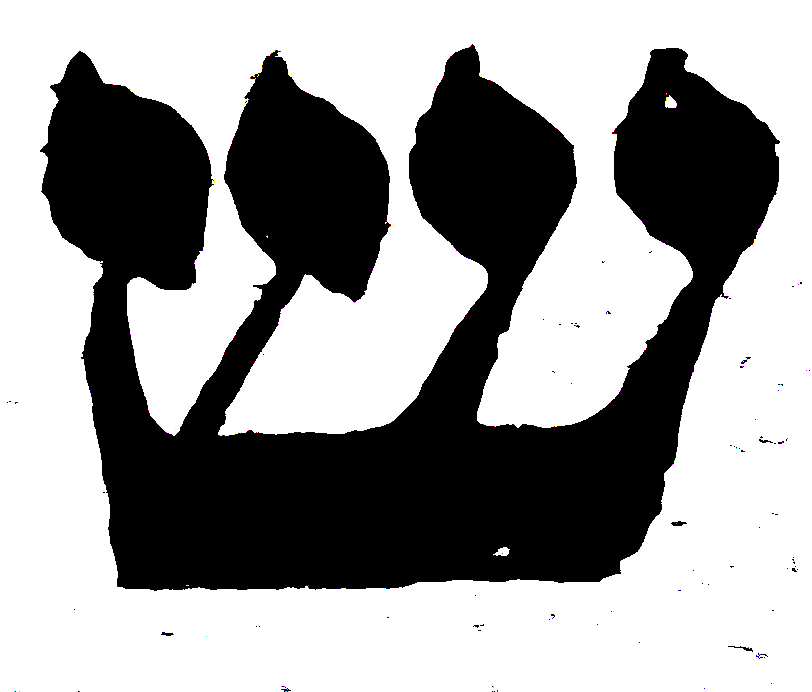
Chapter 3
שער כו פרק ג מ״ק
[26:3] Know that Tzelem [Image] ascends to one hundred and sixty-one (דַּע כִּי צֶלֶם עוֹלֶה קס״א), for Tzelem [Image] includes male and female (כִּי צֶלֶם כּוֹלֵל זָכָר וּנְקֵבָה), and Demut [Likeness] is (inclusive of) the female alone (וּדְמוּת הוּא (כּוֹלֵל) נְקֵבָה לְבַד), and Adam includes both of them (וְאָדָם כּוֹלֵל שְׁנֵיהֶן), and Ish is male alone (וְאִישׁ זָכָר לְבַד). And know that Ze’ir Anpin has its essence from Binah, for from there are its Mochin (וְדַע כִּי ז״א עִיקָּרוֹ מִבִּינָה כִּי מִשָּׁם הַמּוֹחִין שֶׁלּוֹ), and Binah is called Elohim Ḥayyim (וּבִינָה נִקְרָא אֱלֹהִים חַיִּים). And these Mochin would have been sufficient according to the measure of Ze’ir Anpin (וְהָיָה דַי בְּאֵלּוּ הַמּוֹחִין כְּמִדָּתוֹ שֶׁל ז״א), but not for the need of the Nukvah and for the need of the lower ones (אֲבָל (אֵינוֹ) לְצוֹרֶךְ נוּקְבָא וּלְצוֹרֶךְ הַתַּחְתּוֹנִים).
Therefore it was necessary that the Mochin come from Abba and Imma (לָכֵן הֻצְרְכוּ שֶׁיָּבוֹאוּ הַמּוֹחִין מֵאו״א), and this is done in the plural expression, which are Abba and Imma (וְזֶהוּ נַעֲשֶׂה בִּלְשׁוֹן רַבִּים שֶׁהֵם או״א), and likewise “in our image,” which is the Tzelem [Image] of Abba and the Tzelem [Image] of Imma (וְכֵן בְּצַלְמֵנוּ שֶׁהוּא צֶלֶם דְּאַבָּא וְצֶלֶם דְּאִמָּא). But the Mochin for Ze’ir Anpin alone—concerning them it is said, “in the image of Elohim He made him” (אַךְ מוֹחִין לְז״א לְבַד עֲלֵיהֶם נֶאֱמַר בְּצֶלֶם אֱלֹהִים עָשָׂה אוֹתוֹ), for it is one Tzelem [Image] from Binah alone, which is called Elohim (שֶׁהוּא צֶלֶם א׳ מִבִּינָה לְבַד הַנִּקְרָא אֱלֹהִים). And this is for the need of Egypt (וּלְצוֹרֶךְ מִצְרַיִם), and this is “Hashem is a man of war” (וְזֶהוּ ה׳ אִישׁ מִלְחָמָה), for “man” is Ze’ir Anpin alone (כִּי אִישׁ הוּא ז״א לְבַד). And the intention with respect to Him alone is the Havayot (וְהַכַּוָּנָה עָלָיו לְעַצְמוֹ הֵם הֲוָיוֹת), and this is “Hashem is a man of war” (וְזֶהוּ ה׳ אִישׁ מִלְחָמָה), for what are Havayot for His own need (כִּי מַה שֶׁהֵם הֲוָיוֹת לְצוֹרְכוֹ), and for the need of Egypt to wage war with them, they are from the Gevurot of Elohim (וּלְצוֹרֶךְ מִצְרַיִם לְהִלָּחֵם עִמָּהֶם הֵם מִגְּבוּרוֹת אֱלֹהִים). For you already know that the three princes of Egypt—namely the chief of the cupbearers, the chief of the guards, and the chief of the bakers—are the aspects of Elohim in the throat (כִּי כְּבָר יָדַעְתָּ כִּי ג׳ שָׂרֵי מִצְרַיִם וְהֵם שַׂר הַמַּשְׁקִים וְשַׂר הַטַּבָּחִים וְשַׂר הָאוֹפִים הֵם בְּחִי׳ אֱלֹהִים שֶׁבַּגָּרוֹן), and Pharaoh their king is the nape, from which is their sustenance (וּפַרְעֹה מַלְכָּם הוּא הָעֹרֶף שֶׁמִּשָּׁם יְנִיקָתָן).
And know that above, in the first Tikkun of the beard, it is called El (וְדַע כִּי לְמַעְלָה בְּתִקּוּנָא קַדְמָאָה שֶׁל הַדִּיקְנָא נִקְרָא אֵ״ל), and there are six Els (וְהֵם ו׳ אֵ״ל): three on the right—El Shaddai, El Havayah, El Adonai (הֵם ג׳ מִיָּמִין אֵ״ל שַׁדַּ״י אֵ״ל הֲוָיָ״ה אֵ״ל אֲדֹנָ״י), and three on the left like them (וְג׳ מִשְּׂמֹאל כַּיּוֹצֵא בָּהֶם). However, only five are mentioned (וְאָֽמְנָם אֵינָן נִזְכָּרִים רַק ה׳ לְבַד), for the two lower ones—namely El Adonai on the right and on the left—are the secret of the World of Asiyah (כִּי ב׳ הַתַּחְתּוֹנִים שֶׁהֵם אֵ״ל אֲדֹנָ״י שֶׁבַּיָּמִין וְשֶׁבַּשְּׂמֹאל הֵם סוֹד עוֹלָם עֲשִׂיָּה). And in order that there not be a grasp for the external forces there, since there was not revealed except both of them together, this one is included in that one (וּכְדֵי שֶׁלֹּא יִהְיֶה אֲחִיזָה לַחִיצוֹנִים אֲשֶׁר שָׁם לֹא נִתְגַּלָּה רַק שְׁנֵיהֶם זֶה כָּלוּל בָּזֶה), as is explained by us in the blessing “Ha-El HaGadol,” etc. (כְּמְבוֹאָר אֶצְלֵנוּ בְּבִרְכַּת הָאֵ״ל הַגָּדוֹל וְכוּ׳).
And behold, corresponding to that El of the beard, which is called the Upper Strait, in the secret of “From the strait I called Y-H” (וְהִנֵּה נֶגֶד אוֹתוֹ אֵ״ל שֶׁבַּדִּיקְנָא הַנִּקְרָא מֵצַר עֶלְיוֹן בְּסוֹד מִן הַמֵּצַר קָרָאתִי יָ״ה), there are also five Elohim in the throat, in the aspect of Katnut [Smallness] (יֵשׁ גַּם כֵּן ה׳ אֱלֹהִים בַּגָּרוֹן שֶׁל בְּחִי׳ קַטְנוּת). And these are called the Lower Strait, which is the narrowness of the throat (וְאֵלּוּ נִקְרָא מֵצַר תַּחְתּוֹן שֶׁהוּא צָרוּת גָּרוֹן). And when these five Els in the Upper Strait shine to the five Elohim in the Lower Strait (וּכְשֶׁאֵלּוּ ה׳ אֵ״ל שֶׁבַּמֵּצַר הָעֶלְיוֹן מְאִירִים אֶל ה׳ אֱלֹהִים שֶׁבַּמֵּצַר הַתַּחְתּוֹן), then the external forces that draw sustenance from the throat are nullified (אָז מִתְבַּטְּלִים הַחִיצוֹנִים הַיּוֹנְקִים מִן הַגָּרוֹן). And this is the meaning of “I will stir up Egypt against Egypt,” the lower against the upper (וְזֶהוּ וְסִכְסַכְתִּי מִצְרַיִם בְּמִצְרַיִם תַּחְתּוֹן בְּעֶלְיוֹן), and through this “the idols of Egypt shall totter” (וְעַל־יְדֵי זֶה וְנָעוּ אֱלִילֵי מִצְרַיִם).
And you already know that the El of the beard is the secret of El from Elohim in the Pe’ah (side lock) (וּכְבָר יָדַעְתָּ כִּי אֵ״ל שֶׁל הַדִּיקְנָא הוּא סוֹד אֵ״ל מֵאֱלֹהִים שֶׁבַּפֵּאָה), and it is the root of the judgments (וְהוּא שֹׁרֶשׁ הַדִּינִין), therefore it subdues the judgments of the throat, which are called Elohim (לָכֵן כּוֹפֶה אֶת הַדִּינִין שֶׁבַּגָּרוֹן הַנִּקְרָאִים אֱלֹהִים). And this is also the secret of “And Joseph was brought down to Egypt” (וְז״ס גַּם כֵּן וַיּוֹסֵף הוּרַד מִצְרָיְמָה), for Yosef has the numerical value of five times El mentioned above (כִּי יוֹסֵף גִּימַטְרִיָּא ה׳ פְּעָמִים אֵ״ל הַנַּ״ל). And Yosef is the secret of the Yesod of Binah within Ze’ir Anpin (וְיוֹסֵף הוּא סוֹד הַיְסוֹד דְּבִינָה שֶׁבְּז״א). And it is said of Yosef, “fair of form and fair of appearance” (וְנֶאֱמַר בְּיוֹסֵף יְפֵה תֹאַר וִיפֵה מַרְאֶה), whose initial letters spell Yatom [Orphan] (ר״ת יָתוֹם), as explained by us (כְּמְבוֹאָר אֶצְלֵנוּ), and he is called Yefat, as is known (וְנִקְרָא יְפַ״ת כַּנּוֹדָע). For the eunuch has no beard, since this depends on that (כִּי הַסָּרִיס אֵין לוֹ זָקָן כִּי זֶה תָּלוּי בָּזֶה). And therefore Yosef, who is the secret of Yesod, has the splendor of the supernal face, which are the three hundred and seventy lights, as is known (וְלָכֵן יוֹסֵף סוֹד הַיְסוֹד יֵשׁ לוֹ הַדְרַת פָּנִים עֶלְיוֹנִים שֶׁהֵם ש״ע נְהוֹרִין כַּנּוֹדָע), and likewise in Binah itself (וְכֵן בְּבִינָה עַצְמָה). For from S״G there emerges the Name Yod–Yod–Alef–Yod, which is El (כִּי מִן ס״ג יוֹצֵא שֵׁם יָיָא״י שֶׁהוּא אֵ״ל), for this is the secret of “Indeed, man walks in an image” (כִּי ז״ס אַךְ בְּצֶלֶם יִתְהַלֵּךְ אִישׁ). For “man,” who is Ze’ir Anpin, is in the secret of the Tzelem [Image] of Binah, which is called Ehyeh, whose numerical value is Akh [21] (כִּי אִישׁ שֶׁהוּא ז״א הוּא בְּסוֹד צֶלֶם הַבִּינָה הַנִּקְרָא אֶהְיֶ״ה גִּימַטְרִיָּא אַ״ךְ). And this Ehyeh, in the filling of Yodin, has the numerical value of Tzelem [Image] with the kolel (וְאֶהְיֶ״ה זוֹ בְּמִלּוּי יוֹדִי״ן גִּימַטְרִיָּא צֶלֶם עִם הַכּוֹלֵל). And this is “Indeed, man walks in an image” (וְזֶהוּ אַךְ בְּצֶלֶם יִתְהַלֵּךְ אִישׁ), and this is “for in the image of Elohim” (וְזֶהוּ כִּי בְּצֶלֶם אֱלֹהִים).
And indeed you already know that the Mochin of Ze’ir Anpin are double, for they are Netzach, Hod, Yesod of Abba within Netzach, Hod, Yesod of Imma (וְאָֽמְנָם כְּבָר יָדַעְתָּ כִּי הַמּוֹחִין דְּז״א הֵם כְּפוּלִים שֶׁהֵם נֶה״י דְּאַבָּא תּוֹךְ נֶה״י דְּאִמָּא). And behold, the Yesod of Imma reaches until one-third of the Tiferet of Ze’ir Anpin (וְהִנֵּה יְסוֹד דְּאִמָּא מַגִּיעַ עַד שְׁלִישׁ תִּפְאֶרֶת דְּז״א), and the Yesod of Abba reaches until the end of the Yesod of Ze’ir Anpin (וִיסוֹד אַבָּא מַגִּיעַ עַד סוֹף יְסוֹד דְּז״א). It is found that the entire right and left lines are made from Netzach–Hod of Imma and from Netzach–Hod of Abba (נִמְצָא כִּי כָּל קַו יָמִין וּשְׂמֹאל נַעֲשֶׂה מִנֶּה דְּאִמָּא וּמִנֶּה דְּאַבָּא). But the middle line is not made in Ze’ir Anpin from the Yesod of Imma except until the upper third of his Tiferet (אַךְ הַקַּו הָאֶמְצָעִי אֵינוֹ נַעֲשֶׂה בְּז״א מִיְסוֹד דְּאִמָּא רַק עַד שְׁלִישׁ הָעֶלְיוֹן דְּתִפְאֶרֶת שֶׁלּוֹ). And the remaining two-thirds of the Tiferet, as well as his Yesod, are made only through the Yesod of Abba (וּשְׁאָר ב׳ שְׁלִישֵׁי הַתִּפְאֶרֶת וְכֵן הַיְסוֹד שֶׁלּוֹ לֹא נַעֲשׂוּ רַק עַל־יְדֵי יְסוֹד אַבָּא (א)).
And behold, the five Gevurot descend until the Hod of Ze’ir Anpin, and afterward they are included in the Yesod of Ze’ir Anpin (וְהִנֵּה ה״ג יוֹרְדִין עַד הַהוֹד שֶׁל ז״א וְאַחַר כָּךְ נִכְלָל בִּיסוֹד שֶׁל ז״א). And behold, from there they go forth to the Nukvah and make the entire Partzuf of her Kelim [Vessels] (וְהִנֵּה מִשָּׁם יָצְאוּ אֶל הַנּוּקְבָא וְעָשׂוּ כָּל הַפַּרְצוּף שֶׁל הַכֵּלִים שֶׁלָּהּ). And behold, it is known that the Mochin of Binah of the Nukvah are made in her from his Hod, and there the Chasadim were completed to spread within him, and from there the Gevurot went forth to her (וְהִנֵּה נוֹדַע כִּי מוֹחַ בִּינָה שֶׁל הַנּוּקְבָא נַעֲשֶׂה בָּהּ מִן הַהוֹד שֶׁלּוֹ וְשָׁם נִגְמְרוּ הַחֲסָדִים לְהִתְפַּשֵּׁט בּוֹ וּמִשָּׁם יָצְאוּ הַגְּבוּרוֹת לָהּ). And therefore then it is said, “And Hashem Elohim built the rib,” which teaches that He gave additional Binah to the woman more than to the man (וְלָכֵן אָז וַיִּבֶן ה׳ אֱלֹהִים אֶת הַצֵּלָע מְלַמֵּד שֶׁנָּתַן בִּינָה יְתֵירָה בָּאִשָּׁה יוֹתֵר מִבָּאִישׁ). And know that there are three distinctions between the Da‘at of Ze’ir Anpin and the Da‘at of the Nukvah (וְדַע כִּי יֵשׁ ג׳ חֲלוּקִים מִן הַדַּעַת דְּז״א לְדַעַת דְּנוּקְבָא).
The first: that his Da‘at has in it five Chasadim and five Gevurot, and each one is one Havayah, and they have the numerical value of one hundred and thirty and one hundred and thirty (א׳ כִּי הַדַּעַת שֶׁלּוֹ יֵשׁ בּוֹ ה״ח וְה״ג וְכָל א׳ הֲוָיָ״ה א׳ וְהֵם גִּימַטְרִיָּא ק״ל ק״ל). But her Da‘at has only five Gevurot, whose numerical value is one hundred and thirty, one alone (אַךְ דַּעַת שֶׁלָּהּ ה״ג לְבַד שֶׁהֵם גִּימַטְרִיָּא ק״ל א׳ לְבַד), and this is the knowledge of women—light (וְזֶהוּ דַּעְתָּן שֶׁל נָשִׁים קַלָּה).
And the second: that his Da‘at is made from the Yesod of Abba and Imma, which clothe themselves in his brain, and both of them are given into his Da‘at itself, and he receives their illumination while they are there themselves (וְהַב׳ כִּי דַּעַת שֶׁלּוֹ נַעֲשֶׂה מִיְסוֹד דְּאו״א הַמִּתְלַבְּשִׁים בְּמוֹחוֹ וּשְׁנֵיהֶם נִתָּנִים תּוֹךְ הַדַּעַת שֶׁלּוֹ מַמָּשׁ וּמְקַבֵּל הֶאָרָתָן בִּהְיוֹתָן שָׁם מַמָּשׁ). But her Da‘at is only from the illumination of the Yesod of Ze’ir Anpin that corresponds to her Da‘at, and only its illumination protrudes within her alone, while the inner light remains within the Yesod of Ze’ir Anpin (אַךְ הַדַּעַת שֶׁלָּהּ אֵינָהּ רַק מֵהֶאָרַת יְסוֹד דְּז״א שֶׁכְּנֶגֶד דַּעְתָּהּ וּבוֹלֵט בָּהּ הֶאָרָתָהּ לְבַד וּפְנִימִיּוּת הָאוֹר נִשְׁאָר תּוֹךְ יְסוֹד דְּז״א), and that which protrudes outward through the screen of the Yesod of Ze’ir Anpin is the secret of the Da‘at of the Nukvah (וּמִמַּה שֶׁבּוֹלֵט דֶּרֶךְ מָסָךְ יְסוֹד דְּז״א לַחוּץ הוּא סוֹד הַדַּעַת דְּנוּקְבָא).
The third distinction is that the Nukvah was created by Hashem narrow above and wide below in order to receive the offspring (הַג׳ כִּי הַנּוּקְבָא בְּרָאָה הַשֵּׁ״י צָרָה מִלְמַעְלָה וּרְחָבָה מִלְּמַטָּה כְּדֵי לְקַבֵּל הַוָּלָד), it is found that the Yesod of the Nukvah is wide below (נִמְצָא כִּי הַיְסוֹד דְּנוּקְבָא הוּא רְחָבָה לְמַטָּה). Therefore, the Da‘at of Ze’ir Anpin, which is made from the Yesod of Binah that is wide below, has great light within it (לָכֵן הַדַּעַת שֶׁל ז״א הַנַּעֲשֶׂה מִיְסוֹד הַבִּינָה שֶׁהוּא רְחָבָה לְמַטָּה יֵשׁ בּוֹ אוֹר גָּדוֹל), but the Da‘at of the Nukvah, from the Yesod of Ze’ir Anpin which is very narrow, its light is minimal (אַךְ דַּעַת הַנּוּקְבָא מִיְסוֹד דְּז״א שֶׁהוּא צַר מְאֹד וְאוֹרוֹ מוּעָט). And you will understand from where it comes that the Nukvah is wide and light spread within her in her arms and her body, in breadth (וְתָבִין מֵהֵיכָן הוּא שֶׁהַנּוּקְבָא רְחָבָה וְנִתְפַּשֵּׁט בָּהּ אוֹר בִּזְרוֹעוֹתֶיהָ וְגוּפָא בְּרוֹחַב), for she is the skin of the Yesod of Ze’ir Anpin, narrow above (כִּי הִיא עוֹר שֶׁל יְסוֹד דְּז״א צַר מִלְמַעְלָה).
Therefore her head is narrow at first (לָכֵן רֹאשָׁהּ צַר), afterward the Yesod illuminated her and from there the spreading of her body (אַחַר כָּךְ הֵאִיר הַיְסוֹד בָּהּ וּמִשָּׁם הִתְפַּשְּׁטוּת גּוּפָהּ), and afterward she widened more (וְאַחַר כָּךְ הִתְרַחֲבָה יוֹתֵר). And from there come the judgments and the bloods from the five Gevurot (וּמִשָּׁם הַדִּינִין וְהַדָּמִים מֵה״ג), which are the five impure bloods in a woman (שֶׁהֵם ה׳ דָּמִים טְמֵאִים בָּאִשָּׁה), which are the five back-sides of Ehyeh whose numerical value is “dam” (blood) (שֶׁהֵם ה׳ אֲחוֹרַיִם דְּאֶהְיֶ״ה שֶׁהֵם גִּימַטְרִיָּא דָּ״ם). And they are garments for the five Gevurot (וְהֵם לְבוּשִׁים אֶל הַה״ג). And behold, the reason that both crowns—his and hers—were given to Ze’ir Anpin is because the son inherits and not the daughter (וְהִנֵּה הַטַּעַם שֶׁנִּתְּנוּ לְז״א כָּל הַב׳ עֲטָרִין דִּידֵיהּ וְדִידָהּ לְפִי שֶׁהַבֵּן יוֹרֵשׁ וְלֹא הַבַּת). But afterward, when he married her and she became his wife, he gives her the crowns of Gevurah (אַךְ אַחַר כָּךְ שֶׁנְּשָׂאָהּ וַתְּהִי לוֹ לְאִשָּׁה יָהִיב לָהּ עֲטָרִין דִּגְבוּרָה). Then he is in the secret of “the husband is obligated to sustain his wife” (אָז הוּא בְּסוֹד הַבַּעַל חַיָּיב לָזוּן אֶת אִשְׁתּוֹ). Also know that the root of the five Gevurot remains above in the Yesod of Ze’ir Anpin, even though from there they go forth to the Nukvah (גַּם דַּע כִּי שֹׁרֶשׁ הַה״ג נִשְׁאָרִים לְמַעְלָה בִּיסוֹד דְּז״א אַף עַל פִּי שֶׁמִּשָּׁם יוֹצְאִין לְהַנּוּקְבָא).
Chapter 4
שער כו פרק ד מ״ב
[26:4] The Mochin are divided into Tzelem [Image] (הַמּוֹחִין נֶחְלָקִים לְצֶלֶם), and in each one of them there are two hundred and forty-eight limbs and three hundred and sixty-five sinews (וּבְכָל אֶחָד יֵשׁ בּוֹ רמ״ח אֵיבָרִים וְשס״ה גִּידִין), in ninety, in thirty, in forty— a complete Partzuf in each one (בְּצ׳ בְּל׳ בְּמ׳ פַּרְצוּף שָׁלֵם בְּכָל א׳). And in all these three aspects they are aspects of spirituality and of Nefesh that spread through the two hundred and forty-eight limbs of the body (וּבְכָל ג׳ בְּחִינוֹת אֵלּוּ הֵם בְּחִי׳ הָרוּחָנִיּוּת וְהַנֶּפֶשׁ הַמִּתְפַּשְּׁטִים בְּרמ״ח אֵיבְרֵי הַגּוּף), in the likeness of the Nefesh that enters from thirteen years and onward (דֻּגְמַת הַנֶּפֶשׁ הַנִּכְנֶסֶת מִן י״ג שָׁנָה וָאֵילָךְ).
And know that there are many aspects in this Tzelem [Image] of Gadlut [Greatness] (וְדַע כִּי יֵשׁ בְּחִינוֹת רַבּוֹת בְּצֶלֶם זֶה דְּגַדְלוּת), for there are many kinds of Gadlut [Greatness] (כִּי כַּמָּה מִינֵי גַּדְלוּת הֵם). There are Mochin of Gadlut [Greatness] from the Zivug [Union] of the externality of Abba and Imma from their own portions (יֵשׁ מוֹחִין דְּגַדְלוּת מִזִּוּוּג חִיצוֹנִיּוּת דְּאו״א מֵחֶלְקָם עַצְמָם), and there are higher than them which are drawn from the inner aspects of Abba and Imma (וְיֵשׁ מְעוּלִּים מֵהֶם שֶׁנִּמְשָׁכִין מִפְּנִימִיּוּת או״א), and there are higher than them which are drawn from the externality of Arich Anpin (וְיֵשׁ מְעוּלִּים מֵהֶם שֶׁנִּמְשָׁכִין מֵחִיצוֹנִיּוּת א״א), and there are from the inner aspects of Arich Anpin (וְיֵשׁ מִפְּנִימִיּוּת א״א), and there are higher than them which are drawn from the externality of Atik (וְיֵשׁ מְעוּלִּין מֵהֶם שֶׁנִּמְשָׁכִין מֵחִיצוֹנִיּוּת עַתִּיק). And the matter is as I wrote, that there are two aspects—inner and outer—in each and every Partzuf (וְהָעִנְיָן כְּמ״שׁ שֶׁיֵּשׁ ב׳ בְּחִינוֹת פְּנִימִיּוּת וְחִיצוֹנִיּוּת בְּכָל פַּרְצוּף וּפַרְצוּף). And Ze’ir Anpin is never lacking—even at night after the destruction of the Temple—from the necessary vitality, which is the inner Mochin of Katnut [Smallness] of Imma (וּלְעוֹלָם אֵין ז״א חָסֵר אֲפִלּוּ בַּלַּיְלָה לְאַחַר חֻרְבַּן הַבַּיִת מֵחַיּוּת הַמֻּכְרָח שֶׁהוּא מוֹחִין פְּנִימִיִּים דְּקַטְנוּת אִמָּא). And when he also has the Makifim [Surrounding Lights] of Imma, that suffices to raise Mayin Nukvin [Feminine Waters] (וּבִּהְיוֹתוֹ גַּם מַקִּיפֵי אִמָּא אָז מַסְפִּיק לְהַעֲלוֹת מ״ן).
However, if he has only these, he will draw only the six extremities from the Mochin of Gadlut [Greatness] that are inferior (אָֽמְנָם אִם יִהְיֶה בּוֹ אֵלּוּ לְבַד יַמְשִׁיךְ ו״ק לְבַד מִמּוֹחִין דְּגַדְלוּת גְּרוּעִים), and they are from the externality of Abba and Imma (וְהֵם מֵחִיצוֹנִיּוּת דְּאו״א), and they are only six extremities of the inner Mochin of Imma (וְאֵינָם רַק ו״ק דְּמוֹחִין פְּנִימִיִּים דְּאִמָּא). And then, all the more so, will enter the inner and surrounding aspects of the Katnut [Smallness] of Abba (וְאָז מִכָּל שֶׁכֵּן שֶׁיִּכָּנְסוּ פְּנִימִים וּמַקִּיפִים דְּקַטְנוּת אַבָּא). And if he had initially also the inner aspects of the Katnut [Smallness] of Abba (וְאִם הָיוּ בּוֹ תְּחִלָּה גַּם פְּנִימִים דְּקַטְנוּת אַבָּא), then when he raises Mayin Nukvin [Feminine Waters] he can draw Mochin of Gadlut [Greatness] that are more exalted, from the externality of Arich Anpin (אָז מַעֲלֶה מַיִן נוּבִין יָכוֹל לְהַמְשִׁיךְ מוֹחִין דְּגַדְלוּת יוֹתֵר מְעוּלִּים מֵחִיצוֹנִיּוּת א״א). And then he will have the power afterward to receive also the six extremities of the Gadlut [Greatness] of Abba, as in the Amidah of Arvit (וְאָז יִהְיֶה בּוֹ כֹּחַ אַחַר כָּךְ לְקַבֵּל גַּם ו״ק דְּגַדְלוּת אַבָּא כְּמוֹ בַּעֲמִידָה דְּעַרְבִית). And if he initially also had the Makifim [Surrounding Lights] of the Katnut [Smallness] of Abba (וְאִם הָיָה בּוֹ תְּחִלָּה גַּם מַקִּיפֵי דְּקַטְנוּת אַבָּא), then he will draw the six extremities of the Gadlut [Greatness] of Imma (אָז יַמְשִׁיךְ ו״ק דְּגַדְלוּת אִמָּא), and afterward, in the Amidah of Shacharit, he will draw also all the Mochin of Gadlut [Greatness] of Abba and Imma, inner and surrounding, from the externality of Atik (וְאַחַר כָּךְ בַּעֲמִידַת שַׁחֲרִית יַמְשִׁיךְ גַּם כָּל הַמּוֹחִין דְּגַדְלוּת דְּאו״א פְּנִימִים וּמַקִּיפִים מֵחִיצוֹנִיּוּת דְּעַתִּיק). And the inner aspect of Atik remains for the future, as mentioned in the Keri’at Shema of Yotzer (וּפְנִימִית דְּעַתִּיק נִשְׁאָר לֶעָתִיד כְּנִזְכָּר בְּק״שׁ דְּיוֹצֵר).
And know that when it is necessary for all the Mochin to enter, then all the Mochin of Imma enter first and afterward those of Abba (וְדַע שֶׁכְּשֶׁצְּרִיכִין לְהִכָּנֵס כָּל הַמּוֹחִין אָז נִכְנָסִים כָּל הַמּוֹחִין דְּאִמָּא וְאַחַר כָּךְ דְּאַבָּא). But when it is not necessary for them to enter Ze’ir Anpin except the six extremities of the Gadlut [Greatness] of Imma alone, and no more—such as at Arvit—then the six extremities of the Gadlut [Greatness] of Abba enter, even though the three heads of Imma did not enter (אַךְ כְּשֶׁאֵינָן צְרִיכִין לְהִכָּנֵס בְּז״א רַק ו״ק דְּגַדְלוּת אִמָּא לְבַד וְלֹא יוֹתֵר כְּמוֹ בְּעַרְבִית אָז נִכְנָסִים ו״ק דְּגַדְלוּת אַבָּא וְאַף עַל פִּי שֶׁלֹּא נִכְנְסוּ ג״ר דְּאִמָּא).
And know that the Da‘at is Neshamah within the six extremities (וְדַע שֶׁהַדַּעַת הוּא נְשָׁמָה בְּו״ק), and also know that that root remains in the Da‘at always (וְגַם דַּע שֶׁשֹּׁרֶשׁ הַהוּא נִשְׁאָרִים בַּדַּעַת תָּמִיד). See above, the general principles of Chesed–Gevurah, section sixteen, this completion (עַיֵּן לְעֵיל כְּלָלִים דְּחו״ג סִי׳ ט״ז תַּשְׁלוּם זֶה).
And it appears to me, in my humble opinion, that this requires further investigation (וְנִלְע״ד שֶׁצ״ע), for behold the Kelim [Vessels] that come as an addition are only the three upper ones alone (שֶׁהֲרֵי הַכֵּלִים בְּתוֹסֶפֶת אֵינָן רַק ג״ר בִּלְבַד). And what appears from here is that they are not fixed, necessary vitality, except the inner aspect of Yenikah of the six extremities of Imma alone (וְהַנִּרְאֶה מִכָּאן הוּא שֶׁאֵינָן קְבוּעִים חַיּוּת מֻכְרַחַת רַק פְּנִימִית דְּיְנִיקָה דְּו״ק דְּאִמָּא לְבַד). And all the rest come as an addition (וְכָל הַשְּׁאָר בָּאִים בְּתוֹסֶפֶת), and perhaps they are from the new M”H (וְאוּלַי הֵם מִשָּׁם מ״ה הֶחָדָשׁ), but in Yenikah, since they come as an addition, they depart (אַךְ בִּינִיקָה כֵּיוָן שֶׁהֵם בָּאִים בְּתוֹסֶפֶת מִסְתַּלְּקִין).