
Third Kuntres [Booklet]
A Discourse on the Redemption
קוּנְטְרֵס שְׁלִישִׁי: ״מַאֲמָר עַל הַגְּאֻלָּה״
The first two booklets written by Rasham (שְׁנֵי הַקּוֹנְטְרָסִים הָרִאשׁוֹנִים שֶׁכָּתַב רַשַׁ״ם), which were joined together and came to be called Sefer ha-Mefo’ar [the Glorious Book] (שֶׁחוּבְּרוּ יַחְדָּו וְזָכוּ בְּשֵׁם ״סֵפֶר הַמְּפֹאָר״), were printed in the month of Elul in the year 5289 [of the minor era] (הוּדְפְּסוּ בְּחוֹדֶשׁ אֱלוּל בִּשְׁנַת רפ״ט), corresponding to August 1529 in their reckoning (אֲגוּסְט – לְמִנְיָנָם). Already then, Rasham noted at the end of the book (כְּבָר אָז צִיֵּן רַשַׁ״ם בְּסוֹף הַסֵּפֶר) that he was preparing another booklet at the time of printing (שֶׁהוּא ״עוֹשֶׂה״ קוֹנְטְרָס אַחֵר בִּזְמַן הַהַדְפָּסָה), so that he would not be idle from matters of Torah (כְּדֵי שֶׁלֹּא לִהְיוֹת בָּטֵל מִדִּבְרֵי תּוֹרָה). He testified that, in the additional booklet (הוּא הֵעִיד שֶׁבַּקּוֹנְטְרָס הַנּוֹסָף), matters which he had treated in Sefer ha-Mefo’ar would be elucidated (יוּבָּרוּ עִנְיָנִים שֶׁעָסַק בָּהֶם בְּסֵפֶר הַמְּפֹאָר), and further verses and sayings of the Sages would be expounded (וְיוּפְרְשׁוּ פְּסוּקִים וּמַאֲמָרֵי חֲז״ל נוֹסָפִים). He recommended to his readers (וְהוּא הִמְלִיץ לְקוֹרְאָיו), “to review the other … a wise man shall hear and increase learning” (לַחֲזוֹר עַל הָאַחֵר… יִשְׁמַע חָכָם וְיוֹסֶף לֶקַח).
For nearly five hundred years (בְּמֶשֶׁךְ כְּחֲמֵשׁ מֵאוֹת שָׁנָה), from the time Rasham published his recommendation until today (מֵאָז פִּרְסֵם רַשַׁ״ם אֶת הַמַּלְצָתוֹ וְעַד הַיּוֹם), his readers have been unable to fulfill that recommendation (לֹא יָכְלוּ קוֹרְאָיו לְמַמֵּשׁ אֶת הַמַּלְצָה זוֹ). For the third treatise—and a fourth treatise, which he began preparing afterward—(הֲרֵי הַקּוֹנְטְרָס הַשְּׁלִישִׁי – וְקוֹנְטְרָס רְבִיעִי שֶׁהִתְחִיל לְהָכִין לְאַחַר מִכֵּן –) were never printed in a book from which his readers could study within the walls of the beit midrash (מֵעוֹלָם לֹא הוּדְפְּסוּ בְּסֵפֶר שֶׁמִּמֶּנּוּ יָכְלוּ קוֹרְאָיו לִלְמוֹד בֵּין כַּתְלֵי בֵּית הַמִּדְרָשׁ), or upon which upright preachers could expound in the synagogue (אוֹ שֶׁעָלָיו יָכְלוּ מַגִּידִים יְשָׁרִים לִדְרוֹשׁ בְּבֵית הַכְּנֶסֶת).
There is no doubt (אֵין סָפֵק) that, had Rasham not been put to death at the command of the Emperor and the Inquisition before he managed to publish his meditations (שֶׁאִלְמָלֵא לֹא הָיָה מוּצָא רַשַׁ״ם לְהוֹרֵג מִטַּעַם הַקֵּיסָר וְהָאִינְקְוִיזִיצִיָּה טֶרֶם הִסְפִּיק לְפַרְסֵם אֶת הֲגִיגָיו), these books of his, together with the books which he surely would have written afterward (סְפָרָיו אֵלֶּה וְהַסְּפָרִים שֶׁלְּבַטָּח הָיָה כּוֹתֵב לְאַחַר מִכֵּן), would today be available in every beit midrash and every synagogue (הָיוּ זְמִינִים הַיּוֹם בְּכָל בֵּית מִדְרָשׁ וּבְכָל בֵּית כְּנֶסֶת), and would be regarded as enduring treasures of the people of Israel (וְהָיוּ נֶחֱשָׁבִים נִכְסֵי צֹאן בַּרְזֶל שֶׁל עַם יִשְׂרָאֵל).
The treatise presented here to the reader (הַקּוֹנְטְרָס הַמֻּגָּשׁ כָּאן לַקּוֹרֵא) was intended to be the first half of Rasham’s second book (אָמֹר הָיָה לִהְיוֹת חֶצְיוֹ הָרִאשׁוֹן שֶׁל סִפְרוֹ הַשֵּׁנִי שֶׁל רַשַׁ״ם). It was written in the years 289–290 [of the minor era], corresponding to 1529–1530 (הוּא נִכְתַּב בַּשָּׁנִים רפ״ט–ר״ץ). Apparently, at the beginning of the year 291 [of the minor era], corresponding to 1531 (כְּכָל הַנִּרְאֶה, בִּרְאֹשִׁית שְׁנַת רצ״א), Rasham attempted to print it in Venice (נִסָּה רַשַׁ״ם לְהַדְפִּיס אוֹתוֹ בְּוֶנֶצְיָה), but this attempt failed (אֲבָל נִסָּיוֹן זֶה נִכְשַׁל), and Rasham continued editing it (וְרַשַׁ״ם הִמְשִׁיךְ לַעֲרֹכוֹ).
In the year 5755 [1995] (בִּשְׁנַת תְּשְׁנ״ה), Dr. Meir Benayahu published it for the first time under the title (ד״ר מֵאִיר בֶּנָיָהוּ פִּרְסְמוֹ לָרִאשׁוֹנָה תַּחַת הַכּוֹתֶרֶת), “A Treatise on the Redemption by Rabbi Shlomo Molcho” (״מַאֲמָר עַל הַגְּאֻלָּה לְרַ׳ שְׁלֹמֹה מוֹלְכוֹ״). The discovery of the manuscript and its publication (גִּלּוּי כְּתַב הַיָּד וּפִרְסוּמוֹ) were, in Benayahu’s words there, “a festival day” (הָיוּ, כִּדְבַרֵי בֶּנָיָהוּ שָׁם, ״יוֹם חָג״). Yet the thick and scholarly volume of Asufot in which the treatise was included (אֲבָל כָּרֵךְ ״אֲסוּפוֹת״ הָעָב וְהַמְּלוּמָד שֶׁבּוֹ נִכְלַל הַמַּאֲמָר) did not, by its nature, reach the batei midrash and batei knesset in Israel or abroad (לֹא הִגִּיעַ, מִטִּבְעוֹ, לְבָתֵּי הַמִּדְרָשׁ וְלְבָתֵּי הַכְּנֶסֶת בָּאָרֶץ וּבַחוּ״ל), nor did it reach the “marketplace” (וְגַם לֹא לַ״שּׁוּק״). Thus, the pearls of Torah within it did not reach Torah scholars or the broader public (כָּךְ שֶׁפְּנִינֵי הַתּוֹרָה שֶׁבְּתוֹכוֹ לֹא הִגִּיעוּ לִתְּלָמִידֵי חֲכָמִים וְלֹא לַצִּבּוּר הָרָחָב).
Rasham opens by explaining an obscure saying concerning the waves of the sea (רַשַׁ״ם פּוֹתֵחַ בְּהֶסְבֵּר לְמַאֲמָר סָתוּם עַל גַּלֵּי הַיָּם), which appears in the Talmudic tractate Bava Batra (הַמּוֹפִיעַ בַּמַּסֶּכֶת הַתַּלְמוּדִית בָּבָא בַּתְרָא). He then proceeds to discuss the watches of the night mentioned in Berakhot (עוֹבֵר לְדִיּוּן עַל מִשְׁמָרוֹת הַלַּיְלָה הַמּוֹפִיעוֹת בְּמַסֶּכֶת בְּרָכוֹת), interpreting them as an allegory for longing for redemption (וּמְפָרְשׁוֹ כְּמָשָׁל לְכִסּוּפִים לִגְאֻלָּה).
He interprets the entire Book of Ruth in a similar manner (מְפָרֵשׁ אֶת כָּל מְגִלַּת רוּת פֵּרוּשׁ דּוֹמֶה), discusses the Bar Kokhba revolt against the Romans (דָּן בְּמֶרֶד בַּר כּוֹכְבָא נֶגֶד הָרוֹמָאִים), and, as a consequence of that discussion, the role of the Mashiach as well (וּבְעִקְבוֹת דִּיּוּן זֶה גַּם בְּתַפְקִידוֹ שֶׁל הַמָּשִׁיחַ). He interprets many chapters of Psalms (וּמְפָרֵשׁ פְּרָקִים רַבִּים בְּתְהִלִּים), which, in his words, allude to the earthly redemption and the resurrection of the dead (שֶׁלְּדִבְרָיו רוֹמְזִים לַגְּאֻלָּה הָאָרְצִית וּלְתְחִיַּת הַמֵּתִים). Yet, as is his way (אֲבָל כְּהֶרְגֵּלוֹ), Rasham does not remain confined within the four cubits of any one subject (רַשַׁ״ם אֵינוֹ נִשְׁאַר בְּתוֹךְ אַרְבַּע אַמּוֹת שֶׁל נוֹשֵׂא כָּל שֶׁהוּא), but strolls through the gardens of PaRDeS (אֶלָּא מְטַיֵּיל בְּגִנּוֹת פַּרְדֵּ״ס), with all the books of the Written Torah and the Oral Torah in his hands (כַּאֲשֶׁר כָּל סִפְרֵי הַתּוֹרָה שֶׁבִּכְתָב וְהַתּוֹרָה שֶׁבְּעַל פֶּה בְּיָדָיו).
Third Kuntres
“A Discourse on the Redemption”
קוּנְטְרֵס שְׁלִישִׁי: ״מַאֲמָר עַל הַגְּאֻלָּה״
Chapter: One Who Sells a Ship
פֶּרֶק הַמּוֹכֵר אֶת הַסְּפִינָה
Rabbah said p1-20(אָמַר רַבָּה), the masters of the sea told me (אִשְׁתָּעוּ לִי נְחוֹתֵי יַמָּא): this wave that overturns a ship (הַאי גַּלָּא דְּמַטְבַּע לְסְפִינָה), appears like a fringe of pale fire at its crest (מִתְחֲזֵי כִּצִּיצִיתָא דְּנוּרָא חִיוָרְתָּא בְּרֵישֵׁיהּ), and we strike it with a staff (וּמְחַיְּינַן לֵיהּ בְאַלְוָותָא), upon which is engraved (דְּחֲקִיק עֲלֵיהּ): Ehyeh Asher Ehyeh, Yah, Hashem Tzeva’ot, Amen Amen Selah and Rest (אֶהְיֶה אֲשֶׁר אֶהְיֶה יָהּ ה׳ צְבָאוֹת אָמֵן אָמֵן סֶלָה וְנַיְחָא).
Rabbah said (אָמַר רַבָּה): the masters of the sea told me (אִשְׁתָּעוּ לִי נְחוֹתֵי יַמָּא): between one wave and another (בֵּין גַּלָּא לְגַּלָּא), there are three hundred parasangs (תְּלַת מֵאָה פַּרְסֵי), and the height of the wave is three hundred parasangs (וְרוּמֵיהּ דְּגַלָּא תְּלַת מֵאָה פַּרְסֵי). One time we were traveling on the way (זִימְנָא חֲדָא הֲוֵינָא אָזְלִינָן בְּאוֹרְחָא), and we lifted up a wave (וּדְלִינָן גַלָּא), until we saw beneath it a small star (עַד דְּחָזִינַן בֵּי מִרְבְּעָתֵיהּ דְּכוֹכְבָא זוּטָא), and it appeared to us as scattering forty measures of mustard seed (וַהֲוַת לִי כְּמְבַזְּרָא אַרְבְּעִין גַּרְיוֵי בִּזְרַע דְּחַרְדָּלָא).
And had we lifted it further (וְאִי דְּלִינַן טְפֵי), we would have been scorched by its vapor (הֲוֵינַן מִתְקַלִּינַן מֵהֲבֵילֵיהּ), and the wave sent a voice to its companion (וְרָמֵי לֵיהּ גַלָּא קָלָא לַחֲבַרְתֵּיהּ): “My companion! You have left me something in the world that I have not flooded (חֲבִירְתִּי שָׁבַקְתְּ לִי מִדֵּי בְּעָלְמָא דְּלָא שָׁטְפַתְּיהּ), bring it to me and I will destroy it” (דְּנֵיתֵי אֲנָא וְנְאַבְּדֵיהּ). He said to him (אֲמַר לֵיהּ): go out and see the might of your Master (פּוּק חֲזֵי גְּבוּרְתֵּיהּ דְּמָרָךְ), that He made it of refuse, of filth, and it does not pass (מִלְּאָה חוּטָא חֲלָא וְלָא עָבְרֵי)! As it is written (שֶׁנֶּאֱמַר): “Do you not fear Me? - says Hashem - will you not tremble before Me? Who set the sand as a boundary for the sea, an eternal decree, and it shall not pass over it” (הָאוֹתִי לֹא תִירָאוּ נְאֻם ה׳ אִם מִפָּנַי לֹא תָחִילוּ אֲשֶׁר שַׂמְתִּי חוֹל גְּבוּל לַיָּם חֹק עוֹלָם וְלֹא יַעַבְרֶנְהוּ) (Jeremiah 5:22).
The intention is (הַכַּוָּנָה הִיא), that since nothing was hidden from the early sages (שֶׁהֱיוֹת שֶׁהַחֲכָמִים הָרִאשׁוֹנִים לֹא נֶעְלַם מֵהֶם כָּל דָּבָר), and when they wish to speak of the supernal matters (וּכְשֶׁהֵם רוֹצִים לְדַבֵּר בַּדְּבָרִים הָעֶלְיוֹנִים), they conceal everything they can (הֵם מַסְתִּירִים כָּל מָה שֶׁיְּכוֹלִים), so that people will not err (כְּדֵי שֶׁלֹּא יָבוֹאוּ הָאֲנָשִׁים לִטְעוֹת), since their intellect cannot grasp these supernal things (בְּהֱיוֹת שֶׁאֵין שִׂכְלָם יָכוֹל לְהַשִּׂיג אֵלּוּ הַדְּבָרִים הָעֶלְיוֹנִים), and for this reason they concealed them (וּבְסִיבָּה זוֹ הִסְתִּירוּ אוֹתָם).
But they had the power to perceive and draw down supernal forces (אֲבָל הֵם הָיָה לָהֶם כֹּחַ לְהַשִּׂיג וּלְהַמְשִׁיךְ כֹּחוֹת עֶלְיוֹנִים), and ministering angels were with them (וּמַלְאֲכֵי הַשָּׁרֵת אֶצְלָם), and they would reveal to them supernal secrets (וְהָיוּ מְגַלִּים לָהֶם סוֹדוֹת עֶלְיוֹנִים). If so, do not let it enter your mind (אִם כֵּן, אַל יַעֲלֶה עַל דַּעְתְּךָ), that the “masters of the sea” whom he said spoke with Rabbah (שֶׁהָיוּ נְחוֹתֵי יַמָּא מַמָּשׁ, אוֹתָם שֶׁאָמַר שֶׁהָיוּ מְדַבְּרִים עִם רַבָּה), were actual sea-dwellers (הָיוּ נְחוֹתֵי יַמָּא מַמָּשׁ). And the sea is also not an actual sea (וְהַיָּם גַּם כֵּן אֵינֶנּוּ יָם מַמָּשׁ), but rather the intent is to speak about the Midat Malchut (אֶלָּא הַכַּוָּנָה לְדַבֵּר עַל מִדַּת מַלְכוּת), in which is Kenesset Yisrael (שֶׁבָּהּ כְּנֶסֶת יִשְׂרָאֵל), which is called “sea” because it draws down (הַנִּקְרֵאת יָם עַל שֵׁם שֶׁמְּמַשֶּׁכֶת) toward herself the flow from all the Sefirot (אֵלֶיהָ שֶׁפַע כָּל הַסְּפִירוֹת), like the sea into which all rivers flow (כַּיָּם שֶׁכָּל הַנְּחָלִים הוֹלְכִים אֵלָיו).
And this is what the verse says (וְזֶהוּ שֶׁאָמַר הַכָּתוּב), “All the rivers flow to the sea, yet the sea is not full” (קֹהֶלֶת א׳:ז׳ - "כָּל הַנְּחָלִים הֹלְכִים אֶל הַיָּם וְהַיָּם אֵינֶנּוּ מָלֵא), which speaks of this sea that is the Midah of Kenesset Yisrael (שֶׁמְּדַבֵּר עַל זֶה הַיָּם שֶׁהוּא מִדַּת כְּנֶסֶת יִשְׂרָאֵל), that was likened to the sea (שֶׁנִּמְשְׁלָה לְיָם), which cannot be filled (שֶׁאִי אֶפְשָׁר לִהְיוֹת בּוֹ מִלּוּי), because it returns and gives all that it received (לְפִי שֶׁחוֹזֵר וּנוֹתֵן כָּל מַה שֶּׁקִּבֵּל), and from it the clouds are watered (וּמִמֶּנּוּ יִשְׁקוּ הֶעָנָנִים) which water the world (שֶׁמַּשְׁקִים אֶת הָעוֹלָם).
And this attribute, too (וְזוֹ הַמִּדָּה גַּם כֵּן), all that she receives from the others (כָּל מַה שֶּׁהִיא מְקַבֶּלֶת מֵהָאֲחֵרוֹת), who are likened to rivers (הַנִּמְשָׁלוֹת לִנְחָלִים), she causes to flow (הַכֹּל הִיא מַשְׁפַּעַת) to the lowly world (עַל עוֹלָם הַשָּׁפָל), which is sustained in the merit of Yisrael (הַמִּתְקַיֵּם בִּזְכוּת יִשְׂרָאֵל), for whose sake the world was created (שֶׁבִּשְׁבִילָם נִבְרָא הָעוֹלָם). And they are the boundary (וְהֵם הַגְּבוּל) against the destructive forces (לַדְּבָרִים הַמְנַגְּדִים) that threaten the world’s existence (עַל קִיּוּם הָעוֹלָם), which was created with the Midat Gevurah (שֶׁנִּבְרָא בְּמִדַּת גְּבוּרָה), which does not necessitate building but rather destruction and desolation (שֶׁאֵינָהּ מְחַיֶּבֶת בִּנְיָן אֶלָּא חֻרְבָּן וּשְׁמָמוֹן).
And since the world was created for Yisrael (וּבְהִיוֹת שֶׁהָעוֹלָם נִבְרָא בִּשְׁבִיל יִשְׂרָאֵל), they were the boundary (הָיוּ הֵם הַגְּבוּל) against the destructions demanded by the Midat Gevurah (לַחֻרְבּוֹת שֶׁמְּחַיֶּבֶת מִדַּת גְּבוּרָה), like the sand is a boundary to the waves of the sea (כְּמוֹ שֶׁהַחוֹל גְּבוּל לִגְלֵי הַיָּם).
And this is the reason (וְזוֹ הָיְתָה הַסִּיבָּה), that Yisrael were likened to the sand of the sea (שֶׁנִּמְשְׁלוּ יִשְׂרָאֵל לְחוֹל הַיָּם), and it is also the reason (וְגַם הִיא סִיבָּה), for why the attribute in which Kenesset Yisrael resides is called “Sea” (לָמָּה נִקְרֵאת הַמִּדָּה שֶׁבָּהּ כְּנֶסֶת יִשְׂרָאֵל – יָם). And to this Midah the ministering angels always descend (וּלְזֹאת הַמִּדָּה יוֹרְדִים תָּמִיד מַלְאֲכֵי הַשָּׁרֵת), who impart into it the power to influence the lower world to endure (שֶׁמַּשְׁפִּיעִים בָּהּ כֹּחַ לְהַשְׁפִּיעַ בָּעוֹלָם הַשָּׁפָל לְהִתְקַיֵּם), even though the attribute of Gevurah demands destruction (אַף עַל פִּי שֶׁמִּדַּת גְּבוּרָה מְחַיֶּבֶת חֻרְבָּן). And when they descend there (וּכְשֶׁהֵם יוֹרְדִים שָׁם), they raise from there the prayers of the righteous and the repentance of those who return (מַעֲלִים מִשָּׁם תְּפִלַּת הַצַּדִּיקִים וּתְשׁוּבַת הַשָּׁבִים), up to the place of glory of the Holy One Blessed Be He (עַד מְקוֹם כְּבוֹדוֹ שֶׁל הקב״ה), who dwells upon the throne which is Kenesset Yisrael (הַיּוֹשֵׁב עַל כִּסֵּא שֶׁהִיא כְּנֶסֶת יִשְׂרָאֵל). And this is what we call “the Throne of Glory” (וְזוֹ הִיא שֶׁאָנוּ קוֹרְאִים אוֹתָהּ כִּסֵּא הַכָּבוֹד), meaning that the Glory dwells upon it, which is the attribute above (שֶׁרוֹצֶה לוֹמַר שֶׁיוֹשֵׁב עָלָיו הַכָּבוֹד שֶׁהוּא בַּמִּדָּה שֶׁלְּמַעְלָה), from which all the attributes are influenced (שֶׁמִּמֶּנָּה מוּשְׁפָעוֹת כָּל הַמִּדּוֹת).
And when they raise the prayers of the righteous before Hashem (וּכְשֶׁהֵם מַעֲלִים תְּפִלּוֹת הַצַּדִּיקִים לִפְנֵי ה׳), they bring the Glory to the throne (הֵם מְבִיאִים הַכָּבוֹד לַכִּסֵּא), and then the throne is exalted and uplifted (וְאָז הַכִּסֵּא רָם וְנִשָּׂא). And this work that these angels do (וְזוֹ הָעֲבוֹדָה שֶׁעוֹשִׂים אֵלּוּ הַמַלְאָכִים), is revealed to us in that which the verse says (נִגְלֵית אֵלֵינוּ בְּמַה שֶּׁאָמַר הַכָּתוּב): “And behold, a ladder was set upon the earth and its top reached the heavens, and behold, angels of Elohim were ascending and descending upon it” (וְהִנֵּה סֻלָּם מֻצָּב אַרְצָה וְרֹאשׁוֹ מַגִּיעַ הַשָּׁמָיְמָה וְהִנֵּה מַלְאֲכֵי אֱלֹהִים עֹלִים וְיֹרְדִים בּוֹ) (Bereshit 28:12).
That “to the earth” hints to us the first Midah, directed toward us (שֶׁ"אַרְצָה" רִמֵּז לָנוּ הַמִּדָּה הָרִאשׁוֹנָה אֵלֵינוּ), and “to the heavens” hints to the upper one (וּב"שָׁמַיְמָה" רִמֵּז לָנוּ לָעֶלְיוֹנָה), and both are in the portion of Ya'akov (שֶׁשְׁתֵּיהֶן בְּחֵלֶק יַעֲקֹב). And afterward it says (וְאָמַר אַחַר זֶה): “And behold, Hashem stood above it” (וְהִנֵּה ה׳ נִצָּב עָלָיו) (Bereshit 28:13) because over the Tiferet of Ya'akov stands Hashem (לְפִי שֶׁעַל תִּפְאֶרֶת שֶׁל יַעֲקֹב נִצָּב ה׳), which is the attribute of mercy (שֶׁהִיא מִדַּת הָרַחֲמִים).
And whoever wishes to seek mercy from Hashem (וְכָל הָרוֹצֶה לְבַקֵּשׁ רַחֲמִים מֵה׳), and to direct his prayer in unity (וּלְיַחֵּד תְּפִלָּתוֹ), must enter through this gate of the first Midah (צָרִיךְ לְהִכָּנֵס בַּזֶּה הַשַּׁעַר שֶׁל הַמִּדָּה הָרִאשׁוֹנָה), where Kenesset Yisrael resides (שֶׁשָּׁם כְּנֶסֶת יִשְׂרָאֵל), about whom it is said (שֶׁעָלֶיהָ נֶאֱמַר): “This is none other than the House of Elohim, and this is the gate of heaven” (אֵין זֶה כִּי אִם בֵּית אֱלֹהִים וְזֶה שַׁעַר הַשָּׁמָיִם) (Bereshit 28:17).
And these Midot were given to Ya'akov (וְאֵלוּ הַמִּדּוֹת נִתְּנוּ לְיַעֲקֹב), because he was an innocent man (לְפִי שֶׁהָיָה אִישׁ תָּם), to teach us (לְהוֹרוֹת לָנוּ), that those who walk in the path of innocence (שֶׁהַהוֹלְכִים בְּדֶרֶךְ תָּמִים), and those who return from the path of the wicked (וְהַשָּׁבִים מִדֶּרֶךְ הָרְשָׁעִים), who are the Tzaddikim and the repentant (שֶׁהֵם הַצַּדִּיקִים וְהַשָּׁבִים בִּתְשׁוּבָה), both are precious in His eyes, may He be blessed (שְׁנֵיהֶם חֲשׁוּבִים בְּעֵינָיו יִתְבָּרַךְ), and He does not despise (וְאֵינוֹ מְבַזֶּה) neither the prayer of the righteous (לֹא תְּפִלַּת הַצַּדִּיקִים) nor the repentance of the returning ones (וְלֹא תְּשׁוּבַת הַשָּׁבִים), because these two things (לְפִי שֶׁאֵלּוּ הַב׳ דְּבָרִים) are what bring the Glory to the Throne (הֵם הַמְּבִיאִים הַכָּבוֹד לַכִּסֵּא).
But there is a higher level for the repentant than for the righteous (אֲבָל יֵשׁ מַעֲלָה יְתֵרָה לַשָּׁבִים עַל הַצַּדִּיקִים), as our Sages said (מַה שֶּׁאָמְרוּ ז״ל): “Great is repentance, for it reaches the Throne of Glory” (גְּדוֹלָה תְשׁוּבָה שֶׁמַּגַּעַת עַד כִּסֵּא הַכָּבוֹד), that there is power in repentance to bring the Glory to the Throne (שֶׁיֵּשׁ כֹּחַ בַּתְּשׁוּבָה לְהָבִיא הַכָּבוֹד לַכִּסֵּא), for through repentance the Glory reaches the Throne (שֶׁבְּסִיבַּת הַתְּשׁוּבָה הַכָּבוֹד מַגִּיעַ לַכִּסֵּא). And to this he brings proof from the verse (וְלָזֹאת מֵבִיא רְאָיָה מִן הַפָּסוּק): “Return, Yisrael, unto Hashem your Elohim” (שׁוּבָה יִשְׂרָאֵל עַד ה׳ אֱלֹקֶיךָ) (Hosea 14:2). (Yoma 86a).
That the intention is (שֶׁהַכַּוָּנָה), that they should return in complete repentance (שֶׁיָּשׁוּבוּ בִּתְשׁוּבָה שְׁלֵמָה), in such a way that the angels will raise it before Him, may He be blessed (בְּאֹפֶן שֶׁיַּעֲלוּ אוֹתָהּ הַמַלְאָכִים לְפָנָיו יִתְבָּרַךְ), and through it they will bring down the Glory to the Throne (וּבְסִיבָּתָהּ יוֹרִידוּ הַכָּבוֹד לַכִּסֵּא). For if the repentance is not complete (שֶׁאִם לֹא תִּהְיֶה הַתְּשׁוּבָה שְׁלֵמָה), such that the angels do not raise it before Him, may He be blessed (שֶׁלֹּא יַעֲלוּ אוֹתָהּ אֵלֶּה הַמַלְאָכִים לְפָנָיו יִתְבָּרַךְ), then the Glory will not descend to the Throne (לֹא יֵרֵד הַכָּבוֹד לַכִּסֵּא), because they do not bring down that Glory except through the merit of complete repentance (לְפִי שֶׁאֵינָם מוֹרִידִים אוֹתוֹ הַכָּבוֹד אֶלָּא בְּסִיבַּת הַתְּשׁוּבָה הַשְּׁלֵמָה), which they raise before Him, may He be blessed (שֶׁמַּעֲלִים לְפָנָיו יִתְבָּרַךְ). (Berakhot 34b)
And the reason our Sages said (וְהַטַּעַם שֶׁאָמְרוּ ז"ל), “In the place where Ba‘alei Teshuvah stand, even complete Tzaddikim cannot stand” (בְּמָקוֹם שֶׁבַּעֲלֵי תְּשׁוּבָה עוֹמְדִים אֵין צַדִּיקִים גְּמוּרִים יְכוֹלִים לַעֲמוֹד), is this (הוּא זֶה): for the Tzaddik sustains the world as it is built (לְפִי שֶׁהַצַּדִּיק הוּא מְקַיֵּים הָעוֹלָם כְּמוֹ שֶׁהוּא בָּנוּי). However, the Ba‘al Teshuvah does more (אֲבָל הַבַּעַל תְּשׁוּבָה עוֹשֶׂה יוֹתֵר).
For after the Glory rose from the Throne due to his sins (שֶׁאַחַר שֶׁעָלָה הַכָּבוֹד מֵהַכִּסֵּא בְּסִיבַּת חֲטָאָתוֹ), and for this reason causes destruction in the world (וּלְסִיבָּה זוֹ גּוֹרֵם חֳרָבָה בָּעוֹלָם), when he returns in Teshuvah (וּבְשׁוּבוֹ בִּתְשׁוּבָה), he restores the Glory to the Throne (הוּא מַחֲזִיר הַכָּבוֹד לַכִּסֵּא), and rebuilds what was destroyed due to his evil deeds (וּבוֹנֶה מַה שֶּׁנֶּחְרַב בִּשְׁבִיל מַעֲשָׂיו הָרָעִים). If so, he does two things (אִם כֵּן הוּא עוֹשֶׂה ב׳ דְּבָרִים): he rebuilds what was destroyed (שֶׁבּוֹנֶה מַה שֶּׁנֶּחְרַב), and afterward sustains it (וְאַחַר כָּךְ הוּא מְקַיְּמוֹ).
And if these angels who ascend and descend were to refrain, even for a single moment, from performing this act, the world would not endure (וְאִם אֵלּוּ הַמַּלְאָכִים הָעוֹלִים וְיוֹרְדִים הָיוּ נִמְנָעִים שָׁעָה אַחַת מֵעֲשׂוֹת זֹאת הַפְּעוּלָה, לֹא הָיָה הָעוֹלָם מִתְקַיֵּם), because there are always wicked ones present in the world who cause destruction (מִצַּד שֶׁתָּמִיד רְשָׁעִים מְצוּיִים בָּעוֹלָם שֶׁגוֹרְמִים חֲרָבָה), and there are also found Righteous ones and those who return in Repentance (וְנִמְצָאִים גַּם כֵּן צַדִּיקִים וְשָׁבִים בִּתְשׁוּבָה).
And this is the reason that the Holy One, blessed be He, is called “Tzvi” [deer] (וְזֶהוּ הַטַּעַם שֶׁקוֹרֵא לַהקב״ה ״צְבִי״), as Scripture says, “My beloved is like a deer” (Song of Songs 2:9) (כְּמוֹ שֶׁאָמַר הַכָּתוּב ״דוֹמֶה דוֹדִי לִצְבִי״). For just as a deer, when it flees, continually turns its head backward (כִּי כְּמוֹ שֶׁהַצְּבִי כְּשֶׁהוּא בּוֹרֵחַ הוּא מַחֲזִיר תָּמִיד רֹאשׁוֹ לְאָחוֹרָיו), so too the Holy One, blessed be He, when He removes His Shekhinah and the Glory ascends from the Throne (כָּךְ הקב״ה כְּשֶׁהוּא מְסַלֵּק שְׁכִינָתוֹ וְעוֹלֶה הַכָּבוֹד מֵהַכִּסֵּא), has these angels, swift as deer (יֵשׁ לוֹ אֵלּוּ הַמַּלְאָכִים הַקַּלִּים כְּצְבָאִים). If one is found who returns in Teshuvah [repentance], they immediately bring the Glory back down to the Throne, together with the teshuvah which they elevate before Him, may He be blessed (שֶׁאִם יִמָּצֵא מִי שֶׁיָּשׁוּב בִּתְשׁוּבָה יוֹרִידוּ הַכָּבוֹד מִיָּד לַכִּסֵּא עִם הַתְּשׁוּבָה שֶׁיַּעֲלוּ לְפָנָיו יִתְבָּרַךְ).
For even though He has withdrawn from there, His compassion is upon all His works (שֶׁאַף עַל פִּי שֶׁנִּסְתַּלֵּק מִשָּׁם, רַחֲמָיו עַל כָּל מַעֲשָׂיו), and for this reason He has these angels who ascend and descend so that the world will not be destroyed (וּבְזוֹ הַסִּבָּה יֵשׁ לוֹ אֵלּוּ הַמַּלְאָכִים הָעוֹלִים וְיוֹרְדִים בְּכְדֵי שֶׁלֹּא יֵחָרֵב הָעוֹלָם). For when the Glory departs from the Throne, the world is immediately destroyed due to the Attribute of Gevurah, which storms the world to destroy it (שֶׁבְּהִסְתַּלֵּק הַכָּבוֹד מֵהַכִּסֵּא מִיָּד הָעוֹלָם חָרֵב מִצַּד מִדַּת גְּבוּרָה שֶׁמְּסַעֵר הָעוֹלָם לְהַחֲרִיבוֹ). And the world is compared before Gevurah to a ship in the heart of the sea amidst a stormy wind (וְהָעוֹלָם נִמְשַׁל לִפְנֵי גְּבוּרָה כְּאֳנִיָּה בְּלֵב יָם בְּרוּחַ סְעָרָה).
And just as a ship, in a time of storm, requires sailors to sustain it so that it does not sink (וּכְמוֹ שֶׁהָאֳנִיָּה בְּעֵת סְעָרָה צְרִיכָה מַלָּחִים כְּדֵי לְקַיְּמָהּ כְּדֵי שֶׁלֹּא תִּטְבַּע), so too the Holy One, blessed be He, prepared these angels who ascend and descend, so that the world may endure (כָּךְ הקב״ה הֵכִין אוֹתָם הַמַּלְאָכִים הָעוֹלִים וְיוֹרְדִים כְּדֵי שֶׁיִּתְקַיֵּם הָעוֹלָם). And these are the Nechutei Yamma [those who descend to the sea] mentioned by the discourse (וְאֵלּוּ הֵם הַ"נְחוּתֵי יַמָּא" שֶׁהִזְכִּיר הַמַּאֲמָר), namely, Kenesset Yisrael, as I have explained (שֶׁהִיא כְּנֶסֶת יִשְׂרָאֵל כְּמוֹ שֶׁפֵּרַשְׁתִּי). And Yisrael restrain the waves that come from the attribute of Gevurah, so that they may not bring destruction upon the world (וְיִשְׂרָאֵל מְעַכְּבִים הַגַּלִּים הַבָּאִים מִמִּדַּת גְּבוּרָה שֶׁלֹּא יַעֲשׂוּ חֻרְבָּן בָּעוֹלָם), and weaken their force (וּמַחֲלִישִׁים כֹּחָם).
For even though the teaching mentioned only a single spark, as it said “like a fringe of fire” (שֶׁאַף עַל פִּי שֶׁלֹּא הִזְכִּיר הַמַּאֲמָר אֶלָּא נִיצוֹץ אֶחָד כְּמוֹ שֶׁאָמַר "כְּצוּצִיתָא דְּנוּרָא), the truth is that from this spark many sparks spread out (הָאֱמֶת הִיא שֶׁמִּזֶּה הַנִּיצוֹץ מִתְפַּשְׁטוֹת נִיצוֹצוֹת הַרְבֵּה), and if they were to join one to another, the world would be destroyed (וְאִם הָיוּ מִתְחַבְּרוֹת אַחַת אֶל אַחַת הָיָה הָעוֹלָם נֶחֱרָב), but they are extinguished by the great and simple mercies (אֶלָּא שֶׁהֵם כָּבוּיוֹת בְּרַחֲמִים הַגְּדוֹלִים וְהַפְּשׁוּטִים), which are alluded to in the Vav of Ya'akov, which is shaped like a staff (הָרְמוּזִים בְּוא״ו שֶׁל יַעֲקֹב הָעֲשׂוּיָה כְּמַטֶּה), which are the four middle Sefirot (שֶׁהֵם הָאַרְבַּע סְפִירוֹת הָאֶמְצָעִיּוֹת), which are in the portion of Ya'akov (שֶׁהֵם בְּחֶלְקוֹ שֶׁל יַעֲקֹב), which are formed as a Vav (שֶׁהֵם עֲשׂוּיוֹת כְּוא״ו), for these do not allow spark to join with spark (שֶׁאֵלּוּ אֵינָן מַנִּיחוֹת לְהִתְחַבֵּר נִיצוֹץ אֶל נִיצוֹץ). And that which the teaching said, “between wave and wave three hundred parasangs” (וּמַה שֶּׁאָמַר הַמַּאֲמָר בֵּין גַלָּא לְגַלָּא תְּלַת מֵאָה פַּרְסֵי), and it said “three hundred” because this number equals the name of The Holy One Blessed Be He when He acts with mercy (וְאָמַר שְׁלוֹשׁ מֵאוֹת לְפִי שֶׁשֶּׁלְּזֶה הַחֶשְׁבּוֹן עוֹלֶה שְׁמוֹ שֶׁל הַקב״ה כְּשֶׁהוּא עוֹשֶׂה רַחֲמִים), and this value is by the letters of Atbash, as I explained to you in the first Kuntres [Booklet] (וְזֶה הַחֶשְׁבּוֹן הוּא בְּאוֹתִיּוֹת אַ״ת ב״ש כְּמוֹ שֶׁהוֹדַעְתִּיךָ בְּקוֹנְטְרָס רִאשׁוֹן).
And when these mercies enter between wave and wave (וּכְשֶׁאֵלּוּ הָרַחֲמִים נִכְנָסִים בֵּין גַלָּא לְגַלָּא), they separate between spark and spark (הֵם מַפְרִידִים בֵּין נִיצוֹץ לְנִיצוֹץ). And because the mercies are in the portion of Ya'akov (וּבִשְׁבִיל שֶׁהָרַחֲמִים הֵם בְּחֶלְקוֹ שֶׁל יַעֲקֹב), the teaching said: “And we strike it with a staff” (אָמַר הַמַּאֲמָר ״וּמְחִינַן לָהּ בְאַלְוָותָא), which is the Vav of Ya'akov as we said (שֶׁהִיא וא״ו שֶׁל יַעֲקֹב כְּמוֹ שֶׁאָמַרְנוּ), upon which is inscribed: Ehyeh Asher Ehyeh, Yah Yah Hashem Tzeva’ot Amen Amen Selah (שֶׁבָּהּ אֶהְיֶה אֲשֶׁר אֶהְיֶה, יָהּ יָהּ ה׳ צְבָאוֹת אָמֵן אָמֵן סֶלָה). And upon this Ya'akov said: “For with my staff I crossed this Jordan” (וְעָלֶיהָ אָמַר יַעֲקֹב ״כִּי בְמַקְלִי עָבַרְתִּי אֶת הַיַּרְדֵּן הַזֶּה).
And that which it says (וּמַה שֶּׁאָמַר), “Until we saw within the hollow of a small star, that it scattered forty gereivai [measures] of mustard seed” (עַד דְּחָזִינַן בֵּי מִרְבַּעְתָּא דְּכוֹכְבָא זוּטָא דַּהֲוָיָא כִּמְבַזְּר אַרְבְּעִין גְּרֵיוֵי בִּיזְרַע דְּחַרְדַּלָּא), the reason it mentions mustard rather than another thing (הַטַּעַם שֶׁאָמַר חַרְדַּל יוֹתֵר מִדָּבָר אַחֵר) is to make known to us the greatness of His Arikh Appayim [forbearance] (הוּא לְהוֹדִיעֵנוּ כַּמָּה אֶרֶךְ אַפַּיִם לְפָנָיו): that the sparks of Gevurah do not ignite (שֶׁלֹּא יִבְעֲרוּ נִיצוֹצוֹת גְּבוּרָה), as is alluded to in the verse (כְּמוֹ שֶׁרָמוּז בַּפָּסוּק), “Smoke rose in His nostrils, and fire from His mouth devoured” (עָלָה עָשָׁן בְּאַפּוֹ וְאֵשׁ מִפִּיו תֹּאכֵל).
And for this reason it said chardal [mustard] (וְלָזֹאת אָמַר חַרְדַּל), because mustard causes smoke to rise into the nose (עַל שֵׁם שֶׁהַחַרְדַּל מַעֲלֶה עָשָׁן לָאַף), and The Holy One, blessed be He, before smoke rises in His nose, even in the smallest measure of erekh ha-af [slowness to anger] (וְהקב״ה קֹדֶם שֶׁיַּעֲלֶה עָשָׁן בְּאַפּוֹ בַּמִּדָּה הַיּוֹתֵר קְטַנָּה בְּאֶרֶךְ הָאַף), which requires that if a man sins, he be judged and punished in that very measure itself (שֶׁהִיא מְחַיֶּבֶת כְּשֶׁיֶּחֱטָא אָדָם שֶׁמִּיָּד יִהְיֶה נִדּוֹן וְנַעֲנַשׁ בְּאוֹתָהּ מִדָּה בְּעַצְמָהּ), He waits until there are sown forty measures of mustard seed (הוּא מַמְתִּין שֶׁיְּהִיו נִזְרָעִין אַרְבְּעִין גְּרֵיוֵי דְּחַרְדַּלָּא), by the merit of the Torah He gave to Yisrael (בִּזְכוּת הַתּוֹרָה שֶׁנָּתַן לְיִשְׂרָאֵל). And it said forty "Measures" (וְאָמַר "אַרְבְּעִין גְּרֵיוֵי) because of the forty days that Moshe stood to receive the Torah (עַל שֵׁם אַרְבָּעִים יוֹם שֶׁעָמַד מֹשֶׁה לְקַבֵּל הַתּוֹרָה), for with every single Midah, which is the transgression that a person commits (שֶׁבְּכָל מִדָּה וּמִדָּה שֶׁהִיא הָעֲבֵרָה שֶׁעוֹשֶׂה הָאָדָם), he should have been punished (הָיָה רָאוּי שֶׁהָיָה נַעֲנָשׁ).
And The Holy One, blessed be He, waits for him for forty middot [measures] before His anger is kindled (וְהקב״ה מַמְתִּין לוֹ עַד אַרְבָּעִים מִדּוֹת קֹדֶם שֶׁיִּחַרֶה אַפּוֹ), and increases His kindness toward him for the sake of His compassion (וּמַגְדִּיל חַסְדּוֹ עִמּוֹ לְמַעַן רַחֲמָיו), and lengthens His anger (וּמַאֲרִיךְ אַפּוֹ).
And because of this, after “slow to anger,” He immediately said, “and abundant in kindness” (וּבִשְׁבִיל זֶה אַחַר ״אֶרֶךְ אַפַּיִם״ אָמַר מִיָּד ״וְרַב חֶסֶד״). He does not call this star “small” because its action is small in quantity (שֶׁאֵינוֹ קוֹרֵא לָזֶה הַכּוֹכָב קָטָן בִּשְׁבִיל שֶׁהוּא קָטָן הַכַּמּוּת בִּפְעוּלָתוֹ), which is to kindle fire (שֶׁהִיא לְהַבְעִיר אֵשׁ), but because it is small in Arikh Appayim [slowness to anger] (אֶלָּא שֶׁהִיא קְטַנָּה בְּאֶרֶךְ אַפַּיִם).
And this is what he said (וְזֶהוּ שֶׁאָמַר): “And if we had ascended higher, we would have been scorched by its vapor” (״וְאִי דְּלִינַן טְפֵי הֲוָה מִתְקַלִּינַן מֵהֲבְלָא״). And concerning it, it is said (וְעָלֶיהָ נֶאֱמַר): “And fire from His mouth shall devour; coals were kindled from Him” (״וְאֵשׁ מִפִּיו תֹּאכֵל גֶּחָלִים בָּעֲרוּ מִמֶּנּוּ״).
For from here all the evils of the world ignite in the next moment (כִּי מִכָּאן בּוֹעֲרוֹת' כָּל הָרָעוֹת הַבָּאוֹת לָעוֹלָם בְּרֶגַע אַחֵר), as the Holy One Blessed Be He gives this star power to conduct His Gevurah (שֶׁהקב״ה נוֹתֵן כֹּחַ לָזֶה הַכּוֹכָב לִנְהֹג גְּבוּרָתוֹ). And this moment is alluded to in the verse: “And El is enraged every day” (וְזֶה הָרֶגַע רָמוּז בַּפָּסוּק "וְאֵל זֹעֵם בְּכָל יוֹם). And this rage is not poured out upon Yisrael (וְזֶה הַזַּעַם אֵינוֹ נִשְׁפָּךְ עַל יִשְׂרָאֵל), rather the Holy One Blessed Be He transforms it into compassion (אֶלָּא הקב״ה הוֹפְכוֹ לְרַחֲמִים), through the merit of the Vav of Ya'akov (בְּסִיבַּת הַוא״ו שֶׁל יַעֲקֹב), which is the staff mentioned in the teaching (שֶׁהִיא אַלְוָותָא שֶׁהִזְכִּיר הַמַּאֲמָר). And if not for this moment (וְאִם לֹא הָיָה זֶה הָרֶגַע), no evil would be drawn at all (לֹא הָיָה שׁוּם רַע נִמְשָׁךְ), and there would be no death found in the world (וְלֹא הָיְתָה מִיתָה מְצוּיָה בָּעוֹלָם), for all evil flows from that moment upon all creatures of the world, from man to beast (כִּי כָּל הָרַע נִמְשָׁךְ מֵאוֹתוֹ רֶגַע עַל כָּל בְּרִיוֹת הָעוֹלָם מֵאָדָם וְעַד בְּהֵמָה).
And when Yisrael do not do His will, may He be blessed (וּכְשֶׁיִּשְׂרָאֵל אֵינָם עוֹשִׂים רְצוֹנוֹ יִתְבָּרַךְ), and they are placed under the constellations like the other nations (וְהֵם נְתוּנִים תַּחַת הַמַּזָּלוֹת כִּשְׁאָר הָאוּמוֹת), a portion of that moment is drawn upon them (נִמְשָׁךְ לָהֶם חֵלֶק מִזֶּה הָרֶגַע), because at that time they do not have the merit to overturn (לְפִי שֶׁאָז אֵין לָהֶם זְכוּת לְשַׁדֵּד) that wrath with the staff, as the teaching said: “And we strike it with the staff” (אוֹתוֹ זַעַם עִם הַמַּטֶּה שֶׁאָמַר הַמַּאֲמָר "וּמְחִינַן לָהּ בְּאַלְוָותָא).
And let it not arise in your mind that the Holy One, blessed be He, is angry with the creatures at this moment by His will (וּבַל יַעֲלֶה עַל דַּעְתְּךָ שֶׁהקב״ה כּוֹעֵס בָּזֶה הָרֶגַע עַל הַבְּרִיּוֹת בִּרְצוֹנוֹ), for He is separate and distant from all anger and distress (שֶׁהוּא מֻבְדָּל וְרָחוֹק מִכָּל כַּעַס וְדְאָגָה). Rather, there are forces which, at this moment, necessitate evils and death (אֶלָּא יֵשׁ כֹּחוֹת שֶׁמְּחַיְּבוֹת בָּזֶה הָרֶגַע רָעוֹת וָמָוֶת), especially this force which the discourse mentioned, calling it Kokhva Zuta [small star] (וּבִפְרָט זֶה הַכֹּחַ שֶׁהִזְכִּיר הַמַּאֲמָר שֶׁאָמַר כוֹכְבָא זוּטָא).
And when it operates with the power given to it by the Holy One Blessed Be He in that moment (וּכְשֶׁזוֹ מִתְנַהֶגֶת עִם כֹּחָהּ שֶׁנָּתַן לָהּ הקב״ה בְּאוֹתוֹ רֶגַע), which is a power that necessitates evil and death (שֶׁהוּא כֹּחַ הַמְחַיֵּב רַע וָמָוֶת), it is not pleasing in His eyes, may He be blessed (לֹא יִיטַב בְּעֵינָיו יִתְבָּרַךְ), as the verse says: “For I do not desire the death of the dead, says Hashem” (כְּמוֹ שֶׁאָמַר הַכָּתוּב ״כִּי לֹא אֶחְפֹּץ בְּמוֹת הַמֵּת נְאֻם ה׳) (Yechezkel 18:32). For this moment is not for evil and death by His will, as this force necessitates (לְפִי שֶׁזֶּה הָרֶגַע אֵינוֹ לְרַע וּלְמָוֶת בִּרְצוֹנוֹ כְּמוֹ שֶׁמְּחַיֵּב זֶה הַכֹּחַ), as the verse says: “For a moment is His anger, life is in His will” (כְּמוֹ שֶׁאָמַר הַכָּתוּב "כִּי רֶגַע בְּאַפּוֹ חַיִּים בִּרְצוֹנוֹ) (Tehillim 30:6).
And the intention is: when this Kokhva Zuta [small star] mentioned in the teaching (וְהַכַּוָּנָה, כְּשֶׁזֶּה הַכּוֹכְבָא זוּטָא שֶׁהִזְכִּיר הַמַּאֲמָר), is that moment of His anger (הוּא אוֹתוֹ רֶגַע בְּאַפּוֹ), there is life in the will of the Holy One Blessed Be He (חַיִּים בִּרְצוֹנוֹ שֶׁל הקב״ה), as the verse says: “Hashem is good to all” (כְּמוֹ שֶׁאָמַר הַכָּתוּב ״טוֹב ה׳ לַכֹּל) (Tehillim 145:9).
And know that the name of this Kokhva Zuta [lesser star] is Elohim (וְדַע, שֶׁשְּׁמוֹ שֶׁל זֶה כּוֹכְבָא זוּטָא הוּא אֱלֹהִים). And because it is the attribute of harsh judgment, and has no greatness with which to perform kindness, but only to execute judgment (וּבִשְׁבִיל שֶׁהוּא מִדַּת הַדִּין הַקָּשֶׁה וְאֵין בּוֹ גְּדֻלָּה לַעֲשׂוֹת חֶסֶד אֶלָּא לַעֲשׂוֹת דִּין), therefore it is called Zuta [lesser] (לָזֶה נִקְרָא זוּטָא), just as we explained concerning “abundant in kindness”—that it is the attribute of mercy (כְּמוֹ שֶׁפֵּרַשְׁנוּ עַל ״וְרַב חֶסֶד״ שֶׁהוּא מִדַּת רַחֲמִים).
And in the future, the Holy One, blessed be He, will remove this power that is within Elohim (וְעָתִיד הקב״ה לְהָסִיר זֶה הַכֹּחַ שֶׁיֵּשׁ לֵאלֹהִים), and give it to Mashiach ben David, among the other powers that He will give him (וּלְתִתָּהּ לְמָשִׁיחַ בֶּן דָּוִד עַל שְׁאָר הַכֹּחוֹת שֶׁיִּתֵּן לוֹ), as it is said: “And the spirit of Hashem shall rest upon him: the spirit of wisdom and understanding, the spirit of counsel and might” (Isaiah 11:2) (כְּמוֹ שֶׁאָמַר ״וְנָחָה עָלָיו רוּחַ יְיָ רוּחַ חָכְמָה וּבִינָה רוּחַ עֵצָה וּגְבוּרָה״).
And this matter is alluded to in the verse: “As a deer longs for streams of water, so my soul longs for You, Elohim” (Psalms 42:2) (וְזֶה הָעִנְיָן רָמוּז לָנוּ בַּפָּסוּק ״כְּאַיָּל תַּעֲרֹג עַל אֲפִיקֵי מָיִם כֵּן נַפְשִׁי תַּעֲרֹג אֵלֶיךָ אֱלֹהִים״).
The intention is: since the angels we mentioned, who ascend and descend on the ladder (הַכַּוָּנָה, בְּהִיוֹת שֶׁהַמַּלְאָכִים שֶׁאָמַרְנוּ שֶׁהֵם עוֹלִים וְיוֹרְדִים בַּסֻּלָּם), because of the swiftness of their ascent and descent they are likened to gazelles and deer (מִצַּר קַלּוּתָם בַּעֲלִיָּתָם וּבִירִידָתָם הֵם נִמְשָׁלִים לִצְבָאִים וְאַיָּלִים), during the time when the harsh attribute of judgment is ruling (בִּזְמַן שֶׁמוֹשֶׁלֶת מִדַּת הַדִּין הַקָּשֶׁה), which is the first watch, as our sages of blessed memory said: “In the first watch, a donkey brays” (Berakhot 3a) (שֶׁהִיא הַמִּשְׁמָרָה הָרִאשׁוֹנָה "חֲמוֹר נוֹעֵר).
They descend to Knesset Yisrael to elevate the prayer of the Tzaddikim and the repentance of those who return (הֵם יוֹרְדִים לִכְנֶסֶת יִשְׂרָאֵל לְהַעֲלוֹת תְּפִלַּת הַצַּדִּיקִים וּתְשׁוּבַת הַשָּׁבִים), to bring the Glory to the Throne, as is their custom (לְהָבִיא הַכָּבוֹד לַכִּסֵּא, כְּמוֹ שֶׁהוּא מִנְהָגָם), and they do not find prayer and repentance to elevate (וְאֵינָם מוֹצְאִים תְּפִלָּה וּתְשׁוּבָה לְהַעֲלוֹת), and they cry out and bring before Him, may He be blessed, the merit of Avraham, whose numerical value is 248 (וְצוֹעֲקִים וּמֵבִיאִים לְפָנָיו יִתְבָּרַךְ זְכוּת אַבְרָהָם שֶׁהוּא בְּחֶשְׁבּוֹן חַמ״ר), and then the world is not destroyed (וְאָז אֵין הָעוֹלָם נֶחְרָב). And it says, “on the streams of water” (וְאָמַר ״עַל אֲפִיקֵי מָיִם), because in that place are the channels from which the world is watered (לְפִי שֶׁבְּאוֹתוֹ מָקוֹם הֵם הָאֲפִיקִים שֶׁמֵּהֶם מַשְׁקִים הָעוֹלָם).
And when the second watch comes (וּכְשֶׁבָּאָה הַמִּשְׁמָרָה הַשֵּׁנִיָּה), since the merit of Avraham is before the Holy One Blessed Be He (כֵּיוָן שֶׁזְּכוּת אַבְרָהָם הוּא לִפְנֵי הקב״ה), then the attribute of judgment is mixed with mercy (וְאָז מִדַּת הַדִּין מְעֹרֶבֶת בְּרַחֲמִים), and the mercy is greater than the judgment (וְהָרַחֲמִים גְּדוֹלִים מִן הַדִּין), the Holy One Blessed Be He desires to channel His mercy upon Yisrael (רוֹצֶה הקב״ה לְגַלְגֵּל רַחֲמָיו עַל יִשְׂרָאֵל), and to pour out His wrath upon the nations (וּלְשָׁפֵךְ חֲמָתוֹ עַל הָאֻמּוֹת), and the ministering princes cry out before Him (וְצוֹעֲקִים הַשָּׂרִים לְפָנָיו).
And this is what the discourse says: “The dogs are howling” (וְזֶהוּ שֶׁאָמַר הַמַּאֲמָר ״כְּלָבִים צוֹעֲקִים), and they say: Master of the Universe, Yisrael are not doing Your will and are not observing the mitzvot of the Torah that You gave them (וְהֵם אוֹמְרִים: רִבּוֹנוֹ שֶׁל עוֹלָם, יִשְׂרָאֵל אֵינָם עוֹשִׂים רְצוֹנְךָ וְאֵינָם מְקַיְּמִים מִצְוֹת הַתּוֹרָה שֶׁנָּתַתָּ לָהֶם), and how can You cause all of us to perish because of them? (וְאֵיךְ תְּאַבֵּד לְכוּלָּנוּ בִּשְׁבִילָם). And the Holy One Blessed Be He (וְהקב״ה), since they are sitting in judgment before Him (כֵּיוָן שֶׁהֵם יוֹשְׁבִים בַּדִּין לְפָנָיו), hears their argument and does not destroy them (שׁוֹמֵעַ טַעֲנָתָם וְאֵינוֹ מְאַבְּדָם), because we are not fulfilling the Torah, and there are sinners among us who behave like the nations (כֵּיוָן שֶׁאֵין אָנוּ מְקַיְּמִים הַתּוֹרָה וְיֵשׁ חוֹטְאִים בֵּינֵינוּ שֶׁעוֹשִׂים מַעֲשֵׂי הָאֻמּוֹת). And when the third watch arrives (וּכְשֶׁבָּאָה הַמִּשְׁמָרָה הַשְּׁלִישִׁית), it is pure mercy (הֵם רַחֲמִים פְּשׁוּטִים), and the world is given drink directly by the Holy One Blessed Be He (וְהָעוֹלָם מֻשְׁקֶה מִיַּד הקב״ה), and in His mercy, like an infant nursing from his mother’s breasts (וּבְרַחֲמָיו כְּיַלּוֹד יוֹנֵק מִשְּׁדֵי אִמּוֹ), and this is what was said about the third watch: “An infant nurses from his mother’s breasts” (וְזֶהוּ שֶׁאָמַר מִשְׁמָרָה שְׁלִישִׁית ״תִּינוֹק יוֹנֵק מִשְּׁדֵי אִמּוֹ). And that which was said: “And a woman speaks with her husband” (וּמַה שֶּׁאָמַר "וְאִשָּׁה מְסַפֶּרֶת עִם בַּעְלָהּ), the intention is that Knesset Yisrael speaks with the Holy One Blessed Be He (הַכַּוָּנָה, שֶׁכְּנֶסֶת יִשְׂרָאֵל מְדַבֶּרֶת עִם הקב״ה), and says: Master of the Universe, how is it that You divide all Your mercy among the nations, while Yisrael suffers in distress? (וְאוֹמֶרֶת: רִבּוֹנוֹ שֶׁל עוֹלָם, אֵיךְ אַתָּה מְחַלֵּק כָּל רַחֲמֶיךָ עִם כָּל הָאֻמּוֹת וְיִשְׂרָאֵל יֵשׁ לָהֶם צָרָה).
And the Holy One Blessed Be He responds: Because they do not unify My Name at the proper hours (וּמֵשִׁיב הקב״ה: לְפִי שֶׁהֵם אֵינָם מְיַחֲדִים שְׁמִי בַּשָּׁעוֹת הָרְאוּיוֹת), and they do not listen to My commandments (וְאֵינָם שׁוֹמְעִים בְּמִצְוֹתַי), therefore I send them troubles so they will return and seek My face (וְלָכֵן אֲנִי נוֹתֵן לָהֶם צָרוֹת כְּדֵי שֶׁיָּשׁוּבוּ וִיבַקְשׁוּ פָּנַי), as it is said: “Return, O backsliding children” (Jeremiah 3:22) (״שׁוּבוּ בָּנִים שׁוֹבָבִים), for the waywardness of Yisrael will ultimately be healed and they will go free from the imprisonment of the exile they are in (עֲתִידוֹת הֵן מְשׁוּבוֹת יִשְׂרָאֵל שֶׁתִּהְיֶינָה נִרְפָּאוֹת וְלָצֵאת מִמַּאֲסַר הַגָּלוּת שֶׁהֵם בּוֹ). And this is alluded to in what the discourse said: “To one who sleeps in a dark house” and does not recite Keri’at Shema (וְזֶה רָמוּז בְּמַה שֶּׁאָמַר הַמַּאֲמָר ״לְמַאן דְּגַנִּי בְּבֵית אָפֵל״ וְלֹא קָרֵי קְרִיאַת שְׁמַע), the intention is: why is he sitting in exile? Because he did not unify His Name at the proper times (הַכַּוָּנָה, לָמָּה הוּא יוֹשֵׁב בַּגָּלוּת לְפִי שֶׁלֹּא יִחֵד שְׁמוֹ בַּשָּׁעוֹת הָרְאוּיוֹת). And that which was said: “Once the woman speaks with her husband and the infant nurses from his mother’s breasts, let him rise and recite” (וּמַה שֶּׁאָמַר ״כֵּיוָן דְּאִשָּׁה מְסַפֶּרֶת עִם בַּעְלָהּ וְתִּינוֹק יוֹנֵק מִשְּׁדֵי אִמּוֹ, לְקוּם וּלְקָרֵי), the intention is: when the day of vengeance of the Holy One Blessed Be He comes, sealed within His heart (הַכַּוָּנָה, שֶׁכְּשֶׁיָּבוֹא יוֹם נְקָמָתוֹ שֶׁל הקב״ה הַחָתוּם בְּלִבּוֹ), as the verse says (כְּמוֹ שֶׁאָמַר הַכָּתוּב): “For the day of vengeance is in My heart” (Isaiah 63:4) (״כִּי יוֹם נָקָם בְּלִבִּי), David, who sits in the Merkavah-which is the place of Knesset Yisrael, called “Earth” (דָּוִד, שֶׁיוֹשֵׁב בַּמֶּרְכָּבָה, שֶׁהוּא הַמָּקוֹם שֶׁבּוֹ כְּנֶסֶת יִשְׂרָאֵל הַנִּקְרֵאת אֶרֶץ)-will ascend before the Holy One Blessed Be He to receive all the shefa (יַעֲלֶה לִפְנֵי הקב״ה לְקַבֵּל כָּל הַהַשְׁפָּעָה), which is now being received by the nations collectively (שֶׁעַתָּה מְקַבְּלוֹת כָּל הָאֻמּוֹת בְּיַחַד), for as long as they receive it, Knesset Yisrael does not receive it (כִּי מִצַּד שֶׁהֵן מְקַבְּלוֹת אוֹתָהּ, כְּנֶסֶת יִשְׂרָאֵל אֵינָהּ מְקַבֶּלֶת), and she is like a dry land (וְהִיא כְּאֶרֶץ צִיָּה).
And from that place David will arise (וּמֵאוֹתוֹ מָקוֹם יַעֲלֶה דָּוִד), as it is said: “He came up like a tender shoot before Him, and like a root from parched earth” (כְּמוֹ שֶׁאָמַר ״וַיַּעַל כַּיּוֹנֵק לְפָנָיו וְכַשֹּׁרֶשׁ מֵאֶרֶץ צִיָּה״). (Isaiah 53:2), in such a manner that he alone will receive all the shefa of the world (בְּאֹפֶן שֶׁהוּא לְבַדּוֹ יְקַבֵּל כָּל הַשְּׁפָעַת הָעוֹלָם), and because he receives directly from the Holy One Blessed Be He, he is likened to an infant (וְעַל שֵׁם שֶׁהוּא מְקַבֵּל מִיָּד הקב״ה הוּא מִתְיַחֵס כְּתִינוֹק), as it says: “An infant nursing from his mother’s breasts” (כְּמוֹ שֶׁאָמַר ״תִּינוֹק יוֹנֵק מִשְּׁדֵי אִמּוֹ). And throughout that time and onward (וְכָל אוֹתוֹ זְּמַן וּלְהַלְעָן), Yisrael will awaken from his slumber (יֵעוֹר יִשְׂרָאֵל מִשְּׁנָתוֹ), and will go forth from the imprisonment of exile (וְיֵצֵא מִמַּאֲסַר הַגָּלוּת), and will rise and unify the Name of the Holy One Blessed Be He (וְיָקוּם וִייַחֵד שְׁמוֹ שֶׁל הקב״ה), at the proper hours (בַּשָּׁעוֹת הָרְאוּיוֹת).
This is what the discourse said (זֶהוּ שֶׁאָמַר הַמַּאֲמָר): “Once the woman speaks with her husband and the infant nurses from his mother’s breasts, let him rise and recite” (כֵּיוָן דְּאִשָּׁה מְסַפֶּרֶת עִם בַּעְלָהּ וְתִּינוֹק יוֹנֵק מִשְּׁדֵי אִמּוֹ, לְקוּם וְלִיקְרֵי). And they will no longer continue to sin in their rebelliousness (וְלֹא יוֹסִיפוּ עוֹד לַחֲטוֹא בְּמְשׁוּבָתָם), and not to unify His Name at the proper hours (וּשְׁלֹא לְיַחֵד שְׁמוֹ בַּשָּׁעוֹת הָרְאוּיוֹת), and all their rebelliousness will be healed (וְיִתְרַפְּאוּ כָּל מְשׁוּבָתָם), as it is said: “I will heal your backslidings” (Jeremiah 3:22) (כְּמוֹ שֶׁאָמַר "אֶרְפָּא מְשׁוּבוֹתֵיכֶם" וְגוֹ׳). And famine will flee from their land (וְיָנוּס הָרָעָב מֵאַרְצָם), which is Knesset Yisrael (שֶׁהִיא כְּנֶסֶת יִשְׂרָאֵל), which had been a parched land (שֶׁהָיְתָה אֶרֶץ צִיָּה). And the power of Elohim will no longer judge her (וְלֹא יִשְׁפּוֹט עוֹד אוֹתָהּ כּוֹחַ אֱלֹהִים), because it will be given to Mashiach ben David (לְפִי שֶׁיִּנָּתֵן לְמָשִׁיחַ בֶּן דָּוִד), as we said above (כְּמוֹ שֶׁאָמַרְנוּ לְמַעְלָה), and as it will be said further below with the help of Hashem (וּכְמוֹ שֶׁנֵּאָמֵר עוֹד לְהַלְעָן בְּעֶזְרַת ה׳).
And why will Elohim no longer judge her? (וְלָמָּה לֹא יִשְׁפּוֹט אוֹתָהּ אֱלֹהִים), Because from there all the evils were drawn upon Yisrael (לְפִי שֶׁמִּשָּׁם נִמְשְׁכוּ כָּל הָרָעוֹת לְיִשְׂרָאֵל), at the time when they sin (בִּזְמַן שֶׁהֵם חוֹטְאִים), and are liable to enter judgment (וְהֵם חַיָּיבִים לִיכָּנֵס בַּדִּין). As it is written: “And it came to pass in the days when the judges judged” (Judges 1:1) (כְּמוֹ שֶׁאָמַר הַכָּתוּב "וַיְהִי בִּימֵי שְׁפֹט הַשֹּׁפְטִים), the intention is: at the time when the attribute of judgment ruled over Yisrael (שֶׁהַכַּוָּנָה, בִּזְמַן שֶׁהָיְתָה מִדַּת הַדִּין שׁוֹפֶטֶת אֶת יִשְׂרָאֵל). For “judges” is like “Elohim” (שֶׁ״שֹׁפְטִים״ הוּא כְּמוֹ ״אֱלֹהִים), as it is written: “Then his master shall bring him to the Elohim” (Exodus 21:6) (כְּמוֹ שֶׁאָמַר הַכָּתוּב "וְהִגִּישׁוֹ אֲדֹנָיו אֶל הָאֱלֹהִים).
And immediately when they are judged (וּמִיָּד כְּשֶׁהֵם נִשְׁפָּטִים), there is famine in the land (יֵשׁ רָעָב בָּאָרֶץ), as we said (שֶׁאָמַרְנוּ), which is Knesset Yisrael (שֶׁהִיא כְּנֶסֶת יִשְׂרָאֵל), because the blessing is taken from her (מִצַּד שֶׁהַבְּרָכָה נִלְקַחַת מִמֶּנָּה), and this is what is written: “And there was famine in the land” (Ruth 1:1) (וְזֶהוּ שֶׁכָּתוּב ״וַיְהִי רָעָב בָּאָרֶץ). And the Shekhina departs from the Throne (וְהַשְּׁכִינָתָא מִסְתַּלֶּקֶת מִן הַכִּסֵּא), and when there is a withdrawal Above (וּבִהְיוֹת סִתַלְּקוּת לְמַעְלָה), there is also a withdrawal below among the kings of Yisrael (גַּם כֵּן יֵשׁ סִתַלְּקוּת לְמַטָּה בְּמַלְכֵי יִשְׂרָאֵל), who are removed from their thrones (שֶׁמִּסְתַלְּקִים מִכִּסְאוֹתֵיהֶם), and go into exile (וְהוֹלְכִים בַּגָּלוּת). And this is what is written: “And a man went from Beit Lechem Yehudah” (Ruth 1:1) (וְזֶהוּ שֶׁכָּתוּב ״וַיֵּלֶךְ אִישׁ מִבֵּית לֶחֶם יְהוּדָה״ וְגוֹ׳). And “a man” (ish) is a hint to Hashem (וְ״אִישׁ״ רֶמֶז לַה׳), as it is written: “Hashem is a Man of war” (Exodus 15:3) (כְּמוֹ שֶׁכָּתוּב ״ה׳ אִישׁ מִלְחָמָה). “From Beit Lechem Yehudah”-this means, from the house from which came bread and sustenance to Yehudah (מִבֵּית לֶחֶם יְהוּדָה, רוֹצֶה לוֹמַר: מִן הַבַּיִת שֶׁמִּמֶּנּוּ בָּאוּ הַלֶּחֶם וְהַמָּזוֹן לִיהוּדָה). And that which is written: “To dwell in the fields of Moav, he and his wife and his two sons” (Ruth 1:2) (וּמַה שֶּׁכָּתוּב "לָגוּר בִּשְׂדֵי מוֹאָב הוּא וְאִשְׁתּוֹ וּשְׁנֵי בָנָיו), the Holy One Blessed Be He is the man (הקב״ה אִישׁ), and Yisrael are His wife (וְיִשְׂרָאֵל הֵם אִשְׁתּוֹ). And when the wife is among the nations (וּכְשֶׁהָאִשָּׁה בֵּין הָאֻמּוֹת), which is in the fields of Moav (שֶׁהוּא בִּשְׂדֵי מוֹאָב), the man is also with them (הָאִישׁ גַּם כֵּן עִמָּהֶם), as our sages of blessed memory said (כְּמוֹ שֶׁאָמְרוּ ז״ל): “In every place that Yisrael were exiled, the Shekhina was with them” (כָּל מָקוֹם שֶׁגָּלוּ יִשְׂרָאֵל, שְׁכִינָה עִמָּהֶם) etc. (וְכוּ׳).
And that which is written: “And the name of the man was Elimelekh” (Ruth 1:2) (וּמַה שֶּׁכָּתוּב "וְשֵׁם הָאִישׁ אֱלִימֶלֶךְ)-“Eli” is the Name of the Holy One Blessed Be He (אֵלִי, הוּא שְׁמוֹ שֶׁל הקב״ה), to Whom kingship rightly belongs (שֶׁלּוֹ רָאוּי הַמְּלוּכוּת). “And the name of his wife was Naomi” (Ruth 1:2) (וְשֵׁם אִשְׁתּוֹ נָעֳמִי)-this refers to Yisrael (הֵם יִשְׂרָאֵל), who are pleasant in their deeds (שֶׁהֵם נְעִימִים בְּמַעֲשֵׂיהֶם). And that which is written: “And the names of his two sons were Machlon and Khilyon, Efratim” (Ruth 1:2) (וּמַה שֶּׁכָּתוּב ״וְשֵׁם שְׁנֵי בָנָיו מַחְלוֹן וְכִלְיוֹן אֶפְרָתִים)-“Machlon and Khilyon” are like Pishon and Gichon (מַחְלוֹן וְכִלְיוֹן כְּמוֹ פִּישׁוֹן וְגִיחוֹן), which are ten letters (שֶׁהֵם עֶשֶׂר אוֹתִיּוֹת), corresponding to the ten Sefirot (כְּנֶגֶד עֶשֶׂר סְפִירוֹת), as we explained in the first Kuntres (כְּמוֹ שֶׁפֵּרַשְׁנוּ בְּקוּנְטְרֵס רִאשׁוֹן), up to the river Perat, which is the language of fruitfulness (עַד נְהַר פְּרָת שֶׁהוּא לָשׁוֹן פְּרִי).
And therefore it says here “Efratim,” which is also a language of fruit (וְלָכֵן אָמַר כָּאן ״אֶפְרָתִים״ שֶׁהוּא גַּם כֵּן לָשׁוֹן פְּרִי). That is to say, Machlon and Khilyon produce fruit for Beit Lechem Yehudah (רוֹצֶה לוֹמַר, מַחְלוֹן וְכִלְיוֹן הֵם עוֹשִׂים פֵּרוֹת לְבֵית לֶחֶם יְהוּדָה). And since we said that wherever Yisrael were exiled, the Shekhina is with them (וְכֵיוָן שֶׁאָמַרְנוּ שֶׁכָּל מָקוֹם שֶׁגָּלוּ יִשְׂרָאֵל, שְׁכִינָה עִמָּהֶם), therefore it says: “And they came to the field of Moav and they were there” (Ruth 1:2) (לָזֶה אָמַר "וַיָּבֹאוּ שְׂדֵי מוֹאָב וַיִּהְיוּ שָׁם). And it is fitting to ask (וְיֵשׁ לִשְׁאוֹל), since the Shekhina is with Yisrael the entire time they are in exile (כֵּיוָן שֶׁהַשְּׁכִינָה עִם יִשְׂרָאֵל כָּל זְמַן שֶׁהֵם בַּגָּלוּת), and likewise the fruit of Machlon and Khilyon (וְגַם כֵּן פְּרִי מַחְלוֹן וְכִלְיוֹן), if so, it would not be fitting that they should experience suffering and afflictions while in exile (אִם כֵּן לֹא הָיָה רָאוּי שֶׁיַּעַבְרוּ צָרוֹת וְרָעוֹת בִּהְיוֹתָם בַּגָּלוּת).
Rather, the reason is (אֶלָּא הַטַּעַם הוּא), that since they are among the nations (שֶׁכֵּיוָן שֶׁהֵם בֵּין הָאֻמּוֹת), they learn from their deeds (לוֹמְדִים מִמַּעֲשֵׂיהֶם). And the power through which the Holy One Blessed Be He fights their wars (וְהַכֹּחַ שֶׁבּוֹ לוֹחֵם הקב״ה מִלְחֲמוֹתֵיהֶם), is as though it sleeps among them (הוּא כִּיְשֵׁנָה בֵּינֵיהֶם), and He does not fight their wars (שֶׁאֵינוֹ לוֹחֵם מִלְחֲמוֹתֵיהֶם), nor contend their cause as in former times (וְרַב רִיבָם כִּימֵי קֶדֶם), and He does not cloak Himself in strength on their behalf (וְאֵינוֹ מִתְלַבֵּשׁ בְּעֹז בַּעֲבוּרָם), which is in the attribute of judgment, which is Elohim (שֶׁהוּא בְּמִדַּת הַדִּין שֶׁהִיא אֱלֹהִים), as it is written: “Have You not, O Elohim, rejected us? And will You not go forth, O Elohim, with our armies?” (Psalms 60:12) (כְּמוֹ שֶׁאָמַר הַכָּתוּב ״הֲלֹא אֱלֹהִים זְנַחְתָּנוּ וְלֹא תֵצֵא אֱלֹהִים בְּצִבְאוֹתֵינוּ).
This is what is meant by: “And Elimelekh, the husband of Naomi, died” (Ruth 1:3) (זֶהוּ שֶׁאָמַר ״וַיָּמָת אֱלִימֶלֶךְ אִישׁ נָעֳמִי)-that is to say (רוֹצֶה לוֹמַר), that at first He was a Man of war for Yisrael, who is Naomi (שֶׁמִּתְחִלָּה הָיָה אִישׁ מִלְחָמָה לְיִשְׂרָאֵל שֶׁהִיא נָעֳמִי). And that which is written: “And they took for themselves Moavite wives” (Ruth 1:4) (וּמַה שֶּׁכָּתוּב ״וַיִּשְׂאוּ לָהֶם נָשִׁים מֹאֲבִיּוֹת)-this means (רוֹצֶה לוֹמַר), that Machlon and Khilyon, who are the places through which influence flows into the world (שֶׁמַּחְלוֹן וְכִלְיוֹן שֶׁהֵם הַמְּקוֹמוֹת שֶׁמַּשְׁפִּיעִים בָּעוֹלָם), now, because of the sins of Yisrael (עַתָּה בַּעֲווֹנוֹת יִשְׂרָאֵל), they bestow blessing upon the nations (הֵם מַשְׁפִּיעִים הַבְּרָכָה בָּאֻמּוֹת), and Yisrael receive suffering and afflictions through them (וְיִשְׂרָאֵל מְקַבְּלִים צָרוֹת וְרָעוֹת עַל יְדֵיהֶם), because they slacken their hands from the mitzvot (בִּשְׁבִיל שֶׁהֵם מְרַפִּים יְדֵיהֶם מִן הַמִּצְווֹת), and they turn their back and not their face toward the Holy One Blessed Be He (וּפוֹנִים אֶל הקב״ה עוֹרֶף וְלֹא פָנִים). And because of this, they are saturated with troubles and evils (וּבִשְׁבִיל זֶה הֵם רְוֵיִים מִצָּרוֹת וְרָעוֹת), and this is what is hinted in their names (וְזֶה שֶׁרִמֵּז בִּשְׁמוֹתָן), which are “Orpah” and “Ruth” (שֶׁהֵם "עָרְפָּה" וְ"רוּת).
And do not let it enter your mind (וְלֹא יַעֲלֶה עַל דַּעְתְּךָ) that the blessing bestowed upon the nations when Yisrael do not perform the will of the Omnipresent (שֶׁהַבְּרָכָה הַמֻּשְׁפַּעַת עַל הָאֻמּוֹת כְּשֶׁאֵין יִשְׂרָאֵל עוֹשִׂים רְצוֹנוֹ שֶׁל מָקוֹם), is like the blessing that is bestowed through the merit of Yisrael (הִיא כְּמוֹ הַבְּרָכָה הַמֻּשְׁפַּעַת בִּזְכוּת יִשְׂרָאֵל), for there is a great difference in the nature of the blessing (כִּי גַּם כֵּן יֵשׁ שִׁנּוּי גָּדוֹל בַּבְּרָכָה), as we said regarding the Shekhina (כְּמוֹ שֶׁאָמַרְנוּ בַּשְּׁכִינָה). And this is what is written: “And they also died, both of them-Machlon and Khilyon” (Ruth 1:5) (וְזֶהוּ שֶׁאָמַר ״וַיָּמֻתוּ גַּם שְׁנֵיהֶם מַחְלוֹן וְכִלְיוֹן). And he said “also” (וְאָמַר ״גַּם) to hint (לְרַמֵּז) that this is not actual death (שֶׁאֵינָהּ מִיתָה מַמָּשׁ), but rather similar to what we said about the Shekhinah (אֶלָּא שֶׁהִיא דּוּמְיָא מִמַּה שֶּׁאָמַרְנוּ בַּשְּׁכִינָה), that even though there is blessing in the world (שֶׁאַף עַל פִּי שֶׁיֵּשׁ בְּרָכָה בָּעוֹלָם), it bears no resemblance to that which is bestowed through the merit of Yisrael (אֵין לָהּ דִּמְיוֹן עִם הַמֻּשְׁפַּעַת בִּזְכוּת יִשְׂרָאֵל).
And the blessing that comes to Yisrael is not as in former times (וְהַבְּרָכָה הַבָּאָה לְיִשְׂרָאֵל אֵינָהּ כִּימֵי קֶדֶם), when they would receive it directly from the Holy One Blessed Be He (שֶׁהָיוּ מְקַבְּלִים אוֹתָהּ מִיָּד הקב״ה). But while they are in exile (וּבִהְיוֹתָם בַּגָּלוּת), they receive it through the ministering princes (מְקַבְּלִים אוֹתָהּ עַל יְדֵי הַשָּׂרִים), who are hinted to in Boaz’s young men (שֶׁהֵם רְמוּזִים בִּנְעָרֵי בּוֹעַז). For Boaz is an allusion to the Holy One Blessed Be He (שֶׁבּוֹעַז הוּא רֶמֶז לַהקב״ה), who in the future will rule over Yisrael with strength and might (שֶׁעָתִיד לִמְלוֹךְ עַל יִשְׂרָאֵל בְּעוֹז וּבִגְבוּרָה), and will awaken from His sleep, as we said in the verse (וְיֵעוֹר מִשְּׁנָתוֹ כְּמוֹ שֶׁאָמַרְנוּ בַּפָּסוּק): “And Elimelekh, the husband of Naomi, died” (Ruth 1:3) ("וַיָּמָת אֱלִימֶלֶךְ אִישׁ נָעֳמִי)-that is, He concealed His strength and might from them (שֶׁהַכַּוָּנָה, שֶׁהִסְתִּיר כֹּחוֹ וְעוּזוֹ מֵהֶם), and did not fight their wars, as we said (וְאֵינוֹ לֹחֵם מִלְחֲמוֹתֵיהֶם כְּמוֹ שֶׁאָמַרְנוּ). And in “Boaz” He hinted to us that in the future He will awaken from His sleep (וּבְ"בוֹעַז" רִמֵּז לָנוּ שֶׁעָתִיד שֶׁיֵּעוֹר מִשְּׁנָתוֹ), as it is written: “And Naomi had a relative of her husband, a man of valor from the family of Elimelekh, and his name was Boaz” (Ruth 2:1) (כְּמוֹ שֶׁכָּתוּב ״וּלְנָעֳמִי מוֹדַע לְאִישָׁהּ אִישׁ גִּבּוֹר חַיִל מִמִּשְׁפַּחַת אֱלִימֶלֶךְ וּשְׁמוֹ בֹּעַז).
The intention is: that in the Name of the Holy One Blessed Be He (הַכַּוָּנָה: שֶׁבִּשְׁמוֹ שֶׁל הקב״ה), is the strength to restore the captivity of His people Yisrael (בּוֹ הָעֹז לָשׁוּב שְׁבוּת עַמּוֹ יִשְׂרָאֵל). And that which we said, that Yisrael receive the blessing through the ministering princes, who are hinted to in the young men of Boaz (וּמַה שֶּׁאָמַרְנוּ שֶׁיִּשְׂרָאֵל מְקַבְּלִים הַבְּרָכָה עַל יְדֵי הַשָּׂרִים הָרְמוּזִים בִּנְעָרֵי בּוֹעַז), this is hinted to in the verse: “And so you shall cleave to my young women” (Ruth 2:8) (הוּא רָמוּז בַּפָּסוּק "וְכֹה תִּדְבָּקִין עִם נַעֲרֹתָי).
And also, he said: “And you shall drink from what the young men have drawn” (Ruth 2:9) (וְגַם כֵּן אָמַר "וְשָׁתִית מֵאֲשֶׁר יִשְׁאֲבוּן הַנְּעָרִים). And the reason it is expressed in both masculine and feminine language (וּמַה שֶּׁאָמַר לָשׁוֹן זָכָר וּנְקֵבָה), is because there are within them those who bestow and those who receive (לְפִי שֶׁיֵּשׁ בָּהֶם מַשְׁפִּיעִים וּמוּשְׁפָעִים), and the one who bestows is expressed in masculine language, while the one who receives is expressed in feminine language (וְהַמַּשְׁפִּיעַ מִתְיַחֵס בִּלְשׁוֹן זָכָר וְהַמּוּשְׁפָע בִּלְשׁוֹן נְקֵבָה). And not only do Yisrael not receive the blessing directly from the Holy One Blessed Be He (וְלֹא דַּי שֶׁיִּשְׂרָאֵל אֵינָם מְקַבְּלִים הַבְּרָכָה מִיָּד הקב״ה), but even from the ministering princes they do not receive it (אֶלָּא אֲפִלּוּ מִן הַשָּׂרִים אֵינָם מְקַבְּלִים אוֹתָהּ), except through other intermediaries (אֶלָּא עַל יְדֵי אֶמְצָעִים אֲחֵרִים), who are the nations under the dominion of the princes (שֶׁהֵם הָאֻמּוֹת שֶׁתַּחַת מֶמְשֶׁלֶת הַשָּׂרִים), and Yisrael in exile are sustained from the scraps of their hands (וְיִשְׂרָאֵל בַּגָּלוּת נִיזּוֹנִים מִטֶּרֶף יָדָם), which Hashem gives to those who fear Him (שֶׁה׳ נוֹתֵן לְיִרְאָיו), and they-the nations-are the other intermediaries (וְהֵם הָאֶמְצָעִים הָאֲחֵרִים). And this is hinted to us here (וְזֶה רָמוּז לָנוּ כָּאן), for Naomi is an allusion to Yisrael (שֶׁהֲרֵי נָעֳמִי הִיא רֶמֶז לְיִשְׂרָאֵל), and she did not receive directly from the young men who hint to the ministering princes (וְלֹא הָיְתָה הִיא מְקַבֶּלֶת מִיָּד הַנְּעָרִים הָרוֹמְזִים לַשָּׂרִים), but rather she received through Ruth (אֶלָּא הָיְתָה מְקַבֶּלֶת בְּאֶמְצָעוּת רוּת), who is a hint to Knesset Yisrael in the time that Yisrael is in exile (שֶׁהִיא רֶמֶז לְכְנֶסֶת יִשְׂרָאֵל בִּזְמַן שֶׁיִּשְׂרָאֵל בַּגָּלוּת). Because in Knesset Yisrael there is right and left (לְפִי שֶׁבַּכְּנֶסֶת יֵשׁ יָמִין וּשְׂמֹאל), and Yisrael are influenced from the right side (וְיִשְׂרָאֵל מֻשְׁפָעִים מִן הַיָּמִין), and the nations from the left (וְהָאֻמּוֹת מִן הַשְּׂמֹאל). And when Yisrael are in exile, they too are influenced from the left like the nations (וּכְשֶׁיִּשְׂרָאֵל בַּגָּלוּת, הֵם מֻשְׁפָעִים גַּם כֵּן מִן הַשְּׂמֹאל כַּאֻמּוֹת), and therefore Naomi received through Ruth (וְלָזֶה הָיְתָה נָעֳמִי מֻשְׁפַּעַת עַל יְדֵי רוּת), who was from the nations (שֶׁהָיְתָה מִן הָאֻמּוֹת), to hint to us this reality (לְרָמֵז לָנוּ זֶה). And from this perspective the blessing is not whole (וּמִזֶּה הַצַּד אֵין הַבְּרָכָה שְׁלֵמָה), for it comes from the excess of the shefa that the princes have poured out upon the nations (שֶׁהִיא מִמּוֹתַר הַהַשְׁפָּעָה שֶׁהִשְׁפִּיעוּ הַשָּׂרִים עַל הָאֻמּוֹת). And in the place where Yisrael once had a land flowing with milk and honey (וּבִמְקוֹם שֶׁהָיָה לְיִשְׂרָאֵל אֶרֶץ זָבַת חָלָב וּדְבַשׁ), for then the influence would come directly to the Knesset from the Holy One Blessed Be He (שֶׁכֵּן הָיָה מֻשְׁפָּע עַל הַכְּנֶסֶת מִיָּד הקב״ה), here, there was only a morsel dipped in vinegar (כָּאן לֹא הָיָה אֶלָּא פַּת טְבוּלָה בַּחֹמֶץ), which is the opposite of milk and honey (שֶׁהוּא הֶפֶךְ הַדְּבַשׁ וְהַחָלָב), as it is written: “And you shall eat of the bread, and dip your morsel in vinegar, and she sat beside the reapers, and he handed her roasted grain” (Ruth 2:14) (כְּמוֹ שֶׁכָּתוּב ״וְאָכַלְתְּ מִן הַלֶּחֶם וְטָבַלְתְּ פִּתֵּךְ בַּחֹמֶץ וַתֵּשֶׁב מִצַּד הַקּוֹצְרִים וַיִּצְבָּט לָהּ קָלִי), a hint to the fire of judgment that touched Yisrael (רֶמֶז לְאֵשׁ הַדִּין שֶׁנָּגַע לְיִשְׂרָאֵל). And that which it says, “And she ate and was satisfied and there remained” (וּמַה שֶּׁאָמַר ״וַתֹּאכַל וַתִּשְׂבַּע וַתּוֹתַר), that even though Yisrael ate and were satisfied with troubles and evils (שֶׁאַף עַל פִּי שֶׁיִּשְׂרָאֵל אָכְלוּ וְשָׂבְעוּ צָרוֹת וְרָעוֹת), and they ate their bread dipped in vinegar (וְאָכְלוּ פִּיתָם טָבוּל בַּחֹמֶץ), from that same cup they drank, there remained for the nations to drink (מֵאוֹתוֹ כּוֹס שֶׁשָּׁתוּ הוֹתִיר שֶׁיִּשְׁתוּ הָאֻמּוֹת), and the honey and the milk shall return to Yisrael (וְיָשׁוּב הַדְּבַשׁ וְהֶחָלָב לְיִשְׂרָאֵל), when the right returns to the throne (כְּשֶׁיָּשׁוּב הַיָּמִין לַכִּסֵּא), and Yisrael return to their land (וְיָשׁוּבוּ יִשְׂרָאֵל לְאַרְצָם).
For Yisrael are brothers with the Knesset (שֶׁיִּשְׂרָאֵל הֵם אַחִים עִם הַכְּנֶסֶת), in the sense that just as the Shekhinah comes to the Knesset (מִצַּד שֶׁכְּמוֹ שֶׁהַשְּׁכִינָה בָּאָה לַכְּנֶסֶת), so she comes to Yisrael (כָּךְ הִיא בָּאָה לְיִשְׂרָאֵל). And this is what the verse says (וְזֶהוּ שֶׁאָמַר הַכָּתוּב): “I have come into My garden, My sister, [My] bride” (כָּלָה אֲחוֹתִי לְגַנִּי בָּאתִי) (Shir haShirim 5:1), meaning to say (רוֹצֶה לוֹמַר), that Yisrael say they have come to their garden, which is the Land of Yisrael (שֶׁאוֹמְרִים יִשְׂרָאֵל שֶׁבָּאוּ לְגַנָּם שֶׁהִיא אֶרֶץ יִשְׂרָאֵל), because “My sister,” which is the Knesset, is the bride to whom the man has come (לְפִי שֶׁאֲחוֹתִי שֶׁהִיא הַכְּנֶסֶת הִיא כַלָּה שֶׁבָּא הָאִישׁ אֵלֶיהָ). And since this is so (וּכְוָון שֶׁכֵּן הוּא): “I have gathered My myrrh with My spice, I have eaten My honeycomb with My honey, I have drunk My wine with My milk” etc. (אָרִיתִי מוֹרִי עִם בְּשָׂמִי אָכַלְתִּי יַעֲרִי עִם דְּבָשִׁי שָׁתִיתִי יֵינִי עִם חֲלָבִי כו׳) (Shir haShirim 5:1), and it shall not be as in the days of the exile (וְלֹא יִהְיֶה כִּימֵי הַגָּלוּת), when Rut would complain and say (שֶׁהָיְתָה מִתְרַעֶמֶת רוּת וְאוֹמֶרֶת): “And I shall not be like one of your handmaids” (וַאֲנִי לֹא אֶהְיֶה כְּאַחַת שִׁפְחֹתֶיךָ) (Ruth 2:13).
And on “I shall be” (אֶהְיֶה) there is a Zakef katan (וְעַל ״אֶהְיֶה״ יֵשׁ זָקֵף קָטָן), to hint to us that Ehyeh is the Name of the Holy One Blessed Be He (לְרַמֵּז לָנוּ שֶׁאֶהְיֶה הוּא שְׁמוֹ שֶׁל הקב״ה), which is in the Supernal Keter (שֶׁהוּא בַּכֶּתֶר עֶלְיוֹן). And Ruth says (וְאוֹמֶרֶת רוּת): When I do not have with me the Name Ehyeh, which is simple Mercy (כְּשֶׁאֵין עִמִּי שֵׁם אֶהְיֶה שֶׁהוּא רַחֲמִים פְּשׁוּטִים), I am left like one of Your handmaids (אֲנִי נִשְׁאֶרֶת כְּאַחַת שִׁפְחֹתֶיךָ), which ought not to have been so (מַה שֶּׁלֹּא הָיָה רָאוּי לִהְיוֹת כֵּן), for the Israelite nation is the Lady (שֶׁהָאֻמָּה הַיִּשְׂרְאֵלִית הִיא הַגְּבֶרֶת), and she has no connection to the handmaids, who are the nations (וְאֵין לָהּ יַחַס עִם הַשְּׁפָחוֹת שֶׁהֵן הָאֻמּוֹת). Therefore, simple mercy shall return to the Knesset (וְלָכֵן יָשׁוּבוּ הָרַחֲמִים הַפְּשׁוּטִים לַכְּנֶסֶת), as the verse says (כְּמוֹ שֶׁאָמַר הַכָּתוּב): “For Hashem shall have mercy upon Ya'akov and shall yet choose Yisrael” (כִּי יְרַחֵם ה׳ אֶת יַעֲקֹב וּבָחַר עוֹד בְּיִשְׂרָאֵל) (Isaiah 14:1).
And the reason that it says “yet” (וְהַטַּעַם שֶׁאָמַר ״עוֹד) is that it has two meanings (שֶׁיֵּשׁ לוֹ שְׁתֵּי מַשְׁמָעוּיוֹת), sometimes it serves as “more,” and sometimes as “still” (פַּעֲמִים יִשָּׁמֵשׁ בִּלְשׁוֹן יוֹתֵר וּפַעֲמִים בִּלְשׁוֹן עֲדַיִן), and here it carries both (וּכָאן יֵשׁ לוֹ הַשְּׁתֵּי מַשְׁמָעוּיוֹת), that still the Holy One Blessed Be He will remember His people to show them mercy (שֶׁעֲדַיִן יִזְכֹּר הקב״ה לְעַמּוֹ לְרַחֵם עֲלֵיהֶם), and the redemption shall be greater than the other redemptions (וְתִהְיֶה הַגְּאֻלָּה יְתֵרָה עַל הַגְּאֻלוֹת הָאַחֵרוֹת).
That in the redemption which was done by Moshe Rabbeinu, peace be upon him (שֶׁבַּגְּאֻלָּה שֶׁעָשָׂה מְרַע״ה), it is said, “And it came to pass at midnight, and Hashem struck all the firstborn” (נֶאֱמַר ״וַיְהִי בַּחֲצִי הַלַּיְלָה וַה׳ הִכָּה כָּל בְּכוֹר) (Shemot 12:29), the intention being (שֶׁהַכַּוָּנָה): that even though they went out from exile (שֶׁאַף עַל פִּי שֶׁיָּצְאוּ מִן הַגָּלוּת), still, they remained in “midnight,” which is exile compared to night (עִם כָּל זֶה נִשְׁאֲרוּ בַּחֲצִי הַלַּיְלָה שֶׁהוּא גָּלוּת הַנִּמְשָׁל לְלַיְלָה). And likewise with Shimshon (וּבְשִׁמְשׁוֹן גַּם כֵּן), the greatest act of might he performed in his days (הַגְּבוּרָה הַיֶּתֶר גְּדוֹלָה שֶׁעָשָׂה בְּיָמָיו), was when he grasped the gates of the city (הָיְתָה כְּשֶׁאָחַז בְּדַלְתוֹת הָעִיר), and there it is written: “And he arose at midnight and grasped the doors of the city gate” (וְשָׁם כָּתוּב "וַיָּקָם בַּחֲצִי הַלַּיְלָה וַיֹּאחֵז בְּדַלְתוֹת שַׁעַר הָעִיר) (Shoftim 16:3).
And when Ya'akov saw through Ruach haKodesh this act of strength (וּכְשֶׁרָאָה יַעֲקֹב בְּרוּחַ הַקֹּדֶשׁ אֶת זֹאת הַגְּבוּרָה), and he saw that even with this, Yisrael were still in exile (וְרָאָה שֶׁעִם כָּל זֶה הָיוּ יִשְׂרָאֵל בְּתוֹךְ הַגָּלוּת), he despaired of all human salvations (נִתְיָאַשׁ מִכָּל תְּשׁוּעוֹת בְּנֵי אָדָם), and trusted in Hashem (וּבָטַח בַּה׳). And this is what he said: “For Your salvation I hope, Hashem” (וְזֶהוּ שֶׁאָמַר ״לִישׁוּעָתְךָ קִוִּיתִי ה׳) (Bereshit 49:18), right after “Dan shall judge his people” (אַחַר ״דָּן יָדִין עַמּוֹ), for Shimshon was from the tribe of Dan (שֶׁשִּׁמְשׁוֹן הָיָה מִשֵּׁבֶט דָּן).
That the salvation which will be performed by the Holy One Blessed Be He (שֶׁהַתְּשׁוּעָה שֶׁתִּהְיֶה נַעֲשֵׂית עַל יְדֵי הקב״ה) will not be at night but in the morning (לֹא תִהְיֶה בַלַּיְלָה אֶלָּא בַּבֹּקֶר). And for this reason (וּבִשְׁבִיל זֶה), in the salvation that the Holy One, blessed be He, performed for Chizkiyahu (בַּתְּשׁוּעָה שֶׁעָשָׂה הקב״ה עִם חִזְקִיָּהוּ), it is written in Yeshayah (בְּיִשַׁעְיָה כָּתוּב): “And the angel of Hashem went forth and struck in the camp of Ashur …,” and so forth (״וַיֵּצֵא מַלְאַךְ ה׳ וַיַּךְ בְּמַחֲנֵה אַשּׁוּר...״ וְגוֹ׳), “and they arose early in the morning, and behold, they were all dead corpses” (״וַיַּשְׁכִּימוּ בַבֹּקֶר וְהִנֵּה כֻלָּם פְּגָרִים מֵתִים״) (Isaiah 37:36).
And since that morning was not complete-to shine for Yisrael such that they would not return to exile (וּלְפִי שֶׁזֶּה הַבֹּקֶר לֹא הָיָה שָׁלֵם לְהָאִיר לְיִשְׂרָאֵל שֶׁלֹּא יָשׁוּבוּ עוֹד לַגָּלוּת), therefore in Melakhim it adds and writes (בִּשְׁבִיל זֶה בְּמְלָכִים הוֹסִיף וְכָתַב): “And it was on that night, and the angel of Hashem went out...” etc. (וַיְהִי בַלַּיְלָה הַהוּא וַיֵּצֵא מַלְאַךְ ה׳... וְגוֹ׳) (Melakhim II 19:35), to hint that even with that, they remained within the night (לְרַמֵּז שֶׁעִם כָּל זֶה נִשְׁאֲרוּ בְּתוֹךְ הַלַּיְלָה), as we are now (כְּמוֹ שֶׁאָנוּ עַתָּה), until the morning shall shine with the salvation of the Holy One Blessed Be He (עַד שֶׁיָּאִיר הַבֹּקֶר בִּישׁוּעָתוֹ שֶׁל הקב״ה). And this is hinted in the verse that says: “And it was at midnight, and the man trembled and twisted himself” (וְזֶה רָמוּז בַּפָּסוּק שֶׁאָמַר ״וַיְהִי בַּחֲצִי הַלַּיְלָה וַיֶּחֱרַד הָאִישׁ וַיֵּלָפֵת) (Ruth 3:8). “The man” refers to the Holy One Blessed Be He (״אִישׁ״ – רֶמֶז לַהקב״ה). That which it says “and he twisted himself” (מַה שֶּׁאָמַר ״וַיֵּלָפֵת), it means: He knocks upon the vessel of Yisrael (רוֹצֶה לוֹמַר מַקִּישׁ בְּקַנְקַנָּם שֶׁל יִשְׂרָאֵל), as the verse says: “Hashem is righteous; He examines” (כְּמוֹ שֶׁאָמַר הַכָּתוּב ה׳ צַדִּיק יִבְחָן) (Tehillim 11:5), to test Yisrael, for all of them are Tzaddikim (לִבְחוֹן אֶת יִשְׂרָאֵל שֶׁכֻּלָּם צַדִּיקִים). “And he twisted himself” (vayēlafet) is a term of palpation (וַיֵּלָפֵת לָשׁוֹן מִישּׁוּשׁ), and Hashem gropes and feels us in the afflictions of this bitter exile (וַה׳ מְפַשְׁפֵּשׁ וּמְמַשְּׁמֵשׁ לָנוּ בְּיִסּוּרֵי הַגָּלוּת הַמַּר הַזֶּה). And our enemies say that their hand has triumphed, and not that Hashem has done all this (וְאוֹיְבֵינוּ אוֹמְרִים שֶׁיָּדָם רָמָה וְלֹא ה׳ פָּעַל כָּל זֹאת).
And this is [the meaning of] “and he twisted himself” (וְזֶהוּ ״וַיֵּלָפֵת). And that which is written, “And behold, a woman was lying at his feet” (וּמַה שֶּׁכָּתוּב ״וְהִנֵּה אִשָּׁה שֹׁכֶבֶת מַרְגְּלֹתָיו) (Ruth 3:8), is an allusion to Kenesset Yisrael (רֶמֶז לְכְּנֶסֶת יִשְׂרָאֵל), as I have explained regarding “And a woman tells over with her husband” (כְּמוֹ שֶׁפֵּרַשְׁתִּי עַל "וְאִשָּׁה מְסַפֶּרֶת עִם בַּעְלָהּ), that in all the nights the Kenesset converses with the Holy One Blessed Be He (שֶׁבְּכָל הַלֵּילוֹת הַכְּנֶסֶת מְדַבֶּרֶת עִם הקב״ה), and says: “And spread your wing over your handmaid, for you are a redeemer” (וְאוֹמֶרֶת "וּפָרַשְׂתָּ כְנָפְךָ עַל אֲמָתֶךָ כִּי גֹאֵל אָתָּה) (Ruth 3:9).
The intent is (הַכַּוָּנָה): since Ya'akov Avinu said “For Your salvation I have hoped, Hashem” (כֵּיוָן שֶׁיָּעֲקֹב אָבִינוּ אָמַר ״לִישׁוּעָתְךָ קִוִּיתִי ה׳) (Bereshit 49:18), that the true salvation shall be in His blessed hand (שֶׁהַתְּשׁוּעָה הָאֲמִתִּית תִּהְיֶה בְּיָדוֹ יִתְבָּרַךְ), and He is the true redeemer (וְהוּא הַגּוֹאֵל הָאֲמִתִּי), therefore it is fitting that He spread His wings over her (רָאוּי שֶׁיִּפְרוֹשׂ כְּנָפָיו עָלֶיהָ). And the Holy One Blessed Be He responds and says (וּמֵשִׁיב הקב״ה וְאוֹמֵר): “Blessed are you to Hashem, my daughter; you have done your latter kindness more than the first” (בָּרוּכָה אַתְּ לַה׳ בִּתִּי הֵיטַבְתְּ חַסְדֵּךְ הָאַחֲרוֹן מִן הָרִאשׁוֹן) (Ruth 3:10).
Meaning to say (רוֹצֶה לוֹמַר): you have desired and longed that this final redemption be more complete than the first ones (רָצִית וְחָפַצְתְּ שֶׁזּוֹ הַגְּאֻלָּה הָאַחֲרוֹנָה תִּהְיֶה יוֹתֵר שְׁלֵמָה מֵהָרִאשׁוֹנוֹת), that it be done by Me (שֶׁתֵּעָשֶׂה עַל יָדִי). “That you not go after the young men” ("לְבִלְתִּי לֶכֶת אַחֲרֵי הַבַּחוּרִים) (Ruth 3:10), meaning from the perspective that strength and might are found among young men-like Shimshon, and Gid'on, and others (מִצַּד שֶׁהַכֹּחַ וְהַגְּבוּרָה מְצוּיָה בַּבַּחוּרִים כְּשִׁמְשׁוֹן וּגְדְעוֹן וַאֲחֵרִים)-in them you did not desire that redemption be through their hand (בָּאֵלּוּ לֹא רָצִית שֶׁתִּהְיֶה הַגְּאֻלָּה עַל יָדָם). “Whether poor or rich” (אִם דָּל וְאִם עָשִׁיר) (Ruth 3:10), meaning: it is possible that he be strong yet poor (רוֹצֶה לוֹמַר שֶׁאֶפְשָׁר שֶׁיִּהְיֶה גִּבּוֹר וְדַל), or it is possible that even if he not be strong, he be wealthy and hire soldiers (אוֹ שֶׁאֶפְשָׁר שֶׁאַף עַל פִּי שֶׁלֹּא יִהְיֶה גִּבּוֹר יִהְיֶה עָשִׁיר וְיִשְׂכּוֹר חֲיָלִים). And she said: that she did not want either of these two types of salvations (וְאָמְרָה שֶׁהִיא לֹא רָצְתָה אַחַת מִשְּׁתֵּי הַתְּשׁוּעוֹת הָאֵלּוּ), but rather the salvation of the Holy One Blessed Be He (אֶלָּא תְּשׁוּעַת הקב״ה). And that which it says, “And now, my daughter, do not fear, all that you say I will do for you” (וּמַה שֶּׁאָמַר ״וְעַתָּה בִּתִּי אַל תִּירְאִי כֹּל אֲשֶׁר תֹּאמְרִי אֶעֱשֶׂה לָךְ) (Ruth 3:11), meaning: that which she is asking for-namely, the redemption-He will do it (רוֹצֶה לוֹמַר שֶׁמַּה שֶּׁהִיא שׁוֹאֶלֶת שֶׁהִיא הַגְּאֻלָּה, הוּא יַעֲשֶׂה אוֹתָהּ). “For all the gate of my people knows that you are a woman of valor” (כִּי יוֹדֵעַ כָּל שַׁעַר עַמִּי כִּי אֵשֶׁת חַיִל אָתְּ) (Ruth 3:11) that the attribute in which the Kenesset [Yisrael] is clothed is a gate through which Yisrael may reach their Creator (שֶׁהַמִּדָּה שֶׁבָּהּ הַכְּנֶסֶת הִיא פֶּתַח לְהַשִּׂיג יִשְׂרָאֵל לְבוֹרְאָם).
And just as lower matters, such as prayers and other things (וּכְמוֹ שֶׁהַדְּבָרִים הַתַּחְתּוֹנִים כְּמוֹ הַתְּפִלּוֹת וּשְׁאָר הַדְּבָרִים), must enter through that gate to ascend upward (צָרִיךְ שֶׁיֵּכָנְסוּ בְּאוֹתוֹ הַפֶּתַח לַעֲלוֹת לְמַעְלָה), so too upper matters that must act below, and the legions of above (כָּךְ הַדְּבָרִים הָעֶלְיוֹנִים הַצְּרִיכִים לִפְעוֹל לְמַטָּה וְחֵילוֹת מַעְלָה), must go out through that same gate in order to act below (צָרִיךְ שֶׁיֵּצְאוּ בְּאוֹתוֹ הַשַּׁעַר לִפְעוֹל לְמַטָּה). “And now, it is indeed true that I am a redeemer; however, there is a redeemer closer than I” (וְעַתָּה כִּי אָמְנָם כִּי גֹאֵל אָנֹכִי וְגַם יֵשׁ גֹּאֵל קָרוֹב מִמֶּנִּי) (Ruth 3:12) the Holy One Blessed Be He said (אָמַר הקב״ה):
Surely I am the redeemer (וַדַּאי אֲנִי הוּא הַגּוֹאֵל), for upon Me is the task to complete and redeem and deliver My children (כִּי עָלַי הַמְּלָאכָה לִגְמוֹר וּלְגָאֵל וּלְהוֹשִׁיעַ אֶת בָּנַי). However, the redemption that rests upon Me is a distant one (אֲבָל הַגְּאֻלָּה הַמֻּטֶּלֶת עָלַי הִיא רְחוֹקָה), for when I shall redeem, it will be when Yisrael are wicked and have no merit to be redeemed (כִּי כְּשֶׁאֲנִי אֶגְאָל, יִהְיֶה כְּשֶׁיִּהְיוּ יִשְׂרָאֵל רְשָׁעִים וְלֹא יִהְיֶה בָּהֶם זְכוּת לְהִגָּאֵל), but I will act for the sake of My Name (אֶלָּא שֶׁאֶעֱשֶׂה לְמַעַן שְׁמִי).
But there is another redemption, closer than Mine (אֲבָל יֵשׁ גְּאֻלָּה אַחֶרֶת קְרוֹבָה מֵהַגְּאֻלָּה שֶׁלִּי), which is the one I will perform by the merit of Yisrael if they return in Teshuvah (שֶׁהִיא אוֹתָהּ שֶׁאֶעֱשֶׂה בִּזְכוּת יִשְׂרָאֵל אִם יָשׁוּבוּ בִּתְשׁוּבָה). That redemption may occur any day (שֶׁאוֹתָהּ גְּאֻלָּה אֶפְשָׁר שֶׁתִּהְיֶה בְּכָל יוֹם), as the verse says: “Today, if you will hearken to His voice” (כְּמוֹ שֶׁאָמַר הַכָּתוּב ״הַיּוֹם אִם בְּקֹלוֹ תִשְׁמָעוּ) (Tehillim 95:7).
Therefore, “Lodge tonight” (וְלָכֵן ״לִינִי הַלַּיְלָה) (Ruth 3:13) meaning, dwell now in exile as you sit (רוֹצֶה לוֹמַר, שֵׁב עַתָּה בַּגָּלוּת כְּמוֹ שֶׁאַתָּה יוֹשֵׁב), “and it shall be in the morning” (וְהָיָה בַּבֹּקֶר) - meaning, there will be a redemption (רוֹצֶה לוֹמַר, יִהְיֶה לְךָ גְּאֻלָּה), that you shall go out from exile, which is night (שֶׁתֵּצֵא מִן הַגָּלוּת שֶׁהוּא לַיְלָה). “If he will redeem you, good - let him redeem” (״אִם יִגְאָלֵךְ טוֹב יִגְאָל) - that is, if you will cause this morning to shine through repentance and good deeds that you perform (יִרְצֶה, אִם תַּעֲשֶׂה אַתָּה שֶׁיָּאִיר זֶה הַבֹּקֶר בִּתְשׁוּבָה וּמַעֲשִׂים טוֹבִים שֶׁתַּעֲשֶׂה), you will be redeemed (תִּגָּאֵל).
“And if he does not wish to redeem you...” (וְאִם לֹא יַחְפֹּץ לְגָאֳלֵךְ...) - that is, if the redemption will not be for the sake of Yisrael, because they will not repent or perform good deeds (יִרְצֶה, אִם לֹא תִּהְיֶה הַגְּאֻלָּה בִּשְׁבִיל יִשְׂרָאֵל, שֶׁלֹּא יַעֲשׂוּ תְּשׁוּבָה וּמַעֲשִׂים טוֹבִים), “then I shall redeem you Myself” (וּגְאָלְתִּיךְ אָנֹכִי) - it must be that I redeem you (בֶּהֶכְרֵחַ הוּא שֶׁאֶגְאָלֵךְ), for the sake of the oath I have (בִּשְׁבִיל הַשְּׁבוּעָה שֶׁיֵּשׁ לִי), and I shall act for the sake of My Name (וְאֶעֱשֶׂה לְמַעַן שְׁמִי).
But you must remain sleeping in exile (אֲבָל צָרִיךְ שֶׁתִּישַׁן בַּגָּלוּת) until the morning shines for the sake of My Name (עַד שֶׁיָּאִיר הַבֹּקֶר לְמַעַן שְׁמִי). And the redemption for which Yisrael were worthy to be redeemed by the merit of their deeds (וְהַגְּאֻלָּה שֶׁהָיוּ רְאוּיִים יִשְׂרָאֵל לְהִגָּאֵל בִּזְכוּת מַעֲשֵׂיהֶם), which He referred to when He said, “If he will redeem you, good” (״אִם יִגְאָלֵךְ טוֹב) (Ruth 3:13), they already had that redemption (כְּבָר הָיְתָה לָהֶם זוֹ הַגְּאֻלָּה), as our sages of blessed memory said in Sanhedrin, chapter Chelek (כְּמוֹ שֶׁאָמְרוּ חֲז״ל בְּסַנְהֶדְרִין פֶּרֶק חֵלֶק): “Rabbi Hillel says: Yisrael have no Messiah, for they already consumed him in the days of Chizkiyahu” (״ר׳ הִלֵּל אוֹמֵר, אֵין לָהֶם מָשִׁיחַ לְיִשְׂרָאֵל שֶׁכְּבָר אָכְלוּהוּ בִּימֵי חִזְקִיָּהוּ) (Sanhedrin 99a).
The meaning of “they have none” (הַכַּוָּנָה בְּאוֹמְרוֹ ״אֵין לָהֶם) is to say: no Messiah will come to them by their own merit (הִיא לוֹמַר שֶׁלֹּא יָבוֹא לָהֶם מָשִׁיחַ בִּזְכוּתָם), for the one who was fit to come by their merit already came to them in the days of Chizkiyahu (שֶׁאוֹתוֹ שֶׁהָיָה רָאוּי שֶׁיָּבוֹא בִּזְכוּתָם כְּבָר בָּא לָהֶם בִּימֵי חִזְקִיָּהוּ), who was righteous, and by his merit the Holy One Blessed Be He brought a salvation in his days (שֶׁהָיָה צַדִּיק וּבִזְכוּתוֹ עָשָׂה הקב״ה תְּשׁוּעָה בְּיָמָיו), as the verse says, “And the angel of Hashem went out...” (כְּמוֹ שֶׁאָמַר הַכָּתוּב ״וַיֵּצֵא מַלְאַךְ ה׳) (Yeshayah 37:36). And even though the morning shone upon them (וְאַף עַל פִּי שֶׁהֵאִיר לָהֶם הַבֹּקֶר), afterward it returned to become evening (אַחַר כָּךְ חָזַר לְהַעֲרִיב), until the morning shall come which Hashem will illuminate for them (עַד שֶׁיָּבוֹא הַבֹּקֶר שֶׁיָּאִיר לָהֶם ה׳), in which there shall never again be evening (שֶׁבָּזֶה לֹא יִהְיֶה עוֹד עָרֶב).
And this is hinted to us in the verse, “And I said, I will uncover your ear, saying...” etc., “If he will redeem, let him redeem; and if he will not redeem, tell me” (וְזֶה רָמוּז לָנוּ בַּפָּסוּק ״וַאֲנִי אָמַרְתִּי אֲגַלֶּה אָזְנְךָ לֵאמֹר" וְגוֹ׳ "אִם תִּגְאַל גְּאַל וְאִם לֹא יִגְאַל הַגֵּידָה לִי) (Yirmeyahu 32:4–5). The Holy One Blessed Be He said to Yisrael (אָמַר הקב״ה לְיִשְׂרָאֵל): In one of two ways you may be redeemed (בְּאֶחָד מִשְּׁנֵי פָּנִים אֶפְשָׁר שֶׁתִּגָּאֵל): either for your good deeds (אוֹ בִּשְׁבִיל מַעֲשֶׂיךָ הַטּוֹבִים), or even if your deeds are evil, you shall be redeemed for the sake of My Name (אוֹ אַף עַל פִּי שֶׁיִּהְיוּ מַעֲשֶׂיךָ רָעִים, תִּגָּאֵל לְמַעַן שְׁמִי).
And if your own “good” will redeem you (וְאִם יִגְאַלְךָ הַטּוֹב שֶׁלְּךָ), I shall know that you are not in need of My redemption (אֵדַע שֶׁאֵין אַתָּה צָרִיךְ לִגְאֻלָּתִי). And this is what it says: “And I shall know that there is none besides you to redeem” (וְזֶהוּ שֶׁאָמַר "וְאֵדְעָה כִּי אֵין זוּלָתְךָ לִגְּאֹל) (Ruth 4:4) the intention is (הַכַּוָּנָה): that the redemption which may be done aside from your redemption, which is My redemption (שֶׁהַגְּאֻלָּה שֶׁאֶפְשָׁר שֶׁתֵּעָשֶׂה מִלְּבַד הַגְּאֻלָּה שֶׁלְּךָ, שֶׁהִיא גְּאֻלָּתִי), is not needed (אֵינָהּ צְרִיכָה), for My redemption is after yours (כִּי גְּאֻלָּתִי הִיא אַחַר גְּאֻלָּתְךָ).
And this is what it says: “And I am after you” (וְזֶהוּ שֶׁאָמַר "וְאָנֹכִי אַחֲרֶיךָ) (Ruth 3:13). And Yisrael responded and said: “I shall redeem” (וְהֵשִׁיב יִשְׂרָאֵל וְאָמַר "אָנֹכִי אֶגְאָל). And the Holy One Blessed Be He said (וְאָמַר הקב״ה): Know that this redemption which I desire (דַּע שֶׁזוֹ הַגְּאֻלָּה שֶׁאֲנִי רוֹצֶה), is a complete redemption from which you will never again return to exile (הִיא גְּאֻלָּה שְׁלֵמָה שֶׁלֹּא תָשׁוּבוּ עוֹד לַגָּלוּת). And this is what it says: “On the day that you acquire the field from the hand of Naomi...” etc., “to raise up the name of the dead upon his inheritance” (וְזֶהוּ שֶׁאָמַר "בְּיוֹם קְנוֹתְךָ הַשָּׂדֶה מִיַּד נָעֳמִי״ וְגוֹ׳ ״לְהָקִים שֵׁם הַמֵּת עַל נַחֲלָתוֹ) (Ruth 4:5).
That is to say (רוֹצֶה לוֹמַר): the Name of the Holy One Blessed Be He, who does not now conduct Himself with His might (שְׁמוֹ שֶׁל הקב״ה שֶׁאֵינוֹ מִתְנַהֵג עַתָּה עִם גְּבוּרוֹתָיו), and is as one who sleeps (וְהוּא כְּיָשֵׁן), as the verse says: “Awake, why do You sleep, O Lord? Rouse Yourself, do not reject forever” (כְּמוֹ שֶׁאָמַר הַכָּתוּב ״עוּרָה לָמָּה תִישַׁן אֲדֹנָי, הָקִיצָה אַל תִּזְנַח לָנֶצַח) (Tehillim 44:24), I desire that He shall rise upon His inheritance, which is Yisrael (אֲנִי רוֹצֶה שֶׁיָּקוּם עַל נַחֲלָתוֹ שֶׁהֵם יִשְׂרָאֵל), as it is written: “For Hashem’s portion is His people; Ya'akov is the rope of His inheritance” (כְּמוֹ שֶׁכָּתוּב ״כִּי חֵלֶק ה׳ עַמּוֹ יַעֲקֹב חֶבֶל נַחֲלָתוֹ) (Devarim 32:9). And it will be that Hashem shall be King over all the earth (וְיִהְיֶה ה׳ לְמֶלֶךְ עַל כָּל הָאָרֶץ), as it is written: “On that day Hashem shall be One and His Name One” (כְּמוֹ שֶׁנֶּאֱמַר ״בַּיּוֹם הַהוּא יִהְיֶה ה׳ אֶחָד וּשְׁמוֹ אֶחָד) (Zechariah 14:9). And thus it begins here, saying “On the day...” (וְלָזֶה הִתְחִיל כָּאן וְאָמַר ״בְּיוֹם...). That from the day of redemption onward (שֶׁמִּיּוֹם הַגְּאֻלָּה וָאֵילָךְ), it will be known that the Name of the Holy One Blessed Be He is One (יִוָּדַע שֶׁשְּׁמוֹ שֶׁל הקב״ה הוּא אֶחָד), and that Yisrael is one nation upon the earth (וְשֶׁיִּשְׂרָאֵל גּוֹי אֶחָד בָּאָרֶץ). And “you acquired” (kanita) is a term of redemption (וְ״קָנִיתָ״ הוּא לָשׁוֹן גְּאֻלָּה), as the verse says: “Until the nation You have redeemed (kanita) passes over” (כְּמוֹ שֶׁאָמַר הַכָּתוּב "עַד יַעֲבֹר עַם זוּ קָנִיתָ) (Shemot 15:16). And Yisrael replied and said (וְהֵשִׁיב יִשְׂרָאֵל וְאָמַר) that it is not possible for him to perform deeds by which he would be redeemed by merit (שֶׁאִי אֶפְשָׁר שֶׁיַּעֲשֶׂה מַעֲשִׂים שֶׁיִּגָּאֵל בִּזְכוּתָם). And this is what it says: “I cannot redeem for myself” (וְזֶהוּ שֶׁאָמַר "לֹא אוּכַל לִגְאֹל לִי) (Ruth 4:6), for if the redemption is done by my merit, so many afflictions would come into the world (לְפִי שֶׁאִם תֵּעָשֶׂה הַגְּאֻלָּה בִּזְכוּתִי יָבֹאוּ כָּל כָּךְ צָרוֹת בָּעוֹלָם), that my inheritance would be destroyed (שֶׁנַּחֲלָתִי תִּהְיֶה נִשְׁחֶתֶת)-and this is what it says: “Lest I destroy my inheritance” (וְזֶהוּ שֶׁאָמַר "פֶּן אַשְׁחִית אֶת נַחֲלָתִי). As we find with Ben Kozivai (כְּמוֹ שֶׁמָּצִינוּ בֶּן כּוֹזִיבָּאִי), who was supposed to be the Mashiach (שֶׁהָיָה לוֹ לִהְיוֹת מָשִׁיחַ), for he was from the House of David (שֶׁכֵּן הָיָה מִבֵּית דָּוִד), and he was not able to deliver Yisrael (וְלֹא יָכֹל לְהוֹשִׁיעַ אֶת יִשְׂרָאֵל), and the spirit of Hashem did not rest upon him (וְלֹא נָחַת עָלָיו רוּחַ ה׳), for Yisrael had already consumed their merit in the days of Chizkiyahu (לְפִי שֶׁיִּשְׂרָאֵל אָכְלוּ כְּבָר זְכוּתָם בִּימֵי חִזְקִיָּהוּ), as the teaching said (כְּמוֹ שֶׁאָמַר הַמַּאֲמָר). And since they have no merit (וּכְיוֹן שֶׁאֵין לָהֶם זְכוּת), if the Holy One Blessed Be He were to act for the sake of His Name (אִם הָיָה עוֹשֶׂה הקב״ה לְמַעַן שְׁמוֹ), it would be fitting that He take retribution from the wicked (הָיָה רָאוּי שֶׁיִּפָּרַע מִן הָרְשָׁעִים), as it is written: “And with the breath of His lips He shall slay the wicked” (כְּמוֹ שֶׁכָּתוּב "וּבְרוּחַ שְׂפָתָיו יָמִית רָשָׁע) (Yeshayah 11:4). And since the majority of them were wicked (וּבְהִיוֹת שֶׁרוּבָּם הָיוּ רְשָׁעִים), they would all die (הָיוּ כֻּלָּם מֵתִים), and the inheritance would be destroyed (וְהָיְתָה הַנַּחֲלָה נִשְׁחֶתֶת)-and this is what it says: “I cannot redeem for myself, lest I destroy my inheritance” (וְזֶהוּ שֶׁאָמַר ״לֹא אוּכַל לִגְאֹל לִי פֶּן אַשְׁחִית אֶת נַחֲלָתִי).
And all matters that pertain to the redemption of Yisrael were revealed to Daniel (וְכָל הַדְּבָרִים הַנּוֹגְעִים בִּגְאֻלַּת יִשְׂרָאֵל נִגְּלוּ לְדָנִיֵּאל), and he said concerning Ben Koziva (וְאָמַר עַל בֶּן כּוֹזִיבָא): “And at the end of their kingdom, when the transgressors are complete, there shall arise a king of fierce countenance and understanding riddles” (וּבְאַחֲרִית מַלְכוּתָם כְּהַתֵּם הַפְּשָׁעִים יַעֲמֹד מֶלֶךְ עַז פָּנִים וּמֵבִין חִידוֹת) (Daniel 8:23). And the reason it says “fierce countenance” (וְהַטַּעַם שֶׁאָמַר "עַז פָּנִים)-our sages of blessed memory said in Eichah Rabbati (אָמְרוּ ז״ל בְּאֵיכָה רַבָּתִי): What was the strength of Ben Koziva? (מַה כֹּחוֹ שֶׁל בֶּן כּוֹזִיבָא) They said: At the time he went out to war (אָמְרוּ, בִּשְׁעָה שֶׁהָיָה יוֹצֵא לַמִּלְחָמָה), he would receive catapult stones upon one of his knees (הָיָה מְקַבֵּל אַבְנֵי בַּלִּיסְטְרָאוֹת בְּאַחַת מֵאַרְכֻּבּוֹתָיו), and it would rebound from him and kill many souls (וְהָיְתָה נִתֶּזֶת מִמֶּנּוּ וְהוֹרֶגֶת כַּמָּה נְפָשׁוֹת). p1-21
Rabbi Yoḥanan said (אָמַר ר׳ יוֹחָנָן): When Rabbi Akiva saw Ben Koziva (רַבִּי עֲקִיבָא כְּד חָזֵי לְבֶן כּוֹזִיבָא), he would say: “A star shall go forth from Ya'akov”-this is the King Mashiach (הֲוָה אָמַר ״דָּרַךְ כּוֹכָב מִיַּעֲקֹב״ – זֶהוּ מֶלֶךְ הַמָּשִׁיחַ) (Bamidbar 24:17).
And of him Daniel said, “A king of fierce countenance” (״וְעָלָיו אָמַר דָּנִיֵּאל ׳מֶלֶךְ עַז פָּנִים׳). “And his power shall be mighty-but not by his own power” (״וְעָצֵם כֹּחוֹ וְלֹא בְכֹחוֹ) (Daniel 8:24) the intent is: the power of Ben Koziva will be mighty and strong (הַכַּוָּנָה, שֶׁיַּעֲצֹם וְיִתְחַזֵּק כֹּחוֹ שֶׁל בֶּן כּוֹזִיבָא), but not by the power of the Holy One Blessed Be He (אֲבָל לֹא בְּכֹחוֹ שֶׁל הקב״ה), through which His Name becomes great (שֶׁבּוֹ יִתְגַּדֵּל שְׁמוֹ), as the verse says: “For the hand is upon the throne of Yah” (כְּמוֹ שֶׁאָמַר הַכָּתוּב ״כִּי יָד עַל כֵּס יָ״הּ) (Shemot 17:16).
And regarding this, when we recite the Kaddish (וְעַל זֶה, כְּשֶׁאֲנַחְנוּ אוֹמְרִים הַקַּדִּישׁ), we say: “And now, let the power of my Lord be great” (וְאוֹמְרִים ״וְעַתָּה יִגְדַּל נָא כֹּחַ אֲדֹנָי) (Bamidbar 14:17). For in that verse there are twenty-eight letters (שֶׁבַּפָּסוּק הַהוּא יֵשׁ כ״ח אוֹתִיוֹת), and there is need of fourteen more (וְצָרִיךְ י״ד לְהַשְׁלִים), to complete the Shem of Mem-Bet (לְהַשְׁלִים שֵׁם שֶׁל מ״ב), which is destined to be given to the King Mashiach (שֶׁעָתִיד לִמָּסֵר לְמֶלֶךְ הַמָּשִׁיחַ). And that which it says afterward: “And he shall destroy wondrous things” etc. (״וְנִפְלָאוֹת יַשְׁחִית״ וְגוֹ׳) (Daniel 8:24) these are the wonders and wars that Ben Koziva was performing (הֵם הַנִּפְלָאוֹת וְהַמִּלְחָמוֹת שֶׁהָיָה עוֹשֶׂה בֶּן כּוֹזִיבָא), as the teaching says (כְּמוֹ שֶׁאָמַר הַמַּאֲמָר). And that which it says, “And he shall destroy mighty ones and the holy people” (וּמַה שֶּׁאָמַר ״וְהִשְׁחִית עֲצוּמִים וְעַם קְדֹשִׁים) (Daniel 8:24) this is what our sages of blessed memory said (הוּא מַה שֶּׁאָמְרוּ ז״ל): that he had two hundred thousand who drew blood from their fingers (שֶׁהָיוּ לוֹ מָאתַיִם אֶלֶף מַטִּיפֵי דָם מֵאֶצְבָּעוֹ).
The Sages sent and said to him (שָׁלְחוּ חֲכָמִים וְאָמְרוּ לוֹ): Until when will you establish blemished ones among Yisrael? (עַד מָתַי אַתָּה מַעֲמִיד בַּעֲלֵי מוּמִין בְּיִשְׂרָאֵל) For he would cause them to place their finger over a flame (שֶׁהָיָה עוֹשֶׂה שֶׁיָּשִׂימוּ אֶת אֶצְבָּעָם עַל הַשַּׁלְהֶבֶת), until blood dripped from it (עַד שֶׁהָיָה מַטִּיף מִמֶּנּוּ דָּם), in order to see if they had strength (לִרְאוֹת אִם יֵשׁ לוֹ גְּבוּרָה); and those who could not endure it, he would not bring them with him to war (וְאוֹתָם שֶׁלֹּא הָיוּ יְכוֹלִים לִסְבֹּל, לֹא הָיָה מוֹלִיכָם עִמּוֹ לַמִּלְחָמָה). And by this he destroyed many among Yisrael (וּבָזֶה הִשְׁחִית רַבִּים מִיִּשְׂרָאֵל). And concerning them it says (וְעֲלֵיהֶם אָמַר): “And he shall destroy mighty ones and the holy people” (וְהִשְׁחִית עֲצוּמִים וְעַם קְדֹשִׁים).
The “mighty ones” (הָעֲצוּמִים)—these are those who went with him to war (אֵלּוּ שֶׁהָיוּ הוֹלְכִים עִמּוֹ לַמִּלְחָמָה); and the “holy people” (וְהַקְּדוֹשִׁים)—these are those who were unable to endure (אוֹתָם שֶׁלֹּא הָיוּ יְכוֹלִים לִסְבֹּל). And that which it says: “And through his cunning he shall succeed by deceit in his hand” (וּמַה שֶּׁאָמַר "וְעַל שִׂכְלוֹ וְהִצְלִיחַ מִרְמָה בְּיָדוֹ) (Daniel 8:25) as our sages of blessed memory said (כְּמוֹ שֶׁאָמְרוּ ז״ל): regarding Rabbi Elazar HaModai (עַל רַבִּי אֶלְעָזָר הַמּוֹדָעִי), who would pray for Beitar (שֶׁהָיָה מִתְפַּלֵּל עַל בֵּיתָר), and they were not able to conquer it (וְלֹא הָיוּ יְכוֹלִים לְכָבְשָׁהּ), until they made him appear like a Samaritan by deceit (עַד שֶׁעָשָׂה אוֹתוֹ כּוּתִי בְּמִרְמָה), and Ben Koziva killed Rabbi Elazar HaModai (וְהָרַג בֶּן כּוֹזִיבָא לְרַבִּי אֶלְעָזָר הַמּוֹדָעִי), and the city was conquered (וְנִכְבְּשָׁה הָעִיר).
And regarding this it says, “and he succeeded by deceit in his hand, and in his heart he magnified himself” (וְעַל זֶה אָמַר "וְהִצְלִיחַ מִרְמָה בְּיָדוֹ וּבִלְבָבוֹ יַגְדִּיל) (Daniel 8:25), for he thought in his heart that Rabbi Elazar had turned against him (שֶׁחָשַׁב בְּלִבּוֹ שֶׁרַבִּי אֶלְעָזָר קוֹשֵׁר עָלָיו), and he killed him (וְהָרַגּוֹ). And that which it says “and in peace he shall destroy many” (וּמַה שֶּׁאָמַר ״וּבְשַׁלְוָה יַשְׁחִית רַבִּים), meaning to say, that through that peace which he made with the Samaritan (רוֹצֶה לוֹמַר, שֶׁבְּאוֹתוֹ שָׁלוֹם שֶׁעָשָׂה עִם הַכּוּתִי), and by accepting his words (וְקִבֵּל דְּבָרָיו), he destroyed many (הִשְׁחִית רַבִּים), for it caused the city to be conquered (שֶׁגָּרַם שֶׁתִּכָּבֵשׁ הָעִיר). “And upon the Prince of princes he shall rise” (וְעַל שַׂר שָׂרִים יַעֲמֹד), for he was fit to be Mashiach if there had been merit for Yisrael (שֶׁהוּא הָיָה רָאוּי לִהְיוֹת מָשִׁיחַ אִם הָיְתָה זְכוּת לְיִשְׂרָאֵל), and would have ruled over all the princes and destroyed them (וְהָיָה מוֹשֵׁל עַל כָּל הַשָּׂרִים וּמַחֲרִיבָם), but he did not destroy them, for the power was not given to him (וְלֹא הֶחֱרִיבָם כִּי לֹא נִתְּנָה לוֹ הַיְּכוֹלֶת), and the hand and the spirit of the Holy One Blessed Be He was not established upon him (וְלֹא הָיְתָה נְכוֹנָה עָלָיו יָדוֹ וְרוּחוֹ שֶׁל הקב״ה).
And this is what it says, “and without hand he shall be broken” (וְזֶהוּ שֶׁאָמַר ״וּבְאֶפֶס יָד יִשָּׁבֵר), for if he had the hand, he would have ruled over all the princes and would not have been subdued (שֶׁאִם הָיְתָה לוֹ יָד הָיָה מוֹשֵׁל עַל כָּל הַשָּׂרִים וְלֹא הָיָה נִכְנָע). But the Holy One Blessed Be He subdued him so as not to destroy His inheritance (וְהקב״ה הִכְנִיעוֹ שֶׁלֹּא לְהַשְׁחִית נַחֲלָתוֹ), as we said above (כְּמוֹ שֶׁאָמַרְנוּ לְמַעְלָה). And when Daniel began to speak on this matter (וּכְשֶׁהִתְחִיל דָּנִיֵּאל לְדַבֵּר בַּעִנְיָן הַזֶּה), he said: “And one holy one said to the unknown one speaking, ‘Until when?’…” (אָמַר ״וַיֹּאמֶר אֶחָד קָדוֹשׁ לַפַּלְמוֹנִי הַמְדַבֵּר ׳עַד מָתַי׳...) (Daniel 8:13), “Until evening and morning” (״עַד עֶרֶב בֹּקֶר).
And likewise, when revealing to us this secret in Ruth (וְכֵן כְּשֶׁהוּא מְגַלֶּה לָנוּ זֶה הַסּוֹד בְּרוּת), it says: “Turn aside, sit here, Ploni Almoni” (אָמַר ״סוּרָה שְׁבָה פֹּה פְּלֹנִי אַלְמוֹנִי) (Ruth 4:1). If so, it appears that the complete redemption is in the hand of the Holy One Blessed Be He Himself (אִם כֵּן נִרְאֶה שֶׁהַגְּאֻלָּה הַשְּׁלֵמָה הִיא בְּיַד הקב״ה בְּעַצְמוֹ), so that His Name will be recognized and known among the nations (כְּדֵי שֶׁיְּהִיֶּה שְׁמוֹ נִכָּר וְנוֹדָע בֵּין הָאֻמּוֹת). And this is what it says, “Redeem it for yourself” (וְזֶהוּ שֶׁאָמַר ״גְּאַל לְךָ אַתָּה) (Ruth 4:6), meaning to say, since You are the redeemer, You Yourself redeem it (רוֹצֶה לוֹמַר, בְּהִיוֹת אַתָּה הַגּוֹאֵל, לְךָ בְּעַצְמְךָ אַתָּה גּוֹאֵל), for You redeem Your Name (שֶׁאַתָּה גּוֹאֵל אֶת שִׁמְךָ). And as You redeem Your Name, You will also redeem me (וּבְהִיוֹתְךָ גּוֹאֵל אֶת שִׁמְךָ, תִּגְאָל גַּם כֵּן אוֹתִי). And this is what it says: “Redeem for yourself my redemption, for I cannot redeem” (וְזֶהוּ שֶׁאָמַר "גְּאַל לְךָ אַתָּה אֶת גְּאֻלָּתִי כִּי לֹא אוּכַל לִגְאֹל) (Ruth 4:6).
Yisrael said: I do not have the strength for the redemption to occur in the way You desire (אָמַר יִשְׂרָאֵל: אֵין בִּי כֹּחַ שֶׁתִּהְיֶה הַגְּאֻלָּה בְּאֹפֶן שֶׁאַתָּה רוֹצֶה), for I am not able to do full repentance and good deeds among the nations (לְפִי שֶׁאֵינִי יְכוֹלָה לַעֲשׂוֹת תְּשׁוּבָה שְׁלֵמָה וּמַעֲשִׂים טוֹבִים בֵּין הָאֻמּוֹת), to merit that the redemption come by my own merit (לִזְכּוֹת שֶׁתָּבוֹא הַגְּאֻלָּה בִּזְכוּתִי), but rather act for the sake of Your great Name which is profaned among the nations (אֶלָּא עֲשֵׂה לְמַעַן שִׁמְךָ הַגָּדוֹל הַמְּחֻלָּל בַּגּוֹיִם). And this was the reason that the spirit of Hashem did not rest upon Ben Koziva (וְזוֹ הָיְתָה הַסִּבָּה שֶׁלֹּא נָחָה רוּחַ ה׳ עַל בֶּן כּוֹזִיבָא), because there was no merit for Yisrael (לְפִי שֶׁלֹּא הָיְתָה זְכוּת לְיִשְׂרָאֵל). And it would have been necessary for Hashem to act for the sake of His Name (וְהָיָה צָרִיךְ שֶׁיַּעֲשֶׂה לְמַעַן שְׁמוֹ), and to exact judgment upon the wicked, as we have explained above (וְשֶׁיִּפָּרַע מֵהָרְשָׁעִים כְּמוֹ שֶׁבֵּאַרְנוּ זֶה). And He would have destroyed His inheritance (וְהָיָה מַשְׁחִית נַחֲלָתוֹ).
But to have mercy upon Yisrael, He lengthened the time of redemption until His morning (וּלְרַחֵם עַל יִשְׂרָאֵל הֶאֱרִיךְ זְמַן הַגְּאֻלָּה עַד הַבֹּקֶר שֶׁלּוֹ), and it returned to be evening for Yisrael (וְחָזַר לְהַעֲרִיב לְיִשְׂרָאֵל), until the perfect light shall come directly from the Holy One Blessed Be He (עַד שֶׁיָּבוֹא הָאוֹר הַשָּׁלֵם מִיַּד הקב״ה), as it says: “And without hand he shall be broken” (כְּמוֹ שֶׁאָמַר "וּבְאֶפֶס יָד יִשָּׁבֵר) (Daniel 8:25). “And the vision of the evening and the morning which was told is true” (וּמַרְאֵה הָעֶרֶב וְהַבֹּקֶר אֲשֶׁר [נֶאֱמַר] אֱמֶת הוּא) (Daniel 8:26) meaning to say: even though this redemption of Ben Koziva that I showed you above was not true (רוֹצֶה לוֹמַר, אַף עַל פִּי שֶׁזוֹ הַגְּאֻלָּה שֶׁל בֶּן כּוֹזִיבָא שֶׁהֶרְאִיתִיךָ לְמַעְלָה לֹא הָיְתָה אֲמִיתִּית), the remaining redemption which is in the hand of the Holy One Blessed Be He-this will be complete and true (הַגְּאֻלָּה הַנִּשְׁאָרֶת בְּיַד הקב״ה – זוֹ תִּהְיֶה שְׁלֵמָה וַאֲמִיתִּית).
And if you challenge and say (וְאִם תַּקְשֶׁה וְתֹאמַר), that even now we are wicked like in the days of Ben Koziva (שֶׁגַּם עַתָּה אֲנַחְנוּ רְשָׁעִים כְּמוֹ שֶׁהָיוּ בִּימֵי בֶּן כּוֹזִיבָא)-the sufferings we have endured from then until now (הַצָּרוֹת שֶׁעָבְרוּ עָלֵינוּ מֵאָז וְעַד עַתָּה), and those we will endure (וְאוֹתָם שֶׁנַּעֲבֹר), are a cleansing of our sins (הֵם מִירוּק עֲוֹנוֹתֵינוּ). And this is what our sages of blessed memory said (וְזֶהוּ שֶׁאָמְרוּ ז״ל): “The son of David will not come until a fish is sought for the sick and not found”(Sanhedrin 97a) (״אֵין בֶּן דָּוִד בָּא עַד שֶׁיִּתְבַּקֵּשׁ דָּג לַחוֹלֶה וְלֹא יִמָּצֵא), as it is said: “Then I will make their waters sink, and cause their rivers to run like oil” (שֶׁנֶּאֱמַר ״אָז אַשְׁקִיעַ מֵימֵיהֶם וּנְהָרוֹתָם כַּשֶּׁמֶן אוֹלִיךְ) (Yechezkel 32:14), and it is written afterward: “On that day I shall cause a horn to sprout for the house of Yisrael” (וְכְתִיב בַּתַּרְיָא ״בַּיּוֹם הַהוּא אַצְמִיחַ קֶרֶן לְבֵית יִשְׂרָאֵל) (Yechezkel 29:21).
The intent of the statement is (כַּוָּנַת הַמַּאֲמָר): Know, that from the time we entered exile (דַּע, שֶׁמֵּעֵת שֶׁאֲנַחְנוּ בַּגָּלוּת), we are sick with the illness of the primordial serpent (אֲנַחְנוּ חוֹלִים מֵחֳלִי הַנָּחָשׁ הַקַּדְמוֹנִי), and this is hinted to us in Ben Koziva (וְזֶה נִרְמַז לָנוּ בְּבֶן כּוֹזִיבָא), in whom a serpent was found in that knee (שֶׁנִּמְצָא נָחָשׁ בְּאוֹתָהּ אַרְכֻּבָּה) with which he received stones of the ballista (שֶׁהָיָה מְקַבֵּל אַבְנֵי בַּלִּיסְטְרוֹת), to teach that which Daniel said about him (לְהוֹרוֹת מַה שֶּׁאָמַר דָּנִיֵּאל עָלָיו): “And his strength shall be mighty, but not by his own power” (וְעָצֵם כֹּחוֹ וְלֹא בְכֹחוֹ) (Daniel 8:24) for he was not given the strength of the Holy One Blessed Be He (שֶׁלֹּא נִמְסַר לוֹ כֹּחוֹ שֶׁל הקב״ה), because of the sin of the serpent found among Yisrael (בַּעֲווֹן הַנָּחָשׁ שֶׁנִּמְצָא בְּיִשְׂרָאֵל), which is what causes us death and affliction (שֶׁהוּא הַגּוֹרֵם לָנוּ מִיתָה וְצָרוֹת).
And this illness until now has not been healed (וְזֶה הַחוֹלִי עַד עַתָּה לֹא נִתְרַפֵּא), and this is what prevents the spirit of the Holy One Blessed Be He from resting upon Mashiach ben David (וְזֶהוּ הַמְעַכֵּב שֶׁלֹּא תָנוּחַ רוּחוֹ שֶׁל הקב״ה עַל מָשִׁיחַ בֶּן דָּוִד). For in every generation (שֶׁבְּכָל דּוֹר וָדוֹר), one is born from the seed of Yehudah (נוֹלָד אֶחָד מִזֶּרַע יְהוּדָה), who is fit to be Mashiach for Yisrael (שֶׁהוּא רָאוּי לִהְיוֹת מָשִׁיחַ לְיִשְׂרָאֵל), if they were to heal the sin of the serpent from among them (אִם הָיוּ מְרַפְּאִים עֲווֹן הַנָּחָשׁ מִבֵּינֵיהֶם), so that the spirit of Hashem might rest upon him (כְּדֵי שֶׁתָּנוּחַ עָלָיו רוּחַ ה׳), and the serpent would not obstruct (וְלֹא יְעַכֵּב הַנָּחָשׁ), as it obstructed Ben Koziva (כְּמוֹ שֶׁעִכֵּב לְבֶן כּוֹזִיבָא), in whom-at the place of his power-they found a coiled serpent (שֶׁבִּמְקוֹם כֹּחוֹ מָצְאוּ לוֹ נָחָשׁ כָּרוּךְ).
And for this reason, it is necessary to seek the fish that the teaching mentions (וְלָזֶה צָרִיךְ לְבַקֵּשׁ הַדָּג שֶׁהִזְכִּיר הַמַּאֲמָר), who is Mashiach ben Ephraim (שֶׁהוּא מָשִׁיחַ בֶּן אֶפְרָיִם), as it says in his blessing: “And may they multiply like fish in the midst of the earth” (שֶׁנֶּאֱמַר בִּבְרָכָתוֹ "וְיִדְּגוּ לָרֹב בְּקֶרֶב הָאָרֶץ) (Bereshit 48:16).
And most of the blessing was given to Ephraim (וְרוֹב הַבְּרָכָה נִתְּנָה לְאֶפְרַיִם), for behold, upon the head of Ephraim the right hand was placed (שֶׁהֲרֵי עַל רֹאשׁ אֶפְרַיִם הוּשַׂם הַיָּמִין), and because of this we say “Mashiach ben Ephraim” (וּבִשְׁבִיל זֶה אֲנַחְנוּ אוֹמְרִים ״מָשִׁיחַ בֶּן אֶפְרַיִם), for “Mashiach ben Yosef” is what we ought to say (שֶׁ״משִׁיחַ בֶּן יוֹסֵף״ הָיָה לָנוּ לוֹמַר), and we say “Ephraim” (וַאֲנַחְנוּ אוֹמְרִים "אֶפְרַיִם), because Ephraim took from the trait of his mother (לְפִי שֶׁאֶפְרַיִם לָקַח מִמִּדַּת אִמּוֹ), who is Osnat daughter of Potiphera (שֶׁהִיא אָסְנַת בַּת פּוֹטִיפֶרַע), who is from the left side (שֶׁהוּא מִצַּד שְׂמֹאל), which is the power of Samael (שֶׁהוּא כֹּחוֹ שֶׁל סַמָּא״ל), from whom extends the serpent (שֶׁמִּמֶּנּוּ נִמְשָׁךְ הַנָּחָשׁ). And also Menasheh took from the trait of his mother (וְגַם מְנַשֶּׁה לָקַח מִמִּדַּת אִמּוֹ), and he took a greater portion than Ephraim took (וְלָקַח חֵלֶק גָּדוֹל יוֹתֵר מִמַּה שֶׁלָּקַח אֶפְרַיִם), and the right hand was not fit for him (וְלֹא הָיְתָה הַיָּמִין רְאוּיָה אֵלָיו), but only for Ephraim (אֶלָּא לְאֶפְרַיִם), who took little from his mother’s side (שֶׁלָּקַח מְעַט מִצַּד אִמּוֹ), and much from Yosef (וְהַרְבֵּה מִצַּד יוֹסֵף).
And it was necessary for him to take from the power of Samael (וְהָיָה הֶכְרֵחַ שֶׁיִּקַּח מִכֹּחוֹ שֶׁל סַמָּא״ל), from the power of Gevurah [might] required for wars (מִצַּד כֹּחַ גְּבוּרָה שֶׁצָּרִיךְ לַמִּלְחָמוֹת), and to be cruel (וּלִהְיוֹת אַכְזָר). And for this, it is sufficient that he take but a little from the left side (וּלְזֶה דַּי בִּמְעַט שֶׁיִּקַּח מִצַּד שְׂמֹאל).
And for this reason (וּלְזֶה), even though he took the right side from his father (אַף עַל פִּי שֶׁלָּקַח הַיָּמִין מִצַּד אָבִיו), he is called by the name of his mother (נִקְרָא עַל שֵׁם אִמּוֹ). And this is alluded to in the letters Peh Aleph of Ephraim (וְזֶה רָמוּז בָּאוֹת פ״א מֵאֶפְרַיִם), which is the Peh Aleph of Potiphera (שֶׁהִיא פ״א פּוֹטִיפֶרַע), after the name of the future action that will be performed through him (עַל שֵׁם הַפְּעוּלָה הָעֲתִידָה שֶׁתֵּעָשֶׂה עַל יָדוֹ), and he is not called Mashiach ben Yosef (וְלֹא נִקְרָא מָשִׁיחַ בֶּן יוֹסֵף).
And because his name is related to the fish (וּמִצַּד הֱיוֹתוֹ שְׁמוֹ מִתְיַחֵס בַּדָּג), this is what the teaching said (הוּא שֶׁאָמַר הַמַּאֲמָר): “Until a fish is sought for the sick” (״עַד שֶׁיִּתְבַּקֵּשׁ דָּג לַחוֹלֶה)-that they will seek Mashiach ben Ephraim and find him (שֶׁיְּבַקְּשׁוּ לְמָשִׁיחַ בֶּן אֶפְרַיִם וּמְצָאֻהוּ). And by virtue of his existence (וּמִצַּד הֱיוֹתוֹ נִמְצָא), from the day he is found and onward (מִיּוֹם הִמָּצְאוֹ וָהָלְאָה), the blessing that flows to the nations (הַבְּרָכָה הַמֻּשְׁפַּעַת עַל הָאֻמּוֹת), on account of the sin of Yisrael (בַּעֲווֹן יִשְׂרָאֵל), who are likened to water and to rivers (שֶׁנִּמְשְׁלוּ לְמַיִם וּלִנְחָלִים), because of the channels through which it flows to them (מִצַּד הַצִּנּוֹרוֹת שֶׁבָּא בָהֶם), shall be removed from the nations (תִּסְתַלֵּק מֵהָאֻמּוֹת).
And therefore the teaching brings proof from the verse that says (וְלָזֶה מֵבִיא הַמַּאֲמָר רְאָיָה מִן הַפָּסוּק שֶׁאָמַר): “Then I will make their waters sink, and their rivers I will cause to flow like oil” (אָז אַשְׁקִיעַ מֵימֵיהֶם וּנְהָרוֹתָם כַּשֶּׁמֶן אוֹלִיךְ) (Yechezkel 32:14). And that which it says “like oil I will lead” (וּמַה שֶּׁאָמַר "כַּשֶּׁמֶן אוֹלִיךְ), is to hint that just as when oil departs from a lamp (לְרַמֵּז כִּי כְּמוֹ שֶׁכְּשֶׁהַשֶּׁמֶן מִסְתַלֵּק מִן הַנֵּר), the flame is immediately extinguished (מִיָּד הַגַּר נִכְבֶּה), so too, when the blessing departs from the nations (כָּךְ בְּהִסְתַלֵּק הַבְּרָכָה מֵהָאֻמּוֹת), their dominion and rule will be lost (יֵאָבֵד שָׂרְרָתָם וּמֶמְשַׁלְתָּם), and wars and troubles will increase in the world (וְיִרְבּוּ מִלְחָמוֹת וְצָרוֹת בָּעוֹלָם), among them the war of Mashiach ben Ephraim (וּבְתוֹכָם מִלְחֶמֶת מָשִׁיחַ בֶּן אֶפְרַיִם), who is the fish (שֶׁהוּא הַדָּג), and through the afflictions that have come and will come in that time (וּבְאֶמְצָעוּת הַצָּרוֹת שֶׁעָבְרוּ וְשֶׁיַּעַבְרוּ בָּאוֹתוֹ זְמַן), and the death of the fish who will die in those wars (וּמִיתַּת הַדָּג שֶׁיָּמוּת בָּאוֹתָן הַמִּלְחָמוֹת), there will be healing for the sin of the serpent (יִהְיֶה רְפוּאָה לְעֲווֹן הַנָּחָשׁ), and there shall be no more illness in Yisrael (וְלֹא יִמָּצֵא עוֹד חוֹלִי בְּיִשְׂרָאֵל).
And this is what it says: “Until a fish is sought for the sick and not found” (וְזֶהוּ שֶׁאָמַר "עַד שֶׁיִּתְבַּקֵּשׁ דָּג לַחוֹלֶה וְלֹא יִמָּצֵא)-not that the fish shall not be found (שֶׁאֵין הַכַּוָּנָה שֶׁלֹּא יִמָּצֵא הַדָּג), but that no sick person shall be found (אֶלָּא שֶׁלֹּא יִמָּצֵא חוֹלֶה), because Mashiach ben Ephraim will accept upon himself all the sicknesses of Yisrael (לְפִי שֶׁמָּשִׁיחַ בֶּן אֶפְרַיִם יְקַבֵּל עָלָיו כָּל הַחֳלָאִים שֶׁל יִשְׂרָאֵל), as the verse says: “Surely our sicknesses he has borne, and our pains he has carried them” (כְּמוֹ שֶׁאָמַר הַכָּתוּב ״אָכֵן חֳלָיֵנוּ הוּא נָשָׂא וּמַכְאֹבֵינוּ סְבָלָם) (Yeshayah 53:4).
And then Mashiach ben David shall be revealed (וְאָז יִגָּלֶה מָשִׁיחַ בֶּן דָּוִד), as the verse says: “On that day I shall cause a horn to sprout for the house of Yisrael” (כְּמוֹ שֶׁאָמַר הַכָּתוּב ״בַּיּוֹם הַהוּא אַצְמִיחַ קֶרֶן לְבֵית יִשְׂרָאֵל) (Yechezkel 29:21).
And this redemption will not be like previous redemptions (וְלֹא תִהְיֶה זוֹ הַגְּאֻלָּה כַּגְּאֻלוֹת שֶׁעָבְרוּ), for then there will be no serpent in the world (לְפִי שֶׁאָז לֹא יִהְיֶה נָחָשׁ בָּעוֹלָם), as there was in past redemptions (כְּמוֹ שֶׁהָיָה בַּגְּאֻלוֹת שֶׁעָבְרוּ). For even though those by whom the redemption was accomplished were whole (שֶׁאַף עַל פִּי שֶׁאוֹתָם שֶׁנַּעֲשֵׂית עַל יְדֵיהֶם הַגְּאֻלָּה הָיוּ שְׁלֵמִים), still, because of the serpent that was found among Yisrael (עִם כָּל זֶה בְּסִיבַּת הַנָּחָשׁ שֶׁהָיָה מְצֻוי בְּיִשְׂרָאֵל), the redemption was not complete by their hand (לֹא נַעֲשֵׂית עַל יְדֵיהֶם גְּאֻלָּה שְׁלֵמָה). And this is what is written: “And this formerly in Yisrael, concerning redemption and exchange, to confirm all things: a man would remove his shoe and give it to his fellow; and this was the attestation in Yisrael” (וְזֶהוּ שֶׁכָּתוּב ״וְזֹאת לְפָנִים בְּיִשְׂרָאֵל עַל הַגְּאֻלָּה וְעַל הַתְּמוּרָה לְקַיֵּם כָּל דָּבָר שָׁלַף אִישׁ נַעֲלוֹ וְנָתַן לְרֵעֵהוּ וְזֹאת הַתְּעוּדָה בְּיִשְׂרָאֵל) (Ruth 4:7), meaning to say (רוֹצֶה לוֹמַר): that the Holy One Blessed Be He said to Moshe Rabbeinu (שֶׁהקב״ה אָמַר לְמְרַע״ה) “Remove your shoes from upon your feet” (״שַׁל נְעָלֶיךָ מֵעַל רַגְלֶיךָ) (Shemot 3:5) in the plural form (לָשׁוֹן רַבִּים). But to Yehoshua, who was more material (וּבִיהוֹשֻׁעַ שֶׁהָיָה יוֹתֵר חוֹמְרִי), it says “your shoe” in singular (אָמַר ״נַעַלְךָ״ לָשׁוֹן יָחִיד) (Yehoshua 5:15), a hint to us that they shall be purified-he and Yisrael-from the sin of the serpent (רֶמֶז לָנוּ שֶׁיִּטַּהֲרוּ הֵם וְגַם יִשְׂרָאֵל מֵעֲווֹן הַנָּחָשׁ), who goes upon the dust and gathers from it, like a shoe (שֶׁהוּא הוֹלֵךְ בֶּעָפָר וּמְלַקֵּט מִמֶּנּוּ, כְּמִנְעָל). And since Yehoshua did not have the ability to attain all that Moshe had (וּלְפִי שֶׁיְהוֹשֻׁעַ לֹא הָיְתָה בְּיָדוֹ לְהַשִּׂיג כָּל מַה שֶּׁהָיָה בְּיֶד מֹשֶׁה), nor to ascend to his level (וְלַעֲלוֹת בְּמַעֲלָתוֹ), it says of him “your shoe” in singular (נֶאֱמַר בוֹ ״נַעַלְךָ״ לָשׁוֹן יָחִיד).
But with Moshe, with whom the will of the Holy One Blessed Be He was to speak face to face (וּבְמֹשֶׁה שֶׁרְצוֹנוֹ שֶׁל הקב״ה הָיָה לְדַבֵּר עִמּוֹ פָּנִים אֶל פָּנִים), it said “your shoes” in plural (אָמַר ״נַעָלֶיךָ״ לָשׁוֹן רַבִּים), that he must be purified entirely of matter (שֶׁצָּרִיךְ לוֹ לִהְיוֹת טָהוֹר מִכָּל וָכֹל מִן הַחוֹמֶר), in order to ascend to receive the Torah and enter before the Holy One Blessed Be He (לַעֲלוֹת לְקַבֵּל הַתּוֹרָה וּלְהִכָּנֵס לִפְנֵי הקב״ה).And when Moshe and Yehoshua each, according to his level and attainment (וּבְהִיוֹתָם מֹשֶׁה וִיהוֹשֻׁעַ כָּל אֶחָד וְאֶחָד כְּפִי מַעֲלָתוֹ וְהַשָּׂגָתוֹ), are purified from that materiality which was within Bnei Yisrael (טְהוֹרִים מִן הַחוֹמֶר הַהוּא שֶׁהָיָה בְּתוֹךְ בְּנֵי יִשְׂרָאֵל), in which the serpent rules (שֶׁבְּאוֹתוֹ הַחוֹמֶר מוֹשֵׁל הַנָּחָשׁ), then they can attain supernal matters (יוּכְלוּ לְהַשִּׂיג דְּבָרִים עֶלְיוֹנִים), and the actions performed through them will endure (וְהַפְּעֻלּוֹת שֶׁיִּהְיוּ נַעֲשׂוֹת עַל יְדֵיהֶם יִתְקַיְּמוּ).
And this is what is written (וְזֶה שֶׁכָּתוּב): “And this formerly in Yisrael, concerning the redemption and concerning the exchange” (וְזֹאת לְפָנִים בְּיִשְׂרָאֵל עַל הַגְּאֻלָּה וְעַל הַתְּמוּרָה) (Ruth 4:7). “Formerly” [lefanim] (לְפָנִים) means to say (רוֹצֶה לוֹמַר): that the Holy One, blessed be He, spoke with Moshe face to face (שֶׁהקב״ה הָיָה מְדַבֵּר עִם מֹשֶׁה פָּנִים אֶל פָּנִים), as the verse says (כְּמוֹ שֶׁאָמַר הַכָּתוּב): “And Hashem spoke with Moshe face to face, as a man speaks with his fellow” (וְדִבֶּר ה׳ אֶל מֹשֶׁה פָּנִים אֶל פָּנִים כַּאֲשֶׁר יְדַבֵּר אִישׁ אֶל רֵעֵהוּ) (Shemot 33:11).
And through Hashem’s speech, may He be blessed, with Moshe face to face (וּבְדִבּוּר ה׳ יִתְבָּרַךְ עִם מֹשֶׁה פָּנִים בְּפָנִים), He made an exchange [temurah] in the order of prophecy (עָשָׂה תְּמוּרָה בְּסֵדֶר הַנְּבוּאָה): for the one who bestows upon the prophets is Gavriel (שֶׁהַמַּשְׁפִּיעַ לַנְּבִיאִים הוּא גַּבְרִיאֵל), while the recipients are Yisrael, who are the seed of Ya‘akov (וְהַמֻּשְׁפָּעִים הֵם יִשְׂרָאֵל שֶׁהֵם זֶרַע יַעֲקֹב). And concerning both of them, “man” [ish] is said (וּבִשְׁנֵיהֶם נֶאֱמַר אִישׁ), as it says (שֶׁנֶּאֱמַר): “And the man Gavriel” (וְהָאִישׁ גַּבְרִיאֵל) (Daniel 9:21), and it is written (וּכְתִיב): “And Ya‘akov was a wholesome man” (וְיַעֲקֹב אִישׁ תָּם) (Bereishit 25:27), as we explained in the first treatise concerning the Keruvim (כְּמוֹ שֶׁפֵּרַשְׁנוּ בַּקּוֹנְטְרֵס הָרִאשׁוֹן עַל הַכְּרוּבִים).
And because Moshe had to write words of Torah in order to establish every matter (וּמִצַּד שֶׁהָיָה לְמֹשֶׁה לִכְתֹּב דִּבְרֵי תוֹרָה לְקַיֵּים כָּל דָּבָר), the Holy One, blessed be He, caused him to separate himself from materiality (עָשָׂה הקב״ה שֶׁיַּפְרִישׁ עַצְמוֹ מִן הַחוֹמֶר), and to remove his shoe (וּלִשְׁלוֹף נַעֲלוֹ).
And in reference to that which was said concerning Moshe (וְעַל שֵׁם שֶׁנֶּאֱמַר בְּמֹשֶׁה): “And the man Moshe was exceedingly humble” (וְהָאִישׁ מֹשֶׁה עָנָו מְאֹד) (Bamidbar 12:3), it says here concerning him (אָמַר כָּאן עָלָיו): “A man removed his shoe and gave it to his fellow” (שָׁלַף אִישׁ נַעֲלוֹ וְנָתַן לְרֵעֵהוּ)—meaning to say (רוֹצֶה לוֹמַר): that the order of prophecy was exchanged in Moshe (נִתְחַלֵּף בְּמֹשֶׁה סֵדֶר הַנְּבוּאָה), so that he spoke with the Holy One, blessed be He, face to face (שֶׁיְּדַבֵּר עִם הקב״ה פָּנִים אֶל פָּנִים), as Gavriel, who is called “man” (כַּאֲשֶׁר יְדַבֵּר גַּבְרִיאֵל הַנִּקְרָא אִישׁ), speaks with Ya‘akov, who is his fellow and is likewise called “man” (עִם יַעֲקֹב שֶׁהוּא רֵעֵהוּ וְנִקְרָא גַּם כֵּן אִישׁ).
But for the other prophets this exchange did not occur (אֲבָל לֹא נִתְחַלֵּף לִשְׁאָר הַנְּבִיאִים), for even though it is said concerning them (שֶׁאַף עַל פִּי שֶׁנֶּאֱמַר עֲלֵיהֶם): “A prophet from your midst, from your brothers, like me, shall Hashem raise up for you” (נָבִיא מִקִּרְבְּךָ מֵאַחֶיךָ כָּמֹנִי יָקִים לְךָ ה׳) (Devarim 18:15), nevertheless, they remained with the shoe (עִם כָּל זֶה נִשְׁאֲרוּ עִם הַנַּעַל), meaning, with materiality (רוֹצֶה לוֹמַר עִם הַחוֹמֶר), and received prophecy from Gavriel (וּמְקַבְּלִים הַנְּבוּאָה מִגַּבְרִיאֵל), and not face to face as Moshe Rabbeinu did (וְלֹא פָּנִים אֶל פָּנִים כְּמוֹ מְרַע״ה).
And in the future redemption, all of us shall be purified of materiality (וּבַגְּאֻלָּה הָעֲתִידָה כֻּלָּנוּ נִהְיֶה טְהוֹרִים מֵהַחוֹמֶר), which the Holy One Blessed Be He will remove from among us (שֶׁיְּרַחֲקֵהוּ הקב״ה מִבֵּינֵינוּ), as it is written: “Buy it for yourself-and he removed his shoe” (כְּמוֹ שֶׁכָּתוּב "קְנֵה לְךָ – וַיִּשְׁלֹף נַעֲלוֹ) (Ruth 4:8) that the Holy One Blessed Be He shall remove the materiality of the serpent from within Yisrael forever (שֶׁיְּשַׁלֵּף הקב״ה חֹמֶר הַנָּחָשׁ מִתּוֹךְ יִשְׂרָאֵל לָעוֹלָם), and the blessing will return to Yisrael as in days of old (וְתָשׁוּב הַבְּרָכָה לְיִשְׂרָאֵל כִּימֵי קֶדֶם), as it is written: “For I have purchased all that belonged to Elimelech and all that belonged to Kilyon and Machlon from the hand of Naomi” (כְּמוֹ שֶׁכָּתוּב ״כִּי קָנִיתִי אֵת כָּל אֲשֶׁר לֵאֱלִימֶלֶךְ וְאֵת כָּל אֲשֶׁר לְכִלְיוֹן וּמַחְלוֹן מִיַּד נָעֳמִי) (Ruth 4:9). And in all the morning watches (וּבְכָל מִשְׁמְרוֹת הַבֹּקֶר), which is the third watch (שֶׁהִיא הַמִּשְׁמָרָה הַשְּׁלִישִׁית), and also in the second watch from midnight onward (וְגַם בַּמִּשְׁמָרָה הַשֵּׁנִיָּה מֵחֲצוֹת הַלַּיְלָה וָהָלְאָה), Kenesset Yisrael waits (מְמַתֶּנֶת הַכְּנֶסֶת), that the Holy One Blessed Be He may know her in His mercy (שֶׁיְּדָעֶהָ הקב״ה בְּרַחֲמָיו), and that the kingdom of the house of David may be established (וּשְׁתִּיכּוֹן מַלְכוּת בֵּית דָּוִד). And for this reason David would rise at midnight (וּבִשְׁבִיל זֶה הָיָה דָּוִד קָם בַּחֲצוֹת הַלַּיְלָה), as it is said: “At midnight I rise to give thanks to You” (כְּמוֹ שֶׁאָמַר ״חֲצוֹת לַיְלָה אָקוּם לְהוֹדוֹת לָךְ) (Tehillim 119:62), for he too is in the Merkavah, in the position of the Kenesset, with the Patriarchs (לְפִי שֶׁהוּא גַּם כֵּן בַּמֶּרְכָּבָה בִּמְקוֹם הַכְּנֶסֶת עִם הָאָבוֹת), and the morning of the Holy One Blessed Be He shall shine upon them (וְיָאִיר הַבֹּקֶר שֶׁל הקב״ה עֲלֵיהֶם), and this is what is said: “And she lay at his feet until the morning” (וְזֶהוּ שֶׁנֶּאֱמַר ״וַתִּשְׁכַּב מַרְגְּלוֹתָיו עַד הַבֹּקֶר) (Ruth 3:14). And that which is written, “And she arose before a man recognized his fellow” (וּמַה שֶּׁכָּתוּב ״וַתָּקָם בְּטֶרֶם יַכִּיר אִישׁ אֶת רֵעֵהוּ) (Ruth 3:14), means to say: since we are in exile (רוֹצֶה לוֹמַר: כִּי מִזְּמַן שֶׁאֲנַחְנוּ בַּגָּלוּת), just as we have lost the blessing from the hand of the Holy One Blessed Be He (כְּמוֹ שֶׁאִבַּדְנוּ הַבְּרָכָה מִיַּד הקב״ה), so too we have lost prophecy (כֵּן אִבַּדְנוּ הַנְּבוּאָה), which due to our sins is no longer present among Yisrael (שֶׁבַּעֲווֹנוֹתֵינוּ אֵינָהּ מְצוּיָה עַתָּה בְּיִשְׂרָאֵל), for the man Gavriel no longer recognizes his fellow (לְפִי שֶׁהָאִישׁ גַּבְרִיאֵל אֵינוֹ מַכִּיר אֶת רֵעֵהוּ), who is Ya'akov, that is, his seed (שֶׁהוּא יַעֲקֹב, רוֹצֶה לוֹמַר זַרְעוֹ), to bestow upon him prophecy as in former days (לְהַשְׁפִּיעַ עָלָיו נְבוּאָה כִּימֵי קֶדֶם). And now He reveals to us (וְעַתָּה מְגַלֶּה לָנוּ), that the Holy One Blessed Be He will have mercy on the Kenesset along with the blessing (שֶׁיְּרַחֵם הקב״ה עַל הַכְּנֶסֶת עִם הַבְּרָכָה), and that the Holy One Blessed Be He will remember His people and His land (וְשֶׁיִּזְכֹּר הקב״ה לְעַמּוֹ וּלְאַרְצוֹ), before prophecy is found again in Yisrael (קֹדֶם שֶׁתִּמָּצֵא נְבוּאָה בְּיִשְׂרָאֵל), and the Kenesset shall rise (וְהַכְּנֶסֶת תִּהְיֶה קָם)-and this is what is written: “And she arose before a man recognized his fellow” (וְזֶהוּ שֶׁכָּתוּב ״וַתָּקָם בְּטֶרֶם יַכִּיר אִישׁ אֶת רֵעֵהוּ). And to further reveal this secret (וּלְגַלּוֹת עוֹד זֶה הַסּוֹד), it is written “before” with a Vav (כָּתוּב ״בְּטֶרוֹם״ בְּוָא״ו), which is the Vav of Ya'akov (שֶׁהִיא הַוָּא״ו שֶׁל יַעֲקֹב), as alluded to in the verse: “And I will remember My covenant with Ya'akov” (כְּמוֹ שֶׁרָמוּז בַּפָּסוּק ״וְזָכַרְתִּי אֶת בְּרִיתִי יַעֲקֹב) (Vayikra 26:42), where Ya'akov is written full with a Vav (שֶׁהוּא מָלֵא בְּוָא״ו).
And it also says: “And I will remember the land” (וְאָמַר גַּם כֵּן "וְהָאָרֶץ אֶזְכֹּר), which refers to the upper land-that is, the Kenesset (שֶׁהִיא אֶרֶץ הָעֶלְיוֹנָה שֶׁהִיא הַכְּנֶסֶת). And know that in this verse, from “And I will remember” until “And I will remember the land” (וְדַע שֶׁבַּזֶּה הַפָּסוּק מִ״וְזָכַרְתִּי״ עַד ״וְהָאָרֶץ אֶזְכֹּר), its letters add up to the count of 5288p1-22 (עוֹלוֹת אוֹתִיּוֹתָיו לְחֶשְׁבּוֹן ה׳ אֲלָפִים רפ״ח), and from that year onward (וּמֵאוֹתוֹ הַשָּׁנָה וָהָלְאָה), as we have seen that in that year the plunder took place in Rome (כְּמוֹ שֶׁרָאִינוּ שֶׁבָּאוֹתָהּ שָׁנָה נַעֲשָׂה הַשָּׁלָל בְּרוֹמִי), the blessing is destined to be poured upon our land (עֲתִידָה הַבְּרָכָה לְהִשָּׁפֵעַ בְּאַרְצֵנוּ), and to be distanced from the nations (וּלְהִתְרַחֵק מֵהָאֻמּוֹת).
And a brutish man shall not know (וְאִישׁ בַּעַר לֹא יֵדָע), and a fool shall not understand this (וּכְסִיל לֹא יָבִין אֶת זֹאת) (Tehillim 92:7) that the Holy One Blessed Be He does kindness with us (שֶׁהקב״ה עוֹשֶׂה עִמָּנוּ חֶסֶד), and we do not recognize Him (וְאֵין אֲנַחְנוּ מַכִּירִים אוֹתוֹ). And this is what is written: “And he said: ‘Surely it is known that the woman came to the threshing floor’” (וְזֶהוּ שֶׁכָּתוּב ״וַיֹּאמֶר אָל יָדוּעַ כִּי בָאָה הָאִשָּׁה הַגֹּרֶן) (Ruth 3:14). For it is known that the attribute in which the Kenesset resides is the last of the ten (שֶׁיָּדוּעַ הוּא, שֶׁהַמִּדָּה שֶׁבָּהּ הַכְּנֶסֶת הִיא סוֹף הָעֲשָׂרָה), and she is like a threshing floor (goren) (וְהִיא כַּגֹּרֶן), in which all the grain is threshed (שֶׁבָּהּ דּוֹשִׁין כָּל הַתְּבוּאָה), to give each one according to his deeds (לָתֵת לְכָל אֶחָד כְּפִי מַעֲשָׂיו), and to separate the grain for the food of men and the straw for the food of beasts (וּבוֹרְרִים הַתְּבוּאָה לְמַאֲכַל הָאֲנָשִׁים וְהַקַּשׁ לְמַאֲכַל הַבְּהֵמוֹת).
As the verse says: “Your righteousness is like the mighty mountains, Your judgment is a great deep; man and beast You save, Hashem” (כְּמוֹ שֶׁאָמַר הַכָּתוּב ״צִדְקָתְךָ כְּהַרְרֵי אֵל מִשְׁפָּטֶךָ תְּהוֹם רַבָּה אָדָם וּבְהֵמָה תוֹשִׁיעַ ה׳) (Tehillim 36:7). And in this verse, you will find ten words (וּבַפָּסוּק הַזֶּה תִּמְצָא עֲשָׂרָה תֵּיבוֹת), corresponding to the Ten Sefirot (כְּנֶגֶד עֶשֶׂר סְפִירוֹת), and forty-two letters (וְאַרְבָּעִים וּשְׁתַּיִם אוֹתִיּוֹת), which is the Name of the Holy One Blessed Be He (שֶׁהוּא שְׁמוֹ שֶׁל הקב״ה), through which He influences the upper and lower worlds (שֶׁבּוֹ מַשְׁפִּיעַ בֶּעֶלְיוֹנִים וּבַתַּחְתּוֹנִים), and opens His hand and satisfies the desire of every living thing (וּפוֹתֵחַ אֶת יָדוֹ וּמַשְׂבִּיעַ לְכָל חַי רָצוֹן).
The intention is (הַכַּוָּנָה): that according to a person’s will and desire to serve his Creator (שֶׁלְּפִי רְצוֹנוֹ וְחֶפְצוֹ שֶׁל אָדָם לַעֲבוֹד לְבוֹרְאוֹ), so too does the Holy One Blessed Be He influence upon him (כָּךְ הקב״ה מַשְׁפִּיעַ עָלָיו). He who is fit to be influenced as a man-he is influenced as a man (הָרָאוּי לְהִשָּׁפֵעַ כְּאָדָם נִשְׁפָּע כְּאָדָם), and he who is fit to be influenced as a beast-he is influenced as a beast (וְהָרָאוּי לְהִשָּׁפֵעַ כְּבְהֵמָה נִשְׁפָּע כְּבְהֵמָה).
This is what the verse says: “Man and beast You save, Hashem” (וְזֶהוּ שֶׁאָמַר הַכָּתוּב ״אָדָם וּבְהֵמָה תוֹשִׁיעַ ה׳). For many, many eat in this world (כִּי כַמָּה וְכַמָּה אוֹכְלִים בָּעוֹלָם הַזֶּה), even though they do not serve their Creator (אַף עַל פִּי שֶׁאֵינָם עוֹבְדִים לְבוֹרְאָם), but the Holy One Blessed Be He gives them their sustenance (אֶלָּא שֶׁהקב״ה נוֹתֵן לָהֶם מְזוֹנָם), just as He gives to the beasts (כְּמוֹ שֶׁהוּא נוֹתֵן לַבְּהֵמוֹת), and all of it is in righteousness and justice (וְהַכֹּל הוּא בְּצִדְקָה וּבְמִשְׁפָּט).
And if it should arise in the mind of any person (וְאִם יַעֲלֶה עַל דַּעַת שׁוּם אָדָם), when the Glory descends from the upper attributes to dwell upon the throne (כְּשֶׁהַכָּבוֹד הַבָּא מֵהַמִּדּוֹת הָעֶלְיוֹנוֹת לֵישֵׁב עַל הַכִּסֵּא), in what manner the other attributes are influenced, when the Glory is there in the Kenesset and the rest of the attributes are above (בְּאֵיזֶה אֹפֶן מֻשְׁפָּעוֹת שְׁאָר הַמִּדּוֹת בְּהִיוֹת הַכָּבוֹד שָׁם בַּכְּנֶסֶת וּשְׁאָר הַמִּדּוֹת הֵם לְמַעְלָה)-to this the verse says: “And Your righteousness, O God, is unto the heights” (לָזֶה אָמַר הַכָּתוּב ״וְצִדְקָתְךָ אֱלֹקִים עַד מָרוֹם) (Tehillim 71:19).
Meaning to say (רוֹצֶה לוֹמַר), even though you see that the Glory descends there to the Kenesset (אַף עַל פִּי שֶׁאַתָּה רוֹאֶה שֶׁהַכָּבוֹד יוֹרֵד שָׁם לַכְּנֶסֶת), the righteousness of the Holy One Blessed Be He continues to flow up to the heights (צִדְקָתוֹ שֶׁל הקב״ה מַשְׁפִּיעַ עַד מָרוֹם), which are the upper attributes (שֶׁהֵם הַמִּדּוֹת הָעֶלְיוֹנוֹת), for His flow is present in all places (שֶׁהַשְּׁפָעָתוֹ נִמְצֵאת בְּכָל הַמְּקוֹמוֹת). And therefore it says: “You who have done great things-O God, who is like You?” (וְלָזֶה אָמַר ״אֲשֶׁר עָשִׂיתָ גְּדֹלוֹת אֱלֹקִים מִי כָמוֹךָ) (Tehillim 71:19), for there is none who acts as His deeds and His powers (שֶׁאֵין מִי שֶׁיַּעֲשֶׂה כְּמַעֲשָׂיו וּכִגְבוּרוֹתָיו), blessed is He and blessed is His Name (בָּרוּךְ הוּא וּבָרוּךְ שְׁמוֹ). And in this verse too there are ten words (וְגַם בַּפָּסוּק הַזֶּה יֵשׁ עֲשָׂרָה תֵּיבוֹת), corresponding to the Ten Sefirot (כְּנֶגֶד עֶשֶׂר סְפִירוֹת), to inform us (לְהוֹדִיעֵנוּ) that just as we count ten from top to bottom and from bottom to top (כְּמוֹ שֶׁאֲנַחְנוּ מוֹנִים עֶשֶׂר מִלְמַעְלָה לְמַטָּה וּמִלְמַטָּה לְמַעְלָה), so too is His influence from below to above and from above to below (כָּךְ הַשְּׁפָעָתוֹ יִתְבָּרַךְ מִלְמַטָּה לְמַעְלָה וּמִלְמַעְלָה לְמַטָּה).
For in the first verse He said “great deep” (tehom rabbah)-that is below (שֶׁבַּפָּסוּק הָרִאשׁוֹן אָמַר ״תְּהוֹם רַבָּה״ שֶׁהוּא לְמַטָּה), and in the second verse He said “unto the heights” (ad marom)-that is above (וּבַפָּסוּק הַשֵּׁנִי אָמַר ״עַד מָרוֹם" שֶׁהוּא לַמַּעְלָה). And since this attribute is likened to a threshing floor (וּלְפִי שֶׁזוֹ הַמִּדָּה נִמְשְׁלָה לְגוֹרֶן), as we said above (כְּמוֹ שֶׁאָמַרְנוּ לְמַעְלָה), in which all grain is gathered (שֶׁבָּהּ מִתְכַּנֶּסֶת כָּל הַתְּבוּאָה), even though we are now among the nations (אַף עַל פִּי שֶׁאֲנַחְנוּ עַתָּה בֵּין הָאֻמּוֹת), the woman-who is the Kenesset-has already come to the threshing floor (כְּבָר הָאִשָּׁה שֶׁהִיא הַכְּנֶסֶת בָּאָה לַגֹּרֶן), and she receives the blessing (וְהִיא מְקַבֶּלֶת הַבְּרָכָה).
For so it is written afterward: “And I will remember the land” (שֶׁכֵּן כְּתִיב אַחַר ״וְהָאָרֶץ אֶזְכֹּר) (Vayikra 26:42), and: “And yet for all that, when they are in the land of their enemies…” (וְ״גַּם זֹאת בִּהְיוֹתָם בְּאֶרֶץ אֹיְבֵיהֶם) (Vayikra 26:44). And the blessing that she receives from the hand of the Holy One Blessed Be He (וְהַבְּרָכָה שֶׁהִיא מְקַבֶּלֶת מִיַּד הקב״ה), is to bestow upon Yisrael below (הִיא לְהַשְׁפִּיעַ עַל יִשְׂרָאֵל לְמַטָּה). And this is what is written: “And he said: Bring the scarf that is upon you” (וְזֶה שֶׁכָּתוּב ״וַיֹּאמֶר הֲבִיאִי הַמִּטְפַּחַת אֲשֶׁר עָלַיִךְ) (Ruth 3:15) that veil which was upon her (שֶׁאוֹתָהּ מְחִיצָה שֶׁהָיְתָה עָלֶיהָ), which separated between her and the mercy of Hashem, may He be blessed (שֶׁהָיְתָה מַפְסֶקֶת בֵּינָהּ וּבֵין רַחֲמֵי ה׳ יִתְבָּרַךְ), that He should grasp it and remove it from her (שֶׁיֶּאֱחֹז בָּהּ וִיפָרְשֶׁנָּה מֵעָלֶיהָ), so that she may receive the flow directly from the hand of the Holy One Blessed Be He (כְּדֵי שֶׁתּוּכַל לְקַבֵּל הַשֶּׁפַע מִיַּד הקב״ה).
And that which is written, “And he measured six gates and placed it upon her” (וּמַה שֶּׁכָּתוּב ״וַיָּמָד שֵׁשׁ שְׁעָרִים וַיָּשֶׂת עָלֶיהָ) (Yechezkel 40:5) “gates” (she'arim) is from the expression of opening and entryway (שְׁעָרִים הוּא מִלְּשׁוֹן פֶּתַח וְשַׁעַר). And it would have been fitting that there be seven (וְהָיָה רָאוּי שֶׁיִּהְיוּ שִׁבְעָה), corresponding to the first seven Sefirot as they relate to us (כְּנֶגֶד הַשֶּׁבַע סְפִירוֹת הָרִאשׁוֹנוֹת אֵלֵינוּ), for each one influences (שֶׁכָּל אַחַת מַשְׁפַּעַת) upon one of the seven planetary spheres (עַל גַּלְגַל אֶחָד מִשִּׁבְעַת כוֹכְבֵי לֶכֶת). And the reason that there were only six (וְהַטַּעַם שֶׁלֹּא הָיוּ אֶלָּא שֵׁשׁ) is that one is missing (לְפִי שֶׁחָסֵר אַחַת), which is from the attribute of Gevurah, which influences the sphere of Mars (שֶׁהִיא מִמִּדַּת גְּבוּרָה הַמַּשְׁפַּעַת עַל גַּלְגַל מַאְדִים). And concerning this it says, “Open to me the gates of righteousness; I will enter through them, I will thank Yah” (וְעַל זֶה אָמַר ״פִּתְחוּ לִי שַׁעֲרֵי צֶדֶק אָבֹא בָם אוֹדֶה יָהּ) (Tehillim 118:19). And it says “gates” in the plural (וְאָמַר ״שַׁעֲרֵי״, לָשׁוֹן רַבִּים), and afterward says “this is the gate to Hashem” in the singular (וְאַחַר כָּךְ אָמַר "זֶה הַשַּׁעַר לַה׳", לָשׁוֹן יָחִיד), referring to this gate (שֶׁמְּדַבֵּר עַל זֶה הַשַּׁעַר).
That in the time when Yisrael are Tzaddikim (שֶׁבִּזְמַן שֶׁיִּשְׂרָאֵל הֵם צַדִּיקִים), which is in the time of Mashiach ben David (שֶׁהוּא בִּזְמַן מָשִׁיחַ בֶּן דָּוִד), to whom the power of Gevurah will be given (שֶׁלּוֹ יִמָּסֵר כֹּחַ גְּבוּרָה), to wage his wars (לַעֲשׂוֹת מִלְחֲמוֹתָיו), as it is said: “Through God we shall perform might, and He will trample our enemies” (כְּמוֹ שֶׁנֶּאֱמַר "בֵּאלֹקִים נַעֲשֶׂה חָיִל וְהוּא יָבוּס צָרֵינוּ) (Tehillim 60:14).
For at that time, because Yisrael are righteous (שֶׁבָּאוֹתוֹ הַזְּמַן מִצַּד הֱיוֹת יִשְׂרָאֵל צַדִּיקִים), the attribute of judgment will not rule over them (לֹא תִּמְשׁוֹל עֲלֵיהֶם מִדַּת הַדִּין), but only upon their enemies (אֶלָּא בְּצָרֵיהֶם). And since this good gate is hidden (וּלְפִי שֶׁטוֹב זֶה הַשַּׁעַר הוּא נִסְתָּר), and cannot be revealed except to Mashiach ben David (וְאֵינוֹ יָכוֹל לְהִגָּלוֹת אֶלָּא לְמָשִׁיחַ בֶּן דָּוִד), it therefore writes here only “six measures of barley” (לֹא כָּתַב כָּאן אֶלָּא שֵׁשׁ שְׂעֹרִים), a hint to six gates (רֶמֶז לְשֵׁשֶׁת הַשְּׁעָרִים), although they are seven (בְּהִיוֹת שֶׁהֵם שִׁבְעָה). For these seven gates, which are the seven Sefirot (שֶׁאֵלּוּ הַשִּׁבְעָה שְׁעָרִים שֶׁהֵם הַשֶּׁבַע סְפִירוֹת), within each one are seven gates (יֵשׁ בְּכָל אַחַת ז׳ שְׁעָרִים), and seven times seven equals forty-nine (וְשֶׁבַע פְּעָמִים שֶׁבַע עוֹלוֹת לְאַרְבָּעִים וְתֵשַׁע). And these forty-nine (וְאֵלּוּ הָאַרְבָּעִים וְתֵשַׁע) have their gate in Binah (יֵשׁ לָהֶם הַשַּׁעַר בַּבִּינָה), for there is the “Path of Intermediates” (derekh beintayim) (שֶׁשָּׁם הוּא דֶּרֶךְ בֵּינַתַּיִם), about which it is said: “Fifty gates of Binah” (שֶׁעֲלֵיהֶם נֶאֱמַר חֲמִשִּׁים שַׁעֲרֵי בִינָה), which are forty-nine, and with the one gate that is the Binah itself, they are fifty (שֶׁהֵם מ״ט, וְעִם אוֹתוֹ שַּׁעַר שֶׁשָּׁם הַבִּינָה שֶׁלָּהֶם, הֵם חֲמִשִּׁים).
And this gate is hidden even from Moshe Rabbeinu, peace be upon him (וְזֶה הַשַּׁעַר נֶעְלַם אֲפִלּוּ מִמֹשֶׁה רַבֵּנוּ עָלָיו הַשָּׁלוֹם). And since this gate is closed (וּבְהִיוֹת שֶׁזֶּה הַשַּׁעַר סָגוּר), the others are also closed (סְגוּרוֹת גַּם כֵּן הָאֲחֵרוֹת). And because they are closed, David said: “Open for me the gates of righteousness” (וּלְפִי שֶׁהֵן סְגוּרוֹת אָמַר דָּוִד "פִּתְחוּ לִי שַׁעֲרֵי צֶדֶק) (Tehillim 118:19), and the Holy One Blessed Be He replied and said: “This is the gate of Hashem” etc. (וְהֵשִׁיב הקב״ה וְאָמַר ״זֶה הַשַּׁעַר לַה׳״ וְגוֹ׳) (Tehillim 118:20).
Meaning to say (רוֹצֶה לוֹמַר): this is the gate through which all gates are opened (זֶה הַשַּׁעַר שֶׁבּוֹ נִפְתָּחִים כָּל הַשְּׁעָרִים), and I do not open it except when Yisrael are righteous (אֵינִי פּוֹתְחוֹ אֶלָּא כְּשֶׁיִּשְׂרָאֵל צַדִּיקִים), as it is said: “Tzaddikim shall enter through it” (כְּמוֹ שֶׁאָמַר "צַדִּיקִים יָבֹאוּ בוֹ) (Tehillim 118:20).
And concerning this gate, Moshe Rabbeinu, peace be upon him, toiled greatly to attain it (וְעַל זֶה הַשַּׁעַר טָרַח מְרַע״ה הַרְבֵּה לְהַשִּׂיגָהּ), and about it he said: “Show me now Your way” (וְעָלֶיהָ אָמַר ״הוֹדִעֵנִי נָא אֶת דַּרְכֶךָ) (Shemot 33:13) which is written defectively, without a Yod (שֶׁהוּא חָסֵר בְּלֹא יו״ד), which is the singular form (שֶׁהוּא לָשׁוֹן יָחִיד). And his intention was to know the “faces” that come from the power of Gevurah (וּכְוַנָּתוֹ הָיְתָה לָדַעַת הַפָּנִים הַבָּאִים מִכֹּחַ גְּבוּרָה), to understand how it acts toward them (לָדַעַת אֹפֶן פְּעוּלָתוֹ עִמָּהֶם). And he sought to know a face of judgment and a face of mercy (וְהָיָה רוֹצֶה לָדַעַת פָּנִים שֶׁל דִּין וּפָנִים שֶׁל רַחֲמִים), as alluded to in “My face shall go” (כְּמוֹ שֶׁרָמוּז בְּ״פָּנַי יֵלֵכוּ) (Shemot 33:14), and “If Your face go not…” (וְ״אם אֵין פָּנֶיךָ הֹלְכִים) (Shemot 33:15) which are the two faces (שֶׁהֵם הַשְּׁנֵי פָּנִים). In such a way that the secret of His Gevurah, may He be blessed (בְּאֹפֶן שֶׁסוֹד גְּבוּרָתוֹ יִתְבָּרַךְ), was not handed over even to Moshe Rabbeinu (לֹא נִמְסְרָה אֲפִלּוּ לִמְרַע״ה), but rather He taught him the attribute of mercy (אֶלָּא שֶׁלִּימְּדוֹ מִדַּת הָרַחֲמִים), in order that he be saved from the evils that emerge from the attribute of judgment (כְּדֵי לְהִנָּצֵל מֵהָרָעוֹת הַנִּמְשָׁכוֹת מִמִּדַּת הַדִּין). And all of it shall be handed over to Mashiach ben David (וְהַכֹּל יִמָּסֵר לְמָשִׁיחַ בֶּן דָּוִד).
And if there were power in the intellect of the people of this generation (וְאִם הָיָה כֹּחַ בְּשֵׂכֶל אַנְשֵׁי הַדּוֹר), to understand what I could say regarding these gates (לְהָבִין מַה שֶּׁהָיִיתִי יָכוֹל לוֹמַר עַל אֵלּוּ הַשְּׁעָרִים), I would reveal through them wonders (הָיִיתִי מְגַלֶּה בָהֶן נִפְלָאוֹת), but Heaven forbid that I harm myself (אֲבָל חַלִּילָה לִי לַעֲשׂוֹת נֶזֶק לְעַצְמִי), in order to benefit one whom I do not know if he is worthy to benefit (כְּדֵי לֵיהָנוֹת מִי שֶׁאֵינִי יוֹדֵעַ אִם רָאוּי הוּא לֵיהָנוֹת). And this is the secret of the six barley measures (וְזֶהוּ סוֹד שֵׁשׁ שְׂעוֹרִים). And that which it says: “And he placed it upon her and came to the city” (וּמַה שֶּׁאָמַר "וַיָּשֶׂת עָלֶיהָ וַיָּבֹא הָעִיר) (Ruth 3:15) the intention is: that immediately when the six measures are placed upon her, upon the Kenesset (הַכַּוָּנָה: שֶׁתֵּיכֶף שֶׁיוּשְׂמוּ עָלֶיהָ, עַל הַכְּנֶסֶת), the blessing shall immediately come to the holy city (מִיָּד תָּבוֹא לְעִיר הַקֹּדֶשׁ הַבְּרָכָה), which is now like a widow (שֶׁהִיא עַתָּה כְּאַלְמָנָה).
And now I will reveal to you a great secret (וְעַתָּה אֲגַלֶּה לְךָ סוֹד גָּדוֹל)-that it was not necessary to write “seven,” only “six” (שֶׁלֹּא הֻצְרַךְ לִכְתֹּב כָּאן ״שֶׁבַע״ אֶלָּא "שֵׁשׁ), because when they are “seven,” it is with Gevurah (שֶׁבְּהִיוֹת שֶׁשֶּׁבַע הֵם עִם גְּבוּרָה), and when you calculate seven times seven, it equals forty-nine (שֶׁכְּשֶׁתַּחְשֹׁב שֶׁבַע פְּעָמִים שֶׁבַע יַעֲלוּ לְמ״ט). But Gevurah was with Ruth, who is the Left (אֶלָּא שֶׁהַגְּבוּרָה הָיְתָה עִם רוּת, שֶׁהִיא הַשְּׂמֹאל), and it was not necessary to give her what she already had (וְלֹא הָיָה צָרִיךְ לָתֵת לָהּ מַה שֶּׁהָיָה לָהּ כְּבָר). And because of this secret (וּבִשְׁבִיל זֶה הַסּוֹד), it was necessary that David be from Moav (הֻצְרַךְ דָּוִד שֶׁיְּהֵא מִצַּד מוֹאָב), to grasp the power of Gevurah and draw it to himself (לֶאֱחֹז בְּכֹחַ גְּבוּרָה וּלְהַמְשִׁיכָהּ אֵלָיו), and to purify from it the filth of the serpent (וּלְטַהֵר מִמֶּנּוּ זֹהֲמַת הַנָּחָשׁ), and to have the power in his hand to take vengeance upon the nations (וְלִהְיוֹת הַכֹּחַ בְּיָדוֹ לְהִנָּקֵם מֵהָאֻמּוֹת). This is what the verse says: “Moav is My washbasin; upon Edom I will cast My shoe” (זֶהוּ שֶׁאָמַר הַכָּתוּב "מוֹאָב סִיר רַחְצִי עַל אֱדוֹם אַשְׁלִיךְ נַעֲלִי) (Tehillim 60:10).
I have already informed you (כְּבָר הוֹדַעְתִּיךָ), that the shoe [na‘al] is an allusion to the serpent [naḥash] (שֶׁהַנַּעַל רֶמֶז לַנָּחָשׁ), and it shall be cast upon Edom (וְיִהְיֶה מֻשְׁלָךְ עַל אֱדוֹם). In such a way that there will not remain even a survivor of the house of Esav (בְּאֹפֶן שֶׁלֹּא יִהְיֶה שָׂרִיד לְבֵית עֵשָׂו), for when all the filth of the serpent is cast upon them (שֶׁבְּהִיוֹת מֻשְׁלֶכֶת עֲלֵיהֶם כָּל זֹהֲמַת הַנָּחָשׁ), and when the Gevurah is in the hand of Mashiach ben David (וּבְהִיוֹת הַגְּבוּרָה בְּיַד מָשִׁיחַ בֶּן דָּוִד), it is necessarily so that they will all be annihilated and destroyed (בְּהֶכְרֵחַ יִהְיוּ כֻּלָּם נִשְׁמָדִים וְנֶחֱרָבִים). For to them were not revealed the gates of mercy (שֶׁלָּהֶם לֹא נִגְלוּ שַׁעֲרֵי רַחֲמִים), so they could request mercy from the Holy One Blessed Be He at His time of wrath (שֶׁיְּבַקְּשׁוּ רַחֲמִים מֵהקב״ה בְּעֵת כַּעֲסוֹ), when strength will be girded to Mashiach ben David as the power of God (כְּשֶׁיֵּאָזֵר לְמָשִׁיחַ בֶּן דָּוִד כֹּחַ אֱלֹקִים), as it is written: “Through God we shall perform might” (כְּמוֹ שֶׁכָּתוּב "בֵּאלֹקִים נַעֲשֶׂה חָיִל) (Tehillim 60:14).
And it is written: “You have girded me with strength for battle, You brought down under me those who rose against me” (וּכְתִיב "וַתְּאַזְּרֵנִי חַיִל לַמִּלְחָמָה תַּכְרִיעַ קָמַי תַּחְתֵּנִי) (Tehillim 18:40), “And my enemies You have given me as a back, and those who hate me I annihilate” (וְ"אֹיְבַי נָתַתָּ לִי עֹרֶף וּמְשַׂנְאַי אַצְמִיתֵם) (Tehillim 18:41). “They cry out-but there is no savior; unto Hashem-but He does not answer them” (יְשַׁוְּעוּ וְאֵין מוֹשִׁיעַ אֶל ה׳ וְלֹא עָנָם) (Tehillim 18:42) meaning (הַכַּוָּנָה): even though they will cry out to the Name of Hashem (שֶׁאַף עַל פִּי שֶׁיִּשְׁוְעוּ לְשֵׁם ה׳), which is the attribute of mercy (שֶׁהוּא מִדַּת רַחֲמִים), He will not answer them (לֹא יַעֲנֵם). And now you will understand a statement in the Book of the Zohar:
(Kedoshim 80b) (וְעַתָּה תָּבִין מַאֲמָר בְּסֵפֶר הַזֹּהַר) “From within darkness comes forth light (מִגּוֹ חֲשׁוֹכָא נָפֵיק נְהוֹרָא), from within mercy comes forth judgment (מִגּוֹ רַחְמֵי נָפֵיק דִּינָא), from within good comes forth evil (מִגּוֹ טָב נָפֵיק בִּישׁ), and all is interincluded one with the other (וּכְלָא אִתְכְּלִיל דָּא בְּדָא).” And that which it says “from within darkness comes forth light” (וּמַה שֶּׁאָמַר "מִגּוֹ חֲשׁוֹכָא נָפֵיק נְהוֹרָא), the intent is: that from the attribute of Elohim (הַכְּוַונָה: שֶׁמִּתּוֹךְ מִדַּת אֱלֹהִים), from which comes darkness and exile (שֶׁמִּמֶּנּוּ בָּא הַחֹשֶׁךְ וְהַגָּלוּת), the good will come to Yisrael (יָבוֹא הַטּוֹב לְיִשְׂרָאֵל), once the attribute of Gevurah is handed over to Mashiach ben David (כְּיוֹן שֶׁיִּמָּסֵר מִדַּת הַגְּבוּרָה לְמָשִׁיחַ בֶּן דָּוִד). And that which it says “from within mercy comes forth judgment” (וּמַה שֶּׁאָמַר "מִגּוֹ רַחְמֵי נָפֵיק דִּינָא): as it is written “they cried out, but there was no savior; [they cried] to Hashem, but He did not answer them” (כַּאֲשֶׁר כָּתוּב "יֵשַׁעוּ וְאֵין מוֹשִׁיעַ עַל ה׳ וְלֹא עֲנָם), that mercy turns upon the nations to judgment (שֶׁהָרַחֲמִים נֶהְפָּכִים עַל הָאוּמּוֹת לְדִּין). And that which it says “from within good comes forth evil” (וּמַה שֶּׁאָמַר "מִגּוֹ טָב נָפֵיק בִּישׁ): that from the attribute through which good came to them (שֶׁמֵּהַמִּדָּה שֶׁהָיָה בָּא לָהֶם הַטּוֹב), which is the attribute of Sama’el (שֶׁהִיא מִדַּת סַמָּאֵ"ל), from there evil will be drawn to them (מִשָּׁם תִּמָּשֵׁךְ לָהֶם הָרָע).
And this power David attained due to being taken from the side of Moav (וְזֶה הַכֹּחַ הִשִּׂיג דָּוִד בִּסְבִיבַת הֱיוֹתוֹ נִלְקָח מִצַּד מוֹאָב), for Ruth was a foreigner (שֶׁרוּת הָיְתָה נָכְרִיָּה), as she said: “Why have I found favor in your eyes, that you should recognize me, while I am a foreigner?” (כְּמוֹ שֶׁאָמְרָה: "מַדּוּעַ מָצָאתִי חֵן בְּעֵינֶיךָ לְהַכִּירֵנִי וְאָנֹכִי נָכְרִיָּה), and he said: “It has been fully told to me all that you have done for your mother-in-law after the death of your husband” etc. (וְאָמַר: "הֻגֵּד הֻגַּד לִי כָּל אֲשֶׁר עָשִׂית לַחֲמוֹתֵךְ אַחֲרֵי מוֹת אִישֵׁךְ" וְגוֹ׳), “and you have gone to a people that you had not known yesterday or the day before” (וְ"תוֹלְכִי אֶל עַם אֲשֶׁר לֹא יָדַעְתְּ תְּמוֹל שִׁלְשׁוֹם).
The intention is (הַכַּוָּנָה): just as Ruth, who was foreign to Yisrael, became part of Yisrael (כִּי כְּמוֹ רוּת שֶׁהָיְתָה נָכְרִיָּה לְיִשְׂרָאֵל וְנֶהֶפְכָה לְיִשְׂרָאֵל), so too the attribute of judgment, which was foreign to Yisrael (כָּךְ מִדַּת הַדִּין שֶׁהָיְתָה נָכְרִיָּה לְיִשְׂרָאֵל), and from which all evils were drawn (וּמִמֶּנָּה הָיוּ נִמְשָׁכִים כָּל הָרָעוֹת), will be transformed into good for Yisrael (תֵּהָפֵךְ לְטוֹב לְיִשְׂרָאֵל). And the bitterness of exile and the afflictions will be forgotten (וְתִשָּׁכַח מְרִירוּת הַגָּלוּת וְהַנְּגָעִים), which she received from the faces of wrath that are within the Assembly (שֶׁקִּבֵּל מִפְּנֵי זַעַם שֶׁהֵם בַּכְּנֶסֶת), as she said (כְּמוֹ שֶׁאָמְרָה): “Call me Mara, for Shaddai has greatly embittered me” (קְרֶאנָה לִי מָרָא כִּי הֵמַר שַׁדַּי לִי מְאֹד) (Ruth 1:20), for Shaddai in gematria is Metatron, Prince of the Face (שֶׁשַׁדַּי בְּחֶשְׁבּוֹן מֶטַטְרוֹ״ן שַׂר הַפָּנִים).
And that which she said (וּמַה שֶּׁאָמְרָה), “and Hashem answered me” (וַה׳ עָנָה בִּי)—“and Hashem” means He and His court (וַה׳ – הוּא וּבֵית דִּינוֹ), as in “and Hashem rained upon Sodom” (כְּמוֹ וַה׳ הִמְטִיר עַל סְדוֹם); and Shaddai is as we have explained (וְשַׁדַּי כְּמוֹ שֶׁפֵּרַשְׁנוּ). All the more so, “and Shaddai has dealt bitterly with me” (וְכָל שֶׁכֵּן וְשַׁדַּי הֵרַע לִי)—the intention is (הַכַּוָּנָה): since Hashem testified against me regarding my deeds (כֵּיוָן שֶׁה׳ הֵעִיד בִּי עַל מַעֲשַׂי), immediately Metatron, Prince of the Face, dealt bitterly with me (מִיָּד מֶטַטְרוֹ״ן שַׂר הַפָּנִים הֵרַע לִי); and for this reason she said (וְלָזֹאת אָמְרָה), “and Shaddai has dealt bitterly with me” (וְשַׁדַּי הֵרַע לִי) (Ruth 1:21).
And Yisrael will return to its splendor and glory (וְיָשׁוּב יִשְׂרָאֵל לְתִפְאֶרֶתּוֹ וְהֲדָרוֹ), and He will bestow upon them and upon the Assembly the great treasuries of His blessing, may He be blessed (וְיַשְׁפִּיעַ בָּהֶם וּבַכְּנֶסֶת הָאוֹצָרוֹת הַגְּדוֹלוֹת מִבִּרְכָתוֹ יִתְבָּרַךְ).
And regarding this it says (וְעַל זֶה אָמַר), “And the whole city was stirred because of them” (וַתֵּהֹם כָּל הָעִיר עֲלֵיהֶן) (Ruth 1:19): this is the Great Deep [Tehom Rabbah] of the Holy One, blessed be He (שֶׁהוּא תְּהוֹם רַבָּה שֶׁל הקב״ה), which will be throughout the entire city and among its inhabitants (שֶׁיִּהְיֶה בְּכָל הָעִיר וּבְיוֹשְׁבִים בָּהּ). And all the channels will call one to another (וְכָל הַצִּנּוֹרוֹת יִקְרְאוּ זֶה לָזֶה), to bestow upon Yisrael, who is alluded to by the name Naomi (לְהַשְׁפִּיעַ עַל יִשְׂרָאֵל הָרוּמָז בַּשֵּׁם נָעֳמִי), as the verse says (כְּמוֹ שֶׁאָמַר הַכָּתוּב), “Deep calls unto deep at the sound of Your channels” (תְּהוֹם אֶל תְּהוֹם קוֹרֵא לְקוֹל צִנּוֹרֶיךָ) (Psalms 42:8).
And that which is written (וּמַה שֶּׁכָּתוּב), “And they said: ‘Is this Naomi?’” (וַתֹּאמַרְנָה הֲזֹאת נָעֳמִי) (Ruth 1:19)—the intention is (הַכַּוָּנָה): that they will say one to another (שֶׁיֹּאמְרוּ זֶה לָזֶה), “To this Naomi, she is the one to whom we give the Shefa [divine flow]” (לַזֹּאת הַנָּעֳמִי, הִיא שֶׁאֲנַחְנוּ נוֹתְנִים הַשֶּׁפַע). And all this is alluded to in the verse (וְכָל זֶה רָמוּז בַּפָּסוּק), “And the whole city was stirred because of them,” and so forth (וַתֵּהֹם כָּל הָעִיר עֲלֵיהֶן וְגוֹ׳).
And the reason that they said “is this” [haZot] (וְהַטַּעַם שֶׁאָמְרוּ הֲזֹאת), whereas it would have been fitting for them to say “to this” [laZot] (וְהָיָה רָאוּי שֶׁיֹּאמְרוּ לַזֹּאת), is because this Hei is the final letter of the Name of Hashem (אֶלָּא לְפִי שֶׁזֹּאת הַה״א הִיא הָאַחֲרוֹנָה שֶׁל שֵׁם ה׳), which is in Kenesset Yisrael [the Assembly of Yisrael] (שֶׁהִיא בְּכְנֶסֶת יִשְׂרָאֵל).
And before the time arrives for this blessing to be given to Yisrael (וְקוֹדֶם שֶׁיָּבֹא זְמַן נְתִינַת זֹאת הַבְּרָכָה לְיִשְׂרָאֵל), every mixture of evil will be separated from among them (יִהְיֶה נִבְדָּל מִבֵּינֵיהֶם כָּל הַתַּעֲרוֹבֶת הָרָע). And only those will receive this blessing (וְלֹא יְקַבְּלוּ זֹאת הַבְּרָכָה אֶלָּא אוֹתָם), who, at the time when Yisrael were submissive, cleaved to His mitzvot, may He be blessed (שֶׁבִּזְמַן שֶׁיִּשְׂרָאֵל הָיוּ נִכְנָעִים דָּבְקוּ בְּמִצְוֹתָיו יִתְבָּרֵךְ), like Ruth, who said (כְּרוּת שֶׁאָמְרָה), “Your people is my people, and your God is my God” (עַמֵּךְ עַמִּי וֵאלֹקַיִךְ אֱלֹקָי) (Ruth 1:16).
And this secret is hinted to us in the distinction between Ruth and “Orpah” (וְזֶה הַסּוֹד רָמוּז לָנוּ בֵּין רוּת וְ"עָרְפָּה): that those who loosen their hands from the mitzvot (שֶׁהַמְּרַפִּים יְדֵיהֶם מִן הַמִּצְווֹת), and turn their backs, rather than their faces, toward the Holy One, blessed be He (וּפוֹנִים לְהקב״ה עֹרֶף וְלֹא פָּנִים), will be separated (יִהְיוּ נִבְדָּלִים). And they shall not witness the time when Hashem visits His people to give them bread (וְלֹא יִרְאוּ בִּזְמַן שֶׁיִּפְקֹד ה׳ אֶת עַמּוֹ לָתֵת לָהֶם לָחֶם), and they shall die beneath the force of judgment (וְיָמוּתוּ תַּחַת גְּבוּרַת הַדִּין), and they shall not see the day of the dawning of eternal life (וְלֹא יִרְאוּ בְּיוֹם זְרִיחַת חַיֵּי עוֹלָם), unlike those who cleave to the Holy One, blessed be He, and to His mitzvot (כְּמוֹ אוֹתָם שֶׁהֵם דְּבוּקִים בְּהקב״ה וּבְמִצְוֹתָיו), as the verse says (כְּמוֹ שֶׁאָמַר הַכָּתוּב), “But you who cleave to Hashem your God are all alive today” (וְאַתֶּם הַדְּבֵקִים בַּה׳ אֱלֹקֵיכֶם חַיִּים כֻּלְּכֶם הַיּוֹם) (Deuteronomy 4:4), which is the Day of the Holy One, blessed be He (שֶׁהוּא יוֹמוֹ שֶׁל הקב״ה).
If so, since through Ruth it was fitting that the attribute of Elohim be given over to David, as we have said (אִם כֵּן, כְּיוָן שֶׁמִּצַּד רוּת הָיָה רָאוּי שֶׁתִּמָּסֵר לְדָוִד מִדַּת אֱלֹהִים כְּמוֹ שֶׁאָמַרְנוּ), it was fitting that he should say (רָאוּי הָיָה שֶׁיֹּאמַר), “As the deer longs for streams of water, so my soul longs for You, O Elohim” (כַּאַיָּל תַּעֲרֹג עַל אֲפִיקֵי מָיִם כֵּן נַפְשִׁי תַּעֲרֹג אֵלֶיךָ אֱלֹהִים) (Psalms 42:2).
For since the deer—these being the angels who ascend and descend—are in the place of the Throne, as we have said (שֶׁבְּהִיוֹת שֶׁהָאַיָּלִים, שֶׁהֵם הַמַּלְאָכִים הָעוֹלִים וְיוֹרְדִים, הֵם בִּמְקוֹם הַכִּסֵּא כְּמוֹ שֶׁאָמַרְנוּ), and their ascent and descent are for the benefit of Yisrael, and this is their continual occupation (וְעֲלִיָּתָם וִירִידָתָם הִיא לְטוֹבַתָּם שֶׁל יִשְׂרָאֵל וּבָזֶה הֵם עוֹסְקִים תָּמִיד), so too David, who is in the Merkavah, which is that very same place, likewise draws from the attribute of Elohim, through which he is girded with strength (כָּךְ דָּוִד, שֶׁהוּא בַּמֶּרְכָּבָה, שֶׁהוּא אוֹתוֹ מָקוֹם בְּעַצְמוֹ, הוּא שׁוֹאֵב גַּם כֵּן עַל מִדַּת אֱלֹהִים, שֶׁמִּמֶּנָּה יִהְיֶה נֶאְזָר בְּכֹחַ).
But with all this, it would have been fitting for him to say, “So I long for You” (אֲבָל עִם כָּל זֶה רָאוּי הָיָה שֶׁיֹּאמַר כֵּן אֲנִי אֶעֱרוֹג אֵלֶיךָ). And the reason that he said “my soul” [nafshi] (וְהַטַּעַם שֶׁאָמַר נַפְשִׁי) is because it precedes in that place from which souls are hewn (לְפִי שֶׁהִיא קוֹדֶמֶת בְּאוֹתוֹ מָקוֹם שֶׁמִּשָּׁם הַנְּשָׁמוֹת חָצוּבוֹת), and it has a relationship with those angels (וְיֵשׁ לָהּ הִתְיַחֲסוּת עִם אוֹתָם הַמַּלְאָכִים), for it is spiritual as they are spiritual, and it possesses the power to apprehend supernal matters (שֶׁהִיא רוּחָנִית כְּמוֹ שֶׁהֵם רוּחָנִיִּים, וְיֵשׁ בָּהּ כֹּחַ לְהַשִּׂיג דְּבָרִים עֶלְיוֹנִים).
And afterward he said (וְאָמַר אַחַר כָּךְ), “My soul thirsts for Elohim, for the living God” (צָמְאָה נַפְשִׁי לֵאלֹהִים לֵאֵל חָי) (Psalms 42:3). The intention is (הַכַּוָּנָה): what I long for in the attribute of Elohim is not what presently flows from it, for at present only evil and death flow from it (מַה שֶּׁאֲנִי מִתְאַוֶּה לְמִדַּת אֱלֹהִים, אֵין כַּוָּנָתִי בִּשְׁבִיל מַה שֶּׁנִּמְשָׁךְ עַתָּה מִמֶּנָּה, שֶׁאֵין נִמְשָׁךְ עַתָּה אֶלָּא רַע וּמָוֶת). Rather, I long for it because of the things that are destined to be drawn from it (אֶלָּא אֲנִי מִתְאַוֶּה לָהּ בִּשְׁבִיל הַדְּבָרִים הָעֲתִידִים לִהְיוֹת נִמְשָׁכִים מִמֶּנָּה), and this is what he said: “for the living God” [El Chai] (וְזֶהוּ שֶׁאָמַר לֵאֵל חָי).
And when shall this be (וּמָתַי יִהְיֶה זֶה)? At the time when I come and they bring me near before the Holy One, blessed be He (בִּזְמַן שֶׁאָבוֹא וִיקָרִיבוּנִי לִפְנֵי הקב״ה), and “I will see the face of Elohim” (וְאֵרָאֶה פְּנֵי אֱלֹהִים)—meaning (רוֹצֶה לוֹמַר): that they will show me the countenance of the attribute of Elohim, which is destined to be given over to me, something that was not given over to Moshe Rabbeinu, peace be upon him (שֶׁיַּרְאוּנִי אוֹתָם הַפָּנִים שֶׁל מִדַּת אֱלֹהִים שֶׁעֲתִידִים לְהִמָּסֵר לִי, מַה שֶּׁלֹּא נִמְסַר לִמְשֶׁה רַבֵּנוּ עָלָיו הַשָּׁלוֹם).
For as long as I do not possess this power (כִּי כָל זְמַן שֶׁאֵין לִי זֶה הַכֹּחַ), “My tears have been my bread day and night, while they say to me all day long: ‘Where is your God?’” (הָיְתָה לִי דִמְעָתִי לֶחֶם יוֹמָם וָלַיְלָה, בֶּאֱמֹר אֵלַי כָּל הַיּוֹם אַיֵּה אֱלֹהֶיךָ) (Psalms 42:4).
Since the Glory is not within the Throne, they ask and say to me, “Where is your God?” (שֶׁבְּהִיוֹת שֶׁאֵין הַכָּבוֹד בַּכִּסֵּא, הֵם שׁוֹאֲלִים וְאוֹמְרִים לִי: אַיֵּה אֱלֹהֶיךָ). “These I recall, and I pour out my soul upon me: for I passed among the throng” (Psalms 42:5) ("אֵלֶּה אֶזְכְּרָה וְאֶשְׁפְּכָה עָלַי נַפְשִׁי כִּי אֶעֱבוֹר בַּסָּךְ), meaning: among the entire throng of events that are destined to pass upon Israel (רוֹצֶה לוֹמַר: בְּסַךְ כָּל הַדְּבָרִים הָעֲתִידִים לַעֲבוֹר עַל יִשְׂרָאֵל), and when the reckoning and end of exile shall be complete (וּכְשֶׁיִּהְיֶה הַסַּךְ וְקֵץ הַגָּלוּת שָׁלֵם), “I shall lead them unto the House of Elohim” (Psalms 42:5) ("אֲדַדֵּם עַד בֵּית אֱלֹהִים), meaning: I shall lead Israel unto the House of Elohim, which is the place of the attribute of judgment (רוֹצֶה לוֹמַר: אוֹלִיךְ אֶת יִשְׂרָאֵל עַד בֵּית אֱלֹהִים, שֶׁהוּא מְקוֹם מִדַּת הַדִּין).
And if you say, how can Yisrael be brought to that attribute from which only evils are drawn? (וְאִם תֹּאמַר, אֵיךְ תָּבִיא אֶת יִשְׂרָאֵל לְאוֹתָהּ מִדָּה שֶׁאֵין נִמְשָׁךְ מִמֶּנָּה אֶלָּא רָעוֹת) He answers and says: when the morning will shine for Yisrael (מְשִׁיב וְאוֹמֵר: בִּהְיוֹת שֶׁאָז יָאִיר הַבֹּקֶר לְיִשְׂרָאֵל), from that attribute no evil and no weeping will be drawn to them (מֵאוֹתָהּ מִדָּה לֹא יִימָּשֵׁךְ לָהֶם רָע וְלֹא בֶּכִי), for it will be transformed for them into good for Yisrael and evil for the nations (לְפִי שֶׁתֵּהָפֵךְ לָהֶם לְטוֹב לְיִשְׂרָאֵל וְרָע לָאֻמּוֹת); and Yisrael will not approach that attribute to draw from it evil and weeping (שֶׁלֹּא יֵלְכוּ יִשְׂרָאֵל לְאוֹתָהּ מִדָּה לִמְשׁוֹךְ לָהֶם רָע וּבֶכִי), but “with a voice of song and thanksgiving” (אֶלָּא ״בְּקוֹל רִנָּה וְתוֹדָה), like the days when Yisrael went in joy to the three pilgrimage festivals (כִּימֵי שֶׁהָיוּ יִשְׂרָאֵל הוֹלְכִים בְּשִׂמְחָה לִשְׁלוֹשׁ רְגָלִים); and this is what he said: “a multitude celebrating” (וְזֶהוּ שֶׁאָמַר ״הָמוֹן חוֹגֵג).
And the reason he said “with a voice of song” (וְהַטַּעַם שֶׁאָמַר "בְּקוֹל רִנָּה) is to inform us of what is written: “For a moment is His anger, life is in His favor” (Psalms 30:6) ("כִּי רֶגַע בְּאַפּוֹ חַיִּים בִּרְצוֹנוֹ), that af is from the attribute of Elohim (שֶׁאַפוֹ הוּא מִמִּדַּת אֱלֹהִים), and even though from it comes death (וְאַף עַל פִּי שֶׁמִּמֶּנּוּ נִמְשֶׁכֶת מִיתָה), it is life in the will of the Holy One Blessed Be He (הוּא חַיִּים בִּרְצוֹנוֹ שֶׁל הקב״ה), whose attribute is to do good (שֶׁמִּדָּתוֹ לַעֲשׂוֹת טוֹב).
And because from that af it became evening and darkened for Yisrael (וּמִצַּד שֶׁמֵּאוֹתוֹ אַף הֶעֱרִיב וְהֶחֱשִׁיךְ לְיִשְׂרָאֵל), and they went into exile, who now are sleeping in it with weeping (וְהָלְכוּ בַּגָּלוּת שֶׁהֵם עַתָּה בּוֹ יְשֵׁנִים בַּבֶּכִי), the Holy One Blessed Be He will in the future shine upon them in this very night (וְעָתִיד הקב״ה לְהָאִיר לָהֶם בַּלַּיְלָה הַזֶּה), as it is said: “Lodge here tonight, and it shall be in the morning” (Ruth 3:13) (״לִינִי הַלַּיְלָה וְהָיָה בַּבֹּקֶר); when it shines for them, the weeping will be reversed upon their enemies (כְּשֶׁיָאִיר לָהֶם יֵהָפֵךְ הַבֶּכִי עַל אוֹיְבֵיהֶם), and to Yisrael there will be rinah in place of the former sorrows (וְלְיִשְׂרָאֵל תִּהְיֶה רִנָּה בִּמְקוֹם הַצָּרוֹת הָרִאשׁוֹנוֹת), as it is written: “At evening weeping lodges, but in the morning-joy” (Psalms 30:6) (״בָּעֶרֶב יָלִין בֶּכִי וְלַבֹּקֶר רִנָּה); and for this reason it says “with a voice of song and thanksgiving, a multitude celebrating” (וּבִשְׁבִיל זֶה אָמַר ״בְּקוֹל רִנָּה וְתוֹדָה הָמוֹן חוֹגֵג).
And since all this was felt only by the soul (וּבְהִיוֹת שֶׁכָּל זֶה לֹא הָיָה מַרְגִּישׁ אוֹתוֹ אֶלָּא הַנֶּפֶשׁ), David said to her (אָמַר לָהּ דָּוִד): “Why are you downcast, O my soul?” etc. (Psalms 42:6) (״מַה תִּשְׁתּוֹחֲחִי נַפְשִׁי וְתֶהֱמִי עָלָי); “Hope to Elohim, for I shall yet thank Him” - for the salvations that will be drawn to me from the attribute of Elohim (הוֹחִילִי לֵאלֹהִים כִּי עוֹד אוֹדֶנּוּ יְשׁוּעוֹת מִצַּד הַטּוֹבוֹת שֶׁיִּהְיוּ נִמְשָׁכוֹת לִי מִמִּדַּת אֱלֹהִים); and this is what it says: “the salvations of His countenance” (וְזֶהוּ שֶׁאָמַר ״יְשׁוּעוֹת פָּנָיו) meaning, the salvation will flow to me from the face of Elohim (רוֹצֶה לוֹמַר: הַתְּשׁוּעָה תִּמָּשֵׁךְ לִי מִפְּנֵי אֱלֹהִים). And at the end, he changed and said: “the salvation of my face and my God” (Psalms 42:12) (״יְשׁוּעַת פָּנַי וֵאלֹקָי), to hint that these faces are his - that they will be given to him to wage the battles of Hashem, may He be blessed (לְרַמֵּז שֶׁאֵלּוּ הַפָּנִים הֵם שֶׁלּוֹ, שֶׁיִּנָּתְנוּ לִי לִלְחֹם מִלְחֲמוֹת ה׳ יִתְבָּרֵךְ); and in order not to attribute the matter absolutely to himself, therefore he said “and my God” (וּכְדֵי שֶׁלֹּא לְיַחֵס הַדָּבָר בְּהֶחְלֵט אֵלָיו – לָכֵן אָמַר "וֵאלֹקָי), meaning, even though they are mine, it is because the Holy One Blessed Be He gave them to me (רוֹצֶה לוֹמַר: אַף עַל פִּי שֶׁהֵם שֶׁלִּי – הוּא מִפְּנֵי שֶׁהקב״ה נְתָנָם לִי), and He will shine the morning light (וְהוּא יָאִיר הַבֹּקֶר).
And this is what the verse says (וְזֶהוּ שֶׁאָמַר הַכָּתוּב), “Until the day breathes and the shadows flee” (Song of Songs 2:17) ("עַד שֶׁיָּפוּחַ הַיּוֹם וְנָסוּ הַצְּלָלִים) that is the day when the Holy One Blessed Be He will shine upon Yisrael (שֶׁהוּא הַיּוֹם שֶׁיָּאִיר הקב״ה לְיִשְׂרָאֵל), and He will remove the shadows of the exile (וְיָסִיר צִלְלֵי הַגָּלוּת). Kenesset Yisrael says to the Holy One Blessed Be He (אוֹמֶרֶת כְּנֶסֶת יִשְׂרָאֵל לַהקב״ה) that He should turn aside the place of the Throne (שֶׁיָּסוֹב מְקוֹם הַכִּסֵּא), and that the partition separating between Yisrael and the Holy One Blessed Be He, due to their sins, should be removed (וְשֶׁלֹּא תִּהְיֶה הַמְּחִיצָה הַמַּפְסֶקֶת בֵּינֵיהֶם מִצַּד עֲוֹנוֹתֵיהֶם), as it is written: “Rather, your iniquities have made a separation between you and your God” (Isaiah 59:2) ("כִּי אִם עֲוֹנוֹתֵיכֶם הָיוּ מַבְדִּלִים בֵּינֵיכֶם לְבֵין אֱלֹקֵיכֶם).
And this is what is said: “Turn, be like, my beloved, to a deer or to a young hart upon the mountains of separation” (Song of Songs 2:17) ("סֹב דְּמֵה לְךָ דוֹדִי לִצְבִי אוֹ לְעֹפֶר הָאֲיָלִים עַל הָרֵי בָתֶר) meaning: those attributes of the other Sefirot which are called “mountains” (רוֹצֶה לוֹמַר: אוֹתָם הַמִּדּוֹת שֶׁל הַסְּפִירוֹת הָאֲחֵרוֹת שֶׁנִּקְרָאוֹת הָרִים), as it is written: “Your righteousness is like the mighty mountains” (Psalms 36:7) ("צִדְקָתְךָ כְּהַרְרֵי אֵל), and these are what separate (וְאֵלּוּ הֵן הַמַּבְדִּילִים), because the Shefa is transmitted from attribute to attribute (לְפִי שֶׁהַשֶּׁפַע מוּשְׁפָּע מִמִּדָּה לְמִדָּה), and when Yisrael do not do His will, may He be blessed, they cause the flow to go to other places (וּכְשֶׁאֵין יִשְׂרָאֵל עוֹשִׂים רְצוֹנוֹ יִתְבָּרֵךְ הֵם מַשְׁפִּיעִים בִּמְקוֹמוֹת אֲחֵרִים), and do not allow the Shefa and the Glory to reach the Throne (וְאֵינָם מַנִּיחִים לָבוֹא הַשֶּׁפַע וְהַכָּבוֹד לַכִּסֵּא) - and this is what is meant by “upon the mountains of separation” (וְזֶהוּ ״עַל הָרֵי בָתֶר).
And Kenesset Yisrael further says (וְאוֹמֶרֶת עוֹד הַכְּנֶסֶת), the reason I say to the Holy One Blessed Be He that He should turn the Throne (הַטַּעַם שֶׁאֲנִי אוֹמֶרֶת לַהקב״ה שֶׁיָּסוֹב הַכִּסֵּא), is because even though He said to me, “Lodge tonight,” and “Lie until morning” (Ruth 3:13–14) (״לִינִי הַלַּיְלָה״ וְ״שִׁכְבִי עַד הַבֹּקֶר), I do not see that the Glory has come to dwell with me (אֵינִי רוֹאָה שֶׁבָּא הַכָּבוֹד לָשֶׁבֶת עִמִּי), and I seek Him, but I do not find Him (וַאֲנִי מְבַקֶּשֶׁת אוֹתוֹ וְאֵינִי מוֹצְאָתוֹ) - and this is what she said: “Upon my bed, in the nights, I sought” (Song of Songs 3:1) (״עַל מִשְׁכָּבִי בַּלֵּילוֹת בִּקַּשְׁתִּי) - meaning, the nights of exile (רוֹצֶה לוֹמַר: לֵילוֹת הַגָּלוּת), “I sought him whom my soul loves; I sought him, but I found him not” (בִּקַּשְׁתִּי אֵת שֶׁאָהֲבָה נַפְשִׁי; בִּקַּשְׁתִּיו וְלֹא מְצָאתִיו).
Until here I have brought an explanation of part of the discourse which we explained upon "and if we lifted further, we would weaken from the breath" (עַד כָּאן הֵבֵאתִי לְפָרֵשׁ חֵלֶק מִן הַמַּאֲמָר שֶׁפֵּרַשְׁנוּ עַל ״וְאִי דָּלִינַן טְפֵי הֲוֵינָא מְקַלִּינַן מֵהֶבְלָא), and my intention in what I have explained was not to remove the words from their plain meaning but to reveal the secrets contained within them (וְלֹא הָיְתָה כַוָּנָתִי בְּמַה שֶּׁפֵּרַשְׁתִּי לְהוֹצִיא הַדְּבָרִים מִפְּשָׁטָן אֶלָּא לְגַלּוֹת הַסּוֹדוֹת שֶׁיֵּשׁ בָּהֶם).
And let us return to the discourse, to that which it said: "and the wave casts a voice to its companion" (וְנָשׁוּב לַמַּאֲמָר, מַה שֶּׁאָמַר ״וְרָמְיָא לָהּ גַּלָּא קַלָּא לַחֲבַרְתָּהּ) and said to her, "My companion, have you left anything of the world?" etc. (וְאָמְרָה לָהּ ״חֲבִירְתִּי מִי שְׁבַקְתְּ מִידֵי בְּעָלְמָא״ וְגוֹ׳), for behold these waves, as we have said, which are drawn from the quality of Gevurah, come one after the other (בְּהִיוֹת שֶׁאֵלּוּ הַגַּלִּים שֶׁאָמַרְנוּ, הַנִּמְשָׁכִים מִמִּדַּת גְּבוּרָה, בָּאִים זוֹ אַחַר זוֹ), and when they reach Knesset Yisrael, which is the opening through which they must exit to perform their actions in the lower world (וּכְשֶׁמַּגִּיעִים לִכְנֶסֶת יִשְׂרָאֵל, שֶׁהִיא הַפֶּתַח שֶׁצְּרִיכִים לָצֵאת בּוֹ לִפְעוֹל פְּעוּלוֹתֵיהֶם בָּעוֹלָם הַשָּׁפָל), the angels who ascend and descend strike them with the staff which we mentioned (הַמַּלְאָכִים הָעוֹלִים וְיוֹרְדִים מַכִּים אוֹתָם בַּמַּטֶּה שֶׁאָמַרְנוּ), and the waves return backwards and do not exercise their Gevurah in the world (וְחוֹזְרִים הַגַּלִּים לַאֲחוֹרֵיהֶם וְאֵינָם נוֹהֲגִים גְּבוּרָתָם בָּעוֹלָם), which was given to them due to the sins of the generation (הַנְּתוּנָה לָהֶם בִּסְבִיבַת עֲוֹנוֹת הַדּוֹר), and when the waves that were struck return and find other waves approaching (וּכְשֶׁחוֹזְרִים הַגַּלִּים הַמֻּכִּים וּמוֹצְאִים גַּלִּים אֲחֵרִים בָּאִים), they ask them: "Have you left anything?" etc. (וּשְׁאוֹלוֹת לָהֶם ״מִי שְׁבַקְתְּ מִידֵי״ וְגוֹ׳), they answer and say to them: "Go and see the Gevurah of your Master" etc. (מְשִׁיבוֹת וְאוֹמְרוֹת לָהֶם "פּוּק חֲזִי גְּבוּרְתֵּיהּ דְּמָרֵיךְ" וְגוֹ׳).
That is to say, since at that opening through which we were meant to exit (רוֹצֶה לוֹמַר, בְּהִיוֹת שֶׁבְּאוֹתוֹ הַפֶּתַח שֶׁהָיִינוּ צְרִיכִים לָצֵאת בּוֹ), there-Knesset Yisrael, which are the sand as we have said (שָׁם כְּנֶסֶת יִשְׂרָאֵל שֶׁהֵם הַחוֹל כְּמוֹ שֶׁאָמַרְנוּ)-there is no permission for anything to exit through that opening that would bring damage into the world, which was created for the sake of Yisrael (אֵין רְשׁוּת לָצֵאת בְּאוֹתוֹ הַפֶּתַח דָּבָר שֶׁיַּעֲשֶׂה הֶזֵּק בָּעוֹלָם שֶׁנִּבְרָא בִּשְׁבִיל יִשְׂרָאֵל).
And because David is also there in the Merkavah (וּמִצַּד שֶׁדָּוִד הוּא גַּם כֵּן שָׁם בַּמֶּרְכָּבָה), he said: "All Your breakers and Your waves have passed over me" (Psalms 42:8) (אָמַר ״כָּל מִשְׁבָּרֶיךָ וְגַלֶּיךָ עָלַי עָבָרוּ), that is to say, all the things that seek to go forth to cause harm in the world come to be broken in the place where he is, which is the Knesset [Yisrael], as we have said (רוֹצֶה לוֹמַר, שֶׁכָּל הַדְּבָרִים הָרוֹצִים לָצֵאת לְהַזִּיק בָּעוֹלָם בָּאִים לְהִשָּׁבֵר בַּמָּקוֹם שֶׁהוּא שָׁם, שֶׁהוּא הַכְּנֶסֶת כְּמוֹ שֶׁאָמַרְנוּ).
And aside from the discourse which we have explained (וּמִלְּבַד הַמַּאֲמָר שֶׁפֵּרַשְׁנוּ), we may understand from its explanation that as long as the generation are wicked and sinful (נוּכַל לְהָבִין מִתּוֹךְ פֵּרוּשׁוֹ שֶׁכָּל זְמַן שֶׁהַדּוֹר הֵם רְשָׁעִים וְחַטָּאִים), the descent of rain upon the earth is greater than the resurrection of the dead (יְרִידַת הַגֶּשֶׁם עַל הָאָרֶץ הִיא יֹתֵר מִתְּחִיַּת הַמֵּתִים), (Ta'anit 7a) as our Sages of blessed memory said in Ta’anit (כְּמוֹ שֶׁאָמְרוּ חֲכָמֵינוּ זִכְרוֹנָם לִבְרָכָה בְּתַעֲנִית):
"Rabbi Abbahu said: The day of rain is greater than the resurrection of the dead" (״אָמַר רַבִּי אַבָּהוּ גָּדוֹל יוֹם הַגְּשָׁמִים מִתְּחִיַּת הַמֵּתִים״), "for the resurrection of the dead is for the righteous, whereas here-" (״דְּאִילּוּ תְּחִיַּת הַמֵּתִים לַצַּדִּיקִים, וְאִילּוּ הָכָא״), both for the righteous and for the wicked" (״בֵּין לַצַּדִּיקִים בֵּין לָרְשָׁעִים״). And the reason is (וְהַטַּעַם הוּא), that since the world was created with the quality of Gevurah (שֶׁבְּהִיוֹת שֶׁהָעוֹלָם נִבְרָא בְּמִדַּת הַגְּבוּרָה), as it is written: "In the beginning, Elohim created" (Bereshit 1:1) (כְּמוֹ שֶׁכָּתוּב ״בְּרֵאשִׁית בָּרָא אֱלֹקִים), and this quality does not necessitate any creation in the world (וְזוֹ הַמִּדָּה אֵינָהּ מְחַיֶּבֶת שׁוּם בְּרִיאָה בָּעוֹלָם), for all the things created in the world are only able to be created through water (לְפִי שֶׁכָּל הַדְּבָרִים הַנִּבְרָאִים בָּעוֹלָם אֵינָם יְכוֹלִים לְהִבָּרֵא אֶלָּא בְּמַיִם), and the waters of the quality of Gevurah are salty waters (וְהַמַּיִם שֶׁל מִדַּת גְּבוּרָה הֵם מַיִם מְלוּחִים).
And it is known that salty water does not generate or bring forth anything in the world (וְיָדוּעַ שֶׁהַמַּיִם הַמְּלוּחִים אֵינָם מוֹלִידִים וּמַצְמִיחִים שׁוּם דָּבָר בָּעוֹלָם), as it is written: "A fruitful land into salt" (Psalms 107:34) (כְּמוֹ שֶׁכָּתוּב "אֶרֶץ פְּרִי לִמְלֵחָה), and it is written: "A salt land, not inhabited" (Jeremiah 17:6) (וּכְתִיב ״אֶרֶץ מְלֵחָה וְלֹא תֵשֵׁב). And in order that you may understand this well (וּכְדֵי שֶׁתָּבִין זֶה בָּאֵר הֵיטֵב), know that in every attribute and attribute, there are waters within it that it receives according to the power of that attribute (דַּע, שֶׁבְּכָל מִדָּה וּמִדָּה יֵשׁ בָּהּ מַיִם שֶׁמְּקַבֶּלֶת כְּפִי כֹּחַ הַמִּדָּה), and since the attribute of Gevurah is fire (וּלְפִי שֶׁמִּדַּת גְּבוּרָה הִיא אֵשׁ), its waters are salty (הַמַּיִם שֶׁלָּהּ הֵם מְלוּחִים), for it is known that salt performs the action of fire (שֶׁיָּדוּעַ שֶׁהַמֶּלַח עוֹשֶׂה פְּעוּלַת הָאֵשׁ), for just as fire burns, so salt burns (כִּי כְמוֹ שֶׁהָאֵשׁ שׂוֹרֶפֶת, כָּךְ הַמֶּלַח שׂוֹרֵף).
And proof of this is from the shalitriy p1-23(וְרַאְיָה לָזֶה הַשַּׁלִּיטְרִ״י), that the powder used for gunpowder [or explosives]-if it did not contain shalitriy (שֶׁהָאֲבָק שֶׁעוֹשִׂים לִסְלוֹלוֹת, אִלּוּלֵי שֶׁיֵּשׁ בְּתוֹכוֹ הַשַּׁלִּיטְרִ״י)-the fire would not ignite within it (לֹא הָיָה הָאֵשׁ בּוֹעֵר בּוֹ), nor would it destroy and ruin as it does (וְלֹא הָיָה מַשְׁחִית וּמַחֲרִיב כְּמוֹ שֶׁעוֹשֶׂה). And since the waters at the beginning of the world’s creation were salty (וּמִצַּד שֶׁהַמַּיִם בִּתְחִלַּת בְּרִיאַת הָעוֹלָם הָיוּ מְלוּחִים), the Holy One Blessed Be He made the firmament-which are the heavenly hosts appointed to govern the world (עָשָׂה הקב״ה אֶת הָרָקִיעַ, שֶׁהֵם צְבָאוֹת מַעְלָה הַמְּמֻנִּים לְהַנְהִיג הָעוֹלָם)-in order to separate among them between water and water (לְהַבְדִּיל עִמָּהֶם בֵּין מַיִם לַמָּיִם).
That is to say, since these lower waters ought to have been in accordance with the force of that which is above, and to have been salty (רוֹצֶה לוֹמַר, בְּהִיוֹת שֶׁאֵלּוּ הַמַּיִם שֶׁהֵם לְמַטָּה הָיָה רָאוּי שֶׁיִּהְיוּ כְּפִי הַכֹּחַ שֶׁל מַעְלָה וְשֶׁיִּהְיוּ מְלוּחִים), and it is impossible for any creature to be created through them (שֶׁאִי אֶפְשָׁר שֶׁתִּבָּרֵא בָּהֶם שׁוּם בְּרִיָּה), the Holy One Blessed Be He, out of His mercy, wished to separate between them (רָצָה הקב״ה לְמַעַן רַחֲמָיו לְהַבְדִּיל בֵּינֵיהֶם), with the hosts above (עִם צְבָאוֹת מַעְלָה), and to make it so that the waters which descend upon the earth will be sweet (וְלַעֲשׂוֹת בְּאֹפֶן שֶׁהַמַּיִם שֶׁיֵּרְדוּ עַל הָאָרֶץ שֶׁיִּהְיוּ מְתוּקִים).
And this is what the verse says: "And He separated between the waters that were beneath the firmament and the waters that were above the firmament (Bereshit 1:7) (וְזֶהוּ שֶׁאָמַר הַכָּתוּב "וַיַּבְדֵּל בֵּין הַמַּיִם אֲשֶׁר מִתַּחַת לָרָקִיעַ וּבֵין הַמַּיִם אֲשֶׁר מֵעַל לָרָקִיעַ), for the distinction is that these should not resemble those (שֶׁהַהֶבְדֵּל הוּא שֶׁלֹּא יִהְיוּ דּוֹמִים אֵלּוּ לָאֵלּוּ). And through this, His mercy, may He be blessed, preceded the force of judgment (וּבָזֶה קָדְמוּ רַחֲמָיו יִתְבָּרַךְ לְכֹחַ הַדִּין).
And do not think that above there are actual waters, Heaven forbid (וְאַל תָּבִין שֶׁלְּמַעְלָה יֵשׁ מַיִם חַס וְשָׁלוֹם), as Rabbi Akiva said to his companions who entered the Pardes (כְּמוֹ שֶׁאָמַר רַבִּי עֲקִיבָא לַחֲבֵרָיו שֶׁנִּכְנְסוּ לַפַּרְדֵּס): when you arrive "near the pure marble stones, do not say: ‘water, water’" (כְּשֶׁתִּכָּנְסוּ "אֵצֶל אַבְנֵי שַׁיִּשׁ טָהוֹר אַל תֹּאמְרוּ מַיִם מַיִם), for there is no water there (שֶׁאֵין שָׁם מַיִם), but rather the air-the radiance-of the pure marble stones, clear within the palace (אֶלָּא אֲוִיר זִיו אַבְנֵי שַׁיִּשׁ טָהוֹר הַצְּלוּלוֹת בַּהֵיכָל), whose shining appearance resembled water (שֶׁהָיָה זִיו פְּנֵיהֶם דּוֹמֶה לַמַּיִם). And in this erred Ben Zoma, who said: “I was gazing between the upper waters and the lower waters, and between them was no more than three fingerbreadths” (וּבָזֶה טָעָה בֶּן זוֹמָא שֶׁאָמַר "צוֹפֶה הָיִיתִי בֵּין מַיִם הָעֶלְיוֹנִים לְמַיִם הַתַּחְתּוֹנִים, וְאֵין בֵּין זֶה לָזֶה אֶלָּא שָׁלֹשׁ אֶצְבָּעוֹת), for his intention was that from the attribute of mercy one kind of water was drawn, and from the attribute of judgment, another kind (שֶׁהַכַּוָּנָה הִיא שֶׁחָשַׁב שֶׁמִּמִּדַּת רַחֲמִים הָיָה נִמְשָׁךְ מִין אֶחָד שֶׁל מַיִם, וּמִמִּדַּת הַדִּין מִין אַחֵר), and that the waters from the attribute of mercy were above those of the attribute of judgment (וְשֶׁהַמַּיִם שֶׁמִּמִּדַּת רַחֲמִים הָיוּ לְמַעְלָה מֵאוֹתָן שֶׁל מִדַּת הַדִּין).
And the reason he said "three fingerbreadths" is because he interpreted it in the following way (וְהַטַּעַם שֶׁאָמַר שָׁלֹשׁ אֶצְבָּעוֹת, לְפִי שֶׁהָיָה עוֹשֶׂה הַפֵּירוּשׁ בַּזֶּה הָאֹפֶן): when we begin from Keter, which is above (כְּשֶׁנַּתְחִיל מִכֶּתֶר שֶׁהוּא לְמַעְלָה), the three upper attributes are Keter, Chokhmah, and Binah (הַג׳ מִדּוֹת הָרִאשׁוֹנוֹת הֵם כֶּתֶר, חָכְמָה, בִּינָה), and the first two are mercy, and Binah, which is on the left side, is judgment (וְהַשְּׁתַּיִם הָרִאשׁוֹנוֹת רַחֲמִים, וּבִינָה שֶׁהִיא בִּצְדָּא שְׂמָאל הִיא דִּין). And the next three beneath those are Chesed, Tiferet, and Gevurah (וְהַשָּׁלוֹשׁ שֶׁהֵן לְמַטָּה מֵאֵלּוּ הֵן חֶסֶד, תִּפְאֶרֶת, גְּבוּרָה), of which two are mercy and the third, which is Gevurah, is judgment (וְהַשְּׁתַּיִם רַחֲמִים, וְהַשְּׁלִישִׁית דִּין שֶׁהִיא גְּבוּרָה).
And the final three are Netzach, Yesod, and Hod (וְהַשָּׁלוֹשׁ הָאַחֲרוֹנוֹת הֵן נֵצַח, יְסוֹד, הוֹד), and two of them are mercy and Hod is judgment (וְהַשְּׁתַּיִם רַחֲמִים, וְהוֹד הוּא דִּין). And Malkhut, which is the opening for them all, contains within it both mercy and judgment (וּמַלְכוּת שֶׁהִיא פֶּתַח לְכוּלָּם, יֵשׁ בָּהּ רַחֲמִים וְדִין), as I have explained regarding the blow and the blessing (כְּמוֹ שֶׁפֵּרַשְׁתִּי בְּמַכָּה וּבְרָכָה). And they are ordered three by three and then one (וְהֵן סְדוּרוֹת שְׁלֹשָׁה שְׁלֹשָׁה, וְאַחַר כָּךְ אַחַת).
And this is the secret of the tekhi‘ot (Blasts) (וְזֶהוּ סוֹד הַתְּקִיעוֹת), of which our Sages of blessed memory said that they are "three sets of three blasts" (שֶׁאָמְרוּ זִכְרוֹנָם לִבְרָכָה שֶׁהֵן ״שָׁלוֹשׁ שֶׁל שָׁלוֹשׁ שָׁלוֹשׁ), which correspond to this ordering of mercy and judgment (שֶׁהֵן כְּנֶגֶד זֶה הַסֵּדֶר שֶׁמְּסֻדָּר הָרַחֲמִים וְהַדִּין), for on this day we are in judgment before the Holy One Blessed Be He (שֶׁבַּזֶּה הַיּוֹם אָנוּ בְּדִין לִפְנֵי הקב״ה). And the teru‘ah which is customarily blown after the prayer (וְהַתְּרוּעָה שֶׁנוֹהֲגִין לַעֲשׂוֹת אַחַר הַתְּפִלָּה), corresponds to the petach, which is Malkhut, which is below (הִיא כְּנֶגֶד הַפֶּתַח שֶׁהִיא מַלְכוּת שֶׁהִיא לְמַטָּה), for even though we call the Teru‘ah the attribute of judgment (שֶׁאַף עַל פִּי שֶׁאָנוּ קוֹרִין לַתְּרוּעָה מִדַּת הַדִּין), in truth it is mercy mixed with judgment (הָאֱמֶת שֶׁהִיא רַחֲמִים מְעֹרָבִים בְּדִין), for it corresponds to the Petach, as we have said, which contains both mercy and judgment (שֶׁהוּא כְּנֶגֶד הַפֶּתַח כְּמוֹ שֶׁאָמַרְנוּ שֶׁיֵּשׁ בּוֹ רַחֲמִים וְדִין). And the reason that we call it judgment is because it is the opening through which judgment issues forth (וְהַטַּעַם שֶׁאָנוּ קוֹרִין אוֹתָהּ דִּין, לְפִי שֶׁהוּא פֶּתַח שֶׁבּוֹ יוֹצֵא הַדִּין), but in this judgment, some emerge innocent and some guilty (אֲבָל בַּזֶּה הַדִּין יֵשׁ מִי שֶׁיּוֹצֵא זַכַּאי וְיֵשׁ מִי שֶׁיּוֹצֵא חַיָּיב). And in every place where there is judgment, the mercy of the Holy One Blessed Be He join in (וּבְכָל מָקוֹם שֶׁיֵּשׁ דִּין מִשְׁתַּתְּפִים רַחֲמָיו שֶׁל הקב״ה).
And this is hinted to in the Akeidat [Binding] Yitzchak (וְזֶה רָמוּז בַּעֲקֵדַת יִצְחָק), for in the beginning He mentioned the Name Elohim (שֶׁבַּתְּחִלָּה הִזְכִּיר שֵׁם אֱלֹקִים), and in the end it says: "Elohim will see for Himself the lamb for a burnt-offering, my son" (Bereshit 22:8) (וּלְסוֹף אָמַר "אֱלֹקִים יִרְאֶה לוֹ הַשֶּׂה לְעֹלָה בְּנִי), meaning, that Elohim decreed that the burnt-offering should be my son (רוֹצֶה לוֹמַר, שֶׁאֱלֹקִים מְחַיֵּב שֶׁהָעֹלָה תִּהְיֶה בְנִי). And when he wished to perform the act (וּכְשֶׁרָצָה לַעֲשׂוֹת הַמַּעֲשֶׂה), his mercy were stirred upon him (נִתְגַּלְגְּלוּ עָלָיו רַחֲמָיו), and immediately it says: "And an angel of Hashem called to him" (Bereshit 22:11) (וְאָמַר מִיָּד ״וַיִּקְרָא אֵלָיו מַלְאַךְ ה׳)-and He had mercy upon him (וְרִחֵם עָלָיו), for He exchanged one soul for another (שֶׁהֶחֱלִיף נֶפֶשׁ בְּנֶפֶשׁ), and accepted the ram in place of Yitzchak (וְקִבֵּל הָאַיִל תַּחַת יִצְחָק), something which the attribute of judgment does not require (מַה שֶׁאֵין מִדַּת הַדִּין מְחַיֶּבֶת כֵּן). And then Avraham called the name of that place "Hashem Yir’eh" (Bereshit 22:14) (וְאָז קָרָא אַבְרָהָם שֵׁם הַמָּקוֹם הַהוּא ״ה׳ יֵרָאֶה).
The meaning is, that whenever the attribute of judgment demands that the lamb for a burnt-offering should be my son (הַכַּוָּנָה, כָּל זְמַן שֶׁיַּחֲיֵב מִדַּת הַדִּין שֶׁהַשֶּׂה לְעֹלָה יִהְיֶה בְנִי), meaning one of my descendants (רוֹצֶה לוֹמַר, אֶחָד מִזַּרְעִי), as he said earlier: "Elohim will see for Himself the lamb for a burnt-offering, my son" (Bereshit 22:8) (כְּמוֹ שֶׁאָמַר לְמַעְלָה "אֱלֹקִים יִרְאֶה לוֹ הַשֶּׂה לְעֹלָה בְּנִי), immediately mercy will be stirred upon him and Hashem will see (מִיָּד יִתְגַּלְגְּלוּ עָלָיו הָרַחֲמִים וַה׳ יֵרָאֶה), not Elohim, which is judgment (לֹא אֱלֹקִים שֶׁהוּא דִּין), as it says: "as it will be said today" (Bereshit 22:14) (כְּמוֹ שֶׁאָמַר ״אֲשֶׁר יֵאָמֵר הַיּוֹם). And this is precisely what it means: "On the mountain, Hashem will be seen" (ibid). (וְזֶהוּ בְּעַצְמוֹ "בְּהַר, ה׳ יֵרָאֶה), which is the Beit HaMikdash, where the offerings are performed (שֶׁהוּא בֵּית הַמִּקְדָּשׁ שֶׁבּוֹ נַעֲשִׂים הַקָּרְבָּנוֹת), "He will be seen" (יֵרָאֶה). For the judgment is that the sinful man himself should be judged (שֶׁהַדִּין הָיָה שֶׁהָאָדָם הַחוֹטֵא הוּא בְּעַצְמוֹ יִהְיֶה נִדּוֹן), and this is what the attribute of judgment demands (וְכָךְ מְחַיֶּבֶת מִדַּת הַדִּין), except that His mercy, may He be blessed, were stirred upon man (אֶלָּא שֶׁרַחֲמָיו יִתְבָּרַךְ נִתְגַּלְגְּלוּ עַל הָאָדָם), that through his offering of another living being, his sin should be atoned (שֶׁבְּהַקְרִיבוֹ בַעַל חַיִּים אַחֵר יִתְכַּפֵּר עֲוֹונוֹ).
And this is the secret of the korbanot [offerings] (וְזֶהוּ סוֹד הַקָּרְבָּנוֹת). It is known that a person does not sin through the Neshamah (יָדוּעַ הוּא, שֶׁאֵין הָאָדָם חוֹטֵא עִם הַנְּשָׁמָה), for the good inclination cleaves to it (שֶׁהַיֵּצֶר הַטּוֹב דָּבֵק עִמָּהּ); rather, he sins only through the animal Nefesh (וְאֵינוֹ חוֹטֵא אֶלָּא בַּנֶּפֶשׁ הַבְּהֵמִית).
Therefore it is written: “That Nefesh shall be cut off” (Leviticus 7:20) (וְלָכֵן כָּתוּב "וְנִכְרְתָה הַנֶּפֶשׁ הַהִיא), and it is written: “The Nefesh that sins, it shall die” (Ezekiel 18:4) (וּכְתִיב "הַנֶּפֶשׁ הַחֹטֵאת הִיא תָמוּת). And when the Nefesh is cut off, the Neshamah separates from the body (וּבְהִיוֹת הַנֶּפֶשׁ נִכְרֶתֶת, מִתְפָּרֶדֶת הַנְּשָׁמָה מִן הַגּוּף), for the body is sustained only through Nefesh, Ruach, and Neshamah (כִּי אֵינוֹ מִתְקַיֵּם אֶלָּא בְּנֶפֶשׁ וְרוּחַ וּנְשָׁמָה). And what does the Holy One Blessed Be He do, for the sake of His mercy? (וּמַה עוֹשֶׂה הקב״ה לְמַעַן רַחֲמָיו) Just as a person sins with the animal Nefesh, so he pays his punishment through another living being (כְּמוֹ שֶׁהָאָדָם חוֹטֵא עִם הַנֶּפֶשׁ הַבְּהֵמִית, כָּךְ יְשַׁלֵּם עֲנְשׁוֹ עִם בַּעַל חַיִּים אַחֵר).
For the blood that is offered upon the altar is the Nefesh (שֶׁהַדָּם הַנִּקְרָב עַל גַּבֵּי הַמִּזְבֵּחַ הוּא הַנֶּפֶשׁ), as the verse says: “For the Nefesh of all flesh is its blood” (Leviticus 17:14) (כְּמוֹ שֶׁאָמַר הַכָּתוּב "כִּי נֶפֶשׁ כָּל בָּשָׂר דָּמוֹ בְנַפְשׁוֹ הוּא), and: “For the blood, it is in the Nefesh that it shall atone” (Leviticus 17:11) (וְ"כִּי הַדָּם הוּא בַנֶּפֶשׁ יְכַפֵּר).
Let one Nefesh come and atone for another Nefesh (יָבֹא נֶפֶשׁ וִיכַפֵּר עַל נֶפֶשׁ), as was done in the Akeidat Yitzchak with the ram (כְּמוֹ שֶׁנַּעֲשָׂה בַּעֲקֵידַת יִצְחָק עִם הָאַיִל), as it is written: “And he offered it up for a burnt-offering in place of his son” (Bereshit 22:13) (דִּכְתִיב ״וַיַּעֲלֵהוּ לְעֹלָה תַּחַת בְּנוֹ). If so, as long as Yisrael offer a korban, His mercy, may He be blessed, is seen with His children (אִם כֵּן, כָּל זְמַן שֶׁיִּשְׂרָאֵל מַקְרִיבִין קָרְבָּן, נִרְאִים רַחֲמָיו יִתְבָּרַךְ עִם בָּנָיו), that He accepts a living being in place of a person (שֶׁהוּא מְקַבֵּל בַּעַל חַי בִּמְקוֹם הָאָדָם), and this is what it says: “On the mountain, Hashem will be seen” (Bereshit 22:14) (וְזֶהוּ שֶׁאָמַר "בְּהַר ה׳ יֵרָאֶה). And this is alluded to us in the verse: “Elohim has ascended with a Teru‘ah, Hashem with the sound of a shofar” (Psalms 47:6) (וְזֶה רָמוּז לָנוּ בַּפָּסוּק ״עָלָה אֱלֹקִים בִּתְרוּעָה, ה׳ בְּקוֹל שׁוֹפָר). And He also hinted to us this matter in the Torah, in Vayikra (וְגַם רָמַז לָנוּ זֶה בַּתּוֹרָה בְּוַיִּקְרָא), where it says: “A man, when he offers from among you a korban to Hashem” (Leviticus 1:2) (שֶׁאָמַר ״אָדָם כִּי יַקְרִיב מִכֶּם קָרְבָּן לַה׳).
The explanation: A man, when he brings a korban for his sin, it would be proper that he offer his own body upon the altar to atone for his transgression (פֵּרוּשׁ: אָדָם כִּי יַקְרִיב עַל חַטָּאוֹ הַקָּרְבָּן, הָיָה רָאוּי שֶׁיַּקְרִיב גּוּפוֹ עַל גַּבֵּי הַמִּזְבֵּחַ לְכַפֵּר עַל עֲוֹנוֹ), as it is written: “A man, when he offers from you” (שֶׁכָּתוּב ״אָדָם כִּי יַקְרִיב מִכֶּם). What is [the meaning of] “from you”? Rather, from you it was proper to offer (מַאי "מִכֶּם" אֶלָּא מִכֶּם הָיָה רָאוּי לְהַקְרִיב), for from you came the transgression (כִּי מִכֶּם נַעֲשָׂה הָעָוֹן).
But through Hashem’s compassion upon us, and in the merit of Avraham, Yitzchak, and Ya'akov, He was appeased to allow our substitution with a living being (אֶלָּא שֶׁבְּחֶמְלַת ה׳ עָלֵינוּ, וּבִזְכוּת אַבְרָהָם, יִצְחָק וְיַעֲקֹב, נִתְרַצָּה מֵה׳ עִם שֶׁתִּהְיֶה תְּמוּרָתֵנוּ בְּבַעַל חַי). For man only sins through the animal Nefesh, let the animal come and atone (כִּי הָאָדָם אֵינוֹ חוֹטֵא אֶלָּא בַּנֶּפֶשׁ הַבְּהֵמִית, יָבוֹא הַבְּהֵמָה וִיכַפֵּר). And the explanation of the verse: “Elohim has ascended...” etc. (וּפֵרוּשׁ ״עָלָה אֱלֹקִים״ וְגוֹ), is to say: once Elohim-which is the attribute of judgment-arises upon us (רוֹצֶה לוֹמַר, כֵּיוָן שֶׁעוֹלֶה עָלֵינוּ אֱלֹקִים, שֶׁהוּא מִדַּת הַדִּין), immediately His mercy, may He be blessed, join in (מִיָּד מִשְׁתַּתְּפִין רַחֲמָיו יִתְבָּרַךְ). This is what it says: “Hashem with the sound of the shofar” (Psalms 47:6) (זֶהוּ שֶׁאָמַר ה׳ בְּקוֹל שׁוֹפָר). The general principle that emerges is that in the teru‘ah which we perform at the end, both mercy and Judgment are included within it (כְּלַל הָעוֹלֶה, שֶׁבַּתְּרוּעָה שֶׁאֲנַחְנוּ עוֹשִׂים בָּאַחֲרוֹנָה נִכְלָלִים בָּהּ רַחֲמִים וְדִין), and altogether they are ten, corresponding to the ten Sefirot (וִיהִיוּ בֵּין הַכֹּל עֲשָׂרָה כְּנֶגֶד עֶשֶׂר סְפִירוֹת). And a proof that in the teru‘ah there is Judgment and mercy, they said in the Zohar (וְרָאִיָּה שֶׁבַּתְּרוּעָה יֵשׁ דִּין וְרַחֲמִים אָמְרוּ בְּסֵפֶר הַזֹּהַר):
"A wind that emerges from within the shofar is composed of fire and water" (רוּחָא דְּנָפֵיק מִגּוֹ שׁוֹפָר כָּלוּל בְּאֵשָׁא וּמַיָּא). Fire corresponds to Judgment, and water to the attribute of mercy (אֵשׁ כְּנֶגֶד הַדִּין וּמַיִם כְּנֶגֶד מִדַּת רַחֲמִים), for just as water extinguishes fire, so do the mercy extinguish the force of Judgment (שֶׁכְּמוֹ שֶׁהַמַּיִם מְכַבִּים הָאֵשׁ, כָּךְ הָרַחֲמִים מְכַבִּים כֹּחַ הַדִּין).
And let us return to the subject we are discussing (וְנָשׁוּב לְעִנְיָן שֶׁאֲנַחְנוּ בוֹ). Even though in each of the Sefirot there is a form of water, all of them are one matter (אַף עַל פִּי שֶׁיֵּשׁ בְּכָל אַחַת מִן הַסְּפִירוֹת דְּמוּת מַיִם, כֻּלָּם דָּבָר אֶחָד). And Ben Zoma thought there was a difference between water and water, as we have said (וּבֶן זוֹמָא חָשַׁב שֶׁהָיָה הֶבְדֵּל בֵּין מַיִם לְמַיִם כְּמוֹ שֶׁאָמַרְנוּ), and about this Rabbi Yehoshua said: "Ben Zoma is still outside" (Chagigah 14b) (וְעַל זֶה אָמַר רַבִּי יְהוֹשֻׁעַ "עֲדַיִן בֶּן זוֹמָא מִבַּחוּץ).
For even though there are two types of effects-mercy and Judgment-all of it is drawn from a single Unity (שֶׁאַף עַל פִּי שֶׁיֵּשׁ שְׁנֵי מִינֵי פְּעוּלוֹת, רַחֲמִים וְדִין, הַכֹּל נִמְשָׁךְ מֵאֶחָדוּת אֶחָד). And for this reason you will find the Name Havayah vocalized with the vowels of Elohim (וּלְכָךְ תִּמְצָא שֵׁם הוי״ה נָקוּד בְּנְקוּדוֹת אֱלֹקִים). And if Rabbi Akiva, who entered in peace and exited in peace, were present among us in this generation (וְאִם הָיָה רַבִּי עֲקִיבָא שֶׁנִּכְנַס בְּשָׁלוֹם וְיָצָא בְּשָׁלוֹם מְצוּיֵן בֵּינֵינוּ בַּדּוֹר הַזֶּה), I would have elaborated at length the explanation of these waters and their form and hue in each and every attribute (הָיִיתִי מַאֲרִיךְ בְּפֵרוּשׁ אֵלּוּ הַמַּיִם וְדִמוּתָם וּגוּוְנָם בְּכָל מִדָּה וּמִדָּה). But not only is he not found among us, but among us, in our sins, are people for whom it may occur what occurred to Elisha Acher, who cut the saplings (Chagigah 15a) (אֲבָל לֹא דַּי שֶׁאֵינוֹ מְצוּיֵן בֵּינֵינוּ, אֶלָּא שֶׁנִּמְצָאִים בֵּינֵינוּ בַּעֲוֹנוֹתֵינוּ אֲנָשִׁים שֶׁאֶפְשָׁר שֶׁיֵּאָרַע לָהֶם מַה שֶׁאֵרַע לֶאֱלִישָׁע אַחֵר, שֶׁקִּצֵּץ בַּנְּטִיעוֹת).
For it has already reached my ears that there is one who says that it would be more fitting for the Avon Gilyon [“sinful scroll,” a derogatory appellation for the Gospel] to be printed than for my Kuntresim [booklets] to be published (שֶׁכְּבָר הִגִּיעַ לְאָזְנַי שֶׁנִּמְצָא מִי שֶׁאוֹמֵר שֶׁיּוֹתֵר הָגוּן הָיָה שֶׁיֻּדְפַּס הָאו״ן גִּלְיוֹן מִשֶּׁיֻּדְפְּסוּ הַקּוֹנְטְרֵסִים שֶׁלִּי). And I have written this here so that whoever reads it will bless him with the blessing appropriate to him (וְכָתַבְתִּיו כָּאן כְּדֵי שֶׁהַקּוֹרֵא בּוֹ יְבָרְכֵהוּ הַבְּרָכָה הָרְאוּיָה לוֹ). And for this reason, the verse, “It is the glory of Elohim to conceal a matter” (Proverbs 25:2), applies to this matter (וּלְסִבָּה זוֹ, כְּבוֹד אֱלֹקִים הַסְתֵּר דָּבָר, בְּעִנְיָן זֶה). p1-24
And let us return to the discourse: “Great is the day of rain” (וְנָשׁוּב לַמַּאֲמָר: גָּדוֹל יוֹם הַגְּשָׁמִים), for since we have said that all the waters of Bereishit were salty (בְּהִיוֹת שֶׁאָמַרְנוּ שֶׁכָּל מֵי בְּרֵאשִׁית הָיוּ מְלוּחִים), and are not fit for any creature to be created through them (וְאֵינָם מוֹעִילִים שֶׁתִּבָּרֵא בָּהֶם שׁוּם בְּרִיָּה), but rather that the mercy of Hashem, may He be blessed, preceded the Judgment (אֶלָּא שֶׁקָּדְמוּ רַחֲמֵי ה׳ יִתְבָּרַךְ לַדִּין), as the verse says: “On the day that Hashem Elohim made earth and heavens” (Bereshit 2:4) (כְּמוֹ שֶׁאָמַר הַכָּתוּב ״בְּיוֹם עֲשׂוֹת ה׳ אֱלֹקִים אֶרֶץ וְשָׁמָיִם). And it said “earth and heavens,” mentioning earth first (וְאָמַר ״אֶרֶץ וְשָׁמַיִם״, שֶׁהִזְכִּיר הָאָרֶץ תְּחִלָּה), in order to inform us that there in the heavens is the governance by which the earth shall be conducted and bear its fruits (לְהוֹדִיעֵנוּ שֶׁשָּׁם בַּשָּׁמַיִם הִנְהָגָה שֶׁתִּתְנַהֵג בָּהּ הָאָרֶץ וְתַעֲשֶׂה פֵּרוֹתֶיהָ), and that through the power of the Holy One Blessed Be He, the force of the attribute of judgment which demands that there be no creature in the world, is subdued (וְיִכָּנַע בְּכֹחוֹ שֶׁל הקב״ה כֹּחַ מִדַּת הַדִּין הַמְחַיֶּבֶת שֶׁלֹּא יִהְיֶה בְּרִיָּה בָּעוֹלָם, כְּמוֹ שֶׁאָמַרְנוּ).
And so long as there are wicked and sinful people, the mercy separates from the Judgment, and the Judgment remains alone to act as it demands (וְכָל זְמַן שֶׁיֵּשׁ רְשָׁעִים וַחֲטָאִים, נִפְרָדִים הָרַחֲמִים מִן הַדִּין, וְנִשְׁאָר הַדִּין לְבַדּוֹ לִפְעֹל כְּמוֹ שֶׁהוּא מְחַיֵּב). And the clouds do not descend with that power which the Holy One Blessed Be He gave them to receive the waters and to sweeten them (וְאֵין יוֹרְדִים הֶעָנָנִים בְּאוֹתוֹ כֹּחַ שֶׁנָּתַן לָהֶם הקב״ה לְקַבֵּל הַמַּיִם וּלְהַמְתִּיקָם), and the attribute of judgment has power to act its action (וְיֵשׁ כֹּחַ לְמִדַּת הַדִּין לִפְעֹל פְּעוּלָתוֹ).
And whenever the mercy of Hashem, may He be blessed, return to subdue the attribute of judgment (וְכָל זְמַן שֶׁחוֹזְרִים רַחֲמֵי ה׳ יִתְבָּרַךְ לְכָבֵשׁ מִדַּת הַדִּין), it is greater than the resurrection of the dead (הוּא יוֹתֵר מִתְּחִיַּת הַמֵּתִים), for it is the very act that was done in the act of Creation (שֶׁהוּא הַמַּעֲשֶׂה בְּעַצְמוֹ שֶׁנַּעֲשָׂה בְּמַעֲשֵׂה בְּרֵאשִׁית), which is the making of something from nothing (שֶׁהוּא עֲשׂוֹת יֵשׁ מֵאַיִן).
And that which the discourse said: “For the resurrection of the dead is for the righteous, but here-both for the righteous and the wicked” (Ta’anit 7a) (וּמַה שֶׁאָמַר הַמַּאֲמָר ״דְּאִילּוּ תְּחִיַּת הַמֵּתִים לַצַּדִּיקִים, וְאִילּוּ הָכָא בֵּין לַצַּדִּיקִים בֵּין לָרְשָׁעִים)-in the resurrection of the dead, thus shall the wicked arise just as the righteous shall arise (בִּתְחִיַּת הַמֵּתִים כָּךְ יָקוּמוּ הָרְשָׁעִים כְּמוֹ שֶׁיָּקוּמוּ הַצַּדִּיקִים). And one must consider: since comprehension while in the body is less than what the soul grasps before entering the body (וְיֵשׁ לִרְאוֹת, כֵּיוָן שֶׁהַהַשָּׂגָה בְּהִיוֹתָהּ בְּתוֹךְ הַגּוּף הִיא מַשֶּׂגֶת פָּחוֹת מִמַּה שֶׁהִיא מַשֶּׂגֶת קֹדֶם בּוֹאָהּ אֶל הַגּוּף), if so, what advantage and elevation does the Holy One Blessed Be He confer upon it by returning it to the body at the resurrection of the dead? (אִם כֵּן, מַה יִּתְרוֹן וּמַעֲלָה עוֹשֶׂה לָהּ הקב״ה בְּהִיוֹתָהּ חוֹזֶרֶת לַגּוּף בִּתְחִיַּת הַמֵּתִים), especially for the righteous, who have greater elevation while in the World to Come, enjoying the radiance of the Shekhinah? (וּבִפְרָט הַצַּדִּיקִים שֶׁיּוֹתֵר מַעֲלָה יֵשׁ לָהֶם בְּהִיוֹתָם בָּעוֹלָם הַבָּא נֶהֱנִים מִזִּיו הַשְּׁכִינָה).
Rather, the reason is that after the coming of Mashiach ben David, the Holy One Blessed Be He will cause His Shekhinah to dwell among us (אֶלָּא הַטַּעַם הוּא שֶׁאַחַר בּוֹאַת מָשִׁיחַ בֶּן דָּוִד, יַשְׁרֶה הקב״ה שְׁכִינָתוֹ בֵּינֵינוּ), as the verse says: “And for glory I shall be in her midst” (Zechariah 2:9) (כְּמוֹ שֶׁאָמַר הַכָּתוּב ״וּלְכָבוֹד אֶהְיֶה בְּתוֹכָהּ), and it is written: “I have returned to Tzion and I shall dwell in the midst of Yerushalayim” (Zechariah 8:3) (וּכְתִיב "שַׁבְתִּי אֶל צִיּוֹן וְשָׁכַנְתִּי בְתוֹךְ יְרוּשָׁלָ͏ִם).
And the ministering angels shall come to ask Yisrael: “What is the Holy One, blessed be He, doing?”—because He is among them, and not among the angels (וְיָבֹאוּ מַלְאֲכֵי הַשָּׁרֵת לִשְׁאוֹל לְיִשְׂרָאֵל מַה פּוֹעֵל הקב״ה, מִצַּד שֶׁהוּא בֵּינֵיהֶם וְלֹא בֵּין הַמַּלְאָכִים), as the verse says: “At that time it shall be said to Ya‘akov and to Yisrael, ‘What has El wrought?’” (Numbers 23:23) (כְּמוֹ שֶׁאָמַר הַכָּתוּב "כָּעֵת יֵאָמֵר לְיַעֲקֹב וּלְיִשְׂרָאֵל מַה פָּעַל אֵל).
And since all the happiness of the Neshamah is to be sheltered beneath the wings of the Shekhinah (וּבְהִיוֹת שֶׁכָּל אֹשֶׁר הַנְּשָׁמָה הוּא לִהְיוֹת נֶחֱסֵית תַּחַת כַּנְפֵי הַשְּׁכִינָה), if the souls were to remain in their place, they would not receive that happiness and delight (אִם הָיוּ הַנְּשָׁמוֹת עוֹמְדוֹת בִּמְקוֹמָן לֹא הָיוּ מְקַבְּלוֹת אוֹתוֹ הָאֹשֶׁר וְהַתַּעֲנוּג)—since the Shekhinah is on earth among Yisrael (בְּהִיוֹת שֶׁהַשְּׁכִינָה הִיא בָּאָרֶץ בְּתוֹךְ יִשְׂרָאֵל).
And if you say: Why must they return into bodies (וְאִם תֹּאמַר, וּמַה צֹּרֶךְ שֶׁיַּחְזְרוּ בְּתוֹךְ הַגּוּפִים)? Let the souls return alone and enjoy the radiance of the Shekhinah in this world (יַחְזְרוּ הַנְּשָׁמוֹת לְבַדָּן וְיֵהָנוּ מִזִּיו הַשְּׁכִינָה בָּעוֹלָם הַזֶּה). Rather, the reason is that all the limbs of a person assisted the Neshamah in performing the mitzvot on every day of the year—three hundred and sixty-five days (אֶלָּא הַטַּעַם הוּא, שֶׁבְּהִיוֹת שֶׁכָּל אֵבָרֵי הָאָדָם סִיְּעוּ לַנְּשָׁמָה לַעֲשׂוֹת הַמִּצְווֹת בְּכָל יוֹם וָיוֹם מִיְּמוֹת הַשָּׁנָה, שֶׁהֵם שְׁלוֹשׁ מֵאוֹת וְשִׁשִּׁים וַחֲמִשָּׁה), and the limbs are two hundred and forty-eight (וְהָאֵבָרִים הֵם מָאתַיִם וְאַרְבָּעִים וּשְׁמוֹנָה); together they total 613, corresponding to the mitzvot (שֶׁבֵּין הַכֹּל תַּרְיַ״ג, כְּנֶגֶד הַמִּצְווֹת). Thus, the body too must receive reward and delight together with the Neshamah (כָּךְ צָרִיךְ שֶׁיִּקַּבֵּל גַּם כֵּן הַגּוּף שָׂכָר וְתַעֲנוּג עִם הַנְּשָׁמָה).
And the wicked as well—whose limbs assisted them in committing transgressions and fulfilling their lusts (וְהָרְשָׁעִים גַּם כֵּן, שֶׁסִּיְּעוּ אֵבָרָיו לַעֲשׂוֹת הָעֲבֵרוֹת וּלְהַשְׁלִים תַּאֲוָתוֹ)—both body and soul together must receive punishments (כָּךְ צָרִיךְ שֶׁהַגּוּף וְהַנְּשָׁמָה שְׁנֵיהֶם יַחְדָּו יְקַבְּלוּ עֲנָשִׁים). For this reason, the souls must return into bodies (וּלְזוֹ הַסִּבָּה צָרִיךְ שֶׁיַּחְזְרוּ הַנְּשָׁמוֹת בַּגּוּפִים), and these shall be opposite those (וִיהְיוּ אֵלּוּ כְּנֶגֶד אֵלּוּ), so that the wicked may see the delight of the righteous and know that there is reward (כְּדֵי שֶׁיִּרְאוּ הָרְשָׁעִים בְּתַעֲנוּג הַצַּדִּיקִים וְיֵדְעוּ שֶׁיֵּשׁ שָׂכָר), and the righteous may see the punishment of the wicked and recognize that there is punishment (וְהַצַּדִּיקִים יִרְאוּ בְּעֲנָשׁ הָרְשָׁעִים וְיַכִּירוּ שֶׁיֵּשׁ עוֹנֶשׁ).
If so, the benefit which the wicked receive from the rains serves for retribution to be exacted from them at the time of the resurrection, on the Day of Judgment (אִם כֵּן, הַתּוֹעֶלֶת שֶׁמְּקַבְּלִים הָרְשָׁעִים מִן הַגְּשָׁמִים הִיא לְהִפָּרַע מֵהֶם בִּזְמַן הַתְּחִיָּה בְּיוֹם הַדִּין). But the rains fall only for the sake of the righteous (אֲבָל הַגְּשָׁמִים אֵינָם יוֹרְדִים אֶלָּא בִּשְׁבִיל הַצַּדִּיקִים), for they are the foundation of the world and require the Holy One, blessed be He, to act for their sake, as He did in the act of Creation, as we have said (שֶׁהֵם יְסוֹד הָעוֹלָם וּמְחַיְּבִים שֶׁיַּעֲשֶׂה הקב״ה בִּשְׁבִילָם כַּאֲשֶׁר עָשָׂה בְּמַעֲשֵׂה בְּרֵאשִׁית כְּמוֹ שֶׁאָמַרְנוּ). If so, what the discourse said is justified: “Great is the day of rain—greater than the resurrection of the dead” (Ta‘anit 7a) (אִם כֵּן, יִצְדָּק מַה שֶׁאָמַר הַמַּאֲמָר: גָּדוֹל יוֹם הַגְּשָׁמִים מִתְּחִיַּת הַמֵּתִים).
And since all things are governed by His Name, may He be blessed (וּבְהִיוֹת שֶׁכָּל הַדְּבָרִים מֻנְהָגִים בִּשְׁמוֹ יִתְבָּרַךְ), this shall be entrusted to Mashiach ben David (וְזֶה יִמָּסֵר לְמָשִׁיחַ בֶּן דָּוִד). And on that day, the Holy One, blessed be He, will deliver into his hand the keys of rain and the attribute of Gevurah (וּבַיּוֹם הַהוּא יִמְסוֹר הקב״ה בְּיָדוֹ מַפְתְּחוֹת הַגְּשָׁמִים וּמִדַּת גְּבוּרָה), so that he will have the capacity to destroy the nations and to do good to Yisrael (כְּדֵי שֶׁיִּהְיֶה בְּיָדוֹ יְכוֹלֶת לְהַשְׁמִיד הָאוּמּוֹת וְלַעֲשׂוֹת טוֹב לְיִשְׂרָאֵל), as I shall explain below regarding the verse: “And I shall sow the house of Yisrael and the house of Yehudah with the seed of man and the seed of beast” (Jeremiah 31:26) (כְּמוֹ שֶׁאֲפָרֵשׁ לְהַלָּן עַל פָּסוּק וּזְרַעְתִּי אֶת בֵּית יִשְׂרָאֵל וְאֶת בֵּית יְהוּדָה זֶרַע אָדָם וְזֶרַע בְּהֵמָה). And there is stated the reason why the Name is not whole and how this is drawn forth from our deeds (וְנֶאֱמַר שָׁם טַעַם לָמָּה הַשֵּׁם אֵינוֹ שָׁלֵם וְאֵיךְ נִמְשָׁךְ מִמַּעֲשֵׂינוּ):
The Rabbis taught: “Moshe Rabbenu, peace be upon him, recited eleven psalms, corresponding to the eleven tribes that he blessed” (תָּנוּ רַבָּנָן: ״אַחַד עָשָׂר מִזְמוֹרִים אָמַר מֹשֶׁה רַבֵּנוּ עָלָיו הַשָּׁלוֹם, כְּנֶגֶד אַחַד עָשָׂר שְׁבָטִים שֶׁבֵּרֵךְ). And why did he not bless the tribe of Shim‘on (וְלָמָּה לֹא בֵרֵךְ לְשִׁבְטוֹ שֶׁל שִׁמְעוֹן)? Because he held resentment in his heart against him over what he did at Shittim (וְשֶׁהָיָה בְּלִבּוֹ עָלָיו עַל מַה שֶׁעָשָׂה בַּשִּׁטִּים).
Know that just as these psalms should have been twelve, were it not for the sin of Shim‘on (דַּע, שֶׁכְּמוֹ שֶׁאֵלּוּ הַמִּזְמוֹרִים הָיָה רָאוּי שֶׁיִּהְיוּ שְׁנֵים עָשָׂר אִלּוּלֵי חֶטְאוֹ שֶׁל שִׁמְעוֹן), so too, there should have been twelve verses that begin with a Nun and end with a Nun (כָּךְ הָיָה רָאוּי שֶׁיִּמָּצְאוּ שְׁנֵים עָשָׂר פְּסוּקִים שֶׁיַּתְחִילוּ בְּנו״ן וְיִסְתַּיְּמוּ בְּנו״ן), and only eleven are found (וְאֵין נִמְצָאִים אֶלָּא אַחַד עָשָׂר): three in the Torah (שְׁלוֹשָׁה בַּתּוֹרָה), three which David said in Sefer Tehillim—which is likewise divided into five books corresponding to the five Chumshei Torah (שְׁלוֹשָׁה שֶׁאָמַר דָּוִד בְּסֵפֶר תְּהִלִּים שֶׁהוּא נֶחְלָק גַּם כֵּן לַחֲמִשָּׁה סְפָרִים כְּנֶגֶד חֲמִשָּׁה חוּמְשֵׁי תּוֹרָה), three by Shlomoh (וּשְׁלוֹשָׁה בִּשְׁלֹמֹה), one in Yirmeyahu (וְאֶחָד בִּירְמִיָהוּ), and one in Divrei haYamim (וְאֶחָד בִּדְבַרְיֵי הַיָּמִים). And they are eleven, corresponding to the eleven psalms (וְהֵם אַחַד עָשָׂר כְּנֶגֶד אַחַד עָשָׂר מִזְמוֹרִים). And below, we shall explain what connection each and every one has with its corresponding psalm (וְלְהַלָּן נְפָרֵשׁ מַה הִתְיַחֲסוּת יֵשׁ לְכָל אֶחָד וְאֶחָד עִם הַמִּזְמוֹר).
And since they begin with a Nun and end with a Nun (וּבְהִיוֹתָם מַתְחִילִים בְּנו״ן וּמְסַיְּמִים בְּנו״ן), which are five and five (שֶׁהֵם חֲמִשָּׁה וַחֲמִשָּׁה), this is an allusion to the ten Sefirot (הוּא רֶמֶז לַעֶשֶׂר סְפִירוֹת). And within them there are right and left (וּבָהֶן יֵשׁ יָמִין וּשְׂמֹאל): the right is the bent Nun, which is a Ner [lamp] (הַיָּמִין הוּא הַנ״וֹן כְּפוּפָה שֶׁהִיא נֵר), and the left is the straight Nun, which is Ur [fire] (וְהַשְּׂמֹאל הוּא הַנ״וֹן פְּשׁוּטָה שֶׁהִיא אוּר).
For the Ner is the compassion that illuminates the world (שֶׁהַנֵּר הֵם הָרַחֲמִים הַמֵּאִירִים בָּעוֹלָם), and the Ur is the fire of Gevurah which burns and destroys in the world (וְהַנּוּר הוּא אֵשׁ גְּבוּרָה הַשּׂוֹרֵף וּמַחֲרִיב בָּעוֹלָם). And since this is alluded to in these Nuns (וּבְהִיוֹת זֶה רָמוּז בְּאֵלּוּ הַנ״וֹנִין), it would have been sufficient for one verse to be found in this manner (הָיָה דַּי שֶׁיִּמָּצֵא פָּסוּק אֶחָד בַּזֶּה הָאֹפֶן), and for Moshe Rabbenu, peace be upon him, to compose one psalm corresponding to it (וְשֶׁיַּעֲשֶׂה מְרַע״ה מִזְמוֹר אֶחָד כְּנֶגְדּוֹ).
So why was it necessary for there to be twelve (וְלָמָּה הוּצְרְכוּ לִהְיוֹת שְׁנֵים עָשָׂר)? Because the ten Sefirot act through the twelve tribes (לְפִי שֶׁהָעֶשֶׂר סְפִירוֹת פּוֹעֲלוֹת בִּשְׁנֵים עָשָׂר שְׁבָטִים), and within each of the ten Sefirot all are included, without any division being made between them (וּבְכָל אַחַת מֵהָעֶשֶׂר סְפִירוֹת נִכְלָלוֹת כֻּלָּן מִבְּלִי שֶׁנֵּעָשֶׂה הֶפְרֵשׁ בֵּינֵיהֶן), for they are all one unity (שֶׁכֻּלָּן אֶחָדוּת אֶחָד), but they act in ten aspects in the Name of the Holy One, blessed be He, who is within them (אֶלָּא שֶׁפּוֹעֲלוֹת בַּעֲשָׂרָה פָּנִים בִּשְׁמוֹ שֶׁל הקב״ה שֶׁהוּא בָּהֶן).
And because the name of the Holy One Blessed Be He, Who dwells in these ten Sefirot, is divided into twelve parts (וּמִצַּד שֶׁשְּׁמוֹ שֶׁל הקב״ה הַשּׁוֹכֵן בְּאֵלּוּ הָעֶשֶׂר סְפִירוֹת נֶחְלָק לִשְׁנֵים עָשָׂר חֲלָקִים), which are twelve Havayot (שֶׁהֵם שְׁנֵים עָשָׂר הֲוָיוֹת), there also must be twelve verses (צָרִיךְ גַּם כֵּן שֶׁיִּהְיוּ שְׁנֵים עָשָׂר פְּסוּקִים). And within each and every one of them is included the name of the Holy One Blessed Be He (וּבְכָל אֶחָד וְאֶחָד מֵהֶם נִכְלַל שְׁמוֹ שֶׁל הקב״ה), when it begins with a Nun and ends with a Nun (בְּהִיוֹתוֹ מַתְחִיל בְּנו״ן וּמְסַיֵּם בְּנו״ן), which are ten, which is Yod (שֶׁהֵם עֲשָׂרָה שֶׁהוּא יו״ד), within which the whole name is included in the following manner (שֶׁבָּהּ נִכְלַל כָּל הַשֵּׁם בַּזֶּה הָאֹפֶן): Yod in its full spelling is twenty, which is Kaf p1-25 (יו״ד בְּמִלּוּאוֹ עֶשְׂרִים שֶׁהוּא כ), and the Havayah in its full spelling totals twenty-six, which is the name of the Holy One Blessed Be He (וְהַכ״ו בְּמִלּוּאוֹ עוֹלֶה עֶשְׂרִים וְשֵׁשׁ שֶׁהוּא שְׁמוֹ שֶׁל הקב״ה).
And even if you write it with a Peh (וְגַם אִם תִּכְתְּבֶנּוּ בְּפ״א), the Kaf amounts to one hundred, which is Kuf, which is the name of the Holy One, blessed be He, as I explained in the first treatise concerning the Kuf—this is the Holy One, blessed be He (כ״ף יַעֲלֶה מֵאָה שֶׁהוּא קוּ״ף שֶׁהוּא שְׁמוֹ שֶׁל הַקָּדוֹשׁ בָּרוּךְ הוּא, כְּמוֹ שֶׁפֵּרַשְׁתִּי בְּקוּנְטְרָס רִאשׁוֹן עַל קוּ״ף—זֶה הַקָּדוֹשׁ בָּרוּךְ הוּא). And the Havayot are twelve, on account of the governance of the world (וְהַהֲוָיוֹת הֵם שְׁנֵים עָשָׂר לְסִבַּת הַנְהָגַת הָעוֹלָם), but all of them are one single spiritual unity (אֲבָל כֻּלָּם הֵם אַחְדוּת אֶחָד רוּחָנִי). And all twelve Havayot, which are twelve times twenty-six (וְכָל שְׁנֵים עָשָׂר הֲוָיוֹת שֶׁהֵם שְׁנֵים עָשָׂר פְּעָמִים עֶשְׂרִים וְשֵׁשׁ), altogether they are three hundred and twelve (בֵּין הַכֹּל הֵם שְׁלוֹשׁ מֵאוֹת וּשְׁנֵים עָשָׂר), which has the numerical value of “He is not a body, nor a power within a body” (שֶׁהוּא בְּחֶשְׁבּוֹן אִנ״וּ גו״ף וְל״א כ״ח בְּגו״ף), to indicate that even though we say ten Sefirot and twelve Havayot (לְהוֹרוֹת שֶׁאַף עַל פִּי שֶׁאֲנַחְנוּ אוֹמְרִים עֶשֶׂר סְפִירוֹת וּשְׁנֵים עָשָׂר הֲוָיוֹת), and we make distinctions between this and that in count (שֶׁאֲנַחְנוּ עוֹשִׂים הֶבְדֵּל בֵּין זוֹ לָזוֹ בְּמִנְיָן), all is one singular spiritual unity that acts through varied species, hidden and concealed from us (הַכֹּל אֶחָדוּת אֶחָד רוּחָנִי שֶׁפּוֹעֵל בְּמִינִים מִתְחַלְּפִים נִסְתָּרִים וּנְעָלָמִים מִמֶּנּוּ).
And know that in these eleven verses (וְדַע, שֶׁבְּאֵלּוּ הָאַחַד עָשָׂר פְּסוּקִים), when you combine all the Nuns, which are twenty-two (כְּשֶׁתְּחַבֵּר כָּל הַנ״וֹנִין שֶׁהֵם עֶשְׂרִים וּשְׁתַּיִם), they amount to one hundred and ten (עוֹלוֹת לְמֵאָה וְעֶשֶׂר); and the words that are in the eleven verses amount to ninety-seven (וְהַתֵּיבוֹת שֶׁיֵּשׁ בַּאֲחַד עָשָׂר פְּסוּקִים עוֹלוֹת לִתְשַׁעִים וְשֶׁבַע), which together amount to two hundred and seven (שֶׁהֵם בֵּין הַכֹּל מָאתַיִם וְשֶׁבַע), lacking nine from two hundred and sixteen—which is the Shem ha-Mephorash [Explicit Name] (וַחֲסֵרִים תִּשְׁעָה לְמָאתַיִם וְשִׁשָּׁה עָשָׂר שֶׁהוּא הַשֵּׁם הַמְּפֹרָשׁ)—for this numerical reckoning reaches that total when it is operative (שֶׁלַּזֶּה הַחֶשְׁבּוֹן עוֹלֶה כְּשֶׁהוּא פּוֹעֵל). And had there been another verse corresponding to Shimon (וְאִם הָיָה נִמְצָא פָּסוּק אַחֵר כְּנֶגֶד שִׁמְעוֹן), the Name would have been complete (הָיָה הַשֵּׁם שָׁלֵם).
And because he joined with the nations (וּבְהִיוֹת שֶׁלְּסִבַּת הִתְחַבְּרוּ עִם הָאוּמּוֹת) (Bamidbar 25), it caused that this secret should not be revealed (גָּרַם שֶׁלֹּא יִיגָּלֶה זֶה הַסּוֹד), the Holy One Blessed Be He arranged that one from the nations would come and reveal the secret of the Name through what was written about him (עָשָׂה הקב״ה שֶׁיָּבוֹא אֶחָד מֵהָאֻמּוֹת וְשֶׁיִּיגַלֶּה סוֹד הַשֵּׁם בְּמַה שֶּׁנִּכְתַּב עָלָיו), and this secret was revealed in Naaman (וְזֶה הַסּוֹד נִגְלָה בְּנַעֲמָן), as it is written about him: “And Elisha sent a messenger to him, saying: Go and wash seven times” (כְּמַה שֶּׁנִּכְתַּב עָלָיו ״וַיְשַׁלַּח אֵלָיו אֱלִישָׁע מַלְאָךְ לֵאמֹר הָלוֹךְ וְרָחַצְתָּ שֶׁבַע פְּעָמִים), which are nine words, the nine lacking to complete the Name of 216 (שֶׁהֵם תֵּשַׁע תֵּיבוֹת שֶׁחֲסֵרִים לְהַשְׁלִים שֵׁם רי״ו).
And the reason he said seven times is because this Name is divided into seven parts, like the seven planetary bodies (וְהַטַּעַם שֶׁאָמַר שֶׁבַע פְּעָמִים לְפִי שֶׁזֶּה הַשֵּׁם נֶחְלָק לְשִׁבְעָה חֲלָקִים כְּשִׁבְעָה כּוֹכְבֵי לֶכֶת), to indicate that by the Name of the Holy One Blessed Be He the miracle was performed (לְהוֹרוֹת שֶׁבִּשְׁמוֹ שֶׁל הקב״ה נַעֲשָׂה הַנֵּס). And the reason he sent him to wash in the Jordan (וְהַטַּעַם שֶׁשְּׁלָחוֹ שֶׁיִּרְחַץ בַּיַּרְדֵּן), is because the first verse of these eleven verses is “A plague of leprosy, when it is in a person”, etc. (לְפִי שֶׁהַפָּסוּק הָרִאשׁוֹן מֵאֵלּוּ הָאַחַד עָשָׂר פְּסוּקִים הוּא ״נֶגַע צָרַעַת כִּי תִהְיֶה בְּאָדָם״ וְגוֹ), and he had leprosy (וְהוּא הָיְתָה לוֹ הַצָּרַעַת), and in His Name was the bent Nun (וּבִשְׁמוֹ הָיְתָה הַנ״וֹן הַכְּפוּפָה), and in the name of the river he was to wash in was the straight Nun (וּבְשֵׁם הַנָּהָר שֶׁהָיָה רוֹחֵץ בּוֹ הָיְתָה הַנ״וֹן הַפְּשׁוּטָה), which is the Name of the Holy One Blessed Be He, as we have said (שֶׁהוּא שְׁמוֹ שֶׁל הקב״ה כְּמוֹ שֶׁאָמַרְנוּ).
And this Nun was fitting to be written in the name of Shimon (וְזוֹ הַנ״וֹן הָיְתָה רְאוּיָה לֵהָכָּתֵב בְּשֵׁם שִׁמְעוֹן), whose name also ends with a Nun (שֶׁגַּם שְׁמוֹ מִסְתַּיֵּם בְּנו״ן), but because he sinned, he lost it (וּלְפִי שֶׁחָטָא אִבְּדָהּ), through which the children of Israel would go forth from exile as they went up from Egypt (שֶׁבָּהּ הָיוּ יוֹצְאִים בְּנֵי יִשְׂרָאֵל מִן הַגָּלוּת כְּמוֹ שֶׁעָלוּ מִמִּצְרָיִם), as it is written (כְּמוֹ שֶׁאָמַר הַכָּתוּב): “And fifty went up, the children of Israel, from the land of Egypt” (וַחֲמִשִּׁים עָלוּ בְנֵי יִשְׂרָאֵל מֵאֶרֶץ מִצְרָיִם), and it is written “chamishim” (וְכָתוּב ״חֲמִשִּׁים), that through the Vav Nun they went out from exile (שֶׁבְּוא״ו נו״ן יָצְאוּ מִן הַגָּלוּת), in which is alluded the left side - Gevurah (שֶׁבָּהּ רָמוּז שְׂמֹאל גְּבוּרָה), by which they fought, as the verse says: “And the angel of God journeyed” (שֶׁבָּהּ הָיוּ לוֹחֲמִים כְּמוֹ שֶׁאָמַר הַכָּתוּב ״וַיִּסַּע מַלְאַךְ הָאֱלֹקִים). And in this and in the next two verses there are two hundred and sixteen letters (וּבְזֶה וּבִשְׁנַיִם שֶׁאַחֲרָיו יֵשׁ מָאתַיִם וְשִׁשָּׁה עָשָׂר אוֹתִיּוֹת), for in this Name (שֶׁבַּזֶּה הַשֵּׁם), the Holy One Blessed Be He wages the battles of Israel (לוֹחֵם הקב״ה מִלְחֲמוֹת יִשְׂרָאֵל).
And this Name He hid from them when the Temple was destroyed (וְאֶת הַשֵּׁם הַזֶּה הִסְתִּיר מֵהֶם כְּשֶׁנֶּחְרַב בֵּית הַמִּקְדָּשׁ), in which are sealed all the ministering angels, and they are obligated to assist those who invoke this Name (שֶׁבּוֹ חֲתוּמִים כָּל מַלְאֲכֵי הַשָּׁרֵת וְהֵם חַיָּיבִים לְסַיֵּעַ לַקּוֹרְאִים בְּזֶה הַשֵּׁם). And what did the Holy One Blessed Be He do when He desired the destruction of the Temple? He concealed this Name from mankind (וּמַה עָשָׂה הקב״ה כְּשֶׁרָצָה לַחֲרֹב הַבַּיִת - הִסְתִּיר זֶה הַשֵּׁם מִבְּנֵי אָדָם). And this is hinted at in the verse (וְזֶה רָמוּז בַּפָּסוּק): “He is like a lurking bear, like a lion in secret places” (Lamentations 3:10) ("דֹּב אֹרֵב הוּא לִי אַרְיֵה בְּמִסְתָּרִים), and it is read Ari (lion), but written Arieh (lion, with a final Hei) (וְקָרִי אַרִי וּכְתִיב אַרְיֵה), which is the Name of 216 that was once revealed and known to Israel (שֶׁהוּא הַשֵּׁם שֶׁל רי"ו שֶׁהָיָה גָּלוּי וְיָדוּעַ לְיִשְׂרָאֵל), and at that time it was in hiding (וּבְאוֹתוֹ זְמַן הָיָה בְּמִסְתָּרִים), for the Holy One Blessed Be He hid it from them (שֶׁהִסְתִּירוֹ הקב״ה מֵהֶם).
And with this, you will understand many teachings in Eikhah Rabbati (וְעִם זֶה תָּבִין מַאֲמָרִים הַרְבֵּה בְּאֵיכָה רַבָּתִי), which say that the Holy One Blessed Be He altered the actions of the angels (שֶׁאוֹמְרִים שֶׁשִּׁינָה קַבָּ״ה פְּעוּלוֹת הַמַּלְאָכִים). And the intention is not as it seems (וְאֵין הַכַּוָּנָה כֵּן כְּמוֹ שֶׁנִּרְאֶה), but rather that since they draw their strength from this Name (אֶלָּא שֶׁכֵּיוָן שֶׁהֵם לוֹקְחִים כֹּחָם מִזֶּה הַשֵּׁם), and since this Name was hidden from them (וּבְהִיוֹת זֶה הַשֵּׁם נִסְתָּר מֵהֶם), they were not able to perform their functions (לֹא הָיוּ יְכוֹלִים לִפְעֹל פְּעוּלוֹתֵיהֶם), because they act only through the power of the Name (כֵּיוָן שֶׁאֵינָם פּוֹעֲלִים אֶלָּא בְּכֹחַ הַשֵּׁם). And since this Name was in the hand of the Holy One Blessed Be He (וּבְהִיוֹת זֶה הַשֵּׁם בְּיַד הקב״ה), neither the ministering angels nor human beings were able to benefit from it (לֹא הָיוּ יְכוֹלִים לֵהָנוֹת מִמֶּנּוּ לֹא מַלְאֲכֵי הַשָּׁרֵת וְלֹא הָאֲנָשִׁים). And why did the Holy One Blessed Be He conceal this Name in His own hand? (וְלָמָּה הִסְתִּיר הקב״ה זֶה הַשֵּׁם בְּיָדוֹ)
The reason is that since it was necessary that the Temple and the Sanctuary be destroyed (הַטַּעַם הוּא שֶׁכֵּיוָן שֶׁהָיָה צָרִיךְ שֶׁיִּיחָרֵב הַבַּיִת וְהַהֵיכָל), it was not fitting that the destruction be carried out by any of the celestial princes (וְלֹא הָיָה רָאוּי שֶׁיִּיחָרֵב עַל יְדֵי שׁוּם אֶחָד מִן הַשָּׂרִים), for that would not be honorable to Him, may He be blessed (שֶׁאֵין זֶה כְּבוֹדוֹ יִתְבָּרֵךְ). And since, for the destruction to come through one of the princes (וּבְהִיוֹת שֶׁלִּהְיוֹתוֹ נֶחֱרָב עַל יְדֵי אֶחָד מִן הַשָּׂרִים), it would have required that it be through the power of this Name (הָיָה צָרִיךְ שֶׁיְּהִיֶּה בְּכֹחַ זֶה הַשֵּׁם), therefore the Holy One Blessed Be He concealed the Name (לָכֵן הִסְתִּיר הקב״ה הַשֵּׁם), so that it would be destroyed by Him, Himself (כְּדֵי שֶׁיְּהִיֶּה נֶחֱרָב עַל יָדוֹ בְּעַצְמוֹ).
As our Sages said (כְּמוֹ שֶׁאָמְרוּ חֲזַ״ל): “Woe that I destroyed My house, and burned My Sanctuary, and exiled My children among the nations” (אוֹי שֶׁהֶחֱרַבְתִּי אֶת בֵּיתִי וְשָׂרַפְתִּי אֶת הֵיכָלִי וְהִגְלֵיתִי אֶת בָּנַי לְבֵין הָאוּמּוֹת)p1-26. And with this Name the children of Israel went up from the land of Egypt, as we said (וּבְזֶה הַשֵּׁם עָלוּ בְּנֵי יִשְׂרָאֵל מֵאֶרֶץ מִצְרַיִם כְּמוֹ שֶׁאָמַרְנוּ). And they lost this power because of the sin of Shimon, who sinned with the very transgression of the serpent (וְאִבְּדוּ זֶה הַכֹּחַ בִּשְׁבִיל חֵטְא שִׁמְעוֹן שֶׁחָטָא בַּעֲוֹן הַנָּחָשׁ בְּעַצְמוֹ).
For just as the serpent came to deceive man (כִּי כְּמוֹ שֶׁהַנָּחָשׁ בָּא לְרַמּוֹת הָאָדָם), so too did the daughters of Midian come to cause Israel to sin through the counsel of Balaam (כָּךְ בָּאוּ בְּנוֹת מִדְיָן כְּדֵי לְהַחֲטִיא אֶת יִשְׂרָאֵל בְּעֲצַת בִּלְעָם). And that which was said concerning the serpent is likewise said concerning Midian (וּמַה שֶּׁנֶּאֱמַר בַּנָּחָשׁ נֶאֱמַר בְּמִדְיָן), for with the serpent it is written: “And I shall place enmity between you and the woman” (Bereshit 3:15) (״וְאֵיבָה אָשִׁית בֵּינְךָ וּבֵין הָאִשָּׁה), and regarding Midian it is written: “Harass the Midianites”, etc. (Numbers 25:17) (״צָרוֹר אֶת הַמִּדְיָנִים״ וְגוֹ). And this is also hinted to us in the blessings that Ya'akov Avinu blessed his sons (וְזֶה גַּם כֵּן רָמוּז לָנוּ בַּבְּרָכוֹת שֶׁבֵּרֵךְ יַעֲקֹב אָבִינוּ לְבָנָיו), as it is written: “Shimon and Levi are brothers”, etc. (Bereshit 49:5) (״שִׁמְעוֹן וְלֵוִי אַחִים״ וְגוֹ). And this refers to the incident of Shechem (וְזֶה מְדַבֵּר עַל מַעֲשֵׂה שְׁכֶם). And that which he said afterward, “Let my soul not enter into their counsel”, refers only to the tribe of Shimon in the incident of Midian (וּמַה שֶּׁאָמַר אַחַר כָּךְ ״בְּסֹדָם אַל תָּבוֹא נַפְשִׁי״ אֵינוֹ מְדַבֵּר אֶלָּא עַל שֵׁבֶט שִׁמְעוֹן בְּמַעֲשֵׂה מִדְיָן), for they conspired and united together to perform that deed (שֶׁנּוֹסְדוּ וְנִתְחַבְּרוּ יַחַד לַעֲשׂוֹת אוֹתוֹ מַעֲשֶׂה).
And this is what he said: “In their assembly let not my honor be united” (וְזֶה שֶׁאָמַר ״בִּקְהָלָם אַל תֵּחַד כְּבוֹדִי), for Ya'akov’s honor is the twelve tribes (שֶׁכְּבוֹדוֹ שֶׁל יַעֲקֹב הוּא שְׁנֵים עָשָׂר שְׁבָטִים), as alluded to in the verse: “Ascribe to Hashem, O sons of the mighty; ascribe to Hashem glory and strength” (Psalms 29:1) (״הָבוּ לַה׳ בְּנֵי אֵלִים הָבוּ לַה׳ כָּבוֹד וָעֹז). And had the other tribes also united in that act (וְאִלּוּ הָיוּ מִתְחַבְּרִים גַּם כֵּן שְׁאָר הַשְּׁבָטִים בְּאוֹתוֹ הַמַּעֲשֶׂה), it would have caused great damage to Israel (הָיָה נִמְשָׁךְ הֶזֵּק גָּדוֹל לְיִשְׂרָאֵל).
This is what he meant by saying: “In their assembly let not my honor be united” (וְזֶהוּ שֶׁאָמַר ״בִּקְהָלָם אַל תֵּחַד כְּבוֹדִי) - that all the tribes should not be joined together. And that which he said: “For in their anger they slew a man” (וּמַה שֶּׁאָמַר ״כִּי בְאַפָּם הָרְגוּ אִישׁ), he means, through their wrath which they did before the Holy One Blessed Be He, they caused that a man be slain - namely Zimri son of Salu (רוֹצֶה לוֹמַר, בְּאַף שֶׁעָשׂוּ שֶׁיַּעֲלֶה לִפְנֵי הקב״ה גָּרְמוּ שֶׁיֵּהָרֵג אִישׁ, שֶׁהוּא זִמְרִי בֶּן סָלוּא). And that which he said: “And in their will they uprooted an ox” (וּמַה שֶּׁאָמַר ״וּבִרְצוֹנָם עִקְּרוּ שׁוֹר), the meaning is that they were not coerced to do this deed, but willingly removed righteousness from themselves (הַכַּוָּנָה שֶׁאֵלּוּ לֹא הָיוּ אֲנוּסִים לַעֲשׂוֹת זֶה הַמַּעֲשֶׂה וְלַעֲקוֹר הַצַּדִּיקוּת מֵהֶם).
And Yosef haTzadik, even though he was coerced (וְיוֹסֵף הַצַּדִּיק בִּהְיוֹתוֹ אָנּוּס), nevertheless, “his bow remained firm” (עִם כָּל זֶה ״וַתֵּשֶׁב בְּאֵיתָן קַשְׁתּוֹ״) (Bereshit 49:24). And these wicked ones, of their own will (וְאֵלּוּ הָרְשָׁעִים בִּרְצוֹנָם), uprooted righteousness (עָקְרוּ הַצִּדְקוֹת). And this is what is meant by “ox” (וְזֶהוּ שֶׁאָמַר שׁוֹר), which is Yosef haTzadik (שֶׁהוּא יוֹסֵף הַצַּדִּיק), as it is said: “The firstborn of his ox, majesty is his” (שֶׁנֶּאֱמַר ״בְּכוֹר שׁוֹרוֹ הָדָר לוֹ״) (Devarim 33:17). And they were the cause that the Holy One, blessed be He, became wrathful with Israel (וְהָיוּ סִבָּה שֶׁיִּקְצֹף הקב״ה עַל יִשְׂרָאֵל), and that those who died in the plague died (וְשֶׁיָּמוּתוּ אוֹתָם שֶׁמֵּתוּ בַּמַּגֵּפָה), before the wrath of Hashem, may He be blessed, was turned back from upon the children of Israel (קֹדֶם שֶׁיָּשׁוּב חֲמַת ה׳ יִתְבָּרֵךְ מֵעַל בְּנֵי יִשְׂרָאֵל), which Pinchas turned back by killing the man (שֶׁהֵשִׁיבָהּ פִּינְחָס בָּאִישׁ שֶׁהָרַג) (Bamidbar 25:8–11).
And this sin harmed all of Israel (וְגַם לְכָל יִשְׂרָאֵל הִזִּיק זֶה הֶעָוֹן), just as the sin of the serpent caused harm (כְּמוֹ שֶׁהִזִּיק עֲוֹן הַנָּחָשׁ), for Adam alone sinned (שֶׁאָדָם לְבַדּוֹ חָטָא), and the contamination spread among us (וְהַזּוֹהֲמָא נִתְפַּשְּׁטָה בֵּינֵינוּ) (Bereshit 3). And this is what is meant by: “I will divide them in Jacob and scatter them in Israel” (וְזֶהוּ שֶׁאָמַר ״אֲחַלְּקֵם בְּיַעֲקֹב וַאֲפִיצֵם בְּיִשְׂרָאֵל״) (Bereshit 49:7), for when they are divided and scattered among all Israel (שֶׁבִּהְיוֹתָם מְחֻלָּקִים וּנְפוֹצִים בֵּין כָּל יִשְׂרָאֵל), their contamination clings to all Israel (מִתְדַּבֶּקֶת זֻהֲמָתָם לְכָל יִשְׂרָאֵל). And just as the serpent was cursed (וּכְמוֹ שֶׁנִּתְקַלֵּל הַנָּחָשׁ), as it is said: “Cursed are you above all the beasts” (שֶׁנֶּאֱמַר ״אָרוּר אַתָּה מִכָּל הַבְּהֵמָה״) (Bereshit 3:14), so too the tribe of Simeon, those who sinned, were cursed (כָּךְ נִתְקַלְּלוּ שֵׁבֶט שִׁמְעוֹן אוֹתָם שֶׁחָטְאוּ), as it is said: “Cursed be their anger, for it is fierce” (שֶׁנֶּאֱמַר ״אָרוּר אַפָּם כִּי עָז״) (Bereshit 49:7).
For through this anger and wrath which these committed (שֶׁבָּזֶה הָאַף וְהַחֵמָה שֶׁעָשׂוּ אֵלּוּ), there was power to harm Israel and to spread among them (הָיָה כֹּחַ לְהַזִּיק לְיִשְׂרָאֵל וּלְהִתְפַּשֵּׁט בֵּינֵיהֶם), until the kingdom of Judah is established (עַד שֶׁתִּכּוֹן מַלְכוּת יְהוּדָה), as it is said afterward: “Judah, you—your brothers shall praise you” (כְּמוֹ שֶׁאָמַר אַחַר כָּךְ ״יְהוּדָה אַתָּה יוֹדוּךָ אַחֶיךָ״) (Bereshit 49:8), for at that time no serpent will be found in Israel (שֶׁבְּאוֹתוֹ זְמַן לֹא יִמָּצֵא נָחָשׁ בְּיִשְׂרָאֵל), as we have said (כְּמוֹ שֶׁאָמַרְנוּ).
And before I explain the correspondence between the eleven verses and the mizmorim (psalms) (וְקוֹדֶם שֶׁאֲפָרֵשׁ הַהִתְיַחֲסוּת שֶׁיֵּשׁ לְאַחַד עָשָׂר פְּסוּקִים עִם הַמִּזְמוֹרִים), I will explain to you a few matters in the Parashah of Balaam (אֲפָרֵשׁ לְךָ דְּבָרִים מְעַטִּים בְּפָרָשַׁת בִּלְעָם), since we have mentioned him (כֵּיוָן שֶׁהִזְכַּרְנוּ אוֹתוֹ), concerning his prophecy alone (בְּעִנְיַן נְבוּאָתוֹ בִּלְבַד), so that you may know the difference between the prophets of Israel and the prophets of the nations of the world (כְּדֵי שֶׁתֵּדַע הַהֶפְרֵשׁ שֶׁיֵּשׁ בֵּין נְבִיאֵי יִשְׂרָאֵל לְנְבִיאֵי אֻמּוֹת הָעוֹלָם). For Balaam said (שֶׁבִּלְעָם אָמַר): “The saying of one who hears the words of El”, etc. (Numbers 24:4) ("נְאֻם שֹׁמֵעַ אִמְרֵי אֵל" וְגוֹ׳), and El is the attribute of Avraham (וְאֵ"ל הוּא מִדַּת אַבְרָהָם). And it might enter the mind that Balaam attained from this attribute (וְיַעֲלֶה עַל הַדַּעַת שֶׁבִּלְעָם הָיָה מַשִּׂיג מִזּוֹ הַמִּדָּה).
Far be it, Heaven forbid, that such a thought should arise in the mind (חַס וְשָׁלוֹם שֶׁזֶּה יַעֲלֶה עַל הַדַּעַת), but rather, there are many cases in which, even though one is grasping onto a certain attribute, their perception is not truly from it (אֶלָּא שֶׁיֵּשׁ הַרְבֵּה שֶׁאַף עַל פִּי שֶׁנֶּאֱחָזִים בְּמִדָּה אַחַת אֵין הַשְּׂגָתָם מִמֶּנָּה).
Rather, it is in this manner (אֶלָּא הוּא בַּזֶּה הָאֹפֶן): since the nations of the world were not worthy to benefit by having a prophet among them (בְּהִיוֹת שֶׁאוּמוֹת הָעוֹלָם לֹא הָיוּ רְאוּיִים לֵהָנוֹת שֶׁיִּהְיֶה בֵינֵיהֶם נָבִיא), therefore, when prophecy rested upon Balaam, it was by way of Chesed, which is the attribute of Avraham (הִנֵּה בְּהִיוֹת הַנְּבוּאָה שׁוֹרָה עַל בִּלְעָם הָיְתָה בְּדֶרֶךְ חֶסֶד שֶׁהִיא מִדַּת אַבְרָהָם). And this is why he said: “Hears the words of El” (וְלָזֶה אָמַר "שֹׁמֵעַ אִמְרֵי אֵל), to hint that that which he prophesied was through the side of Chesed (לְרַמֵּז שֶׁמַּה שֶּׁהָיָה מִנַּבֵּא הָיָה עַל צַד הַחֶסֶד). But his prophetic level did not ascend to see from the gateway and above (אֲבָל לֹא עָלְתָה מַדְרֵגַת נְבוּאָתוֹ לִרְאוֹת מִן הַפֶּתַח וּלְמַעְלָה), and that is why he said: “A vision of Shaddai he sees” (וְלָזֶה אָמַר ״מַחֲזֵה שַׁדַּי יֶחֱזֶה), for Shaddai (שַׁדַּי) has the same numerical value as Metatron (שַׁדַּי הוּא בַּחֶשְׁבּוֹן כְּמוֹ מֶטַטְרוֹ״ן), who is the prince of the faces (Sar haPanim) (שֶׁהוּא שַׂר הַפָּנִים), and he stands at the entrance (וְהוּא שֵׁם בַּפֶּתַח).
And even though he has a face through which he can gaze both above and below (וְאַף עַל פִּי שֶׁיֵּשׁ לוֹ פָּנִים שֶׁמַּבִּיט מֵהֶם לְמַעְלָה וּלְמַטָּה), still, Balaam did not grasp anything of the upper things (עִם כָּל זֶה בִּלְעָם לֹא הָיָה מַשִּׂיג שׁוּם דָּבָר מִן הַדְּבָרִים שֶׁלְּמַעְלָה). And what he did grasp from the gateway was from the left side (וּמַה שֶּׁהָיָה מַשִּׂיג מִן הַפֶּתַח הָיָה מִן הַשְּׂמֹאל). And because of this it is said regarding Avraham: “And he saddled his donkey” (Bereshit 22:3) ("וַיַּחֲבֹשׁ אֶת חֲמֹרוֹ), and regarding Balaam it is written: “And he saddled his she-donkey” (Numbers 22:21) ("וַיַּחֲבֹשׁ אֶת אֲתֹנוֹ), because the right side is expressed in masculine language, and the left side in feminine language (לְפִי שֶׁלַּיָּמִין יֵשׁ לְשׁוֹן זָכָר וְלַשְּׂמֹאל לְשׁוֹן נְקֵבָה). And the right and the left are hinted at in the two Heis of the Name (וְהַיָּמִין וְהַשְּׂמֹאל רְמוּזִים בִּשְׁנֵי הַהֵי״ן שֶׁל הַשֵּׁם), the first Hei alludes to the portion of Avraham (הֶהֵ״י הָרִאשׁוֹנָה רְמוּזָה בְּחֶלְקוֹ שֶׁל אַבְרָהָם), meaning the three Sefirot that are in his portion (רוֹצֶה לוֹמַר, בִּג׳ סְפִירוֹת שֶׁהֵן בְּחֶלְקוֹ).
And since beneath these three are the Sefirot of Ya'akov, which are in the Vav (וּבְהִיוֹת שֶׁלְּהַלָּן מֵאֵלּוּ הַג׳ הֵן סְפִירוֹת יַעֲקֹב שֶׁהֵן בַּוא״ו), it follows that the Hei is surrounded by them on one side (נִמְצָא שֶׁהֶהֵ"י מוּקֶפֶת מֵהֶן מִצַּד אֶחָד). And since Avraham is the master of the covenant (וּבְהִיוֹת שֶׁאַבְרָהָם הוּא בַּעַל הַבְּרִית), and the covenant is Yod (וְשֶׁהַבְּרִית הִיא יו״ד), it surrounds the Hei from one side (הוּא מַקִּיף הֶהֵ״י מִצַּד אֶחָד). And these are the three letters of the Name (וְאֵלּוּ הֵן הַג׳ אוֹתִיּוֹת שֶׁל הַשֵּׁם). The Yud is the Yesod of all (הַיו״ד הִיא יְסוֹ״ד הַכֹּל), and the Hei signifies Judgment (וְהֶהֵ״א מוֹרָה דִּין), and it is for striking and chastising (וְהִיא לְהַכּוֹת וּלְיַיסֵּר), and it is spiritual and not sensed like the other letters (וְהִיא רוּחָנִית שֶׁאֵינָה נִרְגֶּשֶׁת כִּשְׁאָר הָאוֹתִיּוֹת). So too, when the blows and afflictions come from Him, may He be blessed (כָּךְ כְּשֶׁבָּאוֹת הַמַּכּוֹת וְהַנְּגָעִים מֵאִתּוֹ יִתְבָּרֵךְ), they are not felt until they come upon the person (אֵינָם נִרְגָּשִׁים עַד שֶׁבָּאוּ עַל הָאָדָם).
And since this first Hei is surrounded on one side by the Yod, which is the covenant of Avraham (וּבְהִיוֹת זֹאת הֶהֵ״א הָרִאשׁוֹנָה מֻקֶּפֶת מִצַּד אֶחָד עִם הַיו״ד שֶׁהִיא בְּרִיתוֹ שֶׁל אַבְרָהָם), and on the other side by the Vav of Ya'akov (וּמִצַּד אַחֵר עִם וא״ו שֶׁל יַעֲקֹב), it is transformed into mercy and loses the force of judgment it has (נֶהֶפֶכֶת לְרַחֲמִים וּמַפְסֶדֶת כֹּחַ הַדִּין שֶׁיֵּשׁ לָהּ), only that they are not simple mercies (אֶלָּא שֶׁאֵינָם רַחֲמִים פְּשׁוּטִים). But the final Hei of the Name, since it is not surrounded (אֲבָל הֵ״א אַחֲרוֹנָה שֶׁל הַשֵּׁם, בְּהִיוֹת שֶׁאֵינָהּ מֻקֶּפֶת), it is the measure of harsh judgment (הִיא מִדַּת הַדִּין הַקָּשֶׁה).
In such a way, you will find in the two Heis the secret of the two Nuns - one right and one left (בְּאֹפֶן שֶׁתִּמְצָא בִּשְׁנֵי הַהֵי״ן סוֹד הַשְּׁתֵּי נו״נִין, שֶׁאַחַת יָמִין וְאַחַת שְׂמֹאל), and so it is here: the first Hei is the right, and the last is the left (וְכָךְ הוּא כָּאן שֶׁהֶהֵ״א הָרִאשׁוֹנָה הִיא יָמִין וְהָאַחֲרוֹנָה הִיא שְׂמֹאל). And the power of the final Hei is in the measure of Gevurah, and it is placed in the measure of Malkhut, which is the gate (וְכֹחַ הֵ״א אַחֲרוֹנָה הוּא בְּמִדַּת גְּבוּרָה וְהִיא נְתוּנָה בְּמִדַּת מַלְכוּת שֶׁהִיא הַפֶּתַח). And in these two Heis are also hinted the two faces - the face of mercy and the face of wrath (וּבְאֵלּוּ שְׁנֵי הַהֵי״ן רְמוּזִים גַּם כֵּן שְׁנֵי פָּנִים, פָּנִים שֶׁל רַחֲמִים וּפָנִים שֶׁל זַעַם). And therefore the Hei is shaped like a doorway (וְלָכֵן הַהֵ״א עֲשׂוּיָה כְּצוּרַת פֶּתַח), and since they are two Heis, they are like two openings (וּבְהִיוֹת שֶׁהֵן ב׳ הֵ״י״ן הֵן כִּשְׁנֵי פְּתָחִים) - not that they are two, for they are all one gate (לֹא שֶׁהֵן שְׁנַיִם, שֶׁכֻּלָּן שַׁעַר אֶחָד), but through them two things emerge - either mercy or judgment (אֶלָּא שֶׁבָּהֶם יוֹצְאִים שְׁנֵי דְבָרִים: אוֹ רַחֲמִים אוֹ דִּין).
And regarding this our Sages said: A person should always enter two doorways before he prays (Berakhot 8a) (וְעַל זֶה אָמְרוּ ז״ל, לְעוֹלָם יִכָּנֵס אָדָם שְׁנֵי פְּתָחִים קֹדֶם שֶׁיִּתְפַּלֵּל). The intent is that, since a person must direct his prayer to the first attribute, which is the Beit haKnesset, which is the gateway for the prayers to enter before the Holy One Blessed Be He (הַכַּוָּנָה, שֶׁבְּהִיוֹת שֶׁהָאָדָם צָרִיךְ לְיַיחֵד תְּפִלָּתוֹ בַּמִּדָּה הָרִאשׁוֹנָה שֶׁהִיא בֵּית שֶׁל כְּנֶסֶת שֶׁהִיא פֶּתַח לְהִכָּנֵס הַתְּפִלּוֹת לִפְנֵי הקב״ה), and to be answered concerning his request (וְלִהְיוֹת נַעֲנֶה עַל שְׁאֵלָתוֹ), these things are attained by a person through kavanah, since they are spiritual matters (וְאֵלּוּ הַדְּבָרִים מַשִּׂיג הָאָדָם אוֹתָם עִם הַכַּוָּנָה בְּהִיוֹת שֶׁהֵם דְּבָרִים רוּחָנִיִּים).
And for this reason, one must direct his kavanah in the Name of the Holy One Blessed Be He, in which are two Heis that are like two doorways, as we said (שֶׁלְּזוֹ הַסִּבָּה צָרִיךְ שֶׁיְּכַוֵּן בִּשְׁמוֹ שֶׁל הקב״ה שֶׁבּוֹ שְׁנֵי הֵי״ן שֶׁהֵן כִּשְׁנֵי פְּתָחִים כְּמוֹ שֶׁאָמַרְנוּ). And these are the doors that the teaching refers to (וְאֵלּוּ הֵם הַפְּתָחִים שֶׁהִזְכִּיר הַמַּאֲמָר), that when a person prays, he must direct his thought to the Name of the Holy One Blessed Be He and remove his intention from other matters (שֶׁכְּשֶׁהָאָדָם מִתְפַּלֵּל צָרִיךְ שֶׁיְּכַוֵּן בִּשְׁמוֹ שֶׁל הקב״ה וְיָסִיר כַּוָּנָתוֹ מִדְּבָרִים אֲחֵרִים). For if he does not do so (שֶׁאִם אֵינוֹ עוֹשֶׂה כֵּן), a prayer without kavanah is like a body without a soul (Berakhot 34b) ("תְּפִלָּה בְּלֹא כַוָּנָה כְּגוּף בְּלֹא נְשָׁמָה).
The intention is this: just as a body, once the soul has separated from it, does not move from place to place (הַכַּוָּנָה, כִּי כְּמוֹ שֶׁהַגּוּף אַחַר שֶׁהַנְּשָׁמָה נִפְרֶדֶת מִמֶּנּוּ אֵינוֹ מִתְנַעֵעַ מִמָּקוֹם לְמָקוֹם), so too is a person’s prayer: if his intention is on other matters and not upon the Name of the Holy One Blessed Be He (כָּךְ תְּפִלַּת הָאָדָם אִם כַּוָּנָתוֹ בְּדְבָרִים אֲחֵרִים וְלֹא בִּשְׁמוֹ שֶׁל הקב״ה), that prayer does not move to enter through the gates above before the Holy One Blessed Be He (אוֹתָהּ תְּפִלָּה אֵינָהּ מִתְנַעַעַת לְהִכָּנֵס בַּפְּתָחִים שֶׁלְּמַעְלָה לִפְנֵי הקב״ה). And The master of the Gemara was astonished at this and said: “Two doorways - would you even think such a thing?” (וְתָמָה בַּעַל הַגְּמָרָא עַל זֶה וְאָמַר ״שְׁנֵי פְּתָחִים סָלְקָא דַּעְתָּךְ) - the meaning is: since above there is only one gate, why did it say two gates? (הַכַּוָּנָה, כֵּיוָן שֶׁאֵין לְמַעְלָה אֶלָּא פֶּתַח אֶחָד, לָמָּה אָמַר שְׁנֵי פְּתָחִים)
And he answered and said: “The measure of two doorways” (וְהֵשִׁיב וְאָמַר ״שִׁיעוּר שְׁנֵי פְּתָחִים) - meaning: even though there are two Heis, they are all one gate (רוֹצֶה לוֹמַר, אַף עַל פִּי שֶׁהֵן שְׁנֵי הֵי״ן, הַכֹּל פֶּתַח אֶחָד). Only that the Hei appears twice in the Name, corresponding to two effects that come through the gate - whether for good, or its opposite (אֶלָּא שֶׁהֶהֵ״א שְׁנֵי פְּעָמִים בַּשֵּׁם, כְּנֶגֶד שְׁתֵּי פְּעוּלוֹת הַיּוֹצְאוֹת בַּפֶּתַח: אִם לְטוֹב, אִם לְהֲפָכוֹ), and corresponding to the two faces we mentioned (וְכְנֶגֶד שְׁנֵי פָּנִים שֶׁאָמַרְנוּ). And this is the intent of our Sages in saying “the measure of two doorways” (וְזוֹהִי כַּוָּנַת חֲזַ״ל בְּאָמְרָם "שִׁיעוּר שְׁנֵי פְּתָחִים).
And since the measure of harsh judgment is in the final Hei (וּבְהִיוֹת שֶׁמִּדַּת הַדִּין הַקָּשֶׁה הִיא בַּהֵ״א אַחֲרוֹנָה), and it is on the left side (וְהִיא בַּשְּׂמֹאל), and Balaam perceived from the left (וּבִלְעָם הָיָה מַשִּׂיג מִן הַשְּׂמֹאל), for this reason he knew the moment when the Holy One Blessed Be He is wrathful (לְזֹאת הַסִּבָּה הָיָה יוֹדֵעַ הָרֶגַע שֶׁבוֹ כּוֹעֵס הקב״ה), concerning which it is said: “And El is angered every day” (Psalms 7:12) (״וְאֵל זֹעֵם בְּכָל יוֹם). And since El is in the attribute of Avraham (וּכְיוָן שֶׁאֵ״ל הוּא בְּמִדַּת אַבְרָהָם), how is it possible that there should be anger within it? (אֵיךְ אֶפְשָׁר שֶׁיִּהְיֶה בּוֹ זַעַם), Since we said that the first Hei is surrounded by the Yod and the Vav (כֵּיוָן שֶׁאָמַרְנוּ שֶׁהֶהֵ״א הָרִאשׁוֹנָה מֻקֶּפֶת עִם הַיו״ד וְעִם הַוא״ו), and this Hei is that of Avraham (וְזוֹ הֶהֵ״א הִיא שֶׁל אַבְרָהָם) - how then can it say: “And El is angered”? (וְעָלֶיהָ נֶאֱמַר ״וְאֵל זֹעֵם) Rather, since it is a Hei, even though it is surrounded (אֶלָּא שֶׁבְּהִיוֹת שֶׁהִיא הֵ״א, אַף עַל פִּי שֶׁהִיא מֻקֶּפֶת), nevertheless it returns somewhat to its essential nature (עִם כָּל זֶה תַּחֲזוֹר לְטִבְעָה בְּצַד מָה), and this is the moment of wrath (וְזֶהוּ הָרֶגַע שֶׁל זַעַם).
And for this reason, the mercy that come from the side of Avraham are not as pure as those of Ya'akov (וּלְזוֹ הַסִּבָּה אֵין אֵלּוּ הָרַחֲמִים שֶׁל צַד אַבְרָהָם פְּשׁוּטִים כָּאֵלּוּ שֶׁל יַעֲקֹב), for in any case it still has the form of a Hei, which is the left side, as we said (שֶׁעַל כָּל פָּנִים יֵשׁ לָהּ צוּרַת הֵ״א שֶׁהוּא הַשְּׂמֹאל כְּמוֹ שֶׁאָמַרְנוּ), and within them there is this moment of wrath (וְיֵשׁ בָּהֶם זֶה הָרֶגַע שֶׁל זַעַם). And this Avraham took from Terach, who is from the left side (וְזֶה לָקַח אַבְרָהָם מִתֶּרַח שֶׁהוּא מִן הַשְּׂמֹאל), and therefore he begat first Yishmael, and before he was circumcised (וְלָכֵן הוֹלִיד תְּחִלָּה אֶת יִשְׁמָעֵאל וְקוֹדֶם שֶׁנִּמּוֹל), in order to cast upon him the portion of the left that he had from Terach (כְּדֵי לְהַשְׁלִיךְ עָלָיו חֵלֶק הַשְּׂמֹאל שֶׁהָיָה לוֹ מִתֶּרַח). And he begot him before circumcision so that the Hei should not be surrounded (וְהוֹלִידוֹ קוֹדֶם שֶׁנִּמּוֹל כְּדֵי שֶׁלֹּא תִּהְיֶה אוֹתָהּ הֵ״א מֻקֶּפֶת), as it is now surrounded by the Yud, which is the berit, from one side, as we said (כְּמוֹ שֶׁהִיא מֻקֶּפֶת עַתָּה עִם הַיו״ד שֶׁהוּא הַבְּרִית מִצַּד אֶחָד כְּמוֹ שֶׁאָמַרְנוּ), so that all the force of the left would fall upon Yishmael without any enclosure (כְּדֵי שֶׁתָּחוּל כָּל כֹּחַ הַשְּׂמֹאל עַל יִשְׁמָעֵאל מִבְּלִי הֵיקֵף).
And after the Hei was surrounded, he begot Yitzchak (וְאַחַר שֶׁהָיְתָה הֵ״א מֻקֶּפֶת הוֹלִיד אֶת יִצְחָק). And even though he was circumcised, nevertheless, he had not yet fully separated from the left side that he received from his father Terach (וְאַף עַל פִּי שֶׁהָיָה נִמּוֹל, עִם כָּל זֶה עֲדַיִן לֹא נִפְשַׁט לְגַמְרֵי מִצַּד הַשְּׂמֹאל שֶׁקִּבֵּל מֵאָבִיו תֶּרַח), and it was necessary for Yitzchak to be born with that force in order to attain the strength of Gevurah (וְהוּצְרַךְ שֶׁיֵּלֵד יִצְחָק בְּאוֹתוֹ הַכֹּחַ כְּדֵי לְהַשִּׂיג כֹּחַ גְּבוּרָה). Thus, Yitzchak received power from Avraham and from Terach (בְּאֹפֶן שֶׁיִּצְחָק קִבֵּל כֹּחַ מֵאַבְרָהָם וּמִתֶּרַח), and with the force he received from Terach, he begot Esav (וּבַכֹּחַ שֶׁקִּבֵּל מִצַּד תֶּרַח הוֹלִיד אֶת עֵשָׂו), and with the force he received from Avraham, he begot Ya'akov (וּבַכֹּחַ שֶׁקִּבֵּל מֵאַבְרָהָם הוֹלִיד אֶת יַעֲקֹב). Thus, in Ya'akov there was no mixture, and therefore to him were given pure mercies (בְּאֹפֶן שֶׁבְּיַעֲקֹב לֹא הָיְתָה תַּעֲרוֹבֶת, וְלָכֵן נִתְּנוּ לוֹ רַחֲמִים פְּשׁוּטִים). And from this side, Israel attain prophecy through Gavriel, who is called “ish (Man)” (וּמִזֶּה הַצַּד מַשִּׂיגִים יִשְׂרָאֵל הַנְּבוּאָה עַל יְדֵי גַבְרִיאֵל הַנִּקְרָא ״אִישׁ), like Ya'akov, as we have said above (כְּיַעֲקֹב, כְּמוֹ שֶׁאָמַרְנוּ לְמַעְלָה). But Balaam did not attain from this side, only from the left (אֲבָל בִּלְעָם לֹא הָיָה מַשִּׂיג מִזֶּה הַצַּד אֶלָּא מִן הַשְּׂמֹאל), and therefore he was deranged and confused in his prophecy (וְלָכָךְ הָיָה מְטֹרָף וּמְבֻלְבָּל בְּנְבוּאָתוֹ), like one who does not fully understand things (כְּמִי שֶׁאֵינוֹ מֵבִין בְּשְׁלֵמוּת הַדְּבָרִים).
Just as you will understand from the verse (כְּמוֹ שֶׁתָּבִין בַּפָּסוּק) (Numbers 23:10) “Who has counted the dust of Ya'akov, or numbered the fourth part of Yisrael” (מִי מָנָה עֲפַר יַעֲקֹב וּמִסְפָּר אֶת רֹבַע יִשְׂרָאֵל), that the meaning is (שֶׁהַכַּוָּנָה) that he saw in his prophecy those who would die in the plague (שֶׁרָאָה בְּנְבוּאָתוֹ אוֹתָם שֶׁיָּמוּתוּ בַּמַּגֵּפָה), and he did not attain the total count (וְלֹא הִשִּׂיג מֵהַחֶשְׁבּוֹן) but only the four (אֶלָּא הָאַרְבָּעָה), for those who died were twenty-four (שֶׁהַמֵּתִים הָיוּ אַרְבָּעָה וְעֶשְׂרִים), and he did not attain the whole in completeness (וְלֹא הִשִּׂיג הַכֹּל בְּשְׁלֵמוּת) but only the four alone (אֶלָּא הָאַרְבָּעָה בִּלְבַד), and for this he said the expression “the fourth” (וְלָזֶה אָמַר לְשׁוֹן רֹבַע). And when he saw that these died as wicked ones (וּבִרְאוֹתוֹ שֶׁאֵלּוּ הָיוּ מֵתִים כְּרְשָׁעִים), who sinned against the Holy One Blessed Be He (שֶׁחָטְאוּ לַהקב״ה), and defiled the holy covenant (וְטִמְּאוּ בְּרִית קֹדֶשׁ), he said that he did not want to die like their death (אָמַר שֶׁהוּא לֹא הָיָה רוֹצֶה לָמוּת כְּמִיתָתָם שֶׁל אֵלּוּ), and for this he said: “May my soul die the death of the upright” (וְלָזֶה אָמַר "תָּמוֹת נַפְשִׁי מוֹת יְשָׁרִים).
And what he meant in saying “the death of the upright” (וּמַה שֶּׁכִּוֵּן בְּאֲמָרוֹ ״מוֹת יְשָׁרִים), is that you already know that Pinchas is Eliyahu (הוּא, שֶׁכְּבָר יָדַעְתָּ שֶׁפִּינְחָס הוּא אֵלִיָּהוּ), about whom it is said (שֶׁנֶּאֱמַר בּוֹ) “Behold, I give to him My covenant of peace” (הִנְנִי נֹתֵן לוֹ אֶת בְּרִיתִי שָׁלוֹם), which is a peace such that he shall not die (שֶׁהוּא שָׁלוֹם שֶׁלֹּא יָמוּת). And it was necessary that he would not die (וּבְהֶכְרֵחַ הָיָה שֶׁלֹּא יָמוּת), as we will explain below (כְּמוֹ שֶׁנְּפָרֵשׁ לְהַלָּן), for he was zealous for the holy covenant (לְפִי שֶׁהוּא קִנֵּא עַל בְּרִית קֹדֶשׁ), as the verse says (כְּמוֹ שֶׁאָמַר הַכָּתוּב) “in that he was zealous for My jealousy among them” (בְּקַנְאוֹ אֶת קִנְאָתִי בְּתוֹכָם) etc. (וְגוֹ).
And therefore they added to him here the letter Yod (וְלָכֵן הוֹסִיפוּ לוֹ כָּאן יו״ד), for when he is mentioned in the portion of “Va’era” he is written without it (שֶׁכְּשֶׁנִּזְכַּר בְּפָרָשַׁת ״וָאֵרָא״ הוּא חָסֵר), and here they added to him a Yod (וְכָאן הוֹסִיפוּ לוֹ יו״ד) corresponding to the holy covenant for which he was zealous (כְּנֶגֶד הַבְּרִית קֹדֶשׁ שֶׁקִּנֵּא עָלָיו). And this was the intention of Izevel in her saying to him (וְזוֹ הָיְתָה כַּוָּנַת אִיזֶבֶל בְּאָמְרָה לוֹ): “So shall Elohim do, and so shall they continue, if by this time tomorrow I do not make your soul like the soul of one of them” (כֹּה יַעֲשׂוּן אֱלֹהִים וְכֹה יוֹסִפוּן כִּי כָעֵת מָחָר אָשִׂים אֶת נַפְשְׁךָ כְּנֶפֶשׁ אֶחָד מֵהֶם) (I Kings 19:2).
The intention is (הַכַּוָּנָה): You think that because the Holy One Blessed Be He promised you that you would not die (אַתָּה חוֹשֵׁב שֶׁבִּשְׁבִיל שֶׁהִבְטִיחְךָ הקב״ה שֶׁלֹּא תָמוּת), therefore death will not have dominion over you (שֶׁבִּשְׁבִיל זֶה לֹא תִשְׁלוֹט עָלֶיךָ מָוֶת)? “So shall Elohim do...” etc. (כֹּה יַעֲשׂוּן אֱלֹהִים״ וְגוֹ׳), for just as death had dominion over the other prophets (כִּי כְּמוֹ שֶׁשָּׁלְטָה הַמִּיתָה עַל שְׁאָר הַנְּבִיאִים), so too shall it have dominion over you (כֵּן תִּשְׁלוֹט עָלֶיךָ). And afterward he said (וְאָמַר אַחַר כָּךְ): “And he requested for his soul to die, and said: It is enough now, Hashem, take my soul” (וַיְשַׁאֵל אֶת נַפְשׁוֹ לָמוּת וַיֹּאמֶר רַב עַתָּה ה׳ קַח נַפְשִׁי) (I Kings 19:4); that is to say (רוֹצֶה לוֹמַר): It is enough for me, the kindness You have done with me until now (דַּי לִי הַחֶסֶד שֶׁעָשִׂיתָ עִמִּי עַד עַתָּה), and therefore take my soul, etc., by means of death (וְלָכֵן קַח נַפְשִׁי וְגוֹ׳ עַל יְדֵי מִיתָה). And this is what he said (וְזֶהוּ שֶׁאָמַר): “And he requested for his soul to die” (וַיְשַׁאֵל אֶת נַפְשׁוֹ לָמוּת), “for I am not better than my fathers” (כִּי לֹא טוֹב אָנֹכִי מֵאֲבֹתַי); for just as death ruled over my fathers (כִּי כְּמוֹ שֶׁשָּׁלְטָה עַל אֲבוֹתַי הַמִּיתָה), so too shall it rule over me (כָּךְ תִּשְׁלוֹט עָלַי), and You will not do with me more kindness than what You did with them (וְלֹא תַעֲשֶׂה עִמִּי חֶסֶד יוֹתֵר מִמַּה שֶׁעָשִׂיתָ עִמָּהֶם).
And afterward he said (וְאָמַר אַחַר כָּךְ): “I have been very zealous for Hashem, Elohei Tzevaot, for the children of Israel have forsaken Your covenant” (קַנֹּא קִנֵּאתִי לַה׳ אֱלֹהֵי צְבָאוֹת כִּי עָזְבוּ בְּרִיתְךָ בְּנֵי יִשְׂרָאֵל) – (I Kings 19:10); and since he was zealous for his Elohim (וּכְיוֹן שֶׁקִּנֵּא לֵאלֹהָיו), it was necessarily so that he would not die, as we have said (הָיָה בֶּהֶכְרֵחַ שֶׁלֹּא יָמוּת כְּמוֹ שֶׁאָמַרְנוּ). And the reason is this (וְהַסִּבָּה הִיא זוֹ): that one who defiles the holy covenant (שֶׁהַמְּטַמֵּא בְּרִית קֹדֶשׁ) is worthy to receive punishment for it (רָאוּי שֶׁיִּקַּבֵּל עָלָיו עוֹנֶשׁ), and it is not fitting that he be punished except by the testimony of two witnesses (וְאֵין רָאוּי לֵיעָנֵשׁ אֶלָּא עַל־פִּי שְׁנֵי עֵדִים): one is the covenant itself (הָאֶחָד הוּא הַבְּרִית בְּעַצְמוֹ), and the second is Eliyahu (וְהַשֵּׁנִי הוּא אֵלִיָּהוּ), who is present at the time the covenant is made (שֶׁהוּא שָׁם בִּשְׁעָה שֶׁהַבְּרִית נַעֲשֶׂה).
And since Eliyahu must testify concerning a person in order that he receive his punishment (וּבְהִיוֹת שֶׁאֵלִיָּהוּ צָרִיךְ שֶׁיָּעִיד עַל הָאָדָם כְּדֵי שֶׁיִּקַּבֵּל עֲנָשׁוֹ), it is necessary that a man testify about a man (צָרִיךְ שֶׁיָּעִיד אִישׁ עַל אִישׁ), for when the soul is separated from the body (לְפִי שֶׁבִּהְיוֹת הַנְּשָׁמָה נִפְרֶדֶת מִן הַגּוּף), it is a part of the essence of His blessed Self (הִיא חֵלֶק מֵעַצְמוּתוֹ יִתְבָּרֵךְ), and thus it turns out that he is the witness and the judge (וְנִמְצָא שֶׁהוּא הָעֵד וְהַדַּיָּן). Therefore it was necessary that he remain in body and soul and not die (וְלָכָךְ הוּצְרַךְ שֶׁיִּהְיֶה קַיָּם בְּגוּף וְנֶפֶשׁ וְלֹא יָמוּת), in order that a man testify about a man (כְּדֵי שֶׁיָּעִיד אִישׁ עַל אִישׁ). As it is said: “And Eliyahu went up in a storm to the heavens” (שֶׁנֶּאֱמַר: “וַיַּעַל אֵלִיָּהוּ בְּסַעֲרָה הַשָּׁמָיִם) (II Kings 2:11).
And since Eliyahu, who is Pinchas, was upright in all his actions (וּבְהִיוֹת אֵלִיָּהוּ שֶׁהוּא פִּינְחָס יָשָׁר בְּכָל מַעֲשָׂיו), and Bilam saw him in his prophecy rising through the air at the time of his separation from this world (וּבִלְעָם רָאָה אוֹתוֹ בְּנְבוּאָתוֹ עוֹלֶה בָּאֲוִיר בְּעֵת הִפָּרְדוֹ מִן הָעוֹלָם הַזֶּה), as he ascended to the heavens (כְּשֶׁעָלָה לַשָּׁמַיִם), and likewise he saw Zimri ascending in the air (וְגַם כֵּן רָאָה לְזִמְרִי שֶׁעוֹלֶה בָּאֲוִיר), when Pinchas took him with the spear (כְּשֶׁלְּקָחוֹ פִּינְחָס בָּרֹמַח), and separated him from this world - and that was also in the air (שֶׁהִפְרִידוֹ מִן הָעוֹלָם הַזֶּה הָיָה גַם כֵּן בָּאֲוִיר).
And from this matter there came greatness to one and degradation to the other (וּמִזֶּה הָעִנְיָן נִמְשְׁכָה מַעֲלָה לְזֶה וּפְחִיתוּת לְזֶה), for since Pinchas killed Zimri in the air (שֶׁמִּצַּד הֲרוֹג פִּינְחָס אֶת זִמְרִי בָּאֲוִיר), he merited to ascend in a storm to the heavens (זָכָה שֶׁיַּעֲלֶה בְּסַעֲרָה הַשָּׁמַיְמָה). And when Bilam saw both of them ascending through the air (וּבִרְאוֹת בִּלְעָם אֶת שְׁנֵיהֶם עוֹלִים בָּאֲוִיר), he was unable in his prophecy to distinguish between them (לֹא יָכֹל בִּלְעָם לְהַבְחִין בִּנְבוּאָתוֹ אֵיזֶה מֵהֶם מְעֻלֶּה מֵחֲבֵרוֹ), and when he saw that Zimri was a prince (וּבִרְאוֹתוֹ שֶׁזִּמְרִי הָיָה נָשִׂיא), it appeared to him that this was the superior one (נִדְמָה לוֹ שֶׁזֶּה הָיָה הַמְּעֻלֶּה). And even though he first said “Let me die the death of the upright,” which is in plural form (וְאַף עַל פִּי שֶׁאָמַר תְּחִלָּה ״תָּמוֹת נַפְשִׁי מוֹת יְשָׁרִים״ שֶׁהוּא לְשׁוֹן רַבִּים) (Numbers 23:10) he returned and said: “And let my end be like his” (וּתְהִי אַחֲרִיתִי כָּמוֹהוּ), as one of them (כְּאֶחָד מֵהֶם), and his intention was Zimri (וּכְוָנָתוֹ הָיְתָה כְּזִמְרִי). And so it was (וְכֵן הָיָה): his death was in the air, like the death of Zimri (שֶׁמִּיתָתוֹ הָיְתָה בָּאֲוִיר כְּמִיתַת זִמְרִי), as our sages said (כְּמוֹ שֶׁאָמְרוּ חֲז״ל): he flew into the air (שֶׁפָּרַח בָּאֲוִיר), and they brought him down with the Tzitz (וְהוֹרִידוּהוּ בַּצִּיץ), and they killed him over the slain, in the air, like Zimri (וְהָרְגוּ אוֹתוֹ עַל הַחֲלָלִים בָּאֲוִיר כְּזִמְרִי).
If so (אִם כֵּן), we have already explained (כְּבָר בֵּאַרְנוּ) that there is no comparison between the prophecy of the nations and the prophecy of Israel (שֶׁאֵין הַתְיַחֲסוּת לִנְבוּאַת הָאוּמּוֹת עִם נְבוּאַת יִשְׂרָאֵל). And now we shall explain the correspondence that exists between each and every verse and the psalm (וְעַתָּה נְפָרֵשׁ הַהִתְיַחֲסוּת שֶׁיֵּשׁ לְכָל פָּסוּק וּפָסוּק עִם הַמִּזְמוֹר). The first of the eleven verses is: “When a plague of tzara‘at is in a person” etc. (Leviticus 13:9) (הַפָּסוּק הָרִאשׁוֹן מֵהָאַחַד עָשָׂר הוּא "נֶגַע צָרַעַת כִּי תִהְיֶה בְאָדָם" וְגוֹ׳), and the psalm is: “A prayer of Moshe” (Psalm 90) (וְהַמִּזְמוֹר הוּא "תְּפִלָּה לְמֹשֶׁה), wherein it is said: “Adonai, You have been a dwelling for us” (Psalm 90:1) (וְאָמַר בּוֹ "אֲדֹנָי מָעוֹן אַתָּה הָיִיתָ לָּנוּ).
The meaning is: that since from this Name come the plagues and afflictions (הַכַּוָּונָה: שֶׁבְּהִיוֹת שֶׁמִּזֶּה הַשֵּׁם בָּאוֹת הַמַּכּוֹת וְהַנְּגָעִים), for such is its numerical value-65-as we have said (שֶׁכָּךְ עוֹלֶה חֶשְׁבּוֹנוֹ מֵכ״ה כְּמוֹ שֶׁאָמַרְנוּ), and it is in Patach, which is Kenesset Yisrael (וְהוּא בַּפַּתַח, שֶׁהוּא כְּנֶסֶת יִשְׂרָאֵל), therefore it is said: “a dwelling You have been for us” (לְזֹאת אָמַר ״מָעוֹן אַתָּה הָיִיתָ לָּנוּ). And just as within it there is affliction, so too within it is blessing (וּכְמוֹ שֶׁיֵּשׁ בּוֹ מַכָּה כָּךְ יֵשׁ בּוֹ בְּרָכָה), as we have said in other places (כְּמוֹ שֶׁאָמַרְנוּ בִּמְקוֹמוֹת אֲחֵרִים).
This comes to teach that from the place whence affliction comes upon Yisrael, from that very place the blessing comes to them (בָּא זֶה לְהוֹרוֹת, כִּי מִן הַמָּקוֹם שֶׁבָּאָה הַמַּכָּה לְיִשְׂרָאֵל, מֵאוֹתוֹ מָקוֹם בָּאָה לָהֶם הַבְּרָכָה), for the Holy One Blessed Be He chastens them as children and grants them blessing from that very same place when they return in teshuvah (כִּי הקב״ה מְיַסְּרָם כְּבָנִים וְנוֹתֵן לָהֶם הַבְּרָכָה מֵאוֹתוֹ מָקוֹם בְּעַצְמוֹ כְּשֶׁהֵם שָׁבִים בִּתְשׁוּבָה)-and this is what is said: “You return man to dust, and say: ‘Return, O sons of man’” (Psalm 90:3) (וְזֶהוּ שֶׁאָמַר ״תָּשֵׁב אֱנוֹשׁ עַד דַּכָּא וַתֹּאמֶר שׁוּבוּ בְּנֵי אָדָם). And since we strayed from the good path, this was the reason it was said of us: “For we are consumed in Your anger, and in Your wrath we are terrified” (Psalm 90:7) (וּבְהִיוֹת שֶׁתָּעִינוּ מִדֶּרֶךְ הַטּוֹבָה הָיְתָה סִבָּה שֶׁנֶּאֱמַר עָלֵינוּ ״כִּי כָלִינוּ בְאַפֶּךָ וּבַחֲמָתְךָ נִבְהָלְנוּ), which is the affliction that extends from that Name (שֶׁהִיא הַמַּכָּה הַנִּמְשֶׁכֶת מֵאוֹתוֹ שֵׁם).
And since the Holy One Blessed Be He is destined to restore our captivity and to give us the blessing and gladden us, as it is said: “Gladden us according to the days You afflicted us, the years we have seen evil” (Psalm 90:15) (וּבְהִיוֹת שֶׁעָתִיד הקב״ה לָשׁוּב שְׁבוּתֵנוּ וּלְתֵת לָנוּ הַבְּרָכָה וּלְשַׂמְּחֵנוּ, כְּמוֹ שֶׁאָמַר ״שַׂמְּחֵנוּ כִּימוֹת עִנִּיתָנוּ שְׁנוֹת רָאִינוּ רָעָה), and the blessing shall roll upon us and the affliction upon the nations of the world (וְתִתְגַּלְגֵּל הַבְּרָכָה עָלֵינוּ וְהַמַּכָּה עַל אוּמּוֹת הָעוֹלָם), and this is what is said: “Let the pleasantness of Adonai our God be upon us” (Psalm 90:17) (וְזֶהוּ שֶׁאָמַר ״וִיהִי נֹעַם אֲדֹנָי אֱלֹהֵינוּ עָלֵינוּ), that from the blessing flows no‘am (pleasantness) and good (שֶׁמֵּהַבְּרָכָה נִמְשָׁךְ נֹעַם וְטוֹב), and from the affliction flows the opposite (וּמִן הַמַּכָּה נִמְשָׁךְ בְּהֶפֶךְ); and here Moshe Rabbeinu asked only for no‘am, which is the blessing (וְכָאן לֹא שָׁאַל מְרַעֶ״ה אֶלָּא הַנֹּעַם, שֶׁהִיא הַבְּרָכָה).
And that which he said: “And establish the work of our hands upon us” – that He Himself shall build for us the Beit haMikdash (וּמַה שֶּׁאָמַר ״וּמַעֲשֵׂה יָדֵינוּ כּוֹנְנָה עָלֵינוּ״ – שֶׁיִּבְנֶה לָנוּ בֵּית הַמִּקְדָּשׁ הוּא בְּעַצְמוֹ), not like the former ones that were built by the hands of men (לֹא כָרִאשׁוֹנוֹת שֶׁהָיוּ עַל יְדֵי בְּנֵי אָדָם), as it is written: “The Sanctuary, O Hashem, Your hands have established” (Exodus 15:17) (כְּמוֹ שֶׁכָּתוּב ״מִקְדָּשׁ אֲדֹנָי כּוֹנְנוּ יָדֶיךָ), and this is what he said: “And establish the work of our hands” (וְזֶהוּ שֶׁאָמַר ״וּמַעֲשֵׂה יָדֵינוּ כּוֹנְנֵהוּ).
And the connection that this verse has with the psalm is: just as one who had the plague would be brought to the Kohen to be purified from his affliction (וְהַהִתְיַחֲסוּת שֶׁיֵּשׁ לַזֶּה הַפָּסוּק עִם הַמִּזְמוֹר הוּא, כִּי כְּמוֹ שֶׁאוֹתוֹ שֶׁהָיָה בּוֹ הַנֶּגַע הָיוּ מְבִיאִים אוֹתוֹ אֶל הַכֹּהֵן לְטַהֲרוֹ מִנְּגָעוֹ), so too shall the Holy One Blessed Be He redeem us for the sake of His Name (כָּךְ שֶׁיִּגְאָלֵנוּ הקב״ה לְמַעַן שְׁמוֹ), even if the generation be entirely guilty, the Holy One Blessed Be He will purify us from our afflictions and our iniquities (אֲפִלּוּ שֶׁיְּהֵא דּוֹר שֶׁכֻּלּוֹ חַיָּב, הקב״ה יְטַהֲרֵנוּ מִנְּגָעֵינוּ וּמִפְּשָׁעֵינוּ), as it is said: “And I shall sprinkle upon you pure waters, and you shall be purified” (Ezekiel 36:25) (כְּמוֹ שֶׁאָמַר וְזָרַקְתִּי עֲלֵיכֶם מַיִם טְהוֹרִים וּטְהַרְתֶּם).
And now the Holy One Blessed Be He does not redeem us by our merit (וְעַתָּה אֵין הקב״ה גּוֹאֵל אוֹתָנוּ בִּזְכוּתֵנוּ), for if it were so, we would already be redeemed (שֶׁאִם הָיָה כֵּן כְּבָר הָיִינוּ גְּאוּלִים), rather He redeems us for the sake of His Name even though we may be guilty (אֶלָּא הוּא גּוֹאֵל אוֹתָנוּ לְמַעַן שְׁמוֹ אַף עַל פִּי שֶׁנִּהְיֶה חַיָּבִים). And it must be apparent that we have no merit with which to be redeemed (וְצָרִיךְ שֶׁיְּהֵא נִכָּר שֶׁאֵין בָּנוּ זְכוּת שֶׁנִּגָּאֵל), and for this reason Rabbi Yitzchak said in Perek Chelek (וְלָזֹאת אָמַר רִ׳ יִצְחָק בְּפֶרֶק חֵלֶק):
“The son of David does not come until the entire kingdom turns to heresy” (Sanhedrin 97a) (״אֵין בֶּן דָּוִד בָּא עַד שֶׁתֶּהֱפַךְ כָּל הַמַלְכוּת לְמִינוּת), as it is said: “It has all turned white, it is pure” (Leviticus 13:13) (״כֻּלּוֹ הָפַךְ לָבָן טָהוֹר הוּא). That is to say, just as when the minority of Israel were impure, those impure ones could not bring the Korban Pesach (רוֹצֶה לוֹמַר, כְּמוֹ כְּשֶׁהָיָה הַמְּעֻט שֶׁל יִשְׂרָאֵל טְמֵאִים לֹא הָיוּ אוֹתָם הַטְּמֵאִים יְכוֹלִין לְהַקְרִיב קָרְבַּן פֶּסַח), and when the majority of Israel were impure, they could bring the Korban Pesach in impurity (וּכְשֶׁהָיוּ רוּב יִשְׂרָאֵל טְמֵאִים הָיוּ יְכוֹלִים לְהַקְרִיב קָרְבַּן פֶּסַח בְּטֻמְאָה), so too, at the time that the Holy One Blessed Be He desires to redeem us (כָּךְ בִּזְמַן שֶׁיִּרְצֶה הקב״ה לִגְאָלֵנוּ), the great ones of Israel, those who have government and kingship over the masses, will return to heresy (גְּדוֹלֵי יִשְׂרָאֵל וּשְׁיֵשׁ לָהֶם מֶמְשָׁלָה וּמַלְכוּת עַל הַהָמוֹן יַחֲזְרוּ לְמִינוּת), and among them informers and collaborators will increase to rule over the masses (וְיִרְבּוּ מֵהֶם מַלְשִׁינִים וּמְסוֹרוֹת לִמְשֹׁל עַל הַהָמוֹן), as our Sages said: “For He will see that strength is gone” - “until informers increase” (Sanhedrin 97a) (כְּמוֹ שֶׁאָמְרוּ רַז״ל "כִּי יִרְאֶה כִּי אָזְלַת יָד״ – ״עַד שֶׁיִּרְבּוּ הַמְּסוֹרוֹת).
And they will turn their wickedness upon all the masses (וְיַהַפְּכוּ רִשְׁעָתָן עַל כָּל הַהָמוֹן), and they will oppress them so that they despair of redemption (וִיהִיוּ מְצָרִים לָהֶם כְּדֵי שֶׁיִּתְיָאַשׁוּ מִן הַגְּאֻלָּה), as our Sages said: “The son of David does not come until they despair of the redemption” (Sanhedrin 97a) (כְּמוֹ שֶׁאָמְרוּ רַז״ל אֵין בֶּן דָּוִד בָּא ״עַד שֶׁיִּתְיָאַשׁוּ מִן הַגְּאֻלָּה). And they will gather and collect unto themselves the wealth of the poor without justice (וְיִקַּבְּצוּ וְיַאַסְפוּ אֲלֵיהֶם מָמוֹן הָעֲנִיִּים בְּלֹא מִשְׁפָּט), until they remain destitute (עַד שֶׁיִּשָּׁאֲרוּ מְדֻלְדָּלִים), as our Sages said: “The son of David does not come until the coin ceases from the purse” (Sanhedrin 97a) (כְּמוֹ שֶׁאָמְרוּ רַז״ל אֵין בֶּן דָּוִד בָּא ״עַד שֶׁתִּכְלֶה פְּרוּטָה מִן הַכִּיס). And just as when the plague had turned entirely white and spread throughout all the flesh it was pure (וּכְמוֹ שֶׁכְּשֶׁהַנֶּגַע הָיְתָה נֶהֶפֶכֶת כֻּלָּהּ לָבָן וְתָפְשָׂה בְּכָל הַבָּשָׂר הָיְתָה טְהוֹרָה), so too when the wickedness of those who rule and reign spreads from the places where it is into all Israel, then the Holy One Blessed Be He will purify them (כָּךְ כְּשֶׁהָרֶשַׁע שֶׁל אוֹתָם שֶׁהֵם מוֹשְׁלִים וּמוֹלְכִים תִּתְפַּשֵׁט מִן הַמְּקוֹמוֹת שֶׁהוּא שָׁם בְּכָל יִשְׂרָאֵל, אָז יְטַהֲרֵם הקב״ה).
That is to say, He will purify the poor from the sufferings the wicked inflicted upon them (רוֹצֶה לוֹמַר, שֶׁיְּטַהֵר הָעֲנִיִּים מֵהַצָּרוֹת שֶׁיַּעֲשׂוּ לָהֶם הָרְשָׁעִים), and He will destroy the wicked, as it is said: “And I will seek My flock from their hand, and I will remove them from shepherding the flock” (Ezekiel 34:10) (״וְדָרַשְׁתִּי אֶת צֹאנִי מִיָּדָם וְהִשְׁבַּתִּים מֵרְעוֹת צֹאן), “And I will save My flock from their mouth, and they will no longer be for them as food” (Ezekiel 34:10) ("וְהִצַּלְתִּי צֹאנִי מִפִּיהֶם וְלֹא תִהְיֶינָה לָהֶם לְאָכְלָה), “And I will judge between sheep and sheep” (Ezekiel 34:22) (״וְשָׁפַטְתִּי בֵּין שֶׂה לְשֶׂה). And since “when it has all turned white, it is pure” (Leviticus 13:13) (״כֻּלּוֹ הָפַךְ לָבָן טָהוֹר הוּא), then upon our purification shall come to us the no‘am, and the Beit haMikdash shall be built (וּבְטָהֳרֵנוּ יָבוֹא לָנוּ הַנֹּעַם וְיִבָּנֶה בֵּית הַמִּקְדָּשׁ), which is the subject of the mizmor as we have said (שֶׁבָּזֶה מְדַבֵּר הַמִּזְמוֹר כְּמוֹ שֶׁאָמַרְנוּ), this is the correspondence between the mizmor and the verse (זֶהוּ הַהִתְיַחֲסוּת שֶׁיֵּשׁ לַמִּזְמוֹר עִם הַפָּסוּק).
And the correspondence that exists with the second verse, which is “We shall pass over in battle formation” (וְהַהִתְיַחֲסוּת שֶׁיֵּשׁ לַפָּסוּק הַשֵּׁנִי, שֶׁהוּא ״נַחְנוּ נַעֲבֹר חֲלוּצִים), with the mizmor which is “He who dwells in the secret place of the Most High” (עִם הַמִּזְמוֹר שֶׁהוּא ״יוֹשֵׁב בְּסֵתֶר עֶלְיוֹן), is this (הוּא זֶה): the mizmor speaks of the goodness and exaltedness that will be for Yisrael after the no‘am will be upon them (הַמִּזְמוֹר מְדַבֵּר בַּטּוֹבוֹת וּבַמַּעֲלָה שֶׁיִּהְיֶה לְיִשְׂרָאֵל אַחַר שֶׁהַנֹּעַם יִהְיֶה עֲלֵיהֶם).
And Moshe Rabbeinu speaks with Yisrael and with the Holy One Blessed Be He, and begins and says: (וּמְדַבֵּר מְרַעֶ״ה עִם יִשְׂרָאֵל וְעִם הקב״ה וּמַתְחִיל וְאוֹמֵר) He who because of our sins has become hidden and concealed from us, and the Glory has departed from the Throne (אוֹתוֹ שֶׁבַּעֲוֹנוֹתֵינוּ נֶעְלַם וְנִסְתָּר מִמֶּנּוּ וְנִסְתַּלֵּק הַכָּבוֹד מֵהַכִּסֵּא), as it is written: “The lion is in hiding” (כְּמוֹ שֶׁכָּתוּב ״אֲרִיֵּה בַּמִּסְתָּרִים), now He shall be revealed from the hiding places where He is and come to dwell among us (עַתָּה יִיגָּלֶה מִן הַמִּסְתָּרִים שֶׁהוּא שָׁם וְיָבוֹא לִשְׁכּוֹן בְּתוֹכֵנוּ) – and this is what is written: “He who dwells in the secret place of the Most High” (וְזֶהוּ שֶׁכָּתוּב ״יוֹשֵׁב בְּסֵתֶר עֶלְיוֹן). And since in Kenesset Yisrael He is the Sar haPanim, as we said (וּבְהִיוֹת שֶׁבְּכֶנֶסֶת הוּא שַׂר הַפָּנִים כְּמוֹ שֶׁאָמַרְנוּ), therefore it says: “In the shadow of Shaddai He shall dwell” (לְזֶה אָמַר ״בְּצֵל שַׁדַּי יִתְלוֹנָן).
That is to say: He who is now in the secret place of the Most High will come and lodge in the shadow of Shaddai, which is in Kenesset Yisrael, as we have said (רוֹצֶה לוֹמַר, אוֹתוֹ שֶׁהוּא עַתָּה בְּסֵתֶר עֶלְיוֹן יָבוֹא וְיִתְלוֹנֵן בְּצֵל שַׁדַּי שֶׁהוּא בְּכֶנֶסֶת כְּמוֹ שֶׁאָמַרְנוּ). And concerning this I shall reveal to you a secret, so that you will know how every place where Shaddai appears is from the place of the Sar haPanim, who is Matatron (וְעַל זֶה אֲגַלֶּה לְךָ סוֹד כְּדֵי שֶׁתֵּדַע אֵיךְ כָּל מָקוֹם שֶׁבּוֹ שַׁדַּי, הוּא מִמָּקוֹם שַׂר הַפָּנִים שֶׁהוּא מְטַטְרוֹ״ן), for both of them equal the same numerical value, as I have informed you (שֶׁשְׁנֵיהֶם עוֹלִים לְחֶשְׁבּוֹן שָׁוֶה כְּמוֹ שֶׁהוֹדַעְתִּיךָ), and upon this it is said: “His name is like the name of his Master” (וְעַל זֶה נֶאֱמַר שְׁמוֹ כְּשֵׁם רַבּוֹ).
And Shaddai is He who rearranges the system (וְשַׁדַּי הוּא מְשַׁדֵּד הַמַּעֲרָכוֹת), and He has this power from the fact that He has a face of mercy and a face of wrath (וְיֵשׁ לוֹ זֶה הַכֹּחַ מִצַּד הֱיוֹתוֹ בּוֹ פָּנִים שֶׁל רַחֲמִים וּפָנִים שֶׁל זַעַם). And when the system obligates that Levi should have good (וּכְשֶׁיְחַיֵּב הַמַּעֲרֶכֶת שֶׁיִּהְיֶה לֵוִי טוֹב), and he himself is wicked (וְהוּא יִהְיֶה רָשָׁע), there is power in this minister (יֵשׁ כֹּחַ בַּזֶּה הַשַּׂר), to overturn and to plunder the power of the system that obligates good upon him (לַהֲפֹךְ וּלְשַׁדֵּד כֹּחַ הַמַּעֲרֶכֶת הַמְחַיֶּבֶת עָלָיו טוֹב), and to bring evil upon him (וּלְהָבִיא עָלָיו רָע) And likewise, if the system obligates evil (וְכֵן אִם הַמַּעֲרֶכֶת תְּחַיֵּב רָע), and this person repents in repentance (וְזֶה הָאָדָם יָשׁוּב בִּתְשׁוּבָה), there is power in this minister (יֵשׁ כֹּחַ בַּזֶּה הַשַּׂר), to overturn the power of the system (לְשַׁדֵּד כֹּחַ הַמַּעֲרֶכֶת), and to bring good upon him (וּלְהָבִיא עָלָיו טוֹב).
And regarding the revelation of the Holy One Blessed Be He upon Yisrael (וְעַל מַה שֶּׁיֵּגָלֶה הקב״ה עַל יִשְׂרָאֵל), Shlomo said, speaking with Kenesset Yisrael: “Your head upon you is like Carmel” (אָמַר שְׁלֹמֹה, מְדַבֵּר עִם הַכְּנֶסֶת: "רֹאשֵׁךְ עָלַיִךְ כַּכַּרְמֶל), for he speaks to the feminine, which is the Knesset (שֶׁמְּדַבֵּר עִם נְקֵבָה שֶׁהִיא הַכְּנֶסֶת). And since the Knesset is the first attribute toward us (וּבְהִיוֹת שֶׁהַכְּנֶסֶת הִיא בַּמִּדָּה הָרִאשׁוֹנָה אֵלֵינוּ), behold, in the upper attribute she is head over herself and over all the Sefirot (הִנֵּה בַּמִּדָּה הָעֶלְיוֹנָה הִיא רֹאשׁ לָהּ וּלְכָל הַסְּפִירוֹת).
And he said about this: “Your head upon you is like Carmel” (וְאָמַר עַל זֶה "רֹאשֵׁךְ עָלַיִךְ כַּכַּרְמֶל), meaning: now that the Glory is not upon the Throne, the Land of Yisrael is a desolate wilderness (רוֹצֶה לוֹמַר: עַתָּה שֶׁאֵין הַכָּבוֹד בַּכִּסֵּא, אֶרֶץ יִשְׂרָאֵל הִיא מִדְבָּר שְׁמָמָה), but when “your head is upon you,” it will be like Carmel (אֲבָל כְּשֶׁתִּהְיֶה רֹאשֵׁךְ עָלַיִךְ, תִּהְיֶה כַּכַּרְמֶל). And regarding this it is said: “He shall pour upon us spirit from on high” (Isaiah 32:15) ("יַעֲרֶה עָלֵינוּ רוּחַ מִמָּרוֹם), which is the upper attribute (שֶׁהִיא הַמִּדָּה הָעֶלְיוֹנָה), and then it will be “the wilderness shall become like Carmel,” as it says (וְאָז יִהְיֶה "מִדְבָּר לַכַּרְמֶל" כְּמוֹ שֶׁאָמַר). “And Carmel shall be reckoned as a forest” (Isaiah 32:15) (״וְהַכַּרְמֶל לַיָּעַר יֵחָשֵׁב), meaning: the lands of the nations, which are now in greatness like Carmel, at that time shall be reckoned as forest (רוֹצֶה לוֹמַר: אַרְצוֹת הָעַמִּים שֶׁהֵן עַתָּה בְּמַעֲלָתָן כַּכַּרְמֶל, בְּאוֹתוֹ זְמַן לַיָּעַר יֵחָשֵׁב). “And justice shall dwell in the wilderness” (Isaiah 32:16) ("וְשָׁכַן בַּמִּדְבָּר מִשְׁפָּט), meaning: in the wilderness, which is the Land of Yisrael that was destroyed because there was no justice in it, now justice will dwell in it (רוֹצֶה לוֹמַר: בַּמִּדְבָּר שֶׁהִיא אֶרֶץ יִשְׂרָאֵל שֶׁנֶּחֱרְבָה בִּשְׁבִיל שֶׁלֹּא הָיָה בָּהּ מִשְׁפָּט, עַתָּה יִשְׁכּוֹן בָּהּ מִשְׁפָּט), and there shall no longer be war that returns it to destruction (וְלֹא יִהְיֶה עוֹד מִלְחָמָה שֶׁתָּשׁוּב לְהֵיחָרֵב). And this is what is written: “And the work of righteousness shall be peace” (Isaiah 32:17) ("וְהָיָה מַעֲשֵׂה הַצְּדָקָה שָׁלוֹם). And this is what he said afterward: “And My people shall dwell in a dwelling of peace” (Isaiah 32:18) (״וְיָשַׁב עַמִּי בִּנְוֵה שָׁלוֹם). And that which he said: “And the door of your head is like purple” (וּמַה שֶּׁאָמַר ״וְדַלַּת רֹאשֵׁךְ כְּאַרְגָּמָן), meaning: the door of the head, which is the first Sefirah toward us (רוֹצֶה לוֹמַר: הַדֶּלֶת שֶׁל הָרֹאשׁ שֶׁהִיא הַסְּפִירָה הָרִאשׁוֹנָה אֵלֵינוּ), which is the opening to enter the upper Sefirah, which is the head (שֶׁהִיא פֶּתַח לִכָּנֵס לַסְּפִירָה הָעֶלְיוֹנָה שֶׁהִיא הָרֹאשׁ), it is like purple (הִיא כְּאַרְגָּמָן). And Argaman [purple] is the secret of the Merkavah, which consists of five angels (וְאַרְגָּמָן הוּא סוֹד הַמֶּרְכָּבָה שֶׁהֵם חֲמִשָּׁה מַלְאָכִים): Uriel (אוּרִיאֵ״ל), Refael (רְפָאֵ״ל), Gavriel (גַּבְרִיאֵ״ל), Micha’el (מִיכָאֵ״ל), Nuriel (נוּרִיאֵ״ל).
And the reason that they are five, while in the Merkavah there are four - the Avot and David (וְהַטַּעַם שֶׁהֵם חֲמִשָּׁה וּבַמֶּרְכָּבָה הֵם אַרְבָּעָה, הָאֲבוֹת וְדָוִד) - is because Uriel and Nuriel, who are at the two ends, are counted as one (לְפִי שֶׁאוּרִיאֵ״ל וְנוּרִיאֵ״ל שֶׁהֵם בִּשְׁנֵי הַקְּצָווֹת, הֵם חָשׁוּבִים כְּאֶחָד), for in them is the secret of the Panim [Faces/Fronts] (שֶׁבָּהֶם סוֹד הַפָּנִים). For Uriel is from the word or (אוּרִיאֵ״ל הוּא לָשׁוֹן אוֹר), and Nuriel is from the word nur, which is fire (וְנוּרִיאֵ״ל לָשׁוֹן נוּר, שֶׁהוּא אֵשׁ).
And here, too, there is the right and the left (וְכָאן יֵשׁ גַּם כֵּן הַיָּמִין וְהַשְּׂמֹאל), and the letter Nun in Argaman, which is open, is from the left, as I have informed you (וְנו״ן אַרְגָּמָן שֶׁהִיא פְּשׁוּטָה, הִיא מִן הַשְּׂמֹאל כְּמוֹ שֶׁהוֹדַעְתִּיךָ). And Argaman, in Mispar katan, equals Yod–Heh (וְאַרְגָּמָן עוֹלֶה בְּמִסְפָּר קָטָן י״ה), for all is dependent on His Name, blessed be He (שֶׁהַכֹּל תָּלוּי בִּשְׁמוֹ יִתְבָּרַךְ). And that which he added a Kaf and wrote “like Argaman” - this is because in this place, which is the opening, there is the Panim [faces] (וּמַה שֶּׁהוֹסִיף כ״ף וְכָתַב ״כְּאַרְגָּמָן״, שֶׁבַּזֶּה הַמָּקוֹם שֶׁהוּא הַפֶּתַח שָׁם הַפָּנִים).
And for this reason you will find that Shaddai, Metatron, and [like Argaman] all equal the same in value (וְלָזֹאת תִּמְצָא שַׁדַּי וּמְטַטְרוֹ״ן וְאַרְגַּמָ״ן עוֹלִים לְחֶשְׁבּוֹן אֶחָד). And since here is the opening, it says: “And the door of your head is like Argaman” (וּבְהִיוֹת כָּאן הַפֶּתַח אָמַר וְדַלַּת רֹאשֵׁךְ כְּאַרְגָּמָן). And that which he said: “A king bound in the channels” (וּמַה שֶּׁאָמַר ״מֶלֶךְ אָסוּר בָּרְהָטִים) - these channels are those within Kenesset Yisrael, in which all shefa is gathered to water the world (וְאֵלּוּ הָרְהָטִים הֵם אוֹתָם שֶׁבַּכְּנֶסֶת שֶׁבָּהֶם מִתְקַבֵּץ כָּל הַהַשְׁפָּעָה לְהַשְׁקוֹת הָעוֹלָם). And even though David is there in the Merkavah, he does not have the power to bring us out of exile (וְאַף עַל פִּי שֶׁדָּוִד הוּא שָׁם בַּמֶּרְכָּבָה, אֵין בּוֹ כֹּחַ לְהוֹצִיאָנוּ מִן הַגָּלוּת), because the Holy One Blessed Be He does not pour His spirit upon him (לְפִי שֶׁאֵין הקב״ה מַעֲרֶה רוּחוֹ עָלָיו).
And this is what it means: “A king bound in the channels” (וְזֶהוּ שֶׁאָמַר: ״מֶלֶךְ אָסוּר בָּרְהָטִים"). And until when will he be bound (וְעַד מָתַי יִהְיֶה אָסוּר)? Until a spirit from on high is poured out upon him (עַד שֶׁיֵּעָרֶה עָלָיו רוּחַ מִמְּרוֹמִים), as it is said: “Until a spirit is poured out upon us from on high,” and so forth (כְּמוֹ שֶׁאָמַר: ״עַד יֵעָרֶה עָלֵינוּ רוּחַ מִמָּרוֹם״ וְכוּ׳) (Isaiah 32:15). Therefore it says here: “Your head upon you” (וְלָזֶה אָמַר כָּאן: ״רֹאשֵׁךְ עָלַיִךְ״)—that from the Rosh [head], the spirit will be poured out upon him, in order that he bring us out from exile (שֶׁמִּן הָרֹאשׁ יֵעָרֶה עָלָיו הָרוּחַ כְּדֵי שֶׁיוֹצִיאֵנוּ מִן הַגָּלוּת), and our desolate lands will return to become Carmel (וְיָשׁוּבוּ אַרְצוֹתֵינוּ הַשּׁוֹמֵמוֹת לְכַרְמֶל), and the no‘am [pleasantness] of the Holy One, blessed be He, will be upon us (וְיִהְיֶה עָלֵינוּ נֹעַם הקב״ה).
And with this it is said: “Lift up your heads, O gates…” etc. (Psalm 24:7) (וְעִם זֶה נֶאֱמַר: ״שְׂאוּ שְׁעָרִים רָאשֵׁיכֶם״ וְגוֹ׳), meaning: that the restraints which are upon David shall be lifted and removed, and the gates wherein David is shall be lifted (רוֹצֶה לוֹמַר: שֶׁיִּנָּשְׂאוּ וְיָסֻרוּ הַמּוֹסְרוֹת שֶׁהֵן עַל דָּוִד, וְיִנָּשְׂאוּ הַפְּתָחִים שֶׁשָּׁם דָּוִד), and this - when the Holy One Blessed Be He comes to pour His spirit upon him (וְזֶה כְּשֶׁיָּבוֹא הקב״ה לְעָרוֹת רוּחוֹ עָלָיו). And this is what it says: “Who is this King of Glory? Hashem, Master of Legions” (Psalm 24:10) (וְזֶהוּ שֶׁאָמַר ״מִי זֶה מֶלֶךְ הַכָּבוֹד ה׳ צְבָאוֹת).
And the love of the Holy One Blessed Be He for Yisrael will be greater than in earlier days (וְאַהֲבַת הקב״ה לְיִשְׂרָאֵל תִּהְיֶה יוֹתֵר מִימֵי קֶדֶם), as He said immediately afterward: “How beautiful and how pleasant you are, love with delights” (וְכַאֲשֶׁר אָמַר אַחַר זֶה מִיָּד ״מַה יָּפִית וּמַה נָּעַמְתְּ אַהֲבָה בַּתַּעֲנוּגִים). And these delights will be eternal, never to be destroyed (וְאֵלּוּ הַתַּעֲנוּגִים יִהְיוּ נִצְחִיִּים שֶׁלֹּא יִפָּסְדוּ), as it is written in the verse we brought above: “And My people shall dwell in a peaceful habitation, and in secure dwellings and in quiet resting places” (Isaiah 32:18) (כְּמוֹ שֶׁאָמַר הַכָּתוּב שֶׁהֵבֵאנוּ לְמַעְלָה ״וְיָשַׁב עַמִּי בִּנְוֵה שָׁלוֹם וּבְמִשְׁכְּנוֹת מִבְטָחִים וּבִמְנוּחַת שַׁאֲנַנּוֹת). And He said afterward: “And it shall hail when the forest comes down, and the city shall be utterly laid low” (וְאָמַר אַחַר כָּךְ: ״וּבָרָד בְּרֶדֶת הַיָּעַר וּבַשְּׁפֵלָה תִּשָּׁפֵל הָעִיר).
And concerning this I shall reveal to you what Abraham Ibn Ezra, of blessed memory, concealed in his commentary on the verse we brought above (וְעַל זֶה אֲגַלֶּה לְךָ מַה שֶּׁהֶעֱלִים אַבְרָהָם אִבְּן עֶזְרָא ז״ל בְּפֵרוּשׁוֹ עַל זֶה הַפָּסוּק שֶׁהֵבֵאנוּ לְמַעְלָה), who said: “Your head”—this is Mashiach ben David (שֶׁאָמַר ״רֹאשֵׁךְ״ זֶה מָשִׁיחַ בֶּן דָּוִד), and “the locks of your head”—this is Mashiach ben Yosef (וְ״דַּלַּת רֹאשֵׁךְ״ זֶה מָשִׁיחַ בֶּן יוֹסֵף); “a king bound in the channels” is a hint that Mashiach ben David is bound until the appointed end arrives (וְ״מֶלֶךְ אָסוּר בָּרְהָטִים״ רֶמֶז שֶׁמָּשִׁיחַ בֶּן דָּוִד הוּא אָסוּר עַד שֶׁיָּגִיעַ הַקֵּץ), for he was born on the day that Yerushalayim was destroyed (כִּי בַּיוֹם שֶׁנֶּחְרְבָה יְרוּשָׁלַיִם נוֹלַד).
And behold, concerning that which he said—that “Your head is upon you” refers to Mashiach ben David—he is correct, if he interpreted it according to the way we explained above (וְהִנֵּה בְּמַה שֶּׁאָמַר ״רֹאשֵׁךְ עָלַיִךְ״ נֶאֱמַר עַל מָשִׁיחַ בֶּן דָּוִד, הַדִּין עִמּוֹ, אִלּוּ הָיָה מְפָרְשׁוֹ עַל הַדֶּרֶךְ שֶׁפֵּרַשְׁנוּ לְמַעְלָה). But concerning that which he said—that “the locks of your head” are Mashiach ben Yosef—he ought to have given a reason why (אֲבָל בְּמַה שֶּׁאָמַר ״וְדַלַּת רֹאשֵׁךְ״ הוּא מָשִׁיחַ בֶּן יוֹסֵף, הָיָה רָאוּי שֶׁיִּתֵּן טַעַם לָמָּה).
And the reason is this (וְהַטַּעַם הוּא זֶה): regarding that which we said about “Your head upon you is like Carmel” (שֶׁמַּה שֶּׁאָמַרְנוּ עַל ״רֹאשֵׁךְ עָלַיִךְ כַּכַּרְמֶל״), we brought proof from the verse which says, “Until a spirit be poured out upon us from on high” (הֵבֵאנוּ רְאָיָה עָלָיו מִן הַפָּסוּק שֶׁאָמַר ״עַד יֵעָרֶה עָלֵינוּ רוּחַ מִמָּרוֹם״), and at the end of the verse it says, “And Carmel shall be reckoned as forest” (וּבְסוֹף הַפָּסוּק אָמַר ״וְהַכַּרְמֶל לַיָּעַר יֵחָשֵׁב״). And we explained that the lands of the nations, which are now like Carmel, will remain as forest (וּפֵרַשְׁנוּ שֶׁאַרְצוֹת הָאֻמּוֹת שֶׁהֵן עַתָּה כַּכַּרְמֶל יִשָּׁאֲרוּ כַּיָּעַר).
And the choicest of the lands which were like Carmel are in the land of Italy (וּמִבְחַר הָאֲרָצוֹת שֶׁהָיוּ כַּכַּרְמֶל הֵן בְּאֶרֶץ אִיטַלְיָא), where the great city of Rome is (שֶׁשָּׁם עִיר רוֹמָ״א הַגְּדוֹלָה). And after the Holy One, blessed be He, removes from them the strength of Carmel, so that it returns to forest—as has already begun, thank God (וְאַחַר שֶׁיָּסִיר הַקָּדוֹשׁ בָּרוּךְ הוּא מֵהֶם כֹּחַ כַּרְמֶל כְּדֵי שֶׁתָּשׁוּב יַעַר, כְּמוֹ שֶׁהִתְחִיל כְּבָר, תּוֹדָה לָאֵל)—hail shall descend upon the earth, so that it be brought low (יֵרֵד בָּרָד עַל הָאָרֶץ כְּדֵי שֶׁתִּשָּׁפֵל), and the city within it—that is Rome—shall fall (וְתֵרֵד הָעִיר שֶׁבָּהּ, הִיא רוֹמָא).
And concerning this it says, “And it shall hail when the forest comes down, and in the low place the city shall be laid low” (וְעַל זֶה אָמַר ״וּבָרָד בְּרֶדֶת הַיָּעַר וּבַשְּׁפֵלָה תִּשָּׁפֵל הָעִיר״). And from that point onward, the exaltation of Yisrael and their happiness shall begin (וּמִשָּׁם וָהַלְאָה יַתְחִיל מַעֲלַת יִשְׂרָאֵל וְהָאֹשֶׁר שֶׁלָּהֶם). And this is what it says: “Happy are you who sow beside all waters” (Isaiah 32:20) (וְזֶהוּ שֶׁאָמַר ״אַשְׁרֵיכֶם זֹרְעֵי עַל כָּל מָיִם״), meaning that all the shefa [abundance] shall be in their hands and shall no longer be apportioned to the nations (רוֹצֶה לוֹמַר שֶׁכָּל הַשֶּׁפַע יִהְיֶה בְּיָדָם וְלֹא יִחָלֵק עוֹד עַל הָאֻמּוֹת).
And that which he said afterward, “those who send forth the foot of the ox and the donkey” (וּמַה שֶּׁאָמַר אַחַר כָּךְ ״מְשַׁלְּחֵי רֶגֶל הַשּׁוֹר וְהַחֲמוֹר״), the ox is Mashiach ben Ephraim (שּׁוֹר הוּא מָשִׁיחַ בֶּן אֶפְרַיִם), as it is said: “His firstborn ox” (שֶׁנֶּאֱמַר ״בְּכוֹר שׁוֹרוֹ״), and the donkey is Mashiach ben David (וְהַחֲמוֹר מָשִׁיחַ בֶּן דָּוִד), as it is said: “Humble and riding upon a donkey” (שֶׁנֶּאֱמַר ״עָנִי וְרֹכֵב עַל חֲמוֹר״). And the beginning of their coming is the downfall of Rome, as we said (וּתְחִלַּת בִּיאַתָם שֶׁל אֵלּוּ הִיא מַפֶּלֶת רוֹמָא, כְּמוֹ שֶׁאָמַרְנוּ): “For He has brought low the inhabitants of the height, the lofty city; He humbles it, He humbles it to the earth…” (כִּי הֵשַׁח יֹשְׁבֵי מָרוֹם, קִרְיָה נִשְׂגָּבָה; יַשְׁפִּילֶנָּה, יַשְׁפִּילֶנָּה עַד אָרֶץ״ וְגוֹ׳) (Isaiah 26:5).
And that which he said, “It shall be trampled by the foot” (וּמַה שֶּׁאָמַר ״תִּרְמְסֶנָּה רֶגֶל״), this is the foot of the ox, which is Mashiach ben Ephraim (זֶהוּ רֶגֶל הַשּׁוֹר שֶׁהוּא מָשִׁיחַ בֶּן אֶפְרַיִם). “The feet of the poor, the steps of the needy” (״רַגְלֵי עָנִי, פַּעֲמֵי דַּלִּים״): poor [ani] is an expression of Anael (עָנִי הוּא מִלְּשׁוֹן עֲנָאֵל), as we said concerning the verse, “And as the light of morning, the sun rises, a morning without clouds” (כְּמוֹ שֶׁאָמַרְנוּ עַל פָּסוּק ״וּכְאוֹר בֹּקֶר יִזְרַח שֶׁמֶשׁ, בֹּקֶר לֹא עָבוֹת״). And “the steps of the needy” speaks of Yisrael, who are needy (וּ״פַּעֲמֵי דַּלִּים״ מְדַבֵּר עַל יִשְׂרָאֵל שֶׁהֵם דַּלִּים), because they did not walk in the ways of Hashem, blessed be He (לְפִי שֶׁלֹּא הָלְכוּ בִּדְרָכֵי ה׳ יִתְבָּרַךְ), and were removed from their wealth and their dominion (וְהוּסְרוּ מֵעָשְׁרָם וּשְׂרָרָתָם).
And they are destined to return (וְעָתִידִים הֵם לָשׁוּב), because they are a holy people to Hashem (לְפִי שֶׁהֵם עַם קָדוֹשׁ לַה׳), as it is said: “Yisrael is holy to Hashem” (כְּמוֹ שֶׁאָמַר ״קֹדֶשׁ יִשְׂרָאֵל לַה׳״), and because they unite the Name of the Holy One, blessed be He, every evening and morning (וּלְפִי שֶׁהֵם מְיַחֲדִים שְׁמוֹ שֶׁל הַקָּדוֹשׁ בָּרוּךְ הוּא בְּכָל עֶרֶב וָבֹקֶר). And in “Shema Yisrael, Hashem Elokeinu, Hashem Echad” (וּבְ״שְׁמַע יִשְׂרָאֵל, ה׳ אֱלֹהֵינוּ, ה׳ אֶחָד״) there is a large Ayin and a large Dalet (יֵשׁ עַי״ן וְדָלֶ״ת רַבָּתִי). The Ayin represents the seventy nations (הָעַי״ן הֵם שִׁבְעִים אוּמּוֹת), and the Dalet represents Yisrael, who has become poor [dal] (וְהַדָּלֶ״ת הֵם יִשְׂרָאֵל שֶׁנַּעֲשָׂה דָּל), while the nations have become fat through their strength and their wealth (וְהָאֻמּוֹת נַעֲשׂוּ שְׁמֵנִים מֵחֵילָם וּמִמָּמוֹנָם).
And the fact that the Dalet is large teaches that the poor shall return to being prosperous (וּבִהְיוֹת הַדָּלֶ״ת רַבָּתִי, מוֹרֶה שֶׁהַדַּלִּים יַחַזְרוּ לִהְיוֹת שְׁמֵנִים), and the greatness of the Ayin—the seventy nations—will be in the evil that shall come upon them, because they consumed the wealth of Yisrael (וּגְדֻלַּת הָעַי״ן, שֶׁהֵם הַשִּׁבְעִים אוּמּוֹת, יִהְיֶה בָּרָע שֶׁיָּבוֹא לָהֶם עַל שֶׁאָכְלוּ מָמוֹנָם שֶׁל יִשְׂרָאֵל), as Scripture says: “All who consume him shall be held guilty; evil shall come upon them,” and so forth (כְּמוֹ שֶׁאָמַר הַכָּתוּב ״כָּל אֹכְלָיו יֶאְשָׁמוּ, רָעָה תָּבוֹא אֲלֵיהֶם״ וְגוֹ׳).
And regarding this it says: “Fortunate is he who considers the poor; on the day of evil…” (וְעַל זֶה אָמַר ״אַשְׁרֵי מַשְׂכִּיל אֶל דָּל בְּיוֹם רָעָה״), which is the day destined to come upon the nations (שֶׁהוּא הַיּוֹם הֶעָתִיד לָבוֹא עַל הָאֻמּוֹת). And it says, “the steps of the needy” (וְאָמַר ״פַּעֲמֵי דַּלִּים״), because the rich make wealth unjustly (לְפִי שֶׁהָעֲשִׁירִים עוֹשִׂים ״עֹשֶׁר וְלֹא בְּמִשְׁפָּט״), and they learned from the deeds of the nations (וְלָמְדוּ מִמַּעֲשֵׂי הָאֻמּוֹת), and oppressed the poor and those crushed in spirit (וְהִכְנִיעוּ אֶת הָעֲנִיִּים וְדַכְּאֵי רוּחַ). They shall be subdued in mixture with the nations on the day of evil (הֵם יִהְיוּ נִכְנָעִים בְּעֵרְבּוּב עִם הָאֻמּוֹת בְּיוֹם הָרָעָה), and none of them shall remain except those who occupied themselves with assisting the poor (וְלֹא יִשָּׁאֵר מֵהֶם אֶלָּא אוֹתָם שֶׁעָסְקוּ לְסַיֵּעַ לַעֲנִיִּים), and those who joined with them and walked among their brethren with lowliness of spirit (וְאוֹתָם שֶׁנִּלְווּ עִמָּהֶם וְהָלְכוּ בְּתוֹךְ אֲחֵיהֶם בְּשִׁפְלוּת רוּחַ), as our Sages of blessed memory said in Perek Chelek (כְּמוֹ שֶׁאָמְרוּ ז״ל בְּפֶרֶק חֵלֶק):
(Sanhedrin 98a): Ze’iri said in the name of Rabbi Ḥanina (אָמַר זְעִירִי אָמַר רַבִּי חֲנִינָא): The Son of David will not come until the arrogant cease from among Yisrael (אֵין בֶּן דָּוִד בָּא עַד שֶׁיִּכְלוּ גַּסֵּי הָרוּחַ מִיִּשְׂרָאֵל), as it is said (שֶׁנֶּאֱמַר): “For then I shall remove from your midst those who rejoice in your pride” (״כִּי אָז אָסִיר מִקִּרְבֵּךְ עַלִּיזֵי גַּאֲוָתֵךְ״); and it is written (וּכְתִיב): “And I shall leave in your midst a poor and lowly people, and they shall take refuge in the Name of Hashem” (״וְהִשְׁאַרְתִּי בְּקִרְבֵּךְ עַם עָנִי וְדַל, וְחָסוּ בְּשֵׁם ה׳״).
And since Mashiach ben David does not come except for the sake of the poor (וּבְהִיוֹת שֶׁאֵין מָשִׁיחַ בֶּן דָּוִד בָּא אֶלָּא בִּשְׁבִיל הָעֲנִיִּים), therefore he is called by the name “poor,” as it is said: “Poor and riding upon a donkey” (לָזֹאת נִתְיַחֵס בְּשֵׁם עָנִי, כְּמוֹ שֶׁאָמַר ״עָנִי וְרֹכֵב עַל חֲמוֹר), and likewise Mashiach ben Ephraim, of whom it is said: (Isaiah 26:6) “It shall be trampled - the foot of the poor” (וְגַם כֵּן מָשִׁיחַ בֶּן אֶפְרַיִם שֶׁאָמַר עָלָיו ״תִּרְמְסֶנָּה רֶגֶל, רֶגֶל עָנִי).
And that which is said “the steps of the poor” about all of Yisrael (וּמַה שֶּׁאָמַר ״פַּעֲמֵי דַּלִּים״ עַל כָּל יִשְׂרָאֵל), the intention is not that all of them will go to trample Rome (אֵין הַכַּוָּנָה שֶׁכֻּלָּם יֵלְכוּ לִרְמוֹס בְּרוֹמָא), but that when they are elevated, they will tread upon the heights of their enemies (אֶלָּא שֶׁבְּהִיוֹתָם בַּמַּעֲלָה יִדְרְכוּ עַל בָּמוֹתֵי אוֹיְבֵיהֶם). And since he comes only for the sake of the poor, as we said (וּבְהִיוֹת שֶׁאֵינוֹ בָּא אֶלָּא בִּשְׁבִיל הָעֲנִיִּים כְּמוֹ שֶׁאָמַרְנוּ), it is said of them:(Isaiah 32:20) “Those who send forth the foot of the ox and the donkey” (אָמַר עֲלֵיהֶם "מְשַׁלְּחֵי רֶגֶל הַשּׁוֹר וְהַחֲמוֹר).
That it is as if they are the ones who send them, since it is for their sake that they come (שֶׁהוּא כְּאִלּוּ הֵם מְשַׁלְּחִים אוֹתָם כֵּיוָן שֶׁבִּשְׁבִילָם הֵם בָּאִים). And this happiness that the verse mentioned, “Fortunate are you, who sow…” (Isaiah 32:20) (וְזֶה הָאֹשֶׁר שֶׁהִזְכִּיר הַכָּתוּב "אַשְׁרֵיכֶם זֹרְעֵי), will not be for all (לֹא תִהְיֶה לַכֹּל), but only in the way we have described (אֶלָּא בָּאֹפֶן שֶׁאָמַרְנוּ). And this is what it says: “Fortunate is the one who acts wisely toward the poor” (Psalm 41:2) (וְזֶהוּ שֶׁאָמַר "אַשְׁרֵי מַשְׂכִּיל אֶל דָּל), meaning, this happiness will come to one who has the wisdom and understanding to help the poor (יִרְצֶה, זֶה הָאֹשֶׁר יִהְיֶה לְאוֹתוֹ שֶׁיַּשְׂכִּיל וְיִתְבּוֹנֵן לְסַיֵּעַ לַדָּל), for to him Hashem will rescue on the day of evil that is destined to come upon the nations (שֶׁלְּזֶה יְמַלְּטֵהוּ ה׳ בְּיוֹם רָעָה הָעָתִיד לָבוֹא עַל הָאֻמּוֹת), as it says: “Hashem will preserve him and give him life…” (Psalm 41:3) (כְּמוֹ שֶׁאָמַר ה׳ יִשְׁמְרֵהוּ וִיחַיֵּהוּ״ וְגוֹ׳).
And since the son of David does not come until this day arrives upon the nations (וּבְהִיוֹת שֶׁאֵין בֶּן דָּוִד בָּא עַד שֶׁיָּבוֹא זֶה הַיּוֹם עַל הָאֻמּוֹת), which is alluded to in the verse “It shall be trampled by foot” (Isaiah 26:6) (שֶׁהוּא רָמוּז בַּפָּסוּק ״תִּרְמְסֶנָּה רֶגֶל), which speaks of Mashiach ben Ephraim (שֶׁמְּדַבֵּר עַל מָשִׁיחַ בֶּן אֶפְרַיִם), immediately when this act is done the opening will be opened and the path made ready for Mashiach ben David (תֵּכֶף שֶׁיַּעֲשֶׂה זֶה הַפֹּעַל יִפָּתֵחַ הַפֶּתַח וְיִיעָשֶׂה הַדֶּרֶךְ לְמָשִׁיחַ בֶּן דָּוִד), this is what is said afterward: “A path for the righteous, straight ones” (Isaiah 26:7) (זֶהוּ שֶׁאָמַר אַחַר זֶה ״אֹרַח לַצַּדִּיק מֵישָׁרִים), which is Mashiach ben David, of whom it is said: “Righteous and saved is he” (Zechariah 9:9) (שֶׁהוּא מָשִׁיחַ בֶּן דָּוִד שֶׁנֶּאֱמַר עָלָיו "צַדִּיק וְנוֹשָׁע הוּא).
And that which it says: “The straight path of the righteous You weigh” (Isaiah 26:7) (וּמַה שֶּׁאָמַר ״יָשָׁר מְעַגַּל צַדִּיק תְּפַלֵּס), comes to allude to what I wrote in the second kuntres regarding the ox and the scales (Sefer haMefo’ar 21a) (בָּא לְרָמוֹז מַה שֶּׁכָּתַבְתִּי בַּקֻּנְטְרֵס הַשֵּׁנִי עַל שׁוֹר וּמֹאזְנַיִם), which are with Nogah (Venus) (שֶׁהֵם עִם נוֹגַהּ), which is in the galgal of Yesod, which is the attribute of the Tzaddikim (שֶׁהוּא בַּגַּלְגַּל יְסוֹ״ד שֶׁהִיא מִדַּת הַצַּדִּיקִים). And therefore it is fitting for Mashiach ben Yosef to make the way for the tzaddik (וּלְזֶה נָאֶה לְמָשִׁיחַ בֶּן יוֹסֵף לַעֲשׂוֹת הַדֶּרֶךְ לַצַּדִּיק), which is the opening of the sealed gate and the untying of the chains of the bound (שֶׁהוּא פִּתְחַת הַפֶּתַח הַסָּתוּם וְהֵתֵּר מוֹסְרוֹת הָאָסוּר).
And for this reason, Ibn Ezra explained on the verse: “And the door of your head is like purple; a king bound…” (וּלָזֹאת פֵּרֵשׁ אִבְּן עֶזְרָא עַל "וְדַלַּת רֹאשֵׁךְ כְּאַרְגָּמָן מֶלֶךְ אָסוּר), meaning: Mashiach ben Ephraim is the delet and the opening through which the bound king will emerge (רוֹצֶה לוֹמַר: מָשִׁיחַ בֶּן אֶפְרַיִם הוּא דֶּלֶת וּפֶתַח שֶׁיֵּצֵא הַמֶּלֶךְ הָאָסוּר), just as argaman is the gateway to the upper Sefirot, as we have said (כְּמוֹ שֶׁאַרְגָּמָן הוּא פֶּתַח לַסְּפִירוֹת שֶׁל מַעְלָה, כְּמוֹ שֶׁאָמַרְנוּ).
And King David, who is bound in the reḥatim [channels] and does not benefit from their waters (וְהַמֶּלֶךְ דָּוִד שֶׁהוּא אָסוּר בָּרְהָטִים וְאֵינוֹ נֶהֱנֶה מִמֵּימֵיהֶם), is destined to benefit and rejoice from all the waters of those reḥatim [channels], together with the poor who were the cause of his coming (עָתִיד לֵהָנוֹת וְלִשְׂמוֹחַ מִכָּל הַמַּיִם שֶׁל אוֹתָם הָרְהָטִים עִם הָעֲנִיִּים שֶׁהָיוּ סִבַּת בִּיאַתוֹ), as Scripture says: “Fortunate are you who sow beside all waters” (Isaiah 32:20) (כְּמוֹ שֶׁאָמַר הַכָּתוּב ״אַשְׁרֵיכֶם זֹרְעֵי עַל כָּל מָיִם״). And the Shekhinah shall dwell among them (וְתִשְׁכּוֹן הַשְּׁכִינָה בְּתוֹכָם), and the Glory, which was formerly “in the secret place of the Most High,” shall now “dwell in the shadow of Shaddai” (וְהַכָּבוֹד שֶׁהָיָה מִתְּחִלָּה ״בְּסֵתֶר עֶלְיוֹן״, עַתָּה ״בְּצֵל שַׁדַּי יִתְלוֹנָן״).
And that which it says, “I shall say to Hashem, ‘My refuge and my fortress, my God in whom I trust’” (Psalm 91:2) (וּמַה שֶּׁאָמַר ״אֹמַר לַה׳ מַחְסִי וּמְצוּדָתִי, אֱלֹהַי אֶבְטַח בּוֹ״), is to teach what the ma’amar [statement] says: “And I shall leave in your midst a poor and lowly people, and they shall take refuge in the Name of Hashem” (Zephaniah 3:12) (הוּא לְהוֹרוֹת מַה שֶּׁאָמַר הַמַּאֲמָר ״וְהִשְׁאַרְתִּי בְּקִרְבֵּךְ עַם עָנִי וְדַל, וְחָסוּ בְּשֵׁם ה׳״)—that these alone shall be saved, as we said (שֶׁאֵלּוּ לְבַדָּם יִהְיוּ נִצָּלִים כְּמוֹ שֶׁאָמַרְנוּ). And concerning this it says, “For He shall save you from the snare of the fowler…” and so forth, until, “Because You, Hashem, are my refuge; You have made the Most High your dwelling” (Psalm 91:3–9) (וְעַל זֶה אָמַר ״כִּי הוּא יַצִּילְךָ מִפַּח יָקוּשׁ״ וְגוֹ׳ עַד ״כִּי אַתָּה ה׳ מַחְסִי, עֶלְיוֹן שַׂמְתָּ מְעוֹנֶךָ״).
And the intention is not that He should be elevated and removed from us (וְאֵין הַכַּוָּנָה שֶׁיְּהֵא עֶלְיוֹן וּמְסֻלָּק מֵעָלֵינוּ), but that this dwelling, which is Knesset [the Assembly], shall be exalted when the Glory returns to it (אֶלָּא שֶׁאוֹתוֹ הַמָּעוֹן, שֶׁהוּא הַכְּנֶסֶת, יִהְיֶה עֶלְיוֹן בְּשׁוּב הַכָּבוֹד אֵלָיו). Then all the evil things and plagues that are drawn forth from the left shall no longer be drawn forth in the world (וְאָז כָּל הַדְּבָרִים הָרָעִים וְהַנְּגָעִים הַנִּמְשָׁכִים מִן הַשְּׂמֹאל לֹא יִמָּשְׁכוּ בָּעוֹלָם). And concerning this it says, “No evil shall befall you…” and so forth (Psalm 91:10) (וְעַל זֶה אָמַר ״לֹא תְאֻנֶּה אֵלֶיךָ רָעָה״ וְגוֹ׳).
And that which it says, “No plague shall draw near your tent” (Psalm 91:10) (וּמַה שֶּׁאָמַר ״וְנֶגַע לֹא יִקְרַב בְּאָהֳלֶךָ״), the intention is this: it is known that at first the plague would come into the tent, afterward into the garment, and afterward into the body (הַכַּוָּנָה: שֶׁיָּדוּעַ הוּא, שֶׁבַּתְּחִילָה הָיָה הַנֶּגַע בָּא בָּאֹהֶל, וְאַחַר כָּךְ בַּבֶּגֶד, וְאַחַר כָּךְ בְּגוּפוֹ). This is what Scripture says here: not only that the plague shall not approach your garment and your body (וְזֶהוּ שֶׁאָמַר כָּאן הַכָּתוּב: לֹא מִיבָּעֵי שֶׁלֹּא יִקְרַב הַנֶּגַע בְּבִגְדְּךָ וּבְגוּפְּךָ), but even your tent (אֶלָּא אֲפִלּוּ בְּאָהֳלֶךָ).
And the reason why is because, “For He shall command His angels concerning you, to guard you in all your ways” (Psalm 91:11) (וְהַסִּבָּה לָמָּה, לְפִי שֶׁ״מַלְאָכָיו יְצַוֶּה לָּךְ לִשְׁמָרְךָ בְּכָל דְּרָכֶיךָ״). That is to say: since it is when a person sins in the paths in which he walks that the plague comes (רוֹצֶה לוֹמַר: שֶׁבְּהִיוֹת שֶׁהָאָדָם חוֹטֵא בַּדְּרָכִים שֶׁהוּא הוֹלֵךְ בָּהֶם, וְאָז בָּא הַנֶּגַע), if he does not sin, there is no cause for the plagues to come upon him (אִם לֹא יֶחֱטָא, אֵין סִיבָּה שֶׁיָּבֹאוּ אֵלָיו הַנְּגָעִים). At that time, a person shall not sin, on account of the angels of Hashem who shall be with him (וּבְאוֹתוֹ זְמַן לֹא יֶחֱטָא הָאָדָם, מִצַּד מַלְאֲכֵי ה׳ שֶׁיִּהְיוּ עִמּוֹ), so that the Tzelem Elohim [Divine Image], in which he was created, shall return to him (כְּדֵי שֶׁיָּשׁוּב צֶלֶם אֱלֹהִים שֶׁבּוֹ נִבְרָא), which we lost through the sin of Adam (שֶׁאִבַּדְנוּ אוֹתוֹ בַּחֵטְא שֶׁל אָדָם).
For this Tzelem [Image] is the reason that all created things would see and fear the Man (שֶׁזֶּה הַצֶּלֶם הוּא סִיבָּה שֶׁכָּל הַדְּבָרִים הַנִּבְרָאִים יִרְאוּ וְיִפְחֲדוּ מִלִּפְנֵי הָאָדָם), which is not so now (מַה שֶּׁאֵין כֵּן עַתָּה), for lions and wild beasts rule and possess the power to harm people (שֶׁהָאֲרָיוֹת וְהַחַיּוֹת מוֹשְׁלִים וְיֵשׁ לָהֶם כֹּחַ לְהָרַע לַאֲנָשִׁים), because they do not see the Tzelem Elohim [Divine Image] in them (לְפִי שֶׁאֵינָם רוֹאִים בָּהֶם צֶלֶם אֱלֹהִים). And the nations as well, which in this respect are likened to beasts, possess power to rule over Yisrael (וְהָאֻמּוֹת גַּם כֵּן, שֶׁנִּמְשְׁלוּ לְחַיּוֹת מִזֶּה הַצַּד, יֵשׁ לָהֶם כֹּחַ לִמְשֹׁל עַל יִשְׂרָאֵל).
For this reason, it follows from the verse, “For He shall command His angels concerning you,” that it is for guarding the path (וּלְזוֹ הַסִּבָּה יוֹצֵא מִזֶּה הַפָּסוּק שֶׁהוּא ״כִּי מַלְאָכָיו יְצַוֶּה לָּךְ״, שָׁם לִשְׁמִירַת הַדֶּרֶךְ), through which a person acquires the Tzelem Elohim [Divine Image] that he lost (שֶׁבּוֹ קוֹנֶה הָאָדָם הַצֶּלֶם אֱלֹהִים שֶׁאִבֵּד). For when he possesses this Tzelem [Image], evil things have no power to harm him (שֶׁבְּהִיוֹתוֹ לוֹ זֶה הַצֶּלֶם, אֵין כֹּחַ בַּדְּבָרִים הָרָעִים לְהַזִּיק לוֹ). This is alluded to by His saying, “His angels” (וְזֶה רָמוּז בְּאוֹמְרוֹ ״מַלְאָכָיו״), for it is known that all the angels belong to Him, blessed is He (שֶׁיָּדוּעַ הוּא שֶׁכָּל הַמַּלְאָכִים הֵם שֶׁלּוֹ יִתְבָּרַךְ); rather, it comes to allude to those closest to Him—which is the Tzelem Elohim [Divine Image] (אֶלָּא לְרַמֵּז עַל הַיּוֹתֵר קְרוֹבִים אֵלָיו, שֶׁהוּא הַצֶּלֶם אֱלֹהִים).
And with this: “Upon the palms they shall bear you…” and so forth, “Upon the lion…” and so forth (Psalm 91:12–13) (וְעִם זֶה ״עַל כַּפַּיִם יִשָּׂאוּנְךָ״ וְגוֹ׳ ״עַל שַׁחַל״ וְגוֹ׳), all things harmful to man shall be unable to harm him (שֶׁכָּל הַדְּבָרִים הַמַּזִּיקִים לָאָדָם לֹא יוּכְלוּ לְהַזִּיקוֹ). This is what is written: “And a young child shall lead them” (Isaiah 11:6) (״וְנַעַר קָטֹן נֹהֵג בָּם״), and, “They shall not hurt nor destroy in all My holy mountain” and so forth (Isaiah 11:9) (״לֹא יָרְעוּ וְלֹא יַשְׁחִיתוּ בְּכָל הַר קָדְשִׁי״ וְגוֹ׳). For through the spirit of Hashem resting upon Mashiach ben David, as is written above, “And the spirit of Hashem shall rest upon him…” and so forth (Isaiah 11:2) (שֶׁמִּצַּד שֶׁתָּנוּחַ רוּחַ ה׳ עַל מָשִׁיחַ בֶּן דָּוִד, כְּמוֹ שֶׁכָּתוּב לְמַעְלָה מִזֶּה ״וְנָחָה עָלָיו רוּחַ ה׳״ וְגוֹ׳), people shall reacquire the Tzelem Elohim [Divine Image]; and from this aspect even a young child shall be unable to be harmed, because the Tzelem Elohim [Divine Image] is upon him (וְיִקְנוּ הָאֲנָשִׁים צֶלֶם אֱלֹהִים, וּמִזֶּה הַצַּד אֲפִלּוּ לְנַעַר קָטֹן לֹא יוּכְלוּ לְהַזִּיק, מִצַּד הֱיוֹתוֹ עָלָיו צֶלֶם אֱלֹהִים).
And all these good things are for those who trusted in Hashem (וְכָל אֵלּוּ הַטּוֹבוֹת הֵם לְאוֹתָם שֶׁבָּטְחוּ בַּה׳), as it says afterward: “Because he has desired Me, I shall rescue him,” until, “And I shall show him My salvation” (Psalm 91:14–16) (כְּמוֹ שֶׁאָמַר אַחַר זֶה ״כִּי בִי חָשַׁק וַאֲפַלְּטֵהוּ״ עַד ״וְאַרְאֵהוּ בִּישׁוּעָתִי״). Then the Throne shall be complete, as it is written: “Behold, God is my salvation; I shall trust and not fear, for Yah Hashem is my strength and song…” and so forth (Isaiah 12:2) (וְאָז יִהְיֶה הַכִּסֵּא שָׁלֵם, כְּמוֹ שֶׁכָּתוּב ״הִנֵּה אֵל יְשׁוּעָתִי אֶבְטַח וְלֹא אֶפְחָד, כִּי עָזִּי וְזִמְרָת יָהּ ה׳״ וְגוֹ׳). Yet in the salvation from Egypt it says, “My strength and song is Yah,” alone (Exodus 15:2) (וּבִישׁוּעַת מִצְרַיִם אָמַר ״עָזִּי וְזִמְרָת יָהּ״ לְבַד), whereas here it also says “Hashem,” for the Name is complete (אֲבָל כָּאן אָמַר גַּם כֵּן ה׳, שֶׁהַשֵּׁם שָׁלֵם).
When Ya‘akov Avinu saw this salvation, in which the Name would be complete, he said: “For Your salvation I hope, Hashem” (Bereshit 49:18) (וּכְרְאוֹת יַעֲקֹב אָבִינוּ זֹאת הַתְּשׁוּעָה, שֶׁבָּהּ הָיָה הַשֵּׁם שָׁלֵם, אָמַר ״לִישׁוּעָתְךָ קִוִּיתִי ה׳״). Immediately afterward he said: “Gad—a troop shall troop upon him…” (Bereshit 49:19) (וְאָמַר מִיָּד אַחַר זֶה ״גָּד גְּדוּד יְגוּדֶנּוּ״).
This is the correspondence between the second verse—“We shall cross over in battle formation before Hashem” (Numbers 32:32) (״נַחְנוּ נַעֲבֹר חֲלוּצִים לִפְנֵי ה׳״)—and this mizmor [psalm], which speaks of salvation, as it says: “And I shall show him My salvation” (Psalm 91:16) (עִם זֶה הַמִּזְמוֹר שֶׁהוּא מְדַבֵּר בִּישׁוּעָה, כְּמוֹ שֶׁאָמַר ״וְאַרְאֵהוּ בִּישׁוּעָתִי״). For when Ya‘akov saw the salvation, he immediately said: “Gad—a troop shall troop upon him…” (וּכְשֶׁרָאָה יַעֲקֹב הַיְשׁוּעָה אָמַר מִיָּד ״גָּד גְּדוּד יְגוּדֶנּוּ״). Therefore we associated this mizmor [psalm] with that verse (לְפִיכָךְ סָמַכְנוּ זֶה הַמִּזְמוֹר עִם זֶה הַפָּסוּק).
And that which it says, “We shall cross over in battle formation before Hashem” (וּמַה שֶּׁאָמַר ״נַחְנוּ נַעֲבֹר חֲלוּצִים לִפְנֵי ה׳״), alludes to future events (הוּא לְרַמֵּז עַל הַדְּבָרִים הָעֲתִידִים). The intention is this: just as in the salvation of Moshe Rabbeinu, of blessed memory (מְרַעֶ״ה), it says, “My strength and song is Yah” (שֶׁהַכַּוָּנָה: כְּמוֹ שֶׁבִּתְשׁוּעַת מְרַעֶ״ה נֶאֱמַר ״עָזִּי וְזִמְרָת יָהּ״), and in the salvation of the Holy One, blessed be He, it likewise says, “My strength…” (וּבִישׁוּעַת הקב״ה נֶאֱמַר גַּם כֵּן ״עָזִּי״), he said that in that salvation the children of Gad shall come first (אָמַר, שֶׁבְּאוֹתָהּ יְשׁוּעָה יָבֹאוּ בְנֵי גָד בָּרִאשׁוֹנָה), for so Ya‘akov said: “Gad—a troop shall troop upon him…” (שֶׁכֵּן אָמַר יַעֲקֹב ״גָּד גְּדוּד יְגוּדֶנּוּ״). Then they shall acquire their fitting portion beyond the Jordan, in the Land of Yisrael (וְאָז יִקְנוּ הַחֵלֶק הָרָאוּי לָהֶם מֵעֵבֶר לַיַּרְדֵּן בְּאֶרֶץ יִשְׂרָאֵל), as it says: “And with us you shall take possession of our inheritance beyond the Jordan” (Numbers 32:32) (וְזֶהוּ שֶׁאָמַר ״וְאִתָּנוּ תֹּאחֵז נַחֲלָתֵנוּ מֵעֵבֶר לַיַּרְדֵּן״).
And that which it says, “And he shall troop upon the heel” (Bereshit 49:19) (וּמַה שֶּׁאָמַר ״וְהוּא יָגוּד עָקֵב״), means that, since they come first, they shall be those who pursue the fleeing enemies (שֶׁבְּהִיוֹתָם בָּאִים בָּרִאשׁוֹנָה, הֵם יִהְיוּ אוֹתָם שֶׁיִּרְדְּפוּ אַחֲרֵי הָאוֹיְבִים הַנָּסִים), chasing after them and overtaking them (וְיִרְדְּפוּ אַחֲרֵיהֶם וְיַשִּׂיגוּם). This is what it says: “And he shall troop upon the heel” (וְזֶהוּ שֶׁאָמַר ״וְהוּא יָגוּד עָקֵב״). Concerning them it is said: “And a scepter shall arise out of Yisrael, and shall smite the corners of Moav, and destroy all the children of Shet” (Numbers 24:17) (וְעֲלֵיהֶם נֶאֱמַר ״וְקָם שֵׁבֶט מִיִּשְׂרָאֵל וּמָחַץ פַּאֲתֵי מוֹאָב וְקַרְקַר כָּל בְּנֵי שֵׁת״).
And when shall this be? When “a star shall go forth from Ya‘akov” (Numbers 24:17) (וּמָתַי יִהְיֶה זֶה, כְּשֶׁ״דָּרַךְ כּוֹכָב מִיַּעֲקֹב״). This star is Kokhva Zuta [the lesser star], as the ma’amar [statement] with which we began says (זֶה הַכּוֹכָב הוּא כּוֹכְבָא זוּטָא שֶׁאָמַר הַמָּאֲמָר שֶׁהִתְחַלְנוּ בּוֹ), which is the attribute of judgment (שֶׁהוּא מִדַּת הַדִּין). The reason it is called Kokhva Zuta [the lesser star] is because it does not prolong its anger (וְהַטַּעַם שֶׁנִּקְרָא כּוֹכְבָא זוּטָא, עַל שֵׁם שֶׁאֵינוֹ מַאֲרִיךְ אַפּוֹ), as I wrote above (כְּמוֹ שֶׁכָּתַבְתִּי לְמַעְלָה). It is destined to be trodden, so that Mashiach ben David may employ it with the power of gevurah [might], as I wrote above (וְהוּא עָתִיד לְהִידָּרֵךְ כְּדֵי שֶׁיִּשְׁתַּמֵּשׁ בּוֹ מָשִׁיחַ בֶּן דָּוִד בְּכֹחַ הַגְּבוּרָה, כְּמוֹ שֶׁכָּתַבְתִּי לְמַעְלָה), together with the tribe of Gad, who are chalutzim [those in battle formation] through the power of judgment, alluded to by the open Nun (בְּחֶבְרַת שֵׁבֶט גָּד שֶׁהֵם חֲלוּצִים בְּכֹחַ הַדִּין הָרָמוּז בְּנו״ן פְּשׁוּטָה). This is what it says: “We shall cross over in battle formation before Hashem” (וְזֶהוּ שֶׁאָמַר ״נַחְנוּ נַעֲבֹר חֲלוּצִים לִפְנֵי ה׳״), which is the attribute of mercy (שֶׁהִיא מִדַּת הָרַחֲמִים); yet the attribute of judgment is also necessary in order to destroy the nations (וְצָרִיךְ גַּם כֵּן מִדַּת הַדִּין לְהַשְׁמִיד הָאֻמּוֹת).
And if this is difficult for you—that in the second kuntres [treatise] I explained the verse, “A star shall go forth,” as referring to Yosef (וְאִם יִקְשֶׁה עָלֶיךָ שֶׁבַּקֻּנְטְרֵס הַשֵּׁנִי פֵּרַשְׁתִּי פָּסוּק ״דָּרַךְ כּוֹכָב״ עַל יוֹסֵף), and that, “A scepter shall rise,” I explained as Mashiach ben Ephraim (וּמַה שֶּׁאָמַר ״וְקָם שֵׁבֶט״ פֵּרַשְׁתִּי עַל מָשִׁיחַ בֶּן אֶפְרַיִם) (Sefer haMefo’ar 21b–22a)—this is because Yosef fought with the seed of Esav (הוּא לְפִי שֶׁיוֹסֵף נִלְחַם עִם זֶרַע עֵשָׂו), as I explained: Yosef expelled them (כְּמוֹ שֶׁפֵּרַשְׁתִּי שֶׁגֵּרְשׁוֹ יוֹסֵף) (Sefer haMefo’ar 22a–29a). This could not have been accomplished except through the power of the attribute of judgment, which makes wars (וְזֶה לֹא הָיָה יָכוֹל לְהֵעָשׂוֹת אִם לֹא בְּכֹחַ מִדַּת הַדִּין שֶׁהִיא עוֹשָׂה הַמִּלְחָמוֹת).
And there I called this star Venus (Nogah), because it shines (וְשָׁם קָרָאנּוּ לָזֶה הַכּוֹכָב נוֹגַהּ, עַל שֵׁם שֶׁהוּא מֵאִיר). But that light was not complete, for Yisrael had not yet gone out of exile (אֲבָל אוֹתוֹ הָאוֹר לֹא הָיָה שָׁלֵם, שֶׁלֹּא יָצְאוּ בּוֹ יִשְׂרָאֵל מִן הַגָּלוּת). This power, which Mashiach ben Ephraim will receive from there and which is alluded to by the Mem of “And a scepter shall rise from Yisrael” (וְזֶה הַכֹּחַ שֶׁיִּקַּבֵּל מִכָּאן מָשִׁיחַ בֶּן אֶפְרַיִם שֶׁרָמוּז בְּמ״ם ״וְקָם שֵׁבֶט מִיִּשְׂרָאֵל״), likewise does not save Yisrael completely (גַּם כֵּן אֵינוֹ מוֹשִׁיעַ לְיִשְׂרָאֵל בִּשְׁלֵמוּת).
So that even when that star was used to assist Yosef and the scepter of Ephraim rose, still we remained in darkness (בְּאֹפֶן שֶׁבְּהִידָּרֵךְ זֶה הַכּוֹכָב לְסִיּוּעַ יוֹסֵף וּבְקוּם שֵׁבֶט אֶפְרַיִם, עִם כָּל זֶה נִשְׁאַרְנוּ בַּחֹשֶׁךְ). But when the shevet of Yisrael shall arise - which is the tribe of Gad, written immediately after “For Your salvation I hope,” as we said (וּכְשֶׁיָּקוּם שֵׁבֶט מִיִּשְׂרָאֵל, שֶׁהוּא שֵׁבֶט גָּד שֶׁכָּתוּב מִיָּד אַחַר ״לִישׁוּעָתְךָ קִוִּיתִי״ כְּמוֹ שֶׁאָמַרְנוּ) - then the star will be fully activated with all its power (יְהִיֶּה הַכּוֹכָב דָּרוּךְ בְּכָל כֹּחוֹ), so that the salvation may be complete (לִהְיוֹת הַתְּשׁוּעָה שְׁלֵמָה), and Mashiach ben David will gather to himself all the force of the attribute of judgment (וְיֶאֱסֹף מָשִׁיחַ בֶּן דָּוִד אֵלָיו כָּל כֹּחַ מִדַּת הַדִּין), something which was not the case for Mashiach ben Ephraim (מַה שֶּׁלֹּא הָיָה כֵּן לְמָשִׁיחַ בֶּן אֶפְרַיִם), for the difference between them is as the difference between the light of the Sun (Chammah) and the light of Venus (Nogah) (שֶׁיֵּשׁ הֶבְדֵּל בֵּינֵיהֶם כְּהֶבְדֵּל אוֹר הַחַמָּה מֵאוֹר נוֹגַהּ).
And the correspondence that exists with the third verse, which is: “A prophet from your midst, from your brethren, like me…” etc. (Deuteronomy 18:15) (וְהַהִתְיַחֲסוּת שֶׁיֵּשׁ לַפָּסוּק הַשְּׁלִישִׁי, שֶׁהוּא ״נָבִיא מִקִּרְבְּךָ מֵאַחֶיךָ כָּמֹנִי״ וְגוֹ׳), with the mizmor which is “A psalm, a song for the Sabbath day…” etc. (Psalm 92:1) (עִם הַמִּזְמוֹר שֶׁהוּא ״מִזְמוֹר שִׁיר לְיוֹם הַשַּׁבָּת״ וְגוֹ׳), is this (הוּא זֶה): a great benefit Hashem did for Yisrael by placing among them prophets to reveal to them the secret of His thoughts (תּוֹעֶלֶת גָּדוֹל עָשָׂה הקב״ה לְיִשְׂרָאֵל בְּתֵת בֵּינֵיהֶם נְבִיאִים לְגַלּוֹת לָהֶם סוֹד מַחְשְׁבוֹתָיו), and by this He magnified His works among Yisrael to guide them on a straight path (וּבְזֶה גִּדֵּל מַעֲשָׂיו בְּיִשְׂרָאֵל לְהַרְהִרָם בְּדֶרֶךְ יְשָׁרָה), and about this it says: “How great are Your works, Hashem, how very deep are Your thoughts” (Psalm 92:6) (וְעַל זֶה אָמַר ״מַה גָּדְלוּ מַעֲשֶׂיךָ ה׳ מְאֹד עָמְקוּ מַחְשְׁבוֹתֶיךָ).
And even though they are of ultimate depth, such that no creature is able to grasp His thoughts, blessed is He (וְאַף עַל פִּי שֶׁהֵן בְּתַכְלִית הָעֹמֶק שֶׁאֵין שׁוּם בְּרִיָּה יְכוֹלָה לְהַשִּׂיג מַחְשְׁבוֹתָיו יִתְבָּרַךְ), He desired to reveal them to Yisrael through the agency of the prophets (הוּא רָצָה לְגַלּוֹת אוֹתָם לְיִשְׂרָאֵל בְּאֶמְצָעוּת הַנְּבִיאִים), so that when it is in His thoughts, blessed is He, to bring calamity upon Yisrael, they may repent (בְּאֹפֶן שֶׁכְּשֶׁיְּהִיֶּה בְּמַחְשְׁבוֹתָיו יִתְבָּרַךְ לְהָבִיא רָע עַל יִשְׂרָאֵל יָשׁוּבוּ בִּתְשׁוּבָה), so that His mercy, blessed is He, will be stirred and He will have compassion upon them (כְּדֵי שֶׁיִּתְגַּלְגְּלוּ רַחֲמָיו יִתְבָּרַךְ וְיִרַחֵם עֲלֵיהֶם). And since true prophecy cannot be attained except by one who is from the seed of Yisrael and sealed with the seal of Avraham Avinu (וּבְהִיוֹת שֶׁהַנְּבוּאָה הָאֲמִתִּית אִי אֶפְשָׁר לְהַשִּׂיגָה אֶלָּא מִי שֶׁיְּהִיֶּה מִזֶּרַע יִשְׂרָאֵל וְנֶחְתָּם בְּחוֹתָמוֹ שֶׁל אַבְרָהָם אָבִינוּ), therefore Moshe Rabbeinu said: “From your brothers, like me” (לָכֵן אָמַר מְרַעֶ״ה ״מֵאַחֶיךָ כָּמֹנִי).
And that which it says: “Hashem your God shall raise up for you” - this is because we already find that in the days of Enosh they attributed idolatry to the Name of Hashem (וּמַה שֶּׁאָמַר ״יָקִים לְךָ ה׳ אֱלֹהֶיךָ״, לְפִי שֶׁכְּבָר מָצִינוּ בִּימֵי אֱנוֹשׁ שֶׁיִּיחֲסוּ הָעֲבוֹדָה זָרָה בְּשֵׁם ה׳), as it is written: “Then it began to be called upon in the Name of Hashem” (Bereshit 4:26) (כְּמוֹ שֶׁכָּתוּב ״אָז הוּחַל לִקְרֹא בְּשֵׁם ה׳), and therefore it says here: “Your God” - that it shall not be idolatry, but your true God will raise up for you the prophet (וְלָזֹאת אָמַר כָּאן ״אֱלֹהֶיךָ״, שֶׁלֹּא תִּהְיֶה עֲבוֹדָה זָרָה, אֶלָּא אֱלֹהֶיךָ הָאֲמִתִּי הוּא יָקִים לְךָ הַנָּבִיא), and when he prophesies in the Name of your God, then: “To him shall you listen” (וּכְשֶׁיִּנָּבֵא בְּשֵׁם אֱלֹהֶיךָ אָז ״אֵלָיו תִּשְׁמָעוּן), for to these are the secrets revealed and Hashem magnifies His works with them (שֶׁלְּאֵלּוּ הַסוֹדוֹת נִגְלִים וּמַגְדִּיל הקב״ה מַעֲשָׂיו עִמָּהֶם), and about them it is said: “How great are Your works, Hashem…” (וְעֲלֵיהֶם נֶאֱמַר ״מַה גָּדְלוּ מַעֲשֶׂיךָ ה׳).
And since the fools do not heed the counsel of the prophets (וּבְהִיוֹת שֶׁהַפְּתָאִים אֵינָם שׁוֹמְעִים לַעֲצַת הַנְּבִיאִים), as Daniel said: “And we did not heed the voice of Hashem our God, to walk in His Torah which He placed before us by the hand of His servants the prophets” (Daniel 9:10) (כְּמוֹ שֶׁאָמַר דָּנִיֵּאל ״וְלֹא שָׁמַעְנוּ בְּקוֹל ה׳ אֱלֹהֵינוּ לָלֶכֶת בְּתוֹרֹתָיו אֲשֶׁר נָתַן לְפָנֵינוּ בְּיַד עֲבָדָיו הַנְּבִיאִים״), for they thought that, even if they did not walk in His ways, Hashem would not destroy them, because the Beit HaMikdash was among them (שֶׁהָיוּ חוֹשְׁבִים שֶׁאַף עַל פִּי שֶׁלֹּא יֵלְכוּ בִּדְרָכָיו לֹא יַשְׁמִידֵם הקב״ה בִּסְבִיב הֱיוֹת בֵּית הַמִּקְדָּשׁ בֵּינֵיהֶם), and the korbanot [offerings] which were offered there to Hashem (וְהַקָּרְבָּנוֹת שֶׁהָיוּ נִקְרָבִים בּוֹ לַה׳). For they thought that, if it were destroyed, it would be a deficiency for Hashem, Heaven forbid (בְּחַשְׁבָם שֶׁבְּהִיוֹתוֹ נֶחֱרָב יִהְיֶה חִסָּרוֹן לַה׳ חַס וְשָׁלוֹם).
Concerning this it says: “A brutish man does not know, and a fool does not understand this” (Psalm 92:7) (וְעַל זֶה אָמַר ״אִישׁ בַּעַר לֹא יֵדָע וּכְסִיל לֹא יָבִין אֶת זֹאת״). Afterward he said: “And all Yisrael transgressed Your Torah and turned away, not to heed Your voice…” and so forth (Daniel 9:11) (וְאָמַר אַחַר זֶה ״וְכָל יִשְׂרָאֵל עָבְרוּ תּוֹרָתֶךָ וְסוֹר לְבִלְתִּי שְׁמוֹעַ בְּקֹלֶךָ״ וְגוֹ׳). This was because they saw the wicked ruling over the righteous and the prophets and striking them, as we find with Yirmeyahu (וְזֶה בִּסִבַּת רְאוֹתָם שֶׁהָרְשָׁעִים מוֹשְׁלִים עַל הַצַּדִּיקִים וְעַל הַנְּבִיאִים וּמַכִּים אוֹתָם, כְּמוֹ שֶׁמָּצִינוּ בִּירְמְיָהוּ). They did not know or understand that His blessed intention was to destroy them utterly (וְהֵם לֹא יָדְעוּ וְלֹא הֵבִינוּ שֶׁכַּוָּנָתוֹ יִתְבָּרַךְ לְהַשְׁמִידָם עֲדֵי עַד).
This is what it says: “When the wicked bloom like grass… it is so that they may be destroyed forever” (Psalm 92:8) (וְזֶהוּ שֶׁאָמַר ״בְּפֹרַח רְשָׁעִים כְּמוֹ עֵשֶׂב״ וְגוֹ׳ לְהִשָּׁמְדָם עֲדֵי עַד). And even though Yerushalayim was destroyed because of our sins, and it is written: “Yerushalayim and Your people are a disgrace to all those around us” (Daniel 9:16) (וְאַף עַל פִּי שֶׁנֶּחֶרְבָה יְרוּשָׁלַיִם בַּעֲוֹנוֹתֵינוּ, וּכְתִיב ״יְרוּשָׁלִַם וְעַמְּךָ לְחֶרְפָּה לְכָל סְבִיבֹתֵינוּ״), nothing of this disgrace touches Hashem. For the entire world needs Him, while He needs none of them (מִזּוֹ הַחֶרְפָּה אֵין נוֹגֵעַ שׁוּם דָּבָר אֵלָיו יִתְבָּרַךְ, שֶׁכָּל הָעוֹלָם צְרִיכִים לוֹ וְהוּא אֵין צָרִיךְ לְשׁוּם אֶחָד מֵהֶם).
Just as He desired that the Beit HaMikdash be built and korbanot [offerings] be offered, in order to bestow honor and distinction upon Yisrael (וּכְמוֹ שֶׁהוּא רָצָה שֶׁיִּבָּנֶה בֵּית הַמִּקְדָּשׁ וְיַקְרִיבוּ קָרְבָּנוֹת לָתֵת כָּבוֹד וּמַעֲלָה לְיִשְׂרָאֵל), so He desired to destroy it because of their sins, in order to annihilate the wicked (כָּךְ רָצָה לְחָרְבוֹ בַּעֲוֹנוֹתֵיהֶם כְּדֵי לְהַשְׁמִיד הָרְשָׁעִים). It is incumbent upon Him to rebuild it by His own hand (וְעָלָיו לַחֲזוֹר וּלְבָנוֹתוֹ עַל יָדוֹ).
Therefore it says: “But You, Hashem, are exalted forever” (Psalm 92:9) (וּלְזֹאת אָמַר ״וְאַתָּה מָרוֹם לְעוֹלָם ה׳״), after it says, “to destroy them forever” (אַחַר שֶׁאָמַר ״לְהִשָּׁמְדָם עֲדֵי עַד״), it hints that, although the Temple was destroyed because of the sins of the wicked (לְרַמֵּז שֶׁאַף עַל פִּי שֶׁנֶּחֱרַב הַבַּיִת בַּעֲוֹנוֹת הָרְשָׁעִים), nevertheless the Holy One, blessed be He, remains exalted, for no deficiency is drawn upon Him thereby, as we have said (עִם כָּל זֹאת הקב״ה נִשְׁאָר מָרוֹם, שֶׁלֹּא נִמְשַׁךְ אֵלָיו חִסָּרוֹן מִזֶּה, כְּמוֹ שֶׁאָמַרְנוּ).
To strengthen this, he said twice: “For behold, Your enemies, Hashem—for behold, Your enemies shall perish” (Psalm 92:10) (וּלְחַזֵּק זֶה, אָמַר שְׁתֵּי פְּעָמִים ״כִּי הִנֵּה אֹיְבֶיךָ ה׳ כִּי הִנֵּה אֹיְבֶיךָ יֹאבֵדוּ״), to hint that only the wicked who sinned were destroyed, while the remembrance of Yisrael remains forever enduring (לְרַמֵּז שֶׁלֹּא נֶאֶבְדוּ אֶלָּא הָרְשָׁעִים שֶׁחָטְאוּ, אֲבָל זֵכֶר יִשְׂרָאֵל לְעוֹלָם נִשְׁאָר קַיָּם). This is what it says: “But You shall exalt my horn like the re’eim [wild ox]” (Psalm 92:11) (וְזֶהוּ שֶׁאָמַר ״וַתָּרֶם כְּרֵאֵים קַרְנִי״), which is the kingship of Yisrael (שֶׁהִיא מַלְכוּת יִשְׂרָאֵל).
And that which it says, “And my eye has looked upon my enemies; concerning the evildoers who rise against me, my ears shall hear” (Psalm 92:12) (וּמַה שֶּׁאָמַר ״וְתַבֵּט עֵינִי בִּשְׁוּרָי בַּקָּמִים עָלַי מֵרֵעִים, תִּשְׁמַעְנָה אָזְנָי״), the intention is: when those wicked ones were destroying the Temple (הַכַּוָּנָה: כְּשֶׁהָיוּ אוֹתָם רְשָׁעִים מַחֲרִיבִים הַבַּיִת), on that very day itself (בְּאוֹתוֹ הַיּוֹם בְּעַצְמוֹ), on that day there was born one who would deliver them (שֶׁבְּאוֹתוֹ הַיּוֹם נוֹלַד מִי שֶׁיּוֹשִׁיעֵם), namely, Mashiach ben Dor [Messiah of the generation], who is destined to flourish and redeem us (שֶׁהוּא מָשִׁיחַ בֶּן דּוֹר שֶׁעָתִיד לִצְמוֹחַ לִגְאֹל אוֹתָנוּ), as it is said: “And I will raise up for David a righteous branch” (Jeremiah 23:5) (כְּמוֹ שֶׁאָמַר הַכָּתוּב ״וַהֲקִימֹתִי לְדָוִד צֶמַח צַדִּיק״). This is what it says here: “The righteous shall flourish like the palm” (Psalm 92:13) (וְזֶהוּ שֶׁאָמַר כָּאן ״צַדִּיק כַּתָּמָר יִפְרָח״).
In such a way that all the ways of Hashem are just (בְּאֹפֶן שֶׁכָּל דְּרָכָיו יִתְבָּרַךְ מִשְׁפָּט), and this is what it says at the end of the mizmor: “To declare that Hashem is upright, my rock, and in Him is no injustice” (Psalm 92:16) (וְזֶהוּ שֶׁאָמַר בְּסוֹף הַמִּזְמוֹר "לְהַגִּיד כִּי יָשָׁר ה׳ צוּרִי וְלֹא עַוְלָתָה בּוֹ). And this same point Daniel stated: “For Hashem our God is righteous concerning all His works that He has done” (Daniel 9:14) (וְזֶה בְּעַצְמוֹ אָמַר דָּנִיֵּאל: ״כִּי צַדִּיק ה׳ אֱלֹהֵינוּ עַל כָּל מַעֲשָׂיו אֲשֶׁר עָשָׂה). And this is the correspondence between the verse and the mizmor (וְזֶהוּ הַהִתְיַחֲסוּת שֶׁיֵּשׁ לַפָּסוּק עִם הַמִּזְמוֹר). And the correspondence that exists with the fourth verse, which is: “The river - its streams shall gladden the city of God…” etc. (Psalm 46:5) (וְהַהִתְיַחֲסוּת שֶׁיֵּשׁ לַפָּסוּק הָרְבִיעִי, שֶׁהוּא ״נָהָר פְּלָגָיו יְשַׂמְּחוּ עִיר אֱלֹהִים״ וְגוֹ׳), with the mizmor which is: “Hashem reigns, He is clothed in majesty…” etc. (Psalm 93:1) (עִם הַמִּזְמוֹר שֶׁהוּא ״ה׳ מָלָךְ גֵּאוּת לָבֵשׁ״ וְגוֹ׳), is: that it is known that all the Sefirot are like flowing rivers (הוּא: שֶׁיָּדוּעַ, שֶׁכָּל הַסְּפִירוֹת הֵם כִּנְהָרוֹת נוֹזְלִים), for thus is their shefa transmitted from one to the next (שֶׁכָּךְ הַשְׁפָעָתָן מוּשְׁפֶעֶת מֵאַחַת לַחֲבֶרְתָּהּ), and at the time when all the Sefirot will turn their shefa toward the one, which is the attribute in which is Kenesset Yisrael (וּבִזְמַן שֶׁכָּל הַסְּפִירוֹת יַהַפְּכוּ הַשְׁפָעָתָן אֶל הָאַחַת, שֶׁהִיא הַמִּדָּה שֶׁבָּהּ הַכְּנֶסֶת), then the streams of that attribute “shall gladden the city of God” (Psalm 46:5) (אָז פְּלָגָיו שֶׁל אוֹתָהּ מִדָּה ״יְשַׂמְּחוּ עִיר אֱלֹהִים), which is Yerushalayim (שֶׁהִיא יְרוּשָׁלַיִם), for they will flow into her (שֶׁיַּשְׁפִּיעוּ עָלֶיהָ).
And then the Holy One of Yisrael, whose dwellings are now supernal and withdrawn from us (וְאָז קְדוֹשׁ יִשְׂרָאֵל שֶׁמִּשְׁכְּנוֹתָיו עַתָּה עֶלְיוֹנוֹת וּמְסֻלָּקוֹת מֵעָלֵינוּ), at that time will be within us (בְּאוֹתוֹ זְמַן יִהְיוּ בְּתוֹכֵנוּ). This is what it says: “The holy dwellings of the Most High” (Psalm 46:5) (וְזֶהוּ שֶׁכָּתוּב ״קֹדֶשׁ מִשְׁכְּנֵי עֶלְיוֹן״).
And since, when Hashem comes to dwell among them, they will be in a state in which they shall never again return to exile (וּבְהִיוֹת שֶׁכְּשֶׁיָּבוֹא הקב״ה לִשְׁכּוֹן בְּתוֹכָם יִהְיוּ בְּאֹפֶן שֶׁלֹּא יָשׁוּבוּ עוֹד לַגָּלוּת), and He will reign over them forever and ever (וְיִמְלֹךְ עֲלֵיהֶם לְעוֹלָם וָעֶד), this is what the mizmor [psalm] says: “Hashem reigns…” and so forth; “also, the world is firmly established; it shall not be moved” (Psalm 93:1) (זֶהוּ שֶׁאָמַר הַמִּזְמוֹר ״ה׳ מָלָךְ״ וְגוֹ׳, ״אַף תִּכּוֹן תֵּבֵל בַּל תִּמּוֹט״), for they shall never again totter (שֶׁלֹּא יִמּוֹטוּ לְעוֹלָם).
And just as the groom, on the day of his wedding, wears the most honorable garments that he possesses (וּכְמוֹ שֶׁהֶחָתָן בְּיוֹם חֲתוּנָתוֹ לוֹבֵשׁ הַבְּגָדִים הַיּוֹתֵר נִכְבָּדִים שֶׁיֵּשׁ לוֹ), so too, when Hashem returns to dwell in Yisrael, He will clothe Himself in majesty (כָּךְ הקב״ה כְּשֶׁיָּשׁוּב לִשְׁכּוֹן בְּיִשְׂרָאֵל יִלְבַּשׁ גֵּאוּת), as it says: “He has clothed Himself with majesty” (Psalm 93:1) (וְזֶהוּ שֶׁאָמַר ״גֵּאוּת לָבֵשׁ״). From then onward, the throne will be established forever (וּמִשָּׁם וָהַלְאָה יִהְיֶה הַכִּסֵּא נָכוֹן לְעוֹלָם), as it says: “Your throne is established from then; from eternity You are” (Psalm 93:2) (וְזֶהוּ שֶׁכָּתוּב ״נָכוֹן כִּסְאֲךָ מֵאָז מֵעוֹלָם אָתָּה״).
Afterward he said: “The rivers have lifted up, Hashem…” and so forth (Psalm 93:3) (וְאָמַר אַחַר כָּךְ ״נָשְׂאוּ נְהָרוֹת ה׳״ וְגוֹ׳). These rivers are the Sefirot (וְאֵלּוּ הַנְּהָרוֹת הֵם הַסְּפִירוֹת), as it is written: “Deep calls to deep at the sound of Your channels” (Psalm 42:8) (כְּמוֹ שֶׁכָּתוּב ״תְּהוֹם אֶל תְּהוֹם קוֹרֵא לְקוֹל צִנּוֹרֶיךָ״).
He said twice, “The rivers have lifted up”: one is the portion of Avraham and one is the portion of Ya‘akov (וְאָמַר שְׁתֵּי פְּעָמִים ״נָשְׂאוּ נְהָרוֹת״, אַחַת חֵלֶק אַבְרָהָם וְאַחַת חֵלֶק יַעֲקֹב). The two will join together to bear the force of gevurah [might], which is from the side of Yitzchak (שֶׁיִּתְחַבְּרוּ שְׁנֵיהֶם לִשְׂאֵת כֹּחַ גְּבוּרָה שֶׁהוּא מִצַּד יִצְחָק), for from his side evils are drawn into the world (שֶׁמִּצַּדּוֹ הָרָעוֹת נִמְשָׁכוֹת בָּעוֹלָם). This is what it says: “The rivers shall lift up their pounding” (Psalm 93:3) (וְזֶהוּ שֶׁאָמַר ״יִשְׂאוּ נְהָרוֹת דָּכְיָם״).
From what side did these rivers have the strength to pound? From the voices of the waters of gevurah [might] that we mentioned (וּמֵאֵי־זֶה צַד הָיָה כֹּחַ בָּאֵלּוּ הַנְּהָרוֹת לְדַכֵּא מִצַּד קוֹלוֹת מֵי גְּבוּרָה שֶׁאָמַרְנוּ), which are broken in the sea—that is, Kenesset Yisrael [the Congregation of Israel]—as we explained in the ma’amar [discourse] with which we began (שֶׁהֵם נִשְׁבָּרִים בַּיָּם, שֶׁהוּא כְּנֶסֶת יִשְׂרָאֵל, כְּמוֹ שֶׁפֵּרַשְׁנוּ בַּמַּאֲמָר שֶׁהִתְחַלְנוּ בּוֹ). This is what it says: “From the voices of many waters, mighty breakers of the sea” (Psalm 93:4) (וְזֶהוּ שֶׁאָמַר ״מִקּוֹלוֹת מַיִם רַבִּים אַדִּירִים מִשְׁבְּרֵי־יָם״).
But now (אֲבָל עַתָּה), that strength has been removed from them, for He who is “mighty on high”—namely, Hashem (שֶׁהוּא ״אַדִּיר בַּמָּרוֹם״, שֶׁהוּא הקב״ה)—from whom all the Sefirot receive their power (שֶׁכָּל הַסְּפִירוֹת מְקַבְּלוֹת כֹּחַ מִמֶּנּוּ), dwells among Yisrael (הוּא דָּר בְּתוֹךְ יִשְׂרָאֵל), and nothing is able to harm them (וְאֵין יְכוֹלֶת לְשׁוּם דָּבָר עֲלֵיהֶם לְהַזִּיקָם).
This is what it says after the verse, “A river—its streams shall gladden…”: “God is in her midst…” and so forth (Psalm 46:5–6) (וְזֶהוּ שֶׁאָמַר אַחַר פָּסוּק ״נָהָר פְּלָגָיו״ – ״אֱלֹהִים בְּקִרְבָּהּ״ וְגוֹ׳). That is to say: the power of the attribute of judgment cannot harm them, since it is in their hands (יֵרָצֶה: כֹּחַ מִדַּת הַדִּין לֹא יוּכַל לְהַזִּיקָם לְפִי שֶׁהִיא בְּיָדָם). On the contrary, it becomes an aid to them (וַאֲדַרְבָּא, שֶׁהִיא לְעֵזֶר לָהֶם), as it says: “God shall help her at the turning of the morning” (Psalm 46:6) (וְזֶהוּ שֶׁאָמַר ״יַעְזְרֶהָ אֱלֹהִים לִפְנוֹת בֹּקֶר״), which is the boker [morning] that we explained in Rut [Ruth] (שֶׁהוּא הַבֹּקֶר שֶׁפֵּרַשְׁנוּ בְּרוּת).
And from that time forward, the testimonies of Hashem will be trustworthy (וּמִשָּׁם וָהַלְאָה עֵדוּת ה׳ יִהְיוּ נֶאֱמָנִים), for the whole world will recognize the truth (שֶׁיַּכִּירוּ כָּל הָעוֹלָם הָאֱמֶת), unlike earlier times - and this is what it says: “Your testimonies are very faithful” (Psalm 93:5) (מַה שֶּׁלֹּא הָיָה כֵּן בַּפְּעָמִים הָאֲחֵרוֹת – זֶהוּ שֶׁאָמַר "עֵדֹתֶיךָ נֶאֱמְנוּ מְאֹד" וְגוֹ׳), and for the house of Hashem, holiness and glory are fitting (וּלְבֵיתוֹ שֶׁל הקב״ה נָאֶה קֹדֶשׁ וְהוֹד). And this is because Hashem will be there forever - and this is what it says: “Hashem - for length of days” (Psalm 93:5) (וְזֶה מִצַּד שֶׁה׳ יִתְבָּרַךְ יִהְיֶה שָׁם לְאֹרֶךְ יָמִים – וְזֶהוּ שֶׁאָמַר "ה׳ לְאֹרֶךְ יָמִים). And this is the correspondence between this verse and the mizmor (וְזֶהוּ הַהִתְיַחֲסוּת שֶׁיֵּשׁ לַזֶּה הַפָּסוּק עִם הַמִּזְמוֹר).
And the correspondence that exists with the fifth verse, which is: “You led Your people like a flock” (Psalm 77:21) (וְהַהִתְיַחֲסוּת שֶׁיֵּשׁ לַפָּסוּק הַחֲמִישִׁי, שֶׁהוּא "נָהִיתָ כַצֹּאן עַמֶּךָ), with the mizmor which is: “God of vengeance, Hashem…” (Psalm 94:1) (עִם הַמִּזְמוֹר שֶׁהוּא "אֵל נְקָמוֹת ה׳), is this (הוּא זֶה): that since Hashem is the Shepherd Himself (שֶׁבְּהִיוֹת שֶׁהקב״ה הוּא הָרוֹעֶה בְּעַצְמוֹ), and even though there were leaders over them, Moshe and Aharon, Hashem was the true Shepherd (וְאַף עַל פִּי שֶׁהָיוּ נְשִׂיאִים עֲלֵיהֶם מֹשֶׁה וְאַהֲרֹן, הקב״ה הָיָה הָרוֹעֶה), as it is written: “You led” (כְּמוֹ שֶׁכָּתוּב "נָהִיתָ).
And this is what the verse says: “And My sheep - the sheep of My pasture” (Ezekiel 34:31) (וְזֶהוּ שֶׁאָמַר הַכָּתוּב "וְאַתֵּן צֹאנִי צֹאן מַרְעִיתִי), meaning: you are My flock, and I am not like other owners of flocks who do not pasture them but appoint others to shepherd them (רוֹצֶה לוֹמַר, אַתֶּם צֹאנִי וְאֵינִי כִּשְׁאָר בַּעֲלֵי צֹאן שֶׁאֵינָם רוֹעִים אוֹתָם אֶלָּא שֶׁיֵּשׁ לָהֶם רוֹעִים אֲחֵרִים), but I am not like that - I Myself pasture you (אֲבָל אֲנִי אֵינִי כֵּן, אֶלָּא אֲנִי בְּעַצְמִי רוֹעֶה אֶתְכֶם), and this is what it says: “the sheep of My pasture” (וְזֶהוּ שֶׁאָמַר "צֹאן מַרְעִיתִי).
And since Hashem is the Shepherd, just as it is proper for a shepherd to have compassion on the flock and rescue them and take vengeance on their predators (וּכְבֵן שֶׁהקב״ה הוּא הָרוֹעֶה, כְּמוֹ שֶׁרָאוּי לָרוֹעֶה לָחוּס עַל הַצֹּאן וּלְהַצִּילָם וּלְקַחַת נְקָמָתָם מִיַּד טֹרְפָם), as we find with David who said: “Your servant was tending sheep…” etc., and the lion came, and the bear, and I grabbed it by its beard… (1 Samuel 17:34–35) (כְּמוֹ שֶׁמָּצִינוּ בְּדָוִד שֶׁאָמַר ״רֹעֶה הָיָה עַבְדֶּךָ״ וְגוֹ׳ וּבָא הָאֲרִי וְהַדּוֹב וְהֶחֱזַקְתִּי בִּזְקָנוֹ וְגוֹ׳) - so too Hashem, who is the Shepherd of Yisrael, will arise to take vengeance on the nations who afflicted them (כָּךְ הקב״ה שֶׁהוּא רֹעֶה יִשְׂרָאֵל יָקוּם לִקְחֹת נְקָמָתוֹ מֵהָאֻמּוֹת שֶׁצֵּרוּ לָהֶם). And this is what it says: “God of vengeance, Hashem” (Psalm 94:1) (וְזֶהוּ שֶׁאָמַר ״אֵל נְקָמוֹת ה׳), for to Him is vengeance fitting, that He shall execute judgments upon them as He did in Egypt (שֶׁלוֹ נָאָה הַנְּקָמָה, שֶׁיַּעֲשֶׂה בָּהֶם שְׁפָטִים כְּמוֹ שֶׁעָשָׂה בְּמִצְרַיִם), and this is what it says: “Rise up, O Judge of the earth…” etc. (Psalm 94:2) (וְזֶהוּ שֶׁאָמַר "הִנָּשֵׂא שֹׁפֵט הָאָרֶץ" וְגוֹ׳).
And it says afterward: “How long shall the wicked, Hashem…” (Psalm 94:3) (וְאָמַר אַחַר כָּךְ ״עַד מָתַי רְשָׁעִים ה׳), meaning: how long will You wait to take Your vengeance upon them (רוֹצֶה לוֹמַר, עַד מָתַי תְּמַתֵּין לִקְחֹת נְקָמָתְךָ מֵהֶם), for the verse already said: “You led Your people like a flock” (שֶׁהֲרֵי כְּבָר אָמַר הַכָּתוּב ״נָהִיתָ כַצֹּאן עַמֶּךָ), and here in the mizmor it says: “Your people, Hashem, they crush; and Your heritage they afflict” (Psalm 94:5) (וְכָאן בַּמִּזְמוֹר כָּתוּב ״עַמְּךָ ה׳ יִדְכָּאוּ וְנַחֲלָתְךָ יְעַנּוּ), those whom You were shepherding - “the widow and the Ger [they slay]…” etc. (Psalm 94:6) (אוֹתָם שֶׁהָיִיתָ רוֹעֶה – ״אַלְמָנָה וְגֵר [יֵהָרֵגוּ]״ וְגוֹ׳).
And He responds and says: “For Hashem will not abandon His people…” (Psalm 94:14) (וּמֵשִׁיב וְאוֹמֵר ״כִּי לֹא יִטֹּשׁ ה׳ עַמּוֹ״ וְגוֹ׳), that He will do justice for their sake as He did in Egypt (שֶׁיַּעֲשֶׂה לְמַעַנָם מִשְׁפָּט כְּמוֹ שֶׁעָשָׂה בְּמִצְרַיִם), as it says afterward: “For justice shall return to righteousness…” (Psalm 94:15) (כְּמוֹ שֶׁאָמַר אַחַר זֶה ״כִּי עַד־צֶדֶק יָשׁוּב מִשְׁפָּט״ וְגוֹ׳).
The intention is: the vengeance that the Holy One, blessed be He, will bring upon them will be so great that none of them will remain except those who were upright and did good to Yisrael (הַכַּוָּנָה: שֶׁהַנְּקָמָה שֶׁיַּעֲשֶׂה הקב״ה בָּהֶם תִּהְיֶה כָּל כָּךְ גְּדוֹלָה שֶׁלֹּא יִשָּׁאֵר מֵהֶם אֶלָּא אוֹתָם שֶׁהָיוּ יְשָׁרִים וּמֵטִיבִים לְיִשְׂרָאֵל), as it says: “And after it, all the upright in heart” (Psalm 94:15) (וְזֶהוּ שֶׁאָמַר ״וְאַחֲרָיו כָּל יִשְׁרֵי לֵב״), as our Sages of blessed memory said: “The righteous among the nations have a share in the World to Come” (כְּמוֹ שֶׁאָמְרוּ חֲכָמֵינוּ זִכְרוֹנָם לִבְרָכָה: ״חֲסִידֵי אוּמּוֹת הָעוֹלָם יֵשׁ לָהֶם חֵלֶק לָעוֹלָם הַבָּא״).
But as for the others, the Holy One, blessed be He, will not cease from destroying them, until no survivor or remnant remains of them (אֲבָל הָאֲחֵרִים לֹא יַשְׁקוֹט הקב״ה מֵהַשְׁמִידָם עַד שֶׁלֹּא יִשָּׁאֵר מֵהֶם שָׂרִיד וּפָלִיט). Why will the Holy One, blessed be He, take vengeance upon them? “To give him rest from the days of evil” (Psalm 94:13) (וְלָמָּה יִקַּח הקב״ה נְקָמָתוֹ מֵהֶם ״לְהַשְׁקִיט לוֹ מִימֵי רָע״): these are the evil days through which His flock passed among them (שֶׁהֵם הַיָּמִים הָרָעִים שֶׁעָבְרוּ צֹאנוֹ בֵּינֵיהֶם), for all of them are written before Hashem (שֶׁכֻּלָּם כְּתוּבִים לִפְנֵי ה׳), “until He digs a pit for the wicked” (Psalm 94:13) (״עַד יִכָּרֶה לָרָשָׁע שַׁחַת״), and returns their recompense upon them.
Therefore the mizmor [psalm] concludes: “And He shall return upon them their iniquity” (Psalm 94:23) (וּבִשְׁבִיל זֶה סִיֵּם הַמִּזְמוֹר וְאָמַר ״וַיָּשֶׁב עֲלֵיהֶם אֶת אוֹנָם״)—that is, the breaking which they inflicted upon Yisrael (רוֹצֶה לוֹמַר, הַשֶּׁבֶר שֶׁשָּׁבְרוּ לְיִשְׂרָאֵל). For so the mizmor began: “Render recompense upon the proud” (Psalm 94:2) (שֶׁכֵּן הִתְחִיל הַמִּזְמוֹר ״הָשֵׁב גְּמוּל עַל גֵּאִים״). What is that recompense? “And by their evil He will destroy them” (Psalm 94:23) (וּמָהוּ הַגְּמוּל, ״וּבְרָעָתָם יַצְמִיתֵם״). Who is the One who will destroy them? “Hashem our God will destroy them” (Psalm 94:23) (וּמִי הוּא שֶׁיְצַמִּיתֵם, ״יַצְמִיתֵם ה׳ אֱלֹקֵינוּ״). This is the connection of this verse with the mizmor (וְזֶהוּ הַהִתְיַחֲסוּת שֶׁיֵּשׁ לָזֶה הַפָּסוּק עִם הַמִּזְמוֹר).
The connection of the sixth verse—“Before their fathers He performed a wonder” (Psalm 78:12) (וְהַהִתְיַחֲסוּת שֶׁיֵּשׁ לַפָּסוּק הַשִּׁשִּׁי, שֶׁהוּא ״נֶגֶד אֲבוֹתָם עָשָׂה פֶלֶא״)—with the mizmor, “Come, let us sing joyfully to Hashem…” and so forth (Psalm 95:1) (עִם הַמִּזְמוֹר שֶׁהוּא ״לְכוּ נְרַנְּנָה לַה׳״ וְגוֹ׳), is this (הוּא זֶה): the Holy One, blessed be He, is destined to remember for us His former kindnesses (שֶׁהקב״ה עָתִיד לִזְכּוֹר לָנוּ חֲסָדָיו הָרִאשׁוֹנִים). He will bring us out from this exile in which we are now, just as He brought our fathers out of Egypt (וְיוֹצִיאֵנוּ מִן הַגָּלוּת הַזֶּה שֶׁאֲנַחְנוּ בּוֹ כְּמוֹ שֶׁהוֹצִיא אֶת אֲבוֹתֵינוּ מִמִּצְרָיִם), and perform wonders for us as He did for them (וְלַעֲשׂוֹת עִמָּנוּ נִפְלָאוֹת כְּמוֹ שֶׁעָשָׂה עִמָּהֶם), as Scripture says: “As in the days when you came out of the land of Egypt, I will show him wonders” (Micah 7:15) (כְּמוֹ שֶׁאָמַר הַכָּתוּב ״כִּימֵי צֵאתְךָ מֵאֶרֶץ מִצְרַיִם אַרְאֶנּוּ נִפְלָאוֹת״). Then: “Let us sing joyfully to Hashem; let us shout to the Rock of our salvation” (Psalm 95:1) (וְאָז ״נְרַנְּנָה לַה׳, נָרִיעָה לְצוּר יִשְׁעֵנוּ״).
That which is written afterward, “Let us come before Him with thanksgiving” (Psalm 95:2) (וּמַה שֶּׁכָּתוּב אַחַר כָּךְ ״נְקַדְּמָה פָנָיו בְּתוֹדָה״), teaches that we shall no longer rebel against His blessed word (לְהוֹרוֹת, שֶׁלֹּא נָשׁוּב עוֹד לִמְרוֹת אֶת פִּיו יִתְבָּרַךְ), as our fathers rebelled, though He performed wonders for them (כְּמוֹ שֶׁמָּרוּ אֲבוֹתֵינוּ שֶׁעָשָׂה עִמָּהֶם נִפְלָאוֹת). As it says: “Before their fathers He performed a wonder” (Psalm 78:12) (כְּמוֹ שֶׁאָמַר ״נֶגֶד אֲבוֹתָם עָשָׂה פֶלֶא״), yet they did not understand them, nor incline their hearts to heed the voice of Hashem (וְהֵם לֹא הֵבִינוּ אוֹתָם וְלֹא הִטּוּ אֶת לְבָבָם לִשְׁמֹעַ בְּקוֹל ה׳). As it says: “Your fathers tested Me; they tried Me, though they saw My work—forty years…” and so forth; “yet they did not know My ways” (Psalm 95:9–10) (כְּמוֹ שֶׁאָמַר ״אֲשֶׁר נִסּוּנִי אֲבוֹתֵיכֶם, בְּחָנֻנִי גַּם רָאוּ פָעֳלִי, אַרְבָּעִים שָׁנָה״ וְגוֹ׳, ״וְהֵם לֹא יָדְעוּ דְּרָכָי״).
But in this redemption it shall not be so (וּבַזֹּאת הַתְּשׁוּעָה לֹא יִהְיֶה כֵּן), rather, we shall hasten to incline our ears and our hearts to hear His voice (אֶלָּא שֶׁאֲנַחְנוּ נְקַדֵּם לְהַטּוֹת אָזְנֵינוּ וּלְבָבֵנוּ לִשְׁמֹעַ בְּקוֹלוֹ), and we shall give thanks that He is our God (וְנוֹדֶה שֶׁהוּא אֱלֹהֵינוּ), and this is what it says: “Let us come before Him with thanksgiving” (וְזֶהוּ שֶׁאָמַר "נְקַדְּמָה פָנָיו בְּתוֹדָה). And it also says on this: “Do not harden your hearts as at Merivah” (Psalm 95:8) (וְגַם אָמַר עַל זֶה ״אַל תַּקְשׁוּ לְבַבְכֶם כִּמְרִיבָה), for in this salvation that Hashem will now perform for us, He will establish for us a new covenant (שֶׁבַּזֹּאת הַתְּשׁוּעָה שֶׁיַּעֲשֶׂה עַתָּה הקב״ה עִמָּנוּ יִכְרוֹת לָנוּ בְּרִית חֲדָשָׁה), greater than that which He made with our fathers (יֹתֵר מִמַּה שֶׁכָּרַת עִם אֲבוֹתֵינוּ), so that we will no longer harden our hearts (כְּדֵי שֶׁלֹּא נַקְשֶׁה עוֹד לְבַבֵּנוּ), as it is said: “Not like the covenant I made with their fathers on the day I took them by the hand to bring them out of Egypt” (Jeremiah 31:31) (כְּמוֹ שֶׁאָמַר הַכָּתוּב "לֹא כַּבְּרִית אֲשֶׁר כָּרַתִּי אֶת אֲבוֹתָם בְּיוֹם הֶחֱזִיקִי בְיָדָם לְהוֹצִיאָם מֵאֶרֶץ מִצְרָיִם).
And the renewal that shall be in this covenant is this (וְהַחִדּוּשׁ שֶׁיִּהְיֶה בַּבְּרִית הַזֹּאת הוּא זֶה): that in the time when The Holy Blessed be He took our fathers out of Egypt by the hand of Moshe and Aharon (שֶׁבִּזְמַן שֶׁהוֹצִיא הקב״ה אֶת אֲבוֹתֵינוּ מִמִּצְרַיִם עַל יְדֵי מֹשֶׁה וְאַהֲרֹן), the wonders He performed with them then were not as great as those that will be done through Mashiach ben David (הַנִּפְלָאוֹת שֶׁעָשָׂה אָז עִמָּהֶם לֹא הָיוּ כָּל כָּךְ גְּדוֹלוֹת כְּמוֹ שֶׁיִּהְיוּ אוֹתָם שֶׁיַּעֲשֶׂה עַל יְדֵי מָשִׁיחַ בֶּן דָּוִד).
For at the time of the Exodus from Egypt, the Nachash [Serpent] that was among them prevented them from performing those great wonders (לְפִי שֶׁבִּזְמַן יְצִיאַת מִצְרַיִם הַנָּחָשׁ שֶׁהָיָה בְתוֹכָם עִכֵּב מֵהֶם שֶׁלֹּא יַעֲשׂוּ אֵלּוּ הַנִּפְלָאוֹת הַגְּדוֹלוֹת), as it is said: “Stretch out your hand and take hold of its tail” (Exodus 4:4) (כְּמוֹ שֶׁאָמַר הַכָּתוּב ״שְׁלַח יָדְךָ וֶאֱחֹז בִּזְנָבוֹ״).
And the reason that the Holy One, blessed be He, commanded him to take hold of its tail is according to what they said in the Book of the Zohar (וְהַסִּיבָּה שֶׁצִּוָּהוּ הקב״ה שֶׁיֶּאֱחֹז בִּזְנָבוֹ – עַל דֶּרֶךְ שֶׁאָמְרוּ בְּסֵפֶר הַזֹּהַר): “The serpent, when it is in judgment, bends its head downward and raises its tail; then the tail rules and strikes” (״חוִויאָא כְּד אִיהוּ בְּדִינָא כָּפִיף רֵישֵׁיהּ לְתַתָּא וְסָלִיק זְנוֹבָא, כְּדֵין זְנוֹבָא שָׁלִיטָא וּמְחֵי״) (Zohar, Bamidbar 119b).
And since through the defilement of the nachash [serpent] (וּלְפִי שֶׁבִּסְבִיבוֹת זוֹהֲמַת הַנָּחָשׁ), Yisrael were given over under the attribute of judgment (יִשְׂרָאֵל הָיוּ נְתוּנִים תַּחַת מִדַּת הַדִּין), it was necessary that they strengthen themselves through good deeds (הָיָה צָרִיךְ שֶׁיִּתְחַזְּקוּ בְּמַעֲשִׂים טוֹבִים), to be rescued through His mercy, blessed be He, from the force of the attribute of judgment (לְהִנָּצֵל בְּרַחֲמָיו יִתְבָּרַךְ מִכֹּחַ מִדַּת הַדִּין), which is alluded to in the tail of the Nachash [serpent] (הָרָמוּז בְּזְנַב הַנָּחָשׁ).
And that which it says: “And he stretched out his hand and took hold of it” (Exodus 4:4) (וּמַה שֶּׁאָמַר ״וַיִּשְׁלַח יָדוֹ וַיַּחֲזֵק בּוֹ״), means that Moshe strengthened himself over the attribute of judgment (רוֹצֶה לוֹמַר, שֶׁנִּתְחַזֵּק מֹשֶׁה עַל מִדַּת הַדִּין), in order to bring Bnei Yisrael out of Egypt (כְּדֵי לְהוֹצִיא אֶת בְּנֵי יִשְׂרָאֵל מִמִּצְרַיִם).
But Yisrael did not take such strength against the attribute of judgment (אֲבָל לֹא לָקְחוּ יִשְׂרָאֵל כָּל כָּךְ כֹּחַ נֶגֶד מִדַּת הַדִּין), that the redemption should be complete (שֶׁתִּהְיֶה הַגְּאֻלָּה שְׁלֵמָה), and that they should no longer rebel against His word, blessed be He (וְלֹא יוֹסִיפוּ עוֹד לִמְרוֹת אֶת פִּיו יִתְבָּרַךְ).
And since regarding Moshe it is said, “And he stretched out his hand and took hold of it” (Exodus 4:4) (וּלְפִי שֶׁבְּמֹשֶׁה נֶאֱמַר ״וַיִּשְׁלַח יָדוֹ וַיַּחֲזֵק בּוֹ״), the verse says here: “On the day I took hold of their hand to bring them out of the land of Egypt” (Jeremiah 31:32) (אָמַר הַפָּסוּק כָּאן ״בְּיוֹם הֶחֱזִיקִי בְּיָדָם לְהוֹצִיאָם מֵאֶרֶץ מִצְרָיִם״). And afterward it says: “Which they broke My covenant, although I was their Master” (Jeremiah 31:32) (וְאָמַר אַחַר כָּךְ ״אֲשֶׁר הֵמָּה הֵפֵרוּ אֶת־בְּרִיתִי וְאָנֹכִי בָּעַלְתִּי בָּם״).
And this is what the verse says: “To whom I swore in My anger, they shall not enter into My rest” (Psalm 95:11) (וְזֶהוּ שֶׁאָמַר הַכָּתוּב ״אֲשֶׁר נִשְׁבַּעְתִּי בְּאַפִּי אִם־יָבֹאוּן אֶל־מְנוּחָתִי״). And what is the menuchah [rest]? (וּמַה הִיא הַמְּנוּחָה) That they may attain their Creator (שֶׁיוּכְלוּ לְהַשִּׂיג אֶת בּוֹרְאָם), by casting off from upon themselves the defilement of the Nachash [Serpent] that hinders them (בְּהַשְׁלִיכָם מֵעֲלֵיהֶם זוֹהֲמַת הַנָּחָשׁ הַמְּעַכֶּבֶת עֲלֵיהֶם).
And since Mashiach ben David will strengthen himself over the nachash [serpent], as we said (וּבְהִיוֹת שֶׁמָּשִׁיחַ בֶּן דָּוִד יִתְחַזֵּק עַל הַנָּחָשׁ כְּמוֹ שֶׁאָמַרְנוּ), from the side that he received dominion (מִן הַצַּד שֶׁקִּבֵּל מָרוּת), and removes all the defilement from upon Yisrael (וִיסַלֵּק כָּל הַזּוֹהֲמָה מֵעַל יִשְׂרָאֵל), there will be in them strength to attain their Creator (יִהְיֶה בָּהֶם כֹּחַ לְהַשִּׂיג לְבוֹרְאָם), and not to rebel against Him (וְשֶׁלֹּא לִמְרוֹת בּוֹ).
And this is the renewal that will be in the covenant (וְזֶהוּ הַחִדּוּשׁ שֶׁיִּהְיֶה בַּבְּרִית), which the Holy One, blessed be He, will make with us (שֶׁיִּכְרוֹת הקב״ה עִמָּנוּ), more than what was at the Exodus from Egypt (יוֹתֵר מִמַּה שֶׁהָיָה בִּיצִיאַת מִצְרָיִם).
And therefore, after it says, “Not like the covenant that I made with their fathers…” and so forth (Jeremiah 31:32) (וְלָכֵן אַחַר שֶׁאָמַר ״לֹא כַּבְּרִית אֲשֶׁר כָּרַתִּי אֶת אֲבוֹתָם״ וְגוֹ׳), it says: “But this is the covenant that I will make with the house of Yisrael…” and so forth (Jeremiah 31:33) (אָמַר ״כִּי־זֹאת הַבְּרִית אֲשֶׁר אֶכְרֹת אֶת־בֵּית יִשְׂרָאֵל״ וְגוֹ׳): “I have placed My Torah within them, and upon their heart I shall write it…” and so forth (וְנָתַתִּי אֶת־תוֹרָתִי בְּקִרְבָּם וְעַל־לִבָּם אֶכְתְּבֶנָּה וְגוֹ׳); “And they shall no longer teach, each man his neighbor and each man his brother…” and so forth (וְלֹא יְלַמְּדוּ עוֹד אִישׁ אֶת־רֵעֵהוּ וְאִישׁ אֶת־אָחִיו וְגוֹ׳); “For all of them shall know Me, from their smallest unto their greatest…” and so forth (כִּי־כוּלָם יֵדְעוּ אוֹתִי לְמִקְּטַנָּם וְעַד־גְּדוֹלָם וְגוֹ׳); “For I will forgive their iniquity, and their sin I will remember no more” (Jeremiah 31:34) (״כִּי־אֶסְלַח לַעֲוֹנָם וּלְחַטָּאתָם לֹא אֶזְכָּר־עוֹד״).
The meaning is (הַכַּוָּנָה): that the sin of the serpent shall no longer be remembered in the world (שֶׁלֹּא יִהְיֶה עוֹד עֲוֹן הַנָּחָשׁ נִזְכָּר בָּעוֹלָם). And when shall this be? (וּמָתַי יִהְיֶה זֶה) It is said in the mizmor [psalm] (אָמַר בַּמִּזְמוֹר): “Today, if you hear His voice” (Psalm 95:7) (״הַיּוֹם, אִם בְּקֹלוֹ תִשְׁמָעוּ״), when Mashiach ben David shall come (שֶׁיָּבוֹא מָשִׁיחַ בֶּן דָּוִד), to whom the power was given (שֶׁלּוֹ נִתַּן הַכֹּחַ), to remove the defilement (לְהָסִיר הַזּוֹהֲמָה). And this is the relation (וְזֶהוּ הַהִתְיַחֲסוּת), which this verse has with the mizmor [psalm] (שֶׁיֵּשׁ לַזֶּה הַפָּסוּק עִם הַמִּזְמוֹר).
And the relation which the seventh verse has (וְהַהִתְיַחֲסוּת שֶׁיֵּשׁ לַפָּסוּק הַשְּׁבִיעִי), which is (שֶׁהוּא): “Honey shall drip from your lips” (Song of Songs 4:11) (״נֹפֶת תִּטֹּפְנָה שִׂפְתוֹתַיִךְ״), with the mizmor [psalm] which is (עִם הַמִּזְמוֹר שֶׁהוּא): “Sing to Hashem a new song; sing to Hashem, all the earth” (Psalm 96:1) (״שִׁירוּ לַה׳ שִׁיר חָדָשׁ שִׁירוּ לַה׳ כָּל הָאָרֶץ״), is this (הוּא זֶה): that the mizmor [psalm] speaks of the goodness of Yisrael (שֶׁהַמִּזְמוֹר מְדַבֵּר בְּטוּבוֹת יִשְׂרָאֵל), at the time of the redemption (בִּזְמַן הַגְּאֻלָּה), when the Holy One, blessed be He, shall restore the captivity of the land (שֶׁיָּשִׁיב הקב״ה שְׁבוּת הָאָרֶץ), and there shall be new nuptials (וִיהְיוּ נִשּׂוּאִין חֲדָשִׁים), between the Holy One, blessed be He, and the Israelite nation (בֵּין הקב״ה וְהָאֻמָּה הַיִּשְׂרְאֵלִית).
And this is what is written (וְזֶהוּ שֶׁכָּתוּב): “Honey shall drip from your lips, O bride” (״נֹפֶת תִּטֹּפְנָה שִׂפְתוֹתַיִךְ כַּלָּה״). And concerning this it says (וְעַל זֶה אָמַר): “Sing to Hashem a new song” (״שִׁירוּ לַה׳ שִׁיר חָדָשׁ״), for it is customary to sing before the grooms (שֶׁכֵּן דֶּרֶךְ לְשׁוֹרֵר לִפְנֵי הַחֲתָנִים).
And they shall enjoy the produce of the land (וְיֵהָנוּ מִתְּבוּאַת הָאָרֶץ), and its delights (וּמִתַּעֲנוּגֶיהָ), more than in former days (יוֹתֵר מִימֵי קֶדֶם), as it says (כְּמוֹ שֶׁאָמַר): “Honey and milk are under your tongue” (Song of Songs 4:11) (״דְּבַשׁ וְחָלָב תַּחַת לְשׁוֹנֵךְ״).
And since this salvation is accomplished (וּבְהִיוֹת שֶׁזֹּאת הַתְּשׁוּעָה נַעֲשֵׂית), through the Name of the Holy One, blessed be He (בִּשְׁמוֹ שֶׁל הקב״ה), which shall be given to Mashiach ben David (שֶׁיִּנָּתֵן לְמָשִׁיחַ בֶּן דָּוִד), as we have said (כְּמוֹ שֶׁאָמַרְנוּ): “Sing to Hashem, bless His Name, proclaim His salvation from day to day” (Psalm 96:2) (״שִׁירוּ לַה׳ בָּרְכוּ שְׁמוֹ בַּשְּׂרוּ מִיּוֹם אֶל יוֹם יְשׁוּעָתוֹ״).
And afterward it says (וְאָמַר אַחַר כָּךְ): “Splendor and majesty are before Him; strength and beauty are in His sanctuary” (Psalm 96:6) (״הוֹד וְהָדָר לְפָנָיו, עֹז וְתִפְאֶרֶת בְּמִקְדָּשׁוֹ״). Tiferet [beauty] is the portion of compassion (תִּפְאֶרֶת הִיא חֵלֶק הָרַחֲמִים), and oz [strength] is the portion of judgment (וְעוֹז הוּא חֵלֶק הַדִּין).
And this is what it says (וְזֶהוּ שֶׁאָמַר): “The scent of your garments is like the scent of Levanon” (Song of Songs 4:11) (״רֵיחַ שַלְמֹתַיִךְ כְּרֵיחַ לְבָנוֹן״). Do not read “Levanon” (אַל תִּקְרֵי ״לְבָנוֹן״), but lamed–bet, nun (אֶלָּא ל״ב נו״ן): lamed–bet are the thirty-two paths of Chokhmah [wisdom] (ל״ב הֵם שְׁלוֹשִׁים וּשְׁתַּיִם נְתִיבוֹת חָכְמָה), and nun are the fifty gates of Binah [understanding] (וְנו״ן שֶׁהֵם חֲמִשִּׁים שַׁעֲרֵי בִּינָה), which all Yisrael shall attain (שֶׁכָּל יִשְׂרָאֵל יַשִּׂיגוּ), and understand the secrets of their Creator (וְיָבִינוּ סוֹדוֹת בּוֹרְאָם).
And especially Mashiach ben David (וּבִפְרָט מָשִׁיחַ בֶּן דָּוִד), who shall attain the entire secret of the nun (שֶׁיַּשִּׂיג כָּל סוֹד הַנּו״ן), as we have said (כְּמוֹ שֶׁאָמַרְנוּ), and that which was sealed on the side of Gevurah [might] (וּמַה שֶּׁהָיָה חָתוּם בְּצַד גְּבוּרָה), which is the secret of matters that are in the heart (שֶׁהוּא סוֹד כַּדְּבָרִים שֶׁהֵם בַלֵּב), which the Holy One, blessed be He, alone attains (שֶׁהקב״ה לְבַדּוֹ מַשִּׂיגָם), as the verse says (כְּמוֹ שֶׁאָמַר הַכָּתוּב): “He examines hearts and kidneys” (Psalm 7:10) (״וּבוֹחֵן לְבָבוֹת וּכְלָיוֹת״).
And Moshe Rabbeinu exerted himself greatly (וּמְרַעֶ״ה נִשְׁתַּדֵּל הַרְבֵּה), to attain this secret (לְהַשִּׂיג זֶה הַסּוֹד), as we said above (כְּמוֹ שֶׁאָמַרְנוּ לְמַעְלָה). And this is what he said (וְזֶהוּ שֶׁאָמַר): “Please let me cross and see the good land which is across the Jordan” (Deuteronomy 3:25) (״אֶעְבְּרָה־נָּא וְאֶרְאֶה אֶת־הָאָרֶץ הַטּוֹבָה אֲשֶׁר בְּעֵבֶר הַיַּרְדֵּן״).
And the letters of “HaYardein” (וְאוֹתִיּוֹת ״הַיַּרְדֵּן״), are like the letters Har Din [Mountain of Judgment] (כְּאוֹתִיּוֹת ה״ר דִּי״ן), which is the attribute of Gevurah [might] (שֶׁהוּא מִדַּת גְּבוּרָה).
And since from there all goodness shall flow to Yisrael, as we have said (וּמִצַּד שֶׁמִּשָּׁם יִימָּשֵׁךְ כָּל הַטּוֹב לְיִשְׂרָאֵל כְּמוֹ שֶׁאָמַרְנוּ), when it is turned upon them for good and upon the nations of the world for evil (כְּשֶׁתִּתְהַפֵּךְ עֲלֵיהֶם לְטוֹב וְלָרַע לָאוּמּוֹת הָעוֹלָם), therefore he said (וְלָזֹאת אָמַר): “This good mountain and the Levanon [Lebanon]” (Deuteronomy 3:25) (״הָהָר הַטּוֹב הַזֶּה וְהַלְּבָנוֹן״).
Lamed–bet, nun (ל״ב הַנּו״ן): lamed–bet are the thirty-two paths of Chokhmah [wisdom] (ל״ב הֵם שְׁלוֹשִׁים וּשְׁתַּיִם נְתִיבוֹת חָכְמָה), and nun are the fifty gates of Binah [understanding] (וְנו״ן שֶׁהֵם חֲמִשִּׁים שַׁעֲרֵי בִּינָה). And therefore VehaLevanon [and the Lebanon] is written deficient of a vav (וְלָכֵן נִכְתַּב ״וְהַלְּבָנֹן״ חָסֵר וא״ו), to indicate that he wished to know the secret of these nuns (לְהוֹרוֹת שֶׁהָיָה רוֹצֶה לָדַעַת סוֹד אֵלּוּ הַנּו״נִים), and the manner of His use, blessed be He, through right and left (וְאֹפֶן הִשְׁתַּמְּשׁוֹ יִתְבָּרַךְ בִּימִין וּבִשְׂמֹאל).
And the key to this secret is in Binah [understanding] (וּמַפְתֵּחַ זֶה הַסּוֹד הוּא בַּבִּינָה), and therefore he said (וְלָכֵן אָמַר): “Adonai Hashem, You have begun to show Your servant Your greatness…” (Deuteronomy 3:24) (״אֲדֹנָי יְהוִה אַתָּה הַחִלֹּתָ לְהַרְאוֹת אֶת עַבְדְּךָ אֶת גָּדְלְךָ״), for the Name Adonai is at the opening (שֶׁשֵׁם אֲדֹנָי הוּא בַּפֶּתַח), and the Name Elohim, which is written with the Name YHV, is Binah [understanding] (וְשֵׁם אֱלֹהִים – שֶׁנִּכְתַּב בְּשֵׁם יְהוָ – הוּא בַּבִּינָה).
And that which he said (וּמַה שֶּׁאָמַר), “You have begun” (״אַתָּה הַחִלֹּתָ״), is because, of the thirty-two paths, thirty-one were revealed to him (לְפִי שֶׁמִשְּׁלוֹשִׁים וּשְׁתַּיִם נְתִיבוֹת גִּלּוּ לוֹ שְׁלוֹשִׁים וְאֶחָד), and of the fifty gates of Binah [understanding], forty-nine were revealed to him (וּמֵחֲמִשִּׁים שַׁעֲרֵי בִּינָה נִגְלוּ לוֹ מ״ט).
And since the Sages of blessed memory said (וּבְהִיוֹת שֶׁאָמְרוּ זִ״ל) that more is contained in that gate which was concealed from him than in all the others (שֶׁיוֹתֵר יֵשׁ בְּאוֹתוֹ פֶּתַח שֶׁהֶעֱלִימוּ מִמֶּנּוּ מִמַּה שֶׁיֵּשׁ בְּכָל הָאֲחֵרוֹת), therefore he said (לָזֹאת אָמַר): “You have begun” (״אַתָּה הַחִלֹּתָ״).
And Moshe Rabbeinu was waiting for this secret to be revealed to him when he entered Eretz Yisrael (וּמֹשֶׁה רַבֵּנוּ הָיָה מְמַתֵּן שֶׁבְּהִכָּנְסוֹ לְאֶרֶץ יִשְׂרָאֵל יִגָּלֶה לוֹ זֶה הַסּוֹד), thinking that, even if he were not worthy, the merit of Eretz Yisrael would assist him, that it might be revealed to him (בְּחָשְׁבוֹ שֶׁאַף עַל פִּי שֶׁלֹּא יִהְיֶה רָאוּי, יְסַיְּעֵהוּ זְכוּת אֶרֶץ יִשְׂרָאֵל שֶׁיִּגָּלֶה אֵלָיו), and that Yisrael would never again return to exile (וְיִשְׂרָאֵל לֹא יָשׁוּבוּ עוֹד לַגָּלוּת), for all that Moshe Rabbeinu pleaded with the Holy One, blessed be He, was for the benefit of Yisrael (שֶׁכָּל מַה שֶּׁהָיָה מְרַעֶ״ה מַפְצִיר עִם הקב״ה הָיָה לְטוֹבָתָן שֶׁל יִשְׂרָאֵל).
And the verse came and said (וּבָא הַכָּתוּב וְאָמַר): “And Hashem became angry with me for your sakes and did not listen to me” (Deuteronomy 3:26) (״וַיִּתְעַבֵּר ה׳ בִּי לְמַעַנְכֶם וְלֹא שָׁמַע אֵלָי״). The meaning is (הַכַּוָּנָה): Hashem, blessed be He, was angry with me on account of that which was fitting for you and for your benefit (שֶׁקָּצַף ה׳ יִתְבָּרַךְ עָלַי בִּשְׁבִיל מַה שֶּׁהָיָה רָאוּי לָכֶם וּלְהֲנָאַתְכֶם).
For I was endeavoring to enter the Land for your benefit (שֶׁאֲנִי הָיִיתִי עָסוּק לִיכָּנֵס לָאָרֶץ לְטוֹבַתְכֶם), and it was better for you that I not enter (וְהָיָה טוֹב לָכֶם שֶׁלֹּא אֶכָּנֵס), as our Sages said: that if Moshe Rabbeinu had entered the Land of Israel with the people (כְּמוֹ שֶׁאָמְרוּ זִכְרוֹנָם לִבְרָכָה, שֶׁאִילּוּ הָיָה מְרַעֶ״ה נִכְנָס עִם עַם יִשְׂרָאֵל לָאָרֶץ), then, so to speak, not one of their enemies would have remained as a survivor or remnant (כִּבְיָכוֹל לֹא נִשְׁתַּיֵּר מִשּׂוֹנְאֵיהֶם שֶׁל יִשְׂרָאֵל שָׂרִיד וּפָלִיט).
And what did the Holy One, blessed be He, do concerning this (וּמַה עָשָׂה הקב״ה עַל זֶה)? He raised Moshe to the highest heights and showed him the governances of heaven (הֶעֱלָה אֶת מֹשֶׁה בְּמְרוֹמֵי מַעְלָה וְהֶרְאָה לוֹ הַנְהָגוֹת הַשָּׁמַיִם), in order that he might see all the events destined to come upon Yisrael from every side (כְּדֵי שֶׁיִּרְאֶה כָּל הַמִּקְרִים הָעֲתִידִים לָבוֹא עַל יִשְׂרָאֵל מִכָּל הַצַּדִּים). And He showed him the difference between the troubles that would come upon Yisrael if he entered the Land, and the troubles that would come upon them if he did not enter (וְהֶרְאָה לוֹ הַחִלּוּק שֶׁיֵּשׁ בֵּין הַצָּרוֹת שֶׁיִּהְיוּ לְיִשְׂרָאֵל אִם הוּא יִכָּנֵס לָאָרֶץ וּבֵין הַצָּרוֹת שֶׁיִּהְיוּ לָהֶם אִם לֹא יִכָּנֵס).
And it was as though the Holy One, blessed be He, said to Moshe Rabbeinu (וְהוּא כְּאִלּוּ אָמַר הקב״ה לִמְרַעֶ״ה): Your purpose is for the benefit of Yisrael (הַתַּכְלִית שֶׁלְּךָ הִיא לְטוֹבָתָן שֶׁל יִשְׂרָאֵל); I want you to see with your own eyes the harm that will result to them if you enter with them (אֲנִי רוֹצֶה שֶׁתִּרְאֶה בְּעֵינֶיךָ הַהֶזֵּק הַנִּמְשָׁךְ לָהֶם אִם תִּכָּנֵס עִמָּהֶם), and you yourself shall judge that it is not fitting for you to cross the Jordan (וְאַתָּה בְּעַצְמְךָ תָּדִין שֶׁאֵין רָאוּי שֶׁתַּעֲבוֹר אֶת הַיַּרְדֵּן).
And this is what it says (וְזֶהוּ שֶׁאָמַר): “And see with your eyes, for you shall not cross this Jordan” (Deuteronomy 3:27) (״וּרְאֵה בְּעֵינֶיךָ כִּי לֹא תַעֲבֹר אֶת הַיַּרְדֵּן הַזֶּה״). And then Moshe ascended and saw all the things destined to come upon Yisrael until the time of Mashiach ben David (וְאָז עָלָה מֹשֶׁה וְרָאָה כָּל הַדְּבָרִים שֶׁהָיוּ עֲתִידִים לָבוֹא עַל יִשְׂרָאֵל עַד זְמַן מָשִׁיחַ בֶּן דָּוִד), and the troubles and afflictions that passed over us from that time until now (וְהַצָּרוֹת וְהַיִּסּוּרִים שֶׁעָבְרוּ עָלֵינוּ מֵאוֹתוֹ זְמַן וְעַד עַתָּה).
And this is what it says (וְזֶהוּ שֶׁאָמַר): “When you shall father children…” etc. (Deuteronomy 4:25) (״כִּי תוֹלִיד בָּנִים״ וְגוֹ׳), for he began to speak of some of the future troubles that would come upon Yisrael until the end of days (שֶׁהִתְחִיל לוֹמַר קְצָת מִן הַצָּרוֹת הָעֲתִידוֹת לָבוֹא עַל יִשְׂרָאֵל עַד אַחֲרִית הַיָּמִים), as he said (כְּמוֹ שֶׁאָמַר): “And all these things shall find you in the end of days” (Deuteronomy 4:30) (״וּמְצָאֻךָ כָּל הַדְּבָרִים הָאֵלֶּה בְּאַחֲרִית הַיָּמִים״)—meaning, at the end of the days of exile (רוֹצֶה לוֹמַר, בְּאַחֲרִית יְמֵי הַגָּלוּת).
And concerning these admonitions in Mishneh Torah [Deuteronomy]—those in the portion of Ki Tavo and those in the portion of Bechukkotai—our Sages of blessed memory said (וְעַל אֵלּוּ הַתּוֹכֵחוֹת שֶׁבְּמִשְׁנֵה תּוֹרָה, שֶׁהֵם אוֹתָן שֶׁבְּפָרָשַׁת ״כִּי תָבוֹא״, וְעַל אוֹתָן שֶׁבְּפָרָשַׁת ״אִם בְּחֻקֹּתַי״, אָמְרוּ זִ״ל): The curses in Torat Kohanim [Leviticus], Moshe uttered from the mouth of the Almighty (קְלָלוֹת שֶׁבְּתוֹרַת כֹּהֲנִים מֹשֶׁה מִפִּי הַגְּבוּרָה אָמְרָן); and those in Mishneh Torah [Deuteronomy], Moshe uttered from his own mouth (וְשֶׁבְּמִשְׁנֵה תּוֹרָה מֹשֶׁה מִפִּי עַצְמוֹ אָמְרָן).
The meaning is not that Moshe said them of himself and according to his own understanding (וְאֵין הַכַּוָּנָה שֶׁמֹשֶׁה אָמְרָן מֵעַצְמוֹ וּמִדַּעְתּוֹ). Heaven forbid that Moshe Rabbeinu should add even one letter to the Torah from his own knowledge (חַס וְשָׁלוֹם שֶׁמְּרַעֶ״ה יוֹסִיף אוֹת אַחַת בַּתּוֹרָה מִדַּעְתּוֹ). Rather, those in Torat Kohanim [Leviticus], the Holy One, blessed be He, said to Moshe (אֶלָּא שֶׁאוֹתָן שֶׁבְּתוֹרַת כֹּהֲנִים אָמְרָן הקב״ה לְמֹשֶׁה): Such and such is destined to come upon Yisrael (כָּזֶה וְכָזֶה עָתִיד לָבוֹא עַל יִשְׂרָאֵל).
But those in Mishneh Torah [Deuteronomy], the Holy One, blessed be He, did not say to him through speech; rather, He showed him their force (אֲבָל אוֹתָן שֶׁבְּמִשְׁנֵה תּוֹרָה לֹא אָמְרָן הקב״ה בְּדִבּוּר, אֶלָּא שֶׁהֶרְאָם לוֹ בַּכֹּחַ), as He said to him (כְּמוֹ שֶׁאָמַר לוֹ): “Ascend to the top of the peak and see with your eyes…” (Deuteronomy 3:27) (״עֲלֵה רֹאשׁ הַפִּסְגָּה וּרְאֵה בְּעֵינֶיךָ״), as we have said (כְּמוֹ שֶׁאָמַרְנוּ). And then, when Moshe saw, he spoke them to Yisrael (וְאָז כְּשֶׁרָאָה מֹשֶׁה, אָמְרָן לְיִשְׂרָאֵל)—not because the Holy One, blessed be He, said them to him in speech (מִבְּלִי שֶׁיֹּאמְרֵם הקב״ה לוֹ בְּדִבּוּר), but because He showed them to him, and by His permission Moshe spoke them (אֶלָּא שֶׁהֶרְאָם לוֹ וּבִרְשׁוּתוֹ אָמְרָן). This is what our Sages said (וְזֶהוּ שֶׁאָמְרוּ): “Moshe uttered them from his own mouth” (״מֹשֶׁה מִפִּי עַצְמוֹ אָמְרָן״).
And because it says here (וּמִצַּד שֶׁאָמַר כָּאן), “And you shall return unto Hashem your God…” etc. (״וְשַׁבְתָּ עַד ה׳ אֱלֹהֶיךָ״ וְגוֹ׳), “For Hashem your God is a merciful God” (Deuteronomy 4:30–31) (״כִּי אֵל רַחוּם ה׳ אֱלֹהֶיךָ״), that the attribute of mercy, blessed be He, is rolled upon those who heed His voice (שֶׁמִּדַּת הָרַחֲמִים יִתְבָּרַךְ מִתְגַּלְגְּלִים עַל הַשּׁוֹמְעִים בְּקוֹלוֹ), when Moshe Rabbeinu saw the evils destined to come upon Yisrael, as we said concerning the verse (כְּשֶׁרָאָה מְרַעֶ״ה הָרָעוֹת הַנִּמְשָׁכוֹת לְיִשְׂרָאֵל שֶׁאָמַרְנוּ בַּפָּסוּק), “Ascend to the top of the peak” (״עֲלֵה רֹאשׁ הַפִּסְגָּה״), before he said anything of the admonitions, he said (קוֹדֶם שֶׁיֹּאמַר דָּבָר מִן הַתּוֹכְחוֹת אָמַר): “And now, Yisrael, listen to the statutes…” (Deuteronomy 4:1) (״וְעַתָּה יִשְׂרָאֵל שְׁמַע אֶל הַחֻקִּים״).
Meaning (רוֹצֶה לוֹמַר): When you keep the Torah and the mitzvot, you shall be saved from those troubles that I saw (בְּהִיוֹתְכֶם שׁוֹמְרִים הַתּוֹרָה וְהַמִּצְווֹת תִּהְיוּ נִצּוֹלִים מֵאֵלּוּ הַצָּרוֹת שֶׁרָאִיתִי). For through repentance, the Holy One, blessed be He, heals the backslidings of Yisrael and turns His anger away from them (שֶׁעִם הַתְּשׁוּבָה הקב״ה רוֹפֵא מְשׁוּבוֹתֵיהֶם שֶׁל יִשְׂרָאֵל וְשָׁב אַפּוֹ מֵעֲלֵיהֶם), as he said after “Return, O Yisrael” (כְּמוֹ שֶׁאָמַר אַחַר ״שׁוּבָה יִשְׂרָאֵל״): “I will heal their backsliding…” etc. (Hosea 14:2–5) (״אֶרְפָּא מְשׁוּבָתָם״ וְגוֹ׳).
And repentance shall be that they heed the Torah and the mitzvot (וְהַתְּשׁוּבָה תִּהְיֶה שֶׁיִּשְׁמְעוּ בַּתּוֹרָה וּבַמִּצְווֹת), and therefore Moshe Rabbeinu said (וְלָזֹאת אָמַר מְרַעֶ״ה): “And now, Yisrael, listen to the statutes…” etc. (״וְעַתָּה יִשְׂרָאֵל שְׁמַע אֶל הַחֻקִּים״ וְגוֹ׳). Therefore, the prophet likewise said (וְלָכֵן אָמַר הַנָּבִיא גַּם כֵּן): “Take with you words” (Hosea 14:3) (״קְחוּ עִמָּכֶם דְּבָרִים״). And what are these words (וּמָהֵם הַדְּבָרִים)? The Torah and the mitzvot, concerning which Scripture says (הַתּוֹרָה וְהַמִּצְווֹת שֶׁעֲלֵיהֶם אָמַר הַכָּתוּב): “And these words shall be…” etc. (Deuteronomy 6:6) (״וְהָיוּ הַדְּבָרִים״ וְגוֹ׳).
And when repentance is in this manner, immediately (וּכְשֶׁהַתְּשׁוּבָה הִיא בַּזֶה הָאֹפֶן, מִיָּד): “I will be as dew to Yisrael” (Hosea 14:6) (״אֶהְיֶה כַטַּל לְיִשְׂרָאֵל״). Meaning (רוֹצֶה לוֹמַר): Just as dew always descends upon the earth, so too the supernal attribute, concerning which it is said, Ehyeh [I will be] (Exodus 3:14) (כְּמוֹ שֶׁהַטַּל יוֹרֵד תָּמִיד עַל הָאָרֶץ, כָּךְ הַמִּדָּה הָעֶלְיוֹנָה שֶׁנֶּאֱמַר בָּהּ ״אֶהְיֶה״), in which are the simple mercies (שֶׁבָּהּ הָרַחֲמִים הַפְּשׁוּטִים), its influence shall be constant upon Yisrael (הַשְׁפָעָתָהּ תִּהְיֶה תָּמִיד עַל יִשְׂרָאֵל). And this is what it says (וְזֶהוּ שֶׁאָמַר): “I will be as dew to Yisrael” (״אֶהְיֶה כַטַּל לְיִשְׂרָאֵל״).
And when it is in this manner, Yisrael “shall blossom like the lily and strike his roots like the Levanon [Lebanon]” (Hosea 14:6) (וּבְהִיוֹתוֹ בַּזֶה הָאֹפֶן, יִשְׂרָאֵל ״יָפְרַח כַּשּׁוֹשַׁנָּה וְיַךְ שָׁרָשָׁיו כַלְּבָנוֹן״), whose meaning is, as we have said, Lamed–Bet Nun (שֶׁהַכַּוָּנָה כְּמוֹ שֶׁאָמַרְנוּ, ל״ב נו״ן). And when they possess Lev Nun [heart fifty]—which is the Gevurah [might] that shall be given to Mashiach ben David (וּבְהִיוֹת לָהֶם לֵב נו״ן, שֶׁהִיא הַגְּבוּרָה שֶׁתִּמָּסֵר לְמָשִׁיחַ בֶּן דָּוִד)—and also the simple mercies that are in the portion of Ya'akov, which is Tiferet [beauty], concerning which it says, “I will be as dew to Yisrael” (וְגַם הָרַחֲמִים פְּשׁוּטִים שֶׁהֵם בְּחֵלֶק יַעֲקֹב שֶׁהִיא תִּפְאֶרֶת שֶׁעֲלֵיהֶם אָמַר ״אֶהְיֶה כַּטַּל לְיִשְׂרָאֵל״), then their greatness shall be greater than in the early days (אָז תִּהְיֶה מַעֲלָתָם יוֹתֵר מִימֵי קֶדֶם).
And this is what he said in the mizmor [psalm] (וְזֶהוּ שֶׁאָמַר בַּמִּזְמוֹר): “Strength and beauty are in His sanctuary” (Psalm 96:6) (״עֹז וְתִפְאֶרֶת בְּמִקְדָּשׁוֹ״). Oz [strength] is the portion of Gevurah [might], and Tiferet [beauty] is the portion of mercy, as we have said (עֹז הוּא חֵלֶק גְּבוּרָה וְתִפְאֶרֶת הוּא חֵלֶק רַחֲמִים כְּמוֹ שֶׁאָמַרְנוּ). And they shall never again totter (וְלֹא יִמּוֹטוּ לְעוֹלָם). This is what the verse says (זֶהוּ שֶׁאָמַר הַכָּתוּב): “Say among the nations: Hashem reigns; indeed, the world is firmly established; it shall not be moved” (Psalm 96:10) (״אִמְרוּ בַגּוֹיִם ה׳ מָלָךְ, אַף תִּכּוֹן תֵּבֵל בַּל תִּמּוֹט״).
And the Name of the Holy One, blessed be He, shall be unified throughout all the world, as he said (וְיִתְיַחֵד שְׁמוֹ שֶׁל הקב״ה בְּכָל הָעוֹלָם כְּמוֹ שֶׁאָמַר): “Before Hashem, for He has come; for He has come to judge the earth…” (Psalm 96:13) (״לִפְנֵי ה׳ כִּי בָא, כִּי בָא לִשְׁפֹּט הָאָרֶץ״). And this is the correspondence that this verse has with the mizmor [psalm] (וְזֶהוּ הַהִתְיַחֲסוּת שֶׁיֵּשׁ לַזֶּה הַפָּסוּק עִם הַמִּזְמוֹר).
And the relation that exists with the eighth verse—“The lamp of Hashem is the soul of man” (Proverbs 20:27) (וְהַהִתְיַחֲסוּת שֶׁיֵּשׁ לַפָּסוּק הַשְּׁמִינִי, שֶׁהוּא נֵר ה׳ נִשְׁמַת אָדָם)—to the mizmor [psalm], “Hashem reigns; let the earth rejoice” (Psalm 97:1) (עִם הַמִּזְמוֹר שֶׁהוּא ה׳ מָלָךְ תָּגֵל הָאָרֶץ), is this (הוּא זֶה): that after the Holy One, blessed be He, reigns in His glory over Yisrael, as Scripture says (שֶׁאַחַר שֶׁיִּמְלֹךְ הקב״ה בִּכְבוֹדוֹ עַל יִשְׂרָאֵל כְּמוֹ שֶׁאָמַר הַכָּתוּב), at that time He shall bring about the resurrection of the dead (בָּאוֹתוֹ זְמַן יַעֲשֶׂה תְּחִיָּית הַמֵּתִים).
And concerning this it says (וְעַל זֶה אָמַר): “Hashem reigns; let the earth rejoice” (ה׳ מָלָךְ תָּגֵל הָאָרֶץ), which speaks of the body, created from the earth (שֶׁמְּדַבֵּר עַל הַגּוּף הַנִּבְרָא מִן הָאֲדָמָה). And He calls them “earth,” because the soul—which is the lamp of Hashem, keeping them standing and sustaining them—has been separated from them (וְקְרָאָם "אָרֶץ", לְפִי שֶׁנִּפְרְדָה מֵהֶם הַנְּשָׁמָה שֶׁהִיא נֵר ה׳ הַמְּעַמֶּדֶת וּמְקַיֶּמֶת אוֹתָם). And as long as they are without a soul, they are like islands without settlement (וְכָל זְמַן שֶׁהֵם בְּלֹא נְשָׁמָה הֵם כָּאִיִּים בְּלֹא יִשּׁוּב).
Therefore it says (וּלְזֹאת אָמַר): “Let many islands rejoice” (Psalm 97:1) (יִשְׂמְחוּ אִיִּים רַבִּים). And concerning them Daniel said (וְעֲלֵיהֶם אָמַר דָּנִיֵּאל): “And many of those who sleep in the dust of the earth shall awake” (Daniel 12:2) (וְרַבִּים מִיְּשֵׁנֵי אַדְמַת עָפָר יָקִיצוּ).
And that which it says (וּמַה שֶּׁאָמַר), “Cloud and thick darkness surround Him” (Psalm 97:2) (עָנָן וַעֲרָפֶל סְבִיבָיו), is because not all those who arise at the resurrection shall rejoice (לְפִי שֶׁלֹּא כָּל אוֹתָם שֶׁיָּקוּמוּ בַּתְּחִיָּה יִשְׂמְחוּ). This is what it says: “Some to everlasting life, and some to reproaches, to everlasting abhorrence” (Daniel 12:2) (וְזֶהוּ שֶׁאָמַר "וְאֵלֶּה לְחַיֵּי עוֹלָם וְאֵלֶּה לַחֲרָפוֹת [לְדֵרָאוֹן עוֹלָם]).
And that which it says (וְזֶה שֶׁאָמַר), “Righteousness and judgment are the establishment of His throne” (Psalm 97:2) (צֶדֶק וּמִשְׁפָּט מְכוֹן כִּסְאוֹ)—for the Tzaddikim [righteous ones] are those who establish the throne through the judgment of the resurrection of the dead (שֶׁהַצַּדִּיקִים הֵם שֶׁמְּכִינִים הַכִּסֵּא בְּמִשְׁפַּט תְּחִיַּת הַמֵּתִים). They shall praise the Holy One, blessed be He, and shall surround His glory as the angels who threefold His holiness (וְהֵם יְהַלְּלוּ לַהקב״ה וְיִהְיוּ סָבִיב כְּבוֹדוֹ שֶׁל הקב״ה כַּמַּלְאָכִים הַמְשַׁלְּשִׁים קְדוּשָּׁתוֹ). This is what we say in Kedushah [Sanctification]: “We will sanctify You and revere You according to the pleasantness of speech…” etc. (וְזֶהוּ שֶׁאֲנַחְנוּ אוֹמְרִים בִּקְדֻשָּׁה "נַקְדִּישְׁךָ וְנַעֲרִיצְךָ כְּנוֹעַם שִׂיחַ" וְגוֹ׳).
And regarding these it is said: “Sing joyfully, O Tzaddikim, in Hashem…” (Psalm 97:12) (וְעַל אֵלּוּ נֶאֱמַר "רַנְּנוּ צַדִּיקִים בַּה׳" וְגוֹ׳), for to the Tzaddikim alone this praise is fitting (שֶׁלַּצַדִּיקִים לְבַדָּם נָאָה זוֹ הַתְּהִלָּה), and this is what the mizmor returns and clarifies regarding what it said earlier: “Let many islands rejoice” (Psalm 97:1) (וְזֶהוּ שֶׁחָזַר הַמִּזְמוֹר וּפֵרֵשׁ מַה שֶּׁאָמַר לְמַעְלָה "יִשְׂמְחוּ אִיִּים רַבִּים), that it was said only concerning the Tzaddikim (שֶׁלֹּא אָמַר אֶלָּא עַל הַצַּדִּיקִים). And this is what it says: “Rejoice, O Tzaddikim, in Hashem” (Psalm 97:12) (וְזֶהוּ שֶׁאָמַר ״שִׂמְחוּ צַדִּיקִים בַּה׳). And that which it says: “A fire goes before Him…” etc., “The mountains melted like wax before Hashem, before the Master of all the earth” (Psalm 97:3–5) (וּמַה שֶּׁאָמַר ״אֵשׁ לְפָנָיו תֵּלֵךְ״ וְגוֹ׳ "הָרִים כַּדּוֹנַג נָמַסוּ מִלִּפְנֵי ה׳ מִלִּפְנֵי אֲדוֹן כָּל הָאָרֶץ) speaks of the things that will be on that day, before the Master of all the earth (מְדַבֵּר עַל הַדְּבָרִים שֶׁיִּהְיוּ בַּיּוֹם הַהוּא מִלִּפְנֵי אֲדוֹן כָּל הָאָרֶץ), when He will then sit in judgment with the world (שֶׁיֵּשֵׁב אָז בַּדִּין עִם הָעוֹלָם), and they will declare: “The heavens declared His righteousness, and all the peoples saw His glory” (Psalm 97:6) (וְיֹאמְרוּ ״הִגִּידוּ שָׁמַיִם צִדְקוֹ, וְרָאוּ כָּל הָעַמִּים כְּבוֹדוֹ). And “They shall be ashamed - all those who serve graven images” (Psalm 97:7) (וְ״יֵבֹשׁוּ כָּל עֹבְדֵי פֶסֶל), for all those who did not serve the Holy One Blessed Be He, on that day shall be ashamed and shall be to everlasting contempt (שֶׁכָּל אוֹתָם שֶׁלֹּא עָבְדוּ לַהקב״ה, בַּיּוֹם הַהוּא יֵבֹשׁוּ וְיִהְיוּ לְדֵרָאוֹן עוֹלָם).
But the righteous of Yisrael and those who sleep on Mount Tzion shall not be in this manner (אֲבָל צַדִּיקֵי יִשְׂרָאֵל וְהַיְּשֵׁנִים בְּהַר צִיּוֹן לֹא יִהְיוּ בָּזֶה הָאֹפֶן) - and this is what it says: “Tzion heard and rejoiced…” etc., “because of Your judgments, Hashem” (Psalm 97:8) (וְזֶהוּ שֶׁאָמַר ״שָׁמְעָה וַתִּשְׂמַח צִיּוֹן״ וְגוֹ׳ ״לְמַעַן מִשְׁפָּטֶיךָ ה׳). Meaning: for the sake of those judgments that Hashem will judge (רוֹצֶה לוֹמַר, בַּעֲבוּר אוֹתָם מִשְׁפָּטִים שֶׁיִּשְׁפֹּט ה׳), through which the righteous will awaken from their sleep and their souls will be preserved from judgment (שֶׁבָּהֶם יָקִיצוּ הַצַּדִּיקִים מִשְּׁנָתָם וִיהְיוּ נַפְשׁוֹתֵיהֶם שְׁמוּרוֹת מִן הַדִּין). And concerning them it says: “O you who love Hashem, hate evil” (Psalm 97:10) (וְעֲלֵיהֶם אָמַר ״אֹהֲבֵי ה׳ שִׂנְאוּ רָע), for those who hate evil are the chasidim - and this is what it says: “He guards the souls of His chasidim” (Psalm 97:10) (שֶׁהַשּׂוֹנְאִים רָע הֵם הַחֲסִידִים – וְזֶהוּ שֶׁאָמַר ״שֹׁמֵר נַפְשׁוֹת חֲסִידָיו).
Meaning: He guards them from the judgment of the resurrection of the dead (רוֹצֶה לוֹמַר, שֶׁיִּשְׁמְרֵם מִדִּין תְּחִיַּת הַמֵּתִים). And that which it says: “From the hand of the wicked He rescues them” (Psalm 97:10) (וּמַה שֶּׁאָמַר "מִיַּד רְשָׁעִים יַצִּילֵם), means: that even though the wicked may have power, Hashem saves the righteous from their hand (רוֹצֶה לוֹמַר, שֶׁאַף עַל פִּי שֶׁיֵּשׁ לָרְשָׁעִים יְכוֹלֶת, ה׳ מַצִּיל הַצַּדִּיקִים מִיָּדָם), due to the purity of their souls that illuminated them in this world to do the mitzvot (מִצַּד טָהֳרַת נַפְשָׁם שֶׁהֵאִירָה לָהֶם בָּעוֹלָם הַזֶּה לַעֲשׂוֹת הַמִּצְוֹת), and it likewise illuminates them in the World to Come (וְגַם כֵּן מֵאִירָה לָהֶם בָּעוֹלָם הַבָּא), and it is destined to be sown and rejoined with their body - and this is what it says: “Light is sown for the righteous” (Psalm 97:11) (וְעָתִידָה הִיא לְהִזָּרֵעַ וּלְהִתְחַבֵּר עִם גּוּפָם – וְזֶהוּ שֶׁאָמַר "אוֹר זָרֻעַ לַצַּדִּיק).
And concerning them it said: “Let many islands rejoice” - for they alone shall rejoice in that joy (וְעֲלֵיהֶם אָמַר ״יִשְׂמְחוּ אִיִּים רַבִּים", שֶׁהֵם לְבַדָּם יִשְׂמְחוּ בְּזוֹ הַשִּׂמְחָה), as it says: “And joy to the upright in heart” (Psalm 97:11) (כְּמוֹ שֶׁאָמַר ״וְלִישְׁרֵי לֵב שִׂמְחָה). And the verse said: “The lamp of Hashem is the soul of man” (Proverbs 20:27) (וְהַפָּסוּק אָמַר ״נֵר ה׳ נִשְׁמַת אָדָם), and the mizmor said: “Light is sown for the righteous” (Psalm 97:11) (וְהַמִּזְמוֹר אָמַר "אוֹר זָרֻעַ לַצַּדִּיק), to teach that not everyone attains illumination through that lamp of Hashem equally (לְהוֹרוֹת שֶׁאֵין הַכֹּל מַשִּׂיגִים לִהְיוֹת מֵאִירִים בָּזֶה הַנֵּר שֶׁל ה׳ בְּשָׁוֶה), but each one according to his preparation (אֶלָּא כָּל אֶחָד לְפִי הֲכָנָתוֹ).
For He, blessed be He, searches hearts and kidneys (שֶׁהוּא יִתְבָּרַךְ בּוֹחֵן לְבָבוֹת וּכְלָיוֹת), and concerning Him it is said: “He searches all the chambers of the belly” (Proverbs 20:27) (וְעָלָיו נֶאֱמַר ״חֹפֵשׂ כָּל חַדְרֵי בָטֶן״), for He searches and sees the preparation of each and every one, and gives him his portion according to his deeds and his preparation (שֶׁהוּא מְחַפֵּשׂ וְרוֹאֶה הֲכָנַת כָּל אֶחָד וְאֶחָד וְנוֹתֵן לוֹ חֶלְקוֹ כְּפִי מַעֲשָׂיו וְהֲכָנָתוֹ).
As it is written in the Zohar (כְּמוֹ שֶׁכָּתוּב בְּסֵפֶר הַזֹּהַר): Rabbi Shimon bar Yochai invited the masters of the Mishnah to partake of a great feast that he made for them, and he clothed the entire house with precious vessels, and he seated the rabbis on this side, while he was on that side, and he rejoiced greatly (רַבִּי שִׁמְעוֹן בֶּן יוֹחַאי זְמִין לְמָרֵי מַתְנִיתִין לְמֵיכַל בְּסְעוּדָה רַבָּא דַּעֲבַד לְהוֹ, וְחַפָּא כָּל בֵּיתָא בְּמָאנֵי דִּיקָר, וְאוֹתִיב לְרַבְּנַן בְּהַאי גִּיסָא, וְהוּא בְּהַאי גִּיסָא, וַהֲוָה בָּדִיחַ טוּבָא).
They said to him: “What is the joy of our master on this day, more than on other days?” (אָמְרוּ לֵיהּ: מַאי בְּדִיחוּתָא דְּמָר יוֹמָא דֵין מִשְּׁאָר יוֹמִין). He said to them: “For on this day, a supernal holy soul descended to Rabbi Elazar, my son; and at its celebration, my joy shall be complete” (אָמַר לְהוֹ: דְּיוֹמָא דֵין נַחֲתָא נְשָׁמְתָא קַדִּישָׁא עִילָּאָה לְרַבִּי אֶלְעָזָר בְּרִי, וּבְהִילוּלָא דָּהּ יְהֵא לִי בְּדִיחוּתָא שְׁלֵימְתָּא).p1-27 And since the ultimate purpose of all joy is the attainment of the supernal holy soul which the tzaddikim [righteous ones] attain (וּבְהִיוֹת שֶׁתַּכְלִית כָּל הַשִּׂמְחָה הִיא הַשָּׂגַת נְשָׁמְתָא קַדִּישָׁא עִילָּאָה שֶׁמַּשִּׂיגִים הַצַּדִּיקִים), the mizmor [psalm] ends (סִיֵּם הַמִּזְמוֹר): “Rejoice in Hashem, O tzaddikim, and give thanks to the remembrance of His holiness” (Psalm 97:12) (״שִׂמְחוּ צַדִּיקִים בַּה׳ וְהוֹדוּ לְזֵכֶר קָדְשׁוֹ״), which is the supernal soul that the Holy One, blessed be He, remembered for them (שֶׁהִיא הַנְּשָׁמָה הָעֶלְיוֹנָה שֶׁזָּכַר הקב״ה לָהֶם).
And since we have spoken of the neshamah [soul], let us explain the statement of our Sages of blessed memory in the Midrash (וּכְבֵן שֶׁדִּבַּרְנוּ בַּנְּשָׁמָה, נְפָרֵשׁ מַאֲמַר רַבּוֹתֵינוּ זִכְרוֹנָם לִבְרָכָה בַּמִּדְרָשׁ):
Rabbi Simai said: At the moment when Yisrael preceded “We shall do” to “We shall hear” (שֶׁאָמַר רַבִּי סִימַאי: בְּשָׁעָה שֶׁהִקְדִּימוּ יִשְׂרָאֵל ״נַעֲשֶׂה״ לְ״נִשְׁמָע״), sixty myriads of ministering angels came, and to every single one of Yisrael they tied two crowns: one corresponding to “We shall do,” and one corresponding to “We shall hear” (בָּאוּ שִׁשִּׁים רִבּוֹא שֶׁל מַלְאֲכֵי הַשָּׁרֵת, וּלְכָל אֶחָד וְאֶחָד מִיִּשְׂרָאֵל קָשְׁרוּ שְׁנֵי כְּתָרִים, אֶחָד כְּנֶגֶד ״נַעֲשֶׂה״ וְאֶחָד כְּנֶגֶד ״נִשְׁמָע״).p1-28
And once they sinned with the calf, one hundred and twenty myriads of destructive angels descended and removed them, as it is said: “And Bnei Yisrael stripped themselves of their ornaments” (Exodus 33:6) (וּכְשֶׁחָטְאוּ בָּעֵגֶל יָרְדוּ מֵאָה וְעֶשְׂרִים רִבּוֹא מַלְאֲכֵי חַבָּלָה וּפֵרְקוּם, שֶׁנֶּאֱמַר "וַיִּתְנַצְּלוּ בְנֵי יִשְׂרָאֵל אֶת עֶדְיָם). Rabbi Yoḥanan said: And Moshe merited all of them and took them, as it is written nearby: “And Moshe would take the tent” (Exodus 33:7) (אָמַר רַבִּי יוֹחָנָן: וְכוּלָּן זָכָה מֹשֶׁה וּנְטָלָן, שֶׁנֶּאֱמַר בְּסָמוּךְ ״וּמֹשֶׁה יִקַּח אֶת הָאֹהֶל). And Rabbi Simon said: And in the future, the Holy One Blessed Be He will restore them to Yisrael, as it is said: “And the redeemed of Hashem shall return” (Isaiah 35:10) (וְאָמַר רַבִּי סִימוֹן: וְעָתִיד הקב״ה לְהַחֲזִירָן לְיִשְׂרָאֵל, שֶׁנֶּאֱמַר ״וּפְדוּיֵי ה׳ יָשׁוּבוּן).
Know that in man there are two parts from his Creator, blessed be He—namely, the ruach [spirit] and the neshamah [soul] (דַּע, כִּי בָּאָדָם יֵשׁ שְׁנֵי חֲלָקִים מִבּוֹרְאוֹ יִתְבָּרַךְ, שֶׁהֵם הָרוּחַ וְהַנְּשָׁמָה). And since not all attain them equally, as we have said (וּבְהִיוֹת שֶׁאֵין הַכֹּל מַשִּׂיגִים אוֹתָם בְּשָׁוֶה כְּמוֹ שֶׁאָמַרְנוּ), the Holy One, blessed be He, desired to give Yisrael a preparation, in such a manner that they might attain from these parts all that can possibly be attained (רָצָה הקב״ה לָתֵת לְיִשְׂרָאֵל הֲכָנָה בְּאֹפֶן שֶׁיַּשִּׂיגוּ מֵאֵלּוּ הַחֲלָקִים כָּל מַה שֶּׁאֶפְשָׁר לִהְיוֹת מוּשָׂג), and that they should all attain equally, with no distinction among them (וְיַשִּׂיגוּ כֻּלָּם בְּשָׁוֶה וְלֹא יִהְיֶה חִלּוּק בֵּינֵיהֶם).
And these are the two bonds, which draw to themselves this advantage that the Holy One, blessed be He, desired to give them in the ruach and the neshamah (וְאֵלּוּ הֵם שְׁנֵי הַקְּשָׁרִים, שֶׁהֵם מוֹשְׁכִים אֲלֵיהֶם זֶה הַיִּתְרוֹן שֶׁרָצָה הקב״ה לָתֵת לָהֶם בָּרוּחַ וְהַנְּשָׁמָה). And these bonds are drawn from the right side of the Holy One, blessed be He (וְאֵלּוּ הַקְּשָׁרִים נִמְשָׁכִים מִיְּמִינוֹ שֶׁל הקב״ה), and there is no measure to the merit of this advantage (וְאֵין עֵרֶךְ לְזְכוּת זֶה הַיִּתְרוֹן).
And regarding that which it says—that afterward one hundred and twenty myriads of destroying angels descended and stripped them off them (וּמַה שֶּׁאָמַר שֶׁיָּרְדוּ אַחַר כָּךְ מֵאָה וְעֶשְׂרִים רִבּוֹא שֶׁל מַלְאֲכֵי חַבָּלָה וּפֵרְקוּם מֵהֶם)—the reason that the destroying angels were twice as many is this (הַטַּעַם שֶׁהָיוּ מַלְאֲכֵי חַבָּלָה כִּפְלַיִם הוּא זֶה): just as the ministering angels brought a holy spirit (כִּי כְּמוֹ שֶׁמַלְאֲכֵי הַשָּׁרֵת הָיוּ מֵבִיאִים רוּחָא קַדִּישָׁא), so these brought the spirit of impurity (כָּךְ אֵלּוּ הָיוּ מֵבִיאִים רוּחַ הַטֻּמְאָה).
And the intention is not that these descended to take that perfection from them (וְאֵין הַכַּוָּנָה שֶׁאֵלּוּ יָרְדוּ לָקַחַת זֶה הַשְּׁלֵמוּת מֵהֶם), but rather that at the moment when they sinned with the calf (אֶלָּא שֶׁבִּשְׁעָה שֶׁחָטְאוּ בָּעֵגֶל), they acquired for themselves two parts from the spirit of impurity that cleaves to those who worship idolatry (קָנוּ לְעַצְמָם שְׁנֵי חֲלָקִים מֵרוּחַ הַטֻּמְאָה הַנִּדְבָּק בָּאֵלּוּ שֶׁעוֹבְדִים עֲבוֹדָה זָרָה). For impurity is from the left side (שֶׁהַטֻּמְאָה הִיא מִצַּד שְׂמֹאל), and from there they are all influenced (וּמִשָּׁם מוּשְׁפָעִים כֻּלָּם).
And when they drew upon themselves this part from the impurity, while they possessed purity—and these are opposites one to the other (וּכְשֶׁמָּשְׁכוּ עֲלֵיהֶם זֶה הַחֵלֶק מִן הַטֻּמְאָה, וְהֵם הָיָה לָהֶם הַטָּהֲרָה, וְהֵם הֲפָכִים זֶה לָזֶה)—that adornment from the right side was removed from upon them (נִסְתַּלֵּק מֵעֲלֵיהֶם אוֹתוֹ הָעֶדִי שֶׁמִּצַּד יָמִין). And since they acquired two parts from impurity, which overwhelmed the purity, it departed from them (וּלְפִי שֶׁקָּנוּ שְׁנֵי חֲלָקִים מִטּוּמְאָה וְנִתְרַבָּה עַל הַטָּהֲרָה נִסְתַּלְּקָה מֵעֲלֵיהֶם). This is what is written: “And Bnei Yisrael stripped themselves of their adornment” (Exodus 33:6) (וְזֶהוּ שֶׁכָּתוּב ״וַיִּתְנַצְּלוּ בְנֵי יִשְׂרָאֵל אֶת עֶדְיָם״).
And regarding that which it says, “Moshe merited all of them and took them” (וּמַה שֶּׁאָמַר שֶׁ״כֻּלָּן זָכָה מֹשֶׁה וְנְטָלָן״), it comes to inform us that those destroying angels did not take those bonds with them (בָּא לְהוֹדִיעֵנוּ שֶׁאוֹתָם מַלְאֲכֵי חַבָּלָה לֹא נָטְלוּ אוֹתָם קְשָׁרִים עִמָּהֶם), for they came only to remove them from upon Yisrael (שֶׁלֹּא בָּאוּ אֶלָּא לְסַלְּקָם מֵעַל יִשְׂרָאֵל).
But they could not take them, for they are the spirit of impurity, and purity is the opposite of them (אֲבָל הֵם לֹא הָיוּ יְכוֹלִים לִטְּלָם, לְפִי שֶׁהֵם רוּחַ הַטֻּמְאָה, וְהַטָּהֳרָה דָּבָר הֲפָכִי לָהֶם). Therefore Moshe Rabbeinu took them (וְלָכֵן נְטָלָן מְרַעֶ״ה).
And the proof he brings for this from the verse that says, “And Moshe would take the tent” (Exodus 33:7) (וְהָרְאָיָה שֶׁמֵּבִיא עַל זֶה מִן הַפָּסוּק שֶׁאָמַר ״וּמֹשֶׁה יִקַּח אֶת הָאֹהֶל״), is this: since that adornment which Yisrael lost was the preparation for attaining all that can be attained from the supernal holy neshamah [soul], as we have said (הִיא זֹאת: שֶׁכֵּיוָן שֶׁאוֹתוֹ עֲדִי שֶׁאִבְּדוּ יִשְׂרָאֵל הָיְתָה הַכְּנָה לְהַשִּׂיג כָּל מַה שֶּׁאֶפְשָׁר לְהַשִּׂיג מֵהַנְּשָׁמָה הַקְּדוֹשָׁה הָעֶלְיוֹנָה כְּמוֹ שֶׁאָמַרְנוּ), it is called Ohel [tent], because it is hewn from the place in which the form of Ya‘akov Avinu, of blessed memory, is engraved—namely, the Throne of Glory (הַמְּכוּנָה בְּשֵׁם ״אֹהֶל״, לְסִיבַּת הֱיוֹתָה חָצוּבָה מִמָּקוֹם שֶׁחָקוּק בּוֹ צוּרָתוֹ שֶׁל יַעֲקֹב אָבִינוּ זִכְרוֹנוֹ לִבְרָכָה שֶׁהוּא כִּסֵּא הַכָּבוֹד).
As our Sages of blessed memory said in Midrash Tanchuma: “‘Because you are precious in My eyes, you are honored’—the Holy One, blessed be He, said to Ya‘akov: ‘You are exceedingly precious in My eyes. Why? For, as it were, I have fixed your image in My Throne of Glory’” (Isaiah 43:4) (כְּמוֹ שֶׁאָמְרוּ זִכְרוֹנָם לִבְרָכָה בְּמִדְרַשׁ תַּנְחוּמָא: ״מֵאַשֶׁר יָקַרְתָּ בְּעֵינַי נִכְבַּדְתָּ, אָמַר הקב״ה לְיַעֲקֹב, הַרְבֵּה אַתָּה יָקָר בְּעֵינַי, לָמָּה כִּבְיָכוֹל קָבַעְתִּי אִיקוֹנִין שֶׁלְּךָ בְּכִסֵּא כְבוֹדִי״).
And since the form of Ya‘akov Avinu is engraved there, and the souls are hewn from that place, they are called Ohalim [tents], as it is written: “And Ya‘akov was a wholesome man, dwelling in tents” (Bereshit 25:27) (וּבְהִיוֹת צוּרַת יַעֲקֹב אָבִינוּ חָקוּקָה שָׁם וּמֵאוֹתוֹ מָקוֹם הַנְּשָׁמוֹת חֲצוּבוֹת וְנִקְרָאִים ״אֹהָלִים״, כְּמוֹ שֶׁאָמַר הַכָּתוּב ״וְיַעֲקֹב אִישׁ תָּם יוֹשֵׁב אֹהָלִים״). If so, since that entire place is called Ohalim [tents], every part of it is fit to be called Ohel [tent] (אִם כֵּן, בְּהִיוֹת כָּל אוֹתוֹ מָקוֹם נִקְרָא ״אֹהָלִים״, כָּל חֵלֶק וְחֵלֶק מִמֶּנּוּ רָאוּי שֶׁיִּקָּרֵא ״אֹהֶל״).
And this is the proof that the author of the ma’amar [discourse] brought from the verse which says, “And Moshe would take the tent” (וְזוֹ הִיא הָרְאָיָה שֶׁהֵבִיא בַּעַל הַמַּאֲמָר מִן הַפָּסוּק שֶׁאָמַר ״וּמֹשֶׁה יִקַּח אֶת הָאֹהֶל״).
And with this you will understand that which it says: “This is the Torah: when a man dies in a tent…” (Numbers 19:14) (וְעִם זֶה תָּבִין מַה שֶּׁאָמַר ״זֹאת הַתּוֹרָה אָדָם כִּי יָמוּת בָּאֹהֶל״): the intention is to teach us that it speaks only of Yisrael (שֶׁהַכַּוָּנָה לְהוֹרוֹת לָנוּ שֶׁאֵינוֹ מְדַבֵּר אֶלָּא בְּיִשְׂרָאֵל), for the nations do not render impure after their death, but only during their lives (שֶׁהָאֻמּוֹת אֵינָם מְטַמְּאִים לְאַחַר מִיתָתָם אֶלָּא בְּחַיֵּיהֶם). For they are from the side of impurity, and while they are alive the spirit of impurity cleaves to them (לְפִי שֶׁהֵם מִצַּד הַטֻּמְאָה וּבְעוֹדָם בַּחַיִּים רוּחַ הַטֻּמְאָה דָּבֵק בָּהֶם); when they die, it separates from them, and therefore they do not render impure (וּכְשֶׁהֵם מֵתִים נִפְרָד מֵהֶם, וּלְזֹאת אֵינָם מְטַמְּאִים).
But the bodies of Yisrael are not in this manner (אֲבָל גּוּפֵי יִשְׂרָאֵל אֵינָם בָּזֶה הָאֹפֶן), for as long as they live, the spirit of impurity cannot touch them (שֶׁכָּל זְמַן שֶׁהֵם חַיִּים אֵין יָכוֹל לָגוּעַ בָּהֶם רוּחַ הַטֻּמְאָה), because they unify the Name of the Holy One, blessed be He (מִצַּד שֶׁהֵם מְיַחֲדִים שְׁמוֹ שֶׁל הקב״ה). But if they separate themselves from the mitzvot [commandments], they lose this adornment (אֲבָל אִם הֵם מַפְרִישִׁים עַצְמָם מִן הַמִּצְווֹת הֵם מַפְסִידִין זֶה הָעֲדִי), and even while they are alive, the spirit of impurity cleaves to them (וַאֲפִלּוּ שֶׁיְּהוּ חַיִּים דָּבֵק בָּהֶם רוּחַ הַטֻּמְאָה). Thus the idol renders impure like a menstruant woman, as it is written: “You shall cast them away like a menstruant” (Isaiah 30:22) (וְהַפֶּסֶל מְטַמֵּא כַּנִּדָּה, כְּמוֹ שֶׁאָמַר הַכָּתוּב ״תִּזְרֵם כְּמוֹ דָוָה״).
For when a person cleaves to idolatry, immediately the adornment departs from him, and the spirit of impurity cleaves to him (מִצַּד שֶׁכְּשֶׁהָאָדָם דָּבֵק בַּעֲבוֹדָה זָרָה מִיָּד הָעֲדִי נִפְרָד מִמֶּנּוּ וְדָבֵק בּוֹ רוּחַ הַטֻּמְאָה). For the wicked, in their lifetimes, are called dead (שֶׁהָרְשָׁעִים בְּחַיֵּיהֶם קְרוּיִים מֵתִים), and the spirit of impurity cleaves to them as to a corpse (וְדָבֵק בָּהֶם רוּחַ הַטֻּמְאָה כַּמֵּת).
And this is the intention of the verse when it says: “When a man dies in a tent” (וְזוֹ הִיא כַּוָּנַת הַכָּתוּב בְּאוֹמְרוֹ ״אָדָם כִּי יָמוּת בָּאֹהֶל״)—meaning: death renders impure only one who possessed an Ohel [tent] during his lifetime (רוֹצֶה לוֹמַר, אֵין מְטַמֵּא מִיתָה אֶלָּא אוֹתוֹ שֶׁיֵּשׁ לוֹ "אֹהֶל" בְּהִיוֹתוֹ בַּחַיִּים), which is the holy neshamah [soul], as we have said (שֶׁהִיא הַנְּשָׁמָה הַקְּדוֹשָׁה כְּמוֹ שֶׁאָמַרְנוּ), for after the neshamah separates from that body, the spirit of impurity cleaves to it (שֶׁלְאַחַר הִיפָּרֵד הַנְּשָׁמָה מֵאוֹתוֹ הַגּוּף דָּבֵק בּוֹ רוּחַ הַטֻּמְאָה), and therefore it renders impure (וּלְזֹאת הוּא מְטַמֵּא).
And this is what it says: “Whoever comes into the tent…” etc. (Numbers 19:14) (וְזֶהוּ שֶׁאָמַר ״כָּל הַבָּא אֶל הָאֹהֶל״ וְגוֹ׳), meaning: that spirit of impurity which comes to cleave in the place of the Ohel [tent] is what causes a person to become impure for seven days (רוֹצֶה לוֹמַר, אוֹתוֹ רוּחַ הַטֻּמְאָה שֶׁבָּא לְהִדָּבֵק בִּמְקוֹם הָאֹהֶל, הוּא הַגּוֹרֵם שֶׁיִּטְמָא הָאָדָם שִׁבְעַת יָמִים).
And since the body is a vessel for the neshamah, which is called Ohel [tent], because it illumines within it (וּבְהִיוֹת שֶׁהַגּוּף הוּא כְּלִי לַנְּשָׁמָה הַנִּקְרֵאת ״אֹהֶל״ עַל שֵׁם שֶׁהִיא מֵאִירָה בּוֹ), as long as it cleaves to it, it is closed and sealed, such that the spirit of impurity cannot cleave to it (וְכָל זְמַן שֶׁהִיא דְּבוּקָה עִמּוֹ, הוּא סָגוּר וְחָתוּם שֶׁאֵין רוּחַ הַטֻּמְאָה יָכוֹל לְהִדָּבֵק בּוֹ). But when the neshamah separates from the body, which is the vessel, it remains open, and the spirit of impurity can enter within it (אֲבָל כְּשֶׁהַנְּשָׁמָה נִפְרֶדֶת מִן הַגּוּף, שֶׁהוּא הַכְּלִי, נִשְׁאָר פָּתוּחַ וְיָכוֹל רוּחַ הַטֻּמְאָה לְהִכָּנֵס בְּתוֹכוֹ).
And this is what it says: “And every open vessel which has no sealed covering upon it…” (Numbers 19:15) (וְזֶהוּ שֶׁאָמַר ״וְכָל כְּלִי פָתוּחַ אֲשֶׁר אֵין צָמִיד פָּתִיל עָלָיו״), meaning: it does not have the companionship of the neshamah, which is a portion of His very essence, blessed be He, which came to unite with the body, to be a light sown upon it (רוֹצֶה לוֹמַר, שֶׁאֵין בּוֹ חֶבְרַת הַנְּשָׁמָה שֶׁהִיא חֵלֶק מֵעַצְמוּתוֹ יִתְבָּרַךְ שֶׁבָּאָה לְהִתְחַבֵּר עִם הַגּוּף לִהְיוֹת אוֹר זָרוּעַ עָלָיו). And p’til [twisted cord] is from the expression, “Naftulei Elohim niftalti [with mighty wrestlings I have wrestled]” (וּ״פָּתִיל״ הוּא מִלְּשׁוֹן ״נַפְתּוּלֵי אֱלֹהִים נִפְתַּלְתִּי״) (Genesis 30:8), which is a Divine connection (שֶׁהוּא חִבּוּר אֱלֹקִי), and when it is separated from the body, it is impure (וּבְהִיוֹתוֹ נִפְרָד מֵהַגּוּף טָמֵא הוּא).
And that which it says: “And whoever touches upon the open field…” etc. (Numbers 19:16) (וּמַה שֶּׁאָמַר "וְכָל אֲשֶׁר יִגַּע עַל פְּנֵי הַשָּׂדֶה" וְגוֹ׳), teaches that whoever touches any portion of the left side, to which the spirits of impurity cleave, must become purified (לְהוֹרוֹת שֶׁכָּל הַנּוֹגֵעַ בְּאֵיזֶה חֵלֶק מֵחַלְקֵי הַשְּׂמֹאל שֶׁבּוֹ רוּחוֹת הַטֻּמְאָה דְּבוּקִים, צָרִיךְ שֶׁיִּטְהַר). And it says: “upon the open field,” because all of them are designated by the name Sadeh [field], just as the portion of light and purity is called Ohel [tent], so the portion of darkness and impurity is called Sadeh [field] (וְאָמַר ״עַל פְּנֵי הַשָּׂדֶה״, עַל שֵׁם שֶׁכֻּלָּם מְכוּנִים בְּשֵׁם ״שָׂדֶה״, כְּמוֹ שֶׁחֵלֶק הָאוֹר וְהַטָּהֲרָה נִקְרֵאת ״אֹהֶל״, כָּךְ חֵלֶק הַחֹשֶׁךְ וְהַטֻּמְאָה נִקְרֵאת ״שָׂדֶה״).
And the one is right, and the other is left, as you will understand from the verse that says: “And Esav was a man who knew hunting, a man of the field” (Bereshit 25:27) (וְהָאֶחָד יָמִין וְהָאֶחָד שְׂמֹאל, כְּמוֹ שֶׁתָּבִין בַּפָּסוּק שֶׁאָמַר ״וַיְהִי עֵשָׂו אִישׁ יֹדֵעַ צַיִד אִישׁ שָׂדֶה״), and it says immediately: “And Ya‘akov was a wholesome man, dwelling in tents” (Bereshit 25:27) (וְאָמַר מִיָּד ״וְיַעֲקֹב אִישׁ תָּם יוֹשֵׁב אֹהָלִים), which is the light of the neshamah, as we have said (שֶׁהִיא אוֹר הַנְּשָׁמָה כְּמוֹ שֶׁאָמַרְנוּ), which in the future will be sown among the righteous in all its completeness at the resurrection of the dead (שֶׁהִיא עָתִידָה לִהְיוֹת זְרוּעָה בַּצַּדִּיקִים בְּכָל שְׁלֵמוּתָהּ בִּתְחִיַּת הַמֵּתִים), that they may shine through the lamp of Hashem, as it is written: “Light is sown for the righteous” (Psalm 97:11) (לִהְיוֹתָם מֵאִירִים בְּנֵר ה׳, כְּמוֹ שֶׁכָּתוּב ״אוֹר זָרוּעַ לַצַּדִּיק"), and it is written: “The lamp of Hashem is the soul of man” (Proverbs 20:27) (וְכְתִיב ״נֵר ה׳ נִשְׁמַת אָדָם").
And this is the correspondence between the verse and the mizmor [psalm] (וְזֶהוּ הַהִתְיַחֲסוּת שֶׁיֵּשׁ לַפָּסוּק עִם הַמִּזְמוֹר). And the correspondence which exists with the ninth verse, which is: “My nard gave forth its fragrance upon my couch” (Song of Songs 1:12) (וְהַהִתְיַחֲסוּת שֶׁיֵּשׁ לַפָּסוּק הַתְּשִׁיעִי, שֶׁהוּא ״נִרְדִּי נָתַן רֵיחוֹ עַל מִשְׁכָּבִי"), with the mizmor which is: “A mizmor: Sing to Hashem a new song…” etc. (Psalm 98:1) (עִם הַמִּזְמוֹר שֶׁהוּא ״מִזְמוֹר שִׁירוּ לַה׳ שִׁיר חָדָשׁ״ וְגוֹ׳), is this (הוּא זֶה):
Just as in the seventh mizmor, which corresponds to the verse, “Honey shall drip from your lips, O bride” (Song of Songs 4:11) (שֶׁכְּמוֹ שֶׁבַּמִּזְמוֹר הַשְּׁבִיעִי שֶׁהוּא עִם הַפָּסוּק ״נֹפֶת תִּטֹּפְנָה שִׂפְתוֹתַיִךְ כַּלָּה"), which speaks of the wedding that the Holy One, blessed be He, will make with Yisrael, who are the bride (שֶׁמְּדַבֵּר עַל הַחֲתוּנָה שֶׁיַּעֲשֶׂה הקב״ה עִם יִשְׂרָאֵל שֶׁהֵם הַכַּלָּה), and it contains a “new song,” for it is customary to sing before bridegrooms (וְיֵשׁ בּוֹ ״שִׁיר חָדָשׁ״, שֶׁכֵּן דֶּרֶךְ לְשׁוֹרֵר לִפְנֵי הַחֲתָנִים), so too this mizmor, which corresponds to the verse, “My nard gave forth its fragrance upon my couch” (שֶׁכֵּן גַּם בַּמִּזְמוֹר הַזֶּה שֶׁהוּא עִם הַפָּסוּק ״נִרְדִּי נָתַן רֵיחוֹ עַל מִשְׁכָּבִי״), likewise speaks concerning nardi [my nard], which speaks of a wedding and one union (שֶׁגַּם הוּא מְדַבֵּר מֵעִנְיַן ״נִרְדִּי״, שֶׁמְּדַבֵּר עַל חִתּוּן וְחִבּוּר אֶחָד), which is the union of the nefesh [soul] with the body (שֶׁהוּא חִבּוּר הַנֶּפֶשׁ עִם הַגּוּף). It contains song, as it is written: “A mizmor: Sing to Hashem a new song, for He has performed wonders” (Psalm 98:1) (יֵשׁ בּוֹ שִׁירָה, כְּמוֹ שֶׁכָּתוּב ״מִזְמוֹר שִׁירוּ לַה׳ שִׁיר חָדָשׁ כִּי נִפְלְאוֹת עָשָׂה"), and these are the wonders of the resurrection of the dead (שֶׁהֵם נִפְלְאוֹת תְּחִיַּת הַמֵּתִים).
And that which it says: “His right hand has brought Him salvation” (Psalm 98:1) (וּמַה שֶּׁאָמַר ״הוֹשִׁיעָה לוֹ יְמִינוֹ״), refers to the neshamot [souls], which are a portion of His very essence, blessed be He, and they are from His right side (הֵם הַנְּשָׁמוֹת שֶׁהֵן חֵלֶק מֵעַצְמוּתוֹ יִתְבָּרַךְ וְהֵם מִיְּמִינוֹ).
And that which it says: “And His holy arm” (Psalm 98:1) (וּמַה שֶּׁאָמַר ״וּזְרוֹעַ קָדְשׁוֹ), is to allude that just as He, blessed is He, is holy and set apart, so too the neshamah is holy and separate from all corporeality (לְרַמֵּז שֶׁכְּמוֹ שֶׁהוּא יִתְבָּרַךְ קָדוֹשׁ וּנְבְדָּל, כָּךְ הַנְּשָׁמָה קְדוֹשָׁה וּנְבְדֶּלֶת מִכָּל דָּבָר גּוּפָנִי). And that which it says: “Hashem has made known His salvation before the eyes of the nations” (Psalm 98:2) (וּמַה שֶּׁאָמַר ״הוֹדִיעַ ה׳ יְשׁוּעָתוֹ לְעֵינֵי הַגּוֹיִם״ וְגוֹ׳), is to indicate that this salvation which the Holy One Blessed Be He will perform at the resurrection of the dead will be before the eyes of the nations (לְרַמֵּז שֶׁזוֹ הַיְשׁוּעָה שֶׁיַּעֲשֶׂה הקב״ה בִּתְחִיַּת הַמֵּתִים תִּהְיֶה לְעֵינֵי הַגּוֹיִם), because in all places - or in most of them - are found the dead of Yisrael (מִצַּד שֶׁבְּכָל הַמְּקוֹמוֹת אוֹ בְּרֹבָם נִמְצָאִים מֵתֵי יִשְׂרָאֵל). If so, the salvation will be visible to all (אִם כֵּן, תִּהְיֶה הַתְּשׁוּעָה גְּלוּיָה לַכֹּל) - and this is what it says: “He has revealed His righteousness” (Psalm 98:2) (וְזֶהוּ שֶׁאָמַר "גִּלָּה צִדְקָתוֹ).
That the Holy One, blessed be He, for the sake of His righteousness, will remember His kindness to Yisrael (שֶׁהקב״ה לְמַעַן צִדְקוֹ יִזְכֹּר חַסְדּוֹ לְיִשְׂרָאֵל), in His doing with them this salvation (בַּעֲשׂוֹתוֹ עִמָּהֶם זֹאת הַיְשׁוּעָה). And this is what it says (וְזֶהוּ שֶׁאָמַר): “He remembered His kindness and His faithfulness to the house of Yisrael” (Psalm 98:3) (זָכַר חַסְדּוֹ וֶאֱמוּנָתוֹ לְבֵית יִשְׂרָאֵל).
And that which it says (וּמַה שֶּׁאָמַר): “All the ends of the earth have seen the salvation of our God” (Psalm 98:3) (רָאוּ כָּל אַפְסֵי אָרֶץ אֵת יְשׁוּעַת אֱלֹהֵינוּ), is in the manner that we said above (הוּא בָּאֹפֶן שֶׁאָמַרְנוּ לְמַעְלָה), concerning “before the nations He revealed His righteousness” (עַל לְעֵינֵי הַגּוֹיִם גִּלָּה צִדְקָתוֹ): that throughout all the earth His salvation, blessed be He, will be revealed (שֶׁבְּכָל הָאָרֶץ תִּגָּלֶה יְשׁוּעָתוֹ יִתְבָּרַךְ), in the resurrection of the dead (בִּתְחִיַּת הַמֵּתִים). And this is what it says (וְזֶהוּ שֶׁאָמַר): “Raise a shout to Hashem, all the earth” (Psalm 98:4) (הָרִיעוּ לַה׳ כָּל הָאָרֶץ).
And that which it says (וּמַה שֶּׁאָמַר): “Break forth, and exult, and sing praise” (Psalm 98:4) (פִּצְחוּ וְרַנְּנוּ וְזַמֵּרוּ), is to indicate (לְרַמֵּז) that the earth will be open from every side, direction, and corner (שֶׁהָאָרֶץ תִּהְיֶה פְּתוּחָה מִכָּל צַד וָעֵבֶר וּפִנָּה), in such a manner that the dead of Yisrael will not suffer (בָּאֹפֶן שֶׁלֹּא יִצְטַעֲרוּ מֵתֵי יִשְׂרָאֵל), in the joining of their bones (בְּהִתְחַבְּרוּת עַצְמוֹתֵיהֶם).
Rather, all will be in joy and song (אֶלָּא הַכֹּל יִהְיֶה בְּשִׂמְחָה וּבְשִׁירִים), as it says: “Sing praise to Hashem with the harp…” etc. (Psalm 98:5) (כְּמוֹ שֶׁאָמַר ״זַמֵּרוּ לַה׳ בְּכִנּוֹר" וְגוֹ׳). “Before Hashem, for He comes to judge the earth; He will judge the world with righteousness, and peoples with equity” (Psalm 98:9) ("לִפְנֵי ה׳ כִּי בָא לִשְׁפֹּט הָאָרֶץ יִשְׁפֹּט תֵּבֵל בְּצֶדֶק וְעַמִּים בְּמֵישָׁרִים), for in two aspects will His judgment be, blessed is He (שֶׁבִּשְׁנֵי פָּנִים יִהְיֶה מִשְׁפָּטוֹ יִתְבָּרַךְ): one, that which He will do with the living, by delivering them from among the nations where they were scattered (אֶחָד, אוֹתוֹ שֶׁיַּעֲשֶׂה עִם הַחַיִּים בְּהוֹשִׁיעוֹ אוֹתָם מִבֵּין הָאֻמּוֹת אֲשֶׁר נָפֹצוּ שָׁם), and the second, that which He will do with the dead (וְהַשֵּׁנִי, שֶׁיַּעֲשֶׂה עִם הַמֵּתִים). And both are alluded to at the end of these two mizmorim (וּשְׁנֵיהֶם רְמוּזִים בְּסוֹף אֵלּוּ הַשְּׁנֵי מִזְמוֹרִים): for in the seventh mizmor it concludes and says: “He will judge the world with righteousness and peoples with His faithfulness” (Psalm 96:13) (שֶׁבַּמִּזְמוֹר הַשְּׁבִיעִי סִיֵּם וְאָמַר ״יִשְׁפֹּט תֵּבֵל בְּצֶדֶק וְעַמִּים בֶּאֱמוּנָתוֹ), and in this ninth one it said: “and peoples with equity” (Psalm 98:9) (וּבָזֶה הַתְּשִׁיעִי אָמַר ״וְעַמִּים בְּמֵישָׁרִים).
And the reason for this change is that there is a difference between the salvation done with the living and that done with the dead (וְטַעַם זֶה הַשִּׁנּוּי הוּא שֶׁיֵּשׁ הֶבְדֵּל בֵּין הַתְּשׁוּעָה הַנַּעֲשֵׂית עִם הַחַיִּים לַנַּעֲשֵׂית עִם הַמֵּתִים): for there are some among the living who, even though they may not have merit, will be saved in the merit of the Patriarchs, and for the sake of His faithfulness, blessed is He, who swore to them (שֶׁיֵּשׁ מִן הַחַיִּים שֶׁאַף עַל פִּי שֶׁלֹּא יִהְיֶה לָהֶם זְכוּת, יִוָּשְׁעוּ בִּזְכוּת הָאֲבוֹת, וּבַעֲבוּר אֱמוּנָתוֹ יִתְבָּרַךְ שֶׁנִּשְׁבַּע לָהֶם), for He is faithful in His covenant (שֶׁהוּא נֶאֱמָן בִּבְרִיתוֹ).
But the dead—even though they are from the seed of Yisrael (אֲבָל הַמֵּתִים אַף עַל פִּי שֶׁהֵם מִזֶּרַע יִשְׂרָאֵל)—if the deeds that they performed in their lifetimes were not upright and complete (אִם הַמַּעֲשִׂים שֶׁעָשׂוּ בְּחַיֵּיהֶם לֹא הָיוּ בְּיוֹשֶׁר וּבְתָמִים), they have no perfection or merit (אֵין לָהֶם שְׁלֵמוּת וּמַעֲלָה) for the Holy One Blessed Be He to perform kindness with them (שֶׁיַּעֲשֶׂה הקב״ה חֶסֶד עִמָּהֶם).
Except with the upright (אֶלָּא עִם הַיְּשָׁרִים), who believed in their lifetimes in the Holy One Blessed Be He (שֶׁהֶאֱמִינוּ בְּחַיֵּיהֶם בַּהקב״ה), and believed that He would remember His kindness to them after their death (וֶהֶאֱמִינוּ שֶׁיִּזְכֹּר לָהֶם חַסְדּוֹ לְאַחַר מִיתָתָם).
For such as these it is fitting to praise the Holy One Blessed Be He (שֶׁלָּאֵלּוּ נָאֶה לְהַלֵּל לַהקב״ה), after the resurrection of the dead (אַחַר תְּחִיַּת הַמֵּתִים), as it is written (כְּמוֹ שֶׁכָּתוּב): “Praise is fitting for the upright” (Psalm 33:1) (לַיְּשָׁרִים נָאוָה תְהִלָּה).
For upon these He will set His eyes (שֶׁעַל אֵלּוּ יָשִׂים ה׳ עֵינָיו), and remember His kindnesses to them (וְיִזְכֹּר לָהֶם חֲסָדָיו), as it is written (כְּמוֹ שֶׁכָּתוּב): “Behold, the eye of Hashem is upon those who fear Him, upon those who hope for His kindness” (Psalm 33:18) (הִנֵּה עֵין ה׳ אֶל יְרֵאָיו לַמְיַחֲלִים לְחַסְדּוֹ).
In order that they may live eternal life (כְּדֵי שֶׁיִּחְיוּ חַיֵּי עוֹלָם), and be saved from eternal death (וְיִנָּצְלוּ מִמִּיתַת עוֹלָם), as it is written (כְּמוֹ שֶׁכָּתוּב): “To rescue their soul from death, and to sustain them in famine” (Psalm 33:19) (לְהַצִּיל מִמָּוֶת נַפְשָׁם וּלְחַיּוֹתָם בָּרָעָב).
Which is the famine of those who will have no merit (שֶׁהוּא הָרָעָב שֶׁל אוֹתָם שֶׁלֹּא יִהְיֶה לָהֶם זְכוּת), to attain this salvation (לְהַשִּׂיג זֹאת הַיְשׁוּעָה), and who did not hope for it as the righteous hope and await (וְלֹא הָיוּ מְקַוִּים אוֹתָהּ כְּמוֹ שֶׁמְּקַוִּים וּמְיַחֲלִים הַצַּדִּיקִים), that they would take refuge beneath the wings of the Shekhinah (שֶׁיִּהְיוּ חוֹסִים תַּחַת כַּנְפֵי הַשְּׁכִינָה).
And this is what it says (וְזֶה שֶּׁכָּתוּב): “Our soul has hoped for Hashem; He is our help and our shield” (Psalm 33:20) (נַפְשֵׁנוּ חִכְּתָה לַה׳ עֶזְרֵנוּ וּמָגִנֵּנוּ הוּא). And afterward it says (וְאָמַר אַחַר כָּךְ): “Let Your kindness, Hashem, be upon us, as we have hoped for You” (Psalm 33:22) (יְהִי חַסְדְּךָ ה׳ עָלֵינוּ כַּאֲשֶׁר יִחַלְנוּ לָךְ).
Which is the kindness that this psalm mentioned here (שֶׁהוּא הַחֶסֶד שֶׁהִזְכִּיר כָּאן הַמִּזְמוֹר), when it said (שֶׁאָמַר): “He has remembered His kindness and His faithfulness…” (Psalm 98:3) (זָכַר חַסְדּוֹ וֶאֱמוּנָתוֹ וְגוֹ׳).
And beyond the reason that we have stated (וּמִלְּבַד הַטַּעַם שֶׁאָמַרְנוּ), why it says “a new song” in these psalms (לָמָּה אָמַר ״שִׁיר חָדָשׁ״ בְּאֵלּוּ הַמִּזְמוֹרִים), there is another reason (יֵשׁ טַעַם אַחֵר). And that is (וְהוּא): that among the Thirteen Principles (כִּי מִן הַשְּׁלוֹשָׁה עָשָׂר עִקָּרִים), the final two among them are the coming of our Mashiach and the resurrection of the dead (הַשְּׁנַיִם מֵהֶם הָאַחֲרוֹנִים הֵם בִּיאַת מְשִׁיחֵנוּ וּתְחִיַּת הַמֵּתִים). And they are alluded to in our holy Torah (וְהֵם רְמוּזִים בְּתוֹרָתֵנוּ הַקְּדוֹשָׁה), which the Holy One Blessed Be He will in the future fulfill (שֶׁעָתִיד הקב״ה לְקַיְּמָם).
And from this perspective, at the time of a person’s departure from this world, they first ask him: Did you set fixed times for Torah? (שֶׁמִזֶּה הַצַּד, בִּשְׁעַת פְּטִירָתוֹ שֶׁל אָדָם מִן הָעוֹלָם הַזֶּה שׁוֹאֲלִים לוֹ תְּחִלָּה, קָבַעְתָּ עִתִּים לַתּוֹרָה), in which all past and future matters are alluded (שֶׁבָּהּ רְמוּזִים כָּל הַדְּבָרִים שֶׁעָבְרוּ וְשֶׁעֲתִידִים לִהְיוֹת). And afterward they ask if he believed in the coming of the redeemer and the resurrection of the dead (וְאַחַר כָּךְ שׁוֹאֲלִים אִם הֶאֱמִין בְּבִיאַת הַגּוֹאֵל וּבִתְחִיַּת הַמֵּתִים), for if he does not believe in one of them, he denies the Holy One Blessed Be He (שֶׁאִם אֵינוֹ מַאֲמִין בְּאֶחָד מֵהֶם הוּא כוֹפֵר בַּהקב״ה).
And one who occupies himself with Torah will not fall into this error (וְהָעוֹסֵק בַּתּוֹרָה לֹא יִפּוֹל בַּטָּעוּת הַזֹּאת), for all of these matters are revealed in it (כִּי כָּל אֵלֶּה הַדְּבָרִים גְּלוּיִים בָּהּ): the coming of our Mashiach is alluded to in what is written: “Then Moshe will sing” (Exodus 15:1) (בִּיאַת מְשִׁיחֵנוּ רְמוּזָה בְּמַה שֶּׁכָּתוּב אָז יָשִׁיר מֹשֶׁה) - it does not say shar in the past, but yashir in the future (יָשִׁיר לֹא נֶאֱמַר אֶלָּא יָשִׁיר), to allude that He who performed that salvation will in the future perform another through David (לְרַמֵּז שֶׁמִי שֶׁעָשָׂה אוֹתָהּ הַיְשׁוּעָה עָתִיד לַעֲשׂוֹת יְשׁוּעָה אַחֶרֶת עַל יְדֵי דָּוִד).
And just as that salvation was contrary to nature (וּכְמוֹ שֶׁאוֹתָהּ יְשׁוּעָה הָיְתָה הֶפֶךְ הַטֶּבַע), so too we believe that Hashem’s hand is not shortened to save (כָּךְ נַאֲמִין כִּי לֹא קָצְרָה יַד ה׳ מֵהוֹשִׁיעַ), to save us speedily in our days (לְהוֹשִׁיעֵנוּ מְהֵרָה בְּיָמֵינוּ). And since the salvation we hope for is a complete salvation with no deficiency whatsoever (וּבְהִיוֹת הַיְשׁוּעָה שֶׁאֲנַחְנוּ מְקַוִּים יְשׁוּעָה שְׁלֵמָה שֶׁאֵין בָּהּ שׁוּם חִסָּרוֹן), then Moshe will sing - and the children of Yisrael… (אָז יָשִׁיר מֹשֶׁה וּבְנֵי יִשְׂרָאֵל וְגוֹ׳). And this is the first of these two principles (וְזֶהוּ הָעִקָּר הָאֶחָד).
And the second is: “Then Yisrael sang this song: Spring up, O well; sing to it” (Numbers 21:17) (וְהַשֵּׁנִי הוּא ״אָז יָשִׁיר יִשְׂרָאֵל אֶת הַשִּׁירָה הַזֹּאת עֲלִי בְאֵר עֱנוּ לָהּ), which refers to the well that accompanied Yisrael in the merit of Miriam, as is explained (שֶׁהוּא הַבְּאֵר שֶׁהָיָה הוֹלֵךְ עִם יִשְׂרָאֵל בִּזְכוּת מִרְיָם כְּמוֹ שֶׁהוּא מְבוֹאָר), and when Miriam died, the well departed and died (וּכְשֶׁמֵּתָה מִרְיָם נִסְתַּלֵּק הַבְּאֵר וּמֵת), and the Holy One Blessed Be He revived and brought it up again (וְחָזַר הקב״ה וְהֶעֱלָהוּ).
And in this, there was an act resembling the resurrection of the dead (וּבָזֶה הָיָה פְּעוּלָה דּוּמְיָא דִּתְחִיַּת הַמֵּתִים), to hint that just as He brought up and revived the well, so too He will revive the dead of Yisrael (לְרַמֵּז שֶׁכְּמוֹ שֶׁהֶעֱלָה וְהֶחֱיָה אֶת הַבְּאֵר כָּךְ עָתִיד לְהַחֲיוֹת אֶת מֵתֵי יִשְׂרָאֵל), and then Yisrael will sing this song (וְאָז יָשִׁיר יִשְׂרָאֵל אֶת הַשִּׁירָה הַזֹּאת). And it also should have said sang in the past - but it said yashir, in the future (שֶׁגַּם כֵּן הָיָה רָאוּי שֶׁיֹּאמַר ״שָׁר״, וְאָמַר ״יָשִׁיר). And that which it says: “Spring up, O well; sing to it” (Numbers 21:17) (וּמַה שֶּׁאָמַר ״עֲלִי בְאֵר עֱנוּ לָהּ), is to allude to the clarification and radiance of the soul, from the expression: “explain this Torah” (Deuteronomy 27:8) (לְרַמֵּז עַל בֵּאֵור הַנֶּפֶשׁ וְזוֹהֲרָהּ, מִלְּשׁוֹן ״בָּאֵר אֶת הַתּוֹרָה הַזֹּאת), that the neshamah is destined to return to the body in such a manner that the body will shine with the light of the soul (שֶׁעֲתִידָה הַנְּשָׁמָה שֶׁתַּחֲזֹר לַגּוּף בְּאֹפֶן שֶׁיִּהְיֶה הַגּוּף זוֹרֵחַ בְּאוֹר הַנְּשָׁמָה).
AAnd that which it says (וּמַה שֶּׁאָמַר): “A well was dug by princes…” etc. (Numbers 21:18) (בְּאֵר חֲפָרוּהָ שָׂרִים וְגוֹ׳), is to allude (לְרַמֵּז) that all the ministers on high will in the future be prepared by His command, blessed be He (שֶׁכָּל שָׂרֵי מַעְלָה עֲתִידִים לִהְיוֹת מוּכָנִים בְּמַאֲמָרוֹ יִתְבָּרַךְ), to gather and join together the bones of those who are destined to live at the time of the resurrection (לְקַבֵּץ וּלְחַבֵּר עַצְמוֹת אוֹתָם שֶׁעֲתִידִים לִחְיוֹת בִּזְמַן הַתְּחִיָּה).
In such a manner that the Holy One, blessed be He, will engrave within them the spirit of life (בְּאֹפֶן שֶׁיְּחֻקַּק בָּהֶם הקב״ה רוּחַ חַיִּים), so that they may have support and a staff (כְּדֵי שֶׁיִּהְיֶה לָהֶם מִשְׁעָן וּמִשְׁעֶנֶת), and stand upon their feet (וְיַעַמְדוּ עַל רַגְלֵיהֶם). And this is what it says (וְזֶהוּ שֶׁאָמַר): “By the lawgiver, with their staffs” (Numbers 21:18) (בְּמְחֹקֵק בְּמִשְׁעֲנֹתָם).
And that which it says (וּמַה שֶּׁאָמַר): “And from the wilderness, a gift” (Numbers 21:18) (וּמִמִּדְבָּר מַתָּנָה), is to allude (הוּא לְרַמֵּז) that the body was desolate like the wilderness (שֶׁהַגּוּף הָיָה שׁוֹמֵם כַּמִּדְבָּר). And with the neshamah, which is the gift of the Holy One, blessed be He (וְעִם הַנְּשָׁמָה שֶׁהִיא מַתְּנַת הקב״ה), settlement comes into it (נַעֲשֵׂית בּוֹ יִשּׁוּב). And it merits to attain and inherit that portion of the Holy One, blessed be He (וְזָכָה לְהַשִּׂיג וְלִירַשׁ אוֹתוֹ הַחֵלֶק שֶׁל הקב״ה), which He bestows in our bodies for the sake of His kindness (שֶׁמַּשְׁפִּיעַ בִּגְוִיּוֹתֵינוּ לְמַעַן חַסְדּוֹ).
And this is what it says (וְזֶהוּ שֶׁאָמַר): “And from the gift, Nachaliel” (Numbers 21:19) (וּמִמַּתָּנָה נַחַלִיאֵל). That is to say (רוֹצֶה לוֹמַר): the gift that the Holy One, blessed be He, gave me (הַמַּתָּנָה שֶׁנָּתַן לִי הקב״ה), is that I have inherited it; it is a portion of my very essence (הִיא שֶׁנָּחַלְתִּי הִיא חֵלֶק מֵעַצְמוּתִי).
With this portion, I will not sleep in the dust (שֶׁעִם זֶה הַחֵלֶק לֹא אֶהְיֶה יָשֵׁן בָּעָפָר), and become a wilderness (וְנַעֲשֶׂה מִדְבָּר). Rather, I will arise (אֶלָּא אָקוּם), and stand firm through His support, blessed be He (וְאֶעֱמוֹד עַל עֶמְדִּי בְּמִשְׁעַנְתּוֹ יִתְבָּרַךְ). And this is what it says (זֶהוּ שֶׁאָמַר): “And from Nachaliel, Bamot” (Numbers 21:19) (וּמִנַּחַלִיאֵל בָּמוֹת).
And that which it says (וּמַה שֶּׁאָמַר): “And from Bamot, the valley” (Numbers 21:20) (וּמִבָּמוֹת הַגָּיְא), means (רוֹצֶה לוֹמַר) that there will be within me power to ascend and descend among hills and valleys (שֶׁיְּהֵא בִּי כֹּחַ לַעֲלוֹת וְלָרֶדֶת בְּגַבְעוֹת וּבִגְאִיוֹת), as is the way and custom of people while they are still alive (כְּמוֹ שֶׁדֶּרֶךְ וּמִנְהָג הָאֲנָשִׁים בְּעוֹדָם חַיִּים).
Since that portion of His, blessed be He, looked upon me (כֵּיוָן שֶׁנִּשְׁקְפָה עָלַי אוֹתוֹ הַחֵלֶק שֶׁלּוֹ יִתְבָּרַךְ), in such a manner that, when I was a desolate wilderness (בָּאֹפֶן שֶׁבְּהִיוֹתִי מִדְבָּר שְׁמָמָה), I returned to my settlement (חָזַרְתִּי לִיְשׁוּבִי). And this is what it says (וְזֶהוּ שֶׁאָמַר): “And it looked out over the face of Jeshimon” (Numbers 21:20) (וְנִשְׁקָפָה עַל פְּנֵי הַיְשִׁימֹן).
And furthermore, another secret is alluded to here (וְעוֹד רָמוּז כָּאן סוֹד אַחֵר): just as with this well the princes would dig with their staffs so that the waters might reach their encampments (שֶׁכְּמוֹ שֶׁבַּזֶּה הַבְּאֵר הָיוּ הַנְּשִׂיאִים חוֹפְרִים בְּמִשְׁעַנְתָּם כְּדֵי שֶׁיָּבֹאוּ הַמַּיִם אֶל מַחֲנֵיהֶם), so too the Sarim destined to engage in the resurrection will occupy themselves with returning each and every one of Yisrael to his family and to his father’s house (כָּךְ הַשָּׂרִים הָעֲתִידִים לַעֲסֹק בַּתְּחִיָּה יִתְעַסְּקוּ לְהָשִׁיב לְכָל אֶחָד וְאֶחָד מִיִּשְׂרָאֵל אֶל מִשְׁפַּחְתּוֹ וְאֶל בֵּית אָבִיו). And because these two songs are future and will be renewed at the time of redemption (וּמִצַּד שֶׁאֵלּוּ הַשְּׁתֵּי שִׁירוֹת הֵן עֲתִידוֹת וְיִתְחַדְּשׁוּ בִּזְמַן הַגְּאֻלָּה), therefore it says “a new song” in these two mizmorim (לְזֹאת אָמַר ״שִׁיר חָדָשׁ״ בְּאֵלּוּ הַשְּׁנֵי מִזְמוֹרִים): one speaks of the coming of the Mashiach (שֶׁאֶחָד מְדַבֵּר בִּבְיַאת הַמָּשִׁיחַ) and one speaks of the resurrection of the dead (וְאֶחָד מְדַבֵּר בִּתְחִיַּת הַמֵּתִים). And this is the correspondence between this verse and the mizmor (וְזֶהוּ הַהִתְיַחֲסוּת שֶׁיֵּשׁ לַזֶּה הַפָּסוּק עִם הַמִּזְמוֹר).
And the correspondence that exists with the tenth verse, which is: “Flee from the midst of Babylon” (Jeremiah 50:8) (וְהַהִתְיַחֲסוּת שֶׁיֵּשׁ לַפָּסוּק הָעֲשִׂירִי שֶׁהוּא ״נֻדוּ מִתּוֹךְ בָּבֶל), with the mizmor which is: “Hashem reigns, let the peoples tremble” (Psalm 99:1) (עִם הַמִּזְמוֹר שֶׁהוּא "ה׳ מָלָךְ יִרְגְּזוּ עַמִּים), is this (הוּא זֶה): for just as after the salvation of the living it said immediately: “Hashem reigns, let the earth rejoice” (Psalm 97:1) (כִּי כְּמוֹ שֶׁאַחַר יְשׁוּעַת הַחַיִּים אָמַר מִיָּד ה׳ מָלָךְ תָּגֵל הָאָרֶץ), so too after the second salvation - which is the resurrection of the dead, as alluded to in the preceding mizmor - it said: “Hashem reigns, let the peoples tremble” (Psalm 99:1) (כָּךְ אַחַר הַיְשׁוּעָה הַשֵּׁנִית, שֶׁהִיא תְּחִיַּת הַמֵּתִים הָרוּמָז בַּמִּזְמוֹר שֶׁלְּמַעְלָה, אָמַר ״ה׳ מָלָךְ יִרְגְּזוּ עַמִּים), for He will reign over the living and the dead (שֶׁיִּמְלֹךְ עַל הַחַיִּים וְעַל הַמֵּתִים).
And through this all the nations will recognize the greatness of our God (וּבָזֶה יַכִּירוּ כָּל הָעַמִּים גְּדוּלַת אֱלֹהֵינוּ), and this is what it says: “Hashem is great in Tzion; and He is exalted above all the nations” (Psalm 99:2) (וְזֶהוּ שֶׁאָמַר ״ה׳ בְּצִיּוֹן גָּדוֹל, וְרָם הוּא עַל כָּל הָעַמִּים). And all will thank His Name and acknowledge the goodness and kindness that the Holy One Blessed Be He did with Yisrael (וְכוּלָּם יוֹדוּ שְׁמוֹ וְיַכִּירוּ הַטּוֹב וְהַחֶסֶד שֶׁעָשָׂה הקב״ה עִם יִשְׂרָאֵל), and this is what it says: “They shall give thanks to Your Name…” etc. “Justice and righteousness You performed in Ya'akov” (Psalm 99:4) (וְזֶהוּ שֶׁאָמַר ״יוֹדוּ שִׁמְךָ״ וְגוֹ׳ ״מִשְׁפָּט וּצְדָקָה בְּיַעֲקֹב אַתָּה עָשִׂיתָ).
And He will be exalted in the mouths of both the living and the dead (וִיהֵא מְרוֹמָם בְּפִי הַחַיִּים וְהַמֵּתִים), and all of them will come to bow before Him like a servant before his master (וְכֻלָּם יָבוֹאוּ לְהִשְׁתַּחֲווֹת לְפָנָיו כְּעֶבֶד לִפְנֵי רַבּוֹ), and this is what it says: “Exalt Hashem our God and bow before the footstool of His feet” (Psalm 99:5) (וְזֶהוּ שֶׁאָמַר ״רוֹמְמוּ ה׳ אֱלֹהֵינוּ וְהִשְׁתַּחֲווּ לַהֲדֹם רַגְלָיו). And afterward it says: “Moshe and Aharon were among His priests…” etc., until “He gave them statute” (Psalm 99:6–7) (וְאָמַר אַחַר כָּךְ ״מֹשֶׁה וְאַהֲרֹן בְּכֹהֲנָיו״ וְגוֹ׳ עַד "וְחֹק נָתַן לָמוֹ), for these are destined to arise first, to be the leaders of Yisrael and to go with them into the judgment of the resurrection of the dead (שֶׁאֵלּוּ עֲתִידִים לָקוּם בָּרִאשׁוֹנָה לִהְיוֹת מַנְהִיגֵי יִשְׂרָאֵל וְלָלֶכֶת עִמָּהֶם לְדִין תְּחִיַּת הַמֵּתִים). And this is alluded to in the verse: “Flee from the midst of Babylon” (Jeremiah 50:8) (וְזֶה רָמוּז בַּפָּסוּק ״נֻדוּ מִתּוֹךְ בָּבֶל), for the meaning is: it speaks to those who will arise at the beginning of the resurrection, and says to them to separate from among the confusion of the rest of the dead (שֶׁהַכַּוָּנָה, שֶׁהוּא מְדַבֵּר עִם אֵלּוּ שֶׁיָּקוּמוּ בִּתְחִלַּת הַתְּחִיָּה וְאוֹמֵר לָהֶם שֶׁיָּנֻדוּ מִתּוֹךְ בִּלְבּוּל שְׁאָר הַמֵּתִים), “and they shall be like rams before the flock” (Jeremiah 50:8) (״וְהָיוּ כַּעֲתוּדִים לִפְנֵי הַצֹּאן), which is Yisrael, for they will be the leaders and guides for them (שֶׁהֵם יִשְׂרָאֵל, שֶׁהֵם יִהְיוּ הַמַּנְהִיגִים וְהַמְיַשְּׁרִים אוֹתָם).
And this is the correspondence between this verse and the mizmor (וְזֶהוּ הַהִתְיַחֲסוּת שֶׁיֵּשׁ לַזֶּה הַפָּסוּק עִם הַמִּזְמוֹר). And the correspondence that exists with the eleventh verse, which is: “Bows were drawn from the right and from the left” (1 Chronicles 12:2) (וְהַהִתְיַחֲסוּת שֶׁיֵּשׁ לַפָּסוּק אֶחָד־עָשָׂר, שֶׁהוּא נֹשְׂקֵי קֶשֶׁת מִיְּמִינִים וּמִשְּׂמֹא לִים), with the mizmor which is: “A Psalm for thanksgiving” (Psalm 100:1) (עִם הַמִּזְמוֹר שֶׁהוּא ״מִזְמוֹר לְתוֹדָה), is this (הוּא זֶה): that once the kingship of the House of David is established, there will be nothing in the world that Yisrael will fear (שֶׁכֵּיוָן שֶׁתִּכּוֹן מַלְכוּת בֵּית דָּוִד לֹא יִהְיֶה שׁוּם דָּבָר בָּעוֹלָם שֶׁיִּירְאוּ כָּל יִשְׂרָאֵל מִמֶּנּוּ), for all will be delivered into their hand - the right and the left, which is Gevurah (שֶׁהַכֹּל יִהְיֶה נִמְסָר בְּיָדָם, הַיָּמִין וְהַשְּׂמֹאל שֶׁהִיא גְּבוּרָה). And this is what it says: “from the right and from the left” (וְזֶהוּ שֶׁאָמַר "מִיְּמִינִים וּמִשְּׂמֹאלִים).
And this too is what the mizmor says: “Serve Hashem with joy” (Psalm 100:2) (וְזֶהוּ שֶׁאָמַר הַמִּזְמוֹר גַּם כֵּן ״עִבְדוּ אֶת ה׳ בְּשִׂמְחָה), for they will have nothing left to fear, and therefore their joy will be complete (שֶׁאֵין לָהֶם דָּבָר שֶׁיִּירְאוּ מִמֶּנּוּ, וְלָכֵן תִּהְיֶה לָהֶם שִׂמְחָה שְׁלֵמָה). And that which it says: “Know that Hashem, He is Elohim…” (Psalm 100:3) (וּמַה שֶּׁאָמַר ״דְּעוּ כִּי ה׳ הוּא אֱלֹקִים״ וְגוֹ׳), the intention is that through what Hashem will do at the time of resurrection, we will know and recognize that He is the true Creator (הַכַּוָּנָה: שֶׁעִם מַה שֶּׁיַּעֲשֶׂה הקב״ה בִּזְמַן הַתְּחִיָּה, נֵדַע וְנַכִּיר אֵיךְ הוּא הַבּוֹרֵא הָאֲמִתִּי), and this is what it says: “He made us, and we are His” (Psalm 100:3) (וְזֶהוּ שֶׁאָמַר ״הוּא עָשָׂנוּ וְלוֹ אֲנַחְנוּ).
And furthermore, it will be recognized that there is a great distinction between Yisrael and the other nations (וְעוֹד יוּכַּר שֶׁיֵּשׁ הֶבְדֵּל גָּדוֹל בֵּין יִשְׂרָאֵל לִשְׁאָר הָאֻמּוֹת), due to the difference in judgment: for Yisrael - to eternal life, and for the nations - to shame and disgrace (מִצַּד הַהֶפְרֵשׁ שֶׁיֵּשׁ בַּדִּין: שֶׁיִּשְׂרָאֵל לְחַיֵּי עוֹלָם, וְהָאֻמּוֹת לַחֲרָפוֹת וְגוֹ׳). And through this they will recognize how Yisrael are “His people and the flock of His pasture” (Psalm 100:3) (וְעִם זֶה יַכִּירוּ אֵיךְ יִשְׂרָאֵל הֵם עַמּוֹ וְצֹאן מַרְעִיתוֹ). And that goodness will be endless, as it says: “For Hashem is good; His kindness is forever…” (Psalm 100:5) (וְיִהְיֶה הַטּוֹב הַהוּא בִּלְתִּי בַּעַל תַּכְלִית כְּמוֹ שֶׁאָמַר ״כִּי טוֹב ה׳ לְעוֹלָם חַסְדּוֹ). And this is the correspondence between this verse and the mizmor (וְזֶהוּ הַהִתְיַחֲסוּת שֶׁיֵּשׁ לַזֶּה הַפָּסוּק עִם הַמִּזְמוֹר).
And after these mizmorim, wherein are alluded all the goodnesses we have mentioned (וְאַחַר אֵלּוּ הַמִּזְמוֹרִים שֶׁבָּהֶם רְמוּזִים כָּל הַטּוֹבוֹת שֶׁאָמַרְנוּ), it says immediately: “Of David, a psalm: I will sing of kindness and justice…” (Psalm 101:1) (אָמַר מִיָּד ״לְדָוִד מִזְמוֹר: חֶסֶד וּמִשְׁפָּט אָשִׁירָה), which refers to the kindness of the kingship that will be given to him (שֶׁהוּא חֶסֶד הַמַלְכוּת שֶׁתִּנָּתֵן לוֹ), as it is written: “And He performed kindness with His anointed one” (Psalm 18:51) (כְּמוֹ שֶׁכָּתוּב "וְעֹשֶׂה חֶסֶד לִמְשִׁיחוֹ). And just before this it says: “Therefore I will thank You among the nations, Hashem, and sing praises to Your Name” (Psalm 18:50) (וּקֹדֶם לָזֶה אָמַר "עַל כֵּן אוֹדְךָ בַגּוֹיִם ה׳ וּלְשִׁמְךָ אֲזַמֵּרָה). And this is what it says: “To You, Hashem, I will sing praises” (Psalm 101:1) (וְזֶהוּ שֶׁאָמַר ״לְךָ ה׳ אֲזַמֵּרָה), for then the Holy One Blessed Be He will complete His kindness with David (שֶׁאָז יַשְׁלִים הקב״ה חַסְדּוֹ עִם דָּוִד), and His judgment: for with the breath of His lips He shall slay the wicked (וּמִשְׁפָּטוֹ – שֶׁבְּרוּחַ שְׂפָתָיו יָמִית רָשָׁע). And this is what it says: “Kindness and judgment I will sing” (Psalm 101:1) (וְזֶהוּ שֶׁאָמַר ״חֶסֶד וּמִשְׁפָּט אָשִׁירָה), meaning: since You have given me kindness and judgment, it is fitting that I should sing (הַכַּוָּנָה: כֵּיוָן שֶׁנָּתַתָּ לִי חֶסֶד וּמִשְׁפָּט רָאוּי הוּא שֶׁאָשִׁירָה). And the mizmor recounts who are those that will be found in his generation (וּמִסְפַּר הַמִּזְמוֹר מִי הֵם אוֹתָם שֶׁיִּמָּצְאוּ בְּדוֹרוֹ), and this is what it says: “He that practices deceit shall not dwell within my house…” (Psalm 101:7) (וְזֶה שֶׁאָמַר לֹא יֵשֵׁב בְּקֶרֶב בֵּיתִי עֹשֵׂה רְמִיָּה וְגוֹ׳), meaning: those who worked iniquity and deceit shall not be established in the kingship of the House of David (שֶׁאוֹתָם שֶׁפָּעֲלוּ אָוֶן וּמִרְמָה לֹא יִהְיוּ נְכוֹנִים בְּמַלְכוּת בֵּית דָּוִד).
And he concludes the psalm (וְסִיֵּם הַמִּזְמוֹר), and says (וְאָמַר): “Each morning I will destroy all the wicked of the land, to cut off from the city of Hashem all the workers of iniquity” (Psalm 101:8) (לַבְּקָרִים אַצְמִית כָּל רִשְׁעֵי אָרֶץ, לְהַכְרִית מֵעִיר ה׳ כָּל פֹּעֲלֵי אָוֶן).
And the reason that it says “each morning” (לַבְּקָרִים), and does not say “in the morning” (לַבֹּקֶר), is because in Ruth it says (וְהַטַּעַם שֶׁאָמַר לַבְּקָרִים וְלֹא אָמַר לַבֹּקֶר, לְפִי שֶׁבְּרוּת אָמַר): “And it shall be in the morning—if he will redeem you, good, let him redeem…” (Ruth 3:13) (וְהָיָה בַּבֹּקֶר אִם יִגְאָלֵךְ טוֹב יִגְאָל).
As we explained (כְּמוֹ שֶׁפֵּרַשְׁנוּ), that if there is merit for Yisrael to be redeemed on account of their deeds (שֶׁאִם יִהְיֶה זְכוּת לְיִשְׂרָאֵל לְהִגָּאֵל בִּשְׁבִיל מַעֲשֵׂיהֶם), there would be a complete redemption (הָיְתָה גְּאֻלָּה שְׁלֵמָה), and it would be morning for them (וְהָיָה בֹּקֶר לָהֶם), as they would go out from the exile (שֶׁהָיוּ יוֹצְאִים מִן הַגָּלוּת).
But if they do not perform deeds for which they would be redeemed (וְאִם לֹא יַעֲשׂוּ מַעֲשִׂים שֶׁיִּגָּאֲלוּ בַּעֲבוּרָם), as it says (כְּמוֹ שֶׁאָמַר): “But if he does not wish to redeem you…” etc. (Ruth 3:13) (וְאִם לֹא יַחְפֹּץ לְגָאֳלֵךְ וְגוֹ׳), then, “Lie down until the morning” (Ruth 3:13) (שִׁכְבִי עַד הַבֹּקֶר)—meaning, the morning of the Holy One, blessed be He (שֶׁהוּא הַבֹּקֶר שֶׁל הקב״ה).
If so, there are two kinds of morning (אִם כֵּן, יֵשׁ שְׁנֵי מִינֵי בֹּקֶר): either that which He will bring about through our merit (אוֹ אוֹתוֹ שֶׁיַּעֲשֶׂה בִּזְכוּתֵנוּ), or that which the Holy One, blessed be He, will bring about for the sake of His Name (אוֹ אוֹתוֹ שֶׁיַּעֲשֶׂה הקב״ה לְמַעַן שְׁמוֹ). And in whichever of them it may be, the kingship of the House of David will be established (וּבְאֵיזֶה מֵהֶם שֶׁיִּהְיֶה תִּכּוֹן מַלְכוּת בֵּית דָּוִד).
Thus, the kindness of the Holy One, blessed be He, which He will perform with David is in one of two ways (בְּאוֹפֶן שֶׁחַסְדּוֹ שֶׁל הקב״ה שֶׁיַּעֲשֶׂה עִם דָּוִד הוּא בְּאֶחָד מִשְּׁנֵי פָּנִים). And even though we may be wicked (וְאַף עַל פִּי שֶׁנִּהְיֶה רְשָׁעִים), His kindnesses, blessed is He, will not be exhausted toward him [David] (לֹא יִתְּמוּ חֲסָדָיו יִתְבָּרַךְ עִמּוֹ).
And this is what it says (וְזֶהוּ שֶׁאָמַר): “The kindnesses of Hashem—for they have not ended…” etc. (Lamentations 3:22) (חַסְדֵי ה׳ כִּי לֹא תָמְנוּ וְגוֹ׳), for His mercies, blessed is He, are always upon His people (שֶׁרַחֲמָיו יִתְבָּרַךְ הֵם תָּמִיד עַל עַמּוֹ), as it says (כְּמוֹ שֶׁאָמַר): “For His mercies have not ceased” (Lamentations 3:22) (כִּי לֹא כָלוּ רַחֲמָיו).
And since this kindness, which the Holy One, blessed be He, will perform with David, is an oath from days of old (וּבְהִיוֹת שֶׁזֶּה הַחֶסֶד שֶׁיַּעֲשֶׂה הקב״ה עִם דָּוִד נֶדֶר הוּא מִימֵי קֶדֶם), therefore, when the deed is performed, the kindness will be renewed (הִנֵּה בְּהֵעָשׂוֹת הַפֹּעַל תִּתְחַדֵּשׁ הַחֶסֶד). And this is what it says (וְזֶהוּ שֶׁאָמַר): “They are new each morning” (Lamentations 3:23) (חֲדָשִׁים לַבְּקָרִים)—that in one of these mornings which we mentioned, the kindness with David will be renewed (שֶׁבְּאֶחָד מֵאֵלּוּ הַבְּקָרִים שֶׁאָמַרְנוּ תִּתְחַדֵּשׁ הַחֶסֶד עִם דָּוִד). And His faithfulness, blessed is He, will be abundant and great (וְתִּהְיֶה אֱמוּנָתוֹ יִתְבָּרַךְ רַבָּה וּגְדוֹלָה). And this is what it says (וְזֶהוּ שֶׁאָמַר): “Great is Your faithfulness” (Lamentations 3:23) (רַבָּה אֱמוּנָתֶךָ), when the deed is performed (בְּהֵעָשׂוֹת הַפֹּעַל). And this is likewise what it says in the psalm (וְזֶהוּ שֶׁאָמַר גַּם כֵּן בַּמִּזְמוֹר): “Each morning I will destroy all the wicked of the land…” etc. (Psalm 101:8) (לַבְּקָרִים אַצְמִית כָּל רִשְׁעֵי אָרֶץ וְגוֹ׳). For since at that time, “with the breath of His lips He shall slay the wicked” (Isaiah 11:4) (וּבְרוּחַ שְׂפָתָיו יָמִית רָשָׁע), therefore He will destroy all the wicked (שֶׁכֵּיוָן שֶׁבְּאוֹתוֹ הַזְּמַן, אִם כֵּן יַצְמִית כָּל הָרְשָׁעִים). And this is what it says (וְזֶהוּ שֶׁאָמַר): “To cut off from the city of Hashem all the workers of iniquity” (Psalm 101:8) (לְהַכְרִית מֵעִיר ה׳ כָּל פֹּעֲלֵי אָוֶן). And regarding that time it is said: “And I will sow the house of Yisrael and the house of Yehudah with the seed of man and the seed of beast” (Jeremiah 31:26) (וְעַל זֶה הַזְּמַן נֶאֱמַר ״וּזְרַעְתִּי אֶת בֵּית יִשְׂרָאֵל וְאֶת בֵּית יְהוּדָה זֶרַע אָדָם וְזֶרַע בְּהֵמָה), for when the wicked walk outside the ways of Hashem and separate themselves from His covenant (שֶׁבְּהִיוֹת הָרְשָׁעִים הוֹלְכִים חוּץ מִדַּרְכֵי ה׳ וְנִבְדָּלִים מִבְּרִיתוֹ), and each one says about himself: “Peace will be to me…” etc., “to add the satiated to the thirsty” (Deuteronomy 29:18) (וְאוֹמֵר כָּל אֶחָד עַל עַצְמוֹ ״שָׁלוֹם יִהְיֶה לִי [וְגוֹ׳] לְמַעַן סְפֹת הָרָוֶה אֶת הַצְּמֵאָה), the meaning is: that the thirst refers to man’s thirst for the vanities of the world, from which he is never satisfied at any time (הַכַּוָּנָה: שֶׁ״צְמֵאָה״ הִיא צִמְאַת הָאָדָם בְּהֶבְלֵי הָעוֹלָם שֶׁאֵין לוֹ שׂוֹבַע מֵהֶם בְּשׁוּם זְמַן), and this wicked person says he wants to add satiation and fullness to this thirst - he wants to quench his craving which is thirsty (וְזֶה הָרָשָׁע אוֹמֵר שֶׁהוּא רוֹצֶה לְהוֹסִיף שֹׂבַע וְרִוְיָה עַל זֹאת הַצְּמָאָה – שֶׁרוֹצֶה לְרַוּוֹת אֶת יִצְרוֹ שֶׁהוּא צָמֵא), and he wants to quench it with all the transgressions that come to his hand (וְרוֹצֶה לְרַוּוֹתוֹ מִכָּל הָעֲבֵרוֹת הַבָּאוֹת לְיָדוֹ).
And since free choice is in the hand of man (וּבְהִיוֹת שֶׁהַבְּחִירָה הִיא בְּיַד הָאָדָם), the Holy One Blessed Be He does not prevent him - in order to exact retribution from him (אֵין הקב״ה מוֹנֵעַ מִיָּדוֹ, כְּדֵי לְהִפָּרַע מִמֶּנּוּ). And this is what it says: “For I have satiated the weary soul, and every languishing soul have I filled” (Jeremiah 31:24) (וְזֶהוּ שֶׁאָמַר ״כִּי הִרְוֵיתִי נֶפֶשׁ עֲיֵפָה וְכָל נֶפֶשׁ דַּאֲבָה מִלֵּאתִי) - meaning, He will allow them to satisfy their animal soul and to commit every transgression that comes to their hand (שֶׁיַּנִּיחֵם שֶׁיְּרַוּוּ נֶפֶשׁ הַבְּהֵמִית שֶׁלָּהֶם וְיַעֲשׂוּ כָּל הָעֲבֵרוֹת הַבָּאוֹת לְיָדָם). And these, who have an animal soul and behave like beasts - about them it is said: “Seed of beast” (Jeremiah 31:27) (וְאֵלּוּ שֶׁיֵּשׁ לָהֶם נֶפֶשׁ בְּהֵמָה שֶׁעוֹשִׂים מַעֲשֵׂה בְּהֵמוֹ וְעֲלֵיהֶם אָמַר "זֶרַע בְּהֵמָה).
But those of whom it is said: “Seed of man” (וְאוֹתָם שֶׁנֶּאֱמַר עֲלֵיהֶם "זֶרַע אָדָם), even though they see many and great troubles, they will endure all in order to behold the true good (אַף עַל פִּי שֶׁיִּרְאוּ צָרוֹת רַבּוֹת וְרָעוֹת, יִסְבְּלוּ הַכֹּל כְּדֵי לִרְאוֹת הַטּוֹב הָאֲמִתִּי). And afterward it says: “And it shall come to pass, that as I have watched over them to uproot and to break down and to destroy…” etc., “so will I watch over them to build and to plant” (Jeremiah 31:28) (וְאָמַר אַחַר כָּךְ "וְהָיָה כַּאֲשֶׁר שָׁקַדְתִּי עֲלֵיהֶם [לִנְתוֹשׁ וְלִנְתּוֹץ וּלְהָרֵס]" וְגוֹ׳ "כֵּן אֶשְׁקוֹד עֲלֵיהֶם לִבְנוֹת וְלִנְטוֹעַ).
That is to say (רוֹצֶה לוֹמַר): the reason that the Holy One, blessed be He, hastens to execute this judgment upon the wicked (מַה שֶּׁיְּמַהֵר הקב״ה לַעֲשׂוֹת זֶה הַדִּין בָּרְשָׁעִים) is in order that the kingship of the House of David be established through righteousness and judgment (הוּא כְּדֵי שֶׁתִּכּוֹן מַלְכוּת בֵּית דָּוִד בְּצֶדֶק וּמִשְׁפָּט), and that the wicked be cut off (וְיִכָּרְתוּ הָרְשָׁעִים).
And therefore it is written (וְלָזֹאת כְּתִיב): “and to raise up” (וּלְהָרֵם), while it is read: “and to destroy” (וּקְרֵי וּלְהָרוֹס)—for the intention of the destruction is to elevate the righteous (שֶׁכַּוָּנַת הַהֲרִיסָה הִיא כְּדֵי לְרוֹמֵם הַצַּדִּיקִים), may it be soon in our days, Amen (בְּמְהֵרָה בְּיָמֵינוּ אָמֵן).
Until here is the completion of the commentary on the psalms (עַד כָּאן תַּשְׁלוּם פֵּרוּשׁ הַמִּזְמוֹרִים). And I will yet write further matters and other secrets, with the help of Hashem (וְעוֹד אֶכְתֹּב דְּבָרִים וְסוֹדוֹת אֲחֵרִים בְּעֶזְרַת ה׳), for I presently have no time to write them (שֶׁאֵין לִי פְּנַאי לְכָתְבָם עַתָּה).
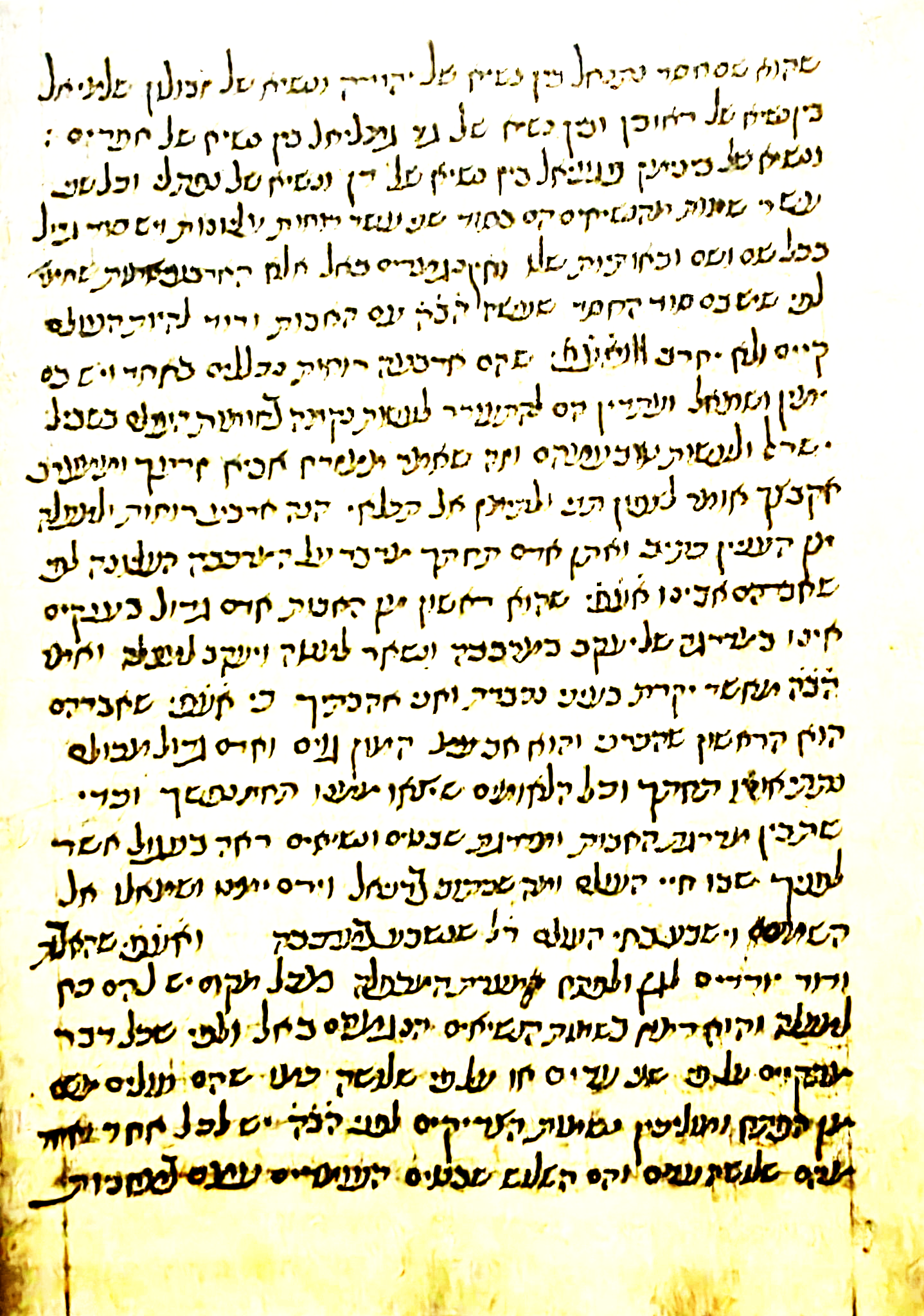
Fourth Kuntres [Booklet]: Final Writings
קוּנְטְרֵס רְבִיעִי: כְּתָבִים אַחֲרוֹנִים
Shlomo Zucker, p1-29(שְׁלֹמֹה צוּקֶר) who identified the manuscript of the final derashot pamphlet of Rabbi Shlomo Molcho and published parts of it, (אֲשֶׁר זִיהָה אֶת כְּתַב־הַיָּד שֶׁל קוֹנְטְרַס הַדְּרוּשִׁים הָאַחֲרוֹנִים שֶׁל ר׳ שְׁלֹמֹה מַלְכּוֹ וּפִרְסֵם חֲלָקִים מִמֶּנּוּ) defined it as one continuous derashah (הִגְדִּיר אוֹתוֹ כְּדְרָשָׁה אַחַת רְצוּפָה) that opens with an interpretation of a passage from the Zohar (הַפּוֹתַחַת בְּפֵירוּשׁ מַאֲמָר מִסֵּפֶר הַזֹּהַר) and proceeds, linking topic to topic like a work of art. (וְהוֹלֶכֶת וְקוֹשֶׁרֶת נוֹשֵׂא בְּנוֹשֵׂא כְּמַעֲשֵׂה אוֹמָנוּת).
Indeed, the writings begin with a derashah on a Zohar passage describing the opening of a gate for the arrival of the Mashiach, (אָכֵן, הַכְּתָבִים נִפְתָּחִים בְּדְרוּשׁ עַל מַאֲמָר בַּזֹּהַר הַמְּתָאֵר פְּתִיחַת פֶּתַח לְהֲגִיעָתוֹ שֶׁל הַמָּשִׁיחַ) moving from a discussion of the Patriarchs who accompany the Mashiach to the unveiling of the encounter between the Patriarchs and the soul on its way to Gan Eden, (עוֹבְרִים מִדִּיּוּן בָּאֲבוֹת הַמִּתְלַוִּים לַמָּשִׁיחַ לְחִשּׂוּף הַמִּפְגָּשׁ שֶׁבֵּין הָאֲבוֹת לַנֶּשָׁמָה בְּדַרְכָּהּ לְגַן־עֵדֶן) and revealing messianic motifs in the section of the betrothed maiden, (וּמְגַלִּים מוֹטִיבִים מְשִׁיחִיִּים בְּפָרָשַׁת הַנַּעֲרָה הַמְאֹרָשָׂה) the Cave of Machpelah, (מְעָרַת הַמַּכְפֵּלָה) the bird’s nest, (קֵן הַצִּפּוֹר) the encampments of Yisrael in the wilderness, (מַחֲנוֹת יִשְׂרָאֵל בַּמִּדְבָּר) the Song at the Sea, (שִׁירַת הַיָּם) the Covenant Between the Parts, (בְּרִית בֵּין הַבְּתָרִים) Yosef before Pharaoh, (יוֹסֵף אֵצֶל פַּרְעֹה) the lifting of the horn of Israel, (הֲרָמַת קֶרֶן יִשְׂרָאֵל) and the names of the kings of Israel. (וּשְׁמוֹת מַלְכֵי יִשְׂרָאֵל). And spanning from end to end is the middle bar- (וּמַבְרִיחַ מִן הַקָּצֶה אֶל הַקָּצֶה הַבְּרִיחַ הַתִּיכוֹן) this is the secret that the destiny of Israel is to rule over the powers of Gevurah. (הוּא הַסּוֹד שֶׁיְּעוּדוֹ שֶׁל יִשְׂרָאֵל הוּא לִמְשׁוֹל בְּכֹחוֹת הַגְּבוּרָה). Rasham reveals this secret in a wondrous sequence of Torah portions, (רש״ם חוֹשֵׂף אֶת הַסּוֹד הַזֶּה בְּרֶצֶף נִפְלָא שֶׁל פָּרָשִׁיּוֹת בַּתּוֹרָה) beginning with Yosef in Egypt, (הַחוֹל מִיוֹסֵף בְּמִצְרַיִם) through Eliyahu in the wilderness, (דֶּרֶךְ אֵלִיָּהוּ בַּמִּדְבָּר) the maidservants Bilhah and Zilpah, (הַשְּׁפָחוֹת בִּלְהָה וְזִלְפָּה) the sons of Ya'akov - Naftali, Dan, and Asher, (בְּנֵי יַעֲקֹב – נַפְתָּלִי, דָּן וְאָשֵׁר) the relationship between the sun and the moon, (הַיָּחָס שֶׁבֵּין הַשֶּׁמֶשׁ וְהַיָּרֵחַ) and that between Esav and Ya'akov, (וְזֶה שֶׁבֵּין עֵשָׂו וְיַעֲקֹב) and the goat offerings brought on the festival of Sukkot. (וּקְרַבְּנוֹת הַשְּׂעִירִים הַמּוּבָאִים בְּחַג הַסֻּכּוֹת). His conclusion is that when Hashem gives strength to His people, (מַסְקַנָּתוֹ הִיא שֶׁכַּאֲשֶׁר ה׳ עֹז לְעַמּוֹ יִתֵּן) there shall be exaltation for the kingdom of Israel, (תִּהְיֶה רוֹמְמוּת לְמַלְכוּת יִשְׂרָאֵל) and it is itself the exaltation of the kingdom of Hashem. (וְהִיא עַצְמָהּ רוֹמְמוּת מַלְכוּת ה׳).
As stated, Rasham opens with a citation from the Zohar. (כְּאָמֻר, רש״ם פּוֹתֵחַ בְּמוּבָאָה מִן הַזֹּהַר). Even in his previous writings, Rasham brought passages which he interpreted, (גַּם בְּכְתָבָיו הַקּוֹדְמִים הֵבִיא רש״ם מַאֲמָרִים אֲשֶׁר פֵּרֵשׁ) whether from the Talmud or from the Midrash. (אִם מִן הַתַּלְמוּד, אִם מִן הַמִּדְרָשׁ). The final pamphlet presented here differs in that the source of the opening passage is the Zohar. (שׁוֹנֶה הַקּוֹנְטְרַס הָאַחֲרוֹן הַמּוּגָשׁ כָּאן, בְּזֶה שֶׁמְּקוֹרוֹ שֶׁל הַמַּאֲמָר הַפּוֹתֵחַ הוּא הַזֹּהַר). Furthermore, in the present pamphlet, Rasham takes care to bring support for his interpretations from additional passages, (נוֹסָף עַל כָּךְ, בַּקּוֹנְטְרַס הַנּוֹכְחִי טוֹרֵחַ רש״ם לְהָבִיא תִּמּוּכִין לְפֵירוּשָׁיו מִמַּאֲמָרִים נוֹסָפִים) most of which are also from the Zohar, and these are interpreted in turn. (אֲשֶׁר רוּבָּם גַּם הֵם מִן הַזֹּהַר, וְאֵלּוּ מִתְפָּרְשִׁים בִּתְרוּמָם).
Apparently, he quoted these passages from memory (כְּכָל הַנִּרְאֶה, הוּא צִטֵּט אֶת הַמַּאֲמָרִים הָאֵלֶּה מֵהַזִּכָּרוֹן) - in his day, the Zohar had not yet been printed - (בִּימָיו, טֶרֶם הֻדְפַּס הַזֹּהַר) and he did not attempt to be exact in them. (וְלֹא נִסָּה לְדַיֵּק בָּהֶם). As testimony: (לְעֵדוּת) throughout the interpretations, the wording of the citation sometimes varies. (לְאֹרֶךְ הַפֵּירוּשִׁים, נוּסַח צִטָּטָה לִפְעָמִים מִשְׁתַּנֶּה). We will present these passages as they appear in printed editions of the Zohar today. (נָבִיא אֶת הַמַּאֲמָרִים הָאֵלֶּה כְּפִי שֶׁהֵם מוֹפִיעִים בִּדְפוּסֵי הַזֹּהַר הַיּוֹם). If there are meaningful textual differences between the printed version and the version cited by Rasham, (אִם קַיָּמִים הֶבְדְּלֵי נוּסַח בַּעֲלֵי מַשְׁמָעוּת בֵּין הַנּוּסַח הַמּוּדְפָּס לַנּוּסַח שֶׁצִּטֵּט רש״ם) the fact will be noted. (הָעֻבְדָּה תְּצוֹיֵן).
Beginning in the year 5291 (end of 1530), (הַחֵל מִשְּׁנַת רֶצ״א [סוֹף 1530]) Rasham diligently worked on preparing this pamphlet, (שָׁקַד רש״ם עַל הֲכָנַת הַקּוֹנְטְרַס הַזֶּה) his fourth derashot pamphlet, (קוֹנְטְרַס הַדְּרוּשִׁים הָרְבִיעִי שֶׁלוֹ) which was meant to be published together with the third pamphlet (אֲשֶׁר הָיָה אָמוּר לָצֵאת לָאוֹר עִם הַקּוֹנְטְרַס הַשְּׁלִישִׁי) - that is, the “Essay on the Redemption” in the current edition, above - (הוּא הַ״מַאֲמָר עַל הַגְּאֻלָּה״ שֶׁבַּמַּהֲדוּרָה הַנּוֹכְחִית, לְעֵיל) which Rasham had not succeeded in publishing until then. (שֶׁרש״ם לֹא הִצְלִיחַ לְפַרְסְמוֹ עַד אָז).
The earlier derashot in the pamphlets were revised by Rasham, (אֶת הַדְּרוּשִׁים הָרִאשׁוֹנִים שֶׁבַּקּוֹנְטְרָסִים הִגְהָה רש״ם) the final derashot were not. (אֶת הַדְּרוּשִׁים הָאַחֲרוֹנִים לֹא). Both the former and the latter were orphaned when their author was executed. (אֵלּוּ וְאֵלּוּ נִתְיַתְּמוּ כְּשֶׁמְּחַבְּרָם הוּצַא לְהוֹרֵג). Therefore, the reader must remember that Rasham did not finish editing them, (עַל כֵּן, חַיָּב הַקּוֹרֵא לִזְכּוֹר שֶׁרש״ם לֹא סִיֵּם אֶת מְלֶאכֶת עֲרִיכָתָם) and the final derashot especially were not polished. (וְהַדְּרוּשִׁים הָאַחֲרוֹנִים, בִּפְרָט, לֹא לוּטְּשׁוּ).
The full version of the fourth pamphlet, the last one written by Rasham, is published here for the first time in English.(הַגִּרְסָה הַמְּלֵאָה שֶׁל הַקּוֹנְטְרַס הָרְבִיעִי, הָאַחֲרוֹן שֶׁכָּתַב רש״ם, מִתְפַּרְסֶמֶת כָּאן לְרִאשׁוֹנָה בְּאַנְגְּלִית).
Notes
The years 1528–1527 of the gentile calendar (שְׁנוֹת - לְמִנְיָן הַגּוֹיִים).
Shalitri, as it is called in Spanish, is salpeter (שַׁלִּיטְרִי, כְּפִי שֶׁנִּקְרָא בְּסְפָרַדִּית, הוּא סַלְפֶּטֶר), which means "salt of the rock" (שֶׁמַּשְׁמָעוּת הַשֵּׁם: מֶלַח הַסֶּלַע), and in Hebrew it is called potassium nitrate (וּבְעִבְרִית נִקְרָא אֲשְׁלַגָּן חַנְקָתִי).
"Kaf in full is kuf, and kuf is 186. And YHVH squared is 186" (הַכ״ף מָלֵא הוּא קו״ף, וְהַקו״ף הוּא קפ״ו. וִיהו״ה מִתְרַבֵּעַ קפ״ו).
Rasham quotes the Midrash cited in (Berakhot 3a), according to its original version-before the Christian censor added two words in order to alter its meaning (רַשַ״ם מְצַטֵּט אֶת הַמִּדְרָשׁ הַמּוֹפִיעַ בְּמַסֶּכֶת בְּרָכוֹת ג׳, עַל פִּי נֻסְחוֹ הַמְּקוֹרִי, לִפְנֵי שֶׁהַצֶּנְזוֹר הַנּוֹצְרִי הוֹסִיף שְׁתֵּי מִלִּים כְּדֵי לְשַׁנּוֹת אֶת מַשְׁמָעוּתוֹ). According to the Christians (and as appears in most printed editions of the Talmud to this day), Hashem blames the Jews for the destruction: “Woe to My children, that through their sins I destroyed...” (עַל פִּי הַנּוֹצְרִים – וְכָךְ מֻפְעֶה בְּרוֹב דִּפְסוּסֵי הַתַּלְמוּד עַד הַיּוֹם – הקב״ה מַאֲשִׁים אֶת יִשְׂרָאֵל בַּחֻרְבָּן: "אוֹי לִבְנַי שֶׁבַּעֲוֹנוֹתֵיהֶם הֶחֱרַבְתִּי). However, in the early manuscripts of the Talmud and in the Rishonim who discuss it, Hashem says: “Woe that I destroyed” or in another version “Woe is to Me that I destroyed”-meaning Hashem expresses grief over the destruction (אֲבָל בִּכְתָבֵי הַיָּד הַמֻּקְדָּמִים שֶׁל הַתַּלְמוּד, וְכֵן בִּדְבַרֵי הָרִאשׁוֹנִים הַדָּנִים בּוֹ, הקב״ה אוֹמֵר: "אוֹי שֶׁהֶחֱרַבְתִּי", אוֹ בְּנֻסְחָא אַחֶרֶת: "אוֹי לִי שֶׁהֶחֱרַבְתִּי" – כְּלוֹמַר, הקב״ה מַבִּיעַ צַעַר עַל הַחֻרְבָּן). The Christian censorship altered the text about fifty years after Rasham’s death (הַצֶּנְזוֹר הַנּוֹצְרִי שִׁנָּה אֶת הַטֶּקְסְט כַּחֲמִשִּׁים שָׁנָה לְאַחַר מוֹתוֹ שֶׁל רַשַ״ם).
Rabbi Shimon bar Yochai invited his companions to a meal in honor of the bar mitzvah of his son, Rabbi Elazar, and rejoiced greatly (רַשְׁבִּ"י הִזְמִין אֶת חֲבֵרָיו לִסְעוּדָה לְצִיּוּן בַּר־מִצְוָה שֶׁל בְּנוֹ רַבִּי אֶלְעָזָר, וְשָׂמַח הַרְבֵּה). His companions asked him the reason for his joy (חֲבֵרָיו שָׁאֲלוּ אוֹתוֹ לִפְשַׁר שִׂמְחָתוֹ), and Rabbi Shimon bar Yochai replied that on that very day, a holy soul had descended to Rabbi Elazar (וְרַשְׁבִּ"י הֵשִׁיב שֶׁבְּאוֹתוֹ הַיּוֹם יָרְדָה נְשָׁמָה קְדוֹשָׁה לְרַבִּי אֶלְעָזָר).(Presented here as written in the manuscript from which the Benayahu folios were taken. The citation appears, with slight variations, in Zohar Ḥadash, Midrash haNe'elam, parashat Bereshit, page 16a according to the Venice edition) (מוּבָא כָּאן כְּפִי שֶׁנִּכְתַּב בְּכַתָּב־הַיָּד שֶׁמִּמֶּנּוּ הַדַּפִּים בֶּנָיָהוּ. הַצִּטּוּט מוֹפִיעַ, בְּשִׁינּוּיִים קְלָּאִים, בְּזֹהַר חָדָשׁ, מִדְרַשׁ הַנֶּעְלָם, פָּרָשַׁת "בְּרֵאשִׁית", דַּף ט״ז ע״א עַל פִּי דְּפוּס וֵנֵצְיָה).
Shlomo Zuker, “Sefer Shir Ḥadash: The Final Writings of Shlomo Molcho,” Jerusalem Studies in Jewish Thought, vol. 21, 2007 (שְׁלֹמֹה צוּקֶר, "סֵפֶר שִׁיר חָדָשׁ: כְּתָבִים אַחֲרוֹנִים שֶׁל שְׁלֹמֹה מוֹלְכוֹ", מֶחְקְרֵי יְרוּשָׁלַיִם בְּמַחְשֶׁבֶת יִשְׂרָאֵל, כָּרוֹךְ כ״א, תּשְׁס״ז).
(Bava Batra 73a)
The books of the minim [sectarians], commonly understood as referring in this context to early Christian Gospel writings (סִפְרֵי הַמִּינִים, שֶׁמְּקוּבָּל לְפָרְשָׁם בְּהֶקְשֵׁר זֶה כִּכְתָבֵי הַבְּשׂוֹרָה הַנּוֹצְרִיִּים הַקְּדוּמִים), were called by Rabbi Meir Aven Gilyon [“worthless/wicked scroll”] (אָוֶן גִּלְיוֹן) in Masekhet Shabbat 116a (שַׁבָּת קט״ז ע״א)—a derogatory pun on Evangelion [Gospel]. Rabbi Yoḥanan, however, called it Avon Gilyon [“scroll of iniquity”] (עָוֹן גִּלְיוֹן). From the sixteenth century onward (הָחֵל מִן הַמֵּאָה הַשֵּׁשׁ־עֶשְׂרֵה לְמִנְיָנָם), Christian authorities systematically censored this passage in Masekhet Shabbat, and therefore it is missing or altered in many printed editions of the Talmud to this day (הַשִּׁלְטוֹנוֹת הַנּוֹצְרִיִּים צִנְזְרוּ אֶת הַקֶּטַע הַזֶּה בְּמַסֶּכֶת שַׁבָּת, וְעַל כֵּן חָסֵר אוֹ מְשֻׁנֶּה הוּא בְּרַבִּים מִדִּפְוּסֵי הַתַּלְמוּד עַד הַיּוֹם). In the Vatican manuscript, the expression appears as Avon Gilyon (בִּכְתַב־יָד הַוָּתִיקָן כָּתוּב “עָוֹן גִּלְיוֹן”), consistent with Rabbi Yoḥanan’s usage in the Talmudic passage (כְּדֶרֶךְ רַבִּי יוֹחָנָן בְּקֶטַע הַתַּלְמוּדִי).
Shabbat 88a, as Rasham cited it (שַׁבָּת פ״ח ע״א, כְּפִי שֶׁרַשַ״ם צִטְּטוֹ). In the text before us there are slight variations (בַּטֶּקְסְט שֶׁלְּפָנֵינוּ יֵשׁנָם שִׁינּוּיִים קַלִּים). The only notable difference is that instead of “connections,” the text before us reads “crowns” (הַהֶבְדֵּל הַיָּחִיד הַבּוֹלֵט הוּא שֶׁבִּמְקוֹם "קְשָׁרִים" כָּתוּב לְפָנֵינוּ "כְּתָרִים).
Rasham does not cite Midrash Eichah Rabbati verbatim, but rather summarizes it, interweaving the version from the Talmud Yerushalmi (רַש״ם אֵינוֹ מְצַטֵּט אֶת מִדְרָשׁ אֵיכָה רַבָּתִי בְּדִיּוּק, אֶלָּא מְסַכֵּם אוֹתוֹ בְּשִׁלּוּב גִּרְסַת הַיְרוּשַׁלְמִי). In the Yerushalmi (Taanit, chapter 4, halacha 5) (בִּירוּשַׁלְמִי [תַּעֲנִית פֶּרֶק ד׳ הֲלָכָה ה׳]) it is written:“Tani Rabbi Shimon ben Yochai: Akiva my master would expound: ‘A star shall come forth from Ya'akov’ - [read as] ‘Koziva shall come from Ya'akov.’ When Rabbi Akiva would see Bar Kozva he would say: This is King Mashiach. Rabbi Yochanan ben Torta said to him: Akiva, grass will grow upon your cheeks, and still the son of David will not have come.” ("תָּנֵי רַבִּי שִׁמְעוֹן בֶּן יוֹחָאי, עֲקִיבָא רַבִּי הָיָה דּוֹרֵשׁ 'דָּרַךְ כּוֹכָב מִיַּעֲקֹב' – דֶּרֶךְ כּוֹזְבָא מִיַּעֲקֹב, רַבִּי עֲקִיבָא כְּד הֲוָה חָמֵי בַּר כּוֹזְבָא, הֲוָה אָמַר: דֵּין הוּא מַלְכָּא מְשִׁיחָא. אֲמַר לֵיהּ רַבִּי יוֹחָנָן בֶּן תּוֹרְתָּא: עֲקִיבָא, יַעֲלוּ עֲשָׂבִים בְּלַחָיֶיךָ וְעֲדַיִן בֶּן דָּוִד לָא יֵיתֵי.). In Eichah Rabbati (Parashah 2) (בְּאֵיכָה רַבָּתִי [פָּרָשָׁה ב׳]) it is written: “Rabbi Yoḥanan said: Rabbi would expound, ‘A star shall come forth from Ya'akov’ - do not read ‘kochav’ (star), but ‘kozav’ (falsehood). When Rabbi Akiva saw this Bar Koziva he would say: This is the King Mashiach.” ("אָמַר רַבִּי יוֹחָנָן, רַבִּי הָיָה דּוֹרֵשׁ 'דָּרַךְ כּוֹכָב מִיַּעֲקֹב', אַל תִּקְרִי כּוֹכָב אֶלָּא כּוֹזָב. רַבִּי עֲקִיבָא כְּד הֲוָה חָמֵי לֵיהּ לְהַדֵּין בַּר כּוֹזִיבָא, הֲוָה אָמַר: הָאִינוּ מַלְכָּא מְשִׁיחָא). In both versions, Rabbi Akiva designates Bar Kokhba as the Mashiach (וּבִשְׁתֵּי הַגִּרְסָאוֹת, רַבִּי עֲקִיבָא מְכַנֶּה אֶת בַּר כּוֹכְבָא מָשִׁיחַ). In the Yerushalmi, Rabbi Akiva himself expounds the verse “A star shall come forth from Ya'akov” as referring to Bar Kokhba (וּבַיְרוּשַׁלְמִי רַבִּי עֲקִיבָא הוּא גַּם הַדּוֹרֵשׁ אֶת הַפָּסוּק "דָּרַךְ כּוֹכָב מִיַּעֲקֹב" עַל בַּר כּוֹכְבָא). Whereas in Eichah Rabbati, “Akiva Rabbi” - meaning Rabbi Akiva, the teacher of Rabbi Shimon bar Yochai - becomes simply “Rabbi” (וְאִלּוּ בְּאֵיכָה רַבָּתִי "עֲקִיבָא רַבִּי" [רַבִּי עֲקִיבָא רַבּוֹ שֶׁל רַשְׁבִּ"י] נֶהְפָּךְ לְ"רַבִּי", דְּהַיְינוּ רַבִּי יְהוּדָה), and Rabbi Akiva responds to his statement (וְרַבִּי עֲקִיבָא מַגִּיב לִדְבָרָיו). Rabbi Yoḥanan ben Torta-not to be confused with Rabbi Yoḥanan ben Zakkai or Rabbi Yoḥanan bar Nafcha, who were great sages-is cited both in the Yerushalmi and in the continuation of the discussion in Eichah Rabbati (וְרַבִּי יוֹחָנָן בֶּן תּוֹרְתָּא [לֹא רַבִּי יוֹחָנָן בֶּן זַכַּאי וְלֹא רַבִּי יוֹחָנָן בַּר נַפְחָא, מִגְּדוֹלֵי הַחֲכָמִים] חוֹלֵק עַל רַבִּי עֲקִיבָא גַּם בַּיְרוּשַלְמִי וְגַּם בְּהֶמְשֵׁךְ הַדִּיּוּן שֶׁבְּאֵיכָה רַבָּתִי).