
Closing Remarks by the Transcriber of the Sermon דִּבְרֵי סִיּוּם מֵאֵת רוֹשֵׁם הַדְּרָשָׁה
Though hearing from a hearer is not the same as hearing directly from the Rav (הַגַּם כִּי אֵינוֹ דּוֹמֶה שׁוֹמֵעַ מִפִּי שׁוֹמֵעַ לְשׁוֹמֵעַ מִפִּי הָרַב), nevertheless, so that the words of the master-may his light shine-should not be forgotten from the treasured people (מִכָּל מָקוֹם, כְּדֵי שֶׁלֹּא תִּשָּׁכַחְנָה מִמֶּנִּי דִּבְרֵי הָאָדוֹן יֵאִיר רִבּוֹנוֹ הוֹדוֹ מֵעַם לוֹ סְגוּלָּה), I, all of me, wrote what I wrote (אֲנִי כֻּלִּי כָּתַבְתִּי מַה שֶּׁכָּתַבְתִּי), not to glorify myself (לֹא לְהִתְגַּדֵּל), but to serve Him (רַק לַעֲבוֹדָתוֹ). May Hashem cause His face to shine upon him and upon us (ה׳ יָאֵר פָּנָיו אִתּוֹ וְאִתָּנוּ).
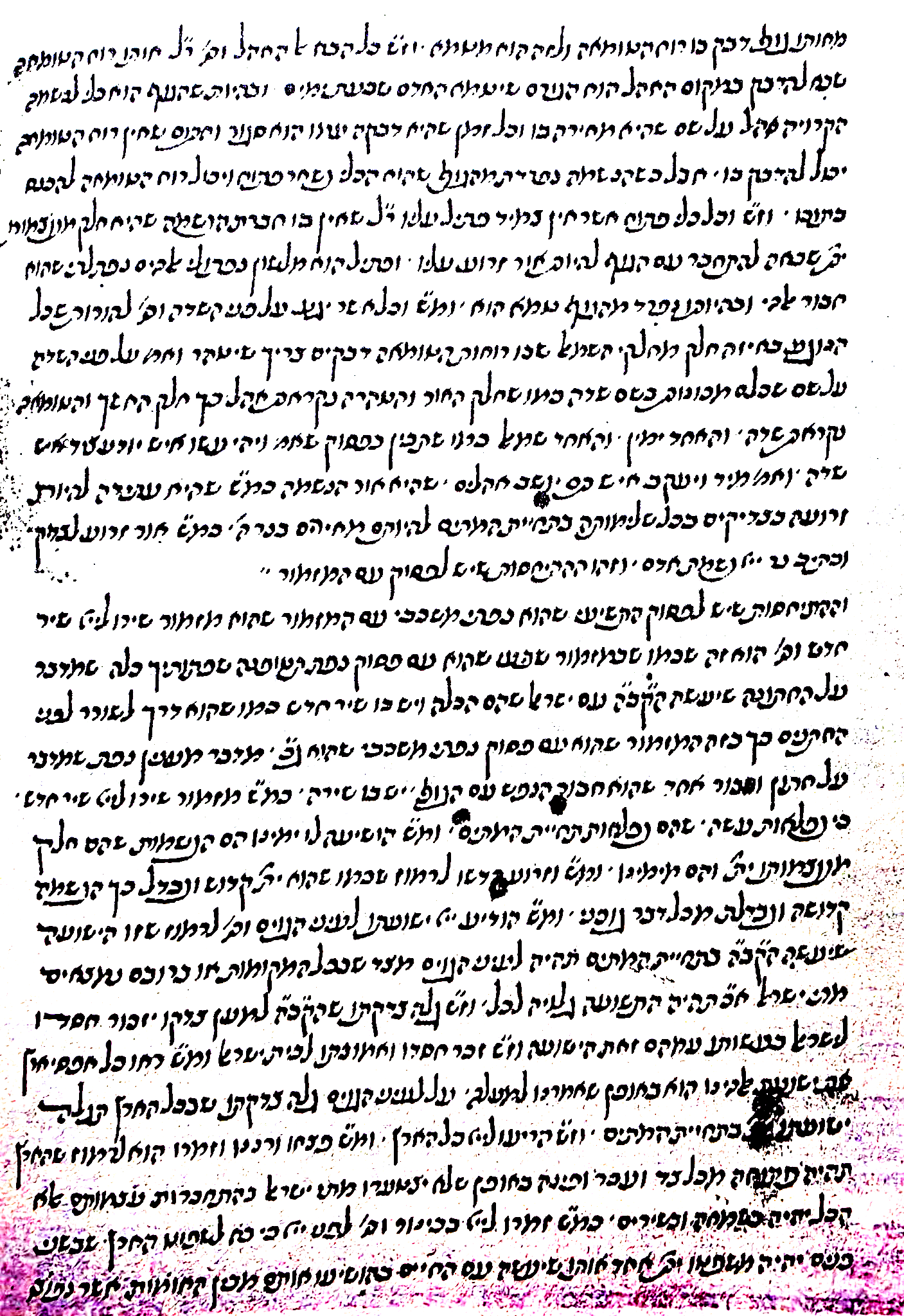
A Page from the Third Kuntres, from Binyahu, “Essay on the Redemption,” Asefut 9 (עָמוּד מִתּוֹךְ הַקּוּנְטְרֵס הַשְּׁלִישִׁי, מִתּוֹךְ בִּנְיָהוּ, ״מַאֲמָר עַל הַגְּאֻלָּה״, אֲסוּפוֹת ט׳)