
Daf 246a (דַּף רמ״ו ע״א)
Sixth, that he not be a glutton and a swallower upon the table of the King (שְׁתִּיתָאָה, שֶׁלֹּא יְהֵא גַּרְגְּרָן וּבַלְעָן עַל פָּתוֹרֵיהּ דְּמַלְכָּא), in the manner of Esav who said (כְגַוְונָא דְּעֵשָׂו דְּאָמַר): Feed me now (הַלְעִיטֵנִי) (Bereshit 25), the way of swallowing (אֹרַח הַלְעָטָה), but rather in the way of grinding (אֶלָּא בְּאֹרַח טְחִינָה). Likewise, one who brings forth words of prayer or of Orayta from his mouth (אוּף הָכִי, מַאן דְּאַפִּיק מִלִּין דִּצְּלוֹתִין אוֹ דְּאוֹרַיְיתָא מִפּוּמוֹי), must bring them forth with complete grinding (בָּעֵי לְאַפָּקָא לוֹן בְּהַטְחָנָה שְׁלֵמִים), and not with swallowing that is lacking (וְלָא בְּהַלְעָטָה חֲסֵרִים). And not only this, but also because of danger, lest the windpipe precede the esophagus (וְלֹא עוֹד, אֶלָּא בְּגִין סַכָּנָה דְּשֶׁמָא יַקְדִים קָנֶה לָוְּשֶׁט).
Seventh, Mayim Acharonim (שְׁבִיעָאָה, מַיִם אַחֲרוֹנִים). And they established it (וְאוֹקְמוּהָ): the first waters are a commandment (מַיִם רִאשׁוֹנִים מִצְּוָה), and the last waters an obligation (וְאַחֲרוֹנִים חוֹבָה), and the intermediate waters optional (וְאֶמְצָּעִיִּים רְשׁוּת). The first waters, one must raise the fingers (מַיִם רִאשׁוֹנִים צָּרִיךְ לְסַלְּקָא אֶצְּבְּעָן), lest the liquids return and defile the hands (בְּגִין דְּלָא יְהַדְרוּן מַשְׁקִין וִיטַמְּאוּ אֶת הַיָּדַיִם). And there are Sages who say (וְאִית מֵרַבָּנָן דְּאַמְרֵי), that the last waters are because of the salt of Sodom (דְּאַחֲרוֹנִים מִשּׁוּם מֶלַח סְדוֹמִית), that it not blind the eyes (שֶׁלֹּא תְּסַמֵּא אֶת הָעֵינַיִם). And if so, they have been exempted from obligation (וְאִי הָכִי אַפְּקִין לוֹן מֵחוֹבָא). And the inner matters, those who said about them obligation (וְסַתְרֵי מִילִין, אִלֵּין דְּאָמְרוּ עָלַיְיהוּ חוֹבָה), it is not the way of the world to contradict the words of the Geonim (וְלָאו אֹרַח אַרְעָא לְסַתְרָא גְּאוֹנִים מִלִּין) Some say: from those about whom they say concerning them (ס״א מאלין דאמרי עלייהו), but rather because it is called upon them (אֶלָּא דְּאִתְקְרֵי עָלַיְיהוּ): According to the Torah which they shall teach you (עַל פִּי הַתּוֹרָה אֲשֶׁר יוֹרוּךָ) (Deuteronomy 17). And not only this, but they said about them three sanctities (וְלֹא עוֹד, אֶלָּא דְּאָמְרוּ עָלַיְיהוּ ג' קְדוּשּׁוֹת). This is what is written (הֲדָא הוּא דִּכְתִיב): And you shall sanctify yourselves and you shall be holy (וְהִתְקַדִּשְׁתֶּם וִהְיִיתֶם קְדוֹשִׁים) (Leviticus 11). And you shall sanctify yourselves - these are the first waters (וְהִתְקַדִּשְׁתֶּם אֵלּוּ מַיִם רִאשׁוֹנִים). And you shall be holy - these are the last waters (וִהְיִיתֶם קְדוֹשִׁים אֵלּוּ מַיִם אַחֲרוֹנִים). For holy - this is fragrant oil (כִּי קָדוֹשׁ, זֶה שֶׁמֶן עָרֵב). I am Hashem - this is blessing (אֲנִי יְיָ, זוֹ בְּרָכָה). And the intermediate waters, between cheese and meat (וְאֶמְצָּעִיִּים, בֵּין גְּבִינָה לְבָשָֹׁר). And because of this: And you shall sanctify yourselves and you shall be holy, for holy am I, Hashem (וּבְגִין דָּא, וְהִתְקַדִּשְׁתֶּם וִהְיִיתֶם קְדוֹשִׁים כִּי קָדוֹשׁ אֲנִי יְיָ). Fortunate are the people whose Master makes them equal to Him (זַכָּאִין עַמָּא, דְּמָארֵיהוֹן יְשַׁוִּי לוֹן לְגַבֵּיהּ). Also thus, And you shall sanctify yourselves, at the time of union (אוּף הָכִי וְהִתְקַדִּשְׁתֶּם, בְּשַׁעַת תַּשְׁמִישׁ). The first waters, of the seed of a man, are a commandment (מַיִם רִאשׁוֹנִים דְּזָרַע בַּר נָשׁ, מִצְּוָה). The last waters, of the female, are an obligation (אַחֲרוֹנִים דְּנוּקְבָּא, חוֹבָא). And the intermediate are hinted at, and as cheese You curdle me (וְאֶמְצָּעִיִּים קָא רָמִיז, וְכַגְּבִינָה תַּקְפִּיאֵנִי). This is what is written (הֲדָא הוּא דִּכְתִיב): Have You not poured me out as milk, and curdled me like cheese (הֲלֹא כֶחָלָב תַּתִּיכֵנִי וְכַגְּבִינָה תַּקְפִּיאֵנִי) (Job 10). And this is what is hinted, between cheese and flesh (וְהַאי אִיהוּ דְּקָא רָמִיז, בֵּין גְּבִינָה לְבָשָֹׁר), as it is said: Skin and flesh You clothe me (דְּאִתְּמַר בֵּיהּ, עוֹר וּבָשָׂר תַּלְבִּישֵׁנִי) (Job 10).
Eighth, for three one requires a cup (תְּמִינָאָה, לִשְׁלֹשָׁה צָּרִיךְ כּוֹס). Why? (אֲמַאי). Binah is the third of the ten Sefirot, from above to below (בִּינָה אִיהִי תְּלִיתָאָה מֵעֶשֶׂר סְפִירָאן, מֵעֵילָּא לְתַתָּא). And because of this, fewer than three do not require a cup (וּבְגִין דָּא פָּחוּת מִשְּׁלֹשָׁה לָא צָּרִיךְ כּוֹס). Another matter (ד״א): for three one requires a cup, hinting at holiness, to You they shall ascribe threefold holiness (לִשְׁלֹשָׁה צָּרִיךְ כּוֹס, קָא רָמִיז קְדוּשָּׁה לְךָ יְשַׁלֵּשׁוּ). And not only this, but the Orayta was not given less than three: Kohanim, Levi’im, Yisraeli (וְלֹא עוֹד, אֶלָּא דְּאוֹרַיְיתָא לָא נַחְתָּא פָּחוּת מִג׳, כֹּהֲנִים, לְוִיִּם, יִשְׂרְאֵלִים). Torah, Prophets, and Writings (תוֹרָה, נְבִיאִים, וּכְתוּבִים). In the third month, on the third day (בְּיְרַח תְּלִיתָאי, בְּיוֹם תְּלִיתָאי). And this is Binah, Yod, Heh, Vav (וְדָא בִּינָה, יְה״וּ). And because of her it is said: Three watches are the night (וּבְגִינָהּ אִתְּמַר, שָׁלֹשׁ מִשְׁמָרוֹת הֲוִ״י הַלַּיְלָה). Malchut of Hashem is the fourth, of her it is said: Four watches are the night (מַלְכוּת ה׳ רְבִיעִית, עָלָהּ אִתְּמַר אַרְבָּעָה מִשְׁמָרוֹת הֲוִי הַלַּיְלָה). And the Shin, of three branches, corresponds to the three watches (וְש' דִּתְלַת עַנְפִין לָקֳבֵל תְּלַת מִשְׁמָרוֹת). And of four branches, corresponds to the four watches (וְ דְּאַרְבַּע עַנְפִין, לָקֳבֵל אַרְבָּעָה מִשְׁמָרוֹת).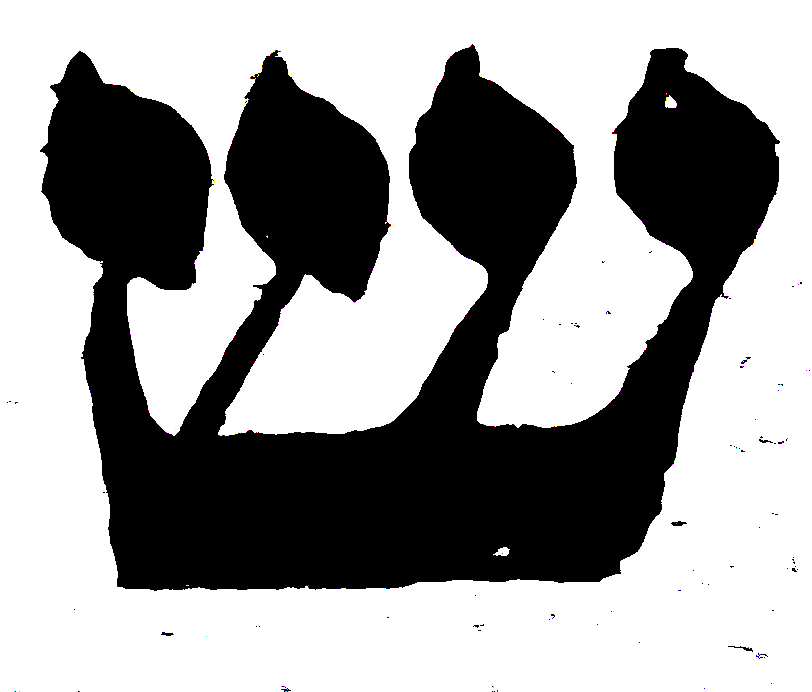
Ninth, the cup of blessing is a quarter log (תְּשִׁיעָאָה, כּוֹס שֶׁל בְּרָכָה, רְבִיעִית לוֹג), and its measure corresponds to the four, the fourth of the Name YHVH (וְשִׁיעוּרָא דִּילֵיהּ, לָקֳבֵל ה׳, רְבִיעָאָה דְּשֵׁם יְדוָֹ״ד).
Tenth, with ten one says: Let us bless our Elohim (עֲשִׂירָאָה, בְּעֲשָׂרָה אוֹמֵר נְבָרֵךְ לֵאלֹהֵינוּ). And the Shekhinta below, she is the fourth and the tenth (וּשְׁכִינְתָּא תַּתָּאָה, אִיהִי רְבִיעִית, וַעֲשִׂירִית). The fourth to the Name YHVH (רְבִיעִית לְשֵׁם יְדוָֹד). The tenth to the ten Sefirot (עֲשִׂירִית לְעֶשֶׂר סְפִירִין). Which are Yud, Hei, Vav, Hei (דְּאִינּוּן יו״ד ה״א וָא״ו ה״א). And how much must a man guard himself (וְכַמָּה צָּרִיךְ בַּר נָשׁ לְנַטְרָא גַּרְמֵיהּ), not to cast forth these words in a place where it is not fitting (דְּלָא לִזְרוֹק מִלִּין אִלֵּין בַּאֲתָר דְּלָא אִצְּטְרִיךְ). Like one who casts bread (כְּמוֹ מַאן דְּזָרִיק נָהֲמָא). How much more so one who casts the bread of the Orayta outside of his table (כָּל שֶׁכֵּן מַאן דְּזָרִיק נָהֲמָא דְּאוֹרַיְיתָא, לְבַר מִפָּתוֹרֵיהּ), which is the Shekhinta (דְּאִיהִי שְׁכִינְתָּא). Of which it is said (דְּאִתְּמַר בָּהּ): This is the table that is before Hashem (זֶה הַשֻּׁלְחָן אֲשֶׁר לִפְנֵי יְיָ) (Ezekiel 41). Until here is the Raya Mehemna (עַד כָּאן רַעְיָא מְהֵימְנָא).
And in the first connection, there are three who cause evil to themselves (וּבְחִבּוּרָא קַדְמָאָה, תְּלַת אִינּוּן דְּגַרְמִין בִּישׁ לְגַרְמַיְיהוּ). Two in this world (תְּרֵין בְּהַאי עָלְמָא), and one in another world (וְחַד בְּעָלְמָא אַחֲרָא). And these are (וְאִלֵּין אִינּוּן): he who curses himself (מַאן דְּלָיִיט גַּרְמֵיהּ). For we learned (דְּתָנֵינָן), one appointed officer is assigned before a man (חַד מְמָנָא אִתְפְּקַד קַמֵּיהּ דְּבַּר נָשׁ). And at the time when that man curses himself (וּבְשַׁעֲתָא דְּלָיִיט גַּרְמֵיהּ הַהוּא בַּר נָשׁ), that officer and seventy others appointed under him (הַאי מְמָנָא, וְשִׁבְעִין אַחֲרָנִין דִּמְמָנָן תְּחוֹתֵיהּ), take that word (נַטְלִין הַהִיא מִלָּה), and they say Amen (וְאַמְרֵי אָמֵן), and they raise it above (וְסַלְקֵי לָהּ לְעֵילָּא). And they judge it (וְדַיְינִין לָהּ), and he pursues after it (וְאִיהוּ רָדִיף אֲבַּתְרֵיהּ), until it is done to him (עַד דְּעָבִיד לֵיהּ), and that word is fulfilled upon him (וְאַשְׁלִים לֵיהּ הַהוּא מִלָּה).
Who is greater for you than Moshe (מַאן לָךְ רַב מִמֹּשֶׁה), who said (דְּאָמַר): And if not, erase me now from Your book which You have written (וְאִם אַיִן מְחֵנִי נָא מִסִּפְרְךָ אֲשֶׁר כָּתָבְתָּ) (Exodus 32). And he said it for a purpose (וְאָמַר לְצוֹרֶךְ). And even though Kudsha Berikh Hu did his will (וְאַף עַל גַּב דְקוּדְשָׁא בְּרִיךְ הוּא עָבִיד רְעוּתֵיהּ), nevertheless he was not delivered from punishment (עִם כָּל דָּא לָא אִשְׁתְּזִיב מֵעוֹנְשָׁא). For it has been said (וְהָא אִתְּמַר), that he is not mentioned in the portion of “And you shall command” (דְּלָא אִדְכַּר בְּפָרָשַׁת וְאַתָּה תְּצַוִּה), and he was erased from there (וְאִתְמְחֵי מִתַּמָּן). And this has been established (וְהָא אוֹקְמוּהָ).
Who is greater for us than King David (מַאן לָן רַב מִדָּוִד מַלְכָּא), who said (דְּאָמַר): I said I will guard my ways from sinning with my tongue, I will guard my mouth with a muzzle while the wicked is before me (אָמַרְתִּי אֶשְׁמְרָה דַּרְכֵי מֵחֲטוֹא בִלְשׁוֹנִי אֶשְׁמְרָה לְפִי מַחְסוֹם בְּעוֹד רָשָׁע לְנֶגְדִּי) (Psalms 39). What is “while the wicked is before me”? (מַאי בְּעוֹד רָשָׁע לְנֶגְדִּי). That officer appointed over this (הַהוּא מְמָנָא דְּאִתְפְּקַד עַל דָּא), who takes that word to accuse that man (וְנָטִיל הַהִיא מִלָּה לְאַבְאָשָׁא לֵיהּ לְבַּר נָשׁ).