
Daf 250a (דַּף ר״נ ע״א)
Rabbi El'azar said: Certainly it is so (רִבִּי אֶלְעָזָר אָמַר, וַדַּאי הָכִי הוּא). And come and see (וְתָּא חֲזֵי), it is written: “Draw and take for yourselves lambs, etc.” (כְּתִיב מִשְׁכוּ וּקְחוּ לָכֶם צֹאן וְגוֹ׳) (Exodus 12). “Draw” - in the earlier connection, what is “Draw”? (מִשְׁכוּ, בְּחִבּוּרָא קַדְמָאָה, מַאי מִשְׁכוּ). Like one who draws from another place to this place (כְּמַאן דְּמָשִׁיךְ מֵאֲתָר אַחֲרָא לַאֲתָר דָּא). Draw upper days toward lower days (מִשְׁכוּ יוֹמִין עִלָּאִין לְגַבֵּי יוֹמִין תַּתָּאִין). The upper days are 366, like the calculation of “Draw” (יוֹמִין עִלָּאִין אִינּוּן שס״ו, כְּחוּשְׁבַּן מִשְׁכוּ). The lower days are the times, which are 355 (יוֹמִין תַּתָּאִין, זִמְנִין דְּאִינּוּן שנ״ה). And in the time when the moon is illuminated in completeness, they ascend to become 365, like the calculation of “Draw,” lacking one (וּבְזִמְנָא דְּאִתְנַהֲרָא סִיהֲרָא בְּאַשְׁלְמוּתָא, סְלִיקוּ לְמֶהֱוֵי אִינּוּן יוֹמִין שס״ה, כְּחוּשְׁבַּן מִשְׁכוּ חָסֵר חַד). Draw upper days toward lower days, that all of them may be as one in one union (מִשְׁכוּ יוֹמִין עִלָּאִין לְגַבֵּי יוֹמִין תַּתָּאִין, לְמֶהֱוֵי כֻּלְּהוּ כַּחֲדָא בְּחִבּוּרָא חֲדָא). And who draws them? These ten on the right side (וּמַאן מָשִׁיךְ לוֹן. אִינּוּן עֶשֶׂר דְּלִסְטַר יְמִינָא), as it is written: “On the tenth” (דִּכְתִיב בֶּעָשׂוֹר) (Leviticus 23). “On the tenth”-with ten it ought to have said. What is “On the tenth”? (בֶּעָשׂוֹר, בַּעֲשָׂרָה מִבָּעֵי לֵיהּ, מַאי בֶּעָשׂוֹר). Rather, nine are for every side, and one point that goes in the middle (אֶלָּא ט׳ אִינּוּן לְכָל סְטָר, וּנְקוּדָּה חֲדָא דְּאַזְלָא בְּאֶמְצָעִיתָא) (Tetzaveh 180a). 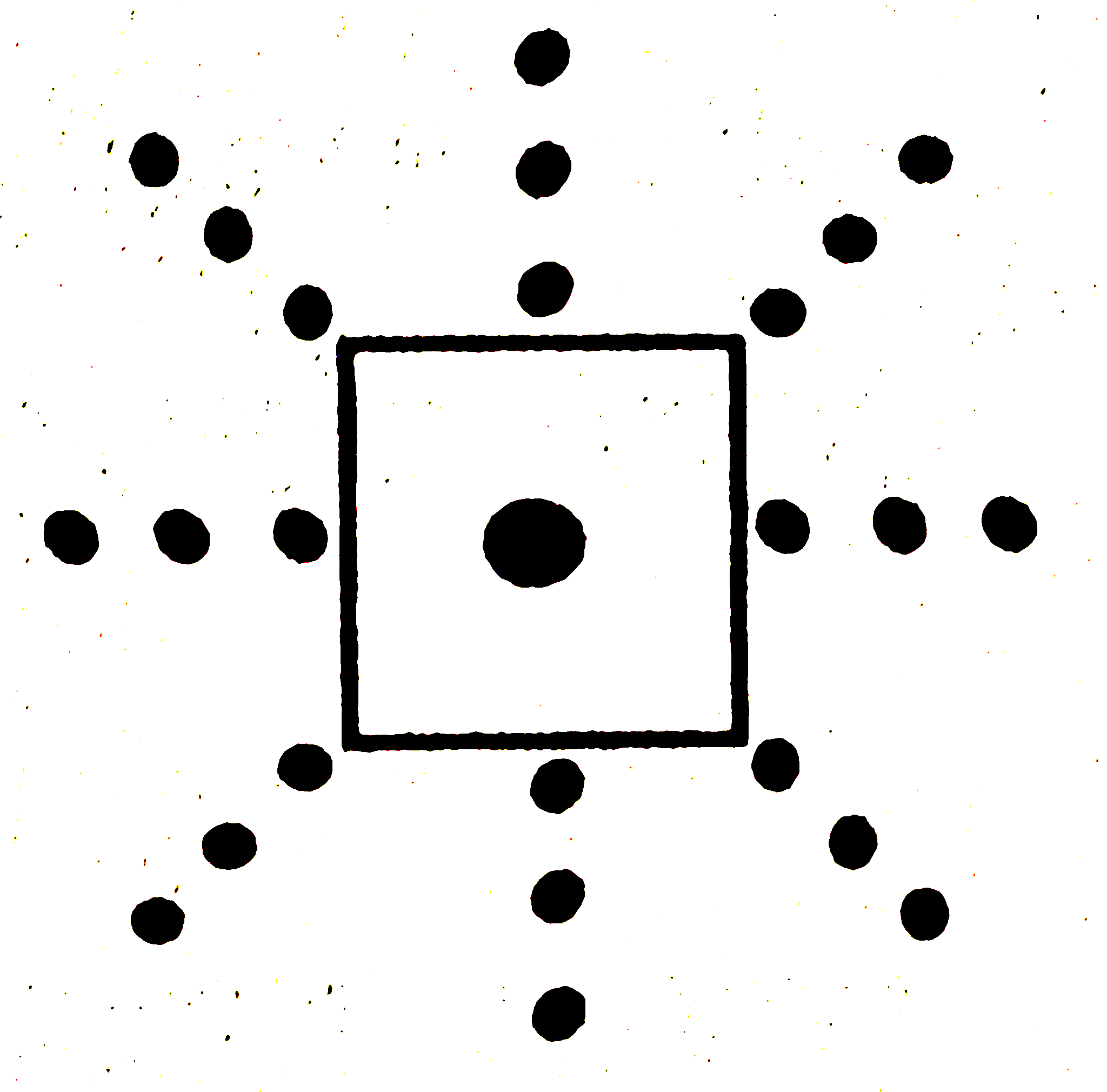
In this manner, and that point completes the ten, and therefore “On the tenth” (כְּגַוְונָא דָּא, וְהַהִיא נְקוּדָה אֲשְׁלִימַת לְעֶשֶׂר, וְעַל דָּא בְּעֲשׂוֹר). As has been said: “Remember” and “Keep” to be performed with one utterance (כְּמָה דְּאִתְמַר זָכוֹר וְשָׁמוֹר לְשִׁימוּשָׁא בַּעֲשָׂרָה). These are nine days with that point (אִינוּן יוֹמִין תֵּשַׁע בְּהַהוּא נְקוּדָה), for this month, the days on the right side, in order to join this with that, that all may be one (לַחֹדֶשׁ הַזֶּה יוֹמִין דְּלִסְטַר יְמִינָא, בְּגִין לְאִתְחַבְּרָא זֹאת בָּזֶה, לְמֵהֱוֵי כֹּלָּא חַד). And in the time when those four are tied to the four sides, they join with them (וּבְזִמְנָא דְּאִינּוּן ד׳ אִתְקְשָּׁרוּ לְד׳ סִטְרִין מִתְחַבְּרָן בַּהֲדַיְיהוּ). Then that Chayyah gives birth, and the serpent departs (כְּדֵין אוֹלִידַת הַהוּא חַיָּה, וְחִוְיָא אָזִיל לֵיהּ). And at that time they sanctify above this Chayyah, and call her Glory (וּבְהַהוּא זִמְנָא מְקַדְּשִׁין לְעֵילָּא לְהַאי חַיָּה, וְקָרָאן לָהּ כָּבוֹד). And then the festival is sanctified, that which was not until now, and now they call her Glory (וּכְדֵין אִתְקַדָּשׁ מוֹעֲדָא, מַה דְּלָא הֲוָה עַד הַשְׁתָּא, וּכְעַן קָרָאן לָהּ כָּבוֹד). This is what is written: “And in His Sanctuary, all say: Glory” (הֲדָא הוּא דִכְתִיב, וּבְהֵיכָלוֹ כֻּלּוֹ אוֹמֵר כָּבוֹד) (Psalms 29). (Ra‘aya Meheimna said, these words belong here) (אָמַר רַעְיָא מְהֵימְנָא, מִילִין אֵלֵּין שַׁיָּיךְ כָּאן).
Ra‘aya Meheimna
Ra‘aya Meheimna said: These words are concealed (אָמַר רַעְיָא מְהֵימָנָא, מִלִּין אִלֵּין סְתִימִין), and it is necessary to open them for the friends (וְצָרִיךְ לְמִפְתַּח לוֹן לְגַבֵּי חַבְרַיָּיא), for whoever conceals from them the treasuries of Orayta causes them suffering (דְּמַאן דְּסָתִים לוֹן גְּנִיזִין דְּאוֹרַיְיתָא, אִיהוּ מְצַעֵר לוֹן). For to the wicked, lights of the secrets are reversed to them as darkness (דִּלְרַשִׁיעֲיָיא נְהוֹרִין דְּרָזִין, אִתְחַזְרָן לוֹן חֲשׁוֹכִין). And it is like a parable to money that is hidden (וְאִיהוּ מָתְלָא לְמָמוֹנָא דְּאִיהוּ גָּנִיז): whoever digs for it until he uncovers it, and it is not his (מַאן דְּחָפַר לֵיהּ עַד דְּגַלֵּי לֵיהּ, וְלָאו אִיהוּ דִּילֵיהּ), he is turned back in his foolishness into darkness and accepts it (אִתְהַדַּר בְּסוּכְלְתָנוּתֵיהּ בַּחֲשׁוֹכָא וְקַבְּלָא). But for the one to whom it belongs, it shines for him (וּלְמַאן דְּאִיהוּ דִּילֵיהּ, נָהִיר לֵיהּ). And because of this, a man must reveal the concealed secrets of Orayta (וּבְגִין דָּא, אִית לְבַר נָשׁ לְגַלָּאָה רָזִין סְתִימִין דִּבְאוֹרַיְיתָא).
On the tenth (בֶּעָשׂוֹר), there are nine for every side (ט׳ אִינּוּן לְכָל סְטָר), corresponding to the nine months of the woman who gives birth (לָקֳבֵל ט׳ יַרְחִין דְּיוֹלֵדָה), according to the calculation of Alef–Ḥet [AḤ] (כְּחוּשְׁבַּן א״ח). Who gives birth (מַאן יוֹלֶדֶת)? Dalet [four] from Echad [one] (ד׳ מִן אֶחָד). Alef–Ḥet [AḤ] is nine (א״ח, אִיהוּ ט׳), corresponding to the four sides of the letter Dalet [D] (לְד׳ סִטְרִין דְּאָת ד׳), and they are forty (וְאִינּוּן אַרְבָּעִין). Alef–Ḥet [AḤ] is “Remember” (א״ח זָכוֹר), and Dalet [D] is “Keep” (ד׳ שָׁמוֹר). Behold, forty-two (הָא אַרְבְּעִין וּתְרֵין).
Kavod [glory] remains (אִשְׁתְּאַר כָּבוֹד), as it is said concerning it (דְּאִתְּמַר בֵּיהּ): “Blessed be the Name of the glory of His kingdom forever and ever” (בָּרוּךְ שֵׁם כְּבוֹד מַלְכוּתוֹ לְעוֹלָם וָעֶד). And this Kavod [glory] is thirty-two (וְאִיהוּ כָּבוֹד ל״ב): four times for every side of the letter Dalet [D] (ד׳ זִמְנִין לְכָל סְטָר דְּאָת ד׳); behold, sixty-four for the four sides, two hundred and fifty-six (הֲרֵי ס״ד לְד׳ סִטְרִין, רנ״ו). And they have established (וְאוֹקְמוּהָ): Kavod [glory] above (כָּבוֹד לְעֵילָּא), thirty-two below (ל״ב לְתַתָּא). And because of this, they unify twice every day (וּבְגִין דָּא, מְיַיחֲדִין בְּכָל יוֹמָא תְּרֵין זִמְנִין), for we say in them “Kavod [glory]” two times (דְּאַמָרָן בְּהוּ תְּרֵין זִמְנִין כָּבוֹד), which is sixty-four (דְּאִיהוּ ס״ד). And twice: Dalet [four], Dalet [four] from Echad [one] (וּתְרֵין זִמְנִין ד׳ ד׳ מִן אֶחָד), behold, seventy-two (הֲרֵי ע״ב). Behold, the Dalet [D] of Echad [one] (הֲרֵי ד׳ דְּאֶחָד), the completion of the forty-two Names (שְׁלִימוּ דְּמ״ב שְׁמָהָן), and the completion of the seventy-two Names (וּשְׁלִימוּ דְּע״ב שְׁמָהָן).
And because of this they say in “Mizmor leDavid [A Psalm of David]” (וּבְגִין דָּא אַמְרִין בְּמִזְמוֹר לְדָוִד): “Who is this King of Glory? Hashem, strong and mighty” (מִי זֶה מֶלֶךְ הַכָּבוֹד יְיָ עִזוּז וְגִבּוֹר) (Psalms 24). And the second time (וּבְזִמְנָא תִּנְיָינָא): “Who is He, this King of Glory?” (מִי הוּא זֶה מֶלֶךְ הַכָּבוֹד) (Psalms 24). Thus ends Ra‘aya Meheimna (ע״כ רַעְיָא מְהֵימְנָא). (Ra‘aya Meheimna said, these words belong here) (אָמַר רַעְיָא מְהֵימְנָא, מִילִּין אֵלֵּין שַׁיָּיךְ כָּאן).
Who is the Sanctuary (מַאן הֵיכָלוֹ). This is the supernal inner Sanctuary, where all is sanctified (דָּא הֵיכָל עִלָּאָה פְּנִימָאָה, דְּתַמָּן מִתְקַדְּשָׁא כֹּלָּא). There they sanctify the one who is seen to be sanctified (תַּמָּן מְקַדְּשִׁין לְמַאן דְּחָזֵי לְאִתְקַדְּשָׁא). How do they sanctify him in that Sanctuary (הֵיךְ מְקַדְּשִׁין לֵיהּ בְּהַהוּא הֵיכָלָא). At first the gates are opened (בְּקַדְמִיתָא אִתְפְּתָּחוּ תַּרְעִין), and one concealed key is prepared, and opens one gate to the south side (וְחַד מַפְתְּחָא סְתִימָא, אַתְקִין וּפָתַח תַּרְעָא חַד לִסְטַר דָּרוֹם). Then the High Priest enters through that opening (כְּדֵין עָאל כַּהֲנָא רַבָּא בְּהַהוּא פִּתְחָא), and is strengthened with his offerings and his preparations (וְאִזְדְּרָז בְּהֵימְיֶינוֹי וְתִקּוּנוֹי). And he is crowned with a crown of holiness (וְאִתְעַטָּר בְּעִטְרָא דִּקְדוּשָּׁה), and wears the breastplate and the ephod (וּלְבִישׁ חוֹשְׁנָא וְאֵפוֹדָא), and the robe of seventy bells and pomegranates, which are “a bell of gold and a pomegranate” (וּמְעִילָא דְּשִׁבְעִין זָגִין וְרִמּוֹנִין, דְּאִינּוּן פַּעֲמוֹן זָהָב וְרִמּוֹן) (Exodus 28). And the golden frontlet of holiness upon his forehead, which is called the plate of the holy crown (וְצִיץ נִזְרָא דְּקוּדְשָׁא עַל מִצְחֵיהּ, דְּאִתְקְרֵי צִיץ נֶזֶר הַקֹּדֶשׁ). And he is adorned with four garments of gold, and with four garments of white (וְאִתְקְשַׁט בְּד׳ בִּגְדֵי זָהָב, וּבְד׳ בִּגְדֵי לָבָן). And upon that frontlet, forty-two letters are flaming within it (וְעַל הַהוּא צִיץ, מ״ב אַתְוָון מְלַהֲטָן בֵּיהּ), and they sparkle upon it (וּמְנַצְּצָן עָלֵיהּ), and all that Sanctuary shines with supernal radiances (וְנָהִיר כָּל הַהוּא הֵיכָלָא בִּנְהוֹרִין עִלָּאִין). (Ra‘aya Meheimna, that Sanctuary is explained further below, etc.) (רַעְיָא מְהֵימְנָא, אִסְתַּחַר הַהוּא הֵיכְלָא לְקַמָּן וְגוֹ׳).