
Daf 19b (דַּף י״ט ע״ב)
And the secret of the matter: “Who covers Himself with light as with a garment…” (וְרָזָא דְמִלָּה עוֹטֶה אוֹר כַּשַּׁלְמָה) (Psalms 104). When it is light enwrapped and not spread forth, and it is concealed, it is called avir (כַּד אִיהִי אוֹר מְעוּטָּף וְלָא אִתְפַּשַּׁט, וְאִיהוּ סָתִים, אִתְקְרֵי אַוִּיר). Concealed light in the letter Yod, a point in its palace (אוֹר סָתִים בְּאָת יו״ד, נְקוּדָה בְהֵיכָלֵיהּ). When Yod goes forth from air, light is revealed (כַּד אַפִּיק י׳ מֵאֵי״ר, אִתְגַּלְיָא אוֹ״ר). And this is: “And Elohim said: Let there be light” (וְדָא אִיהוּ וַיֹּאמֶר אֱלֹהִי״ם יְהִי אוֹר) (Bereshit 1). And five times “light” is written in the work of Bereshit (וְחָמֵשׁ זִמְנִין אוֹר אִינוּן בְּעוֹבָדָא דִבְּרֵאשִׁית). And these are five (וְאִינוּן ה׳). And about them it is said: “Who has measured the waters in the hollow of His hand” (וַעֲלַיְיהוּ אִתְּמַר מִי מָדַד בְּשָׁעֳלוֹ מַיִם) (Isaiah 40). This is the right arm (וְדָא דְּרוֹעָא יְמִינָא). And it is the white color (וְאִיהוּ גַוָּון חִוָּור). “And measured the heaven with a span” (וְשָׁמַיִם בַּזֶּרֶת תִּכֵּן) - this is the left arm (דָּא דְּרוֹעָא שְׂמָאלָא). And it is the red color (דְאִיהוּ גַוָּון סוּמַק). “And comprehended the dust of the earth in a measure” (וְכָל בַּשָּׁלִישׁ עֲפַר הָאָרֶץ) - this is the body, the Middle Pillar (דָּא גוּפָא עַמּוּדָא דְאֶמְצָעִיתָא). And this is the green color (וְדָא גַוָּון יָרוֹק). “And weighed the mountains in scales and the hills in a balance” (וְשָׁקַל בַּפֶּלֶס הָרִים וּגְבָעוֹת בְּמֹאזְנָיִם) (Isaiah 40) - these are the two faithful supports (תְּרֵי סַמְכֵי קְשׁוֹט). And this Hei is spread forth to illuminate in five colors (וְהַאי ה׳ אִיהִי אִתְפַּשְּׁטַת לְאַנְהָרָא בְּחָמֵשׁ גַּוָּונִין), which are the five times “light” (דְּאִינוּן חָמֵשׁ זִמְנִין אוֹר). Yod - this is her measure (י׳ אִיהִי מִדָּה דִילָהּ). The upper Hei - five lights (ה׳ עִלָּאָה חָמֵשׁ אוֹר). The lower Hei - five colors in which shine the five lights (ה׳ תַּתָּאָה חָמֵשׁ גַּוָּונִין דְּנַהֲרִין בְּהוֹן חָמֵשׁ אוֹר). And when the upper Hei spreads forth to shine in the lower Hei with her five colors (וְכַד אִתְפַּשַּׁטַת ה׳ עִלָּאָה לְאַנְהָרָא בְּה׳ תַּתָּאָה בְּחָמֵשׁ גַּוָּונִין דִילָהּ), immediately the Vav is spread toward her (מִיָּד אִתְפַּשַּׁט ו׳ לְגַבָּהּ). And this is: “Who stretches out the heavens like a curtain” (וְדָא אִיהוּ נוֹטֶה שָׁמַיִם כַּיְרִיעָה) (Psalms 104). Indeed, when she shines in her colors, it is said of her: “And I will see it, to remember the everlasting covenant” (דְּוַדַּאי כַּד אִיהִי נְהִירָא בְגַוָּונִין דִילָהּ, אִתְּמַר בָּהּ וּרְאִיתִיהָ לִזְכּוֹר בְּרִית עוֹלָם) (Bereshit 9). “And I will see it in her adornment, like a bride who adorns herself for her husband” (וּרְאִיתִיהָ בְּתַכְשִׁיטָהּ, כְּכַלָּה דְמִתְקַשְּׁטָא לְגַבֵּי בַּעֲלָהּ).
And immediately: “Who stretches out the heavens like a curtain” - for her Husband comes toward her (וּמִיָּד נוֹטֶה שָׁמַיִם כַּיְרִיעָה, דְּאָתֵי בַּעֲלָהּ לְגַבָּהּ). And this is the mystery of the line of the measure, which is Vav, from that measure which is Yod (וְדָא אִיהוּ רָזָא דְקַו הַמִּדָּה דְאִיהוּ ו׳, מֵהַהִיא מִדָּה דְאִיהִי י׳). And afterward, when she takes the holy Name, she becomes a measure from below to above (וּלְבָתַר דְּאִיהִי נָטְלָא שְׁמָא קַדִּישָׁא, אִתְעֲבִידַת אִיהִי מִדָּה מִתַּתָּא לְעִילָא). Just as the point Yod is a measure for ten curtains, so she is an amah on the side of the letter Vav, included from ten cubits (כְּמָה דִנְקוּדָה י׳ אִיהִי מִדָּה לְעֶשֶׂר יְרִיעָן, כַּךְ אִיהִי אַמָּה מִסִּטְרָא דְאוֹת ו׳ כְּלִילָא מֵעֶשֶׂר אַמּוֹת). As it is written: “The length of each board shall be ten cubits” (הֲדָא הוּא דִכְתִיב עֶשֶׂר אַמּוֹת אֹרֶךְ הַקָּרֶשׁ) (Exodus 26). And this is Yod (וְדָא י׳). And the amah is the upper Hei (וְאַמָּה ה׳ עִלָּאָה). And the half amah is the lower Hei (וַחֲצִי הָאַמָּה ה׳ תַּתָּאָה). “The length of the one curtain” - this is Vav (אֹרֶךְ הַיְרִיעָה הָאַחַת דָּא ו׳). And why is the lower Hei called “half an amah”? (וְאַמַּאי אִתְקְרֵי ה׳ תַּתָּאָה חֲצִי הָאַמָּה). Because she is called “broken matzah, the bread of affliction” (בְּגִין דְּאִתְקְרֵי מַצָּה פְּרוּסָה לֶחֶם עוֹנִי). And this point, when it ascends to the Aleph, which is the concealed air (וְהַאי נְקוּדָה כַּד סָלְקָא לְגַבֵּי א׳ דְּאִיהוּ אַוִּירָא סָתִים), it is called Kamatz, a closed handful (אִתְקְרֵי קָמֵ״ץ, קוֹמֶץ סָתִים). For it is written: “And the priest shall take from there his handful” (בְּגִין וְקָמַץ הַכֹּהֵן מִשָּׁם מְלֹא קֻמְצוֹ) (Leviticus 2). And she is the concealed thought (וְאִיהִי מַחֲשָׁבָה סְתִימָא), the closed Mem (ם סְתִימָא). Her opening - what is it? Pataḥ (מַפְתְּחָא דִילָהּ מַאי נִיהוּ פַּתַ״ח). And this is Vav (וְדָא ו׳). And it is stretched out in this likeness (וְאִיהוּ נָטוּי כְּגַוְונָא דָא ). Some say (נ״א). And when it spreads out from the point, it is surely an open firmament (כַּד אִתְפַּרִישׁ מִנְּקוּדָה אִיהוּ רָקִיעַ פָּתוּחַ וַדַּאי). It is stretched over the heads of the Ḥayyah, which is the spark of the Kametz (נָטוּי עַל רָאשֵׁי הַחַיָּה דְּאִיהִי נִיצוֹצָא דְקָמֵ״ץ). This is what is written: “And over the heads of the Ḥayyah was the likeness of a firmament” (הֲדָא הוּא דִכְתִיב וּדְמוּת עַל רָאשֵׁי הַחַיָּה רָקִיעַ) (Ezekiel 1). What is Ḥayyah? This is Malkhut (מָאן חַיָּה דָּא מַלְכוּת), which is the spark below from the firmament (דְּאִיהִי נִיצוֹץ לְתַתָּא מִן רָקִיעַ). In this likeness - Aleph (כְּגַוְונָא דָא א׳). 
What is the firmament? This is Tzaddik (מָאן רָקִיעַ דָּא צַדִּיק). And this is the Ḥayyah that is beneath the God Yisrael (וְהַאי אִיהִי חַיָּה אֲשֶׁר תַּחַת אֱלֹהֵי יִשְׂרָאֵל). The heads of the Ḥayyah below are Netzach and Hod (רָאשֵׁי הַחַיָּה דִלְתַתָּא נֶצַח וְהוֹד). And there is a supernal Ḥayyah in this likeness (וְאִית חַיָּה עִלָּאָה כְּגַוְונָא דָא). And this is the supernal Yod, which is above the firmament (וְדָא י׳ עִלָּאָה דְּאִיהִי עַל הָרָקִיעַ). And she is the supernal thought (וְאִיהִי מַחֲשָׁבָה עִלָּאָה), the Keter at the head of the bride (כֶּתֶר בְּרֵישָׁא דְכַלָּה). Her firmament is the supernal Vav (רָקִיעַ דִילָהּ ו׳ עִלָּאָה). And this is the crown of Tiferet (וְהַאי אִיהִי עֲטֶרֶת תִּפְאֶרֶת). Her heads are the two arms (רֵאשִׁין דִילָהּ תְּרֵין דְּרוֹעִין). And she is the crown upon the head of Abba and Imma (וְאִיהִי עֲטָרָה בְרֹאשׁ אַבָּא וְאִמָּא), and she is truly the supernal Keter (וְאִיהִי כֶּתֶר עִלָּאָה וַדַּאי). And her heads above are Abba and Imma (וְרֵישִׁין דִּילָהּ לְעִילָא אִינוּן אַבָּא וְאִמָּא). She is Yod in every place (אִיהִי י׳ בְּכָל אֲתַר): her thorn above (קוֹצָא דִילָהּ לְעִילָא), her body in the middle (וְגֵיו דִילָהּ בְּאֶמְצָעִיתָא), and her end below (וְסוֹפָא דִילָהּ לְתַתָּא), the totality of the letters of the Explicit Name (כְּלָלָא דְאַתְוָון דִּשְׁמָא מְפָרַשׁ).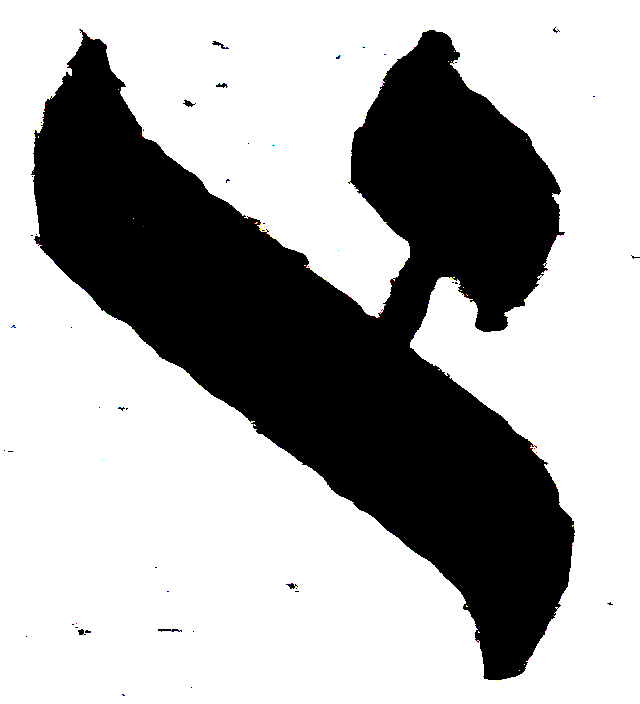
Her head above is the secret of the ta‘amei (רֵישָׁא דִילָהּ לְעִילָא בְרָזָא דְטַעֲמֵי). Her body in the middle is the secret of the letters (וְגֵיו דִילָהּ בְּאֶמְצָעִיתָא בְּרָזָא דְּאַתְוָון). Some say: the totality of the letters (נ״א: כּללא דְּאַתְוָון). The body belongs to both of them (גּוּפָא לְתַרְוַיְיהוּ). And her thorn below is the secret of the vowels (וְקוֹצָא דִילָהּ לְתַתָּא בְּרָזָא דִנְקוּדֵי). Below, she is that point - mayin nukvin (וּלְתַתָּא אִיהִי הַאי נְקוּדָה מַיִם נוּקְבִין). Above, mayin dechurin (וּלְעִילָא מַיִם דְכוּרִין). In the middle - the firmament, in this likeness Aleph (רָקִיעַ בְּאֶמְצָעִיתָא כְּגַוְונָא דָא א). About it is said: “And let it divide between waters and waters” (עֲלָהּ אִתְּמַר וִיהִי מַבְדִּיל בֵּין מַיִם לָמָיִם) (Bereshit 1). And this is the dispute which is for the sake of heaven (וְהַאי אִיהוּ מַחֲלוֹקֶת שֶׁהִיא לְשֵׁם שָׁמַיִם), whose end is to endure (דְּאִיהוּ סוֹפָהּ לְהִתְקַיֵּים), and to bring peace and union between them (וּלְאַעָלָא שְׁלָם וְיִחוּדָא בְּתַרְוַיְיהוּ), and not a dispute of separation, like the dispute of Korach and his company against Aharon (וְלַאו מַחֲלוֹקֶת דְּפִרוּדָא, כְּגוֹן מַחֲלוֹקֶת קֹרַח וַעֲדָתוֹ בְּאַהֲרֹן). But this dispute, which is for the sake of heaven (וּמַחֲלוֹקֶת הַאי דְּאִיהוּ לְשֵׁם שָׁמַיִם), is because the lower waters weep and say: We want to be before the King, the Cause of causes, and we desire to ascend above (בְּגִין דְּמַיִם תַּתָּאִין אִינוּן בּוֹכִין וְאָמְרִין אֲנַן בָּעִין לְמֶהֱוֵי קֳדָם מַלְכָּא עִלַּת הָעִלּוֹת, וּבָעָן לְסַלְקָא לְעִילָא). The firmament separates between them (רָקִיעַ אַפְרִישׁ בֵּינַיְיהוּ), until the Cause of causes makes them equal (עַד דְּעִלַּת הָעִלּוֹת שַׁוִּי לוֹן שָׁוִין). Yod from this side, and Yod from this side, and Vav in the middle (י׳ מִסִּטְרָא דָא, וְי׳ מִסִּטְרָא דָא, ו׳ בְּאֶמְצָעִיתָא). In this likeness: Yod–Vav–Yod, which is Aleph (כְּגַוְונָא דָא יו״י דְּאִיהִי א). And all of these draw near to the Cause of causes (וְאִלֵּין כֻּלְּהוּ קְרֵבִין לְעִלַּת הָעִלּוֹת). And the mystery of the word: “And Elohim made the two great lights” (וְרָזָא דְמִלָּה וַיַּעַשׂ אֱלֹהִי״ם אֶת שְׁנֵי הַמְּאוֹרוֹת הַגְּדוֹלִים) (Bereshit 1). And they were equal (וְאִינוּן שָׁוִין). This is what is written: “And the light of the moon shall be as the light of the sun” (הֲדָא הוּא דִכְתִיב וְהָיָה אוֹר הַלְּבָנָה כְּאוֹר הַחַמָּה) (Isaiah 30).