Daf 9a (דַּף ט ע״א)
Even so, it is necessary to pass him through heaven and earth (וְאוּף הָכִי צָרִיךְ לְאַעֲבָרָא לֵיהּ מִשְּׁמַיָּא וְאַרְעָא), in the manner that he is passed through the sun and the moon (כְּגַוְונָא דְאַעַבְרֵיהּ מִשִּׁמְשָׁא וְסִיהֲרָא). And even so, it is necessary to pass him and his mate through the two Thrones (וְאוּף הָכִי צָרִיךְ לְאַעֲבָרָא לֵיהּ וּלְבַת זוּגֵיהּ מִתְּרֵין כָּרְסַיָּין). This is what is written: “A throne of glory, on high from the beginning” (Jeremiah 17) (הֲדָא הוּא דִכְתִיב כִּסֵּא כָבוֹד מָרוֹם מֵרִאשׁוֹן), for there are Kudsha Berikh Hu and His Shekhinta in the two Thrones (דְּתַמָּן קוּדְשָׁא בְּרִיךְ הוּא וּשְׁכִינְתֵּיהּ בִּתְרֵין כָּרְסַיָּין). And there are Kudsha Berikh Hu and His Shekhinta like the sun and the moon (וְתַמָּן קוּדְשָׁא בְּרִיךְ הוּא וּשְׁכִינְתֵּיהּ כְּשִׁמְשָׁא וְסִיהֲרָא). And upon their heavens it is called: “For a sun and a shield is Hashem Elokim” (Psalms 84) (וְעַל שְׁמַיְּיהוּ אִתְקְרֵי כִּי שֶׁמֶשׁ וּמָגֵן יְיָ אֱלֹהִים). And at that time, it shall be fulfilled in him: “Your sun shall no longer set, and your moon shall not withdraw” (Isaiah 60) (וּבְהַהוּא זִמְנָא יִתְקַיֵּים בֵּיהּ לֹא יָבֹא עוֹד שִׁמְשֵׁךְ וִירֵחֵךְ לֹא יֵאָסֵף). And so, it is necessary to pass him from the left side of Kudsha Berikh Hu, which is Gevurah (וְהָכִי צָרִיךְ לְאַעֲבָרָא לֵיהּ מִשְּׂמָאלָא דְקוּדְשָׁא בְּרִיךְ הוּא דְּאִיהִי גְּבוּרָה), for from there “out of the north the evil shall break forth” (Jeremiah 1) (דְּמִתַּמָּן מִצָּפוֹן תִּפָּתַח הָרָעָה). And from there he comes to demand debts, from those about whom it is said: “You are children to Hashem your God” (Deuteronomy 14) (וְתַמָּן יֵיתֵי לְמִתְּבַע חוֹבִין, מֵאִלֵּין דְּאִתְּמַר בְּהוֹן בָּנִים אַתֶּם לַיְיָ אֱלֹהֵיכֶם).
From there and onwards are ministers and servants (מִתַּמָּן וְאֵילֵךְ אִנּוּן שָׂרִים וַעֲבָדִים), from the side of the creatures of the Throne-ministers and appointed ones (מִסִּטְרָא דְּחֵיוָון דְּכָרְסַיָּא שָׂרִים וּמְמַנָּן), from the side of the stars that shine in heaven and earth-servants (מִסִּטְרָא דְּכוֹכְבַיָּא דְּנָהֲרִין בִּשְׁמַיָּא וְאַרְעָא עֲבָדִין). And this is, whether as children or as servants (וְהַאי אִיהוּ אִם כְּבָנִים אִם כַּעֲבָדִים). And this is that which requires him to wield a sword to the six sides (וְהַאי אִיהוּ דְּצָרִיךְ לְאַנָּפָא לֵיהּ חַרְבָּא לְשִׁית סִטְרִין)-which are heaven and earth, sun and moon, Throne of Judgment and Throne of Mercy (דְּאִנּוּן שְׁמַיָּא וְאַרְעָא, שִׁמְשָׁא וְסִיהֲרָא, כִּסֵּא דִּין וְכִסֵּא רַחֲמִים)-to drive Sama’el and the Serpent away from them (לְאַעֲבָרָא סַמָּאֵ״ל וְנָחָ״שׁ מִנַּיְהוּ). For from their side rules Sama’el and his mate (דְּמִסִּטְרָא דִּלְהוֹן שָׁלִּיט סַמָּאֵ״ל וּבַת זוּגוֹ). And it is necessary to bind him with the straps of the Tefillin (וְצָרִיךְ לְקַשְׁרָא לֵיהּ בִּרְצוּעִין דִּתְּפִלִּין), two upon two upon the horns (תְּרֵין בִּתְרֵין קַרְנוֹי), and one upon the arm (וְחַד בִּדְרוֹעָא). And afterward to slaughter him with the recitation of Shema (וּלְבָתַר יִשְׁחוֹט לֵיהּ בִּקְרִיאַת שְׁמַע), in order that he not draw near to the side of Gevurah (בְּגִין דְּלָא יִתְקַרֵיב לְסִטְרָא דִּגְבוּרָה). But from the side of their Sefirot and Havayot, it is said: “No evil shall sojourn with You” (Psalms 5) (אֲבָל מִסִּטְרָא דִּסְפִירָן וַהֲוַיּוֹת דִּלְהוֹן אִתְּמַר לֹא יְגוּרְךָ רָע). And: “The stranger that draws near shall be put to death” (Numbers 1) (וְהַזָּר הַקָּרֵב יוּמָת). And furthermore, the weak Hand of Hashem (וְעוֹד ה' דְּיַד כֵּהָה), which is the Holy Dove (דְאִיהִי יוֹנָה קַדִּישָׁא), they chirp to her with melody in many chirpings of songs, praises, hymns, and thanksgivings (מְצַפְצְפָאן לָהּ בְּנָהָא בְּכַמָּה צִפְצוּפִין דִּזְמִירוֹת שִׁירוֹת וְתוּשְׁבָּחוֹת וְהוֹדָאוֹת), until she descends to them (עַד דְּנָחֲתִין לָהּ לְגַבַּיְיהוּ).
Behold, when she descends to them, they bind her with a strap (הָא נָחֲתִין לָהּ לְגַבַּיְיהוּ קָשְׁרִין לָהּ בִּרְצוּעָה), which is the six words of the union (דְאִיהִי ו' שִׁית תֵּיבִין דְּיִחוּדָא). And this is the secret: “And it shall be for a sign upon your hand” (Exodus 13) (וְהַיְינוּ רָזָא וְהָיָה לְאוֹת עַל יָדְכָה), the bond of both of them, this one Yod and that one Yod, and this is the union (קִשּׁוּרָא דְתַרְוַיְיהוּ דָא י', וְדָא יִחוּד). And because of this, in the bond of the two of them, whoever converses idle talk between them, which is mundane speech (וּבְגִין דָּא בְּקִשּׁוּרָא דְתַרְוַיְיהוּ, מָאן דְּשָׂח שִׂיחָה בֵּינַיְיהוּ, דְּאִיהִי שִׂיחַת חוּלִין), it is a transgression in his hand (עֲבֵירָה הִיא בְּיָדוֹ), for he has made separation between Vav–Hei, which are the Middle Pillar and His Malkhut (דְּעָבַד בָּהּ פִּרוּדָא בֵּין ו''ה דְּאִיהוּ עַמּוּדָא דְאֶמְצָעִיתָא וּמַלְכוּתֵיהּ).
The Tefillin of the Head of Kudsha Berikh Hu, which is the Vav (תְּפִלִּין דְּרֵישֵׁיהּ דְּקוּדְשָׁא בְּרִיךְ הוּא דְאִיהוּ ו'), this is the Upper Hei, the Supernal Imma, the Crown of Tiferet (אִיהִי ה' עִלָּאָה, אִימָּא עִלָּאָה, עֲטֶרֶת תִּפְאֶרֶת). About her it is said: “Bind your splendor upon you” (Ezekiel 24) (עֲלָהּ אִתְּמַר פְּאֵרְךָ חֲבוֹשׁ עָלֶיךָ), these are the Tefillin of the Head (אֵלּוּ תְּפִלִּין שֶׁבָּרֹאשׁ). And this is the secret of Havayah (וְהַאי אִיהוּ רָזָא הֲוַיָּ״ה), of which it is said: “Behold, the Hand of Hashem is Havayah…” (Exodus 9) (דְאִתְּמַר בֵּיהּ הִנֵּה יַד יְיָ הוֹיָ״ה וְגוֹ'), and because of this the Masters of the Talmud Yerushalmi have established it as Havayot in the middle (וּבְגִין דָּא אוּקְמוּהָ מָארֵי דְתַלְמוּדָא יְרוּשַׁלְמִי, הֲוַיּוֹת בְּאֶמְצַע).
The Hand of Hashem is on the right (יַד יְיָ מִימִינָא), as it is said: “And Yisrael saw the great hand” (Exodus 14) (דְאִתְּמַר בָּהּ וַיַּרְא יִשְׂרָאֵל אֶת הַיָּד הַגְּדוֹלָה), from the side of Chesed (מִסִּטְרָא דְחֶסֶד). A high hand is from the side of Tiferet (יָד רָמָה מִסִּטְרָא דְתִפְאֶרֶת), as it is said: “And the children of Yisrael went out with a high hand” (Exodus 14) (דְּאִתְּמַר בָּהּ וּבְנֵי יִשְׂרָאֵל יוֹצְאִים בְּיָד רָמָה). A strong hand is in the middle, which is the Hand of Hashem Havayah (יָד חֲזָקָה בְּאֶמְצָעִיתָא דְאִיהִי יַד יְיָ הוֹיָ״ה), to be merciful from every side, with judgment subdued in the middle (לְמֶהֱוִי רַחֲמֵי מִכָּל סִטְרָא, דִּינָא כָּבוּשׁ בְּאֶמְצָעִיתָא). A high hand-about it, it is said: “And Hashem shall be King over all the earth” (Zechariah 14) (יָד רָמָה עֲלָהּ אִתְּמַר וְהָיָ״ה יְיָ לְמֶלֶךְ עַל כָּל הָאָרֶץ). And three times “hand” are the forty-two mentions in the Tefillin of the Hand and the Tefillin of the Head (וּתְלַת זִמְנִין י״ד אִנּוּן מ״ב אַזְכָּרוֹת דִּתְּפִלִּין דְּיָד וּתְפִלִּין דְּרֵישָׁא).
The hand (י״ד) is the lower Shekhinta (שְׁכִינְתָּא תַּתָּאָה), which is the great hand on the right side of Chesed (אִיהִי הַיָּד הַגְּדוֹלָה מִימִינָא דְחֶסֶד), for there is Chokhmah (דְּתַמָּן חָכְמָה). The strong hand is from the side of Gevurah (יָד הַחֲזָקָה מִסִּטְרָא דִגְבוּרָה), for there is Binah (דְּתַמָּן בִּינָה). The high hand is from the side of the Middle Pillar (יָד רָמָה מִסִּטְרָא דְעַמּוּדָא דְאֶמְצָעִיתָא), crowned with Keter upon its head (מְעוּטָּר בְּכֶתֶר עַל רֵישֵׁיהּ), the Tefillin of the Master of the Worlds (תְּפִלֵּי דְמָארֵי עָלְמָא).
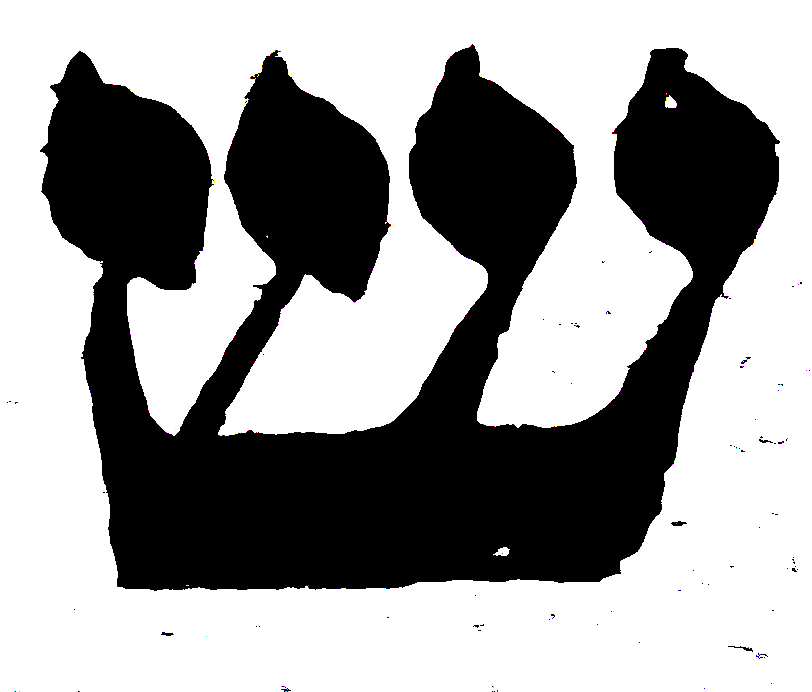
The Shin of the Tefillin is a halakha to Moshe from Sinai (שִׁין שֶׁל תְּפִלִּין הֲלָכָה לְמֹשֶׁה מִסִּינַי), a Shin of three heads (ש דִתְלַת רָאשִׁין), and a Shin of four heads (שׁ דְאַרְבַּע רָאשִׁין), corresponding to the seven maidens fitting to be given to her from the king’s house (Esther 2) (לָקֳבֵל שֶׁבַע הַנְּעָרוֹת הָרְאוּיוֹת לָתֶת לָהּ מִבֵּית הַמֶּלֶךְ). And they are: in the morning, two before her and one after her (וְאִינוּן בַּשַּׁחַר שְׁתַּיִם לְפָנֶיהָ וְאַחַת לְאַחֲרֶיהָ), and in the evening, two before her and two after her (וּבָעִִרֶב שְׁתַּיִם לְפָנֶיהָ וּשְׁתַּיִם לְאַחֲרֶיהָ). And corresponding to these seven, there are the seven who see the face of the King, who sit first in the kingdom (וְלָקֳבֵל אִלֵּין שִׁבְעָה, אִית שִׁבְעָה רוֹאֵי פְּנֵי הַמֶּלֶךְ הַיּוֹשְׁבִים רִאשׁוֹנָה בַּמַּלְכוּת). And Tiferet is bound in the letter Yod with the lower Hei (וְתִפְאֶרֶת אִיהוּ כָּבוּשׁ בְּאָת יו״ד, עִם ה' תַּתָּאָה), and his soul is bound with her soul (וְנַפְשׁוֹ קְשׁוּרָה בְּנַפְשׁוֹ). And he is bound with the letter Yod from the side of the upper Hei (וְאִיהוּ חָבוּשׁ עִם אָת י' מִסִּטְרָא דְה' עִלָּאָה). And because of this, “a bound one cannot release himself from the house of captivity” (וּבְגִין דָּא אֵין חָבוּשׁ מַתִּיר עַצְמוֹ מִבֵּית הָאֲסוּרִין), for he is in exile with Yisrael (דְּאִיהוּ בְגָלוּת עִם יִשְׂרָאֵל). This is what is written: “In all their affliction, He was afflicted” (Isaiah 63) (הֲדָא הוּא דִכְתִיב בְּכָל צָרָתָם לוֹ צָר), with a Vav and not with an Alef (בְּו', לֹא צָר בְּא'). At that time, when He is with Yisrael, He is not afflicted indeed (בְּהַהוּא זִמְנָא דְאִיהוּ עִם יִשְׂרָאֵל לֹא צָר וַדַּאי). And there is no “adversary” except the evil inclination (וְלֵית צָר אֶלָּא יֵצֶר הָרָע), for “the stranger that draws near shall be put to death” (Numbers 1) (דְּהַזָּר הַקָּרֵב יוּמָת).