
Chapter Fifty-Nine (פֶּרֶק חֲמִשִּׁים וְתִשְׁעָה)
Behold, since the encompassed Ein Sof (הִנֵּה לִהְיוֹת שֶׁאֵין־סוֹף הַמּוּקָף), after the Malbush [Garment] was made (אַחַר שֶׁנַּעֲשָׂה הַמַּלְבּוּשׁ), and the Malbush [Garment], as it were, was attached to it (וְהָיָה כְּבִיָּכוֹל הַמַּלְבּוּשׁ דָּבוּק בּוֹ), and almost all was as one thing (וְכִמְעַט הָיָה הַכֹּל דָּבָר אֶחָד), therefore it was necessary, so to speak, to detach His Essence slightly from the Malbush [Garment] (לָזֶה הֻצְרַךְ כְּבִיָּכוֹל לְנַתֵּק עַצְמוּתוֹ מְעַט מִן הַמַּלְבּוּשׁ), each part and part on its own (כָּל חֵלֶק וְחֵלֶק בִּפְנֵי עַצְמוֹ), in order that the letters should be seen (כְּדֵי שֶׁיֵּרָאוּ הָאוֹתִיּוֹת), and protrude outward as is fitting (וִיהְיוּ בּוֹלְטוֹת לַחוּץ כָּרָאוּי), and the illumination should not be so great and strong as it was before (וְלֹא יִהְיֶה כָּל כָּךְ הַאֲרָה גְּדוֹלָה וַחֲזָקָה כְּמוֹ שֶׁהָיְתָה קֹדֶם), in proportion that they should have only life-force, sustenance, and establishment (בְּעֵרֶךְ שֶׁיִּהְיֶה לָהֶם רַק חַיּוּת קִיּוּם וְהַעֲמָדָה). And had it been separated all at once (וְאִלּוּ הָיָה נִתְּקָה בְּבַת אַחַת), the Malbush [Garment] would have returned to its root (הָיָה חוֹזֵר הַמַּלְבּוּשׁ לְעִקָּרוֹ), that is (דְּהַיְינוּ), to Ein Sof (אֵין־סוֹף). Therefore, the separation was done little by little (לָזֶה הָיָה הַנְּתִּיקָה מְעַט מְעַט), in order that the Malbush [Garment] would stand and be established in being and continuity (כְּדֵי שֶׁיַּעֲמוֹד וְיִתְיַצֵּב הַמַּלְבּוּשׁ בְּהֲוָיָה וְקִיּוּם). And behold (וְהִנֵּה), in every part and part that was separated from the Malbush [Garment] (בְּכָל חֵלֶק וְחֵלֶק הַנִּתְּקָה מִן הַמַּלְבּוּשׁ), it left its imprint in the Malbush [Garment] (הִנִּיחַ רְשׁוּמוֹ בַּמַּלְבּוּשׁ), in the mystery of a point (בְּסוֹד נְקֻדָּה), because it is a trace of its return (מִפְּנֵי שֶׁהוּא חֲזָרָתוֹ), meaning (דְּהַיְינוּ): the withholding of the light of Ein Sof from the Malbush [Garment] (מְנִיעַת אוֹר אֵין־סוֹף מֵהַמַּלְבּוּשׁ). And since this Malbush [Garment] is in three aspects—head, interior, and end (וּלְהִיוֹת שֶׁהַמַּלְבּוּשׁ הַזֶּה הוּא בְּג׳ בְּחִינוֹת: רֹאשׁ, תּוֹךְ, סוֹף), therefore also the imprint of the point left in it becomes in the form of a Yod (לָזֶה גַּם הָרְשִׁימוּ שֶׁל הַנְּקֻדָּה הַנִּשְׁאֶרֶת בּוֹ נַעֲשֵׂית בְּסוֹד יו״ד), which has a head, interior, and end (שֶׁיֵּשׁ לָהּ רֹאשׁ תּוֹךְ סוֹף), and one hundred Yods for each letter (וּמֵאָה יוֹדִין לְכָל אוֹת). And this is the secret that every light in Arich Anpin and above it (וְזֶהוּ סוֹד שֶׁכׇּל אוֹר שֶׁבַּאֲרִיךְ וּלְמַעְלָה מִמֶּנּוּ), is divided into a thousand worlds (נֶחְלָק לְאֶלֶף עוֹלָמוֹת), and this is what is said: “He preserves Chesed for thousands” (Exodus 34) (וְזֶהוּ שֶׁנֶּאֱמַר: "נֹצֵר חֶסֶד לָאֲלָפִים"), which are all Chesedim of Chesed (אֲשֶׁר כֻּלָּם חֶסֶד חֲסָדִים), mentioned upon the attribute of judgment (הַנִּזְכָּר עַל מִדַּת הַדִּין). And therefore our sages of blessed memory said (וְלָכֵן אָמְרוּ רז"ל): that the Holy One Blessed Be He gave Adam HaRishon one thousand years (שֶׁנָּתַן הקב״ה לְאָדָם הָרִאשׁוֹן אֶלֶף שָׁנָה), and “year” in gematria is Sefirah (וְשָׁנָה גִּימַטְרִיָּא: סְפִירָה), for a day of Hashem is a thousand years (כִּי יוֹמוֹ שֶׁל הקב״ה אֶלֶף שָׁנָה), for Ze’ir, called the Holy One Blessed Be He (כִּי זְעֵיר הַנִּקְרָא הקב״ה), receives from Arich (מְקַבֵּל מֵאֲרִיךְ), the mystery of this Alef at the time of favor (סוֹד הָאַלֶ״ף הַזֶּה בְּעֵת רָצוֹן), and lengthens His patience (וּמַאֲרִיךְ אַפֵּיהּ), and from there come all the countings of thousands mentioned in the Idra Rabba (וּמִשָּׁם יָבוֹאוּ כׇּל חֶשְׁבּוֹן הָאֲלָפִים הַנִּזְכָּרִים בְּאַדְרָא קַדִּישָׁא). And Moshe Rabbeinu, peace be upon him (וּמֹשֶׁה רַבֵּנוּ ע"ה), intended to draw down the light of Atika Kadisha (כִּיֵּן לְהַמְשִׁיךְ אוֹר דְּעַתִּיקָא קַדִּישָׁא), when he prayed for the sin of the Calf upon Israel (בְּהִתְפַלְּלוֹ עַל עֲוֹן הָעֵגֶל עַל יִשְׂרָאֵל), and Atika accepted his prayer to lengthen His patience (וְהָעַתִּיק קִיבֵּל תְּפִלָּתוֹ לְהַאֲרִיךְ אַפֵּיהּ), as it is said: “And Hashem said: I shall pass all My goodness before you” (Exodus 33) (שֶׁנֶּאֱמַר: "וַיֹּאמֶר ה׳ אֲנִי אַעֲבִיר כׇּל טוּבִי עַל פָּנֶיךָ"), and the Thirteen Attributes of Mercy were revealed to him (וְנִתְגַּלּוּ לוֹ י״ג מִכִּילִין דְּרַחֲמֵי). And let us return to our subject (וְנָחֲזוֹר לְעִנְיָנֵנוּ): you already know that this Malbush is made from the power of the sparks of the Gevurot (כְּבָר יָדַעְתָּ שֶׁהַמַּלְבּוּשׁ הַזֶּה הוּא נַעֲשֶׂה מִכֹּחַ נִיצוֹצוֹת הַגְּבוּרוֹת), which weave the Malbush from end to end (הָאוֹרְגִים הַמַּלְבּוּשׁ מִקְצֵה אֶל קָצֶה), like a thread (כְּמוֹ חוּט), and when they are joined together, they become membranes (וּבְהִצְטַרְפָם יַחַד נַעֲשִׂים קְרוּמִים). It follows that afterward, when the Malbush becomes congealed, the imprint of those threads remains in the secret of lines (נִמְצָא אַחַר כָּךְ כְּשֶׁנִּגְלַם הַמַּלְבּוּשׁ נִשְׁאָר רִשׁוּמוֹ שֶׁל אוֹתָן הַחוּטִין בְּסוֹד שַׁרְטוּטִין). And also, this Malbush is in the secret of a square and closed Mem (וְגַם הַמַּלְבּוּשׁ הַזֶּה הוּא בְּסוֹד ם׳ מְרֻבַּעַת וּסְתוּמָה), for the Malbush is squared (כִּי הַמַּלְבּוּשׁ הוּא מְרֻבָּע), and afterward the Malbush was divided into two (וְאַחַר כָּךְ נֶחְלַק הַמַּלְבּוּשׁ לִשְׁנַיִם), and two Nuns were made (וְנַעֲשׂוּ ב׳ נוּנִין), and they are the two Nuns written in the portion “And it came to pass when the Ark set forward” (וְהֵם ב׳ נוּנִין הַכְּתוּבִים בְּפָרָשַׁת "וַיְהִי בִּנְסֹעַ הָאָרוֹן"), and it is in the form of an inverted and open Nun (וְהִיא כִּדְמוּת נוּן מְהֻפֶּכֶת וּפְתוּחָה), to bestow downward (לְהַשְׁפִּיעַ לְמַטָּה), like this: 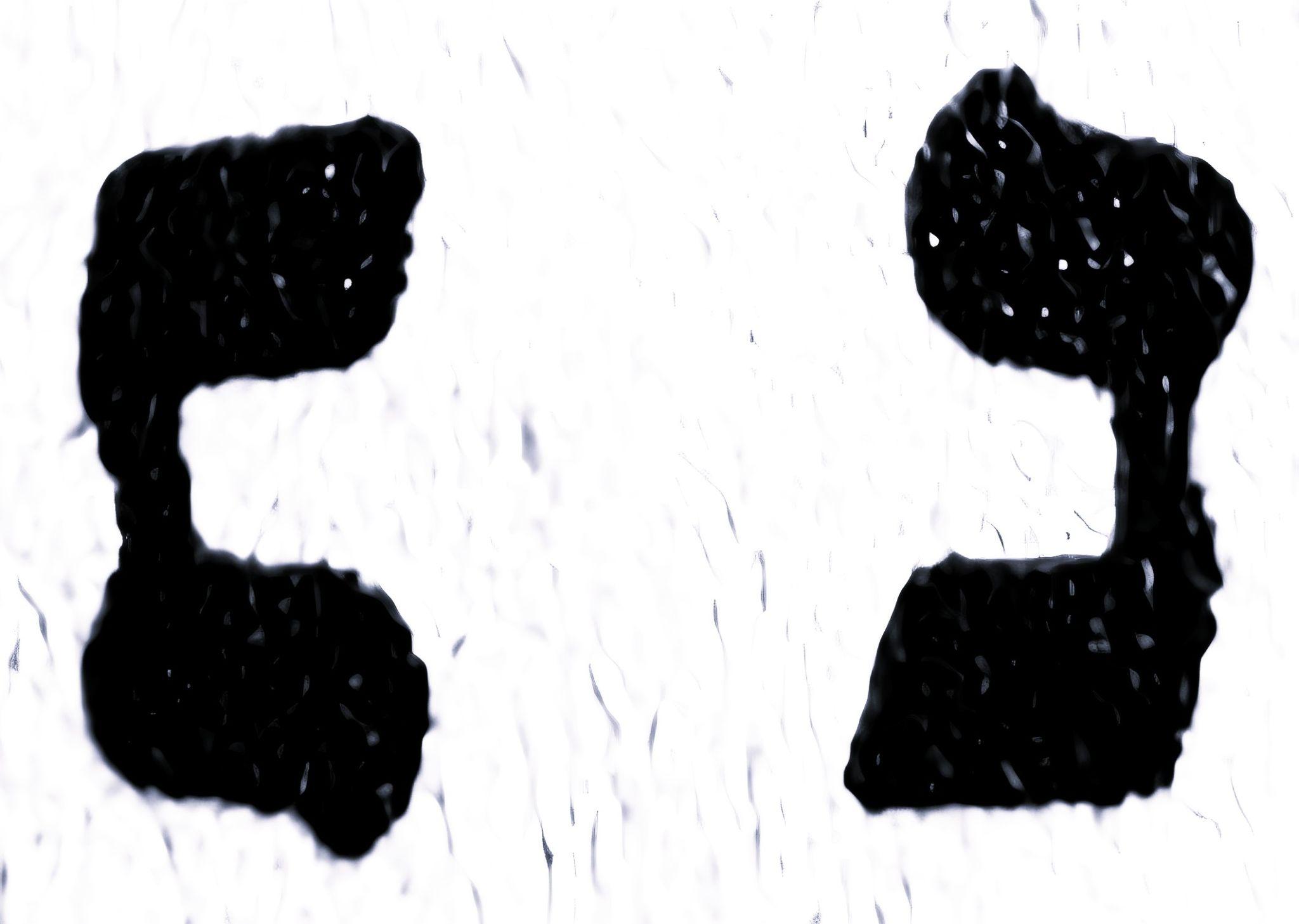 (כָּזֶה: נ׆). And it is not possible to depict them in another way (וְאִי אֶפְשָׁר לְצַיֵּרָם כָּזֶה בְּדֶרֶךְ אַחֶר), because of the horizontal line at the bottom (מִפְּנֵי קַו הָרֹחַב לְמַטָּה), and with this they will form the shape of a Samekh (וּבְזֶה יִהְיוּ דְּמוּת ס׳). And this is a great secret (וְהוּא סוֹד גָּדוֹל): that whoever recites this passage with intention, each day (שֶׁכׇּל מִי שֶׁאוֹמֵר פָּרָשָׁה זוֹ בְּכַוָּנָה בְּכׇל יוֹם), will not be harmed (לֹא יוּזָּק), even if he walks in a place of bandits (אֲפִלּוּ כְּשֶׁיֵּלֵךְ בִּמְקוֹם לִסְטִים), or at sea (אוֹ בַּיָּם), or in any place of danger (אוֹ בְּכׇל מָקוֹם סַכָּנָה), as long as he directs his intention to the two Nuns mentioned (וּבִלְבַד שֶׁיְּכַוֵּן בִּשְׁתֵּי נוּנִין הַנִּזְכָּרוֹת), which allude to the two halves of the Malbush (שֶׁהֵם מְרַמְּזִים עַל שְׁנֵי חֲצָאֵי הַמַּלְבּוּשׁ). And this is the secret of (וְזֶהוּ סוֹד) the prayer of Moshe Rabbeinu, peace be upon him (תְּפִלַּת מֹשֶׁה רַבֵּנוּ ע"ה): “And it came to pass when the Ark would journey, Moshe would say: Arise, Hashem, and Your enemies shall scatter, and those who hate You shall flee from before You” (Numbers 10) ("וַיְהִי בִּנְסֹעַ הָאָרֹן וַיֹּאמֶר מֹשֶׁה קוּמָה יי וְיָפֻצוּ אוֹיְבֶיךָ וְיָנֻסוּ מְשַׂנְאֶיךָ מִפָּנֶיךָ"). And also Rabbi Shimon bar Yochai, peace be upon him, says in Parashat Vayakhel (וְגַם הָרַשְׁבִּ״י ע״ה אוֹמֵר בְּפָרָשַׁת וַיַּקְהֵל): "When the Sefer Torah is brought out publicly, the gates of mercy open" (Zohar, Vayakhel) (״כַּד מַפְקִין סֵפֶר תּוֹרָה בִּצִבּוּר מִתְפַּתְּחִין תַּרְעֵי דְּרַחֲמֵי״). And therefore he established the prayer: "Blessed is the Name of the Master of the World, etc." (וְלָכֵן הָיָה מְתַקֵּן תְּפִלַּת: ״בָּרוּךְ שְׁמֵהּ דְּמָרֵי עָלְמָא וְגוֹ׳״), because it is a time of favor (לְפִי שֶׁהוּא עֵת רָצוֹן). And this is what is said: "As for me, my prayer is to You, Hashem, at a time of favor; O God, in the abundance of Your kindness, answer me with the truth of Your salvation" (Psalms 69:14) (וְזֶהוּ שֶׁנֶּאֱמַר: ״וַאֲנִי תְפִלָּתִי לְךָ יי עֵת רָצוֹן אֱלֹהִים בְּרֹב חַסְדֶּךָ עֲנֵנִי בֶאֱמֶת יִשְׁעֶךָ״). And we recite it at the Minchah of Shabbat, before the removal of the Sefer Torah (וַאֲנַחְנוּ אוֹמְרִים אוֹתָהּ בְּמִנְחַת שַׁבָּת קֹדֶם הוֹצָאַת סֵפֶר תּוֹרָה), to draw down abundance from the time of favor (לִמְשׁוֹךְ שֶׁפַע מֵעֵת רָצוֹן), which is the Tikkun of "Notzer Chesed [Preserver of Kindness]" (שֶׁהוּא תִּקּוּן ״נֹצֵר חֶסֶד״), for if you reverse the letters of "Ratzon [Favor]" you find "Notzer Chesed la'Alafim [Preserver of Kindness for Thousands]" (כִּי הָפוֹךְ רָצוֹן וּתְמָצֵא: ״נֹצֵר חֶסֶד לָאֲלָפִים״). May Hashem be blessed forever, amen and amen (יִתְבָּרַךְ י״י לְעוֹלָם אָמֵן וְאָמֵן).