
Chapter Twenty-Seven (פֶּרֶק עֶשְׂרִים וְשִׁבְעָה)
Partzuf Malkhut Achor T”KH (פַּרְצוּף מַלְכוּת אָחוֹר תַּ״ך)
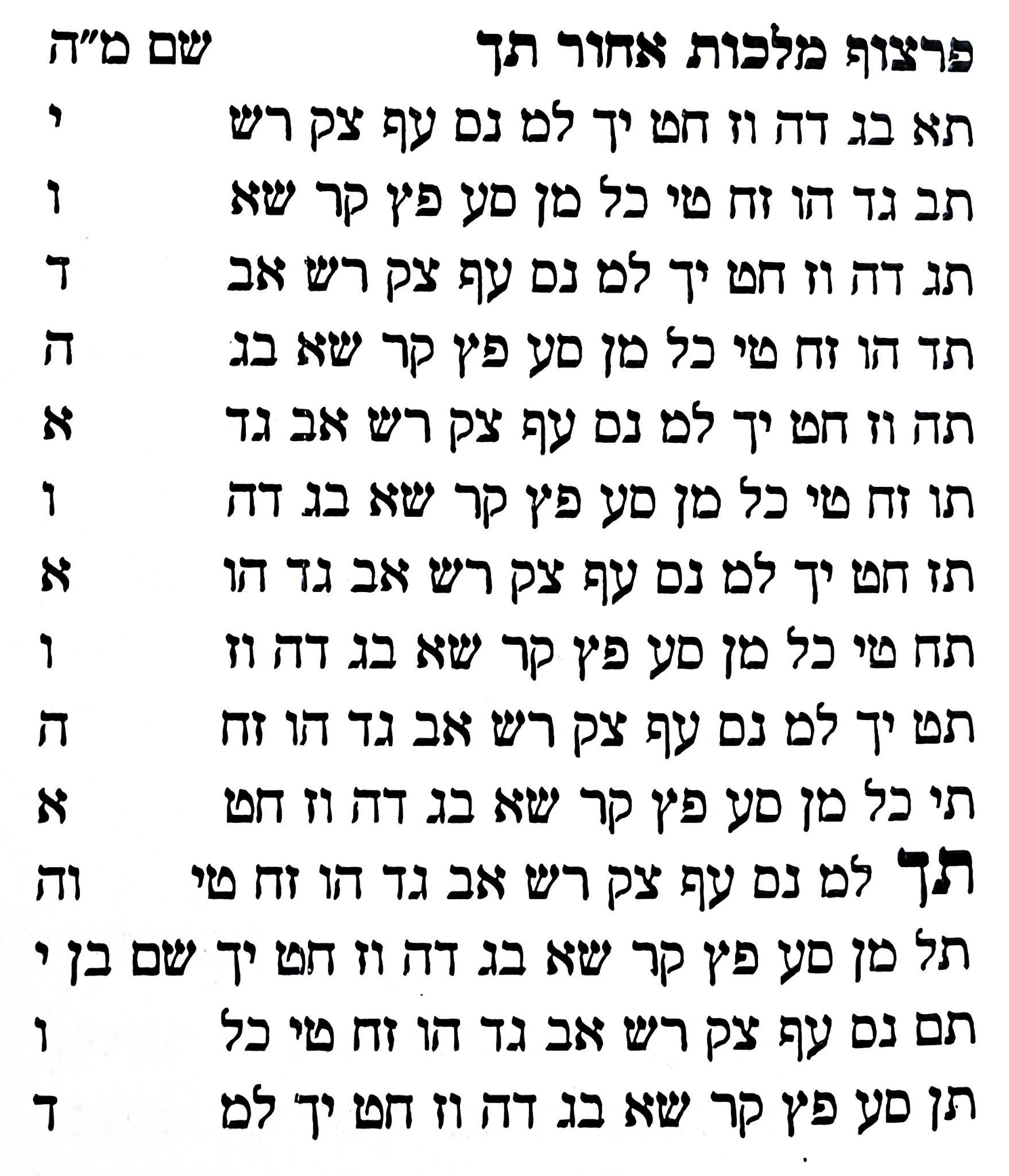
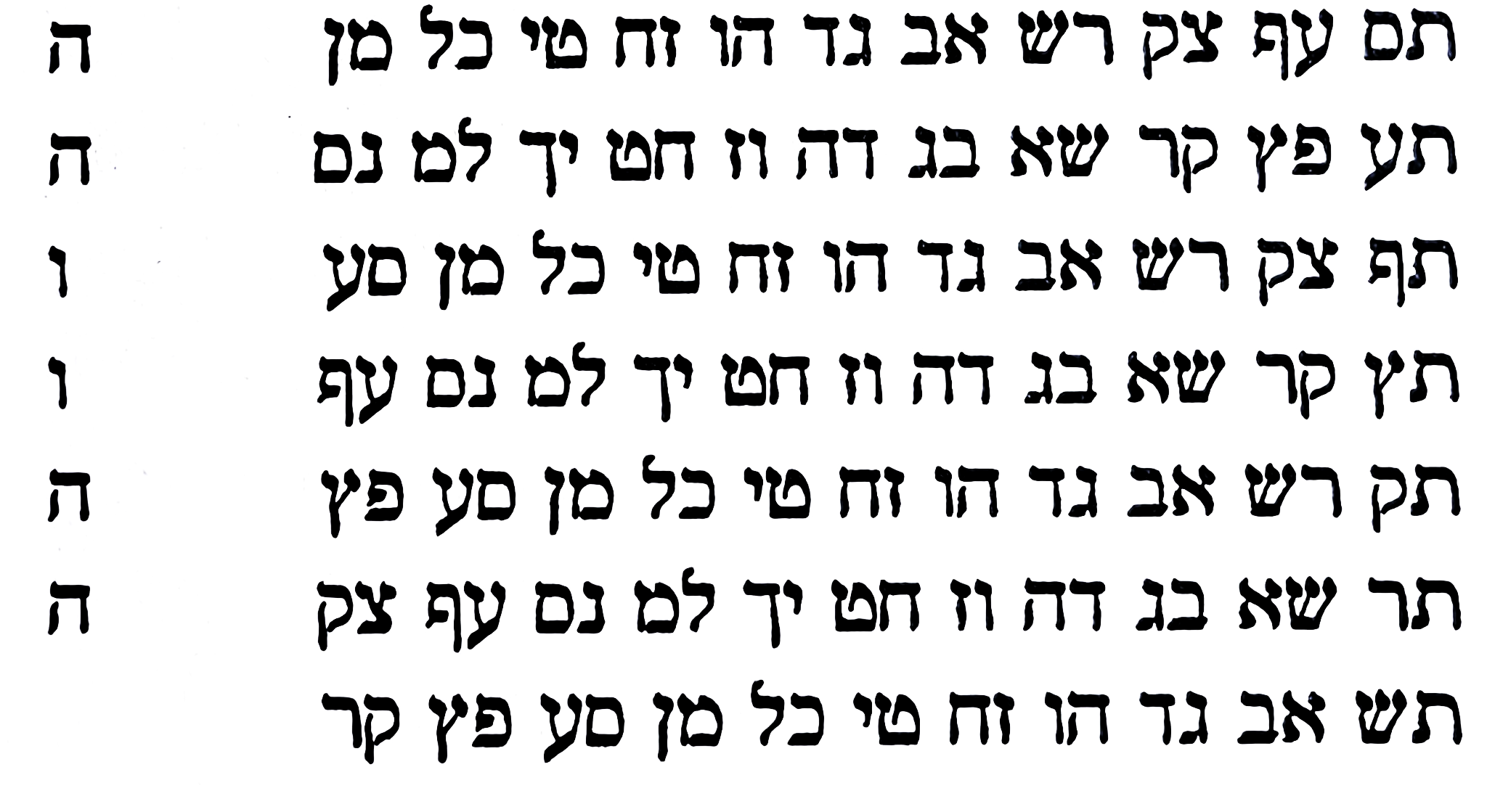
Until here spread forth the two hundred and thirty-one Gates, Front [Frontside] and Back [Backside], as mentioned (עַד כָּאן מִתְפַּשְּׁטִים הָרל״א שְׁעָרִים פָּנִים וְאָחוֹר הַנִּזְכָּרִים), and they align with the letters, each letter occupying two times two hundred and thirty-one letters, which is the value of four hundred and sixty-two (וְהֵם צוֹדְקִים בָּאוֹתִיּוֹת, כָּל אוֹת תּוֹפֵס בְּפַעֲמַיִם רל״א אוֹתִיּוֹת, כְּמִנְיָן נָתִי״ב), and in the Alef–Beitot [Alphabets] also, the number of two hundred and thirty-one Gates of Front [Frontside] and two hundred and thirty-one Gates of Back [Backside] is judged through them (וּבְאַלְפָּא בֵּיתוֹת גַּם כֵּן יִשְׁפּוֹט בָּהֶם מִסְפַּר רל״א שְׁעָרִים פָּנִים וְרל״א שְׁעָרִים אָחוֹר). And the Name goes and is engraved with them through its four Milu’im [Spellings]: A”B, S”G, M”H, B”N (וְהַשֵּׁם הוֹלֵךְ וְנֶחְקָק עִמָּהֶם בְּאַרְבַּע מִילּוּאָיו: ע״ב, ס״ג, מ״ה, ב״ן). And one Alef–Beit [Alphabet] remains that has not the power of inscription (וְנִשְׁאַר אַלְפָּא בֵּיתָא אַחַת שֶׁאֵין לָהּ כֹּחַ הַשִּׁרְטוּט), of “He was, and is, and will be” (שֶׁל הָיָה וְהֹוֶה וְיִהְיֶה), for a reason that will be explained at the end (לְטַעַם שֶׁיִּתְבָּאֵר בָּאַחֲרוֹנָה), on the statement of our Sages, may their memory be blessed (עַל מַאֲמַר רַזַ״ל): “To all is given a mate, but to Me there is no mate; said the Holy One Blessed Be He: the Assembly of Israel is your mate” (לְכֻלָּם יֵשׁ בֶּן זוּג, וְלִי אֵין בֶּן זוּג – אָמַר הקב״ה: כְּנֶסֶת יִשְׂרָאֵל הִיא בֶּן זוּגֶךָ) (Bereishit Rabbah 11:8). As we shall explain with the help of Kudsha Berikh Hu and His Shekhinta (כְּמוֹ שֶׁנְּבָאַר בְּסִיְּיעְתָּא דִּקב״ה וּשְׁכִינְתֵּהּ).
And a proof for this is from the Mishnah of Sefer Yetzirah, second Mishnah in chapter 2 (וְרָאָיָה לָזֶה מִמִּשְׁנַת סֵפֶר יְצִירָה, מִשְׁנָה שֵׁנִיָּה בְּפֶרֶק ב׳): “Twenty-two letters - He engraved them (עֶשְׂרִים וּשְׁתַּיִם אוֹתִיוֹת - חָקְקָן), and He hewed them, and weighed them, He exchanged them and combined them (וְחָצְבָן, וְשָׁקְלָן, הֵמִירָן וְצֵירְפָן); He formed with them the soul of every creature, and the soul of all who are destined to be formed” (צֵיר בָּהֶן נֶפֶשׁ כָּל הַיְצוּר, וְנֶפֶשׁ כָּל הָעָתִיד לְצוּר). Explanation: “He engraved them” - this is the engraving mentioned in the Zohar (פֵּרוּשׁ חָקְקָן – הִיא הַחֲקִיקָה הַנִּזְכֶּרֶת בְּסֵפֶר הַזֹּהַר): “He engraved an engraving in the Supernal Tehiru” (Zohar Bereshit 15a) (גָּלִיף גְּלִיפוֹי בְּטְהִירוּ עִילָּאָה). For He engraved an engraving in every letter of the Alef-Bet (כִּי חָקַק חֲקִיקָה בְּכָל אוֹת מֵאוֹתִיּוֹת הָאַלְפָּא בֵּיתָא), for there the letters protrude truly (כִּי שָׁם הָאוֹתִיּוֹת בּוֹלְטוֹת מַמָּשׁ), formed like an engraving surrounding them (עֲשׂוּיוֹת כְּעֵין חֲקִיקָה מְסִבִּיב), until the essence of the letter stands within it of itself (עַד שֶׁעֶצֶם הָאוֹת עוֹמֵד בּוֹ בְּעַצְמוֹ). And behold, the letters are born from each letter of the Alef-Bet - “He engraved them” (וְהִנֵּה הָאוֹתִיּוֹת נוֹלָדוֹת מִכָּל אוֹת מֵהָאַלְפָּא בֵּיתָא - חָקְקָן); like a bed of engraving surrounding the main engraving of the letter (כְּמִין עֲרוּגָה סָבִיב לַחֲקִיקָה שֶׁל הָאוֹת הָעִיקָּרִי), for in the manner of a plow that cuts a furrow and digs on one side until the other side opposite it rises - thus was the engraving surrounding the letters (כִּי בְּעֵרֶךְ הַחוֹרֵשׁ בַּתֶּלֶם חוֹרֵשׁ וְחוֹפֵר מִצַּד אֶחָד עַד שֶׁצַּד אַחֵר שֶׁבְּצִדּוֹ עוֹלֶה - כֵּן הָיְתָה הַחֲקִיקָה מְסִבִּיב לָאוֹתִיּוֹת), until the bodies of the letters came to be of themselves (עַד שֶׁגוּפֵי הָאוֹתִיּוֹת מֵעַצְמָם הָיוּ). And afterward He took the letters (וְאַחַר כָּךְ לָקַח הָאוֹתִיּוֹת), and arranged them as a kind of crown upon the letters that were born from them (וְהֶעֱמִידָם כְּמִין כֶּתֶר לָאוֹתִיּוֹת הַנּוֹלָדוֹת מֵהֶם), twenty-two for each one (לְכָל אֶחָד כ״ב), one after the other (זֶה אַחַר זֶה), one following another (אֶחָד אַחַר שֵׁנִי), like a wall arranged with stones one upon another (כְּעֵין חוֹמָה שֶׁמְּסֻדֶּרֶת אֶבֶן עַל גַּבֵּי אֶבֶן). So too are the stones of the letters which were hewn from the bodies of the letters (כֵּן אַבְנֵי הָאוֹתִיּוֹת אֲשֶׁר נֶחְצְבוּ מִגּוּפֵי הָאוֹתִיּוֹת), which are called a wheel in its sphere (הַנִּקְרָאִים גַּלְגַּל בְּכַדוּרוֹ), revolving from combination to combination (מִתְגַּלְגֵּל מִצֵּירוּף אֶל צֵירוּף), and He made them like a wall and a very strong structure (וְעָשָׂם כְּמִין חוֹמָה וּבִנְיָן חָזָק מְאֹד). And each stone is hewn from a mountain (וְכָל אֶבֶן הוּא נֶחְצָב מֵהָר), for before it is hewn it is called only a mountain (כִּי מִקּוֹדֶם שֶׁנֶּחְצָב אֵינוֹ נִקְרָא אֶלָּא חָר), and after it is hewn from the mountain it is called a stone (וְאַחַר שֶׁנֶּחְצָב מֵהָהָר נִקְרָא אֶבֶן). And afterward, several stones are taken and with them several houses are built, or a wall (וְאַחַר כָּךְ לוֹקְחִים כַּמָּה אֲבָנִים וּבוֹנִים בָּהֶן כַּמָּה בָּתִּים אוֹ חוֹמָה), so it is by way of analogy (כֵּן דֶּרֶךְ מָשָׁל). Therefore it said “He engraved them, He hewed them” (לָכֵן אָמַר חָקְקָן חָצְבָן), and it said “He weighed them” by way of balance, that the measure should not be lacking but whole (וְאָמַר שָׁקְלָן בְּדֶרֶךְ הַמִּשְׁקָל, שֶׁלֹּא יִהְיֶה מִשְׁקָל חָסֵר אֶלָּא שָׁלֵם). Each letter, in its many combinations, has twenty-two letters (כָּל אוֹת בְּכַמָּה צֵירוּפָיו יֵשׁ לוֹ כ״ב אוֹתִיּוֹת), this is the wheel that goes with it constantly (זֶהוּ הַגַּלְגַּל הַהוֹלֵךְ עִמּוֹ תָּמִיד), and it is the wheel of the Merkavah that revolves constantly in its wholeness (וְהוּא גַּלְגַּלֵּי הַמֶּרְכָּבָה הַסּוֹבֵב תָּמִיד בִּשְׁלֵמוּתוֹ), and it is not lacking from the pole of the completeness of the twenty-two letters (וְאֵינוֹ חָסֵר מִקּוֹטֶב שְׁלֵימוּת הַכ״ב אוֹתִיּוֹת).
And His saying, “He exchanged them,” means a language of Temurah [Exchange] of Front [Frontside] and Back [Backside] (וְאוֹמְרוֹ "הֵמִירָן" פֵּירוּשׁוֹ: לְשׁוֹן תְּמוּרָה שֶׁל פָּנִים וְאָחוֹר), of A”L–B”M and L”A–M”B (שֶׁל אַ״ל ב״ם וְל״א מ״ב), as it is said (שֶׁנֶּאֱמַר): “And he shall not exchange good for bad… and if he shall surely exchange… then both it and its exchange shall be holy” (וְלֹא יַמִּיר טוֹב בְּרָע, וְאִם הָמֵר יָמִיר... וְהָיָה הוּא וּתְמוּרָתוֹ יִהְיֶה קֹדֶשׁ) (Leviticus 27:10). And there is no evil there at all (וְאֵין שָׁם שׁוּם רַע כְּלָל), as it is said (שֶׁנֶּאֱמַר): “Out of the mouth of the Most High does not go forth the evil and the good” (מִפִּי עֶלְיוֹן לֹא תֵצֵא הָרָעוֹת וְהַטּוֹב) (Lamentations 3:38). And His saying, “He combined them” (וְאוֹמְרוֹ צֵירְפָן)—do not err in your mind to say that the exchange was in such a manner that nothing of the original remained in its substitution (שֶׁלֹּא תִּטְעֶה בְּשִׂכְלְךָ לוֹמַר שֶׁהֵמִירָן בְּעִנְיָן אַחֵר שֶׁלֹּא נִשְׁאַר בִּתְמוּרָתוֹ כְּלוּם מֵעִנְיַן הָרִאשׁוֹן), like the substitution of people or the exchange of merchandise (כְּמוֹ תְּמוּרַת בְּנֵי אָדָם וַחֲלִיפִין בִּסְחוֹרוֹת), but rather He combined them as the mystery of combination (אֶלָּא צֵירְפָן סוֹד הַצֵּירוּף), and nothing remained outside the combination, and no letter was lacking by means of the combination of the letters (וְלֹא נִשְׁאַר מִחוּץ לַצֵּירוּף וְנֶחְסַר שׁוּם אוֹת עַל יְדֵי צֵירוּף הָאוֹתִיּוֹת). “With them He formed the soul of every creature” (צֵיר בָּהֶן נֶפֶשׁ כָּל הַיְצוּר), for with these letters one who is a son of understanding and a master of Torah, who knows their power (כִּי בָּאוֹתִיּוֹת הָאֵלֶּה יָכוֹל בַּר־אֲבַהֵן וּבַר אוֹרְיָין הַיּוֹדֵעַ כֹּחָם), can act through them and create one man, a Golem [Unformed Being], from virgin soil (לַעֲשׂוֹת עַל יְדֵיהֶם וּלְבָרוֹא אָדָם אֶחָד גּוֹלֶם מִקַּרְקַע בְּתוּלָה), as is known to one practiced in this matter (כַּנּוֹדָע לְמִי שֶׁרָגִיל בַּזֶּה הָעִנְיָן). And also the “three-year-old calf” of Abaye and Rava (וְגַם עֶגְלָא תִּלתָּא דְּאַבַּיֵּי וְרָבָא) (Sanhedrin 65b). And His saying: “And to create with them all who are destined to be formed” (וְאוֹמְרוֹ: וְעָתִיד לִבְרוֹא בָהֶם כָּל הַיְצוּר), the meaning is through Gilgul [Reincarnation] (הַכַּוָּנָה עַל יְדֵי הַגִּלְגּוּל), and also the resurrection of the dead will be through them (וְגַם תְּחִיַּת הַמֵּתִים יִהְיֶה עַל יְדֵיהֶם). And this is the intent of the Mishnah in Sefer Yetzirah, chapter 2 (וְזֶהוּ כַּוָּונַת הַמִּשְׁנָה שֶׁבְּסֵפֶר יְצִירָה פֶּרֶק ב׳): “Twenty-two letters of foundation, fixed in a wheel with two hundred and thirty-one gates” (עֶשְׂרִים וּשְׁתַּיִם אוֹתִיוֹת יְסוֹד קְבוּעוֹת בַּגַּלְגַּל בְּרל״א שְׁעָרִים), and the wheel turns Front [Frontside] and Back [Backside] (וְחוֹזֵר הַגַּלְגַּל פָּנִים וְאָחוֹר), and this is a sign for the matter (וְזֶהוּ סִימָן לַדָּבָר): “There is no good higher than delight, and no evil lower than plague” (אֵין בַּטּוֹבָה לְמַעְלָה מֵעֹנֶג, וְאֵין בָּרָעָה לְמַטָּה מִנֶּגַע) (Zohar III 47a).
And its explanation (וּפֵירוּשׁוֹ): Behold, the twenty-two are the foundation of building the house from stones (כִּי הִנֵּה הַכ״ב הֵם הַיְסוֹד שֶׁל בִּנְיַן הַבַּיִת מֵהָאֲבָנִים), and upon them are built the combinations of the two hundred and thirty-one Gates (וְעָלֵיהֶם נִבְנוּ צֵירוּפֵי הָרל״א שְׁעָרִים), which are fixed in the wheel of its combinations (הַנִּקְבָּעִים בַּגַּלְגַּל צֵירוּפָיו), and they move in the wheel (וְהֵם מִתְנוֹעֲעִים בַּגַּלְגַּל), and the wheel returns Front [Frontside] and Back [Backside] of the A”L–B”M in the Alef–Beit [Alphabet] (וְחוֹזֵר פָּנִים וְאָחוֹר שֶׁל הָאַל״בָּם בָּאַלְפָּא בֵּיתָא), and also the number two hundred and thirty-one (וְגַם הַחֶשְׁבּוֹן רל״א). And your mnemonic is: “There is no good higher than Oneg [Delight]”—that is Ayin, Nun, Gimel (וְסִימַנְךָ: אֵין לְמַעְלָה בַּטּוֹבָה מֵעֹנֶג – שֶׁל עֵ׳דֶן נוּ׳הַר גֵ׳ן), which is in the Front [Frontside] (בַּפָּנִים), and if you reverse Oneg [Delight], which is sometimes Chesed and Mercy (וְאִם תַּהֲפֹךְ עֹנֶג שֶׁהוּא פַּעַם חֶסֶד וְרַחֲמִים), to Nega [Plague], which is Back [Backside] and Din [Judgment] (לְנֶגַע שֶׁהוּא אָחוֹר וְדִין), so shall you understand by way of analogy the actions that flow from them (כֵּן תָּבִין דֶּרֶךְ מָשָׁל הַפְּעוּלוֹת הַנִּמְשָׁכִים מֵהֶם), and the transformation through combination to create limbs of Din [Judgment] and Mercy (וְהַשִּׁינּוּי עַל יְדֵי הַצֵּירוּף לִבְרוֹא אֵיבָרִים דִּין וְרַחֲמִים). And from this is understood the second Mishnah regarding this matter (וּמִזֶּה יוּבַן הַמִּשְׁנָה הַשֵּׁנִית אֶל־זֹאת), and this is its language (וְזֶה לְשׁוֹנָהּ): “How did He weigh them and exchange them? Alef with all of them, and all of them with Alef. Bet with all of them, and all of them with Bet. And so it returns in cycle” (כֵּיצַד שָׁקְלָן וְהֵמִירָן - אַלֶף עִם כֻּלָּם וְכֻלָּם עִם אַלֶף, בֵּית עִם כֻּלָּם וְכֻלָּם עִם בֵּית, וְחוֹזֶרֶת חֲלִילָה). “It is found that all creation and all speech is included and emerges from one Name” (נִמְצָא כָּל הַיְצוּר וְכָל הַדִּבּוּר נִכְלָל וְיוֹצֵא מִשֵּׁם אֶחָד). Until here is the Mishnah (עַד כָּאן הַמִּשְׁנָה).
And the explanation of the length of its doubled language, in saying (וּפֵירוּשׁ אֲרִיכוּת לְשׁוֹנוֹ הַמְּכֻפָּל, בְּאָמְרוֹ): “Alef with all of them, and all of them with Alef” (אַלֶף עִם כֻּלָּם וְכֻלָּם עִם אַלֶף), and so with Bet and so forth (וְכֵן בֵּית וְכֵן הָלְאָה), to tell you that you should combine Alef with all the letters, and all of them with it (לוֹמַר לְךָ שֶׁתְּצַרֵף אַלֶף עִם כָּל הָאוֹתִיּוֹת וְכֻלָּם עִמָּהּ), meaning (פֵּירוּשׁ), that in every combination it should not be alone (בְּכָל הַצֵּירוּף לֹא תִהְיֶה לְבַדָּהּ), but rather all the letters shall revolve with each combination (אֶלָּא כָּל הָאוֹתִיּוֹת יִתְגַּלְגְּלוּ עִם כָּל צֵירוּף), and the Name shall revolve with them (וְהַשֵּׁם יִתְגַּלְגֵּל עִמָּהֶם), which includes all (הַכּוֹלֵל הַכֹּל). It is found that all creations that can be activated from it (נִמְצְאוּ כָּל הַיְצוּרִים שֶׁיְּכוֹלִים לִפְעֹל מִמֶּנּוּ), are included in this combination (הֵם נִכְלָלִים בַּצֵּירוּף הַזֶּה), and all the speech of the Names emerges from the all-inclusive Name (וְכָל הַדִּבּוּר שֶׁל הַשֵּׁמוֹת יוֹצְאִים מִן הַשֵּׁם הַכּוֹלֵל כֻּלּוֹ), and all the words of the language, and the Names which flow and are created from them, emerge from one Name (וְכָל הַתֵּבוֹת שֶׁל הַלָּשׁוֹן וְהַשֵּׁמוֹת הַנִּמְשָׁכִים וְנִבְרָאִים מֵהֶם יוֹצְאִים מִשֵּׁם אֶחָד), which is the Name Havayah, which includes all the two hundred and thirty-one Gates (שֶׁהוּא שֵׁם הֲוָיָה הַכּוֹלֵל כָּל הָרל״א שְׁעָרִים), and this is sufficient on this matter (וְדַי בָּזֶה).