Daf 125b (דַּף קכ״ה ע״ב)
Lines in length are from the side of the great sound, in the likeness of a long blast (שִׁרְטוּטִין בַּאֲרִיכוּ מִסִּטְרָא דְרָבִי״עַ כְּגַוְונָא דִתְּקִיעָה), and these are the tall of stature from the side of the right (וְאִלֵּין אִינוּן אֲרִיכִין דְּקוֹמָה מִסִּטְרָא דִיְמִינָא), long-suffering (אֶרֶךְ אַפַּיִם). Long in voice in prayer and in Torah (אֲרִיכִין בְּקָלָא בִּצְלוֹתִין בְּאוֹרַיְיתָא), long in anger (אֲרִיכִין בְּרוּגְזָא), long in hair, in eyes, in face, in nose, in lips, in beard, in body, in arms, in legs, in fingers (אֲרִיכִין בְּשַׂעֲרָא בְּעַיְינִין בְּאַנְפִּין בְּחוֹטָמָא בְּשִׂפְוָון בְּדִיקְנָא בְּגוּפָא בִּדְרוֹעִין בְּרַגְלִין בְּאֶצְבְּעָן). Their mark is white (רְשִׁימוּ דִלְהוֹן חִוָּור). Woe to those who deny their image above, as though they deny the orders of Bereshit, and as though they diminish the likeness, which is the stature above (וַוי לוֹן לְאִלֵּין דְּמַכְחִישִׁין דִּיּוֹקְנֵיהוֹן לְעִילָא כְּאִלּוּ מַכְחִישִׁין סִדְרֵי בְרֵאשִׁית וּכְאִלּוּ מְמַעֲטִין אֶת הַדְּמוּת דְּאִיהוּ שִׁיעוּר קוֹמָה דִלְעִילָא). Those whose lines are long, and their stature and their limbs, must be masters of Chesed (דְּאִלֵּין דְּשִׁרְטוּטֵיהוֹן אֲרִיכִין וְקוֹמָה דִלְהוֹן וְאֵבָרִים דִּלְהוֹן צְרִיכִין לְמֶהֱוֵי מָארֵי דְחֶסֶד). Long in anger, masters of love (אֲרִיכִין דְּרוּגְזָא מָארֵי דִרְחִימוּ), of whom it is said Seed of Avraham, My friend (Isaiah 41) (הַהוּא דְאִתְּמַר בֵּיהּ זֶרַע אַבְרָהָם אוֹהֲבִי).
Lines [engraved] in breadth, like the pattern of Shevarim [breakings] (שִׁרְטוּטִין בְּרָחְבָּא כְּגַוְונָא דִשְׁבָרִים); their movement is tevīr [breaking] (תְּנוּעָה דִלְהוֹן תְּבִי״ר). And they are broad and short of stature, with broad and short faces, broad eyes, broad noses, and broad lips (וְאִינוּן רְחָבִים וּקְצָרִים דְּקוֹמָה וְאַנְפִּין רְחָבִין וּקְצָרִין וְעִינוֹי רְחָבִים וְחוֹטָמוֹי רְחָבִים וְשִׂפְוָון רְחָבִים). These are those who fear Elohim (אִלֵּין אִינוּן יִרְאֵי אֱלֹהִים), masters of awe from the side of Yitzchak (מָארֵי דְיִרְאָה מִסִּטְרָא דְיִצְחָק). Woe to the one who denies his stature with evil deeds, for then a wicked soul rides upon his image, and he denies the heavenly host above (וַוי לְמָאן דְּאַכְחִישׁ קוֹמָתֵיהּ בְּעוֹבְדִין בִּישִׁין דְּיָרִית נִשְׁמָתָא בִּישָׁא דְרָכִיב עַל דִּיּוֹקְנֵיהּ דְּאַכְחִישׁ פַּמַּלְיָא לְעִילָא).
Lines in height, with tall faces, tall eyes, tall nose and lips, and tall body (שִׁרְטוּטִין גְּבוֹהִין וְאַנְפִּין גַּבְהָנִין וְעִינוֹי גַּבְהָנִין וְחוֹטָמָא וְשִׂפְוָון גַּבְהָנִין וְגוּפָא גָבוֹהַּ). These are masters of truth, seed of truth, from the one of whom it is said You will give truth to Ya'akov (Micah 7) (אִלֵּין אִינוּן מָארֵי דִקְשׁוֹט זֶרַע אֱמֶת מֵהַהוּא דְאִתְּמַר בֵּיהּ תִּתֵּן אֱמֶת לְיַעֲקֹב). And these are Adonai (וְאִלֵּין אִינוּן אֲדֹנָי): Alef is the long face, upon it rests Yod (א׳ אֲרִיךְ אַנְפִּין וַעֲלֵיהּ שַׁרְיָא י׳). Dalet is breadth of face, upon it rests Heh (ד׳ רָחְבָּא דְאַנְפִּין וַעֲלֵיהּ שַׁרְיָא ה׳). Nun is height of face, upon it rests Vav (נ׳ גּוֹבַהּ דְאַנְפִּין וַעֲלֵיהּ שַׁרְיָא ו׳). Yod is breadth of face, upon it rests heh (י׳ רָחְבָּא דְאַנְפִּין וַעֲלֵיהּ שַׁרְיָא ה׳). Small lines from the side of teru‘ah in roundness, in the image of the letter Yod, haters of gain, from the side of David, of whom it is said And David was the youngest (I Samuel 17) (שִׁרְטוּטִין זְעִירִין מִסִּטְרָא דִתְּרוּעָה בְעִגּוּלָא בְדִיּוֹקְנָא דְאָת י׳ שׂוֹנְאֵי בָצַע מִסִּטְרָא דְדָוִד דְּאִתְּמַר בֵּיהּ וְדָוִד הוּא הַקָּטָן). And these are small eyes, beautiful in roundness; small faces in roundness, beautiful; small nose, small mouth, small body - beautiful in all, and upon him rests Heh (וְאִינוּן עַיְינִין זְעִירִין שַׁפִּירִין בְּעִגּוּלָא אַנְפִּין זְעִירִין בְּעִגּוּלָא שַׁפִּירִין חוֹטָמָא זְעִירָא פִּימָא זְעִירָא גּוּפָא דִילֵיהּ זְעִירָא שַׁפִּיר בְּכֹלָּא וַעֲלֵיהּ שַׁרְיָא ה׳).
Lofty lines are from the side of the broken blast (שִׁרְטוּטִין גַּבְהָנִין מִסִּטְרָא דִתְּרוּעָה), a chain of long blast and wailing blasts (שַׁלְשְׁלָאָ״ה דִתְּקִיעָה וּשְׁבָרִים). This one raises the voice in the teru‘ah (דָּא סָלִיק קָלָא בִתְרוּעָה), and this one breaks it in the shevarim (וְדָא תַּבַּר לָהּ בַּשְּׁבָרִים), and this one is intermediate in its voice (וְדָא בֵינוּנִי בְקָלֵיהּ). A chain of long blast and shevarim, neither long nor short (שַׁלְשְׁלָאָה דִתְּקִיעָה וּשְׁבָרִים לָא אֲרִיךְ וְלָא קְצִיר). Whoever is in the image of the letter Yod, he is the sound of the thin still voice (מָאן דְּאִיהוּ בְּדִיּוֹקְנָא דְאָת יו״ד אִיהוּ קוֹל דְּמָמָה דַקָּה). And this is the measure for all the limbs of the face above, from below to above (וְדָא מִדָּה לְכָל אֵבָרִין דְּאַנְפִּין לְעִילָא מִתַּתָּא לְעִילָא). It is the measure for every Sefirah of the ten Sefirot (אִיהִי מִדָּה לְכָל סְפִירָה וּסְפִירָה מֵעֲשַׂר סְפִירָאן). And in it each Sefirah ascends to tens of thousands of myriads (וּבָהּ סְלִיקַת כָּל סְפִירָה לַעֲשֶׂרֶת אֲלָפִים רִבֵּי רְבָבוֹת). Vav, its measure in each Sefirah is sixty thousand myriads (ו׳ שִׁעוּרֵיהּ בְּכָל סְפִירָה וּסְפִירָה שֵׁשֶׁת אֲלָפִים רִבֵּי רְבָבוֹת). Heh heh, they are a journey in each Sefirah, fifty thousand myriads, from above to below and from below to above (ה׳ ה׳ אִינוּן מַהֲלַךְ בְּכָל סְפִירָה וּסְפִירָה ה׳ אֲלָפִים רִבֵּי רְבָבוֹת מֵעִילָא לְתַתָּא וּמִתַּתָּא לְעִילָא).
Curved lines, which are not inscribed in a straight path (שִׁרְטוּטִין עֲקִימִין דְּלַאו אִינוּן רְשִׁימִין בְּאֹרַח מֵישַׁר), they are the inscriptions of the crooked serpent (אִנּוּן רְשִׁימִין דְּנָחָשׁ עֲקַלָּתוֹן), lines in chains in the likeness of this (דְּשִׁרְטוּטִין כְּשַׁלְשְׁלָאָה כְּגַוְונָא דָא). They are like the swimming of fishes in the sea (אִינוּן מַהֲלַךְ דְּנוּנִין דִּימָא), some say like their swimming as fishes in the sea (נ״א מַהֲלַךְ דִּלְהוֹן כְּנוּנִין בִּימָא). These are like the likeness of disciples of the wise who multiply in the sea (דְּאִינוּן כְּגַוְונָא דְתַלְמִידֵי חֲכָמִים דְּמִתְרַבִּין בְּיַמָּא). And these are the secret of the broken blast (וְאִינוּן רָזָא דִתְּרוּעָה), and chain ( וְשַׁלְשֶׁלֶת). And thus is the movement of the fishes, like the likeness of the broken blast (וְהָכִי מַהֲלַךְ דְּנוּנַיָּא כְּגַוְונָא דִתְּרוּעָה). And these are the lower levels, and the chain is above (וְאִינוּן דַּרְגָּ״א לְתַתָּא שַׁלְשֶׁלֶת לְעִילָא). In the likeness of holiness, so are they inscribed from the side of defilement (כְּגַוְונָא דִקְדוּשָׁה הָכִי אִינוּן רְשִׁימִין מִסִּטְרָא דִמְסָאֲבוּ). For thus have the masters of the Mishnah established, This opposite that Elohim has made (Ecclesiastes 7) (דְּהָכִי אוּקְמוּה מָארֵי מַתְנִיתִין זֶה לְעִמַּת זֶה עָשָׂה הָאֱלֹהִים).
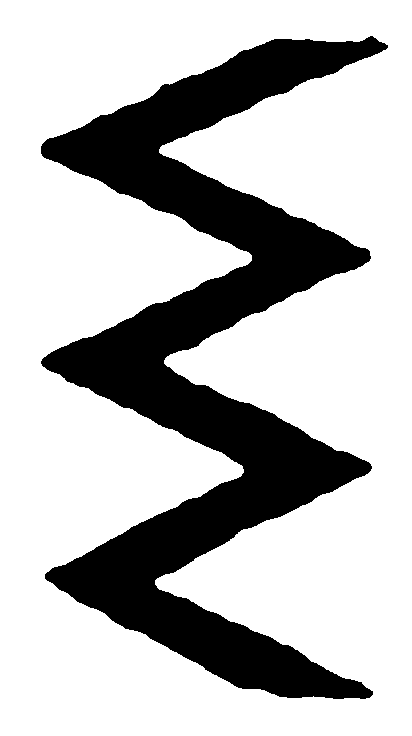
Lines are in the likeness of the lulav (שִׁרְטוּטִין אִינוּן כְּגַוְונָא דְלוּלָב), of which it is said, If its leaves are spread apart, it is invalid (נִפְרְצוּ עָלָיו פָּסוּל). So are the lines in which there is separation and division (הָכִי שִׁרְטוּטִין דְּאִית בְּהוּ פְרִידוּ וּפְרִיצוּ). This shows in his gilgul before he came into the world, that he was cutting off saplings and making separation in the Tree of Life (דָא אַחֲזֵי בְּגִלְגּוּלָא דִילֵיהּ קֳדָם דְּאַתְיָא לְעָלְמָא דַהֲוָה מְקַצֵּץ בִּנְטִיעוֹת וְעָבִיד פִּרוּדָא בְּאִילָנָא דְחַיֵּי), at the place where his soul was decreed (בַּאֲתַר דְּאִתְגְּזַרַת נִשְׁמָתֵיהּ). And by what is this known? By lines which are long in the likeness of this - (some say: (וּבְמַאי אִשְׁתְּמוֹדָע אֶלָּא שִׁרְטוּטִין דְּאִינוּן אֲרִיכִין כְּגַוְונָא דָא). If there is no break in them, they are complete (לֵית בְּהוּ פָסֵק שַׁלְמִין אִינוּן). This man has not denied his image (הַאי בַּר נַשׁ לָא אַכְחִישׁ דִּיּוֹקְנֵיהּ), and has not made separation in the Tree of Life (וְלָא עָבַד פִּרוּדָא בְּאִילָנָא דְחַיֵּי).