
Daf 126b (דַּף קכ״ו ע״ב)
He beheld the Primordial Gilgul of YHVH (אַחֲזֵי גִלְגּוּלָא קַדְמָאָה יֹהוֹ״הֹ), he beheld the second Gilgul of YHVH (אַחֲזֵי גִלְגּוּלָא תִנְיָנָא יִהִוִ''הִ), some say: VYH VYH (נ״א וי״ה וי״ה), he beheld the third Gilgul of YV HV VV HV (אַחֲזֵי גִלְגּוּלָא תְלִיתָאָה יוּ הוּ ווּ הוּ), some say: it was revealed, and he beheld the first Gilgul of YHVH, the second Gilgul of three Yod Yod Yod (נ״א אִתְגַּלְיָא וְאַחֲזֵי גִלְגּוּלָא קַדְמָאָה יְהוָ״ה גִלְגּוּלָא תִנִינָא תְּלָת יוּ״ד יוּ״ד יוּ״ד). The composition of all three is Adonai (הַרְכָּבָה דְּכֻלְּהוּ תְּלַת אדנ״י), and this secret is Yod Yod Yod (וְרָזָא דָא יוּ״ד יוּ״ד יוּ״ד), Cholam, Chirek, Shuruk (חֹלֵ״ם חִרֵ״ק שׁוּרֻ״ק), three Yodin (תְּלַת יוּדִי״ן). Hidden Wonder, Concealed Wonder, Covered Wonder (אָמֹן מוּפְלָא אָמֹן נִסְתָּר אָמֹן מְכוּסֶה), that are all hinted in this Name Yod Hei Vav Hei (דְּאִתְרְמִיזוּ בְּהַאי שְׁמָא יו״ד ה״י וָא״ו ה״י). The Hidden Wonder that is known in all (אָמֹן מוּפְלָא דְּאִשְׁתְּמוֹדַע בְּכֻלְּהוּ), one rests in the Nefesh of memory (חַד שַׁרְיָא בְּנֶפֶשׁ הַזִּכָּרוֹן), and the second in the Nefesh of thought (וְתִנְיָנָא בְּנֶפֶשׁ הַמַּחֲשָׁבָה), and the third in the Nefesh of form (וּתְלִיתָאָה בְּנֶפֶשׁ הַמְּצוּיָיר). These are the three Mochin: Yod Yod Yod (דְּאִינוּן תְּלַת מוֹחִין יוּ״ד יוּ״ד יוּ״ד). Their flow is remembered in this manner: it is the skull of the Tefillin (רִיהֲטָא דְסָחִיר לוֹן כְּגַוְונָא דָא אִיהִי קַרְקַפְתָּא דִתְּפִלִּין). Engravings in this likeness of YHVH (שִׁרְטוּטִין כְּגַוְונָא דָא יַהָוָ״הַ), YHVH-within them is the King (יְהוָ״ה בְּהוֹן מֶלֶךְ), behold here the engravings of the forehead (הָא הָכָא שִׁרְטוּטִין דְּמִצְחָא). The eyes, within them: “And you shall discern from all the people” (Exodus 18:21) (עַיְינִין, בְּהוֹן וְאַתָּה תֶחֱזֶה מִכָּל הָעָם), men of valor in white color (אַנְשֵׁי חַיִל בְּגַוָּון חִוָּור), God-fearing in red color (יִרְאֵי אֱלֹהִי״ם בְּגַוָּון סוּמַק), men of truth in green color (אַנְשֵׁי אֱמֶת בְּגַוָּון יָרוֹק), haters of gain in the pupil of the eye which is black (שׂוֹנְאֵי בָצַע בְּבַת עַיִן דְּאִיהִי אוּכְמָא). 
And this is the secret of Shabbat (וְדָא רָזָא דְשַׁבָּת), Shin-three branches, three colors of the eye (ש תְּלַת עַנְפֵי תְּלַת גַּוָּונִין דְּעִינָא). The “daughter” of Shabbat, this is the pupil of the eye (בַּ״ת דְּשַׁבָּת דָּא בַת עַיִן). And upon them it is said: “And the children of Yisrael shall keep the Shabbat…” (Exodus 31:16) (וַעֲלַיְיהוּ אִתְּמַר וְשָׁמְרוּ בְנֵי יִשְׂרָאֵל אֶת הַשַּׁבָּת וְגוֹמֵר). And this has already been established, that they are two Shabbatot (וְהָא אוּקְמוּהוּ דְאִינוּן תְּרֵין שַׁבָּתוֹת): Imma Ila’ah in three levels (אִימָּא עִלָּאָה בִּתְלַת דַּרְגִּין), and Imma Tata’ah in three levels (וְאִימָּא תַּתָּאָה בִּתְלַת דַּרְגִּין). The middle pillar includes six sides, which are six levels (עַמּוּדָא דְאֶמְצָעִיתָא כְּלִיל שִׁית סִטְרִין דְּאִינוּן שִׁית דַּרְגִּין). The eyes that look upon the straight path in whiteness (עַיְינִין דְּמִסְתַּכְּלִין בְּאֹרַח מֵישַׁר בְּחִוְורוּ), these are eyes of love (אִלֵּין אִינוּן עַיְינִין דִּרְחִימוּ). And within them the Shekhinta is “beautiful as the moon, with no blemish” (וּבְהוֹן שְׁכִינְתָּא אִיהִי יָפָה כַּלְּבָנָה דְּלֵית בָּהּ פְּגִימוּ), as it is said of her: “Behold, you are fair, my beloved, behold, you are fair; your eyes are doves” (Song of Songs 1:15) (דְאִתְּמַר בָּהּ הִנָּךְ יָפָה רַעְיָתִי הִנָּךְ יָפָה עֵינַיִךְ יוֹנִים). And there are eyes in which that serpent is entwined (וְאִית עַיְינִין דְּהַהוּא חִוְיָא אִיהוּ כָּרוּךְ בְּהוֹן), the primordial serpent (נָחָשׁ הַקַּדְמוֹנִי), and they do not look in the straight path (וְלַאו מִסְתַּכְּלִין בְּאֹרַח מֵישַׁר); in all that is seen, it is twisted (בְּכָל מַה דְּאִסְתַּכַּל אִתְלַטְיָא). The eye is like a wheel (עִינָא אִיהוּ כְּגַלְגַּל): its white is as the sea that encompasses the world (גַּוָּון חִוָּור כְּגַוְונָא דְיַמָּא דְאַסְחַר כָּל עָלְמָא), the second as the earth (וְתִנְיָינָא כְּגַוְונָא דְאַרְעָא), the third as the land of Yisrael (תְּלִיתָאָה כְּגַוְונָא דְאַרְעָא דְיִשְׂרָאֵל). The small point of the pupil is like Zion (נְקוּדָה זְעִירָא דְבַת עַיִן אִיהִי כְּגַוְונָא דְצִיּוֹן), which is the point of the world, for from there the world was founded (דְּאִיהִי נְקוּדָה דְעָלְמָא דְמִתַּמָּן הוּשָׁתַת עָלְמָא). And there is a man whose color is blue, which is like the firmament (וְאִית בַּר נַשׁ דְּגַוָּון דִּילֵיהּ תְּכֵלֶת דְּאִיהוּ דוֹמֶה לְרָקִיעַ), as the masters of the Mishnah established: blue is like the sea, the sea is like the firmament, and the firmament is like the Throne of Glory (כְּמָה דְאוּקְמוּהָ מָארֵי מַתְנִיתִין תְּכֵלֶת דּוֹמֶה לְיָם, וְיָם דּוֹמֶה לְרָקִיעַ, וְרָקִיעַ דּוֹמֶה לַכִּסֵּא הַכָּבוֹד). And three colors are in the eye: white, black, and blue (וּתְלַת גַּוָּונִין אִינוּן בְּעִינָא חִוָּור אוּכַם תְּכֵלֶת), corresponding to a fire that does not burn (לָקֳבֵל אֵשׁ דְּלַאו אִיהוּ שׂוֹרֵף), and a fire that burns but does not consume (וְאֵשׁ דְּאִיהוּ שׂוֹרֵף וְלָא אָכִיל), and the third which is blue corresponds to a fire that burns and consumes (תְּלִיתָאָה דְאִיהוּ תְכֵלֶת לָקֳבֵל אֵשׁ דְּאִיהוּ שׂוֹרֵף וְאָכִיל).
The fourth is the flame of fire, and this is the Shekhinta, the pupil of the eye (רְבִיעָאָה לַבַּת אֵשׁ וְדָא שְׁכִינְתָּא בַת עַיִן). And of her it is said: “And the angel of Hashem appeared to him in a flame of fire from within the bush” (Exodus 3:2) (וַעֲלָהּ אִתְּמַר וַיֵּרָא מַלְאַךְ יְהוָ״ה אֵלָיו בְּלַבַּת אֵשׁ מִתּוֹךְ הַסְּנֶה דָּא בַת עַיִן). And he saw, and behold, the bush was burning with fire-this is the second color of the pupil of the eye (וַיַּרְא וְהִנֵּה הַסְּנֶה בּוֹעִר בָּאֵשׁ דָּא גַוָּון דְּעַל בַּת עַיִן דְּאִיהוּ גַוָּון תִּנְיָינָא). And the bush was not consumed-this is the third color (וְהַסְּנֶה אֵינֶנּוּ אֻכָּל גַּוָּון תְּלִיתָאָה). And Moshe said: “I will turn aside now and see…” (Exodus 3:3) (וַיֹּאמֶר מֹשֶׁה אָסֻרָה נָּא וְאֶרְאֶה וְגוֹמֵר גַּוָּון חִוָּור דִּשְׁרַגָּא עִלָּאָה). And in these three colors the pupil of the eye, which is the Shekhinta, was unified (וּבִתְלַת גַּוָּונִין אִלֵּין אִתְאָחֳדַת נ״א אִתְחַבְּרַת בַּת עַיִן דְּאִיהִי שְׁכִינְתָּא). And within them she ascends in three prayers before YHVH (וּבְהוֹן סָלְקָא בִתְלַת צְלוֹתִין קֳדָם יְהוָ״ה). This is what is written: “This is the Torah of the burnt-offering…” (Leviticus 6:2) (הֲדָא הוּא דִכְתִיב זֹאת תּוֹרַת הָעוֹלָה וְגוֹמֵר). “This is the Torah”-this is the pupil of the eye, the Shekhinta, who ascends in the three Patriarchs who established the three prayers (זֹאת תּוֹרַת דָּא בַת עַיִן שְׁכִינְתָּא דְסָלְקָא בִתְלַת אֲבָהָן דְּתַקִּינוּ תְּלַת צְלוֹתִין). And because of this: “This is the Torah of the burnt-offering…” (Leviticus 6:2) (וּבְגִין דָּא זֹאת תּוֹרַת הָעוֹלָה וְגוֹמֵר). “This is the Torah of the burnt-offering”-on the right side, which is a fire that does not burn (זֹאת תּוֹרַת הָעוֹלָה בִּימִינָא דְאִיהוּ אֵשׁ דְּלָא שׂוֹרֵף). There is Chokhmah, which is the fountain of water (דְּתַמָּן חָכְמָה דְאִיהוּ מַבּוּעָא דְמַיָּא), of which it is said: “He who wishes to become wise should turn south” (דְאִתְּמַר בֵּיהּ הָרוֹצֶה לְהַחְכִּים יַדְרִים). The strength of fire is weakened, which is the white color of the lamp that does not burn (דְּתָשַׁשׁ חֵילָא דְאֶשָּׁא, דְּאִיהוּ גַוָּון חִוָּור דִּשְׁרַגָּא דְלָא יְהֵא שׂוֹרֵף). And her point is Kamatz (וּנְקוּדָה דִילָהּ קָמֵ״ץ), as it is said: “And the priest shall take a handful” (Leviticus 5:12) (דְּאִתְּמַר בֵּיהּ וְקָמַץ הַכֹּהֵן). And the Kohen is on the right (וְכַהֲנָא אִיהוּ לִימִינָא). Kamatz is the point of the letter Yod, from the side of the right, which has no obligation of another point (קָמֵ״ץ נְקוּדָה דְאָת יוּ״ד מִסִּטְרָא דִימִינָא לָא אִתְחַיַּיב נְקוּדָה אָחֳרָא).
It is the burnt-offering, the second color, that is unified in the Minchah prayer (הִיא הָעוֹלָה גַּוָּון תִּנְיָנָא דְאִתְאֲחִיד בִּצְלוֹתָא דְמִנְחָה), in it the Daughter ascends toward the left, where there is the upper Hei (בֵּיהּ סָלְקָא בְרַתָּא לְגַבֵּי שְׂמָאלָא דְתַמָּן ה' עִלָּאָה), and in it, whoever wishes to become wealthy should turn north (וּבָהּ הָרוֹצֶה לְהַעֲשִׁיר יַצְפִּין), and because the woman is from there, the masters of the Mishnah said: honor your wives so that you will become enriched (וּבְגִין דְּאִתְּתָא מִתַּמָּן, אָמְרוּ מָארֵי מַתְנִיתִין אוֹקִירוּ נְשַׁיְיכוּ כִּי הֵיכִי דְתִתְעַתְרוּן), because they are from the north-“and from the north gold comes” (Job 37:22) (בְּגִין דְּמִצָּפוֹן אִינוּן, וּמִצָּפוֹן זָהָב יֶאֱתֶה), and the point that obligates the letter Hei from the left side is Sheva (וּנְקוּדָה דְאִיהוּ מְחַיְּיבָא לְאָת ה' מִסִּטְרָא דִשְׂמָאלָא שְׁבָ״א), and about it is said: “For with fire YHVH will judge” (Isaiah 66:16) (וַעֲלֵיהּ אִתְּמַר כִּי בָאֵ״שׁ יְהוָ״ה נִשְׁפָּט), “on the fire on the altar all night until morning” (Leviticus 6:2) (עַל מוֹקְדָה עַל הַמִּזְבֵּחַ כָּל הַלַּיְלָה עַד הַבֹּקֶר), this is the color blue (דָּא גַוָּון תְּכֵלֶת), which is held in the Arvit prayer (דְּאִיהוּ אֲחִיד בִּצְלוֹתָא דְעַרְבִית), and in it the Shekhinta ascends toward the middle pillar (וּבֵיהּ סָלְקָא שְׁכִינְתָּא לְגַבֵּי עַמּוּדָא דְאֶמְצָעִיתָא), and the evening prayer corresponds to the fats and suet that are consumed all the night (וּצְלוֹתָא דְעַרְבִית לָקֳבֵל אֵמוּרִין וּפְדָרִין דְּמִתְאַכְלִין כָּל הַלַּיְלָה), and because of this blue resembles the firmament (וּבְגִין דָּא תְּכֵלֶת דּוֹמֶה לָרָקִיעַ), as it is said: “Let there be a firmament in the midst of the waters” (Bereshit 1:6) (דְּאִתְּמַר יְהִי רָקִיעַ בְּתוֹךְ הַמָּיִם), which separates the division between right and left (דְּאַפְרִישׁ מַחֲלוֹקֶת בֵּין יְמִינָא וּשְׂמָאלָא), and the point of the firmament is Cholam (וּנְקוּדָה דְרָקִיעַ חֹלֵ״ם), and what is the firmament? It is the Vav, which is in this likeness firmament (וּמָאן רָקִיעַ דָּא ו׳ דְּאִיהוּ כְּגַוְונָא דָא [ציור] רָקִיעַ), and that spark of Cholam is upon it (וְהַהוּא נִיצוֹץ חֹלֵ״ם עֲלֵיהּ), and this point obligates the letter Vav (וְהַאי נְקוּדָה אִיהִי מְחַיְּיבַת לְאָת ו׳), and the secret of the point is YHVH (וְרָזָא דִנְקוּדָה יָהוְה), and the secret of the word: “Only in your fathers did YHVH delight” (Deuteronomy 10:15) (וְרָזָא דְמִלָּה רַק בַּאֲבוֹתֶיךָ חָשַׁ״ק יְהוָ״ה), “Because he has set his love upon Me, therefore will I deliver him” (Psalms 94:14) (כִּ״י בִּ״י חָשַׁ״ק וַאֲפַלְּטֵהוּ), “for in Me is the secret of the Name of forty-two” (כִּ״י בִּ״י רָזָא דִשְׁמָא דְאַרְבְּעִין וּתְרֵין), “for by me your days will be multiplied, etc.” (Proverbs 9:11) (כִּ״י בִּ״י יִרְבּוּ יָמֶיךָ וְגוֹמֵר).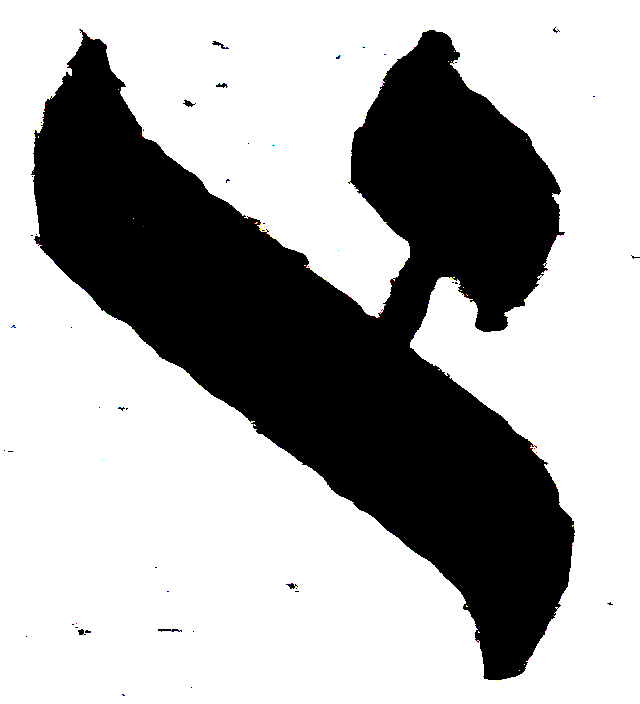
And there are some who explain these three colors in the firmament-white, black, and blue (וְאִית מָאן דְּאִיהוּ מְפָרֵשׁ אִלֵּין תְּלַת גַּוָּונִין בִּרְקִיעָא, דְּאִינוּן חִוָּור וְאוּכַם וּתְכֵלֶת): one, white above the lamp (חַד חִוָּור לְעִילָא מִן שְׁרַגָּא), and one, blue below (וְחַד תְּכֵלֶת לְתַתָּא), and black in the middle, separating the two (אוּכַם בְּאֶמְצָעִיתָא אַפְרִישׁ בְּתַרְוַיְיהוּ), and it is not recognized in its darkness (וְלָא אִשְׁתְּמוֹדְעוּ בְּקַדְרוּתָא דִילֵיהּ). And this secret the masters of the Mishnah have established in this way: From when do we recite the Shema in the morning? From the time one can distinguish between blue and white (וְרָזָא דָא מָארֵי מַתְנִיתִין אוּקְמוּהוּ כְּגַוְונָא דָא, מֵאֵימָתַי קוֹרִין אֶת שְׁמַע בְּשַׁחֲרִית, כְּדֵי שֶׁיַּכִּיר בֵּין תְּכֵלֶת לְלָבָן). From the moment the darkness of the heavens passes (מִיָּד דְּאִתְעַבַּר קִדְרוּתָא דִשְׁמַיָּא), as it is said: “I clothe the heavens with blackness” (Isaiah 50:3) (דְּאִתְּמַר בָּהּ אַלְבִּישׁ שָׁמַיִם קַדְרוּת), then the heavens shine and it is known between blue and white (מִיָּד נָהִיר שְׁמַיָּא וְאִשְׁתְּמוֹדָע אִיהוּ בֵּין תְּכֵלֶת לְלָבָן). And here it is known: blue from the side of the left, white from the side of the right (וְאִשְׁתְּמוֹדָע הָכָא תְּכֵלֶת מִסִּטְרָא דִשְׂמָאלָא, לָבָן מִסִּטְרָא דִיְמִינָא), the middle pillar grasps both (עַמּוּדָא דְאֶמְצָעִיתָא אֲחִיד בְּתַרְוַיְיהוּ), and in it one recites the Shema in the morning, which is the Shekhinta, the pupil of the eye (וּבֵיהּ קוֹרִין קְרִיאַת שְׁמַע בְּשַׁחֲרִית, דְּאִיהִי שְׁכִינְתָּא בַת עַיִן). And thus the recitation of the Shema at night must be unified with the middle pillar (וְהָכִי קְרִיאַת שְׁמַע דְּעַרְבִית צְרִיכִין לְיַיחֲדָא לָהּ בְּעַמּוּדָא דְאֶמְצָעִיתָא), as the masters of the Mishnah have established: to recite the Shema when the intermediate stars appear (כְּמָה דְתַקִּינוּ מָארֵי מַתְנִיתִין, לִקְרוֹת קְרִיאַת שְׁמַע בַּכֹּכָבִים דְּאִינוּן בֵּינוּנִים). For so they established: not from the stars visible in the day, nor from the stars visible in the night, but from the intermediate ones (דְּהָכִי אוּקְמוּהוּ, לֹא מִן הַכֹּכָבִים הַנִּרְאִים בַּיּוֹם, וְלֹא מִן הַכֹּכָבִים הַנִּרְאִים בַּלַּיְלָה, אֶלָּא מִן הַבֵּינוּנִים), which are from the side of the middle pillar (דְּאִינוּן מִסִּטְרָא דְעַמּוּדָא דְאֶמְצָעִיתָא). Behold here are three colors in the lamp (הָא הָכָא תְּלַת גַּוָּונִין בִּשְׁרַגָּא), the Shekhinta, the lamp, that is unified within them (שְׁכִינְתָּא נֵר דְּאִתְאָחֳדַת בְּהוֹן), as it is said: “For a commandment is a lamp, and Torah is light” (Proverbs 6:23) (כִּי נֵר מִצְוָה וְתוֹרָה אוֹר). The light-this is the written Torah (אוֹר דָּא אוֹרַיְיתָא דְבִכְתָב), which is the soul of man (דְּאִיהִי נִשְׁמַת אָדָם), which shines upon the lamp (דִּנְהִירַת עַל נֵר). Of both it is said: “The greater light to rule the day, and the lesser light to rule the night” (Bereshit 1:16) (עַל תַּרְוַיְיהוּ אִתְּמַר, אֶת הַמָּאוֹר הַגָּדוֹל לְמֶמְשֶׁלֶת הַיּוֹם, וְאֶת הַמָּאוֹר הַקָּטֹן לְמֶמְשֶׁלֶת הַלַּיְלָה).
The white color-there El, King, sits upon the throne of mercy and conducts Himself with lovingkindness (גַּוָּון חִוָּור בֵּיהּ אֵ״ל מֶלֶךְ יוֹשֵׁב עַל כִּסֵּא רַחֲמִים וּמִתְנַהֵג בַּחֲסִידוּת). The blue color is the throne of judgment (גַּוָּון תְּכֵלֶת כָּרְסַיָּא דְּדִין), which are Imma Ila’ah and Imma Tata’ah (דְּאִינוּן אִימָּא עִלָּאָה אִימָּא תַּתָּאָה), Ehyeh and Adonai (אהי״ה אדנ״י). The King that grasps both is YHVH YHVH (מֶלֶךְ דַּאֲחִיד בְּתַרְוַיְיהוּ יְהוָ״ה יְהוָ״ה). Of Him it is said: “What is His Name, and what is His Son’s name, if you know?” (Proverbs 30:4) (עֲלֵיהּ אִתְּמַר מַה שְּׁמוֹ וּמַה שֶּׁם בְּנוֹ כִּי תֵדָע). And these are Chokhmah and the middle pillar (וְאִינוּן חָכְמָה וְעַמּוּדָא דְאֶמְצָעִיתָא). From the side of judgment Kudsha Berikh Hu said: “I put to death” (Deuteronomy 32:39) (מִסִּטְרָא דְּדִין אָמַר קוּדְשָׁא בְּרִיךְ הוּא אֲנִי אָמִית), and from the side of the throne of mercy Kudsha Berikh Hu said: “And I make alive” (וּמִסִּטְרָא דְכָרְסַיָּא דְרַחֲמֵי אָמַר קוּדְשָׁא בְּרִיךְ הוּא וַאֲחַיֶּה). And because of this, when Talmidei Chachamim (Torah scholars) would look in the blue color of the eye, they would punish through it (וּבְגִין דָּא תַּלְמִידֵי חֲכָמִים כַּד הֲווֹ מִסְתַּכְּלִין בְּגַוָּון תְּכֵלֶת דְּעִינָא הֲווֹ מַעֲנִישִׁין בֵּיהּ), as the masters of the Mishnah have established: wherever the sages set their eyes, it was either death or poverty (כְּמָה דְאוּקְמוּהוּ מָארֵי מַתְנִיתִין, בְּכָל מָקוֹם שֶׁנָּתְנוּ חֲכָמִים עִינֵיהֶם אוֹ מִיתָה אוֹ עוֹנִי).
In the white color, El is clothed, from Mika’el, prince of Chesed (דִּבְגַוָּון חִוָּור מִתְלַבַּשׁ אֵ״ל מִן מִיכָאֵ״ל שַׂר הַחֶסֶד), and beneath him-snake (וּתְחוֹתֵיהּ נָחָשׁ), “He who breaches a fence, a snake shall bite him” (Ecclesiastes 10:8) (וּפוֹרֵץ גָּדֵר יִשְּׁכֶנּוּ נָחָשׁ). In the red color is clothed Gavri’el, prince of Gevurah (בְּגַוָּון סוּמַק אִתְלַבַּשׁ גַּבְרִיאֵ״ל שַׂר הַגְּבוּרָה), and beneath him-seraph (וּתְחוֹתֵיהּ שָׂרָף). In the green color is clothed Uri’el Nuri’el, prince of peace (בְּגַוָּון יָרוֹק אִתְלַבַּשׁ אוּרִיאֵ״ל נוּרִיאֵ״ל שַׂר שָׁלוֹם), and beneath him-scorpion (וּתְחוֹתֵיהּ עַקְרָב). In the black color is clothed Refa’el, prince of the Shekhinta (בְּגַוָּון אוּכַם אִתְלַבַּשׁ רְפָאֵ״ל שַׂר דִּשְׁכִינְתָּא), and beneath him-thirst (וּתְחוֹתֵיהּ צִמָּאוֹן). And in every place that they would look in the white color, they would give life (וּבְכָל אֲתַר דַּהֲווֹ מִסְתַּכְּלִין בְּגַוָּון חִוָּור הֲווֹ מְחַיֵּי). And at the time when YHVH ascends from the throne of judgment and from the throne of mercy (וּבְזִמְנָא דְאִסְתַּלַּק יְהוָ״ה מִכָּרְסַיָּא דְּדִין וּמִכָּרְסַיָּא דְרַחֲמֵי), there is there neither punishment nor reward (לֵית תַּמָּן עוֹנְשָׁא וְלָא אַגְרָא). And because YHVH ascends into the holy supernal Mazal, which is supernal Keter (וּבְגִין דְיְהוָ״ה אִסְתַּלַּק בְּמַזָּלָא קַדִּישָׁא עִלָּאָה דְאִיהוּ כֶּתֶר עִלָּאָה), then children, life, and sustenance do not depend on merit, but the matter depends on mazal (בְּהַהוּא זִמְנָא בָּנֵי חַיֵּי וּמְזוֹנֵי לַאו בִּזְכוּתָא תַלְיָא מִלְתָא, אֶלָּא בְּמַזָּלָא תַלְיָא מִלְתָא). And at that time everything depends on mazal-even a Sefer Torah in the palace (וּבְהַהוּא זִמְנָא הַכֹּל תָּלוּי בְּמַזָּל וַאֲפִילוּ סֵפֶר תּוֹרָה בְּהֵיכָל). What had been “YHVH is near to all who call upon Him” (Psalms 145:18) (מַה דַּהֲוָה קָרוֹב יְהוָ״ה לְכָל קוֹרְאָיו), at that time it is said of Him: “Far off is that which was, and deep, deep-who can find it?” (Ecclesiastes 7:24) (בְּהַהוּא זִמְנָא אִתְּמַר בֵּיהּ רָחוֹק מַה שֶּׁהָיָה, וְעָמֹק עָמֹק מִי יִמְצָאֶנּוּ). There is none who attains Him except with Chokhmah and with Binah (לֵית מָאן דְּאַשִּׂיג לֵיהּ אֶלָּא בְחָכְמָה וּבְבִינָה). And because of this, when He ascends to that place, they do not attain Him in all the Sefirot, but in Chokhmah and in Binah (וּבְגִין דָּא כַד אִסְתַּלַּק לְהַהוּא אֲתַר לָא מַשִּׂיגִין לֵיהּ בְּכָל סְפִירָן, אֶלָּא בַחָכְמָה וּבְבִינָה), which are Yod Mem: Yod-Chokhmah, Mem-Binah (דְאִינוּן י״ם י׳ חָכְמָה מ׳ בִּינָה). And because of this: “Far off is that which was, and deep, deep-who can find it?” (Ecclesiastes 7:24) (וּבְגִין דָּא רָחוֹק מַה שֶּׁהָיָה, וְעָמֹק עָמֹק מִ״י יִמְצָאֶנּוּ), and the secret of the matter: “They are near to YHVH our Elohenu” (1 Kings 5:29) (וְרָזָא דְמִלָּה קְרוֹבִים אֶל יְהוָ״ה אֱלֹהֵינ״ו). And when David looked with the Holy Spirit (וְכַד אִסְתַּכַּל דָּוִד בְּרוּחָא דְקוּדְשָׁא), and saw that it ascended to Ein in the last exile (וְחָזָא דְאִסְתַּלַּק לְאַיִ״ן בְּגָלוּתָא בַּתְרָאָה), he said about it: “I will lift my eyes to the mountains-whence shall my help come?” (Psalms 124:1) (אָמַר עֲלַיְיהוּ אֶשָּׂא עִינַי אֶל הֶהָרִים מֵאַיִן יָבֹא עִ״זְרִי).
Ein: Alef-supernal Keter; Yod-Chokhmah; Nun-Binah (אַיִ״ן א׳ כֶּתֶר עִלָּאָה י׳ חָכְמָה ן׳ בִּינָה). He saw that they did not attain Him except by the three prayers that the Avahan established, which are called “the mountains of YHVH” (חָזָא דְלָא הֲווֹ מַשִּׂיגִין לֵיהּ, אֶלָּא בִּתְלַת צְלוֹתִין דְּתַקִּינוּ אֲבָהָן, דְּאִתְקְרִיאוּ הָרֵי יְהוָ״ה). He said about it: “I will lift my eyes to the mountains-whence shall my help come? My help is from YHVH” (Psalms 124:1–2) (אָמַר עֲלַיְיהוּ אֶשָּׂא עִינַי אֶל הֶהָרִים מֵאַיִן יָבֹא עִ״זְרִי, עִ״זְרִי מֵעִם יְהוָ״ה), this is the King who sits upon the throne of mercy, and the throne of judgment is removed from there (דָּא מֶלֶךְ יוֹשֵׁב עַל כִּסֵּא רַחֲמִים, וְכִסֵּא דִין אִסְתַּלַּק מִתַּמָּן). And this YHVH is within every Sefirah and Sefirah (וְדָא יְהוָ״ה דְּאִיהוּ מִלְּגָאו דְּכָל סְפִירָה וּסְפִירָה), about Him it is said: “Yours, YHVH, is the greatness and the power, etc.” (1 Chronicles 29:11) (עֲלֵיהּ אִתְּמַר לְךָ יְהוָ״ה הַגְּדוּלָה וְהַגְּבוּרָה וְגוֹמֵר). With ten Sefirot David praised Him (בַּעֲשַׂר סְפִירָן שַׁבַּח לֵיהּ דָּוִד), because He is inside all of them, and He is outside each and every Sefirah, and He is between each and every Sefirah-He does not change in any place (בְּגִין דְּאִיהוּ לְגוֹ מִכֻּלְּהוּ, וְאִיהוּ מִלְּבָר דְּכָל סְפִירָה וּסְפִירָה, וְאִיהוּ בֵּין כָּל סְפִירָה וּסְפִירָה, לָא אִשְׁתַּנִּי בְּכָל אֲתַר).